Get advice and suggestions to make this your perfect trip. or call us on: +255 755 003116
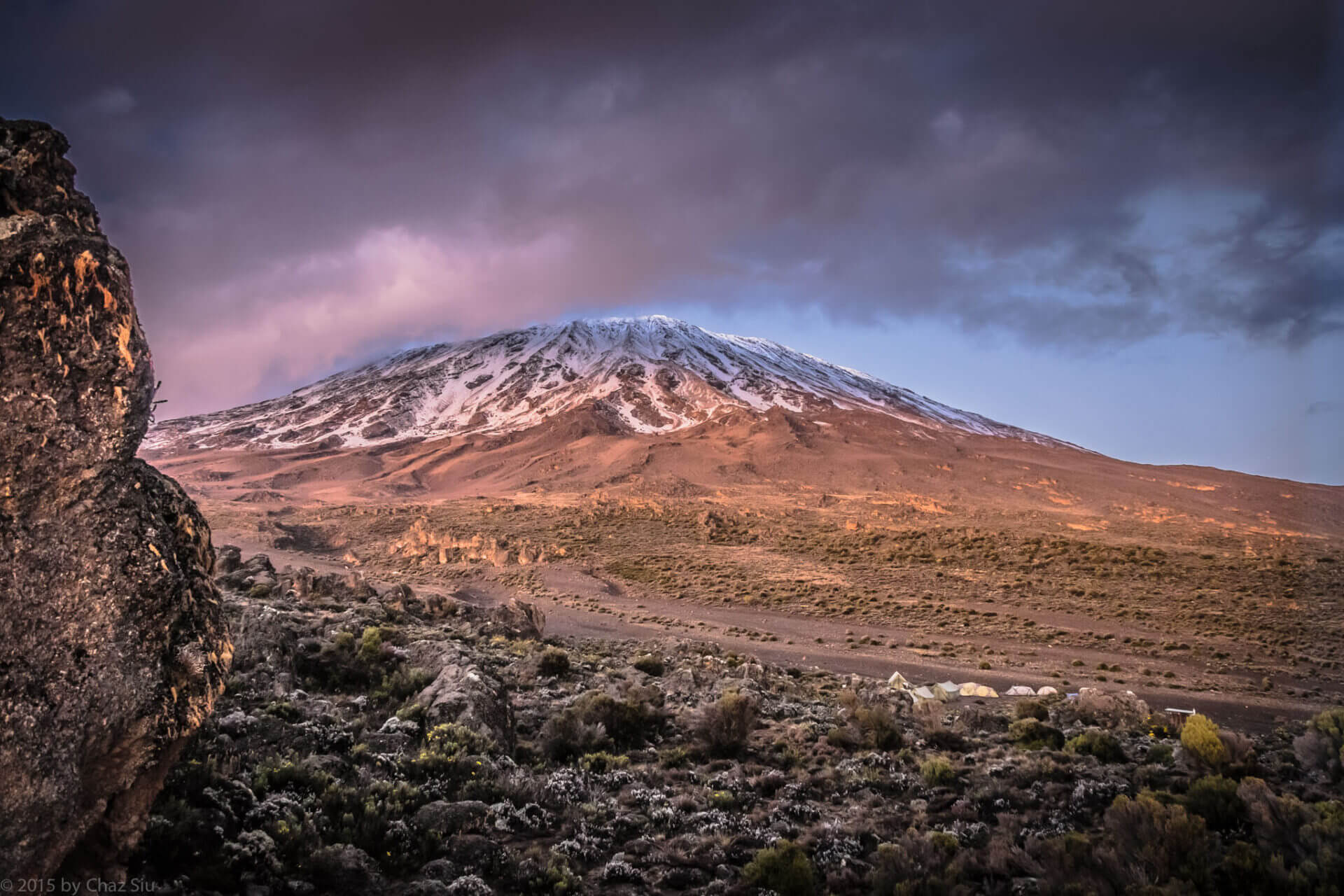
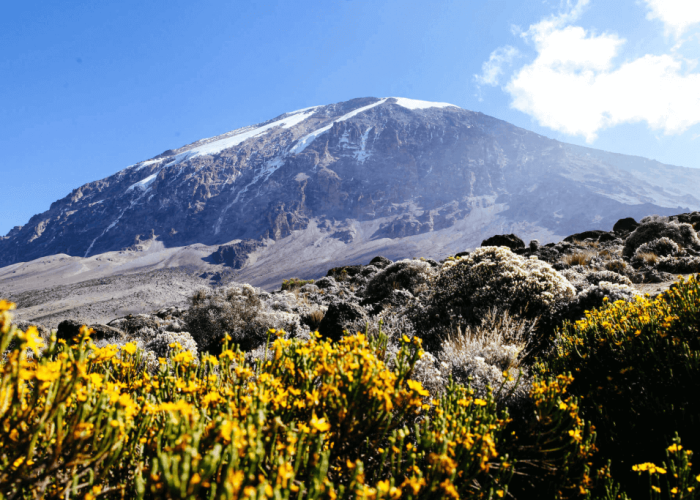
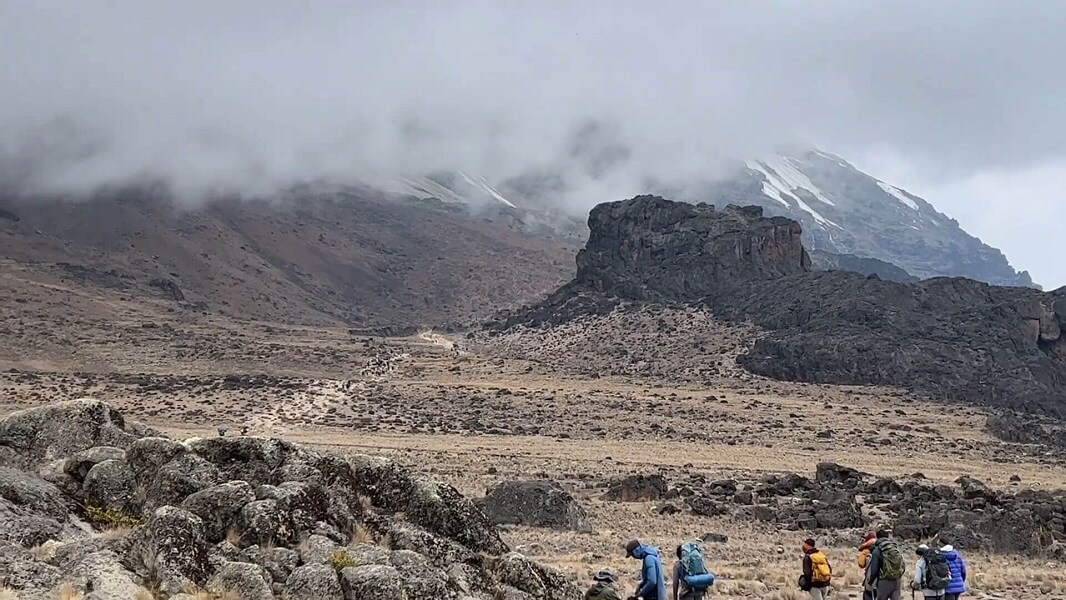
Rising dramatically from the open plains of northeastern Tanzania, near the border with Kenya, Mount Kilimanjaro is a true icon of Africa. Standing proudly at 5,895 meters (19,341 feet) above sea level, this colossal stratovolcano holds the title of Africa’s highest peak and is a dream destination for trekkers and adventurers from around the world.
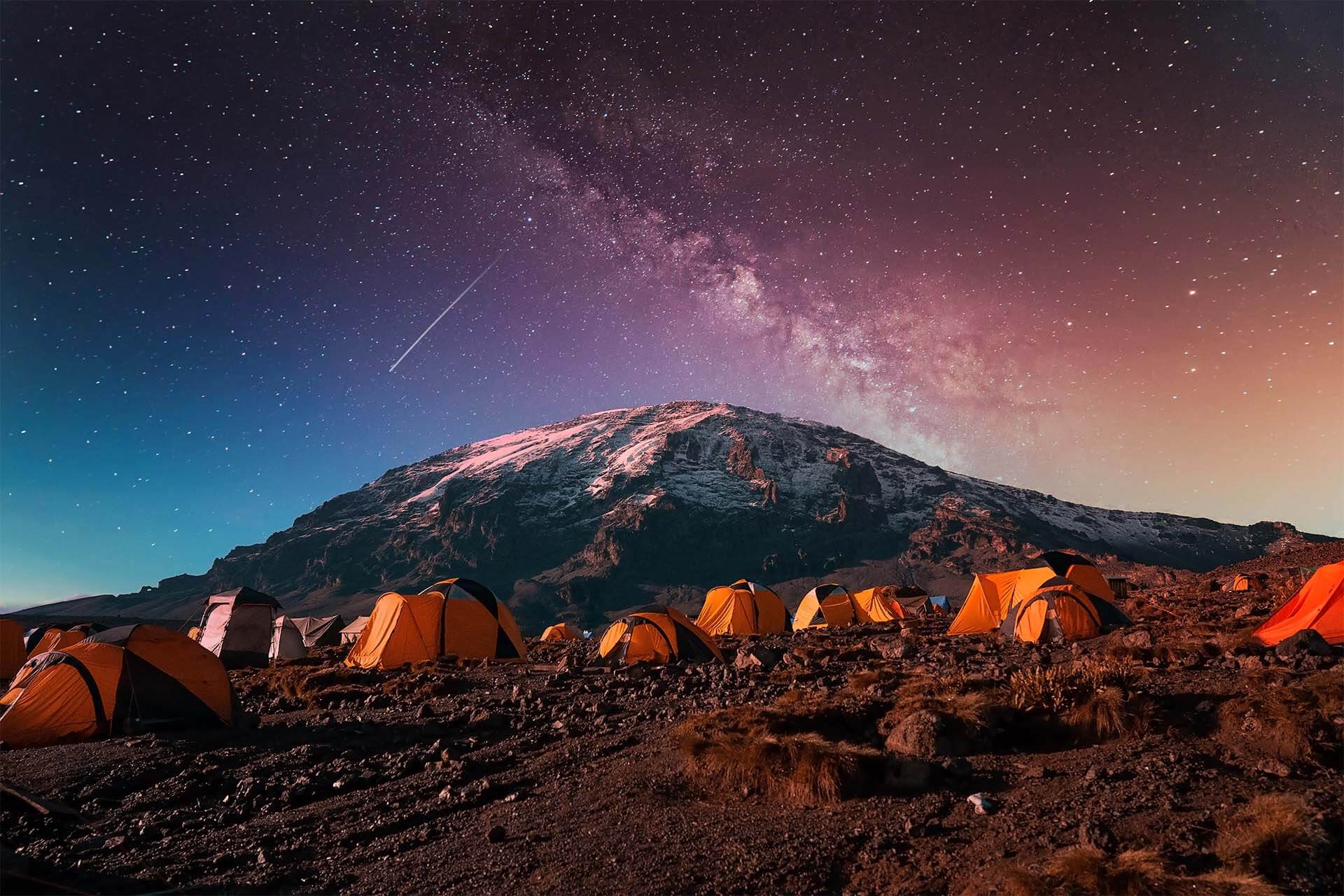
Strategically located near the equator at approximately latitude 3.0674° S and longitude 37.3556° E, Kilimanjaro dominates the region’s skyline. It’s easily visible from miles away, including from the bustling town of Moshi, the cultural hub of Arusha, and even Amboseli National Park across the border in Kenya.
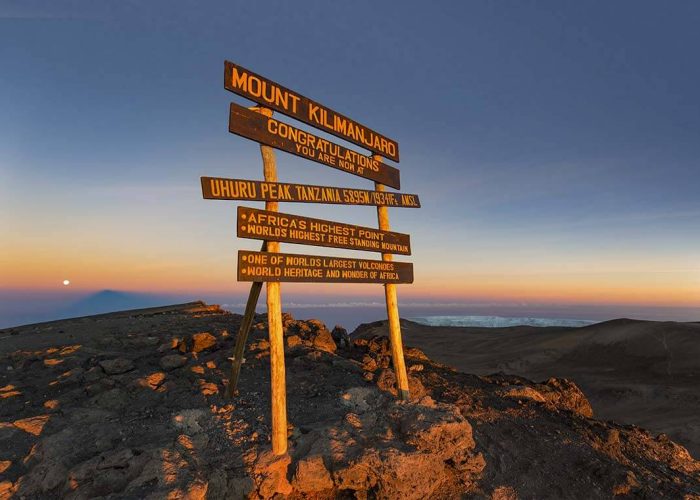
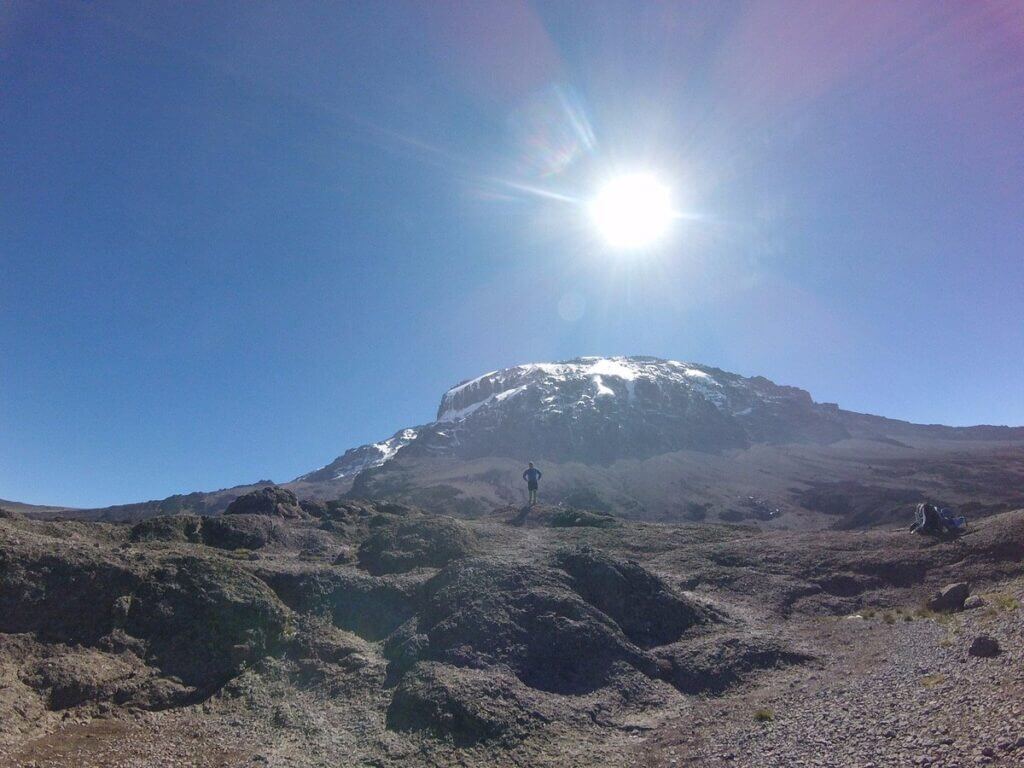
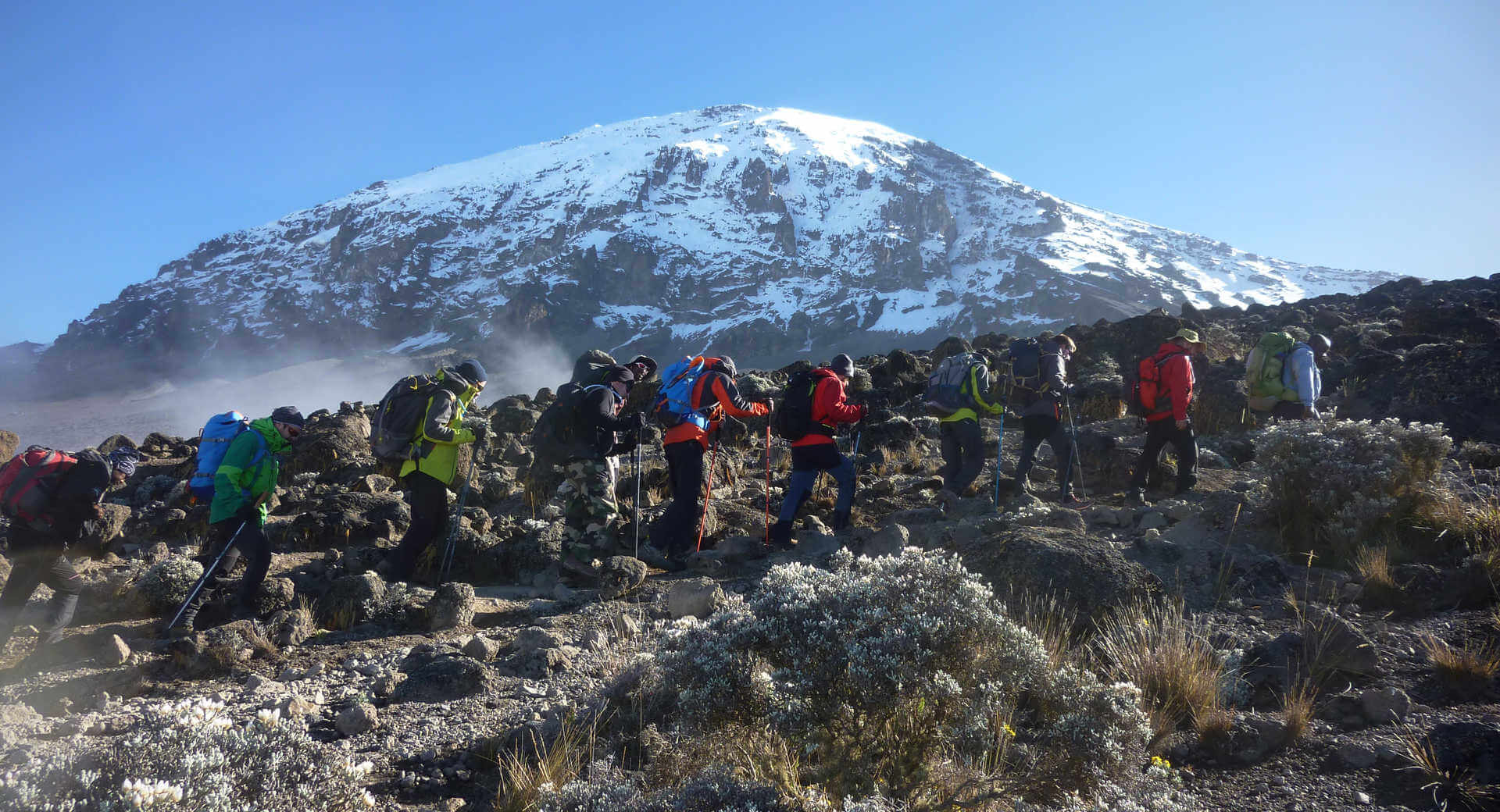
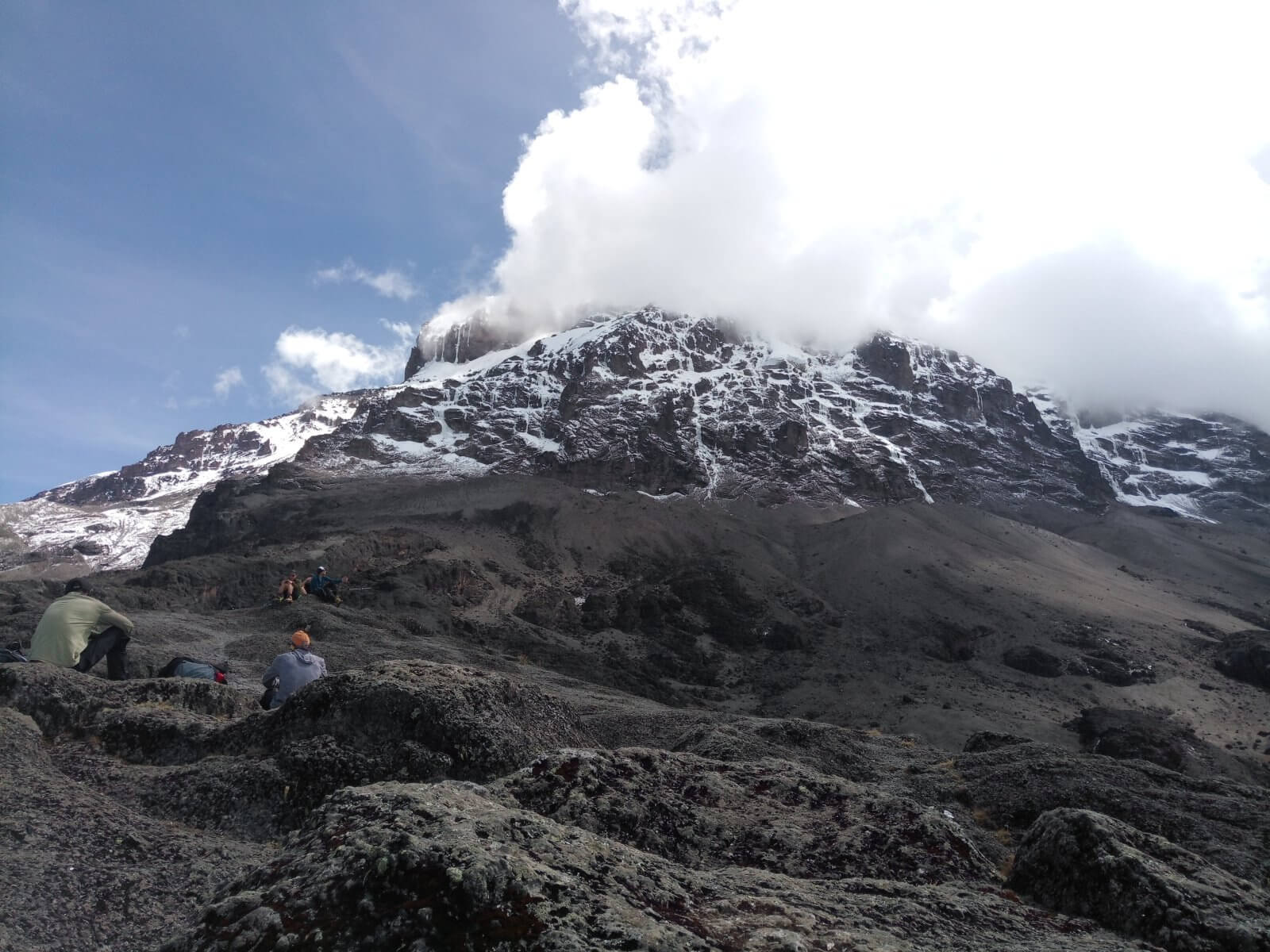
The mountain lies about 160 kilometers east of the East African Rift Valley and 225 kilometers south of Nairobi, making it both accessible and awe-inspiringKilimanjaro is not just a mountain, it’s a volcanic massif composed of three distinct cones: Kibo, Mawenzi, and Shira. Among them, Kibo is the tallest and most renowned, home to Uhuru Peak, the highest point in Africa and the ultimate goal for climbers braving this legendary ascent. Its snow-dusted summit, situated in the arctic zone of the mountain, offers a surreal contrast to the warm African plains below.
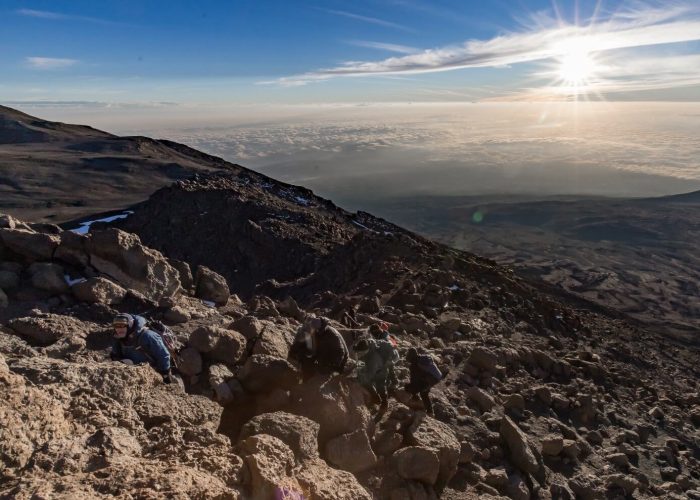
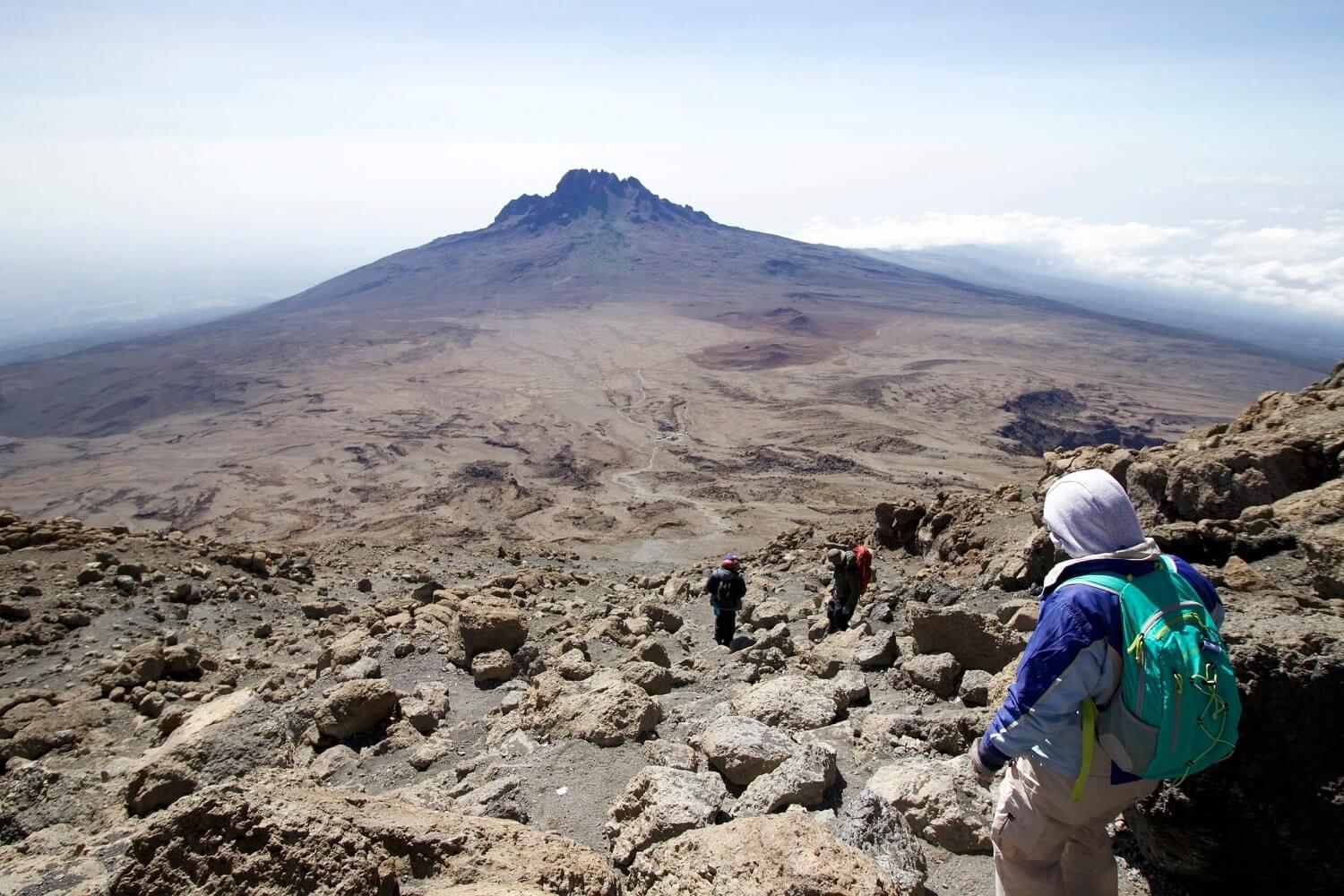
Unlike its siblings Mawenzi and Shira, which are now extinct, Kibo remains dormant, adding a layer of mystery and geological significance to its majesty. As climbers ascend, they traverse Kilimanjaro’s diverse ecological zones, from lush montane forests and moorlands to barren alpine deserts and icy glaciers, each offering unique landscapes and ecosystems.
Designated as a UNESCO World Heritage Site, Mount Kilimanjaro is more than a trekking challenge; it’s a natural and cultural wonder, representing Tanzania’s rich ecological heritage and the indomitable spirit of adventure. Whether viewed from afar or experienced up close, Kilimanjaro is a place that captures the soul and inspires all who witness its grandeur.


Mount Kilimanjaro is not only the tallest mountain in Africa but also one of the most accessible major peaks in the world. Its strategic location in northeastern Tanzania places it within convenient reach of key towns, cities, and transportation hubs, making it ideal for both seasoned trekkers and first-time adventurers.
Nestled at the base of Mount Kilimanjaro, Moshi is the primary gateway town for climbers. It offers a wide range of lodging options, tour operators, gear rental shops, and experienced mountain guides. The town’s close proximity to the park makes it the perfect launch point for most Kilimanjaro treks.
Arusha is a bustling city known as the starting point for many northern circuit safaris to Serengeti, Ngorongoro, Tarangire, and Lake Manyara. While a bit farther than Moshi, it’s a popular base for travelers combining Kilimanjaro climbs with wildlife safaris. The city features a wider range of international hotels, restaurants, and tour agencies.
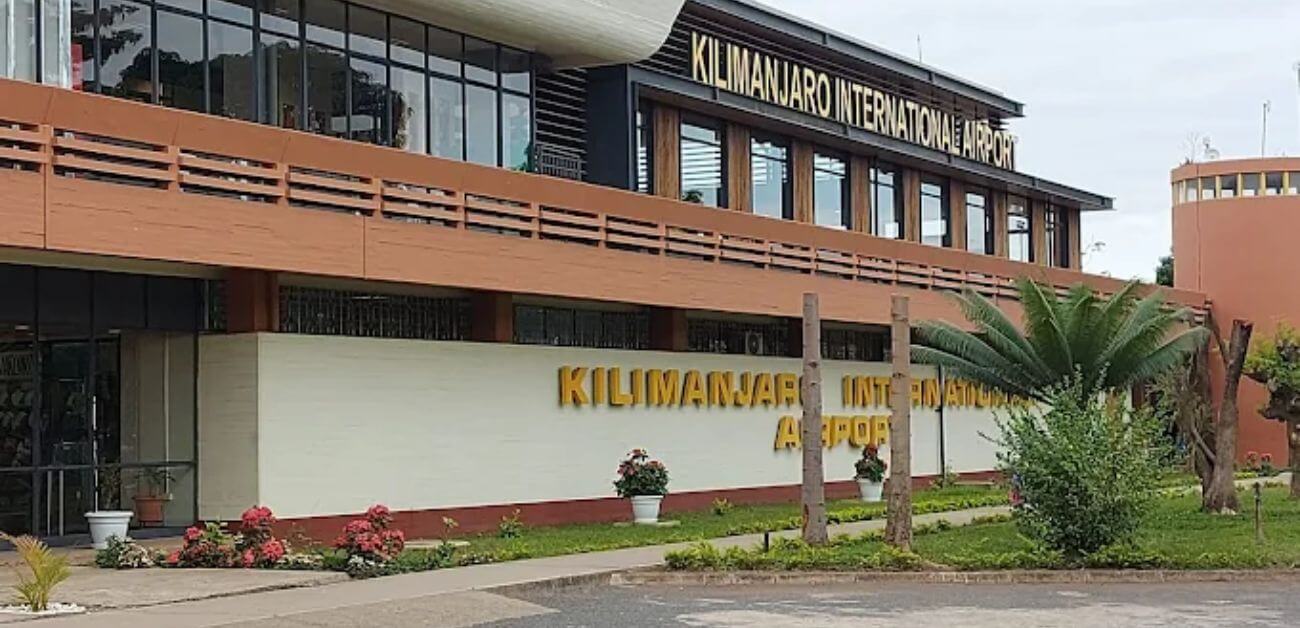
Kilimanjaro International Airport (JRO) is the primary arrival hub for international climbers. It offers direct and connecting flights from major cities worldwide. From here, visitors can easily reach Moshi (45 minutes) or Arusha (1 hour) by road, making for a smooth and efficient transition to the mountain or safari destinations.
Mount Kilimanjaro’s towering presence in northeastern Tanzania places it within reach of several world-renowned natural wonders and safari destinations:
Located approximately 300 km (186 miles) northwest of Kilimanjaro, the Serengeti is one of Africa’s premier wildlife destinations, famous for the Great Wildebeest Migration and incredible Big Five safaris.
About 200 km (124 miles) west of Kilimanjaro, the Ngorongoro Conservation Area is home to the world’s largest intact volcanic caldera, teeming with wildlife and lush landscapes.
Just across the border in Kenya, about 70 km (43 miles) away, Amboseli is known for its stunning views of Mount Kilimanjaro’s snow-capped peak and abundant elephant populations.
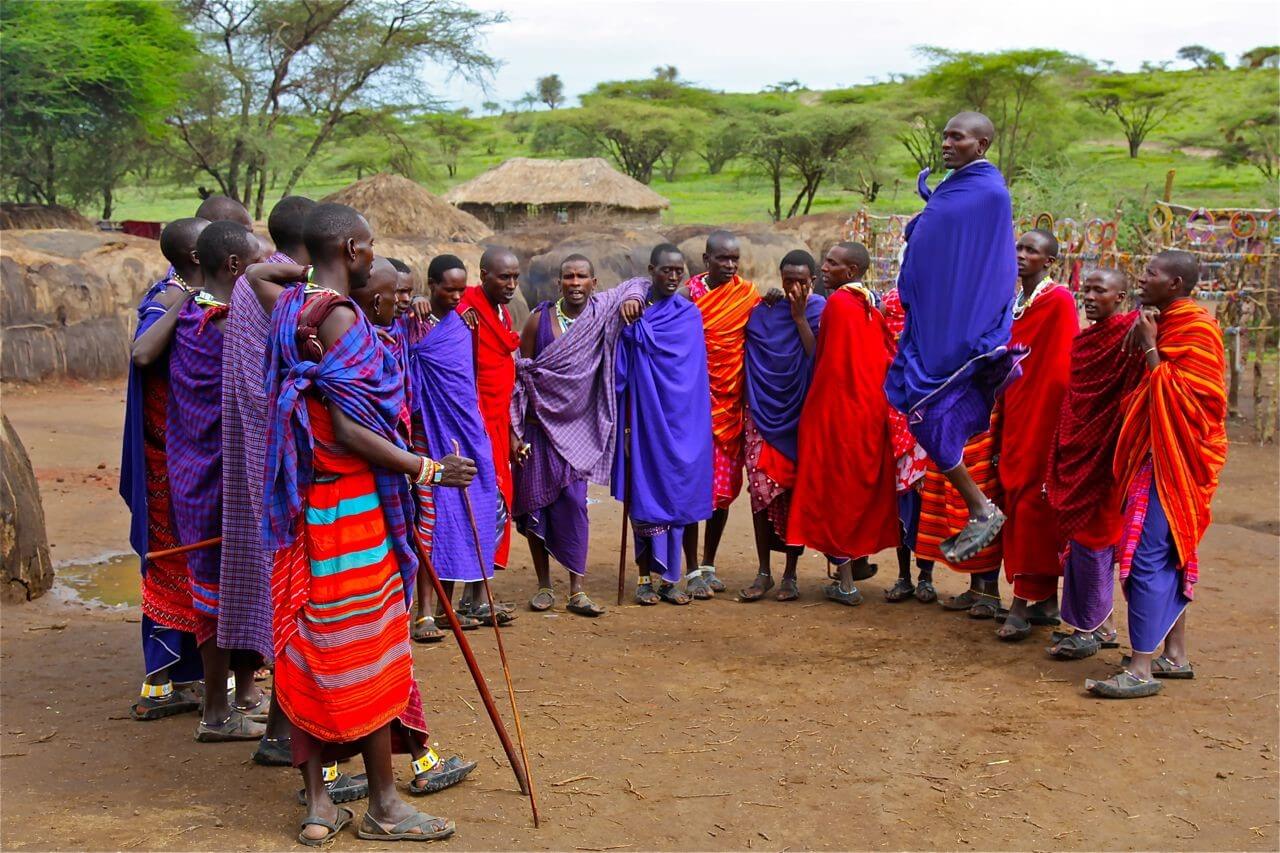
Mount Kilimanjaro holds great importance for the local Chagga people, who live in its foothills. The fertile lands around the mountain support coffee farming, banana plantations, and vibrant local markets. Kilimanjaro’s location near the equator contributes to its unique climate zones, from tropical rainforests to icy glaciers.
Planning your journey to Mount Kilimanjaro involves a combination of international travel and local access routes. Here’s how adventurers can reach this iconic African peak:
The main entry point for international travelers is Kilimanjaro International Airport (JRO), conveniently located between Moshi and Arusha.JRO is well-connected with major African and international cities, including:
Nairobi (Kenya), Addis Ababa (Ethiopia), Amsterdam (Netherlands) and Istanbul (Turkey)From the airport, it’s a 45-minute drive to Moshi and about 1.5 hours to Arusha, both of which serve as key starting points for Kilimanjaro treks.
If you’re already in Tanzania, well-paved roads connect Arusha and Moshi to the Kilimanjaro National Park.Both towns offer transport options including private transfers, local buses, and tour operator vehicles that provide direct access to the mountain’s entry gates.
Depending on the route you choose to climb Mount Kilimanjaro, you’ll start your journey through one of these main gates.
Marangu Gate: For the Marangu Route (also called the “Coca-Cola Route”), known for its hut accommodation.
Machame Gate: Starting point of the Machame Route (the “Whiskey Route”), popular for its scenic beauty and high summit success rates.
Lemosho Gate: The beginning of the Lemosho Route, renowned for its wilderness and excellent acclimatization profile.
Most climbers book their trek through a licensed tour operator who arranges transport, guides, permits, and park entry logistics
Mount Kilimanjaro’s unique geographical position offers more than just impressive elevation, it creates an ideal environment for climbers seeking both challenge and beauty. Here’s why its location is so significant:
Situated just south of the equator, Mount Kilimanjaro is a rare geological marvel where tropical latitudes meet glacial landscapes.The mountain’s immense height (5,895 meters / 19,341 feet) leads to a dramatic shift in climate zones, from lush rainforest at the base to arctic conditions at the summit.This creates a one-of-a-kind experience: climbing through five distinct ecological zones on one mountain.
Kilimanjaro’s location in northeastern Tanzania, close to popular wildlife destinations like Serengeti National Park, Ngorongoro Crater, and Tarangire, makes it ideal for combo tours.Travelers can seamlessly pair a Kilimanjaro trek with a world-class safari, all within a few hours’ drive or a short charter flight.
Due to its isolated and towering presence, Mount Kilimanjaro provides breathtaking 360° views of the surrounding African savanna.
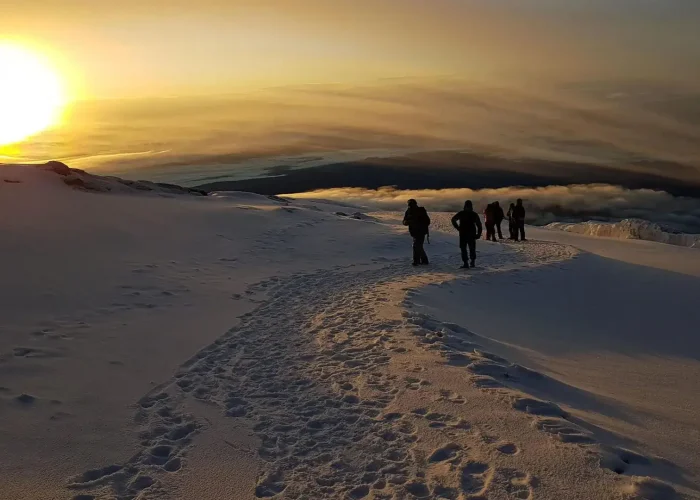
The sunrise from Uhuru Peak, the highest point in Africa is considered one of the most unforgettable moments in adventure travel, with the sun rising above the clouds and illuminating the vast East African landscape.
Mount Kilimanjaro is a Tanzanian treasure located in the heart of East Africa. Its position near the equator, yet crowned with glaciers, makes it a one-of-a-kind destination. Whether you’re drawn to its geographical allure, cultural richness, or adventurous opportunities, Kilimanjaro’s location is an integral part of its mystique and charm.
Organizing a safari , can be overwhelming due to the many choices available for transport, accommodation, and activities.
© 2026 Congema Safaris. All rights reserved.