EXPLORE

Gorilla Tracking

Ultimate Gorilla Tracking Guide
Picture of Chat to an Kenya Safari expert

Chat to an Kenya Safari expert

Get advice and suggestions to make this your perfect trip. or call us on:
+255 755 003116

Picture of Chat to an Kenya Safari expert

Chat to an Kenya Safari expert

Get advice and suggestions to make this your perfect trip. or call us on:
+255 755 003116

in Rwanda and Uganda

Destination Overview

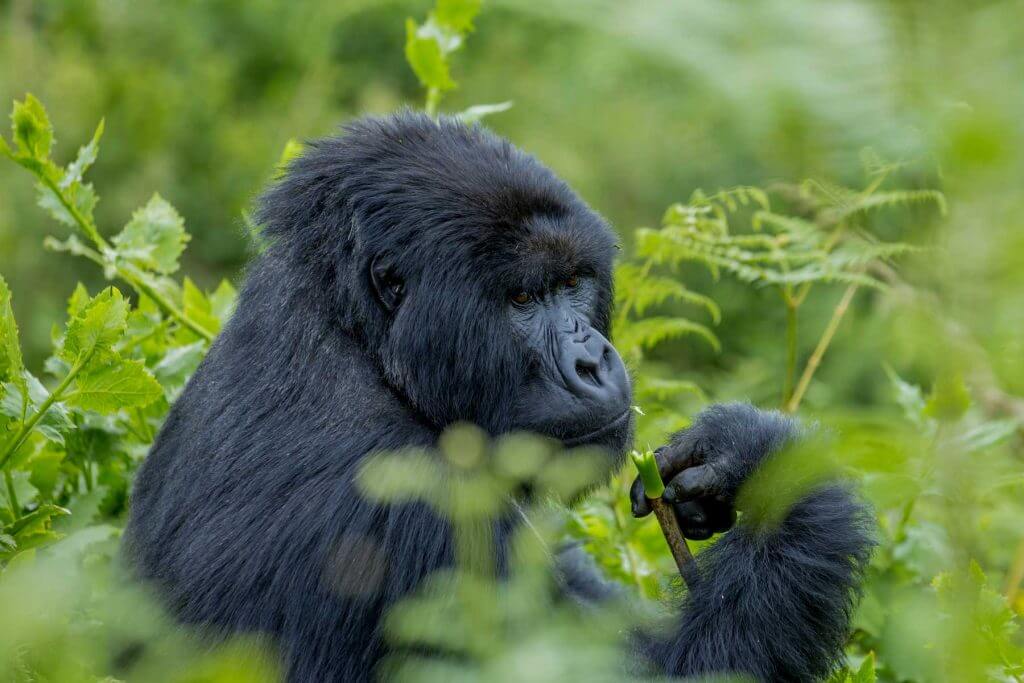
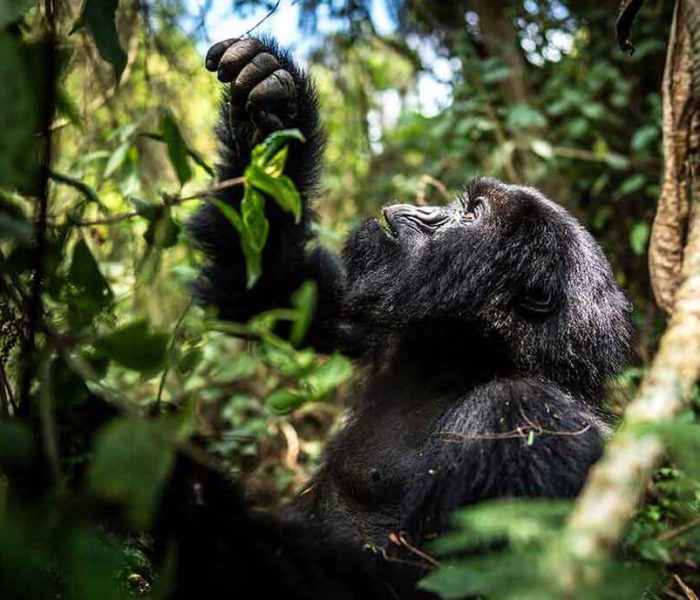
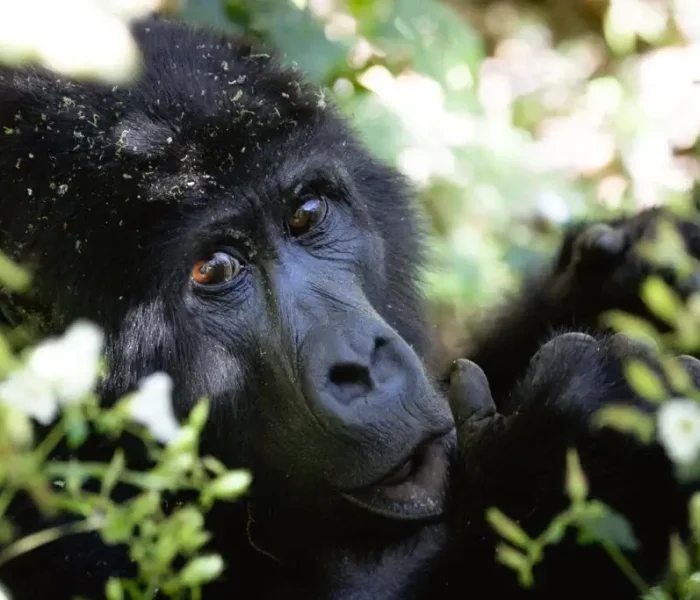
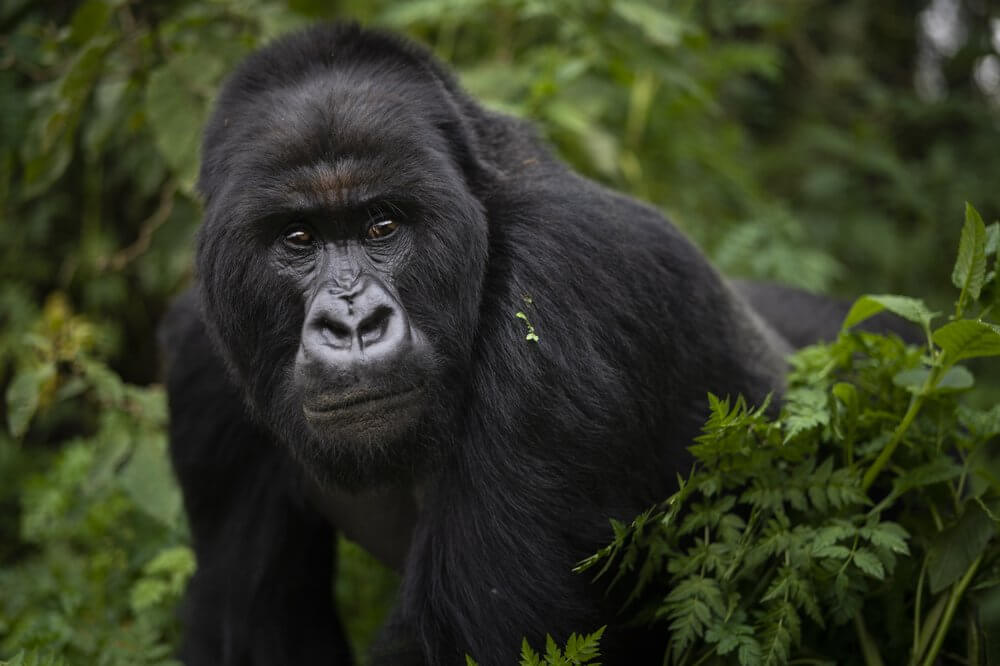
Silently watching a family of Wild Mountain gorillas go about their daily lives unhindered in their green, natural home is one of the most breathtaking wildlife experiences. These amiable primates, with whom humans share 98.3% of our DNA, live on the heavily forested hillsides of Rwanda, Uganda, and the Democratic Republic of the Congo. 

This ultimate guide will go over all you need to know about gorilla trekking in Africa. We have all the information you need for an amazing journey, whether you’re traveling to Rwanda’s Volcanoes National Park or the bamboo woods of Virunga National Park, or Uganda’s Bwindi Impenetrable National Park or Mgahinga Gorillas National Park.

What is Mountain Gorilla Tracking?

Mountain gorilla tracking is a thrilling wildlife adventure that takes you deep into some of Africa’s most lush and dense forests to observe these incredible primates in their natural habitat. Gorilla trekking entails traveling through thick forests to see mountain gorillas in their native environment. In protected places like national parks, where gorilla populations are closely watched and preserved, this experience is offered in a number of African nations.

Mountain gorillas, as their name implies, are found at elevations of 2,500 to 4,000 meters in the highlands. Skilled guides are essential to the gorilla trekking experience because they lead hikers far into the forest to follow mountain gorillas, maintain safety while navigating difficult terrain, and instruct hikers on how to interact with the animals.

The experience typically begins early in the morning with a briefing from the guides. Afterward, participants are escorted by skilled rangers and guides through thick vegetation, valleys, plains, and streams, in search of a specific gorilla family.

Depending on the gorillas’ location on any given day, the trek can last anywhere from 30 minutes to 5 hours. Once the gorilla group is found, visitors are allowed to spend an hour with them. This time limit helps protect the gorillas from potential human diseases and minimizes stress to the animals. During this hour, you’ll have the chance to observe their behavior up close and capture unforgettable photos. By the end of the experience, you’ll likely be struck by just how similar gorillas are to humans in their social interactions and daily habits.

Choosing Between the Democratic Republic of the Congo, Rwanda, and Uganda for Mountain Gorilla Trekking

Selecting the perfect destination for your mountain gorilla trekking adventure can be a tough decision. Each of these three countries Rwanda, Uganda, and the Democratic Republic of the Congo (DRC) offers its own unique experience, with distinct advantages and considerations.

Rwanda is renowned for its well-organized treks and serene landscapes, offering a smoother experience for travelers. However, it’s the most expensive option, with permits costing around $1500 USD per person. The country’s accessibility is a plus, as it only takes about 2.5 hours to travel from Kigali, Rwanda’s capital, to the gorilla trekking sites. Additionally, Rwanda is where the legendary Dian Fossey conducted her groundbreaking research on mountain gorillas, adding historical value to your trip.

Uganda offers a more budget-friendly alternative, with trekking permits priced at $700 USD per person. It boasts diverse habitats for gorilla trekking, making each experience unique. However, the downside is the longer travel time car trips to the gorilla trekking areas can take between seven to nine hours. Despite the travel time, Uganda remains a top choice for many adventurers seeking a rich and affordable gorilla trekking experience.

Lastly, the Democratic Republic of the Congo is the most affordable option, with trekking permits costing just $400 USD per person. While this price is tempting, it’s important to note that trekking in the DRC presents more challenges. The country’s remote location and rugged terrain provide an unspoiled and authentic experience, but the journey can be more demanding. Additionally, factors such as political stability and safety should be considered when planning your trip.

In summary, choosing the right destination for gorilla trekking comes down to balancing factors such as cost, accessibility, the number of habituated gorilla families, available lodging, and political stability. Whether you choose Rwanda for its luxury experience, Uganda for its affordability and variety, or the DRC for its raw, untouched beauty, all three offer an unforgettable gorilla trekking adventure.

Gorillas Tracking

What to Expect When Tracking Gorillas in Africa

Gorilla trekking in Africa is an unforgettable adventure that begins early in the morning. Your experience will start with a briefing at the park headquarters, where your guide will outline essential safety protocols and explain the rules for interacting with gorillas. You’ll also receive details about the route and conditions you may encounter during the trek.

A crucial part of the briefing includes a temperature check. Due to the shared DNA between humans and gorillas, they are susceptible to the same diseases. If you’re unwell or have a raised temperature, you may not be permitted to join the trek. It’s important to disclose any current or recent illness at this stage to ensure both your safety and that of the gorillas.

Once the formalities are completed, the hike begins. Often, the journey starts with a short drive to the trailhead, though sometimes it begins directly from the park headquarters. As you enter the forest, expect to navigate steep and muddy paths. The trek can last between one to six hours, depending on the gorillas’ location.

A key difference between Uganda and Rwanda gorilla trekking lies in the terrain. Uganda’s treks typically take you through dense forest foliage, while Rwanda’s treks are set in bamboo grasslands, offering panoramic views of the picturesque, undulating landscapes. Along the way, you may spot various wildlife, adding to the excitement of your journey.

What Happens When You Reach the Gorillas?

When you finally reach the gorillas, it’s a moment of pure awe. Although Gorilla movements can be unpredictable, the experience of encountering them in their natural habitat is truly unforgettable. While there’s no guarantee of when or where you’ll find them, the reward is certainly worth the trek.

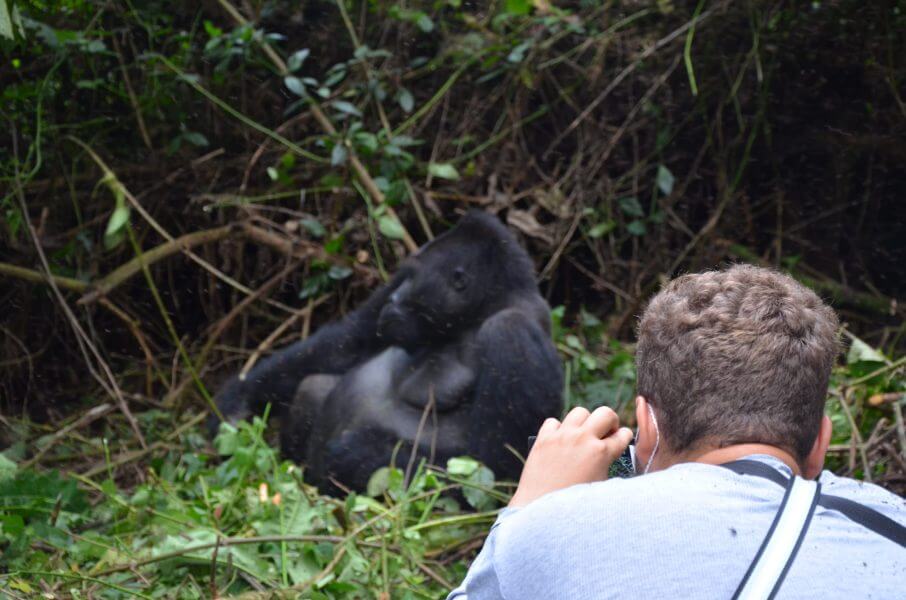
You’ll have a limited time, usually one hour to observe the gorillas as they go about their daily activities, whether it’s playing, grooming, feeding, or simply relaxing. Following the guidelines provided in your pre-trek briefing is critical during this time. Your guide’s instructions should always be adhered to for your safety and the well-being of the gorillas.

To protect both yourself and the gorillas, a minimum distance of 7 meters is required. This helps minimize the risk of disease transmission and prevents disturbance to the gorillas’ natural behavior. It’s important to keep in mind that gorillas are wild animals, and respecting their space is essential. While they may approach you out of curiosity, it’s crucial to stay calm, refrain from sudden movements, and avoid making loud noises.

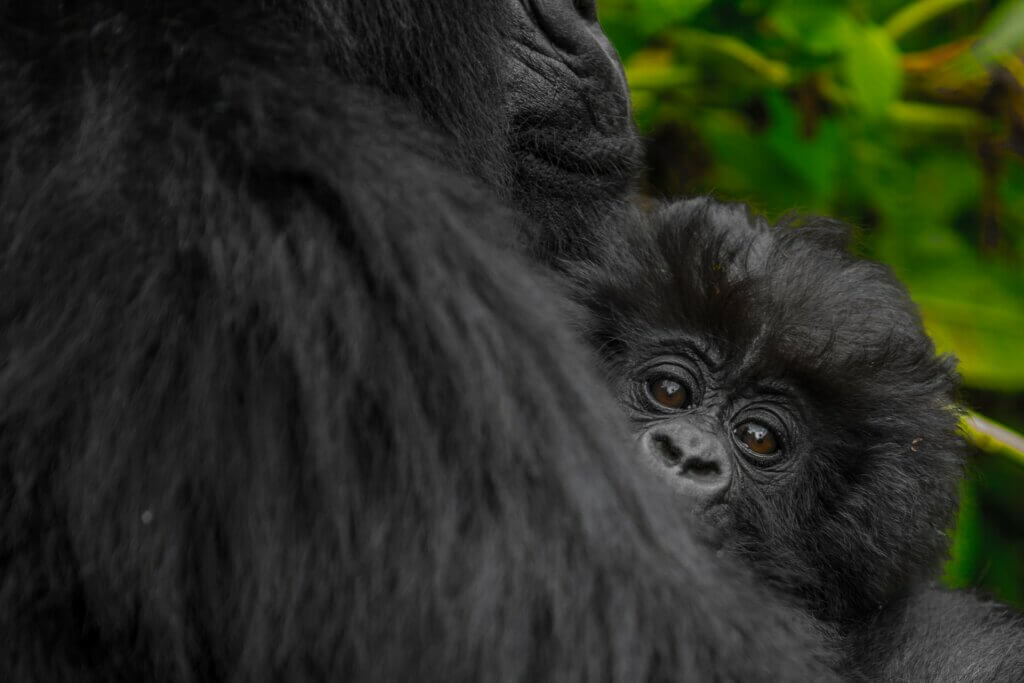
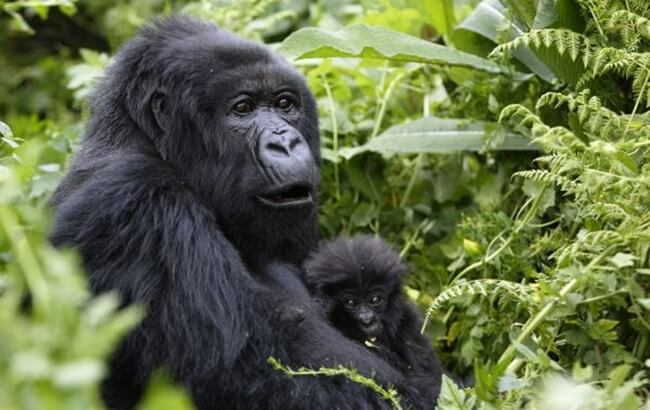
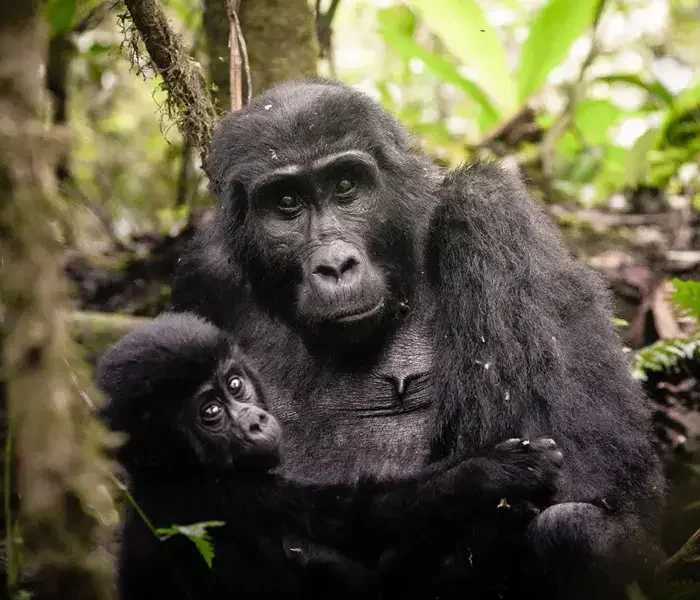
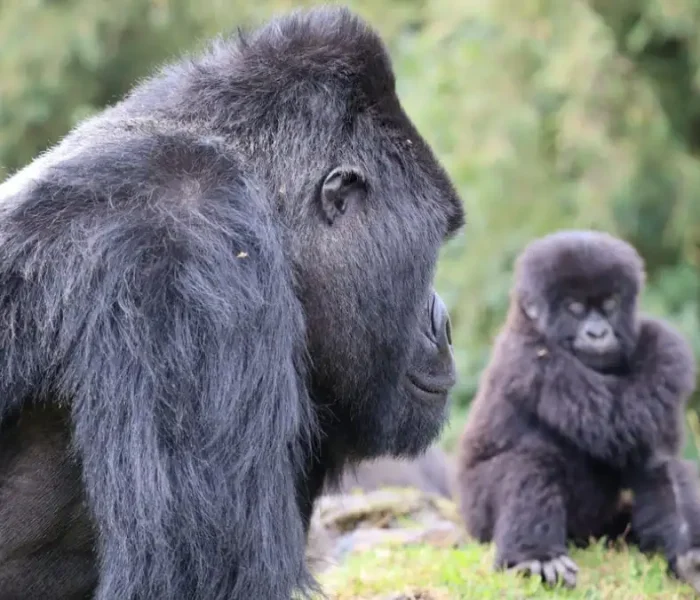
As you watch the gorillas interact whether it’s a mother with her baby or the impressive silverbacks you’ll find that time flies. Though your one-hour visit will pass quickly, it will leave you with lasting memories of this magical wildlife encounter.

General Rules, Guidelines, and Etiquette for Gorilla Trekking

When it comes to gorilla trekking, adhering to the established rules and guidelines is essential for both your safety and the protection of the gorillas. Here are the key points to keep in mind throughout your trek:

Maintain a Safe Distance

Always stay at least 7 meters (23 feet) away from the gorillas to avoid disturbing them and to minimize the risk of disease transmission.

No Flash Photography

Flashing lights can startle the gorillas and may cause them to flee, so avoid using flash when capturing photos.

No Loud Noises or Sudden Movements

Gorillas are calm and the forest environment is typically quiet. Loud noises or abrupt movements can disturb them and make the experience less enjoyable for everyone.

No Eating or Drinking near the Gorillas

To prevent attracting the gorillas and disrupting their natural behaviors, refrain from eating or drinking while in their presence.

Do Not Litter or Disturb Nature

Respect the environment by keeping the forest clean. Leave no trace of your visit, ensuring the habitat remains undisturbed for future visitors and wildlife.

Follow Your Guide’s Instructions

Your guide is an expert in gorilla behavior and will provide essential instructions to ensure both your safety and that of the gorillas. Always listen and adhere to their guidance.

gallery

Picture of Planning Your Safari

Planning Your Safari

Organizing a safari in Kenya Destination, can be overwhelming due to the many choices available for transport, accommodation, and activities.

Reviews and Rates

GORILLA TREKKING FITNESS REQUIREMENTS

What You Need to Know

Gorilla trekking requires a moderate level of fitness due to the varying terrain, including steep inclines, dense forests, and occasionally muddy paths. The trek often involves high-altitude conditions, and depending on the location, you may be trekking for several hours, so a reasonable level of fitness will enhance your experience.

In Bwindi Impenetrable Forest, Uganda, the terrain can be more physically demanding due to its steeper slopes and denser vegetation. The treks here tend to be longer and more strenuous, particularly during the rainy season. For easier conditions, the dry season is ideal, offering less mud and more manageable trails. On the other hand, gorilla trekking in Rwanda is generally less strenuous, with flatter terrain and less dense forests, making it an easier option for those concerned about the physical challenge.

While you don’t need to be an elite athlete to enjoy gorilla trekking, being prepared physically will make the journey more comfortable. Local porters are available to help carry your backpack, offer assistance on steeper paths, and help navigate through thick vegetation. These porters are familiar with the terrain and can provide valuable support, especially on tougher treks.

To get ready for your adventure, engage in regular hikes and walks leading up to your trip. This preparation will ensure you feel confident and physically prepared for the thrilling experience of gorilla trekking.

What to Pack for Gorilla Trekkin

Essential Gear for Your Adventure

Packing the right gear is key to ensuring a comfortable and successful gorilla trekking experience. The weather can be unpredictable, so it’s important to prepare for varying conditions. Here’s a list of essential items to bring along
Sturdy Hiking Boots
Waterproof, durable hiking boots are essential for navigating the muddy, uneven trails and steep terrain. Make sure your boots are well-broken in before your trek to avoid blisters and discomfort.
To protect yourself from insect bites, scratches, and stinging plants, wear long sleeves and long pants during your trek. This will also help minimize exposure to the elements.
Rain is common in gorilla trekking regions, even during the dry season. Bring a lightweight, waterproof rain jacket to stay dry and comfortable.

A wide-brimmed hat and sunglasses will protect you from the sun, especially during midday hikes.

Garden Gloves
These are helpful for gripping vegetation and protecting your hands while navigating through dense foliage.
The forest is home to many insects, including mosquitoes, so apply insect repellent to avoid bites during the trek.
Capture the magic of the gorillas without getting too close. A good zoom lens will allow you to take clear, high-quality photos from a safe distance.
Stay hydrated during your trek by bringing water and light snacks. Be sure to keep any wrappers or empty bottles in your backpack and dispose of them properly after the trek.
Preparing with the right gear will make your gorilla trekking experience more enjoyable and safe, ensuring you’re ready for the journey ahead.

Can children go gorilla trekking?

In both Uganda and Rwanda, the minimum age for gorilla trekking is 15 years. This age restriction is set for several important reasons:

Physical challenge: The terrain and conditions during gorilla treks can be demanding, and younger children may struggle with the physical effort required.
Health risks: Children are more vulnerable to illnesses, which can pose a risk to the gorillas, as they share similar susceptibilities.
Maintaining calm: Children may find it harder to stay quiet and still around the gorillas, potentially causing stress for the animals.

These guidelines are in place to ensure both the safety of young trekkers and the well-being of the gorillas.

Costs and permits for gorilla trekking

Gorilla trekking is a costly yet unforgettable experience. In Rwanda, the cost of a gorilla trekking permit is US$1,500 per person, while in Uganda, it’s more affordable at US$700.

In addition to the permit, you’ll need to budget for other expenses such as accommodation, transportation, and optional services like hiring porters and guides.

Although the costs can add up, the experience is truly one-of-a-kind. The funds generated from permit sales play a crucial role in conserving and protecting the endangered mountain gorilla populations, making your investment a significant contribution to their preservation.

TIPPING ETIQUETTE

Tipping is customary and highly appreciated by local guides, trackers, and porters who assist you during your gorilla trek. Although tipping is not compulsory, it’s a thoughtful way to express your gratitude for their hard work. Here’s a general tipping guide:

Guides: US$10 – US$20 per person
Trackers: US$10 per person
Porters: US$5 – US$10 per person

It’s a good idea to carry cash in small denominations, as card payments may not always be possible.

Are you guaranteed to see gorillas?

While no wildlife experience can offer a 100% guarantee, your chances of seeing gorillas during your trek in Uganda and Rwanda are very high over 90%. Expert trackers head out in advance to locate the gorilla families, greatly increasing the likelihood that you’ll have a chance to observe them.

Is gorilla trekking safe?

Yes, gorilla trekking is considered safe when you follow your guide’s instructions. You’ll be accompanied by highly skilled guides who are experienced in navigating the forest and ensuring your safety. 

While the gorillas are habituated to human presence, they are still wild animals, so it’s important to avoid sudden movements or loud noises that could startle them. When in their company, always respect their space and maintain a calm demeanor.

Is Gorilla Trekking in Uganda and Rwanda Ethical?

Yes, gorilla trekking in both Uganda and Rwanda is considered an ethical form of wildlife tourism. Both nations have played a pivotal role in the conservation and recovery of mountain gorilla populations, which were once critically endangered.

The revenue generated from gorilla trekking permits is reinvested into vital conservation efforts, anti-poaching measures, and local community development. This approach creates a win-win situation: local communities benefit from tourism and are incentivized to protect both the gorillas and their natural habitat.

Strict guidelines, such as limiting the number of visitors per day and ensuring safe distances between trekkers and gorillas, are implemented to minimize the impact on the gorillas and their environment. These measures ensure that the experience remains sustainable for future generations.

Making the Most of Your Trip

Gorilla trekking can be the highlight of a broader Ugandan or Rwandan adventure. You can easily combine it with a safari in Uganda’s savannah parks like Queen Elizabeth National Park or Murchison Falls National Park, or explore Rwanda’s Akagera National Park. Additionally, consider visiting Entebbe, a charming city known for its botanical gardens, wildlife sanctuaries, and historical sites near Lake Victoria.

For a complete primate experience, you can pair your gorilla trekking adventure with chimpanzee trekking in Tanzania, and even round off your trip with a classic Serengeti safari. Our travel experts can help you craft the ideal itinerary and suggest additional destinations in Uganda and Rwanda, ensuring a truly unforgettable safari.

What our Client Say

Design your own trip

Choose a destination, pick your properties, and we’ll do the rest

1
Browse
Look through our itineraries for inspiration, and call our Travel Consultants
2
Create
Discuss your wish list with us, and we’ll use our expertise to design a unique itinerary for you
3
Customise
We’re committed to refining your itinerary until we’ve created the perfect personalised trip for you