Get advice and suggestions to make this your perfect trip. or call us on: +255 755 003116
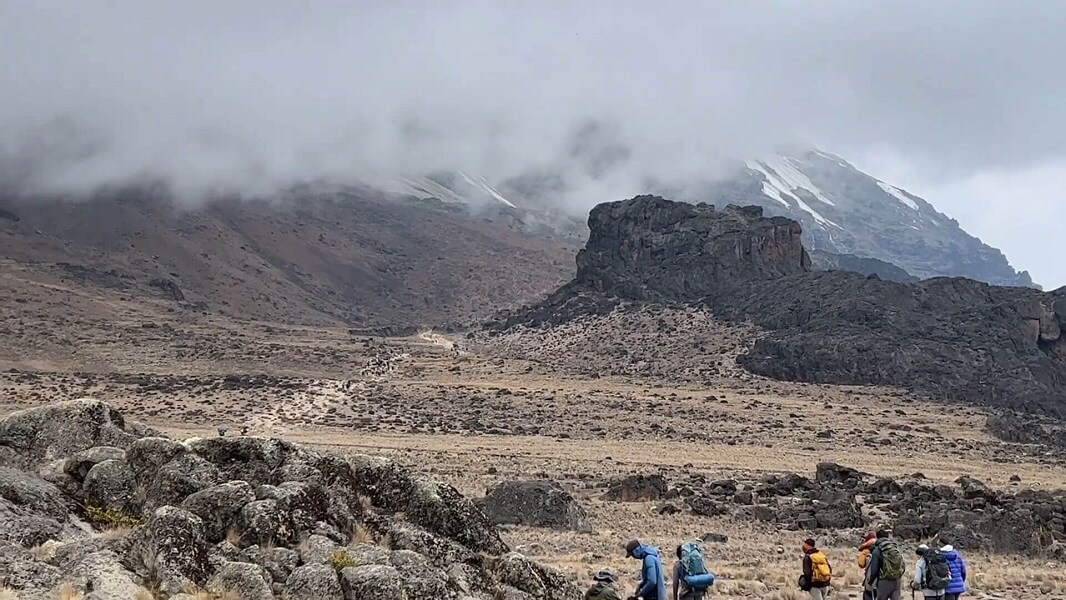
Mount Kilimanjaro stands as one of the world’s most iconic and sought-after trekking destinations, a true bucket-list challenge for adventure lovers across the globe. While you don’t need ropes or technical climbing skills to reach its summit, don’t be fooled into thinking it’s an easy feat. Kilimanjaro demands respect, and that starts with proper training.
Preparing your body for the physical and mental demands of this high-altitude ascent is essential. Solid training boosts your endurance, enhances your ability to cope with steep inclines and long days of hiking, and significantly increases your chances of standing on the Roof of Africa. More importantly, it helps prevent injuries and ensures that your journey is not only successful but also safe and enjoyable.
Here’s our comprehensive guide on how to train for climbing Kilimanjaro.


Since climbing Kilimanjaro involves long days of hiking at high altitudes, cardiovascular fitness is key. Activities like walking, running, cycling, and swimming should be part of your routine.
Aim for at least 30-60 minutes of cardio, 4-6 times a week. Hill walking or running simulates the incline you’ll face on the mountain, enhancing your endurance.
Focus on strengthening your legs, core, and back, as these muscle groups will be heavily utilized. Exercises like squats, lunges, step-ups, and planks are beneficial.
Incorporate some upper body work with push-ups or light weight training to balance your fitness. For those new to strength training, start with light weights and progressively increase as your strength improves.
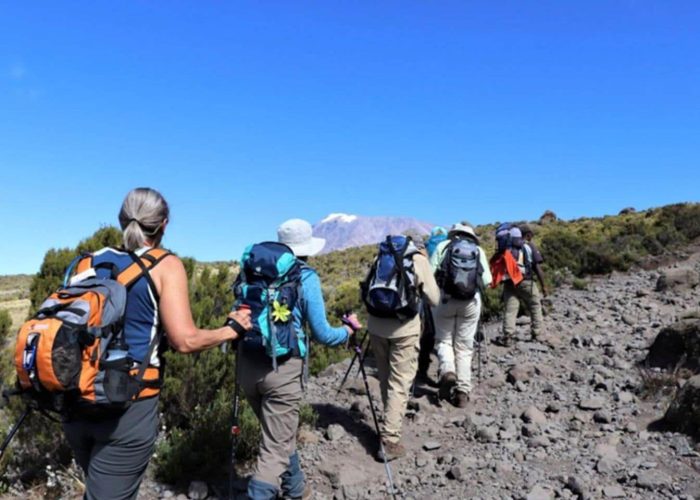
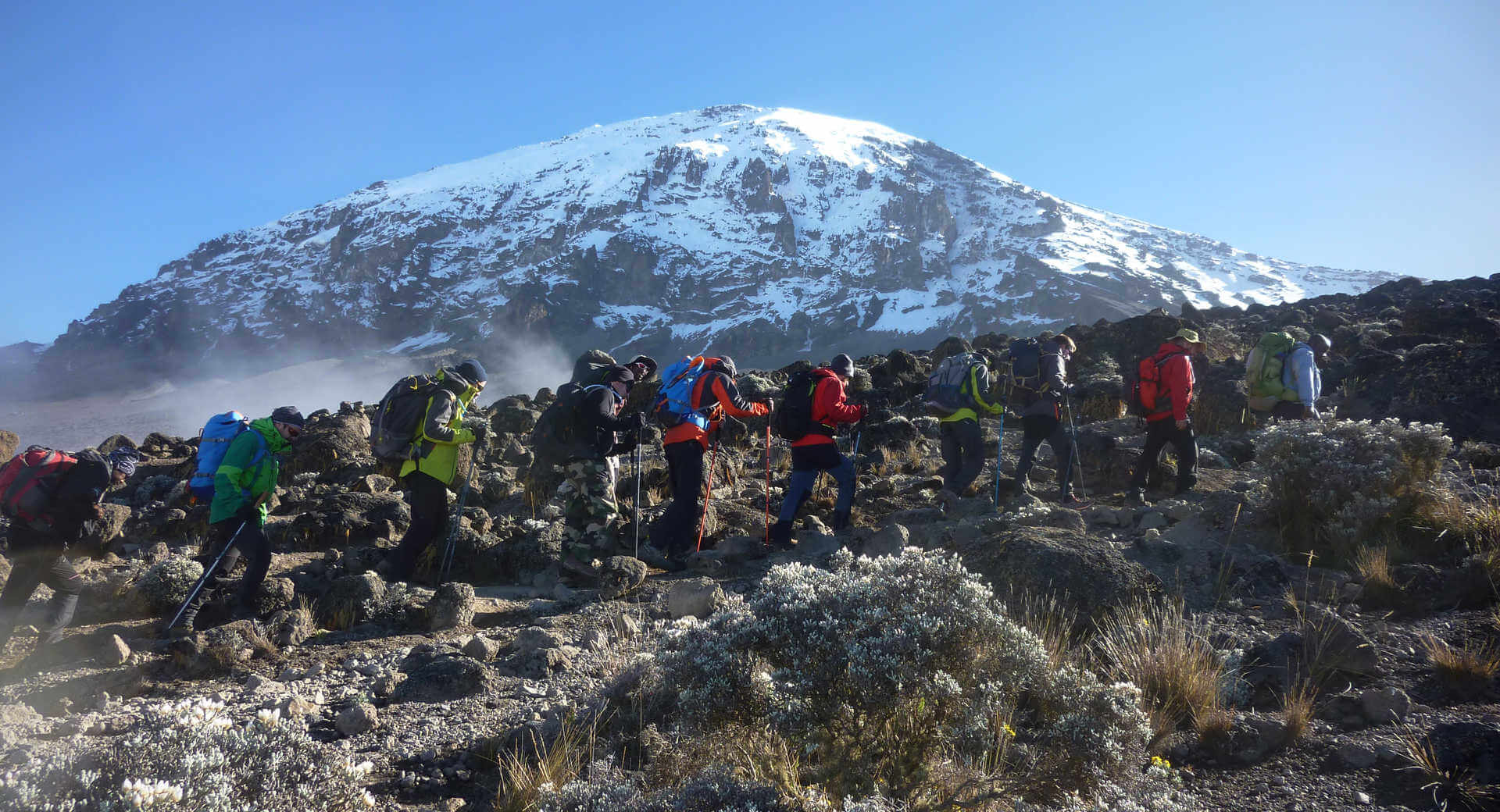
Simulate the conditions of the climb by hiking with a backpack that weighs around 15-25 lbs. This not only builds endurance but also prepares your body for the load you’ll carry on the mountain.
Look for local trails or use gym equipment like stair climbers to mimic the ascent. The goal is to comfortably hike at a pace of about 1000 vertical feet per hour.
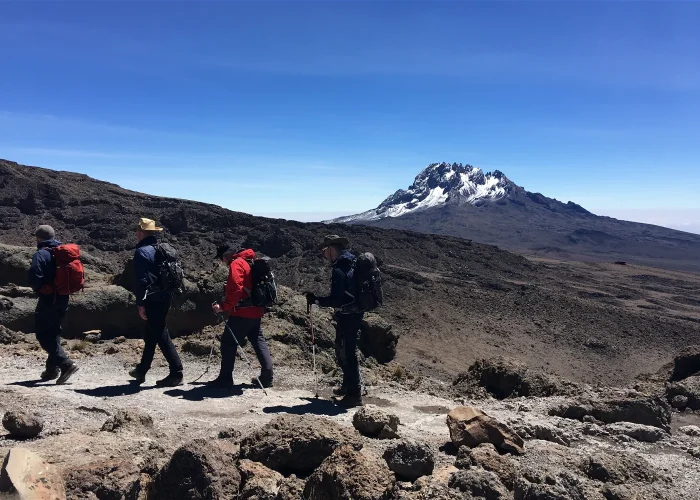
To prepare for the multi-day nature of the climb, undertake long hikes over weekends. These should be progressively longer, aiming for hikes that last 4-8 hours to condition your body for the duration of the climb. This also helps in mental preparation for the long days on the mountain.
If possible, use altitude tents or masks that simulate high altitude conditions to help your body adjust. However, this is more advanced and not always accessible.
Since you can’t replicate Kilimanjaro’s altitude at home, focus on training that mimics the gradual ascent strategy used in climbing. This includes long, slow hikes with gradual elevation gain to simulate the climb high, sleep low approach.
Consult with your doctor about medications like Diamox (acetazolamide) which can aid in altitude acclimatization by reducing the risk of Acute Mountain Sickness (AMS). This should be part of your preparation if you’re prone to altitude issues.
Climbing Kilimanjaro is as much a mental challenge as it is physical. Engage in activities that require focus and endurance, like yoga or meditation, to enhance mental toughness. Reading about others’ experiences or watching documentaries can also mentally prepare you for the journey.
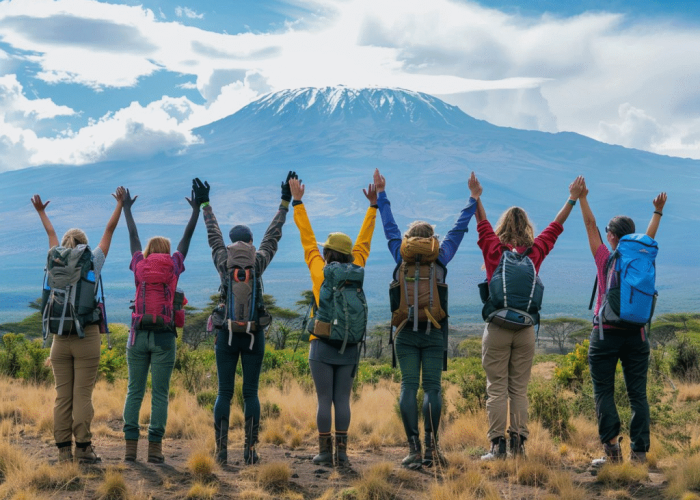
If you can, join a local hiking group or find a training partner. This not only keeps you motivated but also simulates the group dynamics you’ll experience on the climb.
Most climbers need to train for at least 4-6 months before the climb. This allows time for gradual fitness improvement, reducing the risk of injury. Beginners might benefit from a longer preparation period to ensure they’re fully ready.
Consider hiring a personal trainer who specializes in mountaineering or endurance sports. They can tailor a program to your specific needs, ensuring you’re in peak condition. Books like “Training for the New Alpinism” by Steve House can also provide structured guidance.
Adjust based on your fitness level and schedule.
Weeks 1-4: Building a Base
Cardio: 30-45 minutes of brisk walking or jogging, 3-4 times per week.
Strength: Bodyweight exercises (squats, lunges, push-ups) 2-3 times per week.
Hikes: 2-3-hour hikes on weekends with a light backpack.
Flexibility: 15-20 minutes of stretching or yoga, 2-3 times per week.
Weeks 5-8: Increasing Intensity
Cardio: 45-60 minutes of running, cycling, or swimming, 3-4 times per week.
Strength: Add weights to your exercises, focusing on lower body strength.
Hikes: 4-5-hour hikes on weekends with a heavier backpack.
Flexibility: Continue yoga or stretching, adding balance exercises.
Weeks 9-12: Simulating the Trek
Cardio: 60-90 minutes of sustained cardio activity, 3-4 times per week.
Strength: Focus on endurance-based strength exercises.
Hikes: Full-day hikes (6-8 hours) with a loaded backpack.
Flexibility: Maintain yoga and stretching routines.
Proper training can mean the difference between an enjoyable adventure and a grueling struggle. The better prepared you are physically and mentally, the more you can focus on the incredible experience of climbing Mount Kilimanjaro.
Training for Kilimanjaro involves a mix of cardiovascular endurance, strength, and specific hiking preparation, all aimed at acclimatizing your body to the rigors of high-altitude trekking. Remember, the better prepared you are, the more enjoyable your climb will be.
Organizing a safari , can be overwhelming due to the many choices available for transport, accommodation, and activities.
© 2026 Congema Safaris. All rights reserved.