Get advice and suggestions to make this your perfect trip. or call us on: +255 755 003116
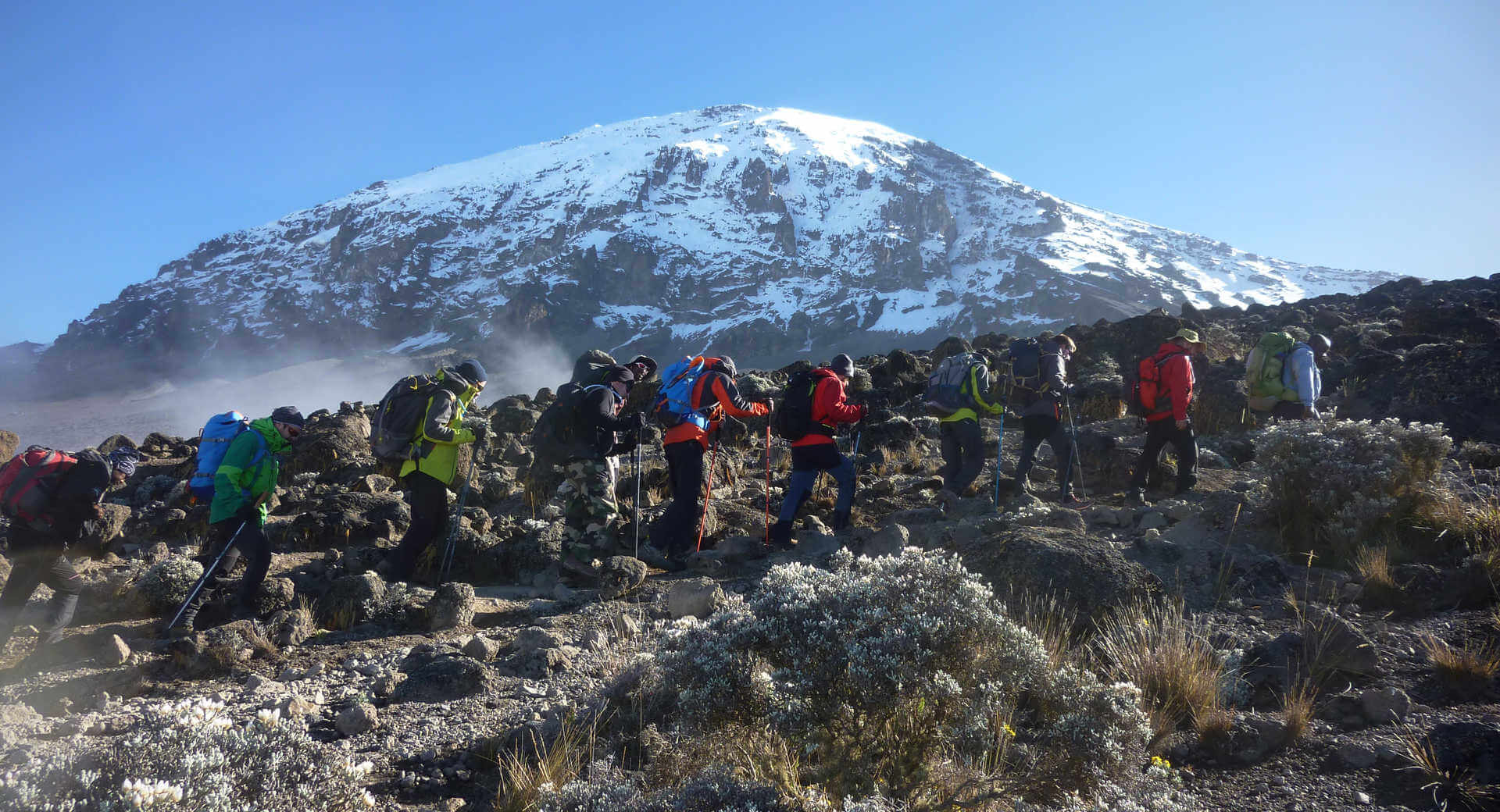
When you set out to conquer Mount Kilimanjaro, you’re not climbing alone. Behind every successful summit is a dedicated team of guides, porters, and cooks who work tirelessly to ensure your safety, comfort, and morale throughout the journey.
These unsung heroes carry your gear, prepare your meals, set up camp, and offer crucial encouragement when the altitude tests your limits.Tipping on Kilimanjaro isn’t just a travel formality, it’s an important tradition and a deeply appreciated way to thank the crew for their hard work and unwavering support.
While tipping is not mandatory, it is expected and has become a vital part of the trekking culture on the mountain.
It reflects your gratitude and helps sustain the livelihoods of those who make your adventure possible.Knowing how much to tip, when to give it, and how to distribute it fairly ensures that your appreciation reaches the right hands.
In this guide, you’ll find everything you need to know about tipping on Mount Kilimanjaro, because reaching the summit is a team effort, and recognizing that effort makes the experience even more rewarding.


The Kilimanjaro support team works tirelessly to make your journey safe, comfortable, and successful. Their responsibilities include:
Tipping is a vital source of income for these workers, as their base salaries are often modest.
While exact amounts can vary based on group size, route length, and your trekking company’s structure, there are general tipping guidelines that help ensure fair and respectful compensation for your support team.
On average, here’s what climbers typically tip per crew member, per day:
For a 7-day climb in a group of four, this typically translates to a tipping pool of about $250 to $300 per climber, which is then fairly distributed among the team. Some companies will help organize a tipping ceremony on the final day of the trek, where tips can be given directly, creating a meaningful opportunity to personally thank those who supported your journey.
While tipping is optional, it’s deeply ingrained in Kilimanjaro’s trekking culture and is often essential to the financial well-being of the crew. Offering a generous tip is a powerful way to show gratitude and recognize the extraordinary effort that goes into helping you reach the Roof of Africa.
Tips are usually pooled and distributed fairly among the team by the lead guide or trekking company. Some climbers prefer to hand out individual tips to porters or cooks; if you do, ensure it’s done discreetly to avoid confusion.
Tips are typically given at the end of the trek, during a formal tipping ceremony organized by the team.
US dollars or Tanzanian shillings are widely accepted. If tipping in dollars, ensure the bills are clean and printed after 2006. Group vs. Individual Tips
Tipping on Mount Kilimanjaro can raise a few questions, especially for first-time trekkers. While it’s a customary part of the experience, understanding the etiquette behind it can help you feel more confident and prepared.
No, tipping isn’t mandatory, but it is strongly encouraged and widely regarded as standard practice on Kilimanjaro. For many crew members, tips are a major part of their income, and your contribution directly supports their families and communities.
If you’re working with a limited budget, it’s best to be transparent with your trekking company before the climb. They may offer creative or meaningful alternatives to express your gratitude, such as small, useful gifts or a heartfelt thank-you speech during the tipping ceremony.
Tipping should reflect the quality of service provided. If you’re dissatisfied at any point, bring your concerns to the lead guide or company manager promptly. Most operators take guest feedback seriously and can help resolve issues before the end of the trek. That said, fair tipping remains important for the broader crew who may still have gone above and beyond.
Tipping on Kilimanjaro isn’t just about the amount, it’s about showing genuine appreciation in a way that’s thoughtful and culturally respectful. Here are a few expert tips to help you tip with intention and gratitude:
Tipping the right way not only uplifts the people who supported your journey, it also adds heart to your Kilimanjaro experience, turning a transaction into a meaningful exchange of respect.
Tipping on Mount Kilimanjaro is more than a financial transaction, it’s a way to recognize the incredible effort of the team that helps you achieve your summit dream. By understanding the guidelines and planning ahead, you’ll contribute to the livelihoods of these hardworking individuals while enjoying a more rewarding trekking experience.
Organizing a safari , can be overwhelming due to the many choices available for transport, accommodation, and activities.
© 2026 Congema Safaris. All rights reserved.