EXPLORE

Tanzania Destination

The Serengeti Wildebeest Calving Season Guide

Picture of Chat to an Kenya Safari expert

Chat to an Kenya Safari expert

Get advice and suggestions to make this your perfect trip. or call us on:
+255 755 003116

Picture of Chat to an Kenya Safari expert

Chat to an Kenya Safari expert

Get advice and suggestions to make this your perfect trip. or call us on:
+255 755 003116

Overview

Nestled within the heart of Tanzania’s iconic Serengeti National Park lies a spectacle of nature so grand, so awe-inspiring, that it captivates the hearts and minds of all who bear witness to it. Welcome to the Serengeti Calving Season, a time when the vast plains of this African wilderness come alive with the rhythm of new life.

Every year, from January to March, the Serengeti transforms into a cradle of creation as hundreds of thousands of wildebeest, zebras, and other herbivores gather to give birth to the next generation. Against the backdrop of sweeping grasslands and endless skies, this annual event unfolds with breathtaking beauty and raw drama.

Join us as we marvel at the resilience of life amidst the challenges of the wild, and discover why the Serengeti Calving Season stands as a proof to the enduring beauty and boundless wonder of the natural world.

Highlights of the Ndutu Calving Season

Witness the Miracle of Birth:

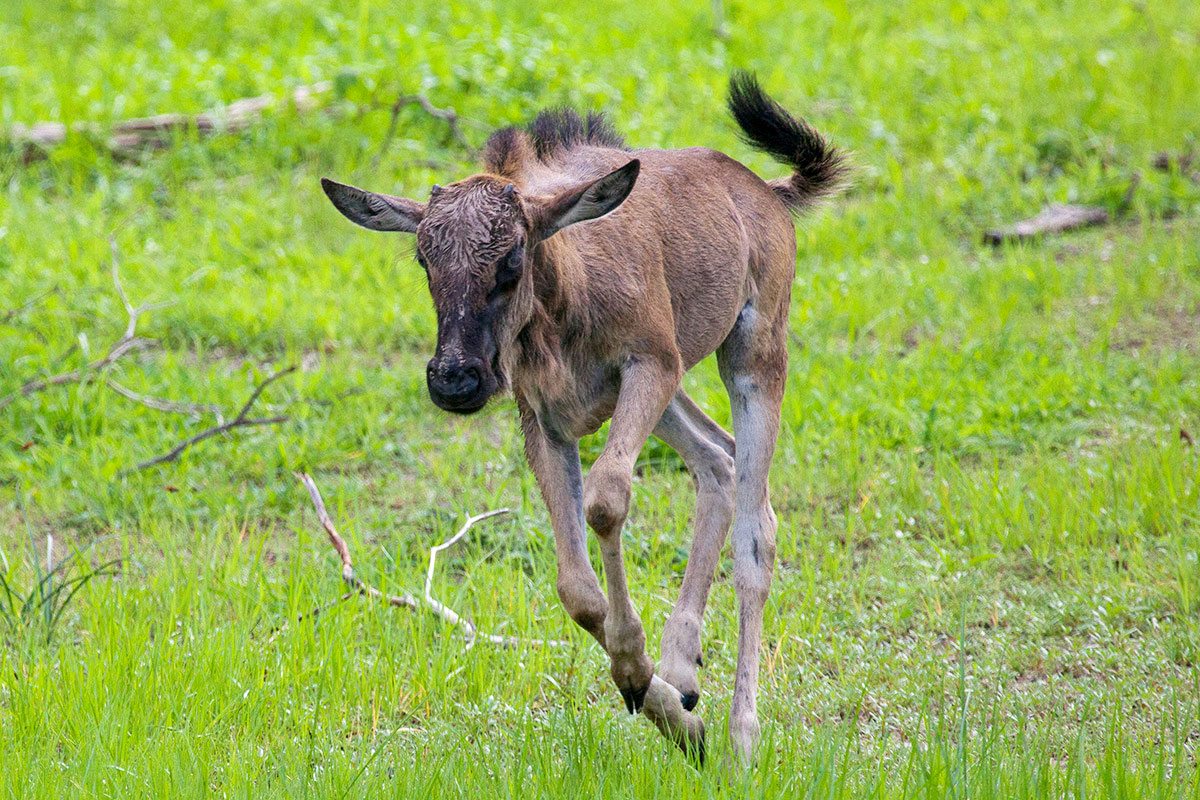
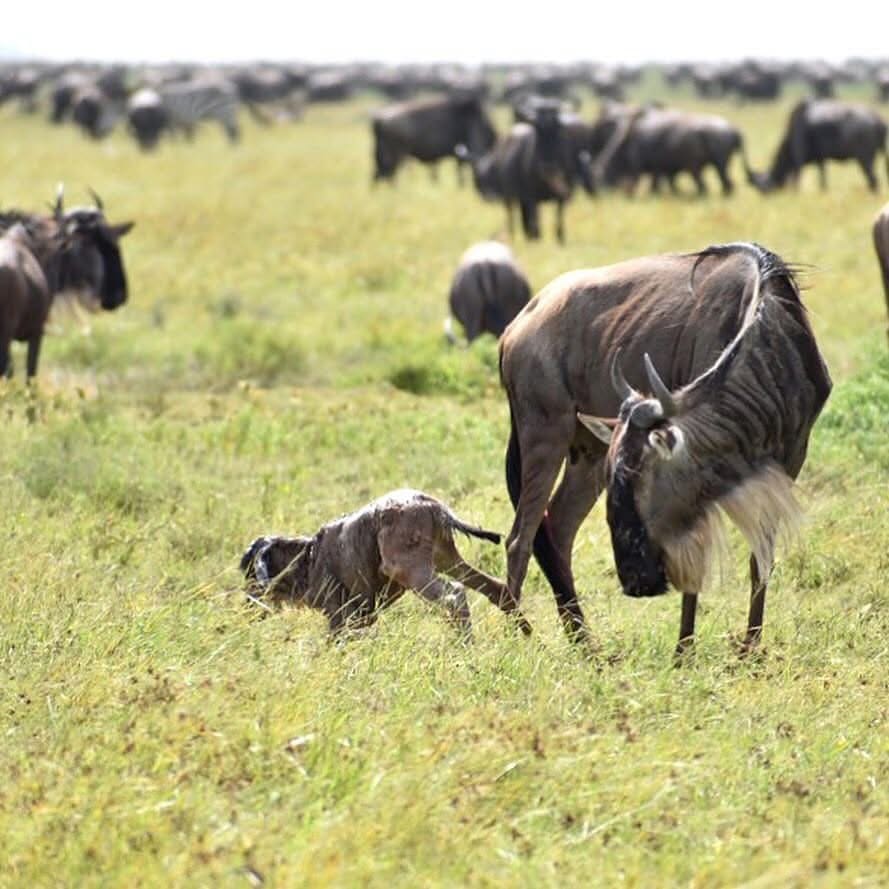
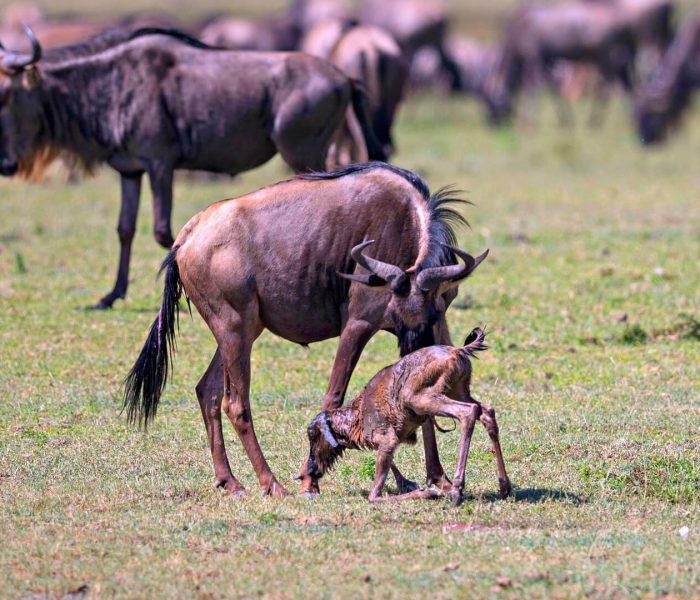
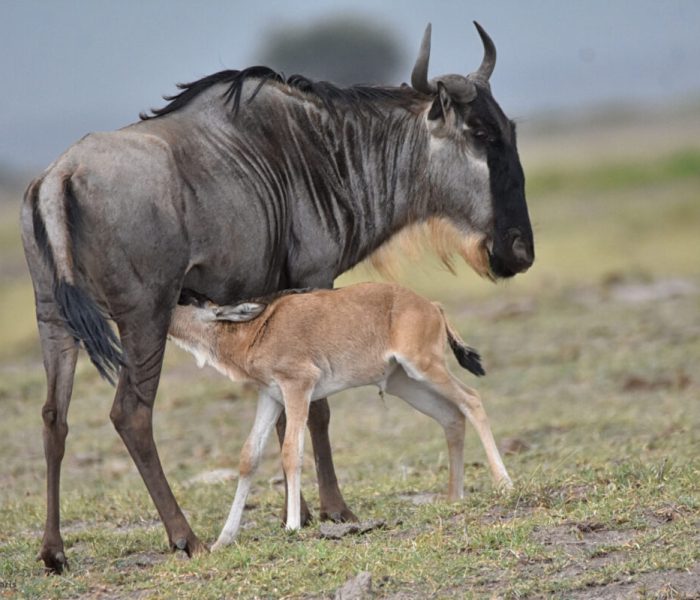
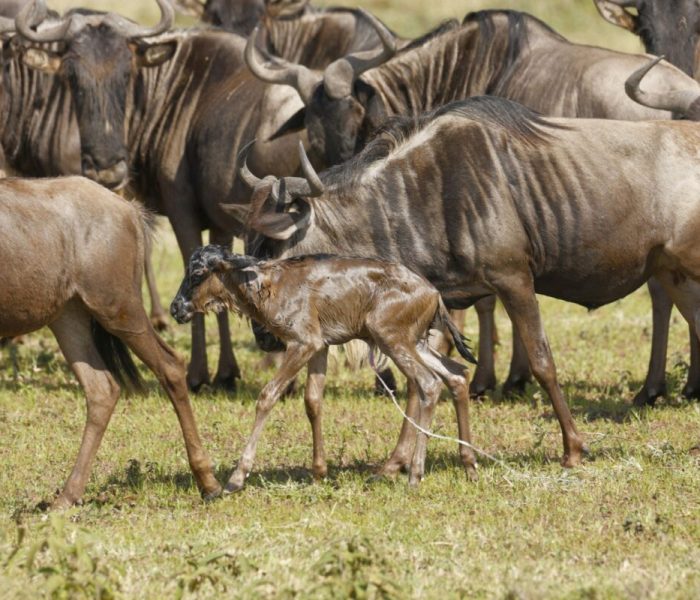
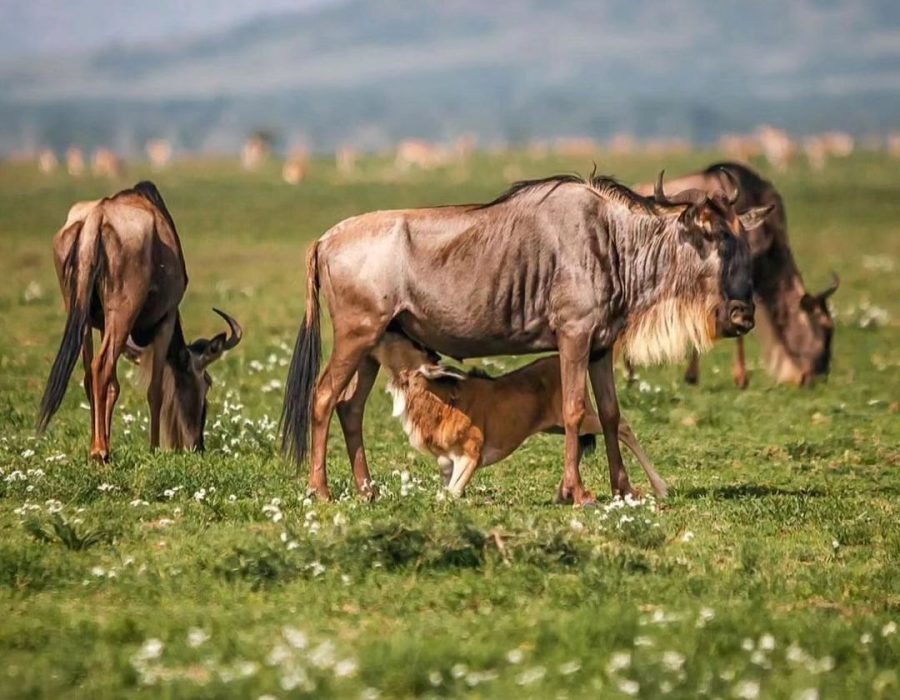
Experience the awe-inspiring moment when newborn wildebeest calves take their first unstable steps on the Serengeti plains, surrounded by a protective circle of mothers and herds.

Encounter a breathtaking array of wildlife, including lions, cheetahs, hyenas, and other predators, as they prowl the savanna in search of vulnerable prey amidst the calving herds.

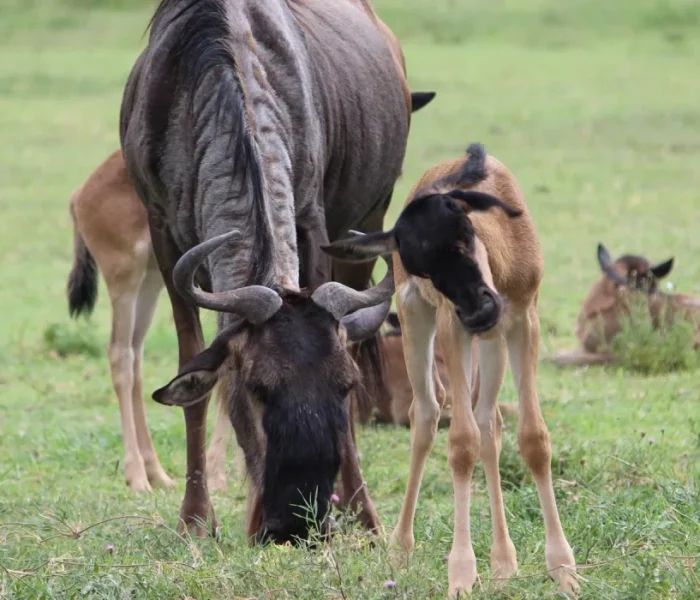
Capture iconic images of the Serengeti’s wildlife in action, from tender moments between mother and calf to dramatic predator-prey interactions against the backdrop of sweeping grasslands and golden sunsets.

Immerse yourself in the breathtaking landscapes of the Ndutu region, characterized by vast plains, acacia woodlands, and shimmering alkaline lakes, creating a stunning backdrop for wildlife viewing and photography.

Cultural Experiences

Discover the rich cultural heritage of the Maasai people, who inhabit the surrounding areas of the Serengeti, and gain insights into their traditional way of life and deep connection to the land.

Retreat to luxurious lodges and tented camps nestled within the Ndutu area, offering unparalleled comfort and hospitality amidst the wild beauty of the Serengeti.
Explore the diverse birdlife of the Ndutu region, with over 500 bird species recorded in the Serengeti ecosystem, including migratory species that flock to the area during the calving season.

Create memories that will last a lifetime as you immerse yourself in the sights, sounds, and sensations of the Ndutu calving season, a truly extraordinary natural phenomenon that showcases the beauty and resilience of the Serengeti ecosystem.

WHAT IS THE CALVING SEASON?

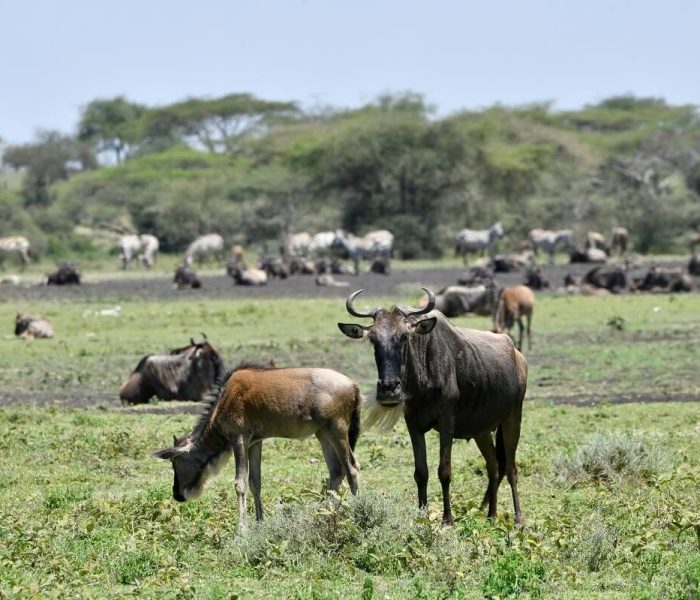
Imagine this: a tidal wave of millions of wildebeest, a relentless force of nature, crowded onto the Serengeti’s southern plains. Each member of this vast herd, pregnant and driven by instinct, embarks on an epic journey in search of the perfect birthing grounds. These are the lush, short-grass plains, teeming with nutrients that will provide the ideal environment for their young to thrive.

In this orchestrated chaos, the Serengeti becomes a stage for one of the most extraordinary events in the natural world. Over the course of two months, the land transforms into a sea of life as upwards of 8,000 calves are born every single day. It’s a spectacle that defies imagination, a symphony of birth and renewal that unfolds against the backdrop of sweeping plains and endless horizons.

Amidst the hoof-beats and cries, the Serengeti bears witness to the miracle of life in its purest form. It’s a testament to the resilience and adaptability of these remarkable animals, as well as the delicate balance of ecosystems that sustains them. And as the landscape is painted anew with each dawn, we are reminded of the enduring beauty and wonder of the natural world.

WHERE ON EARTH IS THE CALVING SEASON?

Indeed, the southern reaches of the Serengeti, including the Ndutu area, Lake Masek region, and parts of the Ngorongoro Conservation Area, form the epicenter of the calving season’s drama. These regions offer a perfect blend of resources and care for the pregnant wildebeest as they prepare to give birth.
The Ndutu area, with its expansive plains and abundant grasslands, provides an ideal setting for the wildebeest to deliver their young. Here, the nutrient-rich vegetation ensures ample nourishment for both mother and calf, while the open landscape allows for easy visibility, crucial for spotting predators and avoiding danger.

Similarly, the shores of Lake Masek offer a haven for the herds, with its surrounding grasslands providing additional grazing opportunities. The presence of water is also a significant draw, essential for the wildebeest to stay hydrated during this critical time.
Parts of the Ngorongoro Conservation Area, with its varied terrain and rich biodiversity, further contribute to the diversity of birthing grounds available to the herds. Here, amidst the stunning backdrop of the Ngorongoro Crater and its surrounding highlands, the wildebeest find refuge and sustenance as they bring new life into the world.

Together, these southern regions of the Serengeti and its surrounding areas form a tapestry of life during the calving season, showcasing the intricate interplay between wildlife, landscape, and survival in one of Earth’s most awe-inspiring natural spectacles.

Picture of Planning Your Safari

Planning Your Safari

Organizing a safari in Kenya Destination, can be overwhelming due to the many choices available for transport, accommodation, and activities.

Reviews and Rates

OTHER ANIMALS TO SEE DURING THE CALVING SEASON

During the Great Migration calving season, the Ndutu region and surrounding areas in the Serengeti and Ngorongoro Conservation Area offer a spectacular opportunity to witness not only the wildebeest birthing phenomenon but also a diverse array of other wildlife species.
Zebras:

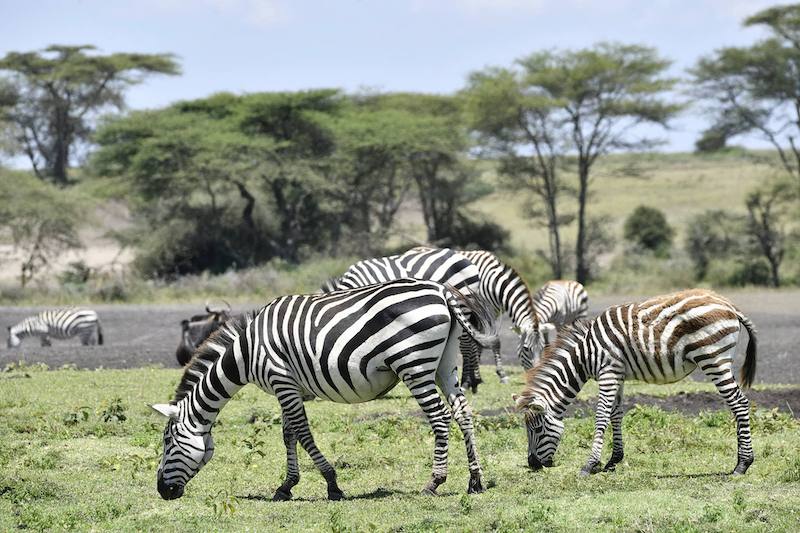
Alongside the wildebeests, zebras are another iconic species that undertake the great migration. Their striking black and white stripes create a mesmerizing sight against the golden plains.

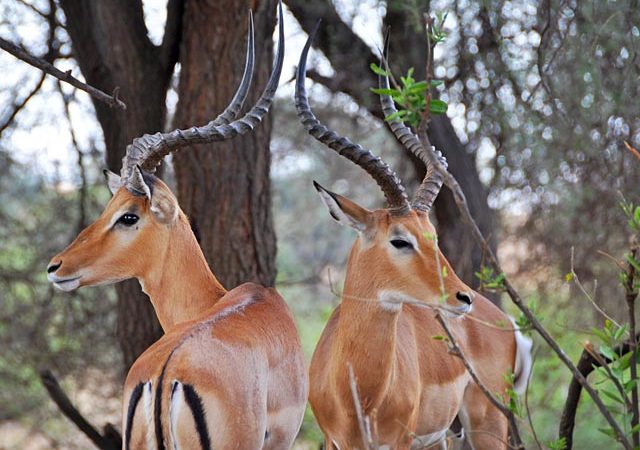
Various species of antelopes, such as Thomson’s gazelles, Grant’s gazelles, and impalas, also partake in the migration. Their agility and grace as they navigate the landscape add to the spectacle.

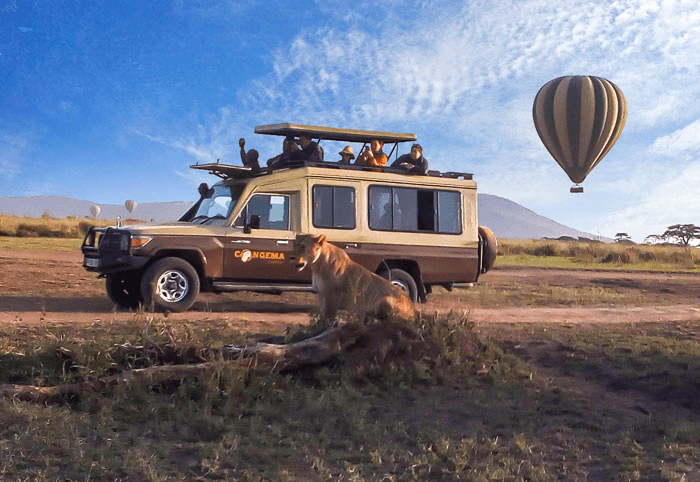
The calving season attracts a plethora of predators, including lions, leopards, cheetahs, hyenas, and African wild dogs. These apex predators capitalize on the abundance of vulnerable young prey, offering visitors thrilling sightings of predator-prey interactions.

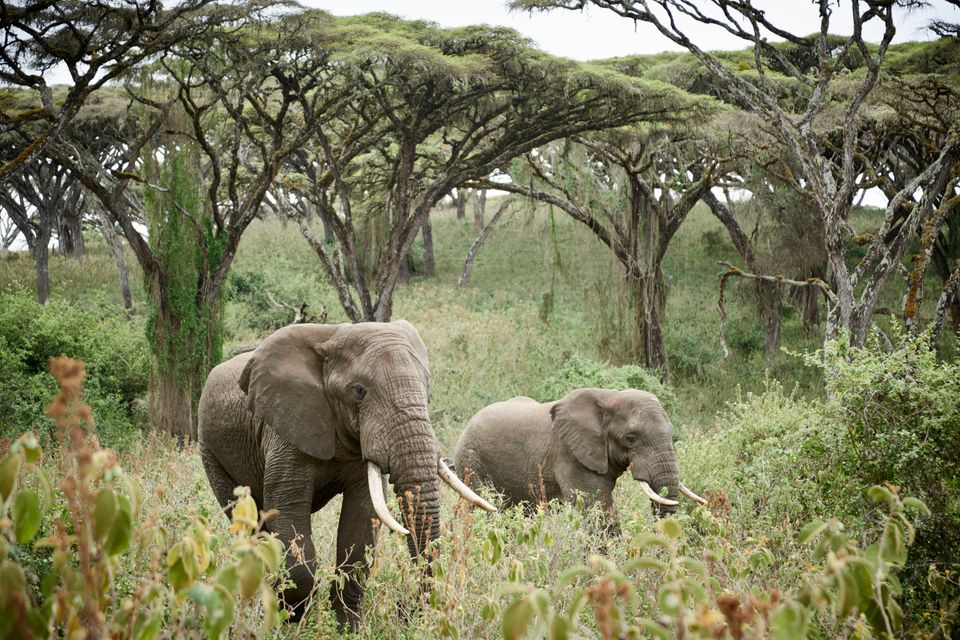
While not part of the migration per se, elephants can be encountered in the Serengeti and Ngorongoro Conservation Area throughout the year. Observing these gentle giants roam the savannah or gather around waterholes is a captivating experience.

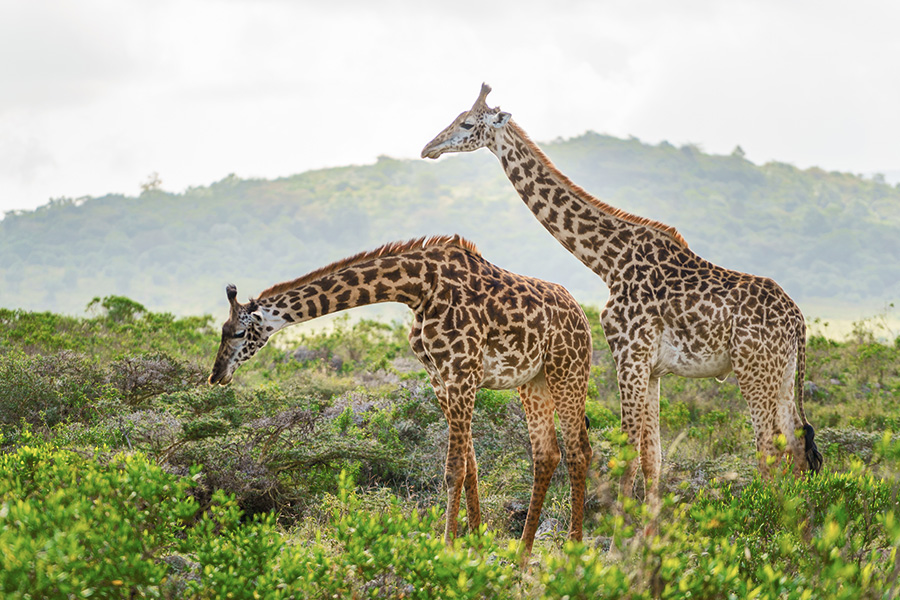
Giraffes

With their long necks elegantly reaching for the acacia leaves, giraffes gracefully navigate the plains. Spotting these towering creatures against the vast Serengeti backdrop is a sight to behold.

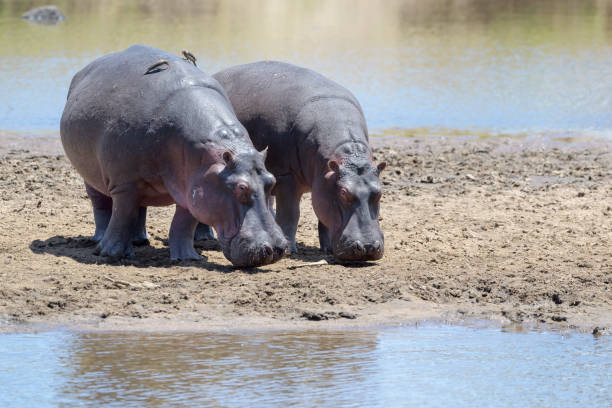
The region’s water bodies, such as Ndutu Lake and Lake Masek, are home to sizable hippo populations. Witnessing these behemoths bask in the water or emerge for grazing during the day is a unique opportunity.

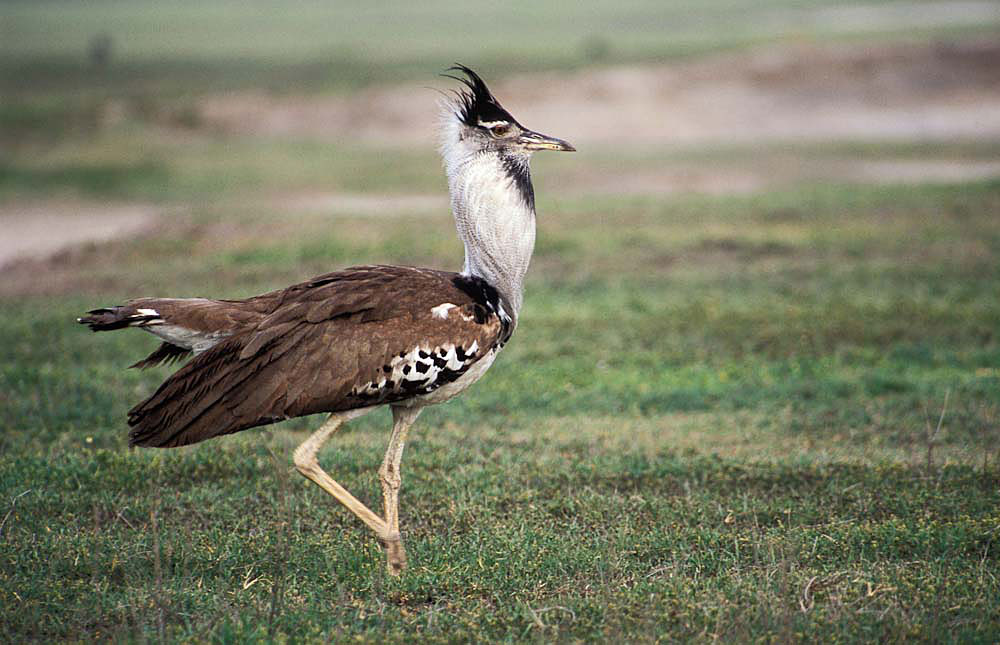
The Serengeti and Ngorongoro Conservation Area are haven to an impressive diversity of bird species. From colorful lilac-breasted rollers to majestic African fish eagles, birdwatchers will delight in spotting a myriad of avian species amidst the savannah and wetlands.

In essence, while the wildebeest migration steals the spotlight during the calving season, the Serengeti and Ngorongoro Conservation Area offer a wealth of opportunities to encounter a wide range of wildlife, ensuring an unforgettable safari experience.

PREY-PREDATOR SPECTACLE DURING THE CALVING SEASON

During the calving season in the Serengeti, a fascinating drama unfolds as the delicate balance between prey and predator reaches its zenith. The arrival of hundreds of thousands of vulnerable newborns attracts a multitude of predators, creating a captivating spectacle of survival and cunning in the vast African wilderness.

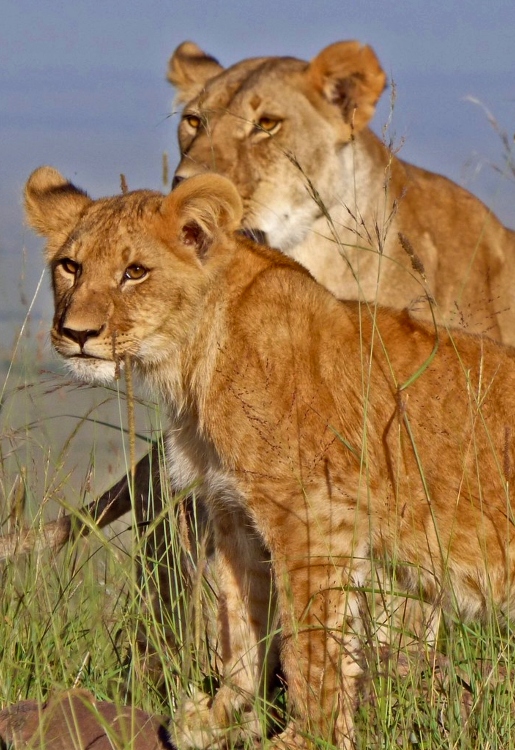
Lions, the undisputed kings of the savanna, are among the most prominent predators drawn to the Serengeti during this time. They prowl the plains with calculated precision, seeking out opportunities amidst the abundance of young, inexperienced prey. For lionesses, this is a time of plenty, as the influx of newborn calves offers a feast for their prides.

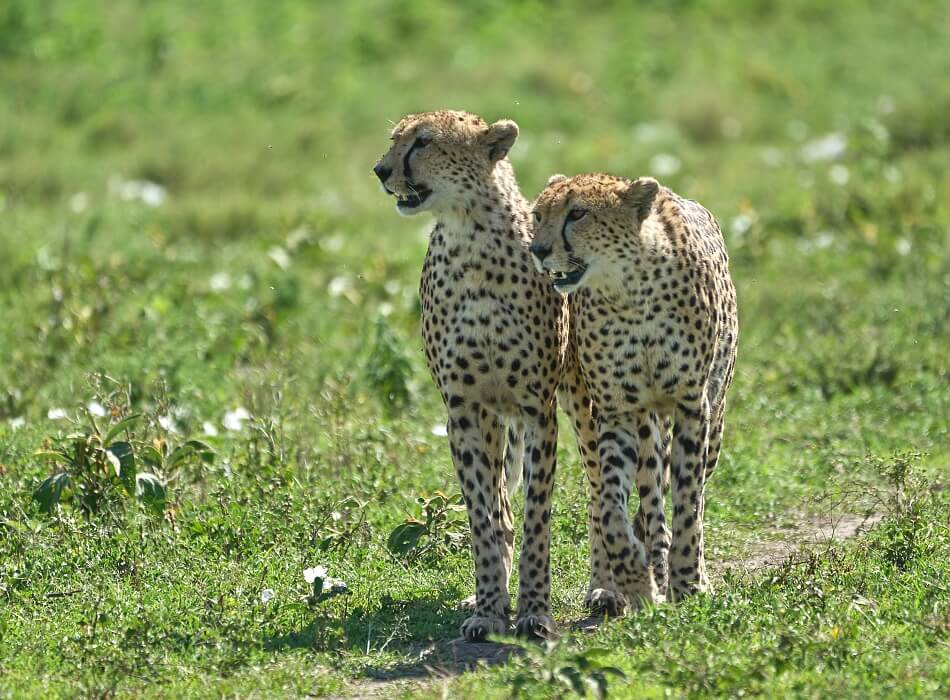
Cheetahs, the fastest land mammals on Earth, also seize the opportunity presented by the calving season. With their remarkable speed and agility, they target isolated or weak individuals among the herds, using stealth and strategy to secure their next meal.

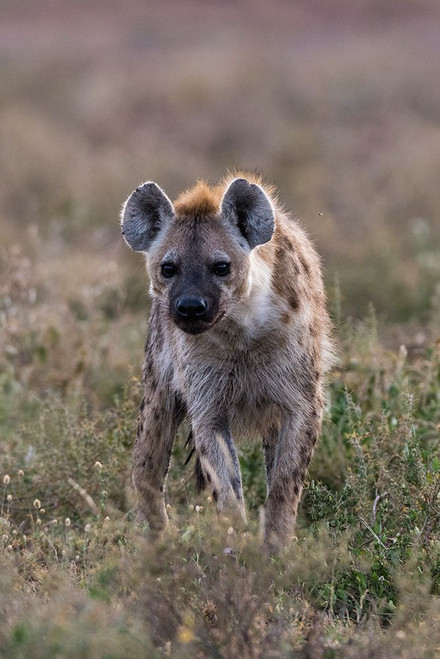
Hyenas, notorious scavengers and skilled hunters in their own right, form formidable packs that roam the Serengeti in search of easy pickings. Their relentless pursuit of prey often leads to intense confrontations with other predators, adding an extra layer of drama to the unfolding spectacle.

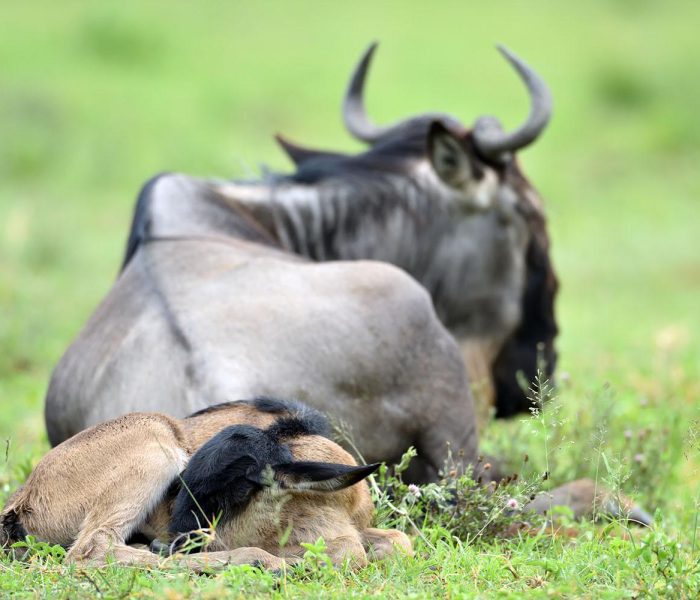
Yet, amidst the chaos and danger, the prey species of the Serengeti display remarkable resilience and ingenuity in protecting their young. Wildebeest mothers fiercely defend their calves, forming tight-knit circles known as nurseries to shield them from prowling predators. Zebras and other herbivores also employ strategies such as collective vigilance and swift retreats to ensure the survival of their offspring.

This prey-predator show is a testament to the intricate web of life that sustains the Serengeti ecosystem. It highlights the perpetual struggle for survival in the wild, where every triumph and every loss shapes the delicate balance of nature. As the drama unfolds against the backdrop of the African savanna, it offers a glimpse into the raw beauty and unforgiving realities of life in one of the world’s most iconic wildernesses.

serengeti

THE GREAT MGRATION Calving Season TIMING

The Serengeti Wildebeest Calving Season, a spectacle of nature that unfolds like clockwork, typically takes place between late January and mid-March. However, the exact timing can vary slightly depending on the whims of the weather, particularly rainfall patterns. This period marks the beginning of the rainy season, a time when the parched earth of the Serengeti is rejuvenated by life-giving precipitation.

For the pregnant wildebeests, this is a time of instinctual pilgrimage as they journey towards the southern plains in search of lush, green pastures. The abundance of fresh grasses serves as a beacon, drawing them from far and wide in anticipation of the imminent arrival of their young.

The timing of the calving season is not arbitrary but intricately linked to the rhythms of nature. By synchronizing their births with the onset of the rainy season, the wildebeests ensure that their newborns will have access to plentiful food and water during their crucial early stages of life. The rejuvenated grasslands provide essential nutrients for both mother and calf, while the replenished water sources sustain them through the arduous journey of infancy.

This convergence of life and renewal is a testament to the remarkable adaptability of the Serengeti ecosystem. It’s a time of abundance and vitality, where the cycle of birth and rebirth unfolds against the backdrop of sweeping plains and endless skies. And as the wildebeest calves take their first tentative steps on the African savanna, they become part of a timeless tradition, a testament to the enduring beauty and resilience of life in one of Earth’s most awe-inspiring landscapes.

ACCOMODATIONS IN NDUTU AREA

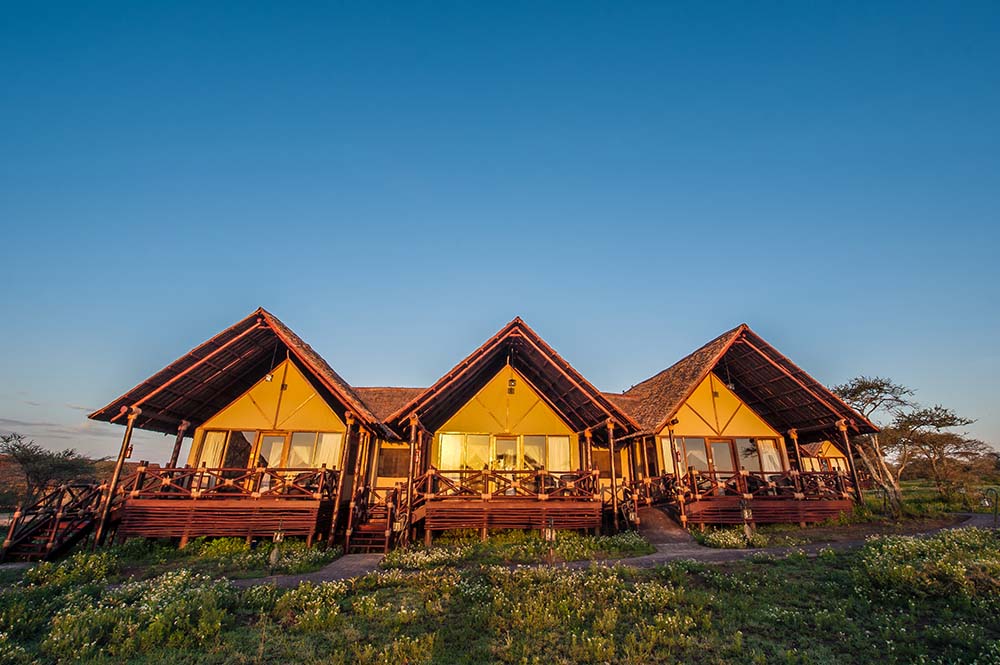
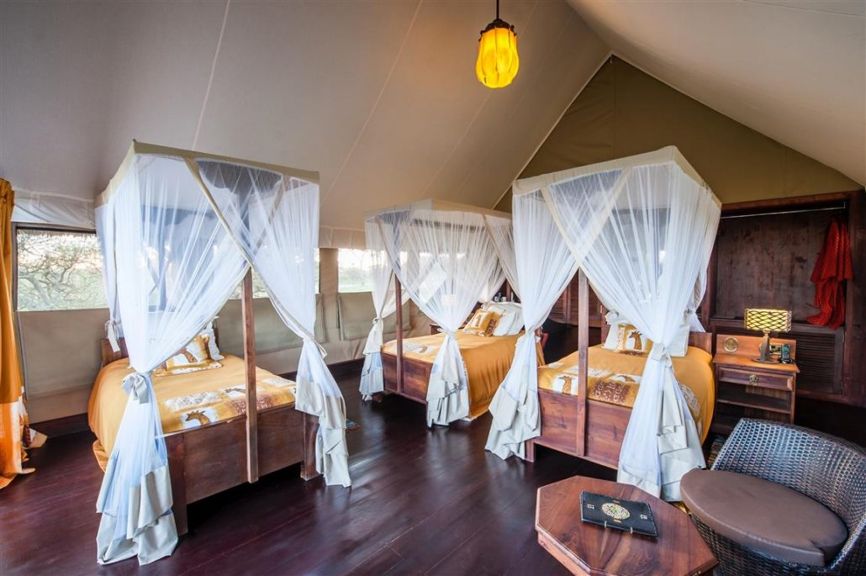
Indeed, the Serengeti calving season is not only a spectacle for the wildebeest and other wildlife but also an extraordinary opportunity for visitors to witness nature’s drama up close. To enhance this experience, various camps are strategically set up around or close to the areas where the wildebeest calving takes place. Ndutu offers a range of accommodation options, from luxury lodges to tented camps, all strategically located to provide easy access to prime wildlife viewing areas. Booking well in advance is advisable, especially during the peak calving season, to secure your preferred lodging.

These camps offer not only comfortable accommodations but also unparalleled access to some of the best wildlife viewing opportunities during the calving season. Positioned in prime locations near the wildebeest birthing grounds, these camps provide guests with front-row seats to the unfolding spectacle of new life on the African plains.

Imagine waking up to the sounds of wildebeest calls echoing across the savanna, with the soft light of dawn illuminating the landscape as far as the eye can see. From the comfort of your tent or lodge, you can witness the daily rituals of the Serengeti unfold before you, from the tender moments between mother and calf to the dramatic encounters between predator and prey.

Our guided safari drives provide guests with the opportunity to explore the surrounding wilderness and witness the calving season’s highlights firsthand. Expert guides, well-versed in the behavior and movements of the local wildlife, lead guests on unforgettable adventures through the Serengeti’s vast expanses, offering insights into the intricate dynamics of this remarkable ecosystem.

At night, as the stars twinkle overhead and the sounds of the African night come alive, guests gather around campfires to share stories and experiences from the day’s adventures. It’s a time for reflection, friendship, and gratitude for the privilege of witnessing nature’s wonders in one of the world’s most iconic wildernesses.

In essence, these camps not only provide a comfortable base for exploring the Serengeti but also offer an immersive and unforgettable wildlife viewing experience during the calving season. They serve as gateways to a world where the rhythms of nature reign supreme, and every moment is infused with the magic of the African wilderness.

GETTING THERE

There are mainly two options to travel to Ndutu; road travel and scheduled flights.

If you opt for road travel, you’ll be picked up from Arusha, which is situated to the east of Ndutu. The journey typically takes around 6 hours to reach Ndutu or the southern part of the Serengeti. This route provides an opportunity to witness the beautiful Tanzanian landscape and perhaps catch glimpses of wildlife along the way.

Alternatively, scheduled flights operate regularly from mid-December to March, providing a convenient and faster way to reach Ndutu. Flights land at either the Kusini airstrip for access to the southern Serengeti or the Ndutu airstrip for direct access to the Ndutu region. This option is ideal for those seeking to minimize travel time and maximize their time exploring the Ndutu area.

Whether you choose to travel by road or air, both options offer unique experiences and opportunities to enjoy the stunning scenery and abundant wildlife of Tanzania.

PLAN YOUR ONCE-IN-A-LIFETIME SAFARI:

Absolutely, planning well in advance is essential, especially if you’re considering visiting during the calving season, which is a peak tourist season in the Ndutu region. The calving season typically occurs from mid-December to March when the wildebeest herds migrate to the southern Serengeti and Ndutu area to give birth.
Due to the high demand for accommodations and safari experiences during this time, it’s advisable to book your arrangements several months, or even a year, in advance. This ensures that you secure the accommodations and safari activities you desire, as availability can become limited closer to the travel dates.

By planning ahead and making early reservations, you’ll have peace of mind knowing that your travel arrangements are confirmed, allowing you to fully enjoy your safari experience in the Ndutu region without any last-minute worries about availability. Contact us to plan and book your calving safari hassle freely.

What our Client Say

Design your own trip

Choose a destination, pick your properties, and we’ll do the rest

1
Browse
Look through our itineraries for inspiration, and call our Travel Consultants
2
Create
Discuss your wish list with us, and we’ll use our expertise to design a unique itinerary for you
3
Customise
We’re committed to refining your itinerary until we’ve created the perfect personalised trip for you