EXPLORE

Tanzania Destination

Tarangire National Park
Picture of Chat to an Tanzania Safari expert

Chat to an Tanzania Safari expert

Get advice and suggestions to make this your perfect trip. or call us on:
+255 755 003116

Picture of Chat to an Tanzania Safari expert

Chat to an Tanzania Safari expert

Get advice and suggestions to make this your perfect trip. or call us on:
+255 755 003116

A WILDLIFE PARADISE

Destination Overview

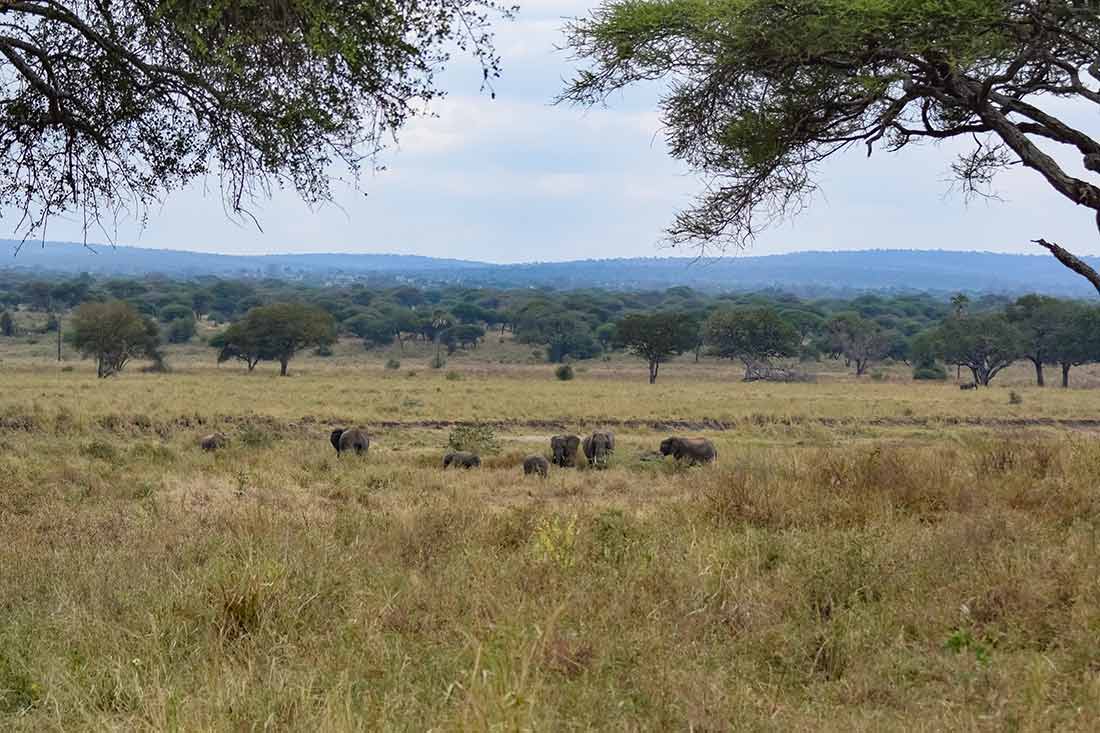
Tarangire National Park, Tanzania’s 6th largest national park, spans an impressive 2,600 square kilometers and is renowned for its massive elephant herds and the remarkable mini-migration that occurs during the dry season. Each year, the park welcomes up to 250,000 animals, drawn to its lush landscapes and vital water sources.

Located just 120 km southwest of Arusha, Tarangire is home to the highest concentration of African elephants per square kilometer in all of Tanzania. The park gets its name from the Tarangire River, which flows through the park, providing a lifeline for wildlife, particularly elephants, during the dry season. It becomes a vital refuge for animals, offering essential water in a vast arid region.

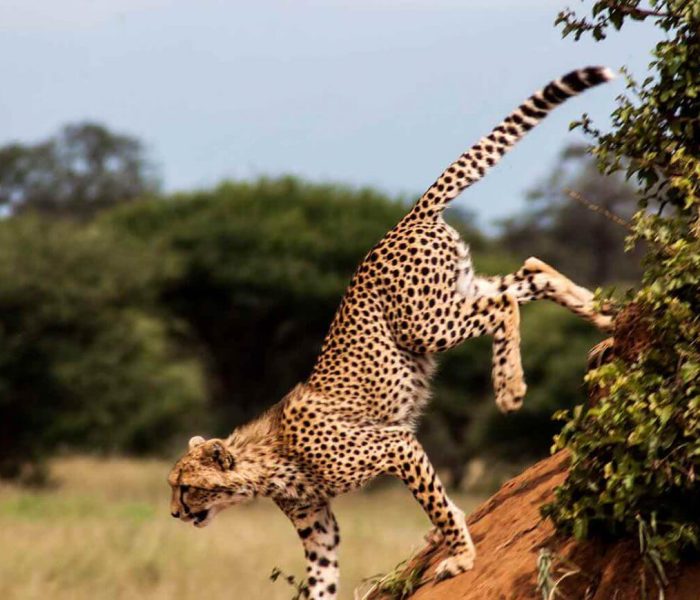
Tarangire is also a sanctuary for rare and endangered species, such as ebony trees, pythons, cheetahs, and African wild dogs. Visitors can spot a wide variety of wildlife, including the lesser and greater kudu, Beisa oryx, and Gerenuk—all living harmoniously in this rich, biodiverse ecosystem.

Birdwatchers will also be in for a treat, as over 550 bird species have been recorded in Tarangire, making it a bird lover’s haven and even outshining the famous Serengeti in avian diversity.

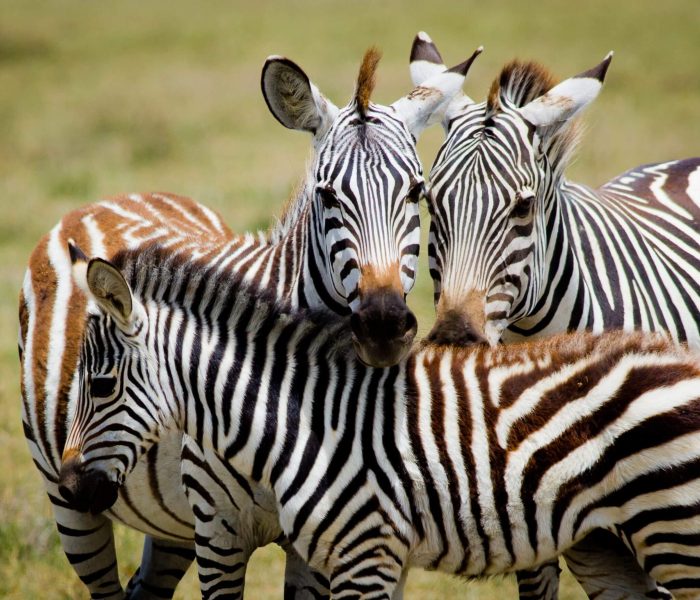
The dry season, from July to November, is the best time to witness the park’s spectacular wildlife spectacle. Elephants roam freely, and the zebras, wildebeests, and other animals from the greater Tarangire migratory ecosystem converge on the park and its namesake river. During this time, the river becomes the sole source of water for miles, creating an incredible opportunity for game viewing and photography.

Tarangire National Park is not just another safari destination; it’s a unique and unforgettable wildlife experience that brings visitors face-to-face with Africa’s iconic animals in their natural habitat. Whether you’re a nature enthusiast, a wildlife photographer, or just someone looking to connect with the wild, Tarangire is an absolute must-visit.

Wildlife in Tarangire National Park

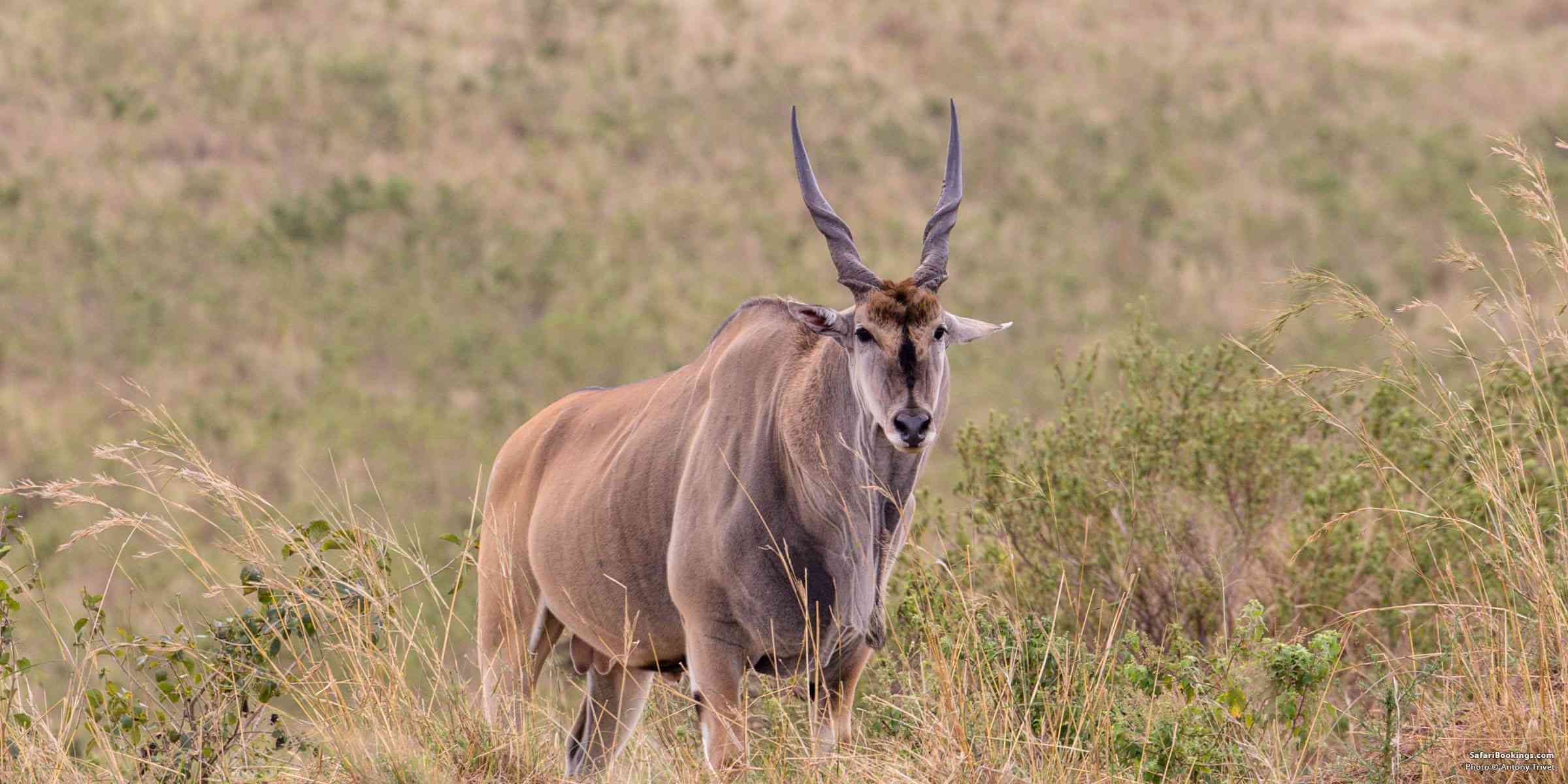
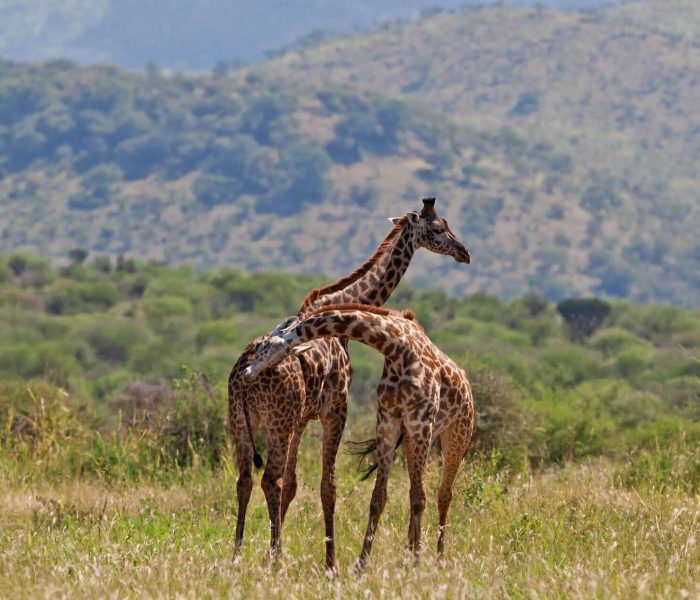
Tarangire National Park is a haven for wildlife lovers, boasting one of the largest elephant populations in Africa. You’ll encounter herds of elephants, some with up to 300 members, making it a remarkable destination for elephant enthusiasts. Beyond the elephants, the park is teeming with diverse species, including large numbers of impalas, eland, buffaloes, giraffes, Bohor reedbuck, and Coke’s hartebeest. Thompson’s gazelle, greater and lesser kudu, and, on rare occasions, the unusual gerenuk and fringe-eared oryx can also be spotted here.

Though black rhinos are believed to still reside in the park, sightings are quite rare. However, the park’s open areas are a prime location for spotting lions, leopards, hyenas, and cheetahs, which are commonly found in the southern parts of the park. Occasionally, the elusive wild dogs are spotted, adding an extra thrill to the safari experience.

Tarangire is also a birdwatcher’s paradise, with over 545 bird species recorded within its borders. From the vibrant yellow-collared lovebirds to the elusive shy starlings, there is no shortage of beautiful and unique bird species to spot. Whether you’re a wildlife photographer or simply a nature enthusiast, Tarangire offers an unforgettable safari experience, showcasing some of the best that Tanzania’s wildlife has to offer.

Tarangire Vegetation

The Tarangire River is the lifeblood of the park, flowing through its heart and giving the park its name. While the river is a permanent feature, the park also has a number of large swamps that are fed by the river’s tributaries. However, these swamps remain dry for much of the year, becoming impassable during the rainy season.

Despite Tarangire being drier than the Serengeti, the park boasts a surprising diversity of green vegetation. Expansive areas of elephant grass stretch across the landscape, providing ample cover for wildlife. The park is also home to mixed acacia woodlands that create a beautiful contrast against the vast, arid plains. Additionally, patches of aquatic forests flourish near the river, adding another layer of richness to the park’s ecosystems.

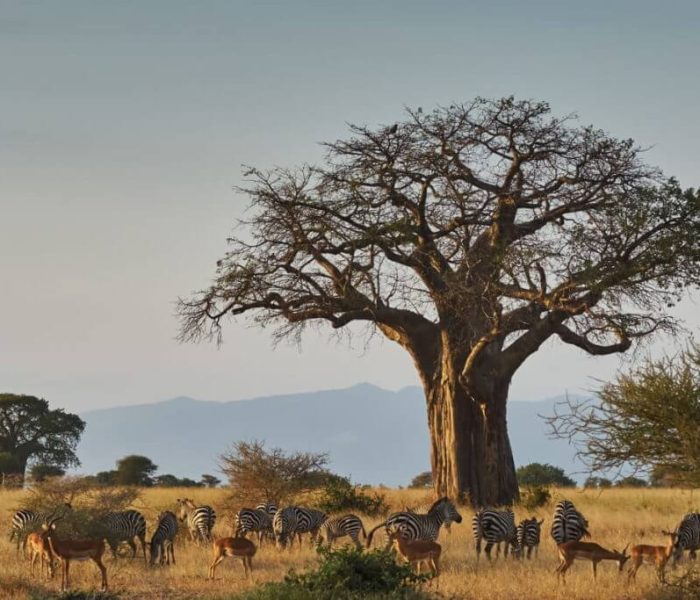
One of the most iconic features of Tarangire’s vegetation is the giant baobab tree. Known for its remarkable ability to survive in harsh conditions, the baobab can live for up to 600 years and store between 300 and 900 liters of water in its massive trunk. This unique combination of vegetation makes Tarangire National Park a truly distinctive and awe-inspiring destination for nature lovers and safari enthusiasts alike.

Location of Tarangire National Park

Situated slightly off the beaten path of the popular Northern Tanzania Safari Circuit, Tarangire National Park lies between the Masai Steppe to the southeast and the Great Rift Valley Lakes to the north and west. The park’s northern section is dominated by the Tarangire River, which is the lifeline of the park, particularly during the dry season when much of the surrounding area becomes parched. This river flows northward, eventually exiting the park in the northwestern corner and feeding into Lake Burungi.

The park features wide swamps that transform into lush green plains during the dry season, creating a stunning contrast.

For a more tranquil and authentic African safari experience, it’s highly recommended to stay in the southern part of Tarangire. This less crowded area allows you to enjoy a peaceful safari, immersing yourself in the true beauty of Tanzania’s countryside, away from the hustle and bustle of more popular destinations.

Attractions in Tarangire National Park

Wildlife

Tarangire National Park is renowned for its exceptional wildlife concentration, making it a prime safari destination. The park’s abundant animal population is drawn to the Tarangire River, particularly during the dry season. 

The most notable species include elephants, eland, giraffes, lions, buffaloes, cheetahs, leopards, and zebras. One of the unique experiences in Tarangire is the chance to witness mongoose colonies that often take refuge in abandoned ant hills. 

Don’t miss the opportunity to observe the gentle giants – the elephants – in their natural habitat, from playful calves to majestic bulls, as they dig into the muddy riverbeds searching for water.

The Baobab trees are one of Tarangire’s most iconic features. These ancient trees can live up to 3000 years and can grow trunks with a circumference of more than 100 feet. 

If these trees could talk, they would surely have fascinating stories to tell, given their centuries of existence. The Baobab is an enduring symbol of the park, and its remarkable size and resilience make it a must-see attraction.

Tarangire River

The Tarangire River is the lifeblood of the park, feeding from seasonal sand rivers that originate from the eastern and southeastern parts of the park. 

Flowing northward, it eventually empties into Lake Burunge. The river, along with its associated swamps, plays a crucial role in sustaining the park’s wildlife, particularly during the dry season. 

It serves as an essential water source for thousands of migratory animals, making it an ideal location for an unforgettable game drive experience.

Tarangire National Park is a birdwatcher’s paradise, home to over 550 bird species, including several endangered and endemic species. The park’s diverse habitats, from acacia woodlands to wetlands and the Tarangire River floodplain, offer rich opportunities for bird watching. 

Among the stunning species you might encounter are the African bishop, Secretary bird, Open-billed stork, Spoonbill, and the majestic crowned crane. If you’re a bird lover, Tarangire will leave you in awe.

Scattered throughout the park, termite mounds are a unique feature of Tarangire’s landscape. Built from soil and held together by termite saliva, these mounds provide excellent vantage points for observing wildlife. 

When abandoned, these mounds become homes to a variety of animals, including dwarf mongooses, pangolins, snakes, and aardvarks. These mounds also serve as observation points for other animals and are a fascinating part of the ecosystem.

Tanzania

What to Do in Tarangire National Park

Game Drive

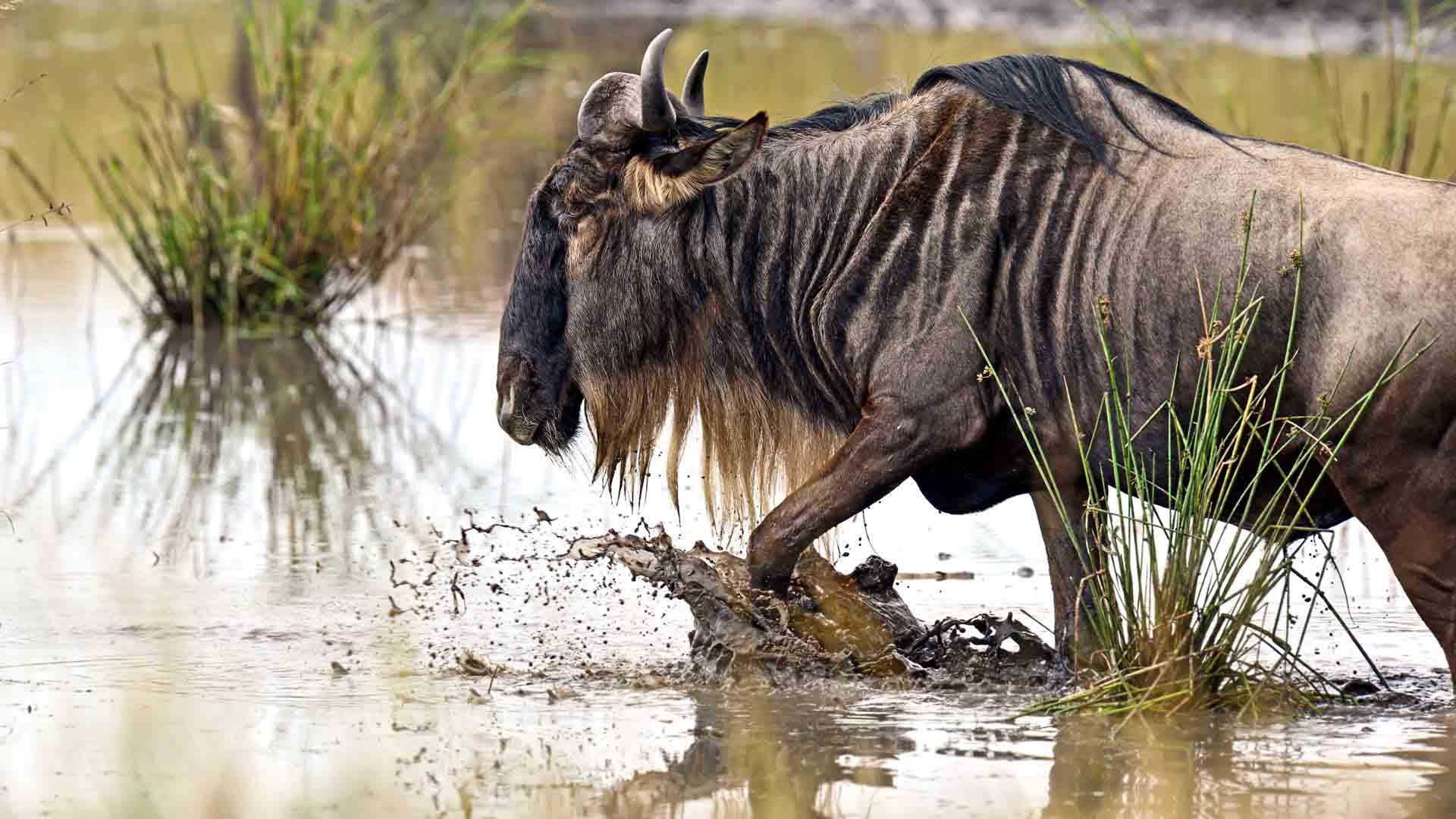
A game drive in Tarangire offers an exciting opportunity to view the park’s incredible wildlife from the comfort of a vehicle. Here, you can see large herds of elephants, giraffes, fringe-eared oryx, greater kudu, gazelles, wildebeests, lions, leopards, and zebras. The park is also home to ostriches, ashy starlings, guinea fowls, and reptiles like the tree-climbing python and tortoises.

Game drives are typically scheduled in the early morning or late afternoon, when the animals are more active due to the cooler temperatures. It’s an unforgettable way to witness the drama of nature, from thrilling predator chases to exciting moments in the wild.

Walking Safari

A walking safari in Tarangire allows you to experience the wilderness up close. Led by an expert guide, you can explore the park on foot, learning about animal behaviors, plant life, and the intricacies of the ecosystem.

This activity provides a more intimate and personal view of the wildlife, including the opportunity to observe herds of elephants and see the African big cats in their natural environment.

Balloon Safari

For a truly unique experience, consider a hot air balloon safari over Tarangire. Floating high above the park, you’ll have breathtaking views of the Tarangire River, golden grasslands, and the majestic baobab trees. 

As the sun rises, the park comes alive with herds of animals gathering in the early morning light. This is a perfect way to immerse yourself in the beauty of the park and witness its wildlife from a completely different perspective.

Bird Watching

Tarangire is a paradise for bird lovers, with over 500 species recorded. The park is home to a rich diversity of birds, including the yellow-collared lovebird, rufous-tailed weaver, and ashy starling. 

Birdwatchers will be delighted by the vast range of species inhabiting the open acacia woodlands, wetlands, and floodplains along the river.

Night Game Drive

A night game drive offers a completely different experience of Tarangire. As the sun sets, the park transforms into a world of nocturnal life. 

This is the perfect time to see nocturnal predators like leopards, and smaller creatures such as genets and African wildcats. The chance to witness lions hunting in the moonlight adds an extra thrill to this safari activity. 

Night game drives also offer the opportunity to see nightjars and other fascinating birds. Enjoy the serenity of the bush under a starlit sky, making this an unforgettable experience.

Tarangire National Park offers a variety of exciting activities that bring you closer to the park’s rich wildlife and stunning landscapes. Whether you’re seeking an adrenaline-filled game drive, a peaceful walking safari, or a unique birdwatching experience, Tarangire has something special for every type of traveler. 

Tarangire National Park Weather

The weather in Tarangire National Park is generally temperate and enjoyable, with distinct wet and dry seasons.

Dry Season (June to October)

The dry season is marked by clear skies, abundant sunshine, and very little rainfall, making it an ideal time for wildlife viewing.

June to August: The daytime temperatures are mild, usually around 24°C/75°F, with the sky clear and blue. Nights get cooler, dropping to about 14°C/57°F. Early morning game drives can be chilly, so it’s recommended to bring warm clothing.

September & October: As the season progresses, the park becomes increasingly dry. Daytime temperatures rise to about 28°C/82°F, and the dust levels increase. However, the first rains in late October offer a welcome relief.

Wet Season (November to May)

The wet season consists of two periods: the short rains (November to December) and the long rains (March to May).

November & December: The short rains arrive unpredictably, lasting around four weeks. Afternoon showers are common, but they rarely last all day, so it doesn’t usually disrupt your trip.

January & February: A brief dry spell follows the short rains, but the timing of this period can vary.

March to May: The long rains bring more consistent rainfall, with showers occurring on most days. The weather can be cloudy, and temperatures are usually around 28°C/82°F during the day and 17°C/63°F at night. Rainfall can make roads a bit tricky, and cold fronts in April and May cause the weather to become cooler, especially in the evenings.

gallery

Picture of Planning Your Safari

Planning Your Safari

Organizing a safari in Tanzania Destination, can be overwhelming due to the many choices available for transport, accommodation, and activities.

Reviews and Rates

GETTING TO TARANGIRE NATIONAL PARK

Tarangire National Park is a key destination in Tanzania’s Northern Safari Circuit, often visited alongside the Serengeti National Park and the Ngorongoro Crater. Most safaris typically begin from Arusha, a town conveniently located for accessing this iconic region.

By Air:
The easiest and quickest way to reach Tarangire is by flying into Kilimanjaro International Airport (JRO), located just 50km/31mi from Arusha. From here, you can take a short flight or drive to the park. 

Alternatively, you can fly into Julius Nyerere International Airport (DAR) in Dar es Salaam and then catch a connecting flight to Arusha Airport (ARK) or Kilimanjaro International Airport (JRO).

There are also regular scheduled flights from Arusha and Serengeti to Tarangire, making air travel a convenient option for many visitors.

By Road:
If you prefer a road journey, Tarangire is easily accessible by car. It’s a comfortable 2-hour drive from Arusha to the park’s entrance gate. The road is well-paved for most of the route, with only the final 7km/4mi being unpaved.

Once you’ve explored Tarangire, it’s a short and scenic drive to other nearby attractions:

Lake Manyara National Park is about 100km/60mi away, taking approximately 2 hours by car.

The Ngorongoro Crater is a little farther, located 180km/110mi from Tarangire, and the drive takes around 4 hours.

Where to Stay in Tarangire National Park

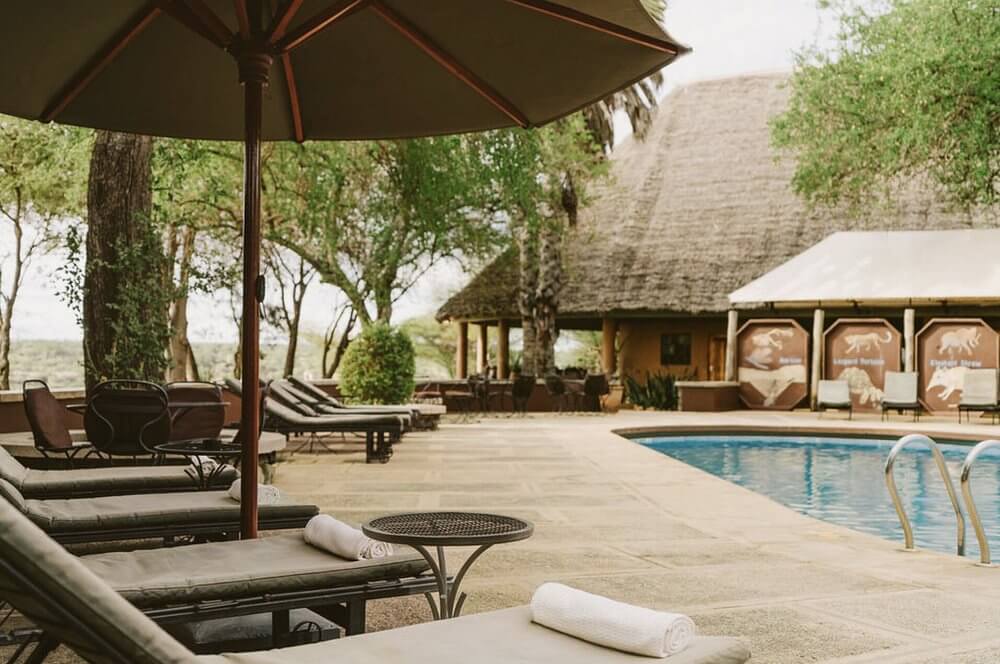
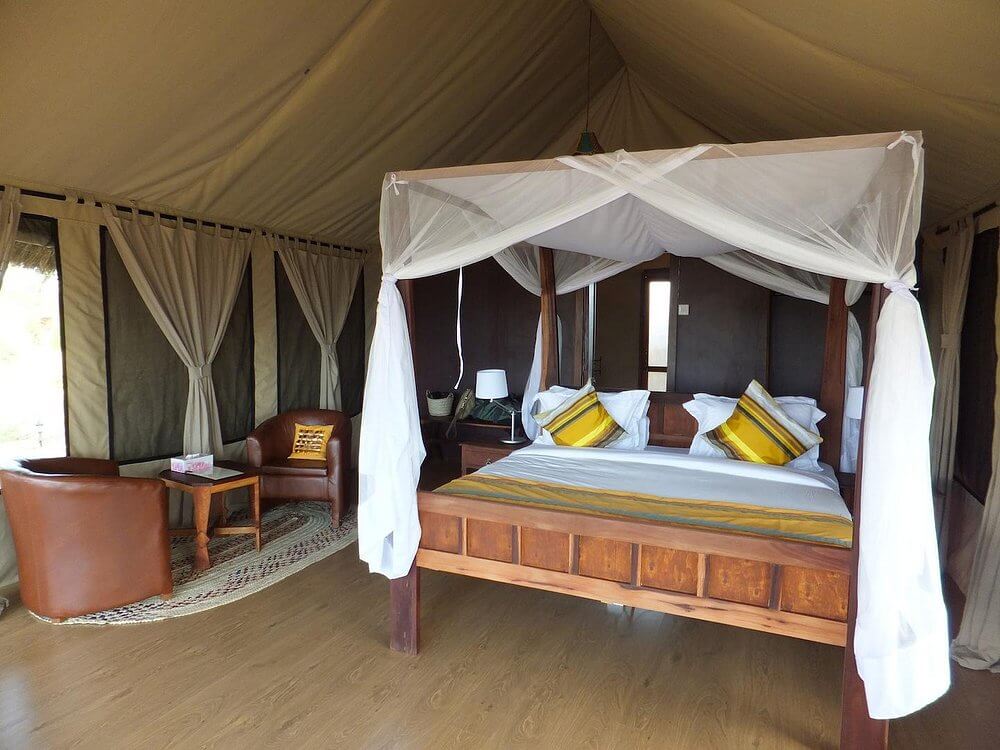
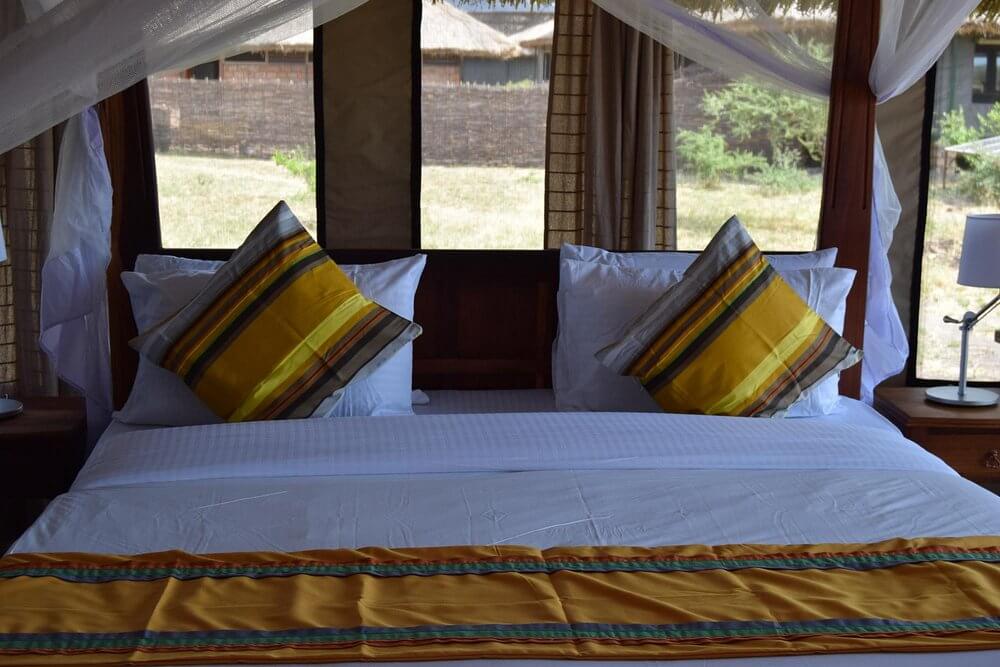
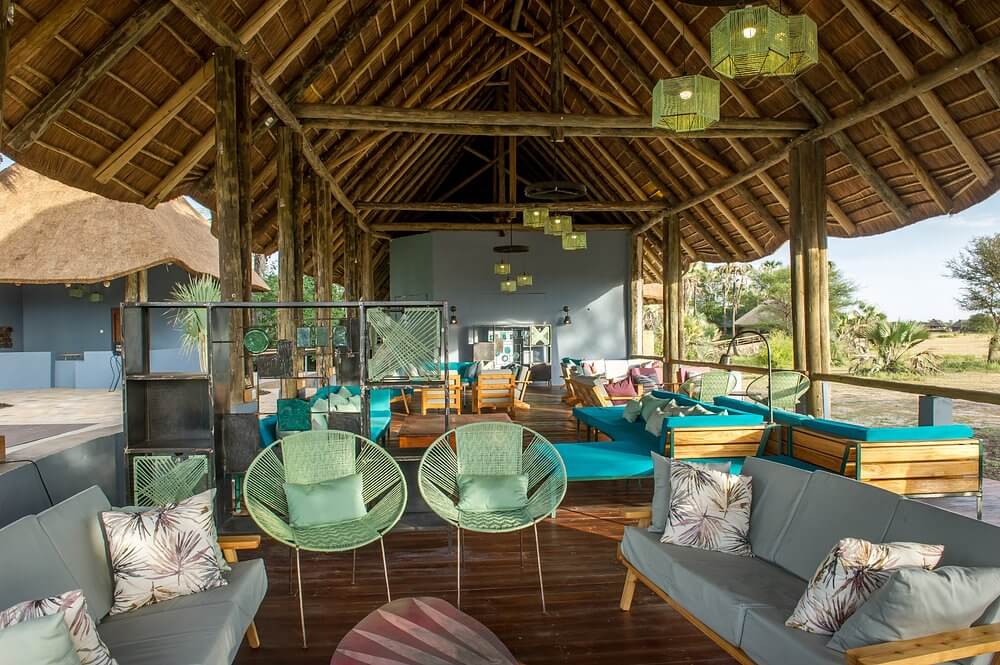
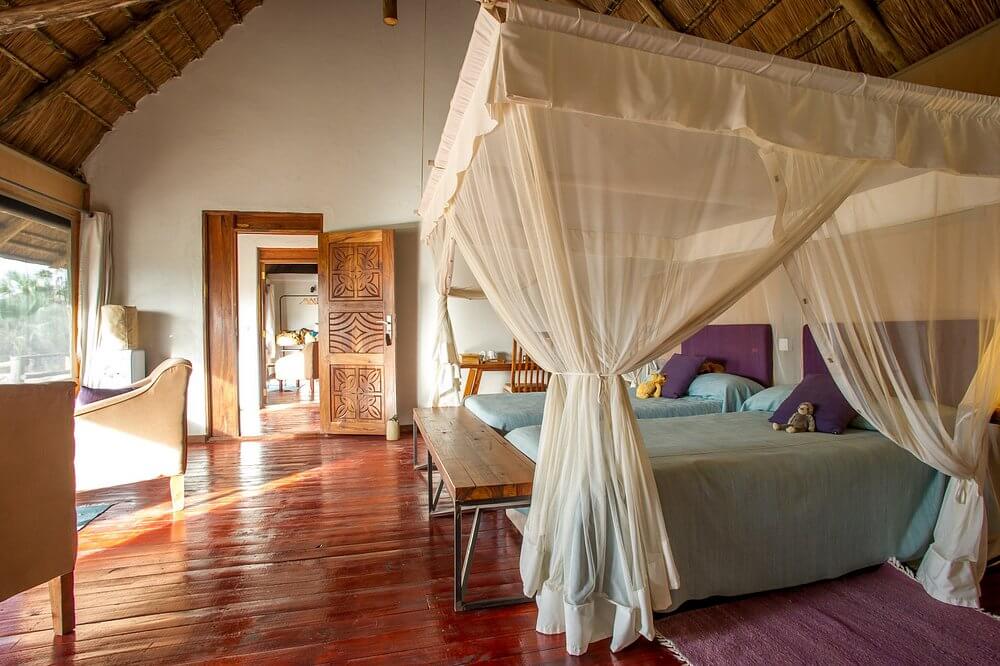
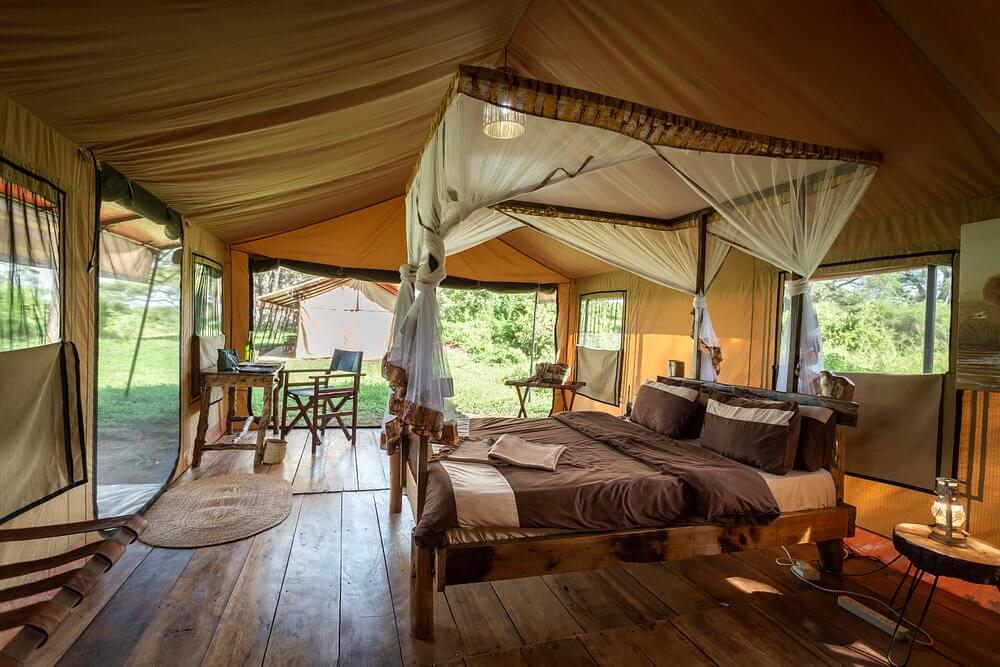
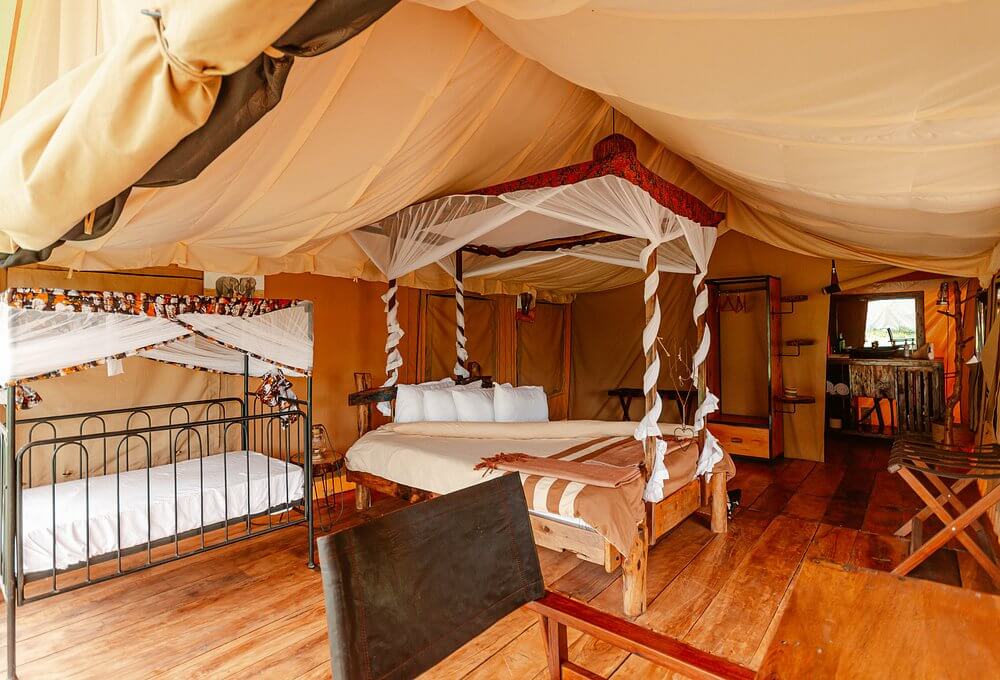
Tarangire National Park offers a wide variety of accommodation options, catering to all kinds of travelers, from budget-conscious adventurers to those seeking a luxurious stay. Whether you prefer staying inside the park or just outside its boundaries, there’s something for every type of safari-goer.

Inside the Park

Tarangire Safari Lodge
A mid-range luxury lodge located right inside the park, offering stunning views of the Tarangire River and the surrounding wildlife. It’s an ideal choice for those who want comfort and easy access to the park’s wildlife.
Known for its excellent service, Simba Tarangire Camp offers a wonderful experience in a semi-permanent camp. The camp is situated in a prime area, providing a comfortable base for safari adventures.

Near the Park

Maramboi Tented Camp
A mid-range tented camp just outside the park, Maramboi is a perfect choice for those looking for a blend of comfort and a true safari experience. The camp offers spectacular views of the surrounding landscapes and abundant wildlife.

Budget Accommodation

For those seeking a more rustic experience, Tarangire offers public campsites within the park, such as Zion Camp. This is a great option for budget-conscious travelers who want to immerse themselves in nature, with the sounds of wildlife surrounding them at night.

What our Client Say

Design your own trip

Choose a destination, pick your properties, and we’ll do the rest

1
Browse
Look through our itineraries for inspiration, and call our Travel Consultants
2
Create
Discuss your wish list with us, and we’ll use our expertise to design a unique itinerary for you
3
Customise
We’re committed to refining your itinerary until we’ve created the perfect personalised trip for you