Get advice and suggestions to make this your perfect trip. or call us on: +255 755 003116
Serengeti National Park, a UNESCO World Heritage Site, is Tanzania’s iconic wilderness sanctuary, celebrated globally for its breathtaking landscapes, unparalleled wildlife spectacles, and the legendary Great Migration. Renowned as Africa’s premier safari destination, the Serengeti offers an unrivaled experience for adventurers and nature enthusiasts alike.
Located in northern Tanzania, Serengeti Park is part of the Greater Serengeti Ecosystem, a vast conservation area that also includes Ngorongoro Crater, Lake Manyara National Park, and Tarangire National Park. Together, these parks form the Northern Tourist Circuit, a key attraction for those exploring Tanzania’s natural beauty.
The name Serengeti comes from the Maasai word “Siringet,” which means “endless plains,” a fitting description for the park’s vast, uninterrupted grasslands. Serengeti borders Ngorongoro to the south and Maasai Mara to the north, creating one of the world’s most vital ecosystems.
Historically, the Serengeti was once part of an even larger protected area, before local communities were resettled across regions such as Ngorongoro, Lake Manyara, and Karatu. Despite this change, Serengeti National Park remains an integral part of Tanzania’s northern parks.
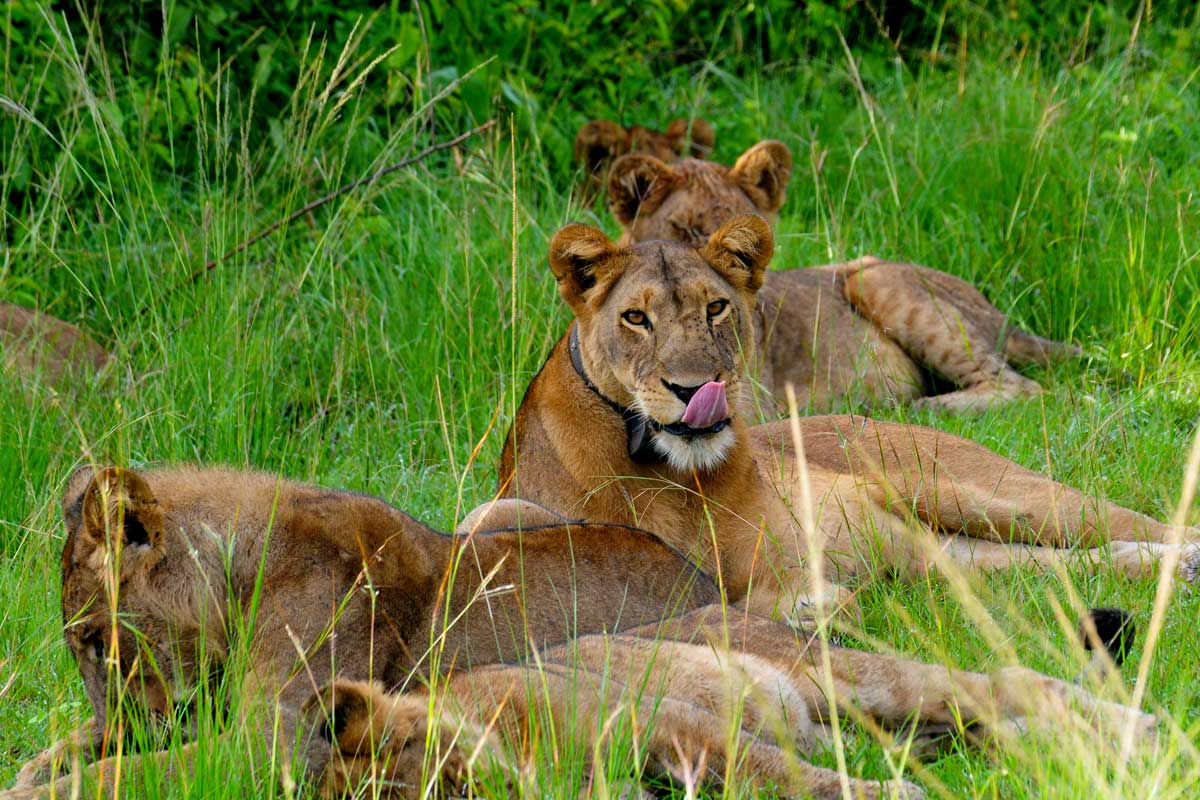
A Tanzania safari would be incomplete without experiencing the Serengeti National Park. Famous for the Great Wildebeest Migration, the park is also home to an extraordinary variety of wildlife and plants that contribute to the rich Serengeti ecosystem. From lions and leopards to elephants and zebras, Serengeti is a haven for animal lovers and adventurers alike.
Whether you’re chasing the annual migration or simply soaking in the stunning landscape, Serengeti is truly one of the best safari destinations in Tanzania.
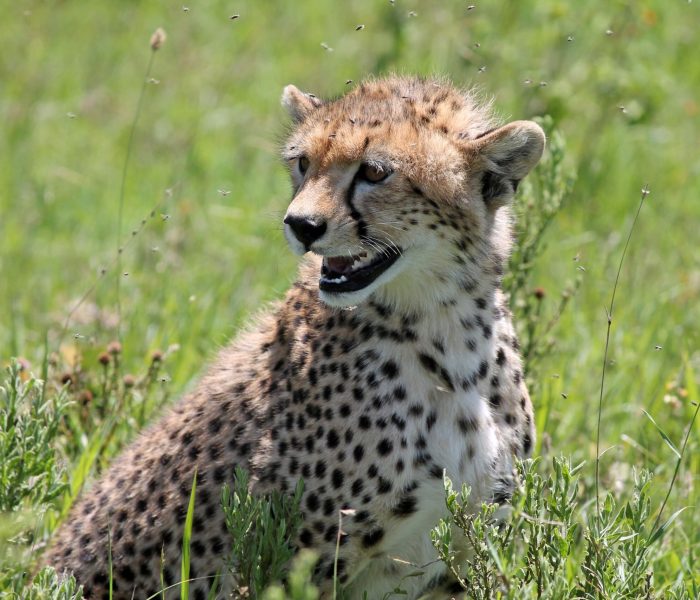
Serengeti National Park in Tanzania was officially established in 1952, marking the beginning of its role as the host for one of the world’s greatest natural spectacles the Great Migration of wildebeest and zebras. Alongside this awe-inspiring migration, the park is home to a diverse array of wildlife, including lions, cheetahs, elephants, giraffes, and an impressive range of bird species. Given its popularity among travelers, Serengeti offers a variety of accommodation options, from luxury lodges to mobile camps that cater to all preferences.
Spanning an area of 5,700 square miles (14,763 square kilometers), Serengeti is larger than the state of Connecticut, and with only a few hundred vehicles permitted in the park at any given time, it remains relatively untouched by human interference.
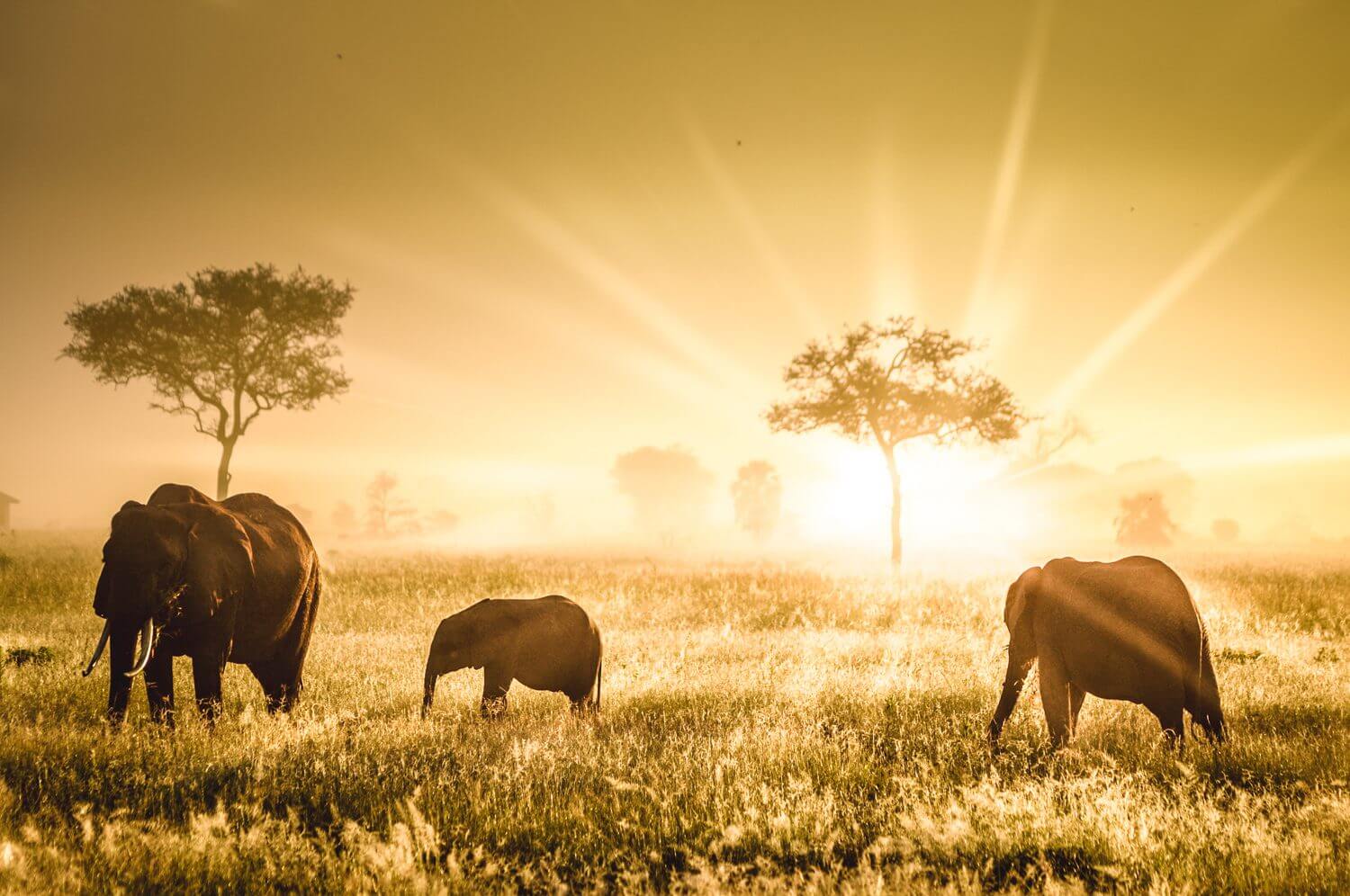
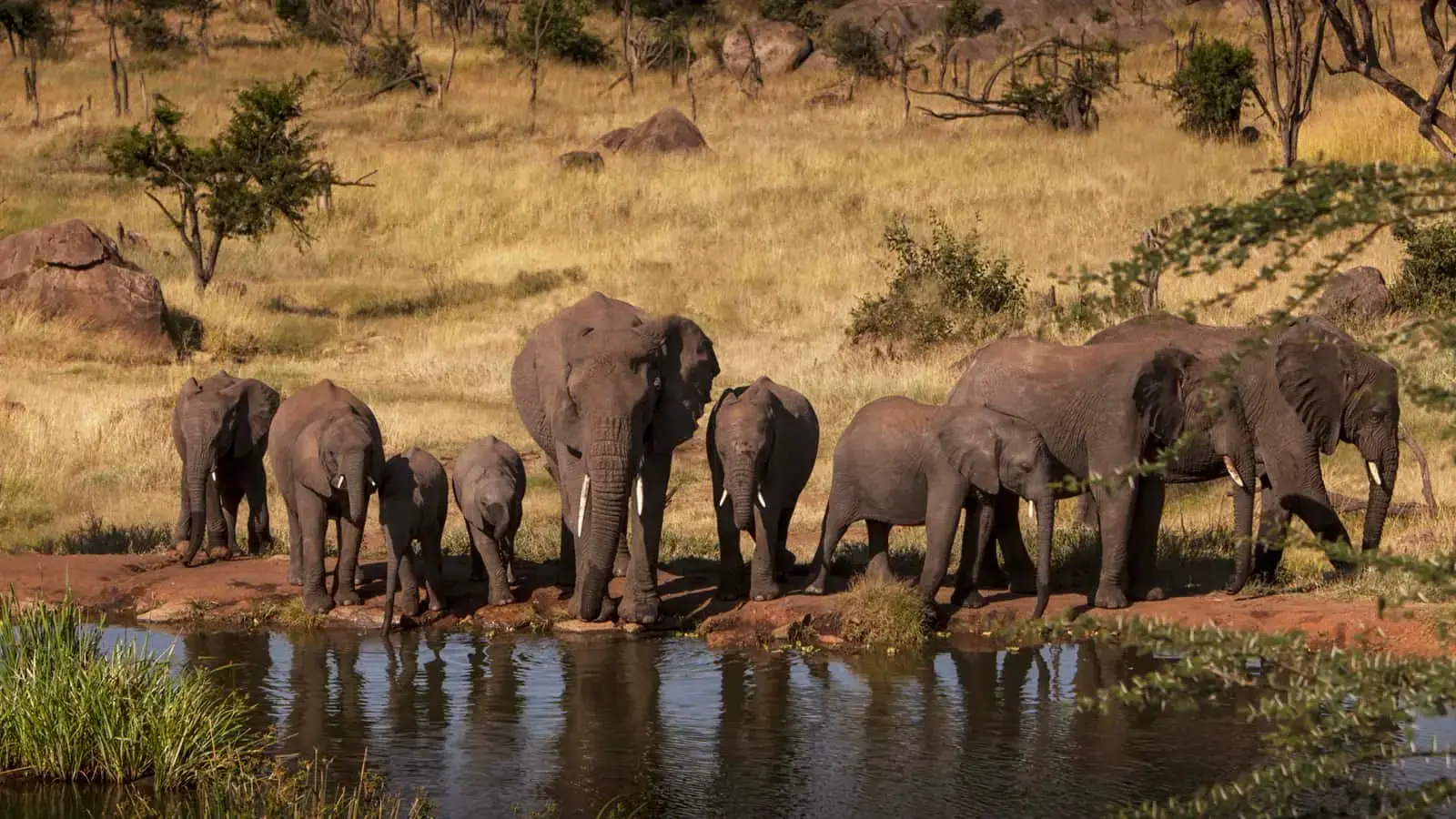
Historically, elephants were not native to the Serengeti, but due to habitat destruction and increasing populations in neighboring reserves, elephants began migrating into the park in search of refuge. This shift has contributed to the growing elephant population in the Serengeti today, a phenomenon best experienced on a Serengeti safari or Serengeti tour.
Unfortunately, wild dogs were last sighted in the Serengeti in 1991 and are now considered extinct in the area. However, the park continues to thrive with over one million wildebeest, thousands of zebras, more than 10 species of antelopes, and over 500 species of birds. Additionally, Serengeti is home to two species of primates the olive baboon and the black-faced monkey.
A visit to Serengeti National Park offers a unique opportunity to witness some of the most breathtaking wildlife experiences in the world, making it a must-visit destination for any safari enthusiast.
Serengeti National Park is located in the northern region of Tanzania, about a 7-hour drive from the popular tourist hub of Arusha. The drive takes you along well-maintained tarmac roads that pass through several charming towns, such as Karatu, offering glimpses of local life. Along the way, you’ll enjoy the spectacular views of the Great Rift Valley and Lake Manyara National Park, famous for its tree-climbing lions and playful baboons often seen strolling along the roads.
The scenic drive becomes even more rewarding as you pass high volcanic cliffs and stop at designated viewpoints to capture aerial photographs of Lake Manyara from elevated vantage points. After reaching Karatu, we continue toward the iconic Ngorongoro Crater, where you will receive necessary clearances and pay transit fees to pass through this unique UNESCO World Heritage site.
Often referred to as the heart of the Serengeti, this section is the most famous and iconic. Known as “Serengit,” meaning “the land of endless plains” in Maasai, it features classic savannah landscapes dotted with acacia trees and teeming with wildlife.
This area is particularly famous for its great wildebeest migration and offers excellent opportunities for game viewing year-round.
The western part of the Serengeti is characterized by the Grumeti River, dense forests, and thick bush. This section provides a more secluded and serene experience, with lush greenery and a diverse ecosystem.
The river is a major highlight, especially during the annual migration when herds must cross it, facing challenges from predators.
The northern section is located near Kenya’s Masai Mara Reserve and is less frequented by tourists. It offers a quieter, more remote atmosphere, with expansive plains and river crossings that are part of the migration route.
This section provides a sense of untouched wilderness, perfect for those seeking a more exclusive safari experience.
Serengeti’s 30,000 km² ecosystem is a UNESCO World Heritage Site and a Biosphere Reserve, making it one of the most scientifically significant wildlife areas in the world. Its remarkable biodiversity has inspired writers such as Ernest Hemingway and Peter Matthiessen, filmmakers like Hugo von Lawick and Alan Root, and countless photographers and researchers, many of whom have contributed their works to showcase the magic of this incredible destination.


Organizing a safari in Tanzania Destination, can be overwhelming due to the many choices available for transport, accommodation, and activities.
The Serengeti ecosystem is one of the oldest and most iconic ecosystems on Earth, largely unchanged for millions of years. Its climate, vegetation, and wildlife have remained largely consistent, creating a remarkably stable environment for species to thrive. Olduvai Gorge, located within the ecosystem, marks the place where early humans appeared about two million years ago, adding to the park’s rich history.
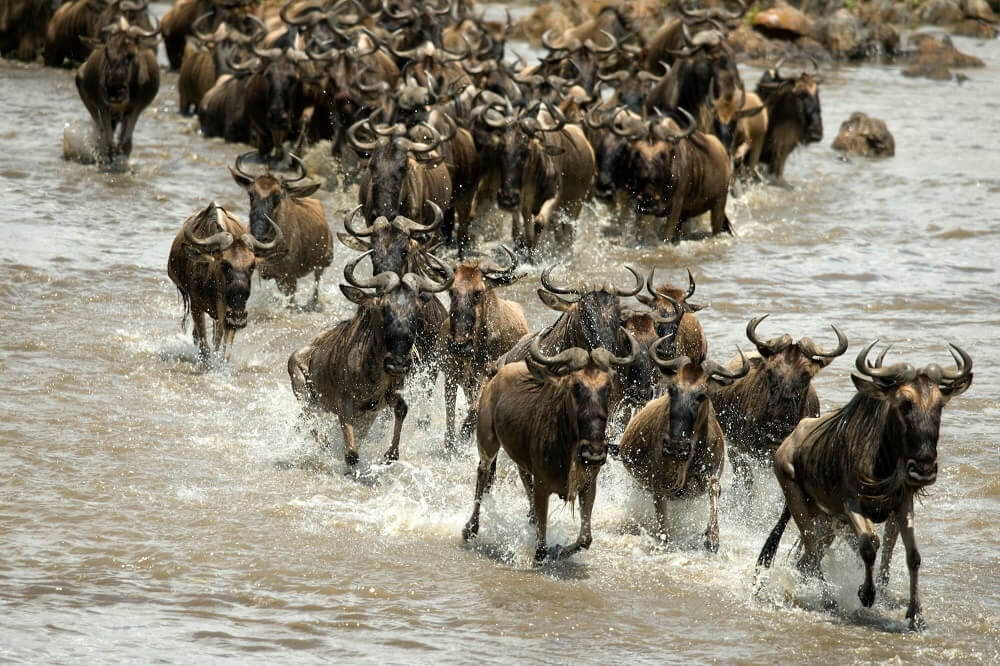
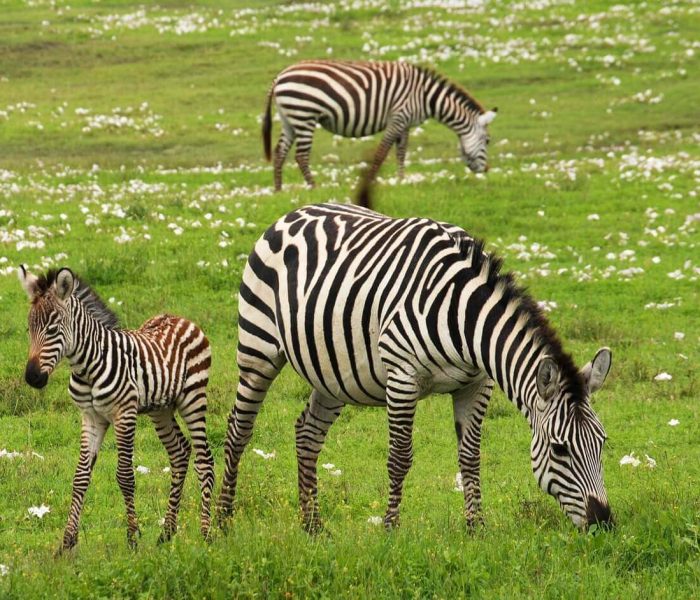
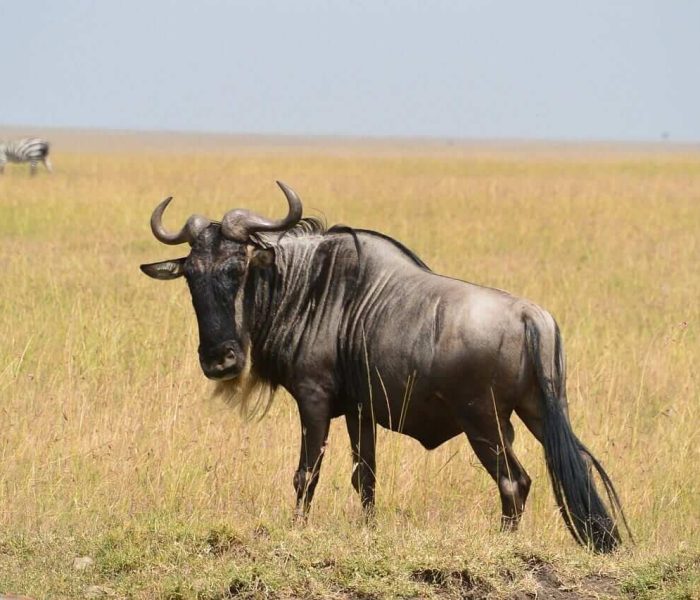
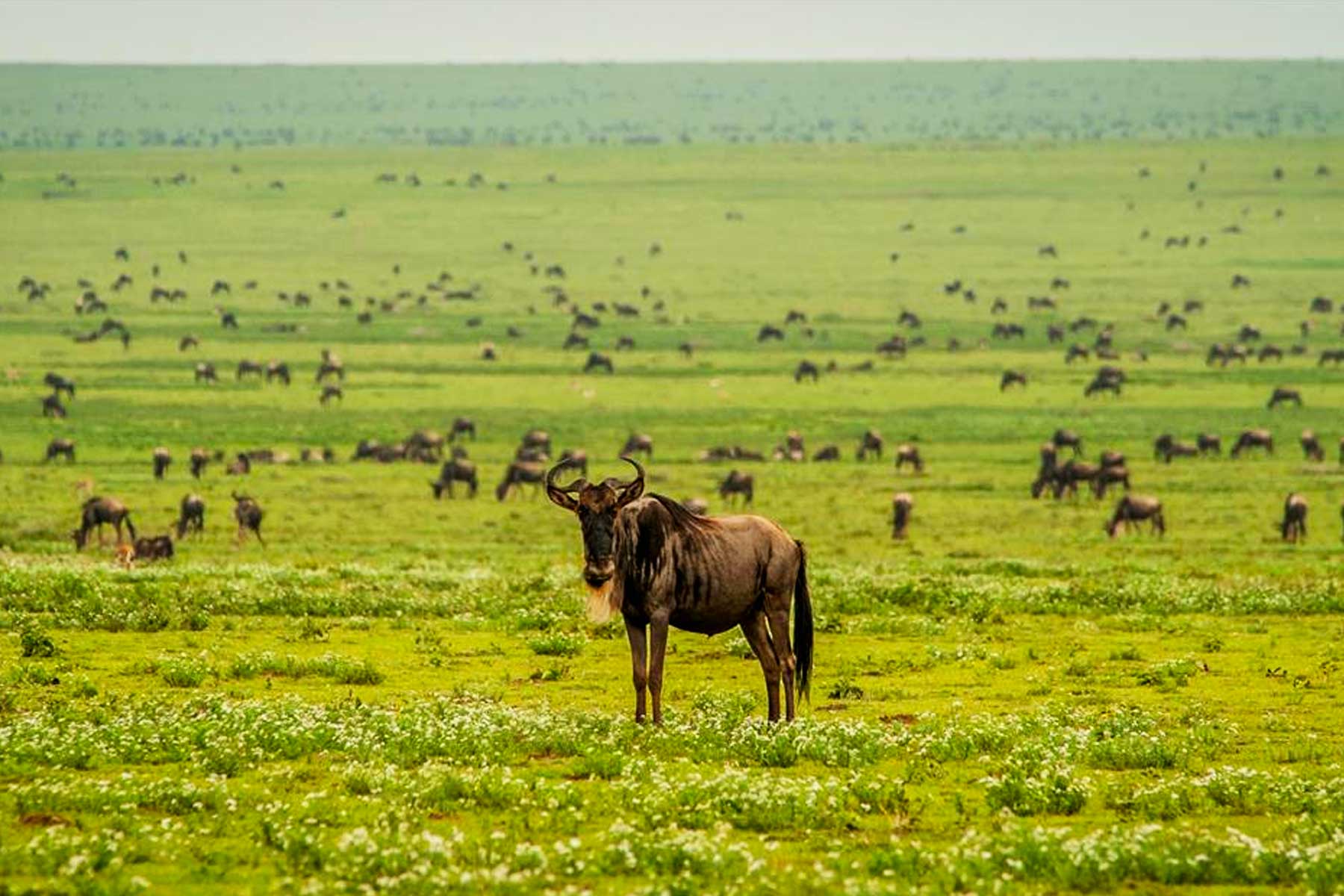
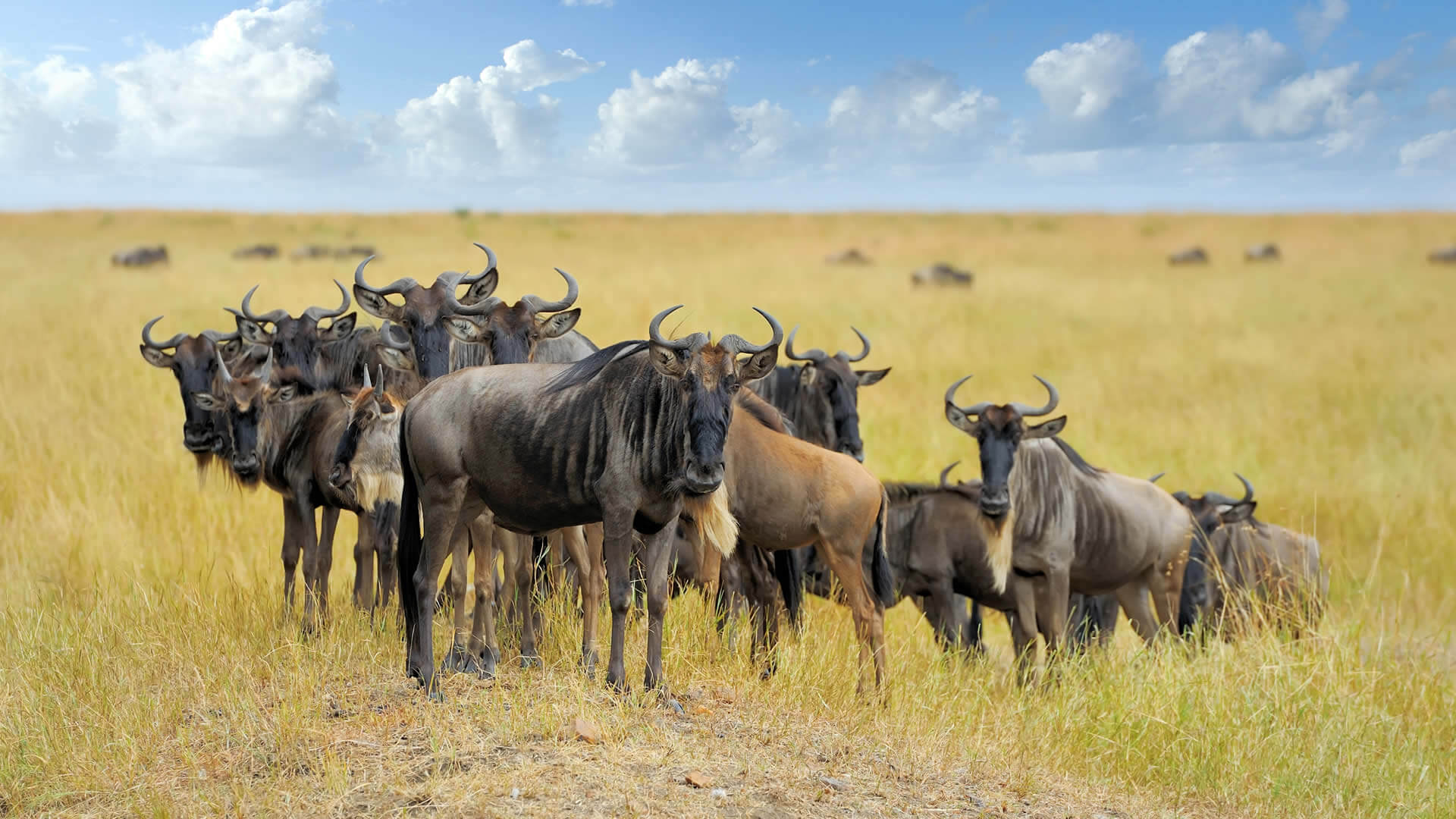
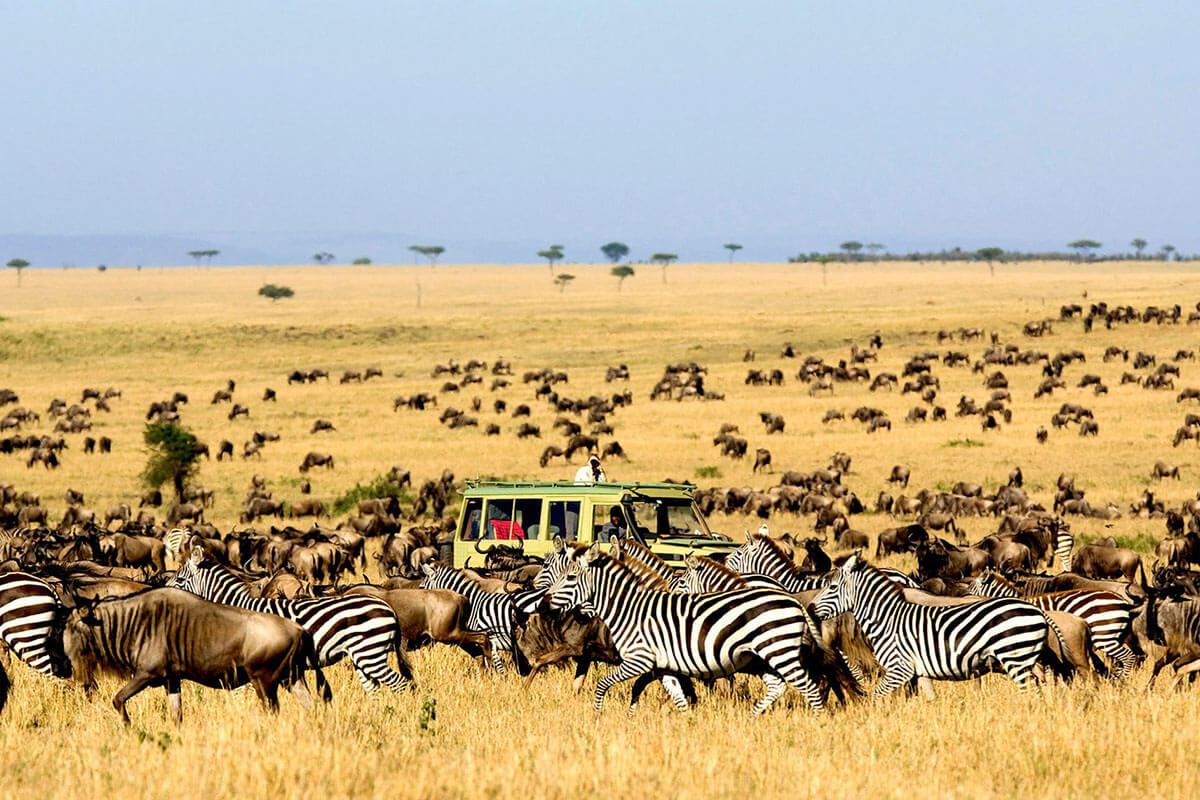
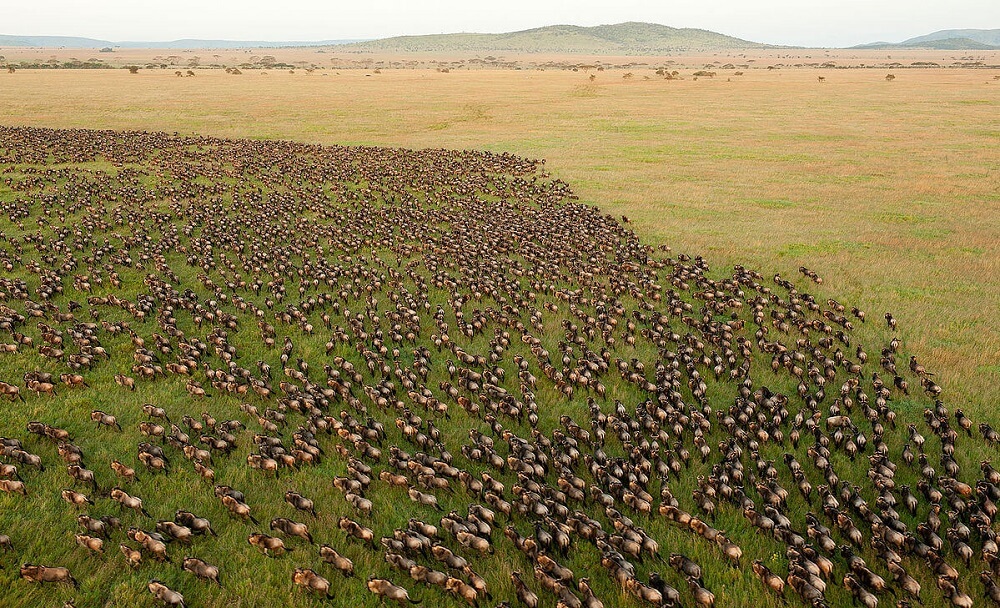
Serengeti’s great migration is perhaps its most renowned feature. Every year, over one million wildebeest and about 200,000 zebras embark on an epic journey. These herds travel from the northern hills to the southern plains of Serengeti in search of fresh grazing during the short rains of October and November. After the long rains of April, May, and June, the animals move back north and west in a continuous, instinct-driven cycle. The drive to migrate is so ingrained in their behavior that nothing be it droughts, steep gorges, or the dangers of crocodile-infested rivers can stop them.
The Serengeti migration passes through a network of parks, reserves, and protected areas, covering a variety of habitats, including open plains, woodlands, and riverine forests. This migration is not just a sight to behold, but also a vital event that sustains the biodiversity of the region.
The Serengeti ecosystem is home to a wide variety of flora and fauna, from the big cats like lions and cheetahs to the herbivores that make up the bulk of the migration. Whether you’re observing the action-packed river crossings or witnessing the calm beauty of the acacia-dotted savannah, the Serengeti offers a unique experience for nature lovers. Explore the diverse landscapes and meet some of the most fascinating inhabitants of this ancient wilderness.
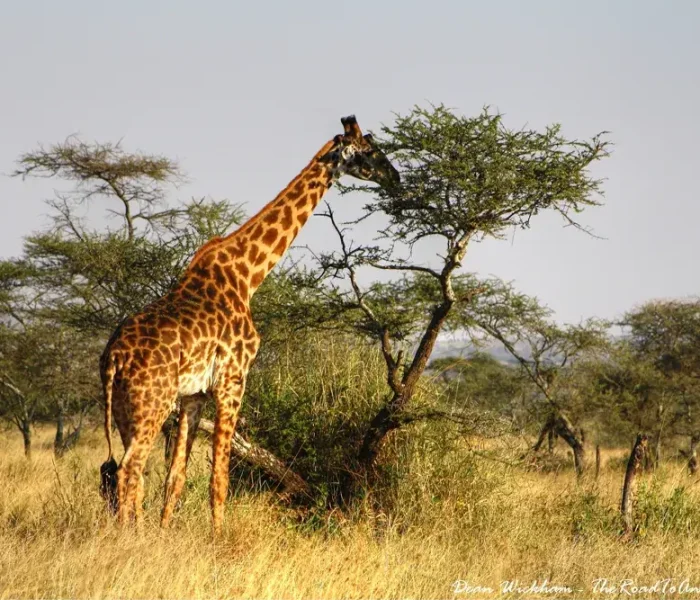
Beyond the migration, Serengeti is teeming with wildlife. You can spot the Big Five lions, elephants, leopards, buffaloes, and rhinos along with numerous other species, including giraffes, cheetahs, hyenas, and various antelopes.
The Seronera River Valley, located in the central Serengeti, is a prime spot for viewing big cats and other predators.
The wildebeest migration is one of nature’s most spectacular events and a key attraction in Serengeti National Park. Each year, over one million wildebeests, along with thousands of zebras and gazelles, move across the plains in search of fresh grazing. This awe-inspiring migration spans several months, typically starting in January to March when the wildebeests calve in the southern Serengeti, with approximately 8,000 calves born every day during this period.
The migration then moves westward towards the Grumeti River around July to August, where dramatic river crossings take place, with crocodiles and predators such as lions, cheetahs, and leopards making the journey even more thrilling. By August to September, the wildebeests move into Masai Mara, with some of them crossing the Mara River, where more challenges and dangers await. Witnessing the wildebeest migration is a highlight for many visitors during their Serengeti safari.
Serengeti is a birdwatcher’s paradise with over 500 species of birds. The park is home to both migratory and resident bird species, including marabou storks, eagles, vultures, Secretary birds, and various types of weaver birds.
Whether you’re in the grasslands or along the rivers, birdwatching is an incredible way to experience the park.
Often referred to as the “Cradle of Humankind,” Olduvai Gorge is one of the most important archaeological sites in the world.
This UNESCO World Heritage Site is where some of the earliest evidence of human evolution has been discovered, including fossils dating back over 1.8 million years.
Moru Kopjes is a unique area within Serengeti known for its scattered rock formations and ancient rock art.
These kopjes are not only scenic but also serve as an excellent spot to see wildlife, including lions that often rest on the rocks.
The Retina Hippo Pool is a serene and fascinating area where large numbers of hippopotamuses gather in the cool waters.
Visitors can enjoy watching these massive creatures interact, along with other wildlife that frequents the area.
The Grumeti River, located in the western Serengeti, is famous for its dramatic wildebeest crossings during the migration.
The river is home to large populations of crocodiles, which create an exciting spectacle as they prey on migrating animals.
The Seronera River Valley is one of the most popular and wildlife-rich areas in Serengeti. Known for its open grasslands and riverine habitats, this area is perfect for spotting big cats, such as lions and cheetahs, and also boasts a variety of birdlife.
Serengeti National Park is a destination filled with exceptional wildlife and breathtaking landscapes. Whether you’re visiting for the wildebeest migration, seeking to encounter the Big Five, or experiencing Maasai culture, the park promises an unforgettable safari adventure.
Hot Air Balloon Safaris
A hot air balloon ride in Serengeti provides a unique and breathtaking perspective of the park. This early morning activity begins with a briefing before you soar over the expansive plains, offering panoramic views of the savannah, wildlife, and landscapes.
From above, you can spot iconic animals like elephants, giraffes, rhinos, and lions in their natural habitat.
Game Drives
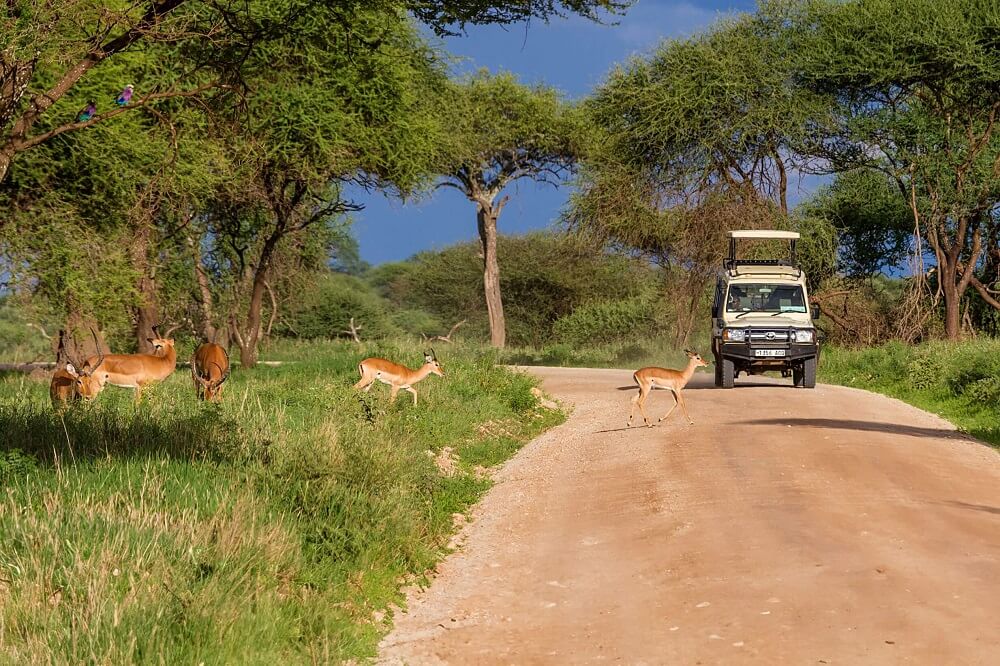
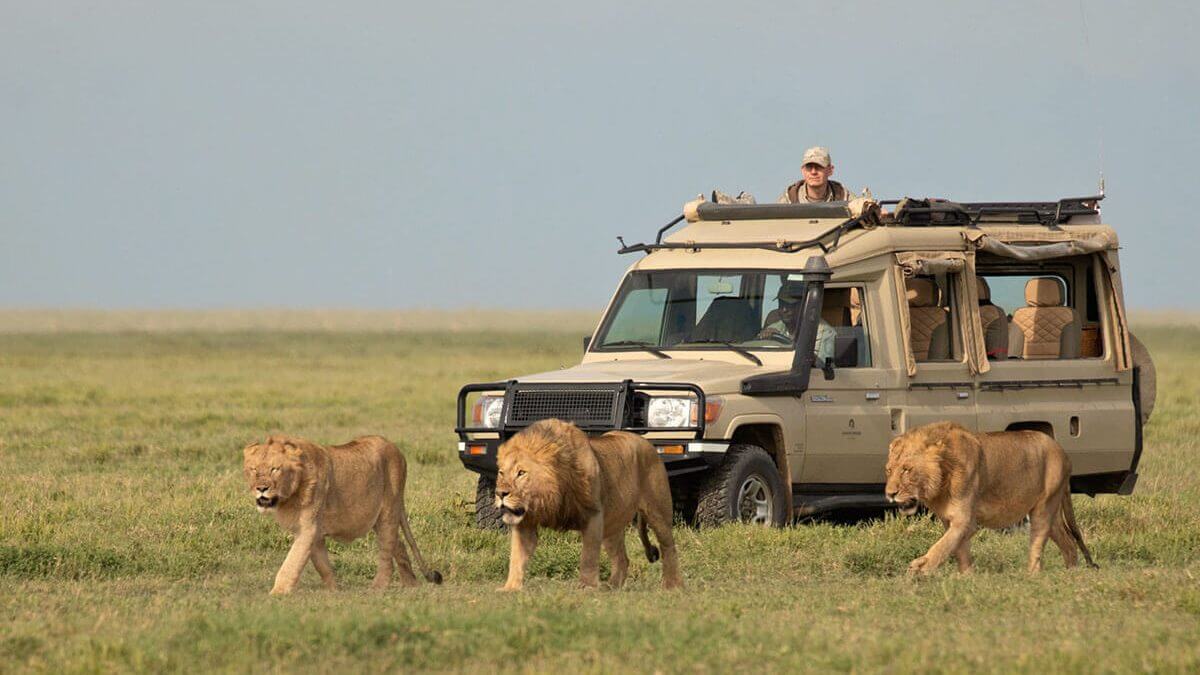
Game drives are a classic safari activity in Serengeti, allowing visitors to explore the park’s diverse wildlife up close. These drives can be arranged in the morning, afternoon, or evening, or even as a full-day excursion.
During your Serengeti safari, you’ll travel across the park’s vast plains, where you can observe the Big Five (lions, elephants, buffalo, leopards, and rhinos), along with countless other species of wildlife.
Bird watching
Cultural Experiences with the Maasai People
One of the highlights of a Serengeti safari is the chance to experience the culture of the Maasai people. Visitors can engage with the Maasai, learn about their traditional lifestyle, and discover how they have coexisted with wildlife in the region for centuries. These cultural encounters offer a deeper understanding of the relationship between the Maasai and the Serengeti ecosystem.
The Serengeti National Park offers an array of activities, from game drives to balloon safaris, bird watching, and experiencing the famous wildebeest migration. To explore the park thoroughly, 5-7 days is the recommended duration. This allows enough time to enjoy a variety of activities and take in the park’s beauty.
For bird watchers:
A longer stay of 7-10 days is ideal, as Serengeti is home to over 500 species of birds, making it a birding paradise.
For photographers:
If you’re keen on capturing the stunning landscapes, wildlife, and cultural experiences, an extended stay of 10 days or more will give you ample time to explore and photograph the park’s diverse scenery and abundant wildlife.
Maximum Temperatures:
The hottest periods rarely exceed 37°C (98.6°F) during the day in the rainy season, particularly in the Seronera area. The highest temperatures can vary depending on your location in the park, ranging from 15°C (59°F) near the highlands to 30°C (86°F) closer to Lake Victoria.
Minimum Temperatures:
During the dry season, temperatures can drop to around 13°C (55.4°F) in the early mornings, particularly in the cooler months.
Serengeti’s cool climate is mainly due to its altitude, which acts as a ‘cool island’ amidst the hotter lowlands of East Africa.
Southeast Plains:
These areas receive the least rainfall, with about 400 mm per year. This part of the park is typically drier and is influenced by the rain shadow of the Ngorongoro Crater and the Meru-Kilimanjaro mountain range.
Northwest (Near the Masai Mara):
The northwest of Serengeti receives more rainfall, up to 1,200 mm per year, due to moisture carried by winds from Lake Victoria.
Serengeti Climate Chart
Here is a monthly breakdown of the average maximum and minimum temperatures in Serengeti:
It’s important to note that rainfall can vary depending on the area within the park, and sometimes the short rains fail, particularly in the southeast. The rainfall gradient across the Serengeti can be significant, with the southeast receiving around 400 mm annually and the northwest, near the Kenyan border, receiving as much as 1,200 mm.
Serengeti experiences two main rainy seasons: the short rains and the long rains.
Short Rains (November to December):
The short rains mark the start of the rainy season, typically bringing some relief from the dry weather. While rainfall is unpredictable, it usually does not interfere with safaris, making it an excellent time to visit if you prefer fewer crowds.
Long Rains (March to May):
The long rains are the heaviest, occurring mainly from March to May. While it rarely rains all day, rainfall is frequent, and the landscape becomes lush and green. This is considered the green season, ideal for seeing the park in its most vibrant form. The long rains are also a great time for birdwatching, as migratory birds arrive.
| Month | Max Temperature (°C) | Min Temperature (°C) |
|---|---|---|
| Jan | 29°C | 26°C |
| Feb | 29°C | 26°C |
| Mar | 29°C | 16°C |
| Apr | 28°C | 16°C |
| May | 27°C | 15°C |
| Jun | 26°C | 15°C |
| Jul | 26°C | 14°C |
| Aug | 27°C | 15°C |
| Sep | 28°C | 15°C |
| Oct | 28°C | 16°C |
| Nov | 28°C | 16°C |
| Dec | 28°C | 16°C |
Serengeti National Park offers a pleasant climate for year-round safaris, with the temperatures rarely getting uncomfortably hot, especially at night and in the early mornings. The park’s two rainy seasons, short rains and long rains, influence the landscape, and visiting during the wet season provides a more vibrant and less crowded experience. The dry season, from June to October, is more popular for its wildlife visibility and river crossings, while the wet season offers a unique green oasis and excellent bird watching opportunities.
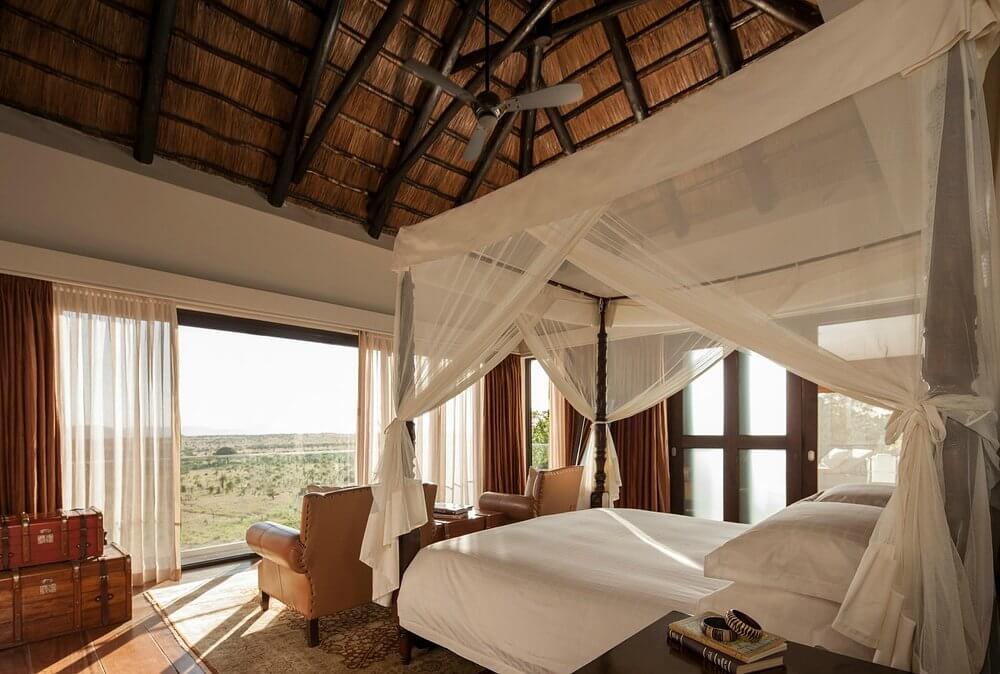
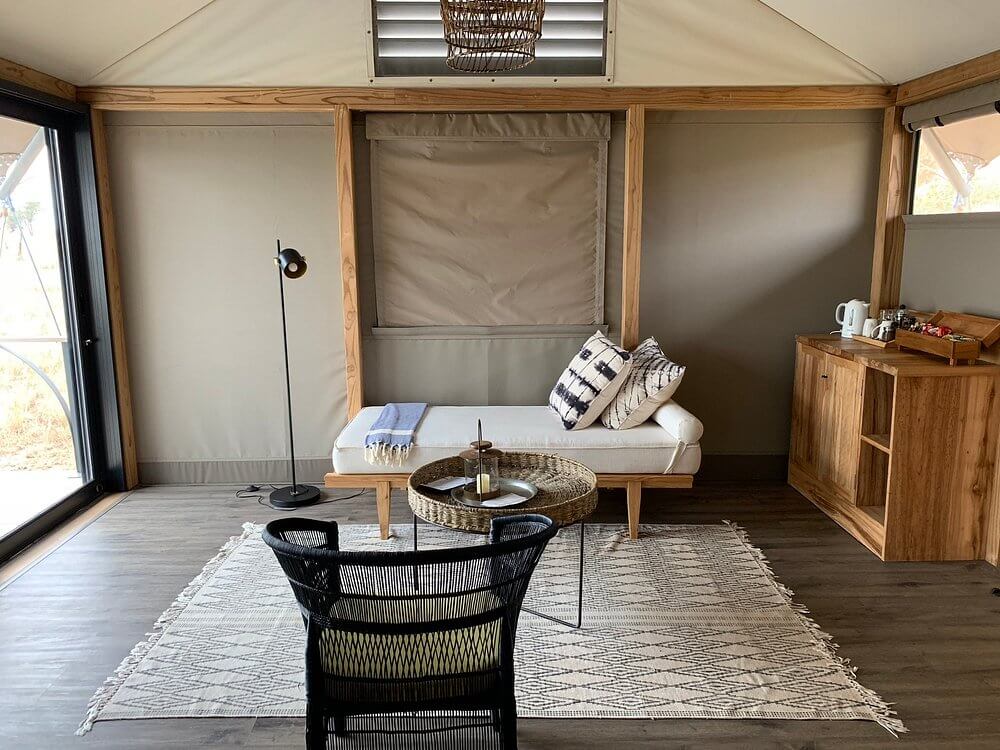
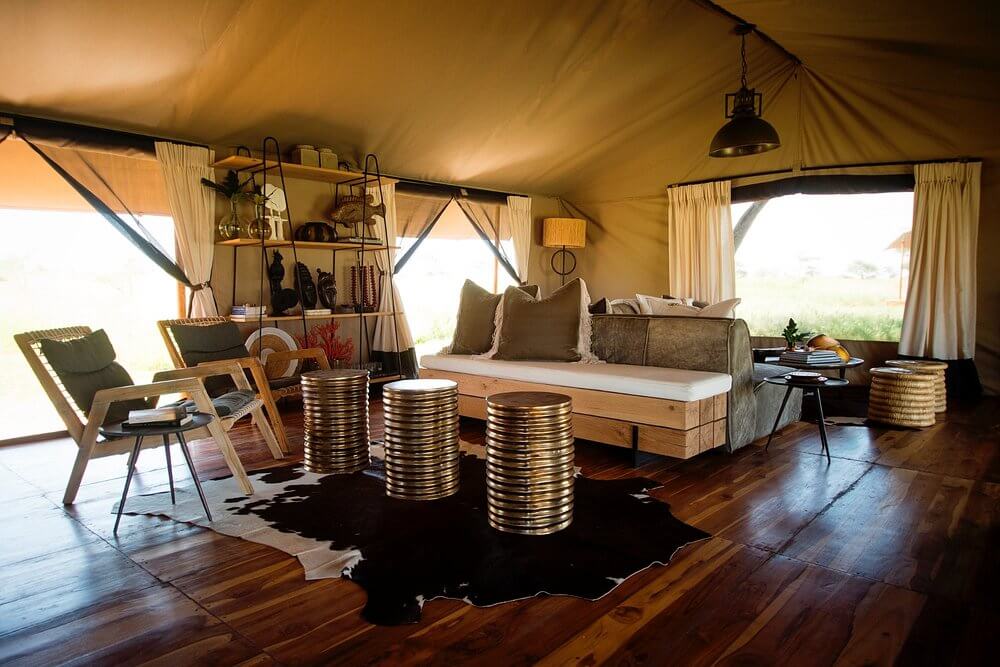
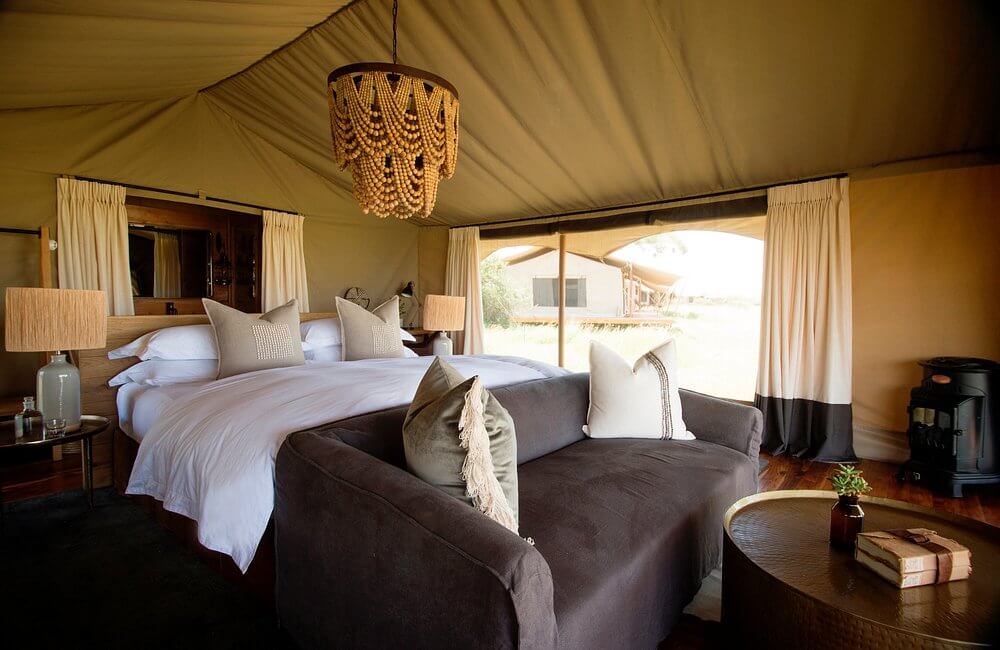
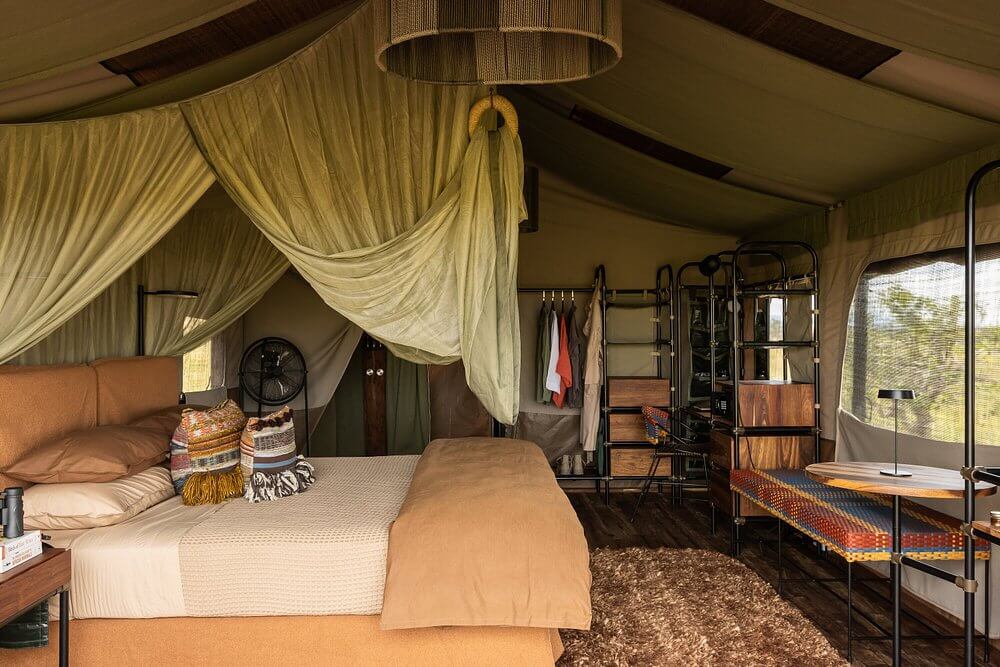
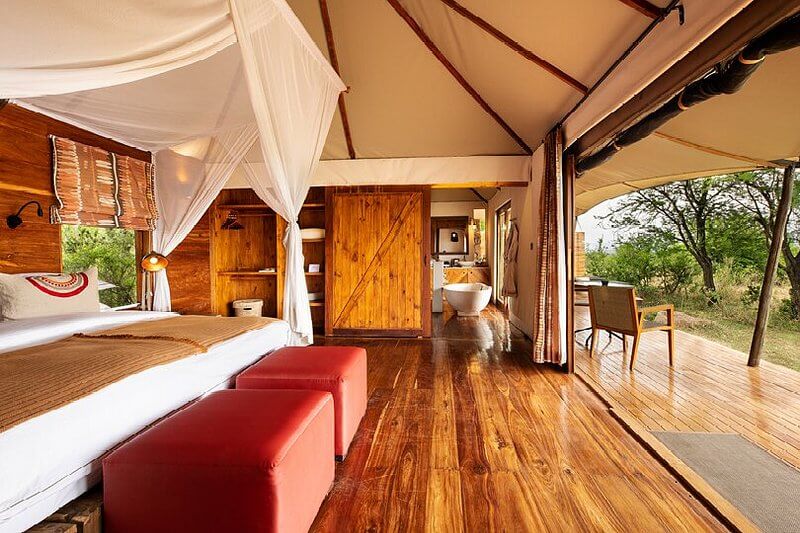
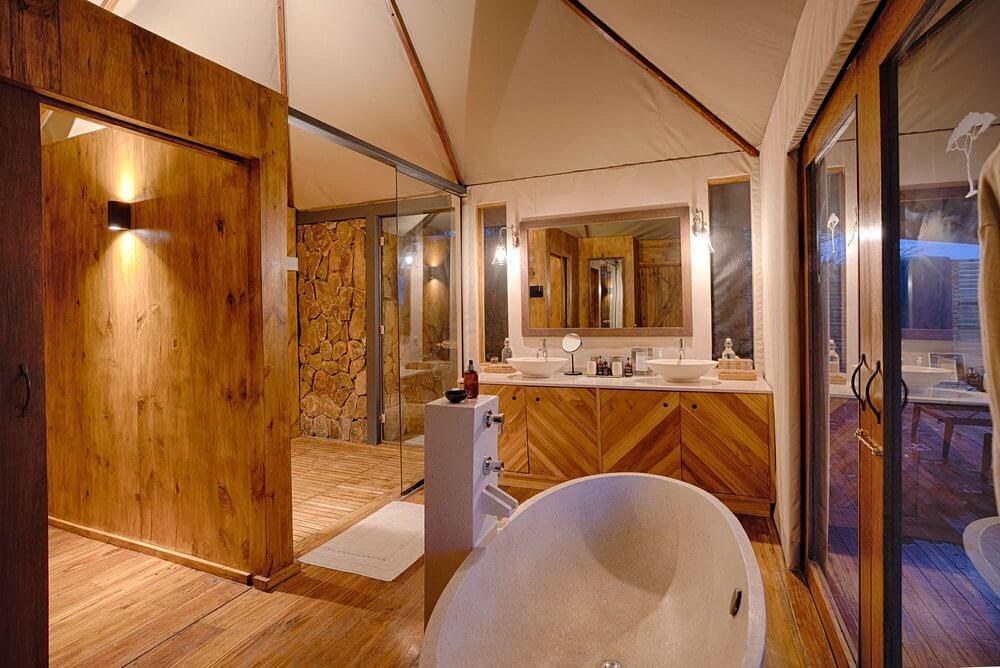
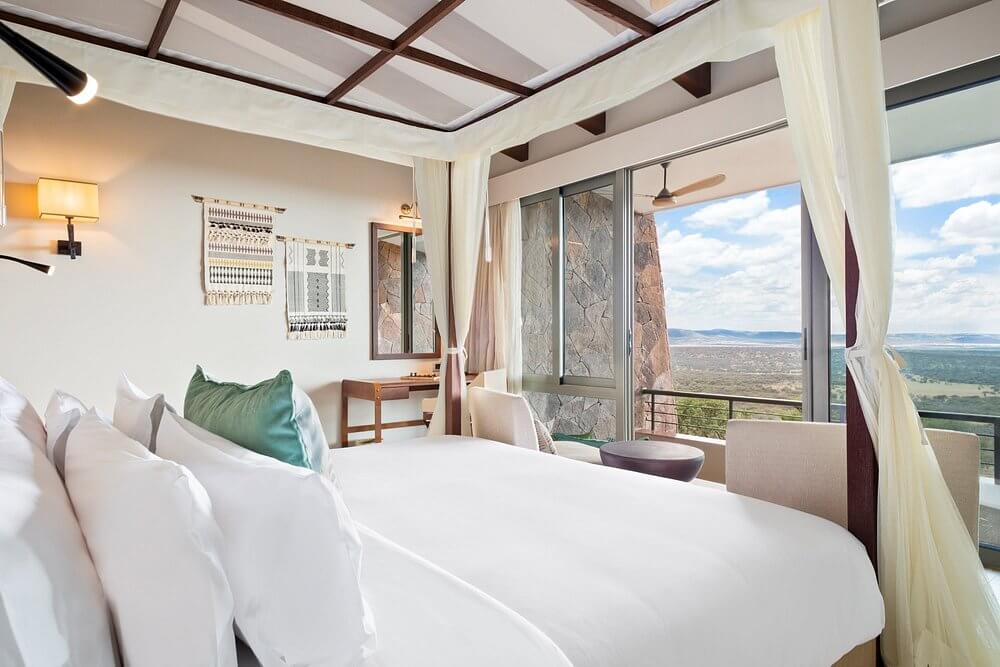
An eco-lodge designed to be off the grid, Singita Mara Camp is made from natural and recycled materials, offering an authentic connection to nature. It’s perfect for those who want to experience luxury while supporting sustainability.
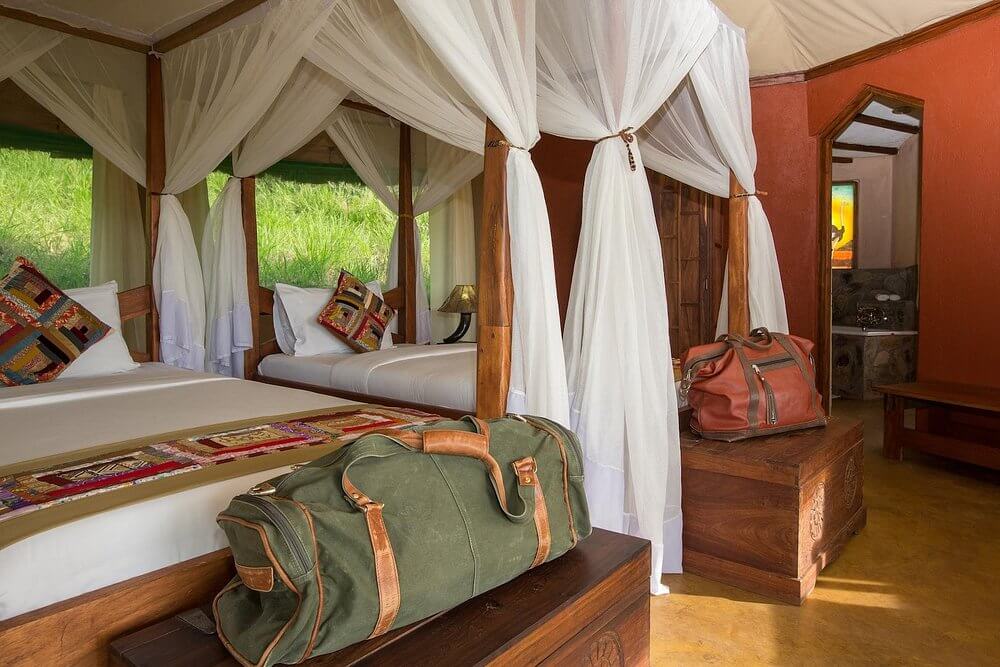
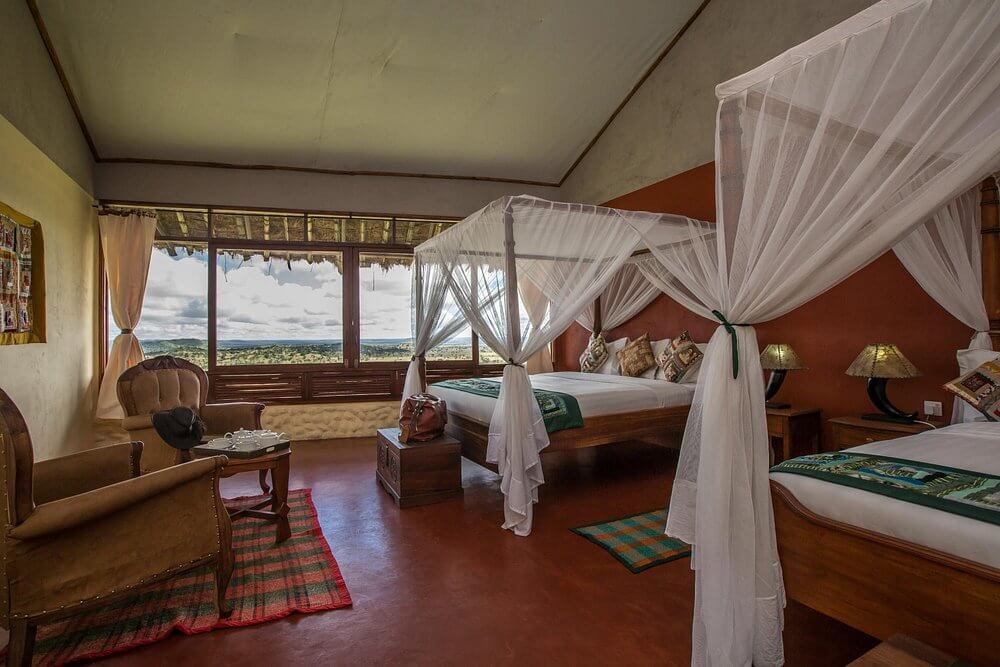
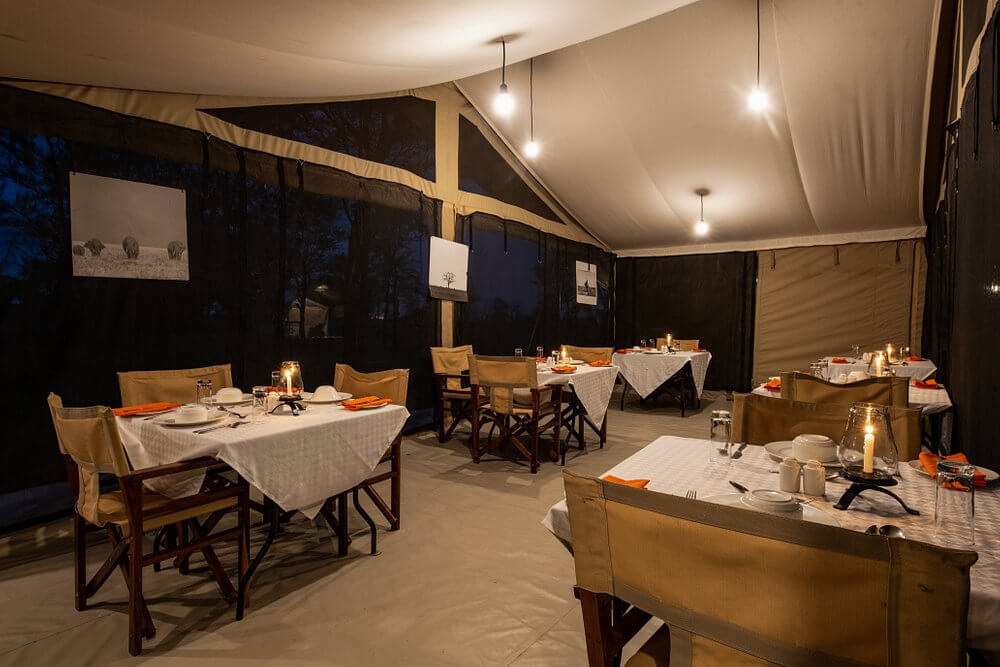
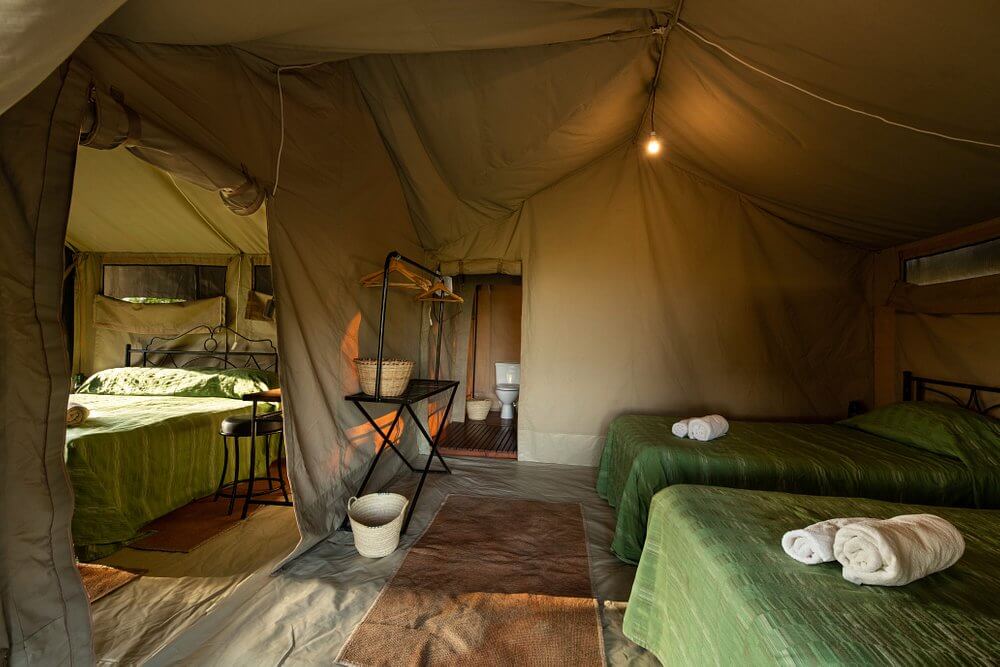
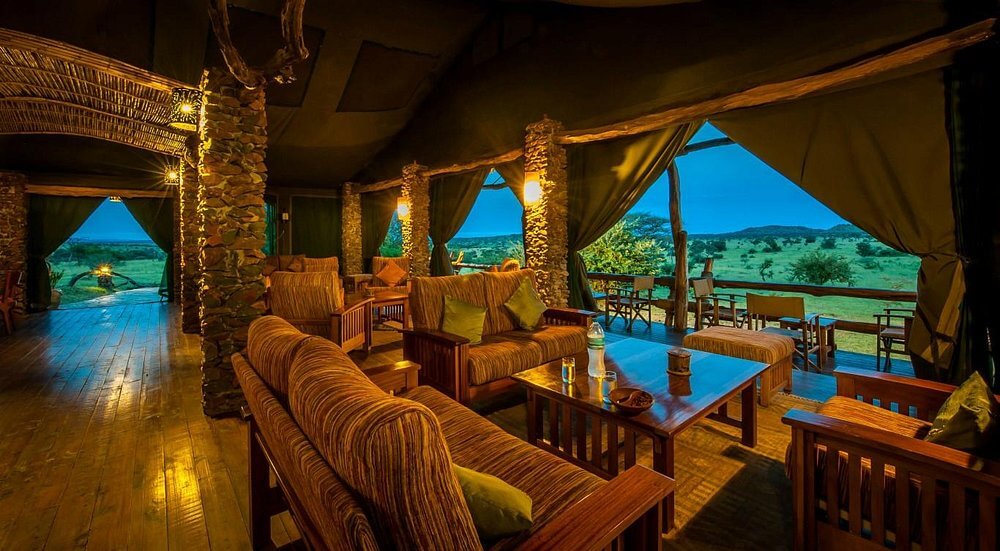
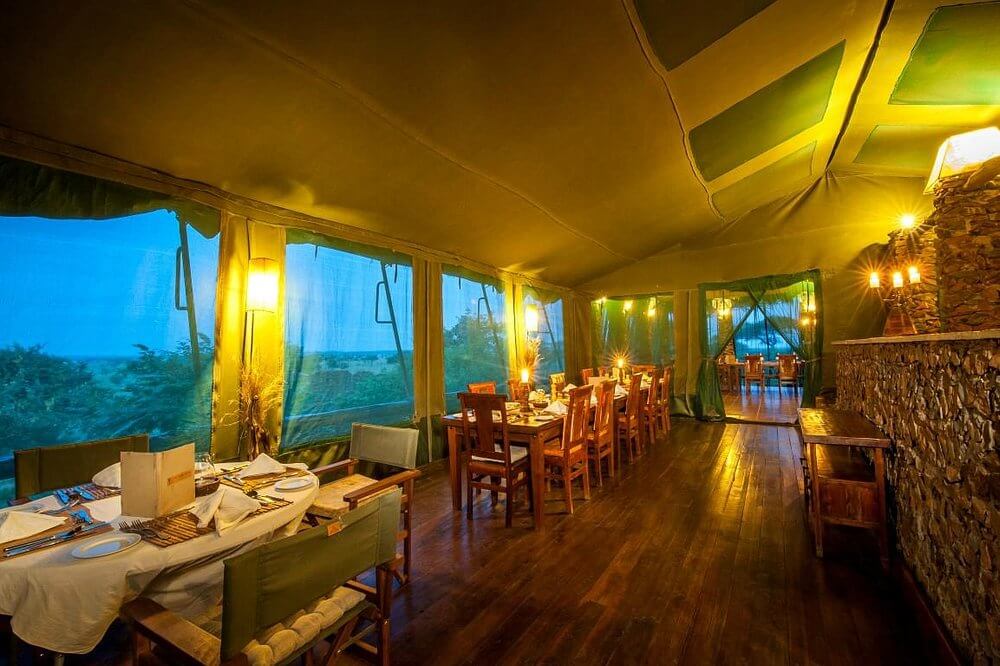
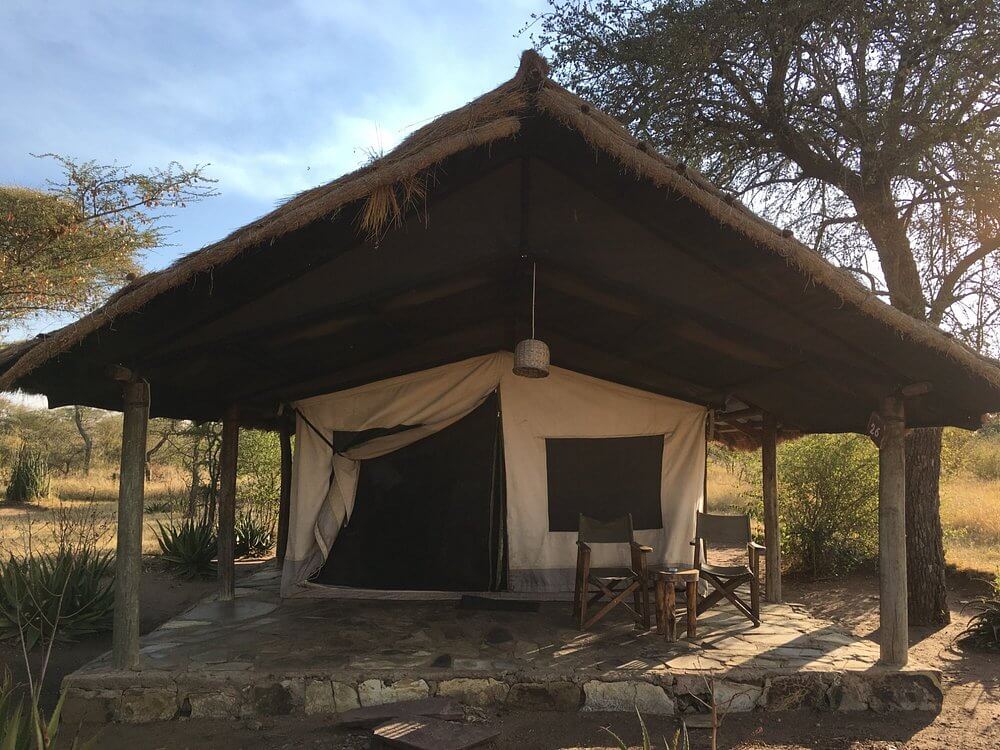
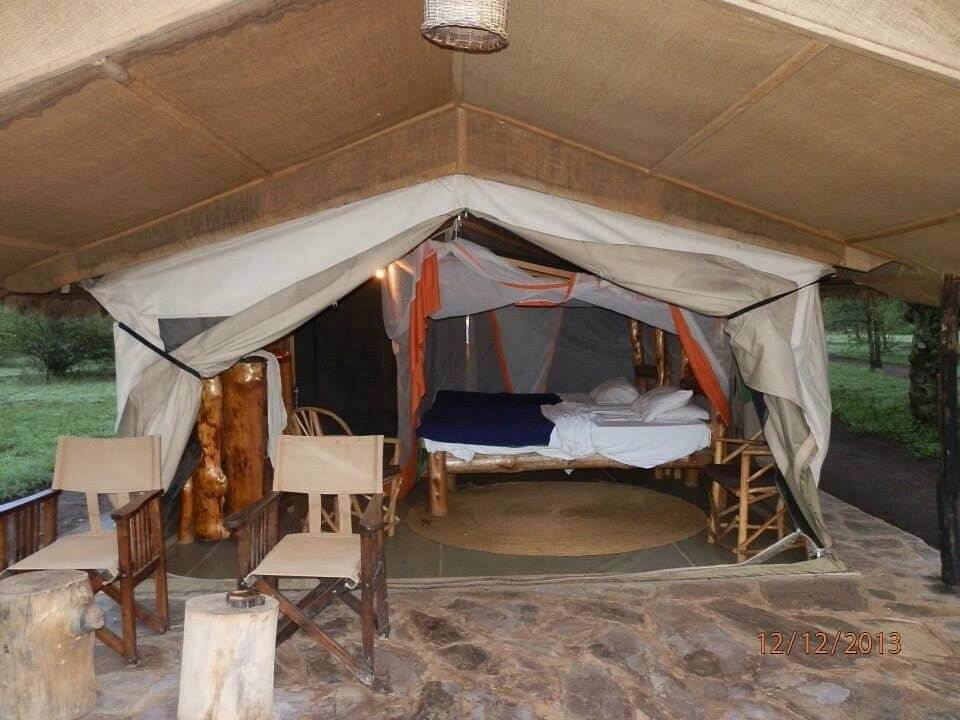
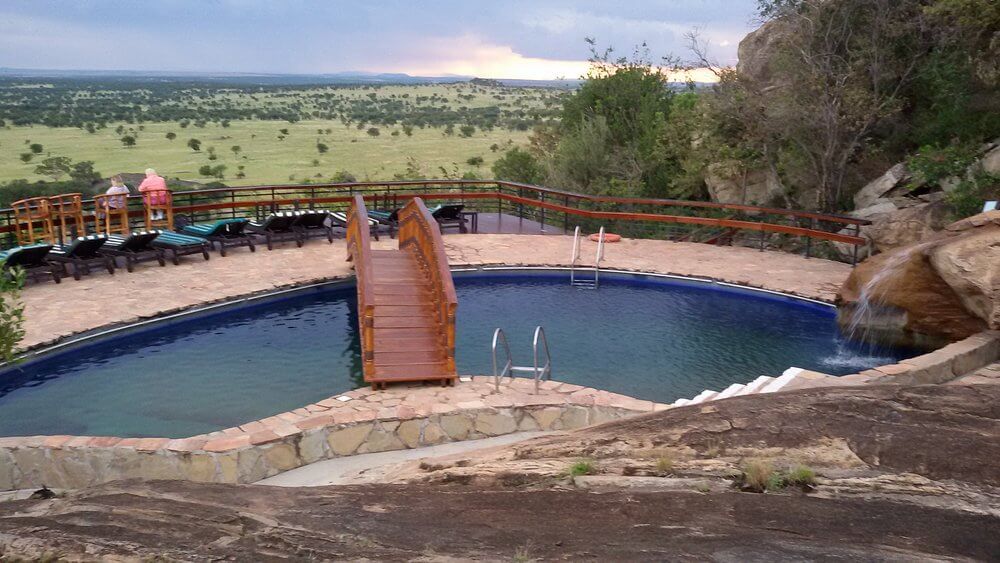
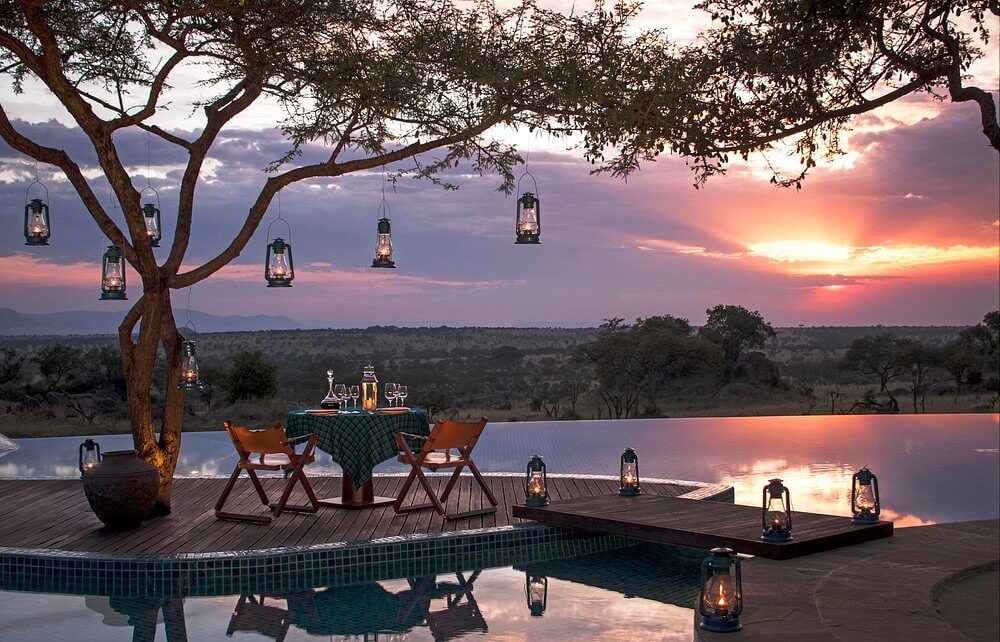
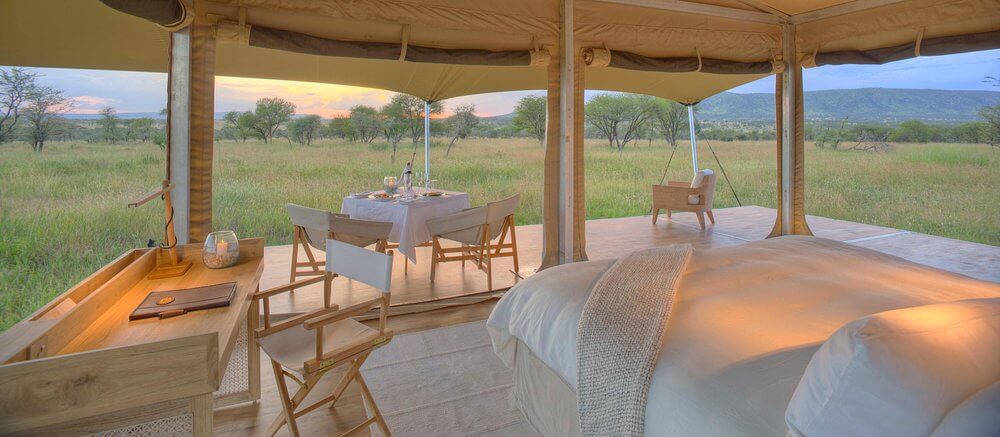
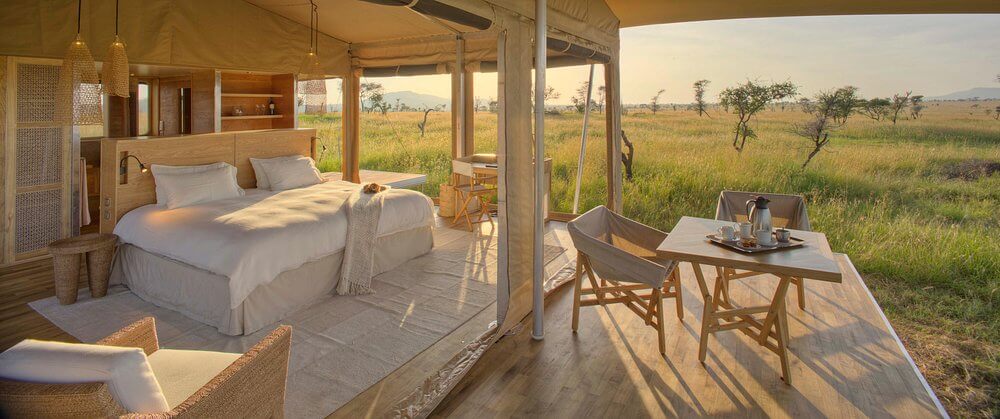
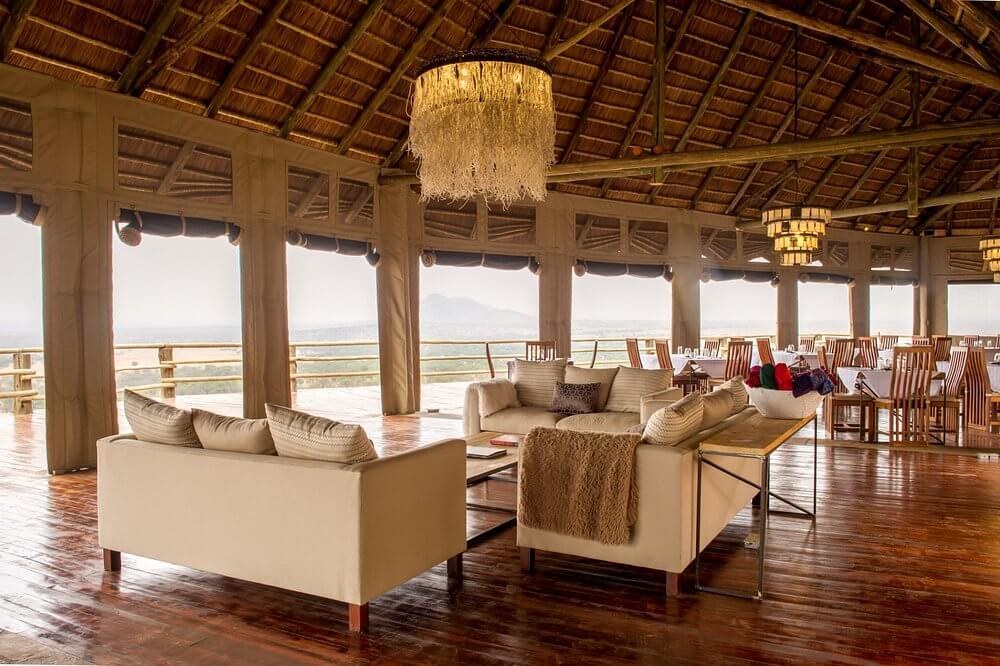
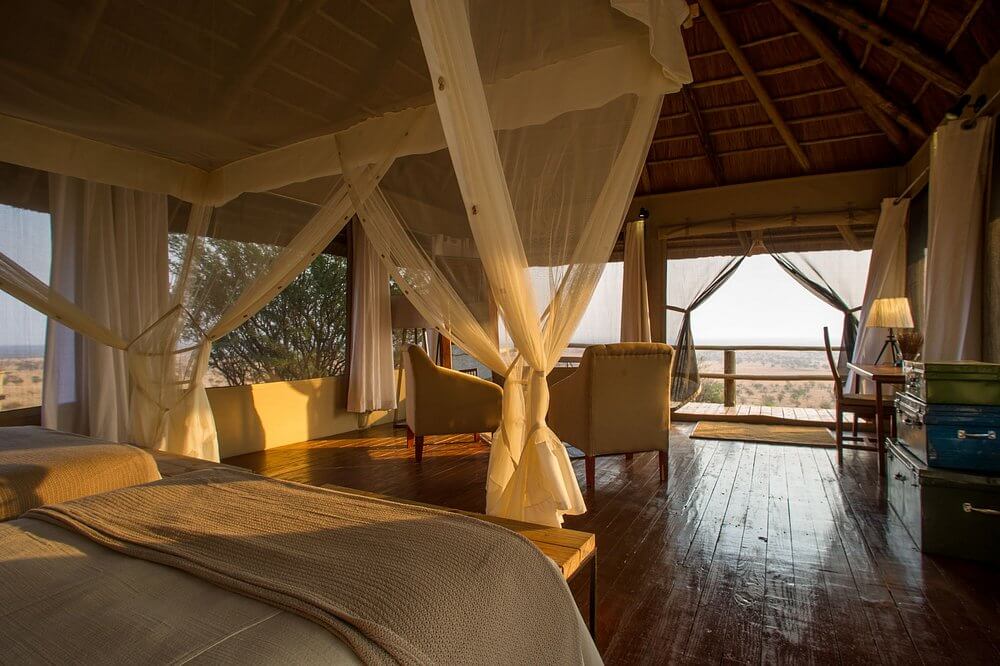
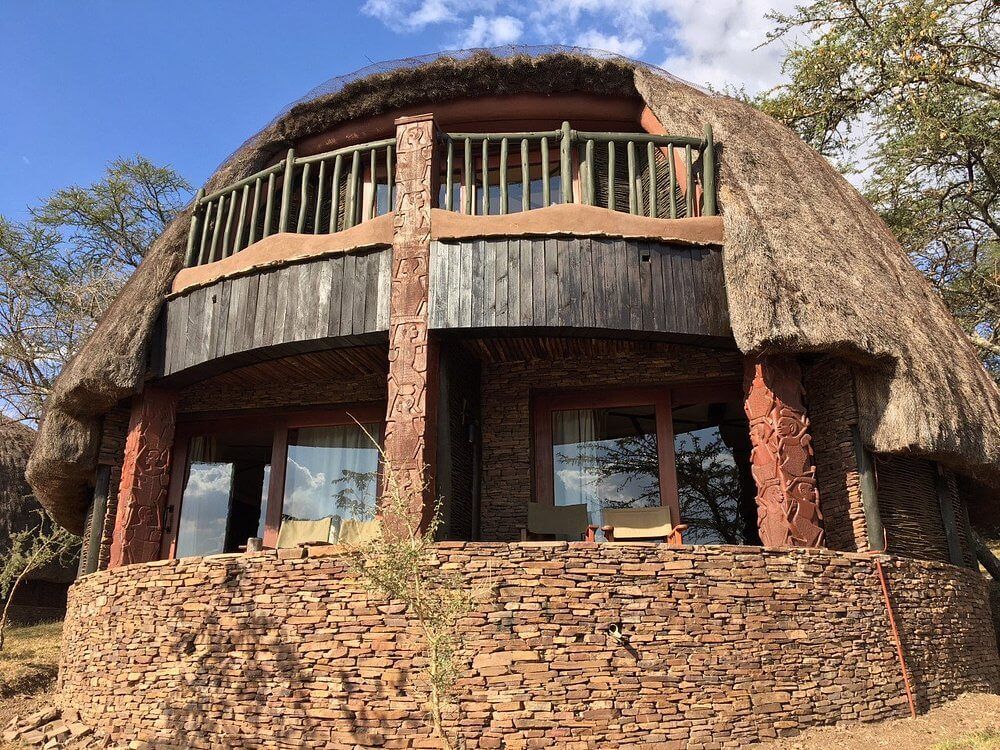
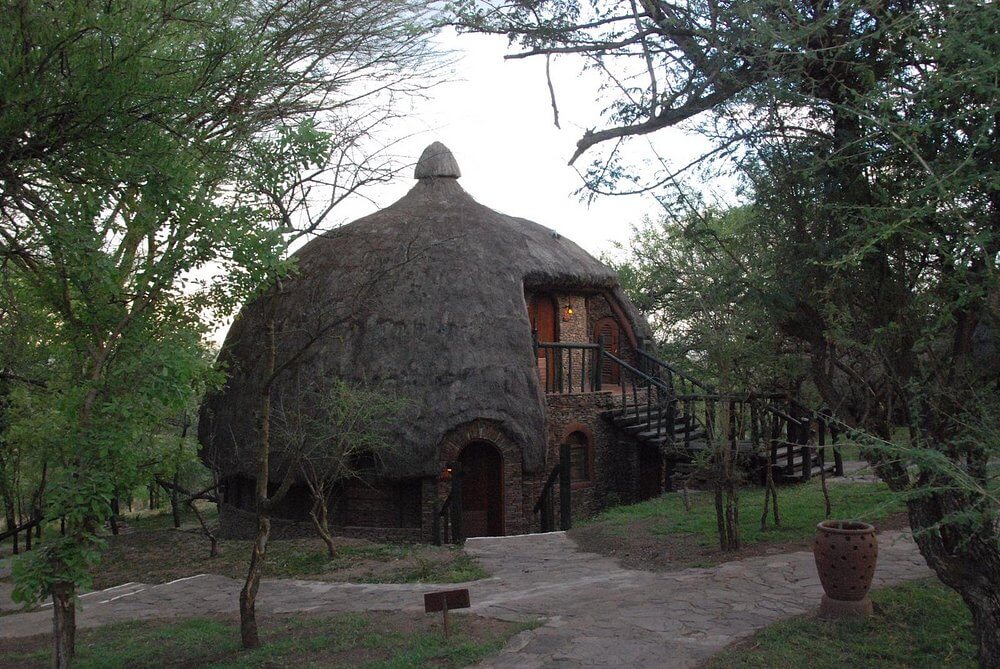
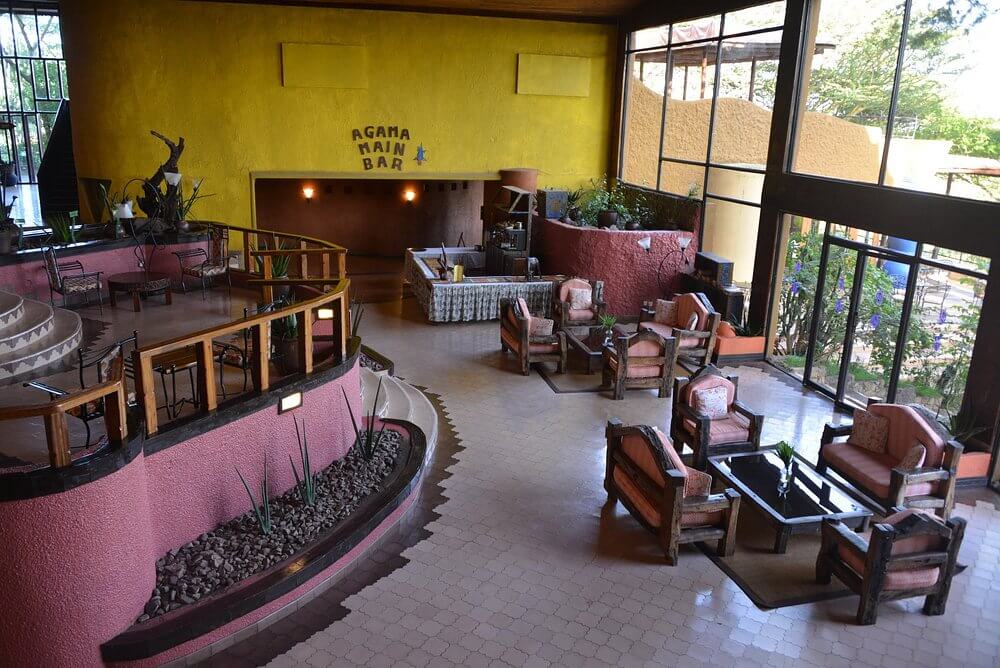
From budget-friendly tents to luxury lodges, Serengeti offers a wide variety of accommodations to suit your preferences and budget.
Whether you’re after a rustic camping experience or a luxurious lodge with all the amenities, you can rest easy knowing that Serengeti’s accommodations are among the best in Africa.
With our help, you can choose the perfect place to rest after a long day of game drives, ensuring an unforgettable safari experience.
Serengeti National Park, a remote and magnificent destination, is easily accessible for travelers, offering both air and road travel options. Whether you’re seeking a quick and convenient fly-in safari or a more scenic road trip, Serengeti provides multiple entry points and routes.
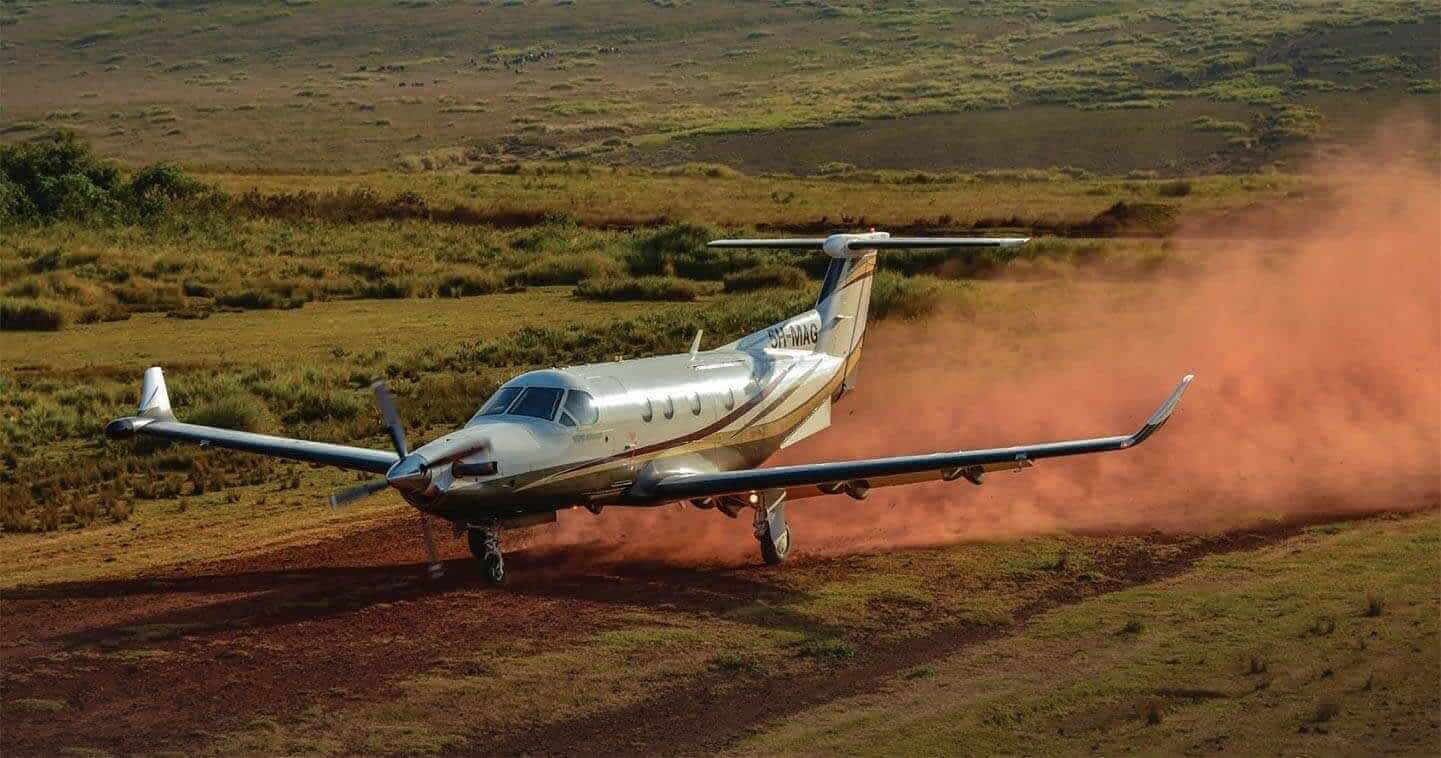
For a faster and more convenient option, fly-in safaris are highly popular. From Arusha Airport (ARK) or Kilimanjaro International Airport (JRO), you can take a 1-5 hour flight to one of Serengeti’s seven airstrips.
Once you arrive, lodge staff will pick you up for a transfer to your final destination. This option saves time and offers incredible views of the park.
The most common point of entry for international travelers is Kilimanjaro International Airport (JRO), located about 200 miles (320 kilometers) from Serengeti’s southern entrance. Several airlines offer daily flights to Kilimanjaro, including KLM Royal Dutch Airlines, Turkish Airlines, Kenya Airways, and Ethiopian Airlines.
Alternatively, you can fly into Dar es Salaam (DAR), though it may require an overnight stay and an additional domestic flight to Kilimanjaro or other regional airports.
Some exclusive lodges in Serengeti have their own airstrips. This allows for scheduled or private charter flights directly from Kilimanjaro or Arusha Airports to the lodge, offering the utmost convenience for those staying in high-end accommodations.
It is also possible to fly to Serengeti from Nairobi’s Jomo Kenyatta Airport (NBO) or Wilson Airport (WIL). Additionally, there are flights from Mwanza Airport (MWZ), located near Lake Victoria, and direct flights to Serengeti from Zanzibar, Dar es Salaam, and other Tanzanian national parks.
The shuttle flights from Arusha Airport or Kilimanjaro International Airport to Serengeti National Park are one of the most comfortable and scenic ways to reach the park.
These short flights offer convenient access to the park’s various airstrips and provide breathtaking views of the Tanzanian plains.
Congema Safaris partners with several aviation operators, including Coastal Aviation and Grumeti Air, to provide flights to all major airstrips in Serengeti National Park. These airstrips are well-positioned for easy access to the lodges in the park. Some of the key airstrips serviced by these operators include:
Seronera Airstrip (SEU) – Central Serengeti
Kogatende Airstrip (ULX) – Northern Serengeti
Lamai Airstrip – Northern Serengeti
Grumeti Airstrip – Western Serengeti
Sasakwa Airstrip – Near the western Serengeti
Lobo Airstrip – Near the northern part of the park
Ndutu Airstrip (LDZ) – Southern Serengeti and the Ngorongoro Conservation Area
These airstrips allow access to a wide range of lodges in the park, making it easy to reach your destination. While the shuttle flights operate as a service rather than a scheduled flight, they are highly flexible and will accommodate your travel needs based on availability and weather conditions.
Some popular lodges accessible via shuttle flights include:
Four Seasons Safari Lodge – Seronera Airstrip
Kubu Kubu Tented Lodge – Seronera Airstrip
One Nature Nyaruswiga – Seronera Airstrip
Lemala Ewanjan Camp – Seronera Airstrip
Siringit Serengeti Camp – Seronera Airstrip
Lemala Nanyukie – Seronera Airstrip
Ehlane Plains – Seronera Airstrip
Namiri Plains – Seronera Airstrip
Singita Grumeti – Grumeti Airstrip
These flights also offer the advantage of being able to reach other lodges across the park, such as those in the northern or southern parts of Serengeti.
Shuttle flights are operated by small aircraft such as Cessna Grand Caravans or Beechcraft 1900, which have strict baggage restrictions.
Each passenger is allowed 15 kgs of luggage (in a soft duffel-type bag), which includes camera equipment and hand luggage. Please note that the baggage allowance is strictly adhered to, so it’s important to pack accordingly.
These shuttle flights are generally considered a shared service rather than scheduled flights. Departure times and flight routes may vary based on:
Traveler requirements
Local weather conditions
Since these flights service multiple airstrips within Serengeti, it is common for the aircraft to make multiple stops on the way to your final destination. Flight times can change without notice, and it’s important to allow extra time for any potential delays.
If you’re traveling by road, the drive-in safari is a popular option. Starting from Arusha, the drive to Serengeti takes about 8 hours, and it’s common to stop at other parks along the way.
The roads are well-maintained, and most travelers choose to spend a night at a wildlife site before reaching the park.
While self-drive safaris are possible, they are not recommended for first-time visitors. A 4×4 vehicle is essential to navigate the park’s varied terrain.
Petrol is available at Seronera in the central Serengeti, but travelers should be well-prepared for the trip.
There are four main access gates to Serengeti National Park:
Naabi Hill Gate
Main entry point, approximately 45 kilometers from Seronera.
Open daily from 06:00 to 18:00.
Ndabaka Gate
Located on the Western Corridor.
Approximately 145 kilometers from Seronera.
Open daily from 06:00 to 18:00 (last entry at 16:00).
Klein’s Gate
Located in the far north-east of the Serengeti.
Open daily from 06:00 to 18:00 (last entry at 16:00).
Bologonya Gate
Situated near the border with Kenya; however, this border is currently closed.
Serengeti National Park is an exceptional destination throughout the year, but the timing of your visit can significantly impact your safari experience. While many travelers focus on the Great Migration, there are plenty of other reasons to explore Serengeti, from its resident predators to its stunning landscapes.
The herds continue north to the Mara River, where some of the most iconic river crossings occur. This is the peak of the migration and a great time to witness the herds’ dramatic river crossings.
Serengeti is not just about the migration. The park is home to some of the world’s best wildlife sightings, including:
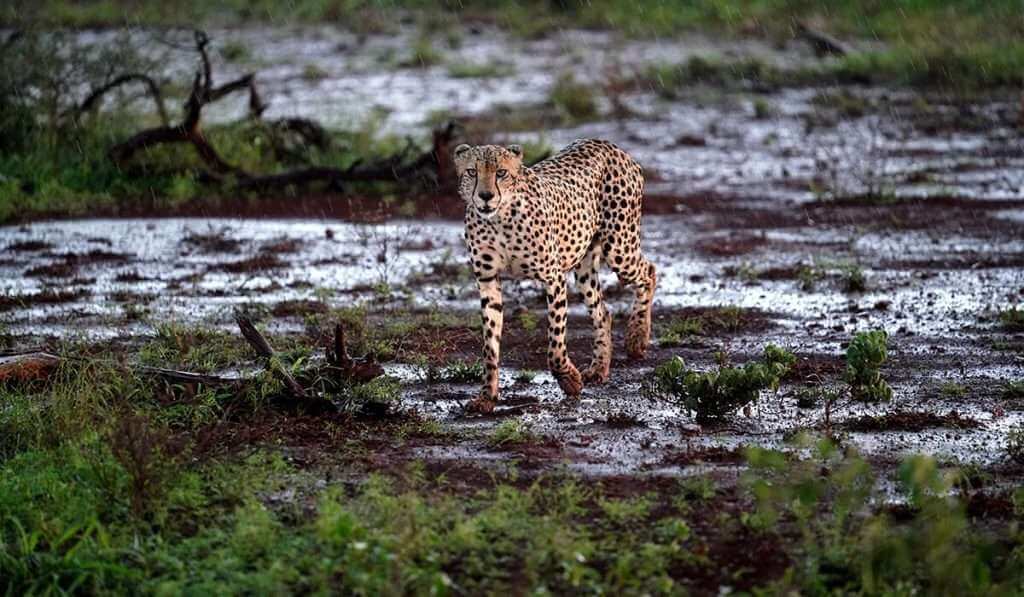
Big Cats: Lions, leopards, and cheetahs are abundant throughout the park. While the migration draws the crowds, Serengeti offers plenty of opportunities to spot these elusive predators in other areas like the Seronera Valley and the Western Corridor.
Resident Wildlife: During the wet season, the park becomes lush and green, offering great opportunities for birdwatching, as migratory species arrive. You’ll also find more resident wildlife, including elephants, giraffes, and buffaloes.
Birdwatching: The wet season (November to May) offers excellent bird watching, with migratory species adding color to the landscape.
While the Great Migration draws many visitors, there are ways to avoid the crowds and enjoy a more tranquil Serengeti experience:
Off-Peak Travel: To avoid the busiest times, consider visiting during the shoulder seasons such as mid-March to mid-May (long rains) and early November to mid-December (short rains). You’ll enjoy fewer tourists, lower rates, and excellent wildlife sightings.
Remote Locations: The Western Corridor (August to October) and Mara Serengeti area (November to June) are less crowded than the central Serengeti. Visiting these areas gives you a chance to experience the park more peacefully while still enjoying amazing wildlife encounters.
Serengeti’s weather plays a major role in your safari experience. Here’s a breakdown of what you can expect during different seasons:
Pros:
Wildlife is easier to spot due to thinning bush.
Animals gather around waterholes, making sightings more predictable.
Excellent weather with sunny days and pleasant temperatures (around 25°C / 77°F).
Less chance of malaria, as mosquito numbers are lower.
River crossings are more likely in the northern and western parts of the park.
Cons:
The park can get crowded, especially in the Seronera area.
Nights and early mornings can be chilly, with temperatures dropping to around 14°C / 57°F.
Occasional cold fronts can bring temperatures close to freezing.
Pros:
Calving season (January to February) is a prime time to see predator action in the southern Serengeti.
The park is lush and green, offering a beautiful landscape.
Fewer tourists, especially in April and May.
Ideal for birdwatching, with migratory species arriving.
Lower accommodation rates, particularly in April and May.
Cons:
March to May is the peak of the wet season, with rain on most days. While it doesn’t rain all day, it can be frequent and heavy.
January to March can be crowded, especially around Seronera due to calving season.
Best for the Great Migration: June to October (dry season), especially in the Western Serengeti and Northern Serengeti (for river crossings).
Best for Predator Action: December to March (calving season in Southern Serengeti).
Best for Birdwatching & Low Crowds: November to May (wet season), with April and May offering the lowest crowds.
Serengeti National Park is a year-round destination with something for every type of traveler. Whether you’re keen on witnessing the Great Migration or enjoying a quieter safari experience, the Serengeti will always offer you surprises and unforgettable moments.
Choose lightweight and breathable clothing that dries quickly. It’s important to dress comfortably, especially for long hours of safari drives.
Early mornings and evenings can get chilly, so pack a warm sweater or jacket. A scarf is also useful for extra warmth during early game drives.
Shorts: Great for safari drives or bush walks.
Long Pants: Light, comfortable long trousers are recommended, especially if you plan to visit rural villages or walk through the bush.
Sunscreen with high SPF for both face and body.
Lipsalve with UV protection to avoid chapped lips.
EXCELLENT Based on 271 reviews Crystel E2025-07-21Verified 7-day then two-day safari near Lake Natron Our safari went crescendo: Taranguire, Lake Manyara, Ngorongoro and finally the superb Serengeti (4 days). Luck was with us, especially in the immense plains of the Serengeti: leopards, deer, cheetahs, families of lions and elephants, warthogs, zebras, giraffes, sumptuous birds, hyenas, and I pass...a wonder! Magic!Our young Francophone guide, Samuel, shared his many knowledge with us with immense enthusiasm and was absolutely adorable with our two children, ages 7 and 9; Osman, our driver, did everything to please us and took us to see the impressive wildebeest migration. As for our very smiling cook, Clemens, he regaled us with his delicious dishes. At the end of our Tanzanian stay, we spent two days in the incredible landscapes of Lake Natron and sacred Lengai Mountain. What to end the stay in style near the Maasai populations! Malagouen I2025-07-07Verified An extraordinary journey! A big thank you to Sebastian for organizing our 3-day safari (Lake Manyara, Ngorongoro Crater and Tarangire). Our thanks also to our driver/guide Charles: kind, attentive and warm. He lent himself to the game of animal hunting with us.We return with our heads full of unforgettable memories! Thank you, Congema! AmandineMB2025-03-03Verified Unforgettable memories with family We were able to organize with Sébastien (French) the safari we wanted with our two children. He was able to respond to our request and was particularly responsive and good advice, before and until the end of the booking. We took plenty of eyes and the choice of accommodation was just perfect. Thank you very much to our guide Ousman for his dedication and understanding for our level of English. Ahmed Al Maktoum2025-02-24Verified It was a fascinating trip for us Congema Safaris offers unforgettable wildlife adventures across Tanzania’s stunning landscapes. Specialising in tailor-made safaris, we offer expertly guided trips to the Serengeti, Ngorongoro Crater, Tarangire and beyond. From the Great Migration, to encounters with the Big Five, to cultural experiences with local tribes, our personalised itineraries ensure an authentic African experience. With a commitment to sustainability and customer satisfaction, Congema Safaris offers safe, comfortable and immersive experiences. You can create your dream safari with them, a remarkable journey that blends adventure, luxury and conservation. Quentin P2025-02-10Verified Kilimanjaro - Lemosho route It was an unforgettable experience.We've felt safe.Big up to Paul, Isaac, Shafi, Kasim and all the stuff. Asante sana! Julia J2025-02-05Verified Kilimanjaro Tour - Lemosho route We had the chance to discover Kilimanjaro with the Congema team for 8 days on the road to Lemosho. We had an extraordinary experience! We were warmly welcomed by the team that became our surrogate family during its 8 days. Victor, our guide who knows Kilimanjaro like no one else offered us a personalized discovery of the place with the help of Freddy and Isaac the assistant guides. The team accompanied us step by step through the good times as well as the most difficult ones with kindness and generosity. This is one of the most intense physical, psychic and human experiments I have ever conducted. I'm glad I was able to do it with this dream team. We met some great people. I can only recommend stays with Congema. Thank you again. Julia Beau Alexander2025-02-03Verified I will come back to you again!! Congema Safaris offers unforgettable wildlife adventures in Tanzania, specializing in tailor-made safaris to Serengeti, Ngorongoro Crater, Tarangire, and beyond. With expert guides and personalized service, they ensure an authentic African experience, whether it's a luxury safari, budget camping, or cultural tour. Witness the Great Migration, encounter the Big Five, or explore remote wilderness areas. Congema Safaris prioritizes sustainability and responsible tourism, providing exceptional experiences while supporting local communities. Embark on a journey of a lifetime with Congema Safaris and discover Africa’s breathtaking beauty. Audrey D2025-02-03Verified Honeymoon Amazing stay it was beautiful that it was the place.Or We slept and especially the parks we visited. Thanks to Johnny for doing everything possible so that we could see all the animals and especially the Big Five. Thanks to congema we were very well received, everything was nickel thank you for accompanying us from the beginning to the end I strongly advise you if you have a Safari to do GoPlaces650352715492025-01-29Verified A beautiful discovery of Tanzania Beautiful trip to the 4 parks where we could see many animals and beautiful landscapes. Well appreciated camping formula. Thank you to our escorts. First of all, Osman, our super driver, a great tracker always in a good mood despite long hours driving in difficult conditions. His constant concern to find all the animals for our pleasure was greatly appreciated. Asante sana Osman.As for our super cook, Clemence, a real cordon bleu 👍 He made us discover Swahili cuisine and feast us from breakfast to dinner every day. Thank you, Clemence.And of course, Avith, our charming and dedicated French guide always at our service. His knowledge of animals was highly appreciated as well as his kindness.Thanks also to Andrea who took us to the Masai village of Olpopongi and who added to the program the visit of a super interesting local market. A very nice discovery of Tanzania and its kind and devoted inhabitants with Congema. We recommend 100%Martine & Eric Owen K2025-01-12Verified Their team ensures an immersive journey. Congema Safaris offers unforgettable wildlife adventures across Tanzania’s most iconic destinations. Specializing in tailor-made safaris, Congema provides unique experiences in Serengeti, Ngorongoro Crater, and Mount Kilimanjaro. Their expert guides ensure an immersive journey into Tanzania’s diverse ecosystems, showcasing the Big Five, wildebeest migrations, and breathtaking landscapes. Committed to sustainable tourism, Congema partners with local communities to promote conservation and cultural exchange. Whether it’s a luxury lodge safari or a budget-friendly camping adventure, Congema Safaris guarantees personalized service and memories to last a lifetime. Explore Tanzania with Congema for an adventure like no other!Verified by TrustindexTrustindex verified badge is the Universal Symbol of Trust. Only the greatest companies can get the verified badge who has a review score above 4.5, based on customer reviews over the past 12 months. Read more
Choose a destination, pick your properties, and we’ll do the rest
© 2026 Congema Safaris. All rights reserved.