EXPLORE

Uganda Destination

Semuliki National Park
Picture of Chat to an Uganda Safari expert

Chat to an Uganda Safari expert

Get advice and suggestions to make this your perfect trip. or call us on:
+255 755 003116

Picture of Chat to an Uganda Safari expert

Chat to an Uganda Safari expert

Get advice and suggestions to make this your perfect trip. or call us on:
+255 755 003116

Destination Overview

Semuliki National Park is located in the western region of Uganda, within Bundibugyo District in the Albertine Rift Valley. The park shares a border with the Democratic Republic of Congo and lies between the Rwenzori Mountains, Lake Albert, River Semliki, and Lamia.

Covering an area of 220 square kilometers, Semuliki National Park was originally established as the Bwamba Forest Reserve before being upgraded to a national park in 1993. The park is renowned for its lowland tropical rainforest, which extends from the Congo Basin, providing a unique and rich biodiversity.

History

Semuliki National Park has a rich history that dates back to 1932 when it was initially established as a forest reserve. It was later designated as a national park in 1993, primarily to combat the growing issue of deforestation in the region. Often mistaken for the nearby Semliki Wildlife Reserve, Semuliki National Park is located adjacent to this reserve and offers a unique ecological experience.

The park’s forests are an extension of the expansive Ituri Forest, which stretches across Central Africa to the Zaire River. This geographical connection means that Semuliki is home to a variety of tree and animal species typical of Central Africa, giving it a distinct ecological flavor. The environmental conditions in Semuliki are unlike those found in other national parks in Uganda, Kenya, or Tanzania, offering a rare and exceptional glimpse into the biodiversity of Central Africa.

Wildlife at Semuliki National Park

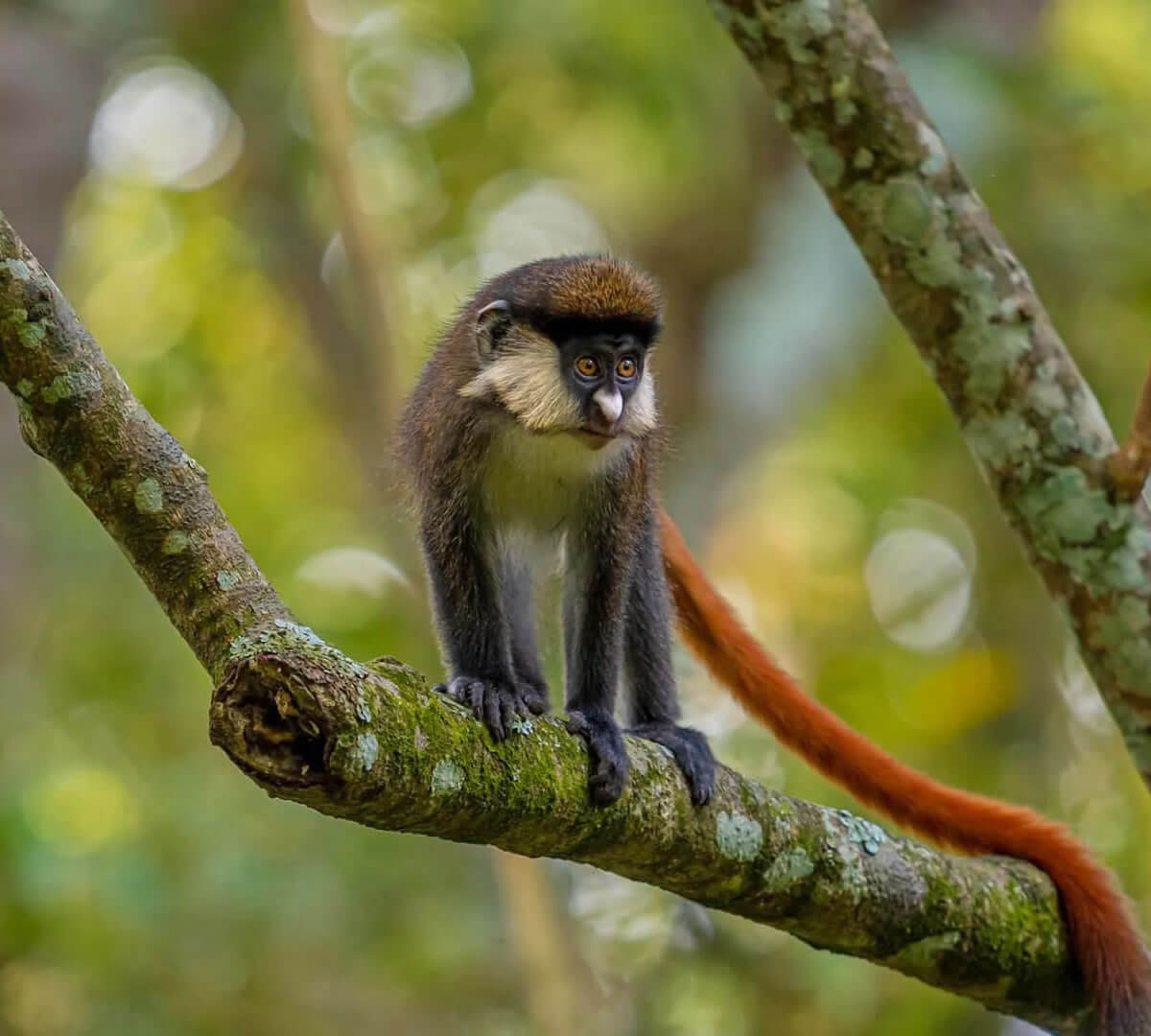
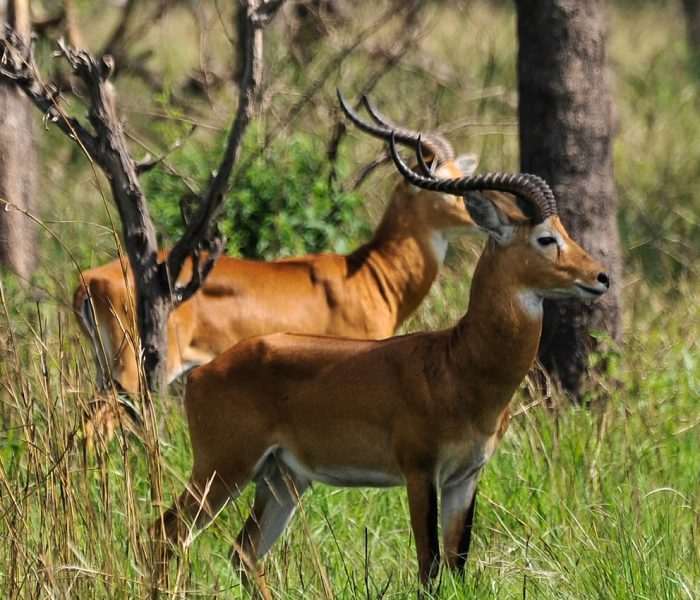
Semuliki National Park is home to an impressive array of wildlife, boasting 60 mammal species, many of which are unique to this forested sanctuary. Among the park’s residents are the elusive bay duiker, Beecroft’s Anomalure, flying squirrels, bush babies, and the rare pygmy hippos. Other notable mammals include forest buffaloes, leopards, civets, bush pigs, and the Dwarf Antelope. The park also shelters a variety of primates, including blue monkeys, chimpanzees, De Brazza’s monkeys, vervet monkeys, olive baboons, and the striking Guereza Colobus. At night, the forests come alive with nocturnal primates like pattos and galagos.

Semuliki is also a haven for smaller creatures, such as fruit bats, red-legged sun squirrels, and target rats, along with water chevrotains and waterbucks. Visitors can spot forest-dwelling species like the white-bellied duiker and the Zenker’s flying mouse. The park’s diverse butterfly population, including species like the charaxes and forest swallowtails, adds another layer of beauty to this rich ecosystem. With such an extraordinary variety of wildlife, Semuliki is truly a hidden gem for nature lovers and wildlife enthusiasts.

Birds

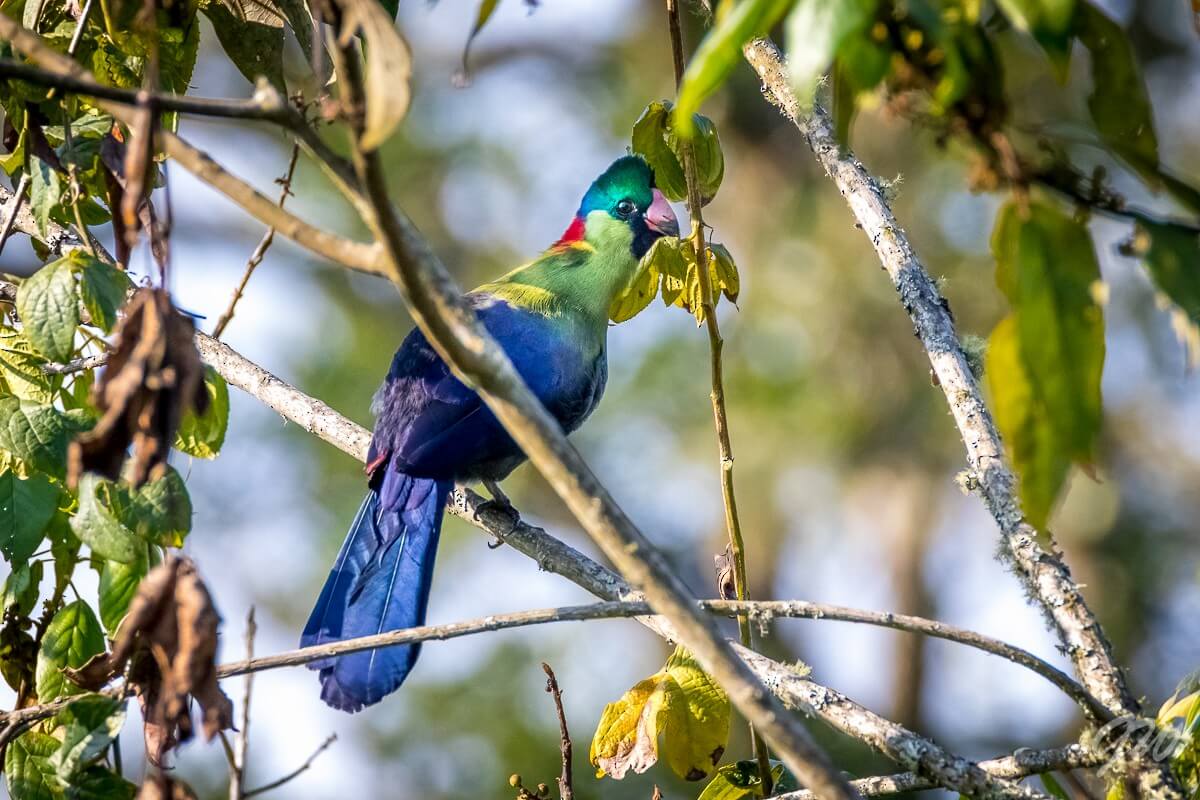
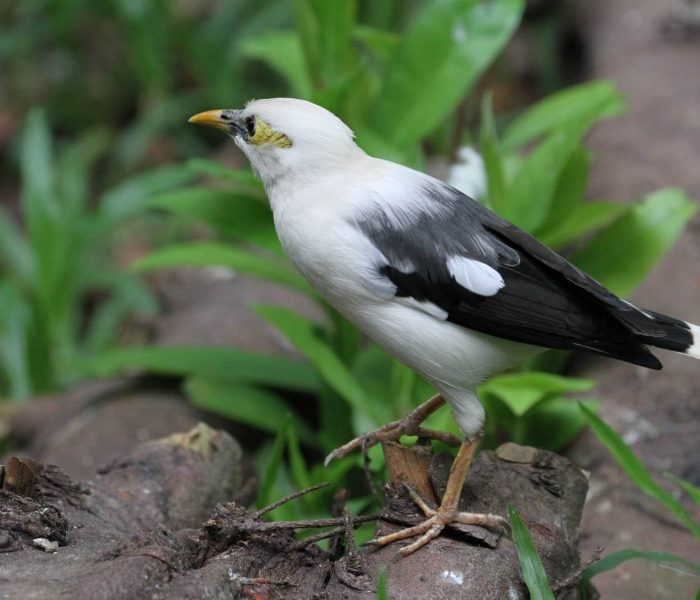
Semuliki National Park is a premier birdwatching destination in Uganda, attracting bird enthusiasts from around the world. It holds a special allure for those who have explored other forests in Uganda, offering a unique experience with its impressive bird checklist of 435 species. Among these, 35 Congo-Guinea species can only be found here, making Semuliki an exceptional birding hotspot in East Africa. The park is also home to over a dozen species that are difficult to spot elsewhere in the region.

One of the park’s standout features is its abundance of forest hornbills, with six species that are rarely seen in other parts of Uganda. The excitement of birding in Semuliki is heightened by the occasional discovery of new species previously unrecorded in Uganda, making every birding trip here a thrilling adventure.

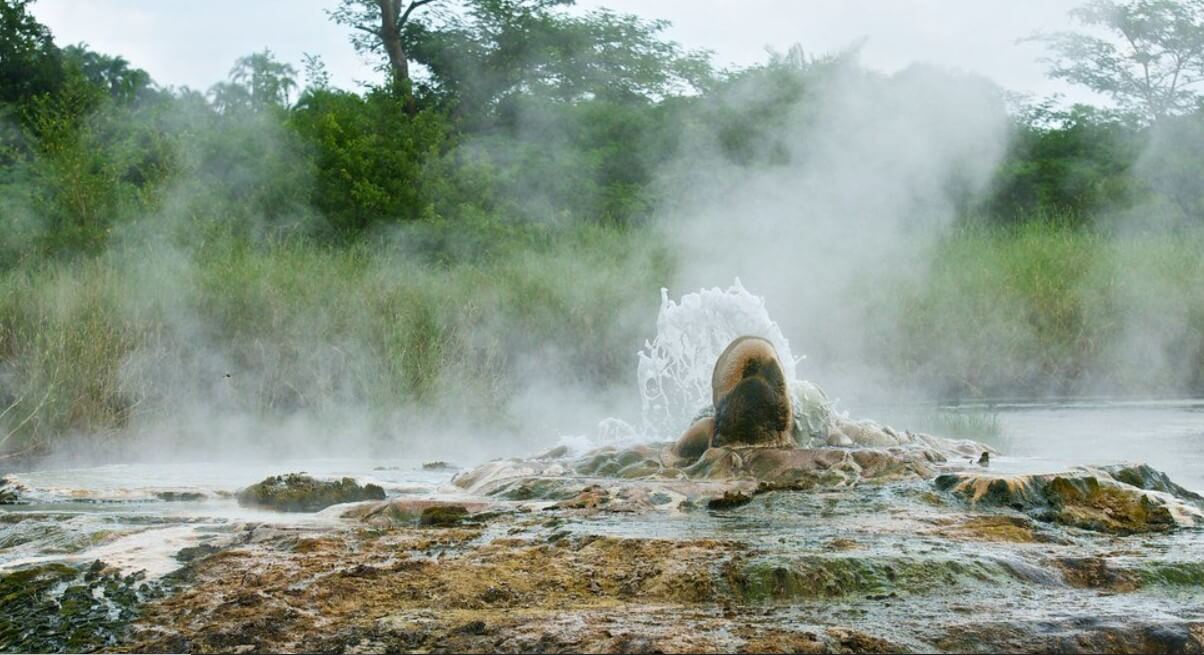
The key attractions within Semuliki National Park include the Sempaya Hot Springs, where boiling water erupts from the earth, creating natural springs, and the Semliki River, a central feature of the park’s ecosystem. Visitors can also enjoy activities such as nature walks, cultural tours to the Bamba community, and primate tracking.

The Bamba and Bakonjo communities have long cultivated the land around the Rwenzori Mountains, with the Bamba tending to crops at the mountain’s base and the Bakonjo farming the steeper slopes. The Batuku pastoralists and the Batwa, who once hunted in the forest, also reside in the region. Among the indigenous peoples, the Basua, a group of pygmies closely related to the Batwa, continue to live as hunters and gatherers within the forest. For centuries, the Basua have coexisted with the forest, but recent evictions from parts of their ancestral land have raised concerns about their survival and cultural preservation.

The Basua’s inability to adapt to life outside the forest has led to fears of their potential extinction and the loss of their unique cultural heritage. As the forest is increasingly protected and access becomes more restricted, these indigenous communities face the stark reality of being displaced from their ancestral homes, with profound consequences for their traditional way of life. The unplanned eviction of the Basua, much like the conservation of forests and wildlife, could lead to the irreversible erosion of their culture and identity.

gallery

Picture of Planning Your Safari

Planning Your Safari

Organizing a safari in Uganda Destination, can be overwhelming due to the many choices available for transport, accommodation, and activities.

Reviews and Rates

Uganda

What to do at Semuliki National Park

Semuliki National Park offers a range of exciting activities for adventure and wildlife enthusiasts, including exhilarating game drives, captivating forest walks, and unique cultural experiences. The park’s diverse landscapes, including expansive savannah plains and dense forests, make it an ideal destination for discovering a variety of wildlife.

Game Drives

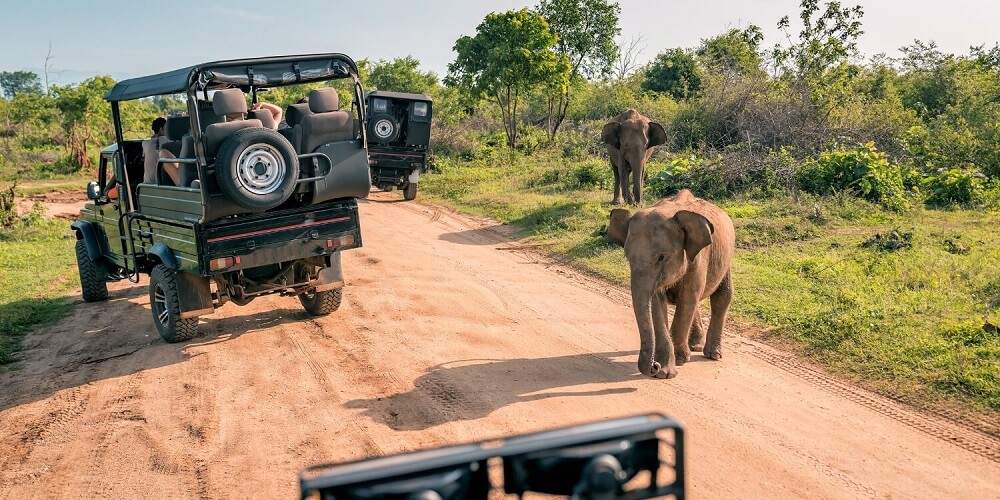
Explore Semuliki National Park through its three primary tracks, which wind through the park’s beautiful savannah plains. During both day and night game drives, visitors have the opportunity to spot over 52 mammal species, including elephants, leopards, and forest buffaloes. 

For those visiting during the rainy season, it is advisable to have a reliable four-wheel-drive vehicle to navigate the park’s more challenging areas.

Forest and Nature Walks

Embark on an unforgettable adventure through the park’s dense forest trails, where you can encounter a rich diversity of vegetation, birds, butterflies, and primates.

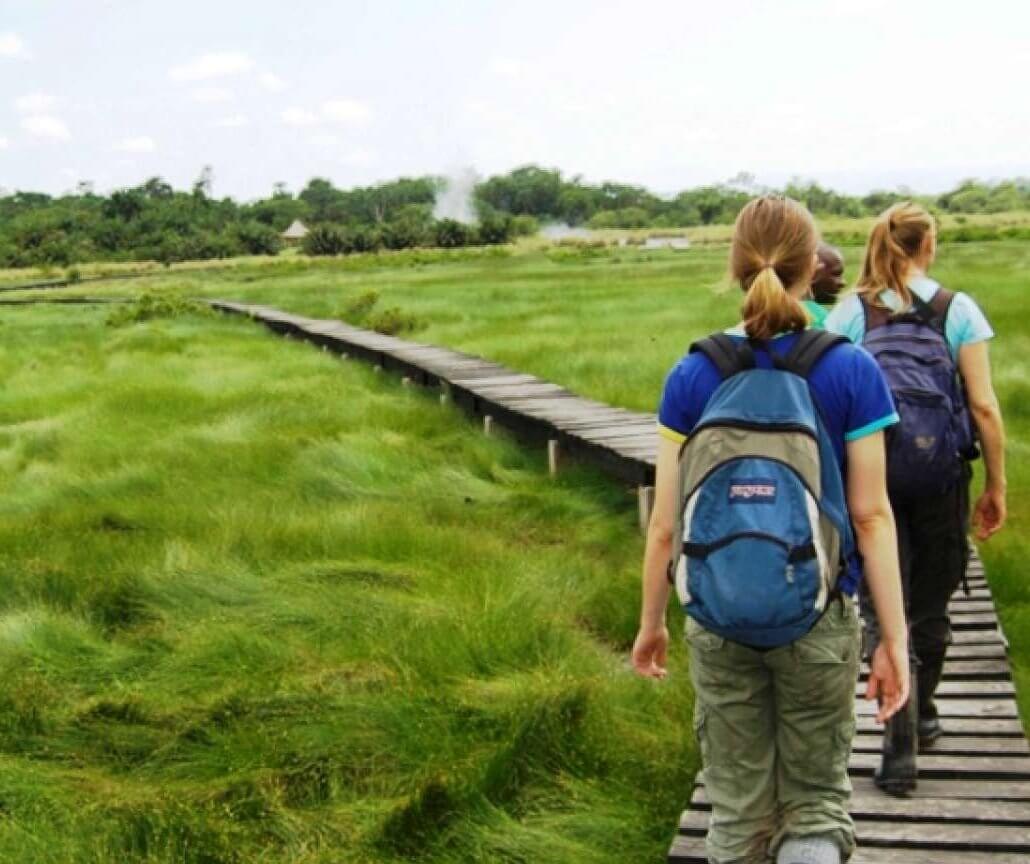
The popular Sempaya Nature Trail, Red-Monkey Track, and Kirumia Hiking Trail offer unique ways to explore the park’s wilderness. Whether you’re trekking to the hot springs or traversing other scenic paths, these walks offer an immersive experience in one of Uganda’s most diverse ecosystems.

Chimpanzee Tracking

One of the park’s highlights is chimpanzee tracking, where visitors can interact with habituated chimpanzee clans. The tracking experience offers more than just an encounter with these fascinating primates; it’s also a chance to see smaller species like Black and White Colobus monkeys, Central African red colobus, and Grey-cheeked Mangabeys. 

Chimpanzee tracking permits are available for international visitors at $30, and travelers are encouraged to come prepared for the rugged terrain and abundant wildlife.

Cultural Visits

Immerse yourself in the local culture by visiting the four indigenous tribes living around the edges of Semuliki National Park. The Batwa, Bakonjo, Bamba, and Batuku tribes offer unique insights into traditional ways of life. Experience their heritage through dance, storytelling, and other cultural demonstrations. 

The Batwa, in particular, share their experiences as forest dwellers, having once lived freely in the forests of Uganda, Rwanda, and the DRC. Although their relocation has been challenging, they continue to preserve their traditions and showcase them to visitors.

Birdwatching

Semuliki is a birdwatcher’s paradise, boasting over 435 species, including many Congo-Guinea specials that are rare in East Africa. The park’s birdlife is rich and varied, with a strong presence of forest hornbills and species from Central Africa due to its connection to the greater Ituri Forest.

Birding enthusiasts can enjoy spotting rare species along the trails, near the Sempaya Hot Springs, and around the ranger’s post.

Visiting the Sempaya Hot Springs

Semuliki’s iconic hot springs are a must-see. The male hot spring, Bintente, and the female Nyasimbi create an awe-inspiring spectacle, with boiling geysers and bubbling waters that can reach heights of several meters. Visitors can watch the geysers from a safe distance while enjoying the surrounding bird and primate life. 

Local tribes often organize cultural dances to entertain visitors, adding a vibrant element to the experience. The park also offers other scenic spots, such as Mungiro Falls and additional forest trails.

Exploring Semuliki River

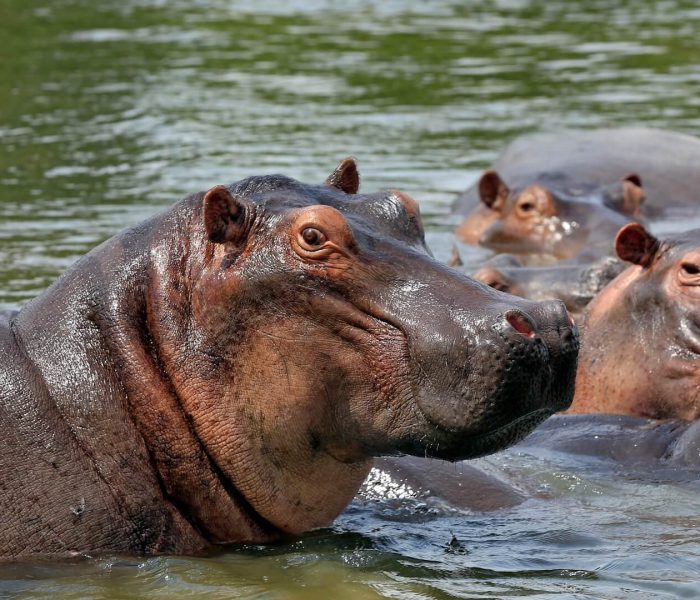
The Semuliki River, which stretches for approximately 160 kilometers, is a key water source feeding into the great River Nile. Along its winding path through forests and the Rift Valley, the river is home to hippos, crocodiles, and countless bird species.

Visitors can enjoy long, peaceful walks along the riverbanks, taking in the natural beauty and observing the river’s diverse ecosystem.

Semuliki National Park is a remarkable destination, where visitors can immerse themselves in both natural beauty and cultural heritage. Whether you’re enjoying a thrilling game drive, observing primates in the wild, or discovering the unique traditions of the local tribes, Semuliki offers an unforgettable adventure.

How to get to Semuliki National Park

Semuliki National Park is located in western Uganda, and there are a couple of options to access it from Kampala, the capital of Uganda.

By Road from Kampala:
The distance from Kampala to Fort Portal is approximately 300 km. You can choose between two main routes:
Shorter Route (Kampala to Fort Portal via Mubende):
This route takes about 4 to 5 hours of driving. It is the quicker option, but the roads may be a bit more challenging during the rainy season, so a 4×4 vehicle is advisable for better comfort and safety.

Longer Route (Kampala to Fort Portal via Kasese, Mbarara, and Masaka):

This scenic, longer journey takes around 7 to 8 hours, but it offers the chance to explore some of Uganda’s most famous national parks along the way, including Queen Elizabeth National Park, Rwenzori Mountains, and Lake Mburo National Park. If you have time, this route provides great opportunities for sightseeing and wildlife spotting.

From Fort Portal to Semuliki National Park:
After reaching Fort Portal, it’s about a 52 km drive to the junction that leads to Semuliki National Park. The road to the park requires a good 4×4 vehicle, especially during the rainy season when some parts of the road can become difficult to pass.

Public Transport:
Those using public transport can take a taxi or minibus from Fort Portal to Bundibugyo. The closest stop is at the Sempaya gate of the park. The Park’s offices in Ntandi are located about 5 km from the Sempaya gate. 

However, public transport can be unpredictable, and travelers may need to wait for taxis or minibuses, especially during the evening, so it’s important to plan accordingly.

To ensure a smooth journey, it’s recommended to use a 4×4 vehicle and to check the current road conditions, especially if traveling during the rainy season.

Accommodation Near Semuliki National Park

While Semuliki National Park itself has limited accommodation options, there are a variety of choices in nearby towns such as Bundibugyo and Fort Portal. Here’s a breakdown of the main places to stay:
Campsites and Bandas by the Uganda Wildlife Authority (UWA)

Location: 3 km from the Sempaya trail, where most activities begin in the park.
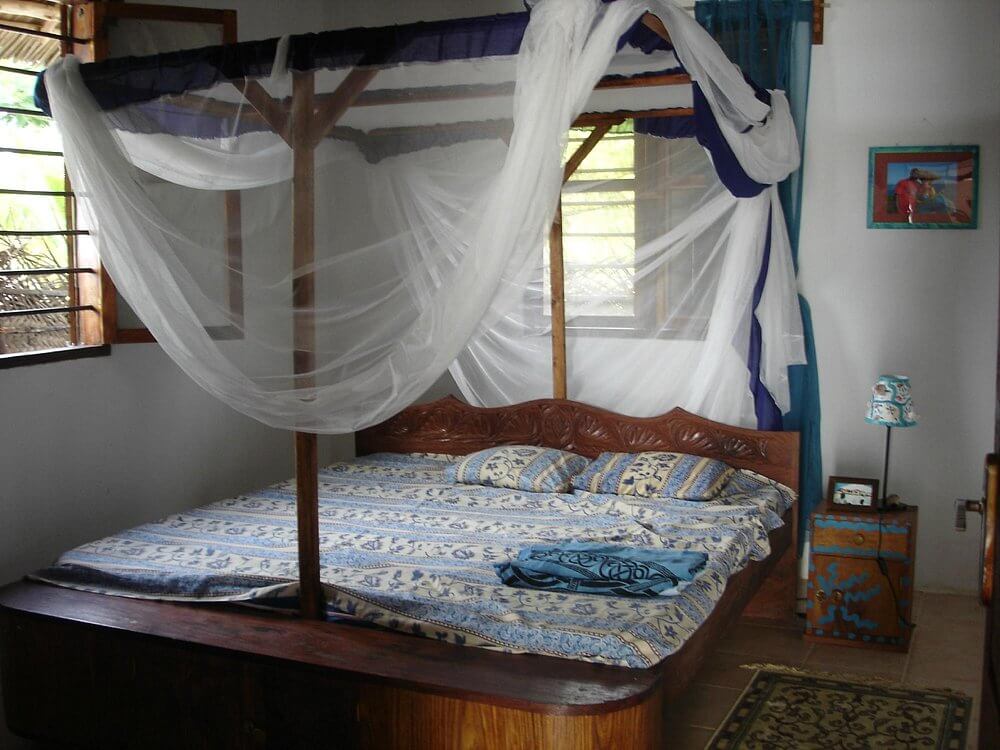
Facilities: The bandas are comfortable, but there are no meals provided. Visitors can either order meals or bring their own food and hire cooking utensils to prepare meals.
Booking: It is advisable to book in advance, particularly if you’re looking for budget options.

Location: Near the Semuliki Wildlife Reserve, with beautiful views of Congo’s Blue Mountains.
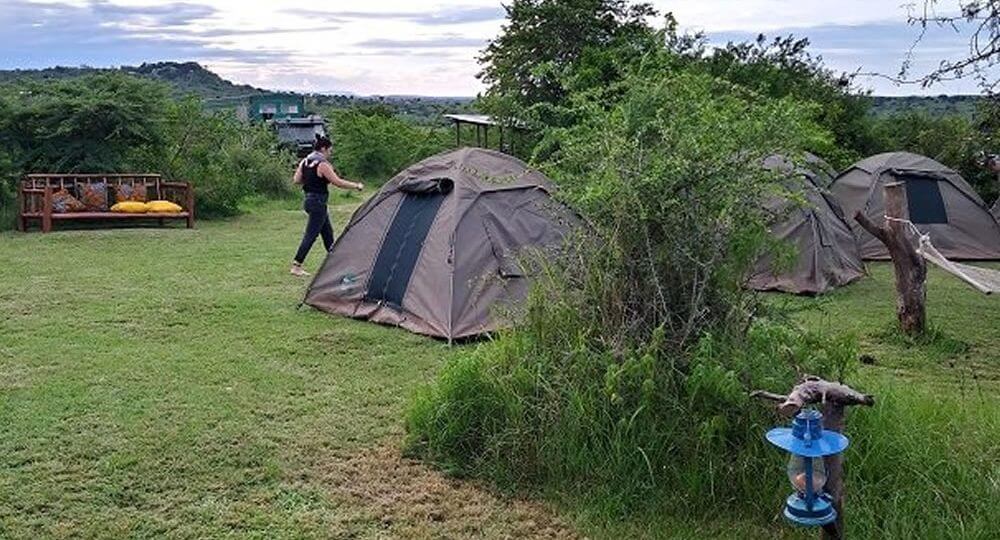
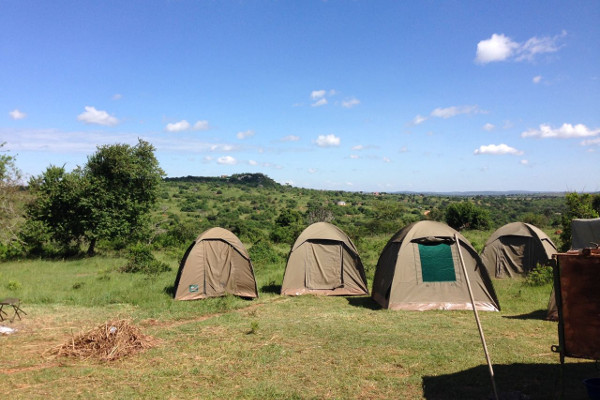
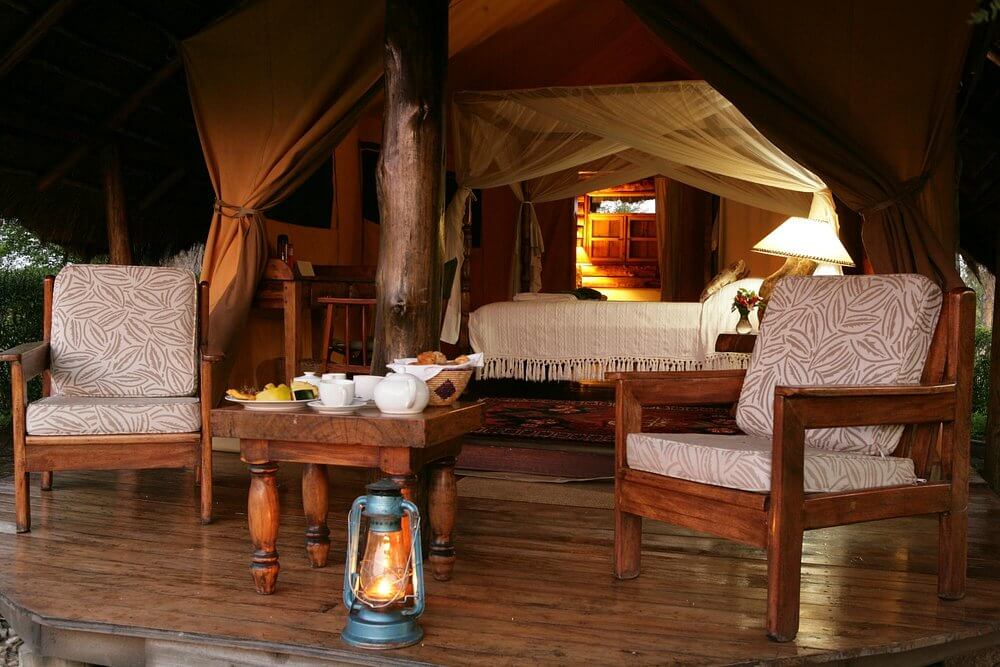
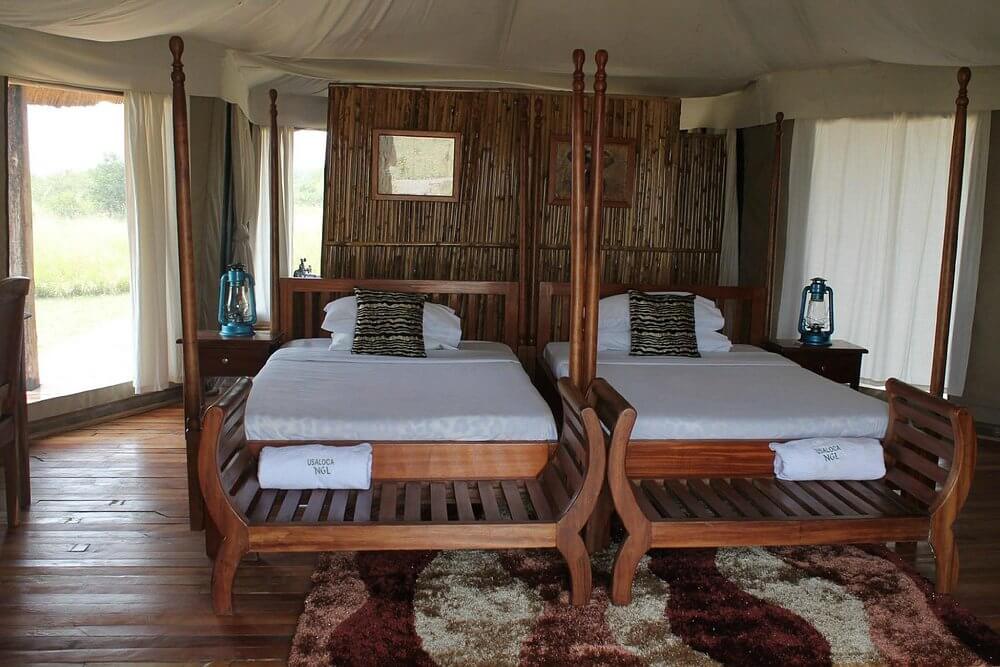
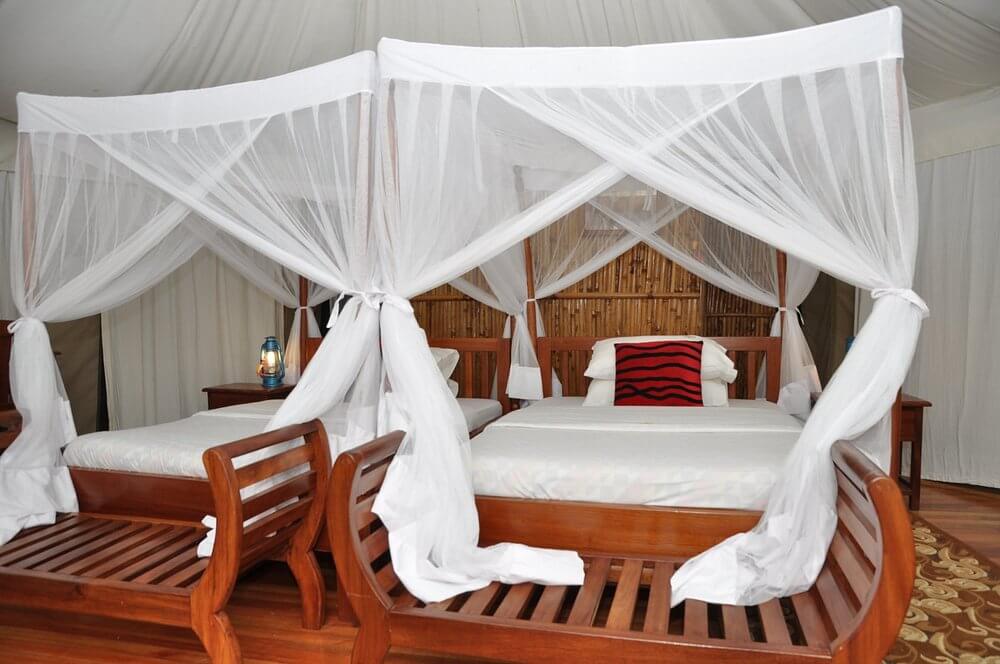
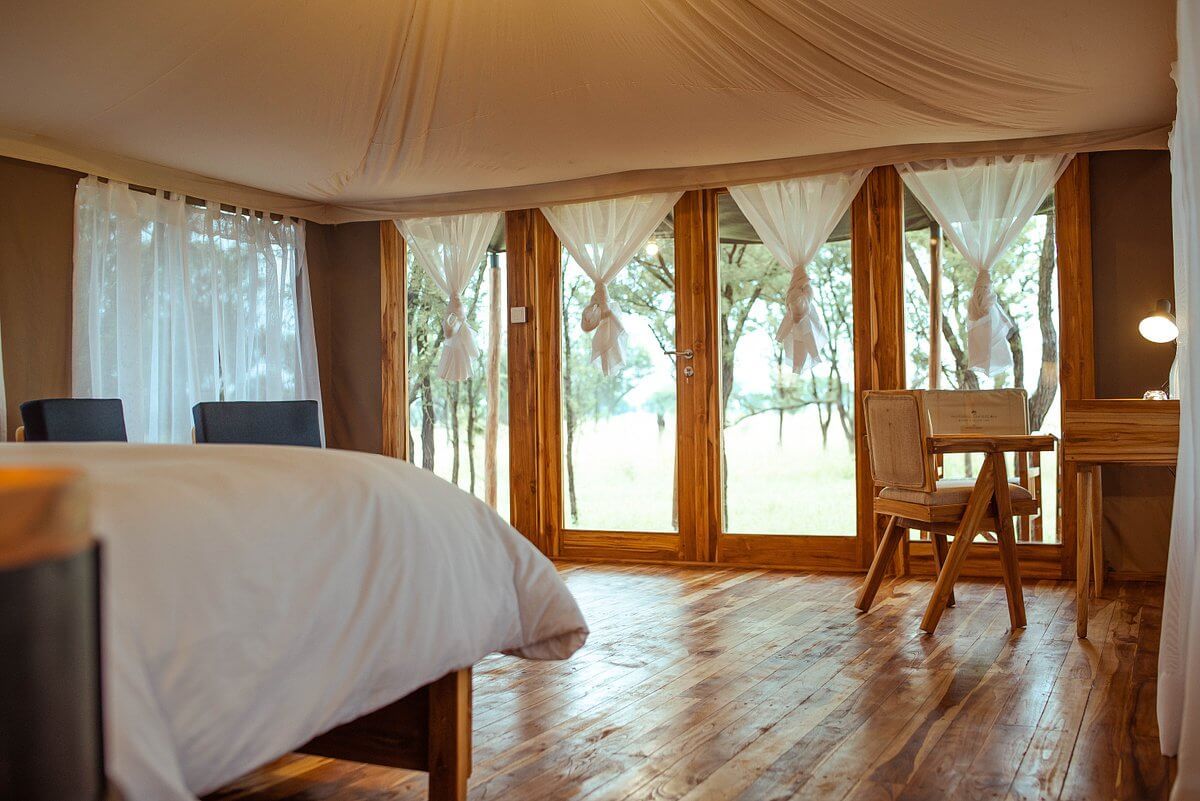
Accommodation: The lodge offers luxury tents built using local materials without compromising on quality. It can accommodate up to 18 guests per day, making it an intimate and private experience.
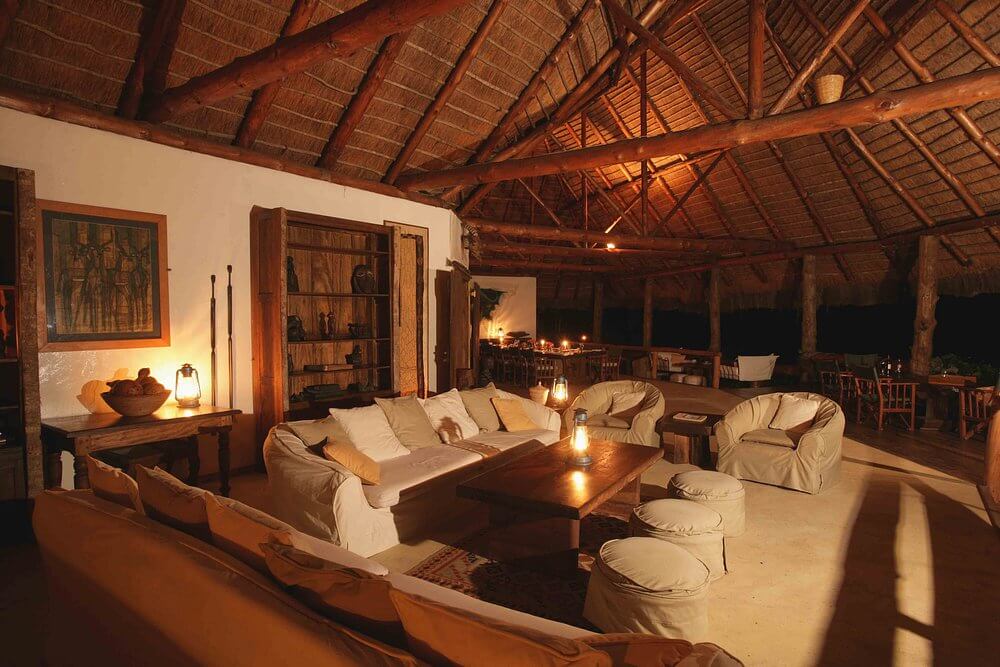
Facilities: Bar, restaurant, hot showers, comfortable sofas, a lounge area, reading area, and a swimming pool. Meals, including local and international dishes, are available, and breakfast can be brought to your room.

Location: In the Semuliki Wildlife Reserve, near Lake Albert.
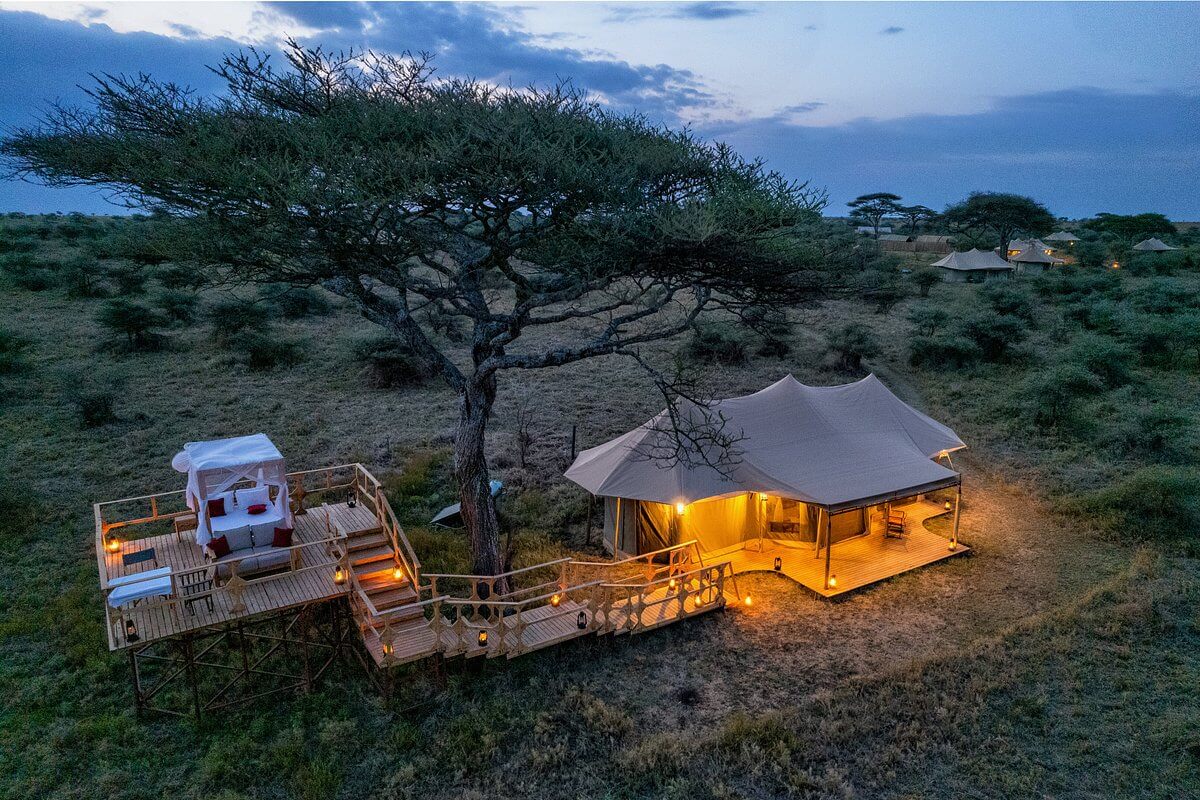
Accommodation: Luxury tents near the pristine sand beaches of Lake Albert. Perfect for those seeking privacy, such as honeymooners.
Facilities: The lodge features beautiful wooden floors, stone exteriors, and rooms equipped with fans, safes, hairdryers, heaters, and private balconies. The views of Lake Albert are a major highlight.

Kirimia Guesthouse

Location: 10 km from the Sempaya gate, towards Bundibugyo town, in the village of Kirimia.
Accommodation: Budget rooms that are self-contained and of good quality. Meals can be served in the rooms upon request.
Convenience: The guesthouse is close to the Kirimia Head Trail (great for birding) and the park headquarters in Ntandi, making it an ideal starting point for game drives, bird watching, and primate spotting (like chimpanzees and Colobus monkeys).

Location: Bundibugyo town, close to the largest market in the area.
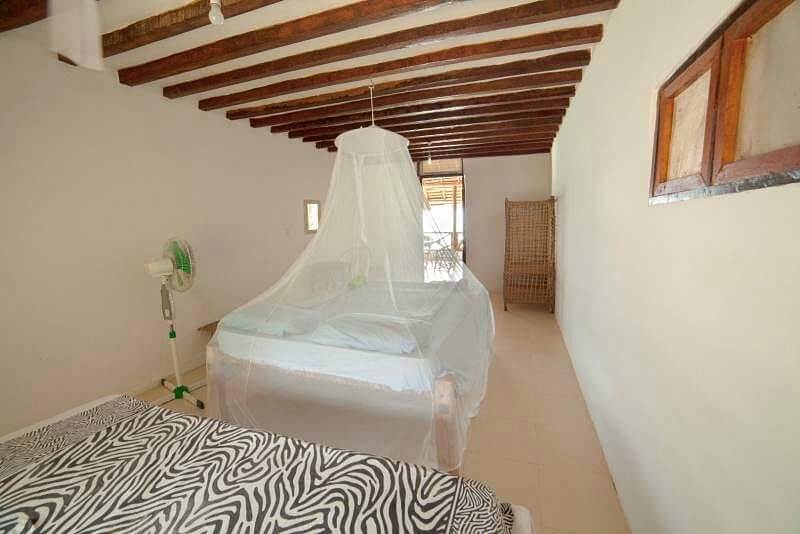
Accommodation: Budget-friendly rooms that are clean and self-contained with showers.
Facilities: The hotel has a restaurant serving meals and a bar for drinks.

Note: It’s highly recommended to book accommodation in advance, especially during peak tourist seasons, to ensure availability.

What our Client Say

Design your own trip

Choose a destination, pick your properties, and we’ll do the rest

1
Browse
Look through our itineraries for inspiration, and call our Travel Consultants
2
Create
Discuss your wish list with us, and we’ll use our expertise to design a unique itinerary for you
3
Customise
We’re committed to refining your itinerary until we’ve created the perfect personalised trip for you