EXPLORE

Kenya Destination

Samburu National Reserve
Picture of Chat to an Kenya Safari expert

Chat to an Kenya Safari expert

Get advice and suggestions to make this your perfect trip. or call us on:
+255 755 003116

Picture of Chat to an Kenya Safari expert

Chat to an Kenya Safari expert

Get advice and suggestions to make this your perfect trip. or call us on:
+255 755 003116

Destination Overview

Nestled in the northern shadow of Mount Kenya, Samburu National Reserve is a land where contrasts and beauty coexist, offering a truly immersive experience of Kenya’s remarkable wildlife and vibrant culture. Here, the Samburu people, dressed in traditional red robes, welcome visitors into their ancestral homes, offering a glimpse into their timeless way of life.

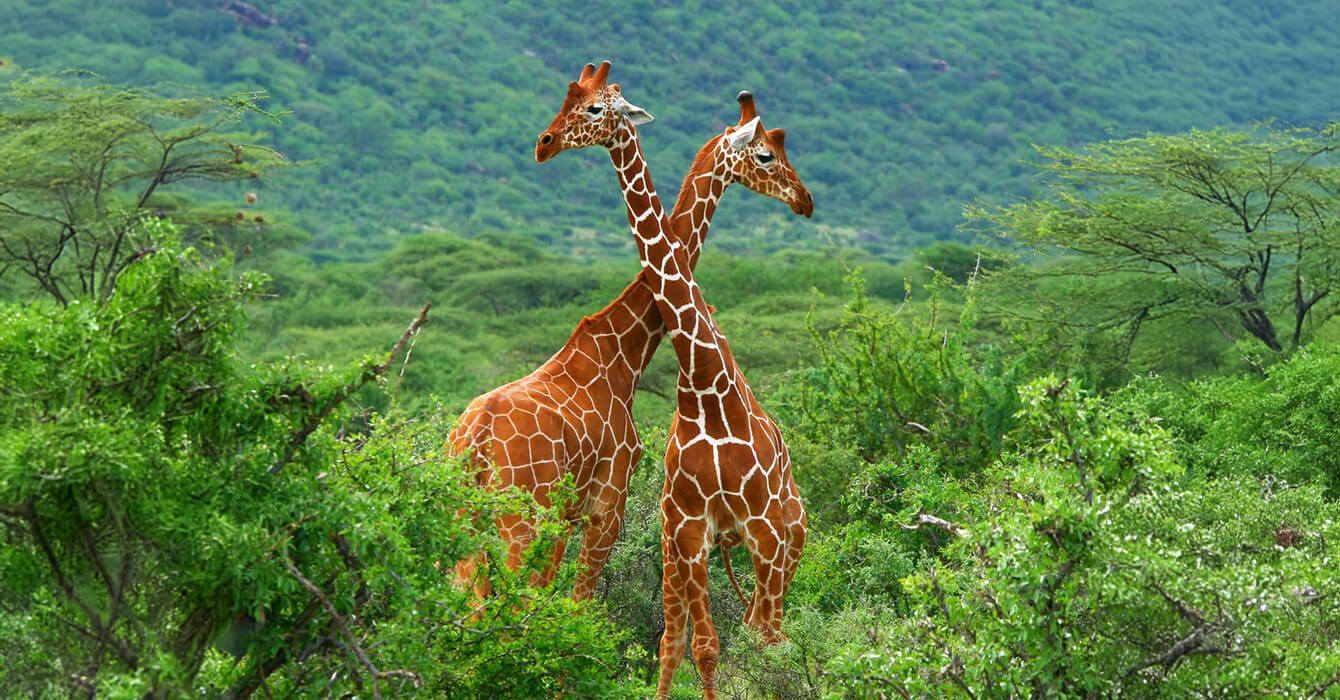
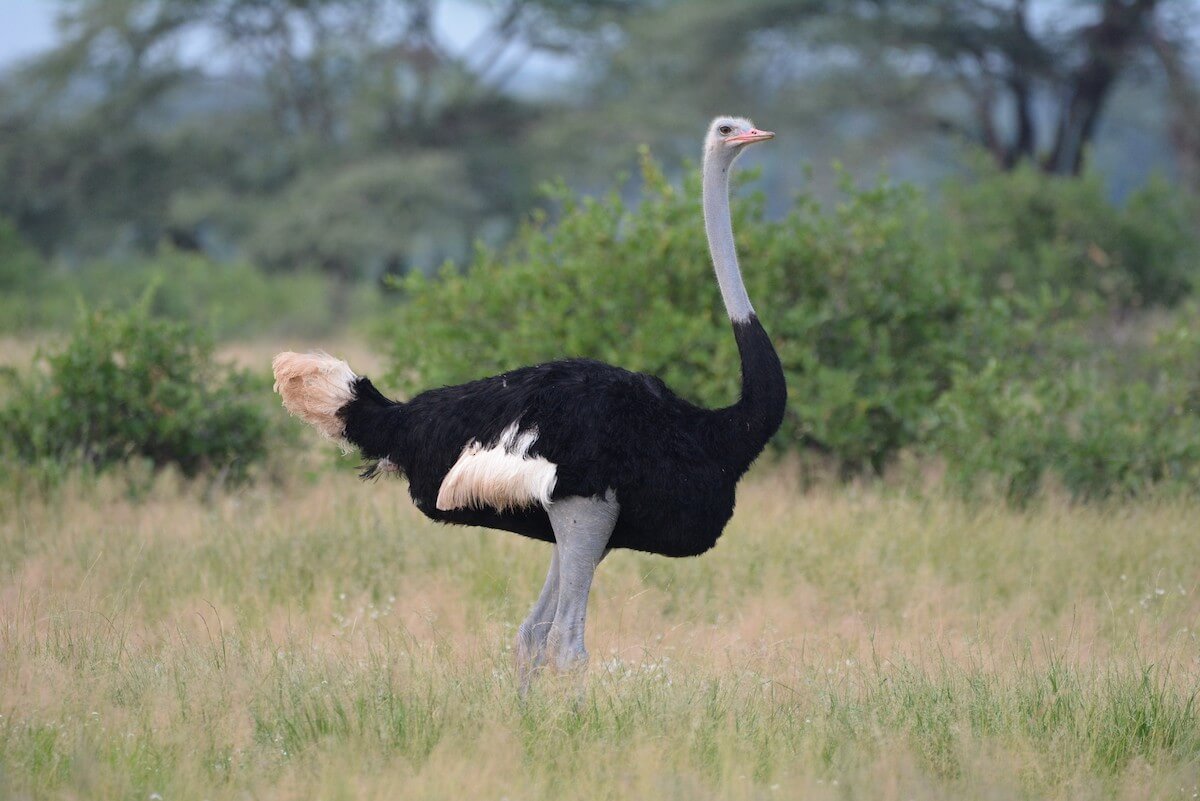
Samburu is a haven for wildlife enthusiasts, where safaris bring you face-to-face with majestic lions, towering elephants, and some of Kenya’s rarest species. Among the extraordinary animals you might spot is the graceful gerenuk, a long-necked antelope, as well as the reticulated giraffe, Grevy’s zebra, Somali ostrich, and beisa oryx, part of the famous Northern Five species unique to this region.

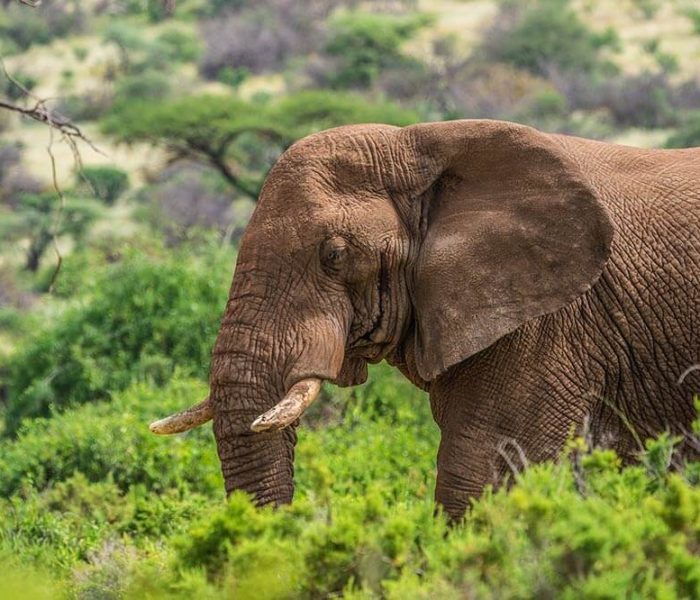
The Ewaso Nyiro River runs through the heart of the reserve, providing a vital water source for the abundant wildlife that thrives in this semi-arid landscape. The river also creates a lush oasis that attracts crocodiles, various bird species, and a rich diversity of animals. As you explore the reserve’s rugged terrain, you’ll encounter the captivating Samburu elephant herds and perhaps even witness big cats prowling through dense acacia forests.

Samburu National Reserve is an excellent choice for a Kenya safari, offering not only an exceptional wildlife experience but also easy access to nearby attractions like the Ol Pejeta Conservancy. Whether you’re a first-time safari-goer or a seasoned traveler, Samburu promises an unforgettable adventure, where nature’s rhythm beats in harmony with the warmth of African hospitality.

Wildlife in Samburu National Reserve

Samburu National Reserve is a sanctuary for a wide variety of wildlife, renowned for its unique population of the Samburu Special Five species that are found only in this region of Kenya. These iconic animals include the Grevy’s zebra, Somali ostrich, reticulated giraffe, gerenuk, and beisa oryx. These rare species are among the primary attractions of the reserve, offering an exceptional opportunity to witness them in their natural habitat.

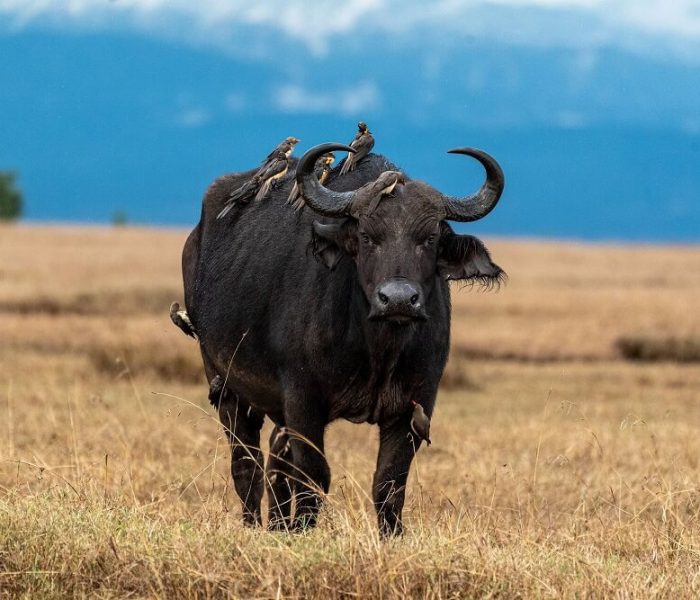
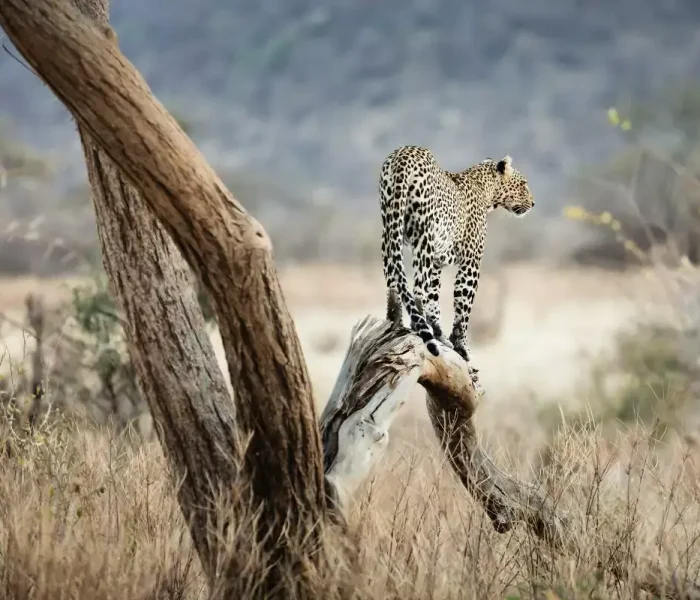
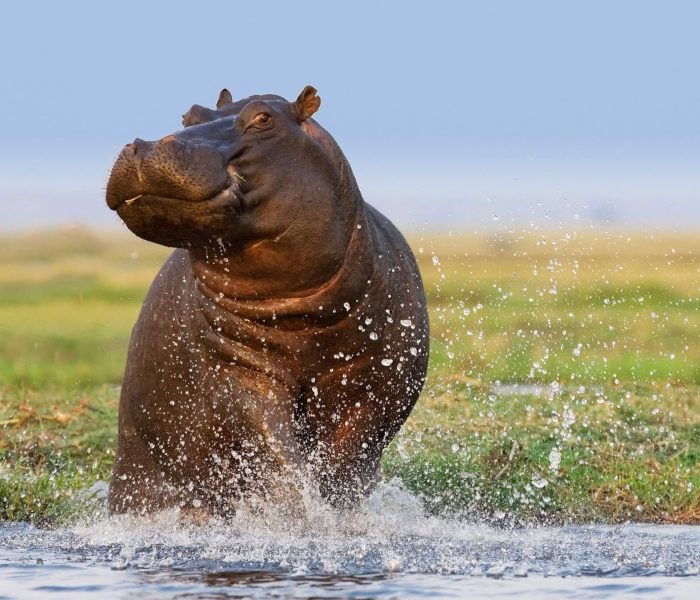
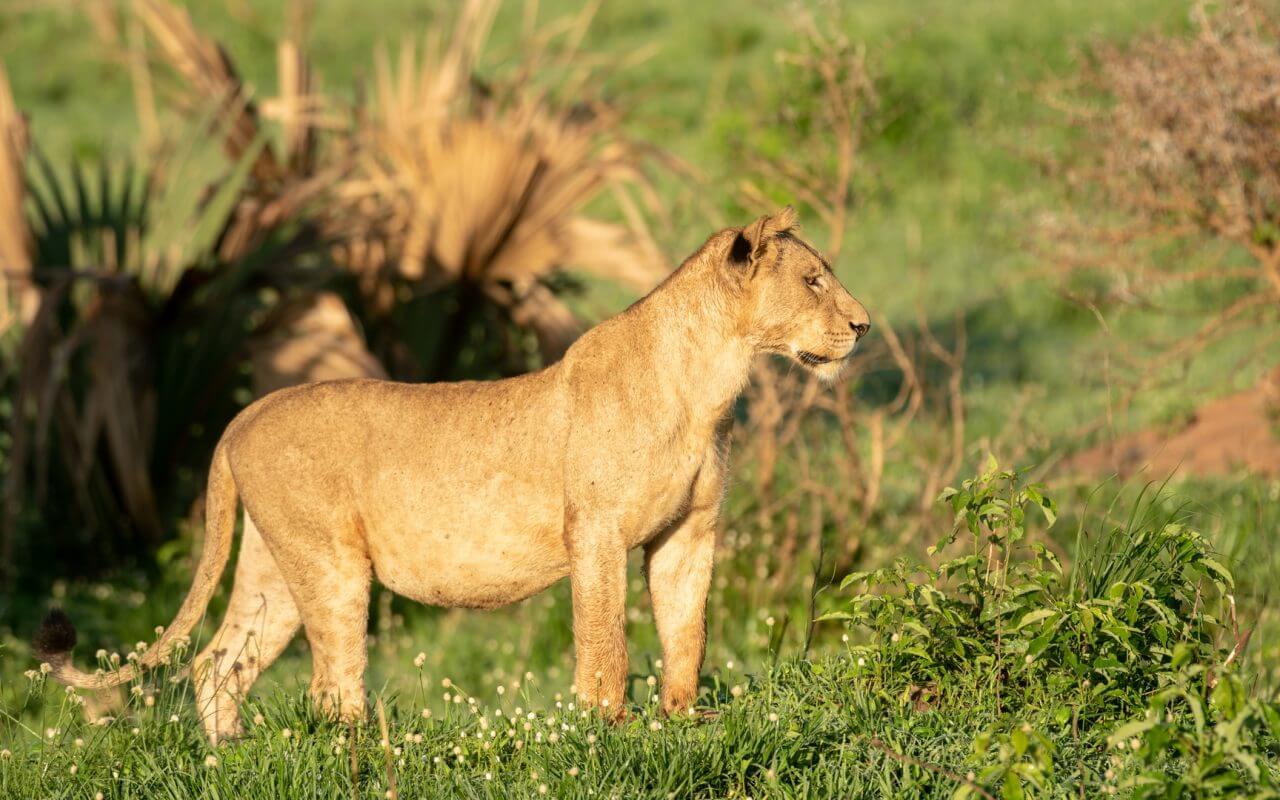
The reserve is home to over 75 species of mammals, including the famous Big Five, Lion, Elephant, Leopard, African Buffalo, and the rhino, which is notably absent from the region. However, Samburu doesn’t stop there. Visitors may also encounter other magnificent wildlife, including cheetahs, giraffes, zebras, and hippos, enriching the safari experience with a variety of big and small game.

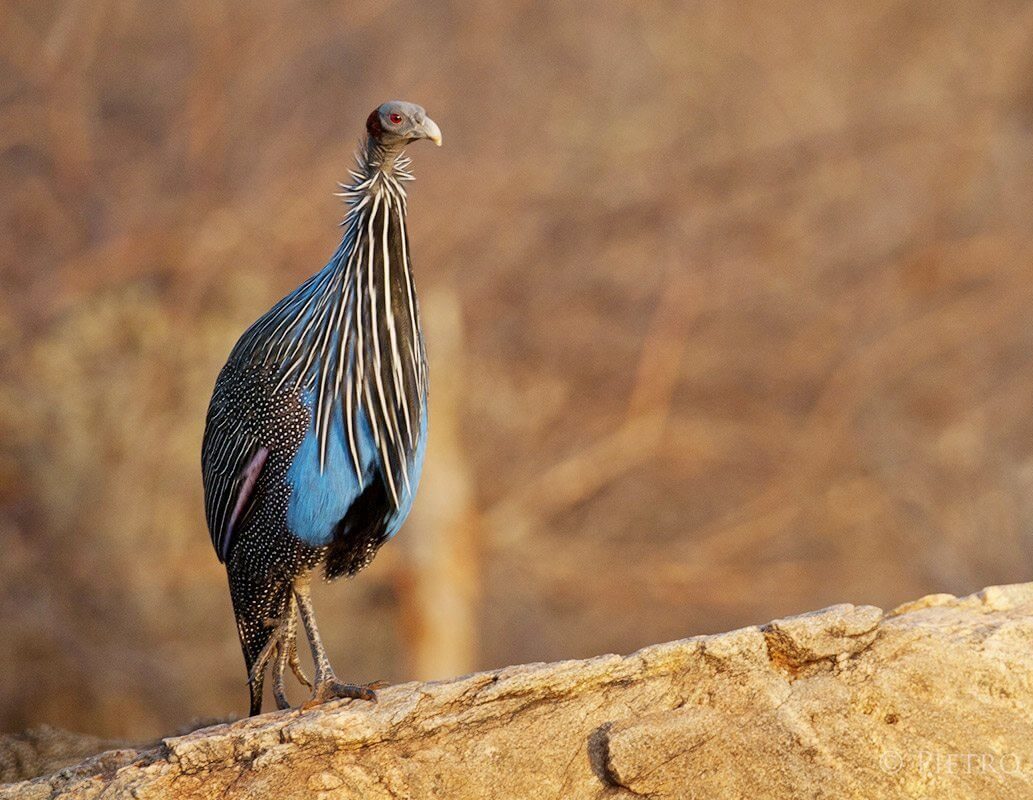
In addition to these mammals, Samburu boasts an impressive array of bird species, making it a birdwatcher’s paradise. The skies are filled with a vibrant mix of both resident and migratory birds. A detailed bird checklist is available upon request for those looking to identify and learn more about the diverse avian species found in the reserve.

Whether you’re a passionate wildlife photographer, a dedicated birdwatcher, or a first-time safari-goer, Samburu promises a wealth of unforgettable encounters with nature’s finest.

Birdlife

Samburu and Buffalo Springs National Reserves are a birdwatcher’s paradise, home to over 450 bird species, including several that are critically endangered. The riverine habitats are particularly rewarding for bird enthusiasts, providing a haven for species of international conservation concern. Notably, the lesser kestrel and Taita falcon can be found in the reserve, both of which are considered species at risk.

In addition, five endangered species have been recorded in these reserves: the African darter, great egret, white-headed vulture, martial eagle, and yellow-billed ox-pecker. These rare and magnificent birds contribute to the area’s importance as a vital sanctuary for conservation, making it a must-visit destination for those passionate about protecting and observing the avian world.

Kenya

Things to Do in Samburu National Reserve

Game Drives

Explore the rugged landscapes and encounter Samburu’s iconic wildlife on a thrilling game drive. This classic safari activity offers the chance to witness the abundant wildlife, including the rare Samburu Special Five. 

From herds of elephants to graceful giraffes and elusive big cats, every game drive promises an unforgettable adventure.

Camel Safari

For a unique experience, embark on a camel safari—an exciting alternative to the traditional game drive. Ride through the wilderness as the Samburu people have for generations, getting up close to wildlife such as Grevy’s zebra, ostriches, and giraffes.

Camels, known for their even temper, offer a peaceful way to explore the environment and spot animals and birds you might otherwise miss. Choose a short 2-hour round trip or opt for a more immersive multi-day safari, complete with a fly camp under the African sky.

Reteti Elephant Sanctuary

Located in the Namunyak Wildlife Conservancy, Reteti Elephant Sanctuary is one of Kenya’s first community-run wildlife sanctuaries. The sanctuary focuses on rescuing and rehabilitating orphaned elephants, preparing them for rewilding.

During your visit, you’ll watch the elephants receive their bottles and enjoy some playtime in the mud. A dedicated keeper will guide you, providing insight into their rescue and rehabilitation efforts. Visits are available in two time slots: 8:30 am to 10:00 am and 11:30 am to 1:00 pm. The entry fee is $20 per person for non-residents, and advance booking is required at least one week before the visit.

Guided Nature Walks

For a more intimate exploration of Samburu’s environment, take a guided nature walk. These walks range from one-hour treks around your camp to longer 2-5 hour excursions into the surrounding conservancies. It’s an excellent opportunity to spot over 450 bird species, learn about the area’s plants and their significance in local traditions, and perhaps catch a glimpse of the Samburu Special Five in a more tranquil setting. 

Due to the semi-arid climate, it’s best to do these walks early in the morning or late in the evening to avoid the midday heat. Be sure to bring plenty of water, wear lightweight, protective clothing, and good walking shoes.

Note: Walking is only permitted in designated areas, and most long nature walks are combined with game drives and a picnic lunch for added convenience.

Climate in Samburu National Reserve

Samburu National Reserve experiences a hot and dry climate during the day, with temperatures typically reaching around 32°C (90°F). However, it cools down in the evenings, with nighttime temperatures averaging 17°C (63°F). Given the early morning chill during game drives, it’s recommended to pack warm clothing for the early hours.

Dry Season (June to September)

The dry season in Samburu is characterized by hot and sunny days with little to no rainfall.

June & July: Expect hot, sunny conditions with afternoon temperatures around 29°C (84°F).

August & September: Temperatures continue to rise before the rains arrive, with September averaging 29°C (84°F), though it can peak much higher.

Wet Season (October to May)

The wet season is defined by short rains followed by the long rains.
October, November & December: These months mark the “short rains” period, with November being the wettest month. Rain typically falls in the afternoon, with temperatures around 29°C (84°F), rising before the rain and cooling after the showers.

January & February: A dry spell occurs between the short and long rains, though timing can vary. February tends to be the hottest month, with afternoon temperatures reaching around 30°C (86°F) but can get even hotter.

March, April & May: The “long rains” bring more consistent rain, especially in April, which is the wettest month. The afternoon temperature during this period is typically around 31°C (88°F), though it may feel cooler after the rain showers. However, deteriorating road conditions can make travel more challenging during these months.

gallery

Picture of Planning Your Safari

Planning Your Safari

Organizing a safari in Kenya Destination, can be overwhelming due to the many choices available for transport, accommodation, and activities.

Reviews and Rates

Best Time to Visit Samburu National Reserve

Samburu National Reserve is a year-round destination, but wildlife viewing is particularly exceptional during the dry season from June to September and again in January to February. If you’re keen on spotting wildlife, these months are ideal. It’s best to avoid the peak wet season, especially in April and November, when wildlife tends to be more spread out, and the long grass can make animals harder to spot.

Dry Season: June to September

Best for wildlife viewing: During this period, animals are drawn to the available water sources, making sightings easier.

No rain: Expect clear, sunny skies and virtually no rainfall.
Low malaria risk: Malaria is almost nonexistent in these dry months.

Hot, dry, and dusty: Prepare for intense heat and dusty conditions.

Scenic views: The landscape is less vibrant and can have hazy skies, making it less picturesque than the wet season.

Wet Season: October to May

Lush scenery: The landscape becomes lush and vibrant, offering beautiful greenery.

Lower rates: The period from April to June is considered low season, meaning you might enjoy lower rates and fewer tourists.

Wildlife sightings remain good: While wildlife viewing is better during the dry season, there are still plenty of animals around.

Birdwatcher’s paradise: Migratory birds arrive, making it a prime time for bird enthusiasts.

Road conditions: Be aware that roads can become challenging, particularly in April, May, and November due to rain and the deterioration of access routes.

Where to Stay in Samburu National Reserve

Sasaab

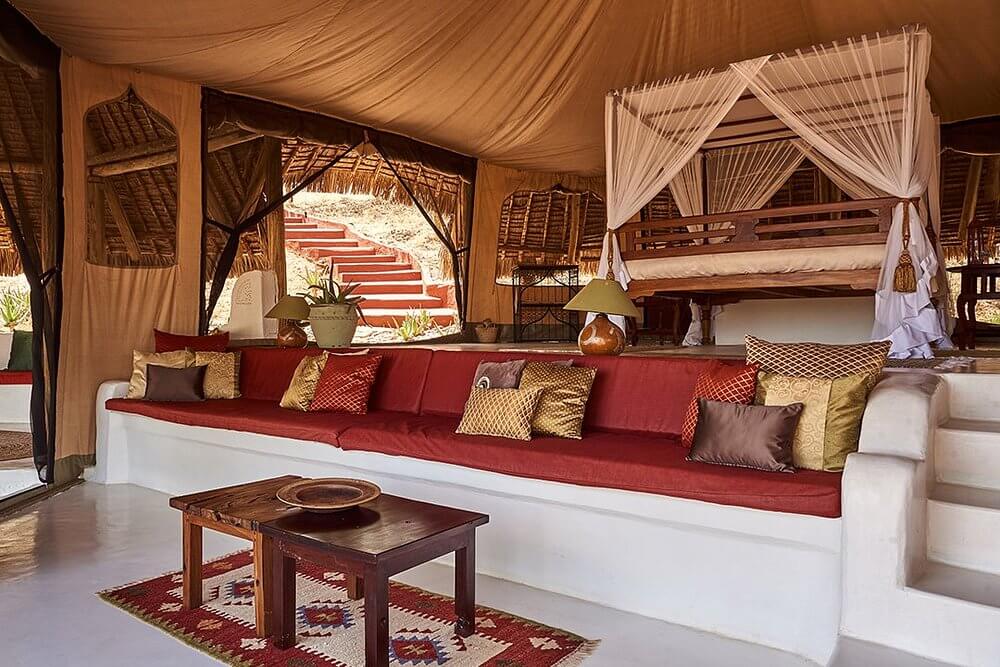
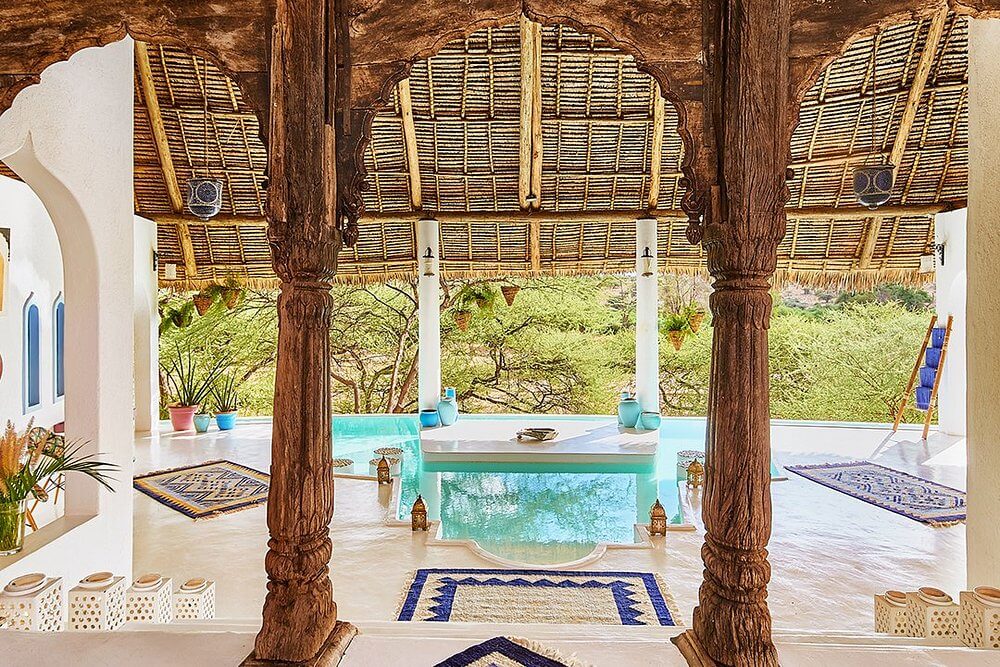
Nestled on a hillside with stunning views of the Laikipia Plateau and Mount Kenya, Sasaab is a luxurious retreat offering a serene and intimate experience. The nine secluded cottages are designed with Moroccan-inspired architecture to stay cool in the heat. 

Each cottage features classic four-poster beds, spacious open-air bathrooms, a private plunge pool, and a veranda overlooking the river where you can watch wildlife like elephants as they come to drink. 

Activities at Sasaab include twice-daily game drives, guided nature walks, mountain biking, and indulgent spa treatments to unwind after a day of adventure.

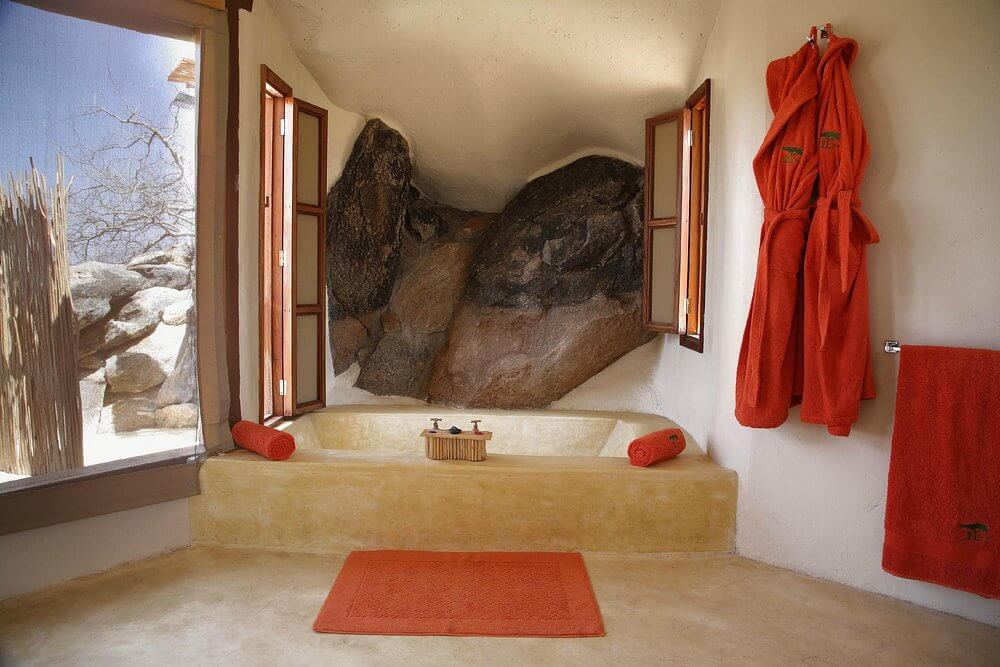
Located in the Kalama Conservancy, Saruni Samburu is a luxurious eco-lodge offering six open-air villas, each blending seamlessly into the rocky landscape. With stunning views over 200,000 acres of wilderness, the villas are designed for comfort, featuring outside showers, large sitting areas, and rustic four-poster beds. 

Saruni Samburu is renowned for its luxury, with highlights including an infinity pool, spa treatments, a three-course menu, and exceptional service. It has been voted the best luxury lodge in Kenya by the Luxury Safari Co., making it a top choice for those seeking a high-end safari experience.

Elephant Bedroom Camp

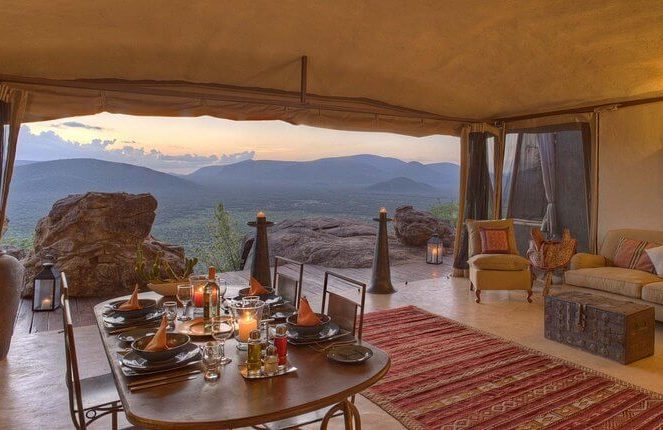
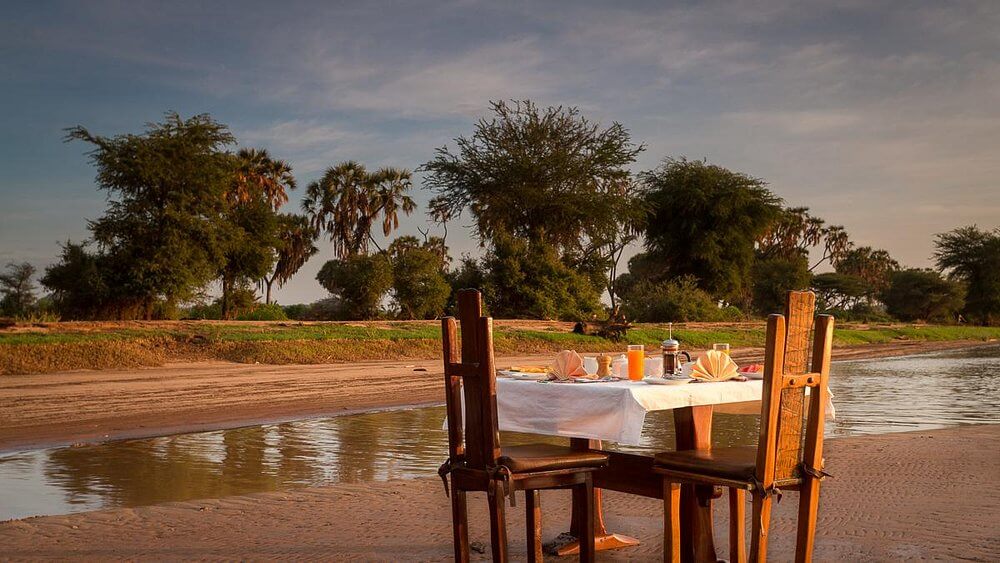
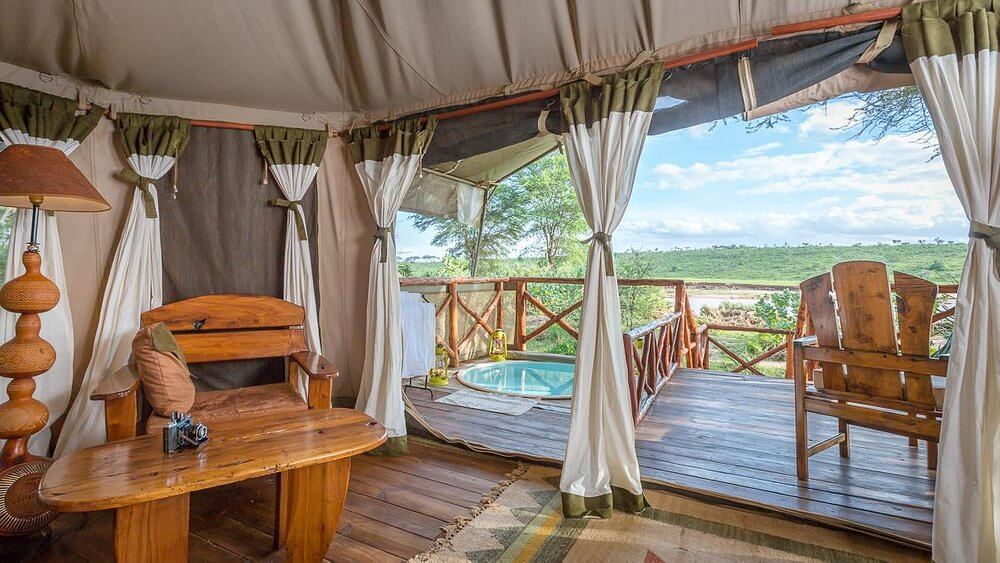
For a more rustic yet stylish experience, Elephant Bedroom Camp offers a classic safari stay with 14 stilted tents, each decorated in warm African tones and providing maximum privacy. Each tent includes a private deck, and the honeymoon tent features a private plunge pool. The camp offers fine dining experiences with meals served al fresco and romantic dinners under safari lamps at night. 

Guests can also immerse themselves in the local Samburu culture with cultural visits to nearby villages. This camp is perfect for those looking to connect with nature while enjoying comfort and hospitality.
These three accommodations in Samburu National Reserve cater to various preferences, from high-end luxury to authentic safari experiences, ensuring your stay is as memorable as the wildlife encounters you’ll enjoy.

What our Client Say

Design your own trip

Choose a destination, pick your properties, and we’ll do the rest

1
Browse
Look through our itineraries for inspiration, and call our Travel Consultants
2
Create
Discuss your wish list with us, and we’ll use our expertise to design a unique itinerary for you
3
Customise
We’re committed to refining your itinerary until we’ve created the perfect personalised trip for you