EXPLORE

Uganda Destination

Rwenzori Mountains National Park
Picture of Chat to an Uganda Safari expert

Chat to an Uganda Safari expert

Get advice and suggestions to make this your perfect trip. or call us on:
+255 755 003116

Picture of Chat to an Uganda Safari expert

Chat to an Uganda Safari expert

Get advice and suggestions to make this your perfect trip. or call us on:
+255 755 003116

Destination Overview

Rwenzori Mountains National Park, also known as the “Mountains of the Moon,” is located in southwestern Uganda, on the eastern edge of the Albertine Rift Valley. The park is just 25 km from Kasese city and spans across three districts: Kabarole, Bundibugyo, and Kasese.

Established in 1991 and designated as a UNESCO World Heritage Site in 1994, Rwenzori Mountains National Park covers an area of 996 square kilometers, with 50 square kilometers shared with Virunga National Park in the Democratic Republic of Congo. The park encompasses the central and eastern sections of the Rwenzori Mountains.

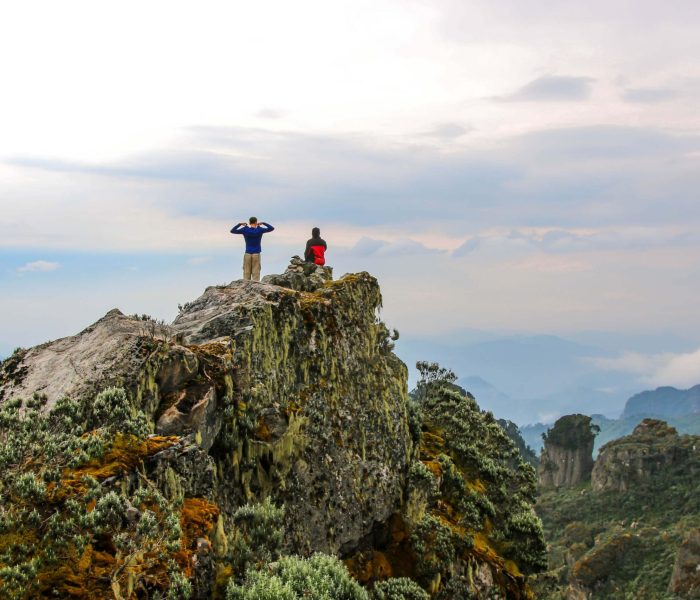
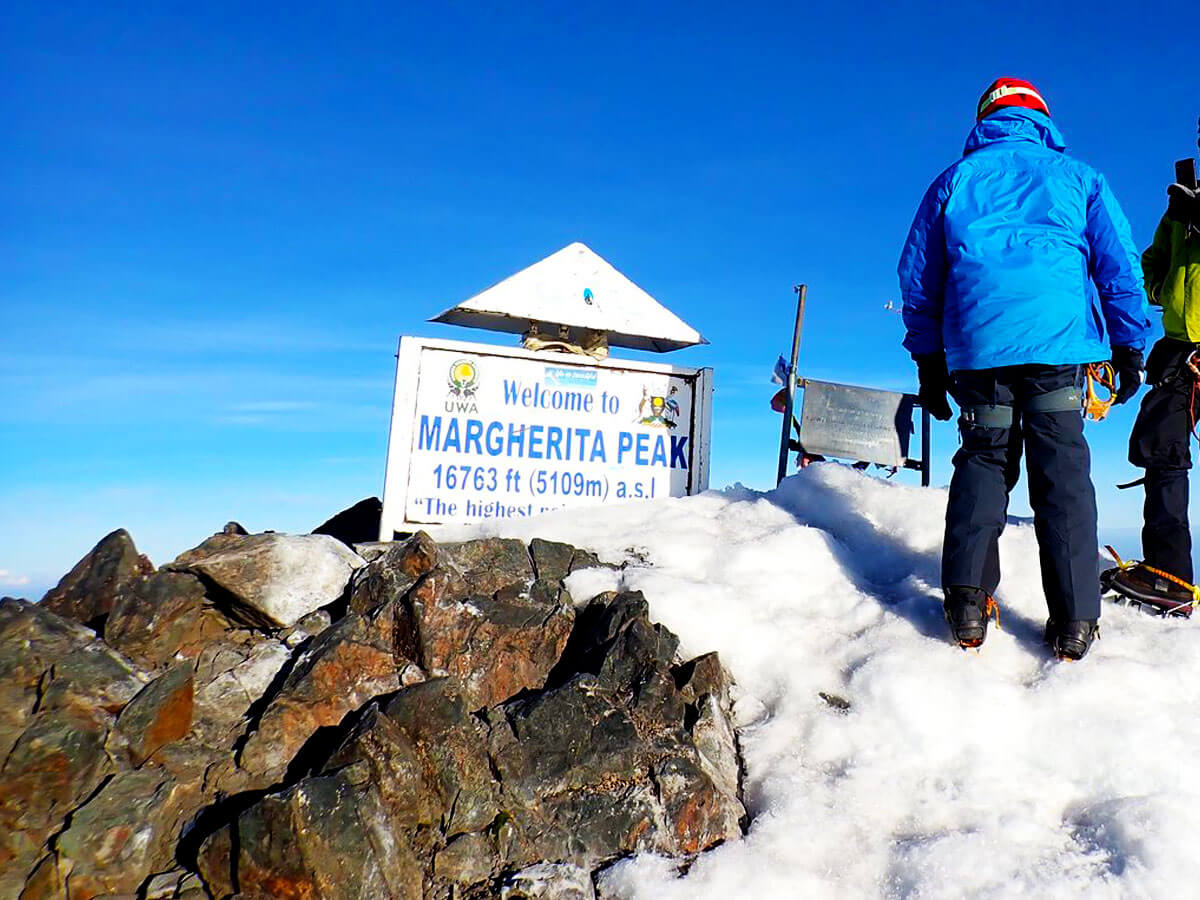
The Rwenzori Mountains are the highest non-volcanic, non-orogenic mountains in the world, with Margherita Peak reaching an altitude of 5,109 meters.

The mountain range consists of six prominent massifs, separated by deep gorges, including Mount Stanley (5,109 meters), Mount Baker (4,843 meters), Mount Speke (4,890 meters), Mount Gessi (4,715 meters), Mount Emin (4,798 meters), and Mount Luigi di Savoia (4,627 meters).

The park is also known for its stunning waterfalls, glaciers, snowfields, and lakes, making the Rwenzori Mountains one of Africa’s most captivating mountain destinations.

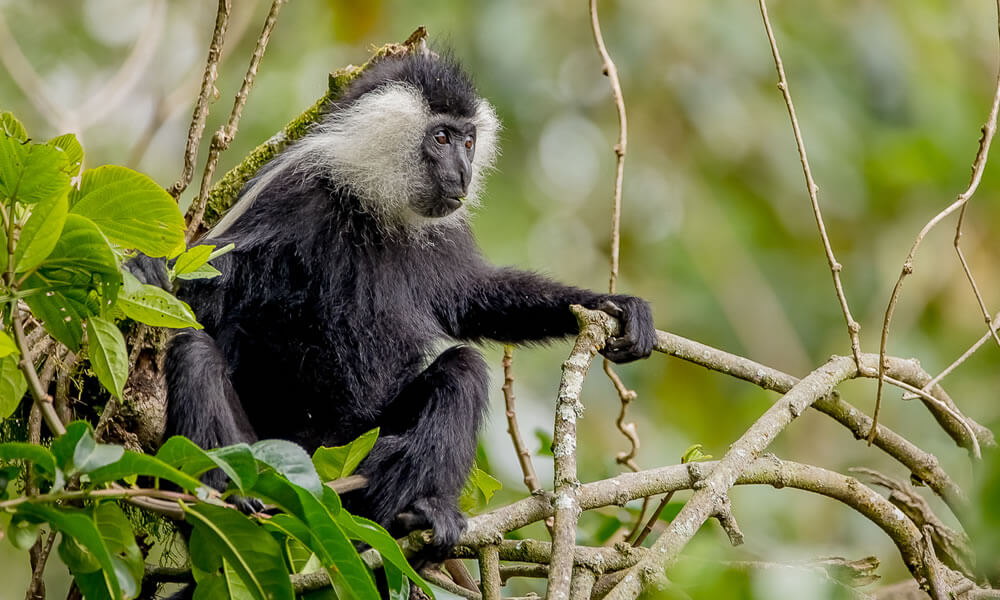
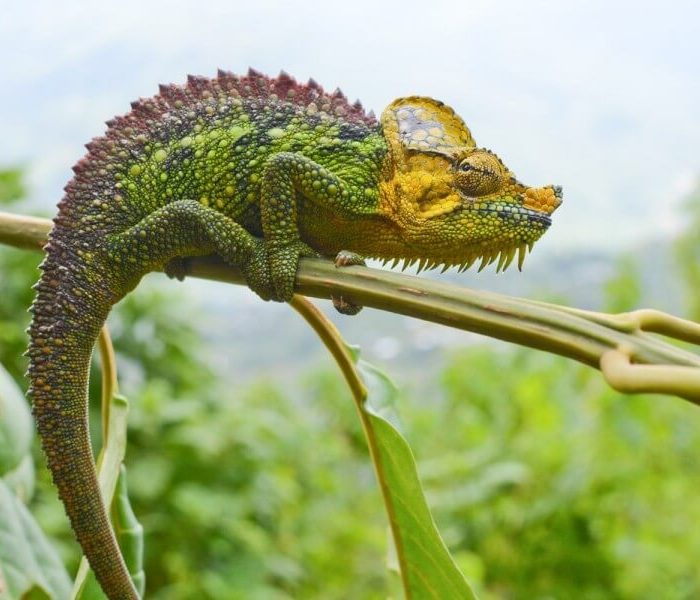
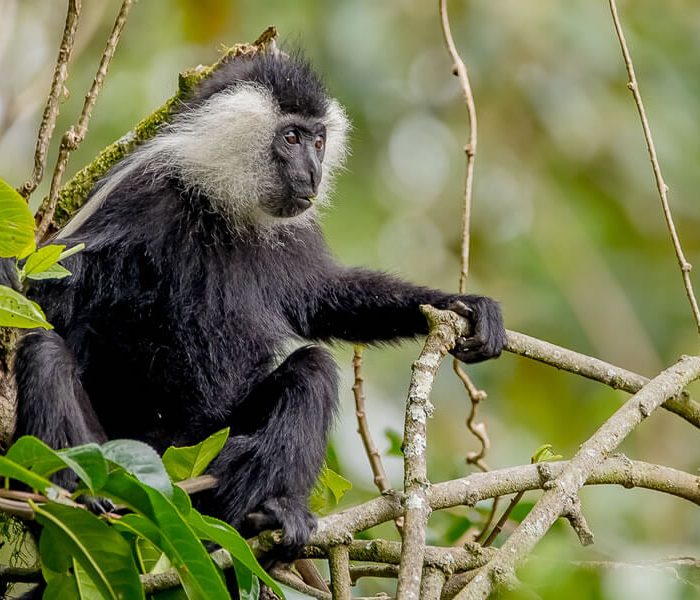
The park is home to over 70 mammal species, including rare and endemic species of the Albertine Rift. Notable mammals found here include the Rwenzori otter, chimpanzees, elephants, black and white colobus monkeys, blue monkeys, and bushbucks, as well as the fascinating three-horned chameleon.

Lake Bujuku and Lake Mahoma are some of the park’s key attractions. The park offers exciting activities like mountain climbing, bird watching, and cultural tours in the Bakonjo community.

Ruwenzori Mountains

The Rwenzori Mountains, towering at an impressive 5,109 meters above sea level, are Africa’s third-highest mountain range, offering a unique and breathtaking climbing experience that stands out across the continent. 

Known for their stunning landscapes and challenging climbs, the Rwenzoris consist of six distinct massifs, each with its own allure and characteristics. Among these massifs, Mount Stanley rises to the highest point, reaching 5,109 meters. Its peak, Margherita, is the highest summit of the entire range. 

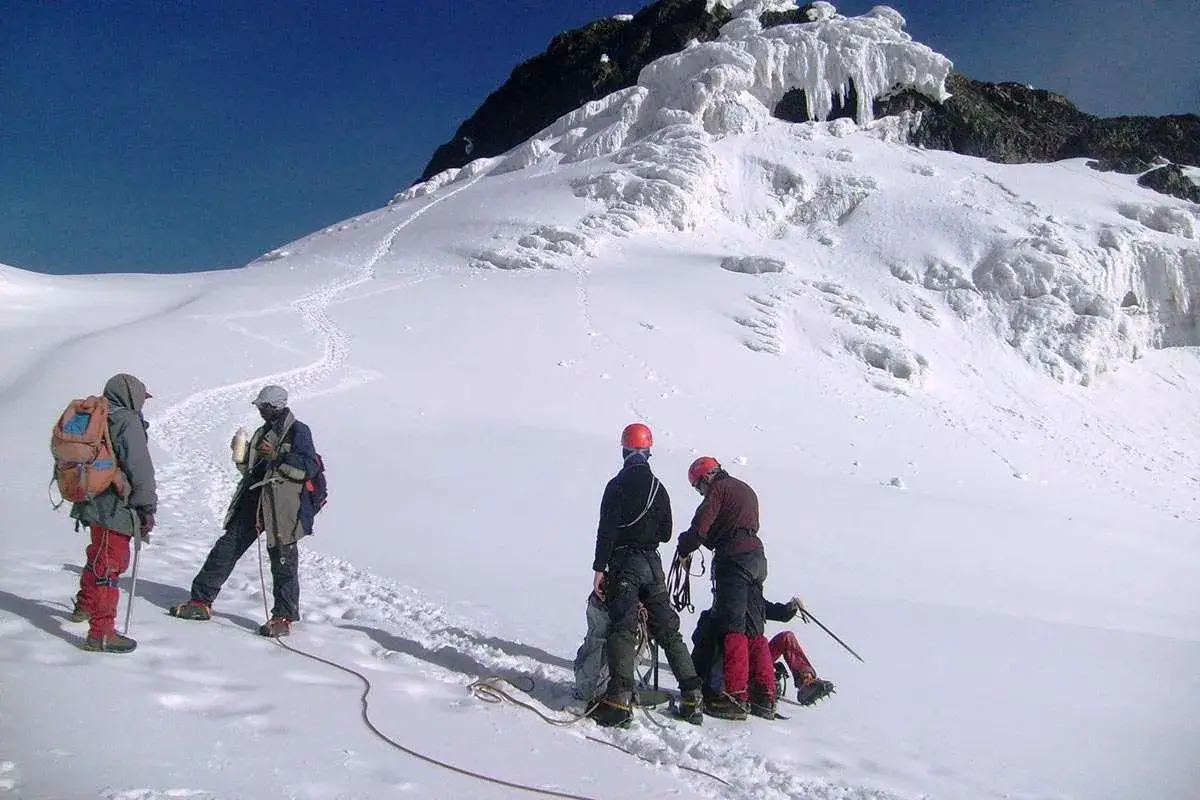
The mountain is not only remarkable for its elevation but also for its striking glaciers, including the Stanley Plateau, and it marks the border between Uganda and the Democratic Republic of Congo. For climbers seeking adventure, Mount Stanley offers one of the most spectacular ascents in Africa.

Next in height is Mount Speke, standing at 4,890 meters. Known for its four summits—Johnston (4,834 meters), Ensonga (4,865 meters), Vittorio Emanuele (4,890 meters), and Trident (4,572 meters)—Mount Speke forms part of a triangular range along with Mount Baker and Mount Stanley, enclosing the serene Bujuku Valley. Named after the famous British explorer John Speke, this peak provides climbers with unforgettable views and a challenging but rewarding climb.

Mount Emin, at 4,798 meters, ranks as the fourth-highest peak in the Rwenzori range. It boasts two main peaks, Umberto and Kraepelin, which are connected by a narrow ridge. The mountain’s unique topography and elevation make it a fascinating destination for mountaineers seeking both beauty and challenge.

At 4,715 meters, Mount Gessi stands as another highlight of the Rwenzori Mountains. Once covered in glaciers, the peaks of Mount Gessi, including the twin summits of Loloanda and Bottego, have since melted, leaving behind stunning landscapes that reveal the mountain’s past glacial activity. Climbers can access this peak through the Mugusu Valley, adding an extra layer of adventure to their journey.

Each of these towering peaks Stanley, Speke, Emin, and Gessi offers its own distinct adventure, promising an extraordinary experience for those ready to tackle one of Africa’s most challenging and awe-inspiring mountain ranges. Whether you’re a seasoned mountaineer or a passionate adventurer, the Rwenzoris will captivate you with their majestic beauty and exhilarating climbs.

Flora

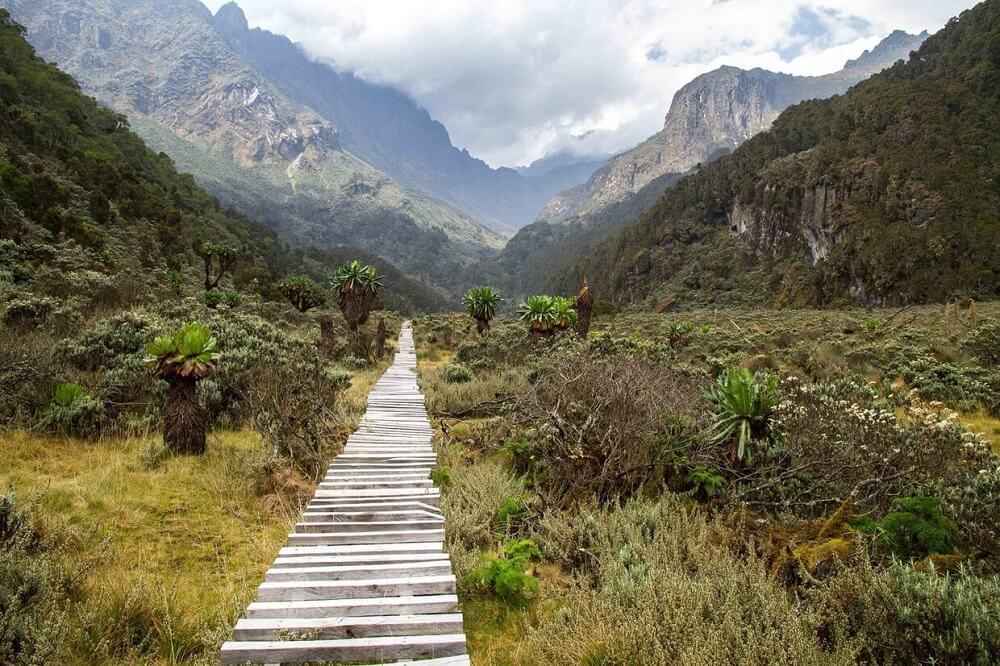
The Rwenzori Mountains offer not just stunning alpine views but also an extraordinary experience through their unique and dramatic flora. The mountains’ diverse vegetation has a profound impact on visitors, far surpassing the significance of local wildlife. The region is alive with water: cloud-bound mist hangs in the air, mountain streams are filled to the brim, and lakes form perfect mirrors of the surrounding landscape. The temperatures below 4,000 meters rarely exceed 15°C, remaining just above freezing, which allows life to thrive and creates an environment for incredible plant life to flourish.

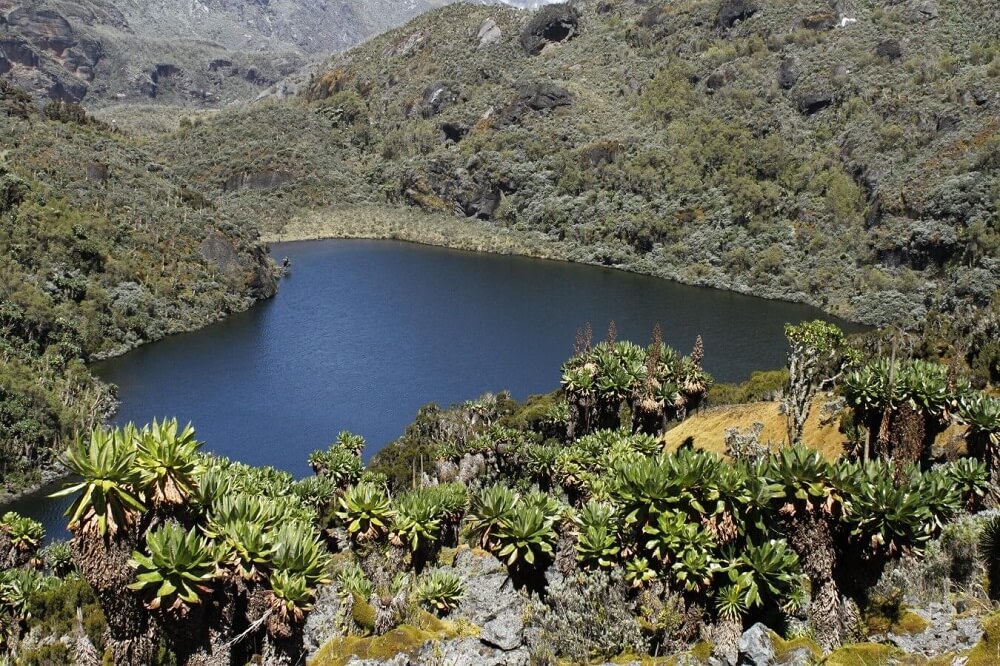
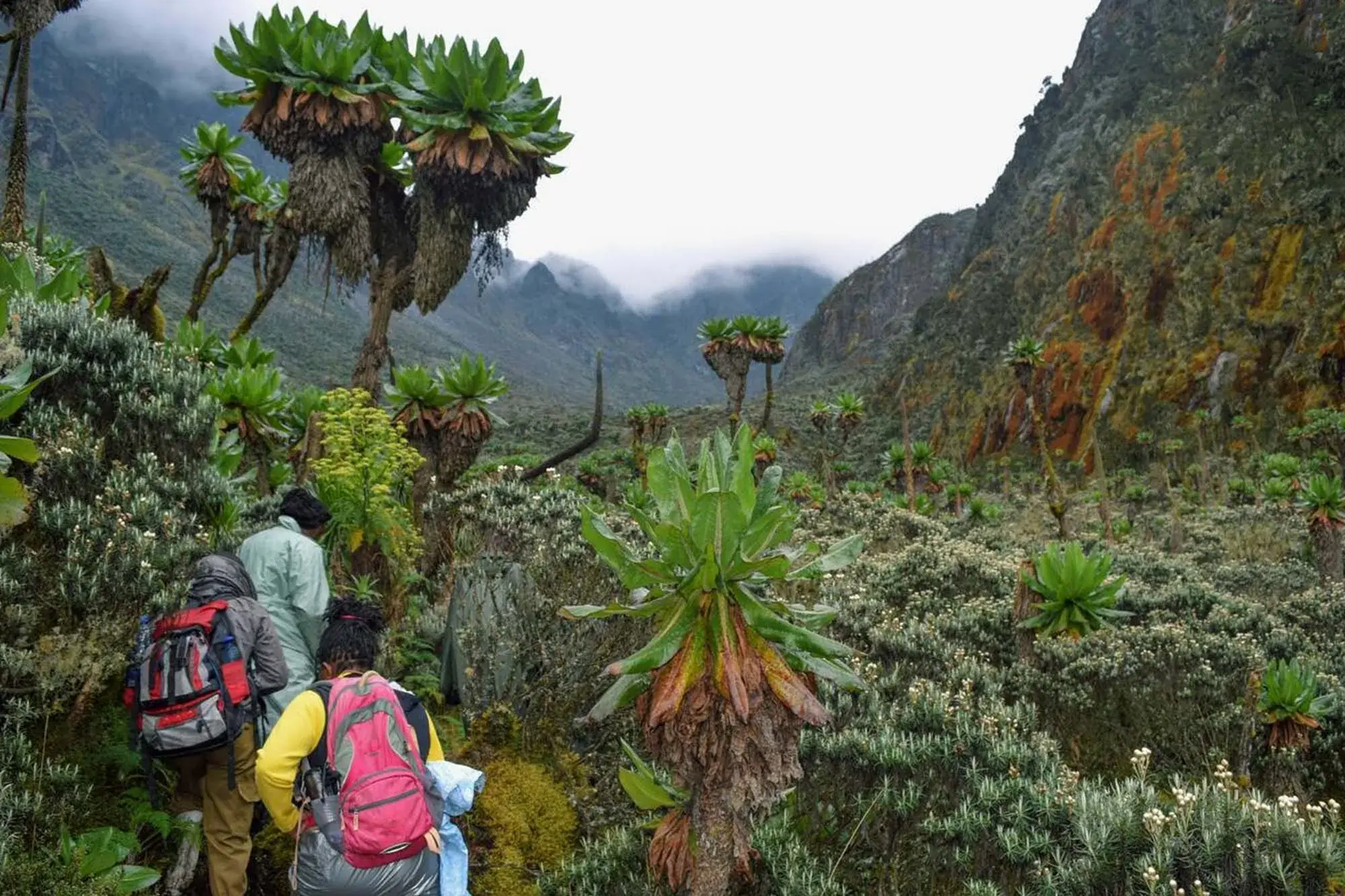
The vegetation is as striking as it is varied. Towering lobelia trees, vast heather fields stretching across the valleys, and vibrant mosses clinging to ancient trees draped in lichen provide a surreal and mesmerizing experience. Your trek through the Rwenzoris takes you through distinct altitudinal zones, each with its own micro-climate, flora, and fauna. These five major vegetation belts include:

Afro-Montane Vegetation Zone (1,765m - 2,600m)

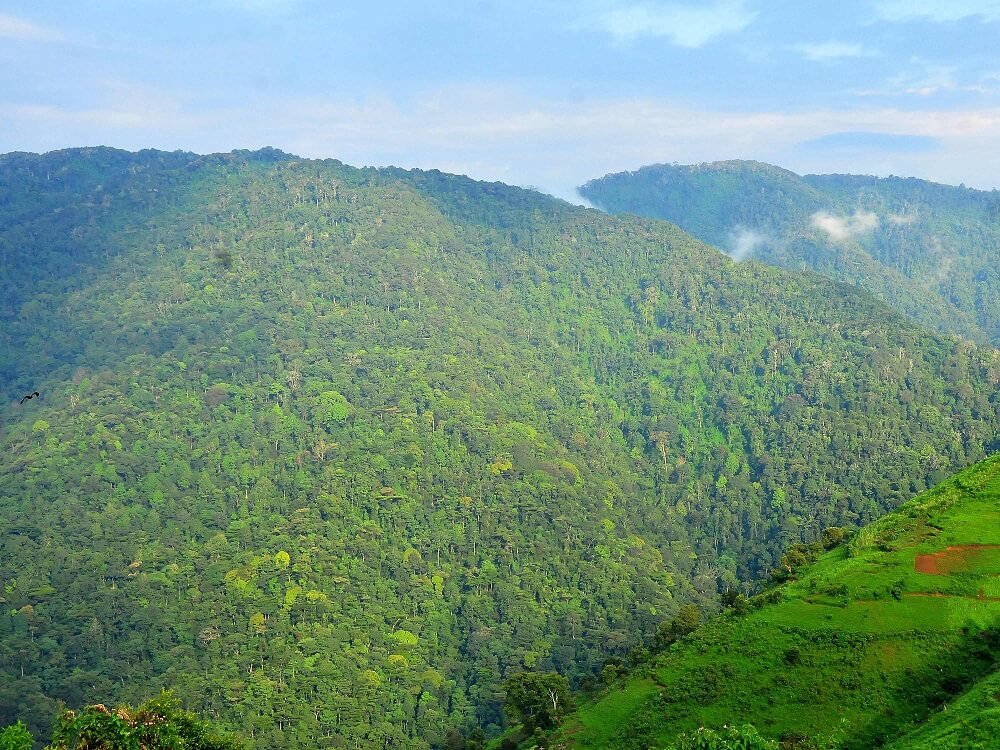
The lower slopes are covered with lush forest, where large trees push to form a canopy, and the breaks in the canopy fill with dense thickets.

As you ascend, dense forests give way to bamboo stands, with the forest floor covered in thick layers of bamboo leaves. Here, flowers bloom only once every 30 years, making it a rare sight.

The vegetation becomes more sparse and the air cooler. You’ll find sphagnum moss, usnea beard lichens, and coral pink orchids in bog-wet valley bottoms, along with large tussocks of grass.

Above 4,000m, you’ll encounter giant groundsel, Senecio adnivalis, and the torch lobelia, Lobelia wollastonii, which dominate the landscape.

The vegetation thins dramatically above 4,300 meters, leaving only moss, lichen, and a few hardy ‘Everlasting’ plants, marking some of the rarest botanical communities in the world.

Each elevation brings a new, breathtaking environment, making the Rwenzori Mountains not only a hiker’s challenge but a living, breathing exhibition of plant diversity.

Fauna

The Rwenzori Mountains are not only a haven for breathtaking vegetation but also home to an incredible diversity of wildlife. The different vegetation zones shelter around 70 species of mammals and 177 bird species. Among the mammals, you can find elephants, chimpanzees, Rwenzori otters, and leopards, though the dense forest makes sightings rare. Primates such as colobus monkeys (both Angola and black-and-white varieties) and blue monkeys are easier to spot. You may also come across small antelope like bushbucks and rare reptiles such as the three-horned chameleon.

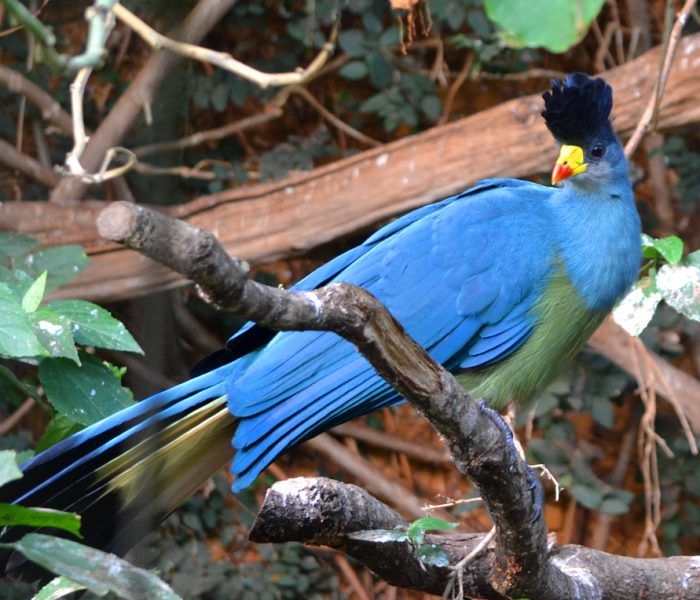
Birdwatchers will be thrilled by the variety of species found in the Rwenzori Mountains, particularly the Albertine Rift endemics, making the region an Important Birding Area (IBA). The montane forest offers the greatest diversity, where you can spot the striking Rwenzori Turaco, Barred Long-tailed Cuckoo, Long-eared Owl, Handsome Francolin, Cinnamon-chested Bee-eater, and many more. Other notable birds include the Archers’ Robin-chat, White-starred Robin, Rwenzori Batis, Montane Sooty Boubou, and Lagden’s Bush Shrike, along with various species of Barbets, Greenbuls, Apalises, Illadopsis, Flycatchers, and Crimsonwings.

High above, in the rugged peaks, you may spot the majestic lammergeiers and black eagles hunting, adding to the awe-inspiring atmosphere of this unique mountain range. The combination of dense forests, unique mammals, and vibrant birdlife makes the Rwenzori Mountains a must-visit destination for wildlife enthusiasts.

Trekking in the Rwenzori Mountains

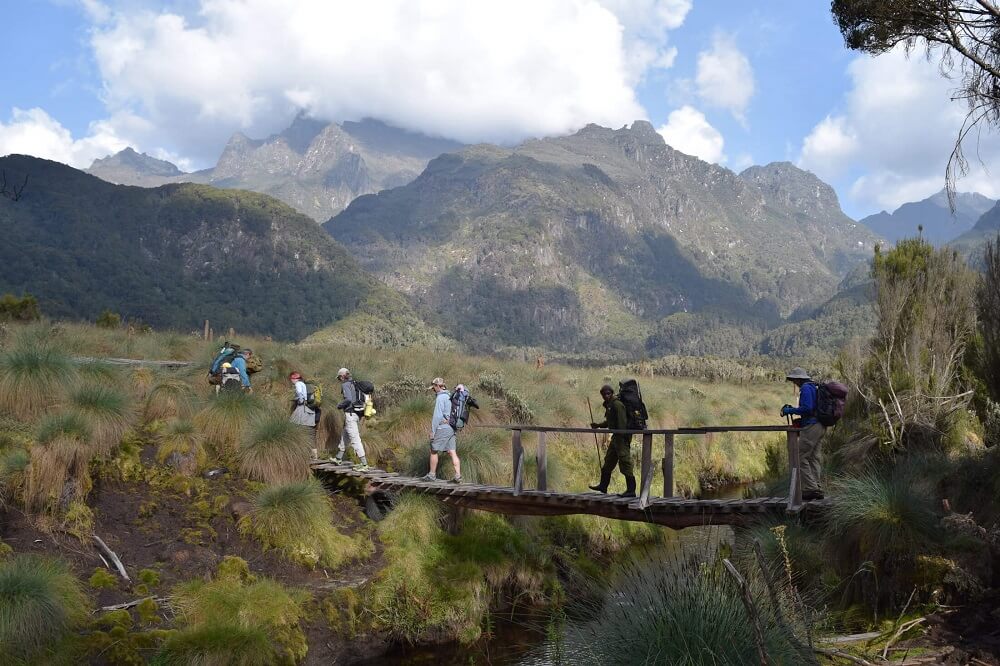
Exploring the Rwenzori Mountains is a physically demanding experience that requires both strength and stamina, particularly for those attempting to summit Margherita Peak. The terrain is rugged, and trekkers must be prepared for an adventure that tests endurance and fitness. The Rwenzoris are a paradise for nature enthusiasts and adventurers, offering a variety of treks that range from shorter excursions to multi-day challenges.

The Rwenzori Mountains, often referred to as the “Mountains of the Moon,” offer an exceptional trekking experience for both beginner and seasoned hikers. These mountains provide two types of hiking experiences, each catering to different levels of fitness and adventure preferences.

Types of Trekking Experiences

Low Altitude Treks:

Altitude: Below 4,000 meters.
Duration: Typically lasts 2-4 days.
Experience: These treks are ideal for those looking to explore the foothills and lower slopes of the Rwenzoris. While they don’t involve extreme altitude, hikers can still experience the lush vegetation, diverse wildlife, and stunning landscapes the mountains have to offer.

High Altitude Treks:

Altitude: Above 4,000 meters.
Duration: Lasts 4-12 days.
Experience: These treks take you to the higher reaches of the Rwenzori Mountains, where you’ll encounter glaciers, snow-capped peaks, and rugged terrain. A high-altitude trek offers a challenging but rewarding experience, including breathtaking views and the chance to summit Margherita Peak.

Summiting Margherita Peak

Height: 5,109 meters (Uganda’s highest point).
Duration: To summit Margherita Peak, you’ll need to spend at least 7 days in the mountains due to the challenging conditions and the acclimatization process necessary to safely reach the peak.
Experience: The summit of Margherita Peak is a thrilling achievement for trekkers, with stunning panoramic views of the surrounding peaks and valleys. It’s a challenging trek that requires good physical fitness, proper gear, and a guide.

Accommodation along the Trails
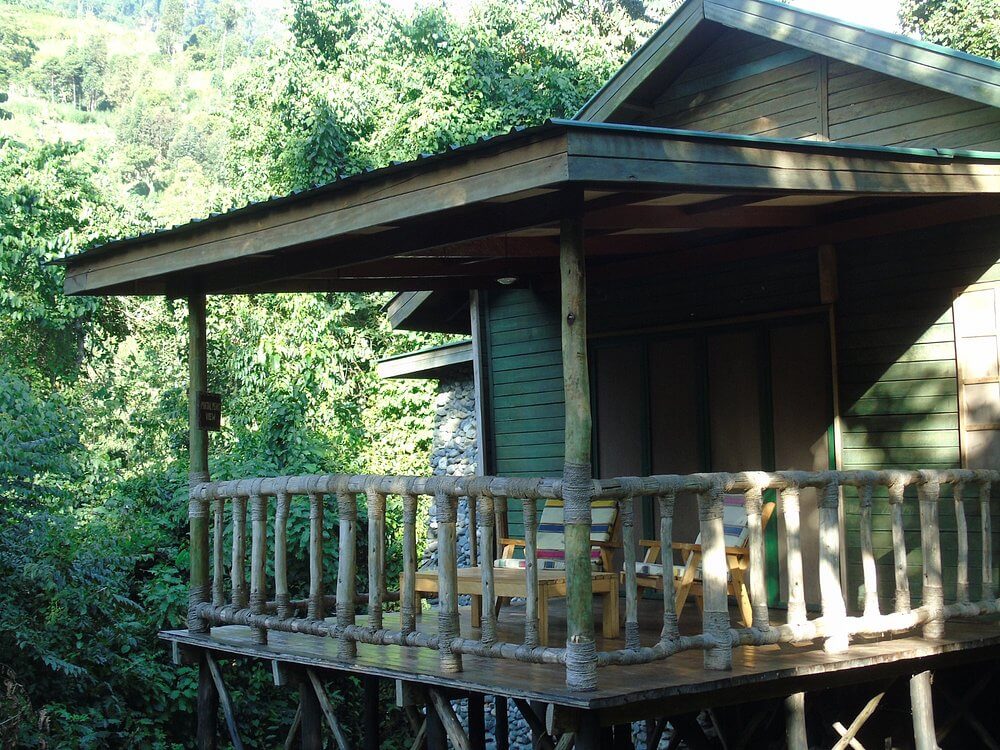
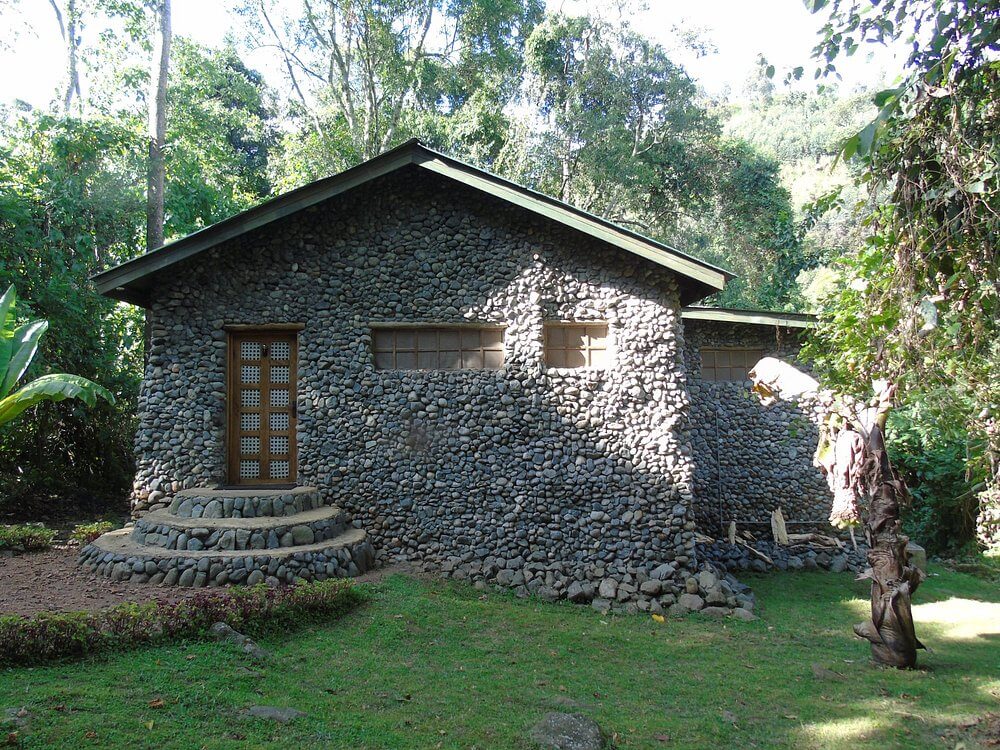
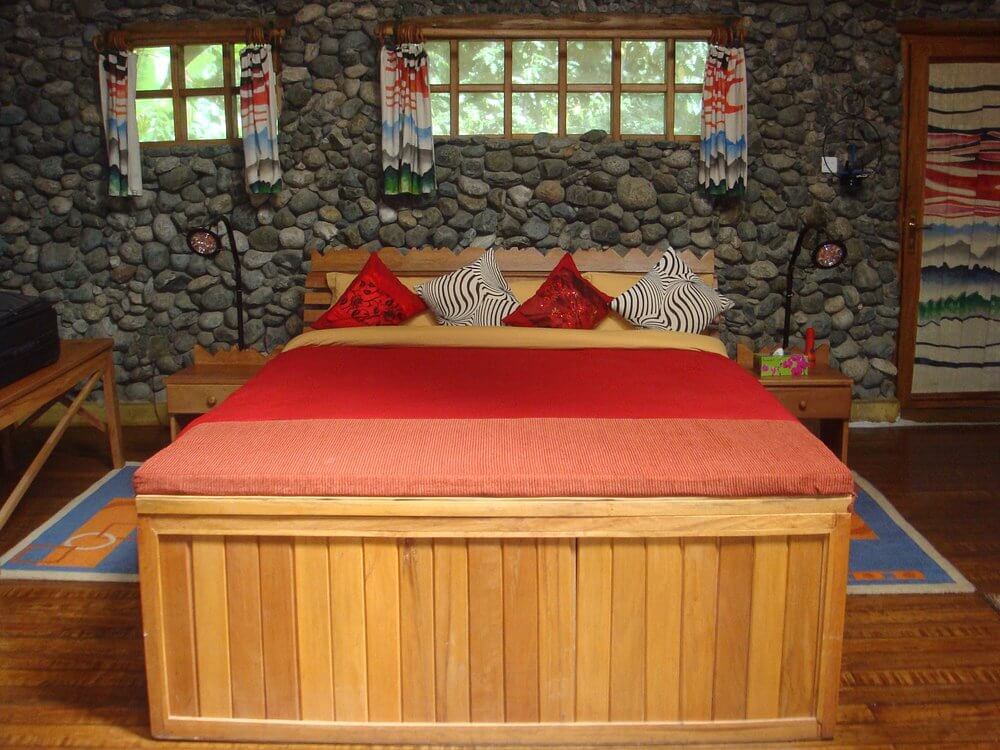
Basic Wooden Huts: Along the trekking routes, you’ll find basic wooden huts designed for hikers to rest and overnight. These huts are equipped with bunk beds to sleep on and separate toilet huts for convenience.

Comfort: While the huts offer basic facilities, they provide a warm and safe environment to rest after a long day of trekking in the mountains.

gallery

Picture of Planning Your Safari

Planning Your Safari

Organizing a safari in Uganda Destination, can be overwhelming due to the many choices available for transport, accommodation, and activities.

Reviews and Rates

Uganda

Other attractions in Ruwenzori Mountains

The Rwenzori Mountains are not just a climber’s paradise but also offer several other attractions worth exploring.

Lakes

The lakes in the region are among the most picturesque features of the park. Over 20 beautiful lakes dot the Rwenzori Mountains, each offering a unique natural experience. Lake Mahoma, located at 2651 meters, is the easiest to reach and is home to diverse bird species. 

Another notable lake is Lake Bujuku, nestled in the glacier-carved Bujuku Valley and surrounded by the towering peaks of Mount Baker, Speke, and Stanley. 

The Nyamwamba Valley, accessible via the Kilembe Trail, is another stunning area with glacial moraine dams that have formed a string of eight enchanting lakes. In addition to these lakes, the mountains are blessed with numerous streams and rivers, originating from the majestic mountain summits.

Ruboni

Another must-see destination in the Rwenzori region is Ruboni, located on the southeastern foothills of Mount Rwenzori. This picturesque area serves as an ideal starting point for the 7-day Central Circuit trek to the Rwenzori peaks. Visitors can enjoy a variety of activities here, such as hiking, birdwatching, and community walks, where they can interact with the Bakonzo people. 

The area also offers accommodation options, making it a great place to rest before or after your Rwenzori adventure, all while enjoying stunning views of the Mubuku Valley and the mountain peaks.

Buleba

For those interested in culture and history, Bulemba is a significant site. It is home to the remains of the first King of Rwenzururu, Isaiah Mukirania Kibanzaga, who played a vital role in defending the Bakonzo tribe against the oppression of the Batooro.

Visiting Bulemba offers a glimpse into the region’s rich cultural heritage and the powerful history of its people.

Trekking in the Rwenzori Mountains

Exploring the Rwenzori Mountains is a physically demanding experience that requires both strength and stamina, particularly for those attempting to summit Margherita Peak. The terrain is rugged, and trekkers must be prepared for an adventure that tests endurance and fitness. 

The Rwenzoris are a paradise for nature enthusiasts and adventurers, offering a variety of treks that range from shorter excursions to multi-day challenges.

The Rwenzori Mountains, often referred to as the “Mountains of the Moon,” offer an exceptional trekking experience for both beginner and seasoned hikers. These mountains provide two types of hiking experiences, each catering to different levels of fitness and adventure preferences.

Preparation Tips for Trekking

Fitness: High-altitude treks, especially those aiming for Margherita Peak, require good physical fitness. Trekking in high altitudes can be demanding, so training and preparation are essential.

Gear: Proper gear is critical for your safety and comfort. You’ll need waterproof clothing, sturdy trekking boots, warm layers, and gear for cold and wet conditions.
Acclimatization: Spend time acclimatizing to the altitude to avoid altitude sickness, especially if you’re aiming to summit the peaks.

The Rwenzori Mountains offer an incredible trekking experience, with both low and high-altitude treks providing different perspectives of this stunning UNESCO World Heritage site. Whether you’re seeking a challenging summit or a more relaxed trek through the lower slopes, the Rwenzoris deliver unforgettable adventure and views.

General Requirements for Trekking the Ruwenzori’s

Fitness: Trekkers need to be in above-average physical condition and have experience with endurance activities. Due to the altitude and the strenuous nature of the treks, it is essential to be prepared for a challenging journey.

Technical Climbing: Margherita Peak has been reclassified as a technical climb. While it doesn’t require expert climbing skills in winter conditions, prior experience with high-altitude trekking or mountaineering is recommended for those attempting to summit the peak.

Trekking Routes and Circuits

There are two main trekking circuits that give trekkers access to the Rwenzori’s peaks:

The Central Circuit:

Start Point: Nyakalengija.

History: Pioneered by Luigi di Savoia in 1906, this circuit was for many years the primary access route to the Rwenzoris.
Route Overview: The Central Circuit offers a rich experience of the mountains, with access to some of the peaks and views of glaciers, snow, and the unique flora and fauna that thrive at high altitudes.

For Private Groups: If you’re traveling with a private group, the Central Circuit can be extended to accommodate more time for acclimatization or simply to enjoy the serenity and isolation of the mountains.

The Southern Circuit:

Start Point: Kilembe.

Historical Significance: The Southern Circuit was the first route followed by Professor Scott Elliott in 1895, marking the initial exploration of the region.

Why Choose the Southern Circuit? This circuit provides one of the most intense and spectacular experiences in the Rwenzori Mountains, with stunning landscapes that seem almost otherworldly. It also offers longer routes, which are beneficial for acclimatization, ensuring a safer and more enjoyable trekking experience.

Trekking Duration and Variations

Trek Length: Depending on your interests and fitness levels, treks range from one day to up to 12 days.
Custom Routes: Routes can be customized for private groups to allow more flexibility. This might include extra time for acclimatization or to simply enjoy the beauty and tranquility of the mountains at a slower pace.

Accessing the Peak

The Rwenzori Mountains offer two distinct categories of trekking routes: high-altitude and low-altitude treks, each providing a unique experience. Low-altitude treks typically last 3-4 days and reach altitudes of around 3,100 meters, while high-altitude treks span from 5-12 days, with peak elevations of 4,600 meters or more. For those seeking the ultimate challenge of summiting Margherita Peak, the trek lasts a minimum of 7 days, reaching an impressive 5,109 meters.

The ascent to Margherita Peak begins at Elena Hut, heading south past the outhouse to a split in the road. Though the climb can also be approached from the Moraine Hut in the Democratic Republic of the Congo (DRC), this route is often closed due to political instability in the region.

From the split, several routes lead to the Stanley Plateau. One option is to climb through cracks and crevasses, heading west along steep rocks, eventually reaching more moderate slopes. Alternatively, you can continue south from a small pond towards the steep cliffs of Kitasamba and the Coronation Glacier, taking a sharp west turn that leads up slabs toward the glaciers of the Rwenzori.
Upon reaching the glacier, you will encounter steep snow and ice, which eventually gives way to more gradual slopes leading to the Stanley Plateau. At this point, the view may be shrouded in fog, but on clearer days, you may catch sight of Alexandra Peak to the left. Below you, the Afro Montane forest stretches out, intersected by a waterfall cascading over rocks far below, adding to the awe-inspiring scenery of the Rwenzoris.

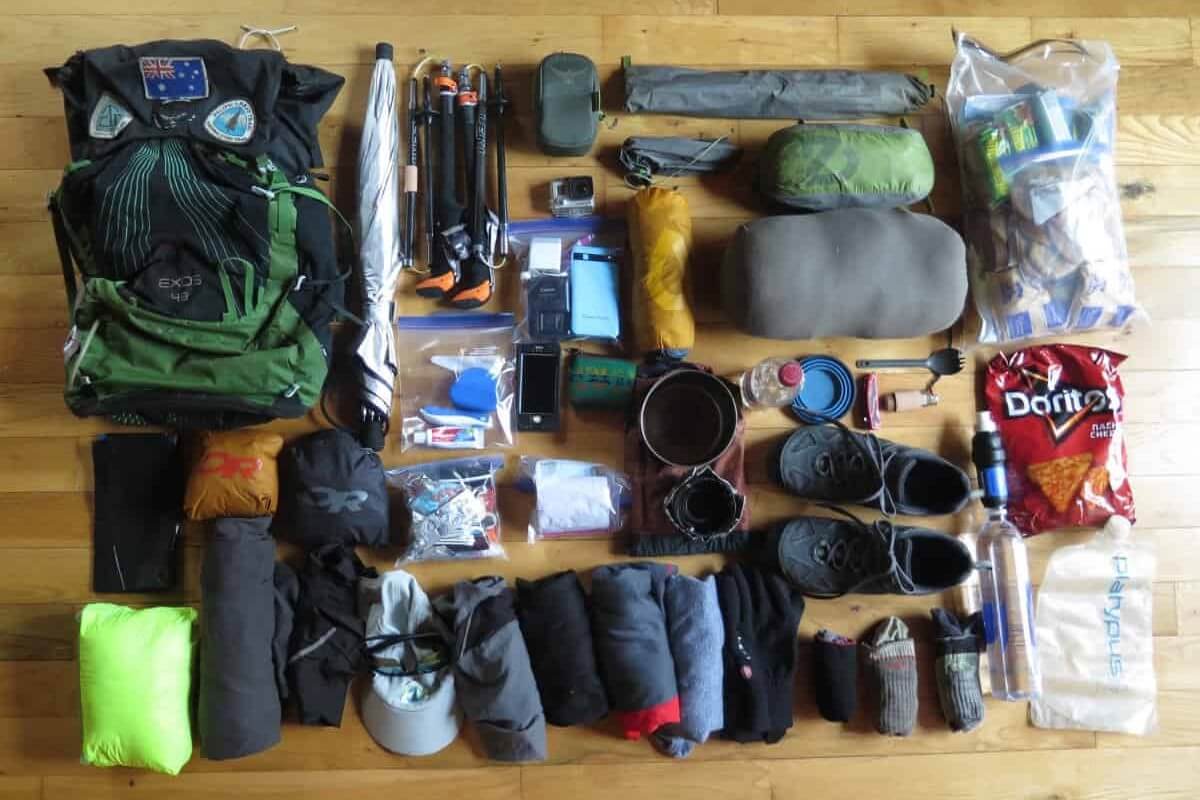
When preparing for your Rwenzori Mountain hike, it’s essential to pack the right gear to ensure your comfort and safety throughout the journey. Start with waterproof hiking boots, designed to handle the slippery terrain and keep your feet dry. A rain jacket is a must, as the weather can be unpredictable, and staying dry is crucial during your hike. Don’t forget your climbing or trekking poles, which will provide stability and ease while navigating the rugged trails.

A daypack is important for carrying your essentials, such as snacks to keep your energy levels up throughout the hike. Make sure to bring a camera to capture the stunning landscapes. Insect repellent is vital to protect yourself from bites, while waterproof gloves and a waterproof hat will help shield you from the cold and rain. For warmth and comfort during your overnight stays, pack a sleeping bag suitable for high altitudes.

Lastly, ensure you carry enough bottled water to stay hydrated as you explore the challenging mountain trails. Being well-prepared with the right gear will enhance your experience and make your Rwenzori hike a memorable adventure.

Getting to Mountain Ruwenzori Mountains Range

To reach the stunning Rwenzori Mountain ranges, there are two main travel options: by road or by air.

If you prefer to travel by road, you can embark on a scenic journey from Kampala, taking the route via Mbarara-Kasese or alternatively through Fort Portal City. The drive typically takes between 6 to 7 hours, depending on the road conditions and your vehicle’s performance. The roads offer beautiful views of Uganda’s countryside, making the trip an enjoyable part of the adventure.

For those looking to save time, air travel is a convenient option. You can book a flight from Entebbe Airport (EBB), with flights landing at the Kasese airstrip, bringing you closer to the Rwenzori Mountains. This is a quicker and more direct route, allowing you to start your trekking experience right away upon arrival.

Best time to hike Mountain Ruwenzori

The best time to hike the Rwenzori Mountain ranges is during the drier months of the year, which offer the most favorable conditions for trekking. 

For a successful and enjoyable hiking experience, it’s recommended to plan your adventure between December and February or June to August. 

During these months, the weather is more stable, with less rainfall, making the trails less slippery and more accessible for climbing the rugged peaks of the Rwenzoris.

Accommodations around Ruwenzori Mountains

Accommodation options around the Rwenzori Mountains National Park cater to a variety of budgets, from affordable stays to luxurious retreats, ensuring all travelers can find something to suit their needs. Rates vary depending on the type of lodge or hotel, making it easy to choose based on your preferences and budget.

For luxury travelers, Equator Snow Lodge stands out as an ideal choice, offering comfort and exceptional service in a stunning location. Rwenzori Turaco View Campsite is another top pick for those seeking an unforgettable experience in nature, with beautiful views of the mountains. If you’re looking for mid-range options, Ihumba Safari Lodge offers a perfect balance of comfort and value.

For those on a tighter budget, Mihunga Safari Lodge and Ruboni Community Camp provide great options without compromising on quality. Rwenzori Backpackers is an excellent budget-friendly option for those looking to experience the area without breaking the bank.

Additionally, Rwenzori International Hotel and Hotel Margherita offer a range of services and amenities to meet different needs, making them excellent choices for both short stays and longer visits to the region. Whether you’re looking for a lavish getaway or a simple, cozy place to rest, the Rwenzori Mountains National Park area has something for everyone.

Other activities to do at Ruwenzori Mountains

Birding Adventures

Rwenzori Mountains National Park is a birdwatcher’s paradise, home to over 217 bird species, making it one of the premier birding destinations in Uganda and East Africa. 

The park boasts numerous birding trails, offering excellent opportunities to spot a diverse range of species, including the Western Green Tinkerbird, Golden-winged Sunbird, Montane Masked Apalis, Stripe-breasted Tit, and the Kivu Ground Thrush.

Other remarkable birds include the Rwenzori Batis, Crimsonwing, White-starred Robin, Scarlet-tufted Malachite Sunbird, and African Lammergeier. Keep an eye out for the Black Rough-winged Swallow, Abyssinian Ground Thrush, Rwenzori Hill Babbler, Illadopsis, White-necked Raven, and the African Cuckoo Shrike, all of which contribute to the park’s status as an Important Birding Area (IBA).

Cultural Encounters

No mountaineering adventure in the Rwenzoris is complete without experiencing the vibrant culture of the Bakonzo people. After your exhilarating trek to Margherita Peak, take the time to immerse yourself in local traditions with cultural dances and music performances at Ruboni Village. 

This is a wonderful opportunity to interact with the Bakonzo community, learn about their customs, and witness their captivating heritage firsthand, adding a rich cultural dimension to your Rwenzori experience.

What our Client Say

Design your own trip

Choose a destination, pick your properties, and we’ll do the rest

1
Browse
Look through our itineraries for inspiration, and call our Travel Consultants
2
Create
Discuss your wish list with us, and we’ll use our expertise to design a unique itinerary for you
3
Customise
We’re committed to refining your itinerary until we’ve created the perfect personalised trip for you