EXPLORE

Tanzania Destination

Ruaha National Park
Picture of Chat to an Tanzania Safari expert

Chat to an Tanzania Safari expert

Get advice and suggestions to make this your perfect trip. or call us on:
+255 755 003116

Picture of Chat to an Tanzania Safari expert

Chat to an Tanzania Safari expert

Get advice and suggestions to make this your perfect trip. or call us on:
+255 755 003116

The Land of Giants

Destination Overview

Ruaha National Park stands as one of Tanzania’s most extraordinary wildernesses, offering a wildlife experience unlike any other. Nestled in the heart of the country, this pristine park serves as a unique crossroads where the wildlife of both southern and eastern Africa converge. It’s here that you can witness some truly rare and remarkable species in their natural habitat.

Ruaha is celebrated for its incredible diversity of wildlife. It’s one of the few places on Earth where you can observe both the Greater and Lesser Kudu, along with the majestic Roan and Sable antelope, all in one stunning park. Despite its central location, Ruaha remains one of Tanzania’s hidden gems, often overshadowed by the more accessible Nyerere National Park (formerly known as the Selous).

This relative seclusion means fewer crowds and an authentic, unspoiled safari experience. The rewards of venturing into Ruaha are immense. Picture baobab-dotted hills, rugged rocky escarpments, and vast open landscapes teeming with wildlife. Here, you can witness thrilling predator interactions, with Ruaha being home to 10% of the world’s lion population. It’s also one of the last strongholds for cheetahs in East Africa and boasts the third-largest population of wild dogs in the world. Add to that massive herds of elephants and buffalo, and a fascinating mix of animals from both southern and eastern Africa, and you have one of the most exciting wildlife destinations on the planet.

As Tanzania’s largest national park, Ruaha offers a raw, remote adventure far from the crowds. It’s a place where the wild truly reigns, offering an exceptional safari experience at a fraction of the price of more popular parks. Though it lacks boating safaris, Ruaha’s land-based wildlife viewing is second to none, with some of the best predator concentrations in Tanzania. The Mwagusi area, in particular, is famous for its lion sightings. For those seeking an authentic, off-the-beaten-path adventure, Ruaha is a must-visit.

Ruaha is one of Tanzania’s best-kept secrets, making it an ideal complement to the more frequented Nyerere National Park. It’s also an excellent addition to any Tanzania safari itinerary. Whether you’re a first-time visitor or a seasoned safari-goer, Ruaha promises a captivating and unforgettable experience, full of untamed beauty and unparalleled wildlife encounters.

Where is Ruaha National Park?

Ruaha is located to the west of Nyerere National Park (Selous) and south of the Serengeti, making it an incredible, albeit more remote, safari destination. 

While the longer flight time and higher cost may deter some travelers, it’s exactly what preserves its untouched, wild atmosphere. 

Daily flights connect Ruaha with the Serengeti, and there are also flights available from Dar es Salaam and Nyerere, ensuring convenient access for those seeking an adventure in this extraordinary, lesser-known corner of Tanzania.

Ruaha National Park Iconic Wildlife

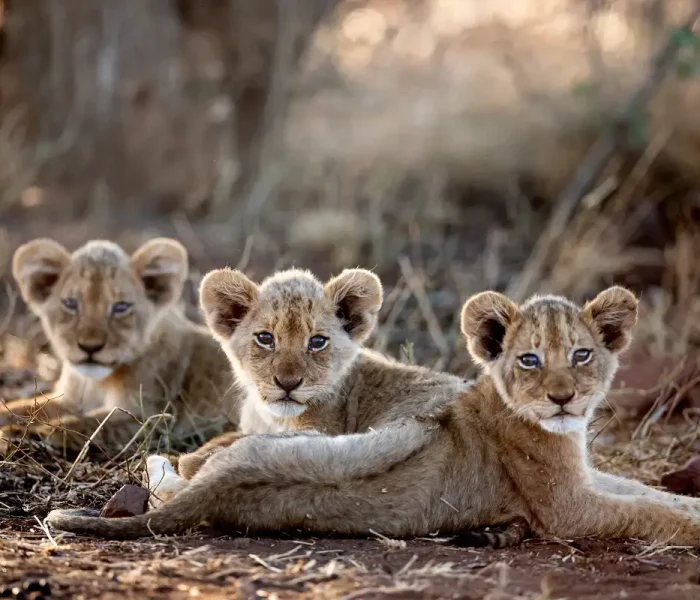
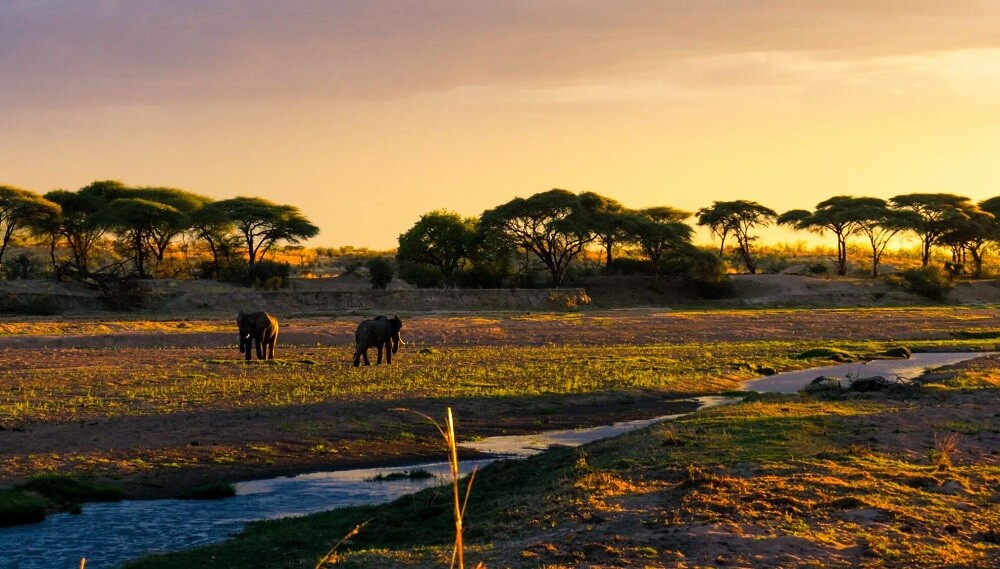
Ruaha National Park is a pristine wilderness, renowned for its abundant wildlife and untamed beauty. Among its most notable residents are the park’s large elephant herds, which roam freely through its vast landscapes. The park is also home to an impressive array of safari animals, offering a diverse and exciting wildlife experience. Lions, including large prides of more than 20 individuals, are a common sight here, and even buffaloes, typically considered a difficult prey for predators, fall within the park’s food chain.

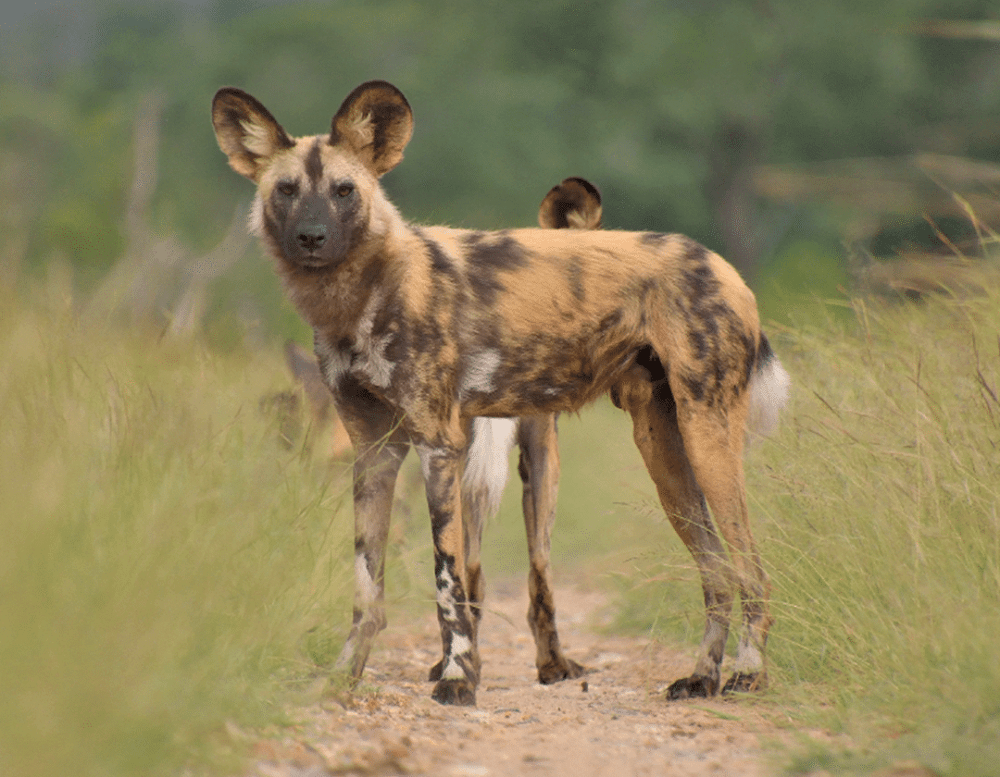
One of the standout species in Ruaha is the wild dog, a rare and endangered predator that thrives in this region. Ruaha provides one of the best opportunities in Africa to witness these charismatic, pack-living animals in action.

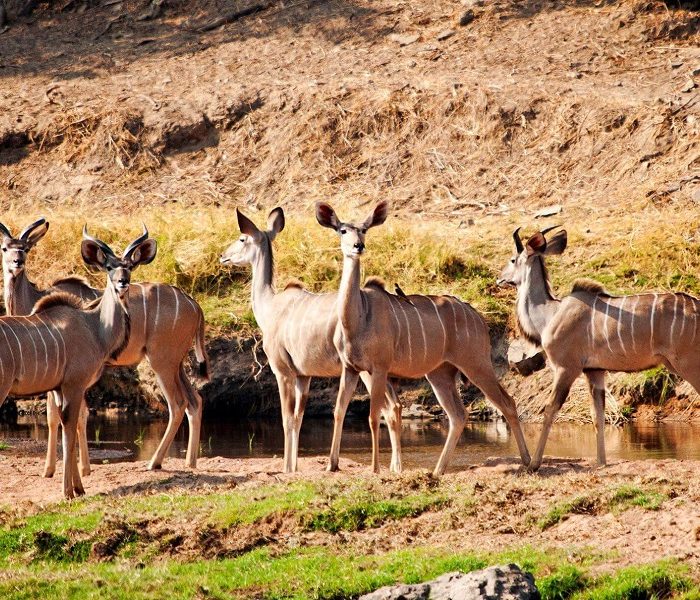
In addition to the wild dogs, Ruaha is a sanctuary for East Africa’s largest population of greater kudu, a magnificent antelope species known for its striking spiral horns. The park is also home to several other rare and elusive antelope species, including the lesser kudu, roan, and sable antelope, adding to the park’s allure as a prime wildlife destination. With its rich diversity and rare species, Ruaha National Park stands as one of Tanzania’s most exciting safari experiences.

Ruaha National Park Birds

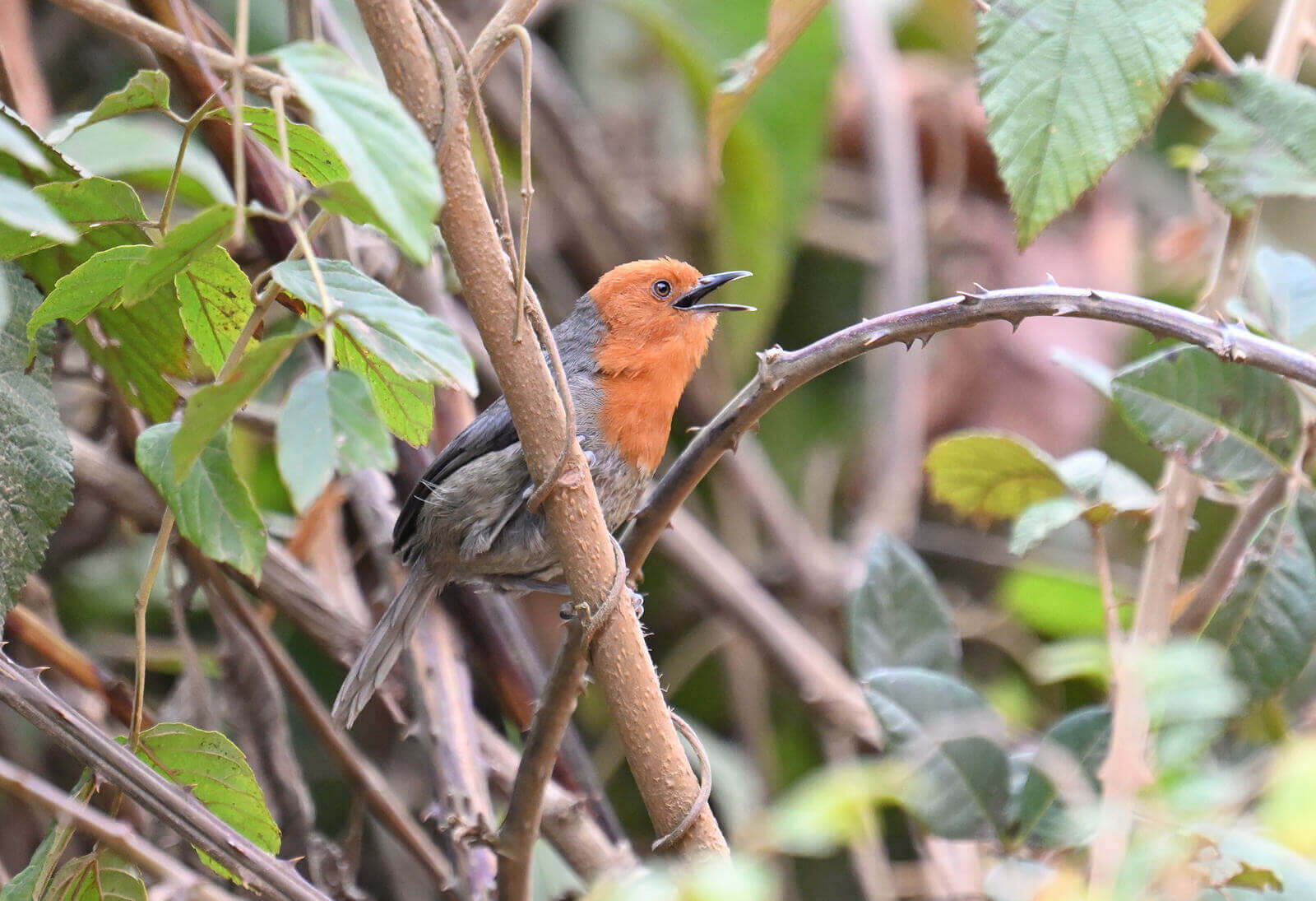
Ruaha National Park is a birdwatcher’s dream, boasting a remarkable list of over 450 bird species. This impressive diversity is largely due to the park’s unique position, acting as a transitional zone between East Africa’s acacia savannah and the miombo woodlands of southern Africa. The park is alive with the vibrant sounds of birds, including the unmistakable trilling of the crested barbet, a common feature of the southern bush.

Ruaha is also home to several bird species that are endemic to central Tanzania, such as the striking yellow-collared lovebird and the ashy starling, both of which are found nowhere else in the world. Additionally, the park becomes a haven for migratory birds from November to April, offering an ever-changing spectacle for bird enthusiasts. Whether you’re an experienced birdwatcher or a casual observer, Ruaha provides an extraordinary opportunity to observe some of Africa’s most fascinating avian species.

Ruaha National Park experiences a distinct climate, marked by a single rainy season running from late November to May. During this time, the park receives varying amounts of rainfall, ranging from 500mm around the Msembe HQ in the rift valley to 800mm in the western high plateau. The coolest period typically falls between June and July, with daytime temperatures reaching a maximum of 30°C and dipping as low as 8°C at night.

As the year progresses, temperatures gradually rise, reaching their peak just before the rains begin in November and December. During this hottest period, daytime temperatures can soar to 40°C, while nights remain warmer, averaging around 25°C. This unique climate contributes to the park’s incredible biodiversity, offering an ever-changing environment for visitors throughout the year.

Best Time for Wildlife Viewing in Ruaha National Park

The prime time for wildlife viewing in Ruaha National Park is from June to October, which marks the middle and end of the dry season. During this period, the vegetation becomes thinner, and animals gather around the Great Ruaha River and its tributaries, making it easier to spot them. The dry season also brings cooler temperatures, creating perfect conditions for safari activities.

One of the best wildlife sightings during this time is the male greater kudu, which is most visible in June during the breeding season. For those hoping to catch a glimpse of the elusive wild dog, the denning season from June to August offers the best chance. With predator concentrations at their peak, this period is particularly rewarding for wildlife enthusiasts.

Best Time for Bird Watching at Ruaha National Park

Ruaha National Park offers excellent birdwatching opportunities throughout the year, but the best time to visit for bird enthusiasts is from November to April. During this period, the park is teeming with Palearctic and intra-African migrant birds, enhancing the variety and vibrancy of birdlife. Additionally, many resident species are nesting and sporting their stunning breeding plumage, making it a prime time for birdwatching.

For those interested in wildlife viewing beyond birds, the dry season from June to October provides optimal conditions. As water sources become scarcer, animals congregate around remaining waterholes, making it easier to spot them, particularly predators. This makes the middle and end of the dry season the most rewarding time for a safari experience in Ruaha.

gallery

Picture of Planning Your Safari

Planning Your Safari

Organizing a safari in Tanzania Destination, can be overwhelming due to the many choices available for transport, accommodation, and activities.

Reviews and Rates

Attractions of Ruaha National Park

Wildlife

Ruaha National Park is a haven for wildlife enthusiasts, offering a remarkable opportunity to see both lesser and greater kudu. This is particularly unique as it marks the southernmost limit for the lesser kudu. 

In addition, Ruaha is home to a variety of antelope species, including sable and roan antelope, Lichtenstein’s hartebeest, topi, and both Southern and Bohor reedbuck. It also boasts the southernmost limit of Grant’s gazelle. 

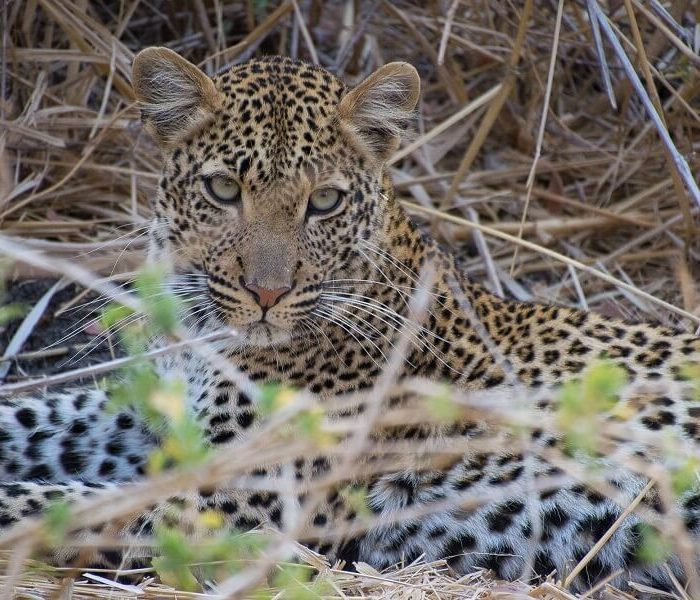
The park is a predator paradise, with healthy populations of wild dogs, leopards, lions, cheetahs, buffalo, and elephants, making it a must-visit destination for safari lovers.

Ruaha National Park is a birdwatcher’s dream with over 450 species of birds recorded. Its diverse habitats, from savannah to miombo woodlands, attract a wide range of birdlife. 

The park’s unique geographical location, situated between northern and southern Africa, means it is visited by both southern and northern migrants. 

The abundance of birdlife is impressive year-round, with species such as the Ruaha red-billed hornbill and several other notable birds filling the skies. Even those who aren’t avid birdwatchers are often captivated by the vibrant avian presence in the park.

Ruaha National Park isn’t just a place for nature lovers; it also offers a glimpse into the rich cultural heritage of the region. The burial site of the Gogo Chief, Mapenza, is located on the road to Mpululu and requires a full-day excursion from Msembe to visit. 

Along with this, historical and cultural sites like Ganga la Mafunyo, Nyanywa, Chahe, and Painting Rock offer visitors a connection to the past. Nearby historical sites such as the Ismila Pillars near Iringa town and God’s Bridge add further depth to the cultural experience.

Physical Features

The park is renowned for its stunning topography, with varying altitudes ranging from 750m to 1,000m along the Great Ruaha River and the Usangu wetlands. 

The terrain rises in the north and west to an average of 1,400m and reaches 1,868m at the Isunkaviola Plateau in the park’s western corner. 

These features contribute to the park’s striking landscape, offering visitors breathtaking views of the Great Ruaha River, rocky escarpments, and the diverse environments of the Usangu wetlands, which are an older fault system than the Great Rift Valley.

The vegetation of Ruaha is incredibly diverse, reflecting its position at the convergence of northern and southern ecosystems. The Ruaha Valley features a mix of open grasslands, acacia savannahs, and Combretum woodlands, while the higher escarpment plateau is covered by beautiful Brachystegia woodlands. 

The western part of the park, including the Isunkaviola Plateau, contains areas of Drypetes forest on high ridges and mixed riverine forests in the Kilola Valley. The Usangu Plains and wetland areas are a vital resource for the park, providing diverse habitats, from highland forests to lowland savannahs, and support a vast array of water birds. The variety of ecosystems within Ruaha makes it a perfect destination for those seeking both wildlife and natural beauty.

Tanzania

Tourism Activities in Ruaha National Park

Walking Safaris (Short and Long)

Step into the wild on a walking safari with an experienced ranger or guide. This immersive activity allows visitors to connect with nature on a deeper level, offering the opportunity to track animals by their footprints, observe the intricate details of birdlife in the trees, and witness the behavior of smaller creatures without the noise of a vehicle. 

Walking safaris are available on request from the park, giving you the chance to explore the park at a more intimate pace.

Night Drives

For a truly unique experience, take a night drive to witness Ruaha’s nocturnal life in action. The park transforms after dark, with predators and other wildlife becoming more active. 

Armed with a spotlight and accompanied by your guide, you’ll embark on a thrilling journey either at the end of your afternoon game drive or after an early dinner. Night drives are available on request, but it’s essential to book a ranger in advance from the park headquarters.

Balloon Safari

Soar above the breathtaking landscape of Ruaha on a hot air balloon safari. This aerial adventure offers unparalleled wildlife views, with herds of elephants, antelopes, giant kudus, and giraffes gathering by the river for a drink. 

As you float peacefully above, you’ll see predators lurking in the shadows and hear the sounds of over a hundred birds chirping in the distance, making for a once-in-a-lifetime experience.

Spot Fishing

For those who enjoy fishing, Ruaha offers an exciting opportunity for spot fishing. The park is equipped for trolling, spinning, and using both live and dead bait. 

The park strictly adheres to a catch-and-release policy, ensuring the protection of its aquatic wildlife. This is a great way to unwind while enjoying the natural beauty of the park. Don’t miss this chance to cast a line during your visit to Ruaha National Park.

Other Activities

In addition to the activities mentioned above, Ruaha National Park offers a variety of other experiences. Game viewing is, of course, a central attraction, and cultural tourism provides insight into the local communities. 

Enjoy bush meals under the stars, go birdwatching to spot over 450 species, or indulge in star-gazing on clear nights. For a more relaxed day, picnicking amidst the stunning landscape is a perfect way to connect with nature. Ruaha National Park has something for every kind of traveler looking to explore the wild.

Accommodation Facilities at Ruaha National Park

Public Campsites

For nature lovers seeking an authentic experience, Ruaha offers public campsites equipped with essential amenities such as shower blocks and toilets. These sites are perfect for those who wish to connect with the wilderness. 

While some campsites provide basic facilities, others offer more secluded, pristine areas with no facilities, providing an intimate and remote setting. It is recommended to book your campsite in advance to ensure availability.

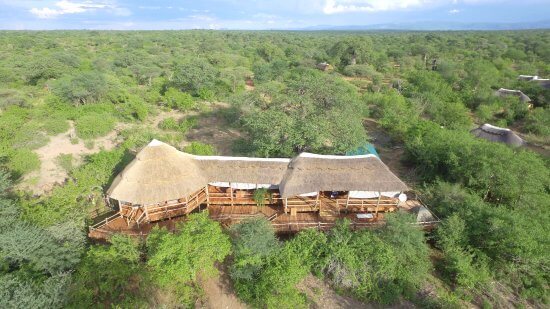
Located on top of a hill, the cottages in Ruaha offer breathtaking panoramic views of the park. Available in single, double, or family units, each cottage is en-suite and provides a comfortable, private retreat. 

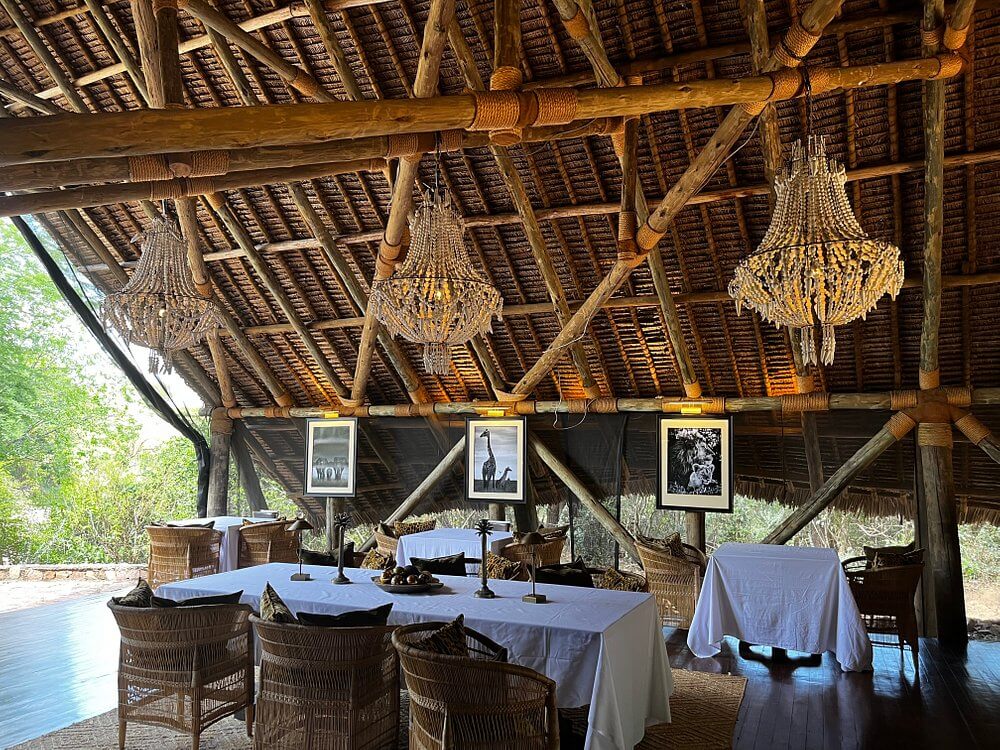
A restaurant serving delicious meals is on-site, making it a perfect place to unwind after a day of exploration. Booking in advance is advised to secure your stay at this picturesque accommodation.

Basic Accommodation - Bandas and Rest Houses

For those seeking a more basic accommodation option, Ruaha offers bandas and rest houses at the Msembe HQ. These accommodations come with a shower block, toilets, and cooking/dining facilities, providing a simple yet comfortable stay. 

Ideal for visitors looking for a budget-friendly option while exploring the park, advance booking is recommended to ensure availability.

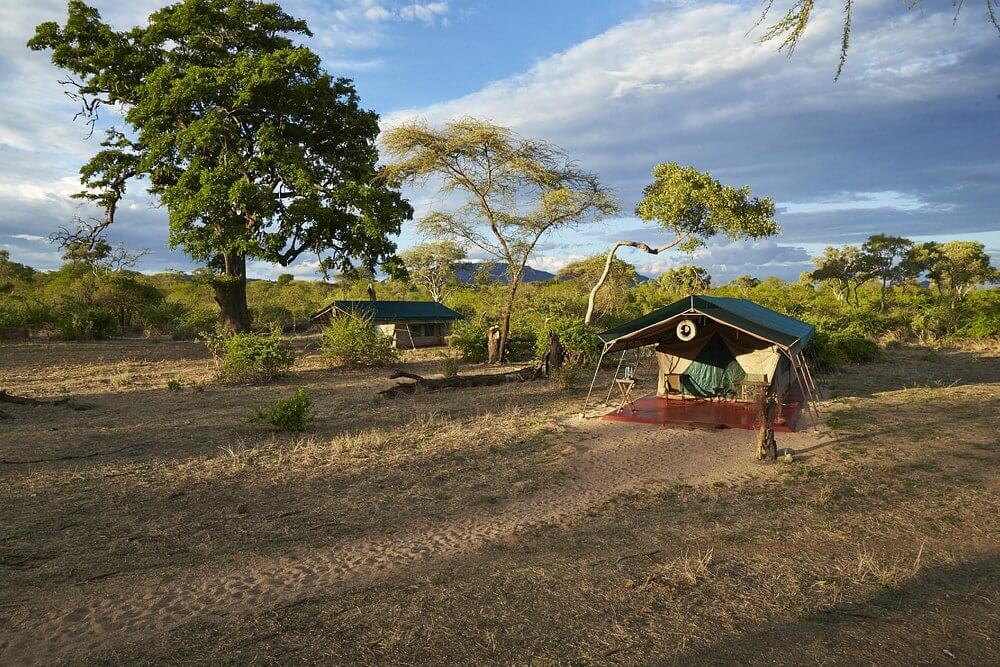
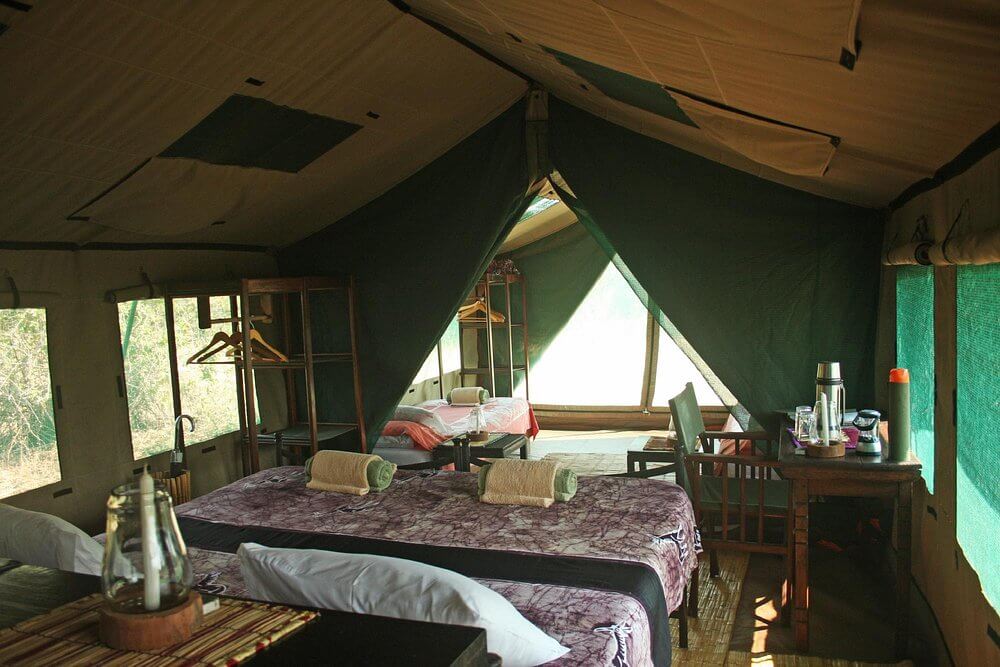
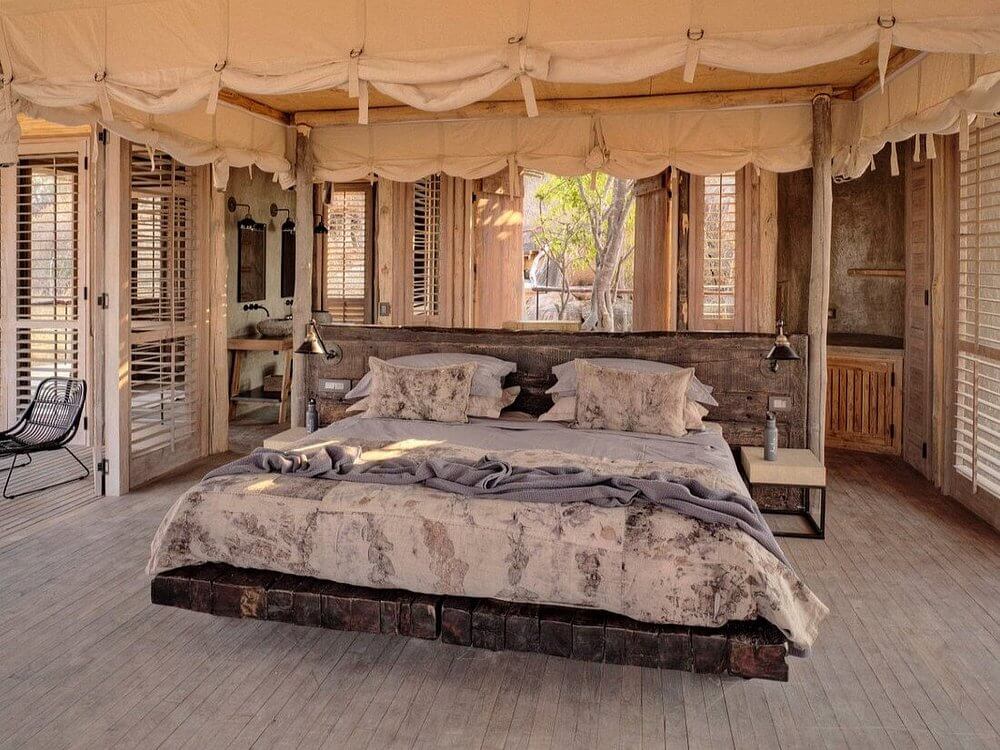
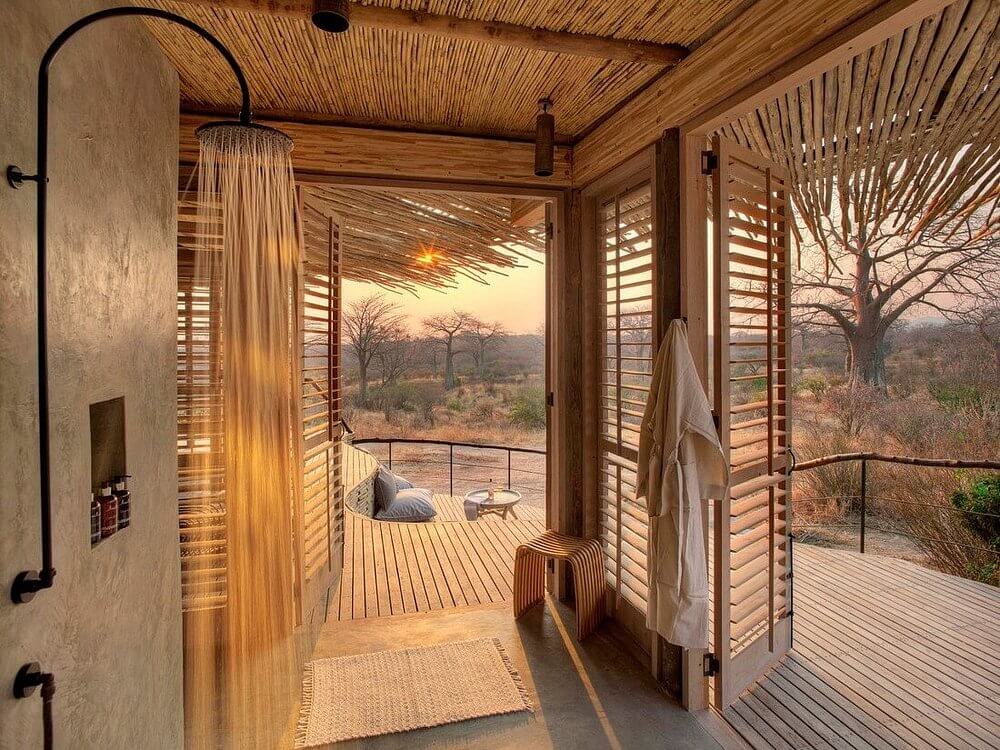
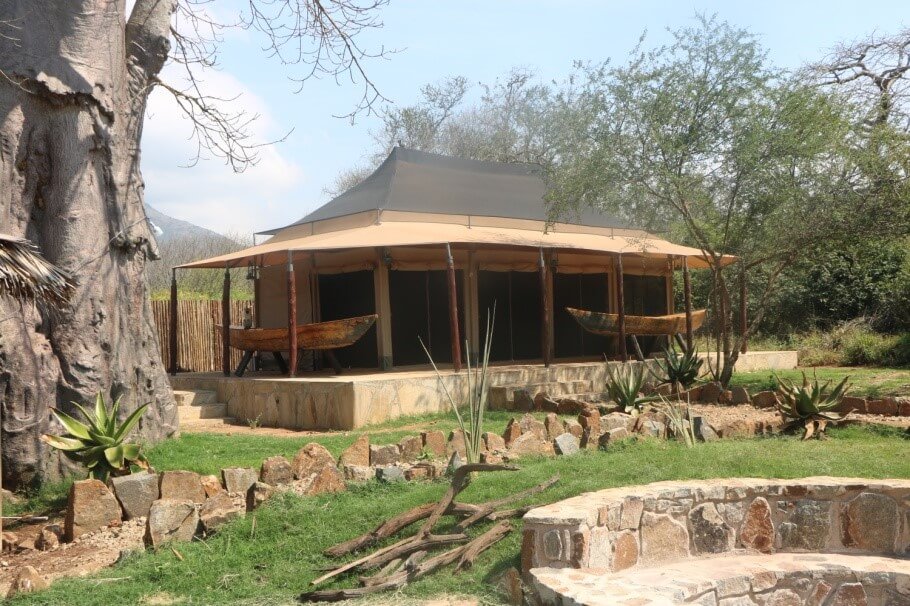
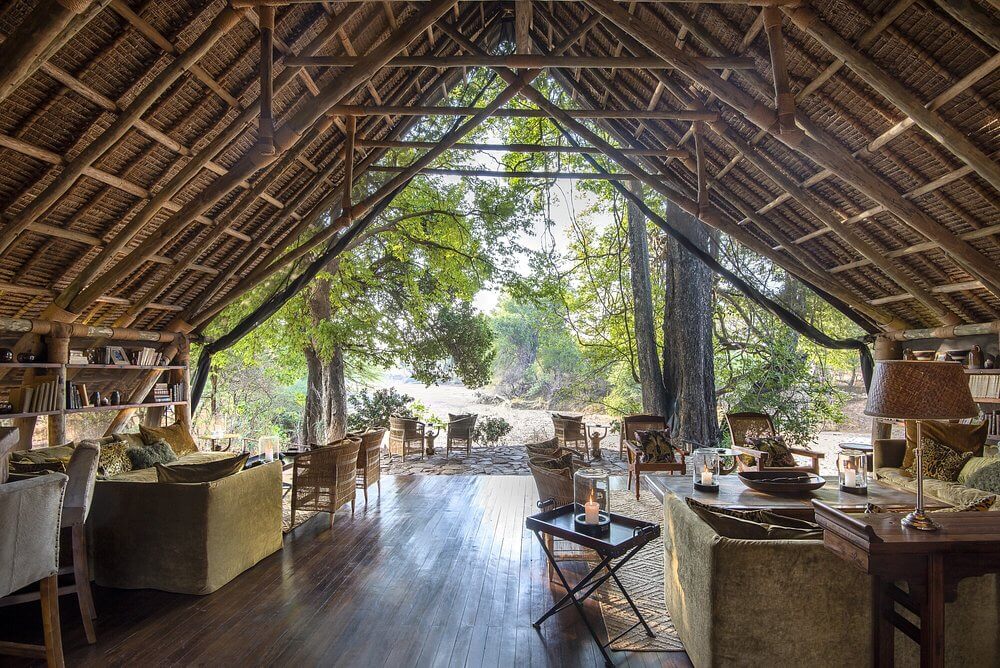
Several private lodges and camps are situated in Ruaha, offering a more personalized and luxurious experience. These accommodations cater to those seeking comfort, privacy, and exceptional service. Due to the popularity of these lodges and camps, it’s highly recommended to make reservations in advance to secure your preferred spot in this beautiful, remote park.

Whether you’re seeking a simple camping experience, scenic cottage views, or a luxurious lodge stay, Ruaha National Park has a variety of accommodation options to suit your needs and ensure a memorable safari experience.

GETTING TO RUAHA NATIONAL PARK

Most safaris to Ruaha National Park typically begin from Dar es Salaam, where you’ll fly into Julius Nyerere International Airport (DAR). Upon arrival, your tour operator will pick you up and handle all the transportation arrangements, making your journey hassle-free.

The road trip from Dar es Salaam to Ruaha spans 600 kilometers (373 miles), taking approximately 10 hours. Much of this drive involves navigating dusty, bumpy roads, offering an authentic and adventurous start to your safari. For many travelers, a popular stopover is Mikumi National Park, which provides a chance to break up the long drive.

From Mikumi, it’s around 320 kilometers (200 miles) to Ruaha, and the journey from there takes about 5 hours.
No matter the route, the scenic journey through Tanzania’s diverse landscapes is sure to heighten your excitement as you approach one of the country’s most remote and stunning wildlife destinations.

What our Client Say

Design your own trip

Choose a destination, pick your properties, and we’ll do the rest

1
Browse
Look through our itineraries for inspiration, and call our Travel Consultants
2
Create
Discuss your wish list with us, and we’ll use our expertise to design a unique itinerary for you
3
Customise
We’re committed to refining your itinerary until we’ve created the perfect personalised trip for you