EXPLORE

Tanzania Destination

Nyerere National Park
Picture of Chat to an Tanzania Safari expert

Chat to an Tanzania Safari expert

Get advice and suggestions to make this your perfect trip. or call us on:
+255 755 003116

Picture of Chat to an Tanzania Safari expert

Chat to an Tanzania Safari expert

Get advice and suggestions to make this your perfect trip. or call us on:
+255 755 003116

EXPLORE THE UNTAMED BEAUTY

Destination Overview

Nyerere National Park, once part of the expansive Selous Game Reserve, was upgraded to national park status in November 2019, marking a new era for wildlife conservation in Tanzania. Named after the country’s first president, Julius Nyerere, this vast park stands as a testament to his dedication to wildlife protection. Situated in southeastern Tanzania, Nyerere is one of the most pristine and wildlife-rich regions in Africa, offering an unforgettable photographic safari experience.

Selous Game Reserve, founded in 1922 and named after the legendary explorer Frederick Selous, was inscribed as a UNESCO World Heritage Site in 1982 due to its unparalleled natural diversity. 

Today, Nyerere National Park represents the northeastern section of this once vast reserve and is a vital part of the Selous ecosystem, spanning across the mighty Rufiji River Basin.

Nyerere National Park covers an impressive 30,893 square kilometers, making it not only Tanzania’s largest national park but also one of the largest in Africa. This untamed wilderness is a hidden gem, offering a stunning array of wildlife habitats, from vast grasslands and Miombo woodlands to swamps and riverine forests along the Rufiji River. This diversity creates an ideal environment for some of Africa’s most iconic animals to thrive.

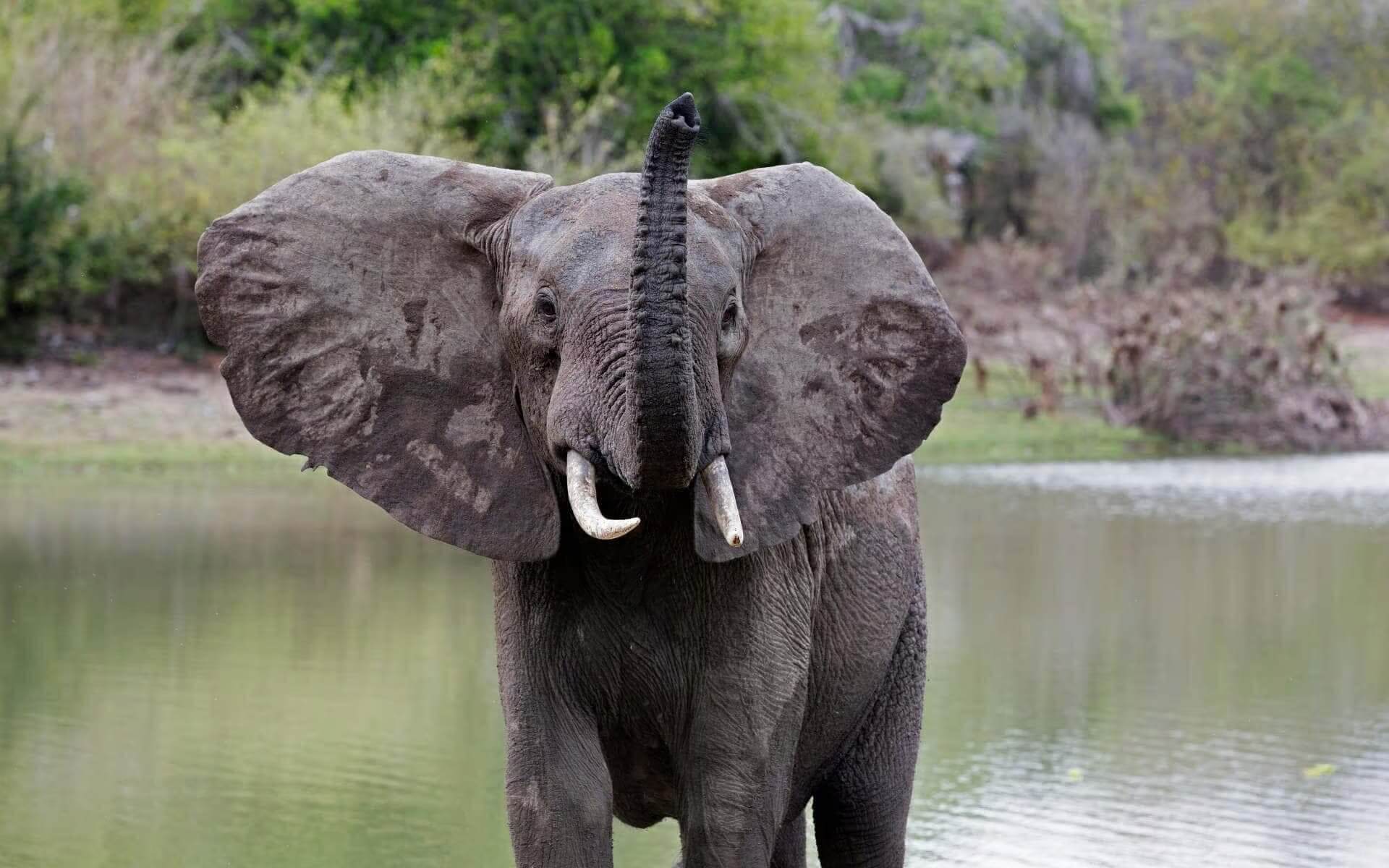
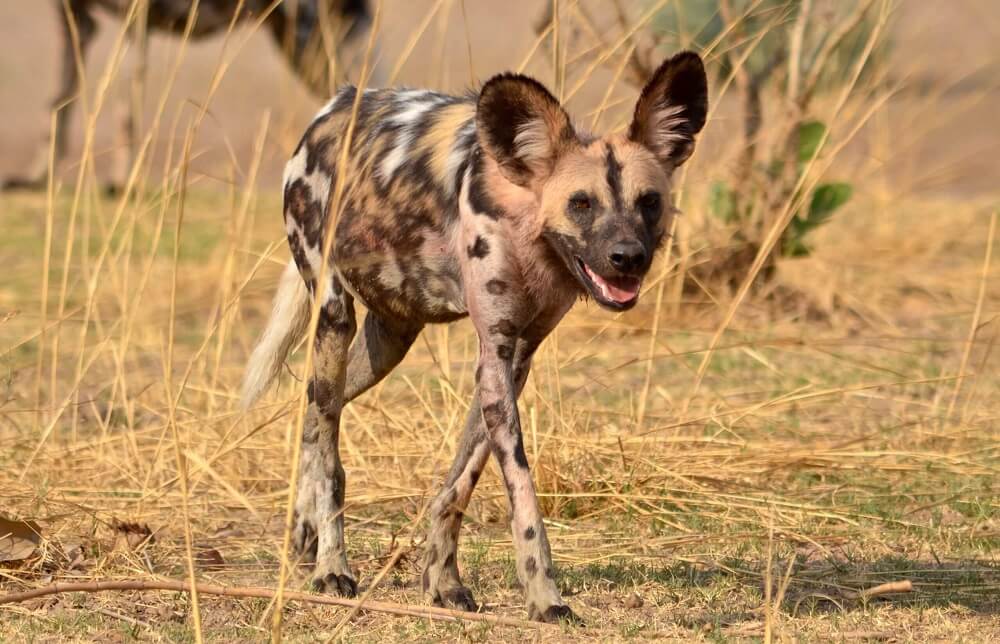
The park is a wildlife sanctuary with Africa’s largest population of elephants, buffaloes, hippos, and crocodiles. But Nyerere is also home to the critically endangered African Wild Dog, which finds sanctuary in the park’s secluded corners. Alongside these magnificent creatures, you can spot a rich variety of mammals including giraffes, zebras, wildebeest, impalas, waterbucks, and greater kudus.

Predators are in abundance too, from the regal lions and elusive leopards to the ever-curious cheetahs and hyenas. The park is also home to a rich birdlife, over 440 species of birds, both resident and migratory, can be found in the park, including the striking African Skimmer and the majestic Palm Nut Vulture.

Nyerere National Park offers a variety of game viewing opportunities. Enjoy thrilling game drives in specially designed safari vehicles, where you can see the wildlife up close in their natural habitats. For those seeking a more intimate adventure, embark on a walking safari led by an armed ranger, offering a chance to immerse yourself in the raw beauty of the park.

Additionally, the park’s vast network of rivers and waterways provides a unique setting for boat safaris. Whether you’re looking to spot big game along the riverbanks or enjoy bird watching, the Rufiji River offers some of the best views in the park.

The ideal time to visit Nyerere National Park is from June to October during the dry season when the animals converge around the river and watering holes, making game viewing more accessible and exciting. The wet season, from March to May, sees some parts of the park temporarily closed due to poor accessibility from rainfall, but it’s also when the landscape is lush and green, and birdwatchers may enjoy an influx of migratory species.

Whether you’re a seasoned safari-goer or new to the wild wonders of Africa, Nyerere National Park is a must-visit destination for any wildlife enthusiast. With its rich history, diverse ecosystems, and abundant wildlife, it’s the perfect place for photographic safaris, game drives, boat rides, and walking safaris—each offering a unique adventure in the heart of Tanzania’s wilderness.

Wildlife and Animals in Nyerere National Park

Nyerere National Park is renowned for its remarkable collection of wildlife, making it one of the most diverse and wildlife-rich regions in Africa. The park, along with the Selous ecosystem, is home to an impressive array of species that attracts safari enthusiasts from around the globe. Visitors can expect to witness some of the largest populations of mammals and reptiles in Africa, as well as over 440 species of birds.

Nyerere is a prime destination for those eager to witness the grandeur of both iconic African wildlife and the lesser-known species that thrive in this pristine wilderness.

The Big Nine of Nyerere National Park

In addition to the world-famous Big Five (Lion, Leopard, Elephant, Buffalo, and Rhino), Nyerere is home to what some consider the Big Nine, a collection of animals that includes:

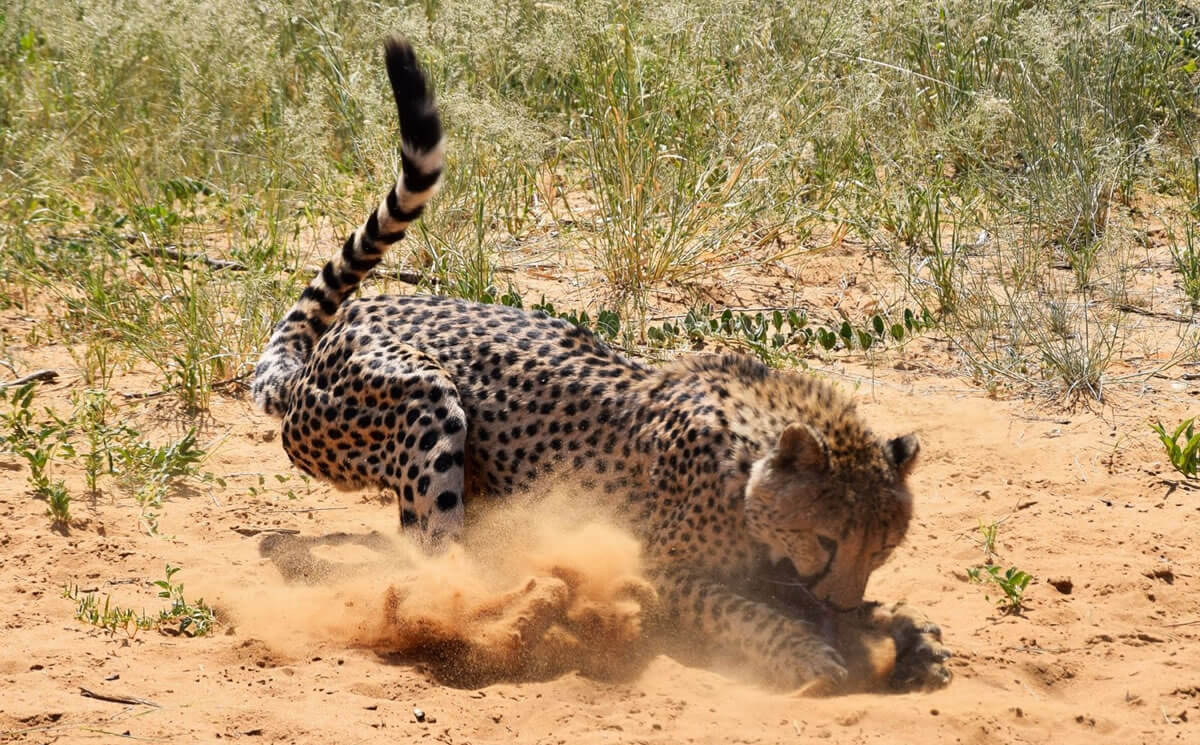
Cheetah-The fastest land animal, often seen gracefully sprinting across the park’s open grasslands.
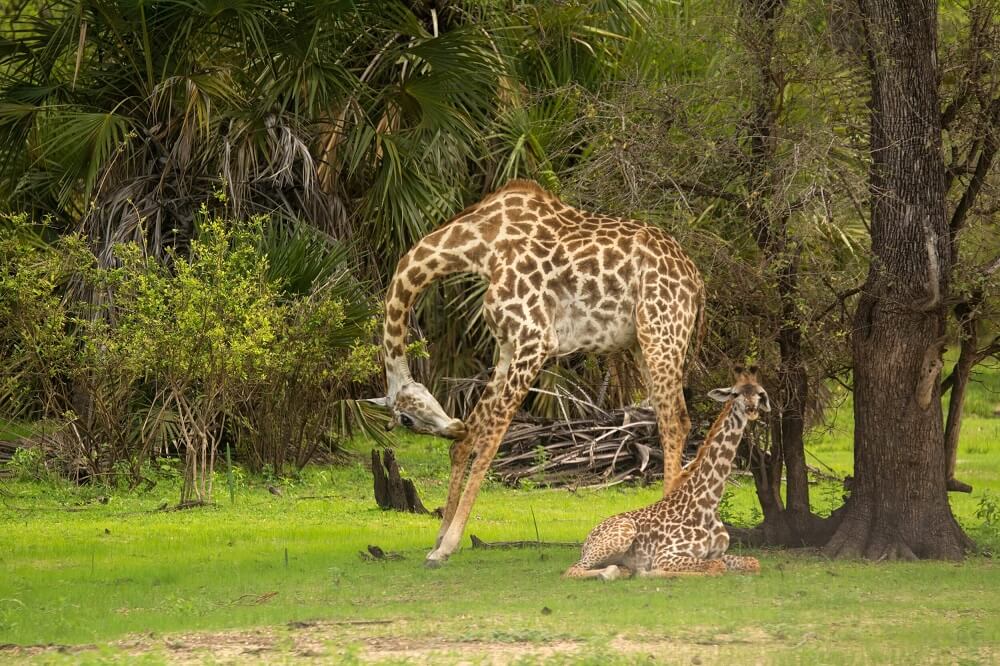
Giraffe-Towering over the savannah, these gentle giants are often spotted browsing the acacia trees.
Hippo-Found lounging in the rivers, hippos are an iconic feature of Nyerere’s waterways.
Zebra-Strikingly patterned and plentiful, these herbivores roam the park’s plains in herds.

Buffalo-Herds of these formidable grazers are commonly seen throughout the park.
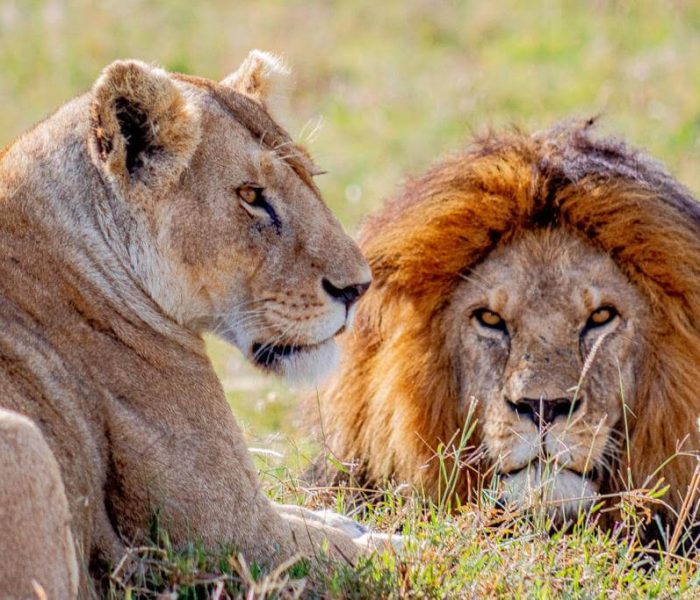
Lion-The majestic lions of Nyerere are a highlight of any safari, with prides often spotted relaxing in the sun.
Elephant-Known for their impressive size, the elephants of Nyerere are some of the largest in Africa.
Leopard-Elusive and mysterious, leopards are found in the park’s dense forests, often high in the trees.
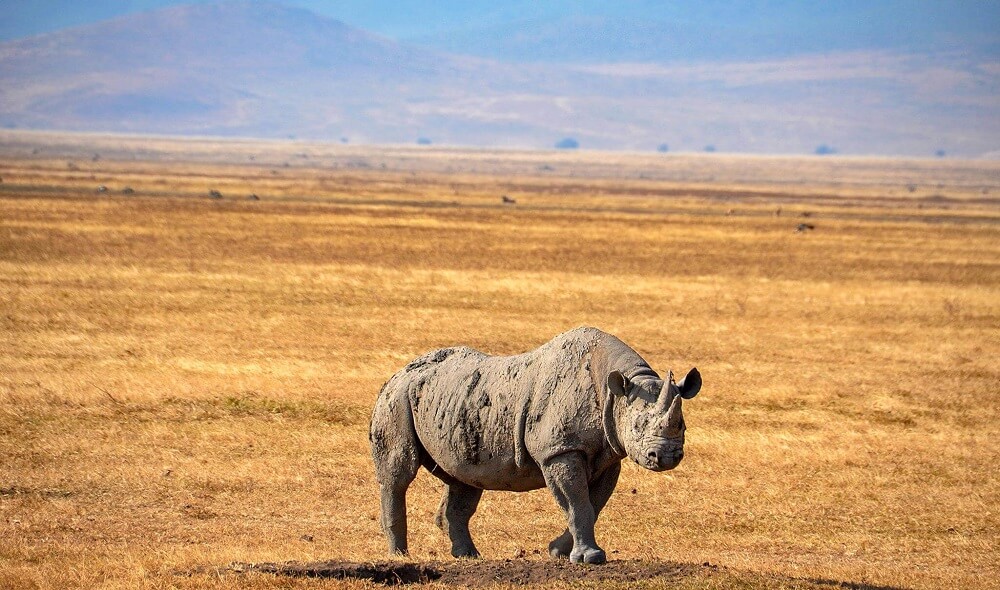
Rhino-Though rare, sightings of the black rhino are possible, especially with ongoing conservation efforts.

The Big Nine of Nyerere National Park

Nyerere National Park is also home to a host of other fascinating species, including:

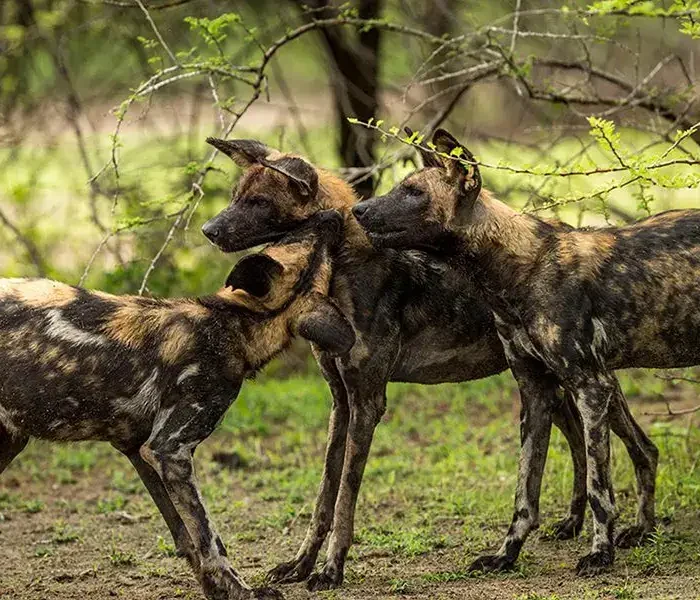
African Wild Dogs: Nyerere’s population of African wild dogs is one of the most prolific in the world. These endangered animals can be spotted in packs hunting across the park.
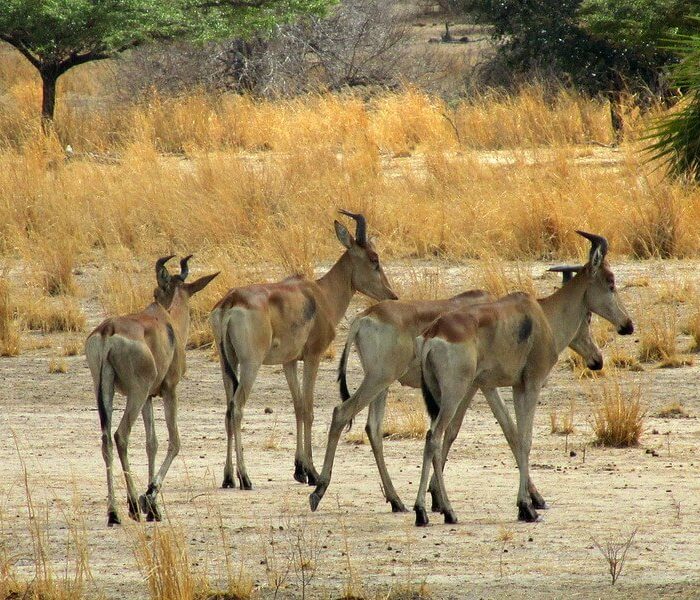
Antelope Species: A variety of antelopes call Nyerere home, including eland, greater kudu, sable antelope, waterbuck, and impala.
Spotted Hyena: Known for their distinctive laugh-like calls, hyenas are a common sight during game drives.
Cheetah: Though elusive, these incredible hunters are frequently seen sprinting across the open savannah.
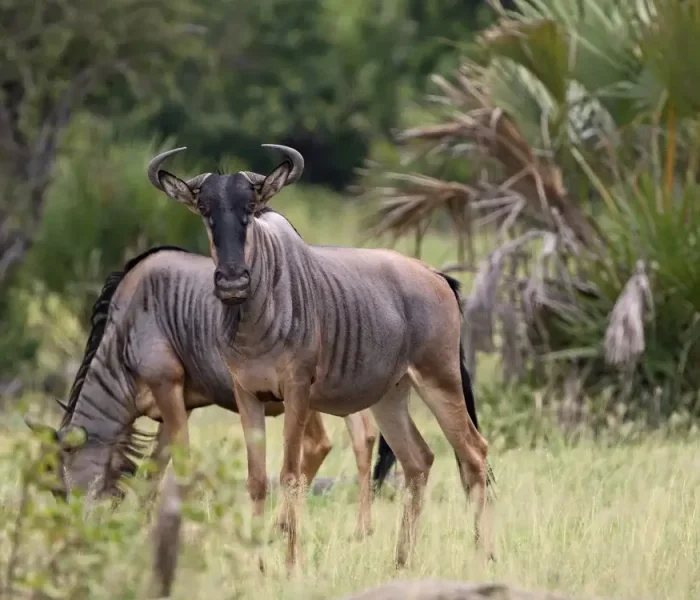
Wildebeest and Zebras: Herds of wildebeest and zebras can often be found together, grazing the fertile plains of Nyerere.

Birdlife in Nyerere National Park

With over 440 bird species, Nyerere National Park is a haven for birdwatchers. Here are a few notable species that are commonly observed:

Boehm’s Bee-eater: A vibrant and colorful bird that often perches on exposed branches.
Livingstone’s Flycatcher: A striking species found in the forested areas of the park.
Green-caped Eremomela: A small, greenish bird often seen flitting through the trees.
Palm-nut Vulture: One of the park’s most notable raptors, this large bird can be found along the riverbanks.
African Skimmer: A distinctive bird known for its long, bright orange beak, often seen skimming the surface of rivers in search of food.

Pel’s Fishing Owl: A rare and fascinating bird, this owl can be spotted in the wetlands near the Rufiji River.
Von Decken’s Hornbill: Known for its large beak, this bird is often spotted in the park’s riverine forests.

Whether you’re searching for the Big Five, eager to spot the African wild dog, or captivated by the park’s vibrant birdlife, Nyerere National Park offers something for every wildlife lover. With such a rich array of creatures, large and small visiting the park promises an unforgettable safari experience.

Tanzania

Top Things to Do in Nyerere National Park

Nyerere National Park, the largest national park in Tanzania and one of the most expansive in Africa, offers a wide range of thrilling activities for visitors. With its rich diversity of wildlife, stunning landscapes, and the mighty Rufiji River flowing through it, the park provides the perfect setting for unforgettable safari experiences. Whether you’re looking for heart-pounding encounters with big game or peaceful birdwatching moments, Nyerere National Park promises an adventure like no other.

Game Drives in Nyerere National Park

Embark on a game drive through the vast savannahs of Nyerere for a chance to spot some of Africa’s most iconic wildlife. The best time for game drives is during the dry season (June to October) when animals gather at waterholes to quench their thirst, making them easier to spot.

Wildlife to Look Out For: African wild dogs (Nyerere is one of their last strongholds), Lions, leopards, and cheetahs, Elephants and buffaloes, Giraffes, zebras, and elands, Rhinos and hippos, Hyenas, impalas, and baboons

Bird Watching in Nyerere National Park

With over 440 bird species, Nyerere is a paradise for bird lovers. The best time for birding is during the wet season (November to April) when migratory birds from Europe and Asia arrive.

Bird Species to Look For: Yellow-bellied bulbul, Mangrove kingfisher, Black cuckoo-shrike, Red-throated twinspot, African skimmer, Grey-hooded kingfisher, Palm-nut vulture, Spotted flanked barbet, Red-winged warbler.

Walking Safaris

Experience the thrill of exploring the African wilderness on foot with a professional armed ranger. Walking safaris allow you to observe the smaller details of the ecosystem, from animal tracks to local plant life.

What to Expect: Get up close to zebras, giraffes, and elephants.
Discover unique plants and insects.

Boat Safaris on the Rufiji River

A boat safari on the Rufiji River offers a completely different perspective of Nyerere National Park. The Rufiji, Tanzania’s largest river, winds through the park, creating an ideal environment for hippos, crocodiles, and water birds.

What you’ll see:
Hippos and crocodiles basking on the riverbanks
Elephants and buffaloes drinking along the water’s edge
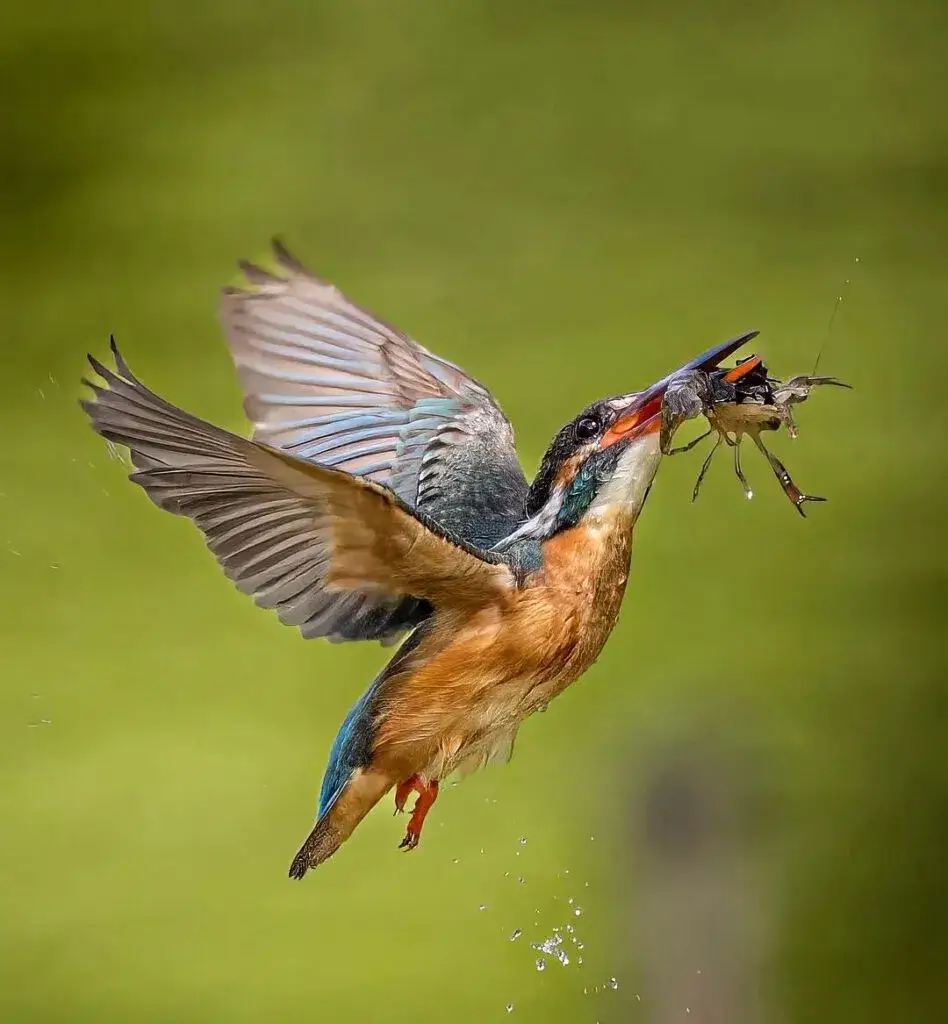
Flocks of African skimmers and kingfishers
Breathtaking sunsets over the water

Cultural Tours with the Mwaseni Community

Immerse yourself in the local culture with a visit to the Mwaseni village near Nyerere National Park. A cultural tour allows you to interact with the local people and learn about their traditional way of life.

What to Expect:
Participate in daily activities like cooking and farming.
Learn about local crafts and traditional hunting techniques.
Enjoy traditional songs and dances performed by the locals.

Photo Safaris

Capture the magic of Nyerere on a photo safari, where you can document the park’s stunning landscapes and diverse wildlife.

With its rich colors, dramatic sunsets, and active wildlife, Nyerere offers endless opportunities for incredible photography.

Sport Fishing on the Rufiji River

For those seeking a more hands-on adventure, sport fishing on the Rufiji River is a thrilling way to connect with nature. The river is teeming with fish, making it a rewarding activity for both beginners and experienced anglers.

Fish to Catch: Catfish, Tigerfish and Nile Perch.
Catch-and-Release Policy: To support conservation efforts, most fishing in Nyerere follows a catch-and-release policy.

Nyerere National Park offers a diverse range of safari experiences, from the excitement of game drives to the tranquility of boat safaris and cultural immersion. Its rich wildlife, diverse habitats, and breathtaking landscapes make it one of the top safari destinations in Africa. Whether you’re a wildlife enthusiast, bird lover, or adventure seeker, Nyerere promises an unforgettable African safari experience.

Best Time to Visit Nyerere National Park

Nyerere National Park, formerly known as Selous Game Reserve, offers two distinct seasons: the dry season and the wet season. Each season brings its own unique safari experiences, and the best time for your visit will depend on the activities you wish to pursue.

Dry Season (June to October)

Ideal for Game Drives & Walking Safaris

The dry season in Nyerere, which runs from June to October, is the most popular time for a safari.

During this period, wildlife is easier to spot as animals gather around water sources to drink, making it an excellent time for game drives. The open, dry landscapes also offer clearer views, and the roads are more accessible.

Wet Season (November to April)

Ideal for Bird Watching

The wet season, from November to April, is the best time for birdwatching enthusiasts. During this period, migratory birds flock to the park, making it a birding paradise. The lush, green landscapes also offer a more tranquil and picturesque setting.

While the wet season brings rain, it doesn’t last all day, and the park is less crowded. This means you can enjoy a more peaceful safari experience, especially if you’re keen on birding or nature photography.

gallery

Picture of Planning Your Safari

Planning Your Safari

Organizing a safari in Tanzania Destination, can be overwhelming due to the many choices available for transport, accommodation, and activities.

Reviews and Rates

HOW TO GET TO NYERERE NATIONAL PARK

Nyerere National Park is well-connected and accessible through three main transport options: by road, railway, and air. Whether you’re looking for a budget-friendly adventure or a quick and comfortable flight, getting to Nyerere is easy and straightforward.

By Railway

Taking a train to Nyerere National Park is the most economical option. The Tanzania Zambia Railway (TAZARA) offers a scenic and affordable journey from Dar es Salaam to the park. 

The trip takes approximately 4 to 5 hours with a stopover at Matabwe station. This option allows you to enjoy the picturesque Tanzanian countryside as you travel toward your safari adventure.

By Road

For those who prefer a road trip, traveling to Nyerere National Park by road offers an exciting journey through Tanzania’s wilderness. The route starts from Dar es Salaam and passes through Mikumi National Park before reaching Matambwe Gate, the main entrance to Nyerere. 

The trip covers a distance of approximately 230 km and takes about 7 hours.
Although the road can be rough in some parts, the drive offers incredible views of the Tanzanian landscape and the chance to spot wildlife along the way.

By Air

Flying is the quickest and most convenient way to reach Nyerere National Park. Several domestic flights operate from Dar es Salaam, Zanzibar, and Arusha to various airstrips within the park.

The most commonly used airstrips include: Mtemere Airstrip, Matambwe Airstrip, Sumbazi Airstrip, Kiba Airstrip, Beho Beho Airstrip, Siwandu Airstrip and Steigler’s Gorge Airstrip
Flights take about 45 minutes to 1 hour depending on the departure location, offering a stunning aerial view of the park’s vast savannah and winding rivers.

Where to Stay in Nyerere National Park

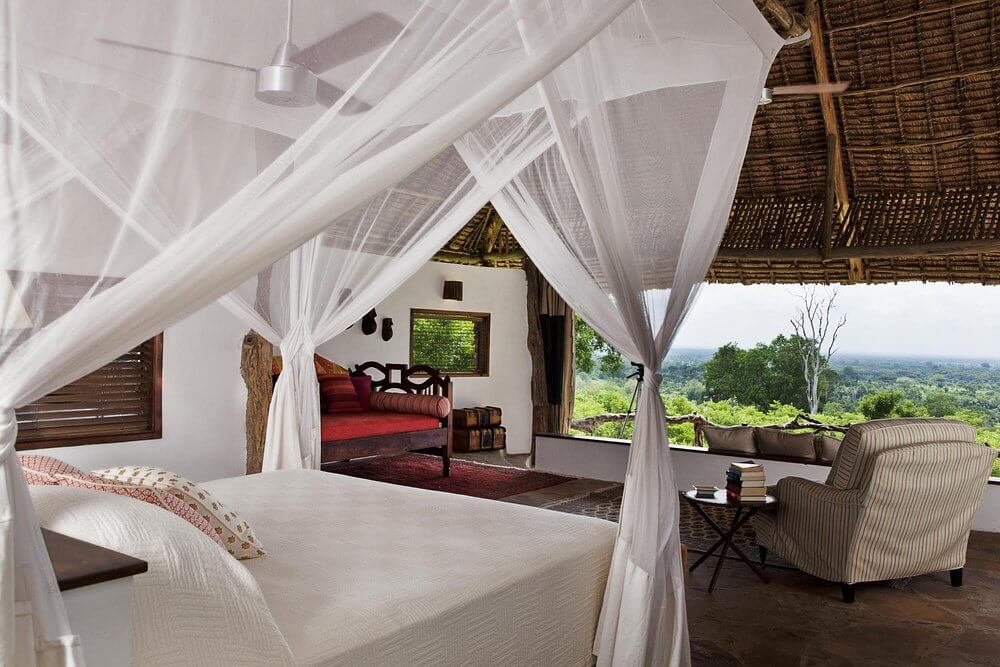
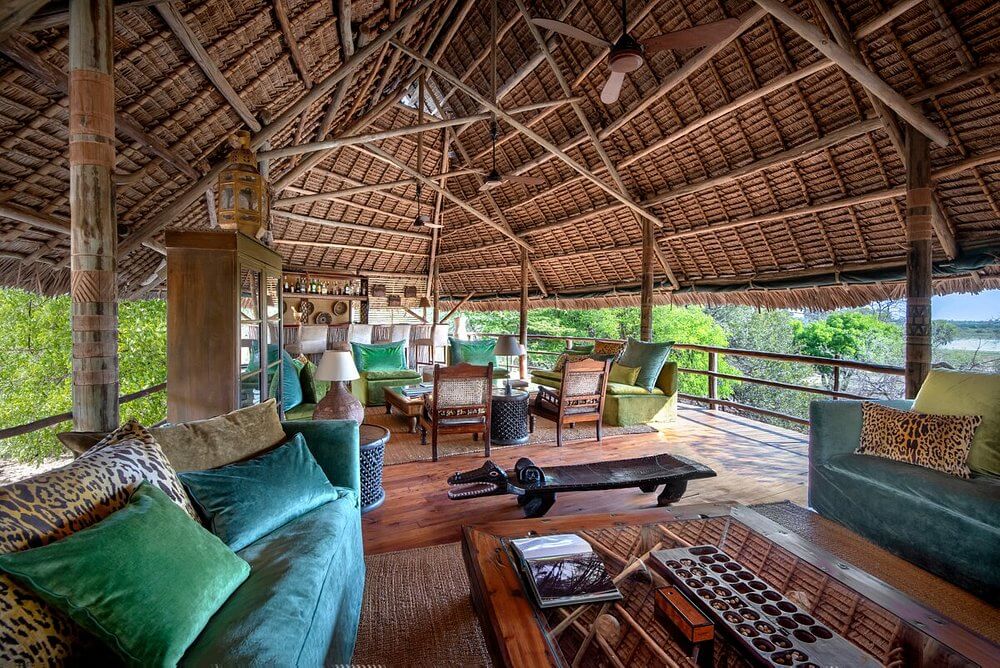
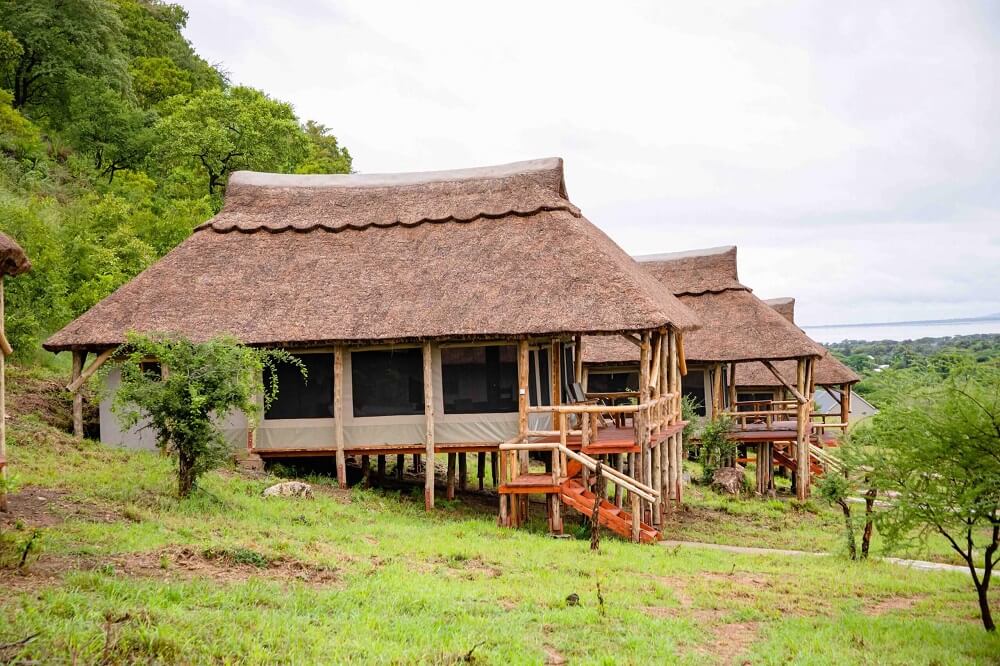
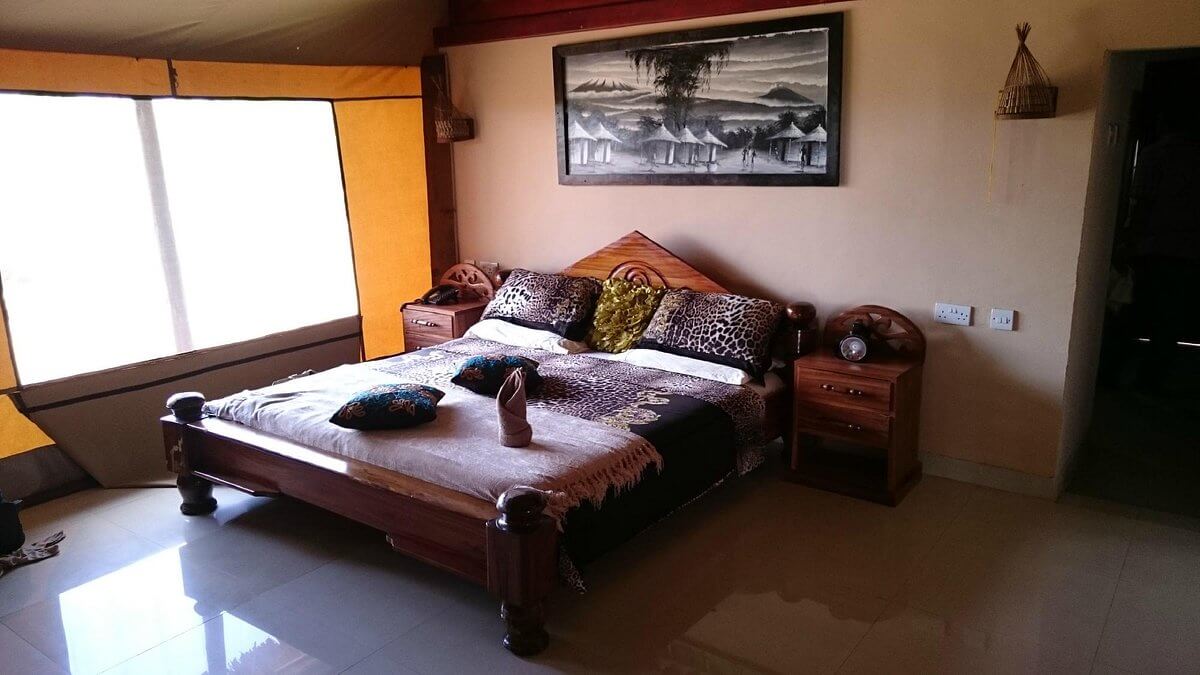
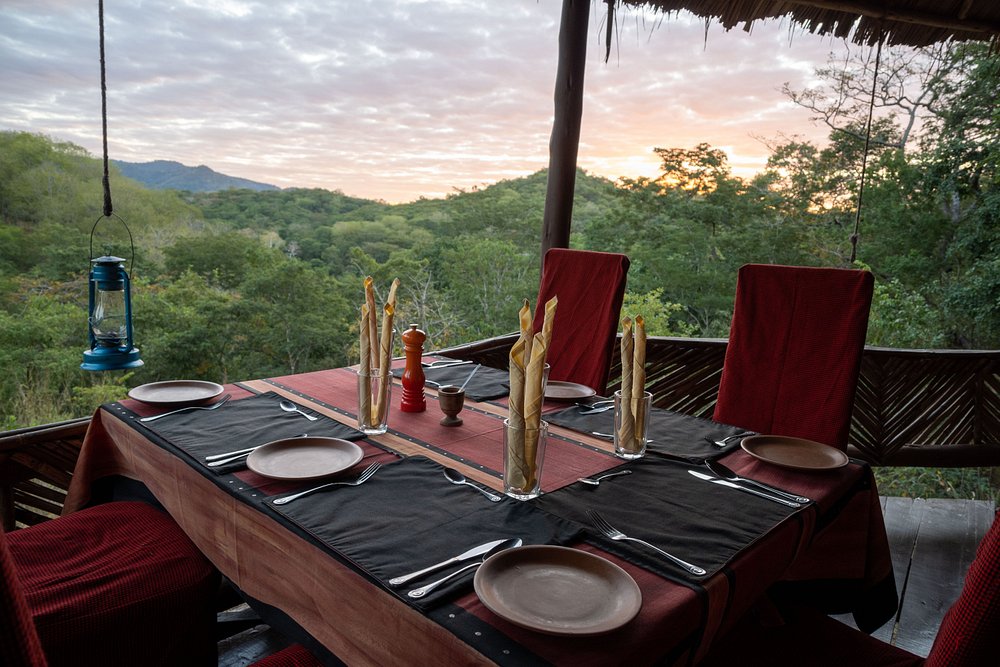
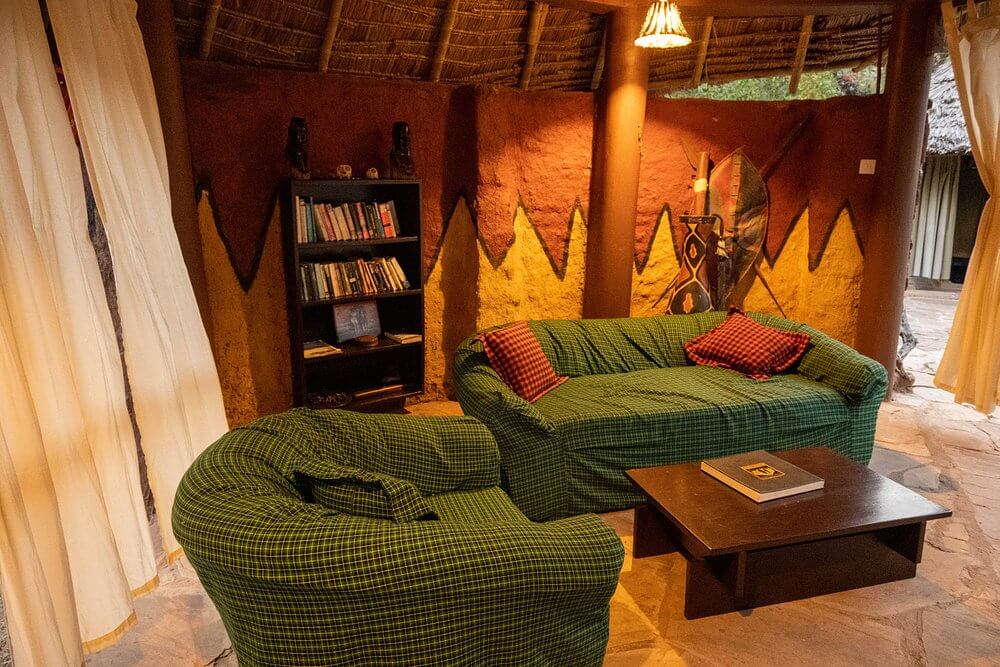
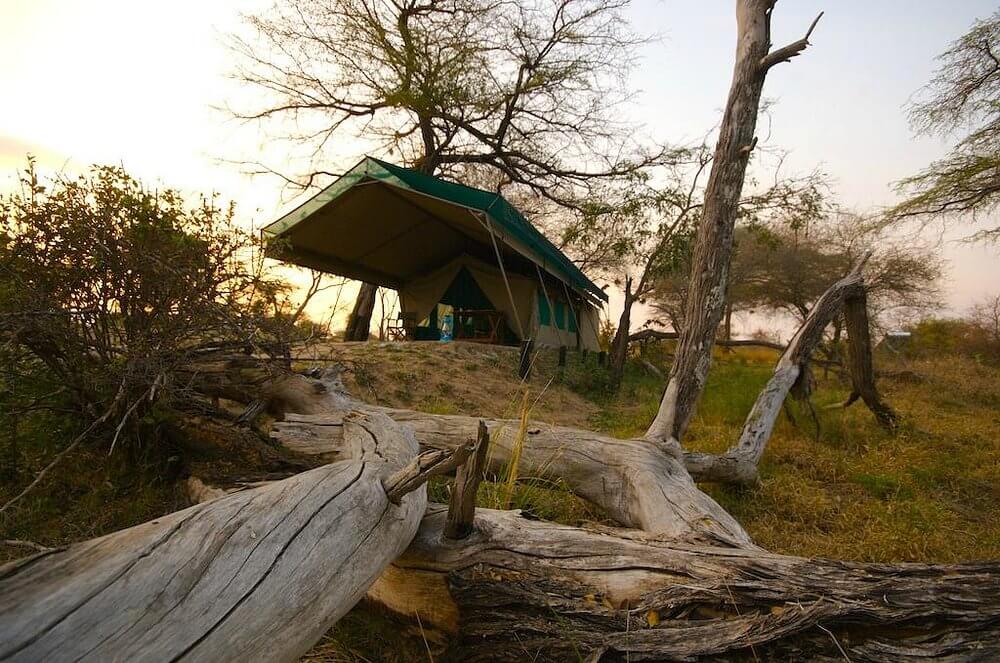
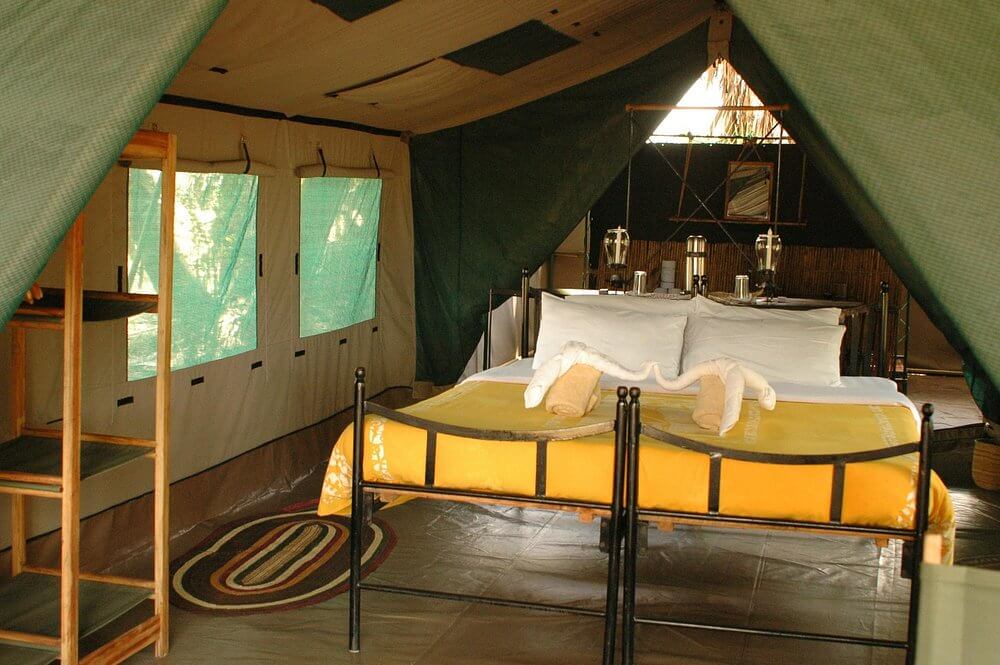
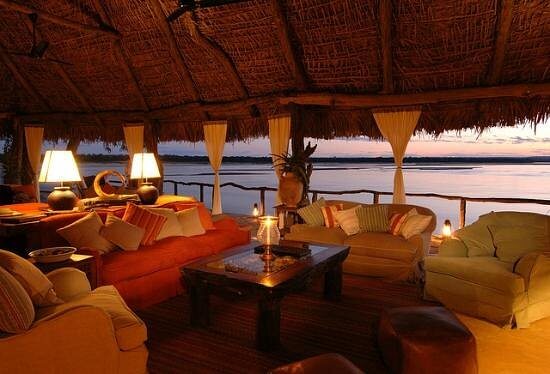
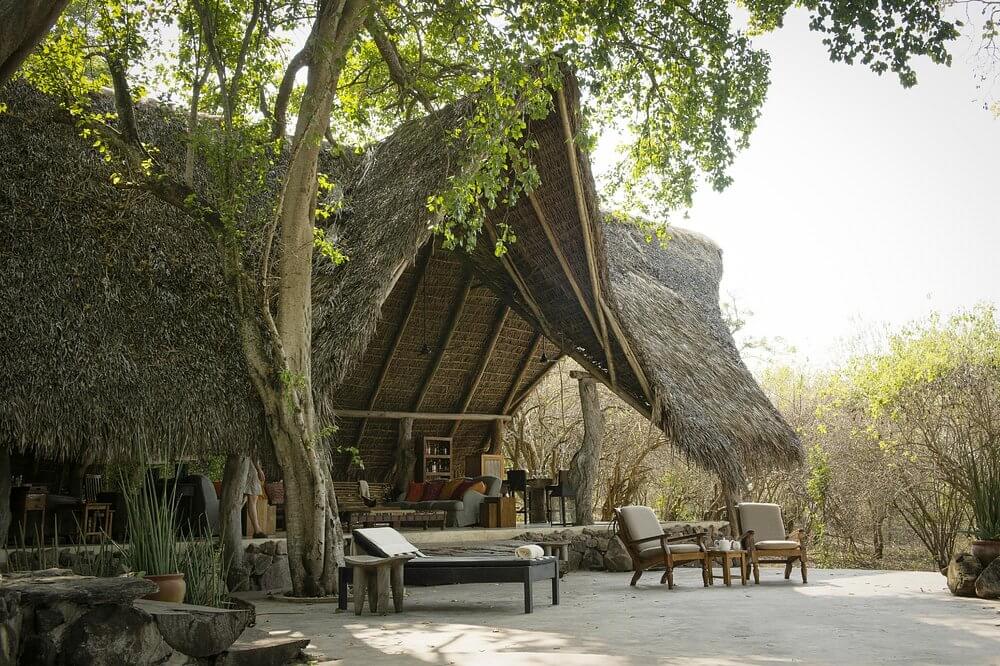
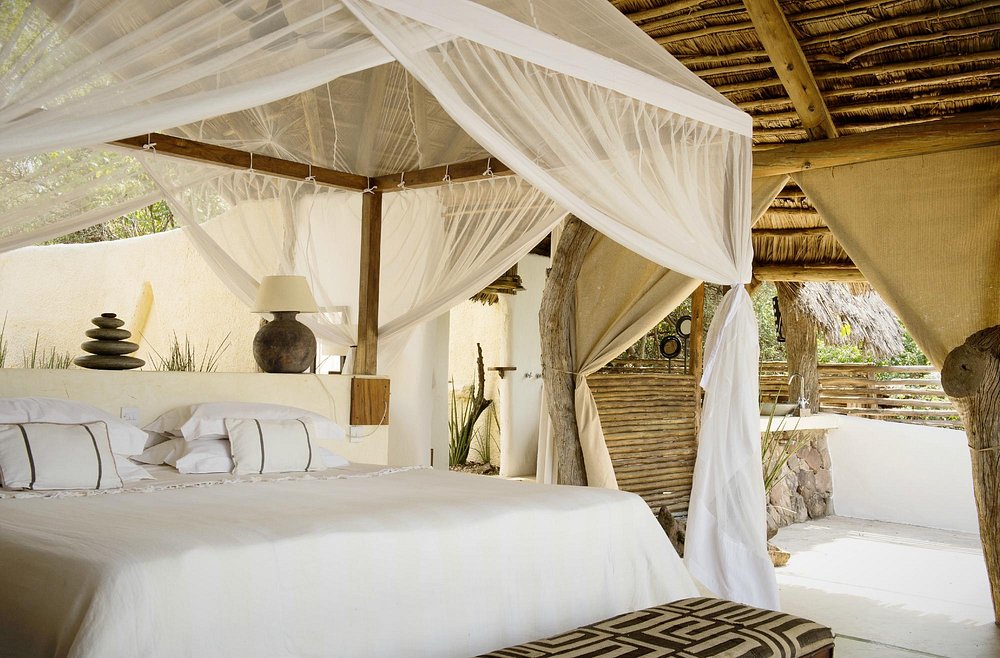
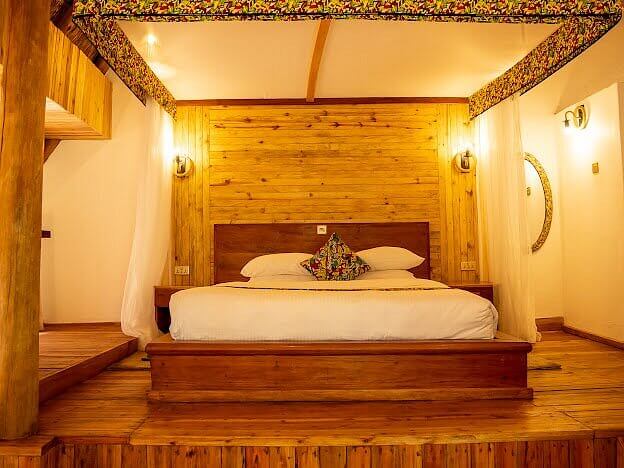
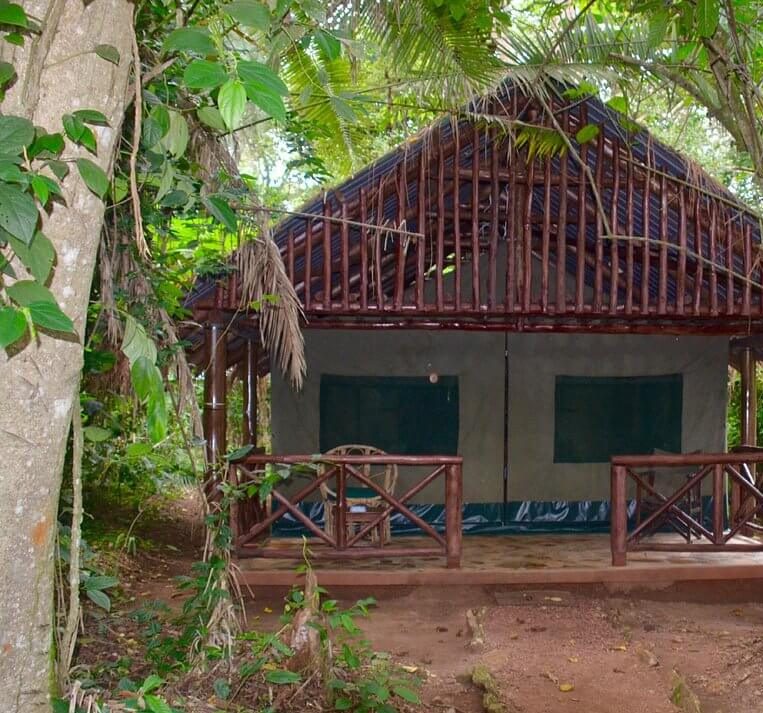
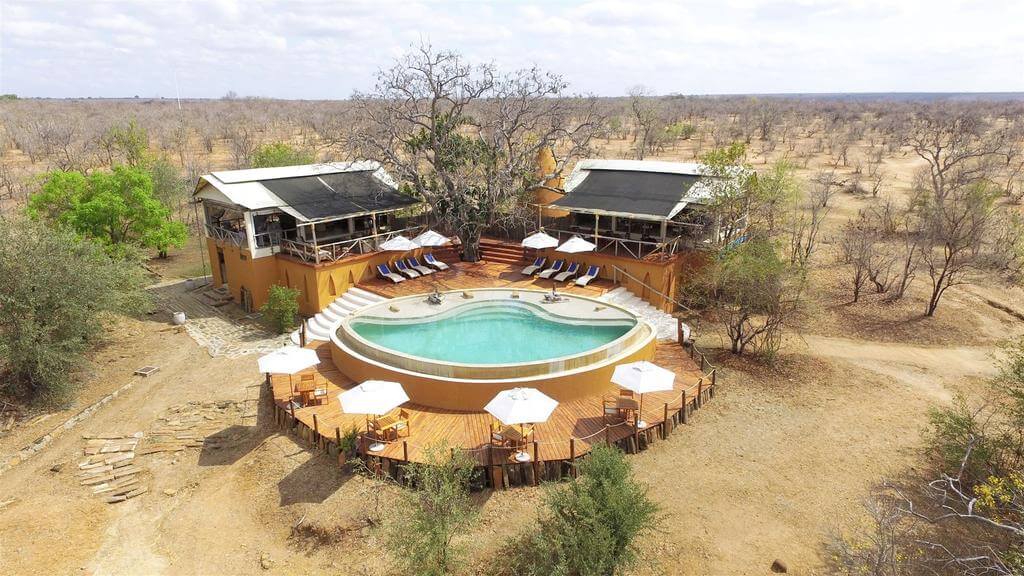
Nyerere National Park offers a range of accommodation options, from luxury lodges to intimate tented camps, all nestled within the park’s vast wilderness. Whether you’re looking for exclusive privacy, close-up wildlife encounters, or comfort with stunning views, there’s something for every traveler. Here’s a breakdown of some of the best places to stay in Nyerere:

Beho Beho Lodge

Located in the northern part of the Rufiji River, Beho Beho is a luxury lodge that promises the ultimate safari experience. It was the first lodge established in the park, offering spacious self-contained rooms, excellent food, and a private, serene atmosphere. 

The lodge is slightly removed from the river, ensuring peace and privacy after a day of wildlife exploration. All meals are provided, and there are additional activities available to enhance your experience.

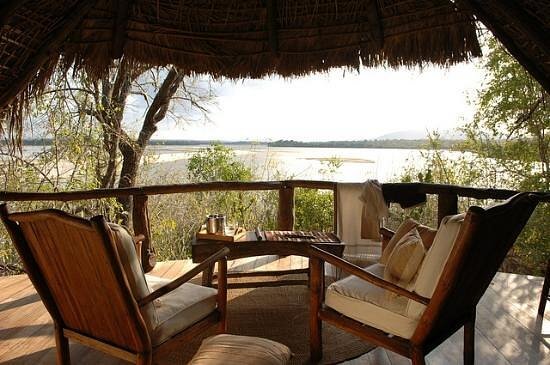
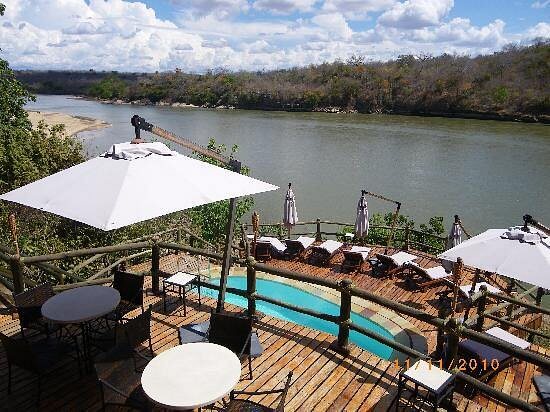
Overlooking the Rufiji River, Siwandu Camp offers luxurious tented accommodation with en-suite bathrooms and outdoor showers. Known for its breathtaking lion sightings, this camp is perfect for those wanting to experience the wild up close. 

All meals are provided, and the camp’s position along the river offers ample opportunities for both wildlife watching and relaxation.

Located near the Rufiji River and surrounded by lush forests, Mbuyu Safari Camp features 16 tented chalets, each with twin beds and en-suite bathrooms.

The camp offers a truly immersive wildlife experience, with animals roaming freely around the camp, providing unforgettable views. You’ll also be provided with a torch and whistle for safety.

Perched on two hills in the northwestern part of the park, Sable Mountain Lodge offers incredible views of the park and surrounding mountainous scenery. The lodge has 5 tented rooms and 6 stone cottages, offering privacy and comfort. On-site amenities include a bar, swimming pool, and en-suite bathrooms. The lodge’s location makes it a perfect base for both relaxation and game viewing.

This camp is situated along the elephant way, making it one of the best places for elephant sightings. It is located in a prime spot, offering close views of not just elephants, but also lions, wild dogs, and leopards. Due to its proximity to wildlife hotspots, it’s advisable to stay in your tent after dark.

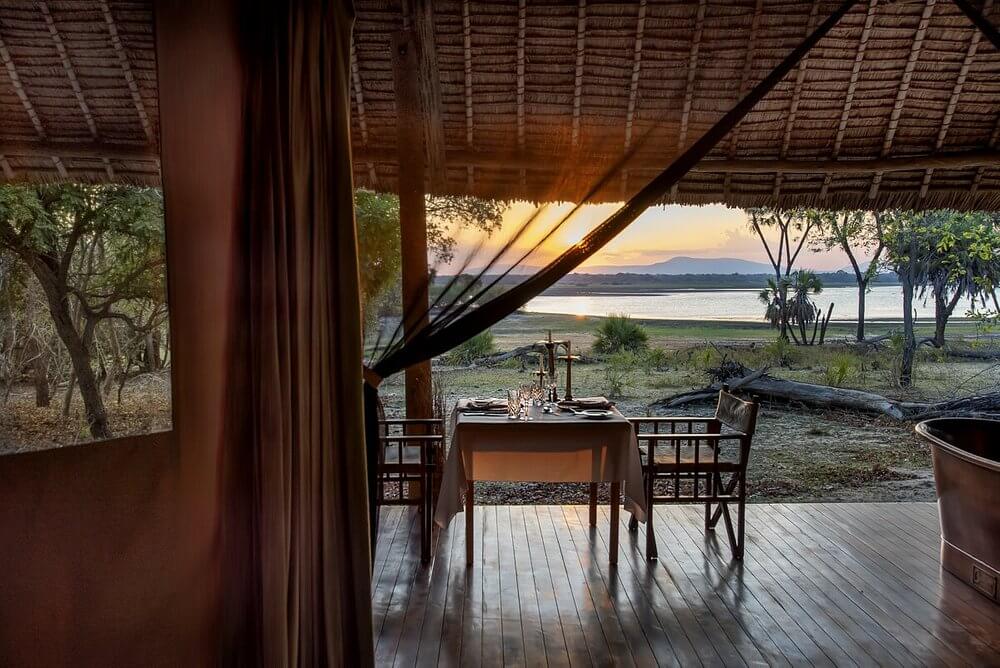
As one of the oldest lodges in Nyerere National Park, Sand Rivers Selous offers an intimate and luxurious safari experience. It features open rooms with unobstructed views of the Rufiji River and the wildlife that frequents its banks. It’s ideal for those seeking both comfort and immersive nature experiences.
The Impala Tented Camp

Located along the banks of the Rufiji River, Impala Tented Camp has just 6 luxurious tents, providing an exclusive experience. 

The camp offers decorative interiors and offers spectacular views of wildlife, including the mighty lions of the park.

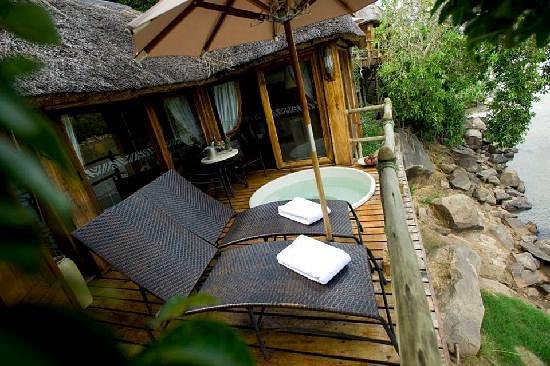
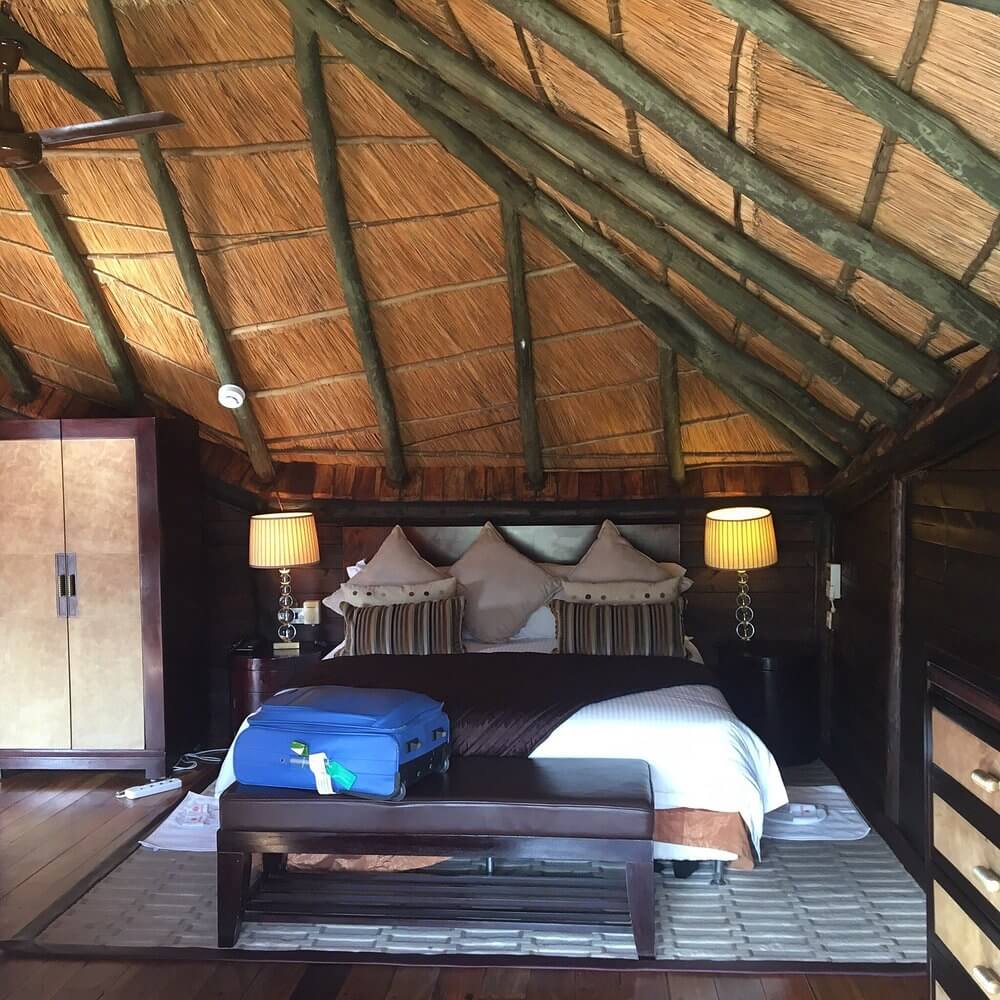
Located in the southeastern part of the park, Kiba Point Safari Lodge is a private and exclusive lodge perfect for couples and families. With just 4 luxurious tented camps, the lodge offers a highly personalized experience. Each tent has an en-suite bathroom, outside shower, and ceiling fans. For relaxation after a game drive, guests can enjoy a private plunge pool.
One of the most luxurious options in Nyerere, Selous Serena Camp boasts a wide range of rooms designed in a Victorian style. It offers all the classic comforts and high-end services you’d expect from a luxury lodge, including private rooms, en-suite bathrooms, and an on-site bar for unwinding after your safari.
Nestled along the Rufiji River, Mivumo River Camp offers a mix of luxury and charm. It’s part of the Serena group, which has introduced more luxurious facilities, but still maintains its original rustic touch. Its peaceful setting along the river makes it a great option for those looking for both comfort and an authentic safari experience.
Formerly known as Amara Nyerere, Azura Selous is a luxurious camp located in the western part of the park. With air-conditioned rooms and an amazing safari setting, it’s a prime choice for those seeking comfort with a touch of elegance. Known for being ideal for photo safaris, it provides an exceptional base for capturing the beauty of the Selous ecosystem.

What our Client Say

Design your own trip

Choose a destination, pick your properties, and we’ll do the rest

1
Browse
Look through our itineraries for inspiration, and call our Travel Consultants
2
Create
Discuss your wish list with us, and we’ll use our expertise to design a unique itinerary for you
3
Customise
We’re committed to refining your itinerary until we’ve created the perfect personalised trip for you