EXPLORE

Kenya Destination

Nairobi National Park
Picture of Chat to an Kenya Safari expert

Chat to an Kenya Safari expert

Get advice and suggestions to make this your perfect trip. or call us on:
+255 755 003116

Picture of Chat to an Kenya Safari expert

Chat to an Kenya Safari expert

Get advice and suggestions to make this your perfect trip. or call us on:
+255 755 003116

Nairobi National Park, located just south of Nairobi’s city center, is a unique wildlife destination that offers a rare opportunity to witness African wildlife alongside the cityscape. Situated just 4 miles (6.4 km) from downtown Nairobi and adjacent to Nairobi’s international airport, travelers landing at the airport can spot wildlife from the sky before even touching down. This proximity to the city makes the park an accessible and intriguing option for those with limited time in Kenya.

Destination Overview

Covering 45.26 square miles (117.2 square kilometers), Nairobi National Park is the first national park established in Kenya and one of the smallest in the country. Despite its relatively small size, the park boasts a variety of habitats, including open plains, grasslands dotted with acacia trees, highland forests, rocky gorges, and riverine forests. The diversity of habitats supports a wide range of mammal and bird species, making it a popular destination for wildlife enthusiasts.

The park is separated from Nairobi by an electric fence, providing a clear boundary between the urban environment and the wilderness, yet the park’s proximity to the city gives visitors a truly unique experience where they can see wildlife up close while being surrounded by the buzz of a metropolitan area.

History of Nairobi National Park

Nairobi National Park, established in 1946, holds the title of Kenya’s oldest national park. Its creation stemmed from the rapid urbanization of Nairobi, which led to the displacement of wildlife from the expanding city. As settlements spread, the herds of animals thinned, prompting calls for their protection. In response, the park was established to provide a sanctuary and a respite for the wildlife just outside the city.

The history of the park dates back to the early 1900s when the British colonial government recognized the need to conserve wildlife in the region to prevent overhunting. However, it was in the mid-1940s that the park was officially opened to the public. Initially, the park served as a breeding ground for large game species. Over time, it grew in popularity, becoming a favored destination for both local residents and international tourists.

Despite its proximity to Nairobi, the bustling capital city, Nairobi National Park has remained a vital sanctuary for a diverse range of wildlife. It has long been home to iconic species like lions, cheetahs, giraffes, and zebras. Its unique setting, with the city’s skyline visible in the distance, coupled with its rich history, makes it a truly exceptional and important wildlife reserve in Africa. Today, the park continues to play a key role in wildlife conservation and attracts thousands of visitors annually.

Wildlife at Nairobi National Park

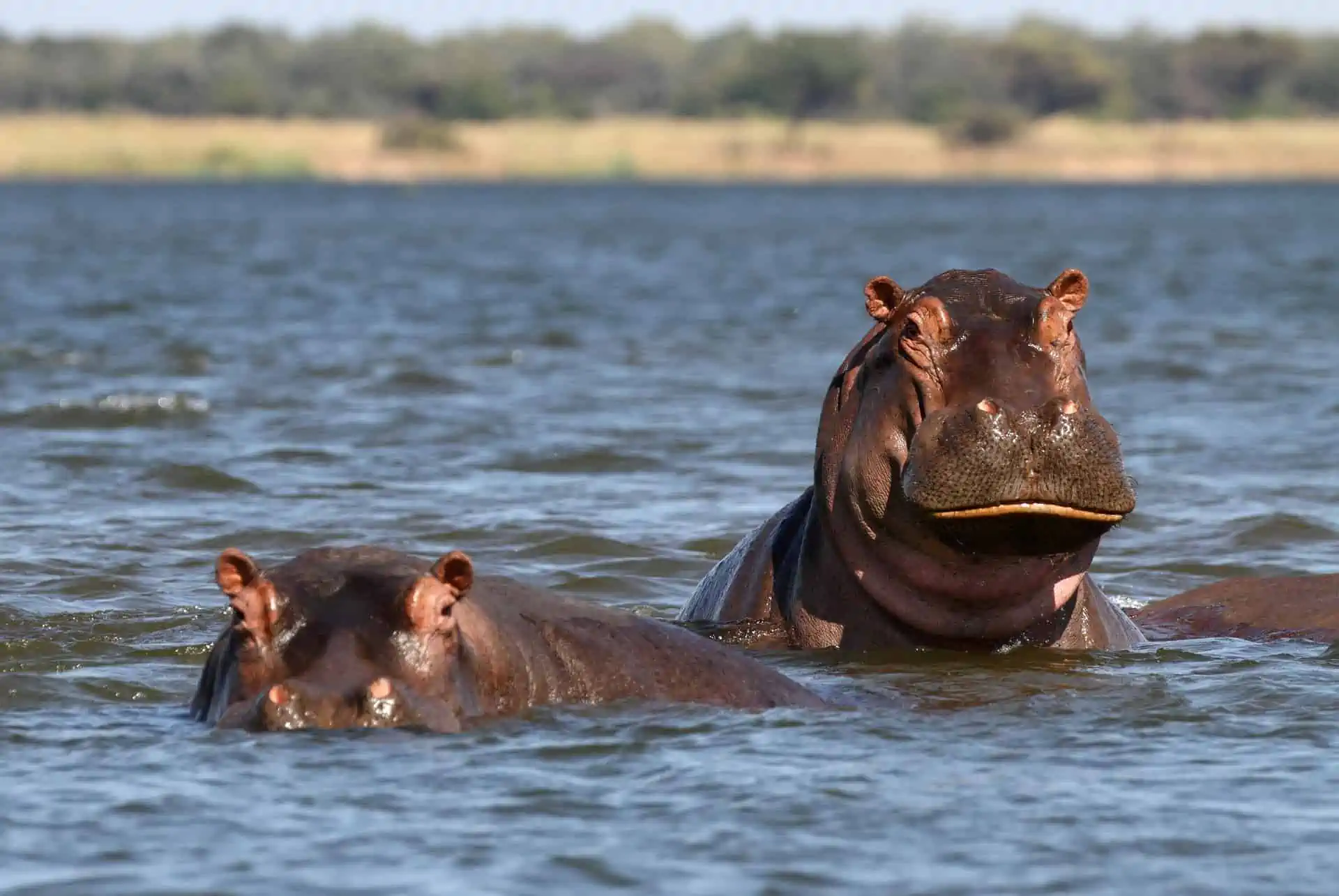
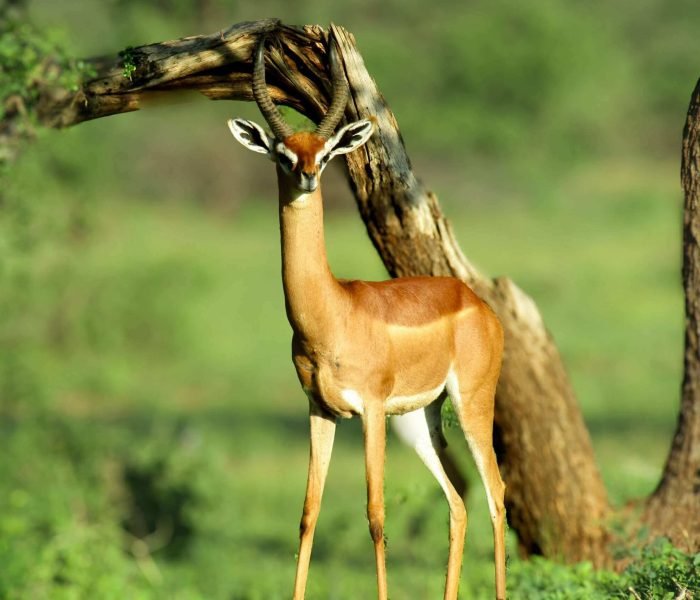
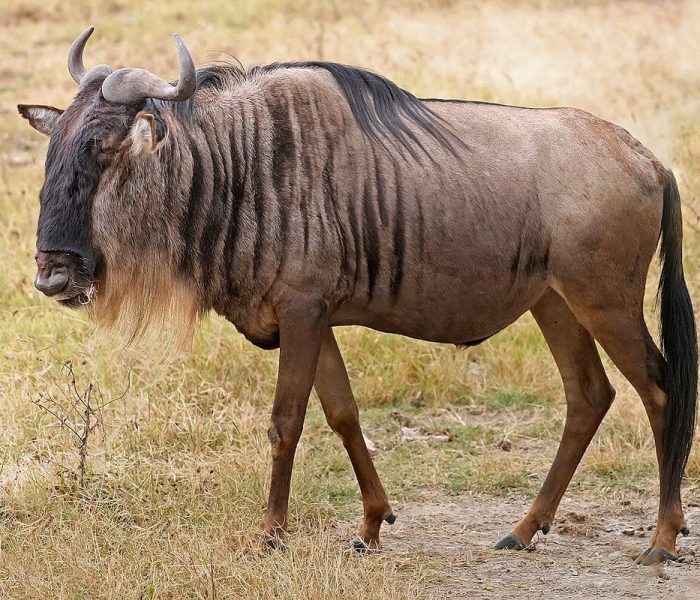
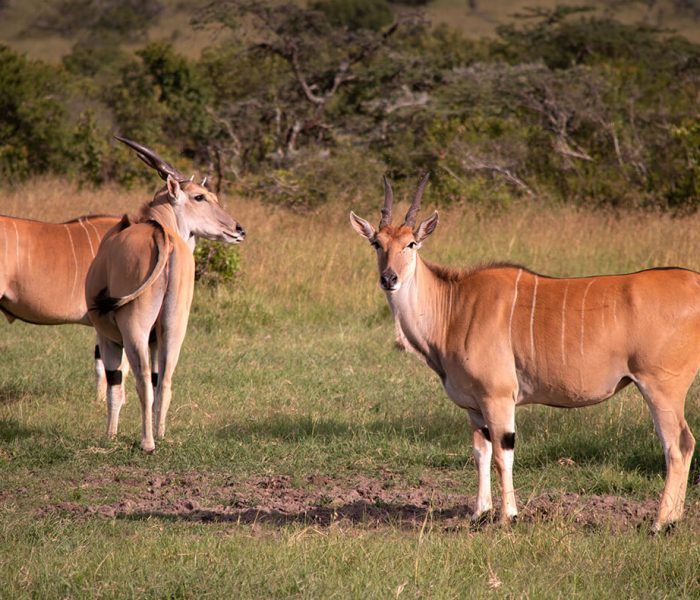
While Nairobi National Park is relatively small, it is home to a diverse array of animals. Predators, including lions, leopards, cheetahs, and hyenas, roam the park, providing excellent opportunities for safari-goers to witness Africa’s famous “Big Cats.” Other large mammals in the park include buffalo, black rhinos, baboons, elands, gazelles, hartebeests, hippopotamuses, impalas, giraffes, wildebeests, and waterbucks.

Although elephants are not found here, the diversity of ungulates and predators ensures that visitors are treated to a thrilling wildlife experience.

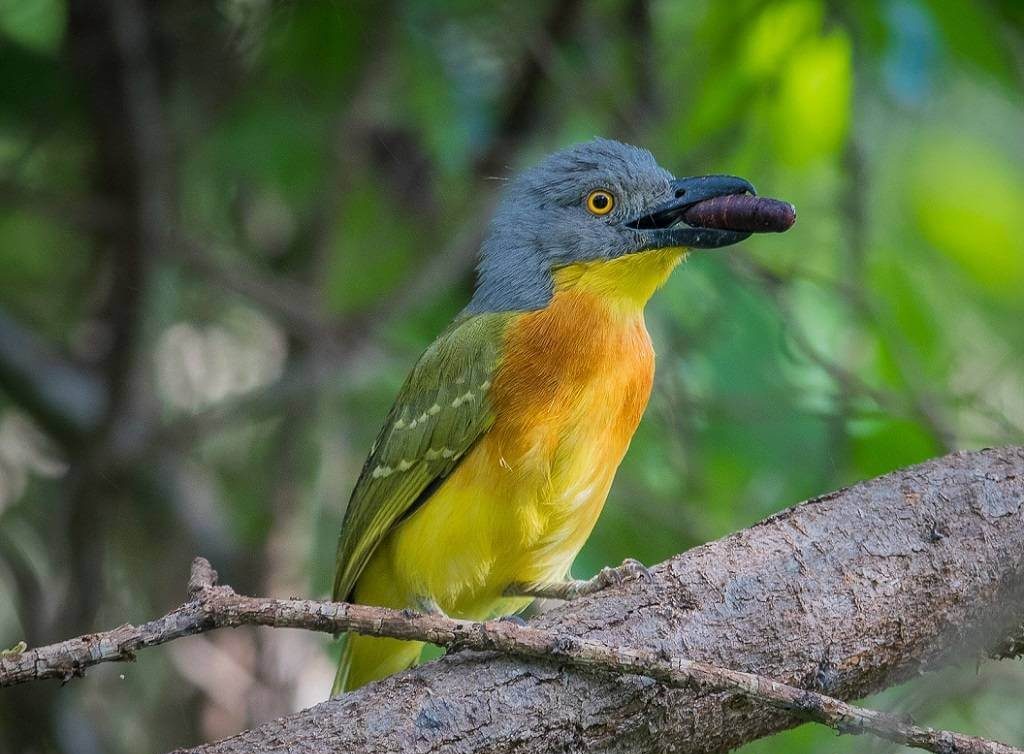
The park is also known for its abundant birdlife, with over 400 species recorded. Ostriches, commonly seen in the plains, and vultures are two of the larger species, but birdwatchers will also delight in seeing Crowned Cranes, Kori Bustards, Ground Hornbills, Egyptian Geese, Black-necked Herons, and various songbirds that add to the vibrant birding experience.

Amboseli National Park Weather

Nairobi National Park enjoys a cool and temperate climate with relatively stable temperatures throughout the year. While the days are typically warm, the temperatures drop significantly at night. The park experiences a distinct dry and wet season.

Dry Season (June to October)

June to August:
The coolest months, with plenty of sunshine and very little rainfall. Afternoon temperatures are pleasant at around 23°C/73°F, while early mornings and evenings can be quite chilly, with temperatures dropping to about 12°C/54°F.

September to October:
Temperatures gradually increase as the dry season progresses, with afternoon temperatures reaching about 25°C/77°F. The short rains may start toward the end of October, but it is often a bit later in November.

Wet Season (November to May)

November & December (Short Rains):
The short rains begin around October or November, with November usually being the wettest month. Daytime temperatures hover around 25°C/77°F, and temperatures increase just before the rains start, then drop once the rain arrives.

January & February:
These months represent a dry period separating the short rains and the long rains. The daytime temperatures remain fairly constant around 26°C/79°F.

March to May (Long Rains):
April is typically the wettest month, with frequent rains that can interfere with game drives. Roads can become muddy and difficult to navigate. Afternoon temperatures during this period are around 26°C/79°F, but rainfall may lead to road conditions worsening, especially in April and May.

Tip: The wet season offers a different experience, as the park becomes lush and green, though the long rains may cause challenges for some activities. The dry season remains the most popular time to visit for easier wildlife viewing and pleasant weather.

gallery

Picture of Planning Your Safari

Planning Your Safari

Organizing a safari in Kenya Destination, can be overwhelming due to the many choices available for transport, accommodation, and activities.

Reviews and Rates

Kenya

Attractions at Nairobi National Park

Endangered Black Rhinos

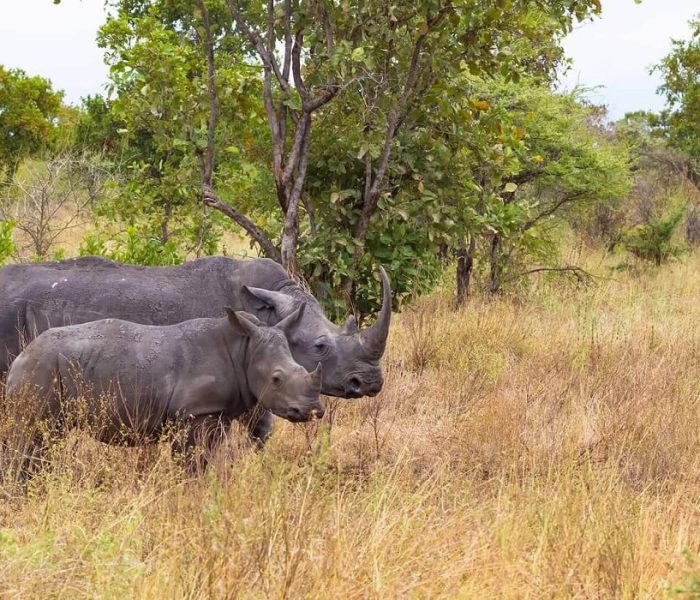
Nairobi National Park is home to one of Kenya’s densest populations of black rhinos. The park plays a vital role in their protection, with a dedicated breeding program aimed at conserving this endangered species. 

Visitors are likely to spot these magnificent creatures on game drives.

Cultural ToursThe “Big Four”

While the park doesn’t have elephants (the missing member of the “Big Five”), it does feature four of the Big Five: lions, leopards, buffalos, and rhinos. 

Visitors can also see a variety of other wildlife, including giraffes, zebras, hippos, impalas, hartebeests, baboons, elands, and more.

David Sheldrick Elephant Orphanage

A must-see attraction within the park is the David Sheldrick Elephant Orphanage, where orphaned and injured baby elephants are rescued and cared for.

Visitors can witness the adorable youngsters being fed at specific times and learn about the sanctuary’s rehabilitation efforts.

Ivory Burning Site Monument

This site holds historical significance as the location of several symbolic ivory burnings, which took place as part of Kenya’s commitment to ending the ivory trade and protecting elephants. It stands as a powerful reminder of the country’s dedication to conservation.

Wildebeest & Zebra Migration (July to October)

Between July and October, visitors can witness the dramatic wildebeest and zebra migration, where millions of grazers cross into Kenya in search of food and water. 

If you’re visiting during this period, you’ll be treated to one of nature’s most incredible spectacles.

How to Get to Nairobi National Park

Nairobi National Park is easily accessible by both road and air, making it a convenient destination for tourists staying in Nairobi or those passing through the city.

By Road: The park is located approximately 7 kilometers (about 4.3 miles) south of Nairobi’s city center and about 10 kilometers (6.2 miles) from Jomo Kenyatta International Airport (JKIA). The park can be accessed through several gates:

KWS Headquarters Gate
Langata Road Gate
Langata Gate
Maasai Gate
Mbagathi Gate (service gate)
Banda Gate (service gate)

Tourists can easily drive or take a taxi from Nairobi city center or the airport to reach the park.

By Air: For international tourists, the nearest major airport is Jomo Kenyatta International Airport (JKIA). If you are on a combined safari, you can take a domestic chartered flight to Wilson Airport, which is approximately 6 kilometers (3.7 miles) from the park. From Wilson Airport, it’s a short drive to the park entrance.

Whether you’re arriving by road or air, Nairobi National Park is very accessible, offering a unique safari experience within close proximity to the bustling city.

Accommodation in Nairobi National Park

Nairobi National Park offers a variety of accommodation options, ranging from budget to luxury, both inside and outside the park. Here are some of the top choices:
Nairobi Tented Camp (Inside the Park)
The only camp located within the park itself, offering a true bush experience with the convenience of being so close to the city. The camp features luxurious tents with modern amenities, providing an intimate and comfortable stay amidst the wildlife of Nairobi National Park.
Located just outside the park, this lodge offers a blend of luxury and nature. Emakoko is set on the southern border of Nairobi National Park, offering guests stunning views and easy access to the park’s entrance.
A modern and comfortable hotel located near Nairobi’s airport, Eka Hotel is an excellent choice for travelers seeking easy access to both the city and Nairobi National Park. The hotel offers a range of amenities including spacious rooms, restaurants, and a pool.
Situated close to Jomo Kenyatta International Airport, Panari Hotel is ideal for those looking for convenience and comfort. While not far from the park, the hotel provides a peaceful retreat from the hustle of Nairobi.
African Heritage House (Outside the Park)
A unique and beautiful option located a short drive from the park, this iconic house is known for its cultural and artistic ambiance, offering visitors a blend of luxury, history, and scenic views.
Located a bit farther from the park, Acacia Camp offers an authentic tented safari experience in a serene environment. It is a great place for nature lovers seeking peace and quiet away from the city.
Situated just a short distance from Nairobi National Park, Ole Sereni offers a luxurious stay with the added bonus of stunning views of the park’s wildlife. The hotel combines modern luxury with easy access to Nairobi’s attractions, including the park.
Each of these accommodations provides a unique experience, whether you’re looking for an authentic tented safari or a comfortable stay with all the amenities.

What our Client Say

Design your own trip

Choose a destination, pick your properties, and we’ll do the rest

1
Browse
Look through our itineraries for inspiration, and call our Travel Consultants
2
Create
Discuss your wish list with us, and we’ll use our expertise to design a unique itinerary for you
3
Customise
We’re committed to refining your itinerary until we’ve created the perfect personalised trip for you