EXPLORE

Mountain Kilimanjaro Summit Night Preparation

Picture of Chat to a Safari expert

Chat to a Safari expert

Get advice and suggestions to make this your perfect trip. or call us on:
+255 755 003116

Picture of Chat to a Safari expert

Chat to a Safari expert

Get advice and suggestions to make this your perfect trip. or call us on:
+255 755 003116

overview

Preparing for the summit night on Mount Kilimanjaro is a critical part of ensuring a successful ascent to the roof of Africa.

The night push, starting in the dead of night and culminating in the achievement of reaching Uhuru Peak at 5,895 meters, demands mental and physical readiness as well as meticulous planning. Summit night on Mount Kilimanjaro is both the most challenging and exhilarating part of the climb.

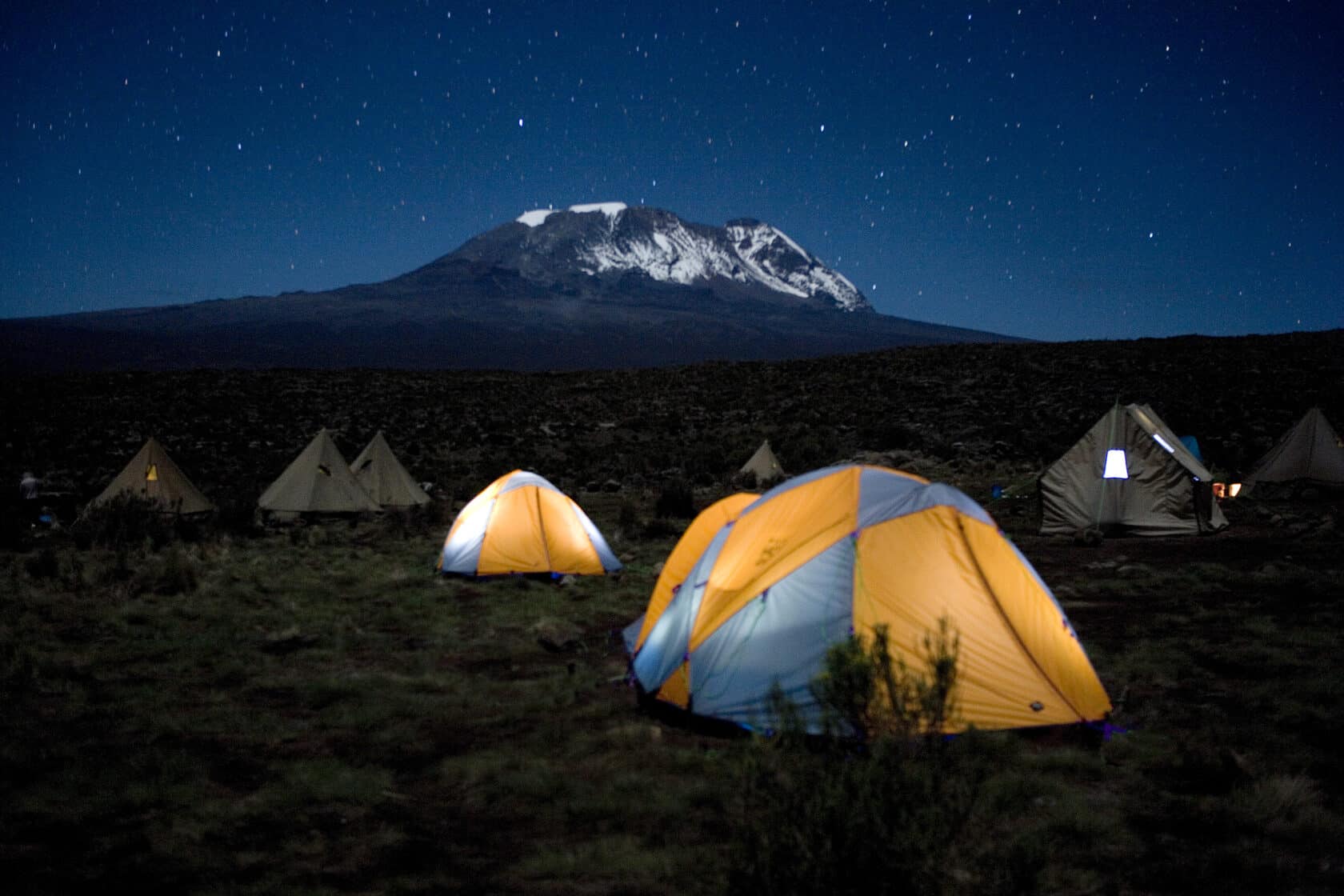
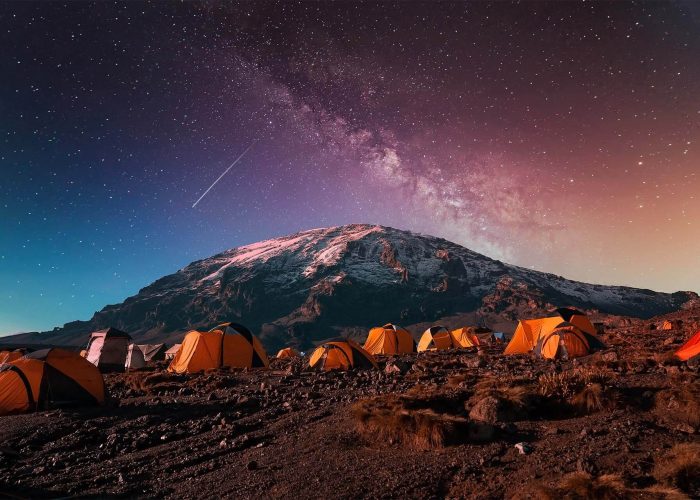
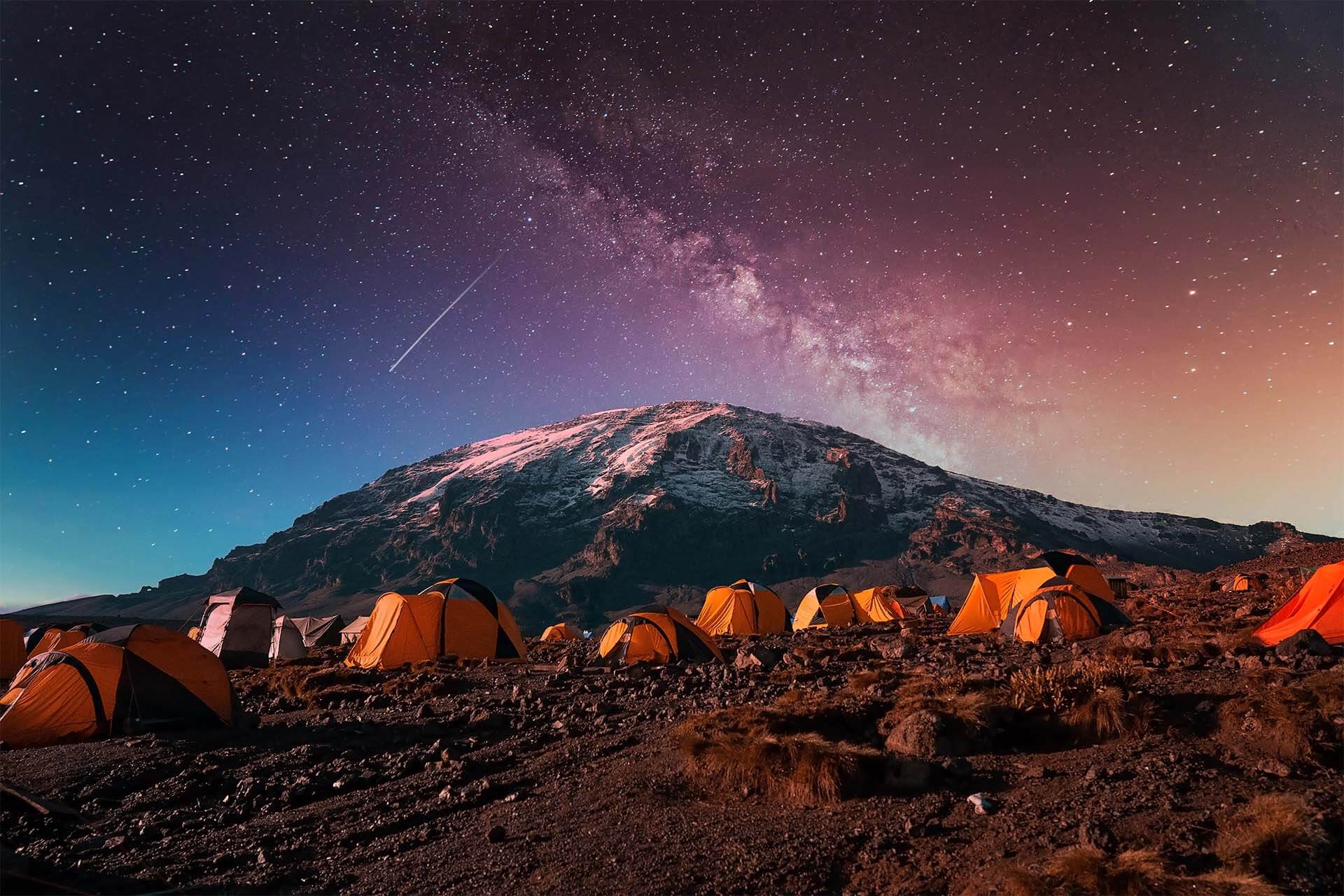
Arriving at Barafu Camp marks the beginning of the most demanding and most rewarding part of your Kilimanjaro adventure. As soon as you reach camp, it’s important to rest and prepare for what lies ahead.

Organize your daypack right away, making sure it’s packed with essentials like your headlamp, water, snacks, and extra layers, because you’ll be awakened around 11:00 PM for the final push to Uhuru Peak.After an early dinner, climbers retreat to their tents to rest, although sleep is often elusive due to the high altitude and the anticipation of summit success. Summit night is undoubtedly the toughest challenge of your Kilimanjaro climb.

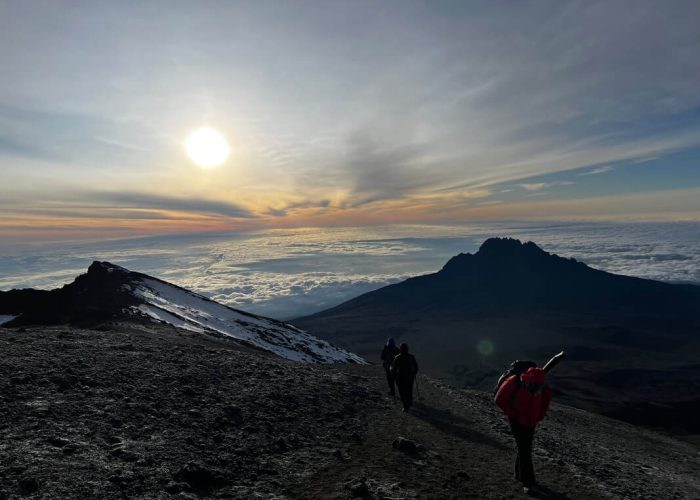
The journey to the top takes about 6 to 8 hours, followed by another 4 to 6 hours descending to your next camp though duration can vary depending on your pace and the conditions. At 11 PM, your mountain crew will gently wake you with a hot drink to warm your spirits. Light snacks are served in the mess tent to fuel your body before the climb begins around midnight. With your headlamp lighting the way and the stars (or full moon) overhead, you’ll begin your slow, steady ascent into the alpine night, a journey that culminates in the life-changing moment of standing on the Roof of Africa at sunrise.

Explore More

Mountain Kilimanjaro Summit Night Preparation

What is Summit Night?

The trek to Kilimanjaro’s Uhuru Peak starts in the middle of the night. This segment, known as summit night or summit day, involves climbing from night into day. You begin the ascent around 11:00pm, tackling a steep, rocky path to reach the crater rim.

The temperature plummets and the wind increases, necessitating warm gear, with only moonlight and headlamps to guide the way. The excitement builds as trekkers near the summit, aiming to catch the sunrise. After celebrating at the top, the descent takes you back to camp for a final dinner and a much-needed rest.

The summit night push on Mount Kilimanjaro is often described as the most challenging and rewarding part of the climb. This iconic ascent, usually undertaken just before midnight, is a journey of resilience, determination, and breathtaking triumph.

The Start of the Summit Push

Climbers are typically woken up around 11:00 PM after a few hours of rest at the final camp, often either Barafu Camp (on the Machame and Lemosho routes) or Kibo Hut (on the Marangu route).

The air is biting cold, the sky a tapestry of stars, and the anticipation palpable. After a quick snack and a cup of hot tea, climbers layer up in insulated clothing, headlamps glowing like a trail of fireflies, and set off into the darkness.

The Physical and Mental Challenge

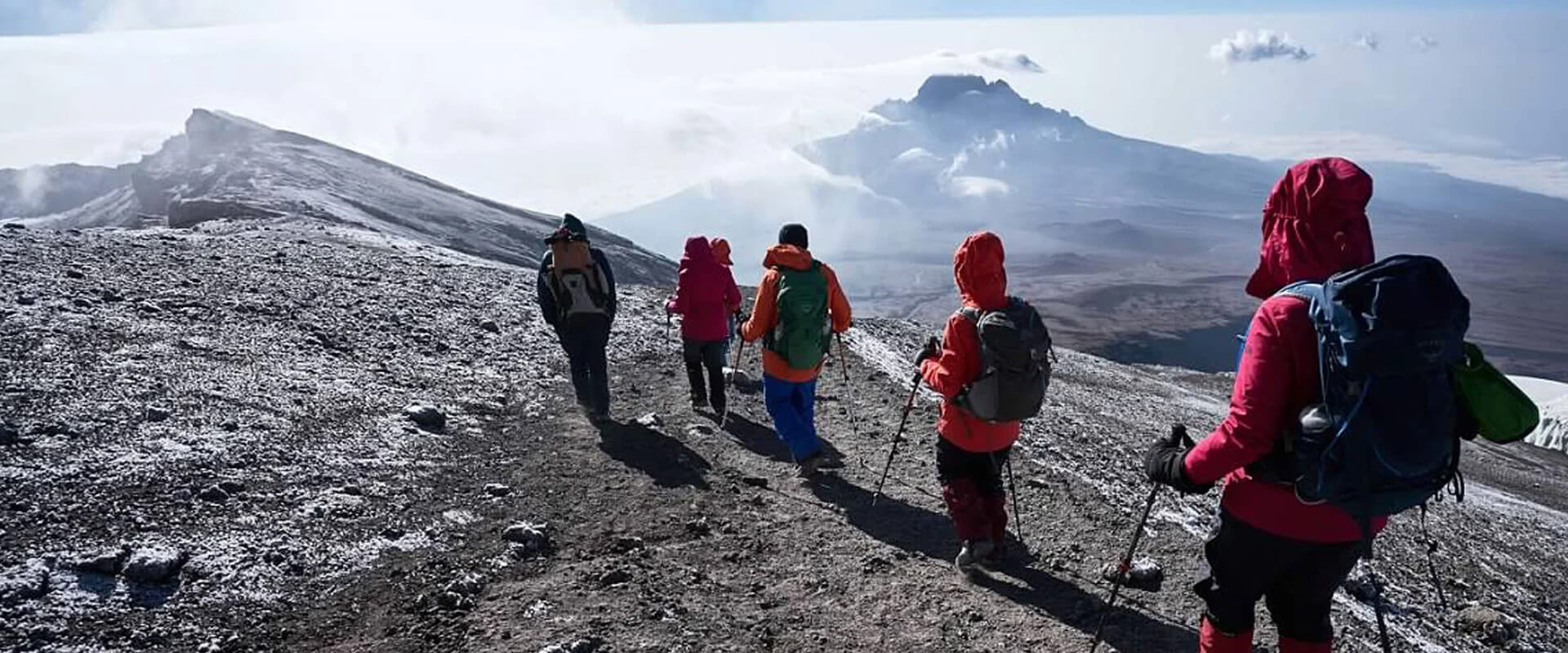
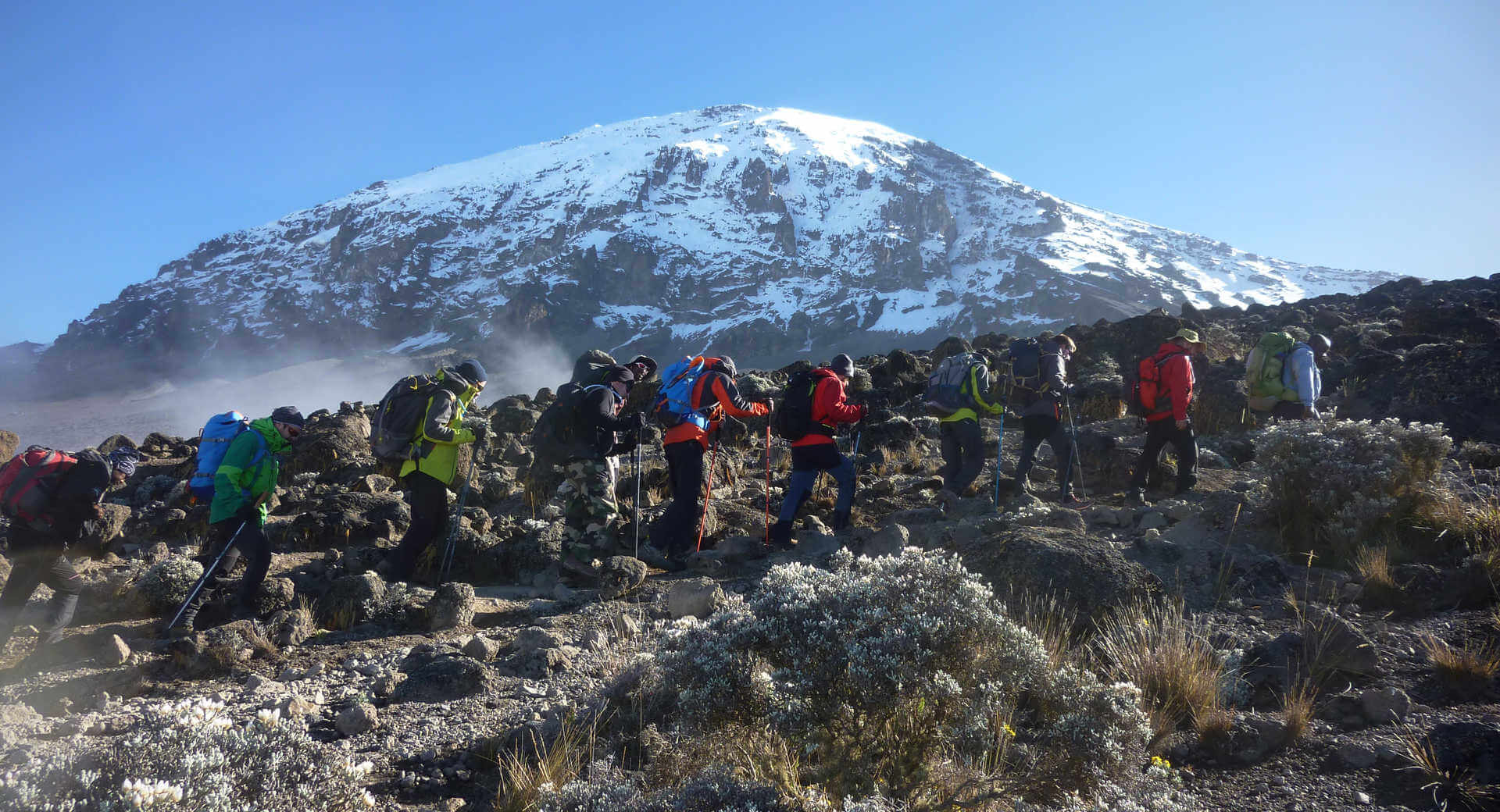
The ascent is steep, slow, and grueling. Starting in the pitch-black night, climbers must navigate loose scree, volcanic rocks, and the biting effects of altitude. Breathing becomes harder with every step, and the temperature often plunges well below freezing. Guides encourage a steady pace known as “pole pole” in Swahili emphasizing slow and deliberate progress over speed.

This stretch is not just a test of physical endurance but a mental battle as well. Exhaustion, altitude sickness, and the monotony of placing one foot in front of the other in the dark can take a toll. But the determination to reach the summit fuels climbers onward.

Reaching Stella Point and Uhuru Peak

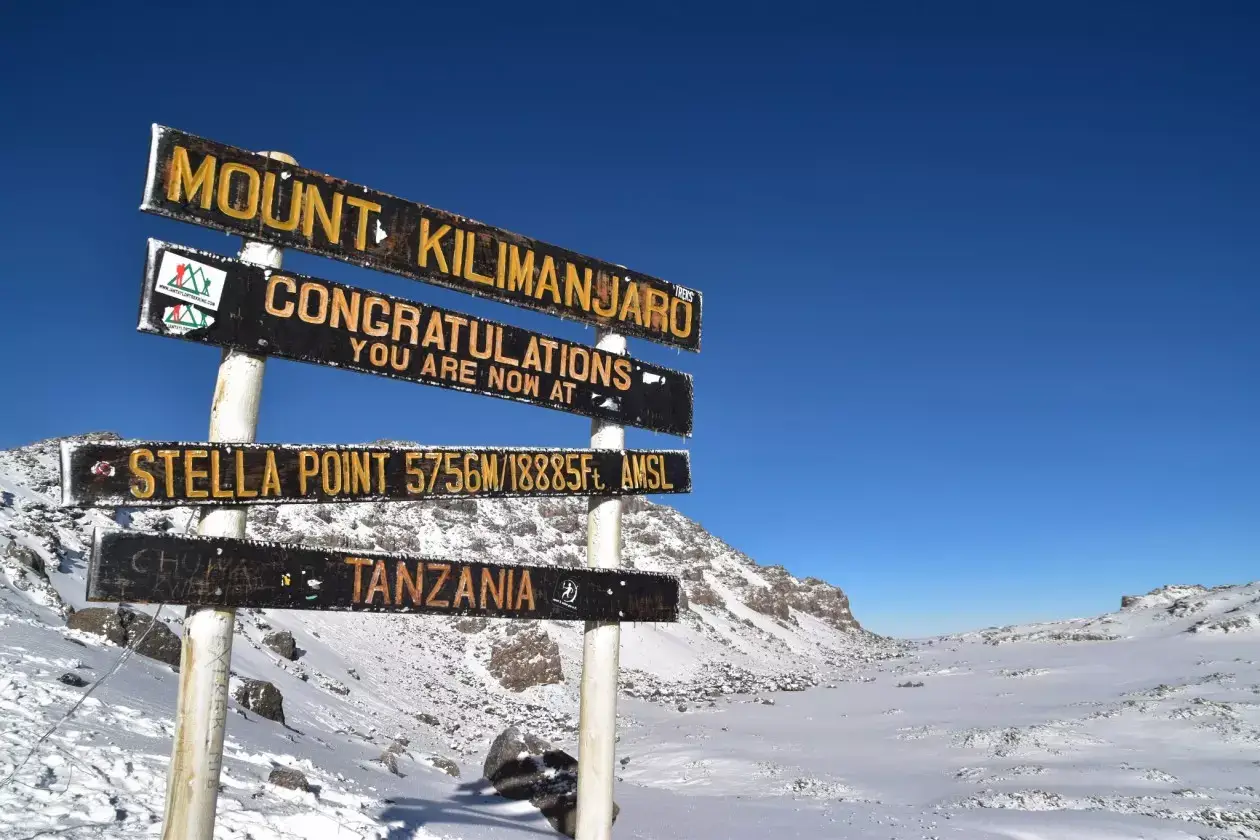
After 5-7 hours of climbing, the first major milestone, Stella Point (5,756 meters/18,885 feet), is reached. Here, climbers often pause briefly to catch their breath, encouraged by the promise of dawn breaking on the horizon.

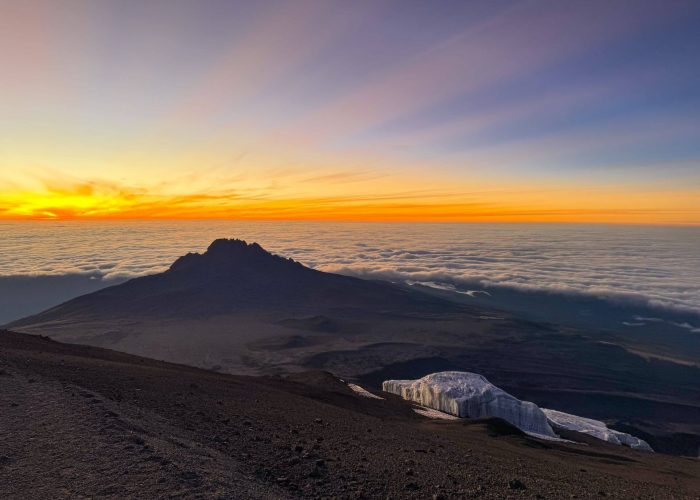
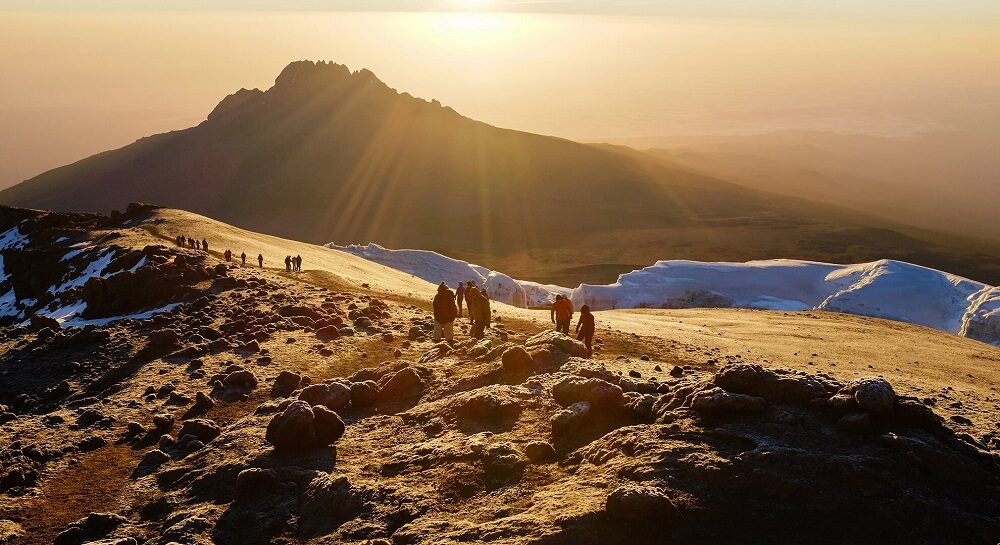
From Stella Point, the trail flattens slightly, but the final hour to Uhuru Peak (5,895 meters/19,341 feet) remains a test of willpower. The sunrise, however, is a game-changer. The golden light reveals the sweeping glaciers, the curvature of the earth, and the vast plains of Tanzania below, reinvigorating spirits and reminding climbers why they set out on this journey.

The Moment at Uhuru Peak

Reaching Uhuru Peak the highest point in Africa is an emotional moment. Climbers often shed tears of joy, hug their teammates, and take photos with the famous summit sign as proof of their achievement. The breathtaking views, coupled with the sheer accomplishment of standing at the roof of Africa, make every hardship of the night worthwhile.

The Descent

After a short celebration, the journey back begins. The descent is faster but equally challenging, with loose scree testing weary legs. Climbers return to camp for a brief rest and a hearty meal before continuing the descent to lower altitudes.

A Life-Changing Experience

The summit night push on Kilimanjaro is more than just a climb; it’s a transformative experience that pushes you beyond your limits and rewards you with an unmatched sense of achievement. It’s a story you’ll carry for a lifetime, a testament to your resilience and determination.

HOW DO YOU PRERARE FOR THE SUMMIT NIGHT PUSH

PHYSICAL PREPARATION:

  • Acclimatization: Spend additional time at higher camps like Karanga or Barafu to acclimate, reducing the risk of altitude sickness. Choose longer routes which include acclimatization days for this purpose.
  • Fitness: Engage in regular, intensive cardiovascular exercise like running, cycling, or stair climbing, combined with strength training to build endurance. Simulate the climb with long hikes carrying a backpack.
  • Sleep: Get as much rest as possible in the days leading up to the summit push. Sleep might be challenging at high altitudes, so naps and hydration can help.

MENTAL PREPARATION:

Summit night is as much a mental challenge as a physical one. Prepare your mind for the grueling hours ahead:

  • Mindset: Prepare mentally for the discomfort, cold, and fatigue. Mental toughness can make a significant difference. Visualization of success and positive affirmations can be useful.
  • Pacing: Understand that summit night is slow and steady. “Pole pole” (slowly in Swahili) is the mantra; the pace is intentionally slow to manage exertion at high altitudes.
  • Break it Down: Focus on small milestones rather than the entire ascent. Reaching the next switchback or resting point makes the climb feel more manageable.
  • Trust your Guides: Experienced guides are invaluable for pacing, motivation, and safety. Lean on their expertise and encouragement.

GEAR AND CLOTHING:

  • Layering: Dress in layers to manage your body temperature. Start with moisture-wicking base layers, add insulating mid-layers (fleece or down), and finish with a waterproof and windproof outer layer.
  • Headwear: A warm hat or beanie to retain heat, and a balaclava or neck gaiter for face protection against cold winds.
  • Gloves: Bring at least two pairs – one lightweight for early on, and heavy-duty, waterproof gloves for the colder summit push.
  • Footwear: Wear your best, broken-in mountaineering boots. Gaiters can help keep snow out if you encounter it.
  • Lighting: A reliable headlamp with extra batteries is crucial. Even with a full moon, clouds or personal preference might necessitate artificial light.

NUTRITION AND HYDRATION:

  • Pre-Summit Meal: Eat a good meal in the evening before the climb, focusing on carbs for energy and hydration. Foods like soups or stews are often provided by guides and are easy to digest.
  • Snacks: Pack energy bars, nuts, dried fruits, or chocolate for the climb. Small, frequent snacks can help maintain energy levels.
  • Hydration: Drink plenty of water throughout the day and night. Use an insulated water bottle or hydration bladder to prevent freezing.
CONGEMA SAFARIS SUMMIT NIGHT STRATEGY:
  • Start Time: Typically, our summit night push start between 11 PM and 1 AM to reach the summit at sunrise. This timing allows you to see the sunrise from the top, providing psychological motivation.
  • Pacing and Breaks: Our guides keep a slow pace. Regular, short breaks (about every hour) help manage fatigue and hydration without cooling down too much.
  • Buddy System: We encourage you to stay close to your guide or climbing partner. The buddy system can be crucial for safety, motivation, and navigation in the dark.
  • Altitude Sickness: Be aware of symptoms and ready to descend if necessary. Our guides will monitor for signs of AMS (Acute Mountain Sickness).

FINAL TIPS:

  • Choose the Right Route: Opt for a longer route like Lemosho or Machame to allow for better acclimatization.
  • Check Equipment: Before you leave for the summit, ensure all gear is working, batteries are charged, and you have all necessary items.
  • Communication: Discuss the plan with your guide or group, including what to do if someone feels unwell, the expected pace, and the turnaround time.
  • Mental Note: Remember, it’s okay to turn back if you’re not feeling well; the mountain will still be there for another attempt.

Summit night on Kilimanjaro is a test of endurance, but with the right preparation, it can also be one of the most rewarding experiences of your life. Enjoy the process, the camaraderie, and the spectacular views as you earn your way to Uhuru Peak.

Picture of Planning Your Safari

Planning Your Safari

Organizing a safari , can be overwhelming due to the many choices available for transport, accommodation, and activities.

Reviews and Rates