Get advice and suggestions to make this your perfect trip. or call us on: +255 755 003116
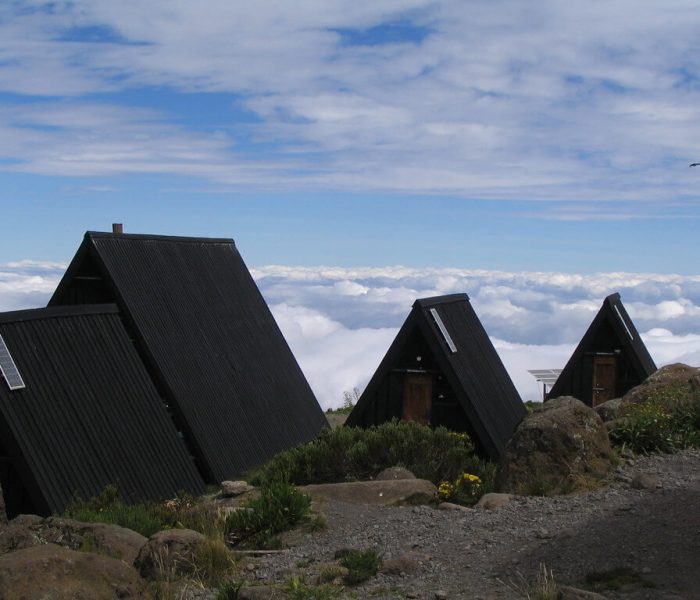
Marangu route starts from the southeastern side of Mount Kilimanjaro, it is one of the most well-known and unique route on Mount Kilimanjaro. It is the oldest route on mount kilimanjaro and unique among Kilimanjaro routes as it is the only one that offers hut accommodation instead of tents. This makes it a more comfortable option for climbers who prefer sleeping in a shelter during their Kilimanjaro trek.
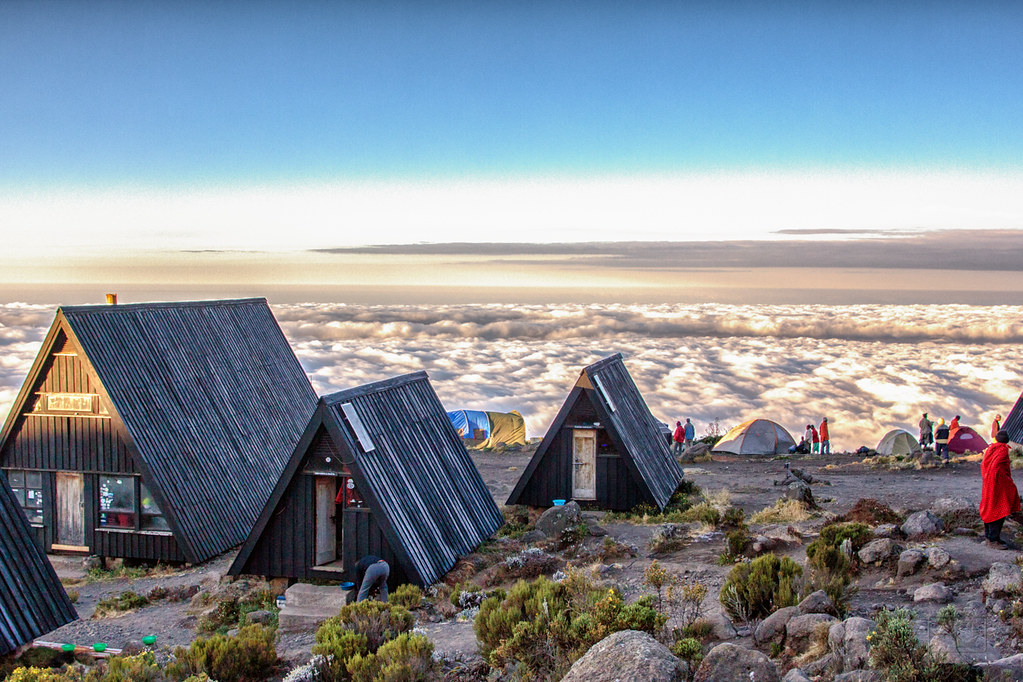
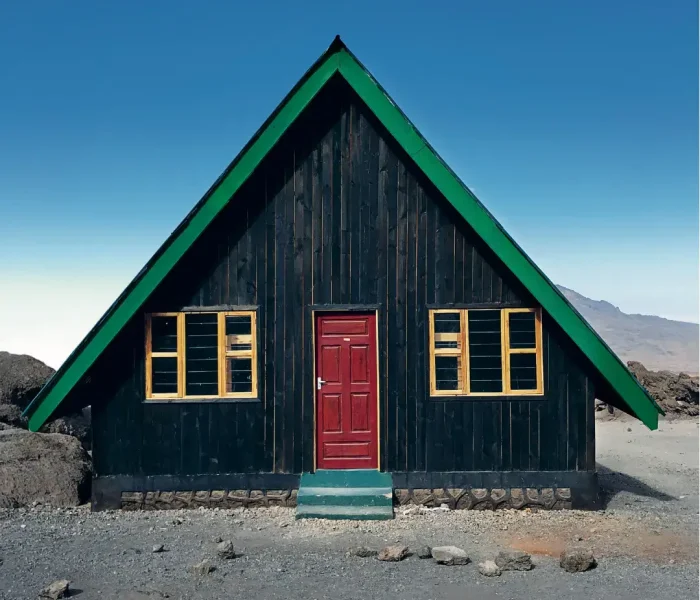
The dormitory-style huts along the Marangu Route offer additional shelter from wind and rain, making this route a popular choice for climbers during the rainy season (April and May). Mandara and Kibo Huts each have 60 bunk beds, while Horombo Hut accommodates up to 120 bunk beds, ensuring kilimanjaro climbers have a comfortable place to rest.
The trek along the Marangu Route typically takes 5-6 days to complete, including both ascent and descent. However, for a shorter experience or day trip on mount kilimanjaro, you can also do a one-day hike to Mandara Huts, the first stop along this route.
As the original route designed to reach the summit, the Marangu Route is considered one of the easier Kilimanjaro climbs due to its gradual slope and direct trail. With proper acclimatization, it offers a summit success rate of around 80%.
However, many climbers choose the 5-day itinerary, which doesn’t allow for adequate acclimatization, contributing to the route’s lower summit success rate of about 42%.
At Congema Safaris, we recommend our 6-day Marangu Route option, which includes an extra day for acclimatization, ensuring a higher chance of reaching the summit.
Mount Kilimanjaro
The 5-day Marangu route itinerary and package for climbing Mount Kilimanjaro offers an exhilarating journey to the summit of Africa,
Mount Kilimanjaro
The 6-day Mount Kilimanjaro climb via the Marangu route offers a journey to the summit of Mount Kilimanjaro,
On the Marangu Route, trekkers get on a fascinating journey through Kilimanjaro’s diverse ecological zones, each offering unique landscapes and experiences.
On this route, you’ll trail through a range of diverse vegetation zones, starting with misty rainforests, transitioning to moorlands, then reaching the alpine desert in the Saddle. As you approach Uhuru Peak, you’ll encounter rocky outcrops and, at higher altitudes, snow-covered terrain.
The Marangu Route trek begins in the lush, mist-covered rainforests at the base of the mountain. This area is teeming with life, including vibrant bird species, monkeys such as colobus and blue monkeys, and a rich variety of plant species like ferns and mosses.
The dense canopy creates a magical atmosphere, often accompanied by the sounds of rustling leaves and singing birds.
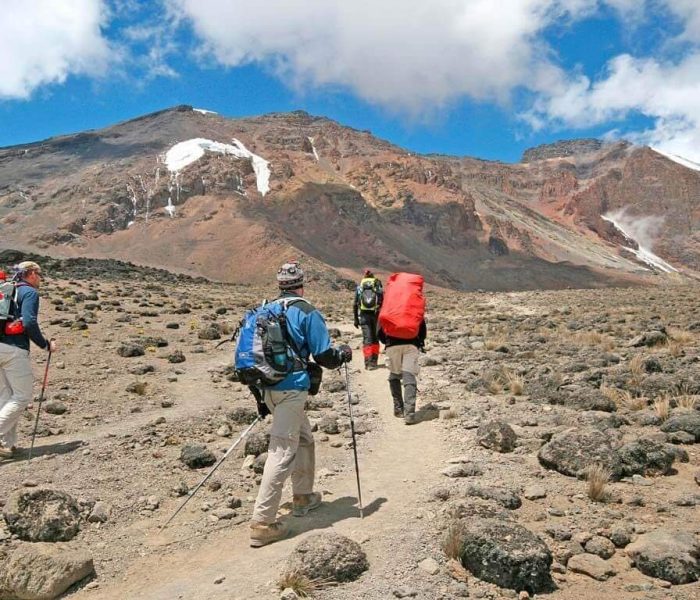
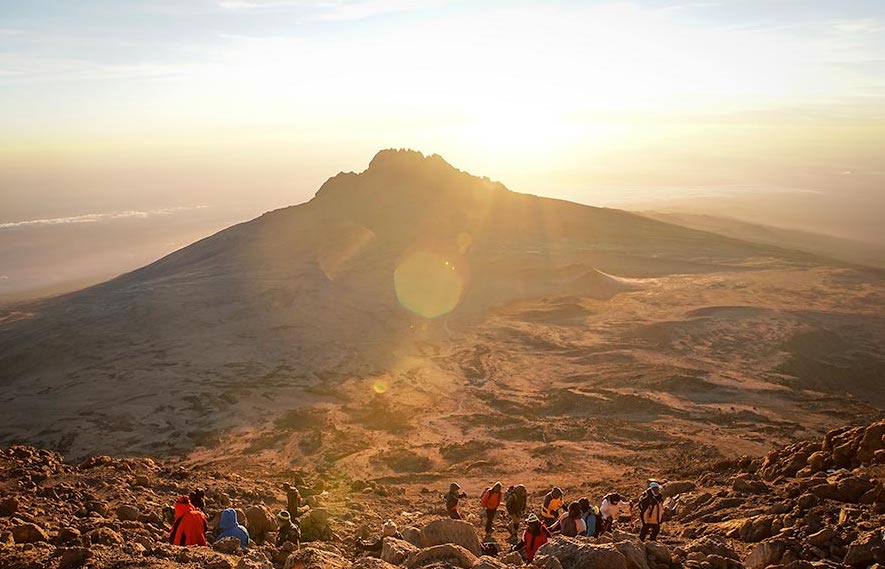
Further up the Marangu Route, the landscape transitions into the alpine desert, a barren and dry region known as “The Saddle,” which lies between the Kibo and Mawenzi peaks. This plain, moon-like terrain features volcanic rocks, sparse vegetation, and extreme temperature fluctuations between day and night. The vastness of this area is both humbling and awe-inspiring.
As you ascend the Marangu Route, the rainforest gives way to the moorland zone, characterized by rolling hills, heather, and large, otherworldly plants like giant lobelias and senecios.
This zone offers expansive views and a sense of solitude as the landscape becomes more open and less forested.
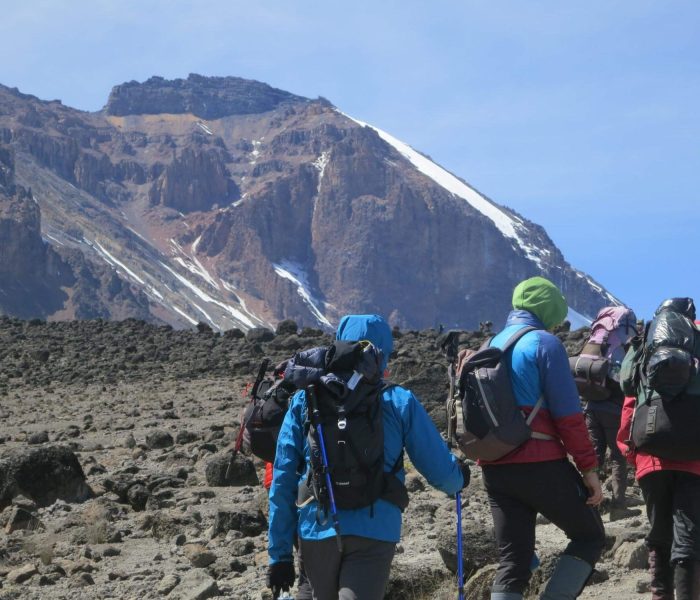
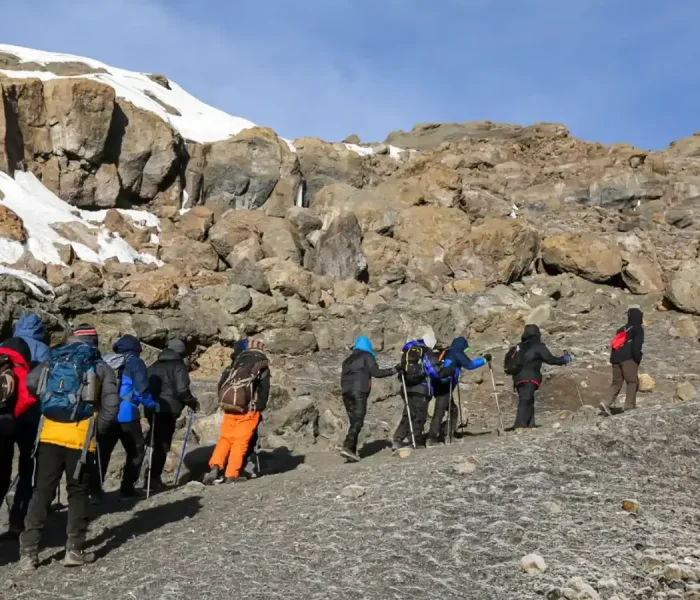
As you approach the summit of mountan kilimanjaro, the trail becomes steeper, and you’ll encounter rugged, rocky outcrops.
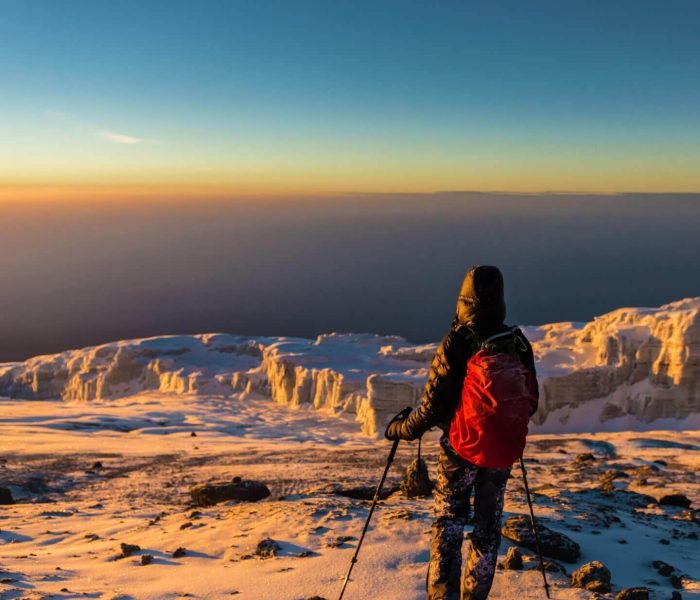
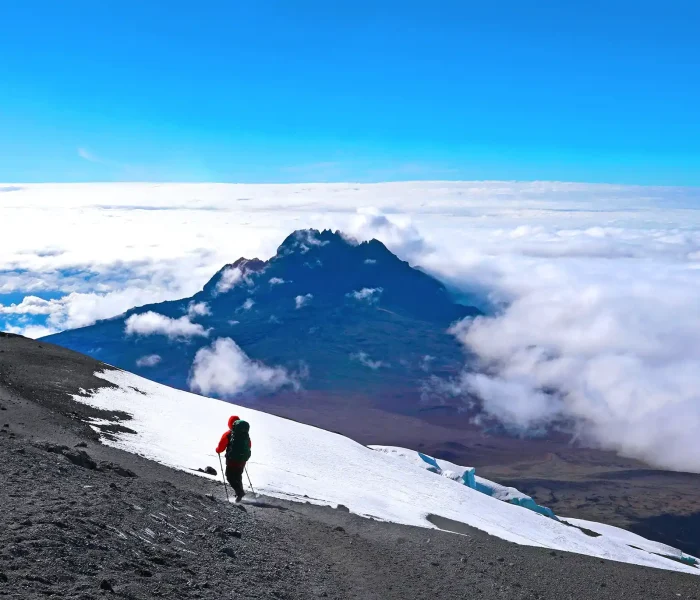
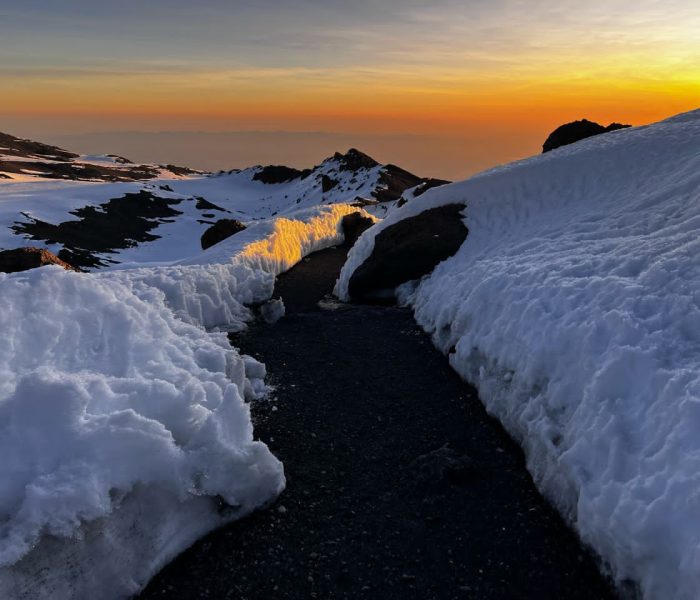
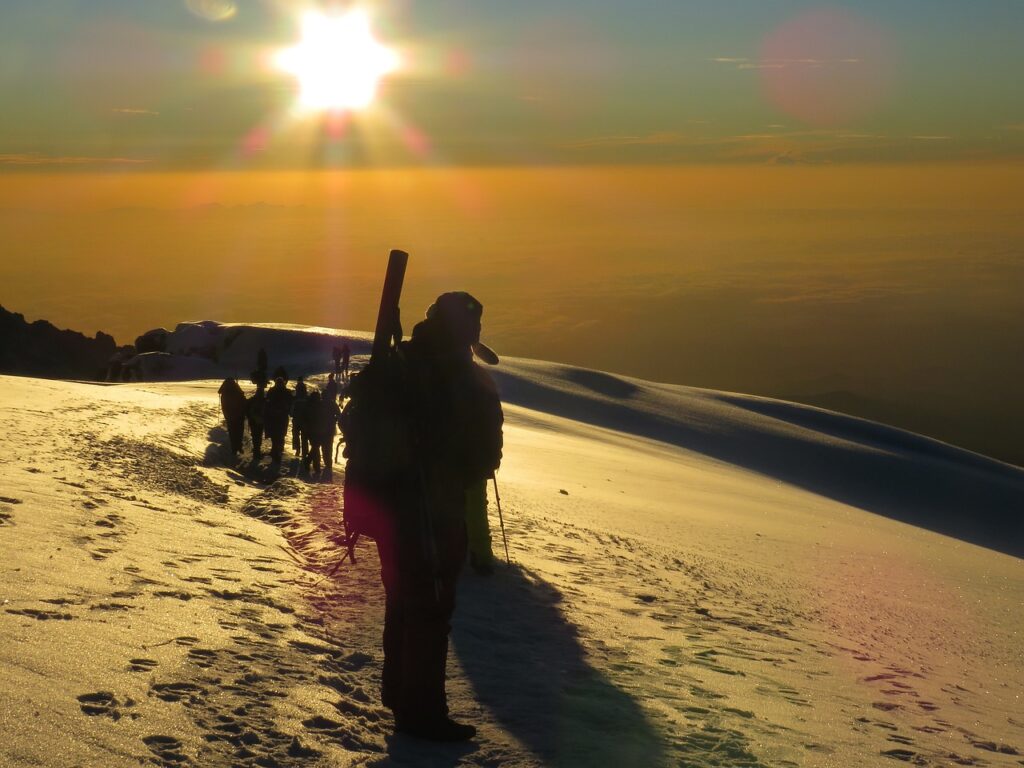
The air becomes thinner, and the temperature drops significantly. At higher altitudes, the terrain is often blanketed in snow, creating a dramatic and breathtakingly serene environment. The sight of the glistening ice fields and the iconic Uhuru Peak in the distance is unforgettable.
Each zone showcases the mountain’s unique ecological diversity, making the Marangu Route not only a physical challenge but also an incredible journey through Kilimanjaro’s natural wonders.


Organizing a safari in Kenya Destination, can be overwhelming due to the many choices available for transport, accommodation, and activities.
The Marangu Route on Mount Kilimanjaro is known for its scenic beauty, diverse landscapes, and the unique experience of climbing through lush forests, alpine meadows, and barren highlands. Here are the key attractions and places to see as you ascend the Marangu Route:
As you begin your trek from the Marangu Gate, you’ll enter a dense rainforest, filled with tall trees, exotic plants, and the sounds of chirping birds and wildlife. This lush area provides a refreshing start to the trek, offering a cool environment and stunning natural beauty. The Mandara Hut, located at around 2,700 meters, marks the first resting point where climbers can relax, take in the surroundings, and prepare for higher altitudes.
Along the trail from Mandara Hut to Horombo Hut, you’ll pass the Mandara Waterfall, a picturesque spot with cascading water surrounded by green foliage. It’s a perfect place to take a break and enjoy the natural scenery.
Between Horombo Hut and Kibo Hut lies the “Saddle,” a high-altitude desert-like plateau that offers panoramic views of the mountain. This area is less vegetated and more barren, with rocky terrain leading up to the summit. It’s a stark contrast to the lush lower zones and offers a surreal experience.
the zebra rocks on Mount Kilimanjaro are a fascinating geological feature, characterized by dark and light stripes resembling zebra patterns. These striking formations add a unique visual element to the journey. The rocks are typically found along the Marangu Route, and visiting them offers climbers a great opportunity for acclimatization.
On the 6-day Marangu Route, climbers often make a detour to the Zebra Rocks on day three of their ascent. This acclimatization day is important, as it allows trekkers to familiarize themselves with the higher altitudes and reduce the risk of altitude sickness before returning to the Horombo Huts for the night. The extra day of acclimatization helps increase the success rate of reaching the summit
However, climbers opting for the 5-day Marangu Route do not have this additional acclimatization day. Instead, they continue directly to the Horombo Huts on the third day, which can be challenging without enough time to properly adjust to the altitude.
The Marangu Route is the only route on Mount Kilimanjaro that offers dormitory-style accommodation in the form of huts, making it the perfect choice for climbers who prefer not to camp in tents.
This unique feature provides added comfort and protection from the elements, ensuring a more pleasant experience, especially for those who are new to trekking or prefer a bit more comfort during their climb.
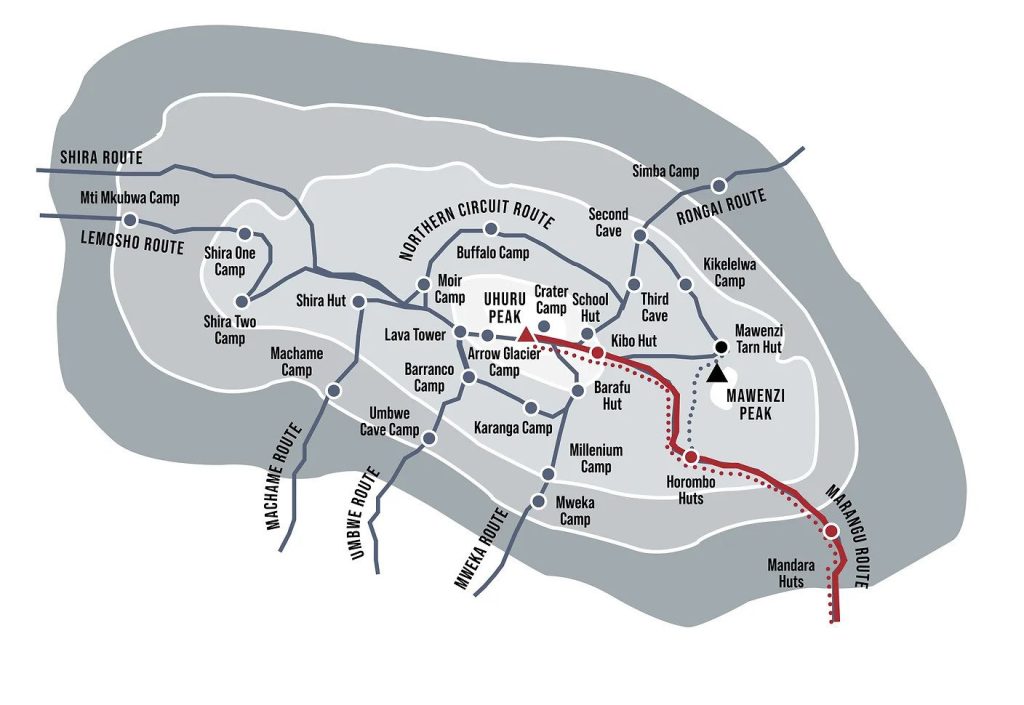
The Marangu Route ascends to the Uhuru Peak, the highest point on Mount Kilimanjaro, from the southeastern side of the mountain. This trail is unique in that it follows the same path for both the ascent and descent, unlike other routes that use separate trails for descending.
While the Marangu Route offers breathtaking views of the mountain’s diverse ecosystems ranging from lush rainforests to alpine deserts the lack of variation in the trail can make the journey feel repetitive. For climbers seeking more dynamic scenery, other routes like the Machame or Lemosho may provide a more rewarding experience, as they feature distinct ascent and descent paths.
The Marangu Route, being one of the shortest paths to Kilimanjaro’s summit, unfortunately, has the lowest summit success rate. This is largely due to taking on the condensed 5-day itinerary, which doesn’t allow adequate time for acclimatization. The average success rate for the 5-day trek is a mere 42%.
To ensure our hikers have the best chance of reaching Uhuru Peak, we exclusively offer the 6-day itinerary. This extended option provides better acclimatization and boosts the summit success rate to an impressive 80%. With proper preparation and guidance, your Marangu Route experience can be both rewarding and successful.
The Marangu Route is often considered less scenic compared to other Kilimanjaro routes, as both the ascent and descent follow the same path.
However, this route still offers breathtaking landscapes. Trekkers will journey through lush rainforests, vast moorlands, stark high-altitude deserts, and the icy arctic summit.
While other routes provide greater diversity by featuring different ascent and descent trails, the Marangu Route still delivers stunning natural beauty, showcasing Kilimanjaro’s unique ecological zones.
The cost of climbing the Marangu Route varies depending on the number of days. For a private climb on the 5-day Marangu Route, our current pricing starts at $1,600 per person.
The Marangu Route spans a distance of about 82 km (50 miles).
The Marangu Route is often perceived as an ‘easy’ option for climbing Kilimanjaro, but this reputation can be misleading. While it does provide added comforts like hut accommodations, a shorter trek, and the absence of the steep Barranco Wall, its quick ascent schedule often leads to inadequate acclimatization. This, in turn, reduces the chances of successfully reaching the summit.
Among all the Kilimanjaro routes, the Marangu Route has one of the lowest summit success rates. Although there are no official figures, the average success rate across operators is estimated to be around 50%, making proper preparation and acclimatization crucial for a successful climb.
The ideal time to climb Mount Kilimanjaro via marangu route is between July and September, as this period boasts the most stable weather conditions, minimizing the likelihood of rain. Thanks to Kilimanjaro’s proximity to the equator, trekking is possible year-round. However, it’s wise to avoid the rainy season in April and May, as these months bring the heaviest rainfall, which can make the trek more challenging. By choosing the drier months, you enhance your chances of a safer and more enjoyable ascent.
The Marangu Route is unique among Kilimanjaro’s trekking paths because it provides hut accommodations rather than requiring camping. This makes it a preferred choice for climbers seeking added comfort and protection from the elements. Below is a breakdown of where you’ll stay along the Marangu Route:
Altitude: 2,720 meters (8,858 feet)
Features:
Located within the lush rainforest zone.
Offers 60 bunk beds with shared dormitory-style sleeping arrangements.
Facilities include flush toilets and access to running water.
A shared dining hall for meals.
Altitude: 3,720 meters (12,204 feet)
Features:
Positioned in the scenic moorland zone, surrounded by unique alpine vegetation.
The hut has 120 bunk beds, providing ample space for climbers.
Shared dining and sleeping facilities.
Toilets are a mix of flushable ones and pit latrines.
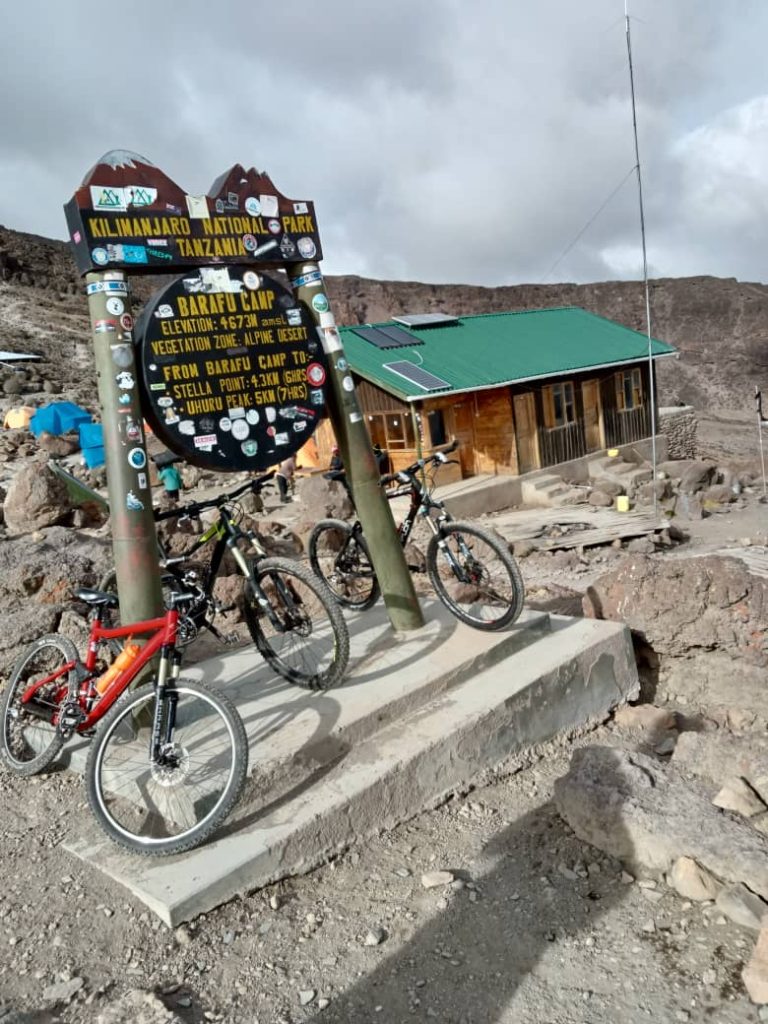
Altitude: 4,720 meters (15,430 feet)
Features:
Located in the alpine desert zone, close to the summit.
Offers 60 bunk beds in a more basic setup.
Facilities include pit latrines, as water becomes scarce at this altitude.
A shared dining area where trekkers prepare for their summit push.
The hut accommodations make the Marangu Route an excellent choice, especially during the rainy season (April and May). This setup not only adds convenience but also provides a reprieve from the challenges of camping. However, the shared nature of the huts requires climbers to embrace a communal experience.
Climbing with the right preparation ensures a comfortable and enjoyable trek on this historic and scenic route.
The Marangu Route is a favorite among first-time climbers seeking to avoid the challenges of camping on Mount Kilimanjaro.
It’s the only route on the mountain offering full dormitory-style hut accommodations, providing a level of comfort not found on other trails.
Mandara Hut and Kibo Hut each have 60 bunk beds, while Horombo Hut boasts 120 bunk beds.
The huts include bedding essentials like mattresses and pillows, although climbers must rent or purchase sleeping bags separately.
Dormitories are shared, offering open-style accommodations with other trekkers.
Lower Altitudes (Mandara and Horombo Huts):
Flushable toilets and running water add convenience.
Shared dining halls provide a communal space for meals and socializing.
Higher Altitudes (Kibo Hut):
Facilities become more basic, with pit latrines and no running water.
Limited amenities at higher elevations require climbers to prepare for simpler living conditions.
Beyond the convenience of hut accommodations, the Marangu Route is one of the most popular and beginner-friendly paths due to its gradual slope and direct trail to the summit. However, it’s crucial to note that the 5-day itinerary doesn’t allow sufficient acclimatization, significantly reducing success rates. At Congema Safaris, we recommend the 6-day option for a better chance of reaching the summit while enjoying a safe and comfortable journey.
The Marangu Route, often referred to as the “Coca-Cola Route,” offers unique advantages in terms of comfort and acclimatization. However, it’s important to understand the challenges associated with this route, particularly for climbers aiming for successful summits.
Altitude: 2,720 meters (8,858 feet)
Features:
Located within the lush rainforest zone.
Offers 60 bunk beds with shared dormitory-style sleeping arrangements.
Facilities include flush toilets and access to running water.
A shared dining hall for meals.
While the route doesn’t always adhere strictly to this principle, the gradual ascent to Horombo Hut and Kibo Hut provides opportunities for altitude adjustment.
Trekkers who take acclimatization seriously and pace themselves increase their chances of reaching the summit.
Starting at 1,879 meters (6,102 feet) and ascending to Uhuru Peak at 5,895 meters (19,341 feet), climbers experience diverse altitude zones.
Proper hydration, steady pacing, and adequate rest are essential for managing these changes.
Relatively Gentle Terrain
The Marangu Route features a gradual incline, making it less physically demanding than some other routes.
This gentle slope contributes to the route’s reputation for comfort and ease, particularly for first-time climbers.
Choose the 6-Day Itinerary: Allowing an extra day at Horombo Hut improves your body’s ability to adjust to the altitude.
Stay Hydrated: Drink at least 3 liters of water daily to combat the effects of altitude.
Pace Yourself: Walk slowly to conserve energy and let your body adapt to the altitude.
Dress in Layers: Be prepared for varying temperatures as you climb through different climate zones.
Prepare Mentally: Understand that higher altitudes come with more basic facilities, so adaptability is key.
Despite its reputation as a shorter and simpler trek, the Marangu Route offers unique comforts not found on other routes, including hut accommodations. With proper preparation and the right itinerary, it can be a comfortable and rewarding path to Kilimanjaro’s summit.
Climbing Mount Kilimanjaro via the Marangu Route requires the right gear and equipment to ensure safety, comfort, and success. Here’s a list of essential items you’ll need for your trek:
Waterproof Jacket and Pants: Protect yourself from the unpredictable weather, especially in the rainforest zone.
Waterproof Backpack: Keep your belongings dry and safe, especially important for protecting electronics and documents.
Headlamp with Extra Batteries: Essential for night-time activities, including summit night. It allows you to keep your hands free while navigating in the dark.
Altitude Sickness Medication: Carry any prescribed medication and consider Diamox as a precaution against altitude sickness.
Reusable Water Bottle: Stay hydrated and keep the environment green by using a reusable water bottle. Ensure it’s durable enough for high-altitude use.
To make your climb on the Marangu Route as smooth and enjoyable as possible, it’s essential to focus on both physical and mental preparation.
Engage in activities like hiking, running, cycling, or swimming to improve your stamina and cardiovascular health.
Aim for at least 30-60 minutes of cardio exercise, 4-5 times a week, and leading up to your trek.
While the route doesn’t always adhere strictly to this principle, the gradual ascent to Horombo Hut and Kibo Hut provides opportunities for altitude adjustment.
Trekkers who take acclimatization seriously and pace themselves increase their chances of reaching the summit.
– If possible, simulate long hikes with a weighted backpack to mimic trekking conditions.
– Train on uneven terrain and gradually increase the difficulty to prepare for Kilimanjaro’s challenges.
– Stretch regularly to improve flexibility and prevent injuries.
– Include rest days in your training plan to allow your body to recover.
– Visualize yourself reaching Uhuru Peak and embrace the journey as a series of achievable milestones.
– Understand that the climb is as much about the experience as it is about reaching the summit.
– Familiarize yourself with the Marangu Route’s itinerary, terrain, and challenges.
– Being informed can reduce anxiety and help you feel more prepared.
A well-prepared climber not only enjoys the trek more but also increases their chances of reaching the summit.
By focusing on fitness and mental readiness, you’ll be equipped to tackle the Marangu Route with confidence and resilience, ensuring a rewarding and memorable Kilimanjaro adventure.
EXCELLENT Based on 271 reviews Crystel E2025-07-21Verified 7-day then two-day safari near Lake Natron Our safari went crescendo: Taranguire, Lake Manyara, Ngorongoro and finally the superb Serengeti (4 days). Luck was with us, especially in the immense plains of the Serengeti: leopards, deer, cheetahs, families of lions and elephants, warthogs, zebras, giraffes, sumptuous birds, hyenas, and I pass...a wonder! Magic!Our young Francophone guide, Samuel, shared his many knowledge with us with immense enthusiasm and was absolutely adorable with our two children, ages 7 and 9; Osman, our driver, did everything to please us and took us to see the impressive wildebeest migration. As for our very smiling cook, Clemens, he regaled us with his delicious dishes. At the end of our Tanzanian stay, we spent two days in the incredible landscapes of Lake Natron and sacred Lengai Mountain. What to end the stay in style near the Maasai populations! Malagouen I2025-07-07Verified An extraordinary journey! A big thank you to Sebastian for organizing our 3-day safari (Lake Manyara, Ngorongoro Crater and Tarangire). Our thanks also to our driver/guide Charles: kind, attentive and warm. He lent himself to the game of animal hunting with us.We return with our heads full of unforgettable memories! Thank you, Congema! AmandineMB2025-03-03Verified Unforgettable memories with family We were able to organize with Sébastien (French) the safari we wanted with our two children. He was able to respond to our request and was particularly responsive and good advice, before and until the end of the booking. We took plenty of eyes and the choice of accommodation was just perfect. Thank you very much to our guide Ousman for his dedication and understanding for our level of English. Ahmed Al Maktoum2025-02-24Verified It was a fascinating trip for us Congema Safaris offers unforgettable wildlife adventures across Tanzania’s stunning landscapes. Specialising in tailor-made safaris, we offer expertly guided trips to the Serengeti, Ngorongoro Crater, Tarangire and beyond. From the Great Migration, to encounters with the Big Five, to cultural experiences with local tribes, our personalised itineraries ensure an authentic African experience. With a commitment to sustainability and customer satisfaction, Congema Safaris offers safe, comfortable and immersive experiences. You can create your dream safari with them, a remarkable journey that blends adventure, luxury and conservation. Quentin P2025-02-10Verified Kilimanjaro - Lemosho route It was an unforgettable experience.We've felt safe.Big up to Paul, Isaac, Shafi, Kasim and all the stuff. Asante sana! Julia J2025-02-05Verified Kilimanjaro Tour - Lemosho route We had the chance to discover Kilimanjaro with the Congema team for 8 days on the road to Lemosho. We had an extraordinary experience! We were warmly welcomed by the team that became our surrogate family during its 8 days. Victor, our guide who knows Kilimanjaro like no one else offered us a personalized discovery of the place with the help of Freddy and Isaac the assistant guides. The team accompanied us step by step through the good times as well as the most difficult ones with kindness and generosity. This is one of the most intense physical, psychic and human experiments I have ever conducted. I'm glad I was able to do it with this dream team. We met some great people. I can only recommend stays with Congema. Thank you again. Julia Beau Alexander2025-02-03Verified I will come back to you again!! Congema Safaris offers unforgettable wildlife adventures in Tanzania, specializing in tailor-made safaris to Serengeti, Ngorongoro Crater, Tarangire, and beyond. With expert guides and personalized service, they ensure an authentic African experience, whether it's a luxury safari, budget camping, or cultural tour. Witness the Great Migration, encounter the Big Five, or explore remote wilderness areas. Congema Safaris prioritizes sustainability and responsible tourism, providing exceptional experiences while supporting local communities. Embark on a journey of a lifetime with Congema Safaris and discover Africa’s breathtaking beauty. Audrey D2025-02-03Verified Honeymoon Amazing stay it was beautiful that it was the place.Or We slept and especially the parks we visited. Thanks to Johnny for doing everything possible so that we could see all the animals and especially the Big Five. Thanks to congema we were very well received, everything was nickel thank you for accompanying us from the beginning to the end I strongly advise you if you have a Safari to do GoPlaces650352715492025-01-29Verified A beautiful discovery of Tanzania Beautiful trip to the 4 parks where we could see many animals and beautiful landscapes. Well appreciated camping formula. Thank you to our escorts. First of all, Osman, our super driver, a great tracker always in a good mood despite long hours driving in difficult conditions. His constant concern to find all the animals for our pleasure was greatly appreciated. Asante sana Osman.As for our super cook, Clemence, a real cordon bleu 👍 He made us discover Swahili cuisine and feast us from breakfast to dinner every day. Thank you, Clemence.And of course, Avith, our charming and dedicated French guide always at our service. His knowledge of animals was highly appreciated as well as his kindness.Thanks also to Andrea who took us to the Masai village of Olpopongi and who added to the program the visit of a super interesting local market. A very nice discovery of Tanzania and its kind and devoted inhabitants with Congema. We recommend 100%Martine & Eric Owen K2025-01-12Verified Their team ensures an immersive journey. Congema Safaris offers unforgettable wildlife adventures across Tanzania’s most iconic destinations. Specializing in tailor-made safaris, Congema provides unique experiences in Serengeti, Ngorongoro Crater, and Mount Kilimanjaro. Their expert guides ensure an immersive journey into Tanzania’s diverse ecosystems, showcasing the Big Five, wildebeest migrations, and breathtaking landscapes. Committed to sustainable tourism, Congema partners with local communities to promote conservation and cultural exchange. Whether it’s a luxury lodge safari or a budget-friendly camping adventure, Congema Safaris guarantees personalized service and memories to last a lifetime. Explore Tanzania with Congema for an adventure like no other!Verified by TrustindexTrustindex verified badge is the Universal Symbol of Trust. Only the greatest companies can get the verified badge who has a review score above 4.5, based on customer reviews over the past 12 months. Read more
Choose a destination, pick your properties, and we’ll do the rest
© 2026 Congema Safaris. All rights reserved.