EXPLORE

Kilimanjaro Mountain

Mountain Kilimanjaro Machame Route
Picture of Chat to an Kenya Safari expert

Chat to an Kenya Safari expert

Get advice and suggestions to make this your perfect trip. or call us on:
+255 755 003116

Picture of Chat to an Kenya Safari expert

Chat to an Kenya Safari expert

Get advice and suggestions to make this your perfect trip. or call us on:
+255 755 003116

Route Overview

The Machame Route, famously referred to as the “Whiskey Route,” is a classic and highly popular trail for climbing Mount Kilimanjaro. Known for its breathtaking scenery and diverse landscapes, this route is a favorite among Kilimanjaro Climbers. At Congema Safaris we organize numerous Kilimanjaro climbing expeditions along the Machame Route every year, ensuring an unforgettable experience for adventurers.

Starting in the lush tropical rainforest, the Machame Route offers both 6-day and 7-day itineraries. The 7-day option is particularly recommended for its superior acclimatization profile, resulting in a higher summit success rate. This route is ideal even for beginners, providing a well-rounded Kilimanjaro experience.
Trekkers on the Machame Route will journey through all five of Kilimanjaro’s climatic zones, from rainforest to alpine desert. Highlights include scaling the stunning Barranco Wall and encountering the unique Dendrosenecio kilimanjari, an otherworldly plant species found exclusively on Mount Kilimanjaro. With incredible views and a rewarding trail, the Machame Route remains a top choice for climbers seeking an unforgettable adventure to Mount Kilimanjaro Uhuru Peak.
The Machame Route on Mount Kilimanjaro is a seven or six-day camping adventure renowned for its exceptional acclimatization opportunities and diverse scenery. Machame route has become a favorite among Kilimanjaro Climbers, with approximately 35% of all Kilimanjaro Climbers choosing this trail.

A significant advantage of the Machame Route is its seven-day itinerary, which begins on the southwest side of the mountain and gradually circles to the southeast. This route allows climbers to sleep at the same altitude for three consecutive nights, a strategy that greatly improves altitude acclimatization. As a result, our summit success rate on this route is an impressive 95%.

While the route can technically be completed in six days by skipping the Karanga Valley and heading directly to Barafu, this shortcut often results in increased altitude sickness and a significantly lower success rate. For a safer and more successful kilimanjaro climb, the seven-day package is the ideal choice.

Explore Machame RouteItinerary

Mount Kilimanjaro

6 Days Machame Route

The 6-day Machame route variant offers a challenging trek that is shorter yet still takes climbers to the summit of Kilimanjaro.

Mount Kilimanjaro

7 Days Machame Route

The 7-day Machame route variation for climbing Mount Kilimanjaro via the popular Machame route is considered the optimal choice for this trek.

THE MACHAME ROUTE ON KILIMANJARO

ROUTE DESCRIPTION

The Machame Route approaches Mount Kilimanjaro from the southern side, starting with a short drive from Moshi/Arusha to Machame Gate. The journey begins with a trek through the lush rainforest zone, offering breathtaking scenery and diverse flora and fauna. The trail then ascends to the Shira Plateau, where it intersects with several other Kilimanjaro routes.
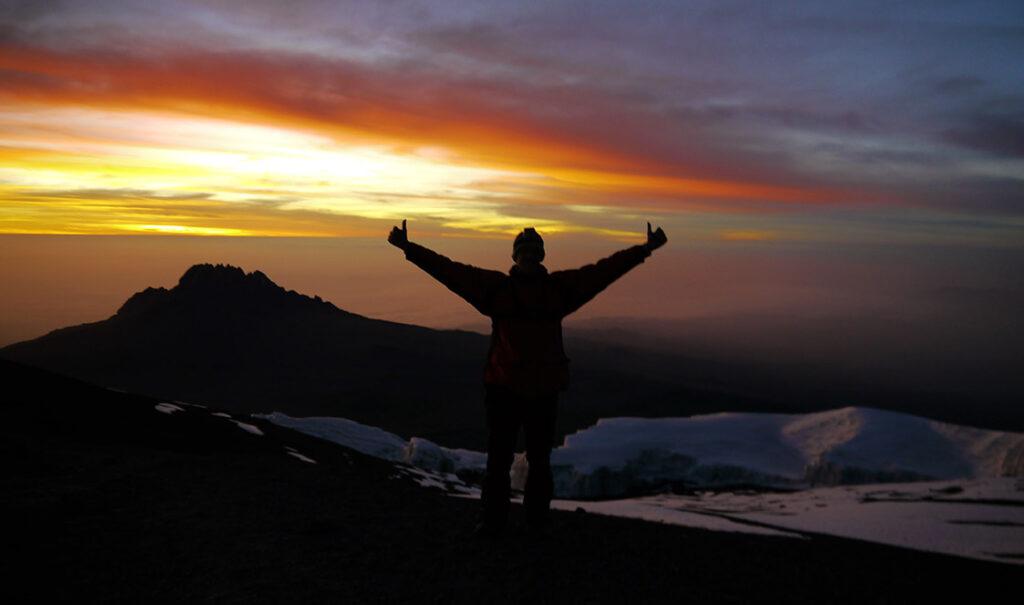
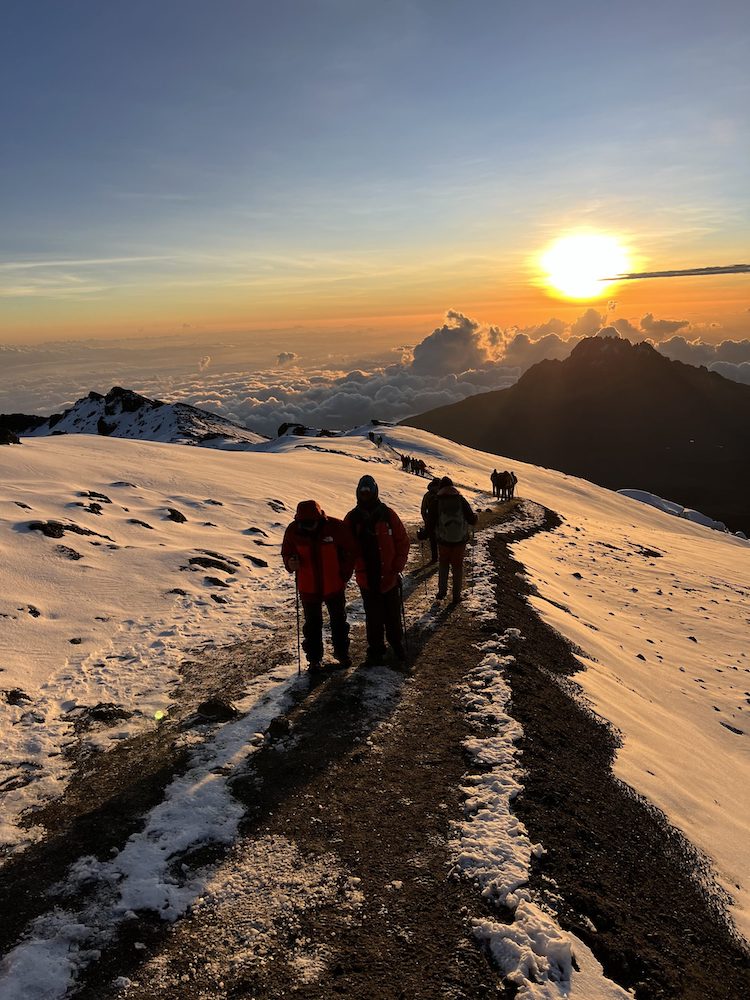
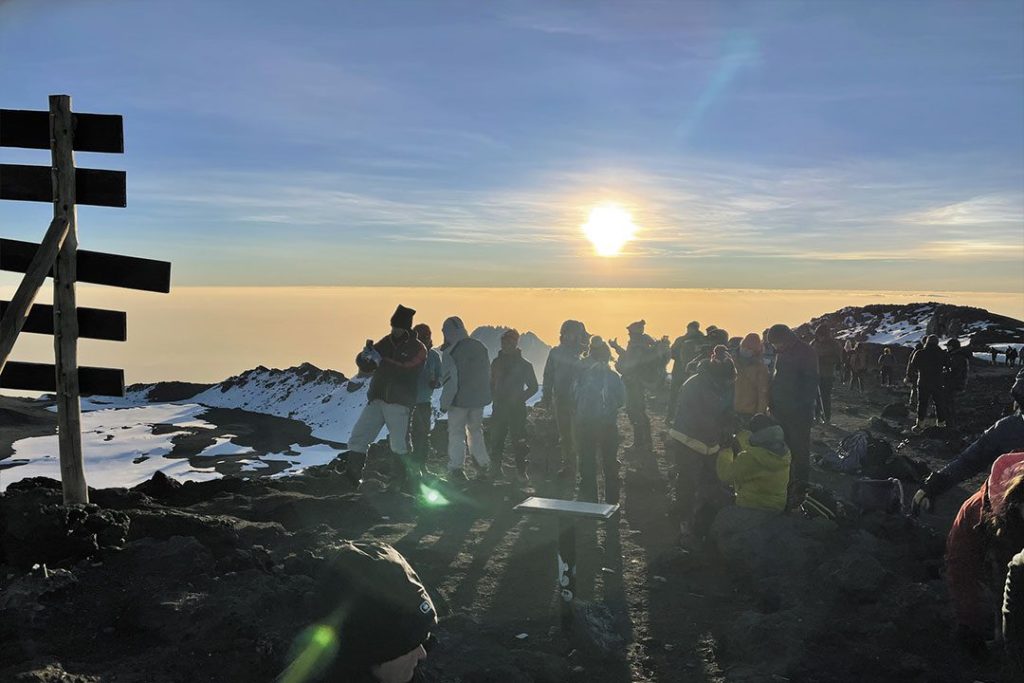
From the Shira Plateau, the route takes an eastern turn, traversing beneath the spectacular Southern Ice Field along the renowned Southern Circuit. This stretch offers incredible views of Kilimanjaro’s glaciers and dramatic landscapes. The final ascent to the summit is made from Barafu Camp, culminating in an unforgettable sunrise at Uhuru Peak.

The descent follows the Mweka Route, allowing climbers to experience a different trail while heading back down through the mountain’s varied ecosystems. This combination of unique landscapes and well-structured paths makes the Machame Route a favorite for climbers seeking a scenic and adventurous Kilimanjaro experience.

gallery

Picture of Planning Your Safari

Planning Your Safari

Organizing a safari in Kenya Destination, can be overwhelming due to the many choices available for transport, accommodation, and activities.

Reviews and Rates

Machame Route

KEY ATTRACTIONS AND PLACES TO SEE AS YOU ASCEND this ROUTE

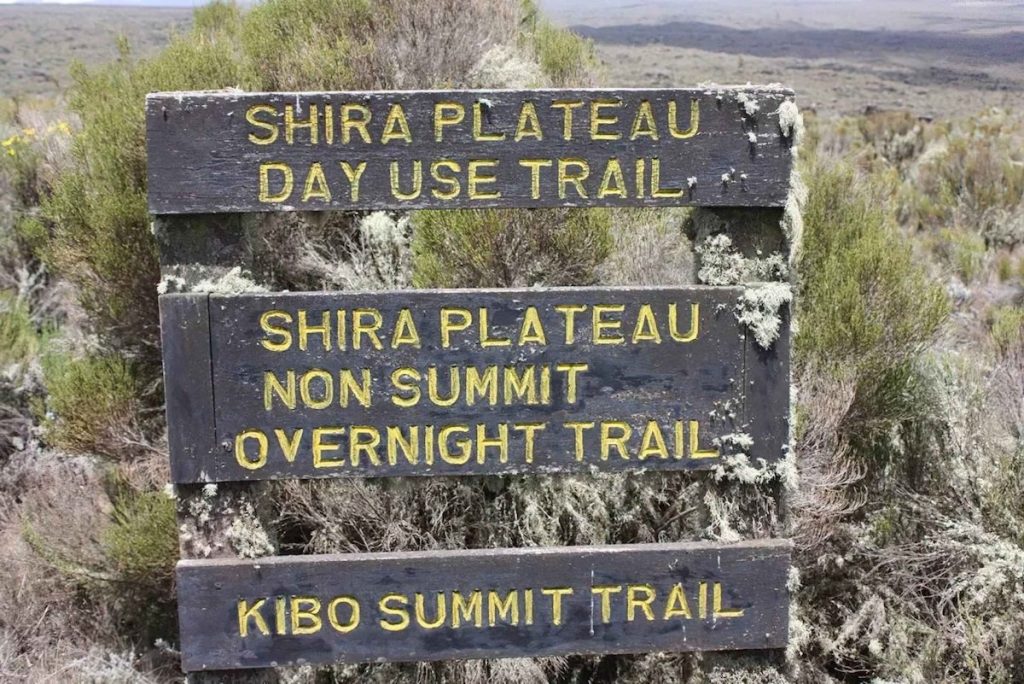
Shira plateau

The Shira Plateau is a must-visit feature of Mount Kilimanjaro, offering adventurers a chance to experience the mountain’s beauty without summiting the iconic Uhuru Peak. Located on the western side of the mountain, this expansive plateau provides stunning panoramic views of Mount Kilimanjaro and the surrounding landscapes, making it a rewarding stop for trekkers and climbers alike.

Stretching approximately 13 kilometers across, the Shira Plateau lies at an altitude of 3,500 to 3,962 meters (11,483-12,999 feet) above sea level. This makes it one of the highest plateaus in the world. Its unique formation dates back around 500,000 years, when a massive volcanic eruption led to the creation of an ancient caldera (volcanic crater). Over time, erosion transformed this crater into the flat plateau that exists today, nestled at the base of the volcanic pit.

Shira Highlights of the Shira Plateau

Breathtaking Views
From the Shira Plateau, climbers can enjoy unparalleled vistas of Mount Kilimanjaro’s peak and its diverse surroundings, including forests, plains, and distant hills.

The plateau is home to a variety of vegetation, transitioning from lush rainforests to sparse alpine landscapes, offering a glimpse into Kilimanjaro’s unique ecological zones.

The Shira Plateau is a perfect destination for those who want to experience the thrill of climbing Kilimanjaro without attempting the full summit. It’s commonly included in treks along the Lemosho and Shira routes, making it accessible to many climbers.
  • Acclimatization: The plateau serves as an excellent stop for trekkers acclimatizing to high altitudes.
  • Photography: Its sweeping landscapes and dramatic mountain views make it a favorite for photographers.
  • Geological Significance: Its formation story adds a fascinating element to your Kilimanjaro adventure.

Whether you’re a seasoned climber or a first-time trekker, the Shira Plateau offers a unique and unforgettable experience on your journey up Mount Kilimanjaro.

Lava Tower Camp

A Must-Stop for Kilimanjaro Climbers

For adventurous trekkers aiming to summit Mount Kilimanjaro, the Lava Tower Camp is a significant and memorable stop.

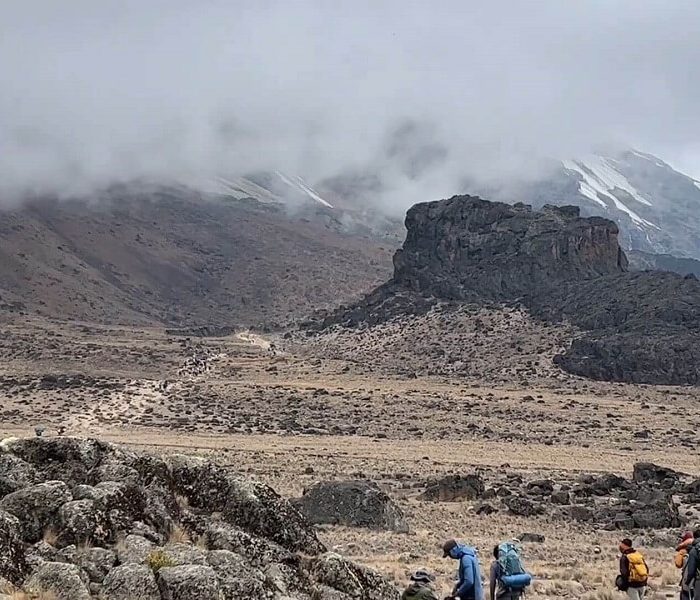
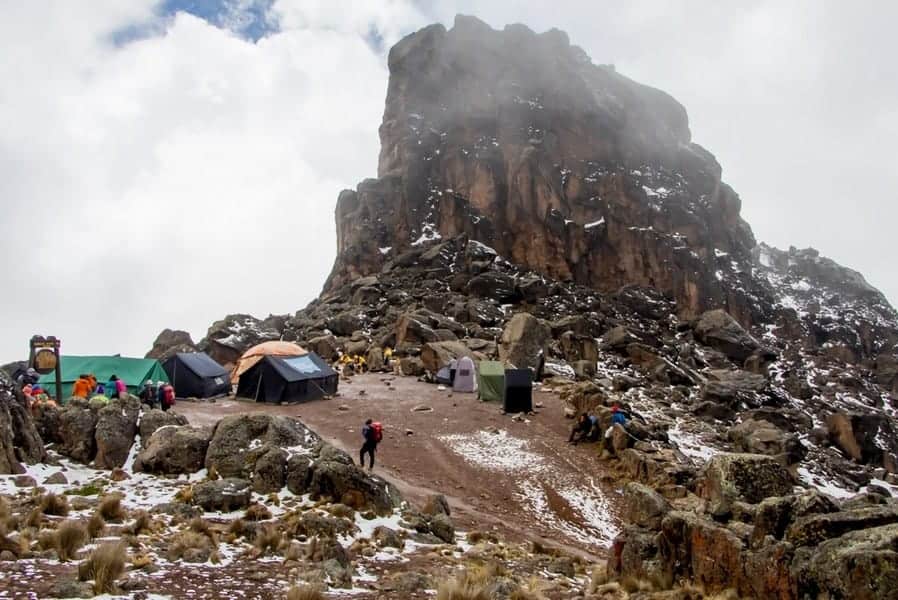
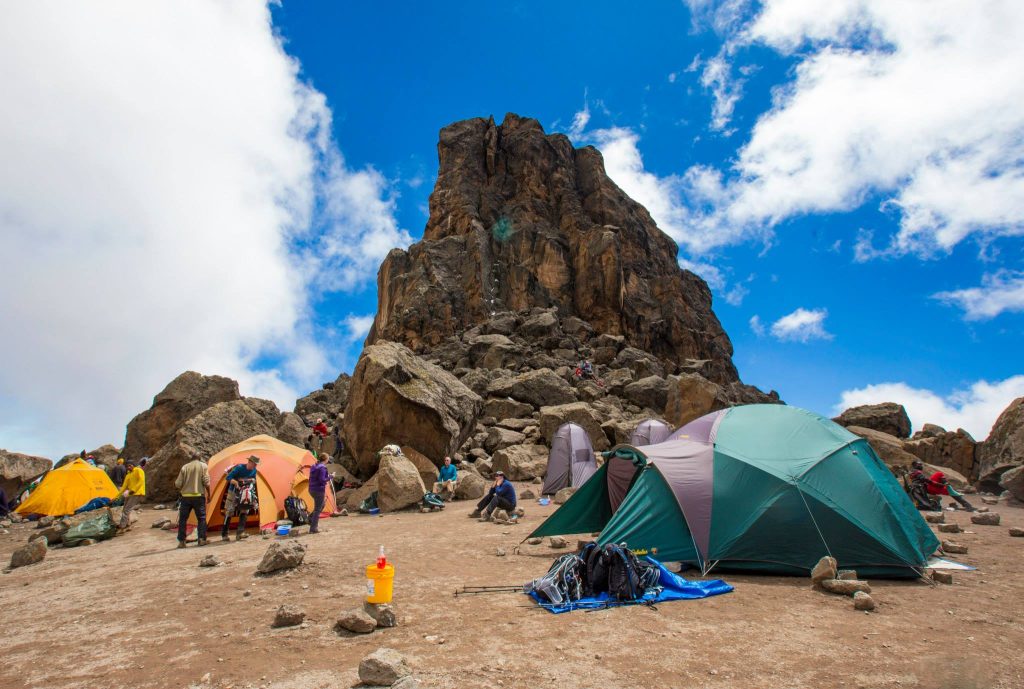
Situated at an altitude of 4,600 meters (15,091 feet) above sea level, this campsite lies within the alpine zone, offering a stark and rugged landscape that stands in contrast to the lower vegetation-rich areas of the mountain. It serves as a key acclimatization point for climbers traversing several popular routes.

What Is the Lava Tower?

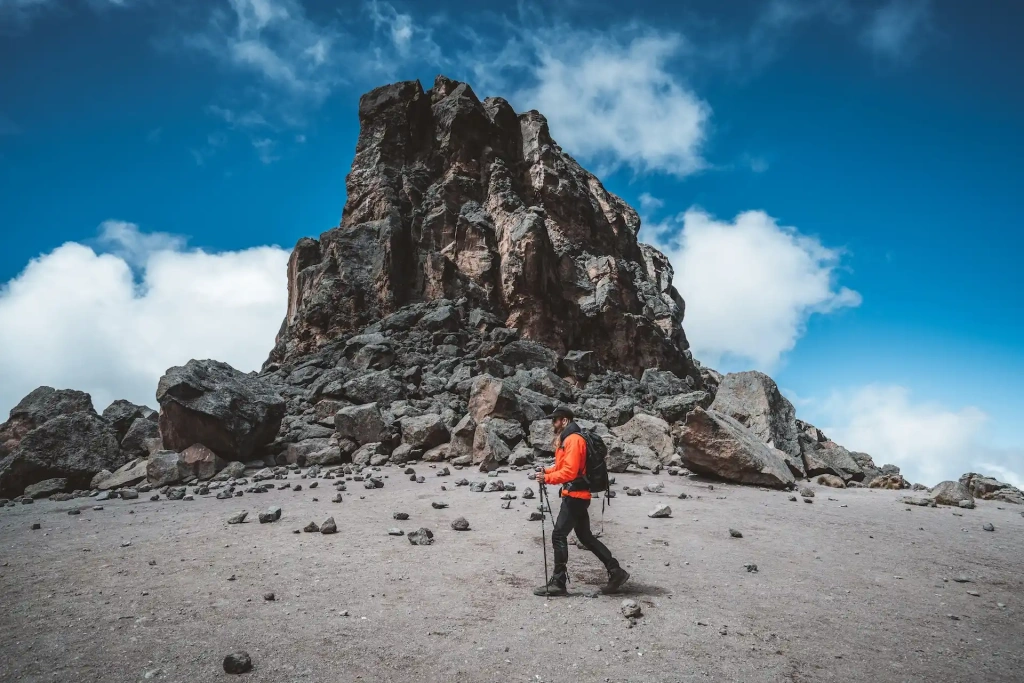
The Lava Tower itself is a striking geological feature and one of Kilimanjaro’s most iconic landmarks. This ancient volcanic formation is believed to have originated from a volcanic vent during one of the mountain’s active phases. When molten lava erupted from this vent, it cooled and hardened, eventually sealing the vent and creating a steep, tower-like structure that gives the feature its name.

Why Is Lava Tower Important?

Acclimatization:

At 4,600 meters, spending time at Lava Tower helps trekkers adjust to higher altitudes, a crucial step for preventing altitude sickness and ensuring a successful summit.

Lava Tower’s dramatic and otherworldly appearance, surrounded by sweeping alpine terrain, provides an incredible photo opportunity and a chance to appreciate Kilimanjaro’s volcanic history.

The area around Lava Tower is popular for short climbs or scrambles, offering adventurous climbers an additional challenge and a unique perspective of the region.

  • Altitude Challenge: The air is thinner here, so climbers may feel the effects of altitude, including fatigue and shortness of breath. Proper acclimatization and hydration are key.
  • Minimal Vegetation: The alpine zone is characterized by rocky terrain, sparse vegetation, and cooler temperatures, adding to the camp’s rugged charm.
  • Unforgettable Views: Climbers are treated to panoramic views of Kilimanjaro’s peak, surrounding ridges, and valleys below.

Several Kilimanjaro routes include a stop at Lava Tower, most notably:

  • Machame Route: Known as the “Whiskey Route,” it features a challenging and scenic trek with an acclimatization stop at Lava Tower.
  • Lemosho Route: A longer, scenic path that also utilizes Lava Tower for acclimatization.

Shira Route: This route approaches the Lava Tower from the west, offering a unique perspective of the tower.
Whether you’re there to rest, acclimatize, or marvel at its natural beauty, Lava Tower Camp is an integral part of the Kilimanjaro experience, leaving climbers with unforgettable memories as they continue their journey to the summit.

Barranco wall

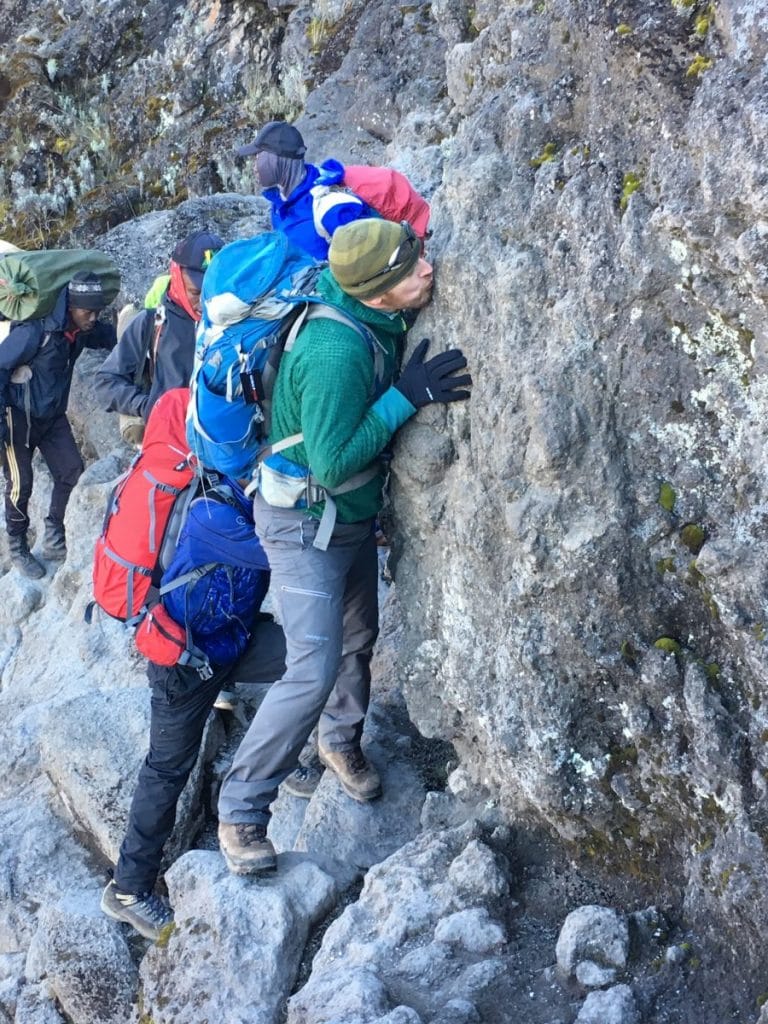
The Barranco Wall, also known as the “Breakfast Wall”, is one of the most iconic and talked-about features on Mount Kilimanjaro. Located along the mountain’s popular Machame and Lemosho routes, it rises to an impressive elevation of 257 meters (843 feet). Despite its intimidating appearance, the Barranco Wall is not a technical climb. Instead, it’s a scramble, meaning climbers use their hands for support on steep sections, but no specialized mountain climbing skills or equipment are necessary.

How was the Barranco Wall Formed?

The Barranco Wall, like the rest of Mount Kilimanjaro, was shaped by ancient volcanic activity. As lava flows cooled and hardened over millennia, they formed the rugged cliffs and unique terrain visible today. The wall is part of the mountain’s alpine desert zone, characterized by rocky outcrops and sparse vegetation.

How was the Barranco Wall Formed?

The Barranco Wall, like the rest of Mount Kilimanjaro, was shaped by ancient volcanic activity. As lava flows cooled and hardened over millennia, they formed the rugged cliffs and unique terrain visible today. The wall is part of the mountain’s alpine desert zone, characterized by rocky outcrops and sparse vegetation.

What to Expect while navigating the Baranco Wall

The thoughts of climbing the Barranco Wall might feel overwhelming, especially for first-time trekkers. However, the ascent is both manageable and rewarding. Here’s what to expect:

Physical Effort:
The climb is steep and requires balance and coordination, but it’s more like hiking with the use of hands for support rather than traditional rock climbing.
It takes 1 to 2 hours to scale the wall, depending on the group’s pace.
The wall provides some of the best panoramic views of the mountain and surrounding landscapes, making it one of the most memorable parts of the Kilimanjaro climb.

With the guidance of our experienced Kilimanjaro climbing guides, you will navigate the Barranco Wall safely and effectively.

  • Listen to Your Guide: Follow their instructions carefully to navigate tricky sections.
  • Take Your Time: Slow and steady wins the race; there’s no rush to climb quickly.
  • Stay Hydrated: Drink plenty of water to stay energized.
  • Use Your Hands: Don’t hesitate to use your hands to stabilize yourself while climbing.
  • Enjoy the Views: Pause occasionally to take in the stunning scenery, it’s part of the experience!

The Barranco Wall is a highlight of any Kilimanjaro climb, combining adventure, challenge, and breathtaking vistas. While it may seem daunting at first glance, most climbers find the experience exhilarating and rewarding.

WHAT MAKES THE MACHAME ROUTE SO SPECIAL?

The Machame Route is one of the most famous and sought-after routes for climbing Mountain Kilimanjaro, and its popularity can be attributed to several factors:

How was the Barranco Wall Formed?

The route is renowned for its breathtaking landscapes and the opportunity to trek through five distinct ecological zones:  

  • Rainforest: Lush greenery, waterfalls, and unique wildlife.
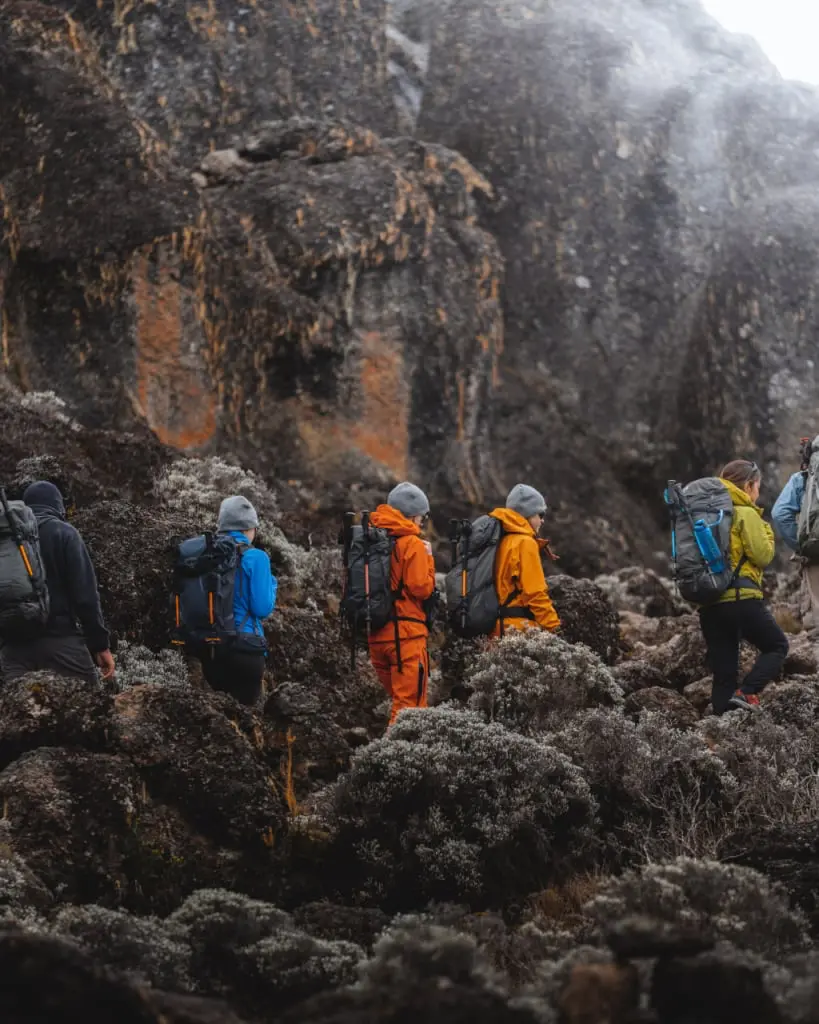
  • Moorland: Rolling heathers and alien-like plants like the Dendrosenecio kilimanjari.
  • Alpine Desert: Stark, lunar-like terrain with dramatic views.
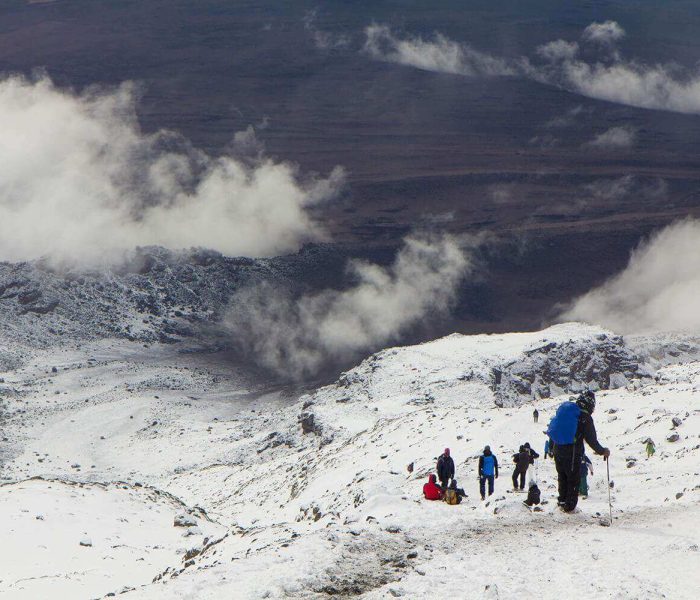
  • Arctic Zone: Snowfields and glaciers near the summit.

This variety offers climbers an unforgettable visual and sensory experience.  

2. High Summit Success Rates

The “climb high, sleep low” acclimatization profile of the Machame Route greatly enhances climbers’ chances of reaching the mount kilimanjaro summit.

With a 7-day itinerary, trekkers have adequate time to adapt to the altitude, resulting in an average success rate of 85%-95%, depending on the operator. Congema safaris historical data determines our success rate on this route is 95%.

3. Challenging Yet Achievable

The route is often called the “Whiskey Route” to reflect its steeper and more adventurous path compared to the easier “Coca-Cola Route” (Marangu). While it requires a moderate level of fitness, it is still achievable for beginners with preparation and determination, making it an exciting and rewarding challenge.

4. Balanced Trek Duration

The 6- or 7-day itineraries offer enough time to acclimatize without being overly long or expensive. The 7-day option is particularly popular for its better summit success rates and less rushed pace.  

5. Picturesque Campsites

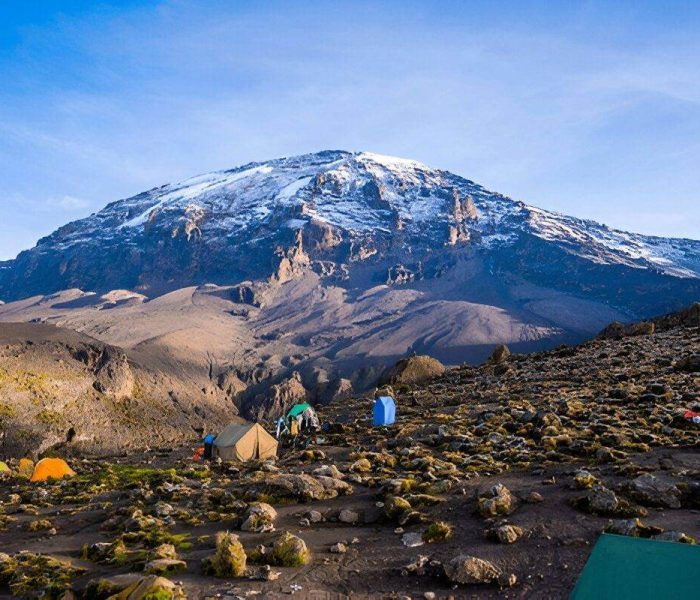
The route’s campsites, such as Machame Camp, Shira Cave Camp, and Barranco Camp, are strategically located to offer climbers breathtaking views of the mountain, glaciers, and surrounding landscapes.

6. Accessible Starting Point

The trek begins at Machame Gate, which is conveniently located just a short drive from Moshi or Kilimanjaro International Airport, making logistics straightforward for international travelers.

The Machame Route’s combination of stunning scenery, high summit success rates, and moderate challenge has made it a favorite among Kilimanjaro climbers, both beginners and experienced trekkers alike.

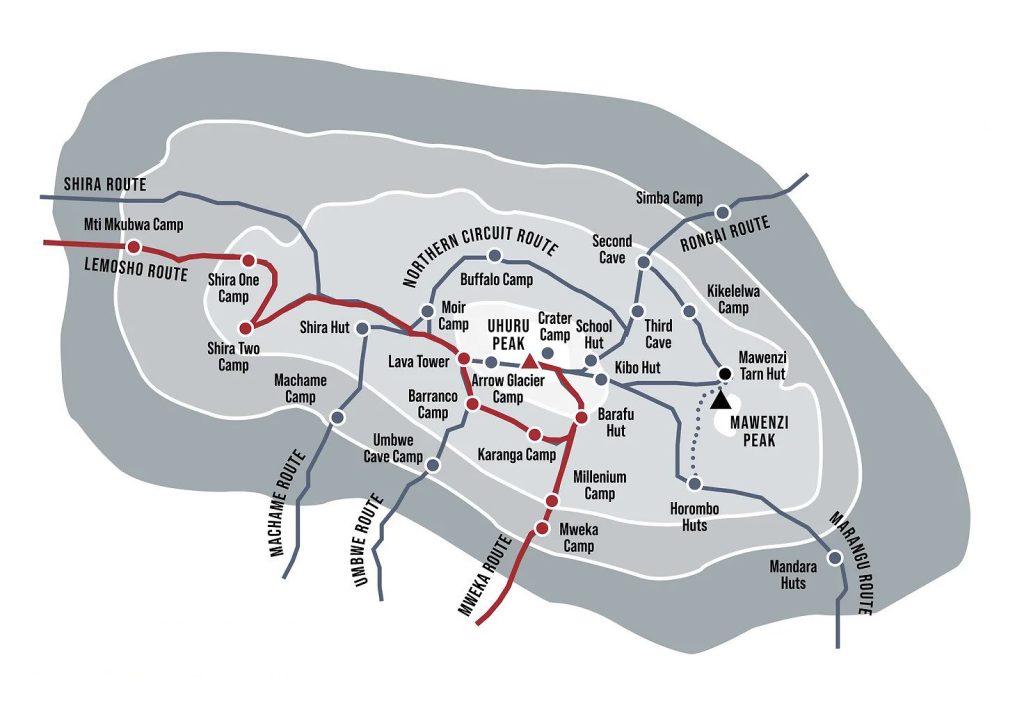
MACHAME ROUTE MAP: FROM START TO FINISH

The Machame Route, also known as the “Whiskey Route,” is one of the most popular paths to ascend Mount Kilimanjaro. Starting from the southwest at Machame Gate, this route traverses through diverse ecological zones, from lush rainforests to the alpine desert. The route map outlines a scenic journey where trekkers first hike to Machame Camp, then proceed to Shira Camp on the second day.

The path continues through the Lava Tower for acclimatization, then circles around the southern side of the mountain via the Barranco Wall, Karanga Camp, and finally to Barafu Camp. From here, climbers make their summit attempt to Uhuru Peak, the highest point of Kilimanjaro. The descent follows the Mweka Route, which is separate from the ascent path, offering varied landscapes. The total distance is approximately 62 kilometers, with an elevation gain of around 16,000 to 17,000 feet, suitable for those with moderate fitness levels looking for a challenging yet rewarding climb.

MACHAME ROUTE SCENERY

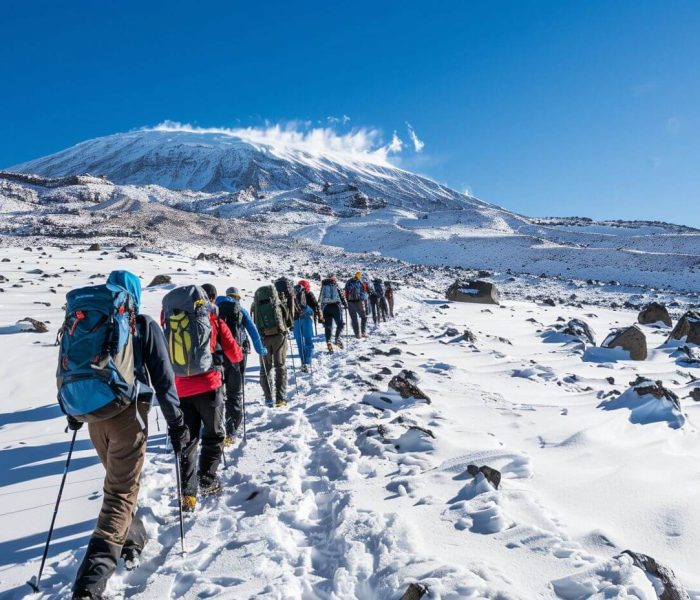
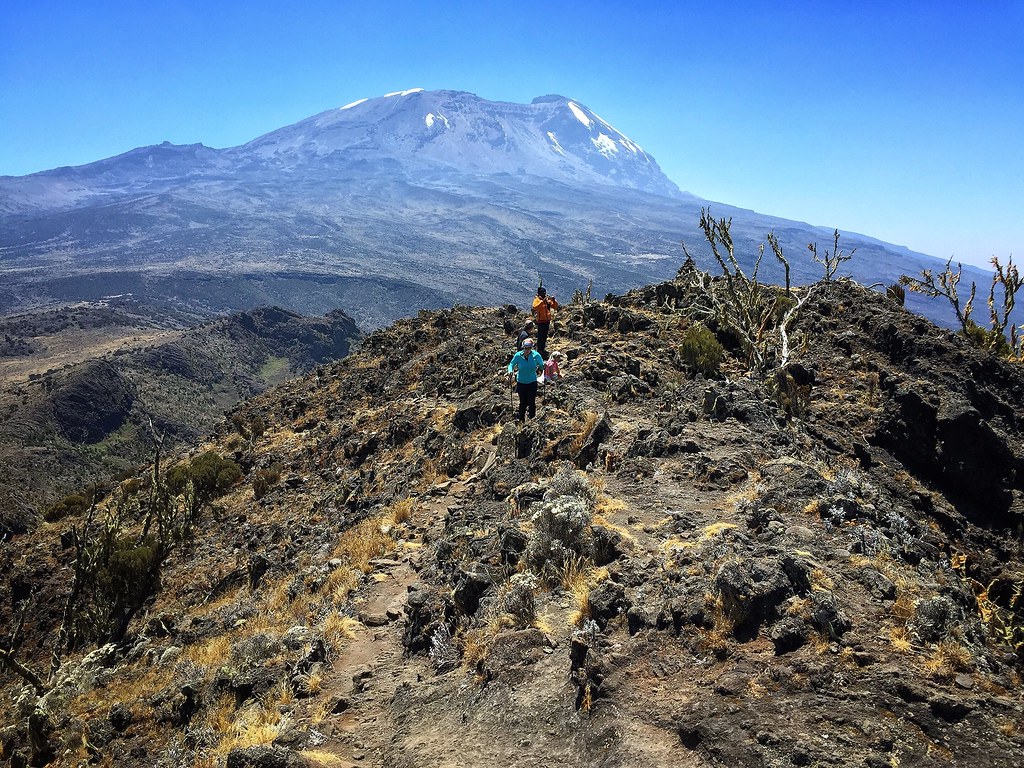
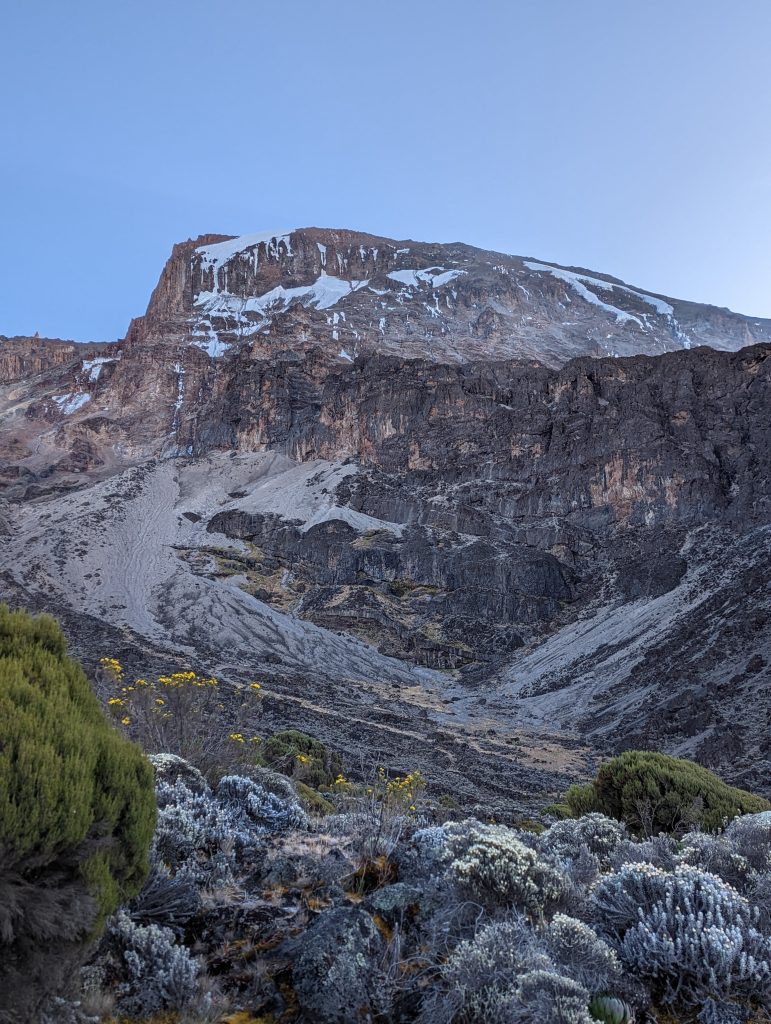
The Machame Route is widely regarded as one of the most stunning Kilimanjaro climbing trails, offering climbers the opportunity to traverse incredibly diverse terrain on their way to the summit. This route takes you through five distinct climate zones, including the lush rainforest, open grasslands, striking moorlands, rugged alpine desert, and the icy arctic summit. Along the way, you’ll have the chance to encounter some of Mount Kilimanjaro’s unique plant species and fascinating wildlife.
Highlights of the trek include iconic natural landmarks such as the impressive Lava Tower, a towering volcanic plug, and the awe-inspiring Barranco Wall, a dramatic cliff face that’s a favorite among adventurers. The route also offers breathtaking spots to witness some of the most spectacular sunrises and sunsets on Mount Kilimanjaro, making it a truly memorable experience for Kilimanjaro climbers.

MACHAME ROUTE SUCCESS RATE

Designed as an alternative to the Shira Route, the Lemosho Route is widely regarded as the most picturesque trail to Kilimanjaro’s summit. Starting at Lemosho Gate, this route begins at a lower elevation, providing climbers with a more gradual ascent and ample time to adjust to the altitude. It’s a perfect choice for those seeking a stunning and rewarding journey to the peak from the western side of the mountain.

MACHAME ROUTE CLIMB COSTS

The cost of climbing Kilimanjaro on the Machame route ranges from $2,000 to $6,000 depending on which operator you choose, the duration of the trip, and the number of clients in your party.
The Machame route can be climbed in 6 or 7 days. Because of the increase in park permits, crew wages, and food costs, the price of the 7 day Machame route is higher than the 6 day variation.

HOW LONG IS MACHAME ROUTE

The Machame Route on Mount Kilimanjaro covers a total distance of approximately 62 kilometers (37 miles) round-trip from gate to gate. Over the course of the climb, hikers ascend an impressive 4,157 meters (13,638 feet) from the trailhead to the summit at Uhuru Peak.

The journey is typically completed over 6 to 7 days, with daily treks ranging from 5 to 7 hours, depending on the day and the terrain. This well-structured itinerary allows Kilimanjaro climbers to gradually gain altitude, promoting better acclimatization and increasing the chances of a successful Mount Kilimanjaro summit. The Machame Route offers a diverse and rewarding experience, making it one of the most popular trails for mount kilimanjaro climbers.

BEST SEASON FOR THE MACHAME ROUTE

The ideal time to climb Mount Kilimanjaro is July to September, thanks to stable weather conditions and minimal chances of rain. During this period, the dry season offers clear skies and favorable trekking conditions, making it the most popular time for climbers.
That said, Kilimanjaro’s proximity to the equator allows it to be climbed year-round. However, it’s best to avoid the rainy season in April and May, as trails can become slippery and visibility is reduced, making the kilimanjaro climb more challenging.

CAMPSITES TO SLEEP ALONG THE MACHAME ROUTE

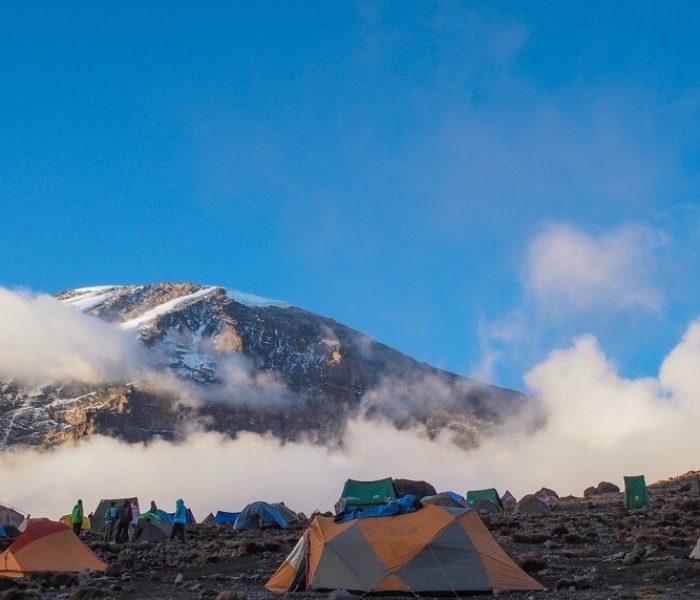
The Machame Route, also known as the Whiskey Route, offers climbers the opportunity to sleep at various campsites strategically located along the trail. These campsites are not only resting points but also provide spectacular views and opportunities for acclimatization. Here’s a breakdown of the campsites along the Machame Route:
1. Machame Camp (2,835m/9,301ft)
  • Location: At the edge of the rainforest zone.
  • Description: The first campsite, reached after a day of trekking through the lush rainforest.
  • Highlights:
  • Dense forest surroundings with towering trees and moss.
  • Occasional sightings of monkeys and birdlife.
  • A transition point into the heather and moorland zones.
  •  Location: On the Shira Plateau, a high-altitude plain formed by volcanic activity.
  • Description: The second campsite, offering expansive views of the surrounding landscapes and Kilimanjaro’s peaks.

Highlights:

  • Stunning sunsets and panoramic vistas.
  • A clear view of Kibo Peak, weather permitting.
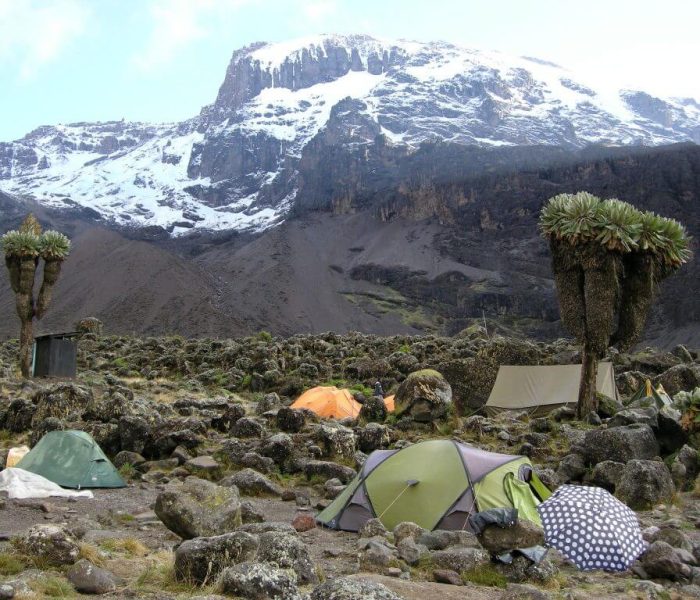
  • Unique vegetation like giant lobelias.
  • Location: Nestled in Barranco Valley beneath the towering Barranco Wall.
  • Description: Known as one of the most scenic campsites on Kilimanjaro.  

  Highlights:  

  • Close-up views of the imposing Barranco Wall.
  • Surrounding vegetation includes giant groundsels and other unique alpine plants.
  • A great place for rest and acclimatization. 

– Location: In a valley at the base of the Karanga Ridge.
– Description: A transitional campsite often used as a stop between Barranco and Barafu Camps.
 Highlights:

  • Opportunity to acclimatize at a moderate altitude.
  • Spectacular views of the surrounding highlands and valleys.
  • Ideal for a short rest before the final ascent.

– Location: On a rocky ridge in the high alpine desert zone.  

– Description: The final campsite before the summit attempt.  

Highlights:  

  • Panoramic views of Mawenzi Peak and the surrounding plains. 
  • A cold, windy environment where climbers prepare for the early morning push to Uhuru Peak. 
  • Exciting anticipation of the upcoming summit attempt.  

– Location: Situated in the rainforest zone on the southern slope of Kilimanjaro.
– Description: A descent campsite where climbers rest after summiting.
 Highlights:

  •  Dense vegetation with the sights and sounds of tropical wildlife.
  • A relaxing environment to celebrate the accomplishment of reaching the summit.
  • Close proximity to Mweka Gate, the trail’s endpoint.
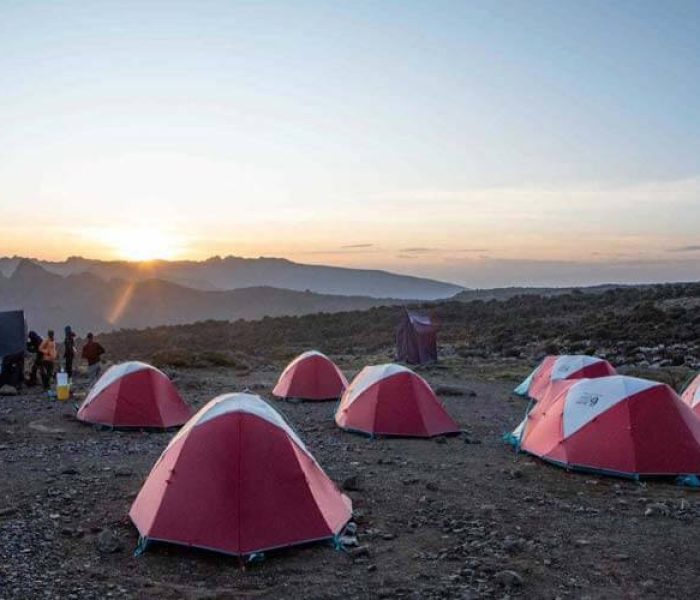
  • Accommodation Type: All campsites require climbers to stay in tents. The camping equipment, including tents and sleeping gear, is typically provided by tour operators.
  • Facilities: Campsites offer basic facilities like pit latrines or portable toilets (provided by some operators). There are no permanent structures for sleeping, and meals are prepared by the trekking team.
  • Campsite Atmosphere: The campsites provide a communal environment where climbers can bond, share stories, and prepare for the next day’s trek.

These campsites are carefully chosen to ensure proper acclimatization, safety, and an unforgettable experience as you ascend Mount Kilimanjaro through the Machame Route.

SLEEPING ARRANGEMENTS ON THE MACHAME ROUTE

Accommodation on the Machame Route is exclusively in tents, offering a true camping experience on Mount Kilimanjaro. Kilimanjaro Climbers stay in pitched tents at designated campsites that serve as overnight stopovers.

Congema Safaris mountain crew handle all meal preparations and tent setup, while porters carry the tents and other gear, ensuring a hassle-free adventure for you.

ACCLIMATIZATION AND COMFORT ON THE MACHAME ROUTE

The Machame Route is designed to enhance your chances of acclimatizing successfully, making it one of the most popular routes for climbing Mount Kilimanjaro. Its “climb high, sleep low” mechanism is a key feature, helping your body adapt to the high altitude and significantly increasing the likelihood of reaching the mount kilimanjaro summit.

For instance, trekkers ascend to higher altitudes during the day, such as at Lava Tower (4,630 m), before descending to lower camps like Barranco Camp (3,976 m) to sleep. This gradual exposure to increasing altitudes aids in reducing the risk of altitude sickness while climbing mountain kilimanjaro.

To ensure comfort during the trek:

– Campsite Setup: Accommodation is in high-quality tents set up at each designated campsite by the support team.
– Dining: Meals are prepared and served in a spacious dining tent, offering a cozy atmosphere even in extreme weather conditions.
– Support Crew: Trained porters and guides carry your gear, set up the camps, and provide assistance throughout the trek, allowing you to focus on hiking and enjoying the experience.
– Daily Briefings: Guides conduct health checks and briefings every evening to monitor your acclimatization progress and address any concerns.

By prioritizing acclimatization and comfort, the Machame Route ensures a safer and more enjoyable trekking experience, giving mount Kilimanjaro climbers the best chance of summiting Africa’s tallest peak.

PACKING LIST FOR THE MACHAME ROUTE

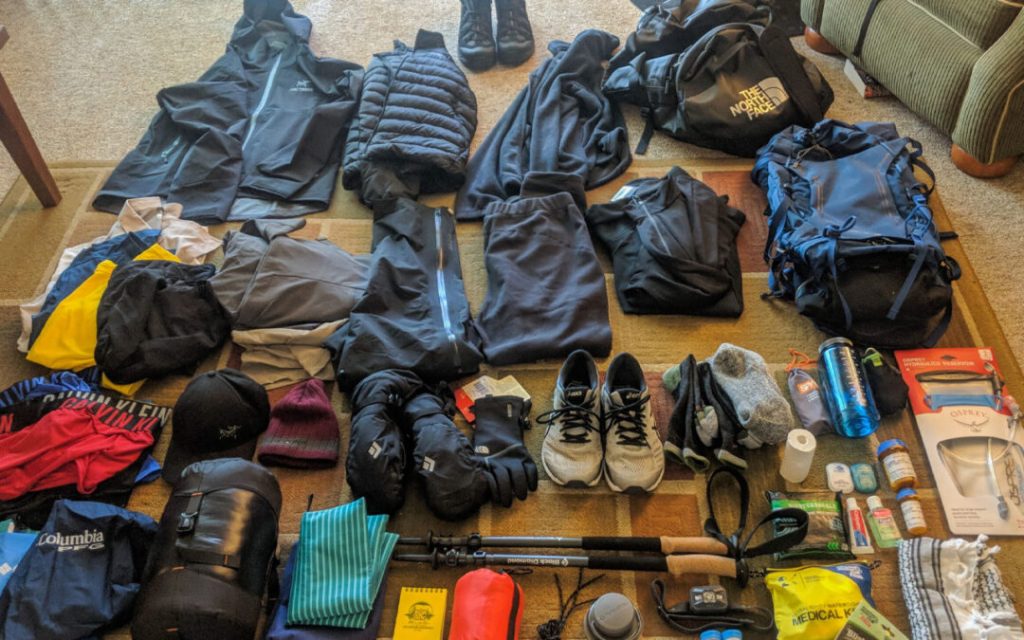
Congema Safaris provides some of the necessary gear and equipment for your Machame Route trek. However, there are essential personal items you should bring, including waterproof clothing, a headlamp, sunglasses, durable mountain climbing boots, personal medication, and a reusable water bottle.

For a comprehensive list of required gear and equipment, refer to the detailed Machame Route gear checklist here.

GETTING TO THE MACHAME ROUTE

To reach the Lemosho Route, you’ll need to fly into Kilimanjaro International Airport (JRO), located near Moshi and Arusha in Tanzania.

Travelers arriving from the everywhere in the world will be greeted by the official Congema Safaris team at the airport. They will then transfer you to your hotel, with the journey to the Lemosho Route scheduled for the following day.

HOW TO GET FIT FOR THE MACHAME ROUTE

Engage in training activities that enhance your fitness to confidently tackle the challenges of the Machame Route. The better your physical condition, the more enjoyable and successful your climbing experience will be. Focus on endurance, strength, and cardio workouts to prepare for the trek and summit. Check our full Kilimanjaro climbing training guide.
Additionally, review your Machame Route climbing gear and equipment checklist thoroughly to ensure you have all essentials.
If you have any questions or need guidance, feel free to reach out to the Congema Safaris support team for expert advice and assistance.

What our Client Say

Design your own trip

Choose a destination, pick your properties, and we’ll do the rest

1
Browse
Look through our itineraries for inspiration, and call our Travel Consultants
2
Create
Discuss your wish list with us, and we’ll use our expertise to design a unique itinerary for you
3
Customise
We’re committed to refining your itinerary until we’ve created the perfect personalised trip for you