EXPLORE

Kenya Destination

Mount Kenya
Picture of Chat to an Kenya Safari expert

Chat to an Kenya Safari expert

Get advice and suggestions to make this your perfect trip. or call us on:
+255 755 003116

Picture of Chat to an Kenya Safari expert

Chat to an Kenya Safari expert

Get advice and suggestions to make this your perfect trip. or call us on:
+255 755 003116

AFRICA’S MAJESTIC CROWN AND A UNESCO WORLD HERITAGE GEM

Destination Overview

Mount Kenya, standing proudly as Africa’s second-highest peak, is a striking remnant of an ancient extinct volcano. Its rugged, glacier-capped summits and forest-cloaked slopes create one of East Africa’s most breathtaking landscapes. With 12 fast-receding glaciers and four distinct secondary peaks at the head of dramatic U-shaped glacial valleys, Mount Kenya offers a rare glimpse into the power and beauty of nature’s artistry.

At elevations between 3,950 meters and 4,800 meters, Mount Kenya is adorned with approximately 20 glacial tarns (small alpine lakes) and numerous glacial moraine formations, adding to its mystical allure. 

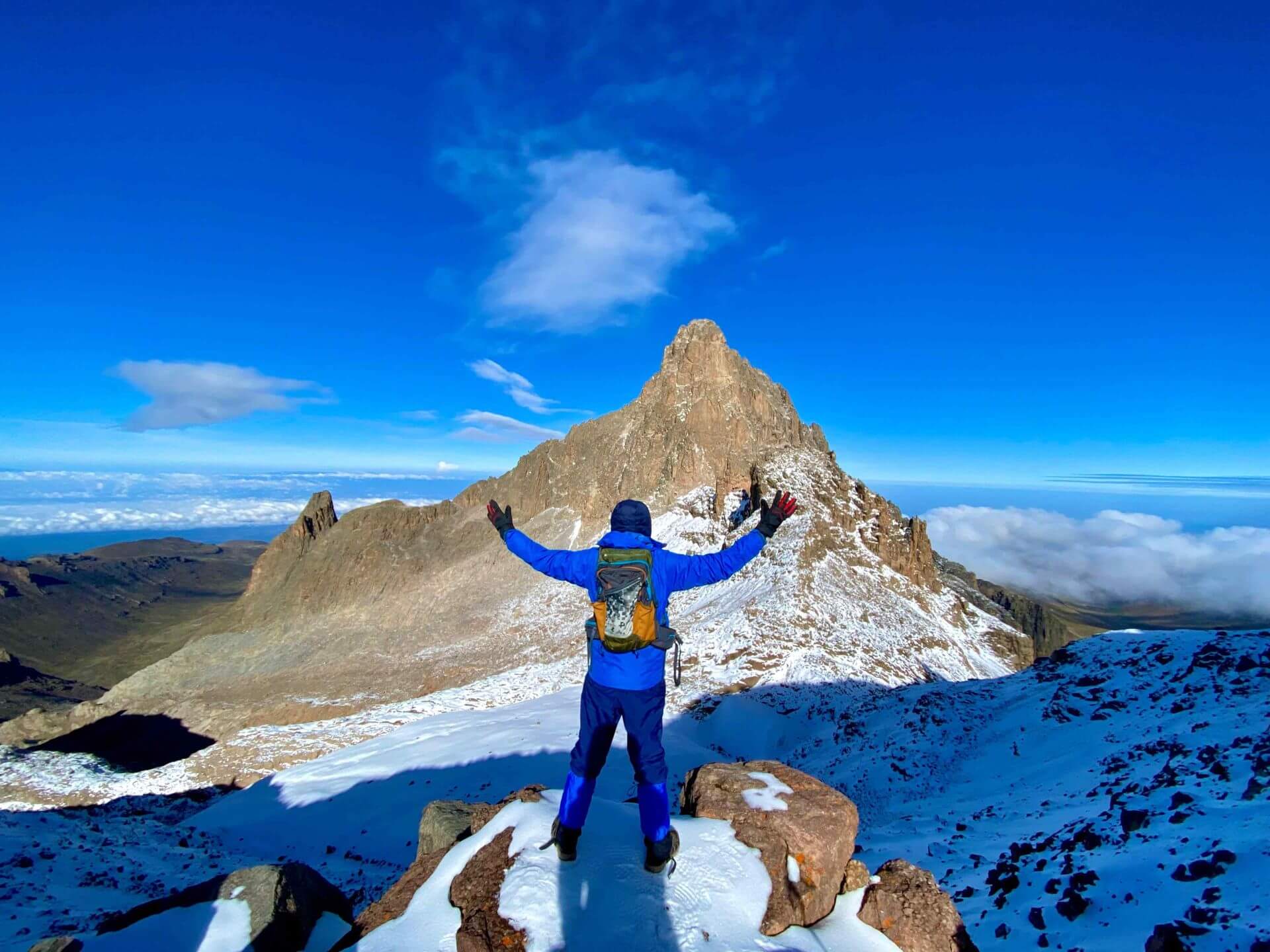
The highest peaks, Batian (5,199 meters) and Nelion (5,188 meters), present an exhilarating challenge for seasoned mountaineers, while Point Lenana (4,984 meters) offers a more accessible climb for adventurous trekkers.

Recognized as a UNESCO World Heritage Site and a Biosphere Reserve, Mount Kenya stands as a globally significant ecological and geological treasure. The iconic Lewis Glacier, nestled between Teleki Valley and Point Lenana, is the largest of the mountain’s remaining glaciers, symbolizing the mountain’s fragile beauty amid climate change.
Beyond its environmental importance, Mount Kenya holds deep cultural and national significance. As a revered Kenyan landmark, the extinct volcano serves as a sanctuary for a rich variety of wildlife, from forest elephants and buffaloes to rare bird species. It’s challenging vertical rock faces and icy peaks beckon climbers from around the globe, eager to conquer its formidable terrain.

For nature lovers, adventurers, and cultural explorers alike, Mount Kenya offers an unforgettable journey through diverse ecosystems, breathtaking vistas, and the raw majesty of Africa’s ancient highlands. Whether you seek the thrill of summiting Batian or the serene beauty of glacial lakes, Mount Kenya promises an awe-inspiring escape into the heart of Kenya’s natural and cultural heritage.

Climbing Mount Kenya

Mount Kenya is often described as a true mountaineer’s mountain, and for good reason. Its two highest peaks, Batian (5,199m) and Nelion (5,188m) are not for the faint of heart. Reaching these towering summits requires specialized mountaineering equipment and the technical skills to use it safely. Only around 50 climbers manage to conquer Batian each year, highlighting the challenge and prestige of this climb.

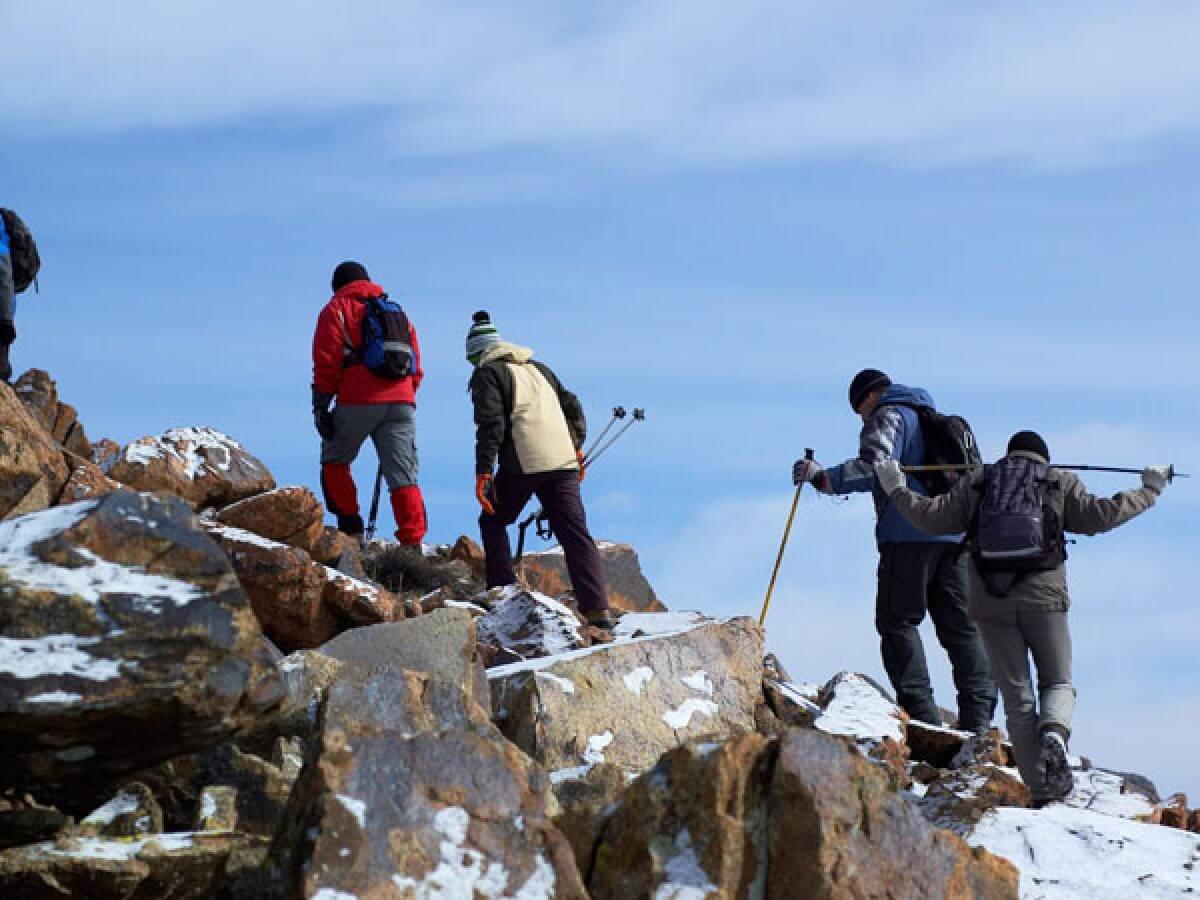
For most trekkers, the ultimate goal is Point Lenana (4,985m), the third-highest peak on Mount Kenya and the highest point accessible without technical climbing gear. Though it doesn’t require ropes or harnesses, the trek to Point Lenana is still demanding, requiring a good level of fitness, a strong head for heights, and a sense of adventure, especially if you opt for one of the more challenging routes. The ascent is rewarded with breathtaking views over Mount Kenya’s rugged ridges and glacier-clad slopes, making it an unforgettable achievement for any outdoor enthusiast.

Climbing Mount Kenya is a journey through diverse landscapes and ecosystems, making it one of the most rewarding trekking experiences in Africa. The ascent typically takes between three to eight days, depending on the chosen route and your acclimatization needs. Along the way, you’ll pass through lush bamboo forests and striking high-altitude moorlands before reaching the rugged terrain of alpine peaks, where bare rock and glacial ice dominate the skyline.

For safety and navigation, hiking alone is prohibited. A licensed guide is required to lead you through the varying terrain and ensure a smooth and safe climb. The diverse climbing routes, from the popular Sirimon and Naro Moru trails to the challenging North Face ascent, offer options for both novice hikers and seasoned mountaineers. Whether you’re aiming for the technical summit of Batian or the more accessible Point Lenana, Mount Kenya promises a once-in-a-lifetime adventure framed by breathtaking views and rich ecological diversity.

Explore Mount Kenya Itineraries

first highest mountain in kenya

4 Days Mount Kenya Climb via Chogoria - Sirimon Route

first highest mountain in kenya

4 Day Mount Kenya Hike via Sirimon Up - Chogoria Down

first highest mountain in kenya

4 Day Mount Kenya Hiking via Sirimon Route (Up & Down)

first highest mountain in kenya

4 Days Climb Mount Kenya via Naro Moru Route

first highest mountain in kenya

5 Day Mount Kenya Trek - Ascend via Naro Moru, Descend via Chogoria Route

first highest mountain in kenya

5 Day Mount Kenya Trek via Sirimon - Naro Moru Route

Flora of Mount Kenya

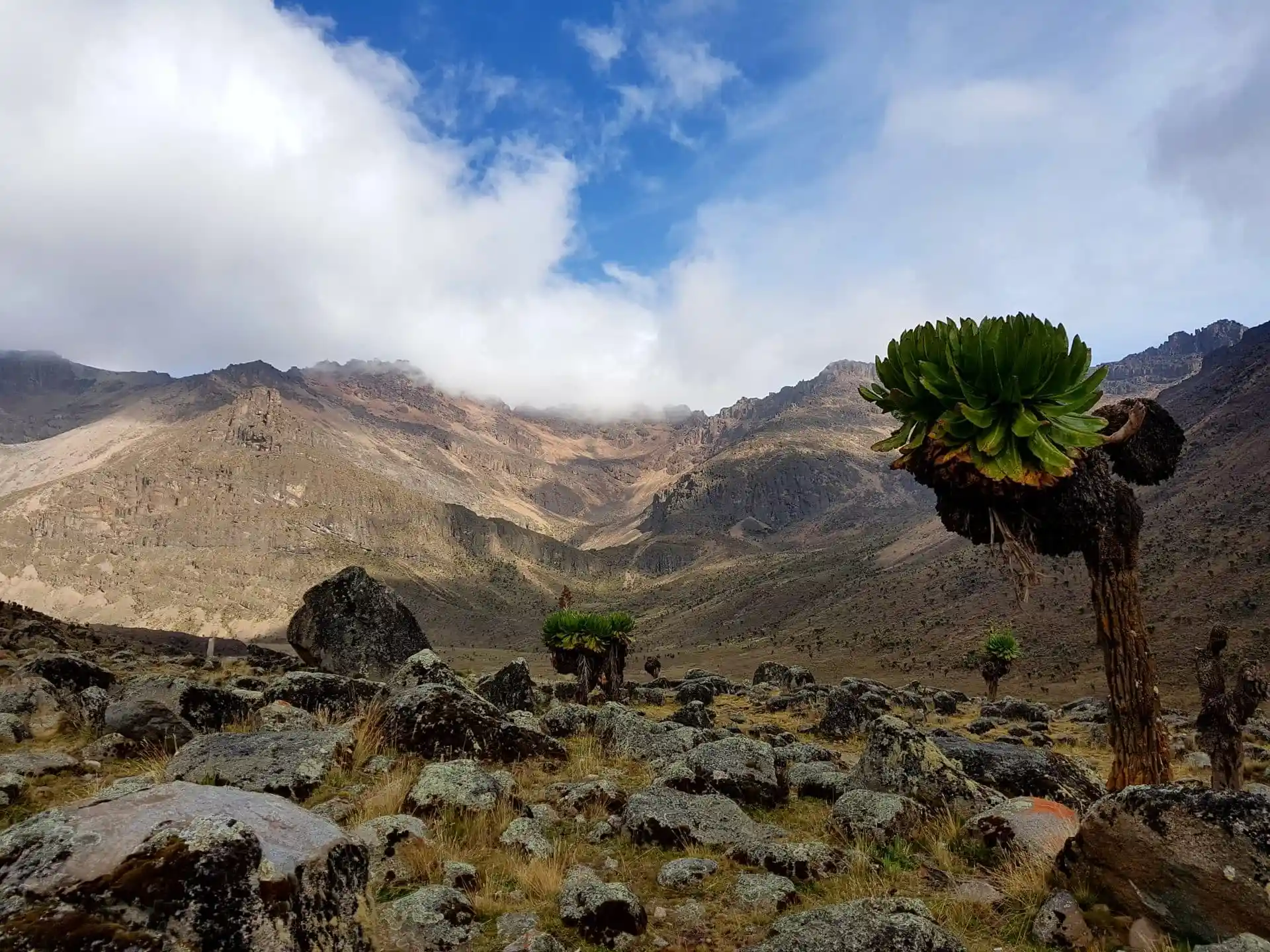
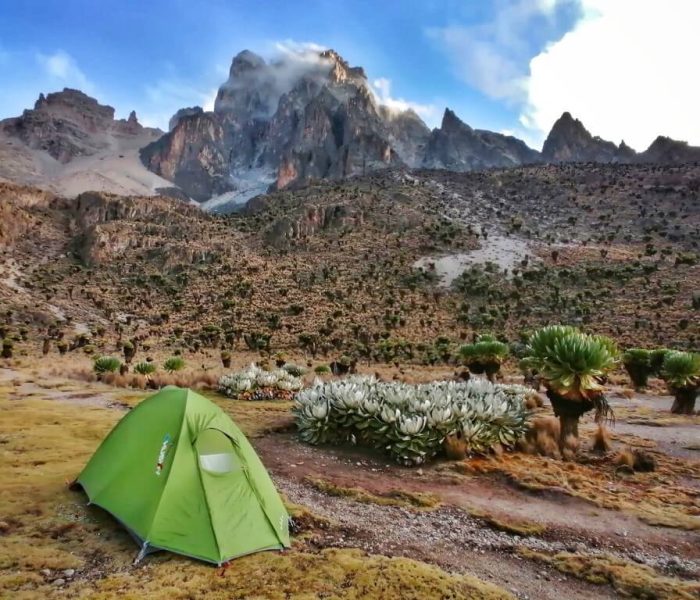
The rich and diverse vegetation of Mount Kenya National Park is a captivating highlight for any visitor. The park’s ecological variety unfolds across different altitudes, creating a stunning display of plant life that shifts with elevation. From lush mountain and bamboo forests to hardy alpine and sub-alpine vegetation, and even the resilient tundra grasses stretching toward the snow line, the mountain’s flora offers a remarkable journey through nature’s adaptability.

At the lower elevations, dense forests of cedar, podocarpus, and olive trees thrive, providing shelter and sustenance for diverse wildlife. As you ascend, the landscape transitions to towering giant lobelias and groundsel plants, which are uniquely adapted to survive the mountain’s extreme climate. The higher reaches of the mountain are marked by open moorlands and sparse tundra, where hardy grasses and low-lying shrubs cling to life amid the thin, crisp air.

Mount Kenya’s extraordinary botanical diversity not only enhances its breathtaking beauty but also supports a complex ecosystem, making it one of East Africa’s most ecologically significant sites. Exploring the mountain’s verdant slopes and high-altitude grasslands promises an unforgettable encounter with nature’s resilience and creative splendor.

Wildlife of Mount Kenya

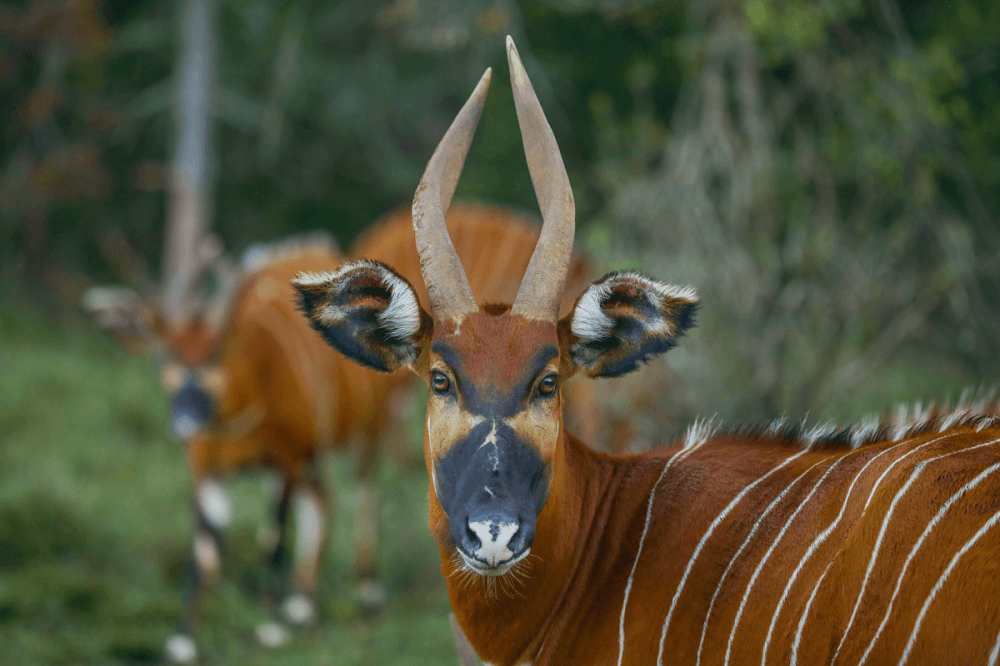
Mount Kenya’s rich and diverse wildlife offers a captivating experience for nature enthusiasts. The park is home to an impressive array of mammals, primates, and smaller creatures, each uniquely adapted to the mountain’s varied ecosystems. In the dense ravines, you’ll encounter playful white and black colobus monkeys, while Sykes’ monkeys can be spotted along the forest tracks, curiously observing passersby.

In the mossy glades of Hinde Valley, the telltale earthen mounds reveal the presence of the elusive Ruppell’s root rats and the hidden underground tunnels of mountain mole shrews. Your guide might also point out the larger mounds left behind by industrious giant mole rats.

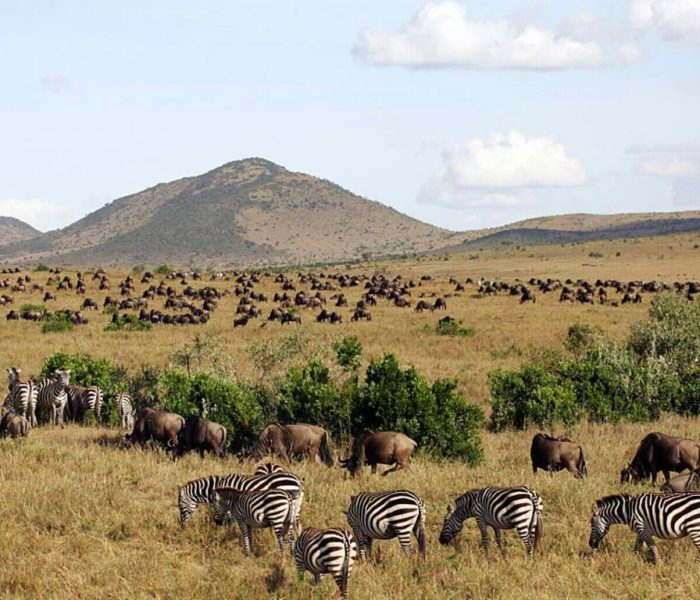
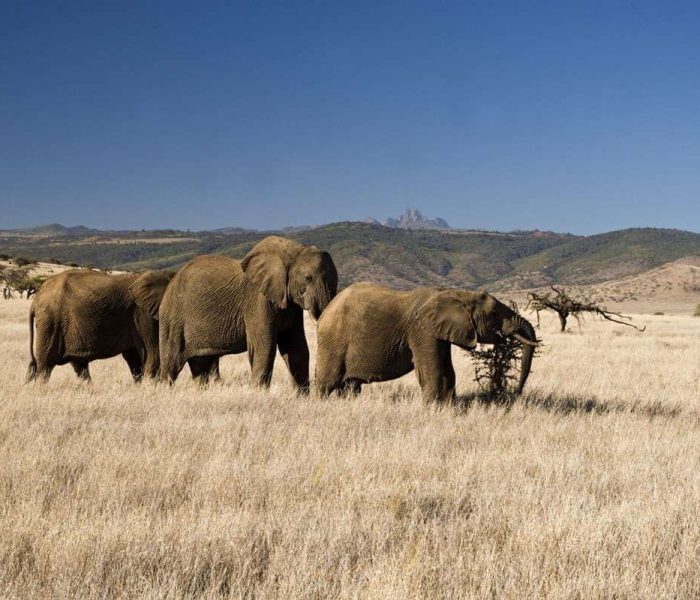
Higher up on the Sirimon slopes, zebras graze peacefully, while deeper into the Naro Moru trails and bamboo forests, the powerful presence of buffalos and elephants adds to the park’s wild allure. Agile duikers, majestic elands, and a variety of antelope species thrive at these elevations, accompanied by smaller inhabitants like the rock-dwelling hyraxes. The lower forested zones also shelter more familiar species, including the graceful defassa waterbucks and secretive bushbucks.

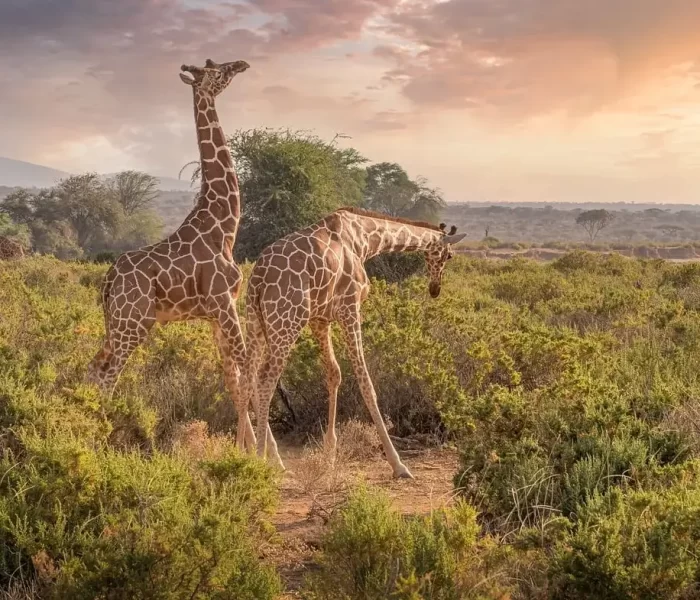
Mount Kenya’s wildlife diversity is a testament to the park’s well-preserved ecosystems, offering visitors a rare chance to witness Africa’s iconic fauna in a dramatic and unspoiled mountain landscape.

Mount Kenya Weather, Climate, and Best Seasons

Mount Kenya’s weather is shaped by its equatorial location, which results in two main rainy seasons brought by the passage of the Intertropical Convergence Zone (ITCZ). The heaviest rainfall falls between late March and mid-May, with a lighter rainy season from late October to mid-December. Despite these patterns, rain or even snow can occur at any time of year, even during the driest months.

The forest belt and the southeastern slopes of Mount Kenya experience the most rainfall, reaching up to 2,500mm annually at around 3,000m. Higher up, precipitation drops to approximately 700mm per year at 4,500m. The driest months, typically January and February, offer the most stable weather, with clear skies and dry conditions often lasting for days.

Temperatures vary dramatically with altitude and time of day. On the lower slopes, the average daytime temperature hovers around 25°C. At 3,000m, daytime temperatures range between 5°C and 15°C, while frost is common at night. Near the summit, nighttime temperatures plunge well below freezing.

The best climbing conditions for rock routes are on the south-facing slopes from December to March when sunshine is more consistent, while the north-facing routes and south-facing ice climbs are more favorable between June and October. Mornings generally offer the clearest weather, while afternoon convection can bring rain or cloud cover. 

“Take nothing but pictures, leave nothing but footprints!” – A timeless reminder to preserve the natural beauty of this majestic mountain.

gallery

Picture of Planning Your Safari

Planning Your Safari

Organizing a safari in Kenya Destination, can be overwhelming due to the many choices available for transport, accommodation, and activities.

Reviews and Rates

Getting to Mount Kenya

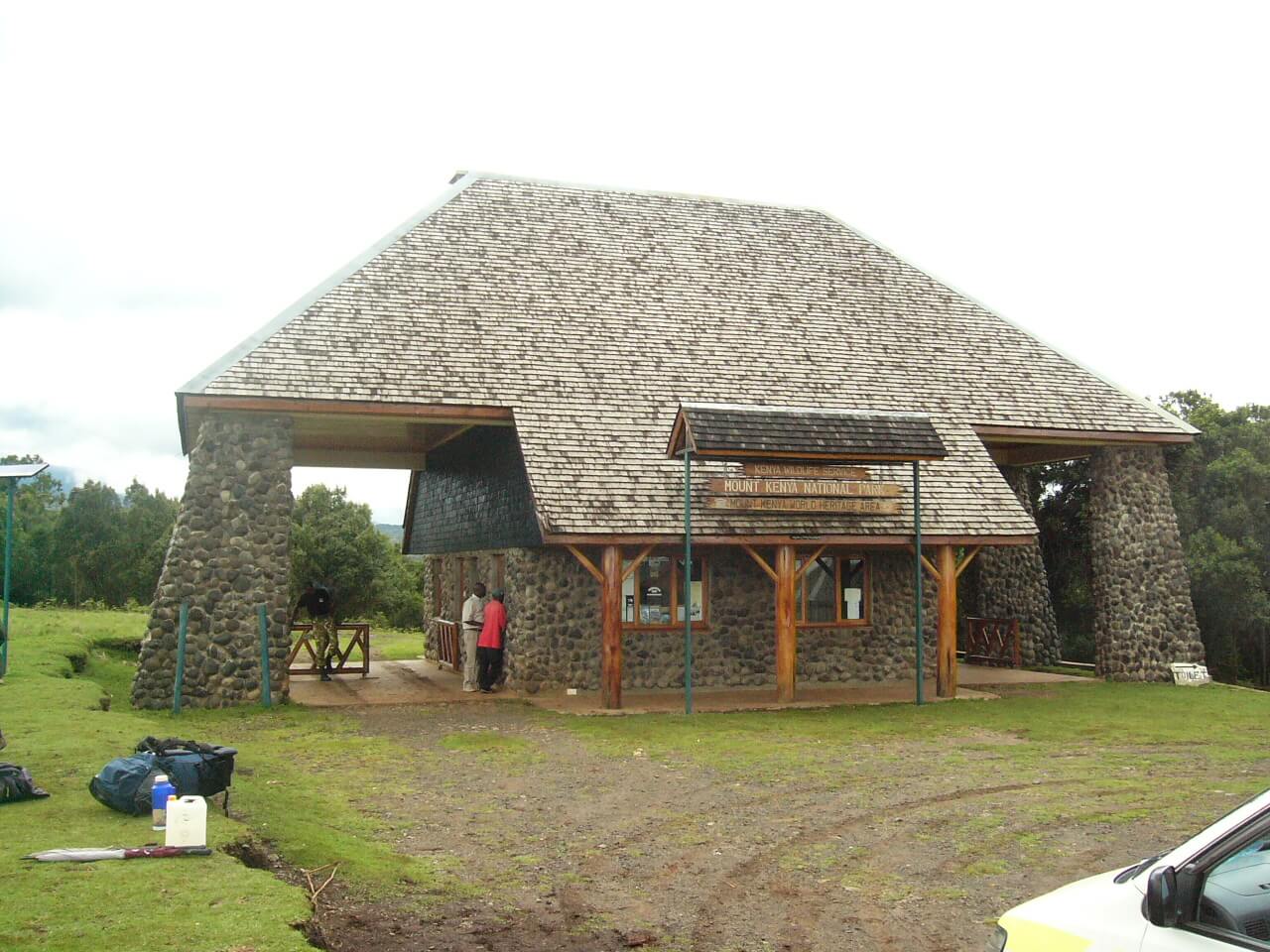
Reaching the majestic peaks of Mount Kenya is an adventure in itself, with several well-established routes offering unique experiences. The three main access points are Naro Moru, Sirimon, and Chogoria, each leading through diverse landscapes and presenting different levels of challenge.


The Sirimon Gate sits approximately 200 km from Nairobi, accessible via the Nanyuki–Meru Road. This route is known for its gradual ascent and scenic views, making it a favorite among climbers. 

The Naro Moru Gate is closer, about 188 km from Nairobi along the Nyeri–Nanyuki Road near Naro Moru town. It’s the most direct and popular route, though it can be steep and challenging. For a more remote and scenic experience, the Chogoria Gate is located about 210 km north of Nairobi on the Embu–Meru Road, perfect for those seeking solitude and dramatic scenery.

If you’re opting to fly, the nearest commercial airstrip is at Nanyuki, providing quick and convenient access to the park. Whether you choose to drive or fly, the journey to Mount Kenya sets the stage for an unforgettable adventure.

Accommodation at Mount Kenya

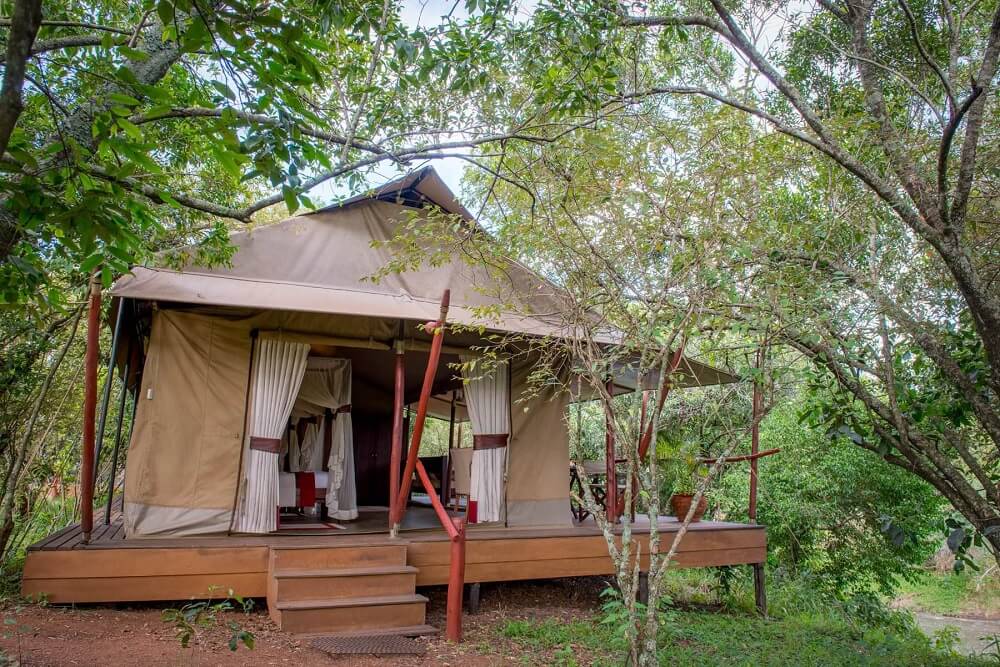
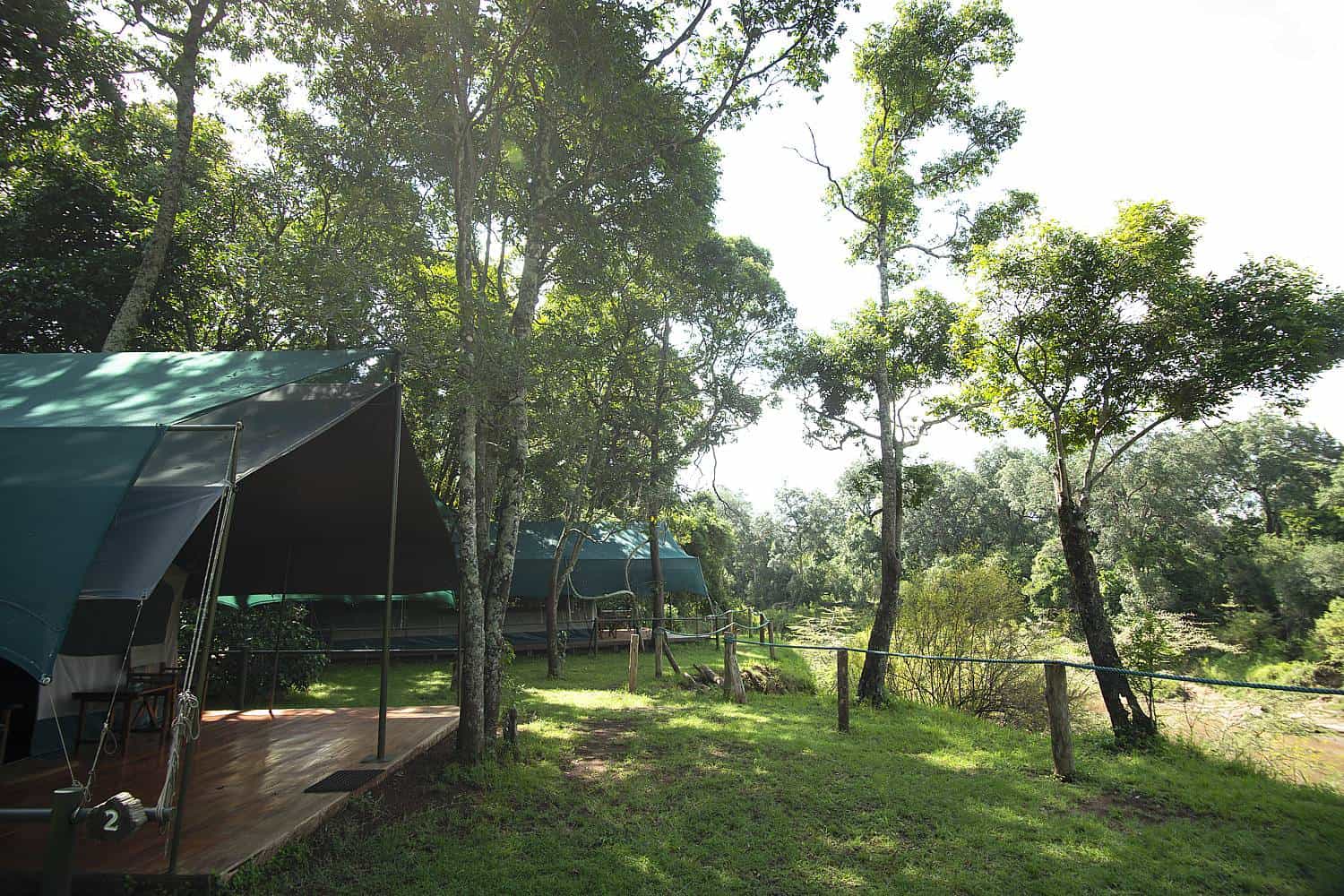
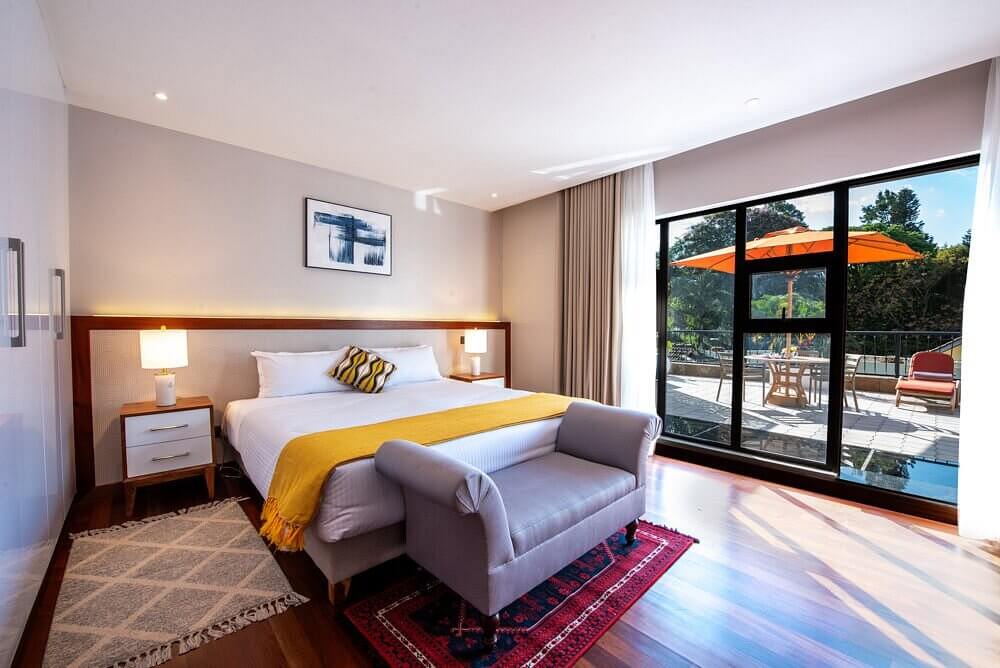
Mount Kenya National Park offers a range of accommodation options to suit every traveler’s taste and budget, from cozy guest houses and bandas to scenic campsites under the stars. Whether you prefer a comfortable bed or a rugged night in the wilderness, Mount Kenya has you covered.
Batian Guest House

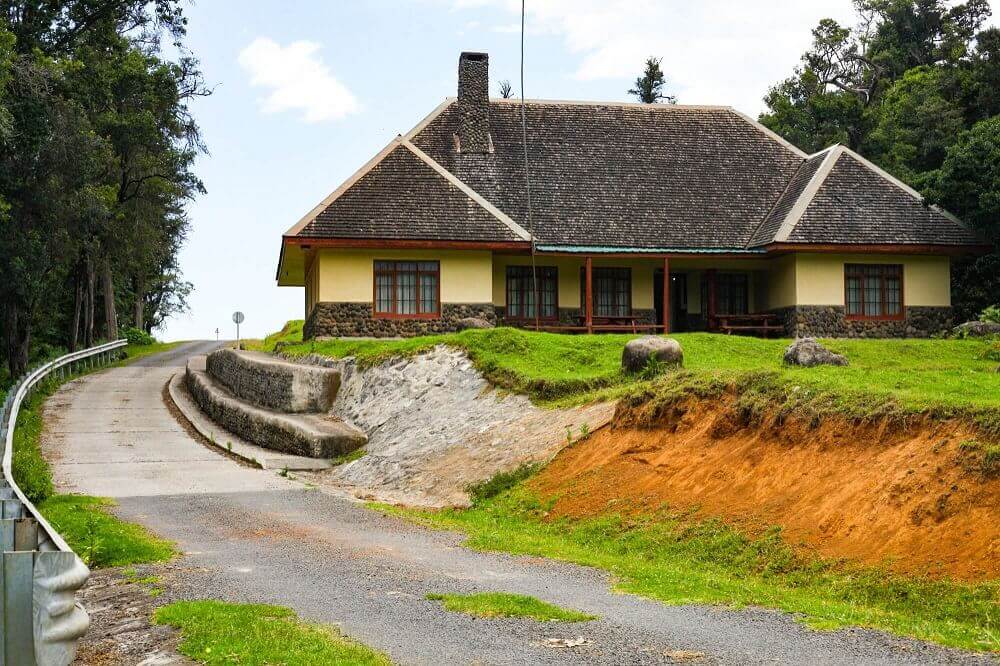
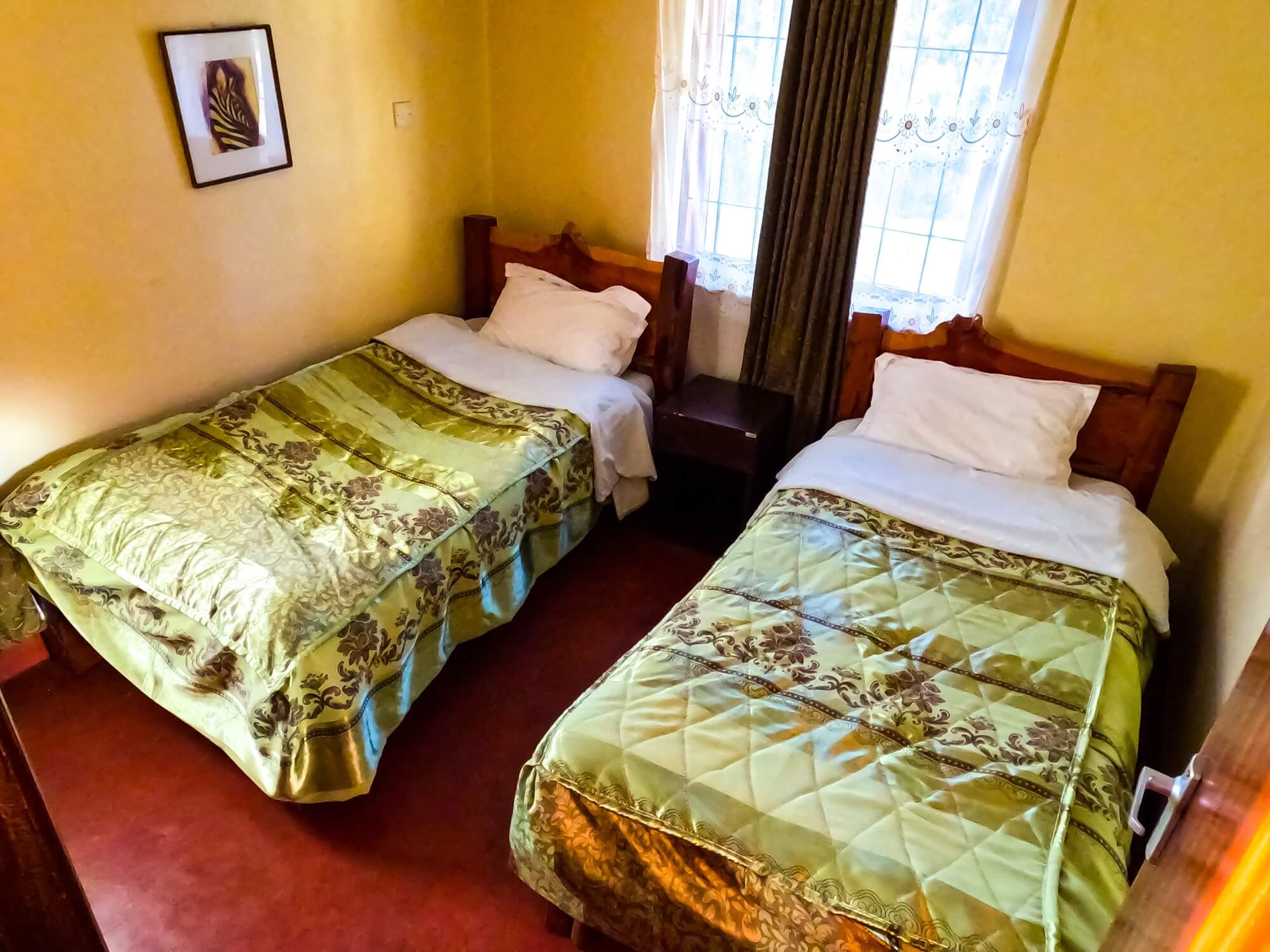
Batian Guest House is ideal for families or groups seeking comfort after a day of trekking. The house accommodates up to eight guests across four bedrooms, two with double beds, one with a bunk bed, and another with two single beds. It features a furnished sitting room, dining area, and a fully equipped kitchen.

Essential amenities like blankets, towels, toiletries, and kerosene lamps are provided, and lighting is by electricity. A caretaker is on hand to ensure a comfortable stay. Rates are Ksh 10,000 for citizens and residents, while non-residents pay US$180.

For a more intimate setting, the Sirimon Bandas offer two semi-detached units, each accommodating four guests.

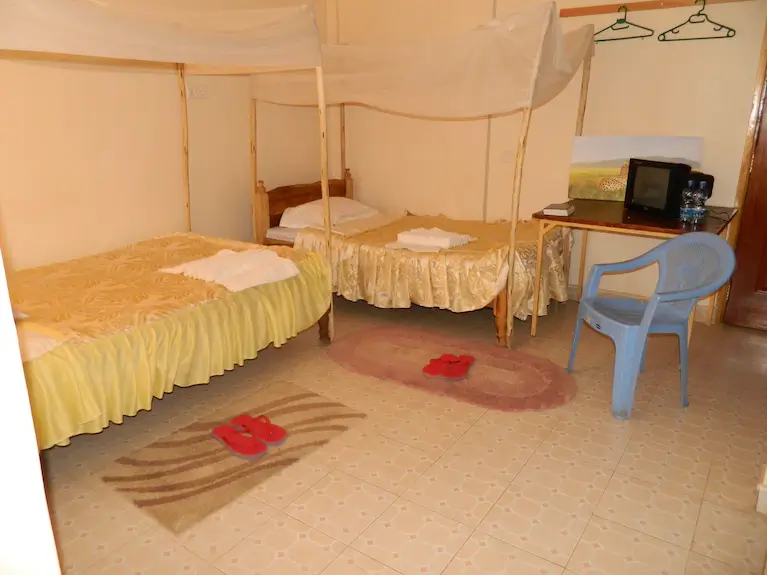
Each banda includes a bedroom with a double bed and another with two single beds. The bandas have a furnished kitchen and a living area, with electricity and caretaker service provided. Rates are Ksh 4,000 for citizens and residents, and US$80 for non-residents. 

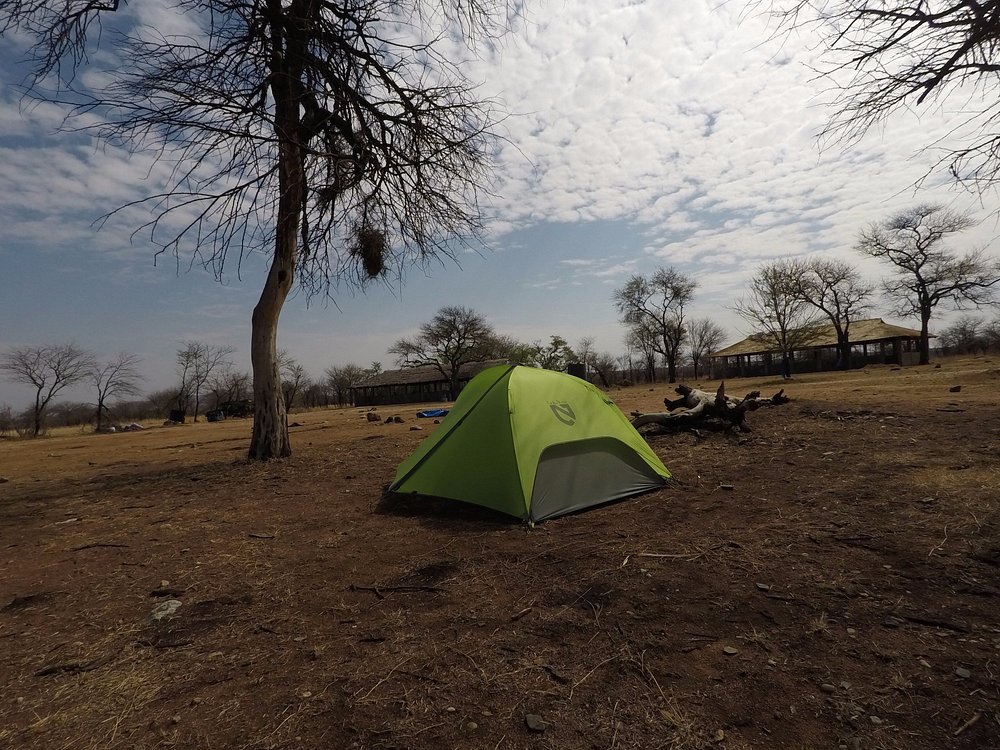
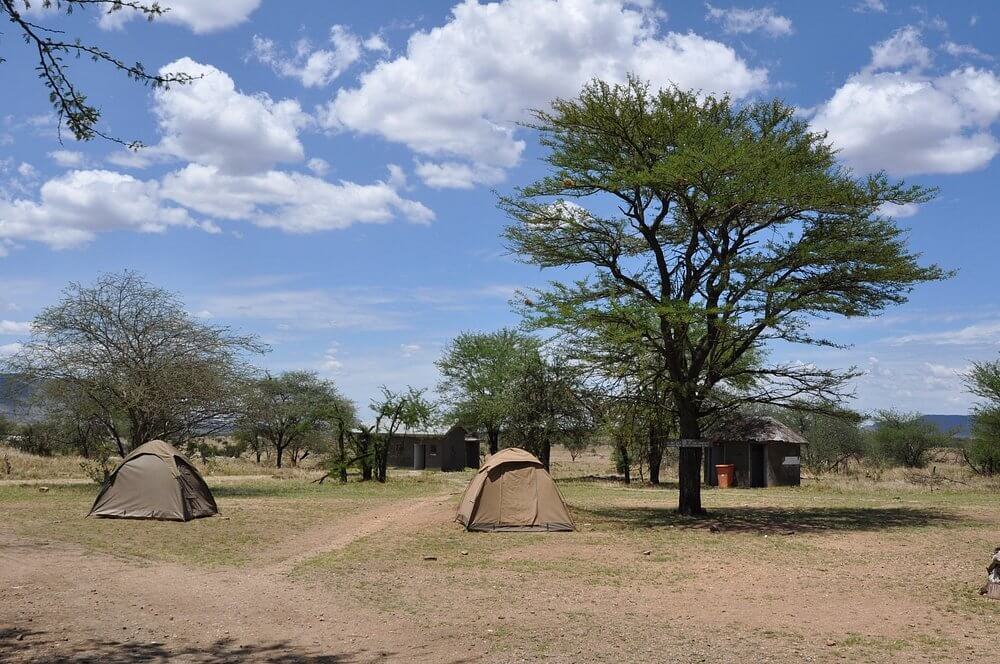
Camping enthusiasts have plenty of options with both public and private campsites available. Public campsites like Kisoi Munyao, Kinondoni, Mathenge, Solo Camp, and Majors Camp provide basic facilities, including water, toilets, and a kitchen area. No prior booking is required for public campsites just show up and enjoy the wilderness!

For a more exclusive camping experience, privately owned sites such as Road Head, Mintos Hut, Met Station, Mackinders, Austrian Hut, Judmaier, Shipton, and Liki North Hut offer enhanced amenities and more privacy. Standard camping rates apply per person per day, excluding park entry fees.

Reservations for bandas and guesthouses should be made through the park warden or the KWS headquarters reservations desk at reservations@kws.go.ke. Whether you’re looking for luxury or a back-to-nature experience, Mount Kenya’s accommodation options promise an unforgettable stay.

Serena Mountain Lodge

Serena Mountain Lodge offers a unique blend of rustic charm and modern convenience. Perched at 2,194 meters in the alpine forest of Mount Kenya, this timbered lodge provides breathtaking views of the surrounding canopy and a private waterhole that attracts elephants and buffaloes. 

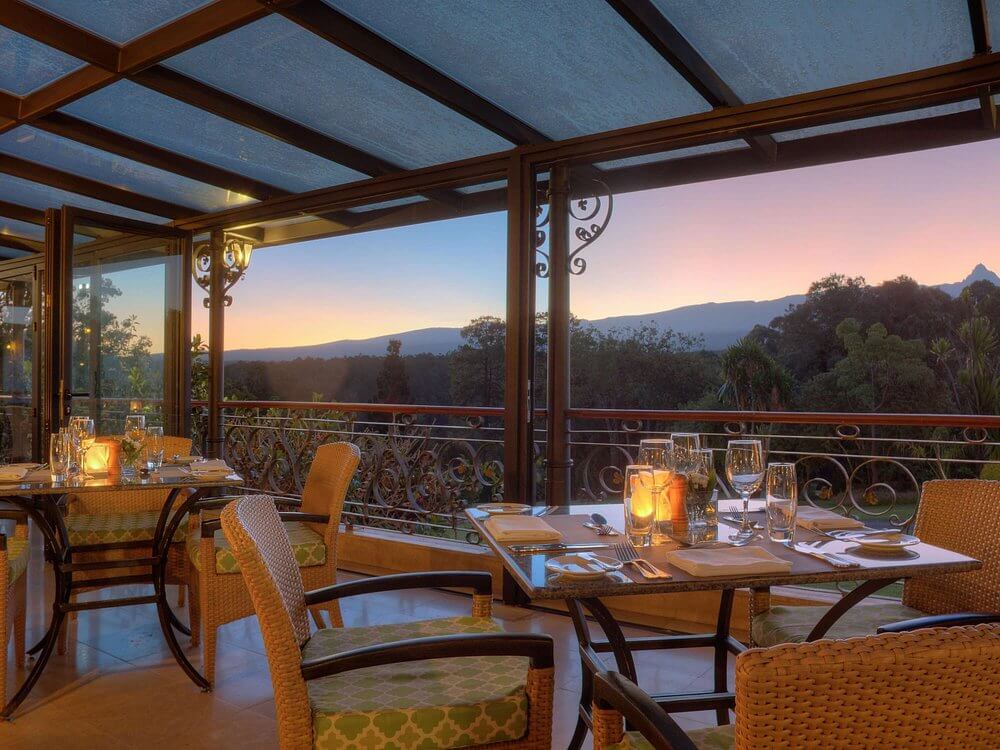
Its 41 timber cabin-style rooms feature private balconies overlooking the waterhole, offering an intimate wildlife viewing experience from the comfort of your room. The lodge’s dining room, elevated within the canopy, serves a delectable buffet of both local and international dishes, making every meal a culinary delight.

For those seeking a touch of luxury amidst the wild beauty of Mount Kenya, several high-end lodges and resorts provide exceptional comfort and world-class amenities.

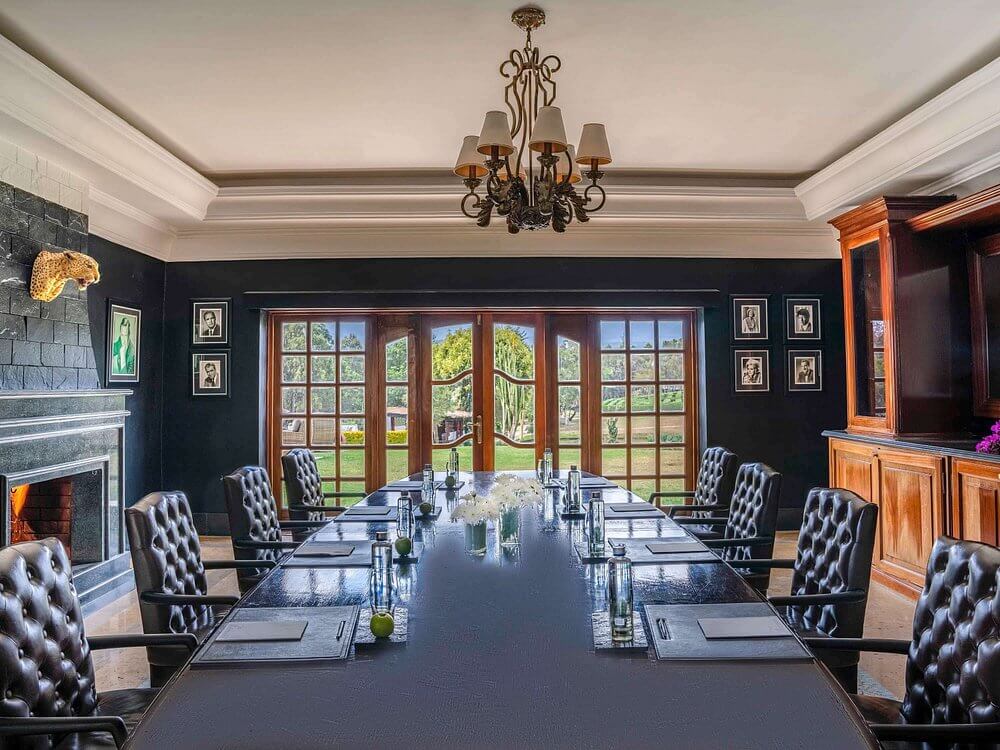
For a more refined experience, the Fairmont Mount Kenya Safari Club in Nanyuki is the epitome of luxury. Originally founded by Hollywood actor William Holden in the 1950s, this colonial-style resort offers 110 opulent rooms nestled in the foothills of Mount Kenya. 

The Fairmont features a 9-hole golf course and the Riuki Spa and Wellness Centre, complete with a steam room, sauna, and three treatment rooms. Guests can indulge in various activities, including nature walks, horse riding, and fishing—making it a perfect retreat for relaxation and adventure.

Whether you prefer the rustic charm of Serena Mountain Lodge or the colonial elegance of Fairmont Mount Kenya Safari Club, these premium accommodations elevate your Mount Kenya adventure to a new level of comfort and sophistication.

What our Client Say

Design your own trip

Choose a destination, pick your properties, and we’ll do the rest

1
Browse
Look through our itineraries for inspiration, and call our Travel Consultants
2
Create
Discuss your wish list with us, and we’ll use our expertise to design a unique itinerary for you
3
Customise
We’re committed to refining your itinerary until we’ve created the perfect personalised trip for you