EXPLORE

Tanzania Destination

Mikumi National Park
Picture of Chat to an Tanzania Safari expert

Chat to an Tanzania Safari expert

Get advice and suggestions to make this your perfect trip. or call us on:
+255 755 003116

Picture of Chat to an Tanzania Safari expert

Chat to an Tanzania Safari expert

Get advice and suggestions to make this your perfect trip. or call us on:
+255 755 003116

A GATEWAY TO THE WILD

Destination Overview

Nestled just three to four hours from Dar es Salaam, Mikumi National Park is a fantastic safari destination that offers a quintessential African wildlife experience, all within easy reach. Its proximity to major routes makes it the perfect weekend getaway for travelers, while its varied landscapes and rich ecosystems ensure an unforgettable experience for all visitors.

Mikumi shares a border with the Selous Game Reserve to the south, forming part of the vast Mikumi-Selous Ecosystem. This incredible region is a treasure trove of wildlife and breathtaking scenery. The heart of Mikumi lies in the Mikumi floodplain, where open grasslands stretch out before merging with miombo woodlands that cover the lower hills, creating a striking contrast. 

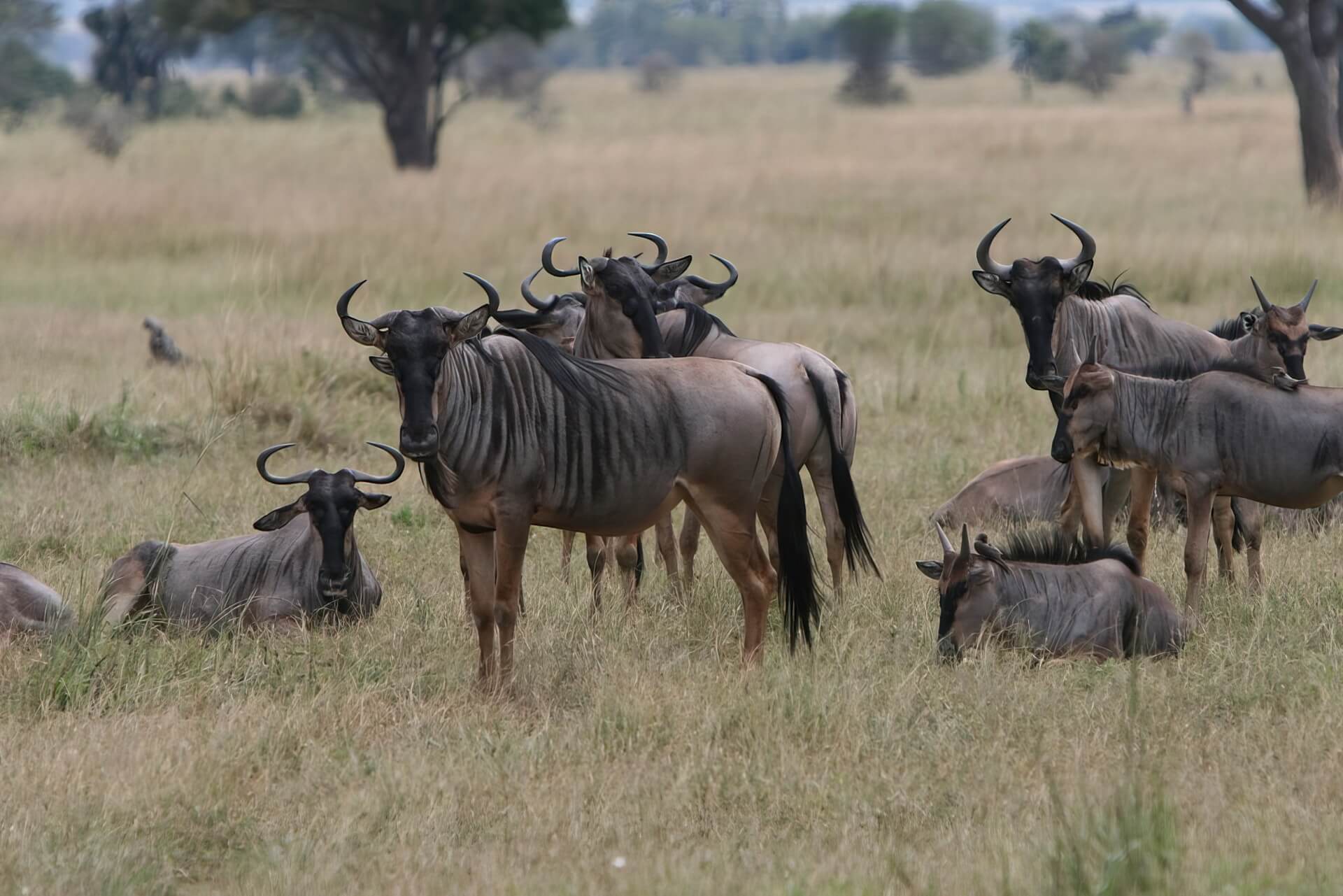
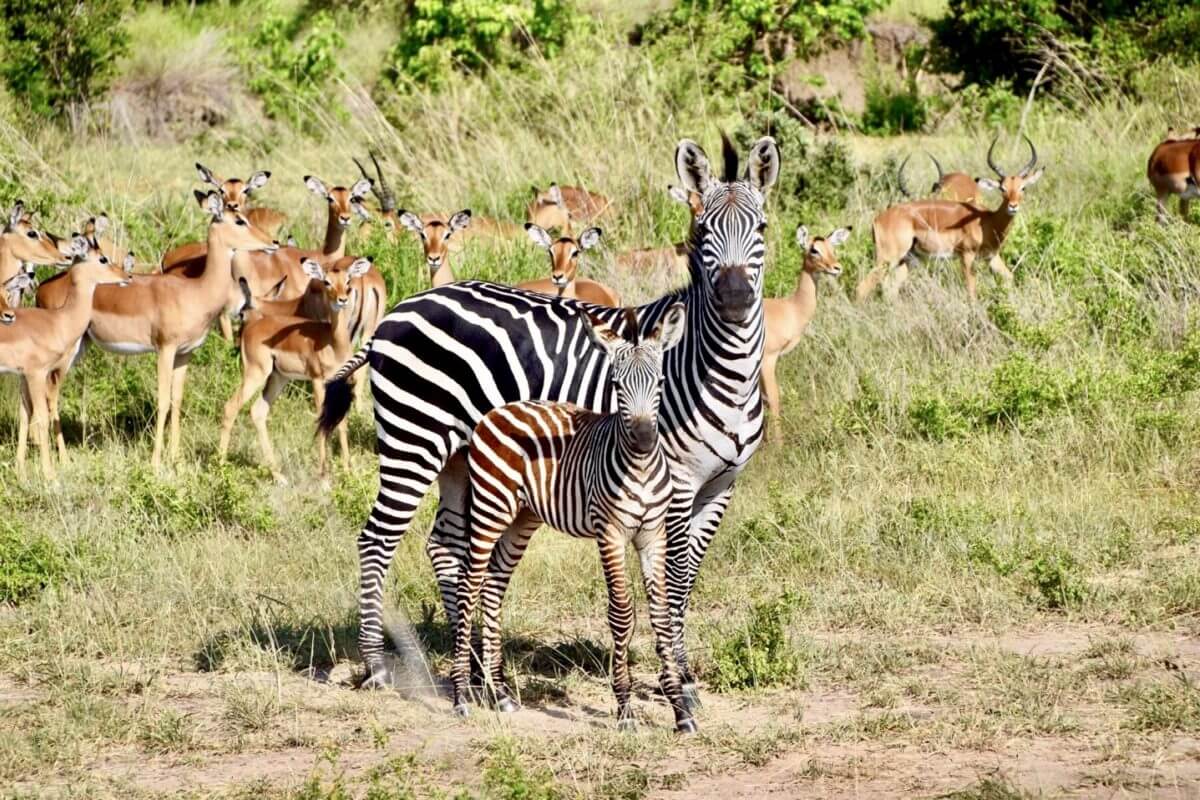
The park is also framed by two mountain ranges, adding a picturesque backdrop to your safari. Spanning 3,230 sq km, Mikumi is home to a wealth of wildlife. The park’s expansive grasslands and diverse habitats support large populations of buffalo, zebra, wildebeest, impala, giraffe, hippos, baboon, waterbuck, and elephants, all of which are easy to spot, particularly during the dry season when animals gather around waterholes such as the Mkata River and Hippo Pools.

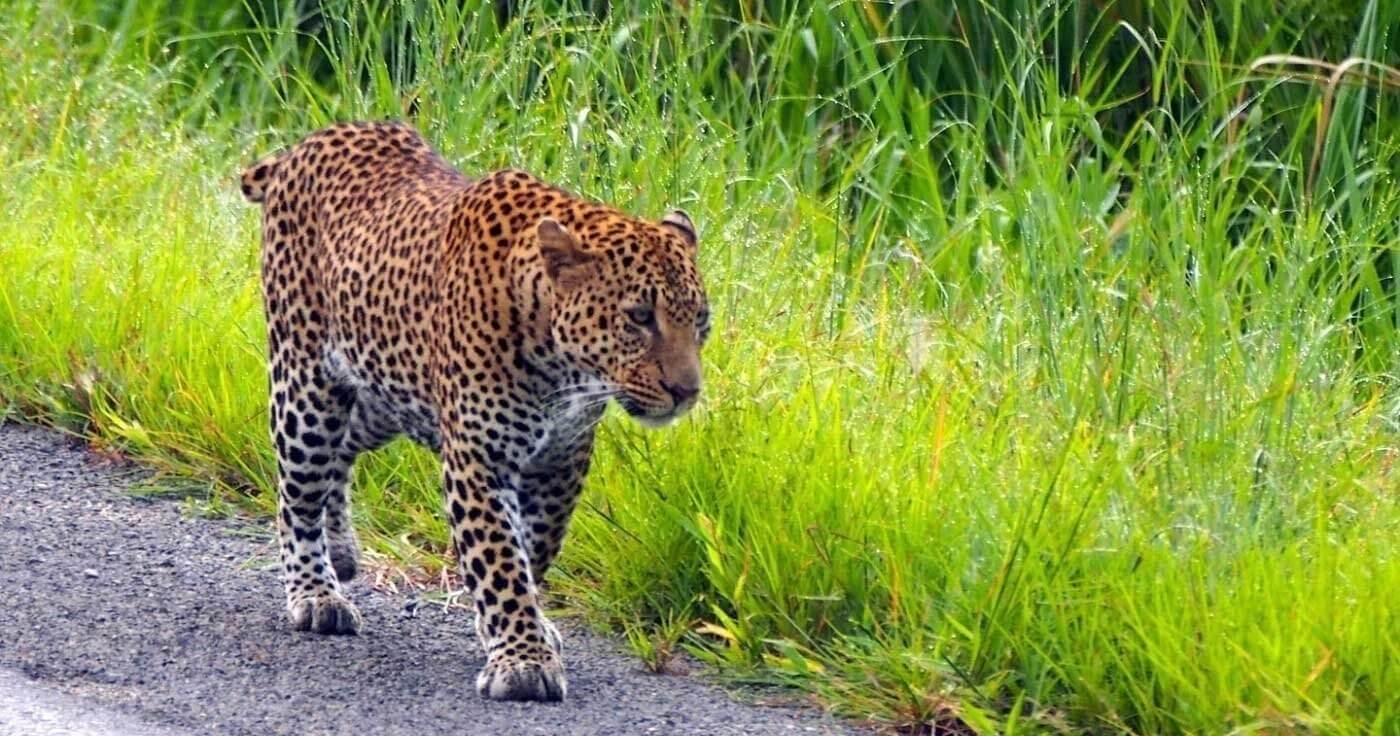
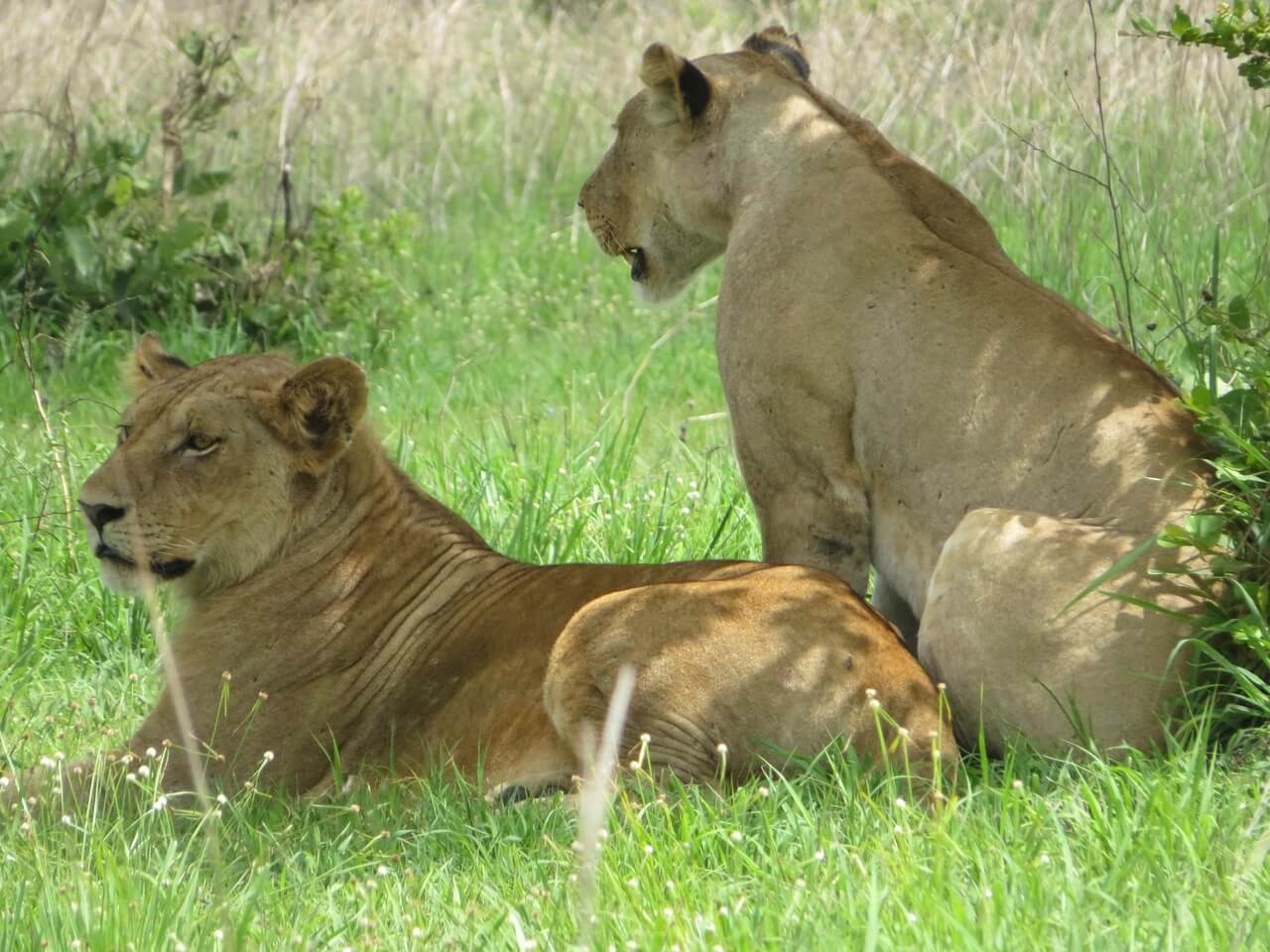
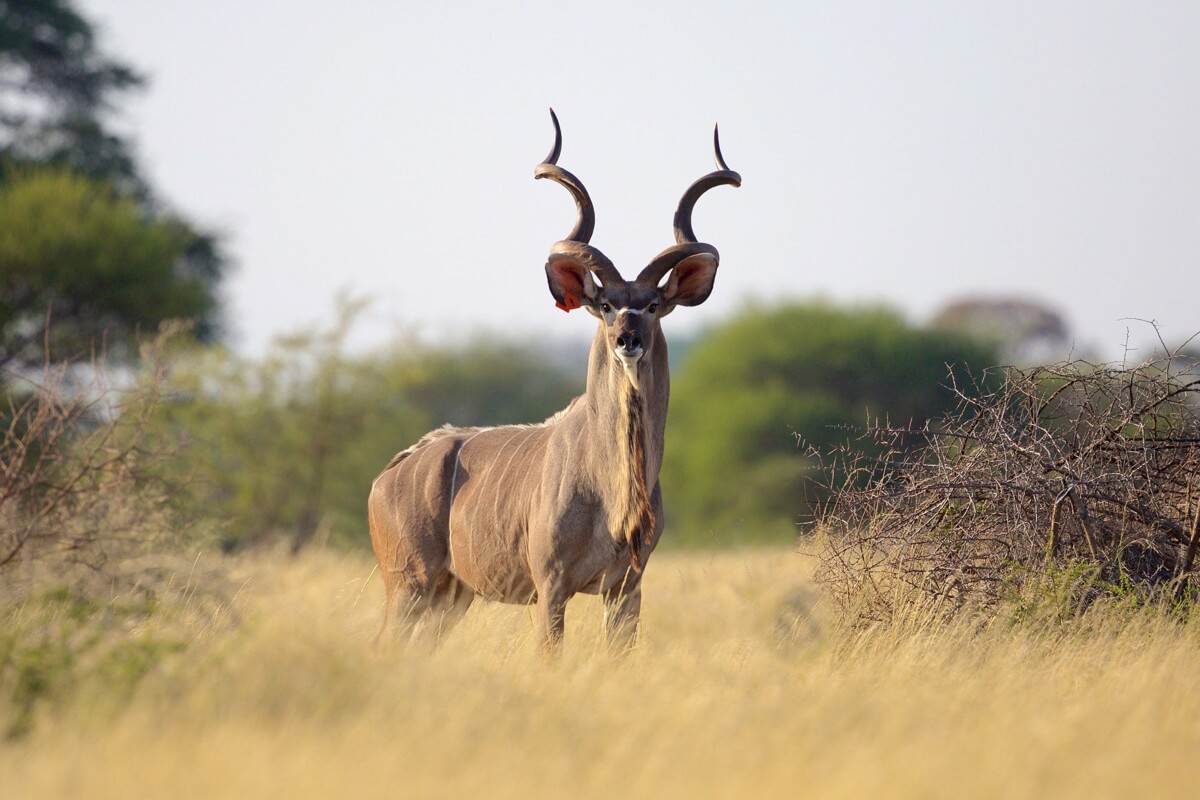
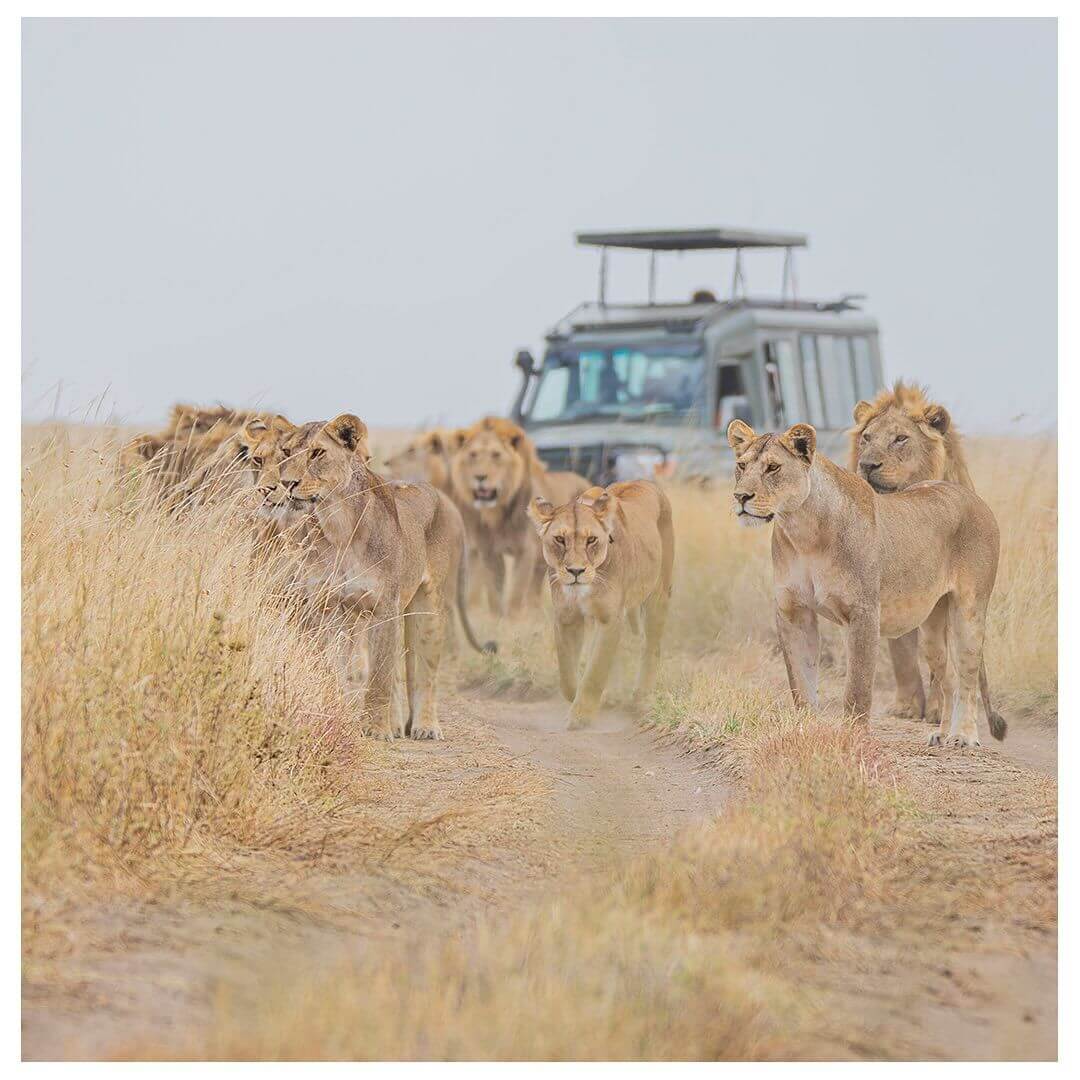
Mikumi is also a prime destination for spotting predators, including lions, leopards, and spotted hyenas. If you’re lucky, you may even catch a glimpse of rare species like the Sable Antelope, Greater Kudu, or the elusive African Wild Dog. The park is home to over 400 bird species, including migratory European birds during the rainy season.

Due to its accessibility from Dar es Salaam, Mikumi is a popular choice for day trips. However, we recommend staying at least one night to fully enjoy the park’s beauty and take in a game drive that spans the vast savanna. You’ll also have the chance to visit the Mkata River floodplain, which features a 60 km tourist circuit offering incredible wildlife sightings and views of the surrounding mountains.

The park’s dramatic scenery includes open grasslands dotted with acacia, baobab, tamarind, and palm trees. The landscape is a photographer’s paradise, with the backdrop of mountains enhancing the visual appeal of the expansive plains. As you drive through the park, keep your eyes peeled for herds of buffalo, zebras, and giraffes, and look up to spot soaring eagles and vultures.

Brief History of Mikumi National Park

Mikumi National Park, located in southern Tanzania, was established in 1964 with an initial area of 1,070 km². By 1975, it was expanded to its current size of 3,230 km², making it the ninth-largest national park in Tanzania. Mikumi shares an ecosystem with the renowned Nyerere National Park (formerly Selous Game Reserve), allowing for seasonal migrations of wildlife such as elephants, buffaloes, wild dogs, and zebras between the two parks.

The park is named after the nearby village of Mikumi, which lies just west of the park’s border along the Dar es Salaam to Iringa Highway. This highway cuts through the park for 50 km, offering easy access to visitors. The name “Mikumi” is derived from the Borassus palm trees (Borassus spp.) that once thrived in the region. While these palms no longer populate the village, the name remains a tribute to the once abundant trees.

Geographically, Mikumi is nestled in a horseshoe-shaped valley surrounded by towering mountains. To the east, the Uluguru Mountains rise to 2,743 meters, while to the southwest, the Vidunda Mountains provide a dramatic, craggy backdrop. The park’s floodplain is primarily shaped by the meandering Mkata River, creating a diverse landscape that supports a wide variety of wildlife and plant species.

Mikumi’s combination of stunning landscapes, rich wildlife, and strategic location makes it a vital part of Tanzania’s national parks system.

Wildlife in Mikumi National Park

Mikumi National Park offers some of the best wildlife viewing in Tanzania, with a wide variety of animals inhabiting its grassy plains, acacia-dotted woodlands, and the Mkata River floodplains. Here’s a breakdown of the wildlife highlights:

Common Species in Mikumi

Herbivores

Zebra, Wildebeest, Impala, Buffalo: 

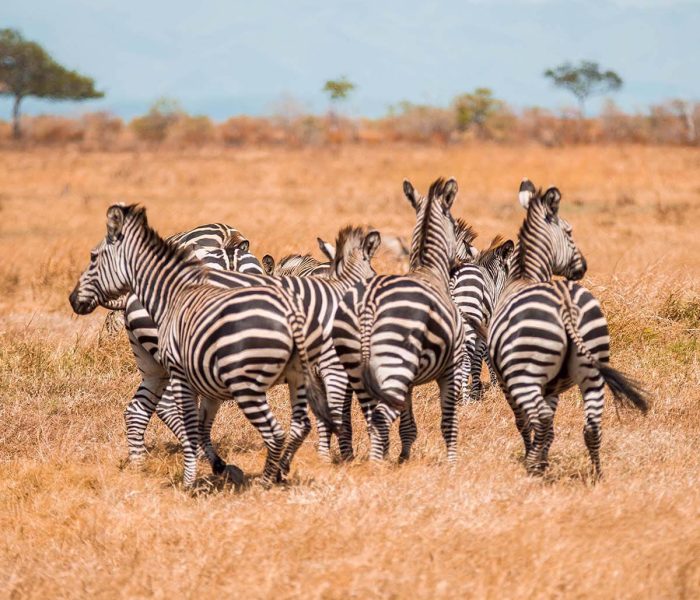
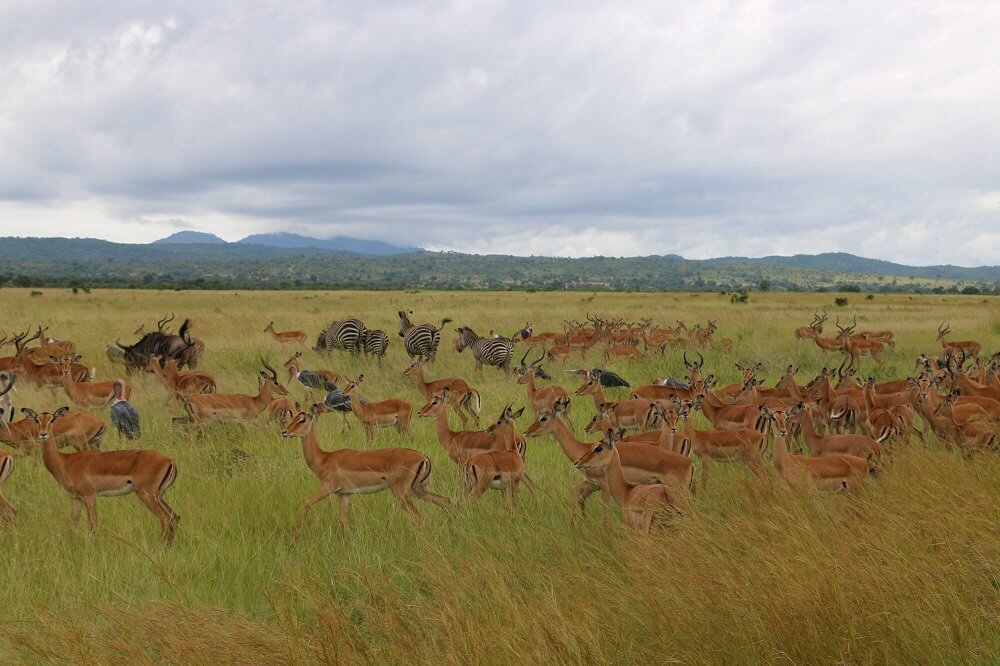
These animals inhabit the park’s open grasslands, particularly in the Mkata floodplain. They are commonly seen in large herds, especially around water sources.

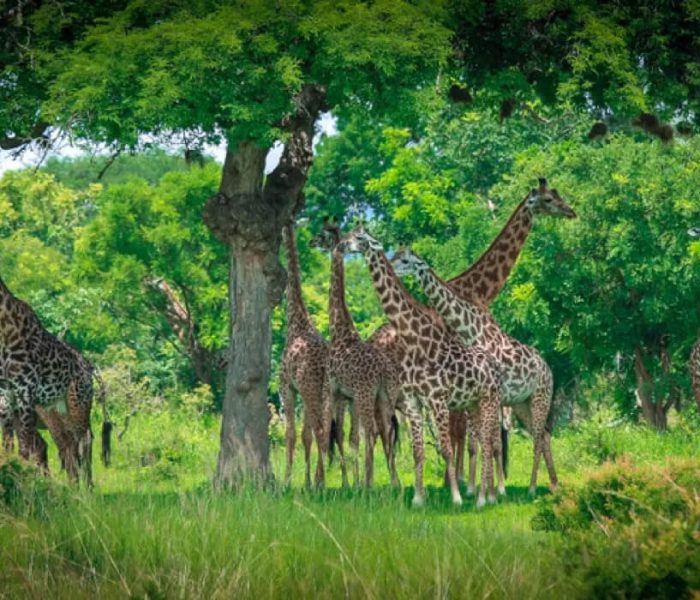
Giraffe: These graceful creatures are often spotted browsing on the acacia trees that line the Mkata River.

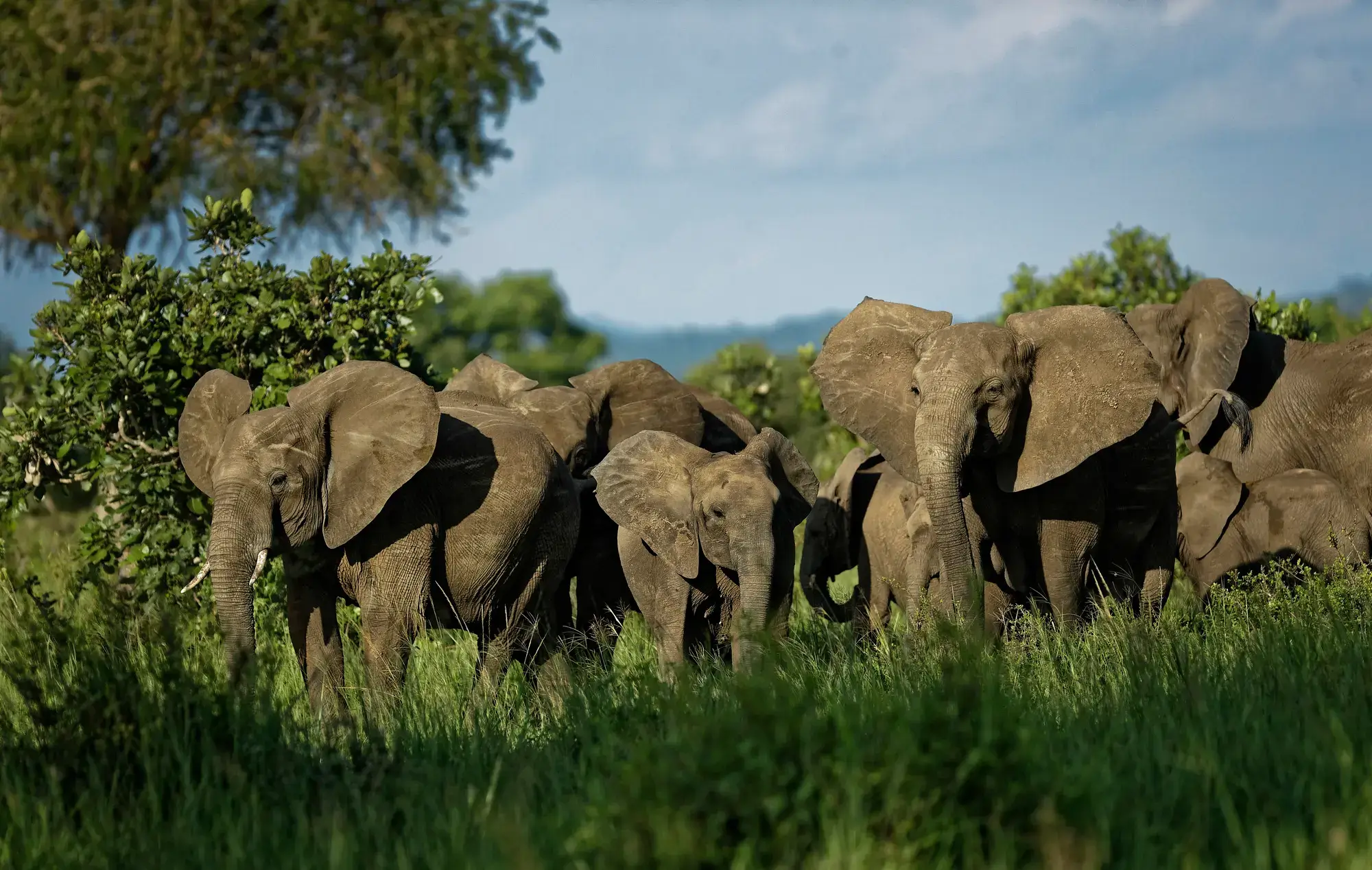
Elephant: The Mkata River is also a key area for spotting large herds of elephants as they drink and bathe.

Predators

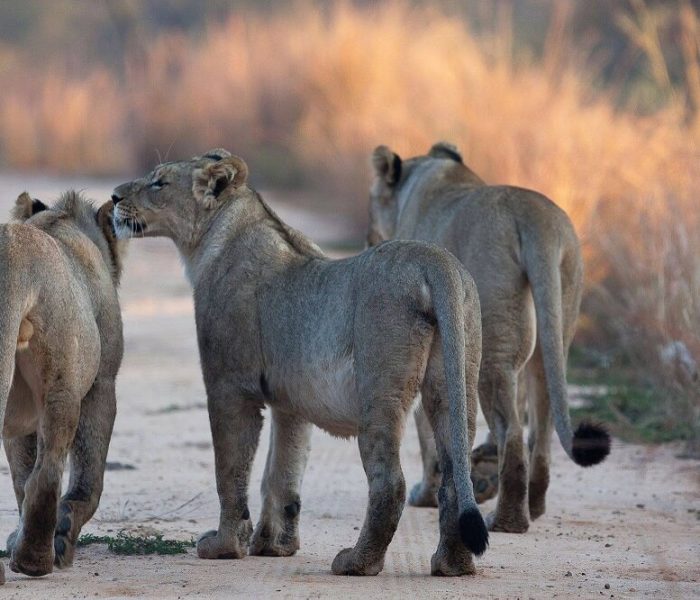
Lion: Lions can often be seen on the hunt, preying on the abundant herbivores that roam the plains.

Leopard and Spotted Hyena: Though less commonly seen, these predators do roam Mikumi and can be spotted, especially during the cooler hours of dawn or dusk.

Primates

Yellow Baboon: Mikumi’s famous and much-studied yellow baboons are a common sight. They are often seen in large troops across the park.

Unique and Notable Species

Eland: Mikumi is one of the best places in Tanzania to spot the world’s largest antelope, the eland.

Greater Kudu and Sable Antelope: Both of these impressive species are commonly seen in the miombo woodlands of Mikumi’s hilly areas.

Lichtenstein’s Hartebeest: This unusual species of hartebeest is also found in Mikumi, though it’s rarer and more elusive than the more common species.

Waterholes and Wildlife Concentration

Mikumi’s Waterholes: A major wildlife highlight is the concentration of animals around waterholes, where herds of elephants, buffalo, zebra, and wildebeest gather to drink.

These waterholes, especially during the dry season, provide incredible opportunities to observe wildlife up close.

Hippos: The hippo pools, which are part of Mikumi’s popular waterholes, are teeming with hippos, often seen in groups.

Rhino Reintroduction

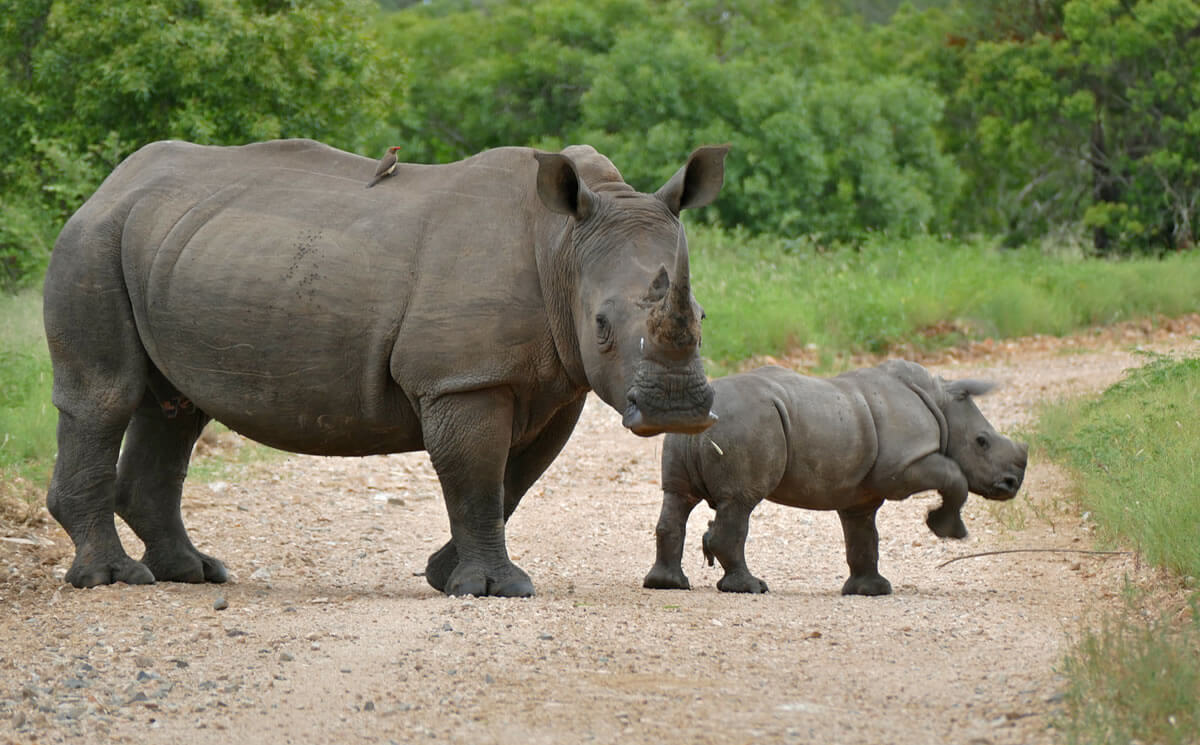
Plans for Rhino Reintroduction: Though rhinos disappeared from the park in the 1990s, park authorities have announced plans to reintroduce them to Mikumi, which will be a significant step in the conservation of this iconic species.

Mikumi’s rich and varied wildlife, coupled with its accessibility, makes it one of the most rewarding places to visit in Tanzania, whether you’re an animal lover, a photographer, or a safari enthusiast.

Mikumi National Park is a haven for bird enthusiasts, with over 400 species of birds recorded in the area. The park’s diverse habitats offer excellent bird-watching opportunities, particularly along the Mkata River, where you can spot fishing Open-billed Storks in action. 

Other common bird species in the park include Marabou Storks, Red-billed Oxpeckers, Black-bellied Bustards, Francolin, Cattle Egrets, Guinea Fowls, Hornbills, and the stunning Malachite Kingfisher.

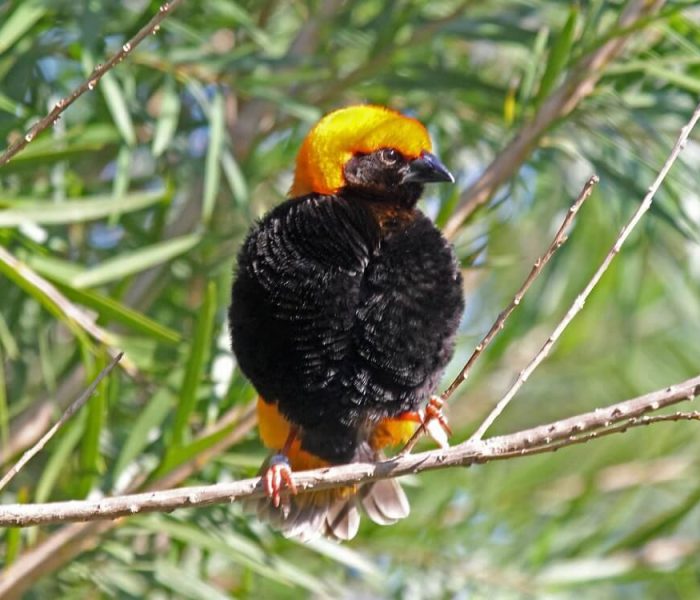
For those keen on vibrant birdlife, the park also hosts some of the most colorful species like the Yellow-throated Longclaw, Lilac-breasted Roller, and the majestic Bateleur Eagle. 

During the rainy season, European migratory birds make their way to Mikumi, adding even more variety to the park’s already impressive avian population. 

Whether you’re an amateur birdwatcher or an experienced ornithologist, Mikumi offers a rich and rewarding experience.

Attractions in Mikumi National Park

Mikumi National Park is rich in diverse wildlife, stunning landscapes, and birdlife. Here are some of the park’s top attractions:
Mkata Floodplain

A spectacular area for wildlife sightings, this floodplain hosts a concentration of animals, including four of the Big Five: Elephant, Buffalo, Lion, and Leopard. 

It’s a great place for game drives, particularly during the dry season when animals gather around water sources.

Mikumi is home to some of the world’s largest antelope species, such as the Eland, Greater Kudu, Sable Antelope, Defassa Waterbuck, and the elusive African Hunting Wild Dog.
Birdlife Diversity

With over 400 bird species, Mikumi is a bird lover’s paradise. Among the highlights are the striking Turkey-sized Ground Hornbill, tiny Sunbirds, and the majestic Bateleur Eagle, often seen soaring across the blue skies. The vibrant Lilac-Breasted Rollers add a splash of color to the landscape.

The park boasts a range of vegetation types, from seasonally flooded grasslands to woodlands and riverine forests. A particular highlight is the Afromontane Forest found on the summit of the Malundwe Mountains, renowned for its unique flora and fauna.

Mikumi offers an unforgettable safari experience with its diverse wildlife, varied landscapes, and abundant birdlife. Whether you’re a wildlife enthusiast, bird watcher, or nature lover, Mikumi has something spectacular to offer.

Tanzania

Tourism Activities in Mikumi National Park

Mikumi National Park offers a range of exciting activities that allow visitors to immerse themselves in its unique wildlife and cultural experiences

Day Game Drive

The main activity in the park, the Day Game Drive allows visitors to explore the park’s tourist areas and circuits, offering opportunities to view a wide variety of wildlife, including the Big Five, antelopes, giraffes, and more. 

It’s an excellent way to enjoy the park’s stunning landscapes and diverse ecosystems.

Night Game Drive

The Night Game Drive is a special adventure, as the bush transforms into a completely different world at night. This activity provides a chance to encounter nocturnal animals such as porcupines, civet cats, and aardvarks. 

It’s also a perfect time to observe leopards hunting and hippos grazing in their natural habitat, showcasing the nocturnal behaviors of wild animals.

Walking Safari

The Walking Safari is a thrilling activity that takes visitors through designated walking trails in the park. Conducted for 3-4 hours, this experience allows guests to connect with nature and enjoy the wildness of the environment on foot. 

This activity is available only during the dry season and is suitable for adults aged 16 and above, though children aged 12 to 15 years can also participate.

Birding

Mikumi is a fantastic destination for bird watching, with over 400 species of birds recorded in the park. 

The Mkata plains are especially great for birding, offering sightings of species like the black-bellied bustard, marabou storks, oxpeckers, bateleur eagles, and the colorful lilac-breasted rollers and yellow-throated long claws.

Cultural Tourism

Cultural tourism gives visitors a chance to experience the local village life near Mikumi. Visitors can participate in activities such as cooking traditional food, dancing, and sharing local arts and crafts, allowing them to connect with the cultural heritage of the area.

These activities make Mikumi National Park a fantastic destination for both wildlife lovers and those interested in cultural experiences.

Climate of Mikumi National Park

Mikumi National Park experiences a bi-modal rainfall pattern, with two distinct rainy seasons. The short rains occur from October to early November, followed by the long rains from March to May, lasting for about five to six months. The average annual rainfall in the park is around 700mm, though this can vary, as the rainfall pattern is often unpredictable.

wet season

During the wet season, the park is hot and humid, with temperatures rising to 30°C. 

The dry season, typically from June to October, is cooler, with temperatures ranging between 20°C and 25°C. The annual average temperature in the park is 25.5°C.

dry season

While the dry season is considered the best time to visit, with easier wildlife sightings due to thinner vegetation and animals gathering around water sources, the northern part of the park remains accessible year-round for visitors.

gallery

Picture of Planning Your Safari

Planning Your Safari

Organizing a safari in Tanzania Destination, can be overwhelming due to the many choices available for transport, accommodation, and activities.

Reviews and Rates

TIMING OF WILDLIFE VIEWING IN MIKUMI NATIONAL PARK

Mikumi offers excellent wildlife viewing year-round, but the experience varies between the Dry and Wet seasons:

June to October – Dry Season

Wildlife Visibility: Easier to see as vegetation thins and animals gather around waterholes and rivers.

Weather: Expect sunshine with little rainfall, making the park more accessible and pleasant for travel.

Malaria Risk: Lower, as fewer mosquitoes are present.

Heat: Less oppressive due to low humidity.

Drawbacks: Dust in the air can reduce visibility, and the hippo pool and some northern trails can become crowded with vehicles, especially in September and October, when large herds gather around the last water sources.

Scenery: Lush and green, as the rains rejuvenate the landscape.

Prices: Lower, especially from April to May, when fewer visitors come.

Birding: The best time for bird watchers, with migratory species arriving from November to April.

Challenges:
Roads may become impassable due to rainfall.
Wildlife is harder to spot compared to the Dry season.

Wettest Months: March to April, with heightened humidity and heat.
Some lodges may close from March to May for the season.

Whether you’re after a sunny, busy safari experience or a quieter, lush escape with great birding, Mikumi National Park offers a range of opportunities depending on the season!

TRAVELING TO MIKUMI NATIONAL PARK

Mikumi National Park is a convenient and accessible destination, particularly for those traveling from Dar es Salaam. Here’s a breakdown of the typical routes to reach the park:

By Road
From Dar es Salaam:
Mikumi is approximately 300 km (186 miles) east of Dar es Salaam, and the drive usually takes around 6 hours. Many travelers opt to visit Mikumi as a weekend getaway due to its proximity to the city.

From Ruaha National Park:
If you’re coming from Ruaha, the distance is about 320 km (200 miles), and the journey takes approximately 6 hours by road. Mikumi is often visited on the way to or from Ruaha National Park.

From Arusha:
Mikumi lies 795 km (494 miles) south of Arusha by road, which takes a longer drive, often 10-12 hours depending on road conditions and stops along the way.

By Air
Airstrips in Mikumi:
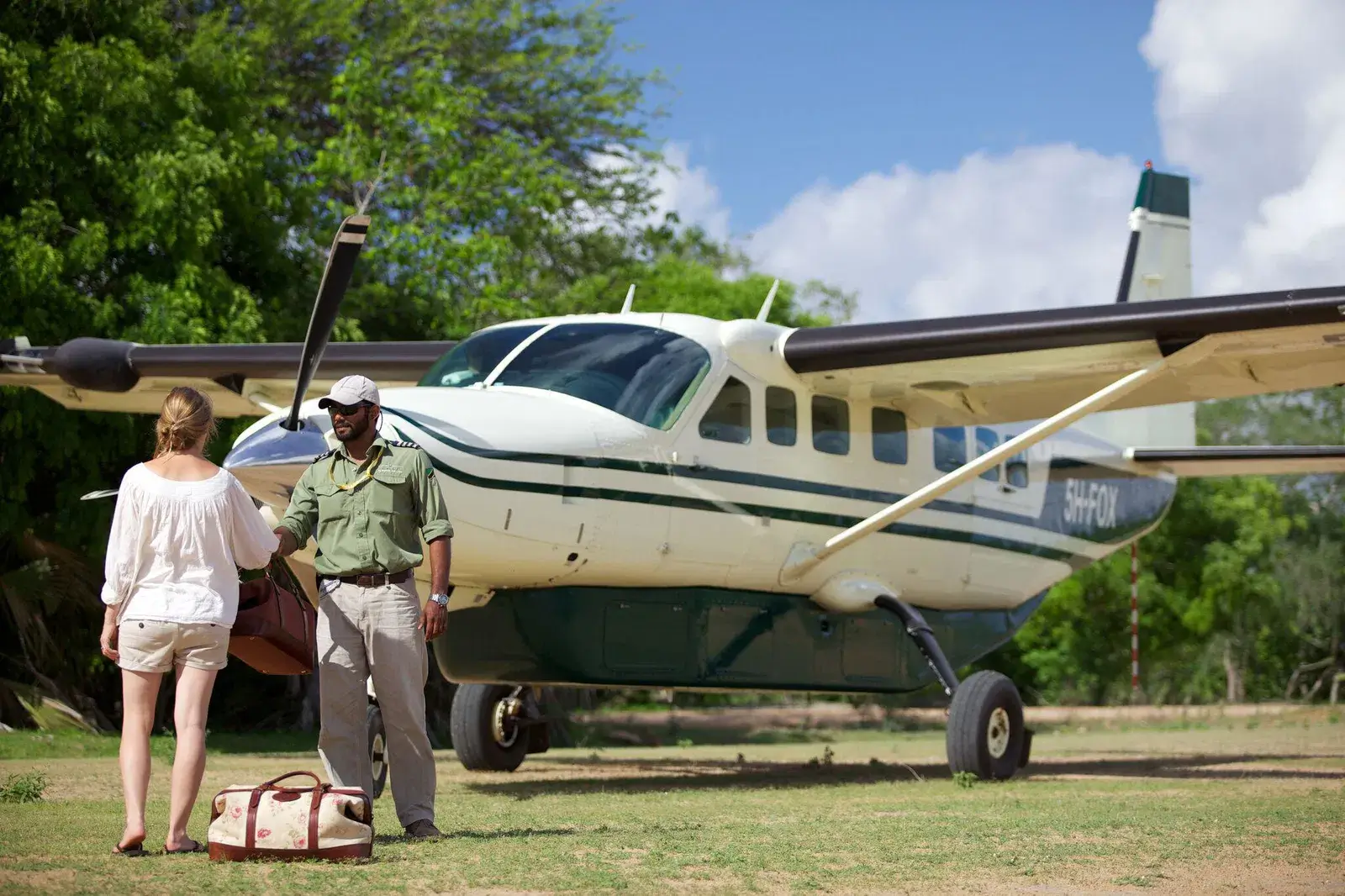
Charter flights are available to Mikumi’s Kisima Airstrip and other airstrips within the park.
Flights can be arranged from Dar es Salaam, Zanzibar, Ruaha National Park, and Selous Game Reserve (Nyerere National Park).

From Northern Circuit Parks:
It’s also possible to arrange charter flights from Tanzania’s Northern Circuit parks (such as the Serengeti or Ngorongoro), depending on the travel arrangements.

Accommodation Facilities in Mikumi National Park

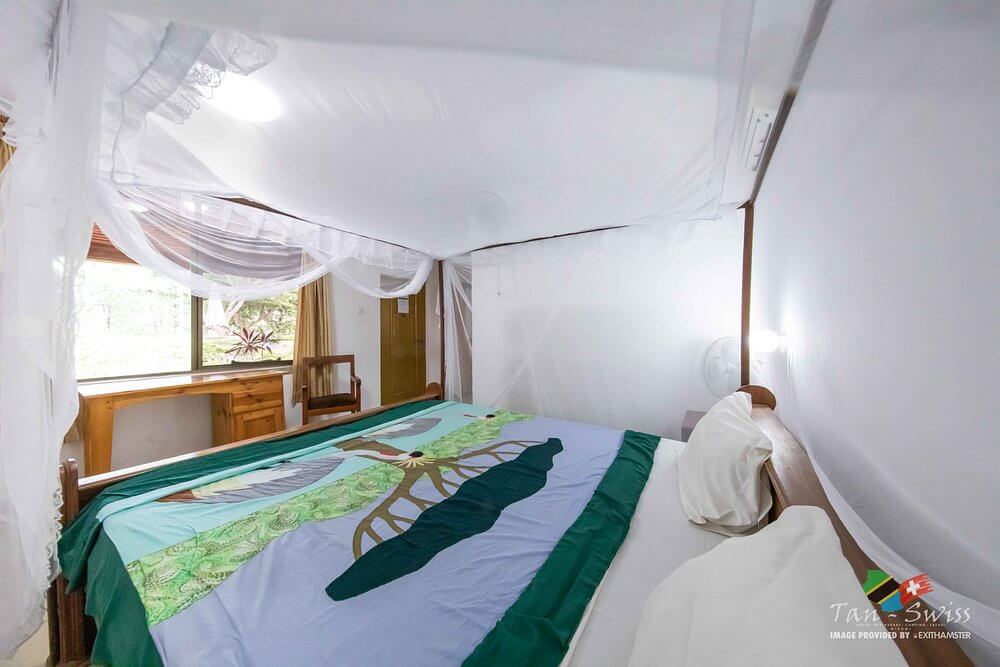
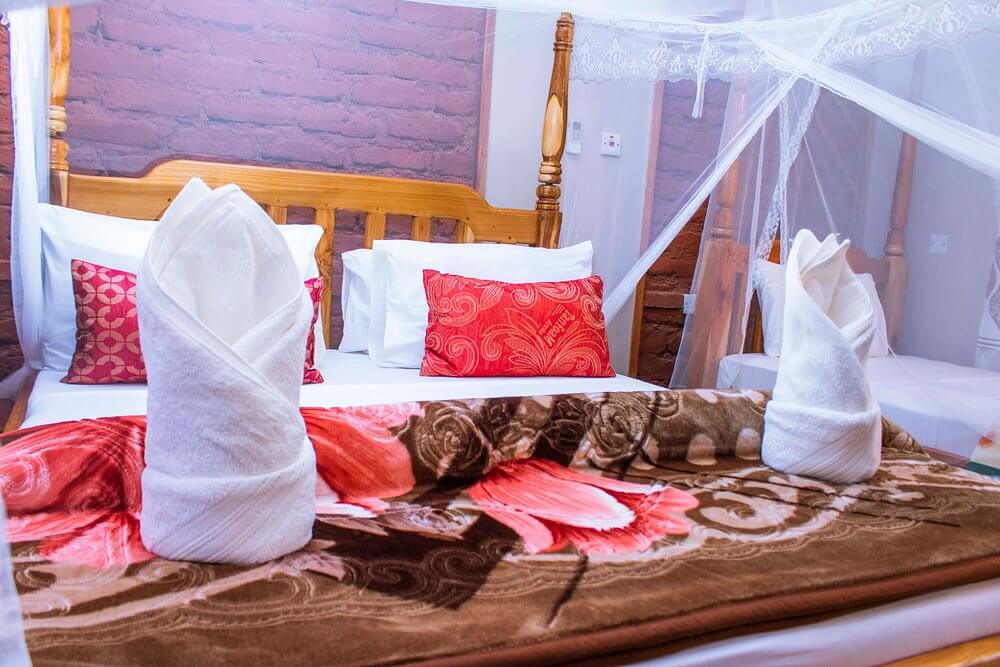
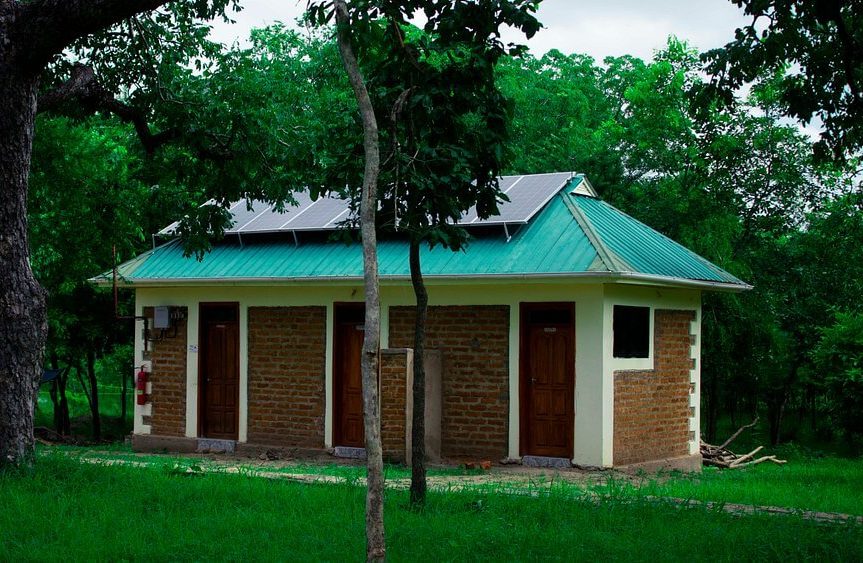
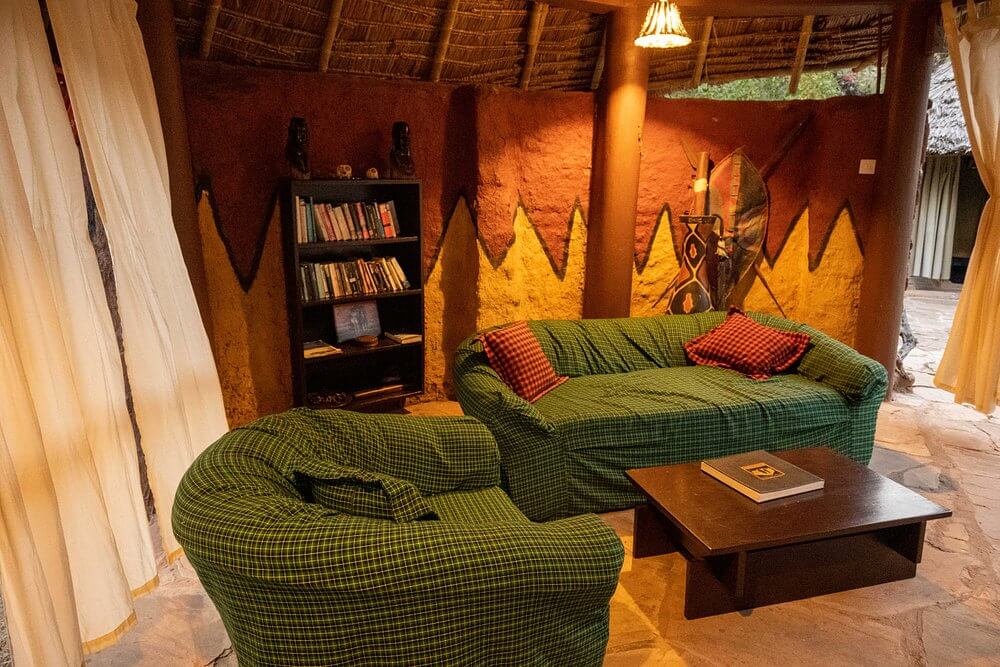
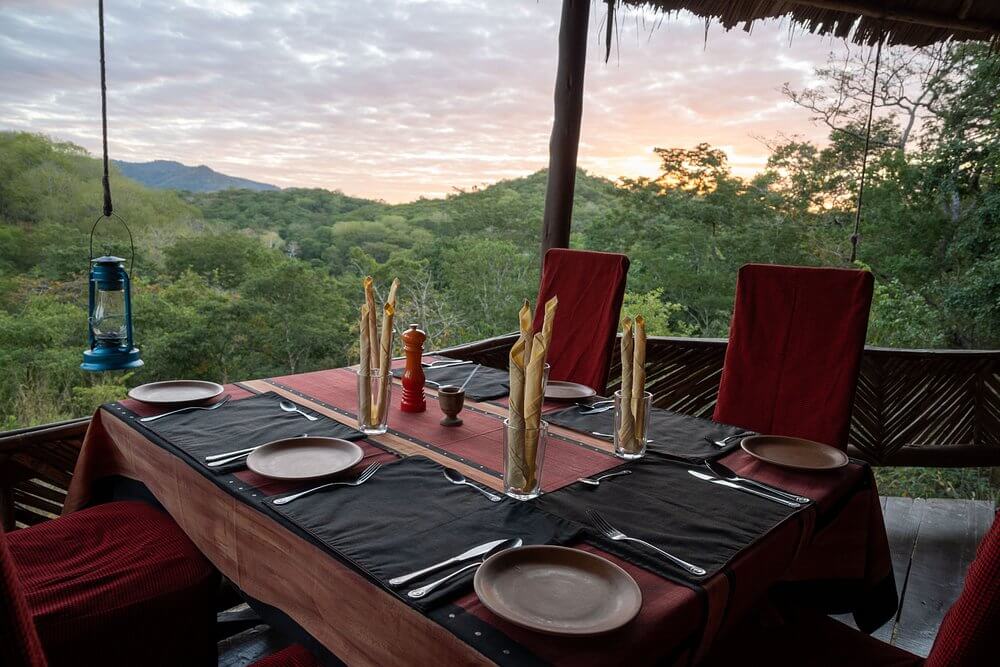
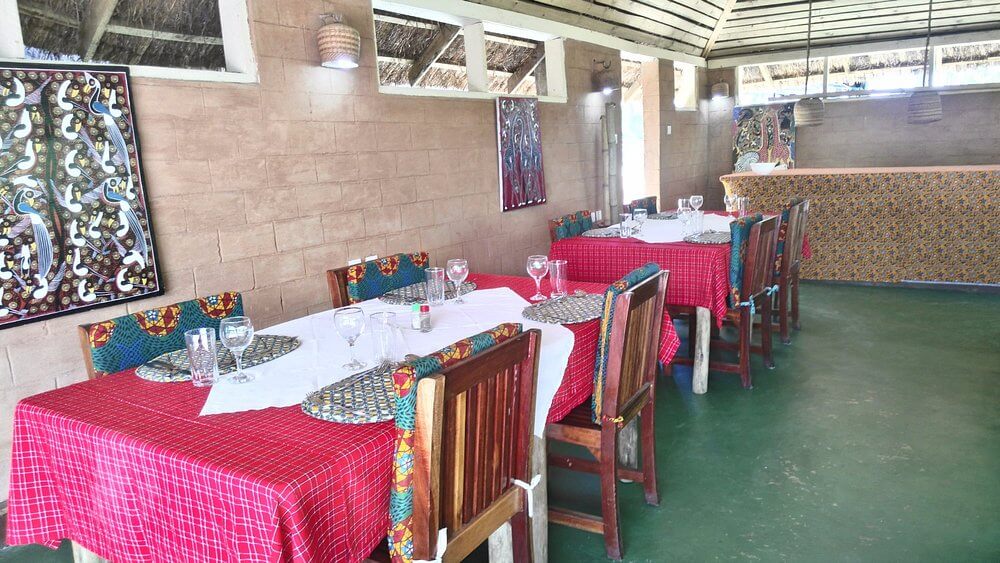
Mikumi National Park offers a variety of accommodation options both inside and outside the park, catering to different preferences and budgets.

Bandas/Cottages ( Inside the Park )

Comfortable and basic accommodation options are available for those wanting to stay inside the park. 

These include Bandas (small huts or cottages) and Rest Houses which provide an authentic and immersive experience close to nature.

For a more adventurous experience, there are three private tented camps available within the park. These offer a more intimate and rustic stay while still providing comfort in the wilderness.
Campsites ( Inside the Park )

Mikumi offers two types of campsites:

Public Campsites: These campsites have basic facilities, including water and bathrooms, offering a simple but comfortable camping experience.

Special Campsites: These are natural sites where visitors can camp in the wild. There are no provided water or bathroom facilities, offering a more raw and unspoiled connection with nature.

Motels, Hotels, Lodges, and Guesthouses

For those who prefer staying outside the park, Mikumi Township offers a range of motels, hotels, lodges, and guesthouses. 

These accommodations are affordable and provide visitors with a comfortable place to relax after a day of exploring the park.

What our Client Say

Design your own trip

Choose a destination, pick your properties, and we’ll do the rest

1
Browse
Look through our itineraries for inspiration, and call our Travel Consultants
2
Create
Discuss your wish list with us, and we’ll use our expertise to design a unique itinerary for you
3
Customise
We’re committed to refining your itinerary until we’ve created the perfect personalised trip for you