EXPLORE

Kenya Destination

Lake Nakuru National Park
Picture of Chat to an Kenya Safari expert

Chat to an Kenya Safari expert

Get advice and suggestions to make this your perfect trip. or call us on:
+255 755 003116

Picture of Chat to an Kenya Safari expert

Chat to an Kenya Safari expert

Get advice and suggestions to make this your perfect trip. or call us on:
+255 755 003116

A Wildlife Haven in Kenya

Destination Overview

Nestled in the southwestern region of Kenya, just northwest of Nairobi, Lake Nakuru National Park is an enchanting destination that combines natural beauty with abundant wildlife. Spanning 73 square miles (188 square kilometers), this UNESCO World Heritage Site is renowned for its breathtaking landscapes and vibrant wildlife, making it a must-visit spot for nature lovers and wildlife enthusiasts.

At the heart of the park lies Lake Nakuru, a shallow alkaline lake that serves as a sanctuary for countless species. With a maximum depth of just 6 feet (1.8 meters) and an average depth of 1 foot (0.30 meters), the lake provides easy access for both animals and birdlife. As one of the iconic Rift Valley lakes, it sits at an elevation of 5,755 feet (1,754 meters) above sea level, offering panoramic views of the surrounding wilderness.

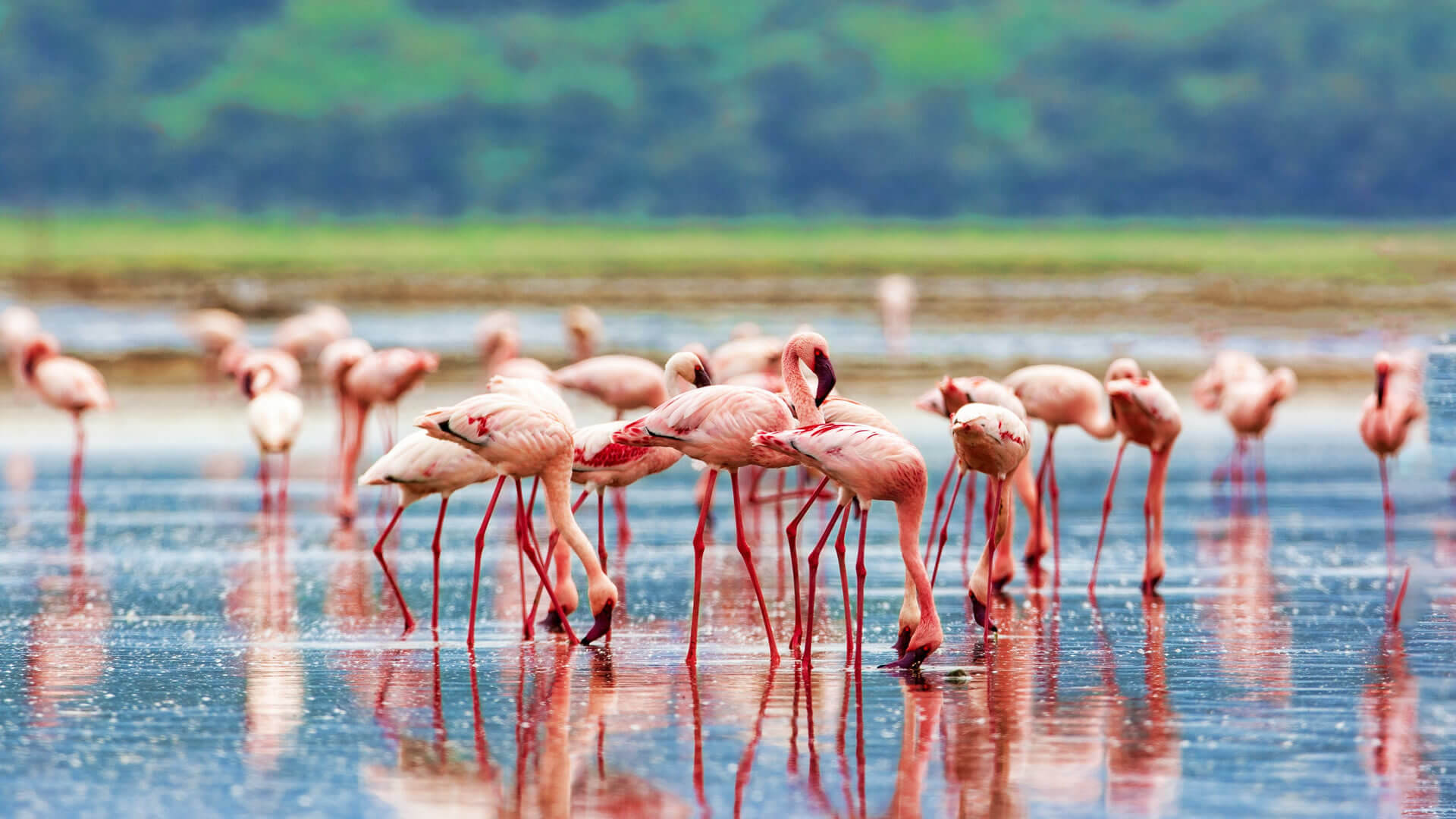
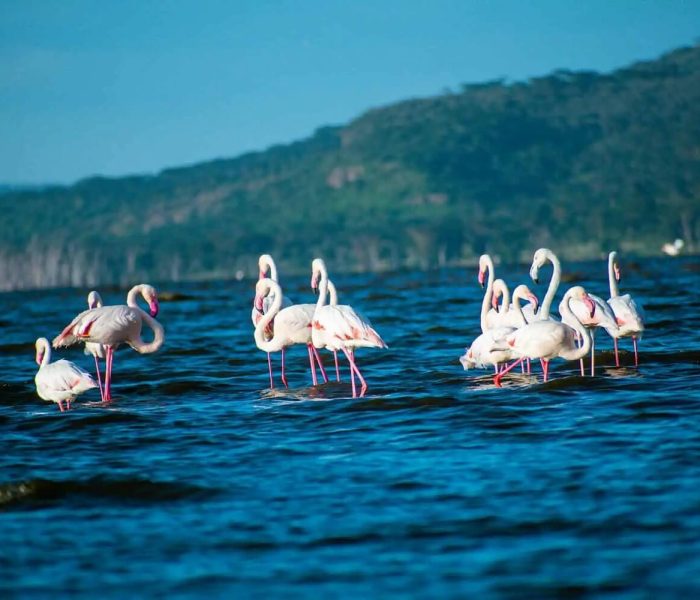
The park’s signature attraction is the stunning flamingo population. At the height of the season, over a million flamingos can grace the shores of Lake Nakuru, creating a spectacular sight. For the best vantage point, head to Baboon Cliff, where you can witness the breathtaking spectacle of these vibrant birds in their natural habitat.

Lake Nakuru National Park offers a diverse range of landscapes, from lush grasslands and marshes to rocky cliffs and outcrops. The park is dotted with iconic yellow-barked acacia trees, adding to the authentic African wilderness experience.

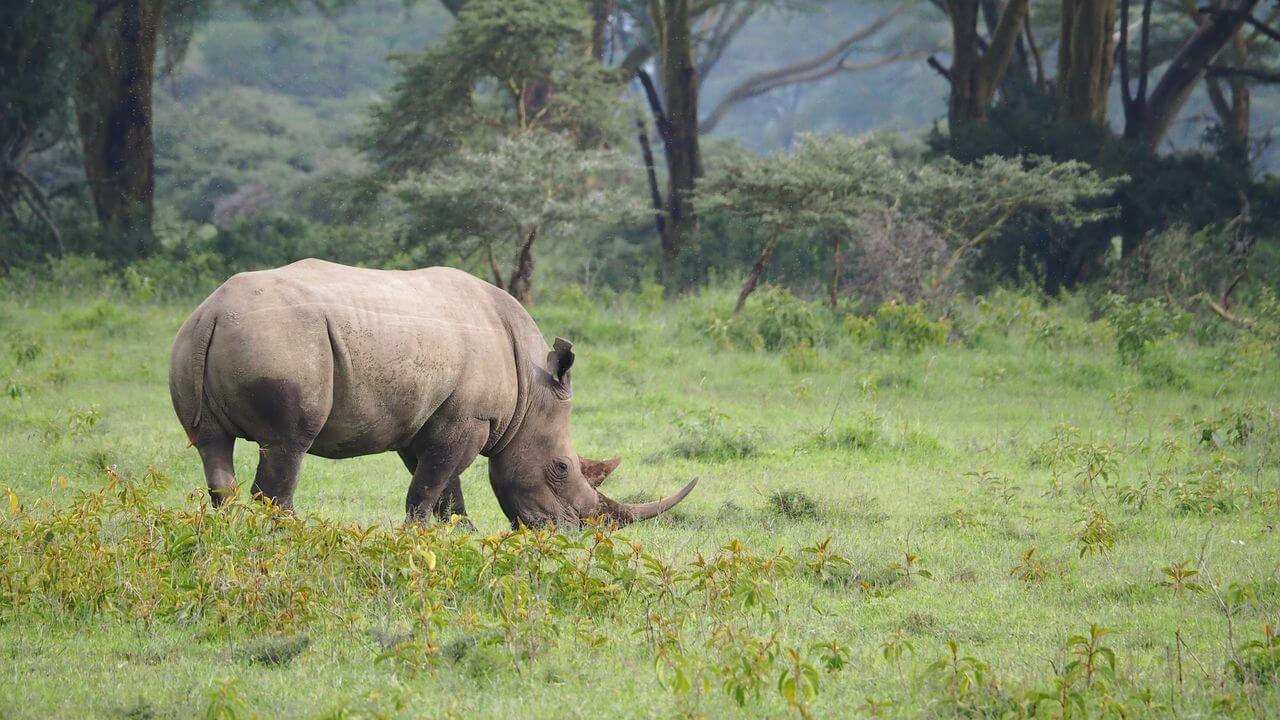
In addition to its rich birdlife, the park is a conservation haven for rhinos. It is home to a significant population of both black and white rhinoceroses, including approximately 70 white rhinos and 25 eastern black rhinos, making it one of Kenya’s largest rhino reserves. The park’s fenced-off area, spanning 116 miles (188 km), ensures a safe environment for these magnificent creatures.

Located just 102 miles (164 kilometers) from Nairobi, Lake Nakuru National Park is the perfect destination for a day trip from Nairobi, offering visitors a unique opportunity to experience the rich wildlife and natural beauty of Kenya in a single day.

Whether you’re keen to spot flamingos, explore the varied landscapes, or encounter rhinos, Lake Nakuru National Park promises an unforgettable adventure in the heart of Kenya’s wilderness.

Wildlife at Lake Nakuru National Park

Lake Nakuru National Park is home to a diverse range of safari wildlife, though elephants are notably absent. The park is renowned for its significant populations of black and white rhinos, with white rhinos being particularly easy to spot. Visitors can often encounter these magnificent creatures, especially around the causeway at the western end of the lake, where different groups can be seen throughout the day.

Lake Nakuru National Park, established as Kenya’s first rhino sanctuary, is home to one of the largest concentrations of black rhinos in the country. In addition to its thriving black rhino population, the park has successfully introduced substantial numbers of white rhinos, making it a vital haven for these endangered species. 

This unique blend of rhino populations contributes to Lake Nakuru’s status as a premier wildlife destination, offering visitors a rare opportunity to witness these majestic creatures in their natural habitat.

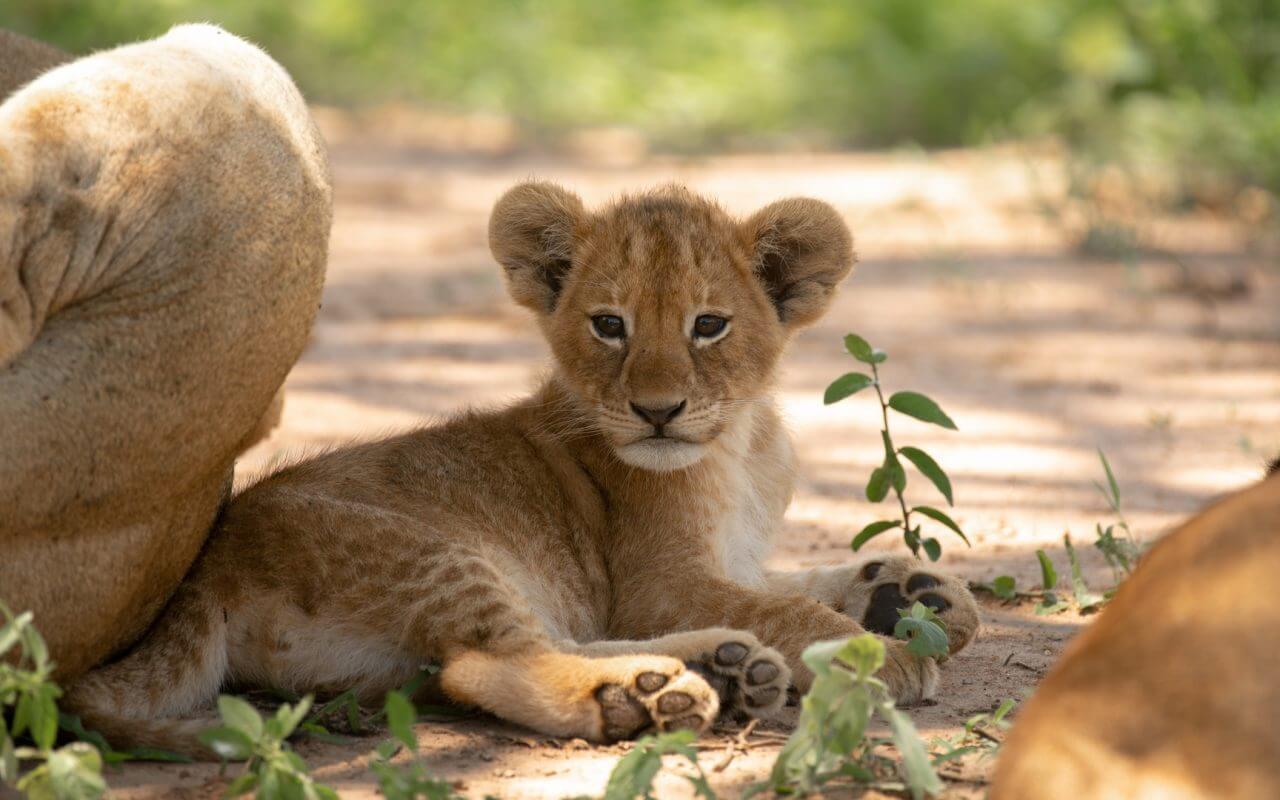
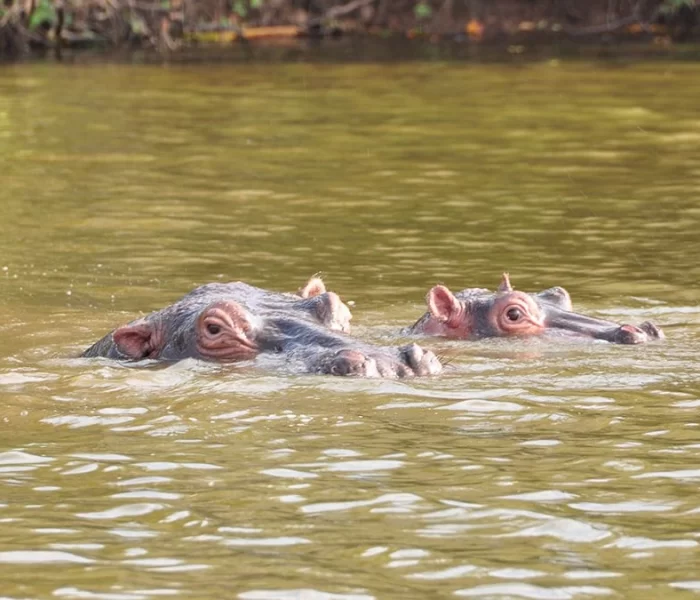
Lake Nakuru National Park boasts an impressive variety of wildlife, with a significant predator presence reflecting the abundance of prey. The park is home to lions, cheetahs, leopards, and hyenas, with the occasional sighting of large pythons adding to the thrill. Giraffes and the two species of rhinos are prominent mammals in the park, while several other species, such as the waterbuck, reedbuck, and bushbuck, also thrive here. The waterbuck is particularly abundant in Lake Nakuru, more so than in many other parks. A small population of hippos can be found lounging along the lake’s reeds, adding another fascinating aspect to the park’s rich ecosystem.

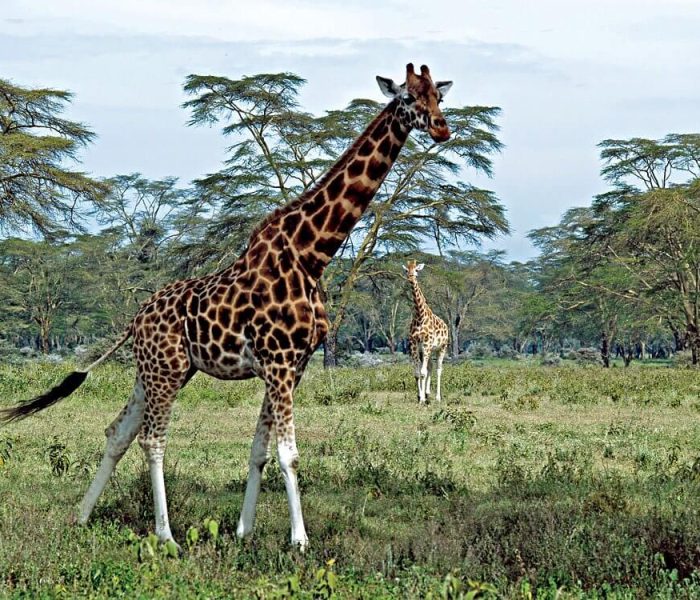
In addition to rhinos, Lake Nakuru serves as a crucial sanctuary for the endangered Rothschild’s giraffe. These graceful animals can be found roaming the acacia forests that stretch from the western shores of the lake, adding another layer of wildlife beauty to the park’s already impressive ecosystem. Whether you’re spotting rhinos or giraffes, Lake Nakuru offers an exceptional opportunity to witness Kenya’s wildlife in its natural habitat.

Birdlife

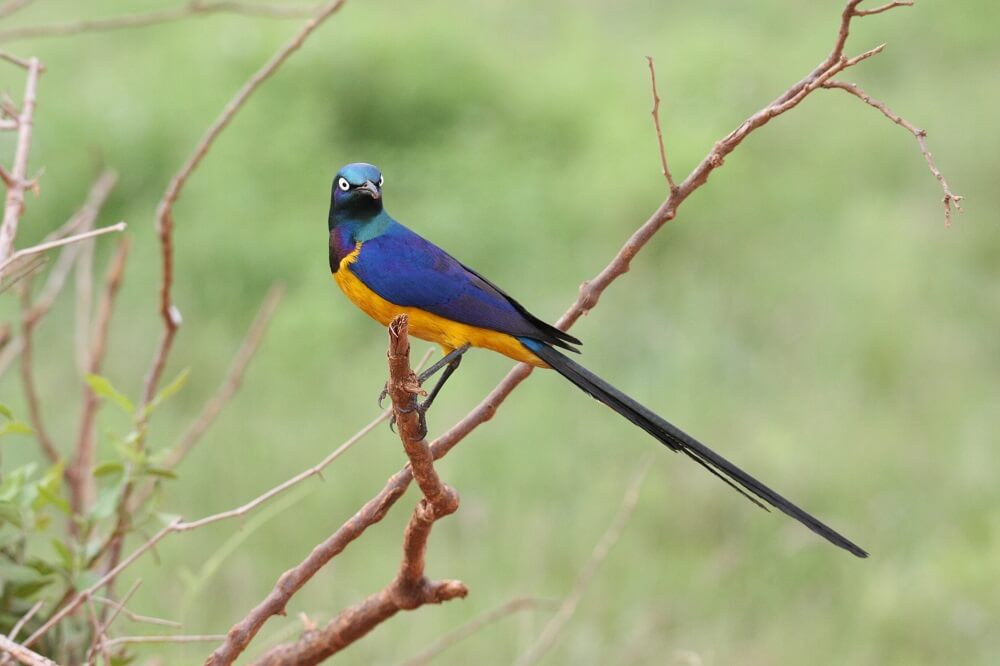
Lake Nakuru National Park is a birdwatcher’s paradise, home to more than 450 bird species. One of the most breathtaking sights is when hundreds of thousands of flamingos flock to the shallows of the lake, turning it a stunning pink. While flamingo numbers have fluctuated in recent years, they remain a highlight of the park. More reliably, visitors can spot pelicans and storks roosting near Rhino Point on the southeast shore.

Birdwatchers can also find the near-endemic grey-crested helmet-shrike, and the white-fronted bee-eater, known for its vibrant colors, nests along a sandy cliff near Makalia Falls. Raptors such as the long-crested eagle, African fish eagle, and augur buzzard are common, while Verreaux’s eagle and Goliath herons can also be seen. Over a dozen predator bird species can be spotted, making Nakuru a true haven for bird enthusiasts.

The shallow lake is rich in algae, which attracts the flamingos. These iconic birds consume around 551,155 pounds (250,000 kg) of algae per acre each year. With its diverse birdlife and vibrant ecosystems, Lake Nakuru National Park truly deserves its title as “the greatest bird spectacle on earth.”

Best Time to Visit Lake Nakuru National Park

Lake Nakuru National Park offers exceptional wildlife viewing year-round, but the most ideal months for a safari are from June to February, during the dry season. Here’s what to expect during each season:

June to February – Dry Season

  • Weather: Sunny and dry, with temperatures rarely becoming too hot.
  • Wildlife Viewing: Short grass and limited water sources make animals easy to spot, offering excellent safari experiences.
  • Crowds: The park can become crowded, especially during peak months. Popular wildlife sightings tend to attract many vehicles.
  • Accessibility: Trails are generally in better condition, thanks to the reorientation of tracks to avoid rising water levels from the lake.

March to May – Wet Season

  • Crowds: Fewer visitors, offering a more tranquil experience and potentially lower rates.

  • Scenic Views: The park becomes lush and green, with clear skies and vibrant flowers in bloom.

  • Wildlife: Newborn animals are common during this time, adding to the park’s charm.

  • Birdwatching: This is the best period for bird enthusiasts, with migratory species arriving.

    Challenges: April and May bring heavier rains that could impact game drives, and the grass grows taller, making wildlife harder to spot.

Overall, dry season is perfect for clear skies and easy wildlife spotting, while the wet season offers a quieter and more picturesque experience.

gallery

Picture of Planning Your Safari

Planning Your Safari

Organizing a safari in Kenya Destination, can be overwhelming due to the many choices available for transport, accommodation, and activities.

Reviews and Rates

Kenya

Things to Do in Lake Nakuru National Park

Game Drives

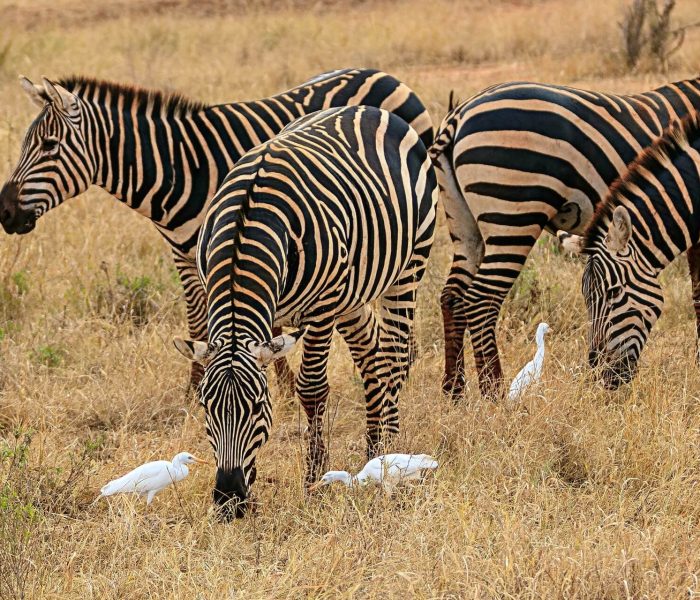
Lake Nakuru National Park offers fantastic safari experiences with a diverse range of habitats, from wetlands and grasslands to dense forests. The park is home to a variety of wildlife, including flamingos, rhinos, giraffes, buffaloes, zebras, lions, and leopards. Embark on a game drive and explore the park’s vibrant ecosystems while spotting iconic African wildlife.

Visit the Baboon Cliff

Baboon Cliff is a top scenic viewpoint that offers panoramic views of the valley below. Named for the baboons that frequent the area, this spot is perfect for a picnic (though be cautious of the cheeky baboons, who may steal your food!). The view is most striking in the morning when the sun casts a golden glow over the landscape. There are also several hiking trails around the cliff for those looking to stretch their legs, and the site is easily accessible by car.

Out of Africa Viewpoint

The Out of Africa Viewpoint is the most spectacular lookout in the park. A short but steep hike takes you to the top, where you’ll be treated to breathtaking views. This spot gained fame from the 1985 film Out of Africa, and its dramatic scenery makes it one of the park’s must-visit locations.

 Makalia Waterfall

Makalia Falls is a charming 10-meter waterfall located in the southern part of the park. While it has a seasonal flow, it remains a delightful spot for a peaceful hike or a picnic. The waterfall is especially attractive after the rainy season, providing a refreshing sight amidst the park’s diverse landscapes.

Cycle with the Rhino

Cycle with the Rhino is an annual event that brings together hundreds of participants to cycle through the park. This fun and meaningful event raises funds for community-based conservation projects, including initiatives to combat poaching and reduce human-wildlife conflict. Since 2003, fundraising efforts have helped build 18km of baboon-proof fencing, supporting wildlife preservation in the region.

Getting to Lake Nakuru National Park

By Road: Lake Nakuru National Park is located 156 km northwest of Nairobi, easily accessible via the A104 main road. Visitors can enter through several gates, including Lanet Gate, Nderit Gate, and Main Gate, all located near Nakuru City. The Main Gate is just 4 km from the city center.
For visitors traveling from Nairobi, Lanet Gate is recommended to avoid the traffic congestion in Nakuru city, offering a smoother and quicker entry.
By Air: Visitors can also access the park via Naishi Airstrip, located conveniently next to the Naishi Guest House. This airstrip is serviced for those opting for a quicker route into the park.
Lake Nakuru is easily reachable by both road and air, making it a convenient destination for safari enthusiasts.

Accommodation in Lake NakuruNational Park

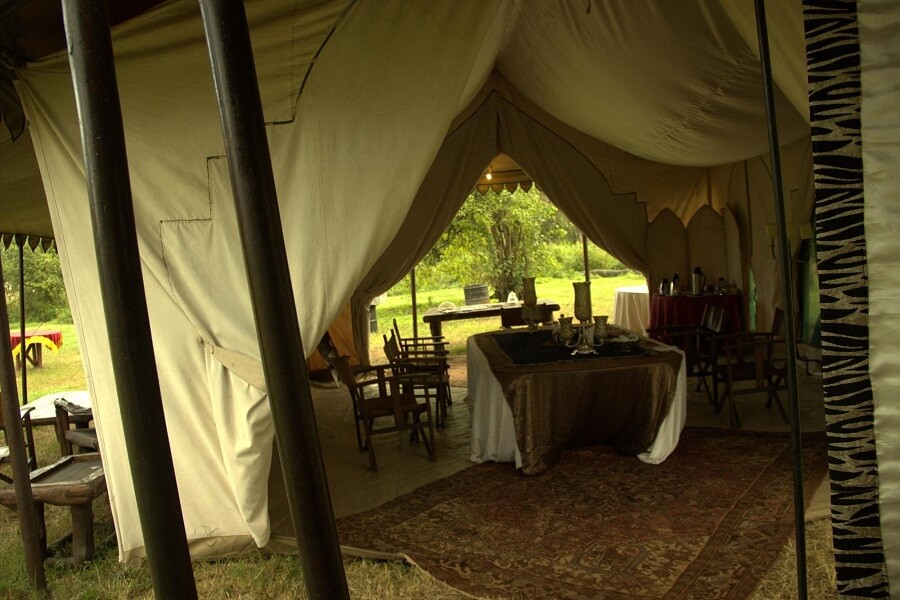
Lake Nakuru National Park offers a variety of accommodations, including options for those looking for luxury, comfort, or a more budget-friendly experience. Whether you’re seeking a cozy tented camp or a basic campsite near the park’s natural beauty, there’s something for everyone.

Public Campsites

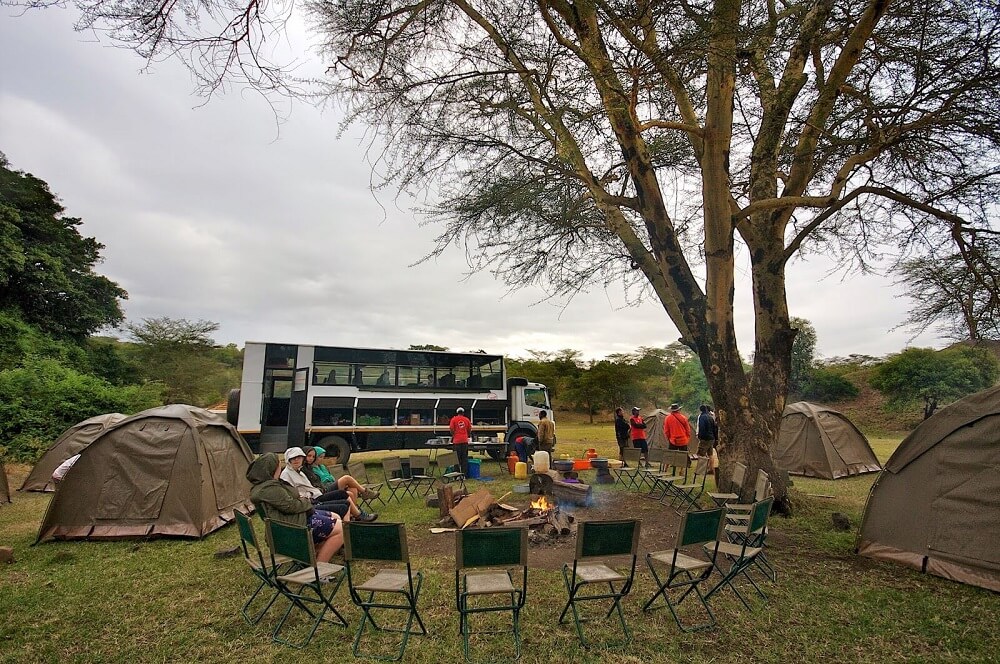
Public campsites are ideal for budget travelers and spontaneous adventurers. They offer standard amenities such as: Running water, Toilets and bathrooms

Public campsites do not require prior booking, making them a flexible option for last-minute stays.

Makalia Camp

For a more budget-friendly option, Makalia Camp is an excellent choice. Situated in the southern part of the park, next to the stunning Makalia Falls and a small river feeding into Lake Nakuru, this public campsite offers a great location to enjoy the surrounding wildlife and scenic beauty. 

It’s an ideal spot for travelers looking to immerse themselves in nature while keeping costs low.

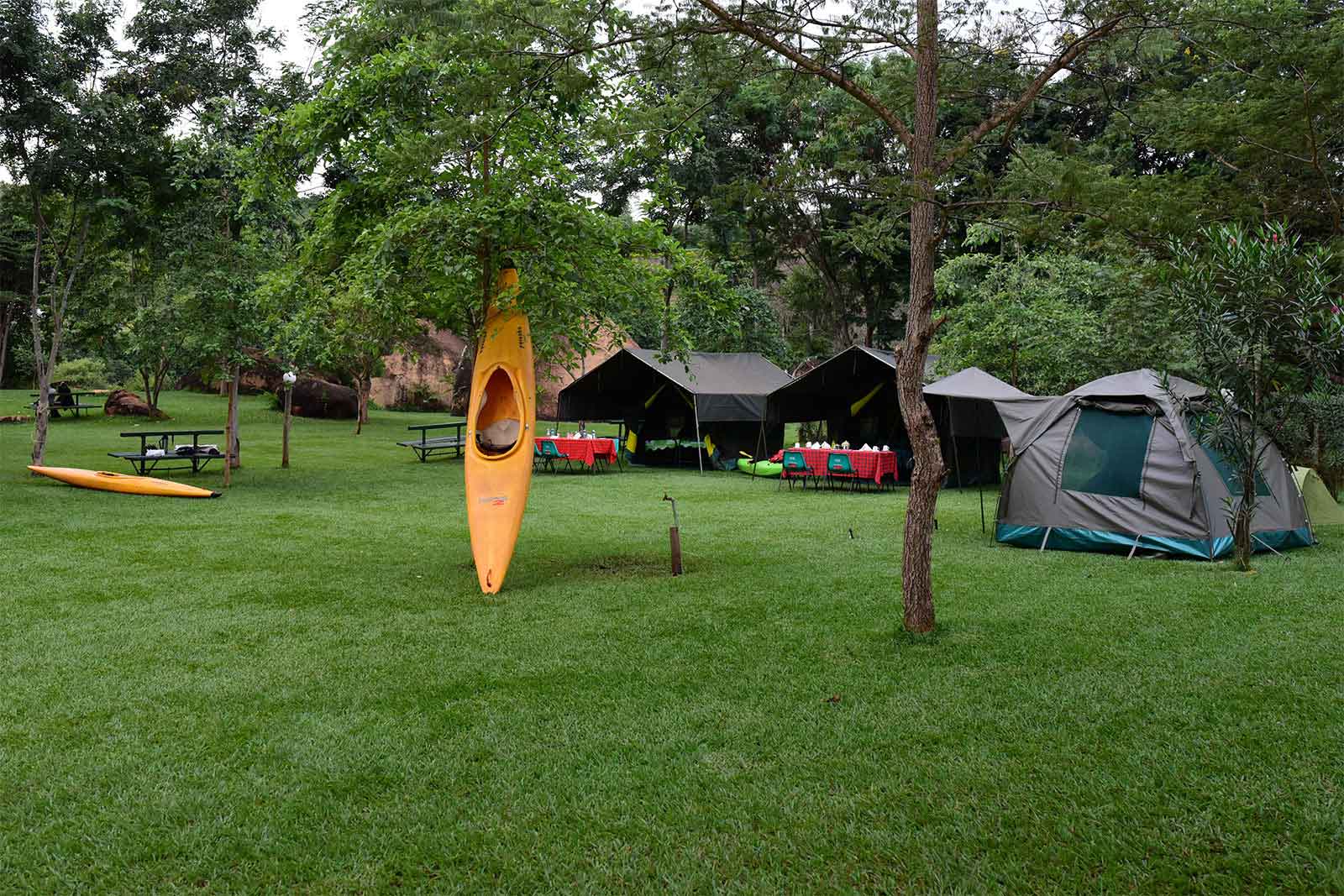
Special campsites provide a more private and exclusive camping experience. These sites offer camping grounds only, visitors need to bring their own gear, drinking water, and a source of fire. Advanced booking is required to secure exclusive use of these sites.

Special campsites provide a more private and exclusive camping experience. These sites offer camping grounds only, visitors need to bring their own gear, drinking water, and a source of fire. Advanced booking is required to secure exclusive use of these sites.

Rhino Campsite

  1. The Rhino Campsite is located 38 km from the park’s main gate. It offers two accommodation options:
    Farmhouse Accommodation: With four comfortable rooms, this farmhouse can accommodate up to 10 guests. It’s perfect for those looking for a cozy, home-like experience.
  2. Campsite: A well-maintained campsite for those looking to rough it while still being close to nature and wildlife.
    These campsites provide various options for visitors, from a luxurious stay to a more rustic, budget-friendly experience, all within proximity to the park’s wildlife and beautiful landscapes.

Other special campsites in Lake Nakuru include:-Reedbuck Campsite, Naishi Campsite, Chui Campsite, Soysambu Campsite, Kambi Nyuki Campsite, Kambi Nyati Campsite.

Important Note: Campsites can be prone to flooding during heavy rains, especially between March and May. Visitors are advised to check with the park management before planning a stay during the rainy season.

Tented Camp

Flamingo Hill Tented Camp

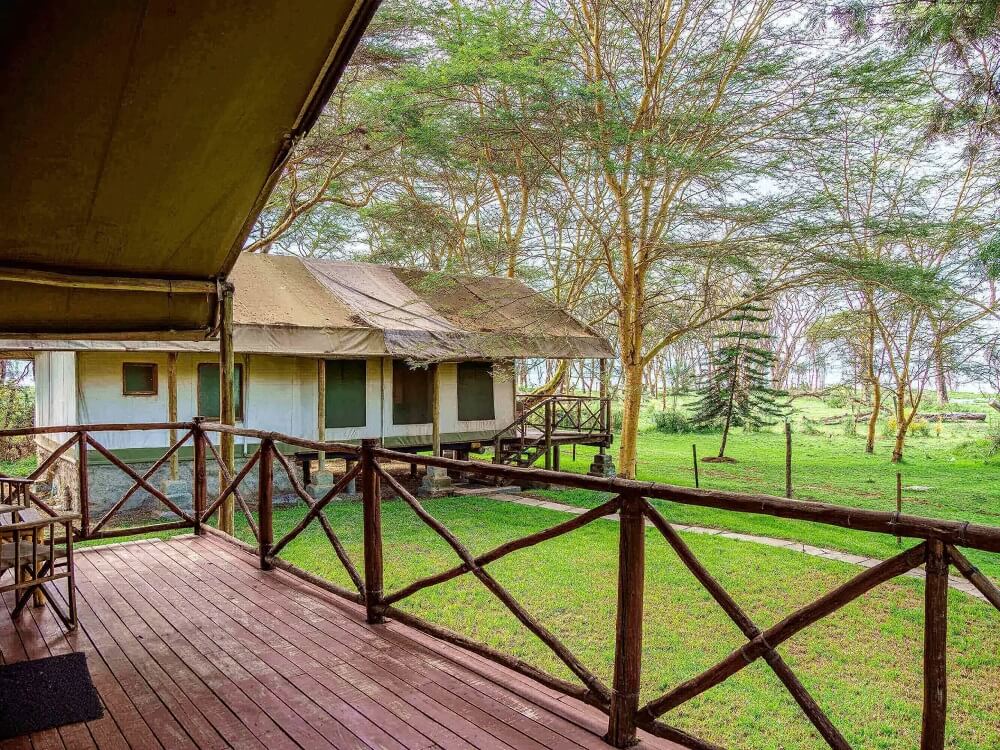
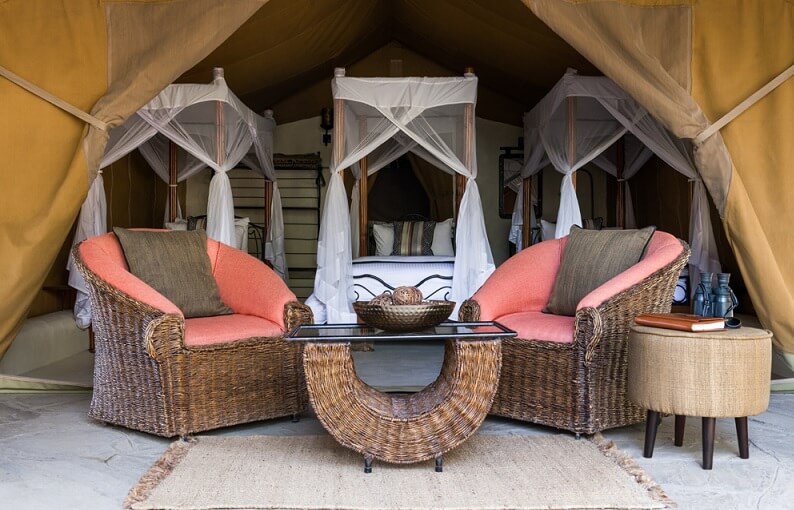
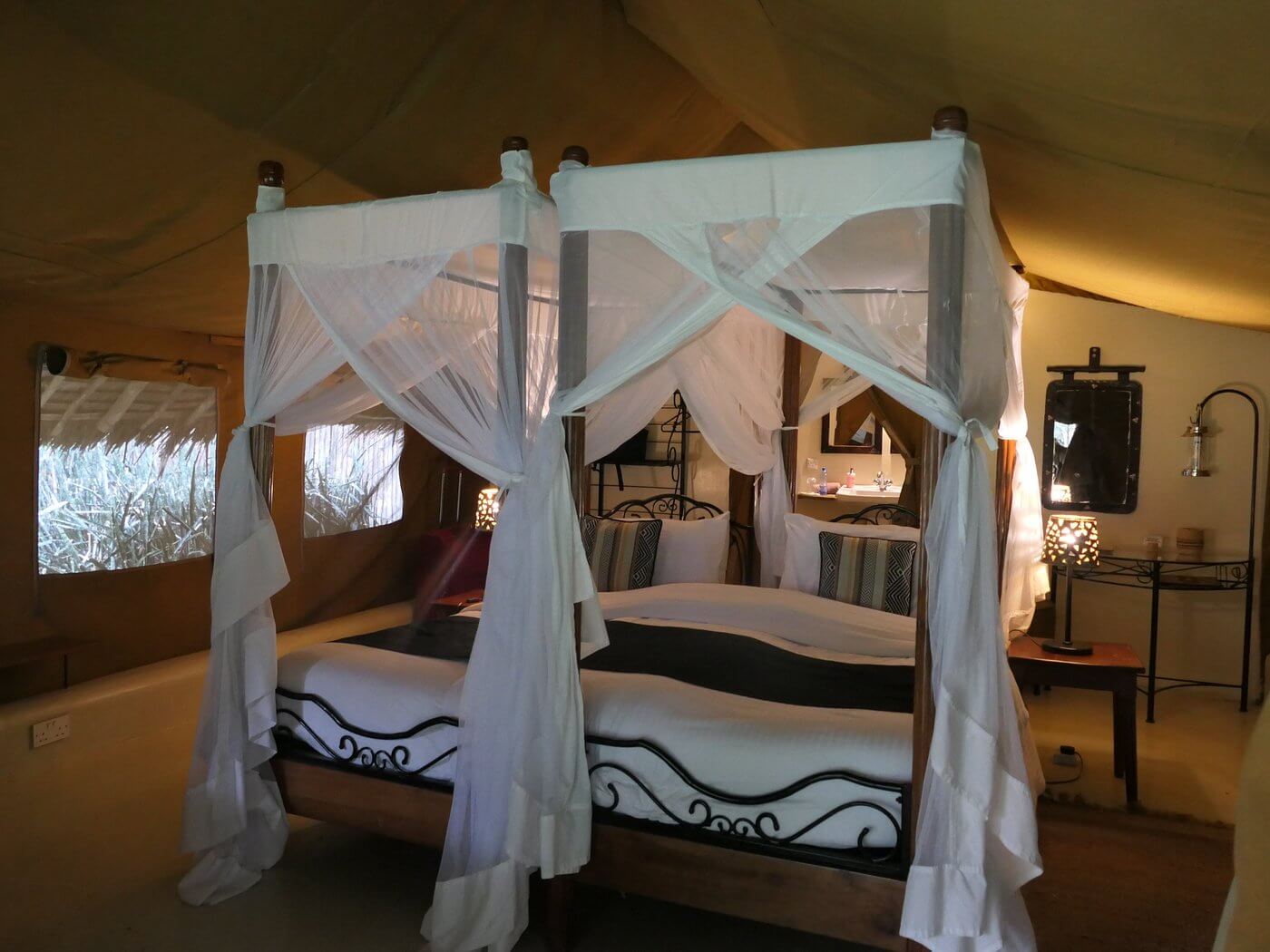
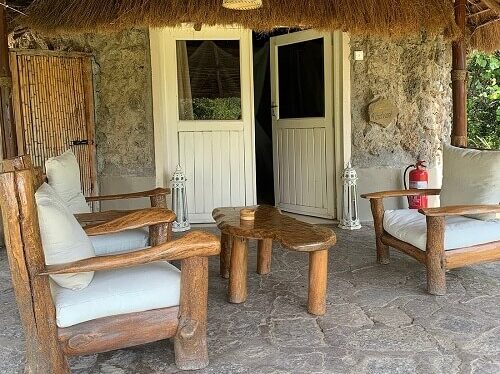
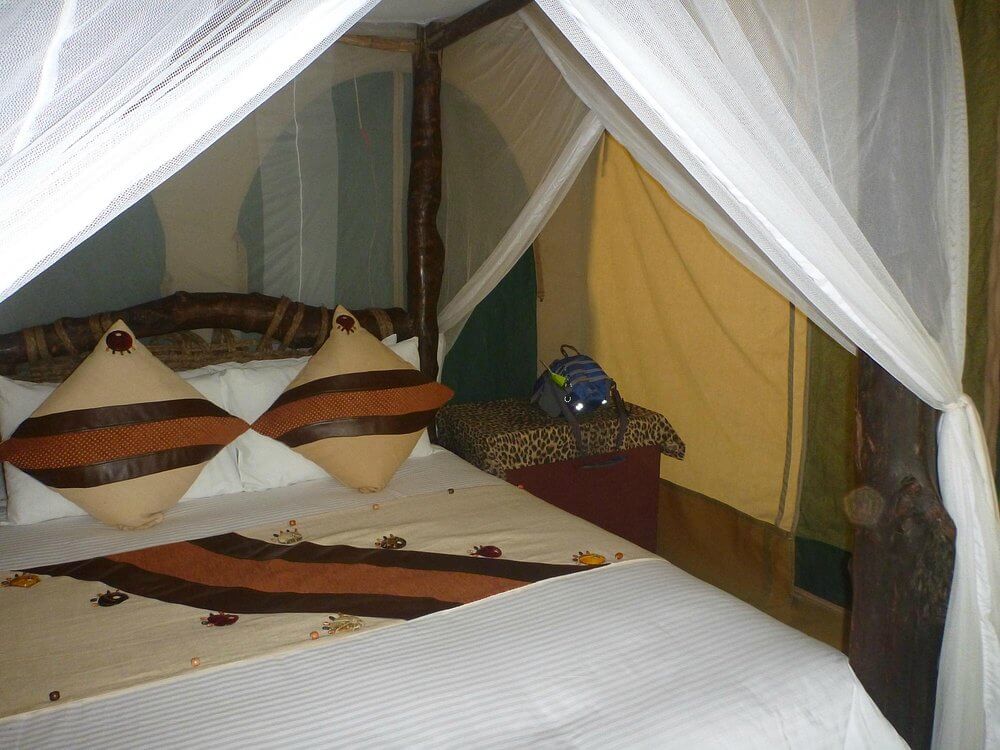
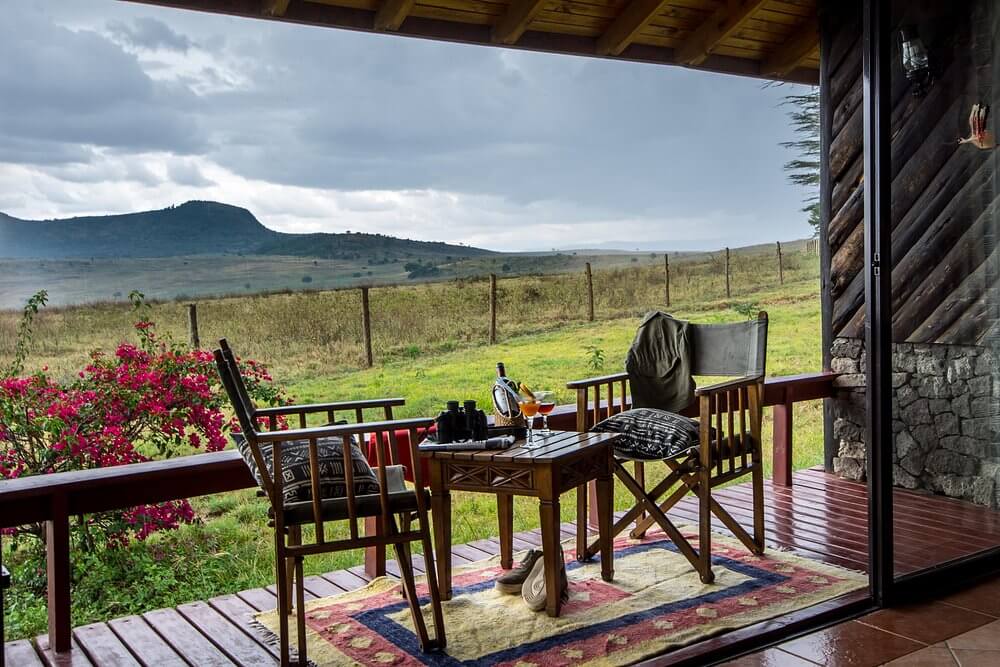
Located in the northern part of the park, Flamingo Hill Tented Camp provides an exclusive, serene stay with sweeping views of Lake Nakuru. The camp features 25 spacious, furnished tents, each equipped with:

  • Two four-poster beds
  • An en-suite bathroom with a shower
  • A private veranda overlooking the expansive plains of Lake Nakuru National Park.

This camp is perfect for those seeking a luxury safari experience while enjoying nature in a peaceful setting.

Lodges in Lake Nakuru National Park

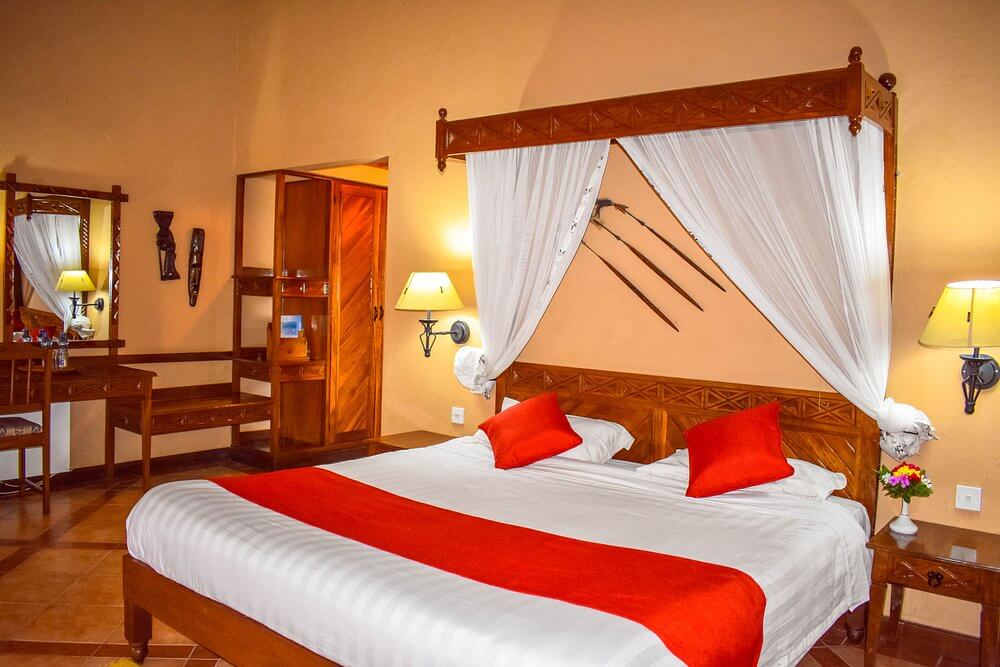
Lake Nakuru National Park boasts a range of comfortable and luxurious lodges, offering stunning views and direct access to the park’s incredible wildlife and landscapes. Whether you’re looking for a rustic bush camp or a high-end lodge experience, the park has something to suit every traveler’s taste.
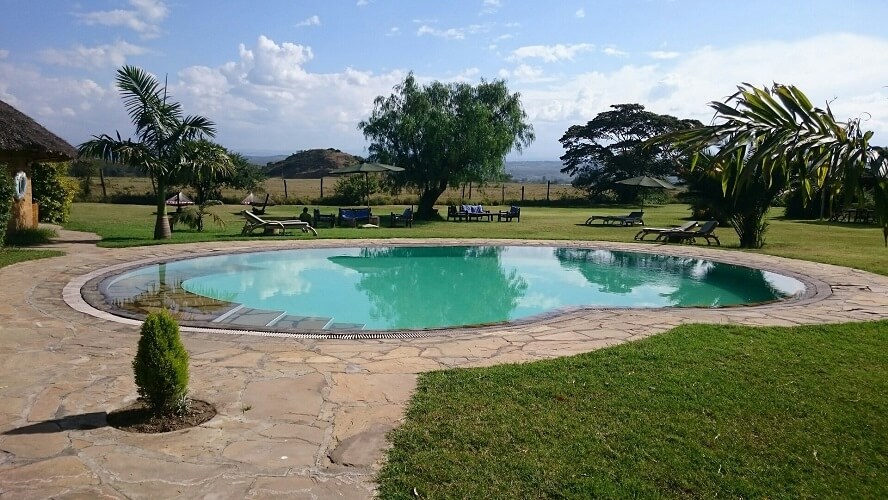
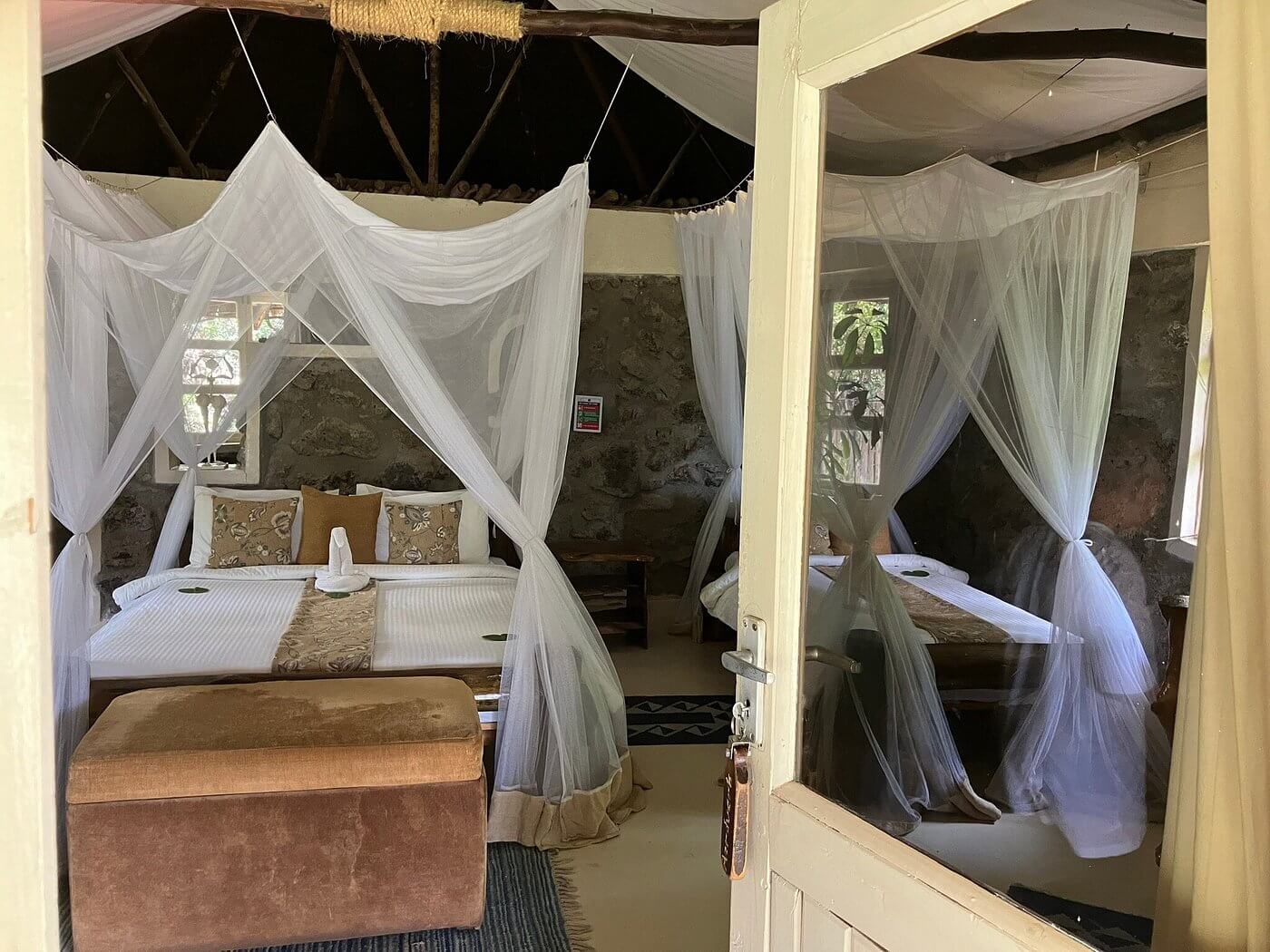
Location: Southern border of the park Nestled among vast acacia trees and thick vegetation, Mbweha Camp provides a secluded and tranquil safari experience. This luxury camp features:
  • 10 rustic cottages with thatched roofs
  • A refreshing swimming pool
  • A range of activities including guided bush walks
  • Highlight: Enjoy a gourmet bush lunch surrounded by nature
Best for: A luxurious and intimate retreat close to wildlife

Location: Hidden within trees and park foliage
Lakira Camp offers an intimate and quiet safari experience, blending comfort with nature. Its secluded setting increases your chances of close wildlife encounters. Key features include:

  • Scenic views of Lake Nakuru
  • Classic bush-camp aesthetics
  • Exclusive and private atmosphere

Best for: A romantic and quiet safari escape

Location: Overlooking the lush countryside surrounding Lake Nakuru
Lake Nakuru Lodge is an eco-friendly option that combines comfort with sustainability. It offers:

  • Sweeping views of the park’s rich landscapes
  • A diverse menu featuring Indian, African, and American cuisine
  • Spacious rooms and modern amenities

Best for: Eco-conscious travelers seeking comfort and variety

What our Client Say

Design your own trip

Choose a destination, pick your properties, and we’ll do the rest

1
Browse
Look through our itineraries for inspiration, and call our Travel Consultants
2
Create
Discuss your wish list with us, and we’ll use our expertise to design a unique itinerary for you
3
Customise
We’re committed to refining your itinerary until we’ve created the perfect personalised trip for you