EXPLORE

Uganda Destination

Lake Mburo National Park
Picture of Chat to an Uganda Safari expert

Chat to an Uganda Safari expert

Get advice and suggestions to make this your perfect trip. or call us on:
+255 755 003116

Picture of Chat to an Uganda Safari expert

Chat to an Uganda Safari expert

Get advice and suggestions to make this your perfect trip. or call us on:
+255 755 003116

Destination Overview

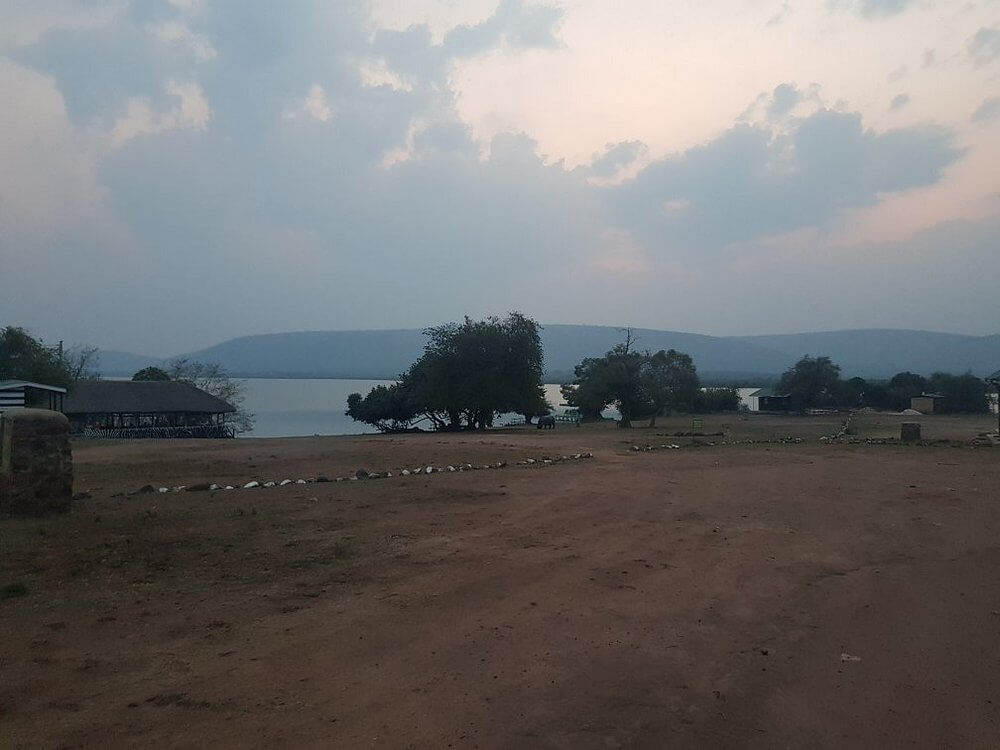
Lake Mburo National Park is located 240 km west of Kampala, in Nyabushozi County, Kiruhura District, to the east of Mbarara City. Lake Mburo National Park, located in Uganda’s western Kirihura district near Mbarara, is the country’s smallest savannah park, covering an area of 260 square kilometers.

Despite its size, it holds incredible diversity, with Lake Mburo at the heart of the park, surrounded by 11 other lakes that form part of a larger wetland system. The park’s name is tied to a fascinating local legend about two brothers, Kigarama and Mburo, who once lived in the valley. According to the tale, Kigarama had a prophetic dream warning of an impending flood. While Kigarama sought refuge in the hills, Mburo ignored the warning and was eventually drowned when the valley was consumed by water. The lake was named Mburo in his memory, while the surrounding hills were named after Kigarama.

Lake Mburo is located in the rain shadow between the Rwenzori Mountains and Lake Victoria, the park receives an average of 798 mm of rainfall annually, resulting in a unique blend of savannah and wetland ecosystems. Its strategic location along the highway connecting Kampala to key wildlife destinations like Queen Elizabeth National Park and Lake Bunyonyi makes it an ideal stopover for travelers en route to gorilla trekking in Bwindi or chimpanzee tracking in Kibale Forest. Its proximity to Kampala also makes it the most accessible national park for visitors seeking a quick but rewarding safari experience after a business trip or conference in the capital.

Originally gazetted as a hunting area in 1933, it was later upgraded to a game reserve in 1963. In 1983, after the Banyankole and Bahima people were relocated, it became a national park.
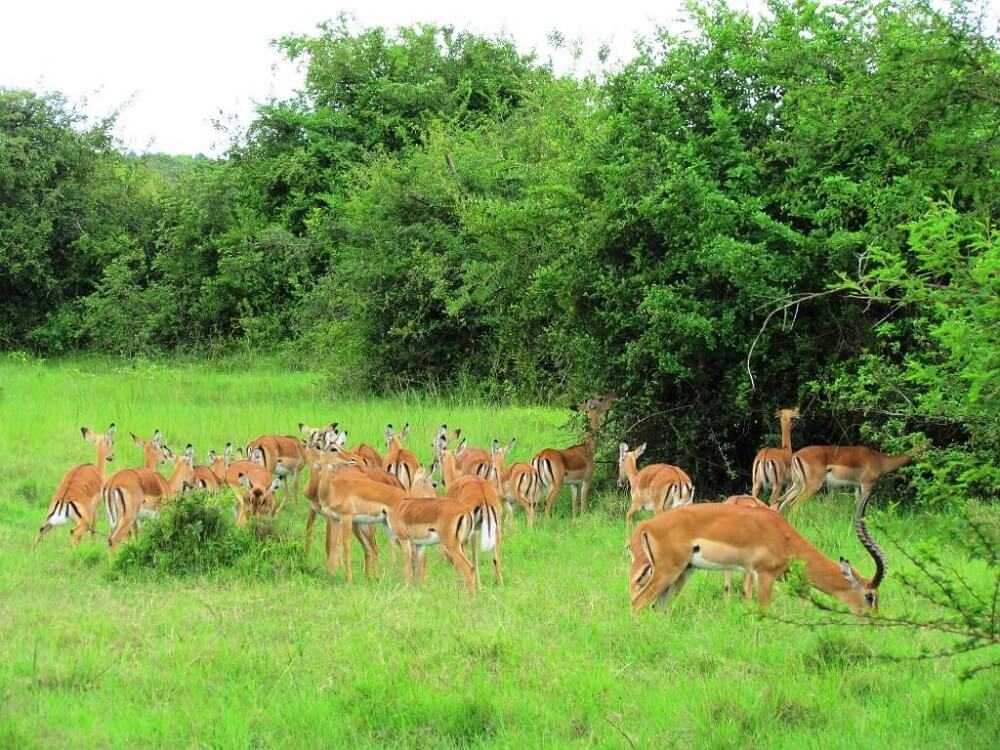
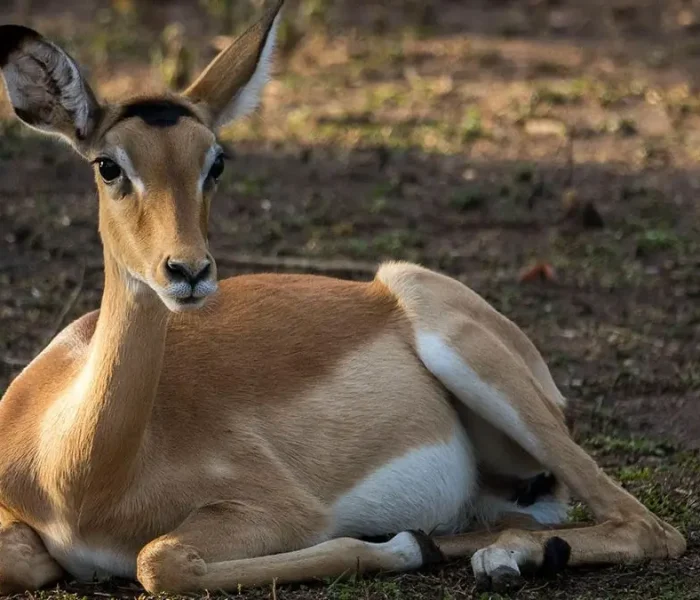
The park is home to a wide variety of mammals, including Uganda’s largest population of impalas, the animal after which the capital, Kampala, is named. Other wildlife in the park includes buffaloes, zebras, elands, oribi, reedbucks, and topis. Sitatunga antelopes can be spotted in the park’s swamps, while klipspringers are found on the hills. The park also hosts seasonal herds of elands.

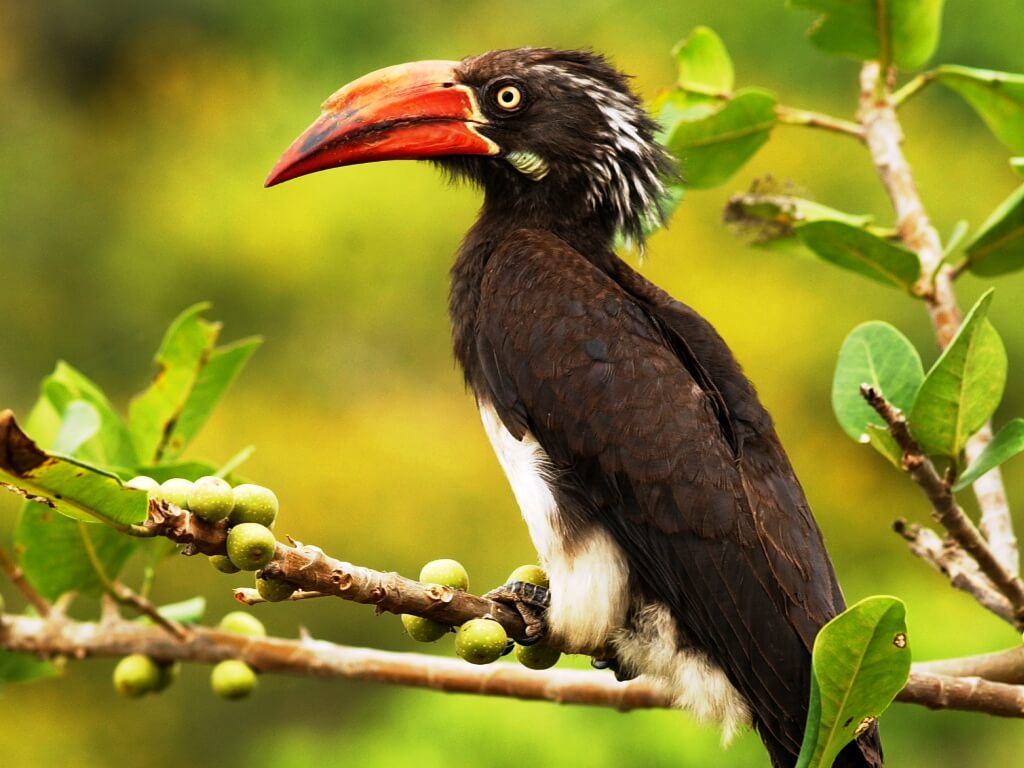
Lake Mburo is a birdwatcher’s haven with over 315 bird species, including acacia-associated birds, southern species, and papyrus endemics. Notable species include the green-capped eremomela, southern ground hornbill, blue-headed coucal, black-bellied bustard, and the papyrus yellow warbler.
For cultural experiences, the park offers sites like Ruroko, believed to be the home of the semi-mythical Bachwezi, Kigarama, once the residence of royal servants, and Rubanga, a sacred site for sacrificial rites.
Visitors to Lake Mburo National Park can enjoy a range of activities, including horseback riding, cycling tours, walking safaris, boat safaris, bird watching, community walks, and game drives.

History

Lake Mburo National Park has a complex and turbulent history marked by political conflict and environmental challenges. It was originally established as a controlled hunting area in 1933 before being upgraded to a game reserve in 1963. In 1983, the reserve was elevated to national park status under the government of Milton Obote, with the controversial aim of expelling the local Banyankole pastoralists, who were accused of supporting rebels led by the current president, Yoweri Kaguta Museveni. After the fall of the Obote regime, the Banyankole reclaimed the land, driving out park staff and reducing the park’s size. The new government managed to reclaim only half of the original parkland to avoid further conflict with the local communities.
Today, Lake Mburo National Park stands as a testament to successful wildlife conservation and human-wildlife coexistence. The Uganda Wildlife Authority has fostered a cooperative relationship with the Banyankole communities, leading to the successful reintroduction of key species such as lions, giraffes, elands, and baboons. The park is now recognized as a Lion Conservation Unit and serves as a model for balancing wildlife protection with local community interests.

Wildlife at Lake Mburo National Park

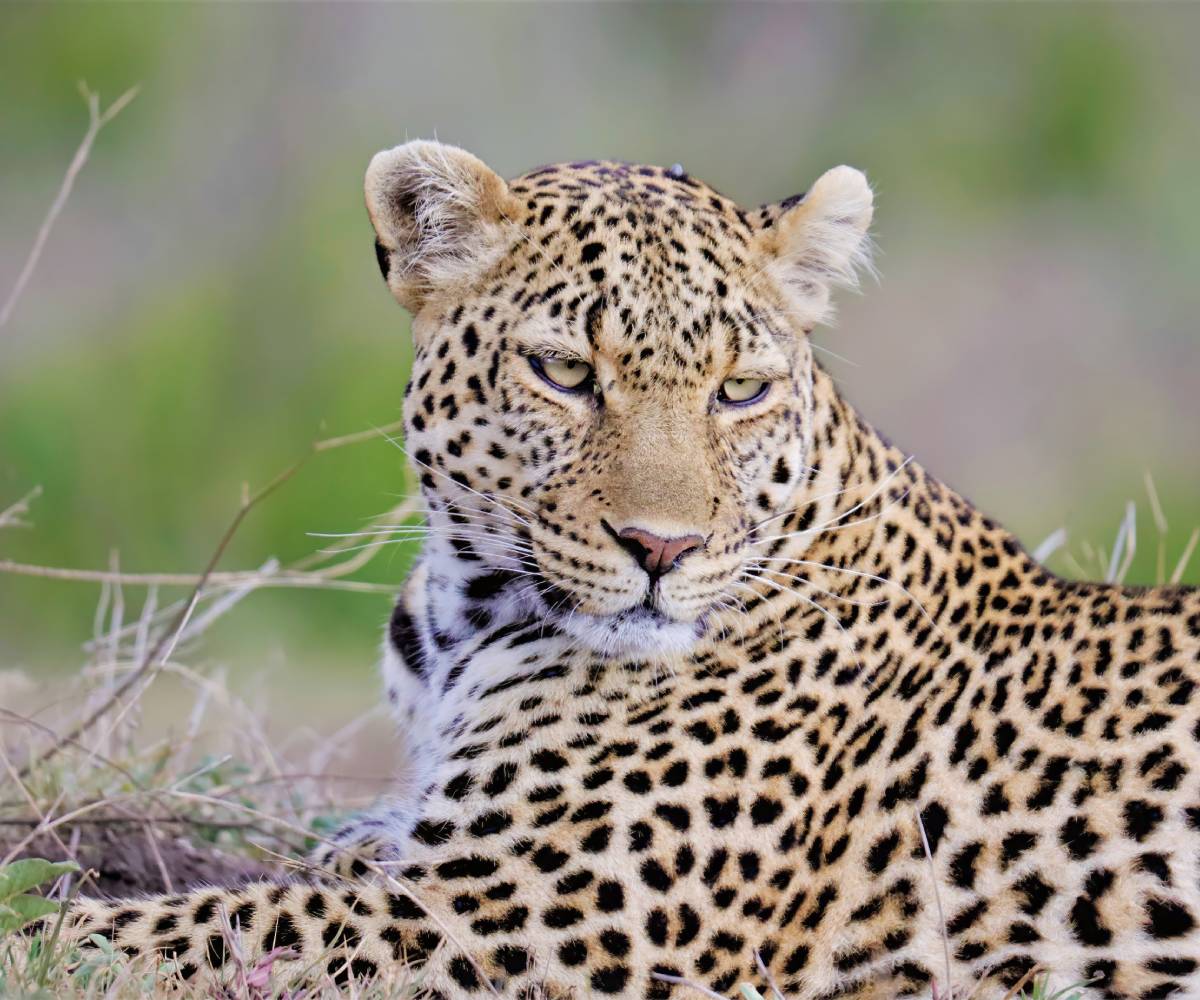
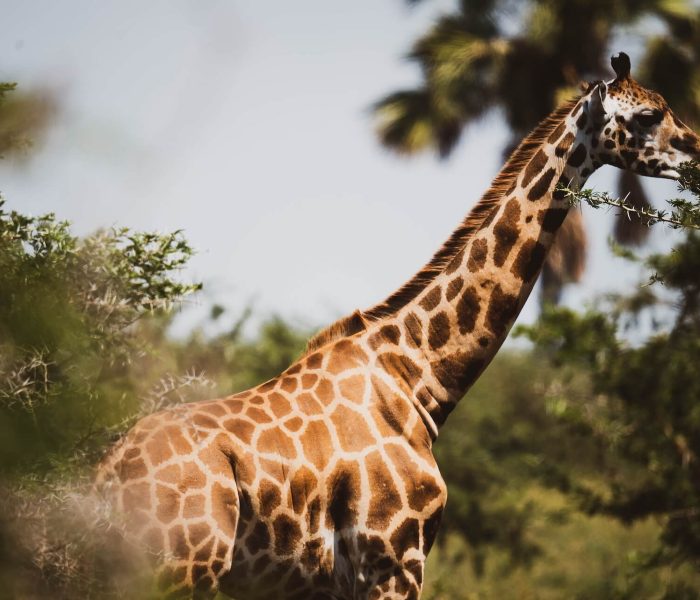
Lake Mburo National Park boasts a rich diversity of wildlife, making it a prime safari destination in Uganda. While lions are no longer present, the park supports thriving populations of leopards and spotted hyenas. It is also home to a variety of antelope species, including impala, defassa waterbuck, eland, topi, duiker, oribi, bohor reedbuck, and klipspringer. Large herds of buffalo, sometimes numbering up to 100 individuals, are a common sight. The reintroduction of Rothschild’s giraffe has further enhanced the park’s biodiversity.

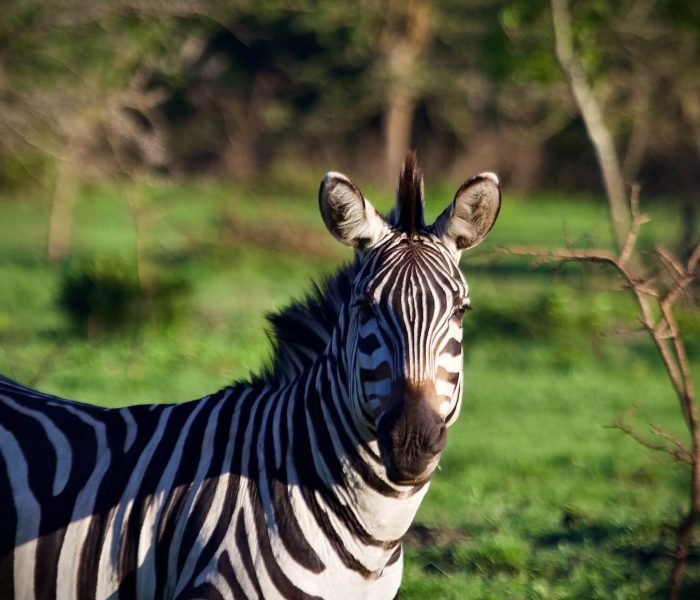
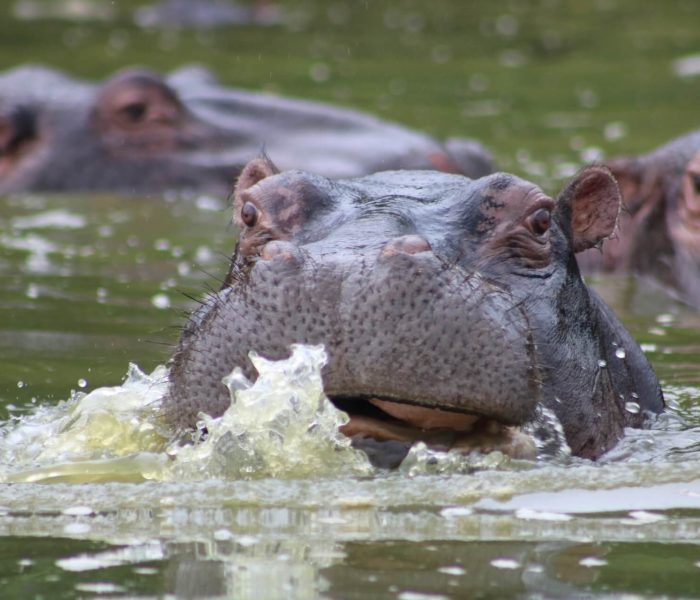
Other notable wildlife includes plains zebra, warthog, olive baboon, and vervet monkey. The park’s network of lakes is also inhabited by hippos and Nile crocodiles, providing excellent opportunities for aquatic wildlife viewing. Lake Mburo’s diverse ecosystem, ranging from savanna to wetlands, makes it a rewarding destination for both game drives and boat safaris.

Birdlife

Lake Mburo National Park is a haven for bird enthusiasts, with over 310 recorded species. It is the best spot in Uganda to observe acacia-dwelling birds, including the striking black-collared barbet and the distinctive bare-faced go-away-bird, which are found here at the northern edge of their range. Boat trips on the park’s lakes often reveal the elusive African finfoot and the vibrant Ross’s turaco, both sought-after sightings for avid birders.

The park’s swamps are home to several papyrus specialists, such as the colorful papyrus gonolek, the blue-headed coucal, and the rare shoebill, which, while not consistently present, adds to the excitement of birdwatching in the park. Migratory birds visit from November to April, making this period especially rewarding for birding safaris.

Lake Mburo National Park enjoys a mild and pleasant climate year-round. Daytime temperatures average around 26°C (79°F), while nights are cooler at approximately 16°C (61°F). The driest months are June and July, offering ideal conditions for wildlife viewing. January and February also experience relatively low rainfall, making them favorable for safaris. The park has two distinct wet seasons: from March to May and from September to December, when the landscape becomes lush and vibrant, attracting diverse wildlife and bird species.

gallery

Picture of Planning Your Safari

Planning Your Safari

Organizing a safari in Uganda Destination, can be overwhelming due to the many choices available for transport, accommodation, and activities.

Reviews and Rates

Uganda

Things to Do in Lake Mburo National Park

Lake Mburo National Park offers a captivating blend of wildlife, adventure, and culture, making it one of Uganda’s top safari destinations. Nestled in the heart of the country, the park provides a variety of thrilling activities that showcase its rich biodiversity and scenic landscapes.

Birdwatching at Lake Mburo

is a paradise for bird lovers, with over 350 species to spot. The swamps of Warukiri and Miriti are prime birding locations where you can encounter the African grey hornbill, barefaced go-away bird, blue-napped mousebird, and the elusive shoebill stork.

Rwonyo camp is another excellent spot for birding, offering chances to see the African-wattled plover, black-bellied bustard, and the rufous-chested swallow. Rare species like the white-backed heron and African finfoot make Lake Mburo a must-visit destination for ornithologists and casual birdwatchers alike.

Guided nature walks

allow you to experience the park’s wildlife up close. Unlike other national parks in Uganda, Lake Mburo permits walking safaris in almost every corner of the park, led by armed Uganda Wildlife Authority guides.

Early morning walks offer a chance to see hyenas returning to their dens and hippos heading back to the water after grazing. You’ll also encounter zebras, giraffes, antelopes, and buffaloes as they roam the park’s savannah.

The Lakeside Track

provides a scenic trail along the southern part of the park, leading to Kigarama Summit, where breathtaking views of Lake Mburo and the surrounding woodlands await. The trail is ideal for spotting bush duikers and immersing yourself in the park’s natural beauty.

For fishing enthusiasts, Mazinga Fishing Spot offers an exciting opportunity to catch tilapia, lungfish, and mudfish in a crocodile- and hippo-free zone. Visitors can engage in sport fishing and have their catch prepared at their lodge. Fishing gear and licenses can be arranged in advance, ensuring a hassle-free experience.

Game drives

in Lake Mburo are an excellent way to spot a wide range of wildlife, including zebras, buffaloes, and antelopes. The famed “Leopard Rock” is a hotspot for spotting leopards, especially during night drives.

Nocturnal game drives, lasting around two hours, increase your chances of spotting elusive creatures like genets, bush pigs, and white-tailed mongooses.

A boat cruise

on Lake Mburo offers a relaxing yet adventurous way to see the park’s wildlife. During the dry season, when animals gather at the lake to drink, you can see hippos, crocodiles, otters, and various antelope species.

Birdwatchers will be treated to sights of African fish eagles, pied kingfishers, and malachite kingfishers, among others. The cruise’s duration is flexible, allowing you to tailor the experience to your schedule.

The Rubanga Forest Walk

is a hidden gem for birdwatching and exploring indigenous flora. The forest, located on the western shores of Lake Mburo, is home to over 42 bird species, including the sought-after shoebill stork and narina trogon. Tree species such as acacia, fig, and palm provide a lush canopy for the forest’s rich birdlife.

Horseback safaris

offer an intimate way to explore the park’s plains. Lake Mburo is one of the few places in Uganda where you can ride through the savannah, getting close to zebras and antelopes without startling them. The horses’ natural presence allows you to blend into the environment and enjoy a truly immersive safari.

Igongo Cultural Center

At the Igongo Cultural Center, located just 4 kilometers from the Sanga gate, you can dive into the cultural heritage of the Banyakitara tribes, including the Bakiga, Banyoro, Batooro, and Banyankole. The center features a museum showcasing traditional artifacts, grass-thatched huts, and local cuisine. Visitors can also purchase handmade crafts and souvenirs, making it an ideal stop for a cultural experience.

Quad biking

through the park is an adrenaline-pumping way to explore its diverse terrain. Since Lake Mburo has fewer predators, it’s one of the safest places to venture off-road on a quad bike. Ride through zebra herds and past the iconic Ankole cattle, gaining a unique perspective of the park’s wildlife and landscapes.

Getting to Lake Mburo National Park

Lake Mburo National Park is situated in western Uganda and is often visited as part of a broader Ugandan safari. It’s a popular one- or two-night stopover when traveling between Kampala or Entebbe and Bwindi Impenetrable National Park. The park is approximately 230 km (140 mi) from Kampala and 250 km (155 mi) from Entebbe, requiring a scenic drive of about 5 to 6 hours.

The distance from Lake Mburo to Bwindi ranges from 225 km to 275 km (140 mi to 170 mi), depending on your gorilla trekking base, with a driving time of around 5 to 7 hours. Entebbe International Airport (EBB), located 46 km (29 mi) from Kampala, serves as the main entry point into Uganda. Most safari packages include airport pickups and all necessary transportation, ensuring a seamless journey to the park.

Accommodation in Lake Mburo National Park

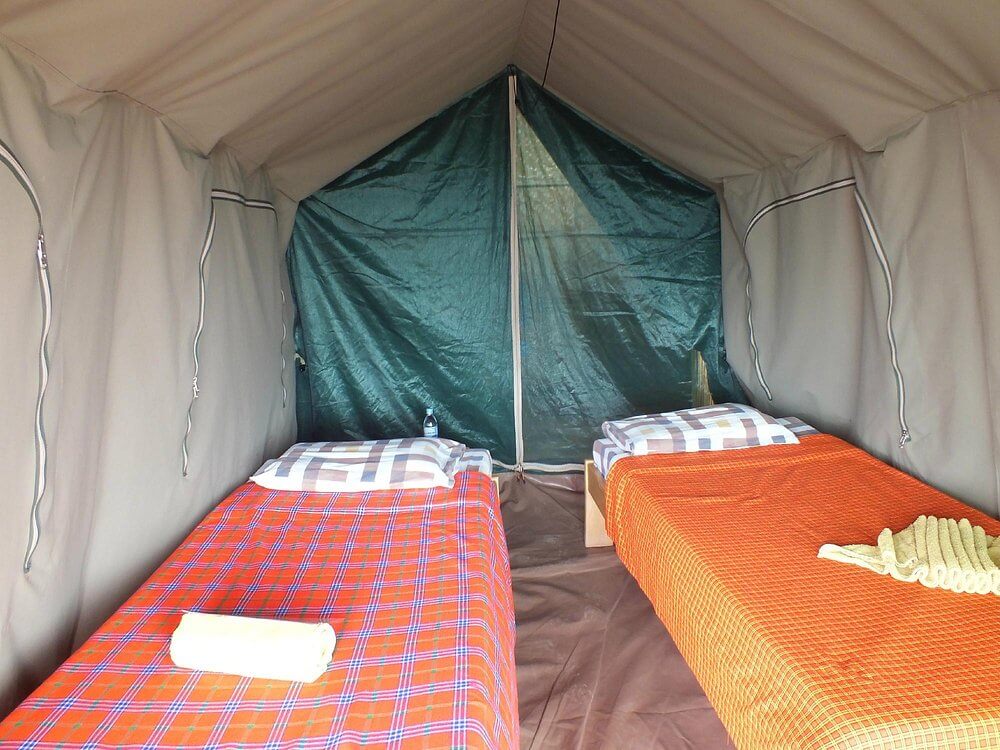
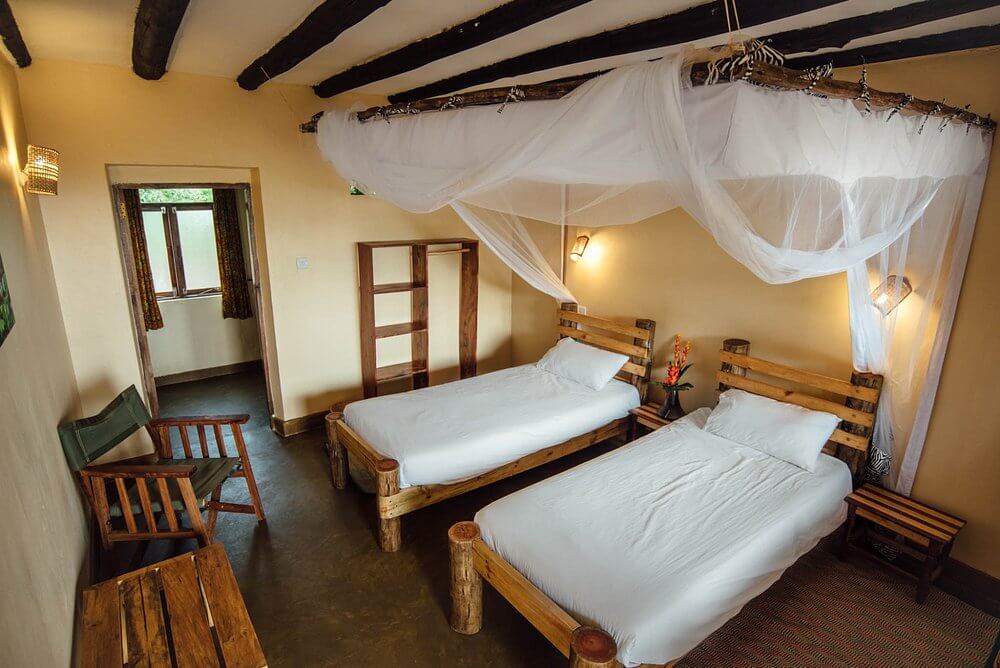
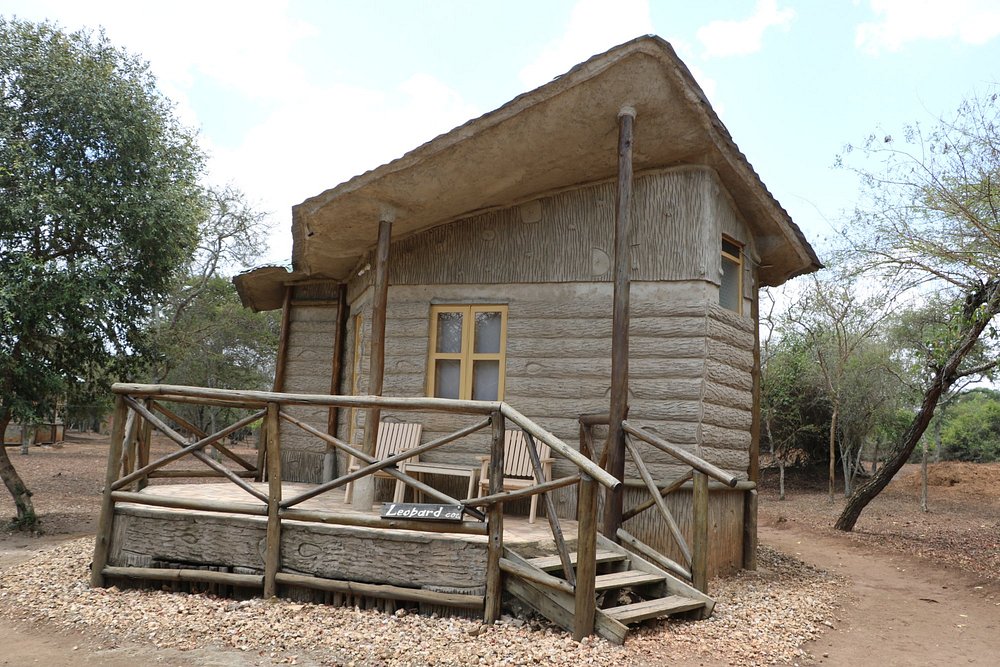
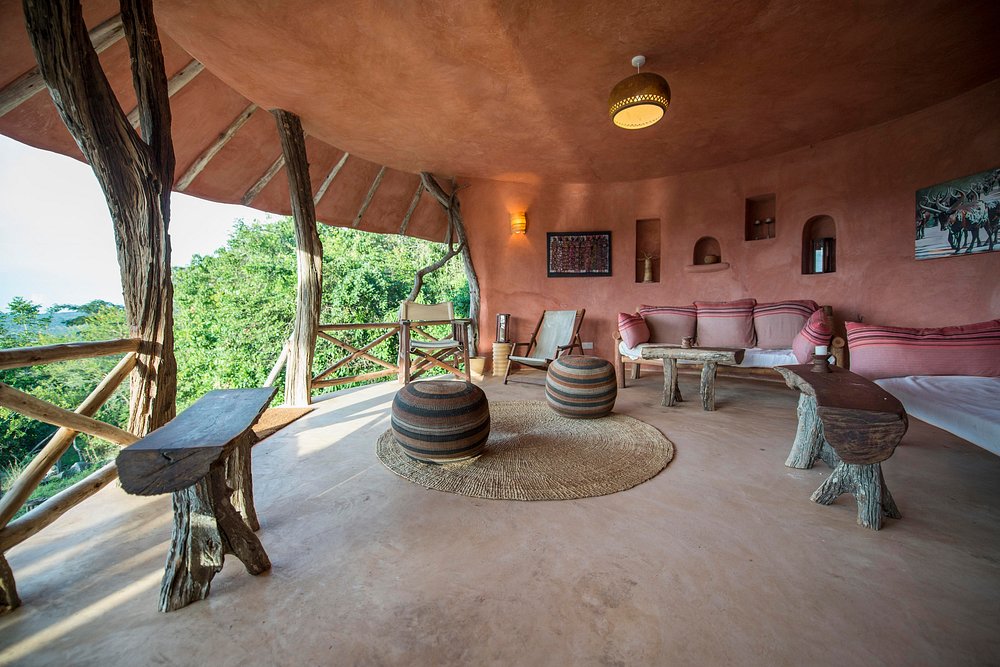
Lake Mburo National Park offers a diverse range of accommodation options to suit every traveler’s budget and preference, from luxury lodges to budget-friendly campsites. Most accommodations are conveniently located within the park or in nearby towns like Mbarara and Lyantonde, offering easy access to game drives, boat cruises, and nature walks.

Mantana Luxury Tented Camp

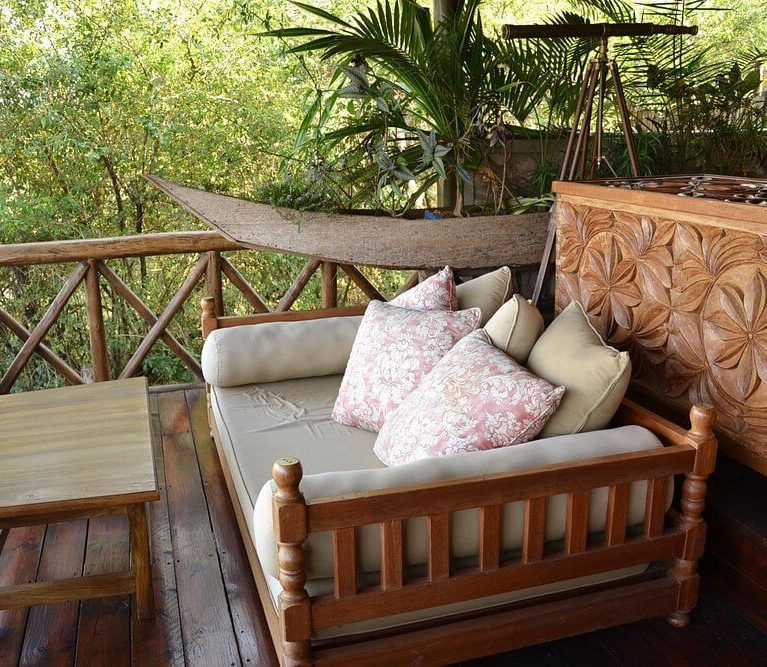
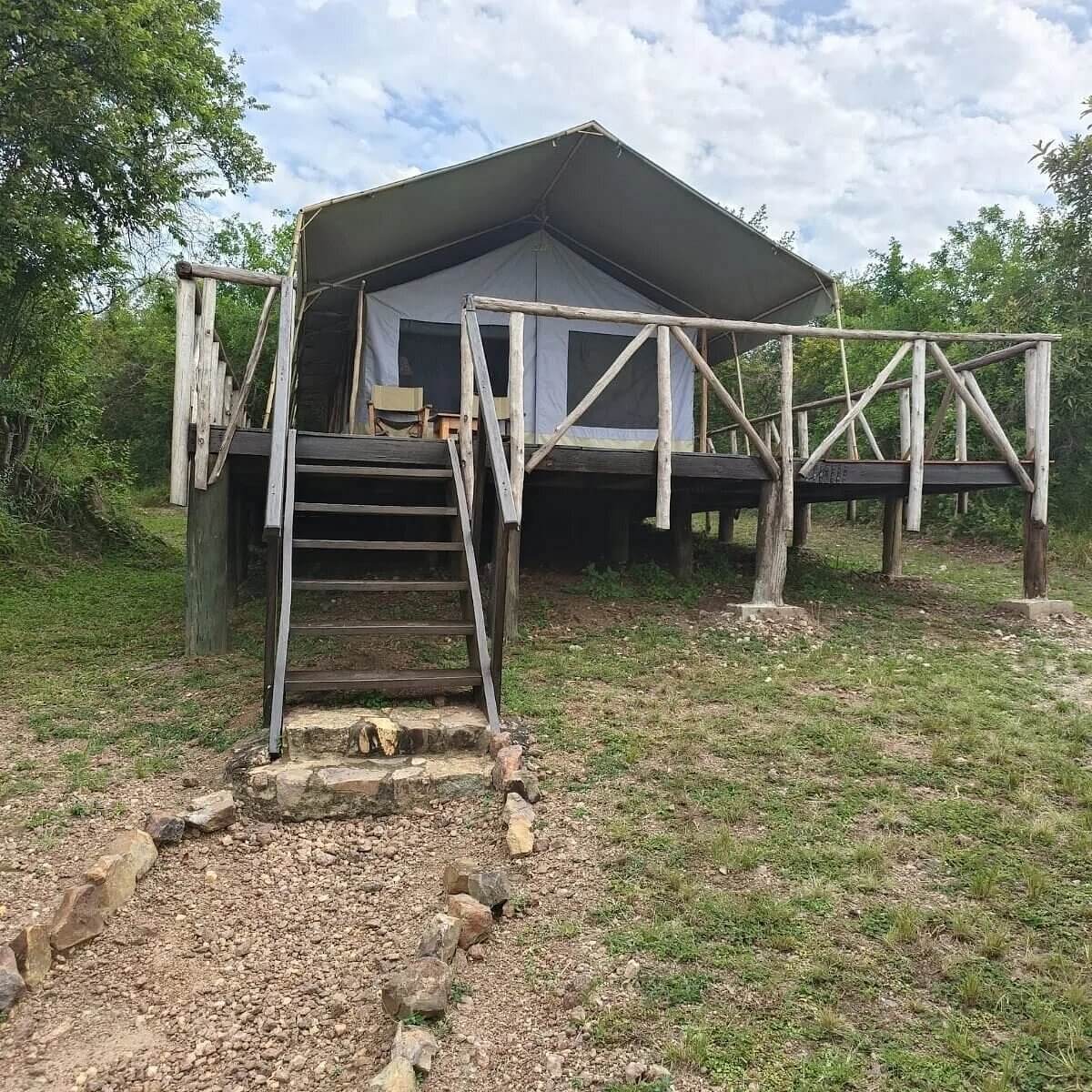
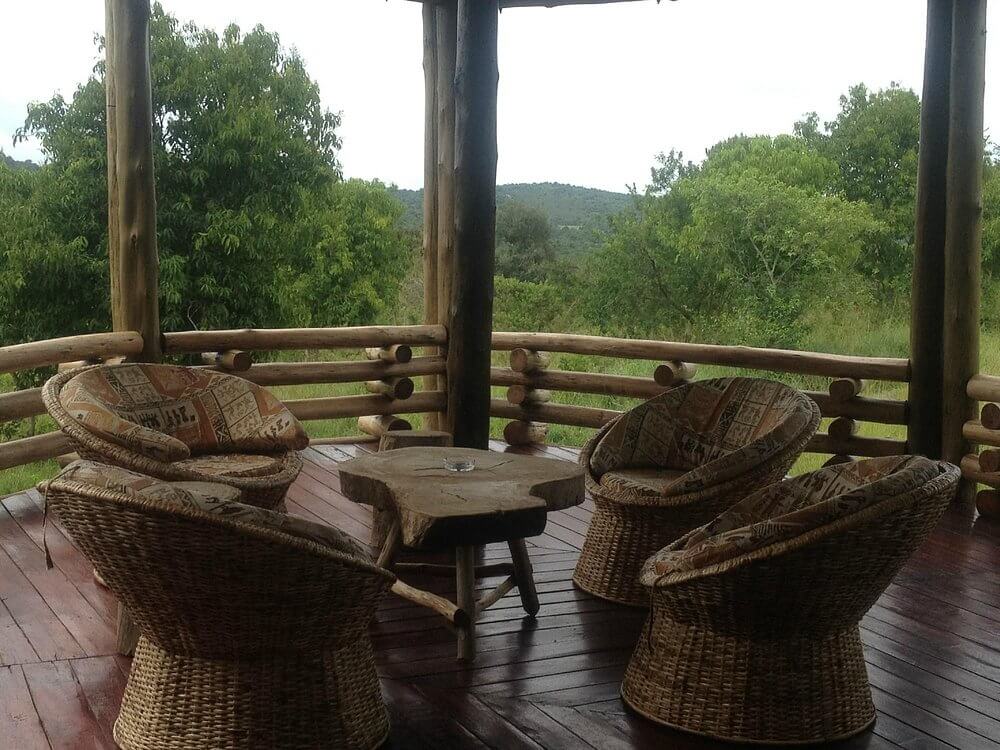
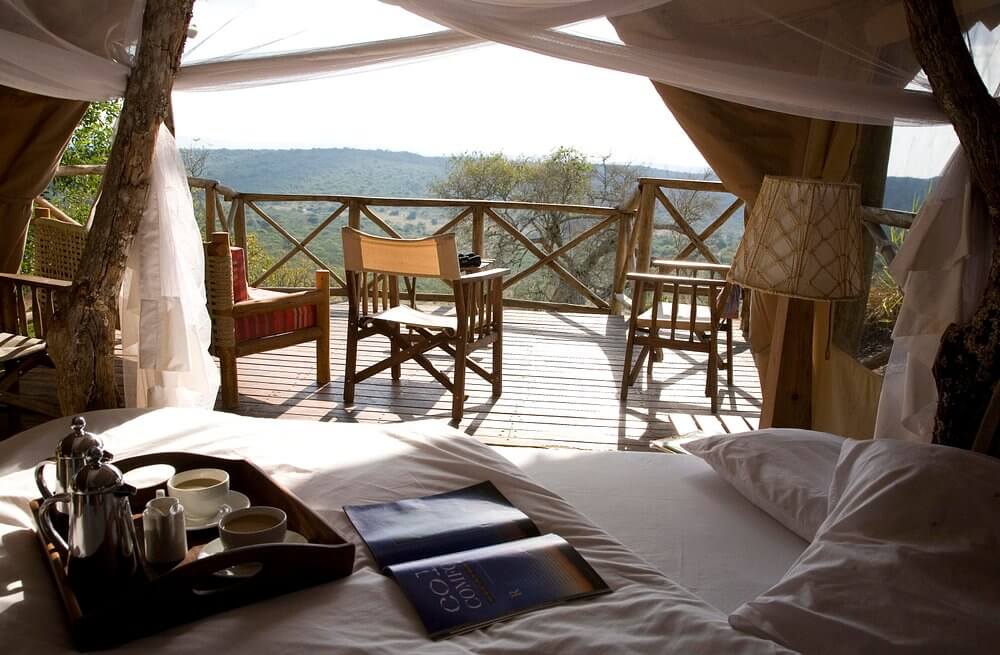
is one of the park’s most established lodges, renowned for its reliable service and prime location. Its nine tents, built on wooden platforms, offer stunning views of the park and Lake Mburo. The camp runs on solar power, and each tent is furnished with comfortable beds and private showers. Guests can enjoy both local and international cuisine at the on-site restaurant and relax on their private verandah while watching wildlife roam nearby.

is a budget-friendly option managed by the Uganda Wildlife Authority. Built using wood and local materials, the camp includes both bandas and tented rooms. Bandas offer a more economical choice with shared showers, while tented rooms come with private bathrooms. Visitors who bring their own tents are also provided with dedicated camping space.

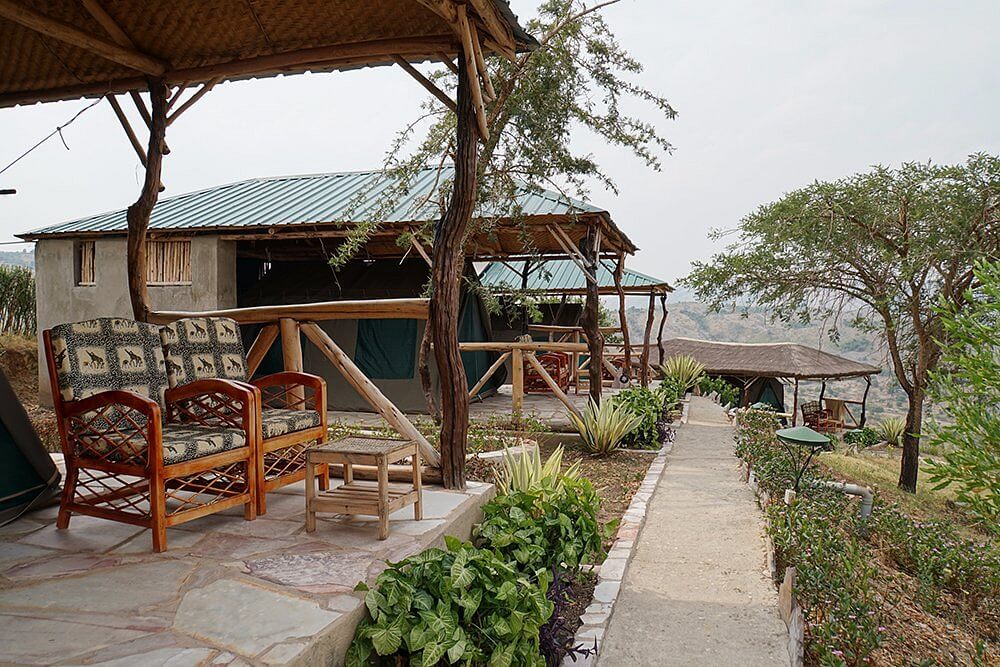
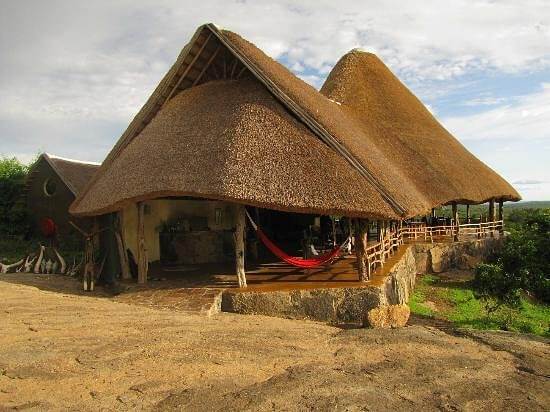
sits atop a hill, providing panoramic views of the park. Its 12 thatched-roof tents feature stone floors, private showers, and eco-toilets. Guests can enjoy bush sounds and wildlife sightings from their private verandah. The on-site bar and restaurant serve meals that can also be delivered to the rooms.

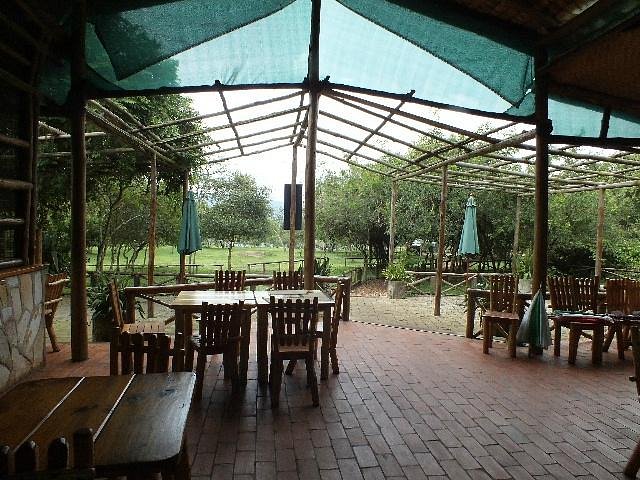
is an eco-friendly mid-range lodge located at the park’s edge. Its nine cottages offer solar-heated showers, WiFi, and charging facilities. The restaurant serves a mix of local and international dishes, including vegetarian options, while the bar is stocked with wines, local beers, and spirits. Wildlife such as zebras, impalas, and warthogs often gather at the nearby waterhole, providing guests with an authentic safari experience right from their cottage.
Arcadia Cottages
part of the well-known Arcadia group of lodges, provides a mid-range option near the shores of Lake Mburo. Its peaceful setting makes it ideal for relaxation. The lodge features self-contained rooms and cottages with double beds, WiFi, and television. The on-site restaurant and bar serve a range of meals and drinks, and open fires add to the evening ambiance.
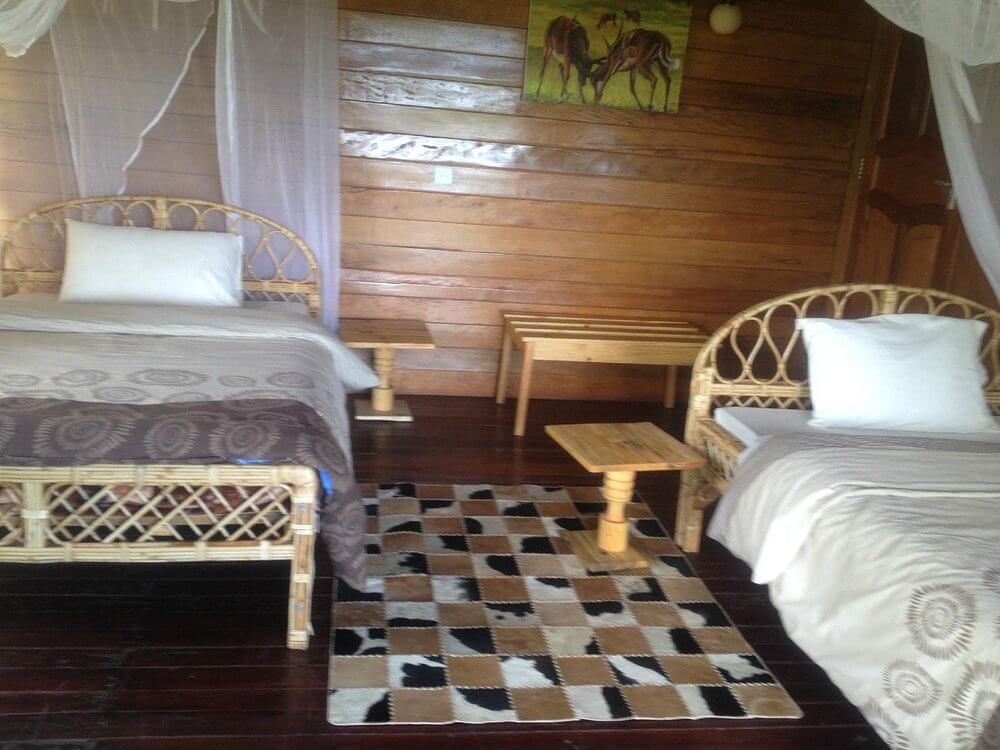
is a popular budget lodge known for its affordability and comfort. It offers grass-thatched family and honeymoon cottages, each furnished with locally crafted furniture, king-sized beds, mosquito nets, and private bathrooms with showers and bathtubs. The honeymoon cottage includes a kitchen, fridge, and coffee maker. Guests can enjoy meals and drinks at the main bar and restaurant, which also caters to vegetarians.
offers a luxurious experience with its 10 locally designed tented rooms on wooden platforms. Each room has a private bathroom, hot shower, and a verandah with sweeping views of the park. The lodge features a swimming pool, tennis court, and babysitting services. It also organizes horseback safaris around Lake Kacheera, with four ponies and seven horses available. To maintain an intimate experience, only six guests are allowed per session.

What our Client Say

Design your own trip

Choose a destination, pick your properties, and we’ll do the rest

1
Browse
Look through our itineraries for inspiration, and call our Travel Consultants
2
Create
Discuss your wish list with us, and we’ll use our expertise to design a unique itinerary for you
3
Customise
We’re committed to refining your itinerary until we’ve created the perfect personalised trip for you