EXPLORE

Tanzania Destination

Lake Manyara National Park
Picture of Chat to an Tanzania Safari expert

Chat to an Tanzania Safari expert

Get advice and suggestions to make this your perfect trip. or call us on:
+255 755 003116

Picture of Chat to an Tanzania Safari expert

Chat to an Tanzania Safari expert

Get advice and suggestions to make this your perfect trip. or call us on:
+255 755 003116

A SCENIC GATEWAY TO TANZANIA’S WILDLIFE

Destination Overview

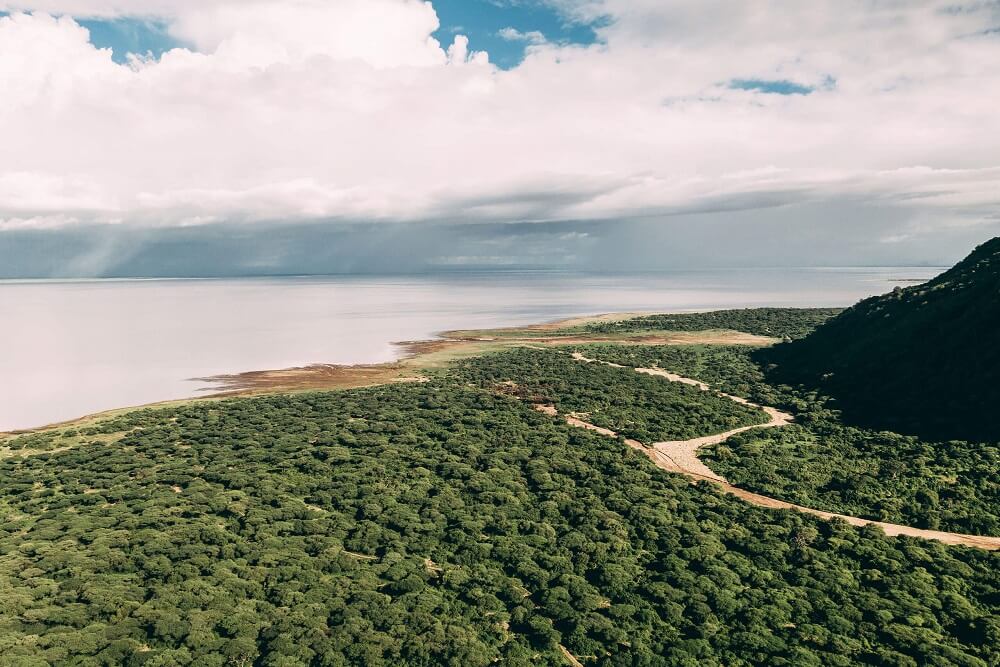
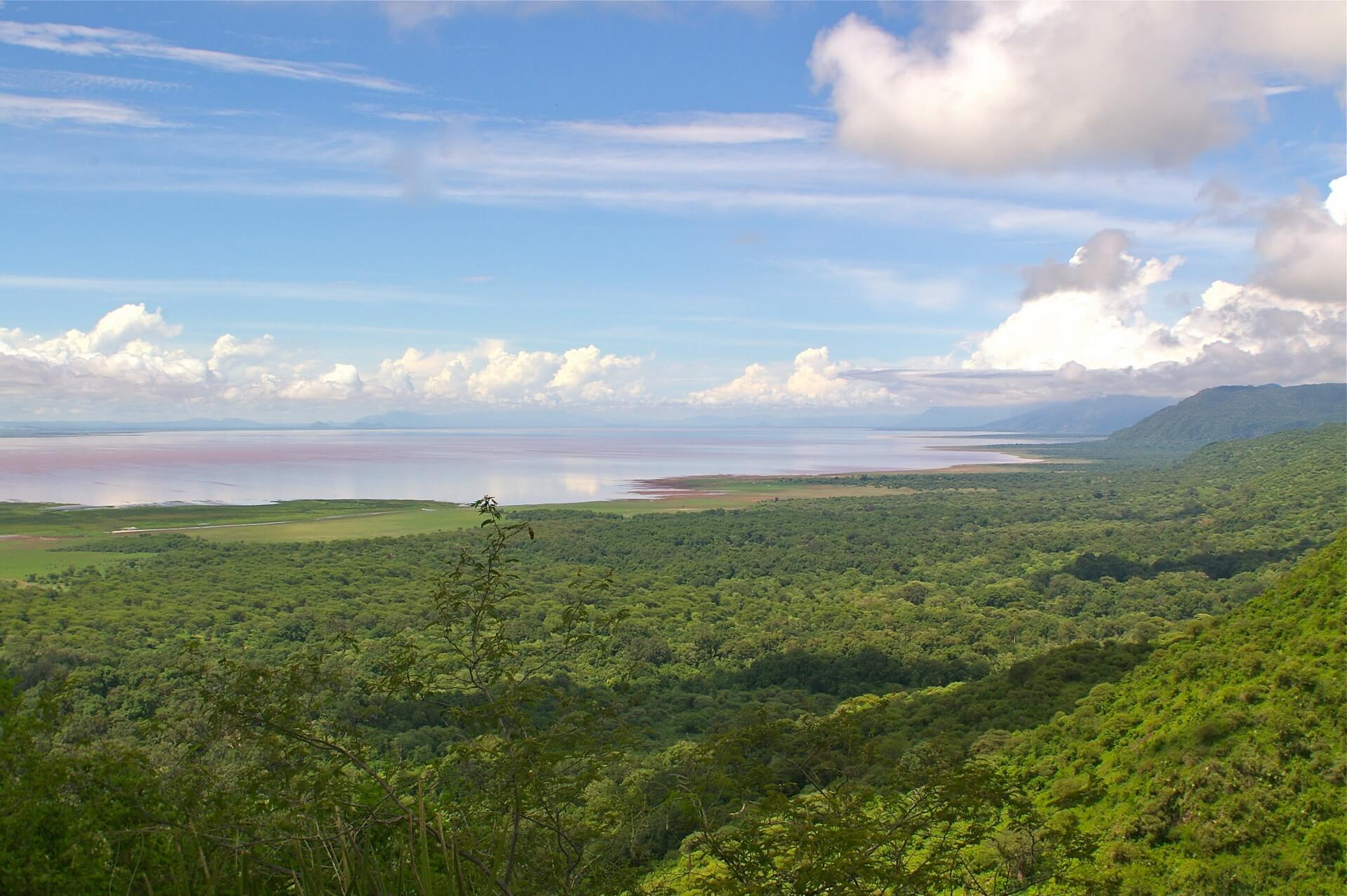
Lake Manyara National Park takes its name from the vast Lake Manyara, which dominates the landscape and covers approximately 230 km² (89 sq mi) of the park’s total area of 325 km² (125 sq mi). The shimmering alkaline lake serves as a vital habitat for a diverse range of wildlife and bird species, adding to the park’s scenic charm and ecological significance.

Nestled at the base of the awe-inspiring Rift Valley escarpment, Lake Manyara National Park is a gem brimming with scenic beauty and unique wildlife experiences. Dominated by a shimmering alkaline lake, this park is world-renowned for its tree-climbing lions, large elephant herds, and vibrant birdlife.

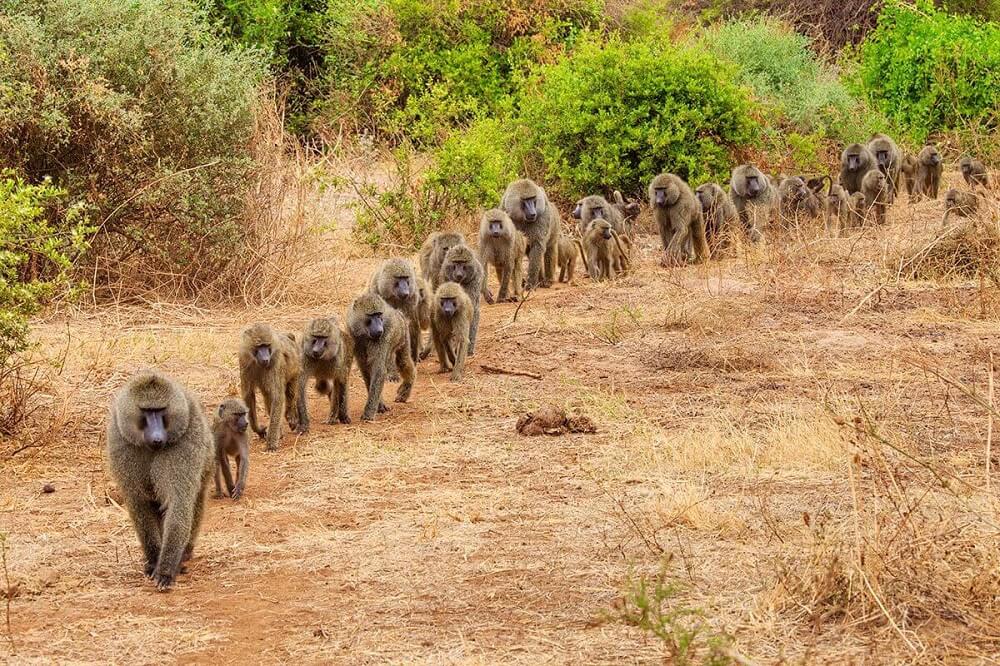
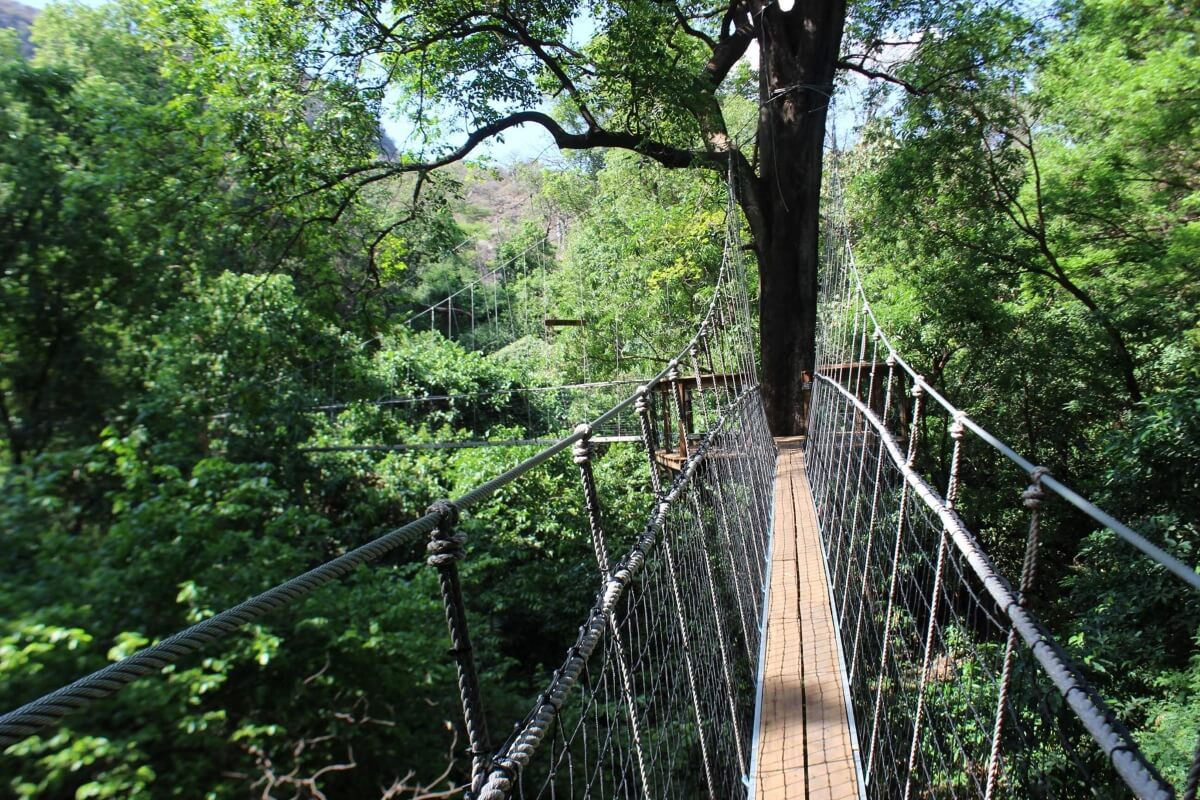
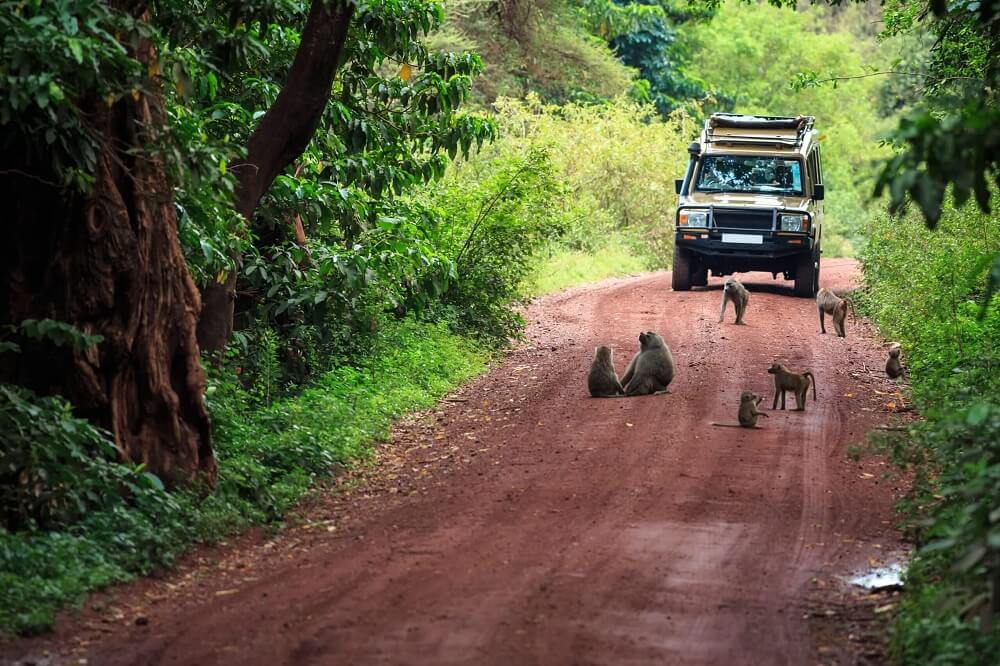
Its diverse landscapes, including lush groundwater forests, provide a rich habitat for olive baboons, blue monkeys, and an array of other wildlife species. One of the park’s standout attractions is the treetop walkway, a thrilling 370-meter (1,200ft) adventure offering a bird’s-eye view of the forest canopy and its fascinating residents. This elevated experience presents an excellent opportunity to see the park’s vibrant ecosystem from a whole new perspective.

While Lake Manyara National Park is not as famous for its big-game viewing as Ngorongoro, Serengeti, or Tarangire, it offers a more relaxed introduction to an East African safari. Its peaceful landscapes and breathtaking views of the Rift Valley make it a perfect place to unwind before heading to more well-known safari destinations.

If you’re visiting on a day trip en route to Ngorongoro Crater or the Serengeti, don’t miss the chance to experience the park’s natural beauty. However, keep in mind that while the scenery is stunning, game viewing here is more modest compared to the renowned wildlife encounters in the other northern Tanzania parks. The soda-ash lake at the park’s center draws impressive flocks of flamingos, adding another layer of wonder to your visit.

Lake Manyara is ideal for an afternoon game drive or a scenic stop before continuing your journey, but don’t expect it to rival the game-rich regions of Ngorongoro or Serengeti. Still, with its tree-climbing lions and charming landscapes, it’s a rewarding stop for those exploring northern Tanzania.

Wildlife in Lake Manyara National Park

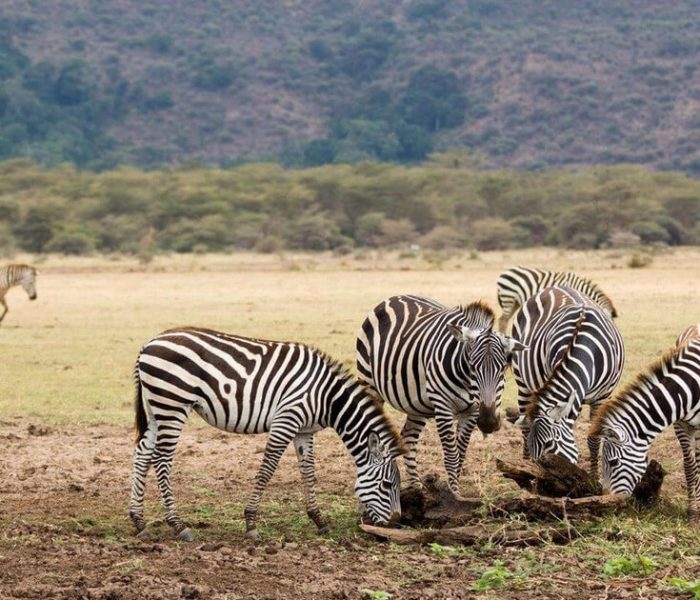
Lake Manyara National Park is a haven for wildlife enthusiasts, offering a rich variety of African species set against a stunning backdrop of the Rift Valley escarpment. The park is home to large populations of elephants, wildebeests, giraffes, and buffaloes, all frequently seen grazing along the park’s roadsides. You’ll also encounter zebras, impalas, warthogs, and waterbucks as you explore the park.

Lake Manyara is famous for its tree-climbing lions, although sightings of these elusive cats are rare. The park also houses smaller but equally fascinating species such as the Kirk’s dik-dik and the klipspringer, which can be spotted on the escarpment slopes though a keen eye is needed to spot these tiny, shy creatures.

The park’s game drive circuit is relatively short, typically taking around 3 to 4 hours to cover. Despite this, you’re likely to encounter active wildlife in the early morning when there are fewer vehicles and more animal movement.

If you’re looking for a peaceful safari experience, the morning game drives are highly recommended, as they offer both quieter roads and the best chances for wildlife sightings. For those looking to save, there are several rest houses that offer a more basic, yet affordable, place to stay. While these budget options are no-frills, they provide a simple place to rest after your day of adventure.

Flamingos and the Alkaline Wonders of Lake Manyara

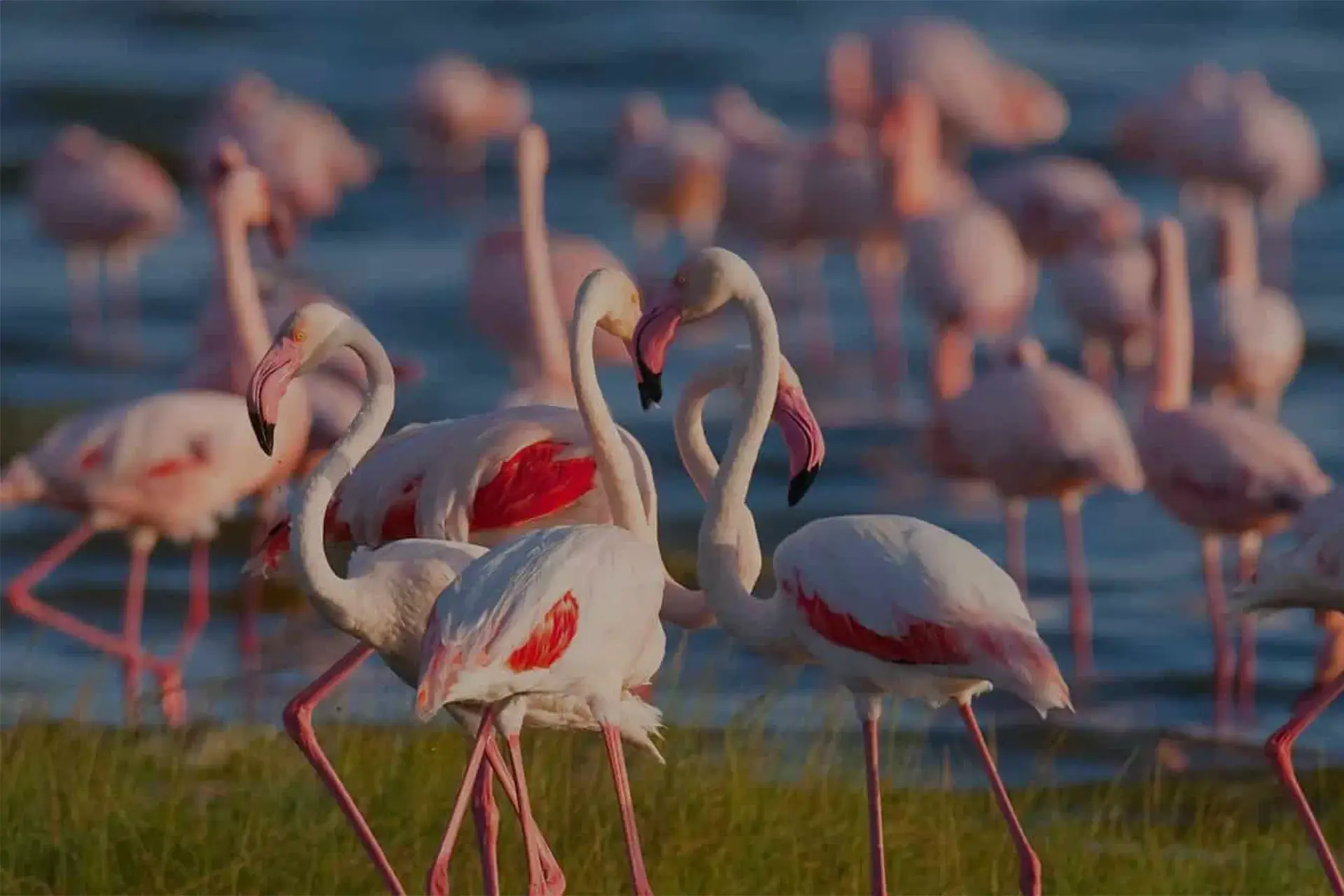
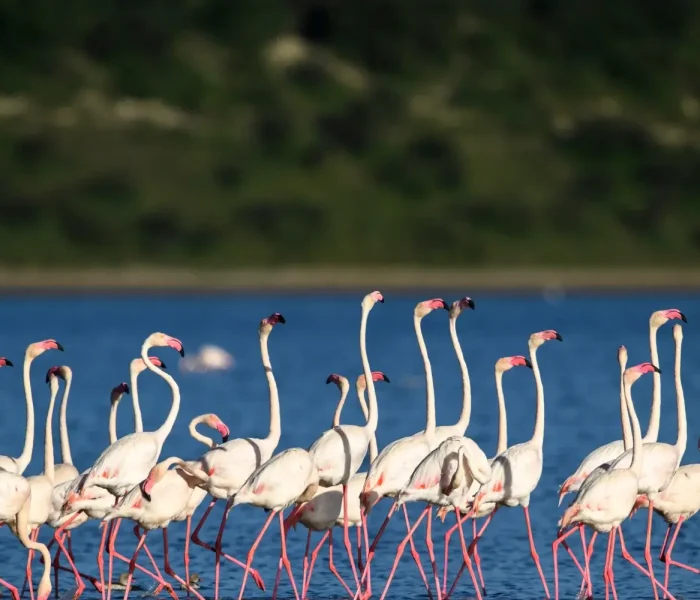
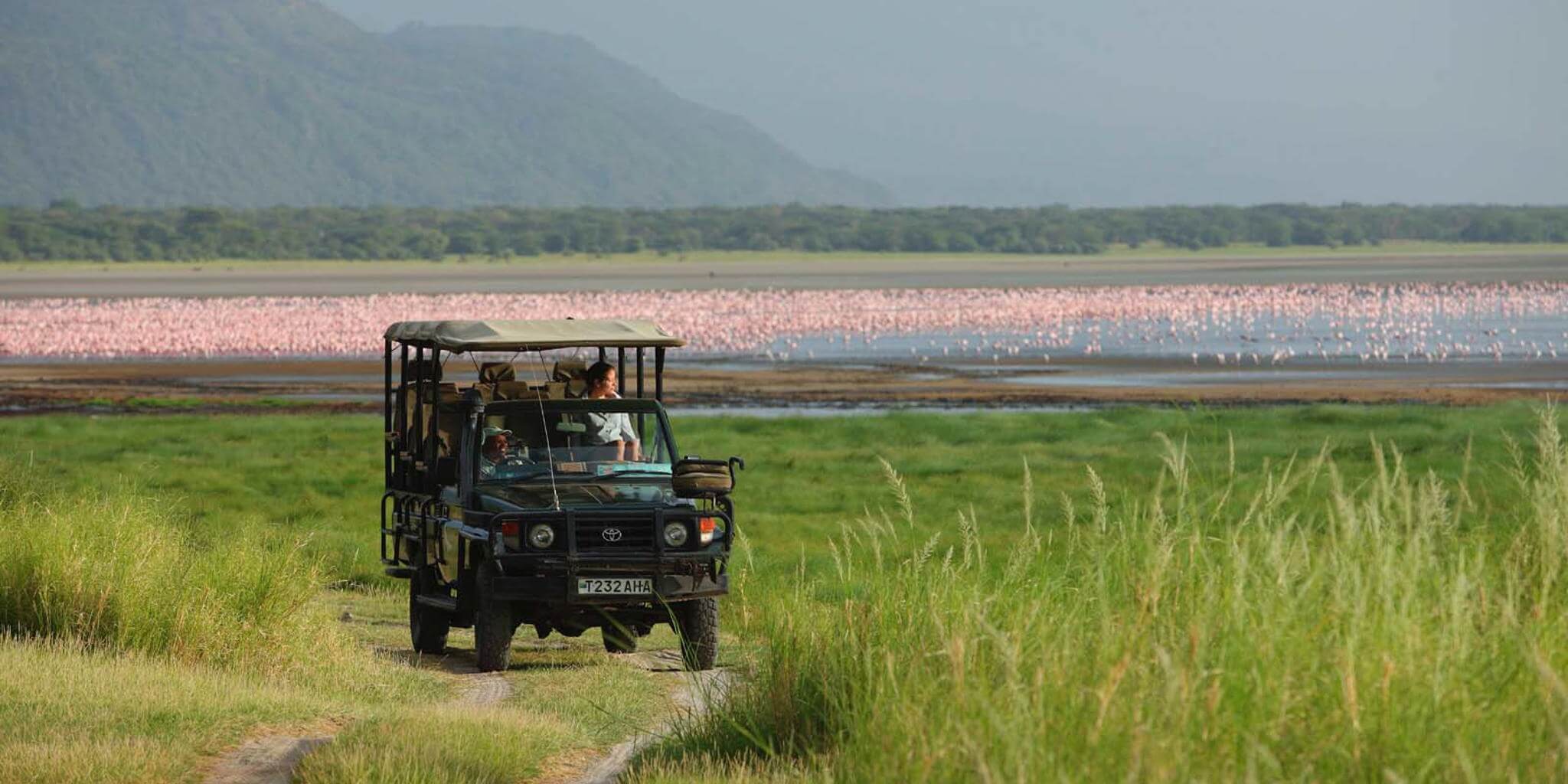
Lake Manyara is renowned for its spectacular flamingo populations that flock to its shores, particularly during the wet seasons (November–December and March–May). This is when the lake’s alkaline waters rise, creating a perfect feeding ground for these graceful birds. During these peak months, flocks of flamingos, along with pelicans, storks, and cormorants, can be seen sweeping across the lake, creating a mesmerizing spectacle.

At its fullest, the lake can cover up to 60% of the park’s total area, transforming it into a vibrant wetland ecosystem. However, during the dry season, the lake shrinks significantly, revealing a stark contrast to its lush, bird-filled splendor.

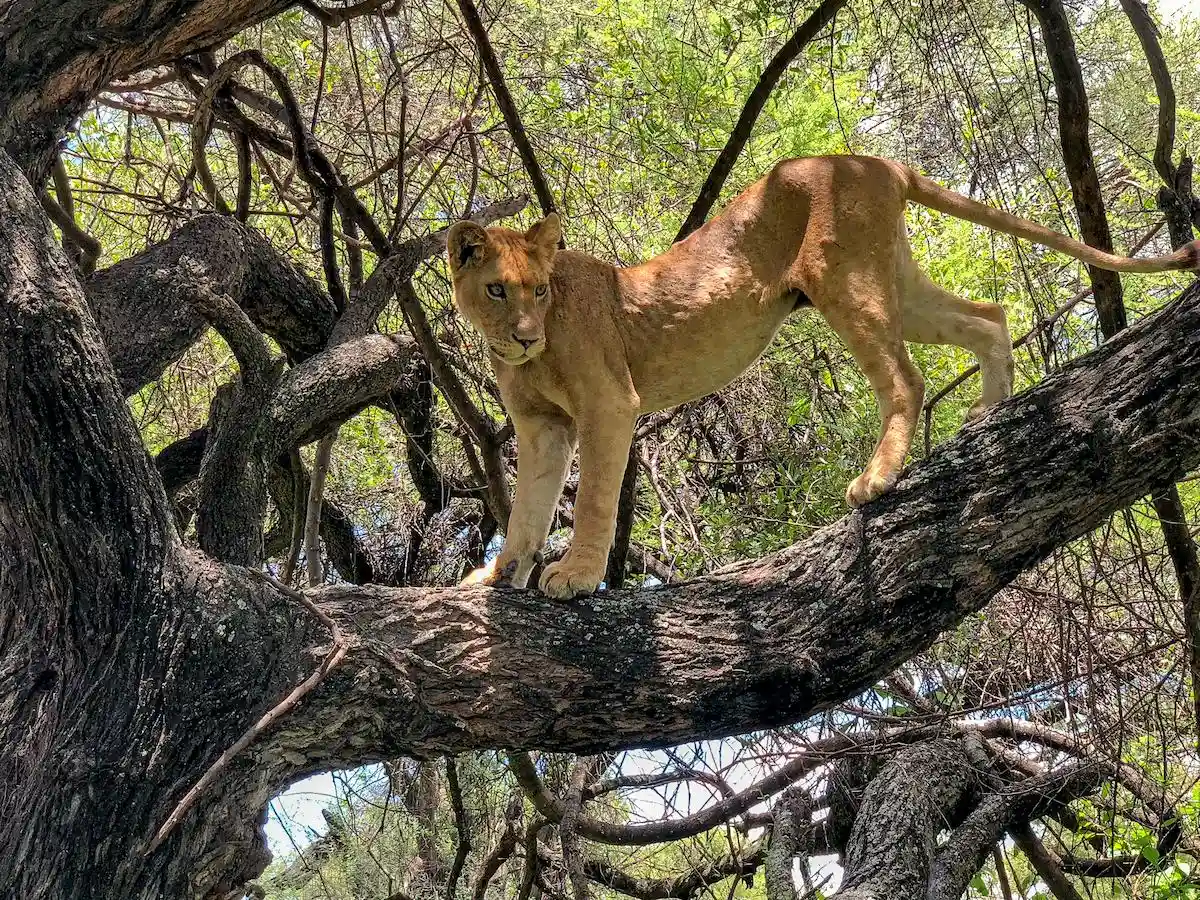
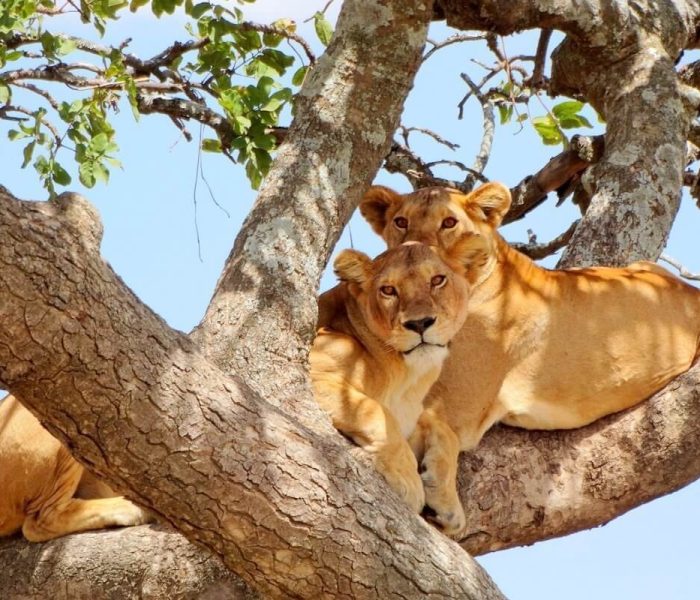
One of the park’s most extraordinary features is its population of tree-climbing lions, a rare trait found only in two places worldwide: Lake Manyara and the Ishasha area of Queen Elizabeth National Park in Uganda. 

These fascinating lions have a unique behavior of climbing trees, often seen lounging in the branches of acacia trees, which is a thrilling sight for visitors. Wildlife photographers and tourists flock to Lake Manyara to capture these exceptional creatures in their natural habitat.

Lake Manyara National Park is a paradise for birdwatchers, with diverse habitats supporting an array of species. The park is home to massive flocks of pelicans and pink flamingos, especially during the wet season, when the lake’s alkaline waters rise. Near the park’s borders and floodplains, you’ll spot egrets, stilts, herons, spoonbills, storks, and other wader species. 

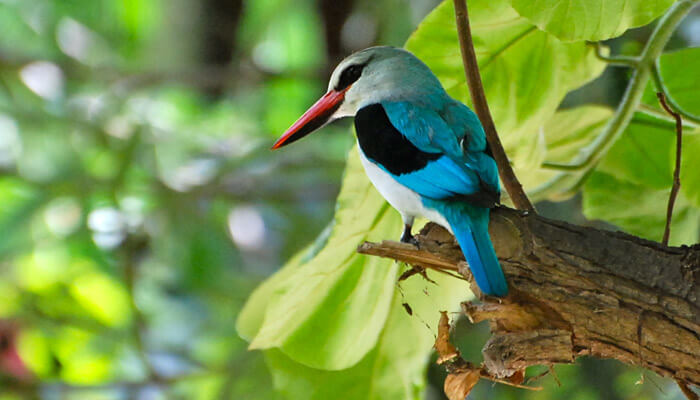
The woodland areas are perfect for birding too, thanks to the abundance of water that attracts various species. In the park’s evergreen forests, you’ll find crowned eagles, crested guinea fowl, and the silvery-cheeked hornbill, making it a birdwatcher’s dream.

The park’s stunning landscapes are shaped by the towering Great Rift Valley escarpment that forms the park’s western boundary. The park itself is long and narrow, stretching from the escarpment down to the shores of Lake Manyara. 

The landscape varies, with wide grassy floodplains around the lake, and further inland, you’ll find bands of acacia woodlands. The evergreen forests along the escarpment are fed by groundwater springs, creating a lush environment for a range of wildlife.

Cultural and Adventure Activities around Lake Manyara

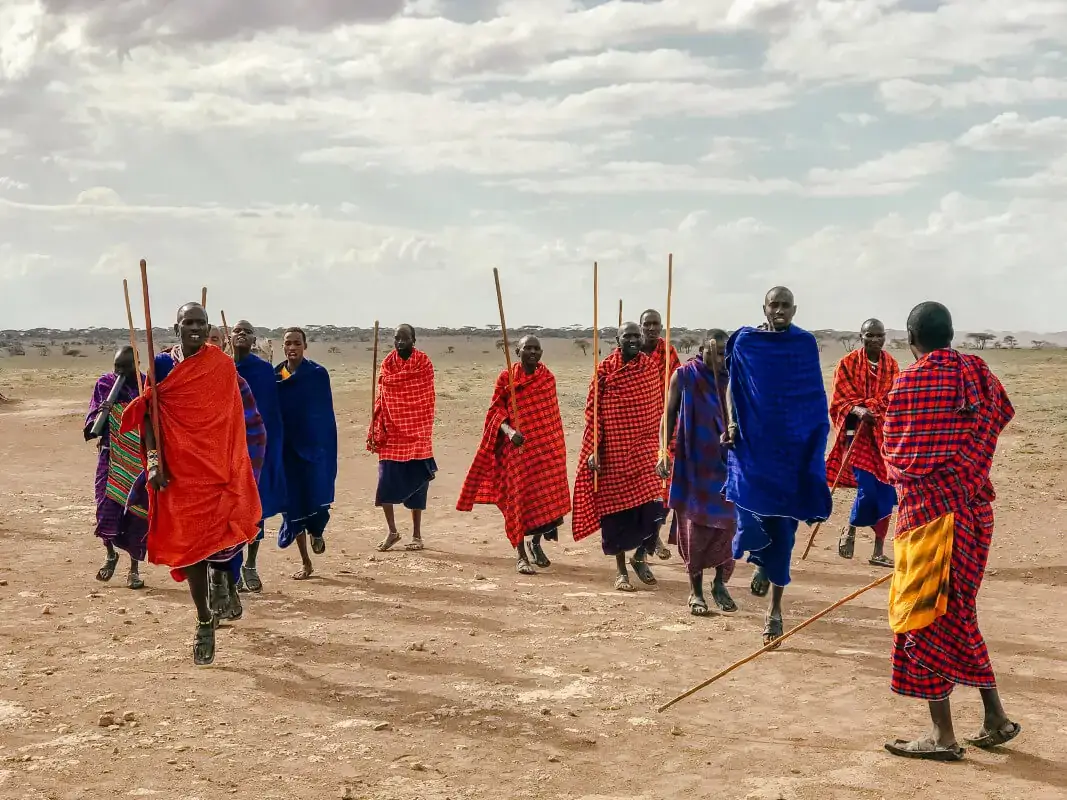
While Lake Manyara is a stunning wildlife destination, it’s also located in the heart of Maasai Country. Visitors can interact with the Maasai people in traditional bomas (villages) and learn about their culture and lifestyle.

Outside the park, you can enjoy activities such as mountain biking tours, escapement forest walks, and even canoe safaris when water levels are favorable. For those seeking more adventure, there’s plenty to explore in the surrounding area, making a trip to Lake Manyara a well-rounded safari experience.

This combination of wildlife, scenic beauty, adventure, and cultural experiences makes Lake Manyara National Park a truly special destination in Tanzania.

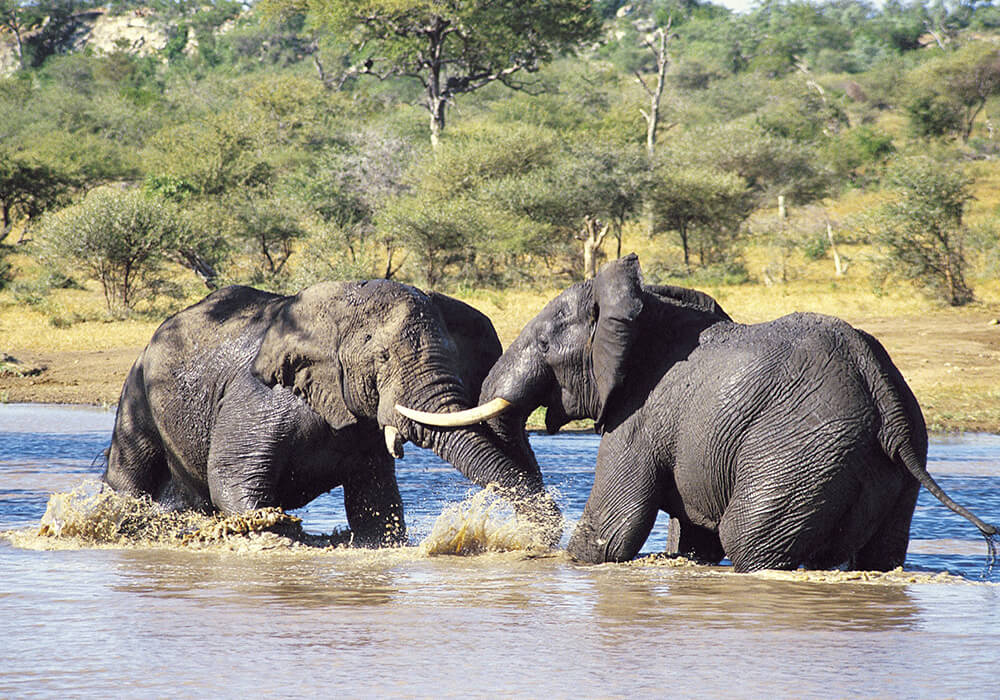
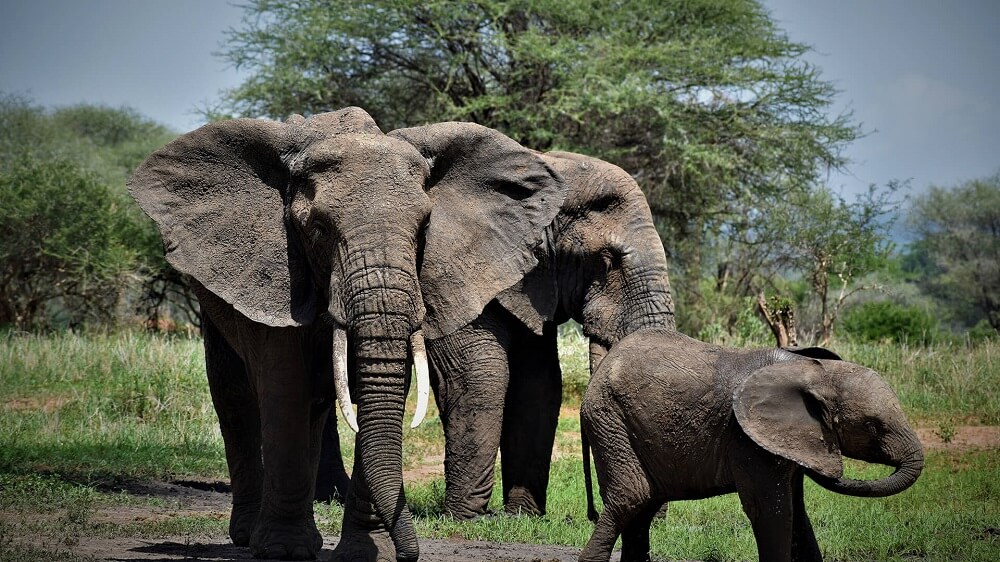
Lake Manyara is home to a significant population of elephants, which are frequently seen in both the acacia woodlands and the evergreen forests. 

The abundant water sources and rich vegetation provide an ideal habitat for these forest giants, making them a highlight for visitors on safari.

For a truly unique perspective, the tree-top canopy walk offers an exhilarating way to experience Lake Manyara’s wildlife. Positioned high above the ground, you’ll get a bird’s-eye view of the park’s forests, home to a variety of primates and bird species. 

This elevated walkway offers a thrilling opportunity to observe the forest from an entirely different vantage point.

Tanzania

Top Activities in Lake Manyara National Park

Lake Manyara National Park offers a wide range of exciting activities, from cultural experiences to adventurous wildlife encounters. Here are some of the most popular things to do during your visit:

Morning or Afternoon Game Drive

A morning game drive is a fantastic way to see wildlife at its most active. Early risers can catch a glimpse of predators, such as lions and cheetahs, during their hunting hours. The afternoon game drive provides a great opportunity to view animals in the park as they come out to graze or drink from the water sources. 

The park’s diverse landscapes, including woodlands, grasslands, and wetlands, are home to a wide variety of animals, such as elephants, giraffes, zebras, wildebeest, and more.

Night Game Drive

For a unique adventure, embark on a night game drive in Lake Manyara National Park. After the sun sets, the park comes alive with nocturnal creatures like hyenas, leopards, bush babies, and aardvarks. 

A night drive allows you to witness the behavior of animals that are rarely seen during daylight hours, providing a thrilling safari experience.

Bird watching

Lake Manyara is a birdwatcher’s paradise! The park is home to over 400 bird species, including large flocks of flamingos and pelicans, as well as birds of prey like the African Fish Eagle. 

Birdwatching is excellent throughout the year, especially during the wet season when migratory birds flock to the lake. Whether you’re a casual observer or an avid birder, the park offers a variety of species to spot and photograph.

Walking Safaris

For a closer look at nature, take part in a walking safari in Lake Manyara National Park. Accompanied by an experienced ranger, you can explore the park’s diverse ecosystems on foot. 

This activity offers an intimate experience, allowing you to connect with the environment, learn about the flora and fauna, and track animal footprints. Walking safaris are available in designated areas of the park, providing a safe and educational adventure.

Canopy Walk

Experience the forest from a different perspective with a thrilling 370-meter (1,200 ft) treetop walkway. 

Walk among the treetops and spot monkeys, birds, and other wildlife from above while enjoying breathtaking views of the forest.

Mto wa Mbu Cultural Tour

Discover the rich culture of the nearby town of Mto wa Mbu, where over 120 tribes coexist. 

Experience local traditions, visit bustling markets, and taste authentic Tanzanian cuisine.

Mountain Biking Tour

Explore the lush landscapes around Lake Manyara on a guided cycling tour. 

Ride through local villages and farmland while spotting wildlife and soaking in the beautiful scenery.

Canoeing on Lake Manyara (Seasonal)

When water levels are high, you can enjoy a peaceful canoe safari on Lake Manyara, gliding past flamingos and hippos while taking in the stunning views of the Rift Valley escarpment.

Night Game Drive

Go on a thrilling night safari and discover Lake Manyara’s nocturnal wildlife. 

Spot lions, leopards, and other predators as they become active after dark.

Visit the Hadzabe Tribe

Engage with the Hadzabe people, one of the last remaining hunter-gatherer tribes in Africa. 

Learn about their unique lifestyle, hunting techniques, and traditions.

Visit the Maasai Tribe

Meet the iconic Maasai people and experience their vibrant culture. 

Learn about their cattle-herding lifestyle, traditional dances, and colorful beadwork.

Cooking with Local Mamas

Join a cooking class with local women and learn how to prepare traditional Tanzanian dishes using fresh, locally sourced ingredients.

Whether you’re seeking adventure, cultural immersion, or wildlife encounters, Lake Manyara National Park offers a variety of experiences to make your safari unforgettable.

Climate in Lake Manyara National Park

Lake Manyara National Park enjoys a pleasantly warm climate throughout the year, making it an ideal destination for most travelers. While the temperatures remain fairly consistent, it rarely gets excessively hot. However, early mornings and evenings can be quite chilly, so it’s advisable to pack warm clothing for your early morning game drives.

Dry Season (June to October)

The Dry season runs from June to October, bringing sunny, clear skies and very little rain. This is considered the best time to visit as the weather is stable, and wildlife tends to gather around the water sources, making sightings easier.

June to September: Afternoon temperatures hover around 26°C/79°F, with nighttime temperatures dipping to around 14°C/57°F, and the mornings can still be quite cool. It’s essential to bring warm clothing for early game drives.

October: This is when the short rains might begin, although they usually arrive later in the month.

Wet Season (November to May)

The Wet season is divided into two distinct periods: the short rains (November-December) and the long rains (March-May). Although the rains are more frequent, they don’t tend to last the whole day, so they won’t heavily disrupt your trip.

November and December: The short rains occur, usually lasting for about a month. Showers tend to be short and occur in the afternoon, so it won’t rain all day.

January & February: These months often see a break in the rains, with dry weather between the rainy seasons.

March to May: The long rains occur, and while it can rain daily during this time, the showers tend to be sporadic and don’t usually last all day. The weather is generally cloudy, and temperatures peak at 28°C/82°F during the day, with cooler nights around 19°C/66°F.

Whether you choose to visit during the dry or wet season, Lake Manyara National Park offers stunning wildlife experiences and scenic beauty year-round.

gallery

Picture of Planning Your Safari

Planning Your Safari

Organizing a safari in Tanzania Destination, can be overwhelming due to the many choices available for transport, accommodation, and activities.

Reviews and Rates

Best Time to Visit Lake Manyara National Park

The best time to visit Lake Manyara depends on what you want to experience.

For Wildlife Viewing (Large Animals): The dry season from July to October is ideal. During this period, the park’s wildlife concentrates around the water sources, making it easier to spot elephants, buffaloes, wildebeests, and other big game. This is also when you have the best chances to see the famous tree-climbing lions.

For Bird Watching: If you’re a bird enthusiast, the period from November to June is perfect. During this time, the park hosts an incredible variety of migratory birds, including thousands of flamingos, pelicans, African Fish Eagles, hornbills, Hamerkops, Black Herons, and Little Bee-eaters. The wet season brings a surge of waterbirds, making it a birdwatcher’s paradise.

No matter when you visit, Lake Manyara National Park offers incredible wildlife and scenic views, but these specific seasons enhance your experience depending on your interests.

Accommodation Near Lake Manyara National Park

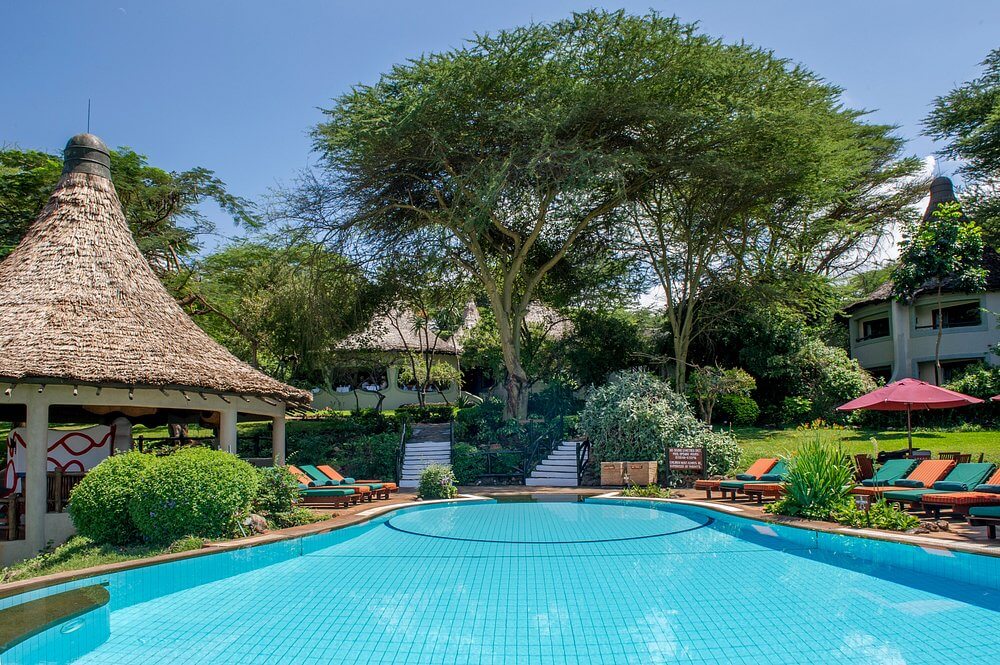
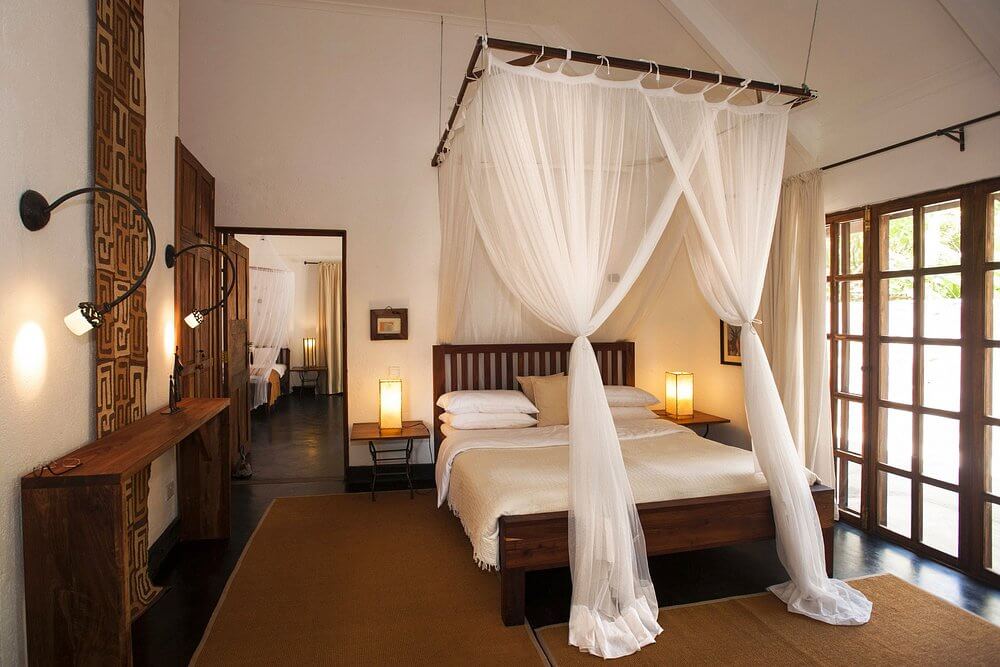
Lake Manyara offers a range of accommodation options, from luxurious lodges within the park to more affordable options just outside the park. Here are some of the best places to stay near Lake Manyara:

Andbeyond Lake Manyara Tree Lodge
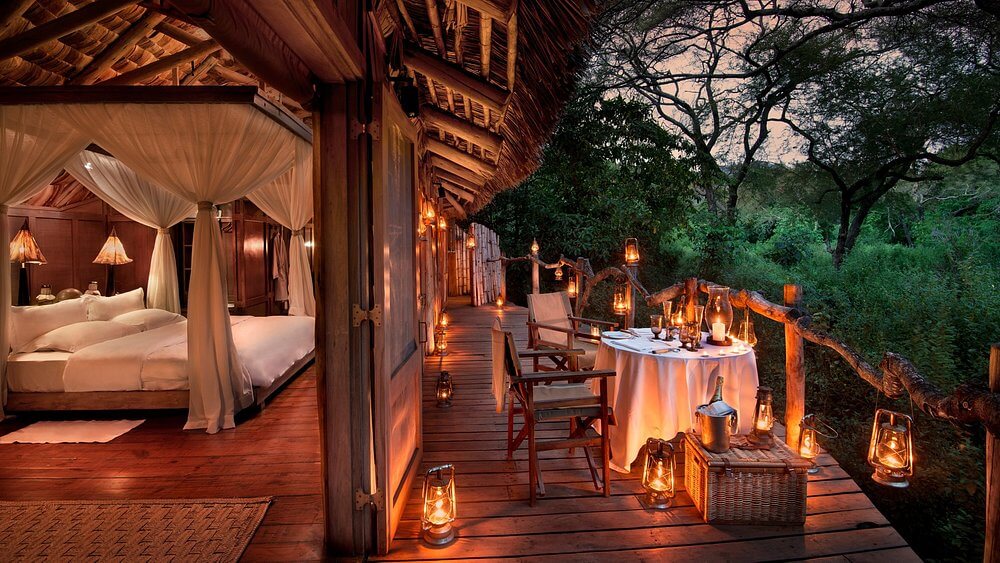
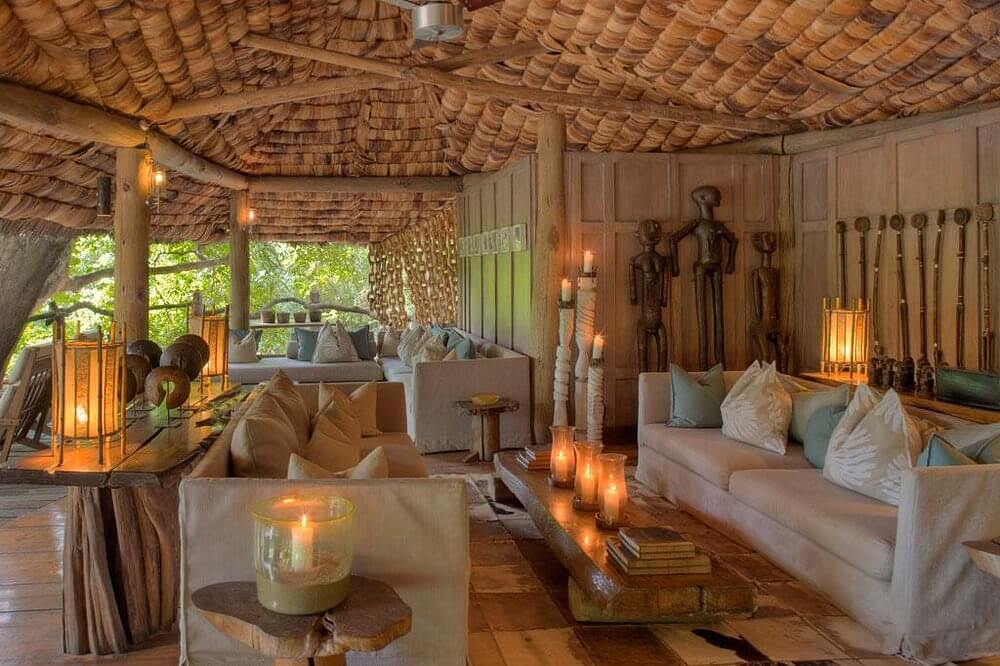
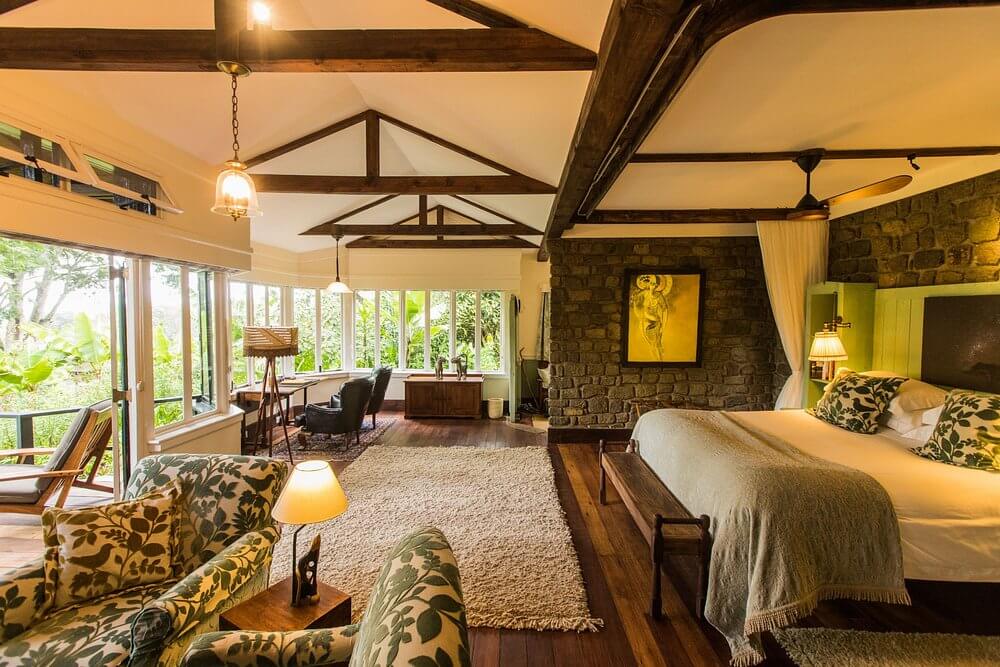
For a truly luxurious experience, the Lake Manyara Tree Lodge offers the only accommodation located inside the park. Nestled within the forest canopy, this exclusive lodge provides an intimate experience with the surrounding wildlife and breathtaking views of the park.

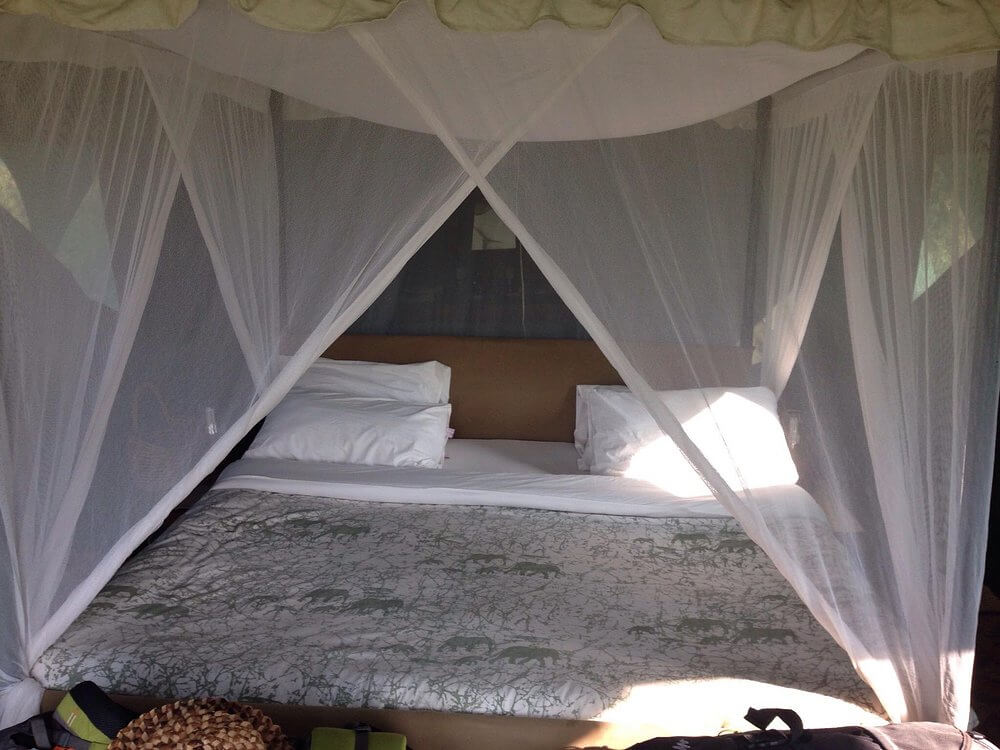
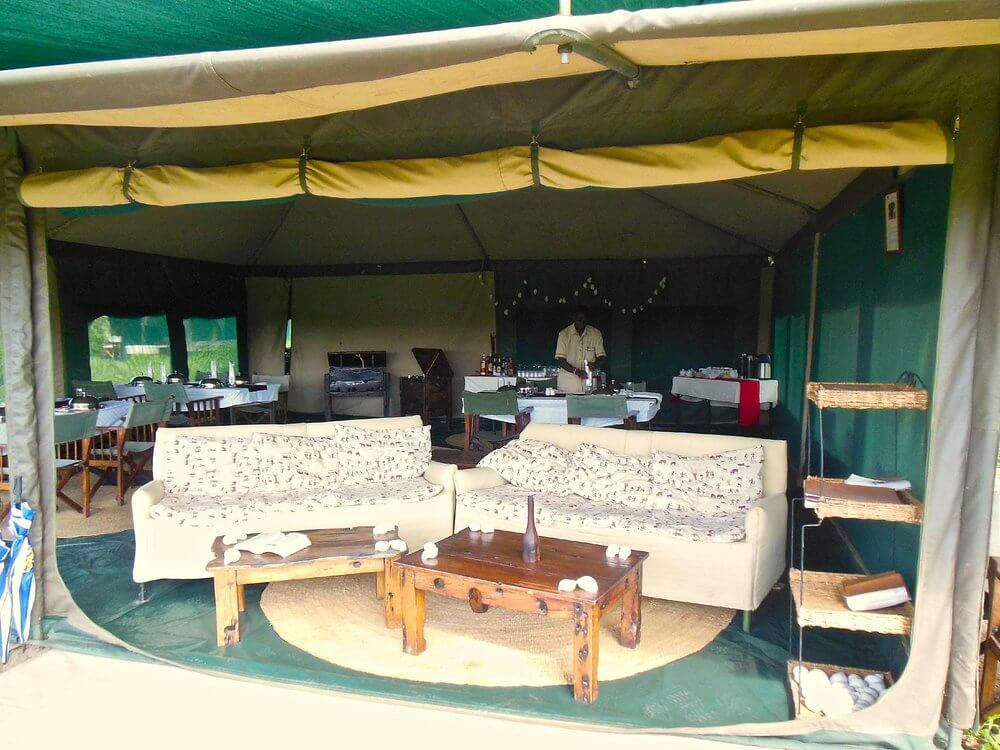
For a more affordable yet still exceptional experience, Kirurumu Tented Camp offers comfortable and spacious tents perched on the Rift Valley escarpment. Enjoy stunning views over Lake Manyara while enjoying the comforts of a well-appointed camp.

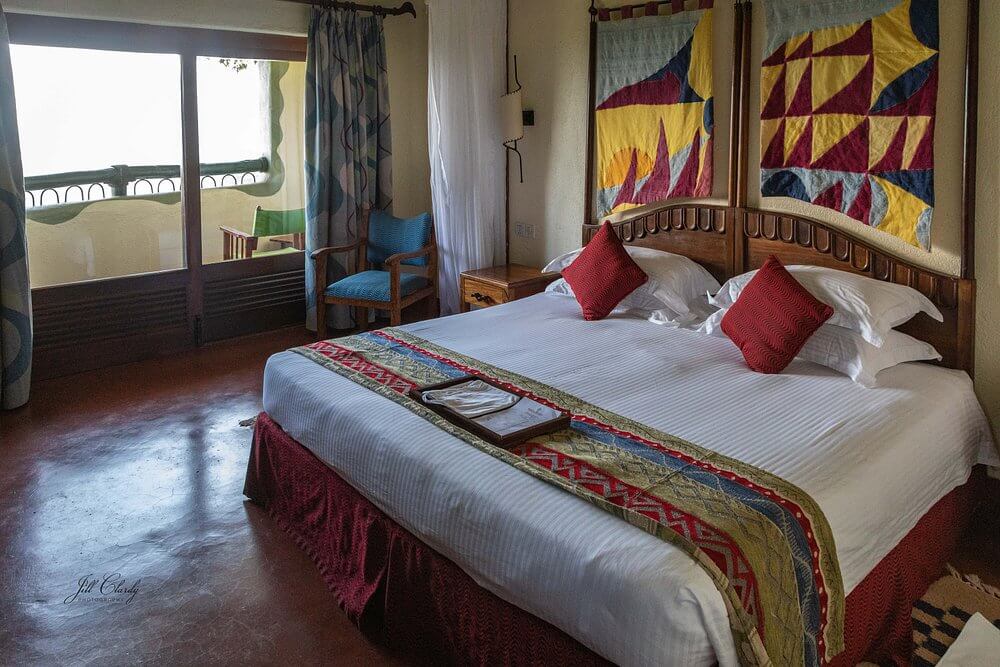
Located on the edge of the Great Rift Valley, Lake Manyara Serena Lodge offers a panoramic view of the park. The lodge is ideal for those seeking a balance of comfort, convenience, and stunning views at an affordable price.

Plantation Lodge
Located in the nearby town of Karatu, Plantation Lodge provides a peaceful retreat with beautiful gardens and cozy rooms. This lodge offers easy access to both Lake Manyara and the Ngorongoro Crater, making it a great base for exploring the region.

Also situated in Karatu, Gibbs Farm is a charming, rustic property surrounded by lush farmland and beautiful gardens. With its relaxed atmosphere, it’s a perfect place to unwind after a day of game viewing in Lake Manyara or the Ngorongoro Crater.

Whether you’re seeking the luxury of a tree lodge or the charm of a farm stay, Lake Manyara and its surrounding areas offer a wide variety of accommodations to suit every budget and preference.

Getting to Lake Manyara National Park

Lake Manyara National Park is conveniently accessible from both the southern and northern gates, with the northern gate being the most commonly used due to the proximity of most accommodations. Located just 126 km (about 90 minutes) from Arusha, it serves as a perfect entry point for visitors traveling along Tanzania’s famous northern safari circuit.

By Air
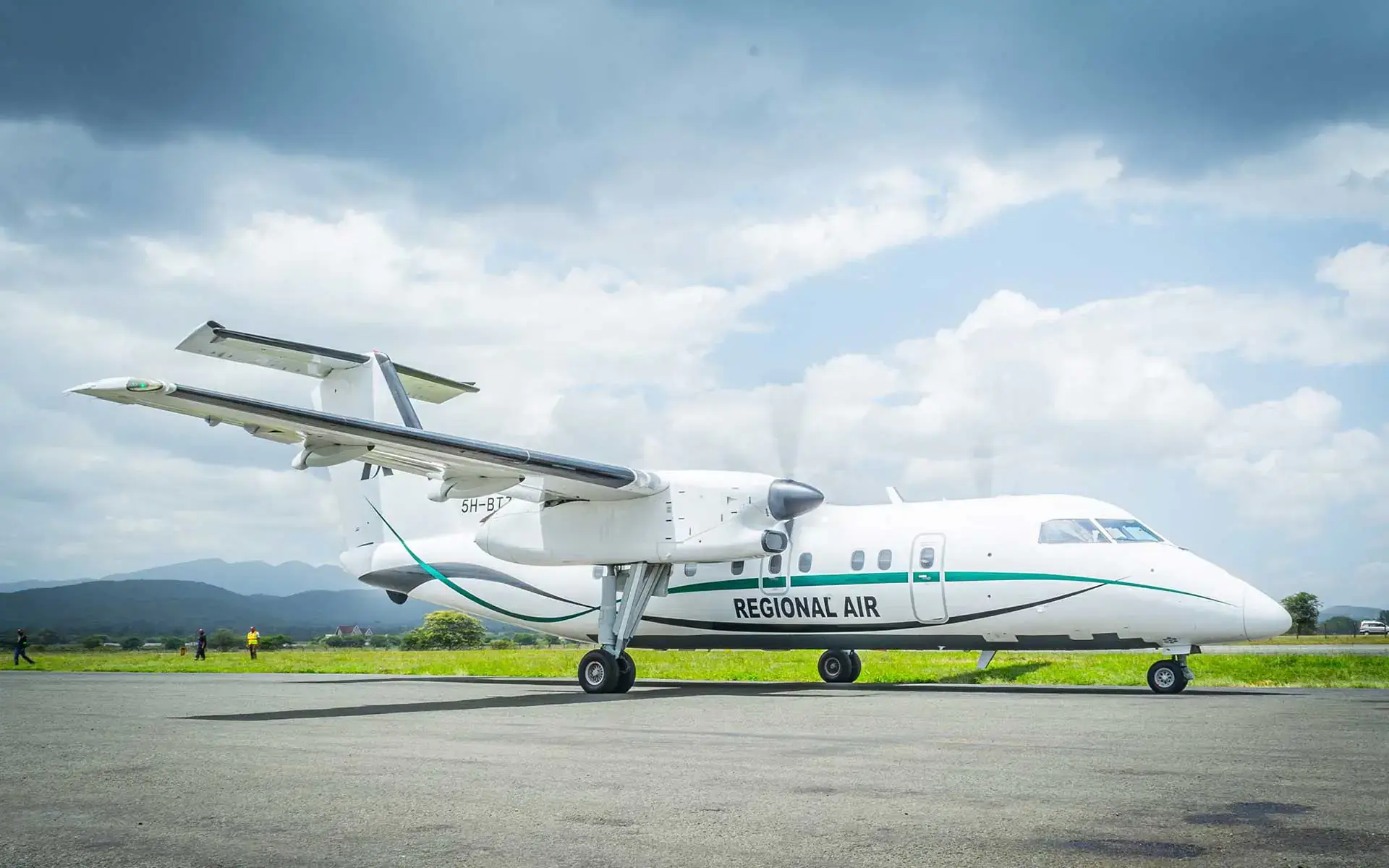
The most convenient way to reach Lake Manyara National Park is by flying into Kilimanjaro International Airport (KIA), located 46 km from Arusha. From there, visitors can take a domestic flight to Arusha Airport (ARK) or directly fly to Lake Manyara Airport (LKY). 

Charter flights between Serengeti, Arusha, and Lake Manyara are common and can be easily arranged through your tour operator. From Lake Manyara Airport, the park entrance is just 16 km away, a 30-minute drive.

By Road
Lake Manyara is easily reached by road from Arusha, located just 126 km (78 miles) southwest of the town. The drive along the newly tarred road takes 1.5 to 2 hours, making it a popular option for those traveling by car. The park is often included as a stop on safari itineraries heading to the Ngorongoro Crater and Serengeti National Park, both major attractions in the northern circuit.

For visitors without private transport, public buses travel to Mto wa Mbu, a nearby village, where you can rent a car to access the park gate. Lake Manyara is also just 37.4 km from Tarangire National Park, making it an ideal addition to any safari journey.

No matter when you visit, Lake Manyara National Park offers incredible wildlife and scenic views, but these specific seasons enhance your experience depending on your interests.

Lake Manyara Travel Times

Arusha to Lake Manyara National Park: 2.5 hours’ drive

Lake Manyara National Park to Tarangire National Park: 1 hour

Lake Manyara National Park to Ngorongoro Conservation Area: 1 hour

Lake Manyara National Park to Serengeti National Park: 3.5 hours

Strategically located in northern Tanzania, Lake Manyara is the perfect starting point for exploring the Northern Safari Circuit, offering easy access to Tarangire, Ngorongoro, and Serengeti.

What our Client Say

Design your own trip

Choose a destination, pick your properties, and we’ll do the rest

1
Browse
Look through our itineraries for inspiration, and call our Travel Consultants
2
Create
Discuss your wish list with us, and we’ll use our expertise to design a unique itinerary for you
3
Customise
We’re committed to refining your itinerary until we’ve created the perfect personalised trip for you