EXPLORE

Tanzania Destination

Kitulo National Park
Picture of Chat to an Tanzania Safari expert

Chat to an Tanzania Safari expert

Get advice and suggestions to make this your perfect trip. or call us on:
+255 755 003116

Picture of Chat to an Tanzania Safari expert

Chat to an Tanzania Safari expert

Get advice and suggestions to make this your perfect trip. or call us on:
+255 755 003116

Destination Overview

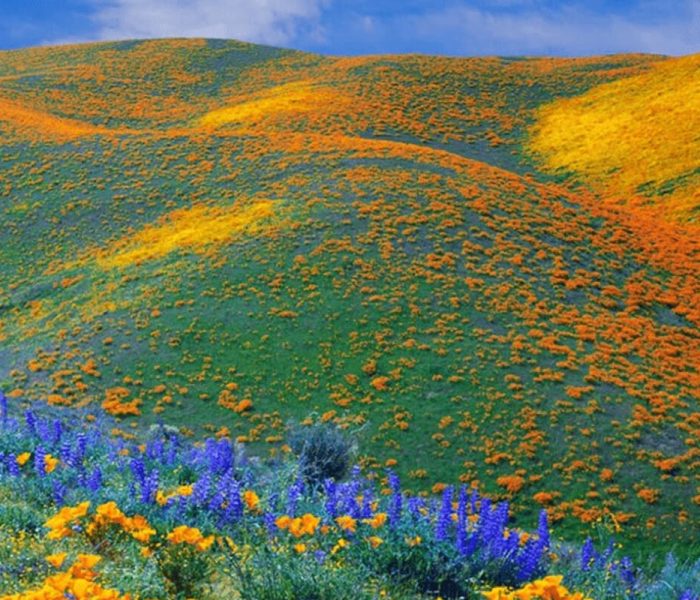
Nestled in the heart of Tanzania, the Kitulo Plateau is famously known as Bustani ya Mungu – The Garden of God. With its spectacular landscape of vibrant wildflowers, captivating birdlife, and serene grass-eating mammals, Kitulo has earned its title as the “Serengeti of Flowers.” It is a unique botanical wonder, unrivaled anywhere else in Africa. 

For six months of the year, from November to April, this remarkable park bursts into life, showcasing over 350 species of wildflowers, including delicate lilies and fields of radiant daisies. Among these, you’ll find 45 endemic orchid species that are found nowhere else on Earth. At an altitude of 2,600 meters (8,500 feet), Kitulo sits majestically between the towering Kipengere, Poroto, and Livingstone Mountains. 

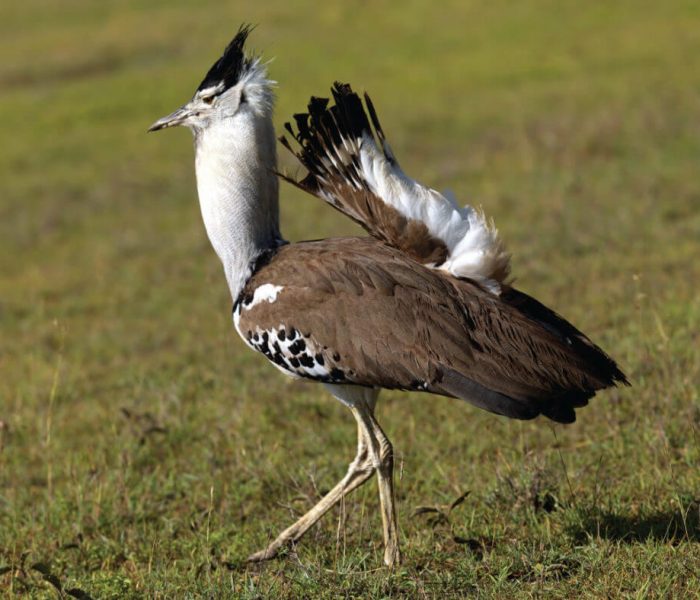
The park’s volcanic, well-irrigated soils support the largest and most significant montane grassland ecosystem in Tanzania. It’s a true paradise for nature lovers and a hidden gem for photographers and botanists alike. While big game may be sparse, the park is a haven for birdwatchers, with sightings of rare species like the Denham’s bustard, the endangered blue swallow, the mountain marsh widow, and the Njombe cisticola.

The park’s biodiversity doesn’t stop with birds – endemic butterflies, chameleons, lizards, and frogs further enhance the area’s rich ecosystem. Kitulo is truly a one-of-a-kind destination in Africa, where nature’s most colorful wonders come to life in their natural habitat. Whether you’re exploring on foot during a guided walking safari, admiring the flowers, or hiking the nearby hills, the stunning views of Lake Nyasa and the picturesque Matema Beach below are sure to leave you in awe.

As Kitulo continues to gain recognition, it is becoming a premier destination for orchid holidays, offering a unique and serene experience compared to traditional wildlife safaris. Its cooler, temperate climate, akin to Mediterranean or European conditions, has attracted British and American settlers since the 1920s, who have introduced small-scale tourism and livestock farming.

The park’s history dates back to 1870 when explorer Fredrick Elton visited the area. By the 1960s, it was briefly used by the United Nations for wheat and sheep farming, but due to the area’s unyielding conditions, the project failed. In 1972, it was converted into a dairy farm, a venture that continues today. However, following growing concerns from conservationists, part of the farm, along with the Livingstone and Nhumbe Forest Reserves, was officially declared Kitulo National Park on September 16, 2005. Covering 465.9 square kilometers, the park is a botanist’s dream, filled with over 350 plant species, including 45 varieties of orchids. Known to locals as “God’s Garden,” Kitulo is a destination unlike any other, offering a glimpse into nature’s hidden treasures.

Weather

Daily temperatures typically range from 14.5°C to 18°C, with the minimum ambient temperature falling between 7°C and 8°C from December to April. During the cooler months of June to August, temperatures can drop as low as 0.5°C, and frost is common during this period.

The park receives an average annual rainfall of around 1,600mm, with totals ranging between 1,500mm and 1,700mm. The rainy season spans from October to May, making it essential to pack warm clothing for a comfortable visit. Given the park’s cool climate, visitors are advised to bring appropriate attire to fully enjoy the natural beauty of Kitulo.

Best Time to Visit Kitulo National Park

The best time to visit Kitulo Plateau National Park is between December and April. While this period coincides with the rainy season in many parts of Tanzania, it offers the perfect conditions to witness the stunning array of wildflowers in full bloom. 

During these months, the park transforms into a vibrant floral spectacle, showcasing a diverse collection of plant species, making it the ideal time for nature lovers and photographers to experience its breathtaking beauty.

gallery

Picture of Planning Your Safari

Planning Your Safari

Organizing a safari in Tanzania Destination, can be overwhelming due to the many choices available for transport, accommodation, and activities.

Reviews and Rates

Attractions at Kitulo National Park

Kitulo National Park, a hidden botanical jewel, is a landscape of breathtaking beauty. Known as “The Garden of God” (Bustani ya Mungu), this park offers visitors an unparalleled experience in nature. The vast, undulating grasslands stretch out endlessly, with rounded hills leading toward the horizon, while waterfalls, forests, rivers, and crater lakes add to the park’s mesmerizing appeal. Its scenery is as diverse as it is enchanting, offering something new around every corner.
Kitulo Plateau

At the heart of Kitulo lies the Kitulo Plateau, a rich tapestry of three distinct vegetation types. The volcanic soils create well-drained grasslands that support an array of species like Aster tansaniesis and Kniphofia grantii.

These fields are complemented by seasonally inundated bogs hosting the likes of Lobelia and Gladiolus. Meanwhile, rocky ridges and talus slopes provide a habitat for Moraea callista and Romulea companuloides, further enriching the park’s botanical diversity.

Kitulo’s true floral magnificence is its wealth of over 350 documented plant species, including 45 species of ground orchids, many of which are endemic. 

From late November to April, the park becomes a blanket of vibrant colors, as the wildflowers bloom in abundance, creating one of the world’s most spectacular floral displays. This botanical wonderland is a dream for photographers and nature lovers alike, with rare and endemic species found in no other part of the world.

The Livingstone Forest, a sanctuary of towering trees, adds another layer of enchantment to Kitulo’s already diverse landscape. Species such as Hagenia abyssinica, Ocotea usambarensis, and Juniperus procera are found here, along with the striking mountain bamboo (*Sinarundinaria alpina*). 

The forest is home to a remarkable range of flora, including at least 350 high-plant species and 45 terrestrial orchids. Some of these orchids are endemic to Tanzania, with several species found only in Kitulo and the surrounding Poroto Mountains.

Nhumbe Valley, often described as the jewel of the park, captivates visitors with its streams cascading down grassy hillsides, forming waterfalls that give rise to the Nhumbe River, one of the tributaries of the Great Ruaha River. 

The valley’s Juniper forest, one of the most extensive in East Africa, is home to the tallest juniper trees in the world, towering at 50 meters high. Not far from here is the stunning Nhumbe Waterfall, which plunges 100 meters into the valley below, offering a refreshing oasis and a perfect spot for a picnic.

Dhambwe Lake and Mtorwi Peak

The park’s Dhambwe Lake, a small volcanic lake nestled in the heart of Kitulo, is accessible via a short walk through bamboo forests. It’s a peaceful retreat where visitors can enjoy birdwatching, with waterfowl such as the common teal spotted around the lake. 

For those looking to experience Kitulo from a higher vantage point, Mtorwi Peak offers a challenging hike with incredible panoramic views of the surrounding landscape. Standing at 2,961 meters, it is the highest point in the park and rewards hikers with stunning views of the plateau below.

Cultural attractions like Mlivili Cave and Usalama Cave, remnants of the region’s turbulent tribal history, are scattered throughout the park. These caves were once used as hiding places during intertribal wars, adding an element of history to the area’s natural beauty.

Kitulo National Park is also a critical habitat for birdwatchers, with over 200 species of birds recorded. Among the park’s avian inhabitants are the rare Denham’s bustard, the endangered blue swallow, and a range of endemic species, including the Kipengere seedeater and the Cisticola njombe. 

Waterbirds such as the yellow-billed duck and white-faced whistling duck can be found at Dhambwe Crater Lake, making this an excellent destination for bird enthusiasts.

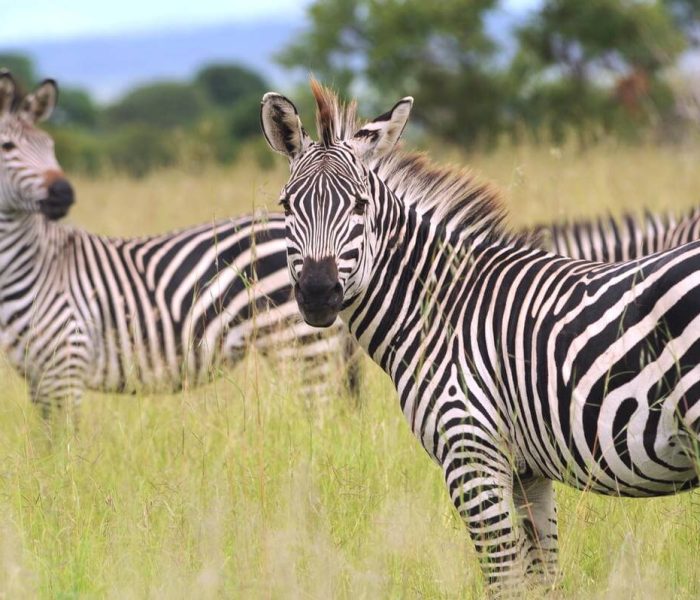
In addition to its vibrant flora and avifauna, Kitulo is home to a remarkable variety of wildlife. Notably, the park was the site of the discovery of Rungwecebus kipunji, a new species of monkey that was found in the remote mountains of southern Tanzania. Visitors may also encounter bush duikers, klipspringers, zebras, black-and-white colobus monkeys, and impalas, as well as the Rungwe Galago, a primate endemic to the area.

Kitulo National Park is a true natural treasure, offering visitors a rich tapestry of landscapes, wildlife, and cultural history. Whether you’re drawn by its extraordinary flowers, its diverse birdlife, or its unique wildlife, Kitulo promises an unforgettable adventure in the heart of Tanzania’s highlands.

Tanzania

What to Do at Kitulo National Park

Amboseli is renowned for its wildlife, including large herds of elephants, lions, cheetahs, zebras, giraffes, and wildebeests. Game drives allow visitors to explore the park’s diverse landscapes and observe wildlife in their natural habitat. 

The park’s relatively flat terrain makes it perfect for game drives, and the backdrop of Mt. Kilimanjaro adds to the experience.

Game Drives

For those seeking the thrill of wildlife observation, a game drive through the park’s varied landscapes is a must. Journey along Matamba Ridge, traverse the expansive montane grasslands, and explore the bamboo forests and waterfalls. 

A four-wheel drive vehicle is recommended to navigate the rugged terrain, ensuring a smooth ride as you witness the park’s unique flora and fauna.

Bird Watching

Birdwatching enthusiasts will be in paradise as Kitulo is home to a rich variety of both endemic and migratory bird species. Early mornings and evenings are the best times to spot these avian wonders, particularly around Lake Dhambwe, the grassland plains, and Nhumbe Valley. 

Migratory birds from as far as South Africa and Europe visit the park, adding to the already impressive list of local species.

Walking Safaris

For a more intimate experience with nature, walking safaris allow you to explore the park’s diverse ecosystems on foot. 

Wander through the sweeping grasslands, hike the mountain ridges, and enjoy the cool shade of the forest as you observe the beauty of the surroundings up close.

Camping

If you’re looking to truly immerse yourself in the beauty of Kitulo, camping offers a unique way to experience the park’s tranquil nature. 

The Mwakipembo Public Campsite offers basic amenities such as flush toilets, shaded areas, and a fireplace, while the Maua Special Campsite offers an exclusive, nature-reserved environment for a more private experience.

Cycling

Cycling enthusiasts will love the park’s designated cycling routes, offering an active way to explore Kitulo.

The 22km route begins at the Mwakipembo Entrance Gate and takes you past attractions such as the Nguzo Mbili, the Uwanda Picnic Site, Mlivili Cave, Mwakipembo Waterfall, and more, all while soaking in the beauty of the park’s diverse landscapes.

Wild Flowers

Kitulo’s wildflowers are another major attraction, particularly during the rainy season from November to April. 

During this time, the park transforms into a vibrant tapestry of colors, with thousands of wildflowers blooming across the grasslands, creating an unforgettable sight.

Hiking

Lastly, for avid hikers, Kitulo is a true paradise. From the scenic views atop Matamba Ridge to the awe-inspiring Mtorwi Peak (standing at 2,961 meters), the park offers a range of hiking trails that lead to incredible vistas, cascading waterfalls, and opportunities to get up-close with the region’s signature wildflowers.

Kitulo National Park offers a wealth of activities that will appeal to every kind of nature lover, ensuring that each visit is packed with unforgettable memories.

Getting to Kitulo National Park

By Air:

The closest airport is Songwe International Airport. From there, you can travel by road:

83 km via Isyonje Junction (on the Uyole-Kyela Road)

125 km via Chimala Junction (on the Mbeya-Makambako Road)

By Road:

From Mbeya City, take the Isyonje-Kitulo route (67 km)

From Mbeya City, the Chimala-Kitulo route is 103 km

From Njombe Town, travel through Ikonda-Makete-Kitulo (165 km)

By Railway:

You can also travel by the Tanzania-Zambia Railway (TAZARA) and disembark at Makambako or Iyunga stations.

Whichever way you choose to travel, Kitulo’s serene beauty and unique wildlife are well worth the journey.

Where to Stay in Kitulo National Park

Kitulo National Park offers a variety of accommodation options, ensuring that visitors have comfortable and convenient choices for their stay, whether they prefer to stay inside the park or in nearby towns.

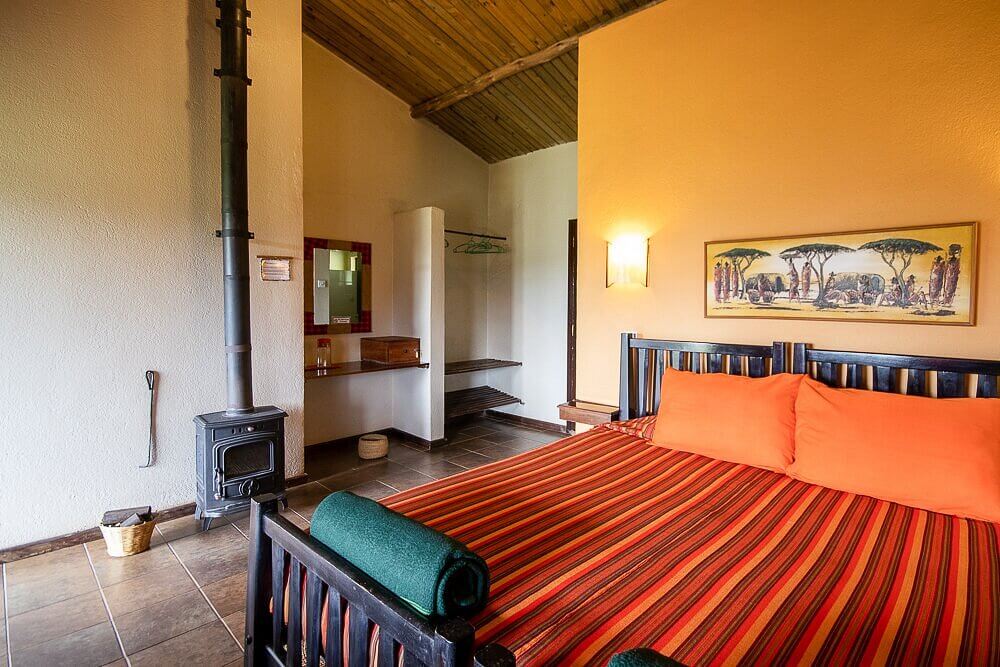
Inside the park, visitors can choose from cozy cottage rooms equipped with essential amenities including a shower, WC, and either a double or single bed. These rooms provide a peaceful and immersive experience within the park’s natural surroundings. For those looking for a more rustic experience, the Mwakipembo Public Campsite offers a well-maintained site with a shower block, toilets, an indoor dining area, and an outdoor fireplace, making it an ideal spot for campers to relax after a day of exploration.

For accommodations outside the park, there are several guest houses and lodges in the nearby Matamba small town. These include Mtanganyika Lodge, Ngogo Lodge, Kitulo God’s Garden, and Eden Motel, each offering a range of services to cater to different tastes and budgets. Further options are available at the Utengule Coffee Farm Lodge, New Modern Mbeya Hotel, Mdope Hotel, and Hill View Hotel, all of which are located in Mbeya city, providing additional comforts and amenities just a short distance from the park.

What our Client Say

Design your own trip

Choose a destination, pick your properties, and we’ll do the rest

1
Browse
Look through our itineraries for inspiration, and call our Travel Consultants
2
Create
Discuss your wish list with us, and we’ll use our expertise to design a unique itinerary for you
3
Customise
We’re committed to refining your itinerary until we’ve created the perfect personalised trip for you