EXPLORE

Uganda Destination

Kidepo Valley National Park
Picture of Chat to an Uganda Safari expert

Chat to an Uganda Safari expert

Get advice and suggestions to make this your perfect trip. or call us on:
+255 755 003116

Picture of Chat to an Uganda Safari expert

Chat to an Uganda Safari expert

Get advice and suggestions to make this your perfect trip. or call us on:
+255 755 003116

Destination Overview

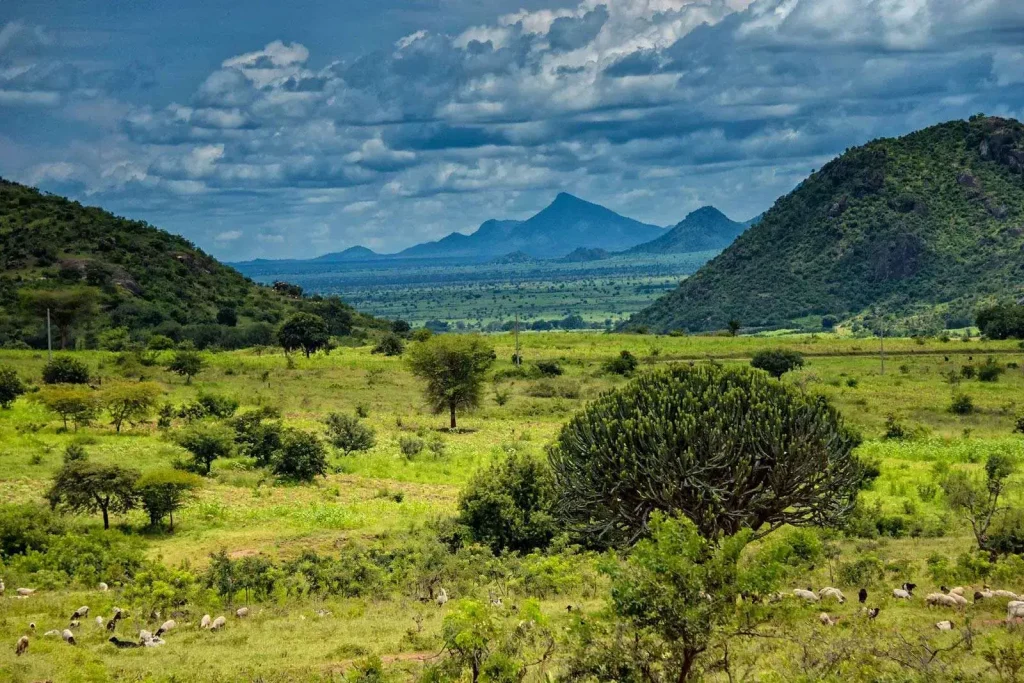
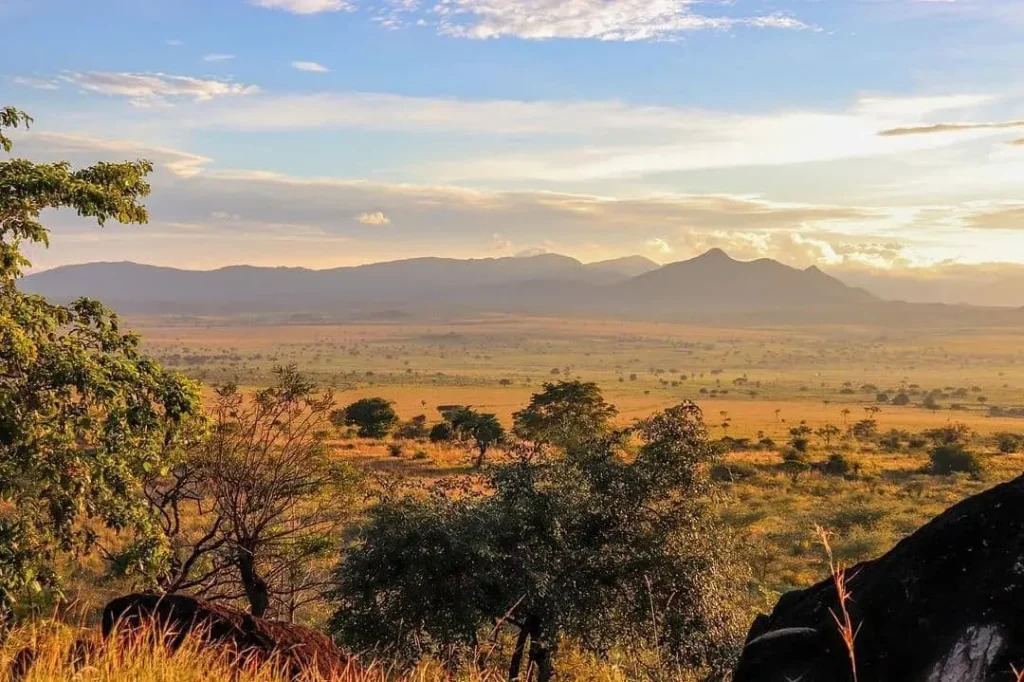
Kidepo Valley National Park, located in the northeastern Karamoja subregion of Uganda, borders South Sudan to the northwest and lies just 5 km from the eastern border of Kenya. Covering 1,442 square kilometers, it is Uganda’s third-largest and most remote national park.
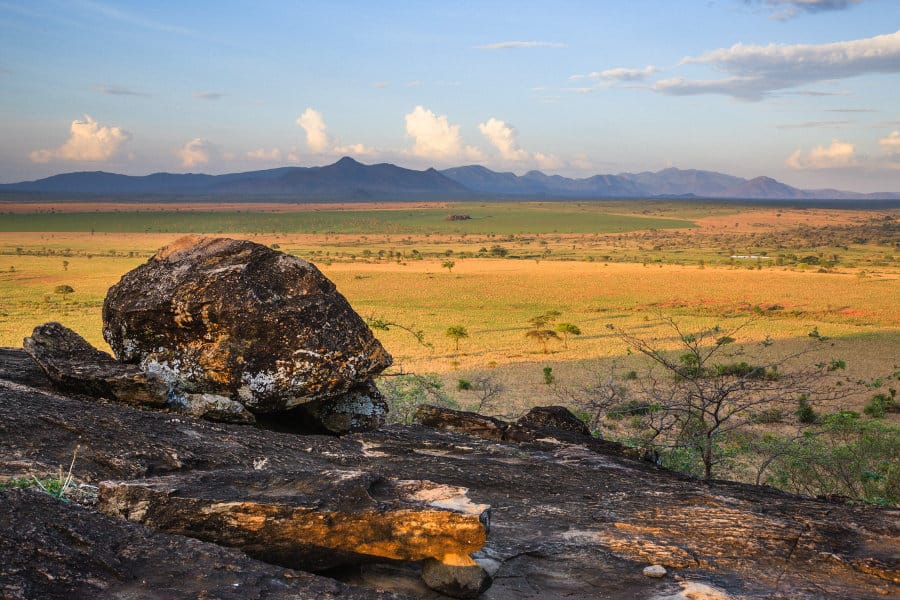
Kidepo Valley National Park is one of Uganda’s most remote and ruggedly beautiful destinations, nestled in the shadow of the Morungole Mountains. This park, primarily composed of vast savannah, rolling hills, and deep valleys, was initially established as a game reserve in 1958 by the colonial government in response to rampant poaching and environmental damage caused by the Ik and Dodoth peoples, who were attempting to control the Tse Tse fly population. In 1962, the reserve was upgraded to Kidepo Valley National Park, the same year Uganda gained independence.

The park is home to two primary valleys Narus and Kidepo each with its respective river, which dries up during the peak of the dry season, leaving behind small pools that serve as lifelines for wildlife. This semi-arid environment, combined with the towering mountains, expansive savannah, and thriving wildlife, creates some of the most breathtaking landscapes in Uganda. Kidepo’s dramatic scenery and incredible wildlife boasting over 76 mammal species and 474 bird species make it a must-visit for those seeking an authentic African wilderness experience.

Kidepo is not only one of Uganda’s most scenic parks but also ranks among the top wildlife destinations in the world. Recognized by CNN Travel as one of the “3 most attractive national parks” globally, Kidepo offers a rare glimpse into the African wilderness as it existed before modern influences. Its conditions rival those of iconic parks like Kenya’s Maasai Mara and Tanzania’s Serengeti, making it an unparalleled destination for wildlife enthusiasts. The park also boasts more than 475 bird species, including ostriches and the rare Karamoja apalis. Notable highlights of Kidepo Valley include the Narus Valley, where animals gather for water, and the Kanangorok Hot Springs, a beautiful natural feature in the park’s heart. This hidden gem offers visitors a chance to experience wildlife safaris in one of Uganda’s most secluded and pristine environments.

Kidepo Valley National Park (KVNP) is one of Uganda’s hidden gems, offering an unforgettable wildlife experience in a pristine and untouched environment. This remote park is home to over 86 mammal species, 475 bird species, and more than 692 plant species, many of which are endemic to the Kidepo and Karamoja regions. The park’s diverse ecosystems provide a haven for both rare and abundant wildlife, making it an essential destination for nature lovers and wildlife enthusiasts.

Wildlife

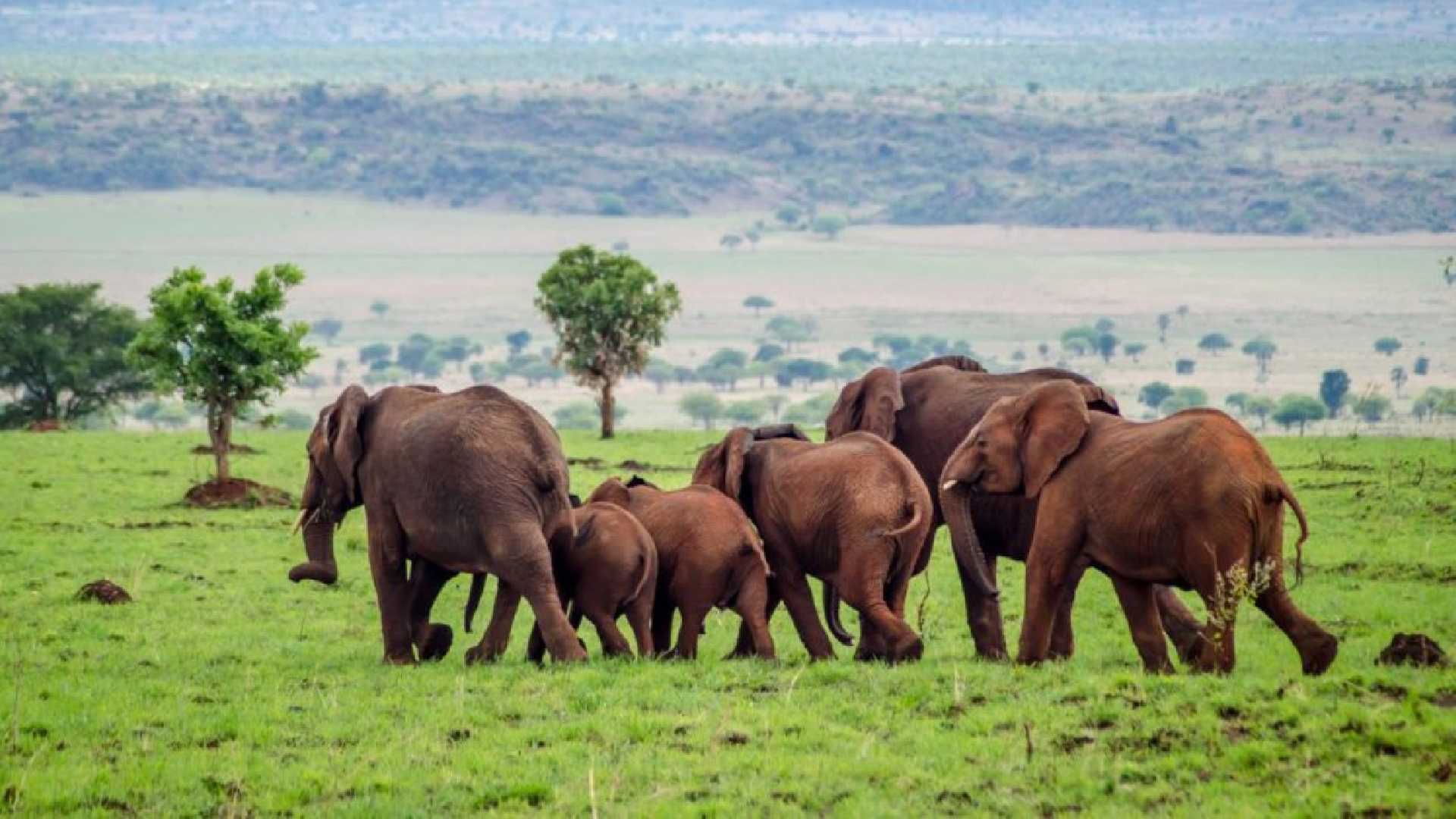
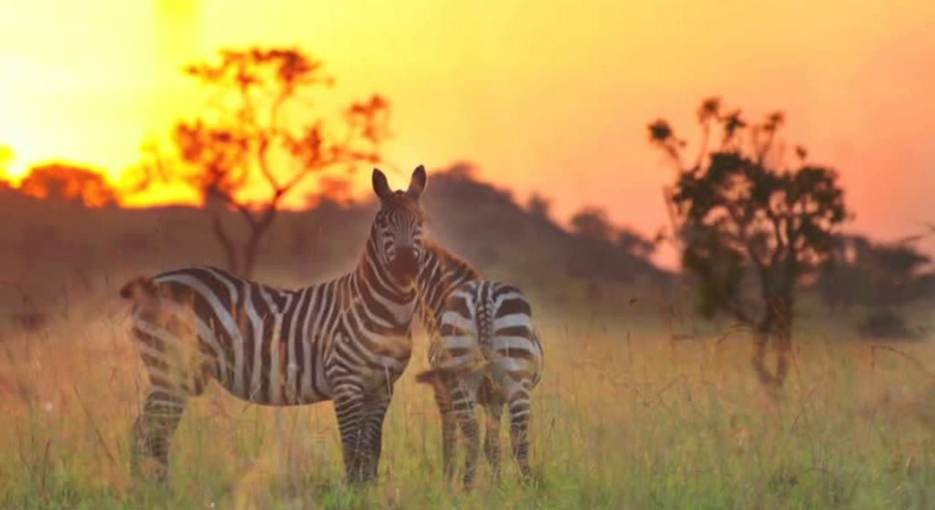
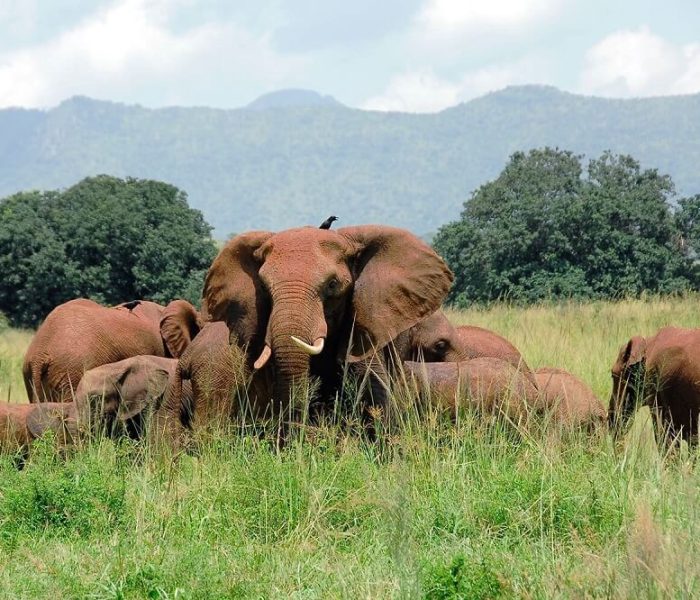
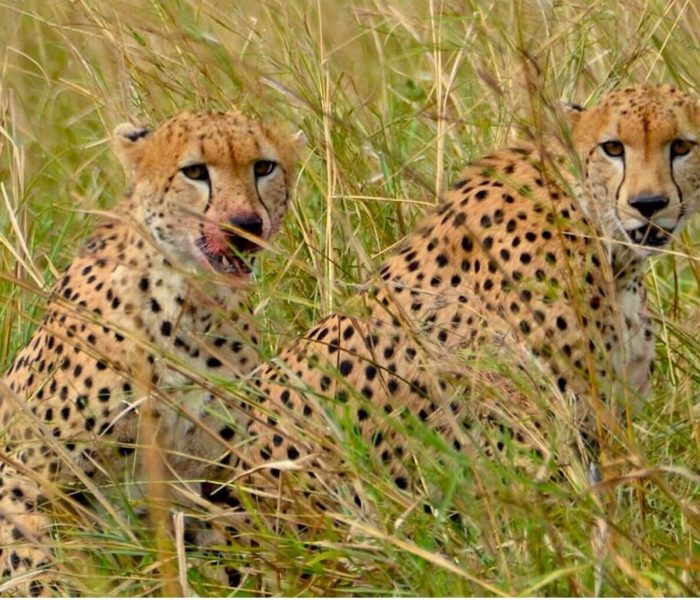
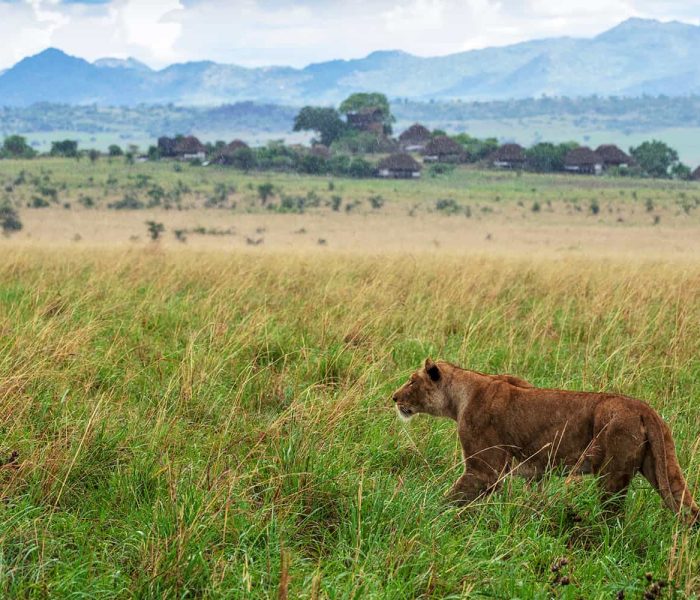
When it comes to mammals, Kidepo Valley National Park stands out for its unique species. The park is home to around 28 mammal species that cannot be found in any other Ugandan national park, including the majestic lion, cheetah, African elephant, and Burchell’s zebra. Visitors can also encounter the elusive striped hyena, caracal, and both greater and lesser kudu.

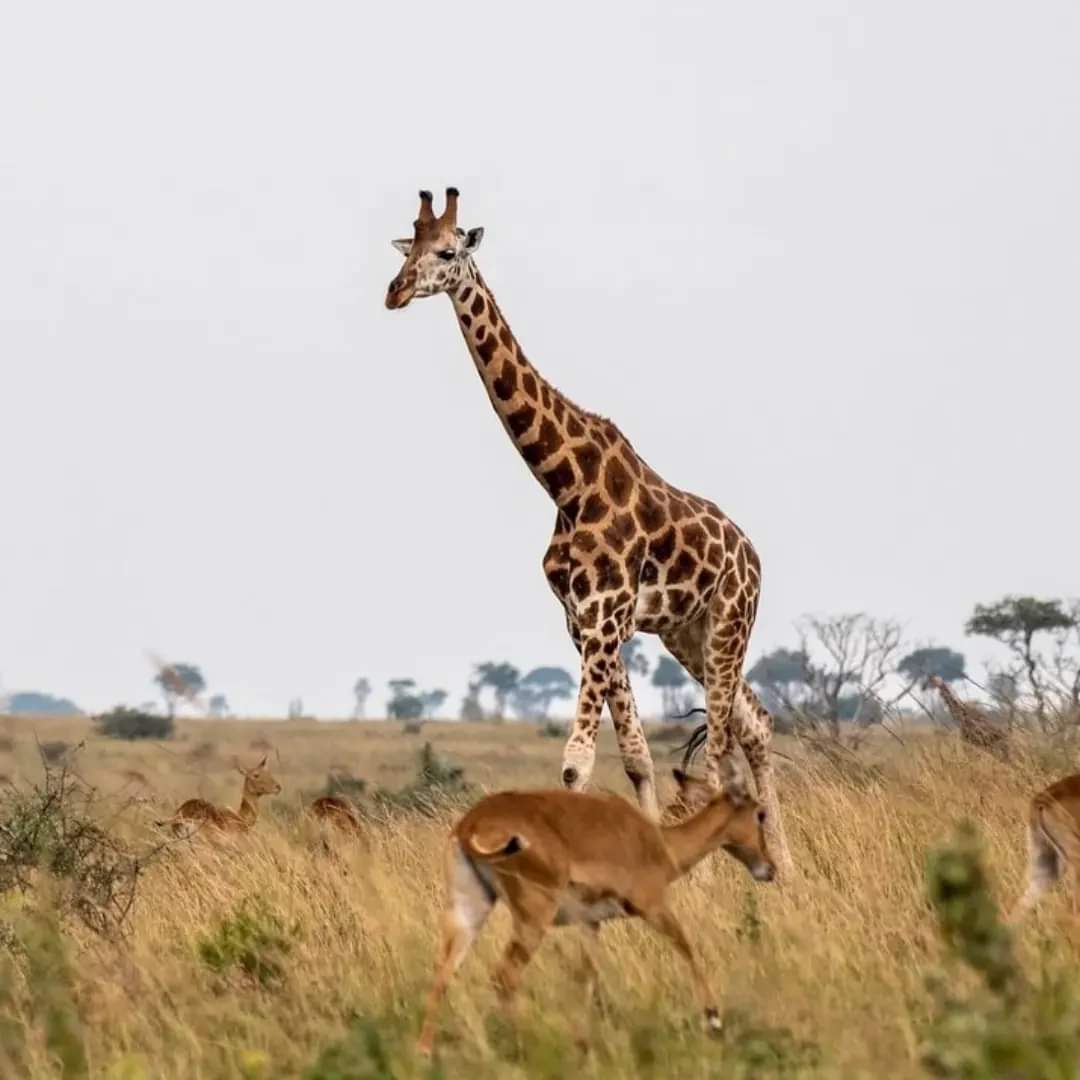
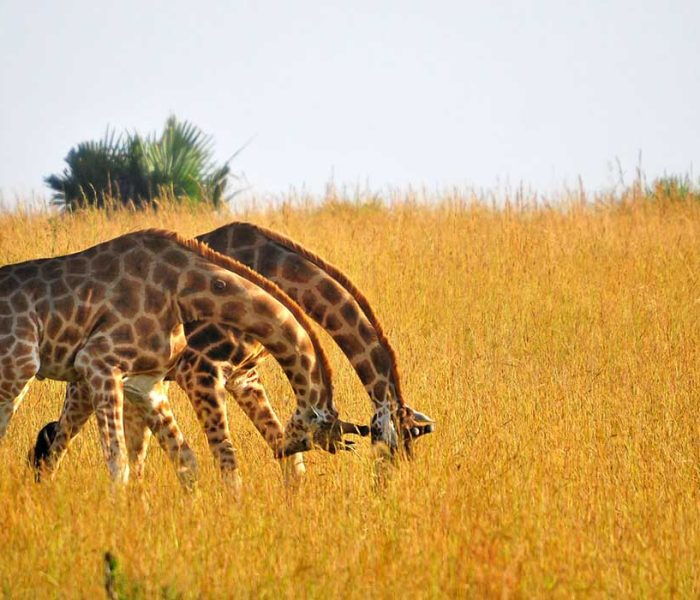
Kidepo is one of the few places in Uganda where you can spot these incredible mammals in their natural habitat. Other noteworthy species include the black-backed jackal, spotted hyena, leopard, and aardwolf. The park also boasts an array of ungulates such as the Rothschild’s giraffe, Cape buffalo, eland, bushbuck, and various antelope species like the Jackson’s hartebeest and Bohor reedbuck.

Birdlife

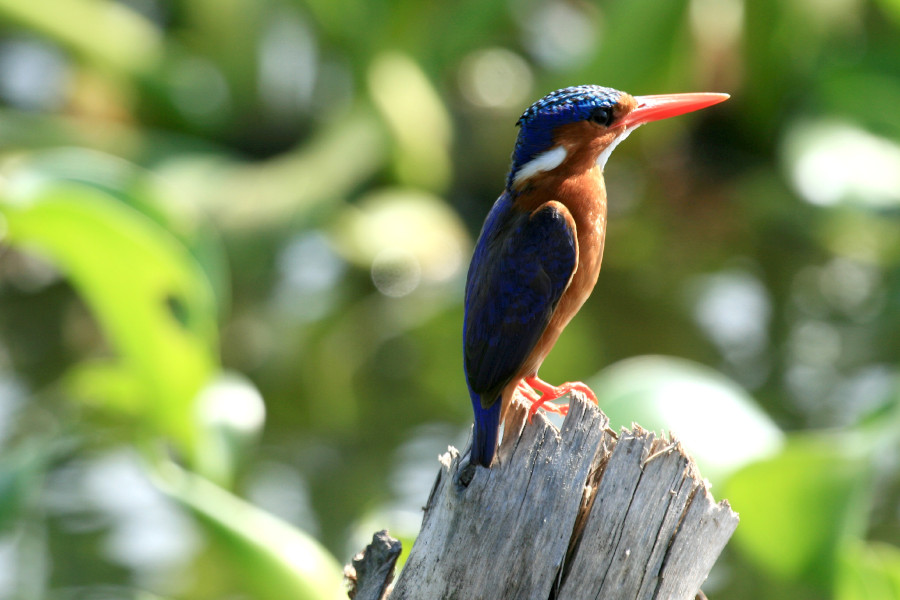
In addition to its mammalian residents, Kidepo is an exceptional birding destination, second only to Queen Elizabeth National Park in Uganda. With over 475 confirmed bird species and 26 unconfirmed sightings, Kidepo offers one of the most diverse avian populations in East Africa. Notable species include the ostrich, kori bustard, secretary bird, and several colorful bee-eaters, including the carmine, little green, and red-throated varieties. The park is also famous for its birds of prey, including the endangered Verreaux’s eagle, Egyptian vulture, and pygmy falcon. Some species, such as the Karamoja apalis and Abyssinian scimitarbill, are found only in the Kidepo and Karamoja region, adding to the park’s allure for bird watchers.

Whether you’re marveling at the park’s rare mammals or tracking elusive bird species, Kidepo Valley National Park promises a truly unique safari experience that’s unlike any other in Uganda. 

Attractions in Kidepo National Park

Apoka Tourism Centre

Strategically located overlooking the scenic Narus Valley, Apoka Tourism Centre is the heart of all activities within Kidepo Valley National Park. This center is where most of the Uganda Wildlife Authority (UWA) staff are stationed, including park rangers and guides ready to escort visitors on game drives and nature walks.

It’s a great spot for stocking up on water, snacks, souvenirs, and even hiring safari vehicles or booking camping equipment. During the dry season, you can easily spot wildlife such as buffaloes, giraffes, and leopards as they come to drink at the nearby Narus River and dam.

The Narus Valley is one of Africa’s premier wildlife gathering spots, surrounded by beautiful mountainous landscapes and rolling savannah grasslands.

The Narus River, which flows through the valley, dries up during the hottest part of the year, leaving small muddy ponds and the artificial Narus dam as the main water sources for wildlife. This valley is home to many animals, including buffaloes, cheetahs, giraffes, leopards, lions, and oribi.

Another prime wildlife viewing area in the park, Kidepo Valley is known for its unique beauty, especially during the dry season when the Kidepo River dries up, leaving behind a dusty, white trail. Despite limited water sources, the valley is home to a variety of bird species, including ostriches. It’s a must-visit spot for birdwatchers and offers an opportunity to experience Kidepo’s wilderness in its raw form.
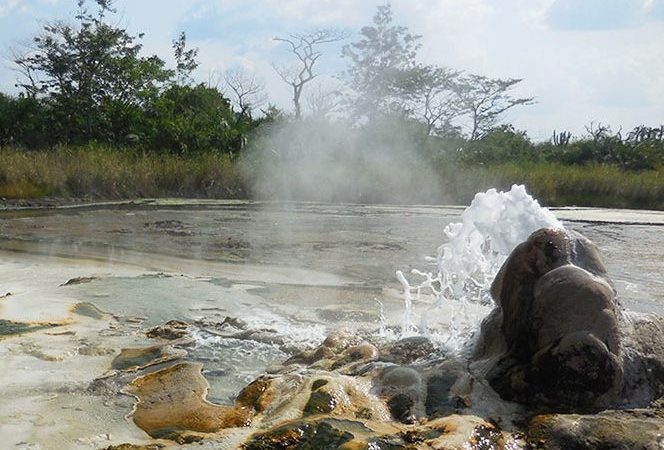
Located near the Kidepo River on the border with South Sudan, the Kanangorok Hot Springs offer visitors the chance to relax and enjoy a stunning view of the surrounding mountain ranges. It’s a peaceful spot, ideal for unwinding after a day of exploring.

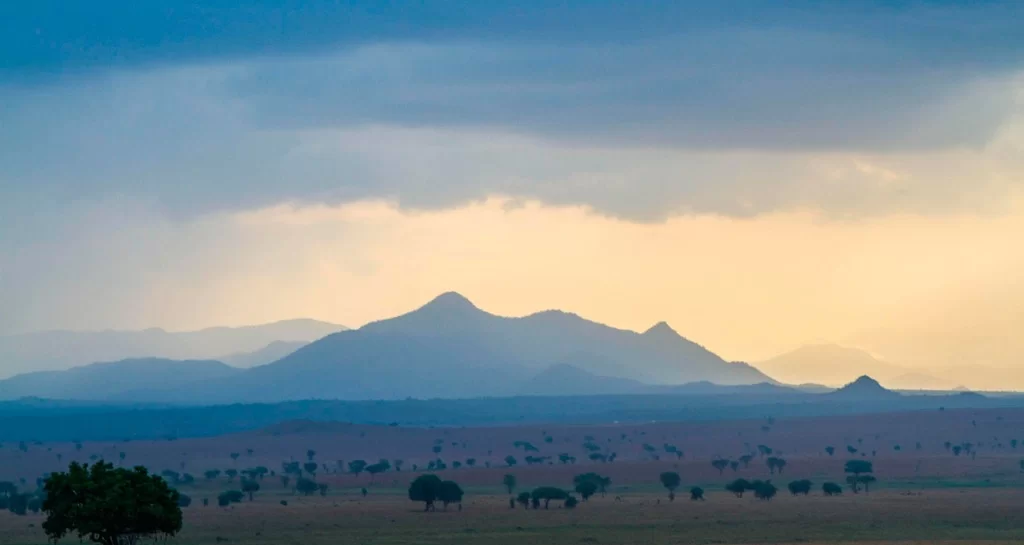
These mountains rise to 2,750 meters and serve as a natural boundary for the park. The Ik people live on top of these mountains, providing an interesting cultural experience for visitors.

The area can be toured on foot, guided by a park ranger, and offers breathtaking views of the park’s diverse landscapes.

Located in the northwestern part of the park, the Namamukweny Valley is known for its solitude and stunning birdlife.

The valley is home to species like the Abyssinian Roller, Common Bulbul, Eastern Paradise Whydah, Green Wood Hoopoe, and the White-crested Turaco. Despite its name meaning a “lonely place,” the valley is teeming with life.

Near the park headquarters, Lomej Hills are perfect for birdwatching and wildlife spotting, including animals like mountain reedbucks.

The hills offer a tranquil environment and are an excellent spot for nature lovers looking for a more relaxed experience.

Lonyili Mountain, located between Uganda’s Kitgum District and South Sudan, is known for its montane forests and diverse primate population, including Colobus Monkeys. Although the roads to the mountain are not well-developed, visitors who wish to hike here will need special permission and a guide. The area is remote, offering a truly off-the-beaten-path experience.

Each of these locations provides a unique aspect of Kidepo Valley National Park, from wildlife and birdwatching to cultural and scenic exploration, making it an unforgettable safari destination.

gallery

Picture of Planning Your Safari

Planning Your Safari

Organizing a safari in Uganda Destination, can be overwhelming due to the many choices available for transport, accommodation, and activities.

Reviews and Rates

Uganda

Things to Do in Kidepo National Park

Kidepo Valley National Park is a truly exceptional destination, offering a wealth of activities to explore its wildlife, culture, and stunning landscapes. Here are some of the top things to do in the park:

Game Viewing

Kidepo is a wildlife haven, with a diverse range of species, including carnivores, ungulates, and primates. Visitors can spot elephants, leopards, jackals, bush bucks, buffaloes, and many other species. The park is known for its tree-climbing lions, which are often seen lounging on the branches of saucer trees in Narus Valley or perched on rocks near Apoka Rest Camp. It’s a top spot for seeing wildlife in its natural, undisturbed environment.

Birding

With 465 recorded bird species, Kidepo is a prime destination for birdwatchers. The park is home to a variety of rare and interesting species, including 14 that are believed to be endemic to Kidepo and the Karamoja region.

Highlights include the ostrich and Kori bustard, both typically found in arid regions, and an impressive range of birds of prey. Birding enthusiasts will find this park to be an exceptional location for spotting unique species not found elsewhere in Uganda.

Hiking and Nature Walks

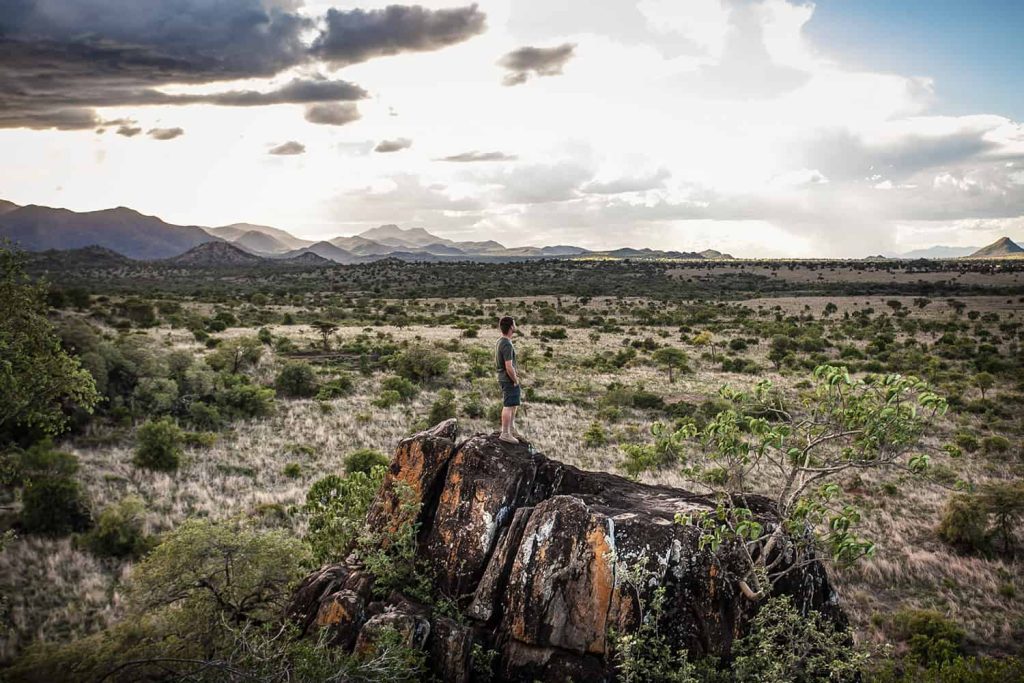
Beyond wildlife viewing, Kidepo offers fantastic hiking opportunities, especially around the Lamoj Mountains and the Morungole Mountains. These treks allow visitors to explore the park’s stunning landscapes and enjoy panoramic views of the savannah, valleys, and surrounding peaks.

A highlight of hiking in Kidepo is the chance to visit the Ik People who live atop the Morungole Mountains. Engaging with the Ik people provides a rare insight into a traditional way of life that remains largely unchanged by modern influences.

Visiting the Karamojong

The Karamojong are semi-nomadic pastoralists who live in the northeastern part of Uganda, including the Kidepo area. Their culture and lifestyle are deeply rooted in cattle herding, and they believe that all cattle in the world belong to them.

Although the Karamojong have historically engaged in cattle raids, the recent disarmament has reduced such conflicts. A visit to the Karamojong gives travelers a glimpse into the traditions of one of Uganda’s most unique tribes, offering a cultural experience unlike any other in the country.

Visiting the Ik People

The Ik people live in isolation atop the Morungole Mountains and have a fascinating history and culture. Originally from Ethiopia, the Ik retreated to the mountains after conflicts with neighboring tribes.

Their culture is rapidly disappearing due to modern influences, but a visit to their community offers an opportunity to learn about their ancient ways of life, including traditional dances, songs, hunting techniques, and unique clothing. It’s one of Uganda’s most enriching cultural encounters.

Kanangorok Hot Springs

A visit to the Kanangorok Hot Springs, located just 11 km from the Kidepo River Valley, is a must for those looking to relax while taking in the stunning mountain views.

These natural hot springs are surrounded by pristine wilderness and provide a peaceful, scenic stop during a safari.

Picnicking in the Park

For a more relaxed experience, visitors can enjoy picnicking in the park’s serene environment. There are several sandy spots perfect for a peaceful lunch surrounded by the beauty of nature, with the possibility of wildlife sightings nearby.
Kidepo Valley National Park offers a wide range of activities, from thrilling wildlife safaris to cultural explorations and scenic hikes. It’s an unforgettable destination for those looking to immerse themselves in Uganda’s wilderness and rich heritage.

Best time to Visit Kidepo Valley National Park

The best time to visit Kidepo Valley National Park depends largely on your wildlife viewing preferences. The dry season, from June to September and December to March, is ideal for spotting the park’s major wildlife species. During this time, animals congregate around the Narus Valley and other water sources, making them easier to observe. The dry conditions also ensure better accessibility to the park’s various areas, allowing for smoother game drives and exploration.

On the other hand, the wet season, which occurs between April and May and October to November, brings a different kind of beauty to the park. The lush vegetation thrives, providing a scenic backdrop, while the rains also attract migratory bird species, making it an excellent time for bird watchers. However, these months can pose challenges in terms of road accessibility due to occasional heavy rains, so visitors should be prepared for occasional delays and limited vehicle movement.
Overall, if your goal is to see wildlife in its most active state, the dry season is your best bet. But for those who prefer fewer crowds and are keen on birdwatching, the wet season offers its own unique advantages.

How to Get to Kidepo Valley National Park

Kidepo Valley National Park is located in the northeastern corner of Uganda, about 700 kilometers from Kampala. Nestled between Uganda, Kenya, and South Sudan, this remote park offers a unique and unspoiled wilderness experience. The journey to Kidepo Valley can take about 10 hours by road, depending on road conditions and route chosen.

By Road

Most visitors prefer to travel by road to Kidepo, as it provides an opportunity to explore the vast and untouched wilderness of the Karamoja region. While the scenic drive is rewarding, it’s important to note that the roads can be challenging, and a 4WD vehicle is typically necessary for navigating the terrain.

Many tourists opt to break up the journey with an overnight stop in Gulu before continuing to the park the following day. The route takes travelers through Luwero, Nakasongola, Karuma, and Gulu town, with Gulu often being a common stopover. From Gulu, travelers head to Kitgum town and then follow the Kitgum-Kidepo road, just 64 kilometers from the park gate.
There are four primary routes to reach Kidepo Valley National Park by road:

  • Kampala-Mbale-Soroti-Kidepo (792 km)
  • Kampala-Mbale-Sironko-Kotido-Kaboong-Kidepo (740 km)
  • Kampala-Karuma-Lira-Kotido-Kidepo (705 km)
  • Kampala-Karuma-Gulu-Kitgum-Kidepo (571 km)

For a quicker option, visitors can fly from Entebbe Airport or Kajjansi Airstrip to Lomej or Apoka Airstrip, both of which are near the park. The flight duration is about 2 hours, and scheduled flights are available through Aero Link and Bar Aviation. Charter flights can also be arranged through several domestic airlines.

Accommodation in Kidepo National Park

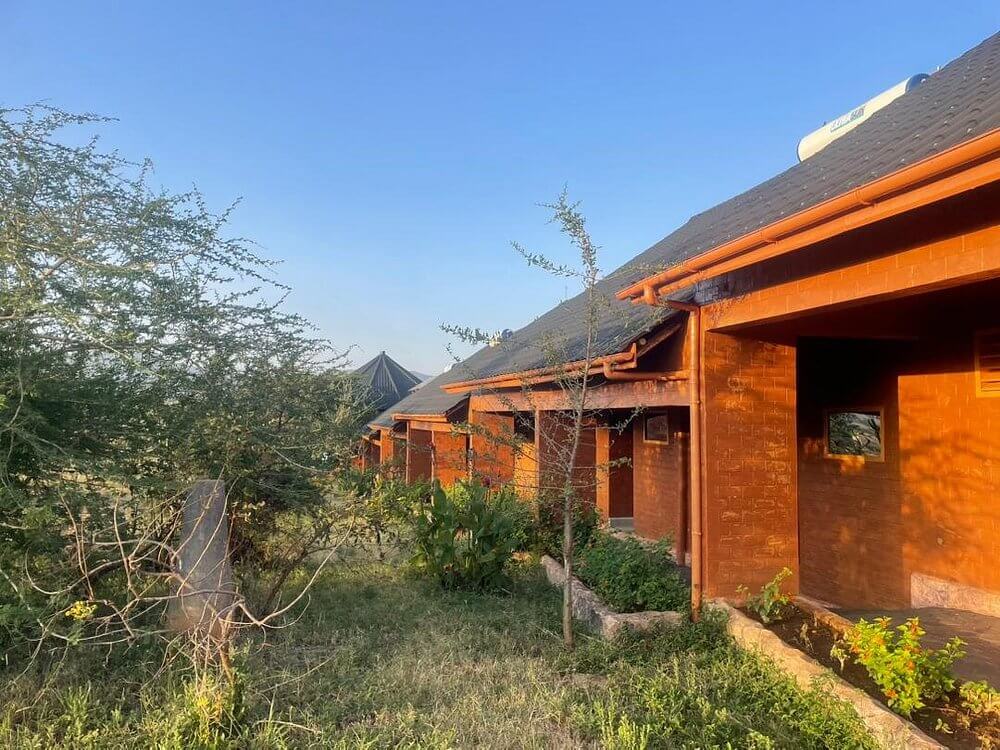
Kidepo Valley National Park offers a range of accommodation options, from luxury lodges to more affordable choices, ensuring there’s something for every type of traveler. Here are some of the top places to stay in the park:

Apoka Safari Lodge

Luxury Accommodation
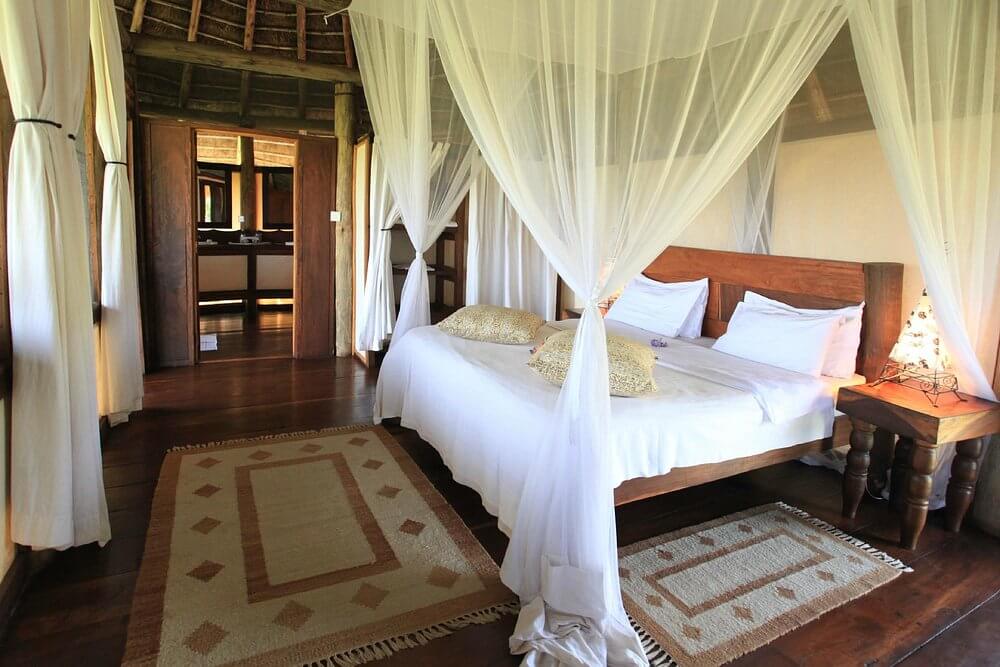
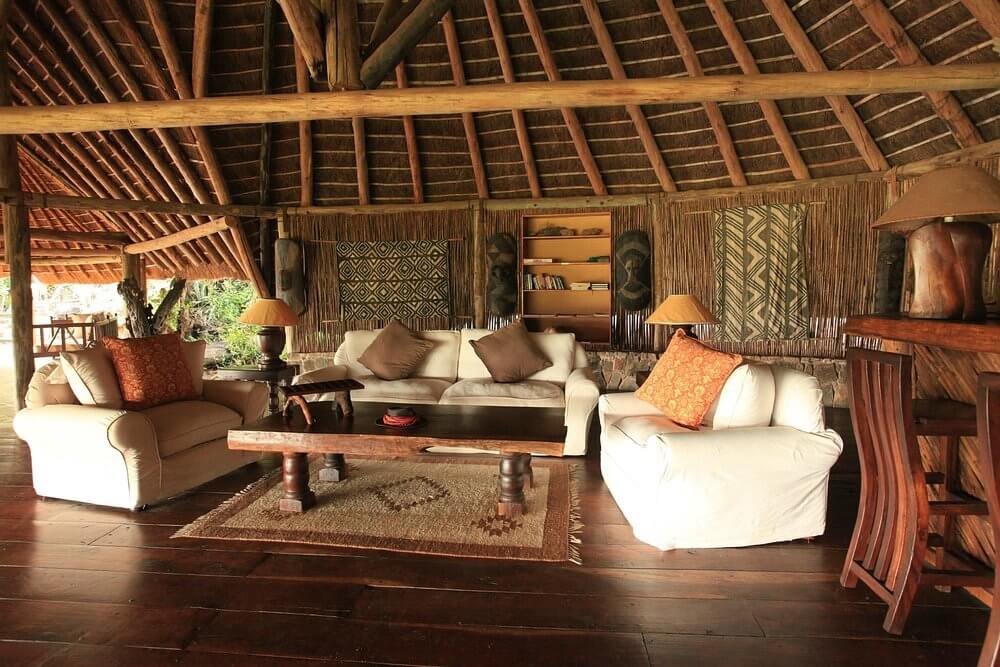
Apoka Safari Lodge is one of the premier luxury lodges in Kidepo, offering an exceptional experience with stunning views of the surrounding wilderness. The lodge has spacious rooms and excellent facilities, including a restaurant, bar, and swimming pool.

The lodge is strategically located for easy access to game drives and other park activities, making it a top choice for those seeking a luxurious stay in the heart of the park.

Mid-range Accommodation
Ngamoru Wilderness Camp is a more intimate, yet still comfortable option. It offers cozy tents with fantastic views of the surrounding savannah.

The camp is known for its tranquil environment and is a great choice for nature lovers and those looking for a more rustic experience while still enjoying essential amenities.

Budget Accommodation
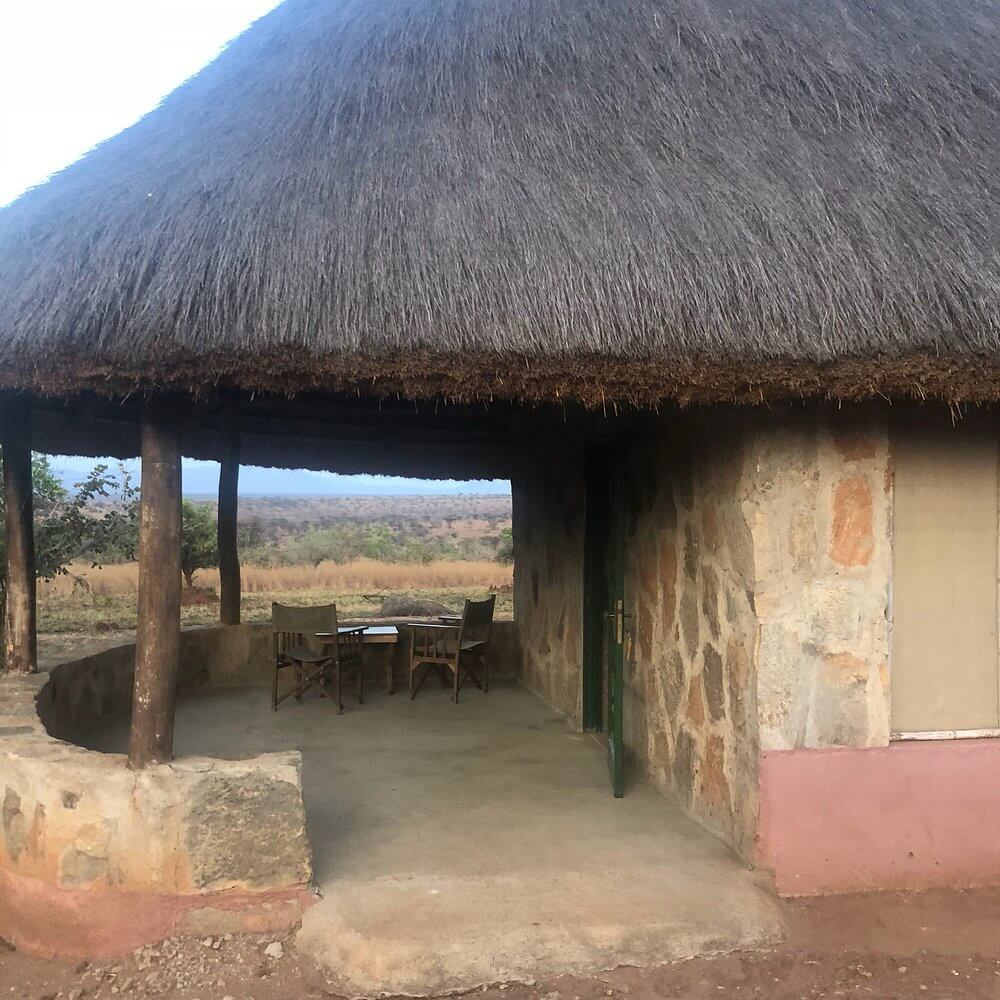
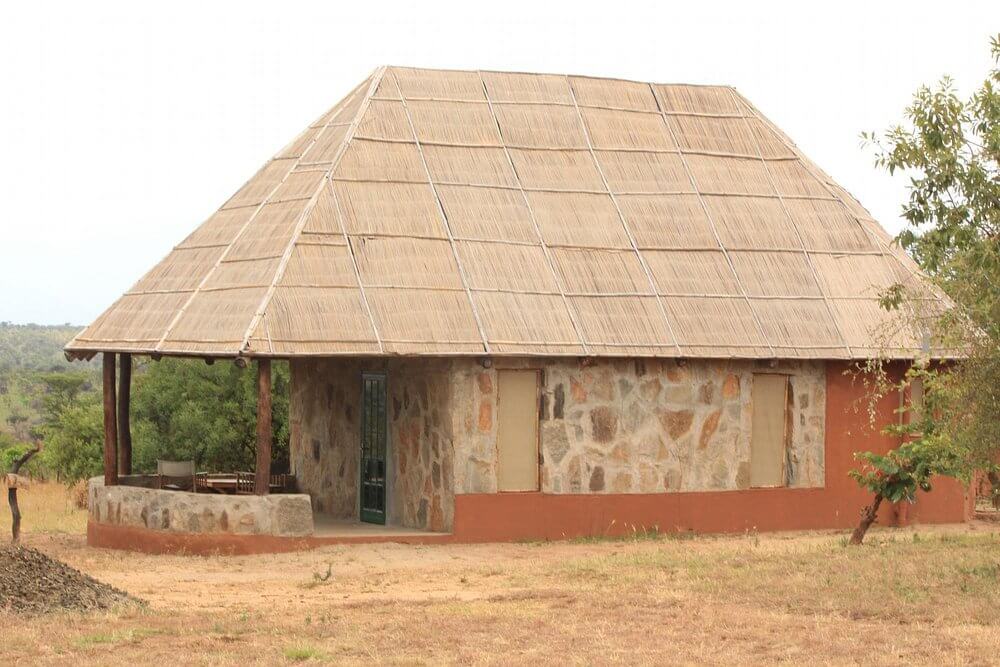
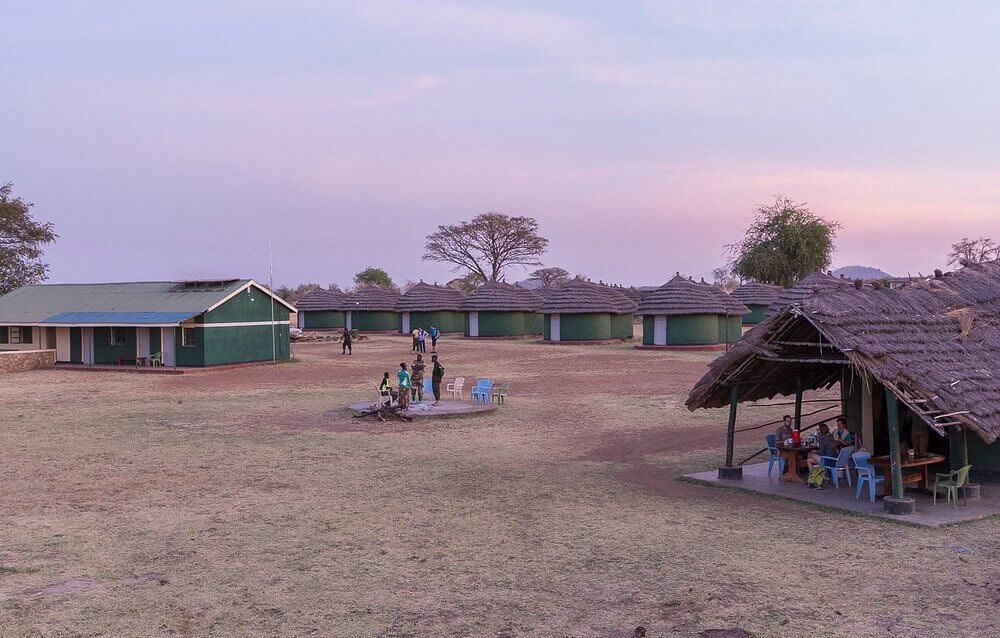
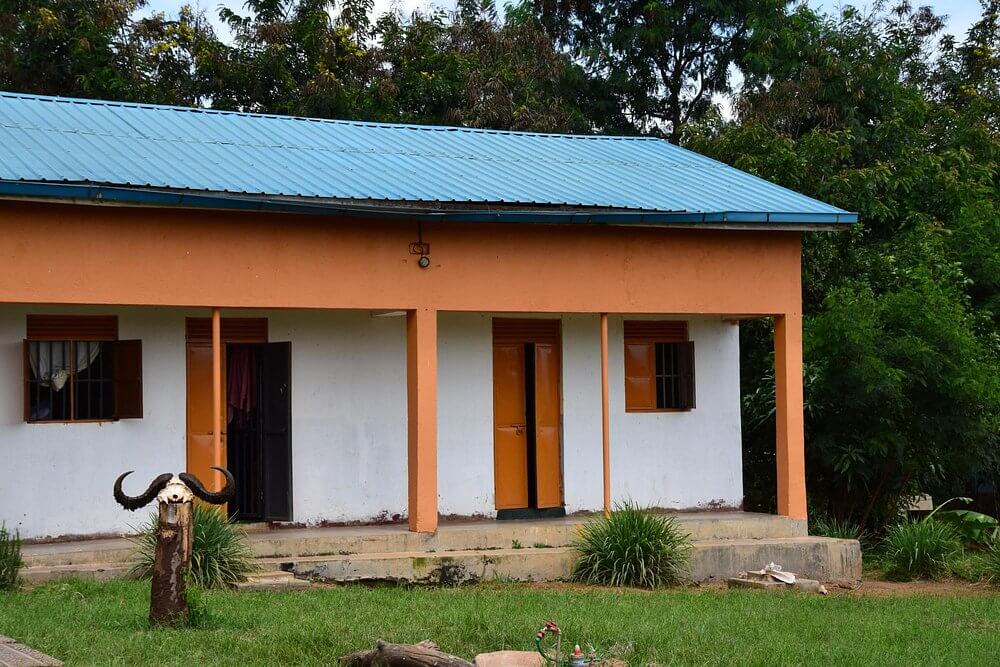
For budget travelers, Apoka Rest Camp provides a simple, no-frills option with basic facilities. It’s located near the park headquarters and offers an authentic camping experience.

Visitors can choose from a range of tents or book basic cabins. The camp is a great option for those looking to enjoy the park on a budget while still being close to the action.

Camping
For those who prefer an immersive, wilderness experience, camping is available at the Apoka Rest Camp. This is an excellent option for adventurous travelers who want to experience the park up close and under the stars.

Basic amenities are available, and it’s a great way to enjoy the sights and sounds of nature during your stay.
Whether you prefer a luxurious lodge, a mid-range safari experience, or a budget-friendly camp, Kidepo Valley National Park offers accommodation that suits various preferences and budgets, all while allowing you to experience the untamed beauty of this remote park.

Adele Safari Lodge

Mid-range Accommodation
Adele Safari Lodge offers a comfortable and relaxing stay, ideal for those looking for a blend of comfort and affordability. The lodge provides en-suite rooms, a bar, and a restaurant with delicious meals.

It’s a great base for exploring Kidepo’s wildlife and attractions while offering a peaceful retreat after a day of safari adventures.

Mid-range to Budget Accommodation
Kidepo Safari Lodge is a popular choice for those looking for a comfortable yet affordable stay.

It offers a range of accommodation options, from chalets to standard rooms, all designed with simplicity and comfort in mind. The lodge also has a restaurant and bar, and it’s well-situated for exploring the park’s highlights.

Budget Accommodation
Buffalo Base is another budget-friendly option in Kidepo Valley National Park. It provides simple but comfortable accommodation for travelers who are looking to spend more on safaris and activities rather than luxury accommodation. The camp offers a rustic experience while still providing essential facilities for an enjoyable stay.

What our Client Say

Design your own trip

Choose a destination, pick your properties, and we’ll do the rest

1
Browse
Look through our itineraries for inspiration, and call our Travel Consultants
2
Create
Discuss your wish list with us, and we’ll use our expertise to design a unique itinerary for you
3
Customise
We’re committed to refining your itinerary until we’ve created the perfect personalised trip for you