EXPLORE

Tanzania Destination

Katavi National Park
Picture of Chat to an Tanzania Safari expert

Chat to an Tanzania Safari expert

Get advice and suggestions to make this your perfect trip. or call us on:
+255 755 003116

Picture of Chat to an Tanzania Safari expert

Chat to an Tanzania Safari expert

Get advice and suggestions to make this your perfect trip. or call us on:
+255 755 003116

Tanzania’s Untouched Wilderness

Destination Overview

Covering 4,471 sq km, Katavi National Park is located approximately 40 km from Mpanda town in southwest Tanzania, east of Lake Tanganyika. It lies within a truncated arm of the Great Rift Valley, which terminates in the shallow expanse of Lake Rukwa. Katavi is renowned for its unspoiled natural beauty and its status as one of the most remote and least visited parks in Tanzania offering a raw and authentic safari experience.

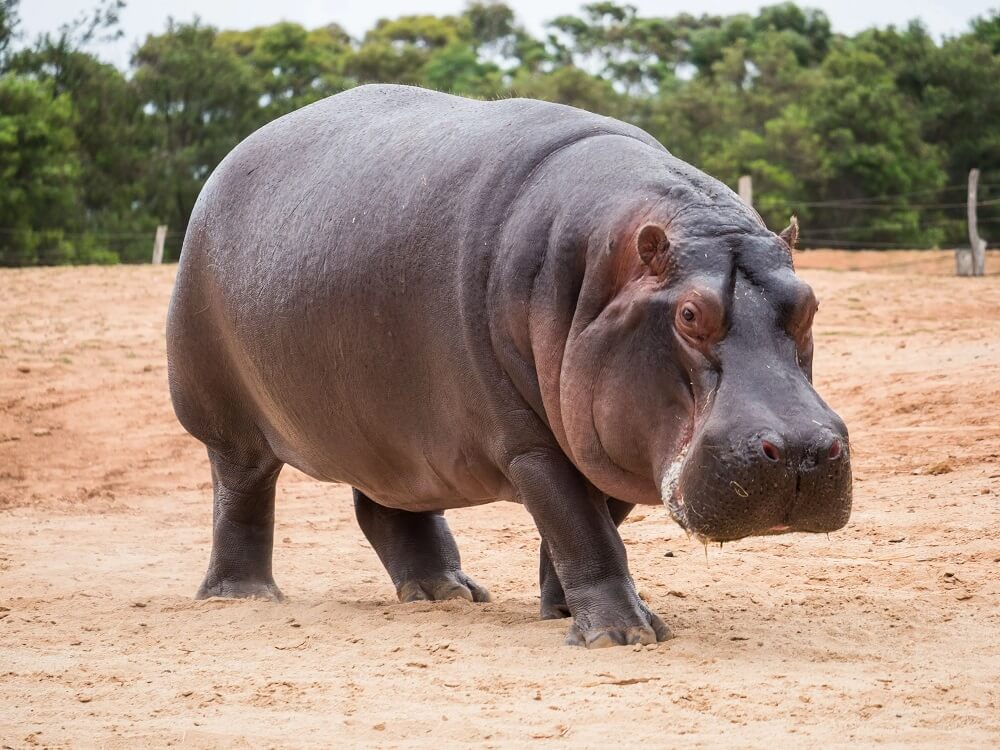
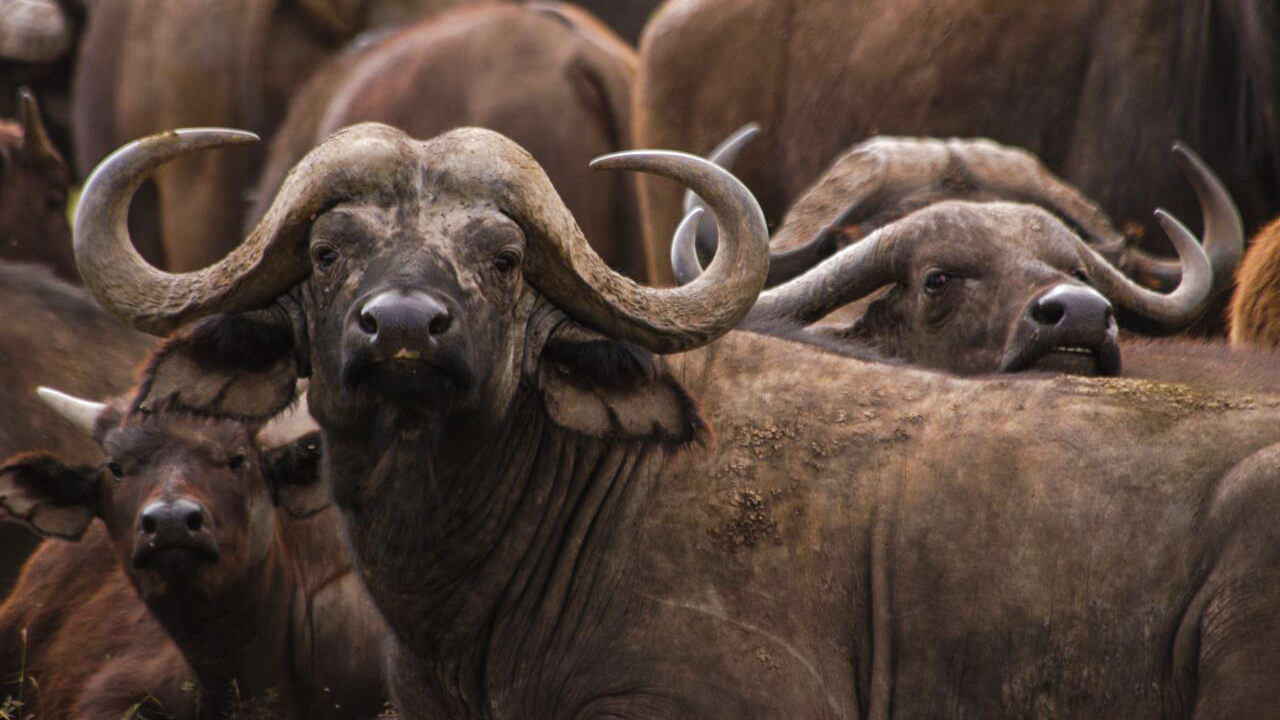
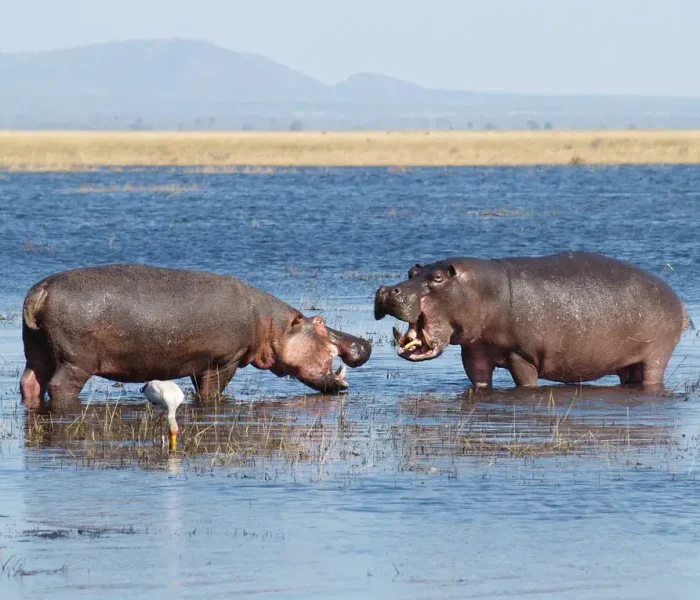
Katavi is home to the world’s largest herds of buffalo and offers a captivating array of ecosystems, from sprawling grasslands to dense woodlands, open forest, and pristine seasonal lakes. The park also features thriving waterways teeming with hippos and crocodiles, making it one of the most diverse natural habitats in Africa.

A must-see during your visit is the tamarind tree, a significant site for locals who believe it houses the spirit of Katabi, a great huntsman after whom the park is named. Visitors can honor the legendary hunter by placing an offering at the base of the tree, immersing themselves in the rich cultural history of the area.

We are delighted to welcome you to the untouched wilderness of Katavi National Park, a truly special destination. Our team is dedicated to ensuring that your visit exceeds expectations, and we are here to assist with anything you need to make your stay unforgettable.

Location & Landscape

Katavi’s dominant vegetation is Miombo woodland, interspersed with scattered Acacia trees near Lake Chada. The park’s game-viewing focal point is the Katuma River and its adjoining floodplains, including the seasonal Lakes Katavi and Chada. During the rainy season, these lakes become lush and marshy, attracting an abundance of waterbirds and supporting one of Tanzania’s densest populations of hippos and crocodiles.

During the dry season, the floodplains shrink and the Katuma River becomes the only reliable water source, drawing large concentrations of wildlife. 

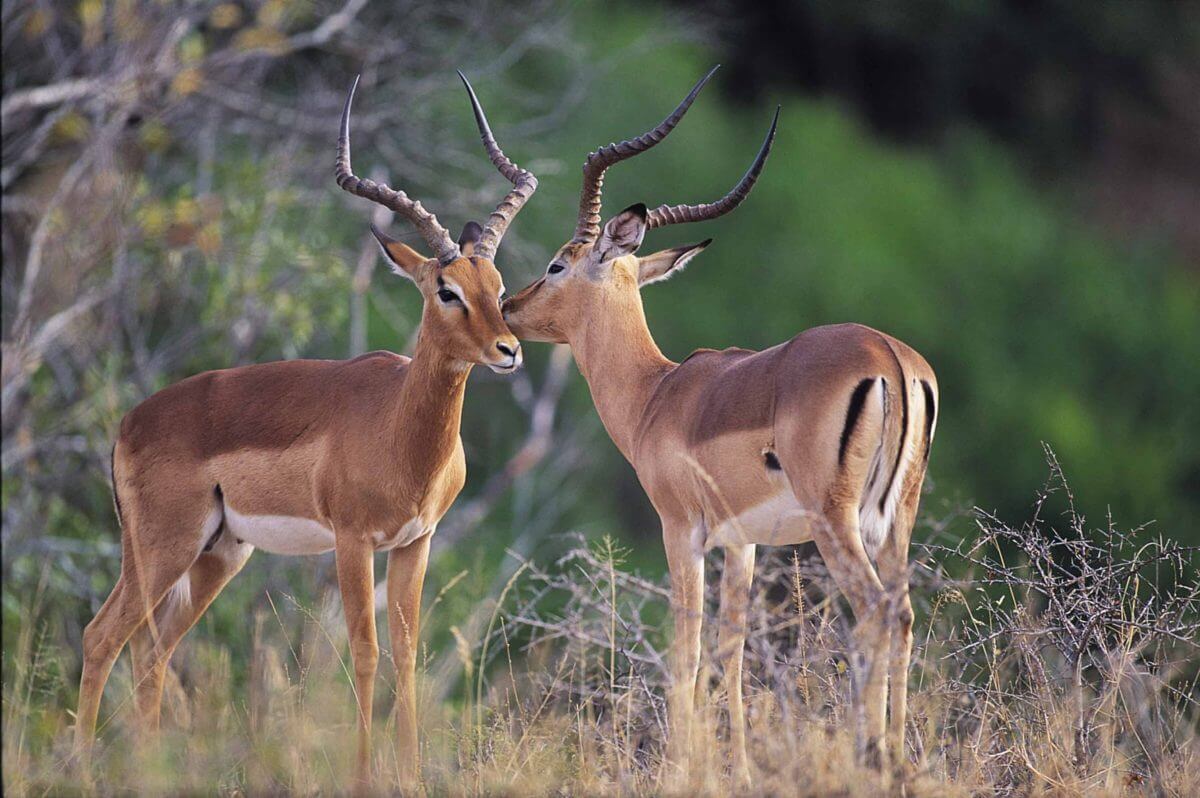
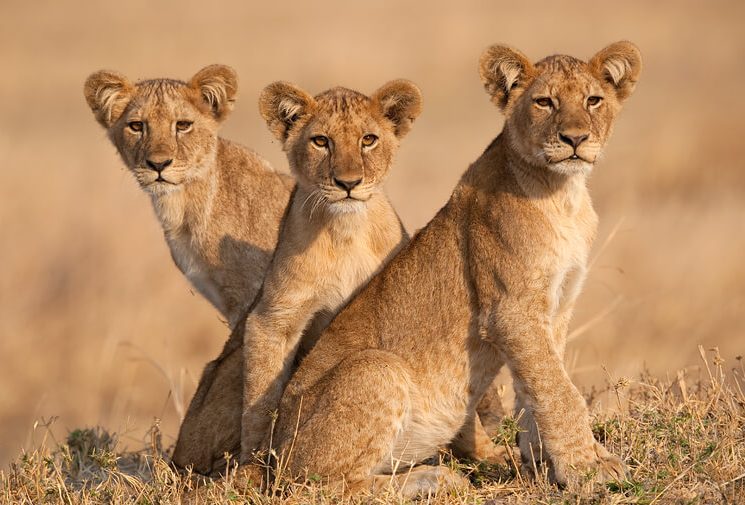
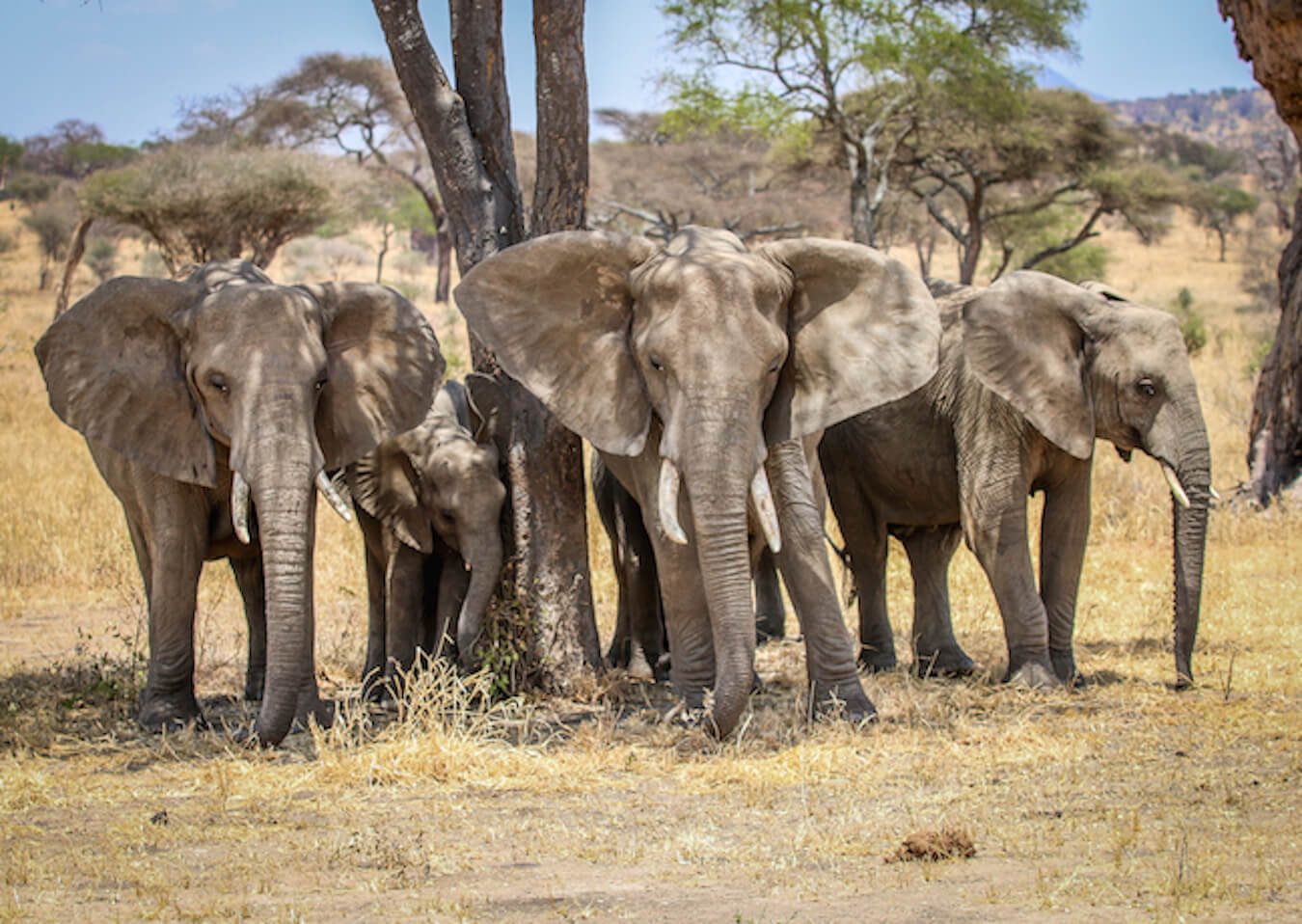
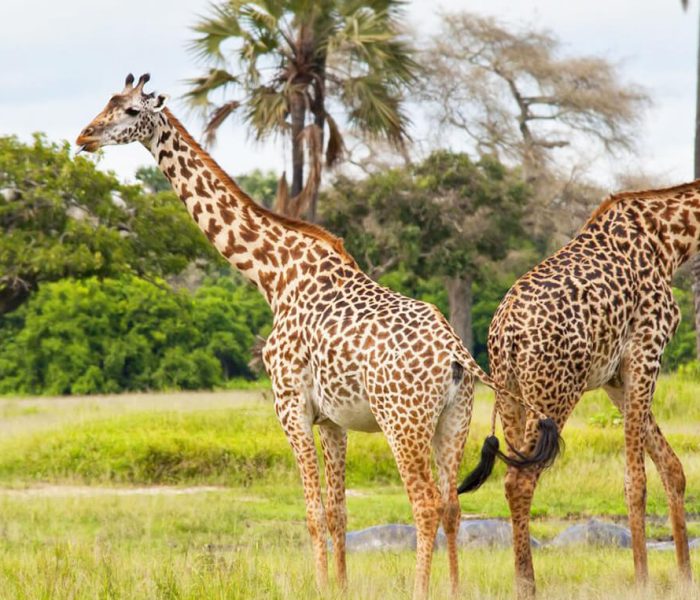
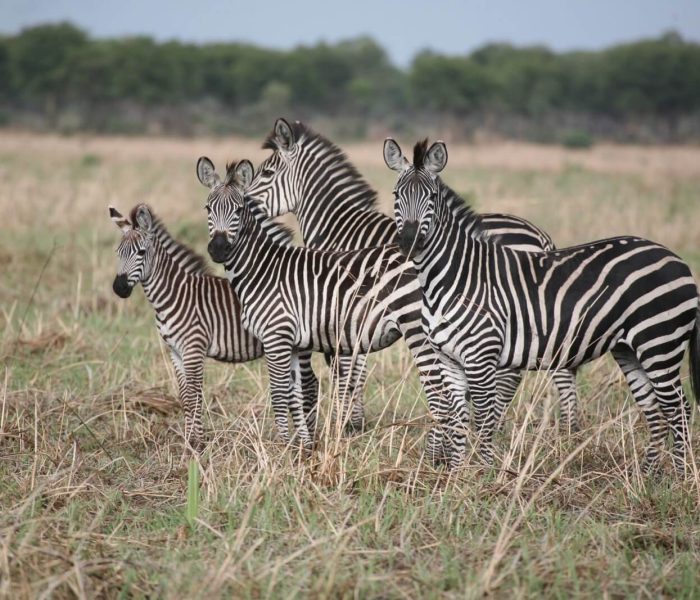
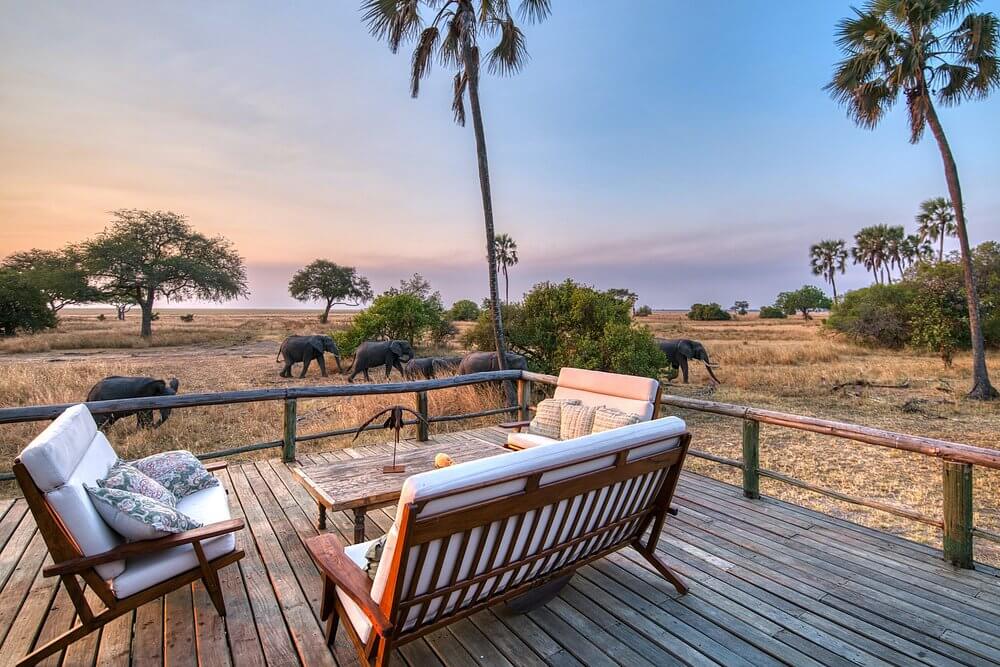
The sheer density of game during this time is astonishing with over 4,000 elephants and herds of more than 1,000 buffalo gathering alongside zebra, giraffe, impala, and reedbuck. This abundance of prey attracts numerous lion prides and spotted hyena clans, creating a dynamic predator-prey interaction that makes game drives in Katavi truly explosive.

Katavi also supports rare species such as sable and roan antelope, adding to its wildlife diversity.

History of Katavi National Park

Katavi National Park has a rich and fascinating history that reflects the region’s colonial past and its transition into a protected wildlife sanctuary:
19th century -The area served as hunting grounds for Otto von Bismarck, the Chancellor of the German Empire.
1911 -The park was first established as a protected area during German colonial rule.
1932 -After the British took over, it was renamed Rukwa Game Reserve and regulated hunting was allowed.
1974 – Katavi was officially declared a national park, securing its status as a conservation area.
1998 – The park was formally opened to travelers, making it accessible for tourism.

Katavi National Park is named after the Wabende spirit, Katabi, who, according to local legend, resides in a sacred tamarind tree near Lake Katavi. Even today, locals seeking Katabi’s blessings leave offerings at the base of the tree.
The park was officially gazetted in 1974 with an initial area of 2,253 sq km. In 1997, an additional 2,218 sq km was annexed, bringing the total area to 4,471 sq km. This expansion helped preserve Katavi’s unique ecosystem and increased the park’s capacity to support its thriving wildlife populations.

Katavi’s long history of protection has helped preserve its pristine wilderness and high wildlife concentrations, making it one of Tanzania’s most authentic safari destinations.

Wildlife in Katavi National Park

During the Dry Season, Katavi National Park becomes a dramatic stage for wildlife survival. The Katuma River is packed with hippos, while crocodiles bask lazily on the sandbanks. As water sources shrink, huge herds of buffalo, topi, impala, elephants, and defassa waterbuck gather around the drying reserves of Lake Katavi and Lake Chada.

Opportunistic lion prides are never far from these vital water sources, waiting to ambush their prey. While Katavi isn’t known for rare species, the sheer volume of wildlife is staggering — herds of buffalo numbering in the thousands are not uncommon.

At the end of the dry season, hippos often burst out of the last remaining puddles of the Katuma River, creating dramatic displays of aggression and dominance. In the miombo woodlands, you may also spot the beautiful sable antelope, a rare and rewarding sight.

Wildlife Highlights

Buffalo & Lions: Massive herds of buffalo face off with large prides of lions daily, creating intense and dramatic encounters.
Hippos: Katavi’s hippo pools can host up to 600 hippos at a time during the dry season, a breathtaking and noisy sight as they jostle for space in the dwindling water.
Crocodiles: Nowhere else in Africa do crocodiles hibernate in such large, dense groups as in Katavi, an astonishing survival strategy during the dry months.
Elephants: Large herds of elephants roam the park, particularly around the Katuma River and floodplains.
Rare Antelope: Sightings of elusive sable and roan antelope are a highlight for safari enthusiasts.
Big Cats & Predators: Lions, leopards, spotted hyenas, and occasionally wild dogs can be seen hunting on the open plains.

Birdlife

Katavi National Park is a haven for bird lovers, offering remarkable birdwatching opportunities throughout the year, though the dry season may not be the peak time for avian activity. Despite this, the park’s rivers remain a magnet for large flocks of herons, lapwings, and other waterbirds. Yellow-billed and saddle-billed storks are a common sight, while the Ikuu Bridge becomes a prime birding hotspot between June and September, drawing impressive gatherings of black-crowned night herons. 

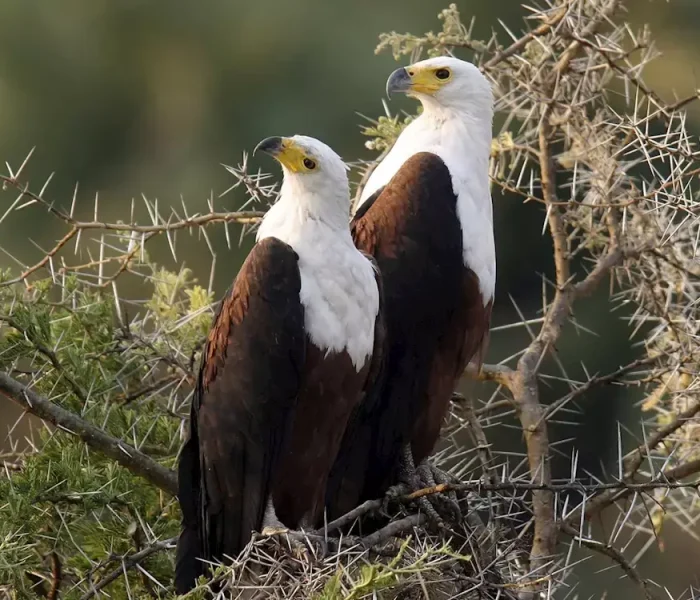
Raptors add to the spectacle, with African fish eagles, bateleurs, and white-backed vultures frequently soaring above the park’s expansive plains. With over 400 recorded species, Katavi’s diverse birdlife also includes a variety of migratory birds, which arrive between November and April, making it a year-round paradise for birdwatchers.

Attractions in Katavi National Park

Katavi National Park offers one of the most breathtaking wildlife experiences in Africa, with its exceptional game and untamed landscapes. The sheer volume of animals here is nothing short of extraordinary. Witness massive herds of buffalo and expansive prides of lions engaging in daily duels. The park is also home to some of the most unique animal behaviors, such as crocodiles hibernating in dense dens, a phenomenon not found anywhere else on the continent. One of the park’s most iconic features is the immense hippo pool, which at its peak hosts hundreds of hippos, a spectacle that’s truly awe-inspiring.

During the dry season, the hippos gather in the remaining waterholes, where male hippos often engage in dramatic fights—an exhilarating sight for any safari-goer.
The scenery of Katavi is as diverse as it is pristine. The park’s floodplains, bordered by thick reeds and winding waterways, create a haven for hippos and waterbirds alike. The dense forest canopies hide large herds of buffalo and elephants, adding to the park’s wild and untouched feel. The rare roan and sable antelope also call Katavi home, making it a must-visit for wildlife enthusiasts looking to witness these elusive species in their natural habitat.

Katavi is a haven for bird watchers too. The rivers here are home to an impressive array of waterbirds, including herons, plovers, and spoonbills, while the African open-bill storks and yellow-billed storks are commonly spotted. Raptors, including the African fish eagle, bateleur, and white-backed vulture, soar above, adding to the park’s vibrant birdlife. Over 400 bird species have been recorded in the park, with migratory birds arriving between November and April, making it a fantastic destination for birding throughout the year.

One of the park’s unique attractions is the famous tamarind tree, which locals believe is home to the spirit of Katabi, the legendary hunter after whom the park is named. Travelers are encouraged to visit this sacred tree, where offerings are still made to seek the spirit’s favor. A visit to Katavi is truly an adventure into the heart of Africa, where the wild reigns supreme and nature’s wonders unfold before your eyes.

Climate in Katavi National Park

Katavi National Park experiences a hot climate throughout the year. Days are typically warm with temperatures around 31°C/88°F, while nights are pleasant with an average temperature of 18°C/64°F. The park has a distinct wet and dry season, offering unique experiences depending on when you visit.

Dry Season (May to October)

The dry season in Katavi is marked by warm, sunny days and clear skies, making it an ideal time for safaris. However, there may still be occasional rain showers at the start of the season.

May: The dry season begins, though there may still be light rain early in the month.

June to September: These months are characterized by pleasant daytime temperatures around 30°C/86°F, with sunny, clear skies. Rain is rare, and June is typically the coolest month, with nights dipping to around 15°C/59°F.

October: The end of the dry season sees slightly higher temperatures, peaking at 32°C/90°F. Rain becomes more likely, and humidity gradually increases as the park prepares for the wet season.

Wet Season (November to April)

The wet season in Katavi is marked by high humidity, occasional thunderstorms, and daily rain showers.

November to April: Temperatures during the day hover around 32°C/90°F, with slightly cooler nights at around 19°C/66°F. Afternoon thunderstorms are common, and while rain is frequent, it typically does not last all day.

Overall, Katavi National Park offers a dynamic climate, where the dry season provides the best wildlife viewing opportunities, while the wet season brings lush landscapes and dramatic thunderstorms.

Tip: For the clearest views of Mt. Kilimanjaro, early morning and late afternoon are always the best times, particularly in the wet season when the sky is clearer of dust.

gallery

Picture of Planning Your Safari

Planning Your Safari

Organizing a safari in Tanzania Destination, can be overwhelming due to the many choices available for transport, accommodation, and activities.

Reviews and Rates

Best Time to Visit Katavi National Park

Katavi National Park is renowned for its exceptional wildlife experiences during the Dry season. From July to October, the park offers the best conditions for game viewing, with the Katuma River shrinking to a narrow stream and the floodplains drawing large concentrations of wildlife. This is when herds of buffalo, elephants, giraffes, and other animals gather around the remaining water sources, creating unforgettable safari moments.

In contrast, the Wet season, from November to April, can be challenging for wildlife viewing. During this time, animals disperse into the park’s dense woodlands, making them harder to spot. The heat and humidity are also at their peak, which can make the experience less comfortable. Therefore, the ideal time to visit Katavi is during the Dry season, particularly between July and October, when the wildlife is concentrated and the park offers the best opportunities for observing its abundant animal populations.

Tanzania

Tourism Activities in Katavi National Park

Game Drives in Katavi National Park

Get ready for the ultimate safari adventure with thrilling game drives through Katavi National Park. Whether you’re navigating the vast plains, dense woodlands, or seasonal lakes, you’ll be in awe of the abundance of wildlife. 

The park’s game drives are led by expert guides who will help you track and spot animals like elephants, lions, giraffes, buffalo, and leopards. The dry season, from June to October, offers the best time for game drives as animals converge around the remaining water sources, providing spectacular wildlife sightings that will leave you speechless.

Walking Safaris in Katavi National Park

For a more immersive and intimate experience, embark on a walking safari with a professional guide. Discover the hidden wonders of Katavi’s ecosystems, from animal tracks to unique plant species. 

A walking safari offers a chance to connect with nature on a deeper level, allowing you to explore the finer details of the African bush and gain a greater appreciation for the park’s incredible biodiversity.

Boat Safaris in Katavi National Park

Take to the water for a peaceful and serene boat safari along the Katuma River and seasonal lakes. Drift gently through the park’s waterways, where you can witness hippos basking in the sun, crocodiles lounging on the banks, and a variety of waterbirds soaring above. 

This tranquil experience offers a refreshing break from the typical game drive and a unique perspective on the park’s wildlife.

Birdwatching

Bird lovers will find Katavi National Park to be a paradise. With over 400 species recorded, including iconic birds like the African fish eagle, saddle-billed stork, and lilac-breasted roller, the park offers incredible birdwatching opportunities.

Whether you’re a seasoned birder or just starting out, the park’s rich avian life and stunning habitats are sure to captivate you.

Cultural Encounters

Get to know the local communities surrounding Katavi National Park. Visit nearby villages, engage with the tribes, and learn about their traditional way of life. 

You can also participate in cultural activities such as traditional dances and music performances, gaining insights into how local people interact with the land and wildlife. These cultural encounters provide a deeper connection to the region and its heritage.

Photography Opportunities

For photography enthusiasts, Katavi National Park is a dream come true. The park’s diverse wildlife, dramatic landscapes, and stunning birdlife offer endless opportunities for capturing breathtaking images. 

Whether you’re a professional photographer or just love to snap photos, you’ll find plenty to inspire your creativity. Don’t forget to bring extra memory cards and batteries to fully capture the beauty around you.

Night Game Drives

Add an extra thrill to your safari with a night game drive. As darkness falls over Katavi, you’ll venture into the park with spotlights, observing the nocturnal wildlife that comes to life after sunset. 

From predators hunting under the stars to the sounds of nocturnal birds, a night game drive is an exciting and unique way to experience Katavi.

Picnic at Maji Moto Hot Springs

Take a break from the wild and enjoy a relaxing picnic at Maji Moto Hot Springs. These natural hot springs, located within the park, offer a soothing and rejuvenating experience. 

The mineral-rich waters provide the perfect setting for unwinding, while you take in the surrounding beauty of Katavi’s landscapes.

Visit the Katavi Museum

For a deeper understanding of the park’s history, wildlife, and conservation efforts, make sure to visit the Katavi Museum.

Located within the park, the museum offers informative exhibits and displays that provide valuable insights into the region’s biodiversity and cultural significance. It’s a great way to enhance your safari experience.

Hot Air Balloon Safaris

Take your adventure to new heights with a hot air balloon safari over Katavi National Park. Enjoy an unforgettable bird’s-eye view of the park’s expansive landscapes, winding rivers, and diverse wildlife. 

The tranquility of floating above the park offers a unique perspective, providing the perfect opportunity to capture stunning photos and create memories that will last a lifetime.

HOW TO GET TO KATAVI NATIONAL PARK

To visit Katavi National Park, your entry point to Tanzania will either be Kilimanjaro International Airport (JRO), located about 50km/31mi from Arusha, or Julius Nyerere International Airport (DAR) in Dar es Salaam. In most cases, your tour operator will arrange your airport pick-up and handle further logistics, including charter flights to the park’s airstrip.

Katavi is most commonly accessed via an all-inclusive 3- or 4-night fly-in package departing from Arusha. These packages usually begin on Mondays or Thursdays, coinciding with scheduled charter flights that also serve as pick-up points for visitors coming from other popular destinations like Lake Manyara or Serengeti National Park.

If you’re traveling from southern Tanzania, Safari Air Link provides scheduled flights from Ruaha National Park to Katavi, also on Mondays and Thursdays.

Flights to Katavi typically continue onward to Mahale Mountains National Park, making it easy to combine the two destinations for an unforgettable 7-night safari package.

Alternatively, Air Tanzania operates scheduled flights to Mpanda, a small town located 36km/23mi from the northern boundary of Katavi. Local operators offer day safaris into the park from Sitalike village.

Accommodation in Katavi National Park

Best Safari Lodges in Katavi National Park

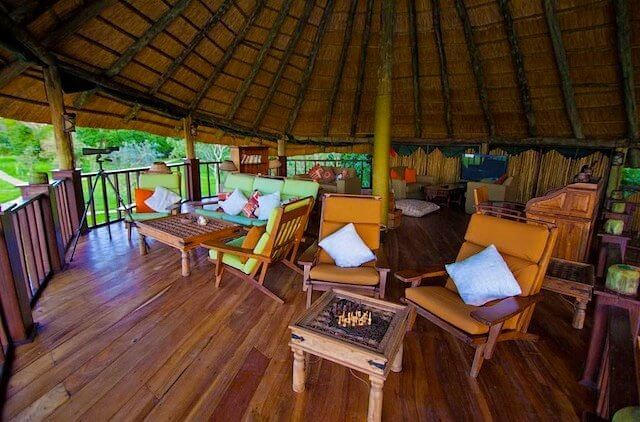
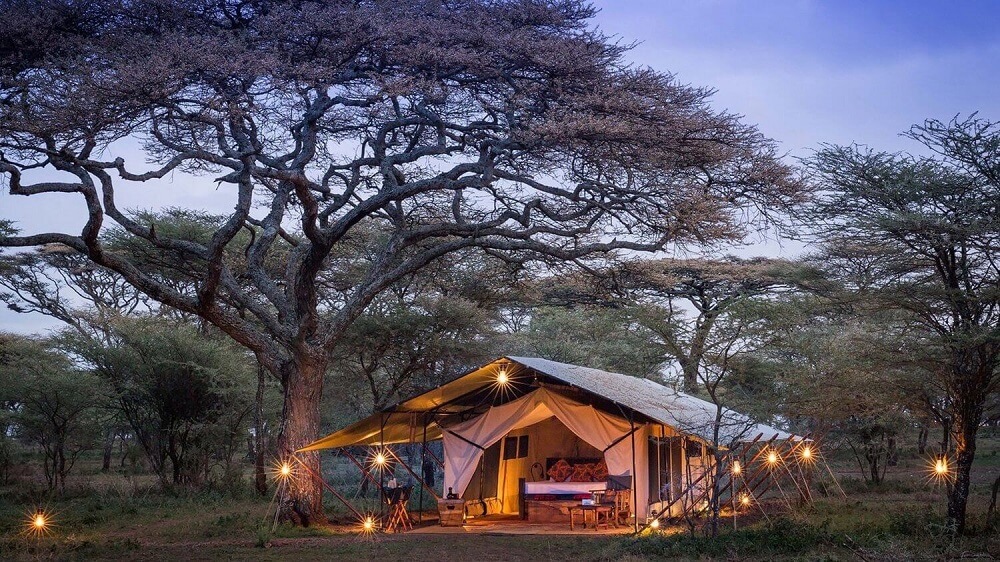
Katavi National Park is a hidden gem for safari enthusiasts, offering one of the most untouched and authentic wildlife experiences in Tanzania. Its remote location and low visitor numbers mean that every game drive feels like an exclusive adventure. The park’s extraordinary game viewing, especially the massive buffalo herds and thriving lion prides, makes it a truly magical destination. With only a handful of lodges in the park, a stay here guarantees an intimate connection with nature. Here are some of the top places to stay in Katavi for an unforgettable safari experience:

Chada Camp

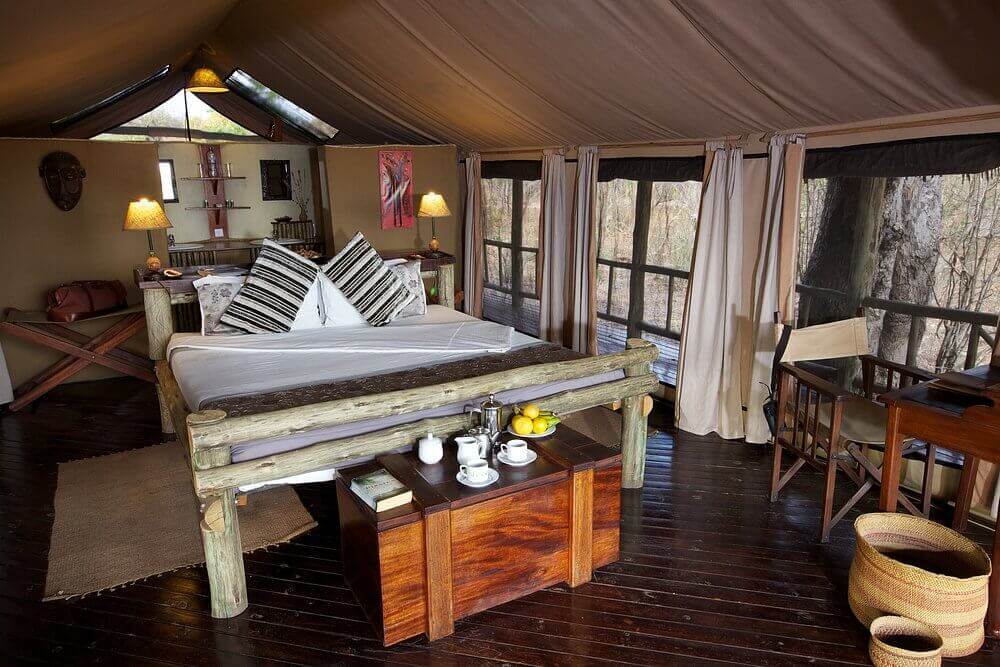
Chada Camp stands out as one of the most remote and exclusive lodges in Tanzania. Nestled deep within Katavi National Park, it delivers one of the wildest and most authentic safari experiences in the country. With top-tier guiding, exceptional hospitality, and unmatched service, Chada is the ultimate choice for travelers seeking a premium safari adventure. 

For an even more extraordinary trip, pair your stay at Chada with a visit to its sister property, Greystoke Mahale, located in the neighboring Mahale Mountains National Park, a perfect combination of rugged wilderness and lakeside tranquility.

For those craving seclusion and a true off-the-beaten-path experience, Katuma Bush Lodge offers an exceptional escape. Its remote setting ensures a sense of exclusivity, where the wildlife remains curious and unaccustomed to human presence. 

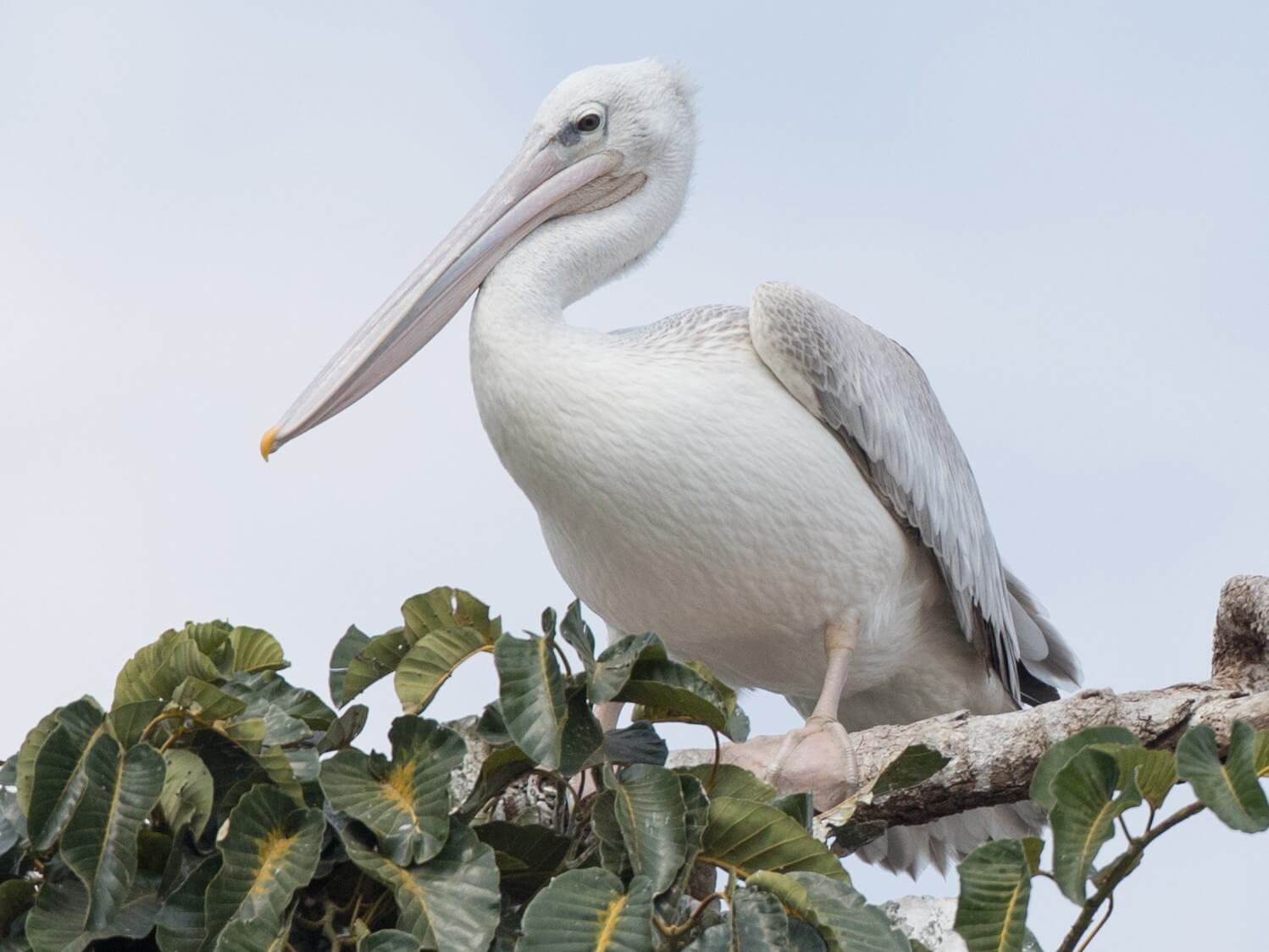
A highlight of the lodge is the sight of pelican flotillas gliding across the waterways. Guests can embark on twice-daily game drives, with the option of a night drive for a unique after-dark safari experience. Katuma Lodge is a sanctuary for those looking to immerse themselves in the wild heart of Katavi.

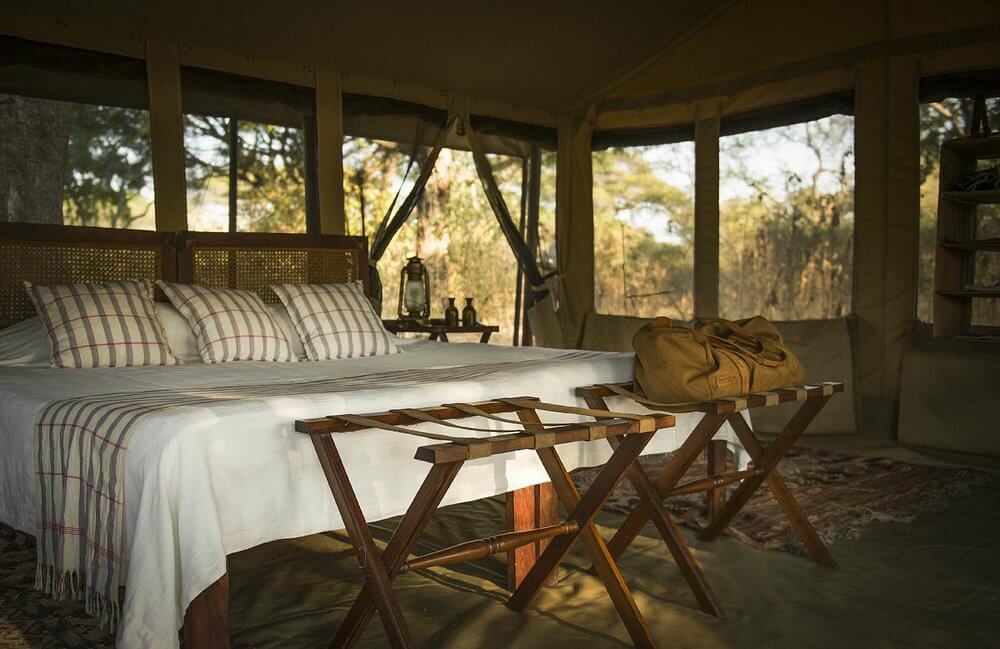
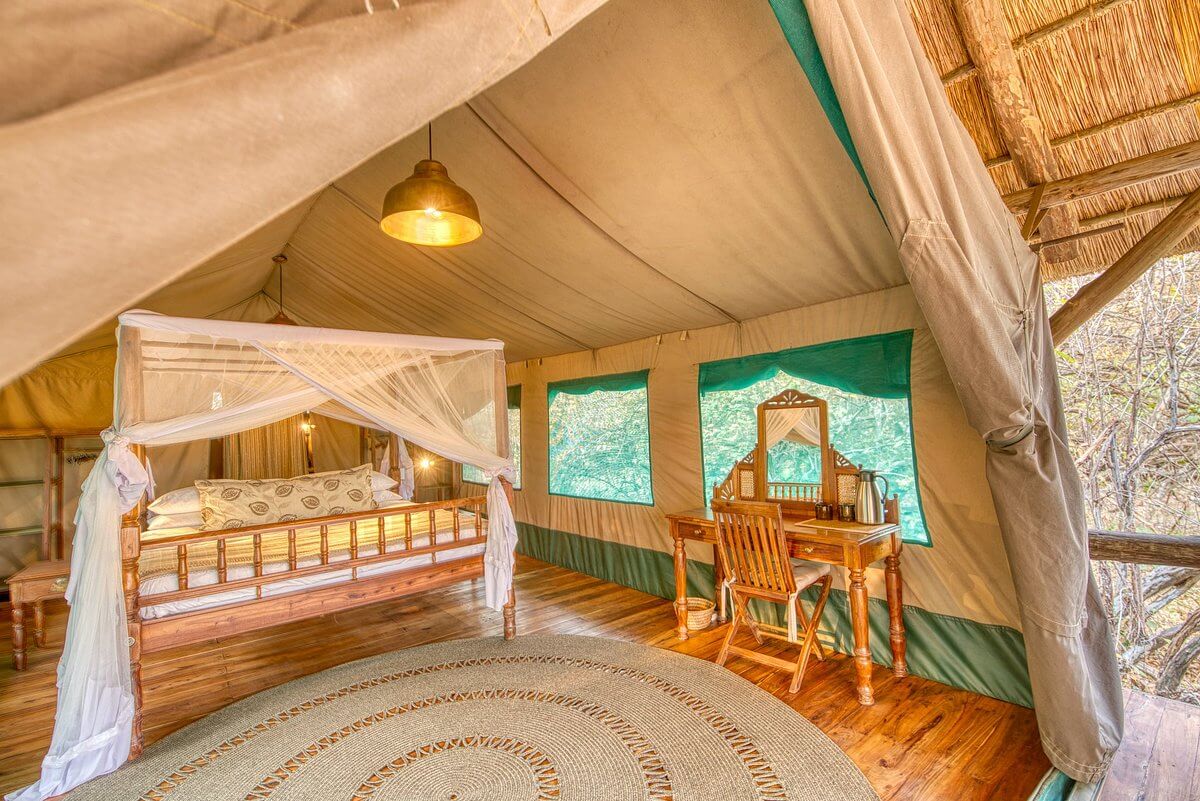
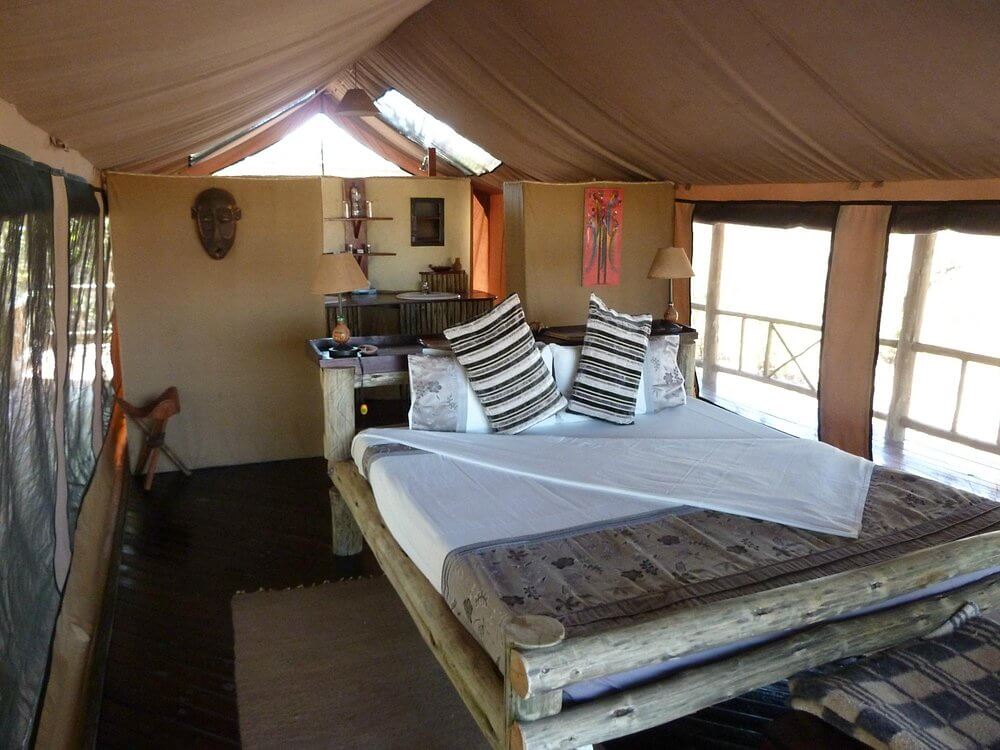
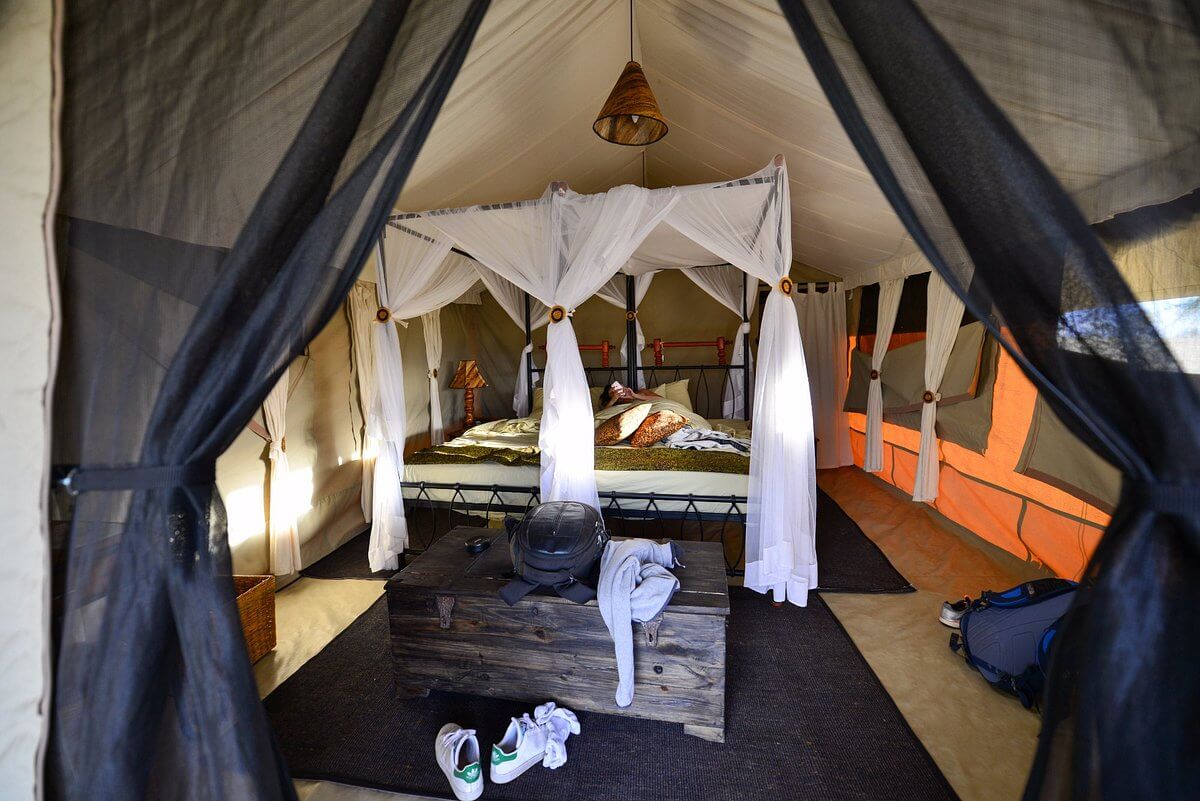
Perched overlooking the Katsunga Plain, Katavi Wildlife Camp delivers breathtaking views and classic safari charm. Owned and managed by the Fox family, renowned for their hospitality in southern Tanzania, this camp captures the essence of an old-school safari with its rustic yet comfortable design. 

The panoramic views of the floodplains and the high concentration of game right outside your tent make this camp a top pick for safari purists. The intimate setting and expert guiding ensure that each game drive is a thrilling encounter with Katavi’s incredible wildlife.

A stay in Katavi is not just about luxury it’s about reconnecting with nature in one of Africa’s last true wildernesses. These lodges offer not only comfort but also front-row seats to some of the most spectacular wildlife spectacles on the continent.

Mbali Mbali Katavi Lodge

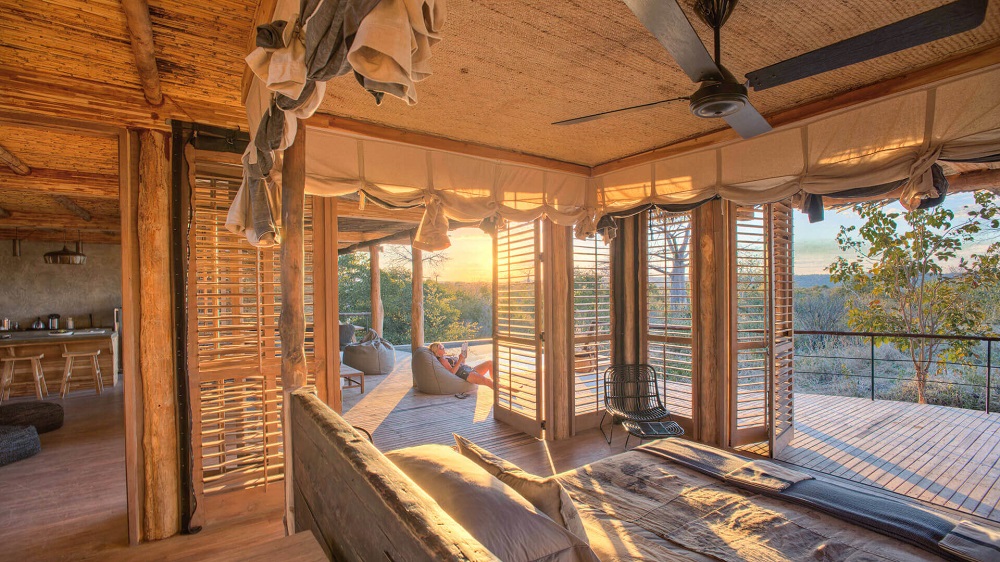
Perched on a high escarpment with sweeping views of Katavi’s vast plains, Mbali Mbali Katavi Lodge offers a blend of luxury and wilderness immersion. The lodge’s elegantly designed chalets feature private verandas where you can unwind while soaking in the breathtaking scenery. Spacious and stylishly appointed, each chalet provides a serene escape after a day of exploring the park’s rich wildlife.

Guests can indulge in delicious meals in the open-air dining area, take a refreshing dip in the swimming pool, and gather around the campfire beneath a canopy of stars. The lodge’s prime location ensures exceptional wildlife viewing, with expert guides leading you on exhilarating game drives and guided bush walks. Mbali Mbali Katavi Lodge promises a perfect balance of comfort and adventure, making it an ideal retreat for discerning safari-goers.

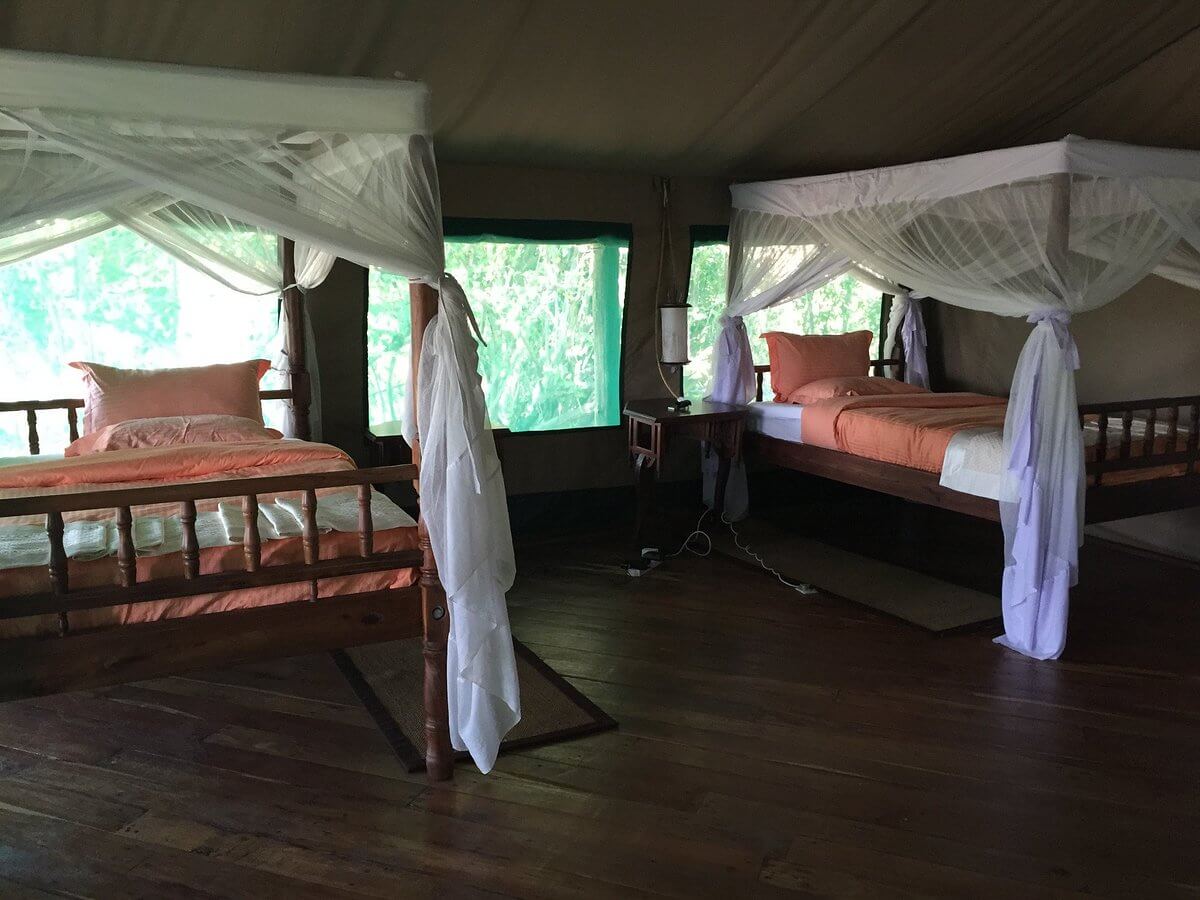
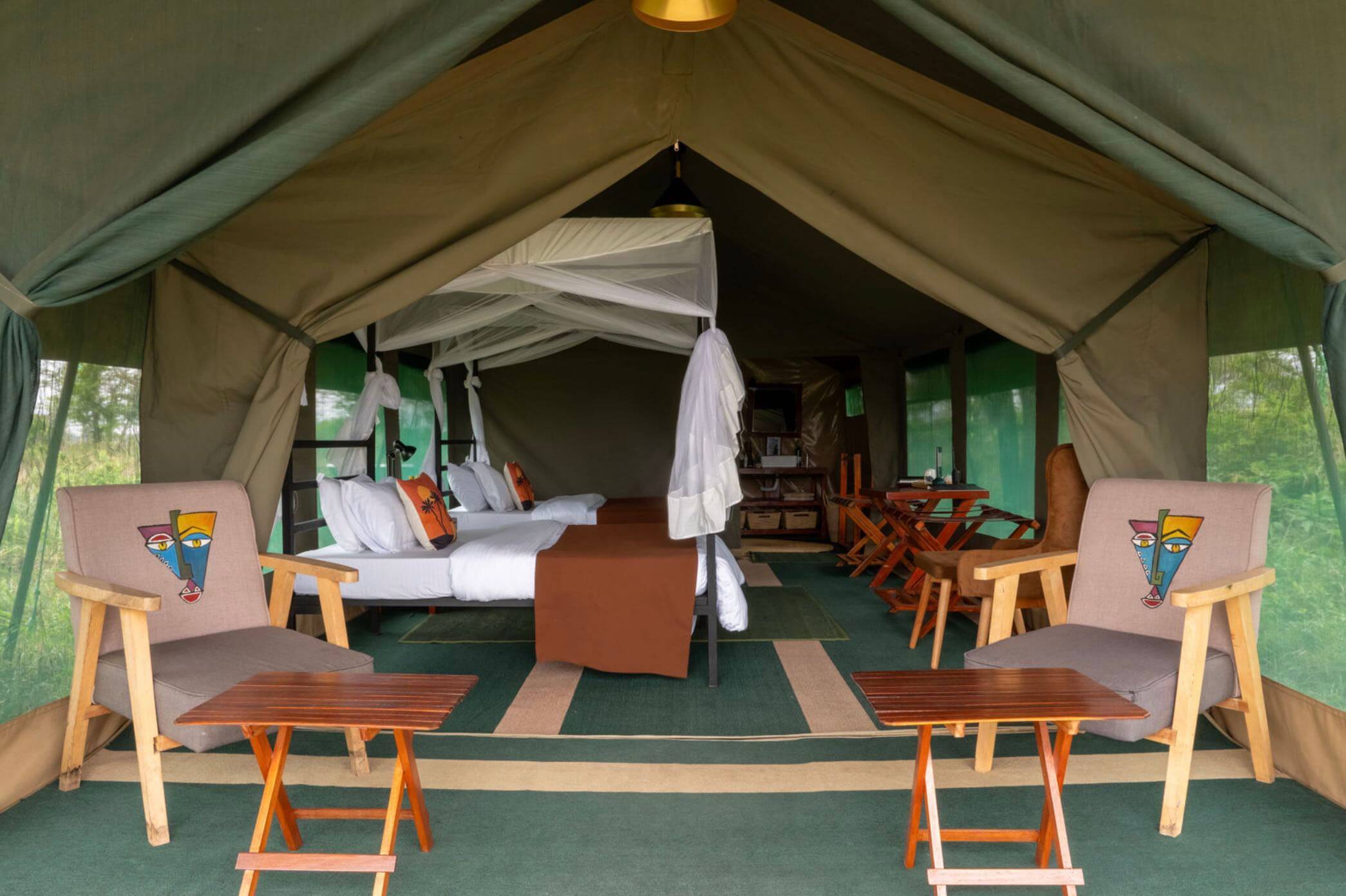
For travelers seeking a more budget-friendly safari experience, Katavi National Park offers a range of tented camps and campsites that provide an affordable yet immersive connection with the wild. 

These budget options offer comfortable tents with basic facilities, including communal bathrooms, allowing you to experience the raw beauty of Katavi without breaking the bank. 

Falling asleep to the distant calls of lions and waking up to the sounds of nature creates a truly authentic safari experience. For those who value adventure over luxury, these camps provide the perfect gateway to Katavi’s untamed wilderness.

Private Lodges & Camps: There are various private accommodation options in nearby Mpanda town, with a range of facilities for different budgets. Booking in advance is recommended.

We look forward to making your visit to Katavi National Park an unforgettable experience. Whether you’re here for the wildlife, birdwatching, or simply to experience nature in its most pristine form, we are committed to ensuring your stay is memorable. Plan your trip today and immerse yourself in the wild beauty of Katavi!

What our Client Say

Design your own trip

Choose a destination, pick your properties, and we’ll do the rest

1
Browse
Look through our itineraries for inspiration, and call our Travel Consultants
2
Create
Discuss your wish list with us, and we’ll use our expertise to design a unique itinerary for you
3
Customise
We’re committed to refining your itinerary until we’ve created the perfect personalised trip for you