EXPLORE

Health And Safety On Mountain Kilimanjaro

Picture of Chat to a Safari expert

Chat to a Safari expert

Get advice and suggestions to make this your perfect trip. or call us on:
+255 755 003116

Picture of Chat to a Safari expert

Chat to a Safari expert

Get advice and suggestions to make this your perfect trip. or call us on:
+255 755 003116

overview

Climbing Mount Kilimanjaro, Africa’s highest peak, is a dream for many adventurers, but it comes with significant health and safety considerations for an enjoyable and successful experience. Trekking at high altitudes in remote areas poses significant risks.

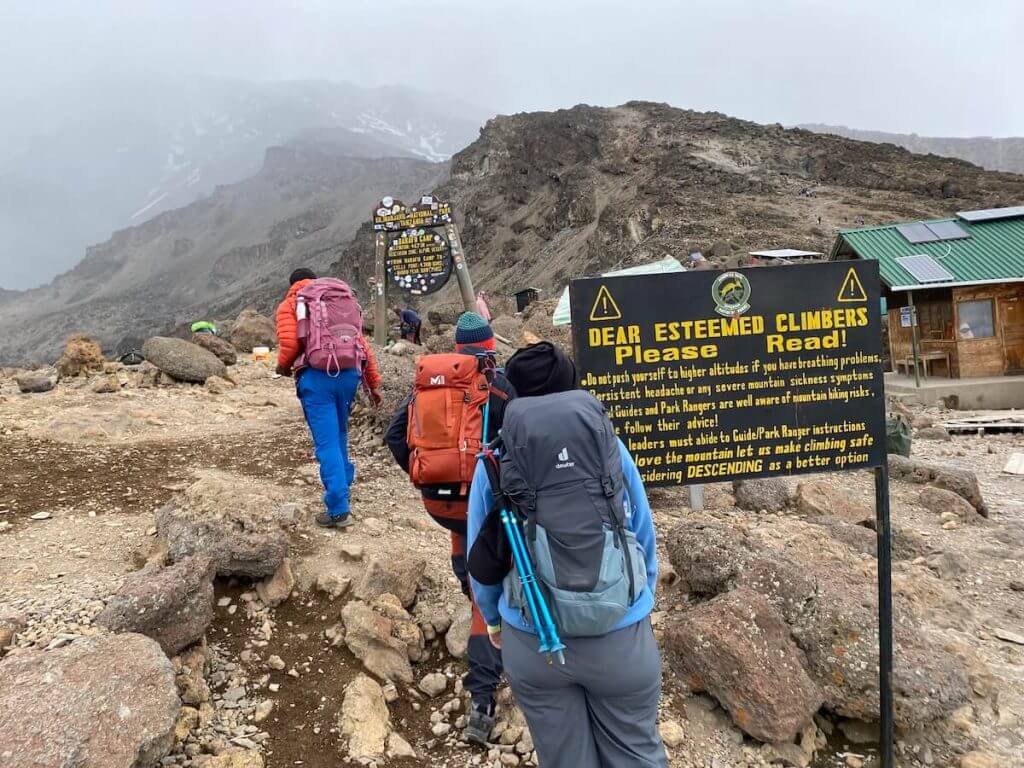
Every year, around 1,000 climbers are evacuated from the mountain due to health concerns, and an estimated 10 fatalities are reported, most commonly due to severe altitude sickness. According to official statistics, only about 50% of climbers successfully reach the summit of Uhuru Peak.

This isn’t due to lack of motivation, it’s often due to poor planning, inadequate acclimatization, and ignoring early signs of altitude sickness. Altitude sickness remains the leading cause of fatalities. It’s crucial for every climber to recognize the symptoms of altitude sickness and to choose a trusted operator like Congema Safaris, which prioritizes safety with proper systems and protocols in place.

At congema Safaris, we follow a clear Safety Guideline designed to minimize risks and maximize your chances of a safe and successful summit. Our approach includes careful route selection, optimal pacing, and a support team dedicated to your health and well-being every step of the wayWith proper preparation, awareness, and precautions, you can minimize risks and focus on the journey to the summit.

Explore More

Key Health Risks on Kilimanjaro

Here’s everything you need to know about staying safe and healthy on Kilimanjaro.

Altitude Sickness

What is Altitude Sickness?

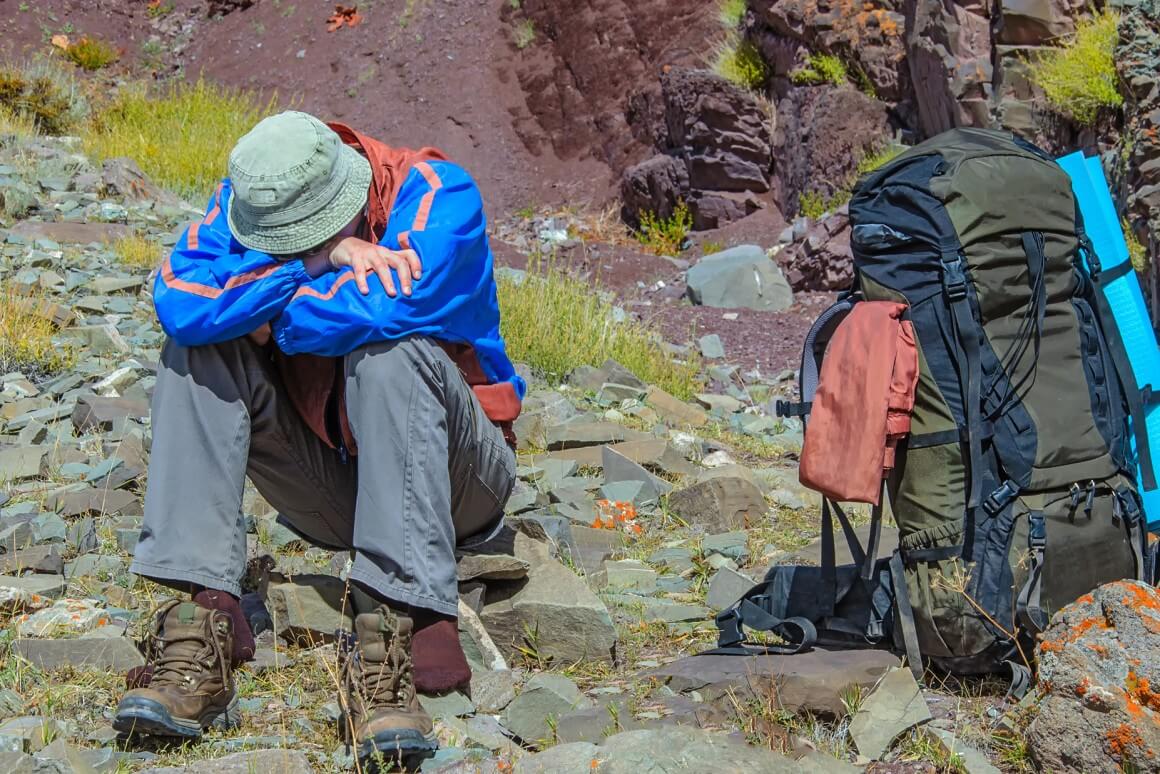
Altitude sickness or Acute Mountain Sickness (AMS), “AMS” is a significant health issue that can occur when someone ascends to high altitudes too rapidly or engages in physical activity at high elevations without proper acclimatization, altitude sickness occurs when the body struggles to adapt to lower oxygen levels at high altitudes.

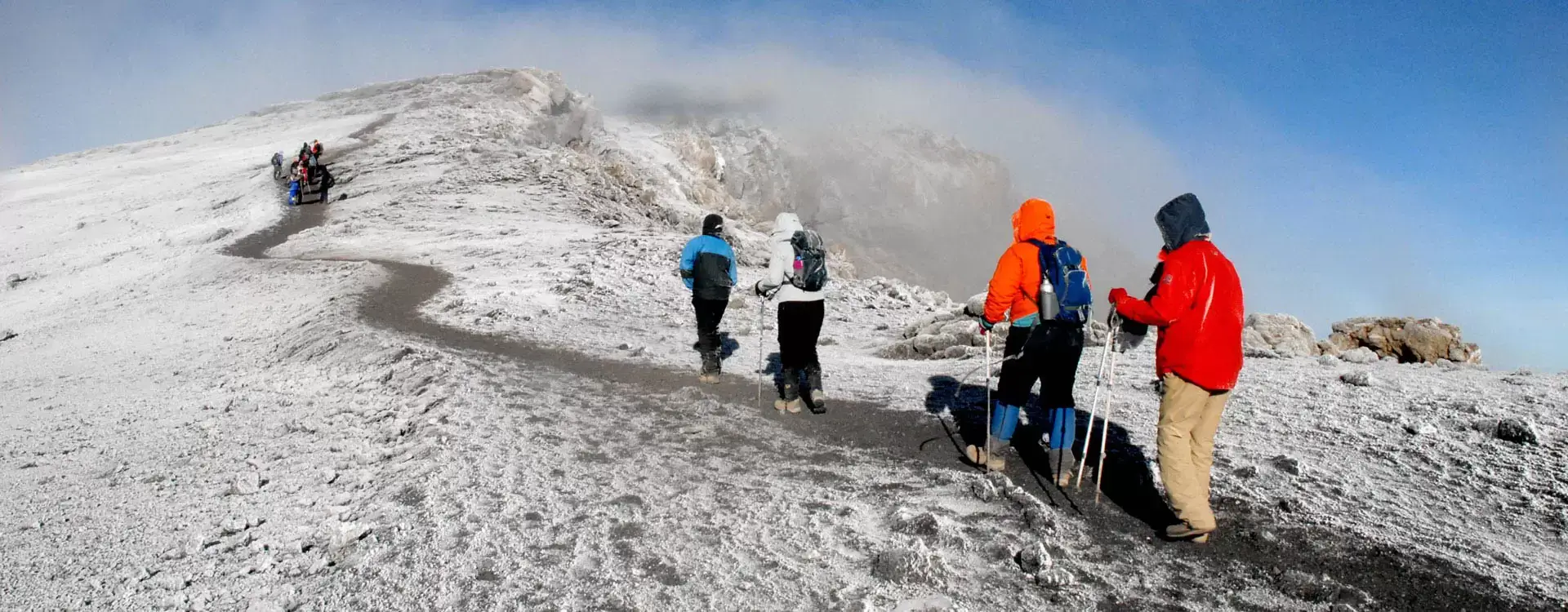
The altitude at the summit of mountain Kilimanjaro (5,895 meters) can affect even the fittest climbers due to the reduced oxygen levels.

Symptoms of Acute Mountain Sickness (AMS) may encompass:

  • Headache that doesn’t respond to common pain relievers
  • Nausea or vomiting
  • Dizziness or a sensation of lightheadedness
  • Weakness or profound fatigue
  • Insomnia or trouble sleeping
  • Loss of appetite.

Symptoms of AMS may persist to more severe conditions like High Altitude Cerebral Edema (HACE) and High Altitude Pulmonary Edema (HAPE).

What is HACE?

High-Altitude Cerebral Edema (HACE) is a condition where the brain takes in excess fluid, leading to swelling and impaired function.

Many experts view High-Altitude Cerebral Edema (HACE) as an advanced stage of Acute Mountain Sickness (AMS). Typically, HACE follows the onset of AMS symptoms.

What is HAPE?

High-Altitude Pulmonary Edema (HAPE) is another altitude-related illness where fluid accumulates in the lungs. This condition can develop suddenly, with or without prior symptoms of altitude sickness.

When oxygen levels are low, the blood vessels in the lungs may constrict, leading to increased pressure within the lung’s arteries. This pressure can force fluid to leak from the blood vessels into the lung tissue.

Prevention and Treatment of AMS

Acclimatization is key. Choose routes like the Lemosho or Northern Circuit that offer longer durations for acclimatization. Drink plenty of water (at least 3-4 liters per day), avoid alcohol, and ascend slowly (“pole pole” in Swahili, meaning “slowly slowly”).

Medications like Diamox (acetazolamide) can aid acclimatization, but should be taken under medical advice. If symptoms appear, immediate descent is the most effective treatment.

Congema Safaris Acclimatization Guidelines:
  • Pre-acclimatize: If possible, engage in high-altitude hiking before your trip to start the acclimatization process.
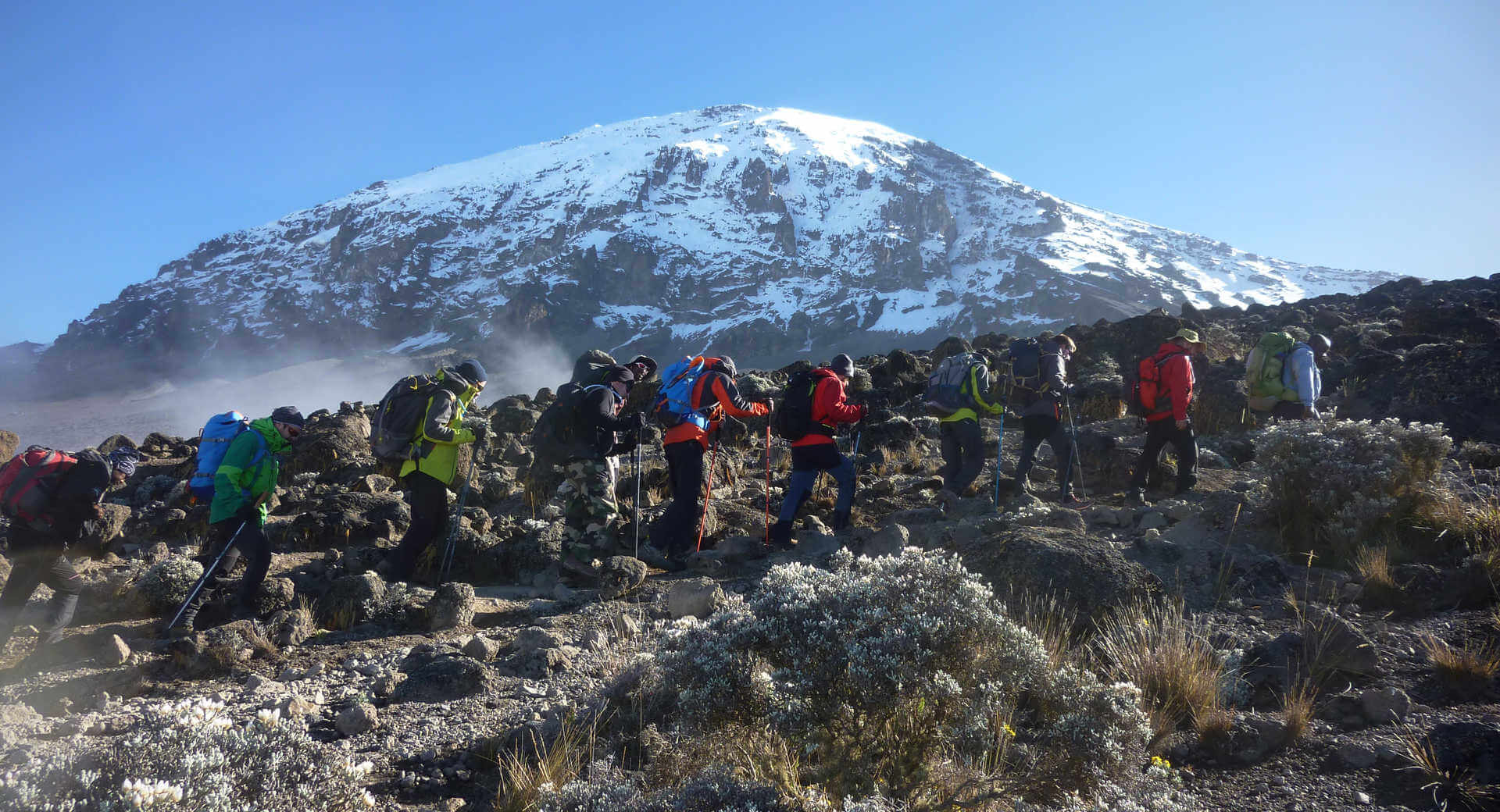
  • Pole, pole! (Swahili for “slowly, slowly”): Our guides will encourage a slow pace to allow time for acclimatization.
  • Breathing Techniques: Practice taking slow, deep breaths to help with oxygen intake.
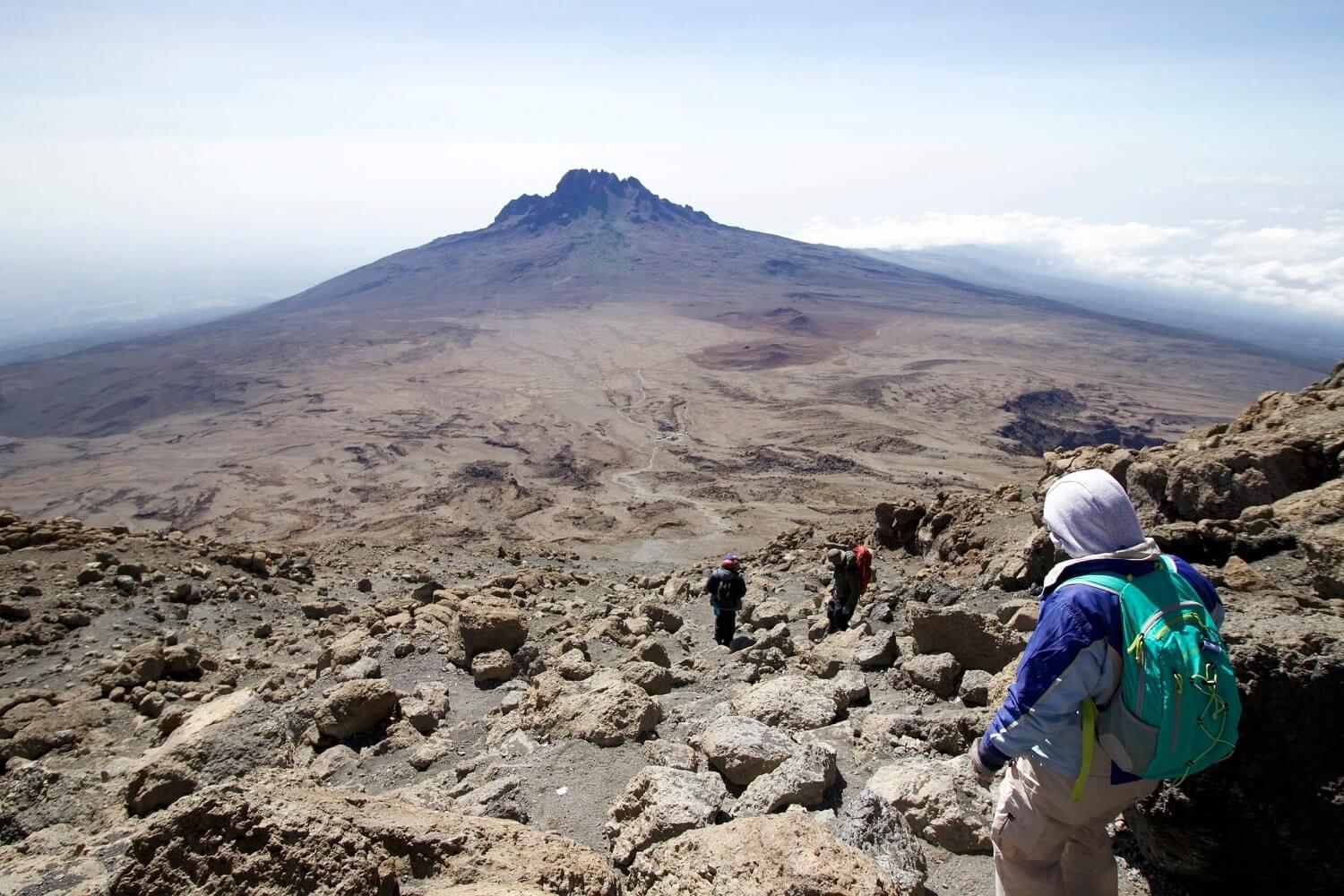
  • Climb High, Camp Low: Ascend to higher altitudes during the day but descend to sleep at lower altitudes. This strategy is built into most routes, with additional acclimatization hikes available.
  • Hydration and Nutrition: Ensure you consume enough water (4-5 liters per day) and calories, even if you lack appetite, to support your body at altitude.
  • Medication: Consider using altitude sickness prevention medication like Diamox. However, it’s not foolproof and should be started before your hike. Consult your doctor for advice.
  • Substance Avoidance: Steer clear of tobacco, alcohol, and depressants like barbiturates, tranquilizers, sleeping pills, and opiates, as they can exacerbate altitude sickness by reducing respiratory drive during sleep.
  • Symptom Management: If you experience mild symptoms of altitude sickness, halt your ascent until symptoms improve. If symptoms worsen, descend immediately.
AMS Medication

Diamox (Acetazolamide) and Altitude Sickness

Diamox, or Acetazolamide, enhances your breathing by increasing the rate at which you breathe, allowing for better oxygen utilization. This helps reduce symptoms due to low oxygen levels and poor circulation.

If you have a reduced respiratory drive, Diamox can be particularly beneficial. It’s recommended to start taking Diamox at least 24 hours before your high-altitude trek to ensure it has time to become effectiveDiamox is an FDA-approved medication widely used for the prevention of Acute Mountain Sickness (AMS).

Key Facts about Diamox
  1. Preventative Use: Diamox is not a cure but can effectively prevent symptoms of altitude sickness when taken prior to and during rapid ascents. Studies indicate that a dosage of 250 mg every 12 hours significantly reduces the severity of AMS symptoms.
  2. Usage Guidelines: Continue the medication until you descend below the altitude where symptoms occurred. Always consult with your doctor before using Diamox.
  3. Potential Side Effects: Common side effects include tingling sensations in fingers, toes, and the face, altered taste perception, frequent urination, and, in rare cases, blurred vision. These side effects subside once the medication is discontinued.
  4. Personal Choice: Whether to use Diamox is a personal decision for each climber. It is best used in consultation with a medical professional.
Additional Remedies for Altitude Sickness
  • Pain Management: Ibuprofen or other anti-inflammatory medications can alleviate headaches caused by high altitude.
  • Hydration and Nutrition: Staying hydrated and eating well support overall acclimatization.

While Diamox can be an effective tool in reducing the risk of AMS, it is not a replacement for proper acclimatization strategies, such as ascending slowly and adhering to the “climb high, sleep low” principle. Congema Safaris does not specifically advocate or discourage its use but encourages climbers to make informed decisions with medical advice.

Physical Preparation
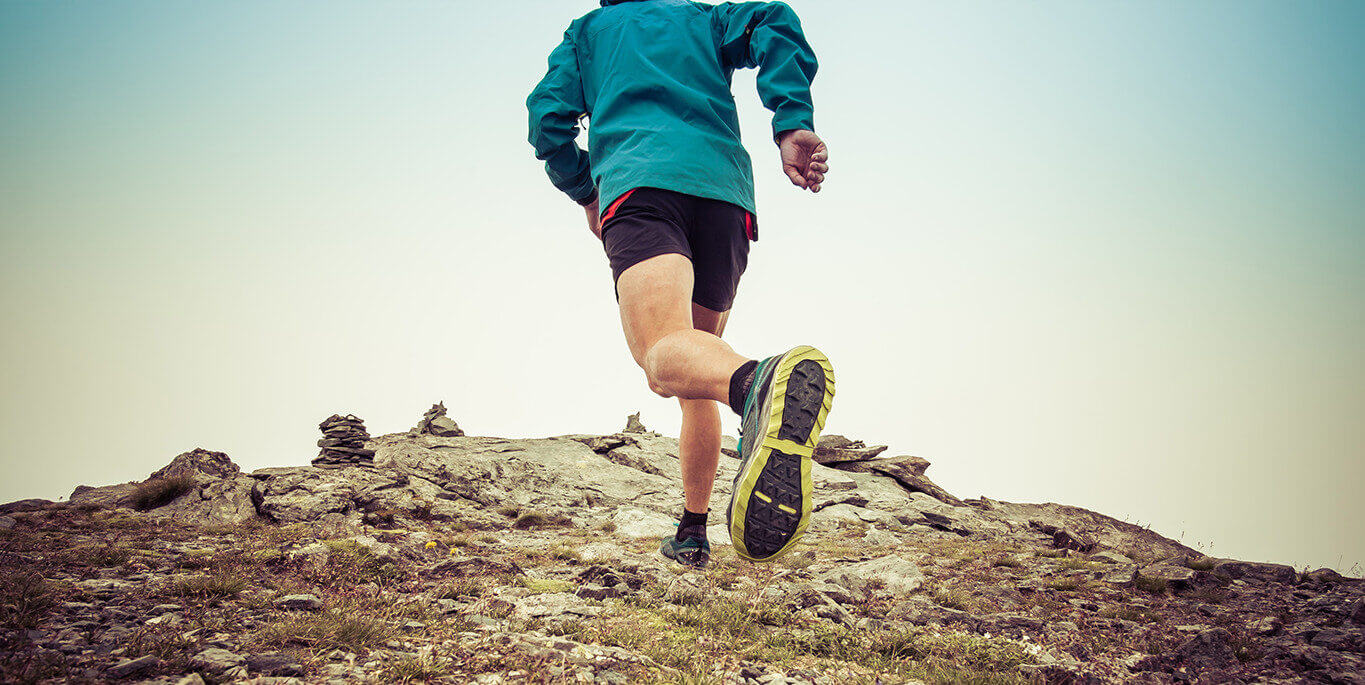
  • Fitness: Climbing Kilimanjaro isn’t technically demanding, but it requires good cardiovascular fitness and endurance. Regular hiking, stair climbing, and cardio exercises can help prepare your body.

    While fit individuals generally have a lower risk of experiencing symptoms of altitude sickness, predicting who will be affected isn’t straightforward. The cardiovascular systems of fit people can handle the lower pressures at higher altitudes for longer periods without significant strain. However, at altitudes above 3,500 meters, even very fit individuals can still suffer from altitude sickness, particularly if they’re not accustomed to low-pressure environments.

    Being in good physical shape and engaging in high-altitude exercise before your climb can help acclimate your body to high elevations, reducing the likelihood of altitude sickness.

  • Health Check: Before climbing, consult your doctor, especially if you have pre-existing conditions like heart or respiratory issues. Some climbers with such conditions have tragically died due to complications from the altitude.

Gear and Clothing

Appropriate Equipment: Cold temperatures, especially at higher altitudes, necessitate warm clothing, waterproof gear, a good quality sleeping bag, and sturdy hiking boots. A comprehensive packing list should include items like gloves, hats, and trekking poles to manage the variable weather conditions.

Vaccinations and Medical Preparation

Required Vaccinations

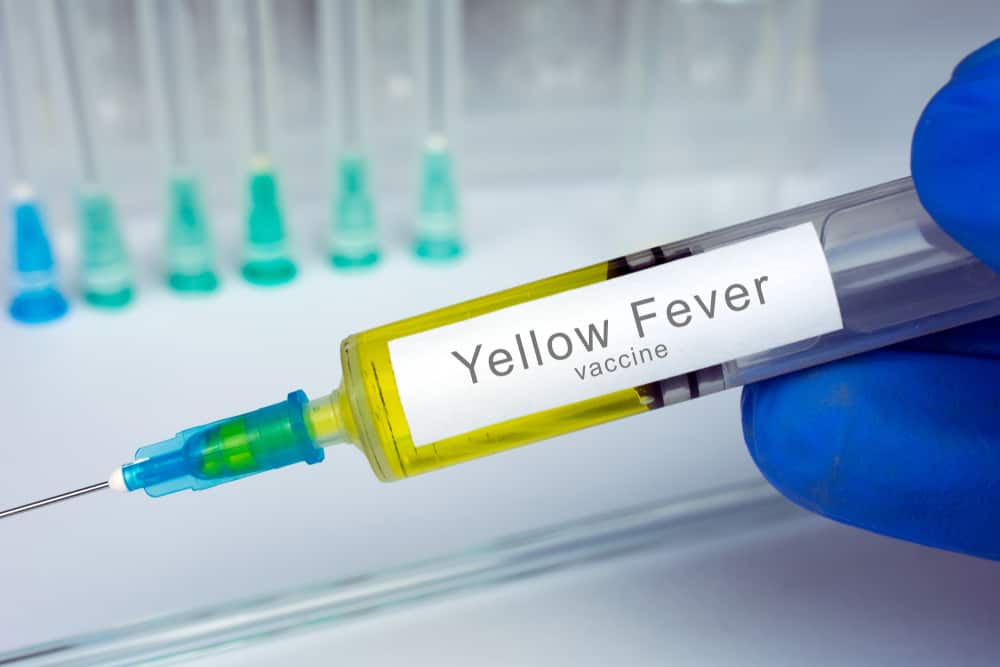
  • Yellow Fever: Mandatory if traveling from a country with a risk of yellow fever.
  • Recommended Vaccinations
  • Hepatitis A and B
  • Typhoid
  • Tetanus
  • Rabies (optional, depending on exposure risk)

Consult a Travel Doctor

Visit a healthcare provider at least 6–8 weeks before your trip to discuss vaccinations, altitude medications, and general health advice.

Hygiene and Sanitation
  • Personal Hygiene

Bring hand sanitizer, biodegradable wet wipes, and quick-dry towels.Use water purification tablets or filters for additional water safety.

  • Toilets

Many routes have basic toilet facilities. Our Team will bring a portable toilet system for convenience and hygiene on your request.

Congema Safari’s Safety Measures to keep you safe UP there!
  • Experienced Guides: Being in operation for over 15 years, our guides are well-versed in preventing, identifying, and treating Acute Mountain Sickness (AMS).

  • Emergency Protocols: We have a well-defined procedure for managing emergencies on the mountain, which includes rescue and evacuation.

  • Health Monitoring: Health checks are performed twice daily to monitor pulse, temperature, blood pressure, and oxygen saturation.

  • Medical Supplies: All climbs are equipped with First Aid Medical Kits.

  • Rescue Services: Kilimanjaro Search and Rescue (SAR) provides helicopter evacuation for those who are injured or sick. Following a distress call, a helicopter will be sent to the closest feasible landing spot to airlift the patient from the mountain to a local hospital. However, if the weather conditions on the mountain are unfavorable, the helicopter might not be able to land. In such scenarios, the patient would need to be manually evacuated using a stretcher supplied by the National Park.

  • Certified Staff: Our guides hold Wilderness First Responder (WFR) certifications.

  • Safety Training: Our mountain guides and porters regularly update and refresh their safety practices. We hold team meetings to share safety information, ensuring all team members are well-prepared for your safety during the climb.

  • Safety Briefing: Before each hike, your main guide will introduce you to our safety guidelines, preparing you for potential scenarios both on safari and while climbing Mt. Kilimanjaro.

  • Emergency Preparedness: We are prepared for emergencies, including evacuation plans.

  • Insurance: We advise you have travel insurance that covers high-altitude emergencies, including helicopter rescue, as medical evacuations can be necessary.

General Safety Tips

Weather Awareness: The weather on Kilimanjaro can be unpredictable; prepare for all conditions. The peak seasons are from December to March and June to October, providing the best chance for clear weather.

Respect for Nature: Follow “Leave No Trace” principles to preserve the natural beauty and ecosystem of Kilimanjaro National Park.

Mental Preparation: Climbing Kilimanjaro is as much a mental challenge as it is physical. Mental resilience can be crucial, especially during the summit push in the dark, cold, and potentially harsh conditions.

By adhering to these health and safety guidelines, climbers can significantly mitigate the risks associated with ascending Kilimanjaro, making the journey not only safer but also more enjoyable. Remember, the key to a successful summit is preparation, acclimatization, and respect for the mountain’s challenges.

Contact us for professional guidance, safety-focused trekking packages, and tips to make your journey to Africa’s highest peak both safe and unforgettable!

Picture of Planning Your Safari

Planning Your Safari

Organizing a safari , can be overwhelming due to the many choices available for transport, accommodation, and activities.

Reviews and Rates