EXPLORE

Gorilla Tracking

Gorilla Families in Rwanda
Picture of Chat to an Kenya Safari expert

Chat to an Kenya Safari expert

Get advice and suggestions to make this your perfect trip. or call us on:
+255 755 003116

Picture of Chat to an Kenya Safari expert

Chat to an Kenya Safari expert

Get advice and suggestions to make this your perfect trip. or call us on:
+255 755 003116

Overview

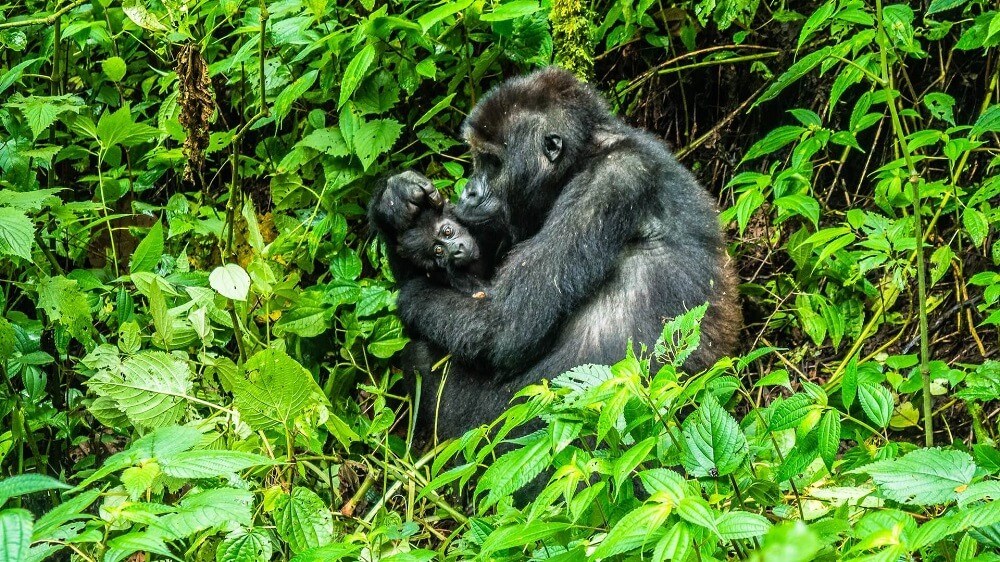
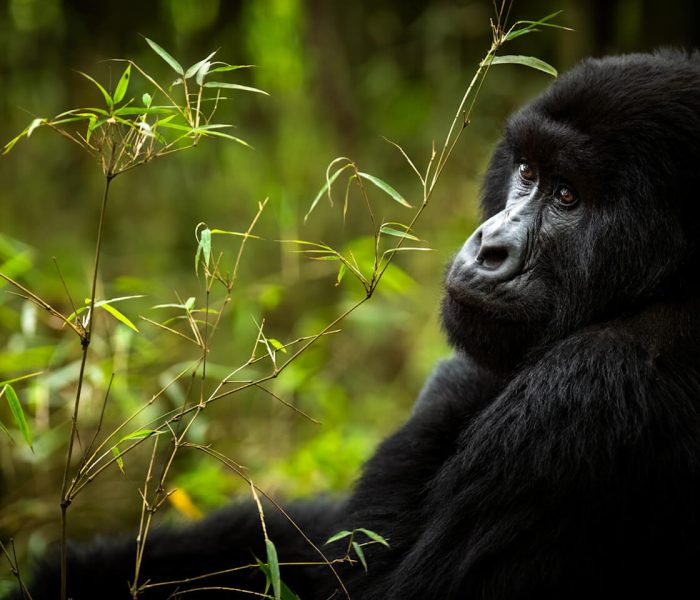
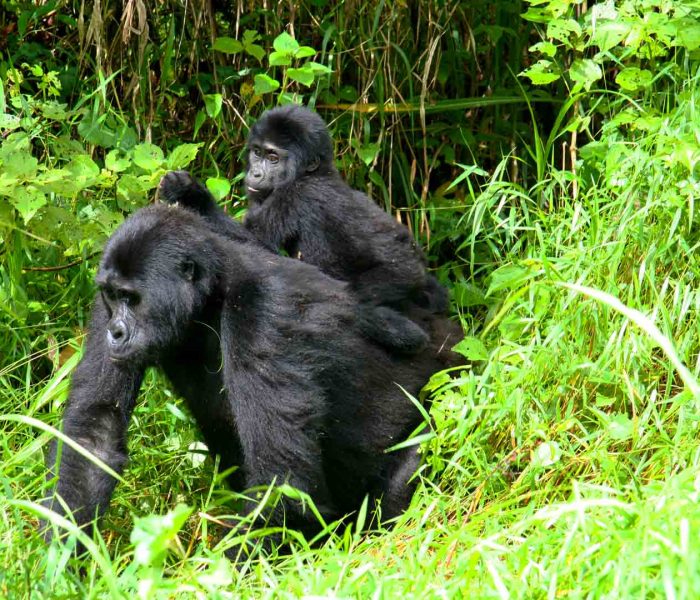
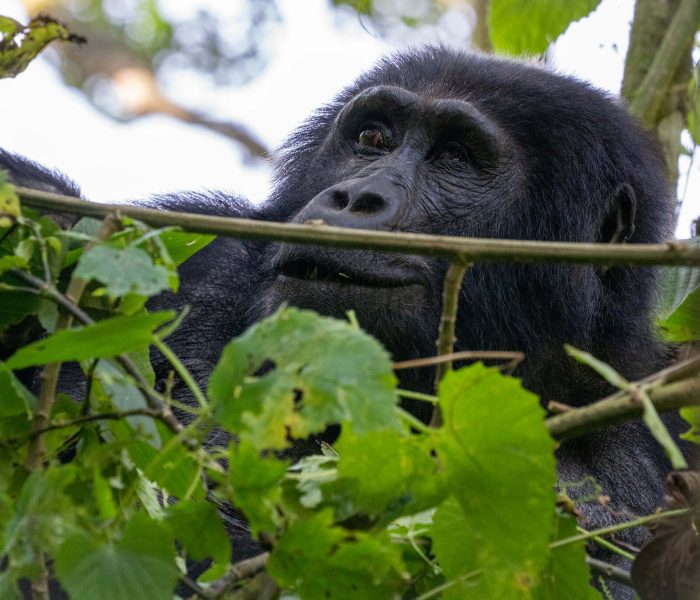
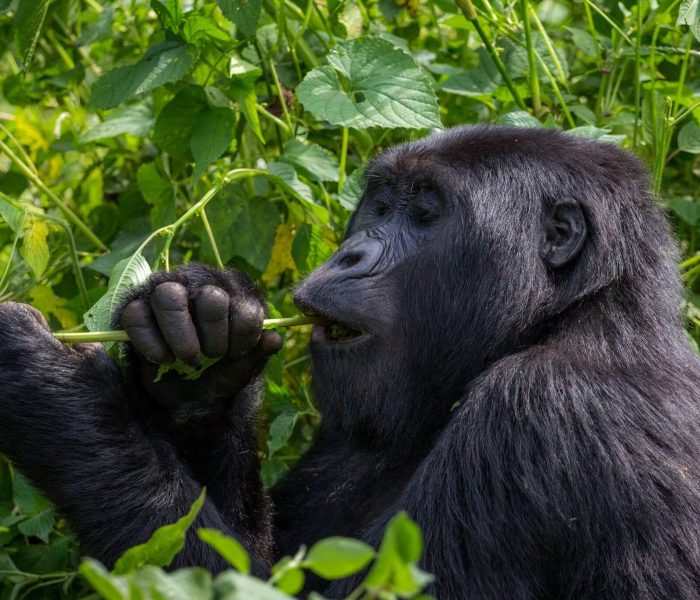
Rwanda’s Volcanoes National Park is home to 10 habituated gorilla families available for trekking, with one reserved for research purposes from which the Kwita Izina baby gorilla naming ceremony are selected. 

Each day, 80 gorilla permits are available for tourists, as only 8 visitors are allowed to track a single gorilla group at a time. Surprisingly, each gorilla family has its own distinct personality, offering a unique experience for trekkers. 

The cost of a single gorilla permit in Rwanda is $1,500, which applies to all visitors, including Rwandan nationals.

Rwanda is home to the second-largest population of mountain gorillas, following Uganda. The gorillas are spread across 10 habituated groups, offering visitors a remarkable opportunity to see these majestic creatures in their natural habitat. One of Rwanda’s key advantages over Uganda and Congo is its proximity to the capital, Kigali. 

With a journey of just two hours, travelers can easily access the gorillas in Volcanoes National Park, making it a convenient and accessible destination for gorilla trekking.

gallery

Picture of Planning Your Safari

Planning Your Safari

Organizing a safari in Kenya Destination, can be overwhelming due to the many choices available for transport, accommodation, and activities.

Reviews and Rates

Rwanda’s Habituated Gorilla Families:

Titus Family

Named after the iconic silverback Titus, who was studied by Dian Fossey at Karisoke Research Center, this group is one of the most renowned. 

Titus had a challenging early life after losing his family to poachers, but despite his struggles, he became the leader of this important group. Titus’ journey from a fragile infant to a strong silverback is a testament to his resilience.

The Susa group is famous for being the family studied by Dian Fossey from 1967 to 1985. Originally consisting of 42 members, the group split in 2008, with one section now known as the Karisimbi group. 

Susa A, comprising 33 members, is home to playful twins, Byishimo and Impano, and inhabits the lower slopes of Mount Karisimbi. The group is known for its energetic and fun-loving members.

This group split from Susa A in 2008 and is known for being one of the most challenging to track due to its location on the upper slopes of Mount Karisimbi, at an altitude of 4,507 meters. 

With 16 members, including 2 silverbacks, this group is perfect for trekkers seeking a more strenuous hiking experience.

The word “Amahoro” means “peace” in Kinyarwanda, and true to its name, this group is known for its peaceful nature. Amahoro consists of 18 members, including 2 silverbacks, and is led by the calm and gentle silverback Ubumwe. 

However, his peaceful leadership style led to some members splitting off to join another group. This group inhabits the slopes of Mount Bisoke and is a relatively strenuous trek.

Umubano was formed after silverback Charles broke away from the dominant Ubumwe in a battle for leadership. The group, named after the Kinyarwanda word for “living together,” consists of 13 members, including 2 silverbacks.

The group’s formation stems from a series of challenges, but now they live peacefully under Charles’ leadership.

Located between Mount Sabyinyo and Mount Gahinga, the Sabyinyo group is one of the easiest to track. It is led by the dominant silverback Guhonda, the largest in the park, weighing around 220kg. 

The group has 13 members and is well-known for its dynamic structure and for keeping rival silverbacks, like Ryango, out of the group.

Agashya Group

The Agashya group started with 13 members but has since grown to 27. Initially led by silverback Nyakarima, it was taken over by Agashya, whose name means “news.” 

The group inhabits the same territory as the Sabyinyo family but tends to move deeper into the mountain when sensing danger.

Kwitonda, meaning “the humble one” in Kinyarwanda, is a migrant group originally from the Democratic Republic of Congo. 

Known for its unpredictable movements, the group of 23 members, including 4 silverbacks, roams the lower slopes of Mount Muhabura and can sometimes venture into the higher slopes, making it difficult to track.

Formed in 2006 from members of the Sabyinyo and Agashya groups, Hirwa (meaning “lucky one”) is known for its fortunate formation and the birth of twins in 2011. 

This group, composed of 16 members, inhabits the foothills of Mount Sabyinyo and Mount Gahinga.

True to its name, meaning “on the move” in Kinyarwanda, the Ugenda group is always roaming and has no fixed home. 

With 11 members, including 2 silverbacks, the group moves around the Karisimbi area, making it a challenging group to track.

Formed in 2007, the Bwenge group is named after its dominant silverback, Bwenge, who gathered females from different groups. 

This group, consisting of 11 members, including one silverback, inhabits the slopes between Mount Karisimbi and Mount Bisoke. Bwenge’s leadership was tested when several infants died, but the group has since recovered and continues to thrive.

What our Client Say

Design your own trip

Choose a destination, pick your properties, and we’ll do the rest

1
Browse
Look through our itineraries for inspiration, and call our Travel Consultants
2
Create
Discuss your wish list with us, and we’ll use our expertise to design a unique itinerary for you
3
Customise
We’re committed to refining your itinerary until we’ve created the perfect personalised trip for you