EXPLORE

Food And Drinks To Eat While Climbing Mount Kilimanjaro

Picture of Chat to a Safari expert

Chat to a Safari expert

Get advice and suggestions to make this your perfect trip. or call us on:
+255 755 003116

Picture of Chat to a Safari expert

Chat to a Safari expert

Get advice and suggestions to make this your perfect trip. or call us on:
+255 755 003116

overview

Fueling your body properly is essential when climbing Mount Kilimanjaro. The combination of high-altitude trekking, extreme weather, and long days requires a well-planned diet to maintain energy, stamina, and hydration.

Despite the remote and rugged conditions, the meals prepared during your Kilimanjaro trek are anything but bland. Thanks to our experienced mountain chef who joins every climb, you’ll be served hot, hearty, and surprisingly tasty dishes designed to nourish and energize you every step of the way.

Let’s explore the best food and drinks to consume on Kilimanjaro. So no, you won’t be surviving on energy bars and bland trail mix. Our team takes pride in providing flavorful, nutritious meals on Kilimanjaro that keep you strong, satisfied, and smiling, no matter how high you climb.

Climbing Kilimanjaro is no walk in the park. It’s a physically demanding expedition, and your body will be working overtime. On average, trekkers’ burn between 6,000 and 8,000 calories a day, more than triple your usual rate!That’s why we make sure your Kilimanjaro meal plan includes: Three full meals a day; breakfast, lunch, and dinner.Nutritious snacks in between to keep your energy levels up.Carbohydrate-rich foods to fuel endurance.

Fresh vegetables, fruits, and proteins where possible.Hot drinks like tea, coffee, or cocoa to keep you warm and hydrated.From pancakes and porridge in the morning to soups, stews, and pasta dishes at night, the variety and quality of food on Kilimanjaro often surprises climbers. And yes, there are vegetarian, vegan, and gluten-free options available on request!

Explore More

Why Nutrition Matters on Kilimanjaro

Climbing Kilimanjaro pushes your body to its limits, especially as you ascend to higher altitudes where oxygen levels decrease.Proper nutrition and hydration: 

  • Boost your energy levels. 
  • Help prevent altitude sickness. 
  • Support recovery after long trekking days. 
Tips for Eating at Altitude: How to Fuel Your Kilimanjaro Summit Push

One of the most overlooked challenges on Mount Kilimanjaro isn’t the terrain, it’s your appetite at high altitude. As you ascend, many climbers experience loss of appetite, nausea, or mild digestive discomfort, which can make eating feel like a chore. But here’s the truth: staying fueled is non-negotiable.

Why Eating Matters at High Altitude

At higher elevations, your body works harder to acclimate, and this process burns thousands of calories daily. Failing to eat enough can lead to fatigue, poor acclimatization, slower recovery, and a reduced chance of reaching the summit.

Even if food seems unappealing, eating regularly helps maintain your strength, warmth, and mental clarity.

Eat Early, Eat Often - Even If you’re Not Hungry

When your appetite fades, it’s tempting to skip meals. Don’t. The key is to eat whatever you can, whenever you can. At altitude, there’s no such thing as a “perfect diet.” Whether it’s a few spoonfuls of soup, a handful of trail mix, or a bite of bread, something is better than nothing.

Focus on easy-to-digest, calorie-rich foods, carbohydrates, healthy fats, and proteins all play a vital role in sustaining your energy levels. Warm meals like porridge, soups, stews, and teas are especially comforting in the cold mountain air.

Pro Tips to Help You Eat at Altitude

Snack Frequently: Keep energy bars or dried fruit in your pocket for quick bites during breaks.
Stay Hydrated: Sometimes, altitude suppresses appetite through dehydration. Drink enough water to support digestion and appetite.
Eat Before You’re Hungry: Hunger signals are weaker at altitude, so follow a schedule rather than waiting to feel hungry.
Prioritize Carbs: Your body runs best on carbohydrates at altitude. Bread, rice, pasta, potatoes, and fruits are all great options.
Listen to Your Body, but Don’t Stop Feeding It: If you’re nauseous, nibble slowly. Ginger tea or crackers can help settle your stomach.

Calories Are Climbing Fuel

Remember, your body is your engine on Kilimanjaro, and food is your fuel. Eating enough, whether it’s your favorite dish or simply what you can tolerate, is essential to your success on the mountain. Push through the altitude appetite slump, and your summit selfie will taste that much sweeter.

Meals Provided by Congema Safaris

Our Kilimanjaro trekking packages include meals prepared by our professional cooks. The menus are designed to meet the nutritional demands of climbers. Many climbers assume that meals at high altitude will be bland or limited, but you’re in for a surprise.

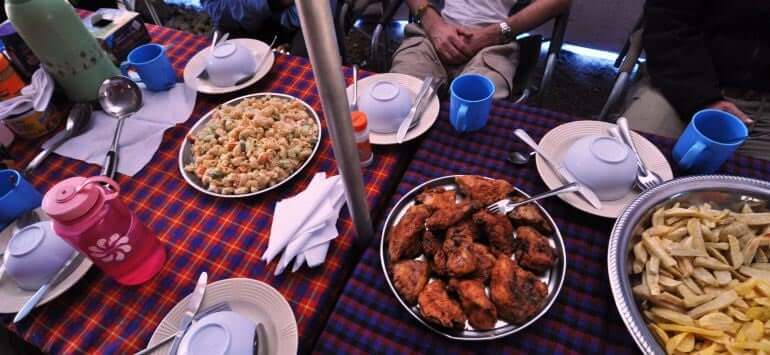
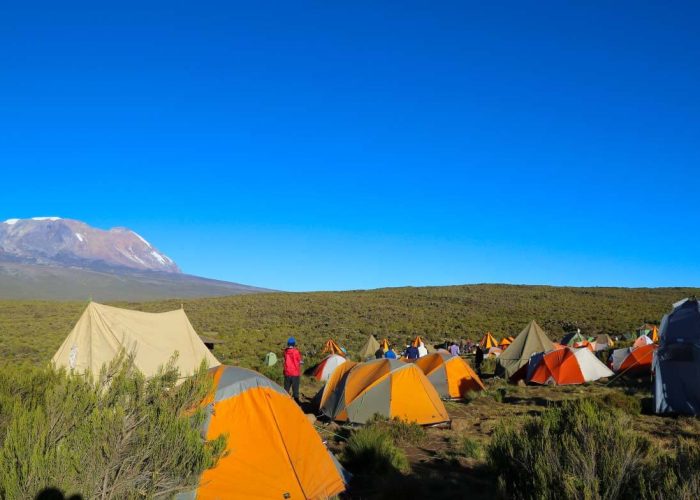
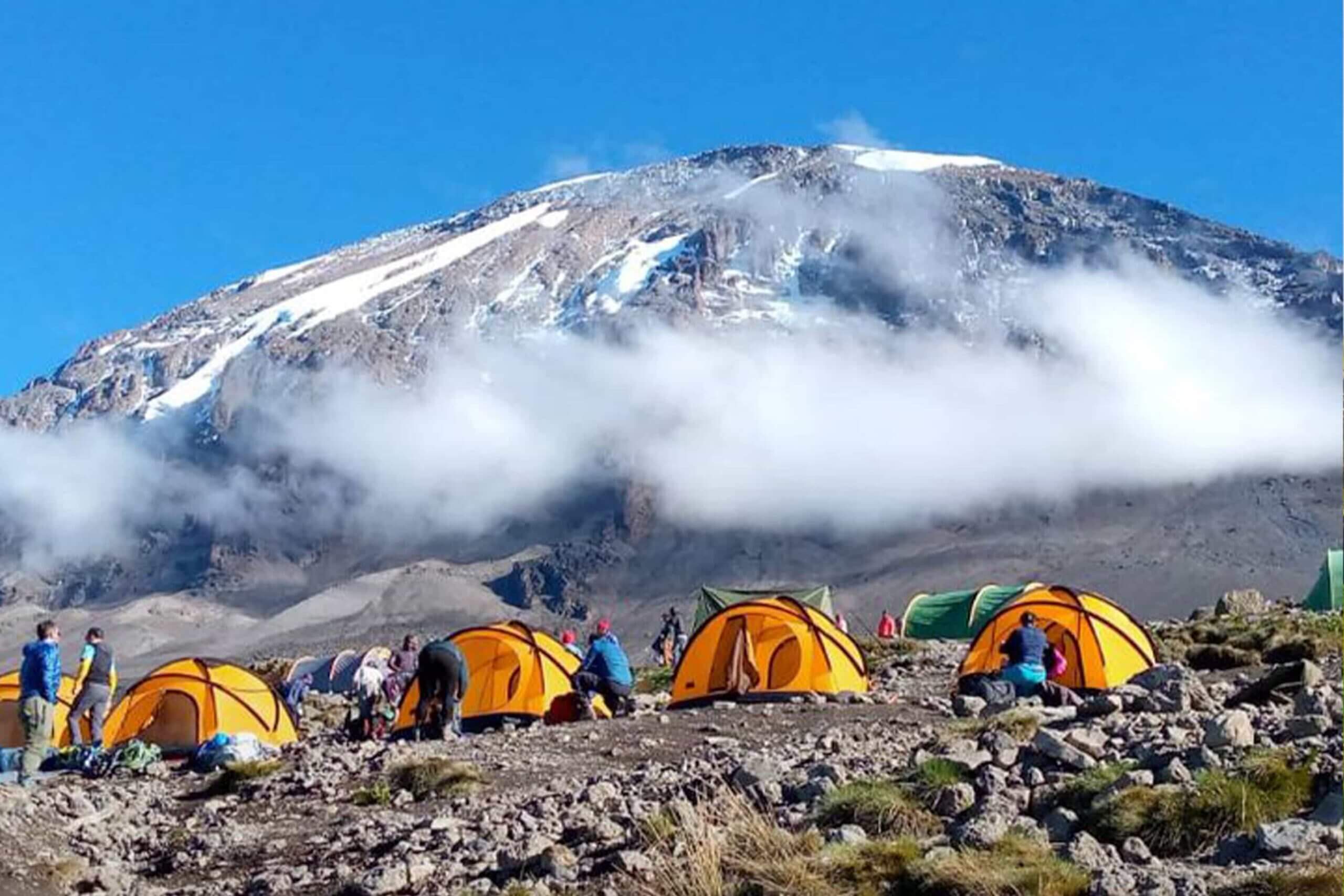
At Congema Safaris, we ensure your meals are not only nutritious and high in energy, but also delicious and satisfying to help you stay strong on your ascent.All meals are served in a dedicated dining tent, complete with chairs and a table, offering a warm and comfortable space to enjoy your food, no matter how chilly it gets outside.

While the menu varies slightly day to day, here’s a sample of what you can expect on the mountain:

Breakfast: A hearty breakfast is served to kick-start your day. Common options include: 

  • Porridge (oatmeal or millet).
  • Eggs (fried, boiled, or scrambled). 
  • Toast or pancakes with jam, honey, or peanut butter. 
  • Fresh fruit like bananas and oranges. 
  • Tea, coffee, or hot chocolate. 

Lunch: Lunch is either a hot meal prepared on-site or a packed lunch, depending on the day’s schedule. Typical items include: 

  • Rice or pasta dishes. 
  • Vegetable stews or curries. 
  • Sandwiches with cheese, avocado, or tuna. 
  • High-energy snacks like trail mix, energy bars, or fruit. 

Dinner: Dinner is served in the mess tent and is usually the most substantial meal of the day. It often includes: 

  • Soups (tomato, vegetable, or lentil). 
  • Protein sources like chicken, beef, or beans. 
  • Starchy foods like potatoes, rice, or pasta. 
  • Cooked vegetables. 
  • Dessert options like fruit or cake. 

Snacks for the Trail: Snacks play a vital role in maintaining energy between meals. While your trekking crew provides some snacks, it’s a good idea to bring your own favorites.Here are great snack ideas: 

  • Trail Mix: A combination of nuts, seeds, and dried fruits for a quick energy boost. 
  • Energy Bars: Lightweight and packed with calories, these are perfect for high-altitude trekking. 
  • Dark Chocolate: High in calories and antioxidants, dark chocolate is both a treat and a great energy source. 
  • Electrolyte Gummies: Help replenish lost salts and provide quick energy. 

Between meals, you’ll be offered snacks such as popcorn, biscuits, peanuts, or roasted corn, especially during afternoon tea.

Drinking Water on Mount Kilimanjaro: Proper hydration is absolutely essential for a safe and successful Mount Kilimanjaro climb. At higher altitudes, your body dehydrates faster and water is a critical defense against altitude sickness (AMS). That’s why we recommend drinking at least 3 to 4 liters of water daily throughout your trek.

Where Does the Water Come From?

Your mountain crew will collect water from natural streams along the route. This water is then treated using Aquatabs purification tablets, making it safe to drink. While the water is purified, the tablets may give it a slight taste. If you’re sensitive to flavor, consider bringing water flavor enhancers or electrolyte powders to improve the taste and boost your energy levels.

How Is Water Supplied?

Each morning at camp, your crew will provide you with boiled, filtered, and purified water to fill your bottles and hydration systems. It’s important to carry enough water for the entire day’s hike, as refills are typically not available until the next campsite.

How Much Water Should You Carry?

Plan to carry 3 to 4 liters of water daily. To make this easy and efficient, we recommend using: A hydration bladder (such as a CamelBak) with a drinking hose, built into your daypack for easy sipping on the trail. A 1-liter water bottle as backup or for use at meals and breaks. Be sure it’s durable and leak-proof!

Additional Hydration Tips

Hydration Aids: Use electrolyte tablets or hydration salts to replenish minerals lost through sweat.

Hot Drinks: Throughout your trek, you’ll be offered warm beverages like tea, coffee, and hot chocolate, perfect for keeping warm and hydrated in the cold mountain air.

Hydration and Health: Drinking enough water helps prevent headaches, fatigue, and the risk of AMS. If you’re not drinking and urinating regularly, it’s a sign you need to increase your fluid intake.

Hydration is not just about quenching thirst on Kilimanjaro, it’s your best defense against altitude sickness and exhaustion. Come prepared with the right gear and mindset, and you’ll stay strong and energized on your journey to Africa’s highest peak.

Foods to Avoid on Kilimanjaro

Certain foods can hinder your performance or upset your stomach, especially at higher altitudes: 

  • Greasy Foods: Difficult to digest and may cause nausea. 
  • Sugary Drinks: Provide short-term energy but lead to crashes. 
  • Alcohol: Dehydrates your body and exacerbates altitude sickness. 

Foods to Avoid on Kilimanjaro

  1. Bring Personal Favorites: Familiar snacks can be comforting and give you a psychological boost.
  2. Pack Lightweight Options: Choose calorie-dense foods that are easy to carry.
  3. Listen to Your Body: Eat and drink regularly, even if your appetite diminishes at higher altitudes.
  4. Use an Insulated Bottle: Keeps water from freezing during cold summit nights.

 The right food and drink choices can make a huge difference in your Kilimanjaro climb. By staying well-nourished and hydrated, you’ll have the energy and stamina to reach Uhuru Peak and enjoy this once-in-a-lifetime adventure.

Picture of Planning Your Safari

Planning Your Safari

Organizing a safari , can be overwhelming due to the many choices available for transport, accommodation, and activities.

Reviews and Rates