EXPLORE

Essential Mountain Kilimanjaro Climbing Gear And Equipment

Picture of Chat to a Safari expert

Chat to a Safari expert

Get advice and suggestions to make this your perfect trip. or call us on:
+255 755 003116

Picture of Chat to a Safari expert

Chat to a Safari expert

Get advice and suggestions to make this your perfect trip. or call us on:
+255 755 003116

overview

Climbing Mount Kilimanjaro, the highest peak in Africa, is an adventure of a lifetime. To conquer this majestic mountain, you need more than just determination you need the right gear. Proper preparation ensures safety, comfort, and a higher chance of reaching the summit.

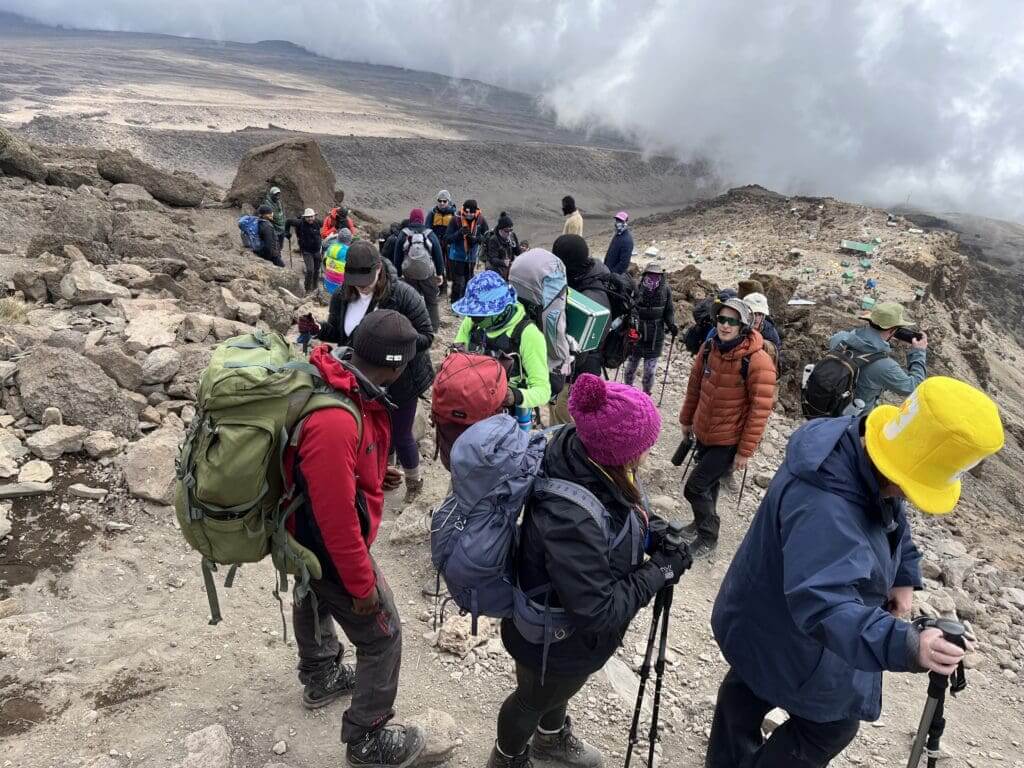
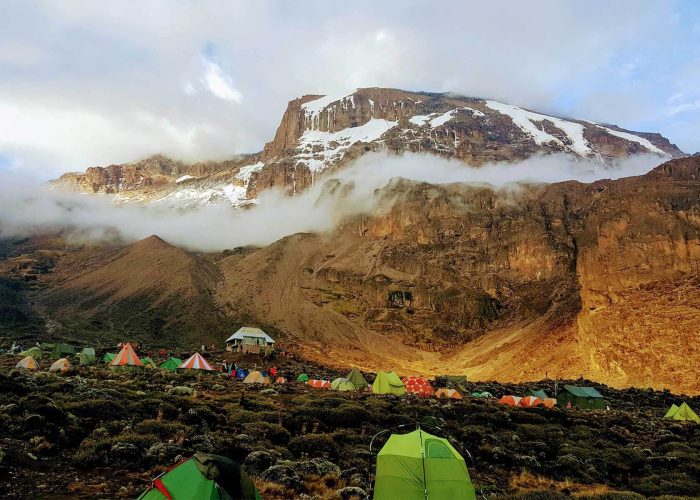
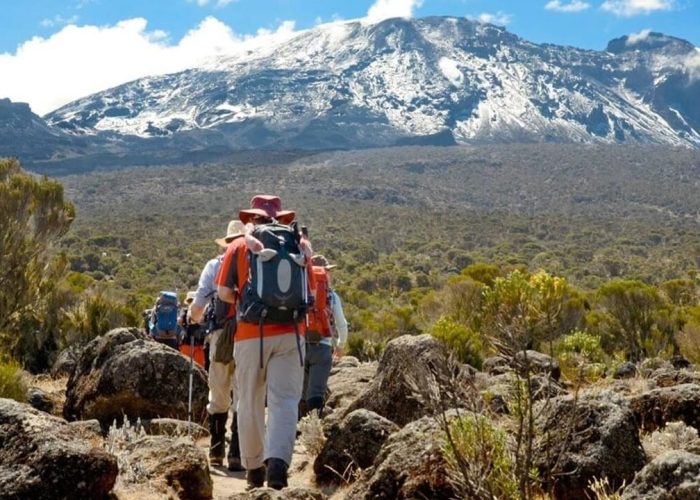
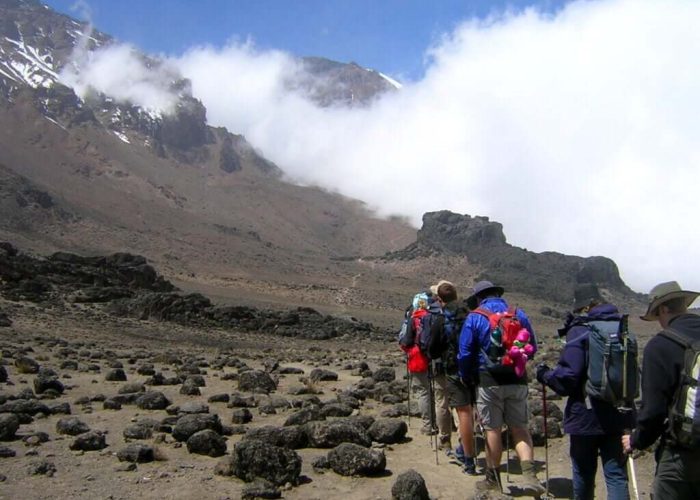
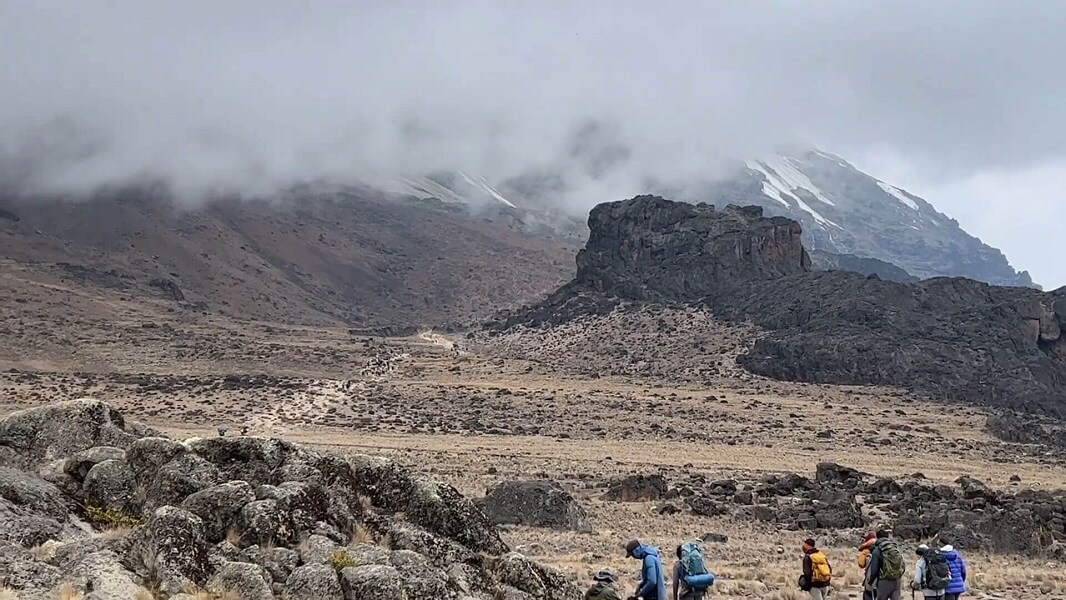
Proper gear and preparation are key to a safe and comfortable climb up Mount Kilimanjaro. The trek spans five unique climate zones, starting with the warm, humid forest and lower slopes, and culminating at the icy summit with glaciers and snow.

You’ll encounter varied weather conditions, from sunny and windy to rainy, and must be ready for all possibilities.

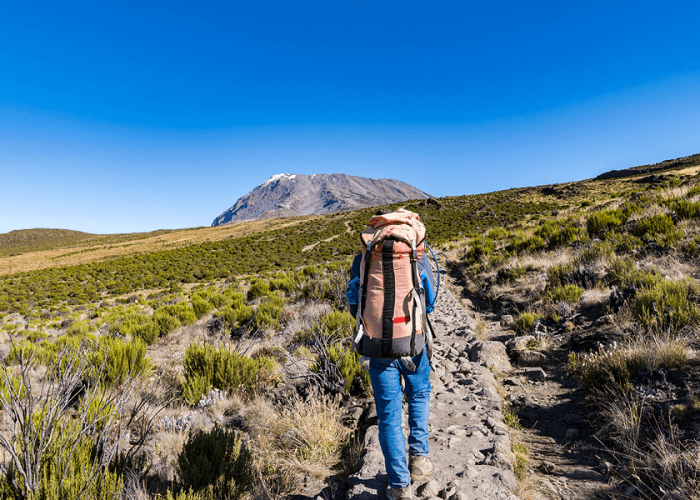
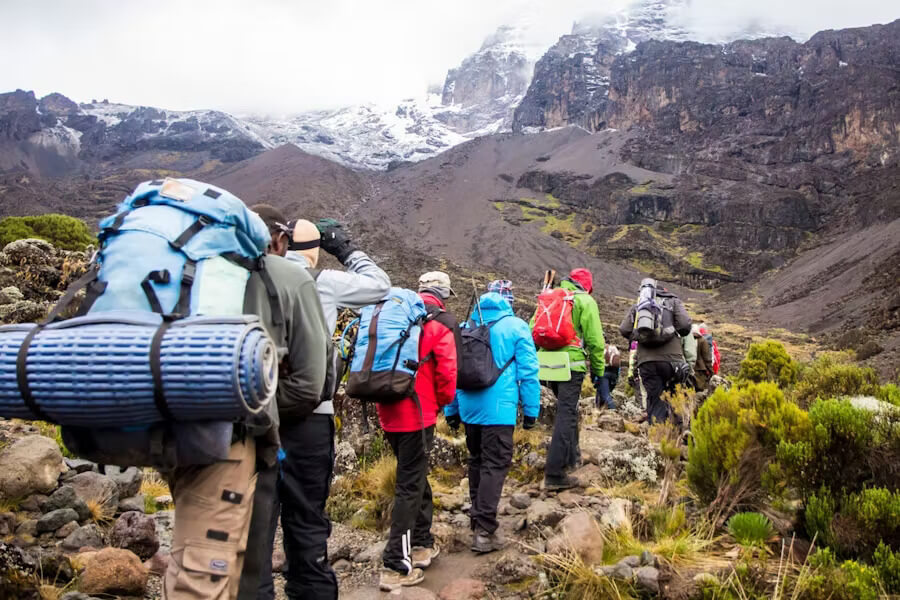
While we supply tents, camp equipment, food, cooking facilities, and other shared necessities, you’ll need to bring personal essentials. Your gear will be packed into a duffel bag carried by porters, while you carry a daypack with your daily necessities. By equipping yourself with the right gear, you’ll enhance your Kilimanjaro climbing experience and increase your chances of standing proudly at Uhuru Peak. Adventure awaits prepare wisely and embrace the journey!

Explore More

Essential Mountain Kilimanjaro Climbing Gear And Equipment

Here’s a comprehensive guide to the essential climbing gear and equipment for your Kilimanjaro trek

Clothing

Base Layers

Moisture-wicking materials like merino wool or synthetic fabrics to keep you dry. Long-sleeve tops and leggings are essential for warmth. We recommend bringing 1 thermal base layer for your Kilimanjaro climb, ideally made from merino wool for its superior warmth and moisture management. A good brand to consider is Icebreaker, known for their high-quality merino wool products.

Mid Layers

A mid-weight Polartec fleece jacket is highly recommended for your Kilimanjaro adventure due to its excellent warmth-to-weight ratio and breathability. Brands like Berghaus, Helly Hansen, and The North Face are known for producing high-quality fleeces that would be ideal for this purpose.

Long sleeve t-shirt: For your Kilimanjaro climb, select two light or medium weight, moisture-wicking long-sleeve shirts. These will help manage your body temperature and keep you dry. Brands like Icebreaker, Berghaus, and Under Armour are excellent choices for breathable trekking shirts that perform well under the varying conditions you’ll encounter.

Short sleeve t-shirt: Bring 2 lightweight, moisture-wicking short-sleeved shirts for your Kilimanjaro trek. Recommended brands for these shirts are Icebreaker, Under Armour, Columbia, and Berghaus, known for their quality and comfort in outdoor activities.

Outer Layers

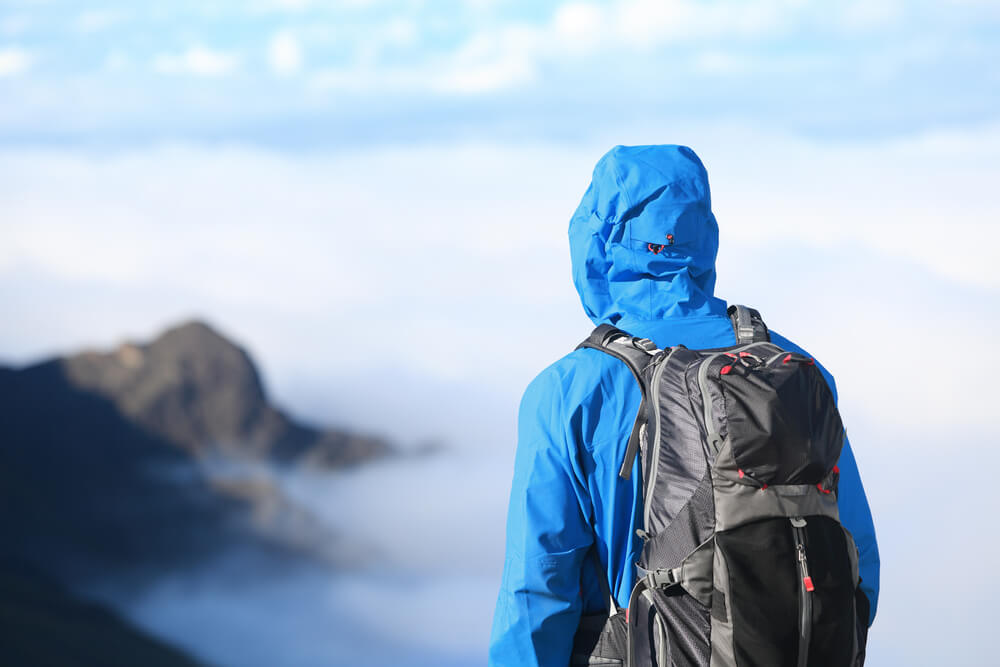
  • Waterproof and Windproof Jacket: A high-quality hard shell jacket to protect against rain and wind. For your Kilimanjaro climb, equip yourself with a water and windproof hard shell outer jacket to shield you from the harsh elements.

Gore-Tex material is recommended for its superior breathability and waterproof capabilities. Brands to consider include The North Face, Arc’teryx, Berghaus, and Mountain Hardwear, all known for their durable and high-performance outdoor gear.

  • Insulated Jacket: For the chilly nights and the summit push on Kilimanjaro, a high-quality, warm jacket insulated with down or Primaloft is essential. Recommended brands that offer excellent options for this purpose include The North Face, Rab, Arc’teryx, and Mountain Hardwear. These brands are renowned for producing jackets that provide the necessary warmth while being lightweight and packable.
  • Waterproof Pants: To keep your lower half dry during rain or snow.
  • Trekking trousers: Light or medium weight (x1) trekking trousers. Convertible trousers are an option. Recommended brands include Craghoppers and Columbia
  • Hard shell trousers: To protect yourself from the elements you need a good pair of waterproof / windproof hard shell trousers. Ideally Goretex. Patagonia, The North Face and Arc’Teryx all make good outer trousers
  • Headwear:
  • Sun Hat: With a wide brim or neck cover for sun protection. For your Kilimanjaro trek, opt for a wide-brimmed hat to provide ample protection from the sun. If you’re not planning to use a neck gaiter, choose a hat that also includes a neck cover to shield this sensitive area from UV rays and the cold.
  • Warm Hat: Beanie or balaclava for cold nights and summit push.
  • Gloves:
  • Insulated gloves for warmth: For the cold nights and the summit push on Kilimanjaro, we suggest opting for heavyweight, insulated gloves that are also preferably water-resistant to keep your hands warm and dry. Brands like The North Face and Black Diamond are well-regarded for their quality and performance in such extreme conditions.
  • Lighter gloves for milder conditions: For the lower slopes of Kilimanjaro, where temperatures are milder, lightweight gloves made from fleece or quick-drying fabric are ideal. Brands like Berghaus and The North Face offer excellent lightweight gloves that provide warmth without bulk, perfect for these conditions.
  • Socks: For your Kilimanjaro climb, it’s advisable to bring 3-4 pairs of outer socks and 2-3 pairs of liner socks. Additionally, we suggest packing 1 pair of thick thermal socks specifically for the summit night to keep your feet warm during the coldest part of your journey. Merino wool is the ideal material for these socks due to its moisture-wicking and insulating properties. Brands like Bridgedale and Smartwool are renowned for making high-quality trekking socks that can provide comfort and warmth in the challenging conditions you’ll encounter.
  • Footwear:
  • Hiking Boots: Sturdy, waterproof boots with good ankle support are crucial. They should be broken in before the climb to prevent blisters. For climbing Mount Kilimanjaro, we recommend opting for mid-weight trekking boots that offer good ankle support. Some reputable brands to consider include Salomon, Scarpa, Hi-Tec, and Merrell. These brands are known for producing durable, comfortable, and reliable footwear suitable for the demands of high-altitude trekking.
  • Gaiters: Optional but useful to keep snow, mud, or debris out of your boots.
  • Camp Shoes: Lightweight, comfortable shoes for use around the camp. For comfort around camp after a long day’s trek, we recommend packing a pair of training shoes or sandals. These will allow your feet to rest and breathe, providing a much-needed break from your hiking boots.

Backpacks and Bags

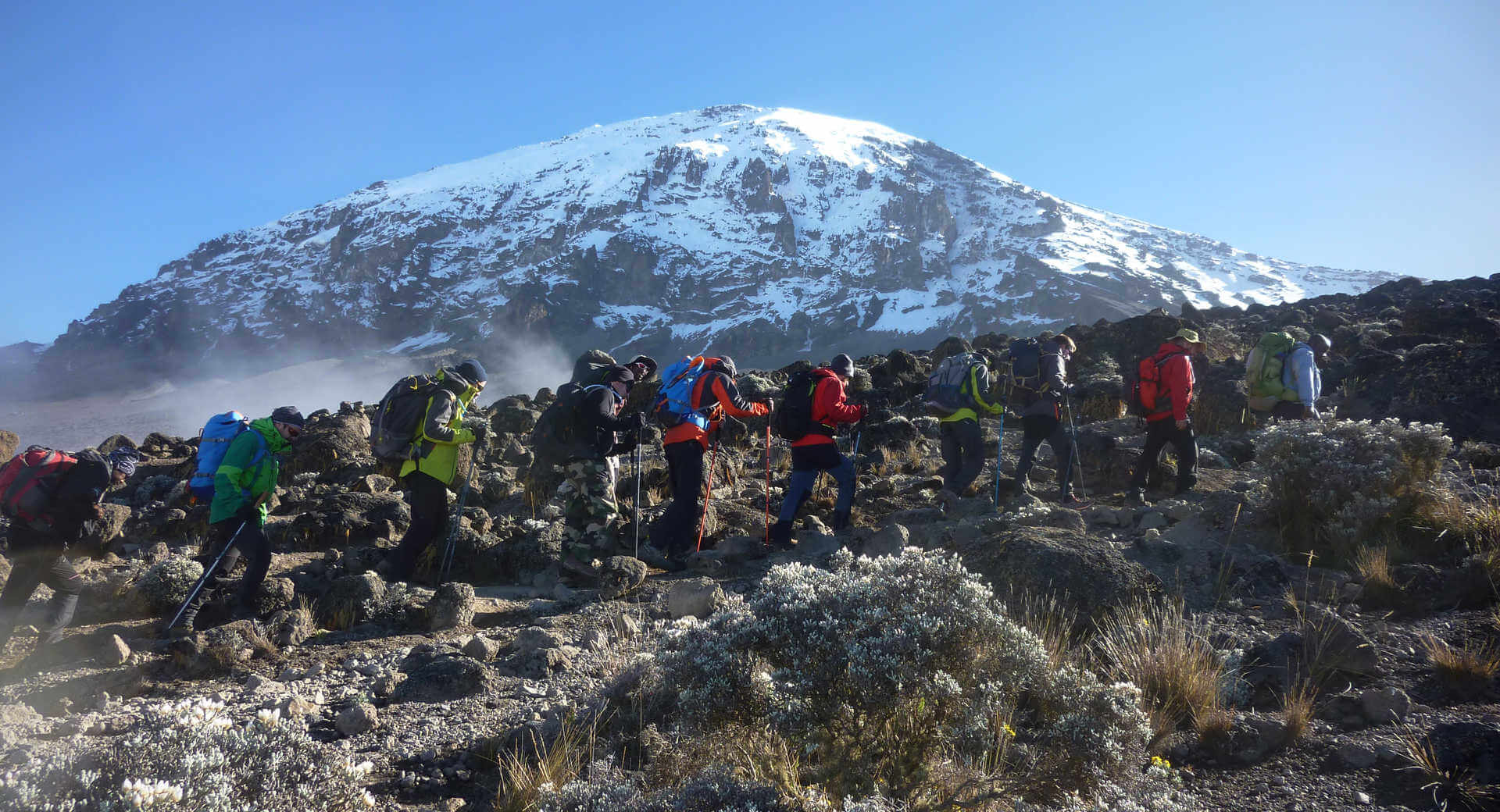
  • Daypack: 25-35 liters for carrying daily essentials like water, snacks, and extra layers. Your main gear will be transported by a porter, with a limit of up to 15kg. However, you’ll need to carry your own daypack for daily essentials. We recommend daypacks from Osprey, known for their comfort, durability, and ergonomic design.
  • Duffel Bag: A large, durable bag (70-100 liters) for porters to carry your gear. It should be waterproof or packed in waterproof bags. We suggest using an 80-90L duffel bag. Alternatively, large rucksacks with over 65L capacity can also serve this purpose well, allowing for easy packing and handling by porters.

Sleeping Gear

  • Sleeping Bag: For your Kilimanjaro climb, you’ll need a 4-season, down or synthetic insulated sleeping bag rated for -10°C or lower, along with a compression sack to reduce its volume. Recommended brands include Mountain Hardwear and The North Face for their quality insulation and comfort in extreme conditions. If purchasing isn’t an option, you can also hire sleeping bags directly from our team in Tanzania.
  • Sleeping Pad: An inflatable or foam pad for insulation from the cold ground.

Accessories

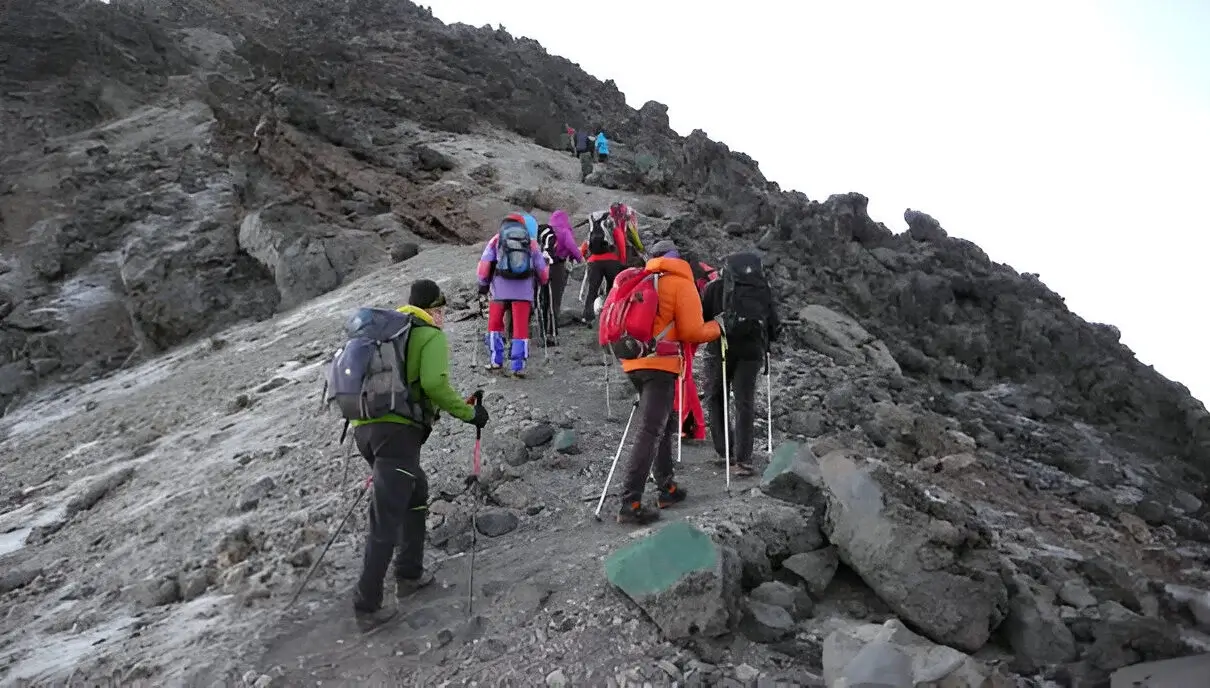
  • Trekking Poles: Help with balance and reduce strain on knees, especially on descent. Trekking poles can significantly reduce joint impact by up to 20%, making them especially beneficial for descending Kilimanjaro. We recommend using adjustable Black Diamond trekking poles, known for their durability and comfort.
  • Headlamp: Essential for nighttime or early morning summit attempts with extra batteries.
  • Sunglasses: UV protection is vital at high altitudes.
  • Sunscreen and Lip Balm: High SPF to protect from intense sun exposure.
  • First Aid Kit: Including blister care, pain relievers, and personal medications.
  • Snacks: High-energy, lightweight snacks for quick boosts.

Hydration

  • Water Bottles or Hydration Bladder: Carry at least 3-4 liters capacity per day. A combination of bottles and hydration systems can be useful.
  • Water Purification: Tablets or a portable filter, although guides usually provide treated water.

Other Essentials

  • Camera or Smartphone: For capturing the experience, but protect from cold.
  • Toiletries: Basic, travel-sized items including hand sanitizer, wet wipes, and toilet paper.
  • Altitude Medication: Like Diamox, if you choose to use it, after consulting with a doctor.

Additional Considerations

  • Rental vs. Buying: Many items can be rented in Tanzania, which can be cost-effective for one-time climbers. However, having your own well-fitted gear, especially boots, is preferable for comfort and safety.
  • Weather Adaptability: Kilimanjaro’s weather can change rapidly, so layering is key.
  • Local Guides and Porters: They will carry most of your gear, but you’re responsible for your daypack contents.

Final Tips

  • Test Your Gear: Break in your boots and test your clothing layers before the trek.
  • Pack Light but Smart: Only bring essentials to avoid unnecessary weight.
  • Hire Experienced Guides: Ensure safety and guidance through each stage

Remember, the key to a successful Kilimanjaro climb is not just in the gear but in using it effectively, staying hydrated, eating well, and climbing at a pace that allows for acclimatization. Always check with your guide company to know what communal gear they provide and what you must bring personally.

Picture of Planning Your Safari

Planning Your Safari

Organizing a safari , can be overwhelming due to the many choices available for transport, accommodation, and activities.

Reviews and Rates