Get advice and suggestions to make this your perfect trip. or call us on: +255 755 003116
Climbing Mount Kilimanjaro is a life-changing adventure, and each day on the mountain is a mix of breathtaking landscapes, physical challenge, and unique experiences. To prepare for this epic journey, understanding the daily routine during your trek can help you feel confident and ready.
Climbing Mount Kilimanjaro is not just a physical journey, it’s a daily rhythm of adventure, challenge, and breathtaking scenery. Each day on the mountain follows a structured but rewarding routine designed to help you acclimatize, conserve energy, and experience the mountain to its fullest.
Your day typically begins around 6:00 or 7:00 AM, when one of our friendly crew members gently wakes you with a warm greeting and a cup of tea or coffee brought right to your tent.
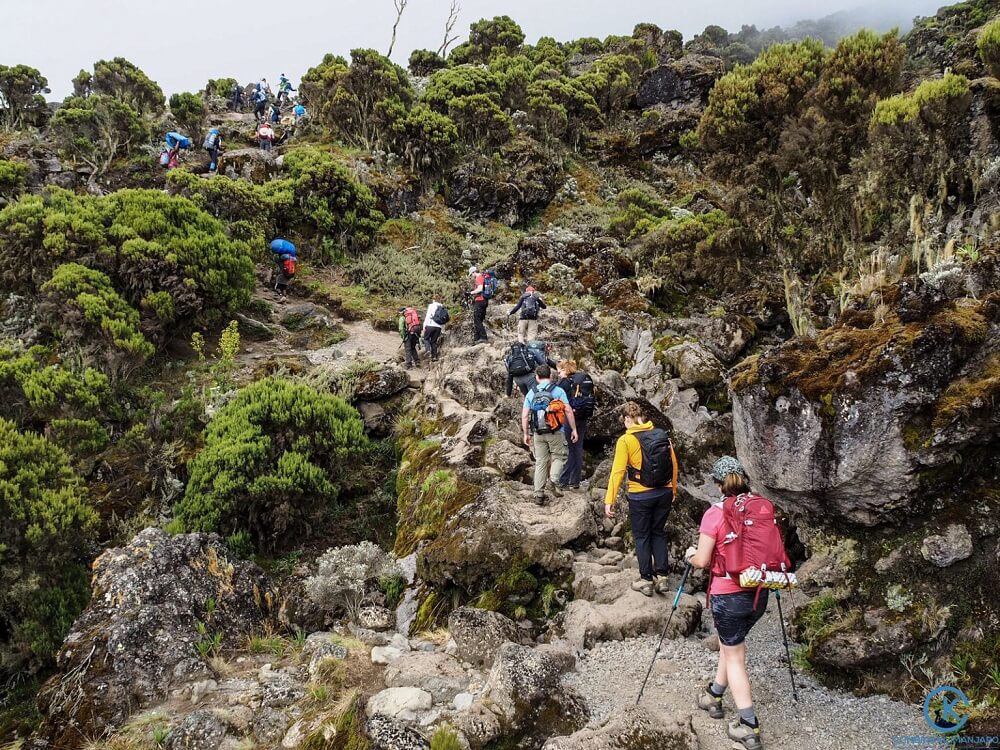
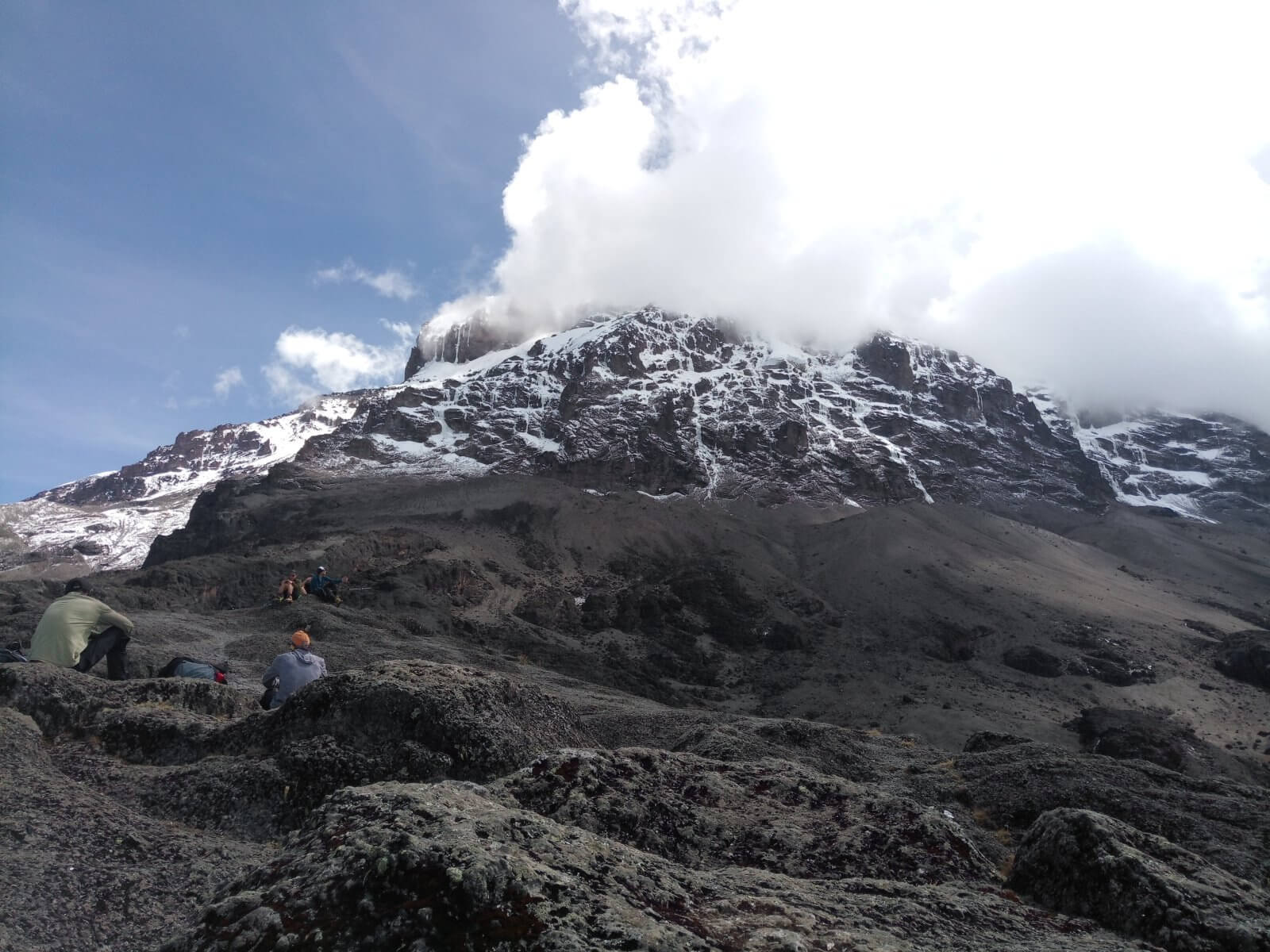
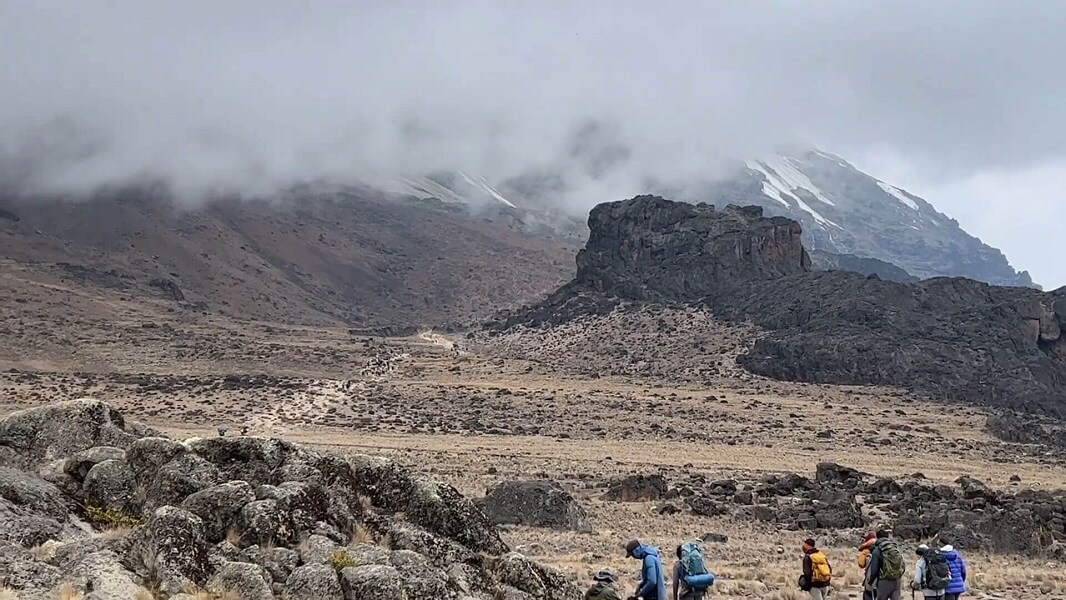
Soon after, you’ll head to the mess tent for a hearty breakfast while the porters begin dismantling camp. Before eating, it’s important to have your duffel bag packed and ready so the team can move everything to the next site.By around 8:00 AM, you’ll hit the trail. Guided by Congema Safaris’ expert mountain guides, you’ll trek through diverse landscapes, from lush rainforests and heather zones to alpine deserts and glacial slopes, depending on your route and altitude for the day. Breaks are scheduled for rest and hydration, and lunch is typically served midday at a scenic spot or designated rest area.
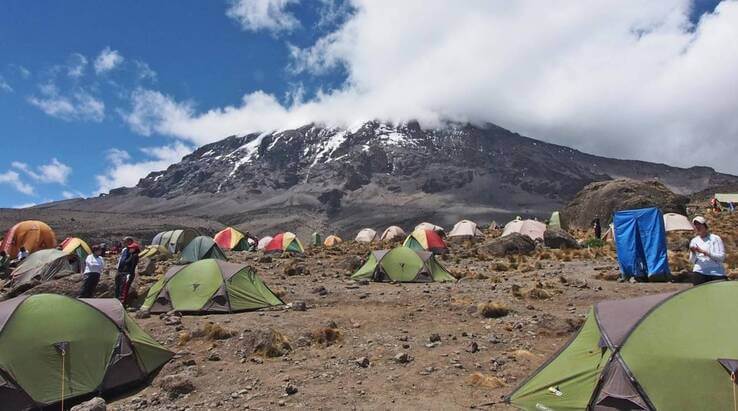
After several hours of hiking, you’ll arrive at your next campsite in the late afternoon. Porters will have already set up the tents and dining area so you can unwind, refuel with snacks or tea, and get settled. A delicious hot dinner is served in the mess tent around 6:00 or 7:00 PM, followed by a briefing on the next day’s trek and a routine health check to monitor your acclimatization.
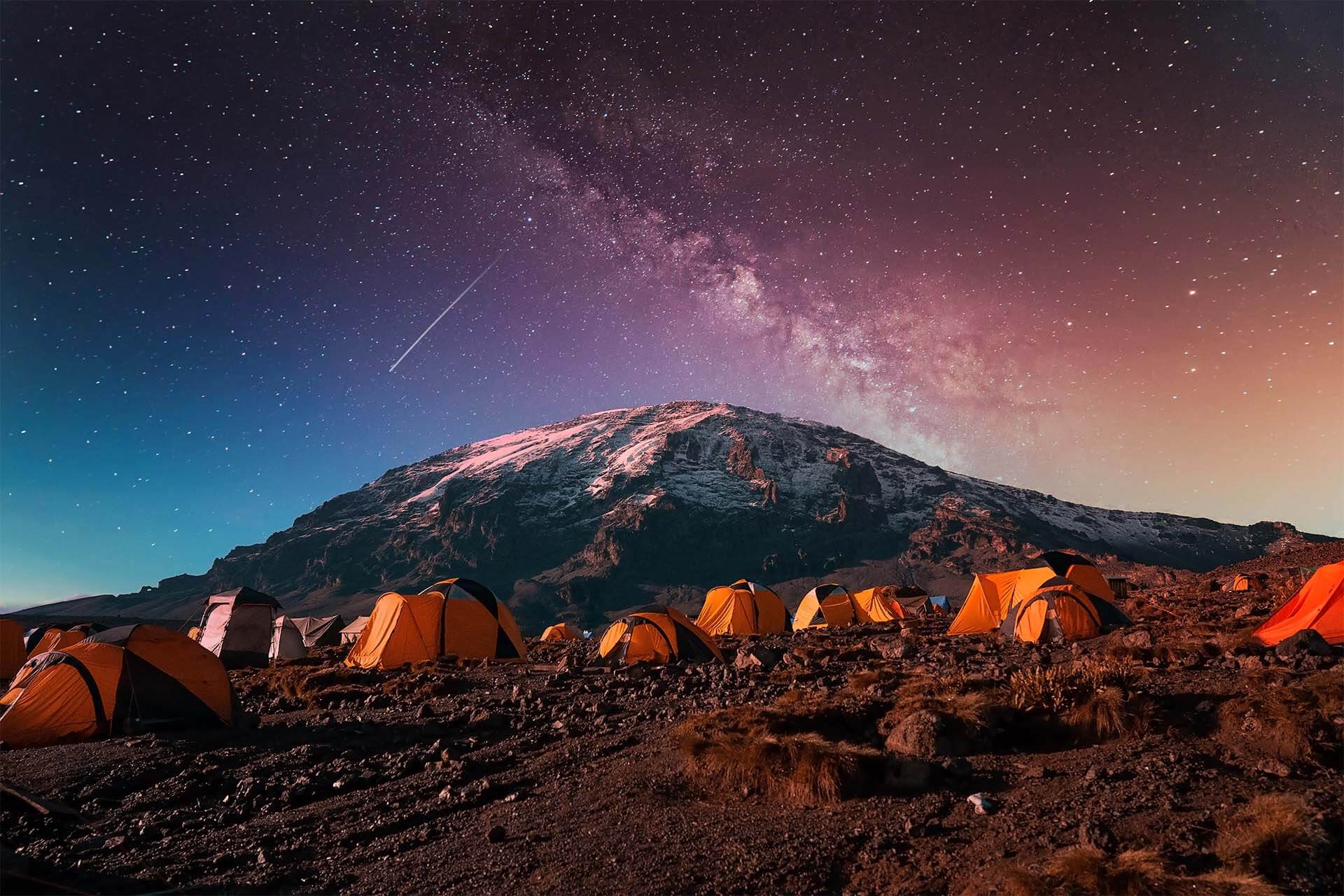
Evenings are spent relaxing, stargazing, and preparing for the next leg of your journey. By 8:30 or 9:00 PM, most trekkers are tucked into their sleeping bags, resting up for another day of high-altitude adventure.With Congema Safaris, every day on Kilimanjaro is more than just hiking, it’s an immersive wilderness experience filled with incredible views, camaraderie, and a growing sense of accomplishment as you edge closer to the summit.


Your day begins early, usually between 6:00 and 7:00 AM. Guides or porters gently wake you with a cheerful “Good morning!” and a steaming cup of tea, coffee, or hot chocolate delivered to your tent.
After freshening up with a basin of warm water provided by the porters, you’ll gear up for the day ahead, layering appropriately for the cold morning air that quickly warms as the sun rises.
Breakfast is a hearty affair, fueling you for the day’s trek. Meals typically include porridge, eggs, toast, and fruit, providing the energy you need to tackle the mountain. Your guide will then brief the group on the day’s route, expected trekking hours, and terrain. This is also the time to ask questions or share concerns about altitude or pace.
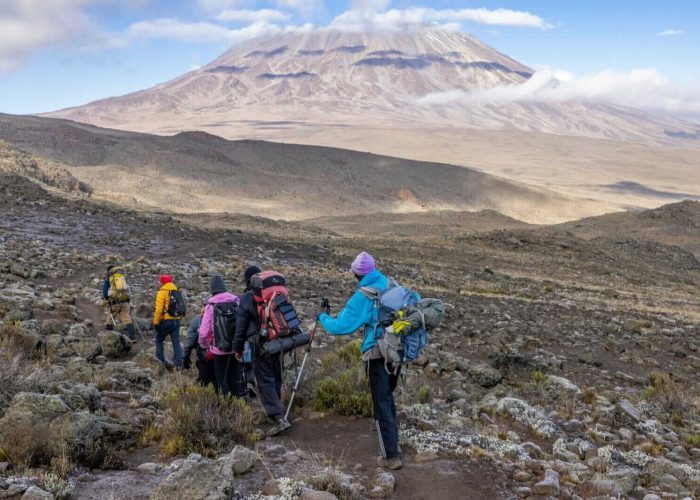
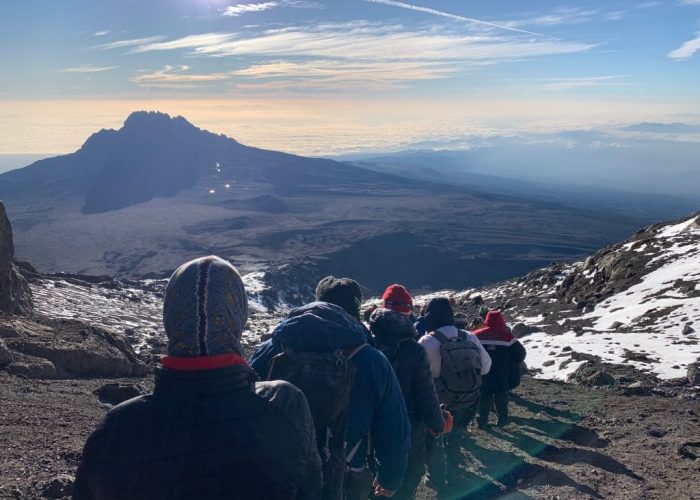
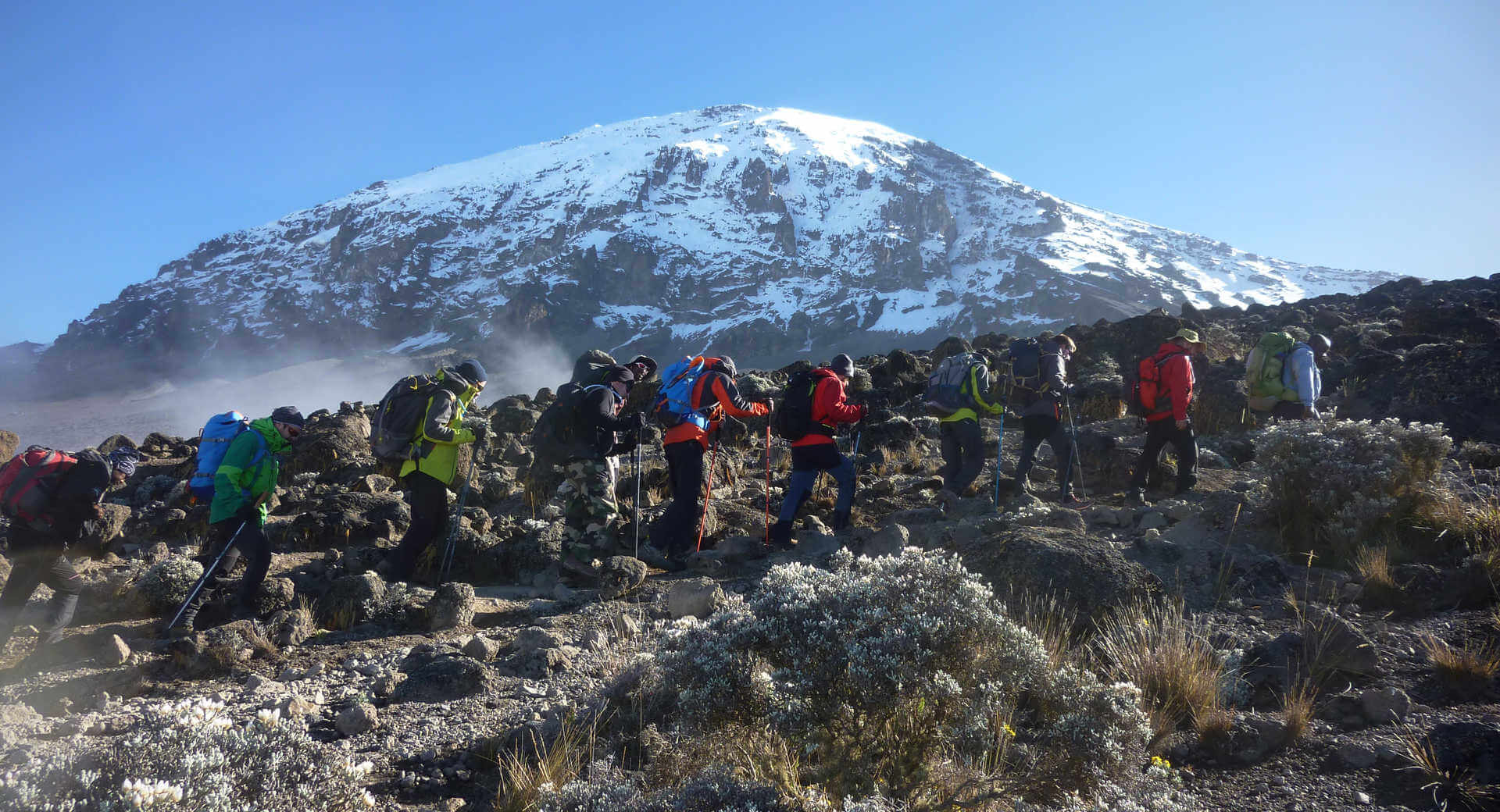
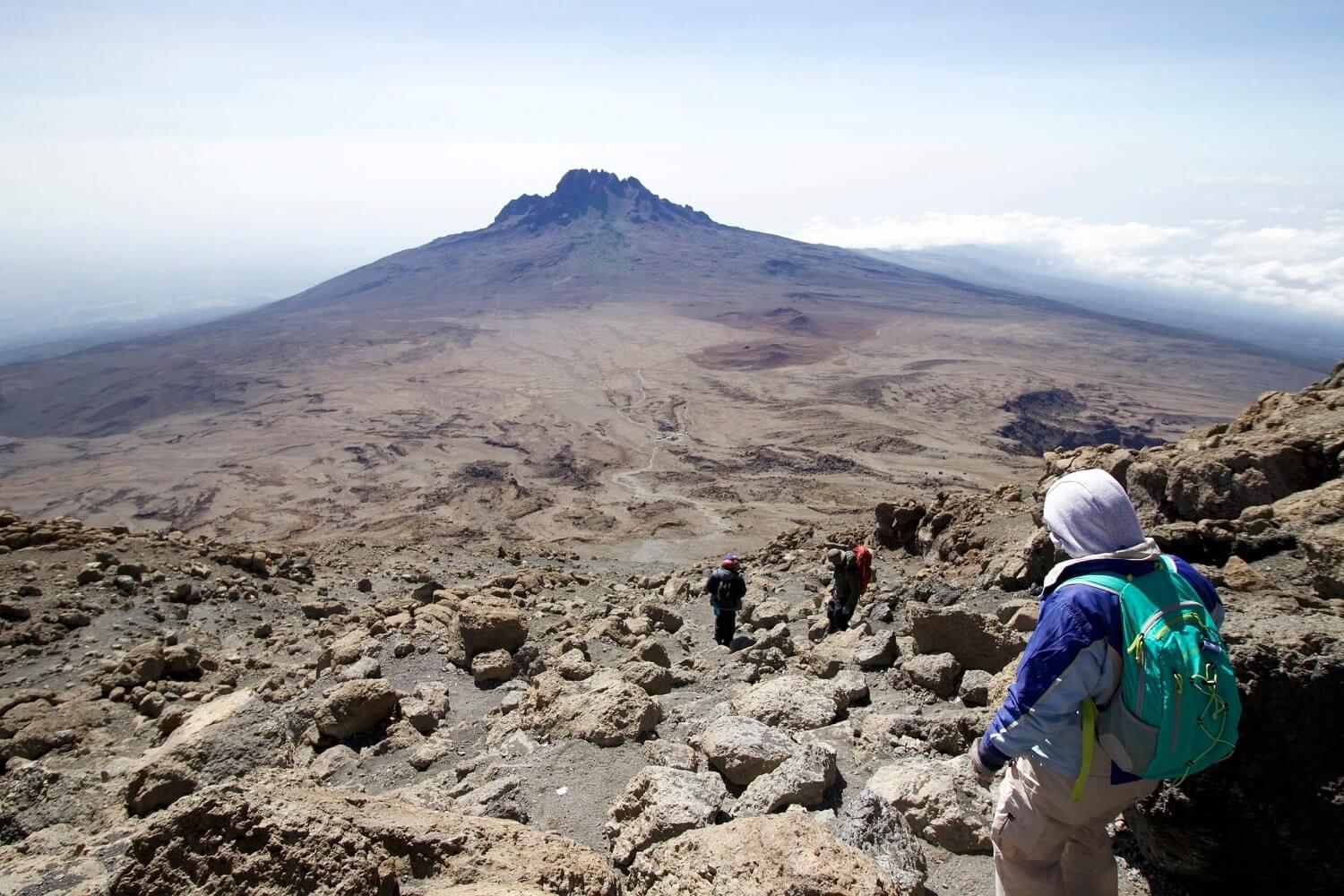
The climb up Mount Kilimanjaro typically begins shortly after 8 am. Meanwhile, your Kilimanjaro Crew will be busy tidying up the campsite before following. You’ll walk at a slow and steady pace, adhering to the Swahili phrase “pole pole” (slowly, slowly), which is vital for acclimatization.
Each day varies in terrain, from rainforest trails at lower altitudes to rocky paths or alpine desert as you ascend. Short breaks are taken every 1-2 hours to hydrate, snack, and soak in the stunning views.
Around midday, you’ll stop for a well-deserved lunch, either as a hot meal prepared by the crew at a designated spot or a packed lunch eaten on the trail. This break gives you time to rest, recharge, and refocus for the afternoon climb.
The afternoon trek is generally shorter but can involve steeper or more challenging terrain as you gain altitude. By mid-to-late afternoon, you’ll arrive at the day’s campsite, where porters have already set up tents and prepared a warm welcome.
After signing in at any park checkpoints (if required), you’ll have time to relax, enjoy a warm drink, and take in the scenery.
Dinner is served in the mess tent or dining area around 6:00 or 7:00 PM. Meals are filling and tailored to provide the nutrients your body needs at high altitudes. Typical dishes include soups, pasta, rice, vegetables, and proteins.
After dinner, guides provide an overview of the next day’s trek, including altitude gains and expected weather conditions. Climbers often spend the evening journaling, chatting, or stargazing under the clear mountain sky.
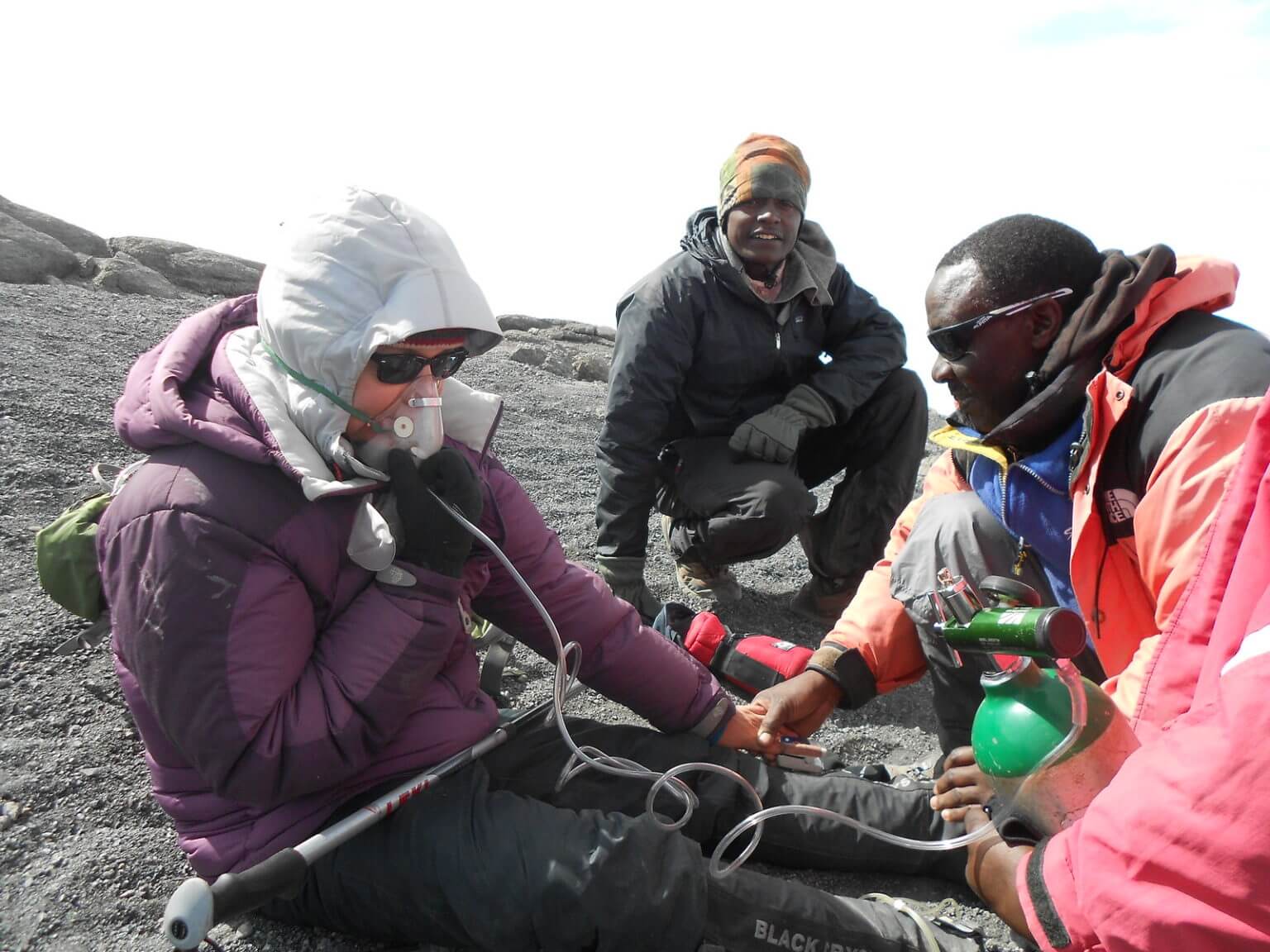
Before Dinner, Congema Safaris guides will conduct a basic health checkup. They’ll check your vital signs and update your health chart. Using a pulse oximeter, which is simply clipped onto your index finger, they’ll measure your heart rate and blood oxygen levels.
We encourage you to be completely open with our health experts. They’re available to address any questions or concerns you might have, particularly regarding rest day activities.
By 8:30 or 9:00 PM, most climbers retire to their tents for much-needed rest. Temperatures drop significantly at night, so it’s important to layer up and use a high-quality sleeping bag. Rest is crucial as your body acclimatizes and prepares for the next day’s trek.
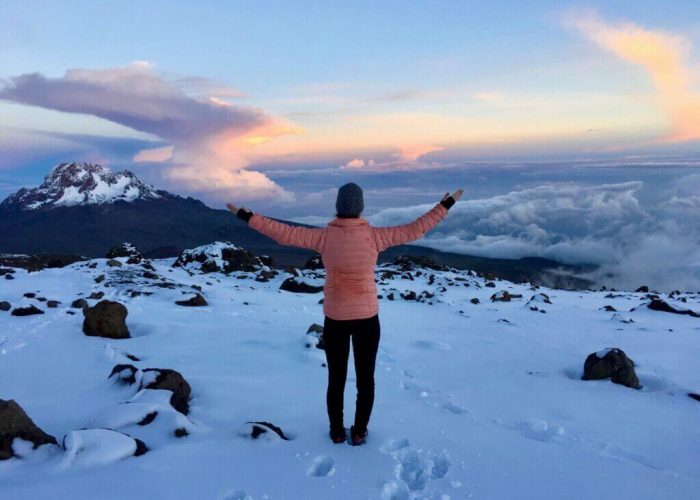
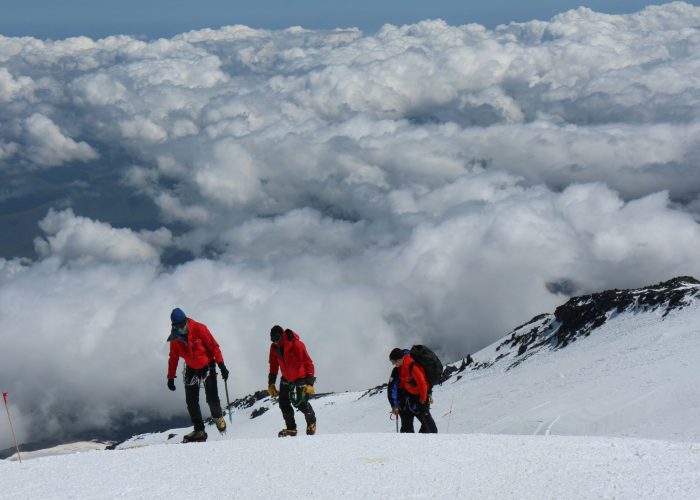
While the daily routine is similar during the trek, summit night is an exception. The push to Uhuru Peak begins at midnight, with a grueling but rewarding ascent under the stars. After reaching the summit at sunrise, you’ll descend back to base camp for rest and celebration.
Climbing Kilimanjaro is a blend of structure and adventure, with each day bringing you closer to the summit. By understanding the daily routine, you’ll be better prepared to enjoy the experience and achieve your goal of standing on the roof of Africa.
Organizing a safari , can be overwhelming due to the many choices available for transport, accommodation, and activities.
© 2026 Congema Safaris. All rights reserved.