EXPLORE

Climbing Kilimanjaro Costs in 2025/2026

Picture of Chat to a Safari expert

Chat to a Safari expert

Get advice and suggestions to make this your perfect trip. or call us on:
+255 755 003116

Picture of Chat to a Safari expert

Chat to a Safari expert

Get advice and suggestions to make this your perfect trip. or call us on:
+255 755 003116

overview

Climbing Mount Kilimanjaro is a once-in-a-lifetime adventure that attracts thousands of hikers every year. However, one of the first questions potential climbers ask is, “How much does it cost to climb Kilimanjaro?” The answer depends on several factors, including the route you choose, the type of trekking operator, and additional services you require.

The average cost of climbing Mount Kilimanjaro ranges from $2,000 to $6,000, depending on the type of operator you choose. While it may be tempting to book with the lowest bidder, it’s essential to understand that a suspiciously cheap Kilimanjaro climb often comes with hidden compromises, especially when it comes to safety, comfort, and ethical practices.

Kilimanjaro tours have non-negotiable fixed costs permits, park fees, staff wages, quality food, gear, and logistics. So if a package seems too cheap to be true, it probably is.

Budget operators often cut corners by underpaying staff, offering inadequate equipment, and skimping on meals or emergency provisions. These shortcuts can put both you and your crew at serious risk. Ask yourself: is saving a few hundred dollars’ worth jeopardizing your safety or supporting unfair labor practices?

When you climb with a reputable Kilimanjaro operator, you’re not just paying for the trek, you’re investing in a safe, ethical, and expertly supported adventure. Congema Safaris climbing packages include everything a hiker needs: highly trained and Wilderness First Responder-certified guides, dedicated support crews, high-quality camping equipment, and nutritionist-approved meals designed to fuel your body at altitude.

To prioritize your safety, we also include oxygen tanks, comprehensive first-aid kits, and conduct mandatory health checks twice daily to monitor acclimatization. No matter the route you choose, our safety standards remain uncompromised, ensuring your experience is not only memorable but responsibly and professionally guided.In this guide, we break down the costs involved in climbing Kilimanjaro to help you plan your budget effectively.

Explore More

Key Factors That Affect Kilimanjaro Climbing Costs

Trekking Operator

Prices vary widely depending on whether you choose a budget, mid-range, or premium operator. Budget operators may charge as little as $1,500, while premium options can go up to $6,000 or more.

Duration of the Climb

The length of your trek significantly affects the cost. Shorter routes (5-6 days) tend to be less expensive but offer lower success rates due to limited acclimatization time. Longer treks (7-9 days) cost more but provide better chances of reaching the summit.

Kilimanjaro Route

The route you choose can also influence the price. For instance, the popular Machame Route and Lemosho Route are often more expensive due to their logistics and longer durations, while the Marangu Route is typically more affordable.

Group Size

Joining a group trek can reduce costs per person compared to a private climb. Group climbs often range from $1,800 to $3,500 per person.

Season of Travel

Climbing during the high seasons (January-March and June-October) tends to be more expensive due to increased demand. Off-season climbs may offer discounts but come with challenges like unpredictable weather.

Additional Services

Extras such as luxury tents, portable toilets, and professional photography services can add to your costs.

Breakdown of Costs for Climbing Kilimanjaro

1. Kilimanjaro Park Fees

Park fees are mandatory and contribute significantly to the total cost. These include:

  • Conservation Fees: $70 per person per day
  • Camping Fees: $50 per person per night (or $60 for huts on the Marangu Route)
  • Rescue Fees: $20 per person per climb

For a 7-day climb, park fees alone can total around $800-$1,000.

2. Trekking Operation Fees

This covers:
Guides, porters, and cooks salaries
Meals and water
Camping equipment
Operators typically charge $1,000-3,000 depending on the level of service.

3. Gear Costs

If you don’t already own the necessary gear, renting or purchasing items such as hiking boots, thermal clothing, and sleeping bags can cost $300-500.

4. Tips for Guides and Porters

Tipping is customary on Kilimanjaro. Budget around $250-500 per climber for tips, depending on the size of the support team.

5. Insurance

Travel insurance that covers high-altitude trekking, including emergency evacuation, is crucial. This can cost from $50 to $200 or more, depending on coverage

6. Travel Expenses

This includes:

Flights to Kilimanjaro International Airport (typically $800-1,500)
Accommodation before and after the climb ($50-200 per night)
Transportation to and from the trailhead ($50-100)
Visa Fees, a Tanzanian visa is required, costing around $50 to $100 depending on your nationality and the type of visa (single or multiple entry).

How to Save Money on Your Kilimanjaro Climb

Book in Advance: Early bookings can secure better rates.
Join a Group Trek: Share costs with other climbers.
Avoid Unnecessary Add-Ons: Stick to essential services to keep expenses low.

Why You Should Avoid Budget Operators

While saving money is tempting, overly cheap operators often cut corners on safety, equipment, and fair porter wages. Look for licensed operators with good reviews and ethical practices to ensure a safe and enjoyable climb.

Estimated Total Cost to Climb Kilimanjaro

For most climbers, the total cost ranges from $2,000 to $6,000. This includes operator fees, park fees, and gear, tips, and travel expenses. While it’s a significant investment, the experience of standing atop Africa’s highest peak is priceless.

Is Climbing Kilimanjaro Worth the Cost?

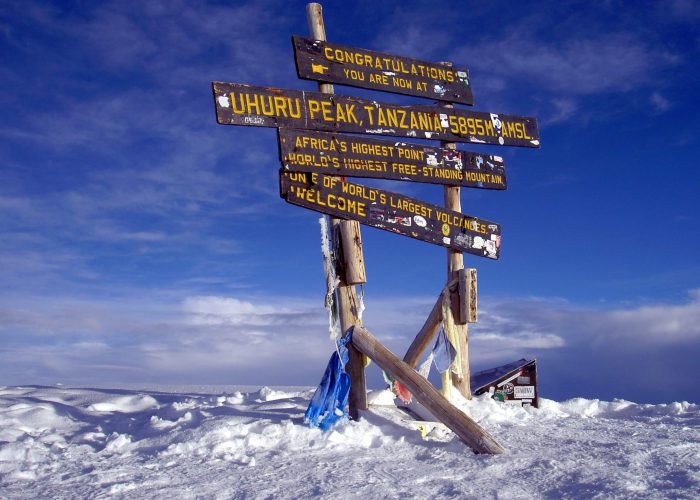
Absolutely. From breathtaking landscapes to the sense of accomplishment at Uhuru Peak, the memories you create on Kilimanjaro are worth every penny. By planning your budget wisely, you can ensure a safe, successful, and unforgettable adventure.

Why It's Expensive?

Climbing Kilimanjaro requires a logistical operation involving many porters, guides, and cooks, all of whom need to be well-compensated, fed, and equipped.The Tanzanian government imposes strict regulations to protect the environment and ensure climber safety, which includes park fees and mandatory use of licensed operators, contributing to the overall cost.

The remote location and the need for all supplies to be carried up the mountain also add to the expense.Contact us to learn more about our Kilimanjaro trekking packages and find a route that suits your budget and preferences. Whether you’re a seasoned hiker or a first-time adventurer, we’ll help you make your Kilimanjaro dream a reality.

In conclusion, while climbing Mount Kilimanjaro might seem costly, the price reflects a combination of safety, comfort, logistical support, and the unique experience of summiting the roof of Africa.

Picture of Planning Your Safari

Planning Your Safari

Organizing a safari , can be overwhelming due to the many choices available for transport, accommodation, and activities.

Reviews and Rates