EXPLORE

Botswana Destination

Chobe National Park
Picture of Chat to a Botswana Safari expert

Chat to a Botswana Safari expert

Get advice and suggestions to make this your perfect trip. or call us on:
+255 755 003116

Picture of Chat to a Botswana Safari expert

Chat to a Botswana Safari expert

Get advice and suggestions to make this your perfect trip. or call us on:
+255 755 003116

Destination Overview

Chobe National Park is one of Botswana’s premier safari destinations, offering unforgettable wildlife encounters. Known for its immense wildlife diversity and high game density, it’s a must-visit for anyone seeking to experience Africa’s raw, untamed beauty.
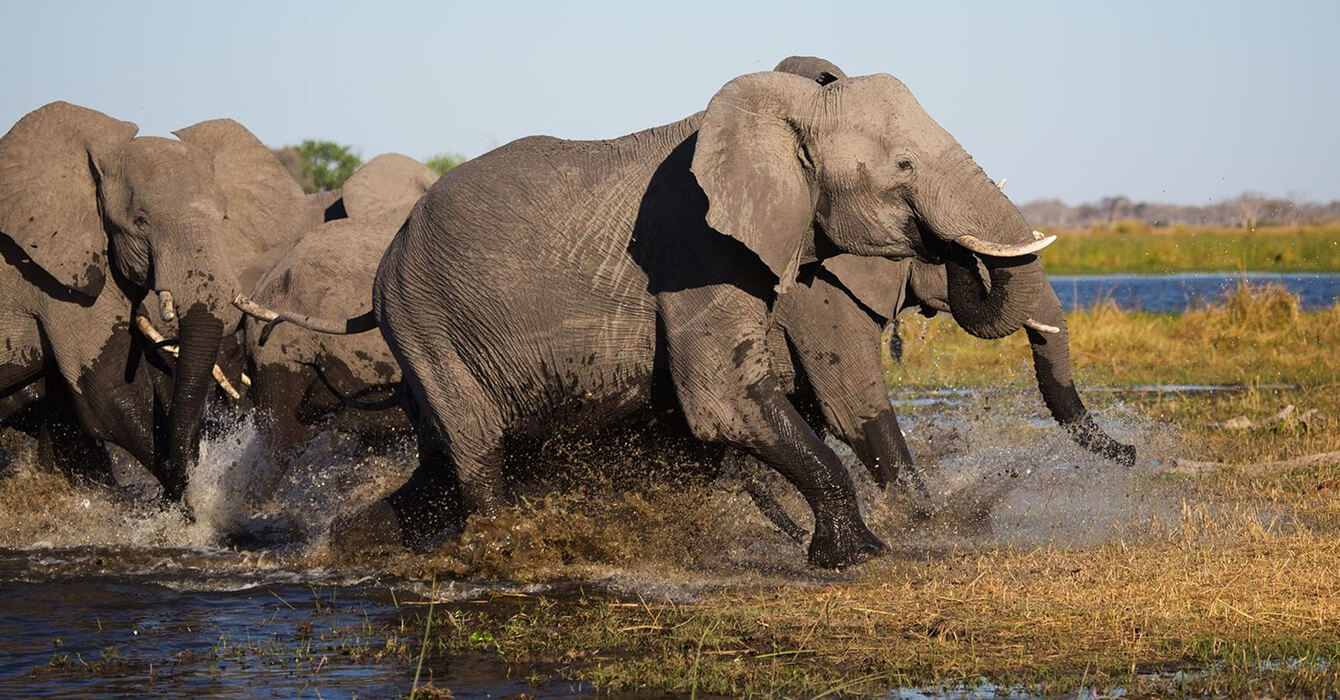
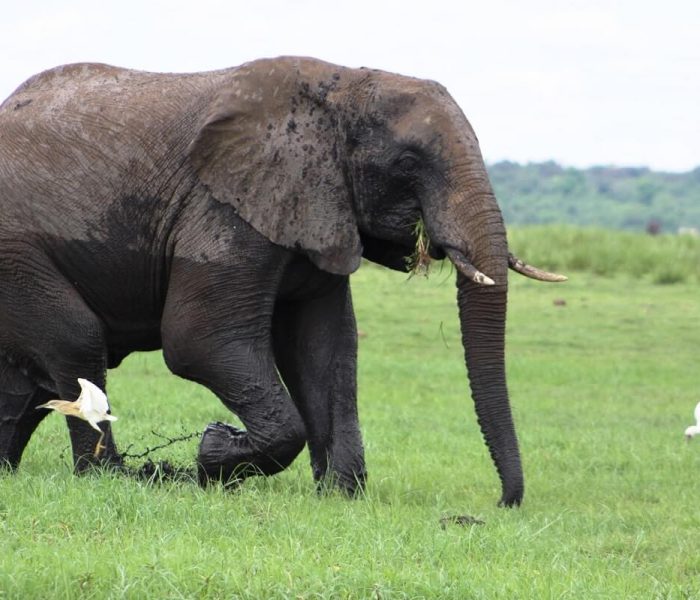
Chobe National Park, located in northern Botswana, is renowned for its incredible wildlife density and some of the most spectacular game viewing in Africa. The park is home to the largest concentration of elephants on the continent, with over 120,000 elephants roaming its savannahs, woodlands, and riverbanks.
The Chobe Riverfront is the park’s most popular area, where you can witness breathtaking scenes of elephants, buffalo, hippos, and crocodiles gathering along the riverbanks. 

Game drives along the riverfront often lead to close encounters with these magnificent creatures. Beyond elephants, Chobe is home to lions, leopards, hyenas, giraffes, and a variety of antelope species. The park also attracts an impressive array of birdlife, making it a paradise for birdwatchers.

Whether you explore the park by 4×4 vehicle, embark on a sunset boat cruise along the Chobe River, or enjoy a guided walking safari, Chobe promises unforgettable moments in the heart of the African wilderness.

Wildlife at Chobe National Park

Chobe National Park bursts with incredible wildlife, offering some of the most captivating safari experiences in Africa. As the sun sets over the Savuti and other floodplains, the dust stirred up by large herds of animals creates a breathtaking backdrop for golden-hour photography. This is prime territory for predators, with lions, leopards, and wild dogs frequently spotted on the hunt. Hidden among the grasslands and thickets, smaller yet equally fascinating creatures make their home.

The elusive Chobe bushbuck is a unique sight, while red lechwes thrive in the marshy areas. Sleek and stealthy, Selous’ mongoose, servals, and African wild cats are also part of this rich ecosystem.

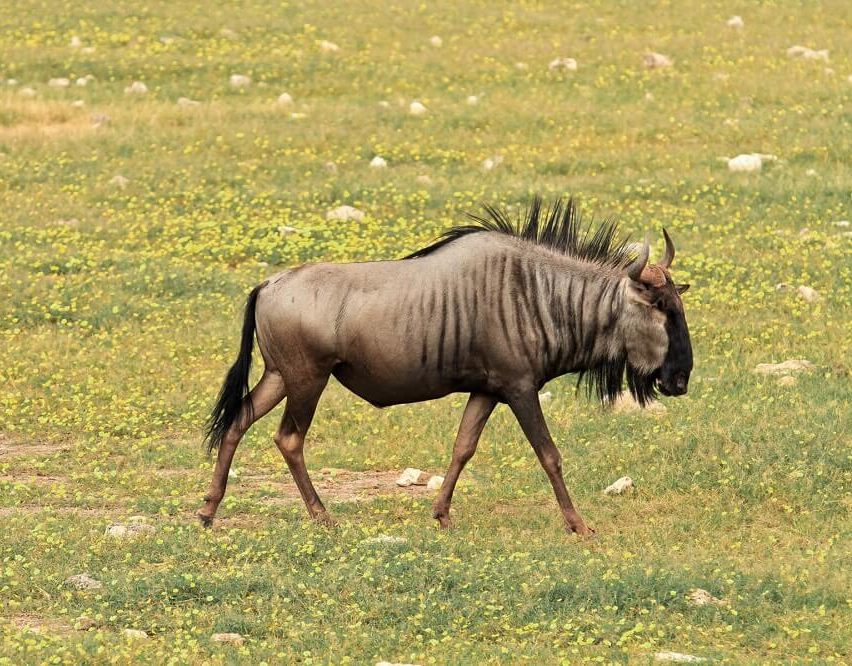
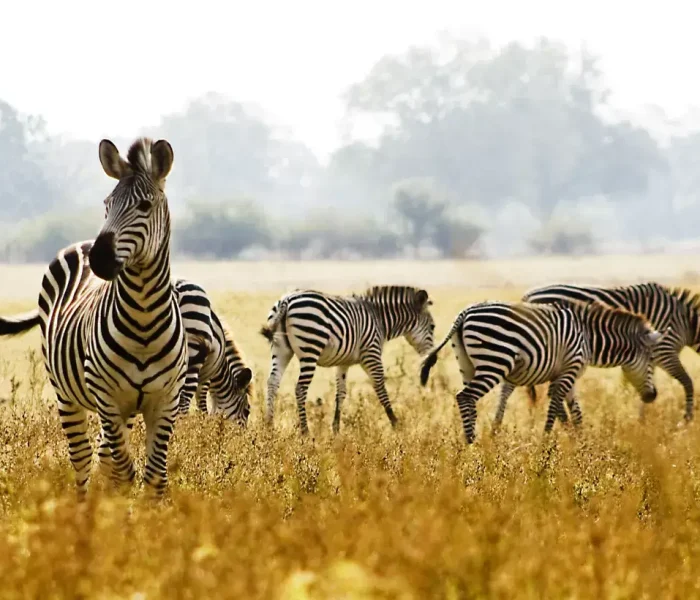
Elephants and buffalo dominate the riverbanks and the Savuti plains, especially during the dry months when wildlife congregates around the water sources. Plains zebra, puku, wildebeest, and impala are plentiful, creating a lively scene of movement and interaction. The park’s interior reveals more elusive species, including greater kudu, roan and sable antelope, and eland. 

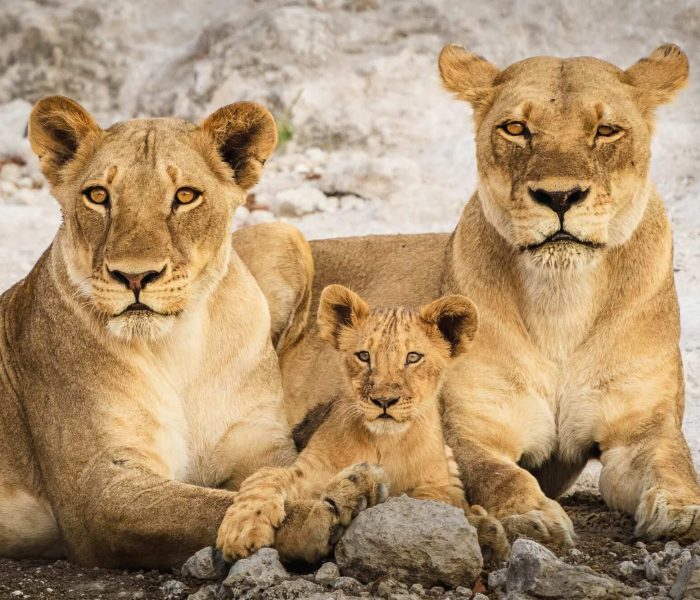
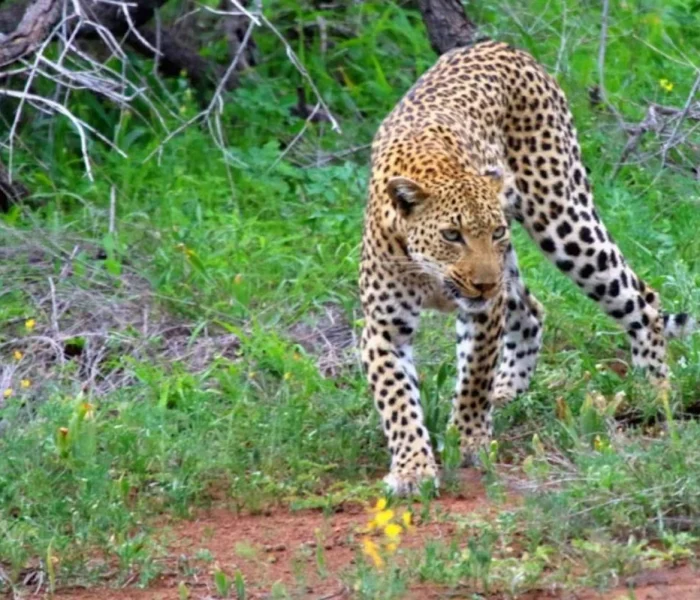
Lions are a common sight, often seen lounging in the shade or stalking prey, while leopards, though harder to spot, leave behind telltale signs of their presence. If luck is on your side, you may even witness a pack of wild dogs in action — a rare and exhilarating encounter. Chobe’s rich biodiversity and dramatic landscapes ensure that every safari is filled with unforgettable moments.

Birdlife

Chobe National Park is a true paradise for bird lovers, boasting over 460 bird species that can be spotted from both land-based game drives and tranquil boat safaris along the Chobe River. The park’s rich and varied habitats make it one of Africa’s premier birdwatching destinations. 

Glide down the Chobe River and watch as majestic African fish eagles soar overhead, their haunting calls echoing across the water — an unforgettable soundtrack to your safari. Martial eagles patrol the skies, while colorful kingfishers dart above the surface, and Pel’s fishing owls perch silently in the trees, scanning the water below for prey.

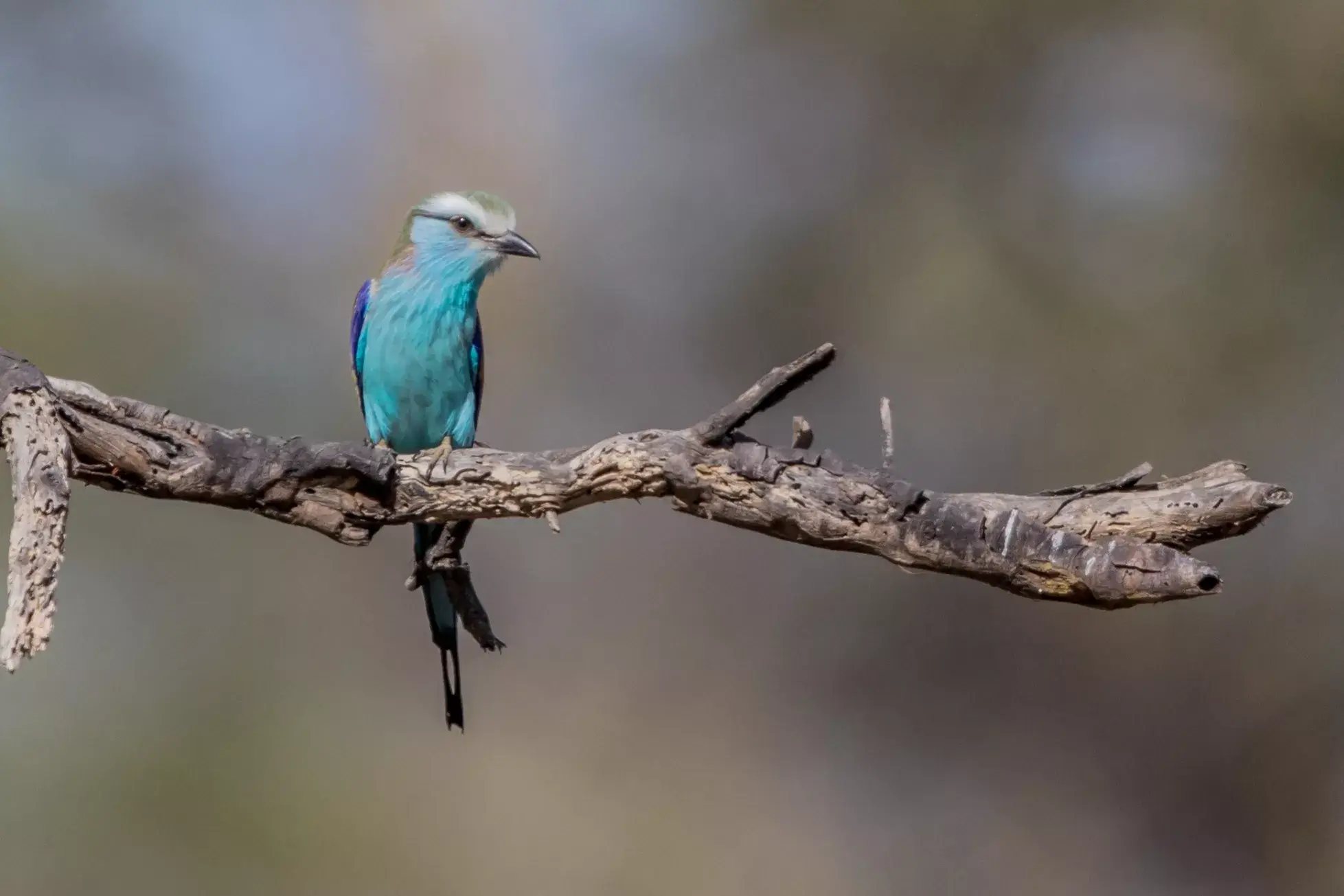
The riverbanks come alive with Egyptian geese and sacred ibises, while vibrant rollers flash their bright colors as they take flight. Boat trips offer the perfect vantage point for spotting wading birds and other water species, particularly from November to April when migratory birds from Europe and North Africa make their seasonal appearance. 

African skimmers, with their striking black and white plumage, gather on the sandbanks and skim the water’s surface in search of fish, a mesmerizing sight for any bird enthusiast. The birds of Chobe have grown accustomed to the presence of boats, making it easier to capture breathtaking close-up shots. Whether you’re an avid birder or a casual observer, Chobe’s avian diversity promises an enchanting experience at every turn.

Exploring the Diverse Ecosystems of Chobe National Park

Chobe National Park covers a vast area of 4,500 square miles (11,700 sq km), making it Botswana’s third-largest protected area. Its rich diversity is shaped by four distinct ecosystems, each offering a unique safari experience:
Serondela (Chobe Riverfront) – Elephant Paradise

Located in the northeastern part of the park, Serondela is the most visited area, thanks to its easy access from Kasane and its proximity to Victoria Falls.

The Chobe River draws massive herds of elephants, particularly during the dry season when they gather to drink and bathe.

Common sightings: Elephants, African buffalo, hippos, crocodiles, giraffes, sable antelope, and a wide variety of birdlife.

Popular for boat cruises and game drives along the riverbanks.

Located in the western part of the park, the Savuti Marsh is known for its dramatic predator-prey interactions.

The Savuti Channel, which mysteriously dries up and flows again due to tectonic activity, creates a dynamic and changing habitat.

Common sightings: Lions, cheetahs, hyenas, leopards, and large herds of zebra and wildebeest during the migration.

Ideal for viewing big cat hunting behavior and seasonal wildlife concentrations.

Linyanti Marsh – Remote and Untamed

Situated in the northwest corner of the park, the Linyanti Marsh offers a more exclusive and secluded safari experience.

The area features riverine woodlands, open grasslands, and floodplains.

Common sightings: Leopards, wild dogs, roan and sable antelope, elephants, and crocodiles.

A birdwatcher’s paradise with rare species such as the slaty egret and pel’s fishing owl.

The dry and remote interior of the park is characterized by Nogatsaa grass woodlands and open savannah.

The sparse vegetation creates excellent opportunities for spotting rare species.

Common sightings: Elands, greater kudu, warthogs, and zebras.

Less crowded, making it a peaceful option for a quiet safari.

From the lush banks of the Chobe River to the predator-rich Savuti and the peaceful remoteness of Linyanti and the Hinterland, Chobe National Park delivers a diverse and thrilling safari experience year-round.

Weather

Chobe National Park in Botswana enjoys a tropical climate, with daytime temperatures ranging from a mild 28°C (83°F) in July to a scorching 37°C (99°F) in October. July stands out as the driest month with virtually no rainfall, while January is the wettest, bringing rain on approximately 15 days. Nighttime temperatures vary from a cool 9°C (49°F) in July to a warmer 21°C (70°F) in November. This variation creates distinct dry and wet seasons, influencing wildlife movements and enhancing the overall safari experience. 

Best Time to visit Chobe National Park

Chobe National Park offers exceptional safari experiences year-round as wildlife movements shift with the changing seasons. The Savuti area stands out as a prime destination regardless of the time of year, while the Chobe Riverfront shines during the Dry season from April to October, especially from August onward when waterholes dry up, attracting large herds to the riverbanks.

Dry Season (April to October)

Wildlife viewing along the riverfront improves steadily as the dry months progress, with the Savuti area offering outstanding predator action. Sunny days are the norm, with almost no rainfall, making it ideal for game drives and sunset cruises. 

Sunsets over the river are nothing short of spectacular, offering incredible photography opportunities. Mobile camps in Savuti are abundant during this time, providing an authentic bush experience. However, the peak season from July to October brings larger crowds, and the conditions can be dusty and intensely hot, especially in September and October.

Wet Season (November to March)

As the rains arrive, zebras and other herbivores migrate to the lush Savuti Marsh, attracting predators and creating thrilling wildlife encounters. This is also the best time for birding, as migratory species arrive in full force. 

While the riverfront sees less wildlife as animals disperse across the park, the abundance of baby animals increases predator activity. However, the humidity rises, and afternoon showers may disrupt activities. Some trails can become muddy and impassable, but the vibrant green landscape and dramatic skies make for breathtaking views.

gallery

Picture of Planning Your Safari

Planning Your Safari

Organizing a safari in Botswana Destination, can be overwhelming due to the many choices available for transport, accommodation, and activities.

Reviews and Rates

Botswana

What to do in Chobe National Park

Boat Safari

During the dry season, the Chobe River becomes a magnet for water-dependent wildlife, creating one of Southern Africa’s most spectacular game-viewing experiences. Elephants and buffalo gather in massive herds along the riverbanks, while predators like lions and leopards follow closely behind, taking advantage of the abundance of prey. 

Boat safaris along the river offer unmatched angles for wildlife photography, capturing the drama of predator-prey interactions and the peaceful scenes of hippos and crocodiles lounging in the water.

April to October marks the peak of game concentrations around the river, making it an ideal time for safari enthusiasts. The river is home to large pods of hippos and lurking crocodiles year-round, while the rare puku antelope, found only in a few places in Botswana, adds a special sighting opportunity. Birdlife thrives in Chobe throughout the year, but the Green Season (November to March) brings a surge of migratory species, turning the park into a birdwatcher’s paradise.

To elevate your experience, stay at one of the luxurious riverside lodges or indulge in a stay aboard a floating safari on the Chobe Princess or Zambezi Queen. With breathtaking sunrises and sunsets over the water, combined with intimate wildlife encounters, Chobe delivers a safari experience that’s hard to rival.

How to Get to Chobe National Park

Chobe National Park offers several distinct areas to explore, with the Chobe Riverfront being the most popular and easily accessible. Located just outside the town of Kasane, the Riverfront is reachable through Sedudu Gate, which lies 6km (4 miles) west of Kasane and about 80km (50 miles) from Victoria Falls. A quick 10-minute drive from Kasane or a scenic hour-long trip from Victoria Falls makes this a convenient starting point for any Chobe safari adventure.

Most visitors arrive via Kasane International Airport (BBK), where self-drive travelers can pick up a 4×4 rental vehicle. Air Botswana operates domestic flights to Kasane, making it easy to access the park from other parts of the country. Kasane serves as the perfect base for self-drive safaris into the Chobe Riverfront or deeper into the park. 

For those heading to the remote Savuti area, a two-day drive from Maun through Moremi Game Reserve or the Khwai Concession is possible during the dry season (April to October) with a 4×4. However, most visitors opt for a charter flight to Savuti Airstrip, serviced by Wilderness Air and Mack Air, for a more convenient and scenic journey.

Maun International Airport (MUB) is another key entry point for Chobe safaris. From Maun, you can either take a charter flight to Kasane or Savuti Airstrip or embark on a 600km (370-mile) road trip, which takes about seven hours. Charter flights between parks are typically arranged by your tour operator as part of your safari package, ensuring a smooth and seamless transition between Botswana’s iconic wildlife destinations.

Accommodation in Chobe National Park

Chobe National Park’s abundant wildlife has always been a major draw, but the variety of safari lodges elevates the experience to another level. Nestled in prime game-viewing areas, Chobe’s lodges and camps deliver a blend of luxurious comfort, world-class service, and expert-guided safaris. Gourmet cuisine, stylish accommodation, and thrilling wildlife encounters create an unforgettable safari experience.

Lodges in the Chobe River area offer more than just classic game drives, they also provide exceptional boat-based game viewing and birdwatching, with fishing trips adding an extra layer of adventure for enthusiasts. In the heart of the park, the Savuti region is renowned for its dramatic predator action, with game drives focusing on the park’s rich concentration of lions, leopards, and wild dogs.

Whether you’re seeking a romantic honeymoon suite with breathtaking river views or a family-friendly camp that caters to all ages, Chobe offers something for everyone. Our Africa Safari Experts are ready to help you find the perfect lodge to match your dream safari experience.

What our Client Say

Design your own trip

Choose a destination, pick your properties, and we’ll do the rest

1
Browse
Look through our itineraries for inspiration, and call our Travel Consultants
2
Create
Discuss your wish list with us, and we’ll use our expertise to design a unique itinerary for you
3
Customise
We’re committed to refining your itinerary until we’ve created the perfect personalised trip for you