EXPLORE

Tanzania Destination

Arusha National Park

Picture of Chat to an Tanzania Safari expert

Chat to an Tanzania Safari expert

Get advice and suggestions to make this your perfect trip. or call us on:
+255 755 003116

Picture of Chat to an Tanzania Safari expert

Chat to an Tanzania Safari expert

Get advice and suggestions to make this your perfect trip. or call us on:
+255 755 003116

Destination Overview

Arusha National Park is located at the foothills of Mount Meru, one of Africa’s most beautiful volcanoes and the fifth-highest peak on the continent, Arusha National Park offers an unforgettable adventure. Just a 45-minute drive from Arusha City, this park is a hidden gem, waiting to be explored.

Mount Meru provides an excellent high-altitude acclimatization experience for those preparing to conquer Mount Kilimanjaro, making it the perfect warm-up for the ultimate climbing challenge.

Despite its relatively small size, Arusha National Park packs in an impressive range of attractions. From the rugged landscapes of Mount Meru and its Ash Cone, to the scenic beauty of Momella Lakes, tropical forest glades, and the unique Ngurdoto Crater, this park offers something for everyone.

For the wildlife enthusiast, Arusha may not boast the big-game sightings of other parks, but it more than makes up for it with its stunning scenery and diverse birdlife. Visitors can enjoy game viewing, embark on a thrilling horseback ride, climb Mount Meru, or take part in guided walking safaris with a ranger.

Arusha National Park is dominated by Mount Meru (4,562m/14,967ft), Tanzania’s second-highest peak after Kilimanjaro. While the popular Mount Meru climb typically takes four days, the Meru Crater hike is a fantastic one-day adventure that offers a rewarding experience.

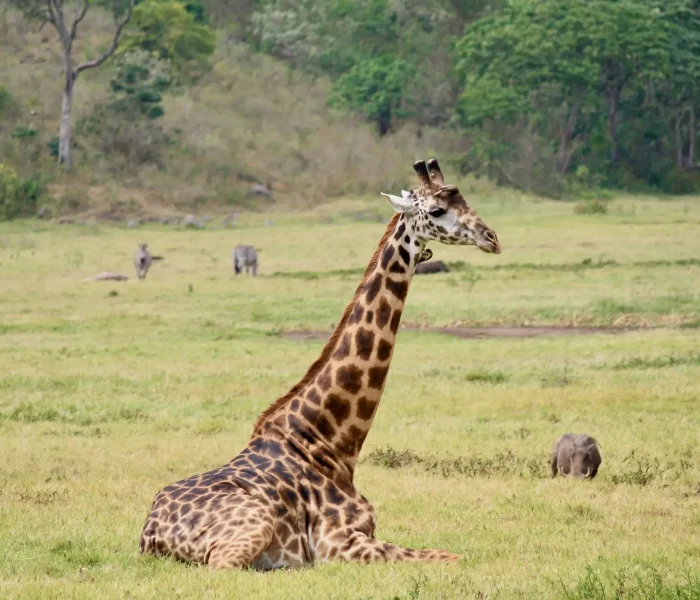
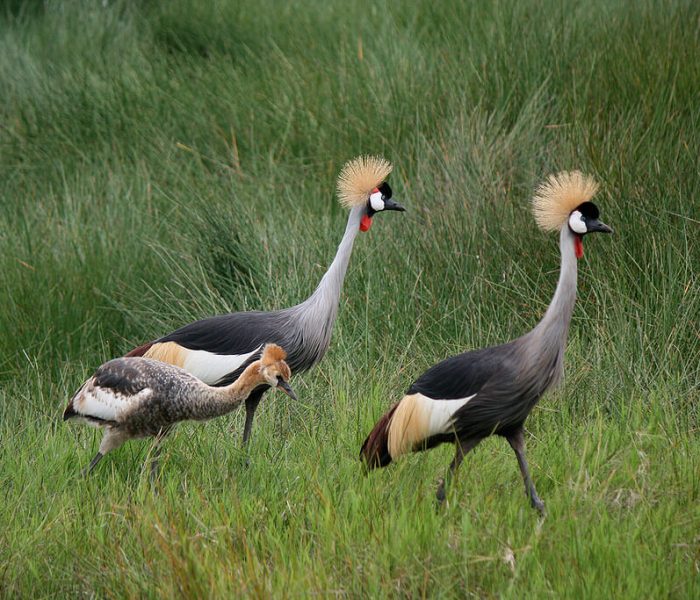
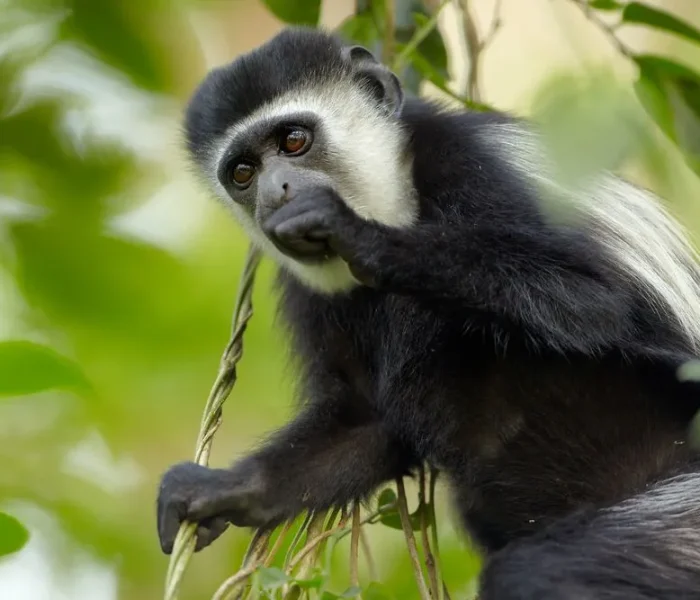
Though wildlife viewing here is more subtle compared to the vast savannahs of Tanzania’s larger parks, the park’s landscapes are truly breathtaking, and the presence of flamingos in the alkaline lakes and incredible forest birding make it an essential stop on your Northern Circuit safari. Iconic species like elephants, buffaloes, and giraffes are found here, alongside the rare black and white Colobus monkeys.

Arusha National Park offers a completely different safari experience. From the lush jungles and towering waterfalls to the magnificent views of Mount Meru, it provides a refreshing contrast to other popular parks. It’s one of the only parks where you can enjoy a walking safari, spot the rare Colobus monkeys, and push your limits with a guided hike to the summit of Mount Meru.

Despite its modest size of just 53 square miles (137 km²), Arusha National Park holds its own when it comes to adventure, showcasing a unique blend of scenic beauty, diverse wildlife, and exciting activities that make it a must-visit for any nature lover.

History of Arusha National Park

The history of Arusha National Park dates back to 1907 when the Trappe family from England settled in the park during the British occupation of Tanganyika Territory. They primarily engaged in farming in Momella and used large portions of the area as a cattle ranch.

A key figure in the park’s history was Mrs. Trappe, the first female professional hunter in East Africa. She generously donated a significant portion of the Momella estate to establish a game reserve, which later became part of the park when it was officially founded in 1960.

Initially, the park was established as Ngurdoto Crater National Park, protecting a small section that included the Ngurdoto Crater. At that time, Mount Meru was not part of the park’s boundaries. However, in 1967, the park was renamed Arusha National Park after the inclusion of Mount Meru. The name “Arusha” is derived from the Waarusha people who inhabited the western portion of the region.

After Tanzania’s independence, the park was formally established, and the entire Mount Meru area was integrated into its boundaries transforming Arusha National Park into the diverse and ecologically rich destination it is today.

Wildlife in Arusha National Park

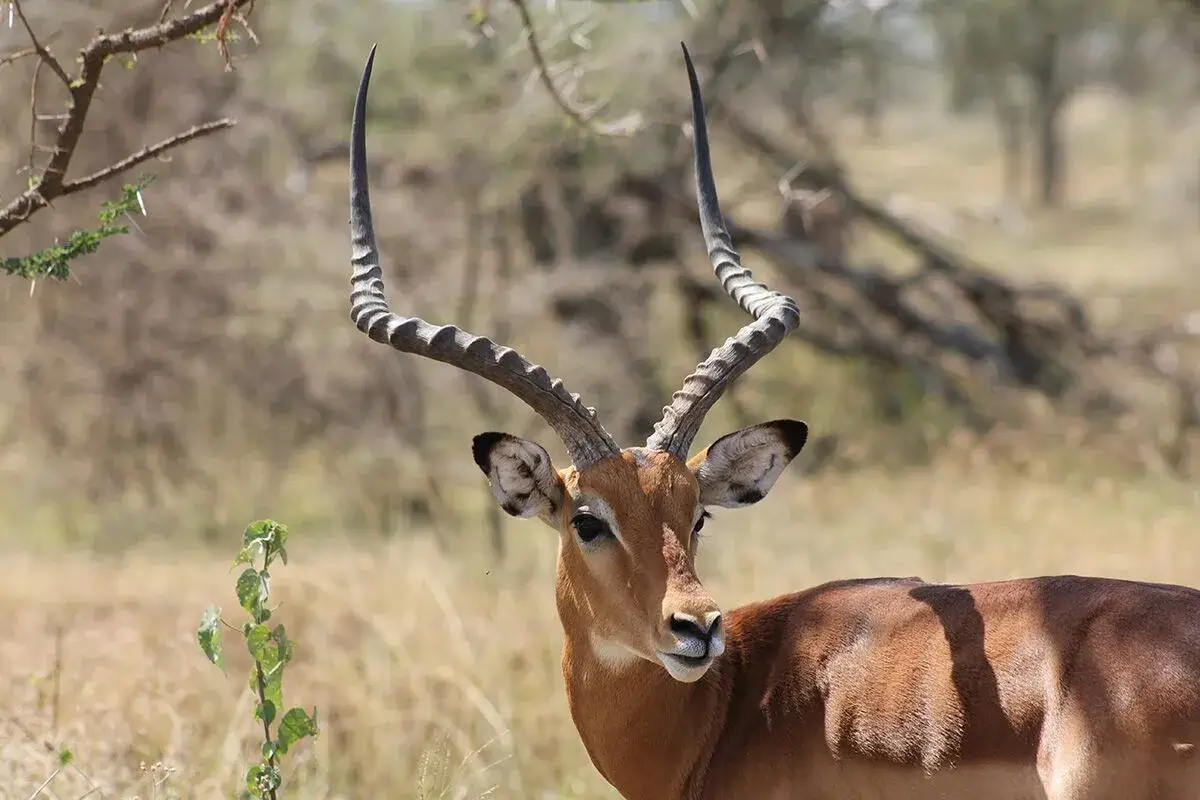
Arusha National Park may be the “odd one out” in Tanzania’s Northern Safari Circuit, as it doesn’t offer the full Big Five experience only buffalo is regularly spotted. However, this park compensates with its unique charm and abundance of photographic opportunities.

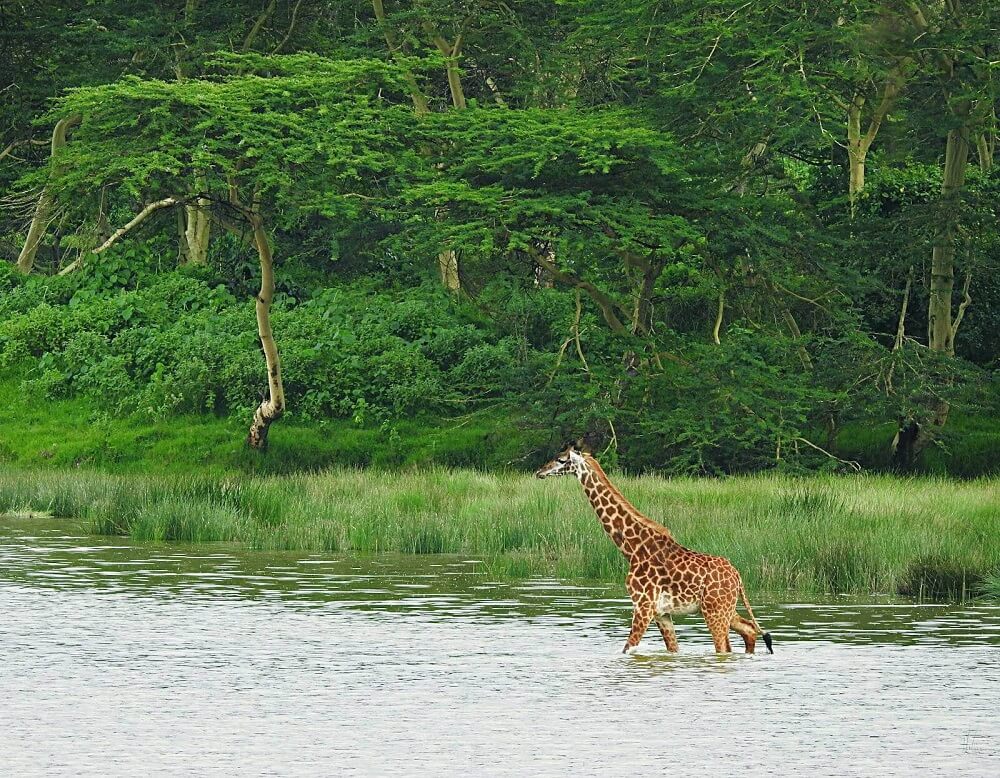
Imagine giraffes gracefully strolling against the majestic backdrop of Mount Meru, troops of playful monkeys swinging through the trees, and hippos lazily bobbing in the serene Momella Lakes. These are just a few of the scenes that make Arusha National Park an unforgettable destination.

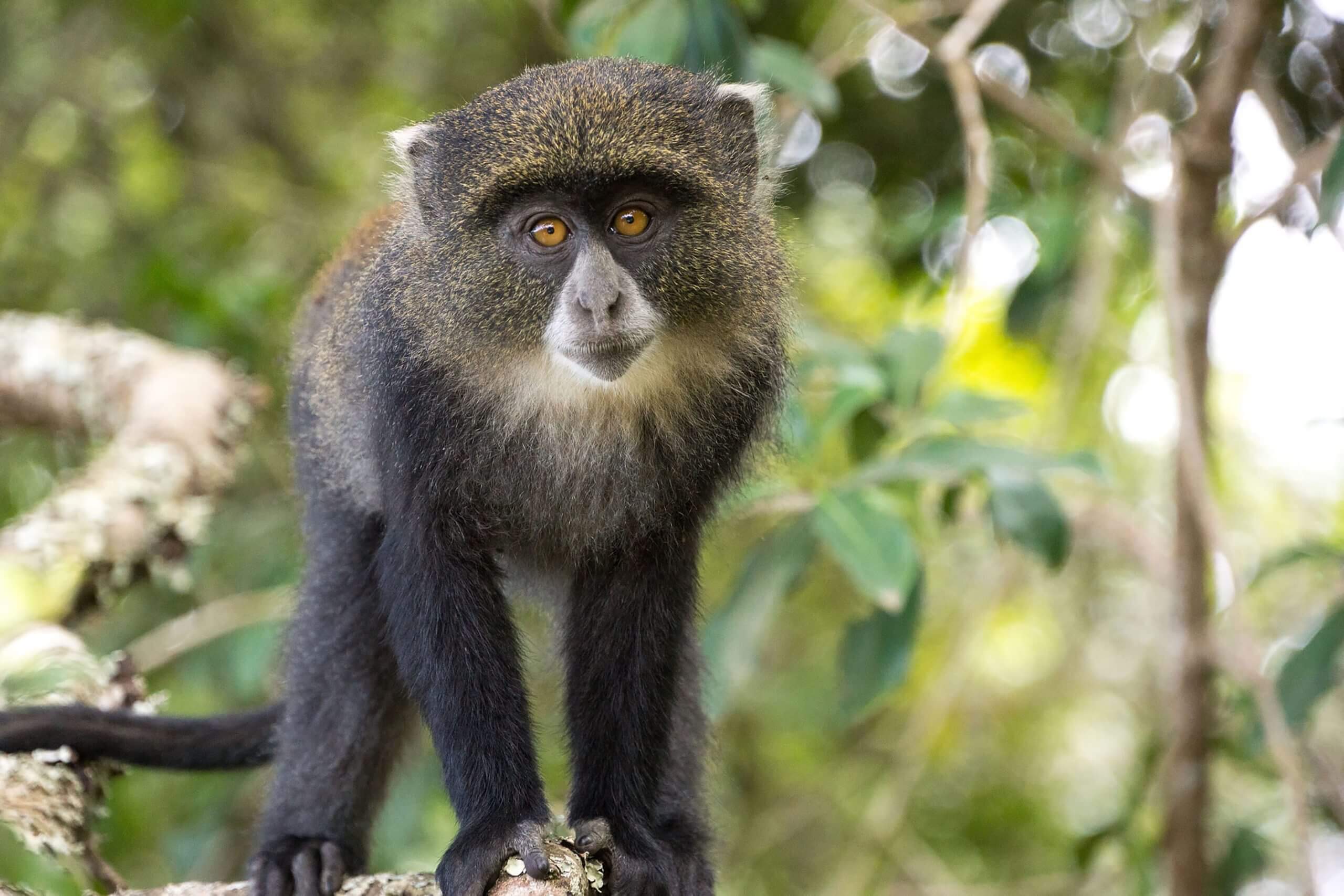
Arusha National Park stands out for its forest-dwelling wildlife that you won’t easily encounter elsewhere in Northern Tanzania. The park is a haven for blue monkeys and the stunning Kilimanjaro colobus monkeys two species that are typically elusive in other regions.

Additionally, the bushbuck are abundant, and the park provides an excellent chance to spot rare species like the Harvey’s red duiker and the elusive suni, two small antelopes that thrive in the park’s dense, primary forest. 

While large predators are rare, you might be fortunate enough to spot a leopard or spotted hyena on a lucky day. The more elusive serval and African wild cat also call this park home, adding an element of mystery to the wildlife experience.

Though it may not feature the classic Big Five, Arusha National Park offers a different, yet equally exciting, safari experience that showcases some of Tanzania’s more unique and elusive wildlife.

Climate of Arusha National Park

Arusha National Park enjoys a moderate climate, making it an excellent destination year-round. However, the best times to visit are from June to September and December to early March. During these months, the weather is pleasant, with warm temperatures and minimal rainfall, making it ideal for outdoor activities such as game drives, hiking, and walking safaris.

The park experiences two main rainy seasons:

Short Rains: October to November

These are light rains that generally don’t affect your activities too much. The park still offers excellent opportunities for wildlife viewing

Long Rains: March to May

These months see heavier rains, which may make certain areas more challenging to explore. However, the lush landscapes during this season are beautiful, and it’s a great time for birdwatching as many species breed during the rains.

Tip: For optimal safari experiences, June to September offers the most favorable conditions for clear skies and dry weather, while December to early March is also a great window with pleasant temperatures.

gallery

Picture of Planning Your Safari

Planning Your Safari

Organizing a safari in Tanzania Destination, can be overwhelming due to the many choices available for transport, accommodation, and activities.

Reviews and Rates

Attractions in Arusha National Park

Arusha National Park is a treasure trove of diverse attractions, from stunning landscapes to abundant wildlife and unique natural wonders. Whether you’re exploring grassy plains, lush forests, or volcanic craters, the park offers a wealth of experiences for every traveler.

Mount Meru

Mount Meru (4,566 m) stands proudly as one of Tanzania’s most iconic natural wonders and is the centerpiece of Arusha National Park. While it may be referred to as Mt. Kilimanjaro’s “little brother,” don’t let the comparison fool you, Mount Meru offers just as much challenge, beauty, and adventure.

As the sixth-highest mountain in Africa and Tanzania’s second-highest peak, Mount Meru is a stratovolcano that has formed a spectacular landscape with towering cliffs, lush green forests, and incredible wildlife. The mountain is renowned for its scenic beauty, making it a unique alternative for trekkers who want to experience an African summit without the crowds of Kilimanjaro.

Known as the “Little Serengeti,” this expansive area within the park boasts open grasslands where you can spot large herds of buffaloes, zebras, warthogs, giraffes, and other iconic African wildlife. It’s a fantastic place for game viewing and capturing the beauty of the park’s vibrant animal life.

This serene natural glade, with its marshes, streams, and bushes, attracts a variety of animals like buffaloes, giraffes, and warthogs. These majestic creatures are often seen grazing, resting, or wallowing in mud holes, making it an ideal spot for a peaceful wildlife encounter.
Ngurdoto Forest

A dense and lush forest surrounding the Ngurdoto Crater, the Ngurdoto Forest is home to a variety of tree species and serves as a sanctuary for the rare Black and White Colobus monkeys. 

A perfect blend of wildlife and nature, this forest is a must-see for any nature lover.

Ngurdoto Crater is often called a “mini Ngorongoro” because of its remarkable beauty and resemblance to the famous Ngorongoro Crater. It offers five stunning viewpoints, including Mikindu, The Rock, Buffalo, The Glade, and Leitong, the highest point. 

From here, you can enjoy spectacular views of Mount Kilimanjaro, Momella Lakes, and the surrounding landscapes.

Known as “Lookout Point,” Tululusia Hill offers panoramic views of the park’s lower regions, Mount Meru, and even the majestic Kilimanjaro in the distance. Close by, you’ll find the beautiful Tululusia Waterfall, a 28m (84ft) cascading waterfall nestled in a steep gorge, a perfect photo opportunity surrounded by lush greenery and the chance to spot nesting Red-winged Starlings.
Lake Longil is the park’s only freshwater lake, home to Tilapia fish and surrounded by papyrus and reed islands that drift with the winds. Meanwhile, the Momella Lakes, fed by underground streams, are shallow and offer strikingly different colors due to the varying mineral contents in each lake. These lakes support different types of algae, creating unique hues that attract birdlife and photographers alike.
The Fig Tree Arch is one of the park’s most impressive natural features. This striking archway, created by the roots of the Ficus thoningii tree, is large enough for a vehicle to pass through, making it a unique and memorable spot for visitors.

Tanzania

Tourism Activities in Arusha National Park

Arusha National Park is not only a haven for wildlife but also a top destination for a variety of adventurous and immersive activities. Whether you want to explore the park’s diverse ecosystems, enjoy a thrilling adventure, or learn more about its unique environment, there’s something for everyone. Here are some of the best activities to enjoy during your visit:

Game Drive

Arusha National Park’s diverse landscapes, from open glades to lush montane forests and stunning lakes, make it an ideal location for a game drive. 

Visitors can enjoy panoramic views, spot herds of buffalo, giraffes, and zebras, and explore unique features like Momella Lakes and the Fig Tree Arch. Game drives here provide an exceptional opportunity to witness the wildlife up close in their natural habitats.

Walking Safari (Day Hikes)

For a truly immersive experience, nothing beats a walking safari in Arusha National Park. With six designated nature trails, each offering a unique combination of scenery and wildlife encounters, you can explore the park on foot. 

This activity allows visitors to connect with nature on a deeper level, gaining environmental education while walking through diverse ecosystems—perfect for those seeking a more personal, hands-on safari experience.

Canoeing Safari

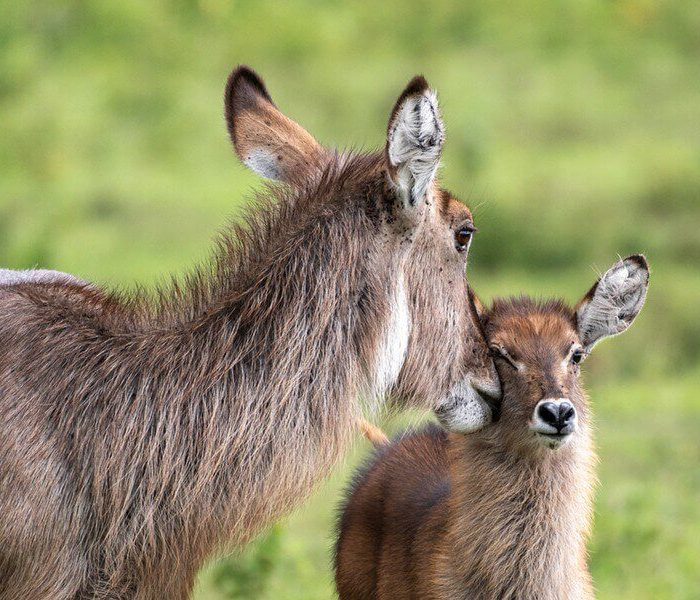
A canoeing safari on Small Momella Lake offers a completely different perspective of the park. Paddle through serene waters while getting an up-close view of wildlife like hippopotamuses, waterbucks, and even the occasional elephant emerging from the vegetation. 

You’ll also have the opportunity to spot a variety of water birds in their natural habitat, making this an unforgettable and peaceful experience.

Horse Riding Safari

For a thrilling and unique way to explore the wilderness, horse riding safaris are a must-do activity. Ride through the park’s open plains and close encounters with wildlife, all from a horseback vantage point. 

This unique experience brings you closer to the animals and nature, providing a perspective that differs from traditional game drives.

Cycling Tour

For the more adventurous, cycling tours in the park offer a fun and exciting way to explore the diverse habitats. Cycle past scenic views, rolling hills, and the breathtaking landscapes of Arusha National Park, while enjoying a more intimate experience with nature. 

It’s an excellent option for those who want to explore areas that are often overlooked by other safari-goers.

Mount Meru Climbing

At 4,566 meters (14,980 feet), Mount Meru is Tanzania’s second-highest peak and a dormant stratovolcano located in Arusha National Park. The climb typically takes four days, but it can be completed in just three days for those seeking a challenge. 

Mount Meru is known for its spectacular wildlife encounters as trekkers may see animals like buffaloes and giraffes as they ascend. The climb is less crowded than Mount Kilimanjaro, offering a more serene and intimate experience while providing incredible views of the surrounding landscapes, including Mount Kilimanjaro itself on clear days.

Bird Watching

For avid bird-watchers, Arusha National Park is an absolute must-visit on any Tanzanian itinerary. With over 400 bird species recorded within this compact park, it offers an incredible variety of avian life, making it a birding hotspot.

The Momella Lakes are particularly renowned for waterbirds. Here, you’ll find flamingos gracefully wading through the shallow waters, pelicans gliding majestically above, and an array of herons and ducks populating the lakes. Little grebes are commonly seen, adding to the diversity of the birdlife in this area.

Above the Ngurdoto Crater, Augur buzzards and Verreaux’s eagles can often be spotted soaring high, making the park an excellent location for observing cliff-associated raptors.

From November to April, migratory birds flock to the park, offering visitors the chance to witness a seasonal spectacle. With such a rich diversity of birdlife, Arusha National Park truly stands out as a premier destination for bird watching in Tanzania.

BEST TIME FOR WILDLIFE VIEWING IN ARUSHA NATIONAL PARK

Arusha National Park offers excellent wildlife viewing year-round, but there are distinct advantages to visiting during different seasons. Here’s a breakdown to help you plan your trip:

Dry Season: June to October

Easier Animal Spotting: As the dry conditions persist, animals are drawn to the few remaining water sources, and the thinning vegetation makes them easier to spot.

Sunny Weather: The weather is generally sunny with little to no rainfall, ensuring great visibility.

Less Mosquitoes: With fewer mosquitoes, the risk of malaria is reduced, making it a more comfortable time to visit.

Cold Mornings and Nights: Be prepared for cooler temperatures, especially during early morning and evening game drives. 

Wet Season: November to May

Lush Scenery: The park turns a vibrant green, creating stunning landscapes, perfect for photography.

Best Views of Mount Meru and Kilimanjaro: Clear skies from December to February offer spectacular views of both iconic mountains.

Fewer Crowds and Lower Rates: Visiting in April and May means fewer tourists and lower prices, as it falls during the low season.

Great for Birding: The wet season is ideal for bird watchers, as migratory birds flock to the park.

Wildlife Viewing: While animals may be harder to spot due to denser foliage, wildlife viewing is still good throughout the season.

Difficult Roads: Some roads may become muddy and harder to navigate, especially during the peak of the wet season in April.

No matter when you choose to visit, Arusha National Park offers something unique for every traveler! Whether it’s the dry season for easier animal spotting or the wet season for lush beauty and vibrant birdlife, you’re sure to have an unforgettable experience.

HOW TO GET TO ARUSHA NATIONAL PARK

Arusha National Park is easily accessible from Arusha Town, located just 32 kilometers away. 

For international travelers, the park is a short drive from Kilimanjaro International Airport, situated around 40 kilometers from the park. 

Whether you’re arriving from Arusha or the airport, the park’s proximity makes it a convenient stop on your Northern Tanzania safari adventure.

Where to Stay in Arusha National Park

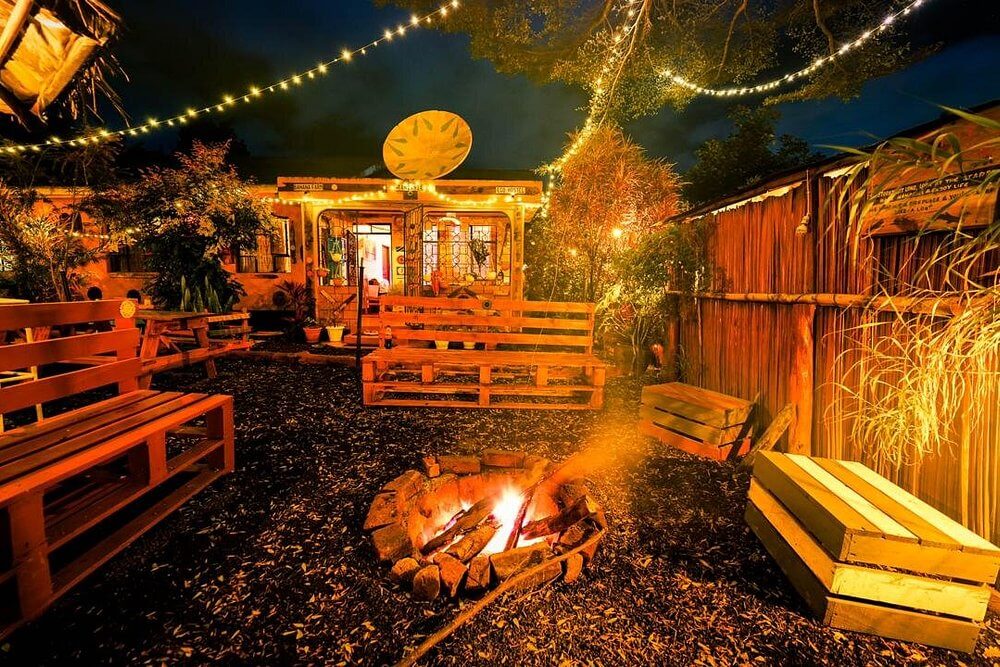
After a thrilling day exploring the stunning landscapes and wildlife of Arusha National Park, you’re going to want a comfortable place to rest. Thankfully, Arusha offers a variety of accommodation options that cater to different budgets and preferences. Here’s a guide to help you find the perfect place to stay:

Hotels

Arusha is often considered the unofficial capital of East Africa, and as such, it boasts an extensive range of hotels. From luxurious resorts to mid-range and budget-friendly hotels, you’ll have no trouble finding accommodation that suits your needs. 

Many hotels also offer guided safaris, making it easy to organize your adventures right from your doorstep.

For those traveling with family or in a large group, Airbnb offers a more homely alternative. Renting an Airbnb gives you the space and amenities of a home, making it easier to manage group dynamics or travel with children. 

Plus, it’s a great way to experience local living while enjoying the comforts of your own space. Whether you’re looking for a cozy apartment or a spacious house, you’ll find a range of options to suit your needs.

Hostels

If you’re on a budget or traveling solo, consider staying in one of Arusha’s hostels. Hostels are a great way to meet fellow travelers and potentially find a safari buddy to share costs with. 

They offer affordable rates, and many provide tours or connections to local safari companies. Whether you’re looking to meet new people or simply save money while exploring the region, hostels can be a great choice.

What our Client Say

Design your own trip

Choose a destination, pick your properties, and we’ll do the rest

1
Browse
Look through our itineraries for inspiration, and call our Travel Consultants
2
Create
Discuss your wish list with us, and we’ll use our expertise to design a unique itinerary for you
3
Customise
We’re committed to refining your itinerary until we’ve created the perfect personalised trip for you