Get advice and suggestions to make this your perfect trip. or call us on: +255 755 003116
One of the most common questions among adventurers planning to climb Mount Kilimanjaro is, “What are the accommodations like on the mountain?” Unlike traditional hiking or camping experiences, accommodations on Kilimanjaro are designed to meet the unique needs of high-altitude trekking.
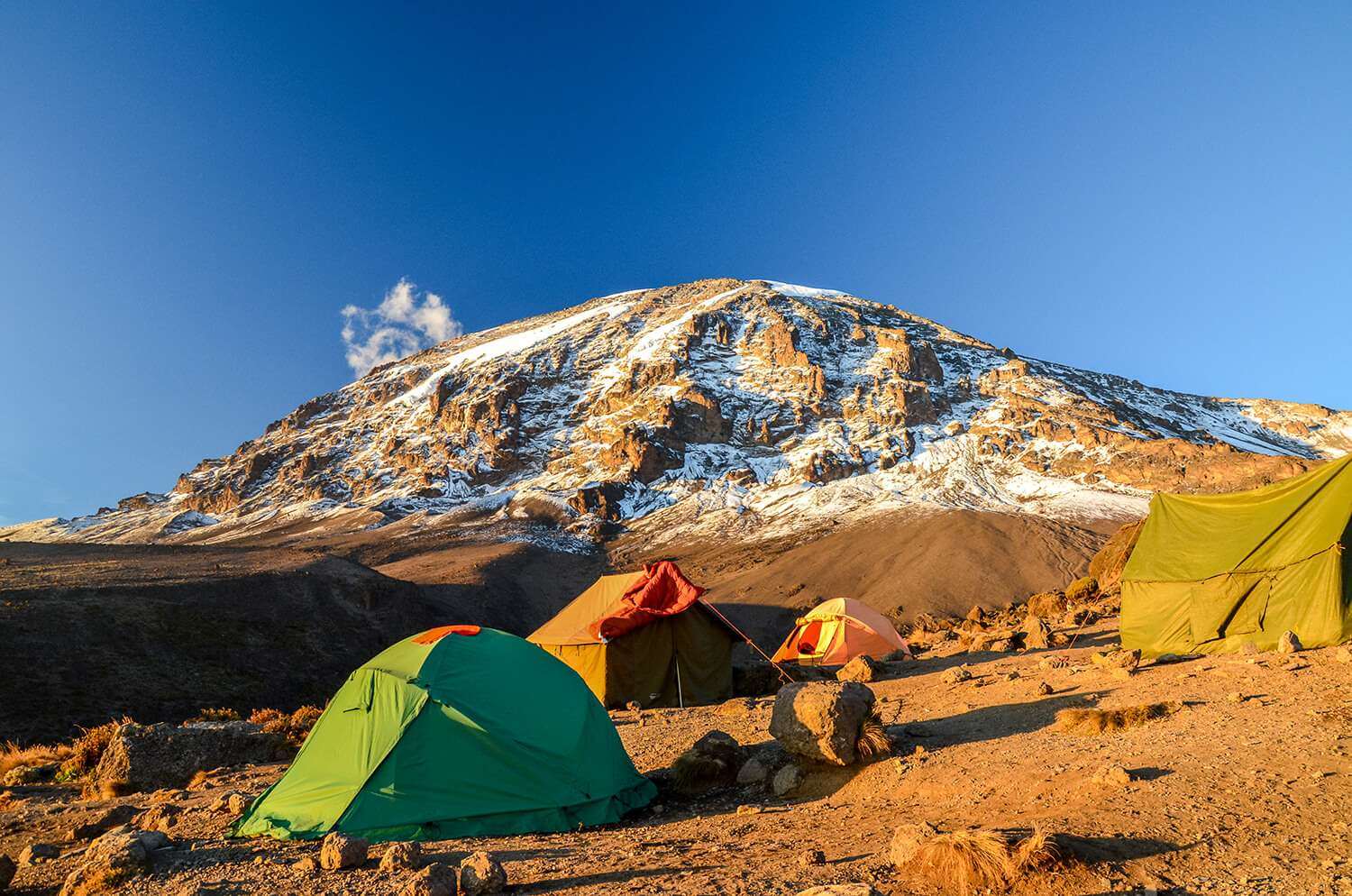
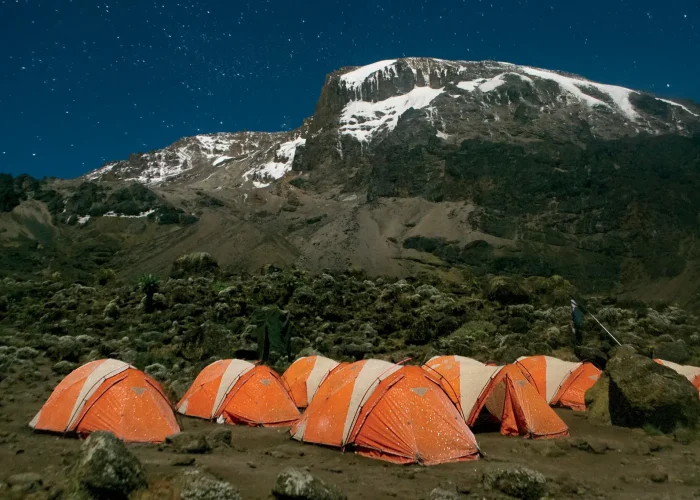
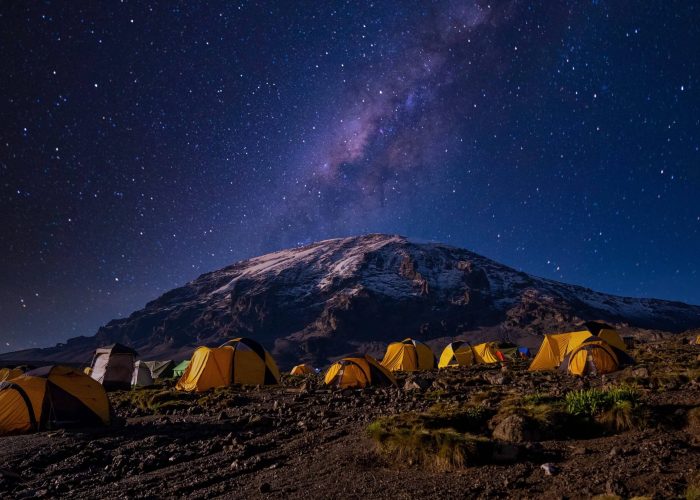
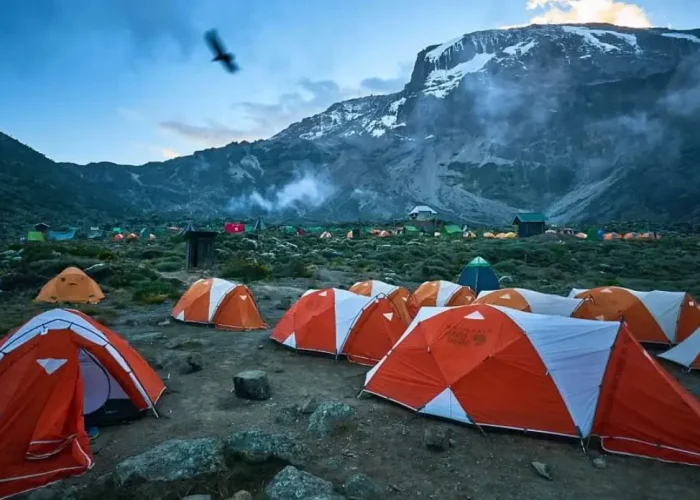
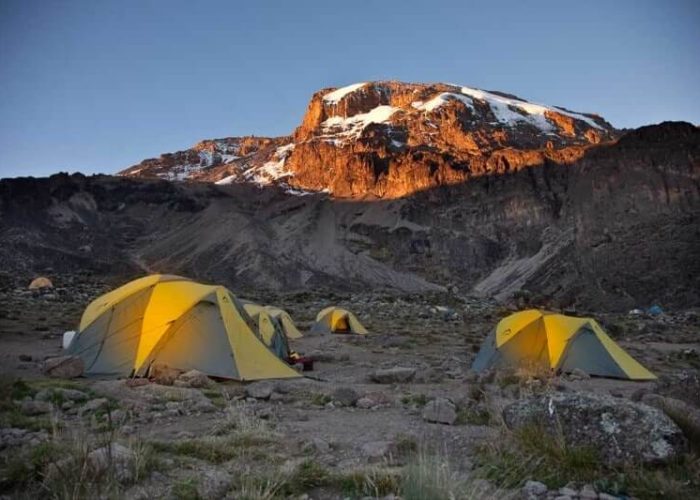
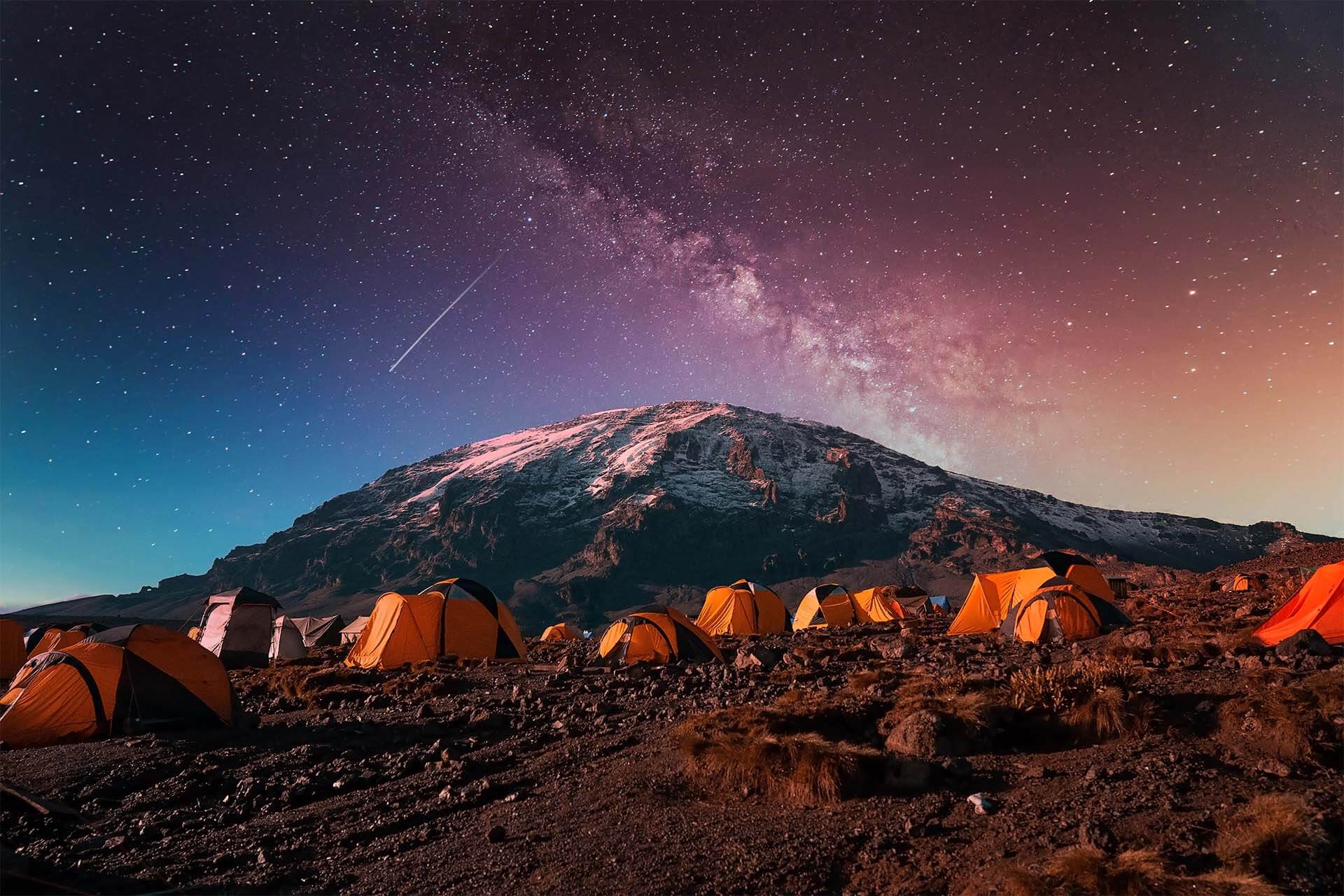
Where you rest your head on Mount Kilimanjaro largely depends on the route you choose and the type of climbing package you book. Most Kilimanjaro trekking routes, like the Machame, Lemosho, or Rongai offer an authentic wilderness experience where you’ll sleep under the stars in tents at scenic campsites along the mountain.
These aren’t just any tents. Depending on your tour operator, you might find yourself nestled in anything from basic locally made tents to premium imported winter expedition tents. Some high-end packages even offer spacious walk-in tents outfitted with proper frame beds for an added touch of comfort at high altitude.
For those who prefer a roof overhead, the Marangu Route, Kilimanjaro’s only hut-based trail, features dormitory-style accommodation with bunk beds inside communal mountain huts. While this setup offers protection from the elements, it comes with less privacy and a more communal feel. Interestingly, many climbers find that high-quality tents on other routes provide a warmer, more comfortable, and even more luxurious experience than the shared Marangu huts.
So whether you’re craving the cozy privacy of a tented trek or the shelter of a roofed hut, Kilimanjaro offers something to suit every adventurer’s comfort level, just one more reason to choose your route wisely.In this guide, we’ll explore your lodging options, including campsites and huts, ensuring you’re fully informed and ready for this incredible journey.


For most climbers, camping is the primary form of accommodation on Mount Kilimanjaro. This applies to all routes except the Marangu Route, which offers huts.If you’re not trekking the Marangu Route, you’re probably wondering: what are the tents on Mount Kilimanjaro really like?
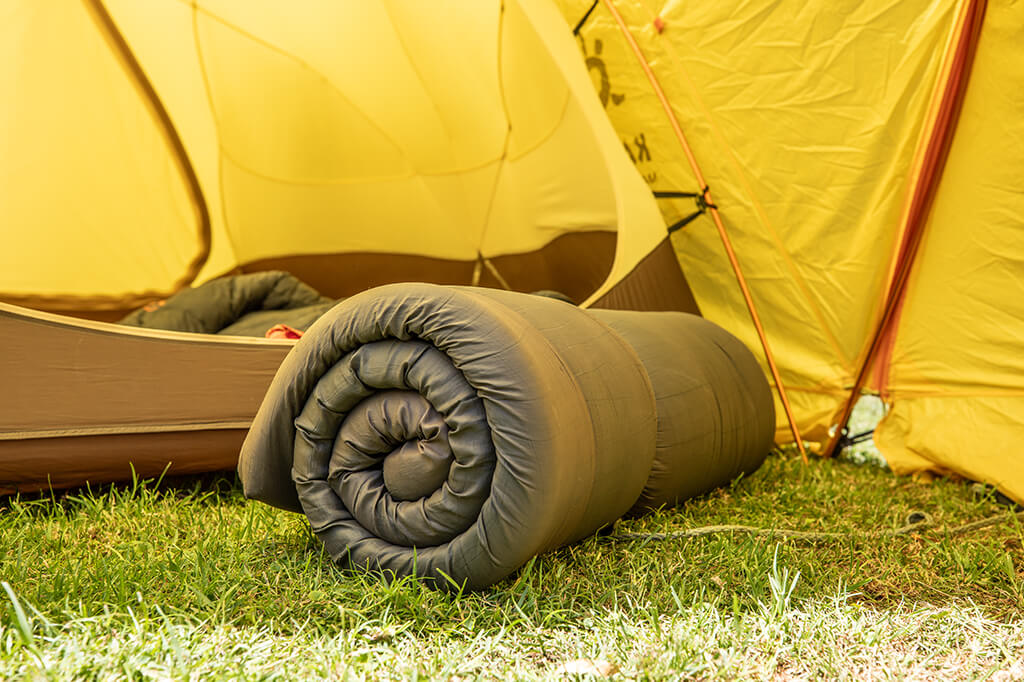
The answer largely depends on the type of tour package you choose. On a standard Kilimanjaro climb, the tents are typically compact and functional, built for practicality rather than luxury. You’ll sleep on the ground with a sleeping mat, and while they offer solid protection from the elements, these tents don’t come with extras like cots or raised beds.
Opt for a VIP or luxury Kilimanjaro tour, and the camping experience is noticeably elevated. Larger, more spacious tents, thicker mattresses, and even walk-in designs with camp beds transform your nights on the mountain into a far more comfortable affair. Regardless of your choice, a warm sleeping bag is essential, as temperatures can plummet during the night.
Sturdy, weatherproof tents are provided by us. These are typically two-person tents, with enough space for your gear. Tents are set up and taken down by porters, so you can focus on the climb.
A communal dining tent with tables and chairs is provided. This is where you’ll eat meals and spend time socializing.These tents are heated by your body warmth and insulated to protect against the mountain’s cold.
Basic pit latrines are available at campsites, but we also offer private portable toilets for added comfort.Portable toilets are cleaned and set up by the support team at each campsite.
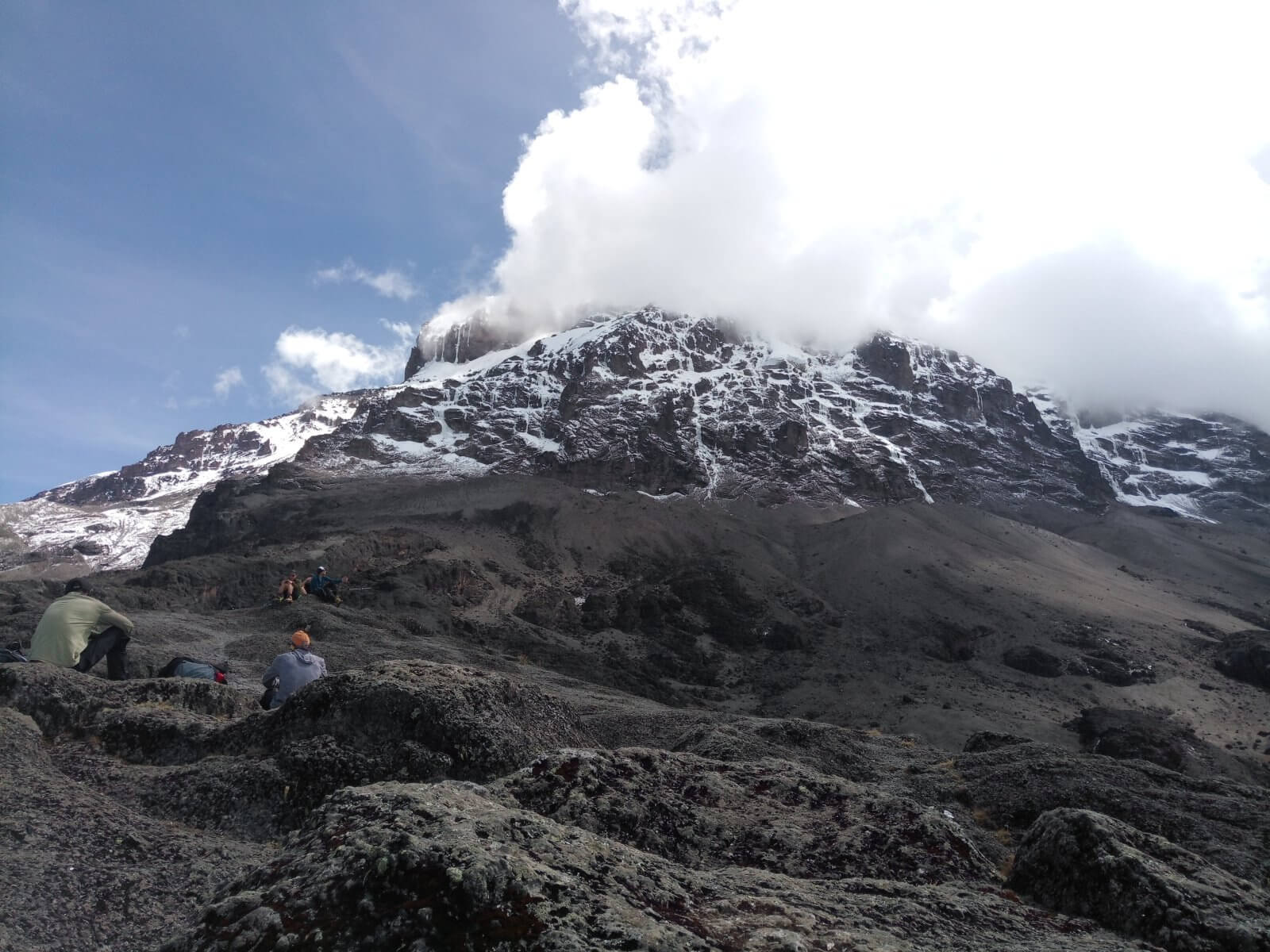
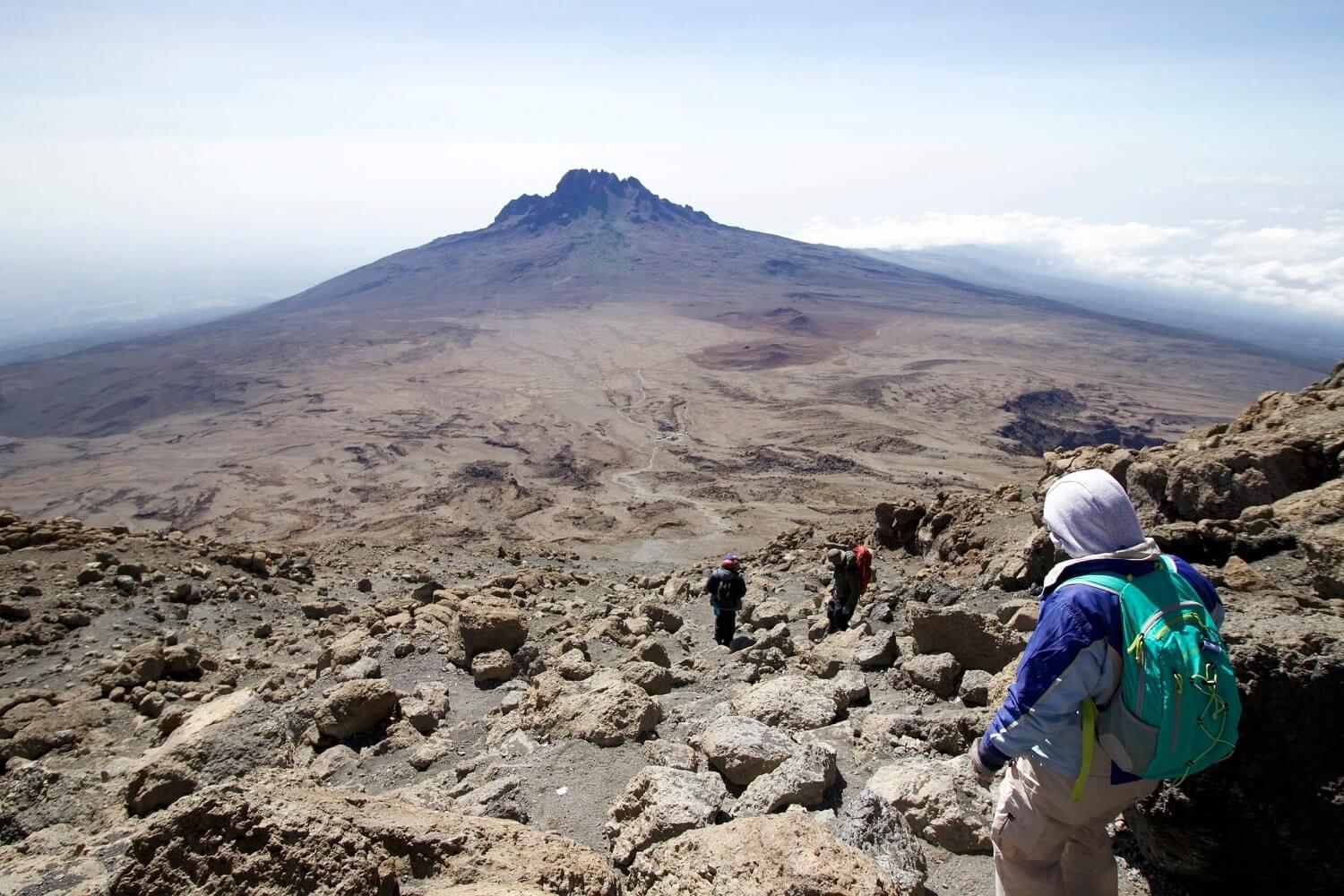
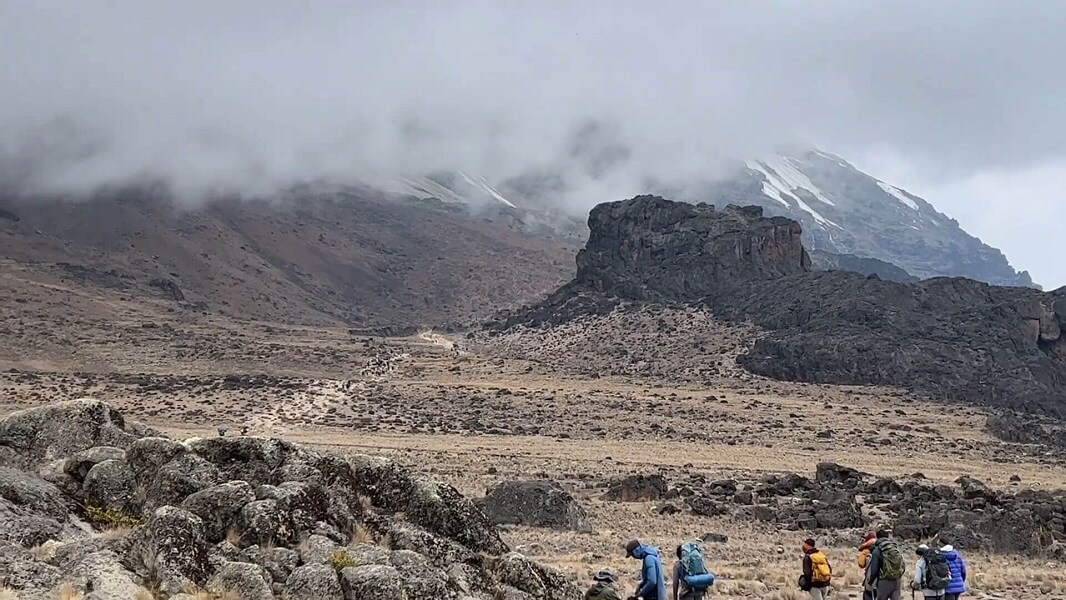
Campsites are located in designated areas along the route, ensuring safety and environmental preservation.The camps offer incredible views of the surrounding landscapes, from rainforest to alpine deserts.
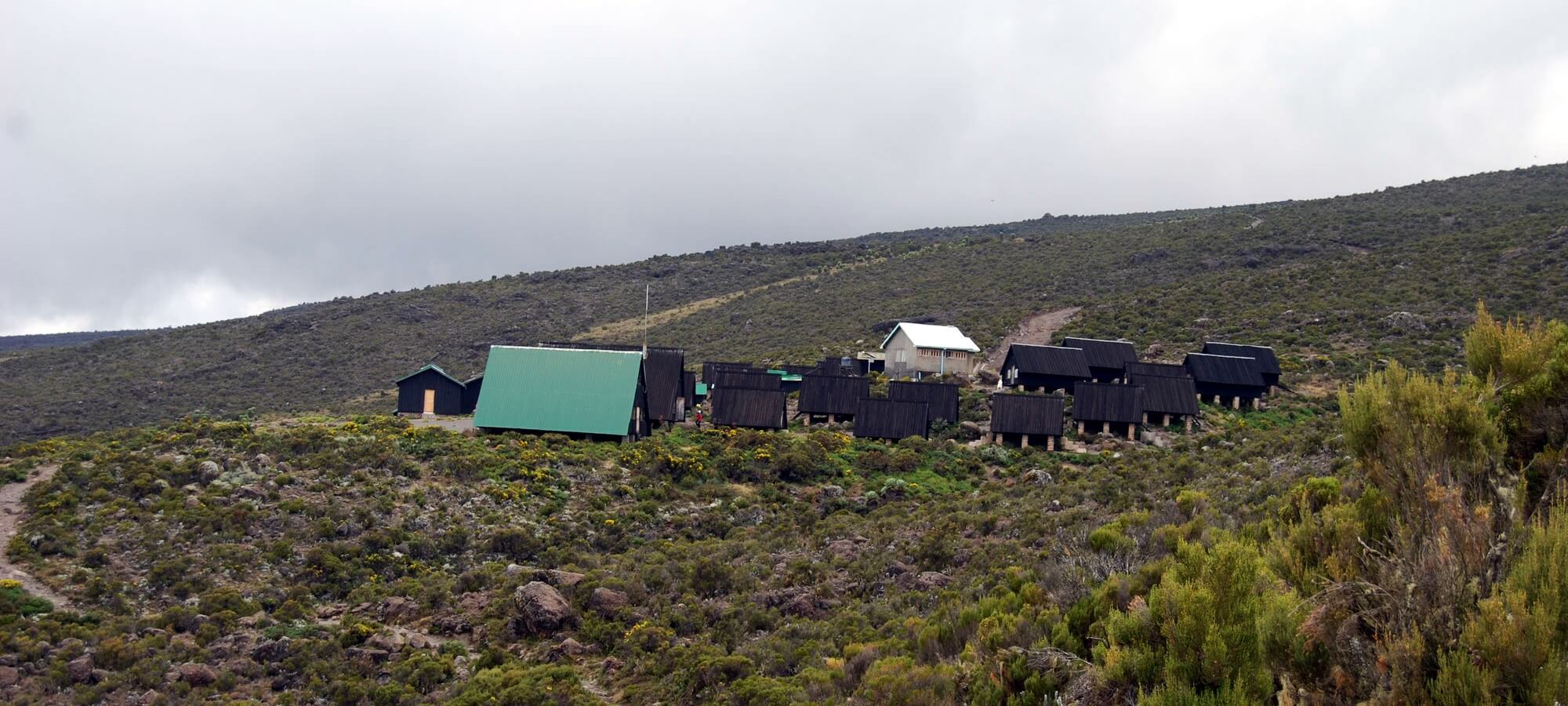
The Marangu Route, also known as the “Coca-Cola Route,” is the only route that offers hut accommodations instead of tents.
The mountain huts along Kilimanjaro’s Marangu Route are rustic, A-frame wooden structures maintained by Kilimanjaro National Park. Each hut is outfitted with simple beds and foam mattresses, offering a basic yet sheltered sleeping arrangement.
However, climbers are required to bring their own sleeping bag and pillow for warmth and comfort. These huts are communal, meaning you’ll be sharing the space with fellow trekkers, so prepare for a dorm-style atmosphere where privacy is limited, but the camaraderie of the climb is very much alive.
Dormitory-style wooden huts with bunk beds.
Each hut can accommodate 4-12 climbers, depending on the location.
Dedicated dining huts are available for meals, offering more shelter and comfort than dining tents.
Shared flush toilets are available at lower camps. Higher camps have more basic facilities.
Mandara Hut: Located at 2,700 meters in the rainforest zone.
Horombo Hut: Situated at 3,720 meters, offering spectacular views of the summit.
Kibo Hut: The highest hut at 4,700 meters, used as the base for summit night.
Before and after your climb, you’ll stay in hotels or lodges in towns Moshi or Arusha. These accommodations provide an opportunity to rest and recover.
Clean, comfortable rooms with modern amenities such as hot showers and Wi-Fi.Options range from budget guesthouses to luxury lodges.
Hotels often offer breakfast, and many have on-site restaurants.
Hotels cater to climbers, offering facilities to pack and store gear.
Preparing for the climb of a lifetime or recovering after conquering Africa’s tallest peak requires a good rest, and choosing the right accommodation can make all the difference. Whether you’re staying in Moshi, the gateway town closest to Mount Kilimanjaro, or Arusha, a vibrant city also favored by safari-goers, you’ll find a variety of hotels to suit every budget and travel style.
If proximity to the mountain is your top priority, Moshi offers an excellent selection of hotels with quick access to Kilimanjaro’s trekking routes. For a comfortable, upscale stay, Kilimanjaro Wonders Hotel is a top pick, offering modern amenities, exceptional service, and breathtaking views of the mountain. Another favorite among climbers is Chanya Lodge, a cozy, well-kept lodge with a warm ambiance and on-site pre-climb briefings that make preparation seamless.
For those seeking luxury with a touch of tropical elegance, Pink Flamingo Boutique Hotel is a standout. With its serene gardens, stylish rooms, and inviting swimming pool, it’s a perfect place to unwind before or after your trek.
For backpackers and budget-conscious travelers, We Travel Hostel in Moshi provides both dorm-style and private accommodations, along with a friendly, social atmosphere ideal for meeting fellow trekkers.
In Arusha, Arusha Backpackers Hotel is a go-to for affordable stays, complete with a rooftop bar and central location that makes getting around town easy.Resting in comfort before your climb and relaxing in style afterward will elevate your overall Kilimanjaro experience.
Regardless of your route, it’s essential to pack appropriately for your accommodations:
Sleeping Bag: A high-quality, four-season sleeping bag is crucial for camping.
Sleeping Pad: We provide the pads, but you can bring your own for added comfort.
Headlamp: Campsites and huts lack electricity, so a reliable headlamp is a must.
Personal Hygiene Kit: Include biodegradable wipes, travel-sized toiletries, and hand sanitizer.
For climbers seeking a more comfortable experience, we can offer luxury trekking packages that include:
Spacious Tents: Larger tents with cots and thicker sleeping mats.
Private Toilets and Showers: Portable facilities exclusive to your group.
Enhanced Dining Experiences: Gourmet meals served in upscale dining tents.
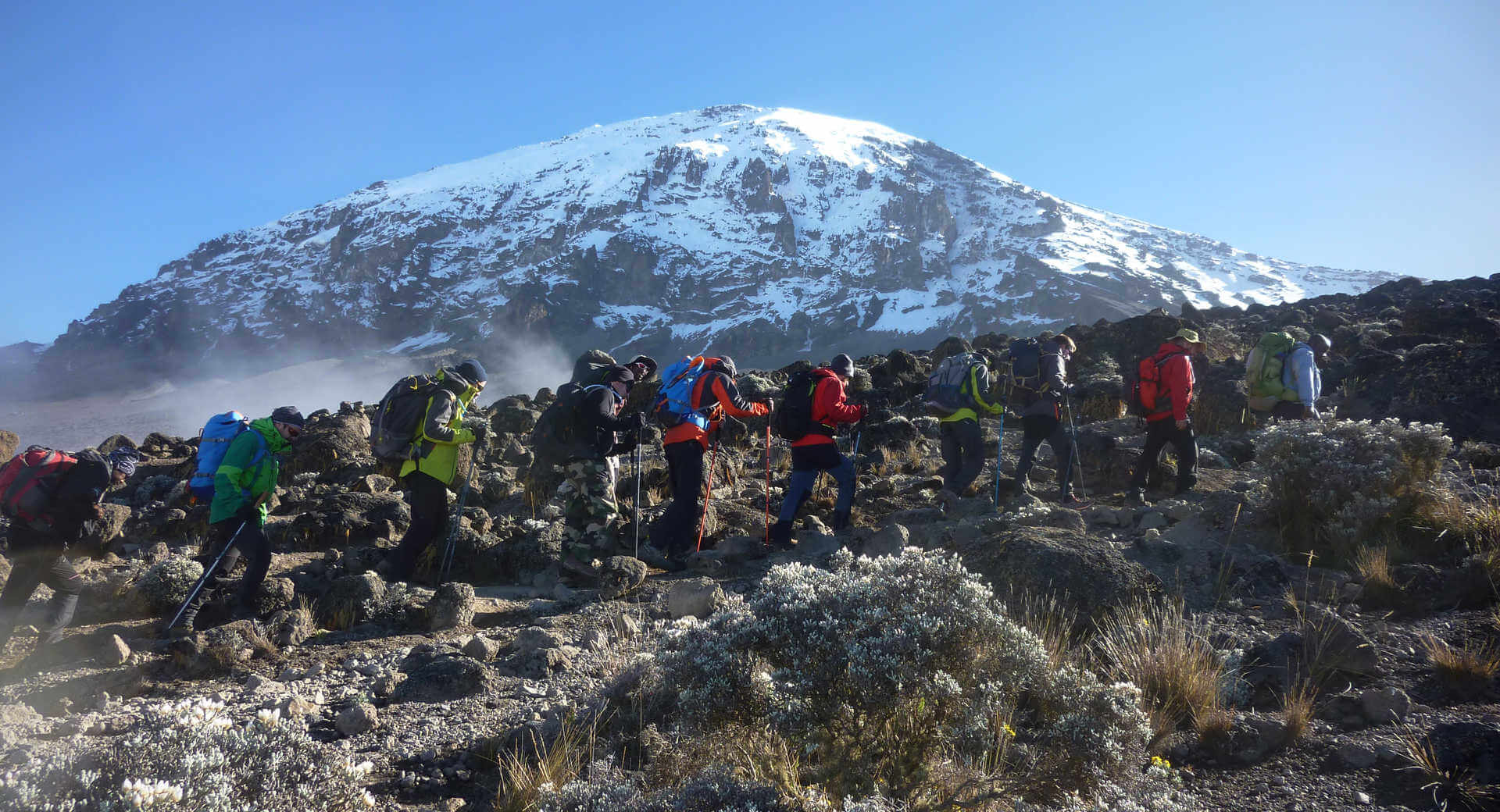
Accommodations on Mount Kilimanjaro are designed to balance comfort with practicality, ensuring climbers are well-rested and prepared for each day’s challenge. Whether you’re camping under the stars or staying in huts along the Marangu Route, the experience is an integral part of the adventure.
Organizing a safari , can be overwhelming due to the many choices available for transport, accommodation, and activities.
© 2026 Congema Safaris. All rights reserved.