Get advice and suggestions to make this your perfect trip. or call us on: +255 755 003116
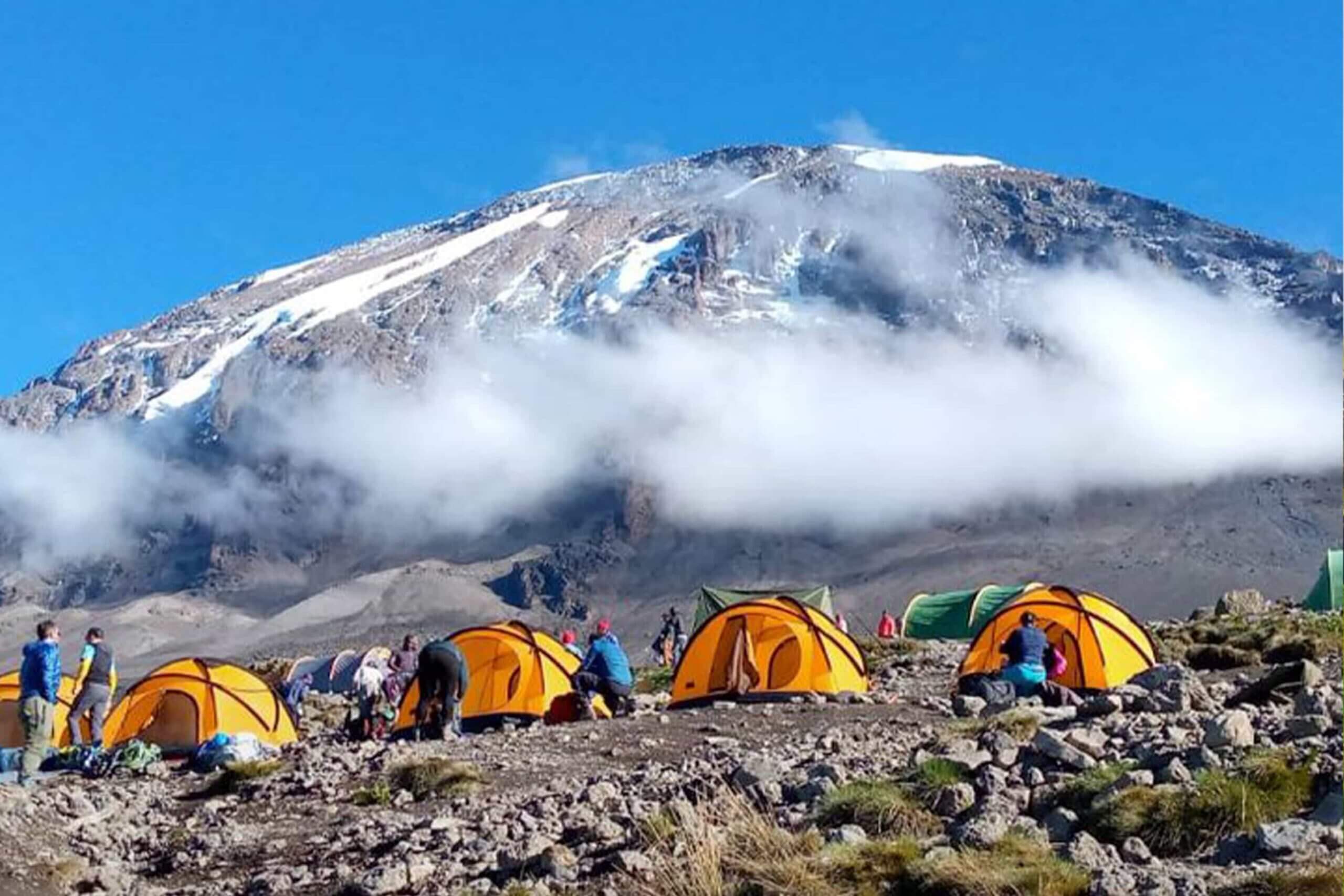
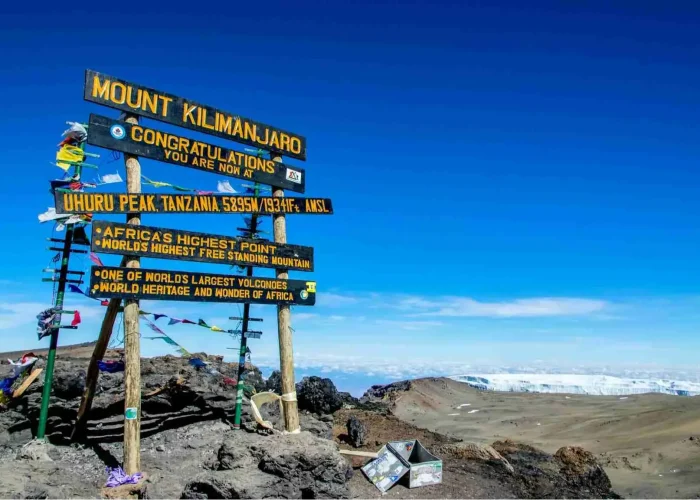
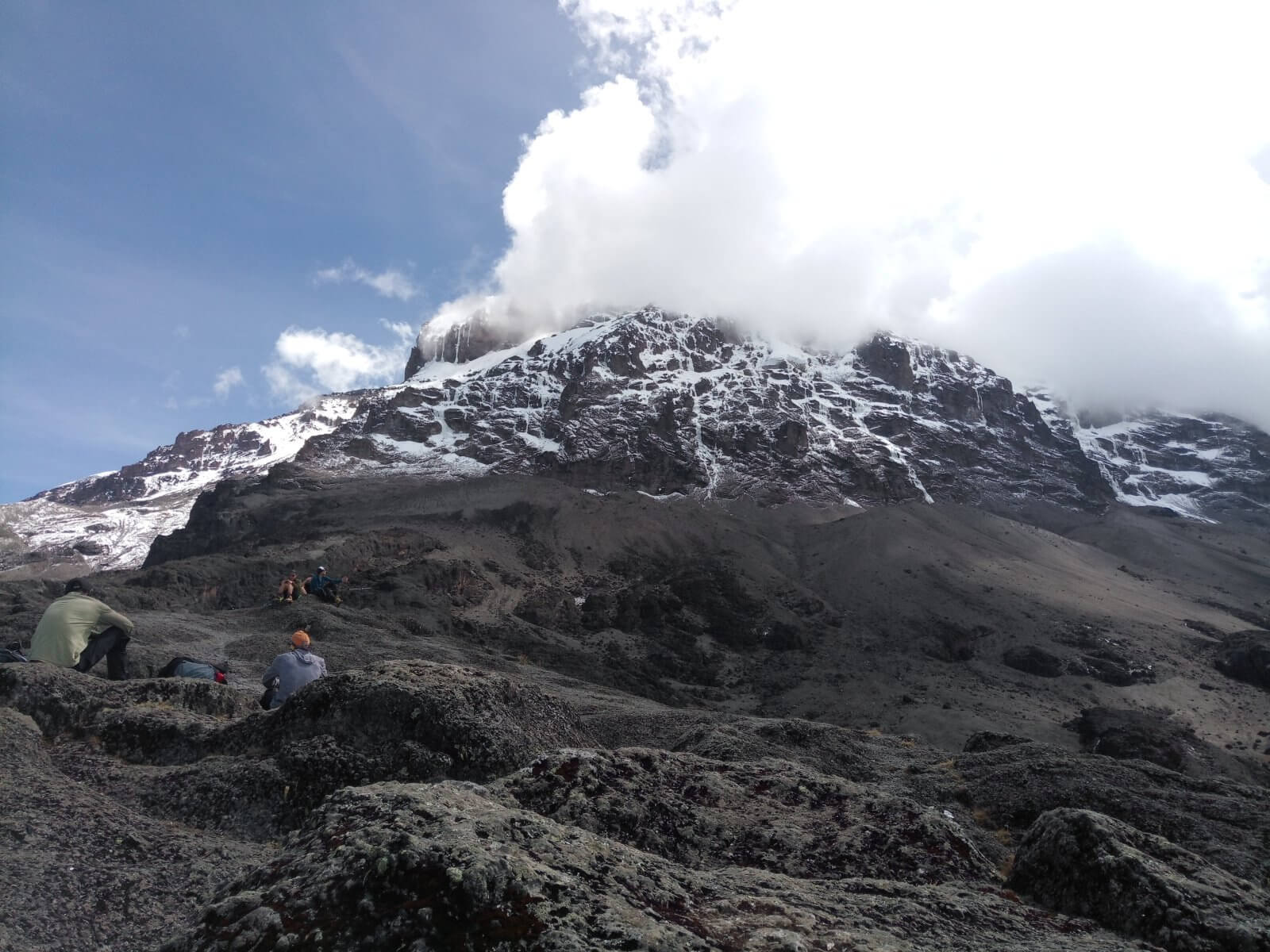
Dreaming of standing atop Africa’s highest peak, Uhuru Peak, at 5,895 meters (19,341 feet)? Climbing Mount Kilimanjaro is a life-changing adventure, but it’s not just about physical strength it’s about smart preparation and proper acclimatization. Climbing Kilimanjaro presents a unique set of challenges, the most serious being altitude sickness.
In fact, a significant number of trekkers ascending above 9,000 feet experience some symptoms related to altitude. At Congema Safaris, we’re here to guide you every step of the way, ensuring your climb is safe, successful, and unforgettable.


Acclimatization is your body’s way of adjusting to the lower oxygen levels at high altitudes. On Kilimanjaro, the air gets thinner as you climb, and without proper acclimatization, you risk altitude sickness, which can turn your dream climb into a nightmare.
Symptoms like headaches, nausea, and fatigue are warning signs that your body needs more time to adapt.But don’t worry with the right strategies, you can minimize these risks and maximize your chances of reaching the summit. Here’s how:
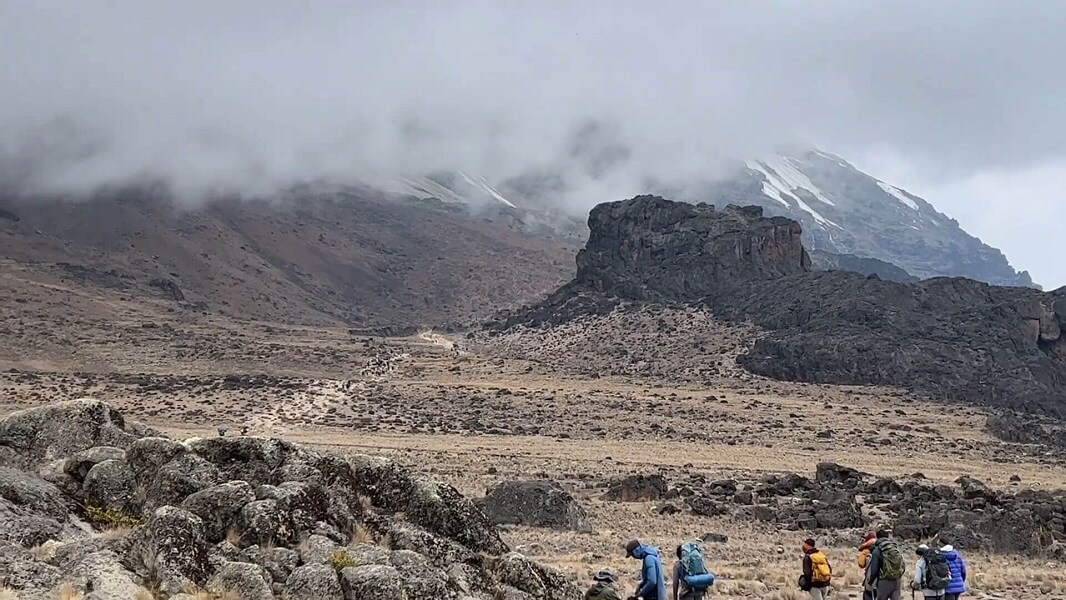
Not all Kilimanjaro routes are created equal. Longer routes like Lemosho, Machame, or the Northern Circuit allow your body more time to adjust to the altitude, making them ideal for acclimatization. Avoid shorter, rushed itineraries. Your body will thank you!
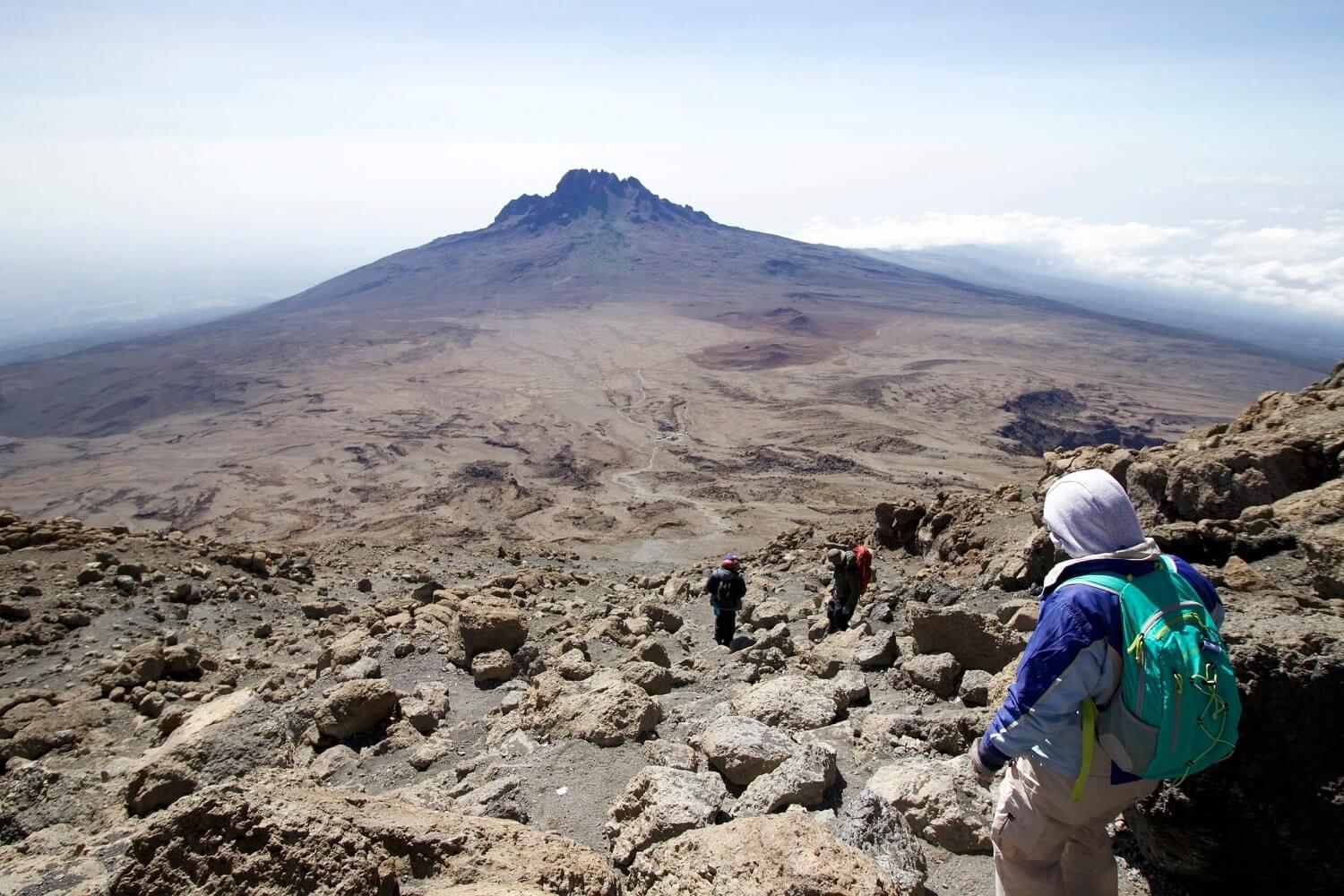
Follow the golden rule of high-altitude trekking: climb high during the day, sleep at a slightly lower elevation. This helps your body adapt and increases your chances of a successful summit.
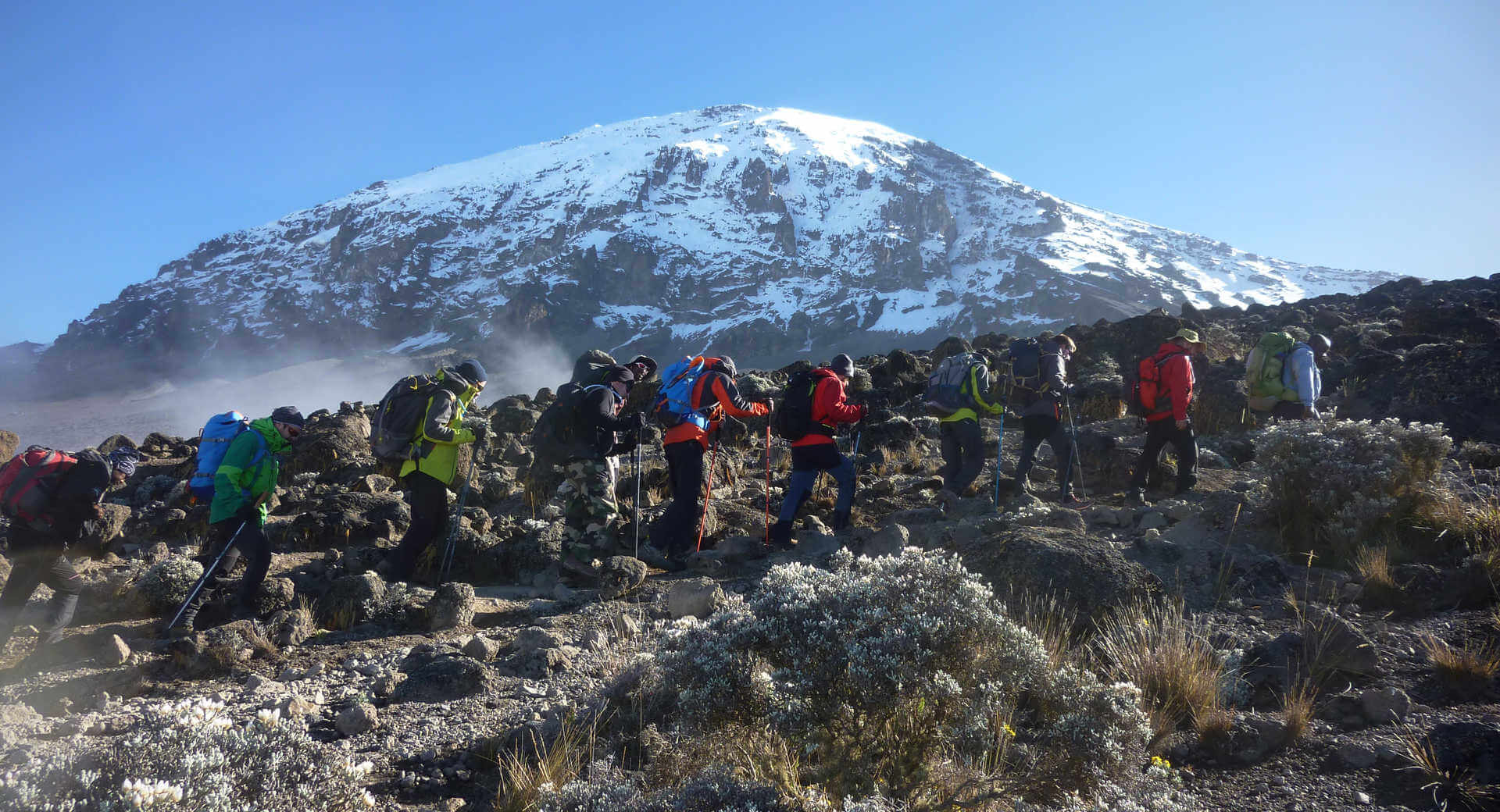
Remember, Kilimanjaro isn’t a race, it’s a journey. Hiking at a slow, steady pace gives your body time to acclimatize and reduces the risk of altitude sickness. Pole pole, as they say in Swahili!
Drink at least 3-4 liters of water daily. Dehydration can worsen altitude-related symptoms, so always keep your water bottle close.
Your body needs energy to adapt and perform. Eat well and focus on carbohydrate-rich meals to keep your stamina up during the trek.
Many routes include acclimatization days with short hikes. These are not rest days, they’re key to helping your body adjust. Take them seriously and give yourself the best shot at reaching the summit.
At Congema Safaris, we recommend these routes for their excellent acclimatization profiles and breathtaking scenery:
Diamox (Acetazolamide): This medication helps prevent and treat altitude sickness. Consult your doctor before use.
Pulse Ox meter: A handy tool to monitor your oxygen levels and track your acclimatization progress.
Portable Oxygen Systems: For emergencies only, proper acclimatization is always the best strategy.
You’re sleeping better at night.
Your oxygen levels stay above 80% (measured with a pulse oximeter).
You feel less out of breath during moderate activity.
If you experience severe symptoms like confusion, difficulty walking, or persistent vomiting, descend immediately and inform your guide. Safety always comes first.
At Congema Safaris, we’re passionate about helping you achieve your Kilimanjaro dreams. Our expert guides, carefully planned itineraries, and commitment to safety ensure you have the best possible experience. We’ll be with you every step of the way, from choosing the right route to celebrating at Uhuru Peak.
Climbing Mount Kilimanjaro is a challenge, but with proper acclimatization, it’s an achievable and rewarding adventure. By choosing the right route, pacing yourself, and listening to your body, you’ll set yourself up for success.
Ready to take the first step? Contact Congema Safaris today and let’s make your Kilimanjaro dream a reality. Together, we’ll conquer the Roof of Africa safely, successfully, and with memories to last a lifetime.
Organizing a safari , can be overwhelming due to the many choices available for transport, accommodation, and activities.
© 2026 Congema Safaris. All rights reserved.