EXPLORE

Tanzania Mountain

Mount Meru
Picture of Chat to a Tanzania Safari expert

Chat to a Tanzania Safari expert

Get advice and suggestions to make this your perfect trip. or call us on:
+255 755 003116

Picture of Chat to a Tanzania Safari expert

Chat to a Tanzania Safari expert

Get advice and suggestions to make this your perfect trip. or call us on:
+255 755 003116

Destination Overview

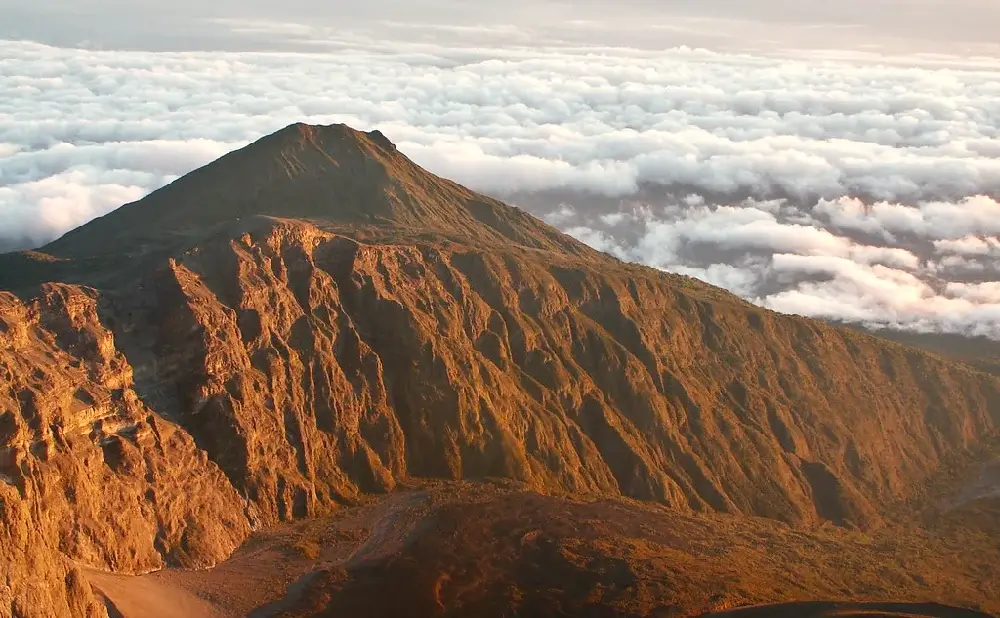
Climbing Mount Meru is a thrilling and rewarding adventure, often chosen as a warm-up trek for Mount Kilimanjaro, Africa’s highest peak. While these two iconic mountains are separated by only 70km (43mi), they each offer unique and stunning views of the other. Conquering Meru first can reduce the risk of altitude sickness when you’re ready to take on the mighty Kilimanjaro. However, there’s much more to this lesser-known mountain than just being a warm-up.

At 4,562m (14,967ft), Mount Meru stands as Tanzania’s second-highest peak and the fifth-highest peak in Africa. While it doesn’t match Kilimanjaro’s immense height, Meru’s trek offers a highly rewarding challenge. 

Unlike Kilimanjaro, which is often crowded with trekkers, Meru is far less trafficked, allowing for a more peaceful, intimate experience with nature.

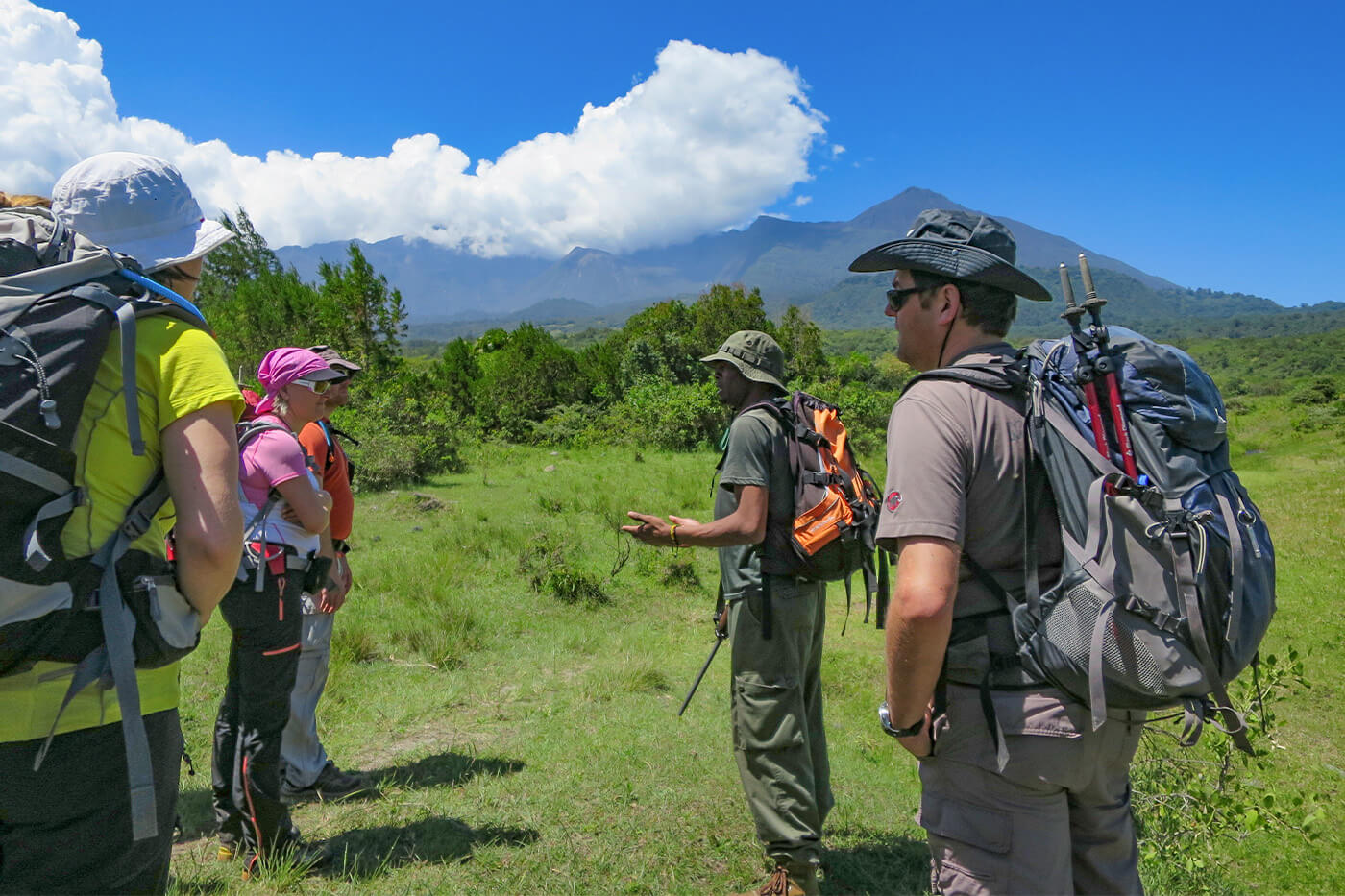
As you make your way up, you’ll hike through various vegetation zones, from dense forests to alpine meadows. The forested slopes are teeming with wildlife, offering the chance to spot buffalo, leopards, Harvey’s red duiker, bushbuck, and the famous Kilimanjaro colobus monkeys. Birdlife is equally impressive, with over 400 species recorded on the mountain.
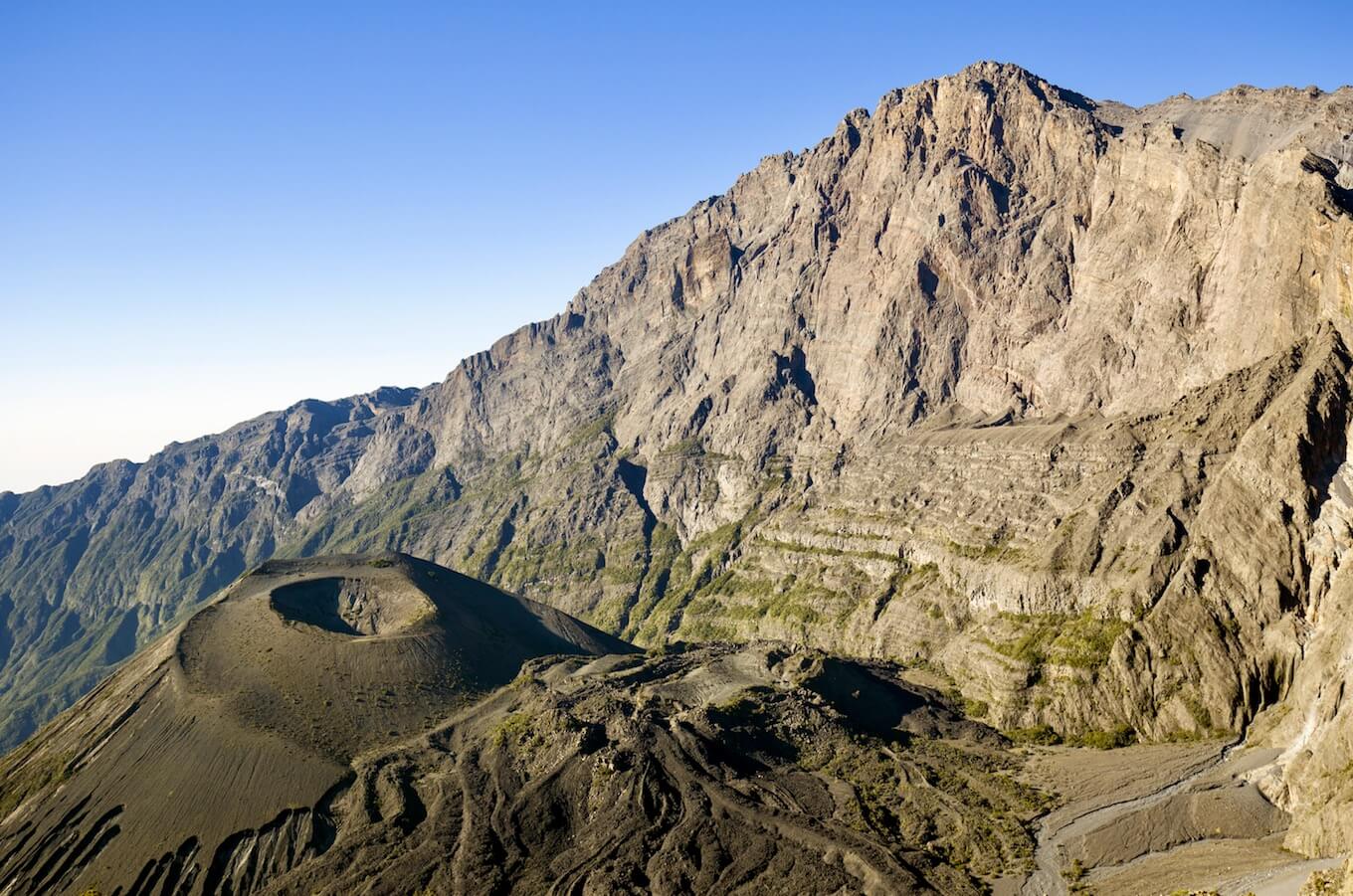
While Mount Meru won’t subject you to serious altitude sickness, it still presents a technical and steep climb, requiring good fitness levels. The climb follows the Momella Route, which starts on the mountain’s eastern side and ascends along the northern side of the crater to the Socialist Peak at the summit.

The trek typically takes four days (three nights), with the option to shorten it to three days (two nights). However, while the shorter option might save some money, it involves a very long third day, where you’ll summit at sunrise and then descend more than 3,000m (9,800ft) all the way back to the park entrance. This makes for a strenuous, exhausting day, so we recommend the full four-day itinerary for a more enjoyable experience.
Whether you’re preparing for Kilimanjaro or simply seeking a stunning adventure, Mount Meru offers a trek that is as rewarding as it is breathtaking.

Explore Mount Meru Itineraries

second highest mountain

3 Days Mount Meru Trekking

Join us on a thrilling 3-day adventure to the summit of Mount Meru, Tanzania’s second-highest peak standing proudly at 4,562 meters.

second highest mountain

4 Days Mount Meru Trekking

Taking on the four-day Mount Meru trek gives you the advantage of a more gradual descent, which spares your knees and allows you to fully immerse yourself 

Mount Meru Location

Mount Meru stands proudly within Arusha National Park, about 70 kilometers (43 miles) west of the iconic Mount Kilimanjaro. As Tanzania’s second-highest peak and Africa’s fifth-highest, Meru offers a commanding presence in the heart of one of Tanzania’s most scenic national parks.

Situated just north of the bustling city of Arusha, the gateway to Tanzania’s northern safari circuit, Mount Meru is perfectly positioned for adventurers looking to combine trekking with a classic African wildlife experience. Known as the “safari capital” of Tanzania, Arusha serves as the starting point for most treks, and on a clear day, Meru’s towering slopes are easily visible from the city.

Little Meru Peak

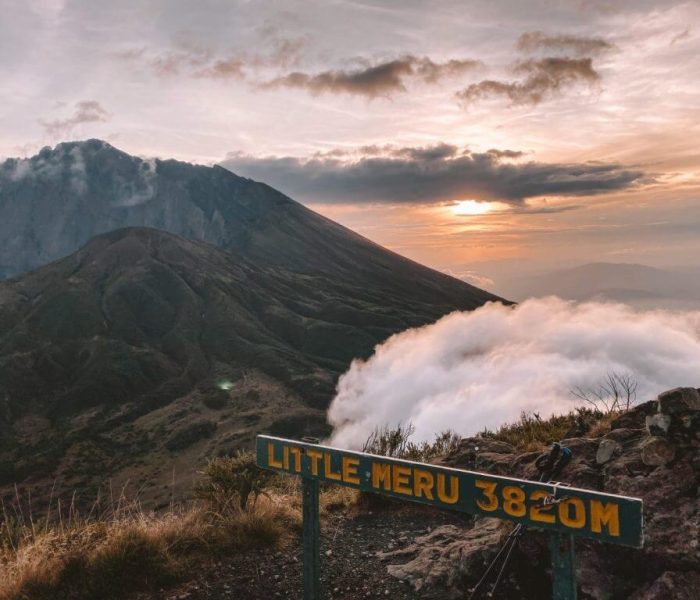
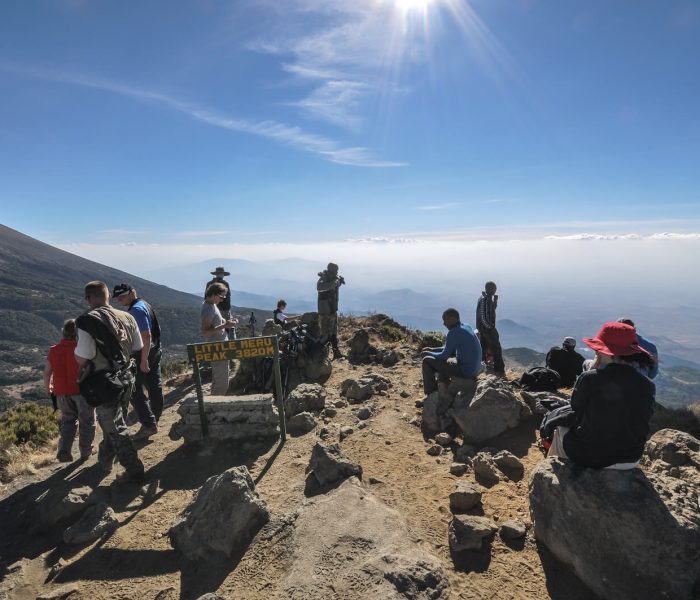
Mount Meru isn’t just about reaching Socialist Peak there’s another hidden gem along the way: Little Meru. Standing at 3,820 meters (12,533 feet) above sea level, Little Meru serves as both a rewarding side trek and a crucial step for successful acclimatization.

On the second day of your Mount Meru climb, after arriving at Saddle Hut (3,570 meters), you’ll have some time to spare. This is the perfect opportunity to take on the relatively easy trail to Little Meru’s summit. Guided by our experienced trek guides, the hike offers a more relaxed pace, allowing you to soak in the incredible views without the pressure of a summit push.

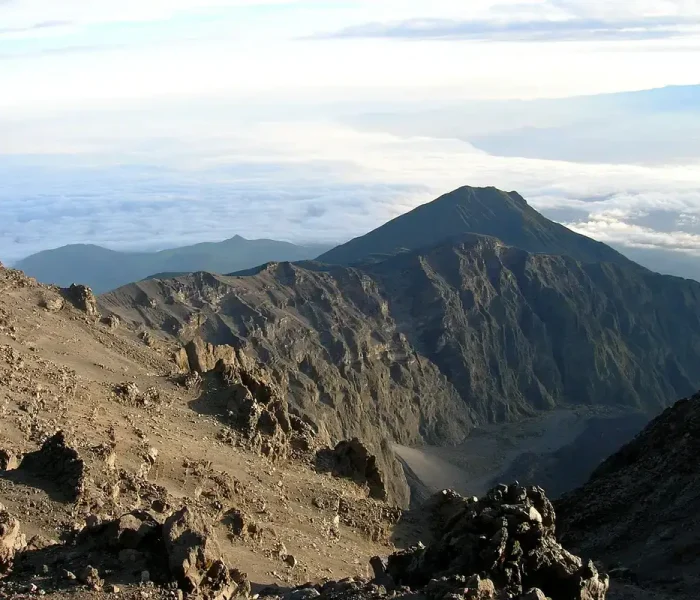
On a clear day, Little Meru rewards climbers with a direct, unobstructed view of Mount Kilimanjaro a breathtaking sight that few places can offer. The landscape below stretches across the Arusha plains, framed by the rugged slopes of Meru’s volcanic crater.

Reaching Little Meru isn’t just about the views it’s about preparing your body for the main summit. Acclimatization is a key factor in high-altitude trekking, and the golden rule of climbing, “climb high, sleep low,” applies perfectly here. Summiting Little Meru before Socialist Peak increases your chances of success by helping your body adjust to the thin mountain air.

The hike to Little Meru is included in both the 3-day and 4-day Mount Meru climbing programs. While the 3-day version is more intense, the 4-day trek allows you to pace yourself better and truly appreciate the beauty of this lesser-known peak. Climbing Little Meru isn’t just an optional side trip it’s a strategic advantage and a memorable highlight of your Mount Meru adventure.

MOUNT MERU TREK DETAILS

Distance and Days Required

Trekking Mount Meru is an unforgettable adventure, a challenging yet rewarding climb that promises breathtaking views and a thrilling sense of accomplishment. Standing at 4,566 meters (14,980 feet), Mount Meru is Tanzania’s second-highest peak and an ideal acclimatization climb before tackling Mount Kilimanjaro. 

The round-trip journey from Momella Gate to the summit and back covers approximately 43 kilometers and typically takes three to four days to complete. While the climb is moderately difficult, it’s manageable for most hikers when spread over four days, giving you time to adjust to the altitude and enjoy the scenic beauty of the mountain.

The ascent involves a total incline of 3,480 meters (11,417 feet), guiding you through rich montane forests teeming with wildlife, including buffalo, leopards, and colobus monkeys. This is why a ranger is required for your safety during the trek. 

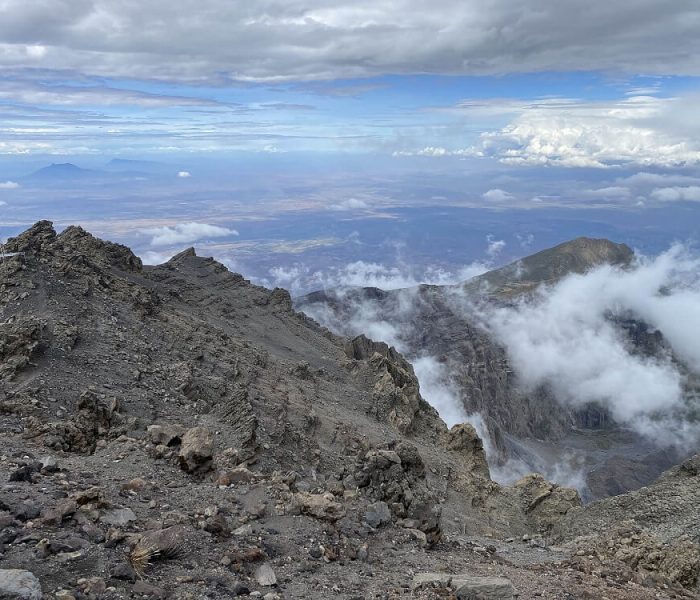
The climb to the summit is done under the cover of darkness, adding a sense of adventure as you navigate the unmarked trail with the help of an experienced guide. The payoff is spectacular, reaching the summit at sunrise rewards you with panoramic views of Mount Kilimanjaro, the Great Rift Valley, and the surrounding savannah below.

A Mount Meru climb isn’t just about the climb; it’s about the experience. Accommodation along the route includes two comfortable mountain huts equipped with dorm-style beds, toilets, dining areas, and solar-powered electricity, a welcome retreat after a day of challenging hiking. 

Our trekking packages include a team of porters and a chef to ensure you’re well-fed and comfortable throughout the journey.

Armed Ranger

Climbing Mount Meru comes with a unique set of rules, as all trekking groups must be accompanied by an armed ranger, as mandated by Arusha National Park regulations. The park’s administration is responsible for assigning rangers to climbing groups, and during peak seasons, it’s common for one ranger to be shared among several groups. This requirement is exclusive to Mount Meru climbs and does not apply to Mount Kilimanjaro treks.

The presence of an armed ranger enhances safety, particularly as you may encounter wildlife such as buffalo and leopards along the route. Preparing for this arrangement will help you fully enjoy the diverse landscapes, stunning views, and the unique thrill of summiting Tanzania’s second-highest peak.

The cost of climbing Mount Meru ranges from $800 to $1,200 per person, depending on the size of your group and the level of support you prefer. 

This includes permits, fees, and the expertise of your guides and crew. If you’re seeking a climb that combines adventure, wildlife encounters, and stunning natural beauty, Mount Meru is the ultimate trekking destination in Tanzania.

What to Expect During Your Mount Meru Climb

Climbing Mount Meru is an intense yet rewarding adventure that will push you both mentally and physically. Be prepared for any kind of weather rain, fog, snow, dust, and loose gravel are all part of the mountain’s unpredictable character. The terrain can quickly shift from muddy trails to rocky paths, so adaptability is key.

The secret to a successful climb lies in your pace. Ascend slowly to conserve energy and help your body adjust to the thinning air. Deep, steady breaths will maximize your oxygen intake and reduce the risk of altitude sickness. Trust your guide they are the most experienced person on the mountain and will help you navigate the toughest sections. Open communication with your guide is essential; if you feel unwell or need to adjust your pace, let them know immediately.

At higher altitudes, you might experience a loss of appetite, which is normal. However, it’s crucial to fuel your body even if you don’t feel like eating. Proper hydration and nutrition are key to maintaining your strength for the demanding summit push.

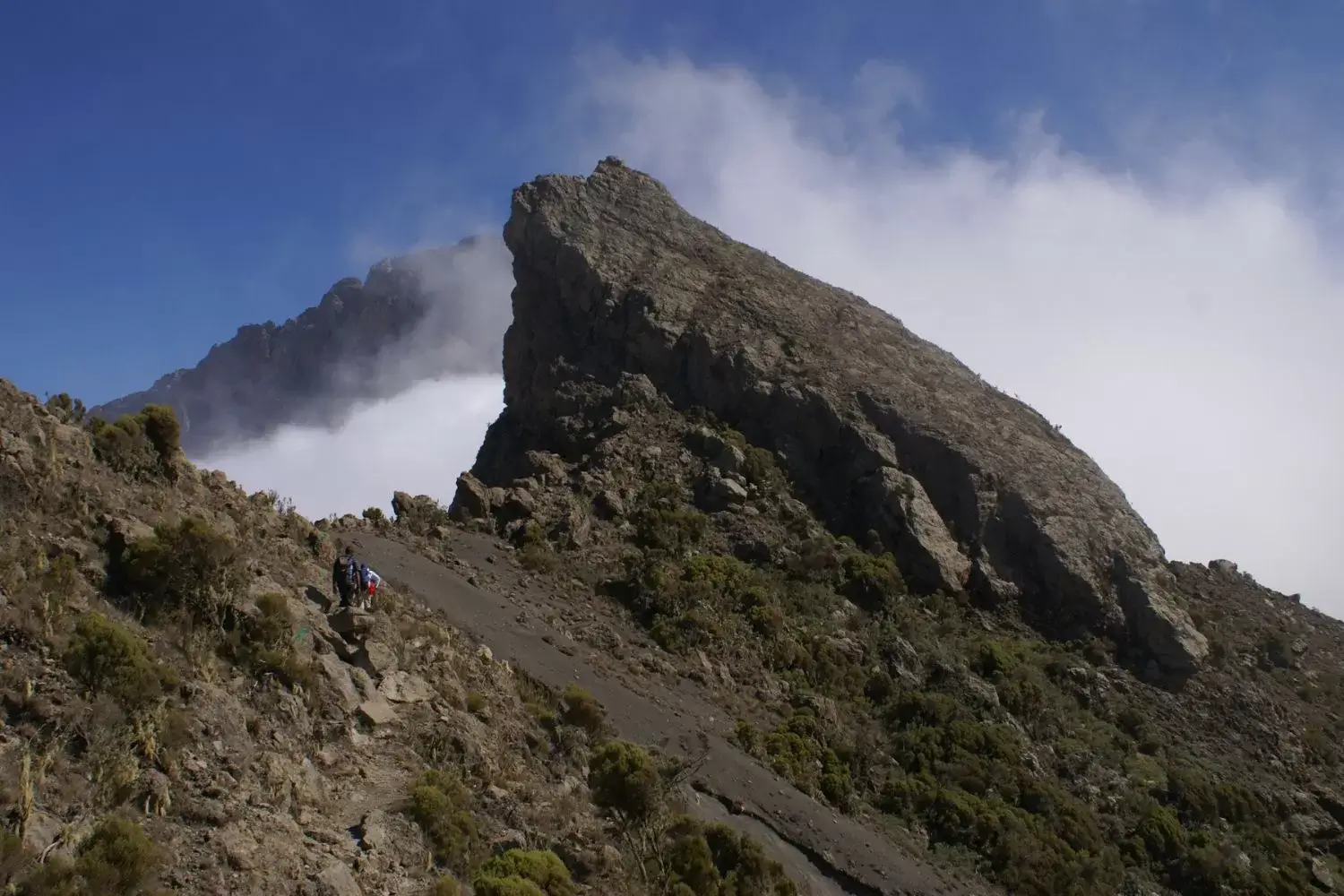
Summit day is no easy feat. The ascent is steep, with sheer drops in some places and loose gravel underfoot. The cold and wind will test your resilience. Conserve your energy from the beginning of the trek because you’ll need every bit of mental and physical strength to reach Socialist Peak.

Finally, remember to take it all in. The spiritual and natural beauty of Mount Meru is profound. Let yourself feel connected to the mountain and soak in the breathtaking views. This isn’t just a climb it’s an experience that will stay with you for a lifetime.

gallery

Picture of Planning Your Safari

Planning Your Safari

Organizing a safari in Kenya Destination, can be overwhelming due to the many choices available for transport, accommodation, and activities.

Reviews and Rates

Tanzania

Preparing for Your Mount Meru Climb

Getting ready to conquer Mount Meru requires a solid preparation plan to ensure you’re physically and mentally equipped for the challenge. Start your physical training at least two months before the climb. 

Focus on building endurance through long walks on varied terrain, swimming to improve cardiovascular strength, and yoga to enhance flexibility and mental focus. 

In the last two weeks before the trek, scale back the intensity of your workouts to allow your body to recover, and give yourself a few days of complete rest before the climb.

Mastering your breathing technique is also key to handling the altitude. Practice deep, deliberate breathing to increase your lung capacity and improve oxygen flow, which will help you acclimatize more effectively as you ascend.

Make sure you’re fully equipped with all the essential gear listed in the Mount Meru packing guide. Proper hiking boots, warm layers, and a quality headlamp are non-negotiable. Additionally, pack some personal comfort food like chocolate, energy bars, or powdered energy drinks. These quick energy boosts can be a lifesaver on summit night when the altitude and fatigue hit hardest.

Preparation is everything when tackling Mount Meru. A well-conditioned body, a sharp mind, and the right gear will set you up for an incredible and rewarding adventure on one of Africa’s most spectacular peaks.

What to Pack for Your Mount Meru Hike

Packing smart is the key to a smooth and enjoyable Mount Meru climb. Unlike an ordinary trip, mountain trekking demands careful planning, your gear choices can mean the difference between a comfortable hike and a tough struggle. While your tour operator should provide a detailed checklist, here’s a breakdown of the must-have essentials to help you prepare for your Meru adventure.

Start with two bags: a waterproof duffel bag (carried by your porter) and a daypack for the gear you’ll carry yourself. When it comes to clothing, think warm, lightweight, and moisture-wicking layers, skip the cotton and go for technical fabrics that dry quickly. A reliable waterproof jacket is a non-negotiable item, as weather conditions can shift fast at higher altitudes.

Your hiking boots are your best friend on this journey. Choose a high-quality, broken-in pair that offers great ankle support and comfort. Add sturdy hiking socks and pack some comfortable shoes or sandals to give your feet a break around camp.

Nights can get cold, so bring a very warm sleeping bag, plus anything else you need to sleep well, from a travel pillow to an eye mask. Don’t forget personal toiletries, basic first aid items, and any medications you might require.

Keep water bottles handy in your daypack, and make room for sunscreen, hand sanitizer, and wet wipes, essentials for staying fresh on the trail. Even if your climb is fully catered, it’s smart to pack a few of your favorite energy snacks to keep your morale high during tough stretches.

Being well-prepared not only ensures your safety and comfort, but also lets you focus on the breathtaking scenery, unique wildlife, and unforgettable summit experience that make Mount Meru one of Tanzania’s most rewarding treks.

Best Time to Climb Mount Meru

Mount Meru can be climbed at any time of the year, but timing your trek right can make all the difference between an average hike and an unforgettable adventure. For the most stable weather, panoramic visibility, and comfortable conditions, the dry season, from June to early March, is the ideal window to summit Tanzania’s second-highest peak.

If you’re aiming for the very best experience, late December through February is the sweet spot. During this period, the skies are typically crystal clear, offering spectacular views across to the majestic, snow-capped Mount Kilimanjaro, famously dubbed the “Roof of Africa.” The dry trails and steady conditions also increase your chances of a successful summit.

Planning your trek between November and mid-December? This time falls within the light rain season, so while brief showers may occur, the trail remains passable with good hiking gear and preparation. It’s a quieter time on the mountain, which may appeal to those looking for solitude.

However, avoid climbing during April and May, the peak of Tanzania’s heavy rains. Trail conditions can become slippery and hazardous, and in some cases, guided hikes may be canceled for safety reasons.

To fully enjoy Mount Meru’s dramatic landscapes, wildlife encounters, and stunning volcanic crater rim, schedule your climb during the dry months, with late December to February standing out as the best time for both weather and views.

What our Client Say

Design your own trip

Choose a destination, pick your properties, and we’ll do the rest

1
Browse
Look through our itineraries for inspiration, and call our Travel Consultants
2
Create
Discuss your wish list with us, and we’ll use our expertise to design a unique itinerary for you
3
Customise
We’re committed to refining your itinerary until we’ve created the perfect personalised trip for you