Get advice and suggestions to make this your perfect trip. or call us on: +255 755 003116
Congema Safaris, based in Arusha- Tanzania, specializes in mountain climbing tours in Tanzania and safaris in both Kenya and Tanzania. For years, they’ve been leading successful expeditions up Mount Kilimanjaro.
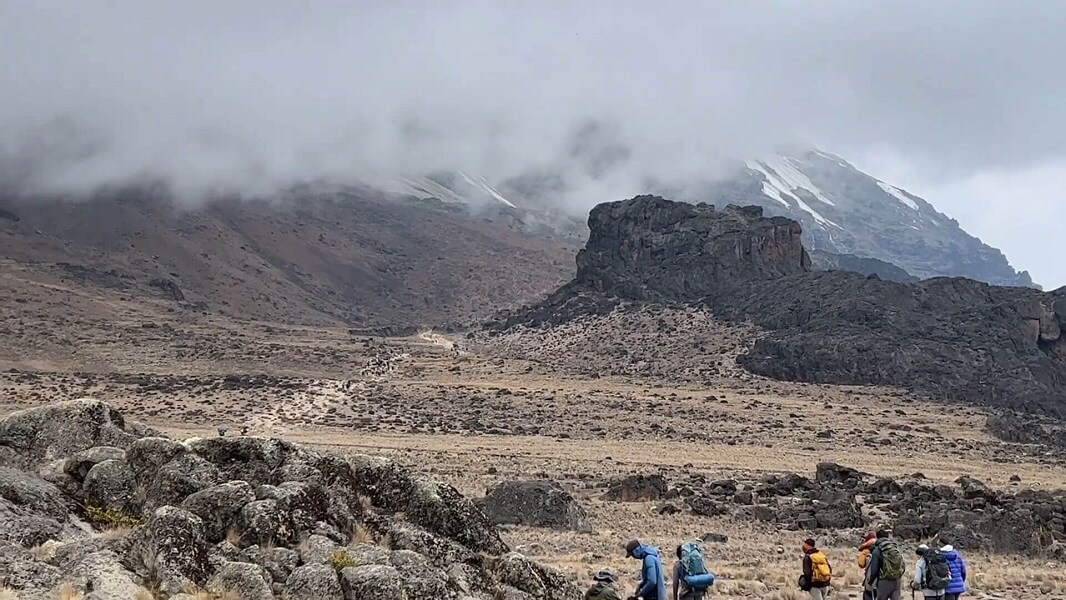
Each climbing route on the mountain offers distinct features that might appeal to you or not.When selecting a route, consider factors like the level of difficulty, the views, and how crowded it might be.
Also, take into account your age, physical condition, health conditions, experience with backpacking and trekking, your familiarity with high altitudes, motivation level, and any specific concerns you might have. Routes like the Northern Circuit, Lemosho, Machame, and Rongai are highly recommended by Congema Safaris.
Planning to climb Mount Kilimanjaro involves several key steps to ensure a successful and safe expedition


Mount Kilimanjaro has two main climbing seasons: the dry seasons from mid-December to mid-March and from mid-June to the end of October. These periods offer relatively stable weather, which is crucial for climbing safety and comfort.
During these times, the mountain is less likely to experience rain, which can make the trek slippery and more challenging. However, the mountain can be climbed year-round, except during the rainy seasons when conditions can be more difficult due to rain and potential for altitude sickness due to faster ascents.
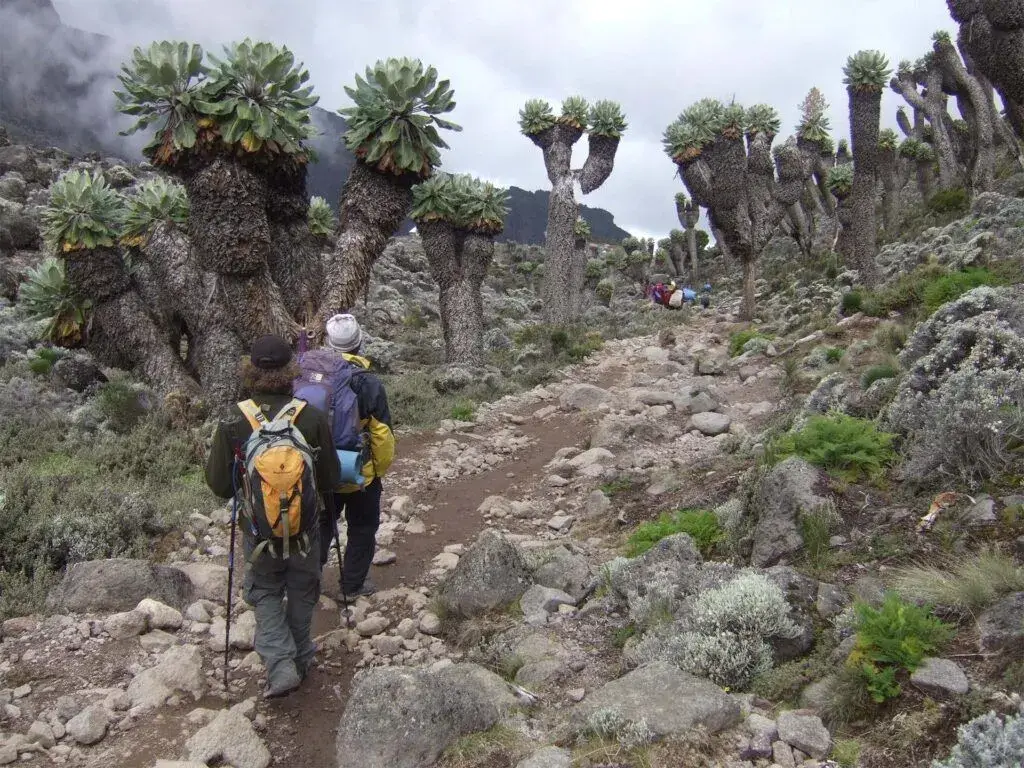
There are seven established routes to the summit of Kilimanjaro, each varying in difficulty, duration, and scenic beauty. Longer routes like the Northern Circuit, Lemosho, and Machame are recommended for better acclimatization, which significantly increases the success rate of reaching the summit.
The choice of route depends on your physical condition, budget, and preference for solitude versus a more social climbing experience.
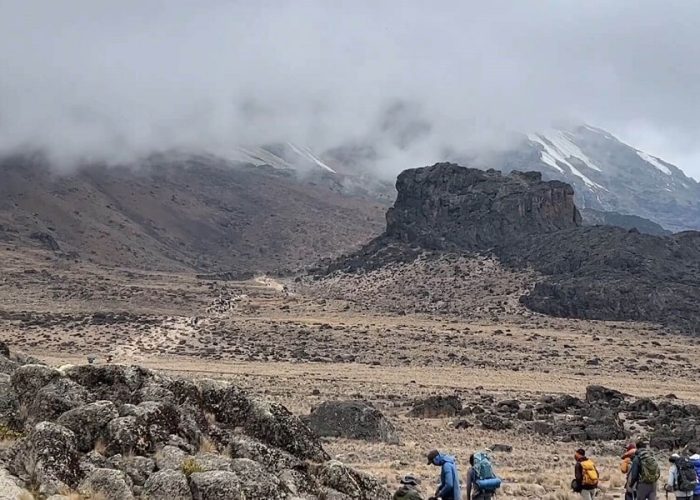
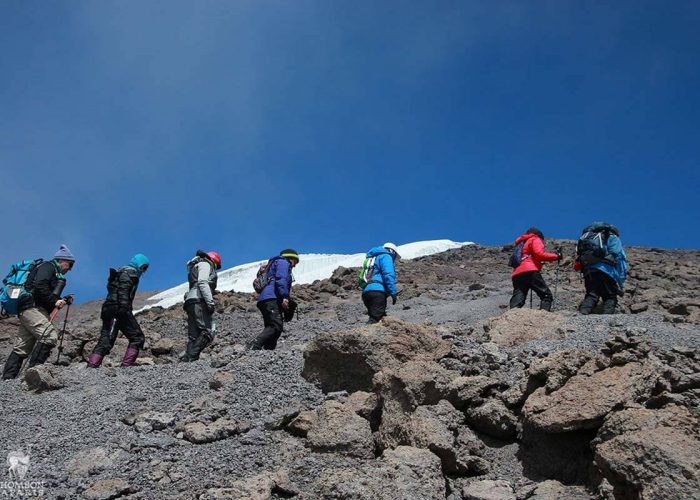
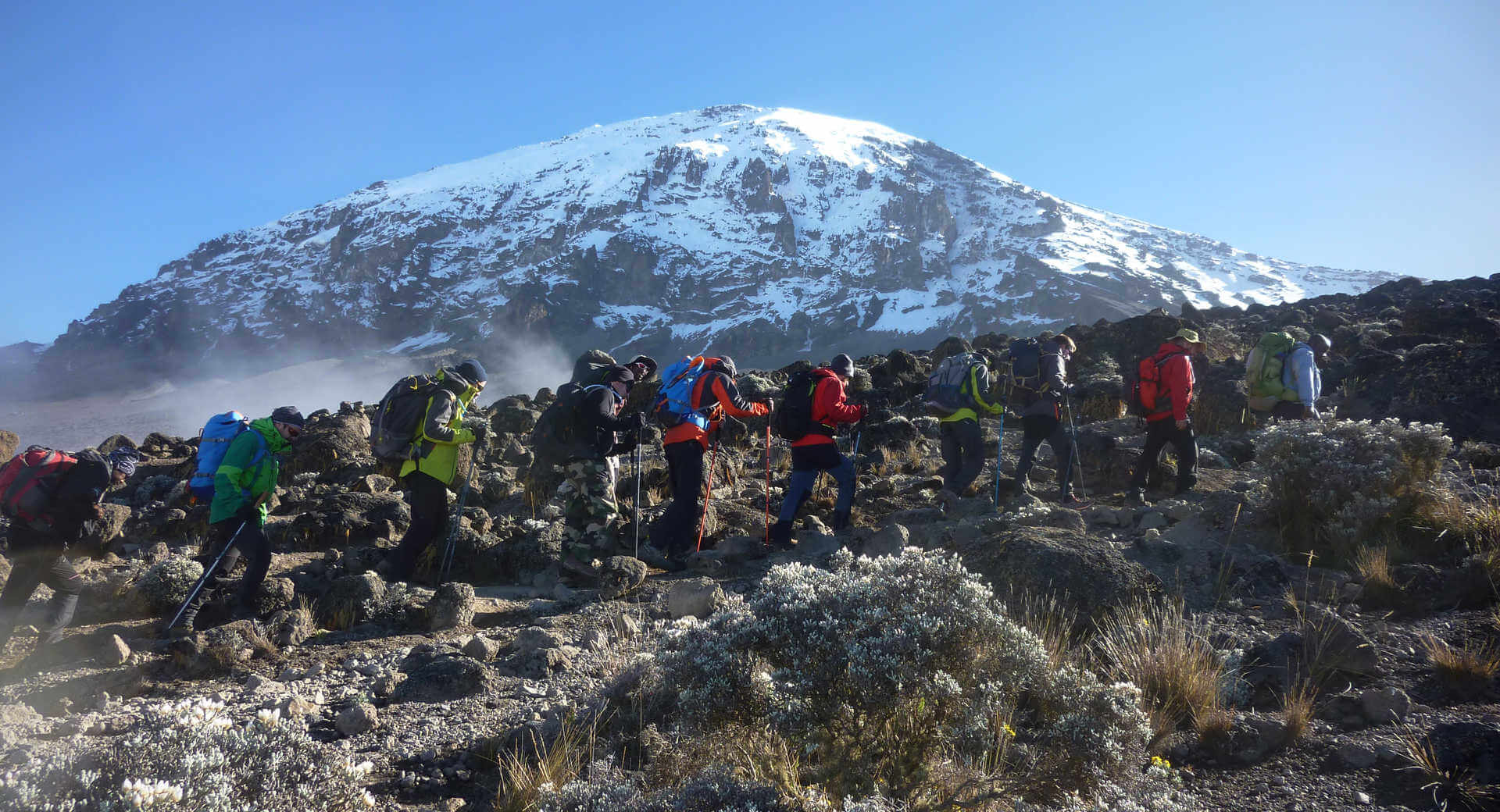
Climbing Kilimanjaro requires excellent physical fitness. You should be able to walk for 7-8 hours per day, with the summit day being the most demanding, often involving a total of 14-15 hours of hiking.
Training should focus on endurance, strength, and cardiovascular fitness. Many climbers underestimate the physical demand, so following a structured training plan months in advance is advisable.
It’s mandatory to climb with a registered guide. The cost for a guided climb can range from $2,000 to $6,000, depending on various factors like the route, length of the trip, and quality of service.
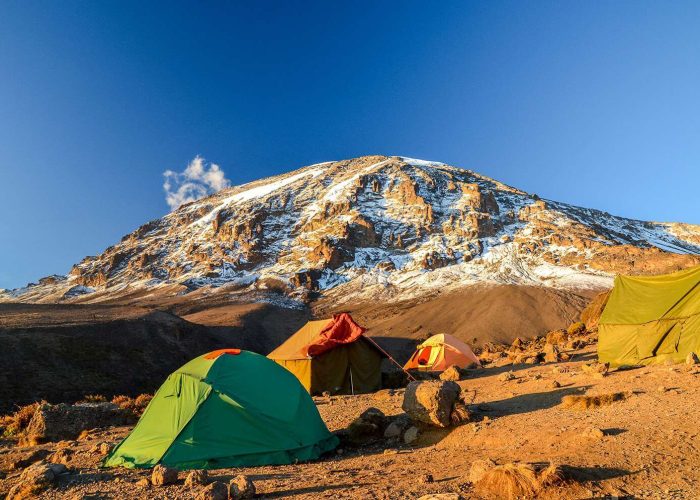
Reputable guide companies provide guides, porters, meals, and necessary group gear. They also handle park entry fees and logistics like airport transfers. Choosing a reliable company is crucial for safety, comfort, and success.
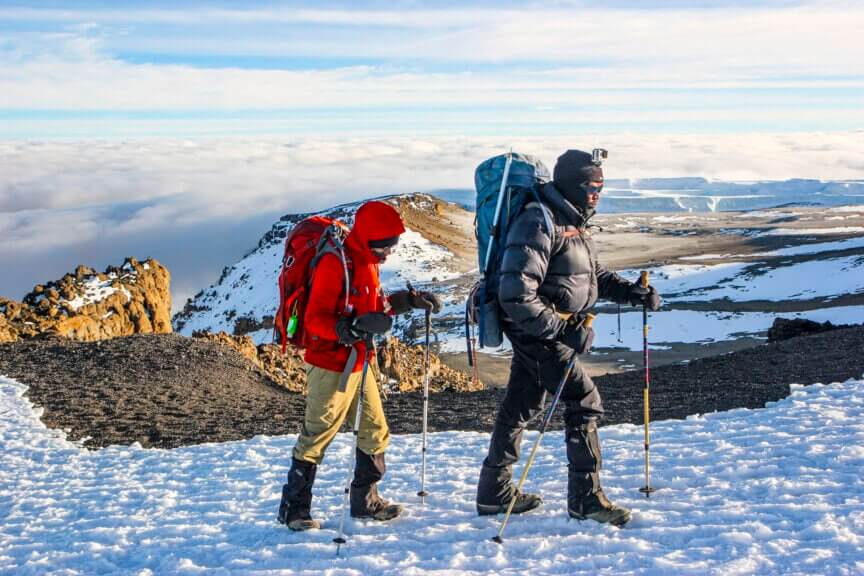
Proper gear is essential due to Kilimanjaro’s varying climates from tropical rainforest at the base to arctic conditions at the summit. You’ll need appropriate clothing layers, a good backpack for day-to-day essentials, and a larger duffel bag for porters to carry your main gear.
Items like water bottles, navigation tools, sun protection, insulation, illumination, first-aid supplies, and emergency shelter are part of the Ten Essential Systems recommended for backcountry trips. Guide companies often provide some group gear, but personal items should be tailored to your needs.
Before traveling, ensure you are up-to-date with routine vaccinations and consider additional ones like yellow fever, typhoid, and hepatitis A, depending on your travel history and health advice.
Acclimatization is crucial to prevent altitude sickness; longer routes are designed to help with this. Also, bring necessary medications for altitude sickness like Diamox if prescribed by your doctor.
A Tanzanian visa can be obtained upon arrival or in advance. You’ll need your passport, flight itinerary, and possibly proof of vaccination upon entry. Make sure all travel documents are in order well before your departure.
Tipping is customary in Tanzania, particularly for guides and porters. While it’s not included in the climb cost, a general guideline suggests budgeting around $250 for tips, distributed among the head guide, assistant guides, cooks, and porters. This is at your discretion but is greatly appreciated for their hard work.
Given the high-altitude nature of the climb and the remote location, trip insurance covering evacuation and medical emergencies is highly recommended. This ensures you’re covered for unforeseen circumstances that might require emergency services or trip cancellation.
Many climbers extend their trip with a safari or a visit to Zanzibar, making the most of their time in Tanzania. Planning these add-ons in advance can enrich your experience and provide a well-rounded adventure.
A private Kilimanjaro climb offers a personalized experience tailored specifically to the needs, preferences, and pace of the individual or a small, pre-arranged group. Here are some key aspects of a private climb:
Group climbing of Kilimanjaro involves joining a pre-organized expedition with other climbers, which can range from small groups to larger ones. Here’s what you should know about group climbs:
Choosing between a private and a group climb on Kilimanjaro depends on your personal preferences, budget, desire for customization, and social interaction. Private climbs offer a bespoke experience with a focus on individual needs, while group climbs provide a cost-effective, communal adventure with the benefits of shared experiences and support. Both options can lead to a successful summit, with the choice ultimately reflecting what kind of journey you wish to undertake on this majestic mountain.
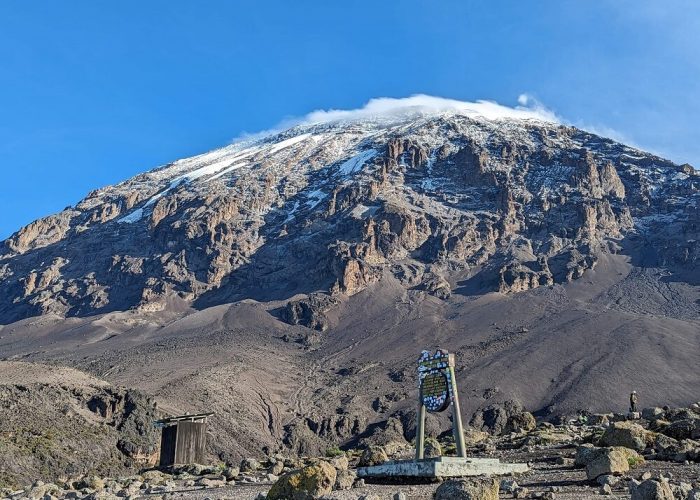
By meticulously planning each aspect of your Kilimanjaro climb, from selecting the right time and route to ensuring you’re physically, mentally, and logistically prepared, you set the stage for an unforgettable journey to the Roof of Africa.
Organizing a safari , can be overwhelming due to the many choices available for transport, accommodation, and activities.
© 2026 Congema Safaris. All rights reserved.