EXPLORE

What Amount Of Time Do I Need To Climb Mountain Kilimanjaro

Picture of Chat to a Safari expert

Chat to a Safari expert

Get advice and suggestions to make this your perfect trip. or call us on:
+255 755 003116

Picture of Chat to a Safari expert

Chat to a Safari expert

Get advice and suggestions to make this your perfect trip. or call us on:
+255 755 003116

overview

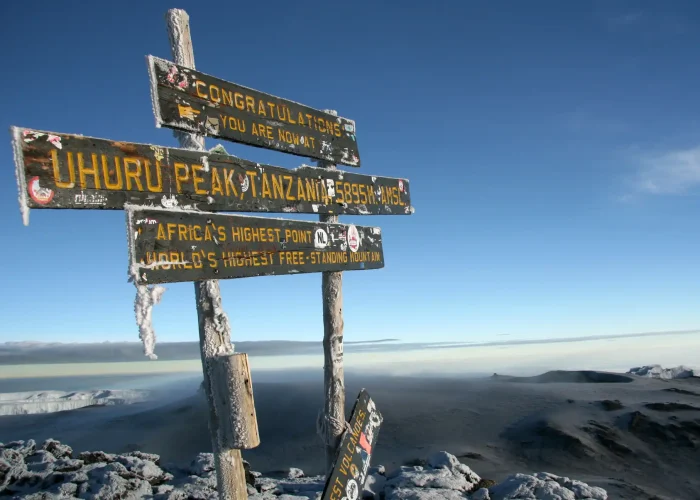
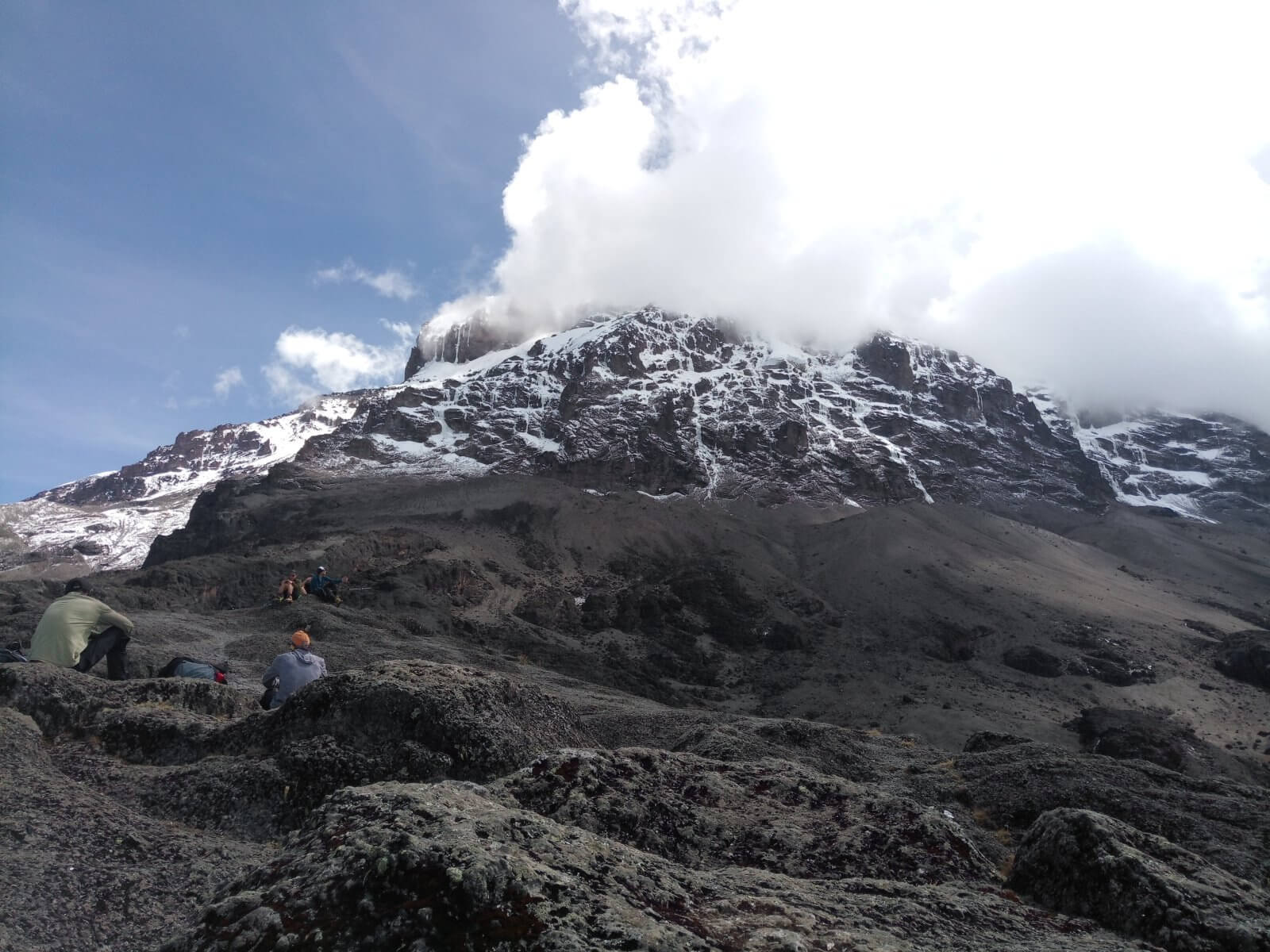
Climbing Mount Kilimanjaro, Africa’s highest peak at 5,895 meters (19,341 feet), requires a significant time commitment due to the importance of acclimatization to prevent altitude sickness.

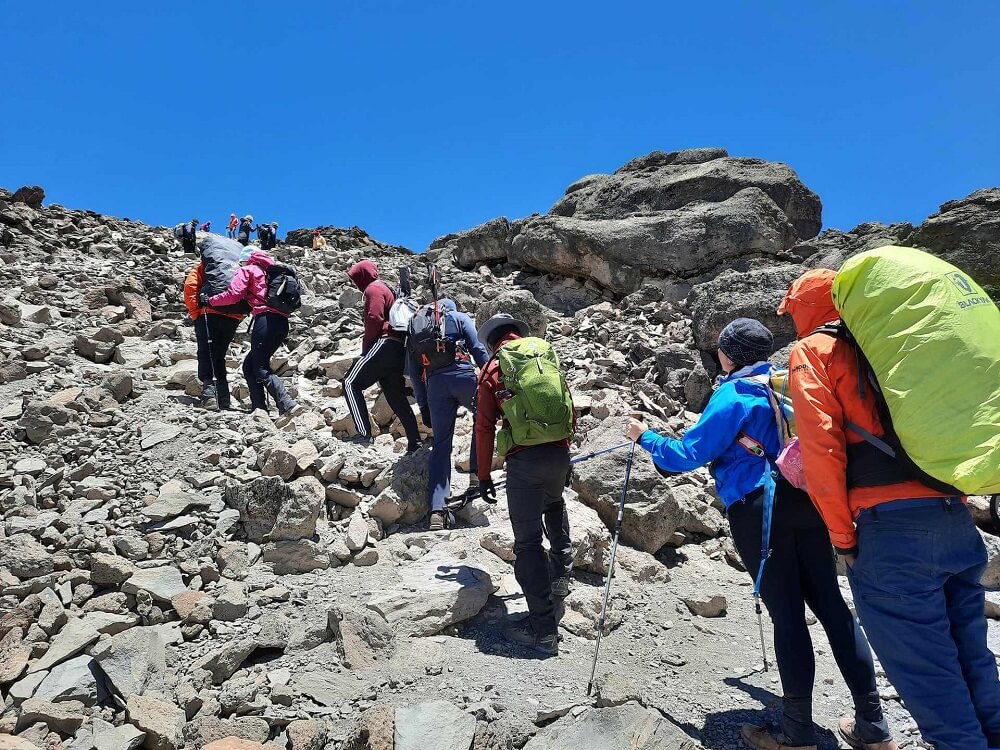
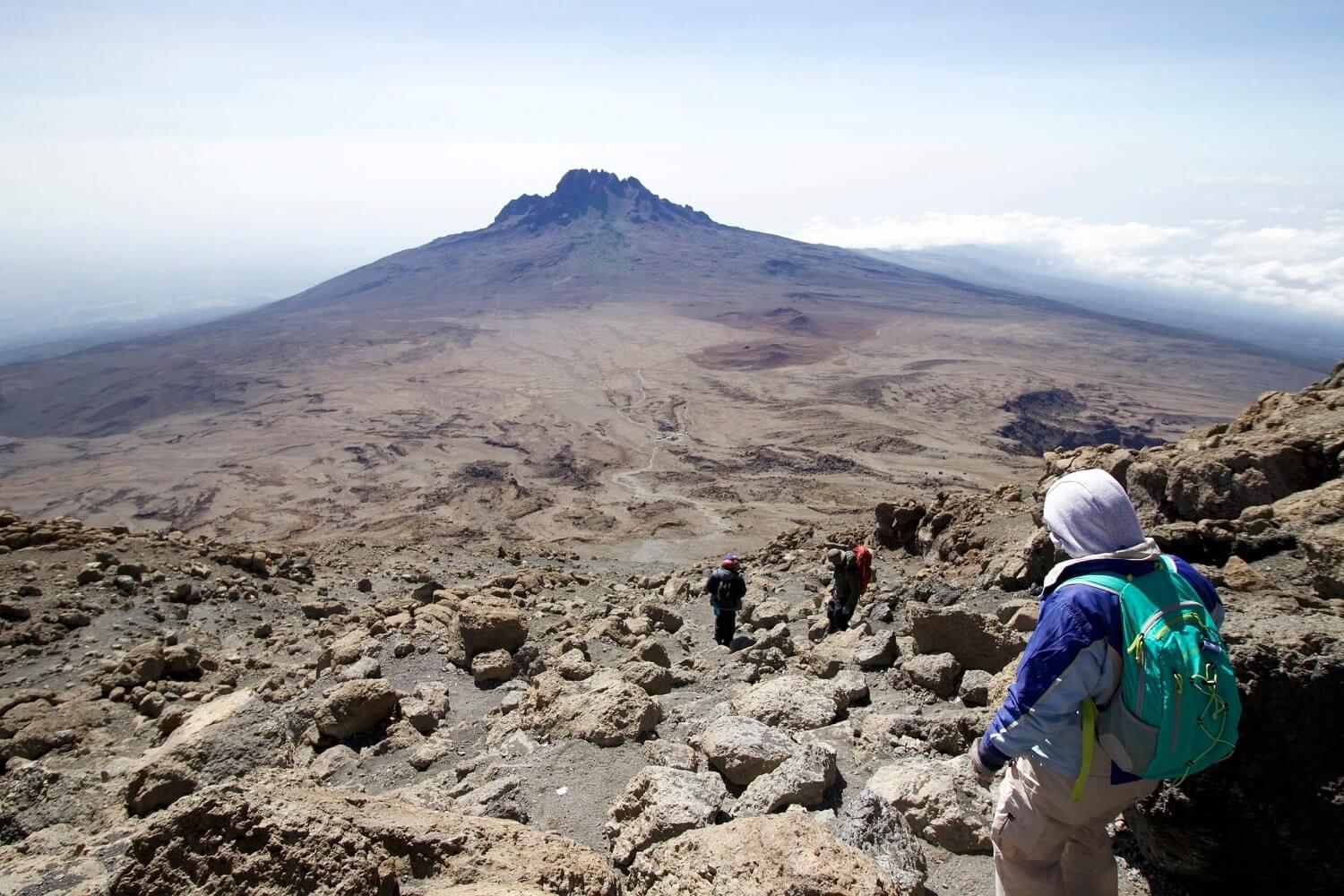
Climbing Mount Kilimanjaro typically takes 5 to 9 days, depending on the route you choose. This timeframe includes both the ascent to the summit and the descent to the finish point.

Generally, the more days you spend on the mountain, the higher your chances of reaching the summit successfully. Extra days allow your body to better acclimatize to the altitude, reducing the risk of altitude sickness and minimizing fatigue, which is crucial for a safe and rewarding summit attempt.

Explore More

a detailed overview of how many days are typically needed

Standard Climbing Durations

Shortest Option (5-6 Days)

The shortest routes like the Marangu or Umbwe can theoretically be completed in 5 days, but this is not recommended for most climbers due to the high risk of altitude sickness. The success rate for summiting in such a short timeframe is significantly lower, around 27% according to some historical data from 2006. Even extending this to 6 days, the acclimatization period is still quite rushed.

Recommended Duration (7-9 Days)

Most climbers opt for routes that take 7 to 9 days. This duration is considered ideal for acclimatization, offering a better balance between the physical challenge and safety. Routes like Lemosho, Machame, Rongai, or the Northern Circuit are popular for this reason. Here’s a breakdown:

7-Day Climb: Provides a good acclimatization schedule but is on the lower end of what’s recommended. Climbers might still feel the effects of altitude sickness, but the success rate is higher than shorter climbs.

8-9 Day Climb: This is often the sweet spot for many climbers. An 8 or 9-day trek allows for a more gradual ascent, which aids in acclimatization. Historical data suggests an 85% success rate for those spending 8 days or more on the mountain. The additional days can include extra acclimatization hikes, which are crucial for adjusting to the altitude.

Why More Days are Beneficial

Acclimatization
The primary reason for spending more days on Kilimanjaro is to allow your body time to adjust to the decreasing oxygen levels as you ascend. Gradual altitude gain reduces the risk of Acute Mountain Sickness (AMS), High Altitude Pulmonary Edema (HAPE), and High Altitude Cerebral Edema (HACE).

Rest and Recovery
Longer routes provide more rest days, which are essential for physical recovery from the daily exertions of climbing and for mental preparation for the summit push.

Enjoyment of the Environment
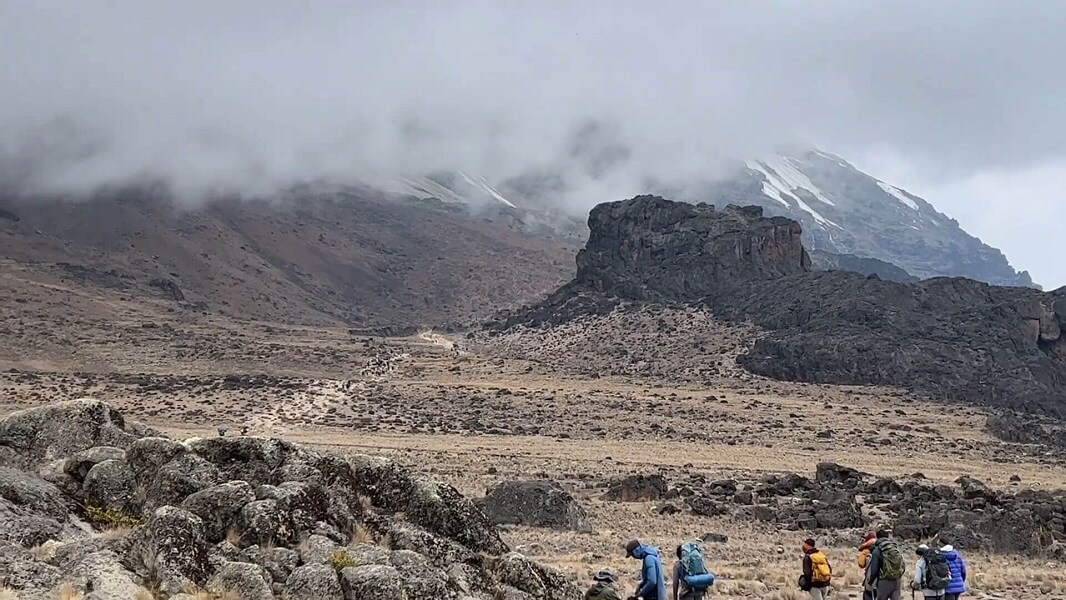
More time on the mountain allows climbers to appreciate the diverse ecosystems of Kilimanjaro, from the lush rainforest at the base to the alpine desert and eventually the arctic zone near the summit.

Increased Summit Success

As mentioned, longer treks have a significantly higher summit success rate. This is because they manage the ascent in a way that minimizes fatigue and maximizes acclimatization.

Important Considerations

Fitness Level

  • While physical fitness does not directly affect acclimatization, being fit can make the trekking easier and less stressful, allowing for a more enjoyable experience.

Route Selection

  • Different routes offer different challenges, scenery, and crowd levels. Longer routes like the Northern Circuit provide a more scenic and less crowded experience, which can be a factor in choosing your climb duration.

Personal Health

  • Pre-existing medical conditions, age, and previous high-altitude experience can influence how long you should plan to spend climbing. Consult with a doctor or a specialized guide service for personalized advice.

In summary, while it’s possible to climb Kilimanjaro in as few as 5 days, for the best chance of summit success and to minimize health risks, a 7 to 9-day expedition is highly recommended. This duration allows for proper acclimatization, rest, and enjoyment of the unique journey up Africa’s highest peak.

Note: Historical success rates are based on data from 2006, and current rates might be higher due to advancements in guiding and gear, but the principle of longer climbs leading to higher success remains relevant.

Picture of Planning Your Safari

Planning Your Safari

Organizing a safari , can be overwhelming due to the many choices available for transport, accommodation, and activities.

Reviews and Rates