Get advice and suggestions to make this your perfect trip. or call us on: +255 755 003116
Planning your once-in-a-lifetime Mount Kilimanjaro trek? Timing is everything. While this majestic peak welcomes climbers year-round, the best time to climb Kilimanjaro is closely tied to the mountain’s shifting weather patterns.
Understanding these seasonal changes is key to choosing the ideal moment for your summit success.Mount Kilimanjaro experiences two primary trekking seasons: the dry season and the rainy season.
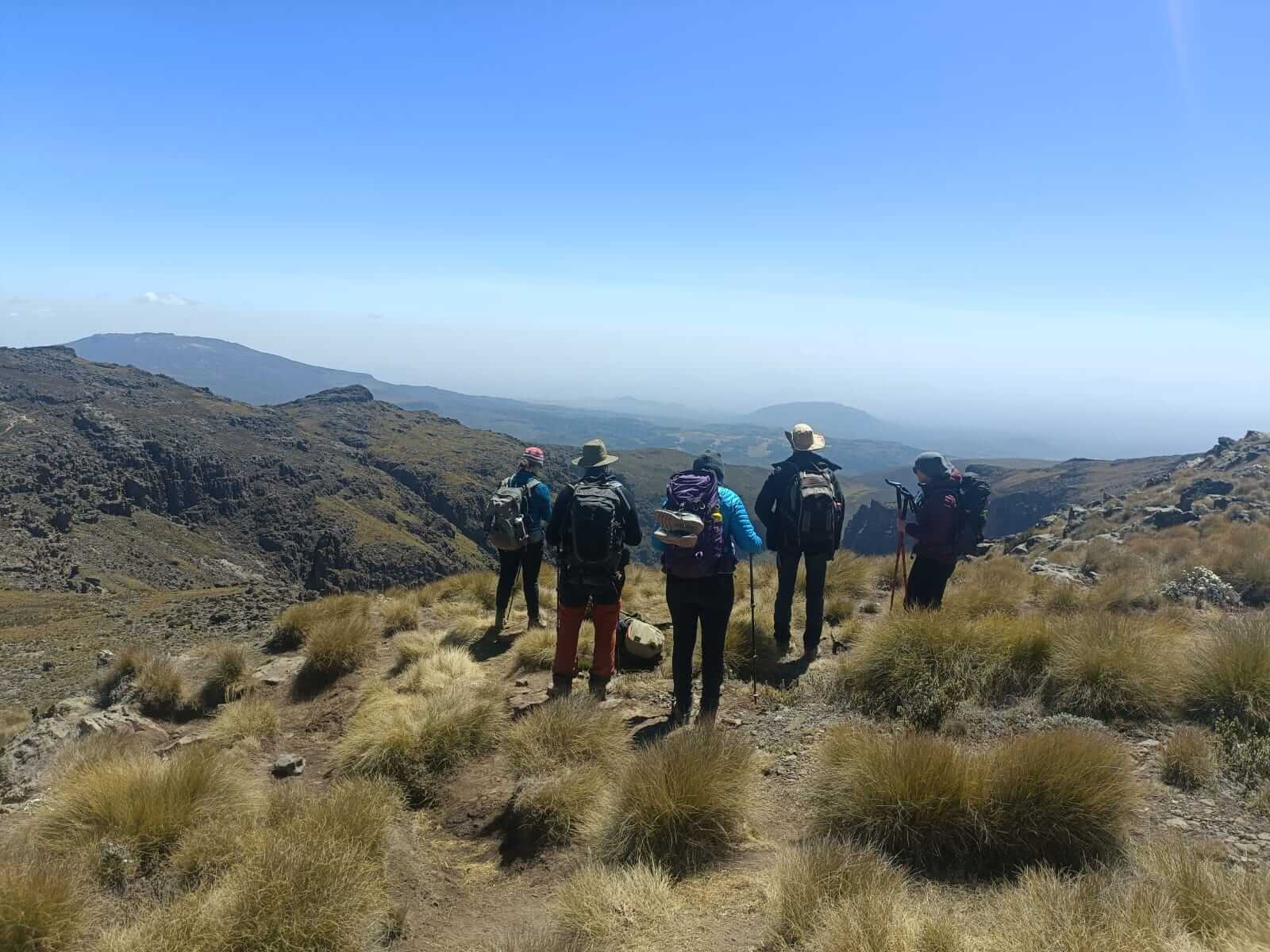
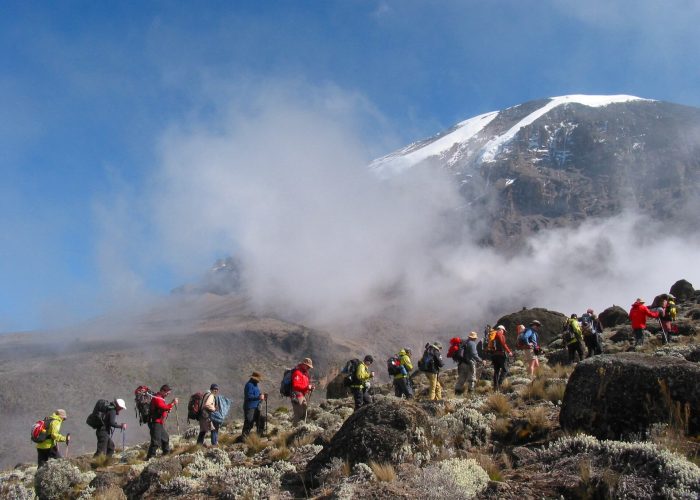
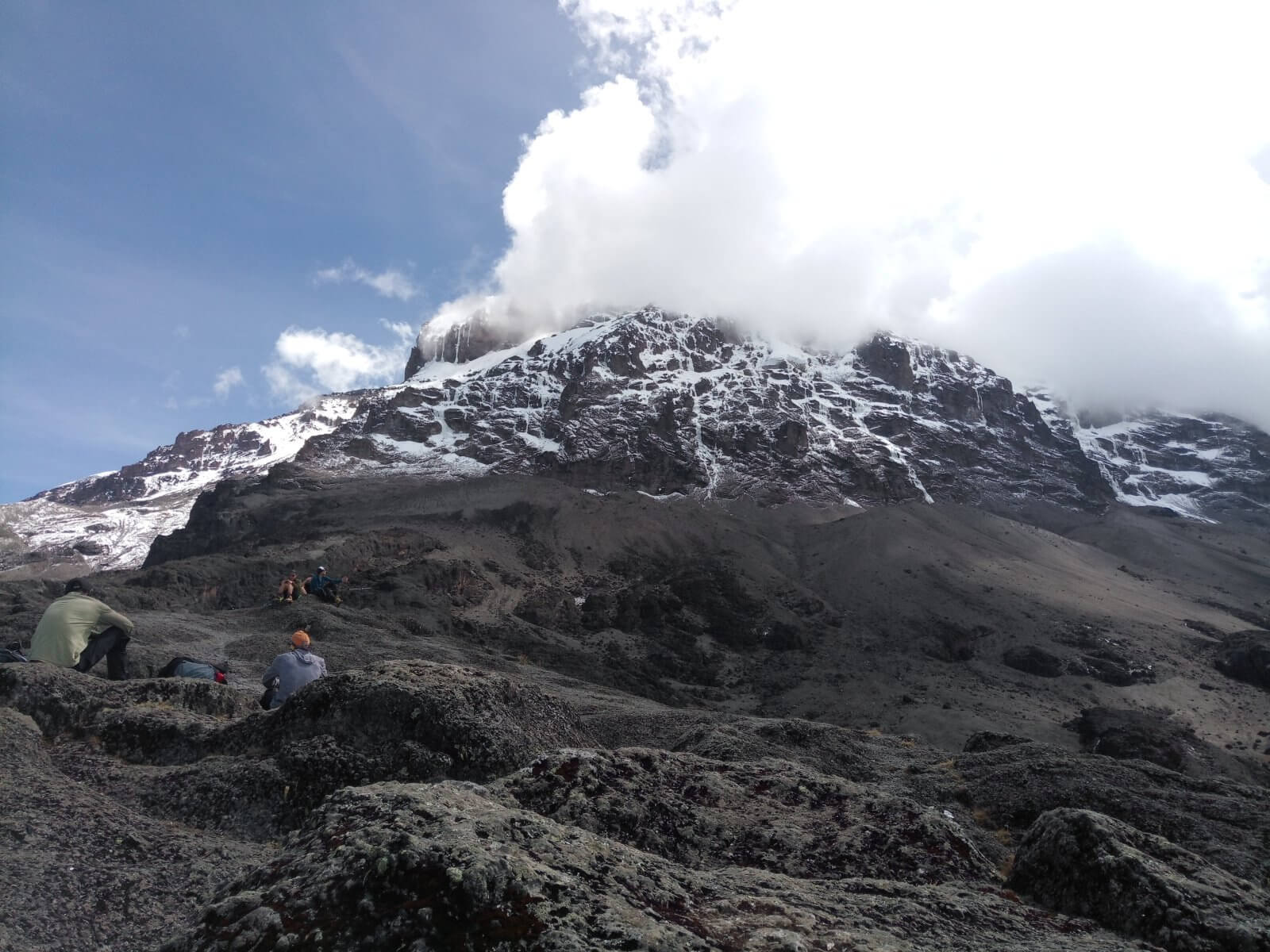
Each brings its own set of challenges and rewards, but if you’re aiming for the most comfortable and scenic ascent, the dry season is your best bet. The most favorable climbing conditions occur between December and mid-March, and again from late June through October.
These months deliver clear skies, sunshine-filled days, and breathtaking vistas, making your high-altitude journey as magical as it is memorable.Among the top-recommended months are January, February, July, August, September, and October. These periods not only offer the best weather for climbing Kilimanjaro, but they also improve your chances of reaching the summit by minimizing rain-related obstacles like muddy trails and limited visibility.
While Kilimanjaro is technically climbable all year long, not all months are created equal. We strongly advise against trekking during April and November, which mark the peak of the rainy seasons. Heavy rainfall during these months can turn trails slippery and increase the risk of altitude sickness, making the climb more dangerous and less enjoyable.
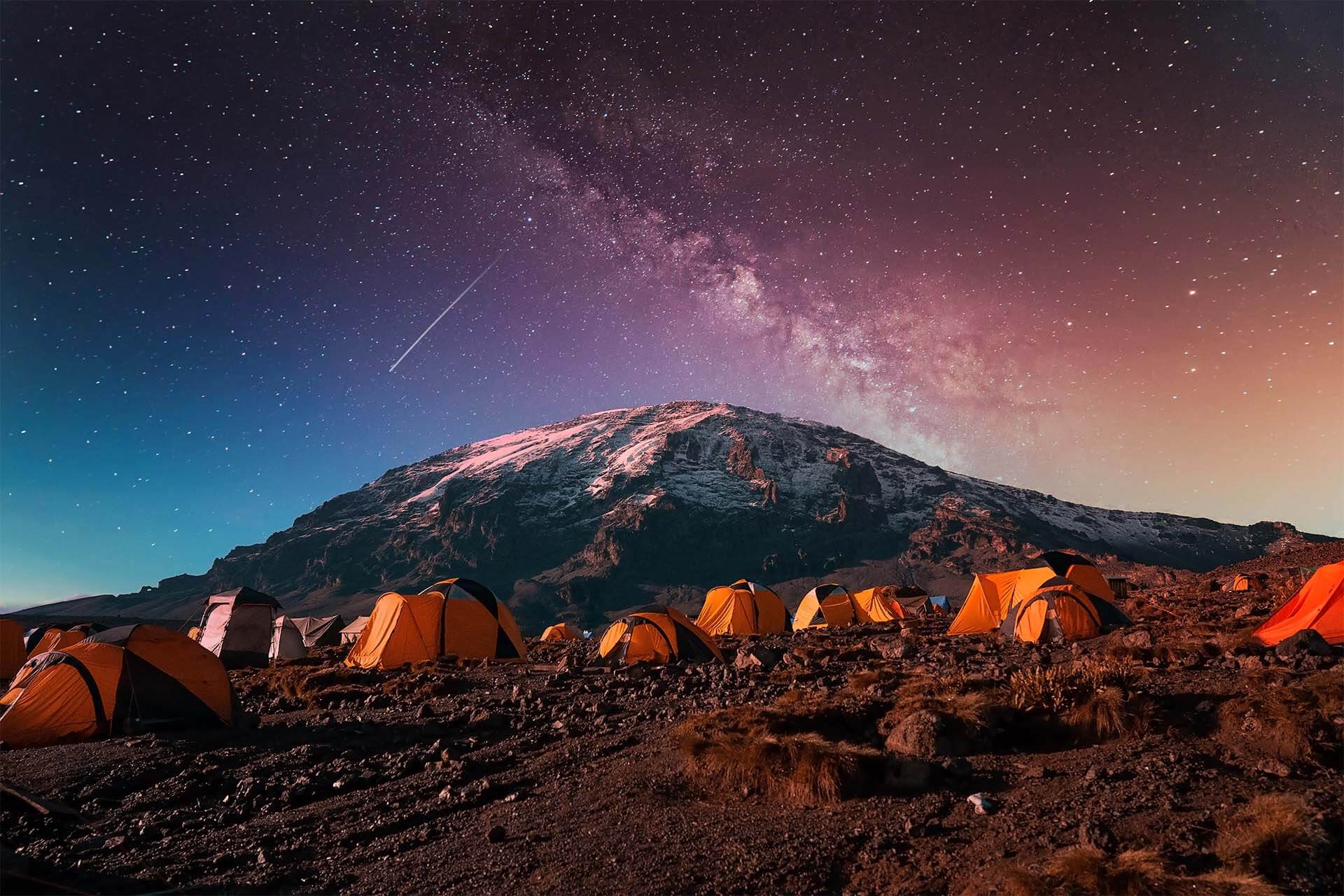
Of course, mountain weather can be unpredictable at any time of year. But choosing to climb during the driest months gives you the greatest chance for a safe, scenic, and successful summit. Whether you’re chasing the sunrise from Uhuru Peak or soaking in the star-filled sky on a full moon climb, the perfect time to hike Kilimanjaro starts with smart seasonal planning.
Here’s a detailed look at the optimal times to climb this majestic mountain:


Mount Kilimanjaro’s location near the equator results in two distinct dry seasons, which are considered the best times for climbing:
January to Mid-March:
This period, known as the short dry season, offers relatively warm weather with less rain and fewer clouds. January is often slightly busier due to New Year climbers, but overall, these months provide excellent conditions for climbing. The trails are drier, making the trek less challenging, and there’s a higher chance of clear skies for breathtaking views at the summit.
June to October:
This is the long dry season, aligning with the winter in the Southern Hemisphere but offering cooler temperatures on the mountain due to its altitude. June to August are particularly popular due to the school holidays in Europe and North America, leading to more climbers but also ensuring the best weather conditions with minimal rain. September and October can still be good, though cloud cover might increase towards the end of October.
1. Weather:
During these dry seasons, the weather on Kilimanjaro is more predictable. You’re less likely to encounter heavy rain, which can make the trails slippery and increase the risk of altitude sickness due to a faster ascent to avoid wet conditions.
2. Visibility:
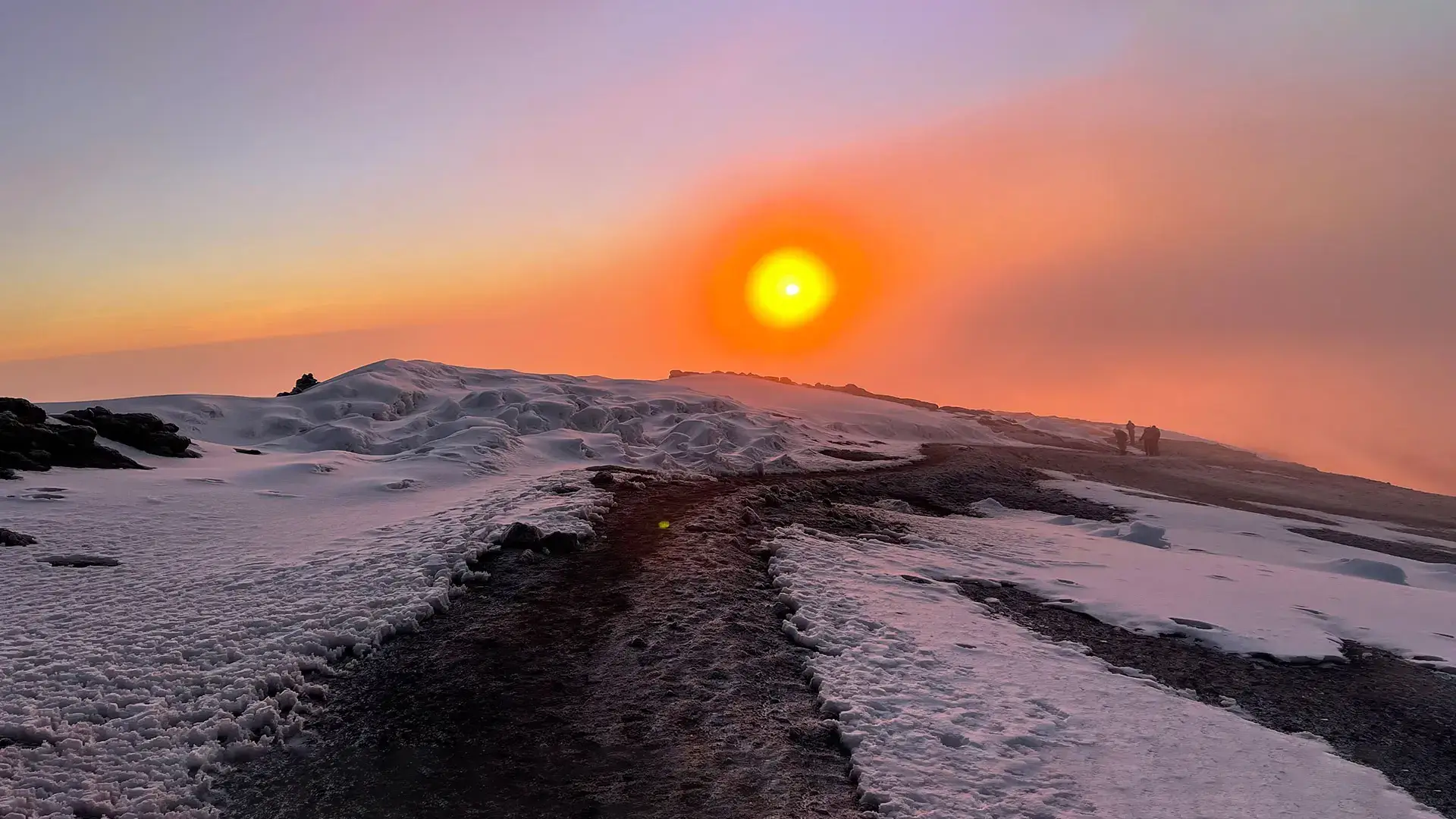
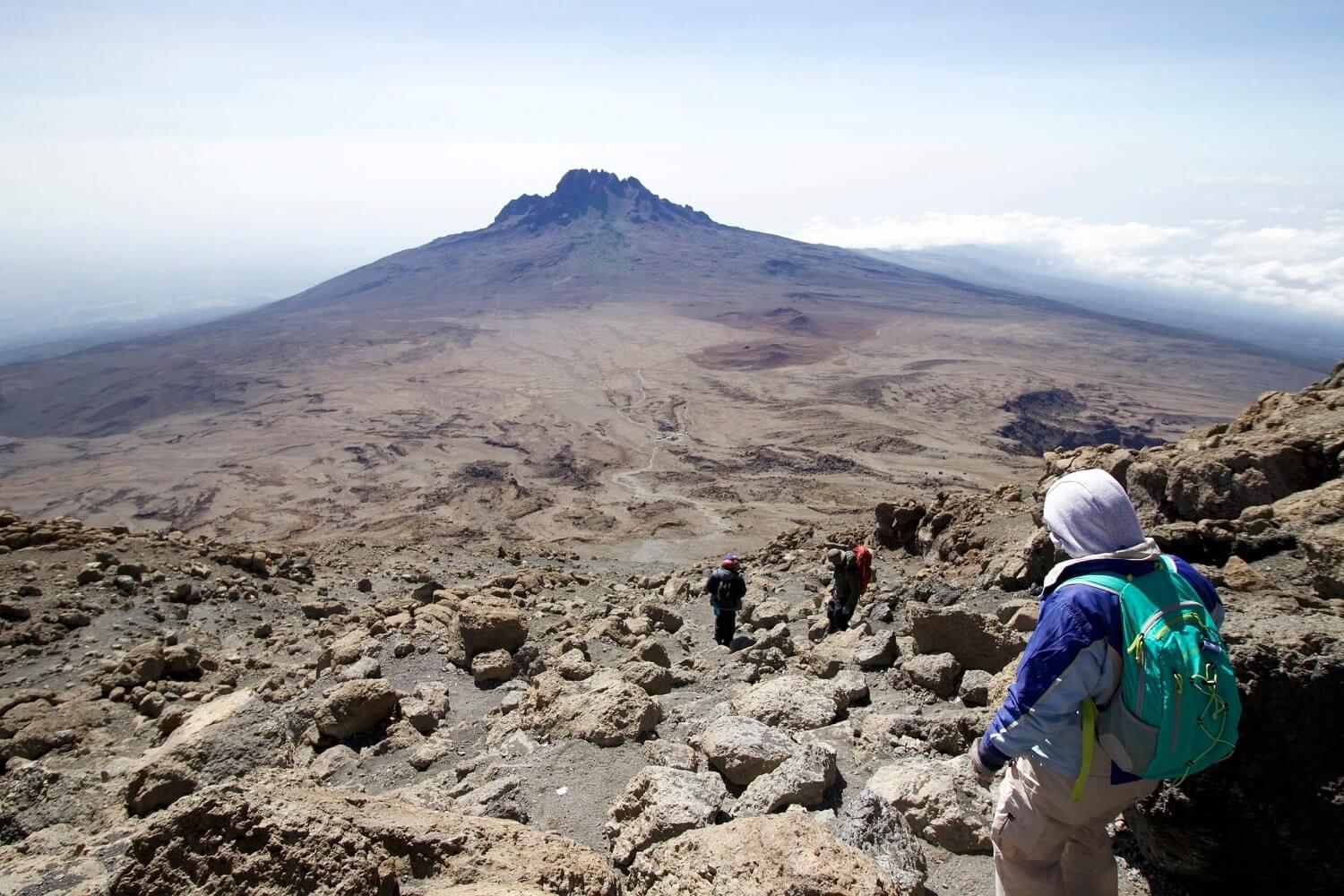
Clear skies are more common, providing better visibility for the stunning vistas, especially crucial for the summit day when you want to see the sunrise over Africa from Uhuru Peak.
3. Acclimatization:
The dry seasons allow for a more leisurely pace, which is beneficial for acclimatization. Routes like Lemosho, Machame, or Northern Circuit take 7-9 days, offering ample time to adjust to the altitude, increasing your chances of summit success.
Crowds: If solitude is your preference, early January or late March might be preferable. June to August are busier, but if you’re looking for camaraderie and safety in numbers, this might be appealing.
Temperature: While the dry seasons are cooler, especially at higher altitudes, January to March can be slightly warmer. However, prepare for cold nights regardless, as temperatures can drop significantly at the summit.
Wildlife: If you’re combining your climb with a safari, the dry seasons are also excellent for wildlife viewing in Tanzania’s national parks. Animals congregate around water sources, making them easier to spot.
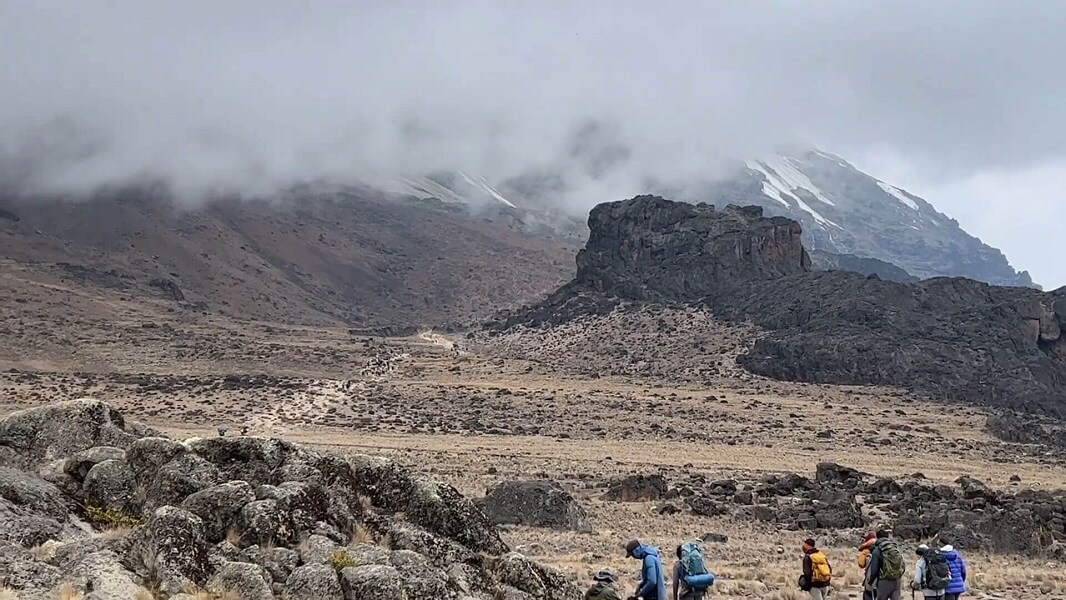
April, May, and November: These are the wettest months on Kilimanjaro, with April and May being the long rains and November the short rains. Climbing during these times increases the likelihood of encountering rain, which can turn the trails into muddy paths, reduce visibility, and complicate logistics like drying gear.However, for those seeking a challenge or wanting to experience Kilimanjaro in a different light, these months can offer unique, albeit more difficult, experiences with fewer crowds.
In conclusion, the best time to climb Mount Kilimanjaro in Tanzania is during the dry seasons from January to mid-March and June to October. These periods offer the best balance of weather, visibility, and comfort, enhancing your climbing experience. Whether you’re drawn by the allure of solitude or the energy of fellow climbers, planning your ascent in these windows will maximize your chances of standing atop Uhuru Peak with the world at your feet.
At Congema Safaris, we recommend that climbers from around the world select the optimal months for climbing Mount Kilimanjaro, specifically from January to March and June to October. This choice is vital for your safety and enhances your chances of successfully reaching the summit of Africa’s highest peak.
Organizing a safari , can be overwhelming due to the many choices available for transport, accommodation, and activities.
© 2026 Congema Safaris. All rights reserved.