Get advice and suggestions to make this your perfect trip. or call us on: +255 755 003116
Mount Kilimanjaro’s weather is as dynamic and awe-inspiring as the mountain itself. Unlike typical travel destinations where seasons dictate the climate, Kilimanjaro’s weather is ruled by altitude and time of day. In just a matter of days, climbers ascend from tropical warmth to Arctic cold, journeying through multiple climate zones that mirror a trek from the equator to Antarctica.
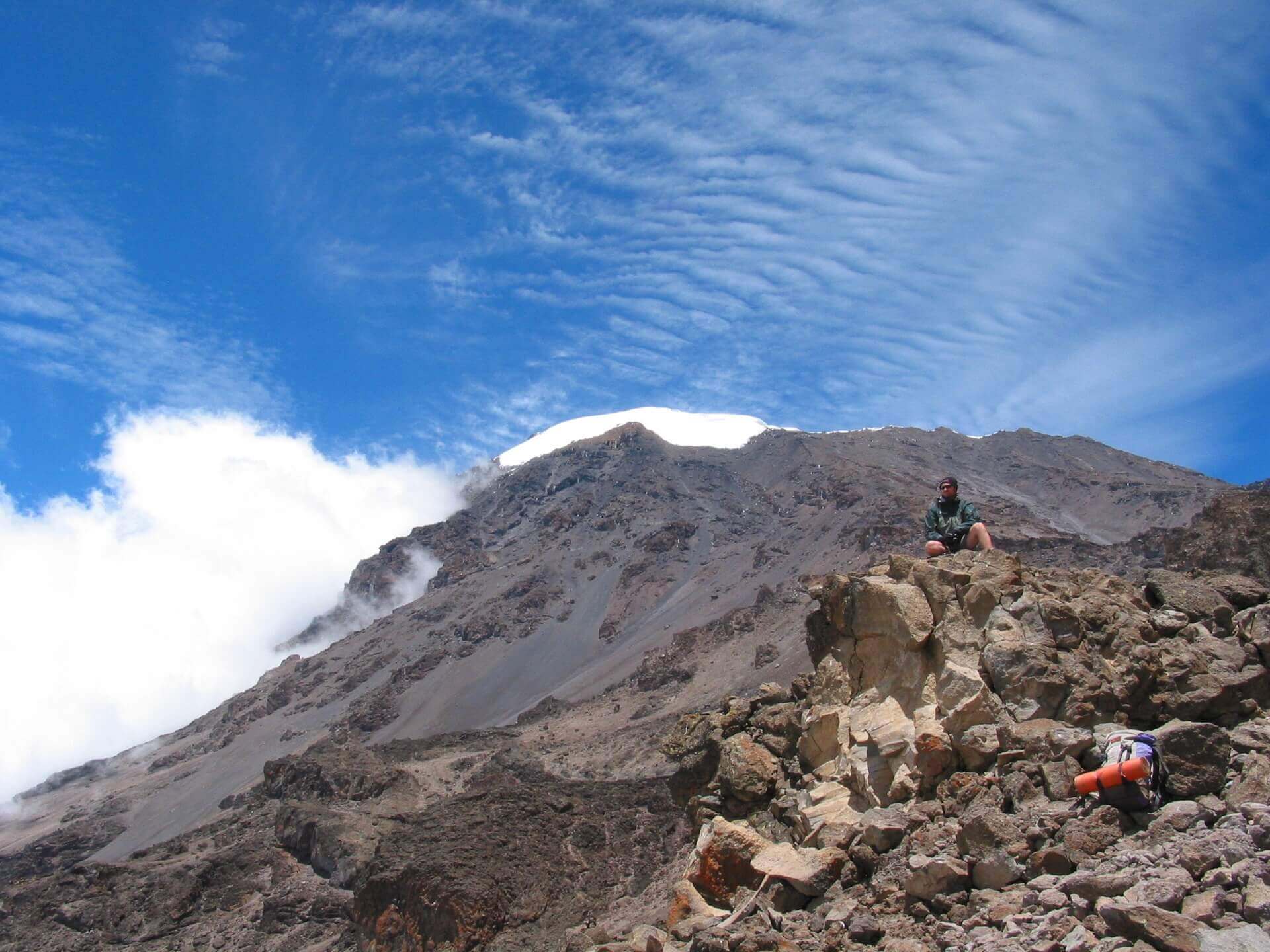
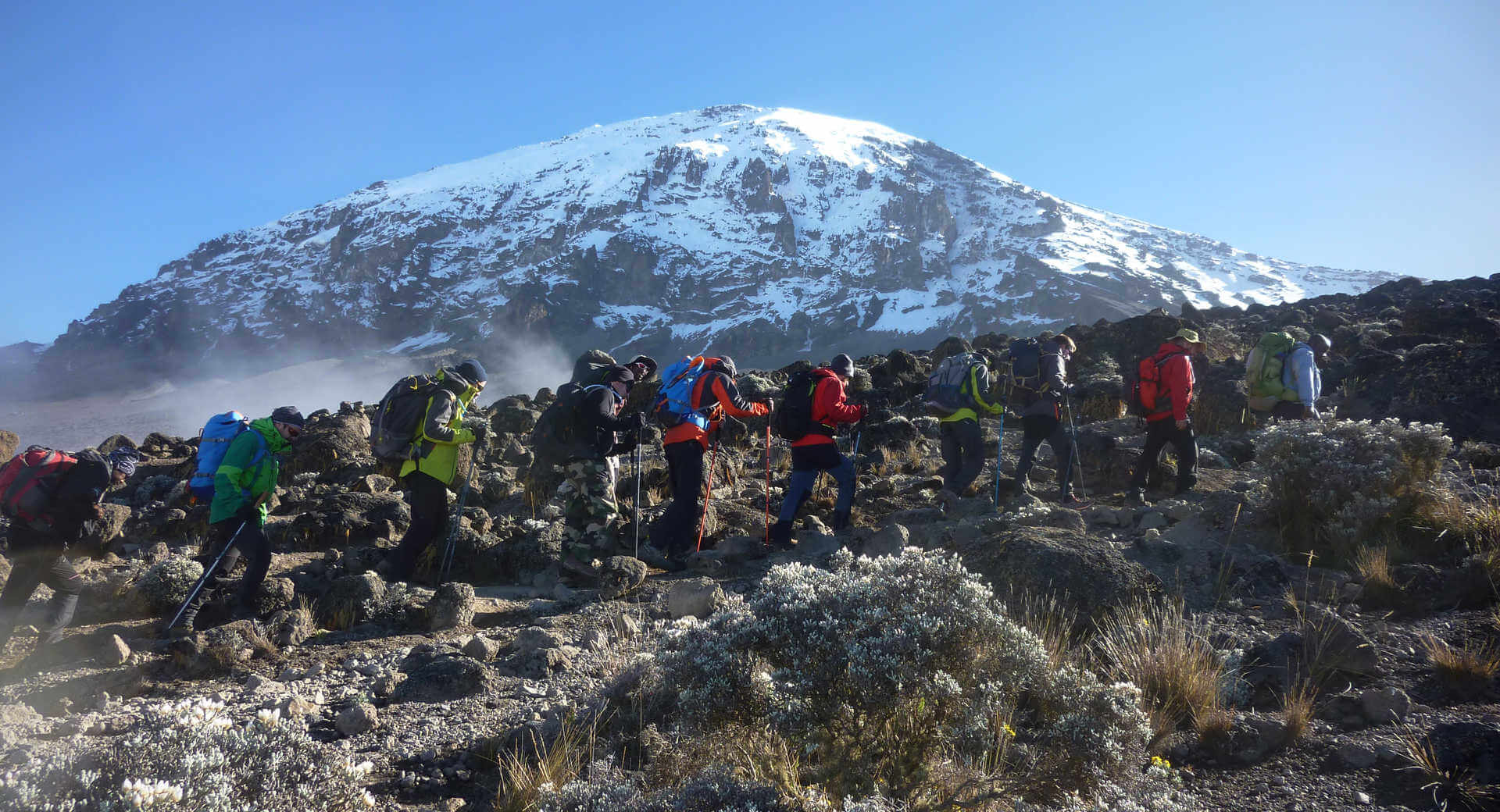
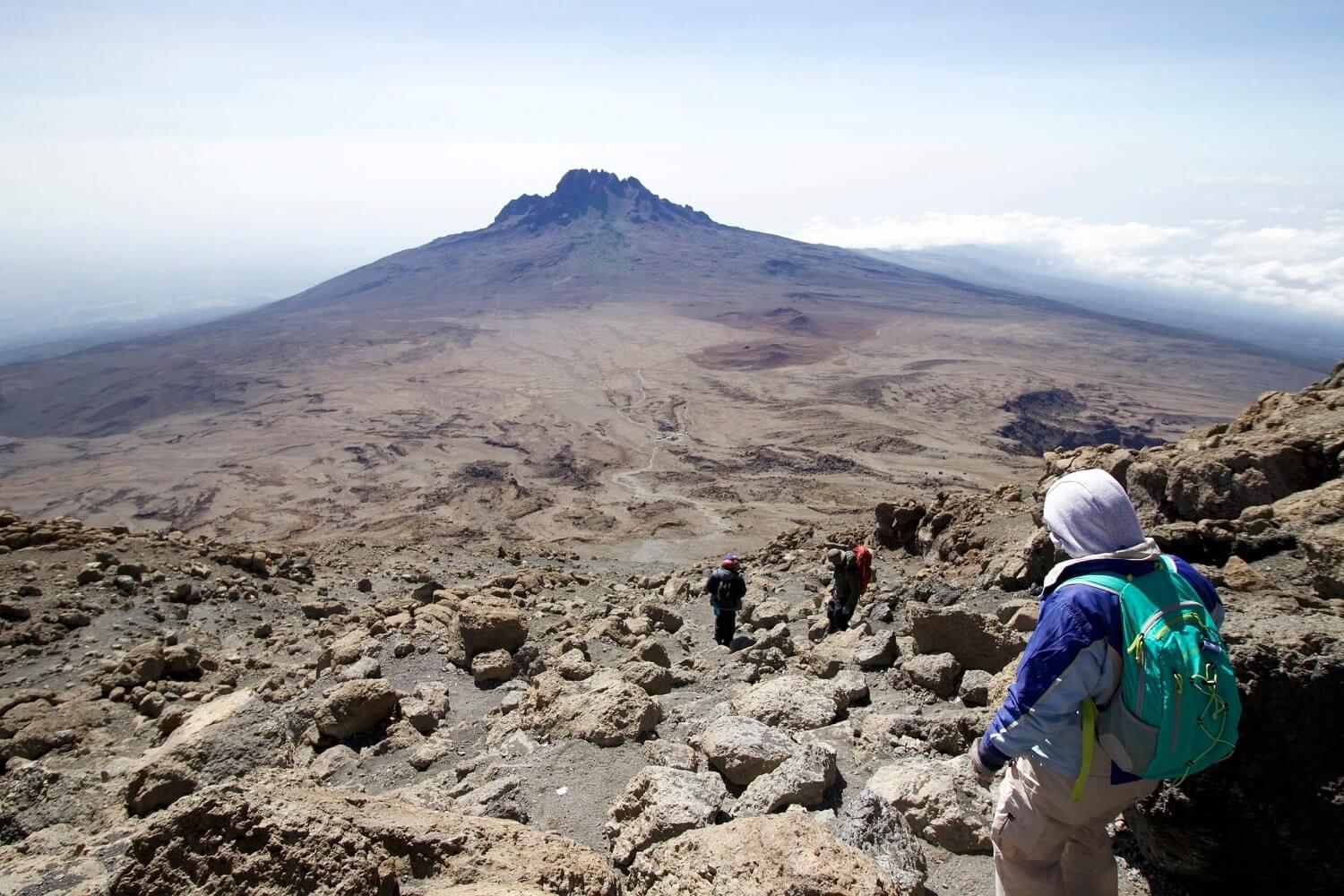
The mountain boasts five distinct ecological zones, each sitting roughly 1,000 meters (3,280 feet) higher than the last. As you ascend, you’ll experience a noticeable drop in temperature, decreasing rainfall, and changing vegetation.
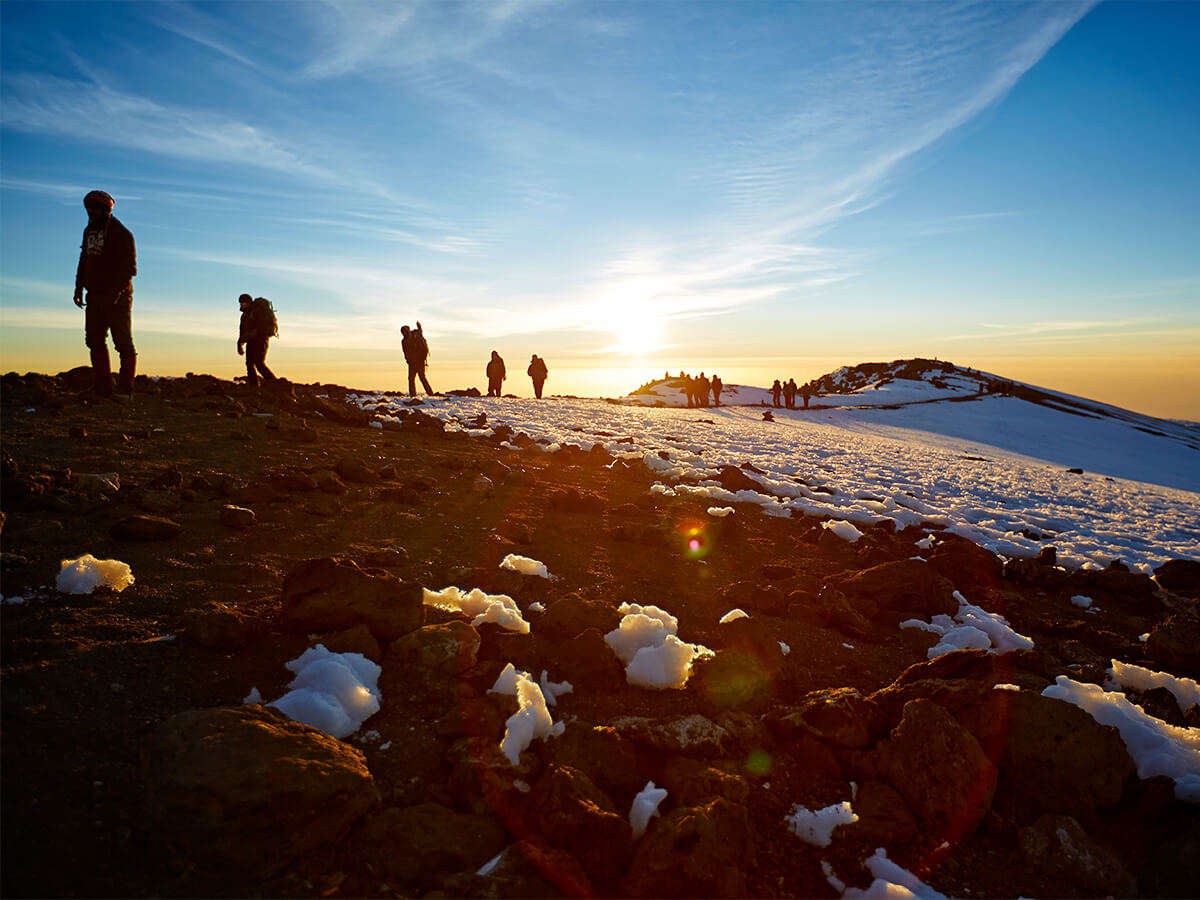
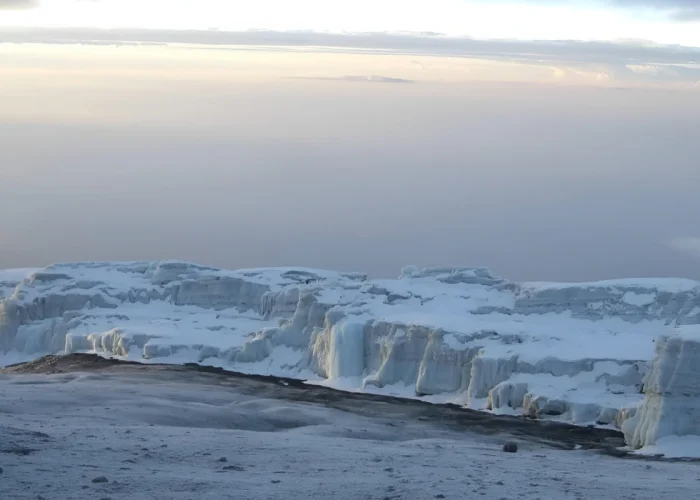
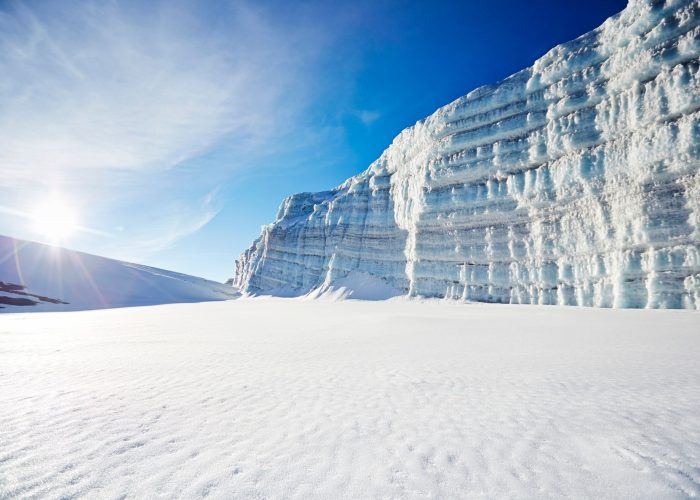
Starting at the base, temperatures range from a comfortable 21 to 27°C (70 to 80°F), with lush forest and farmland surrounding you.But by the time you reach Uhuru Peak, Kilimanjaro’s icy summit, you’ll be braving night-time temperatures that can plunge between -7 to -29°C (20 to -20°F).
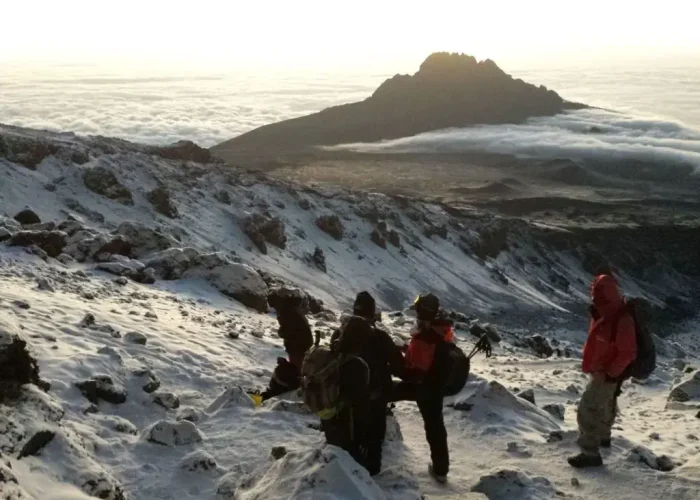
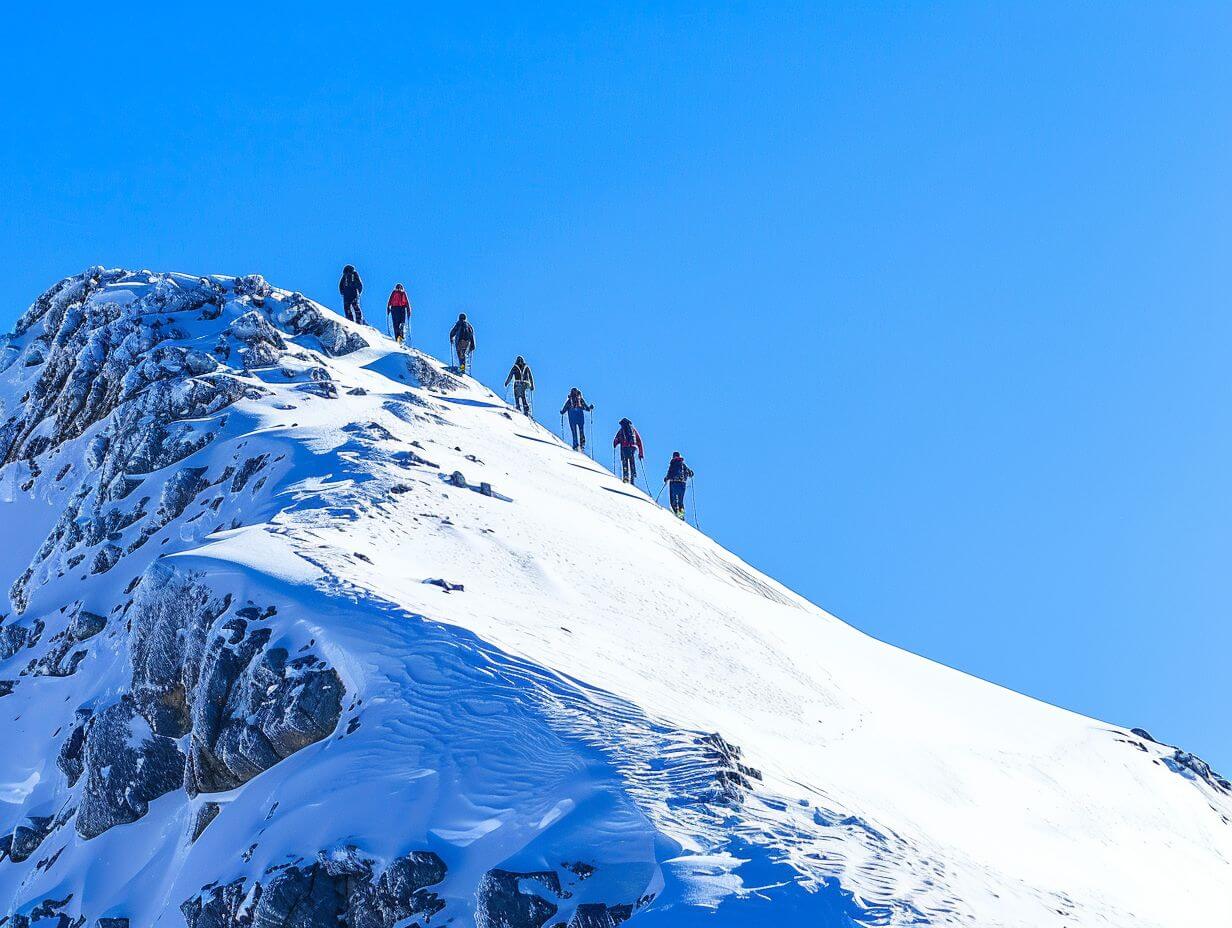
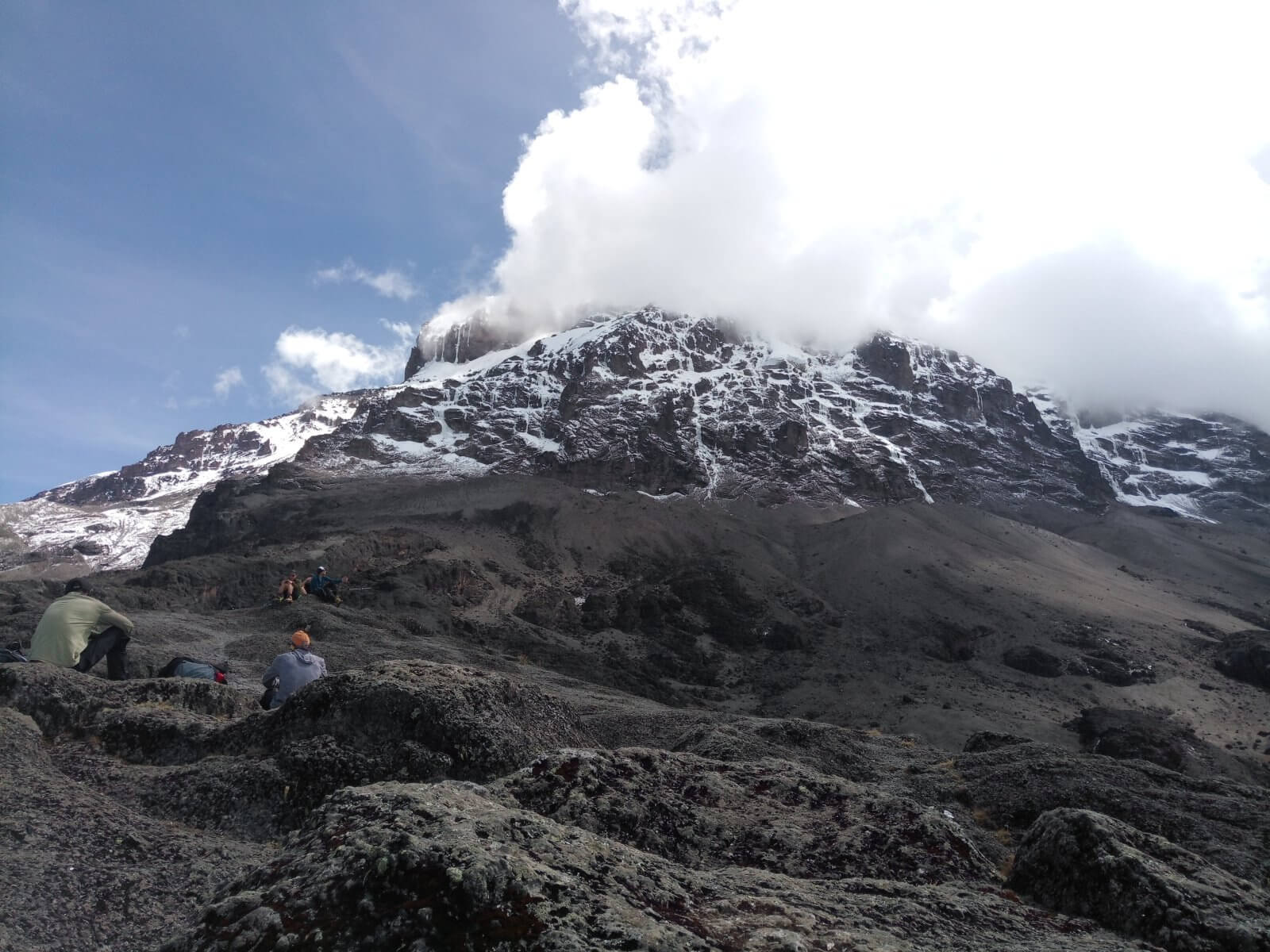
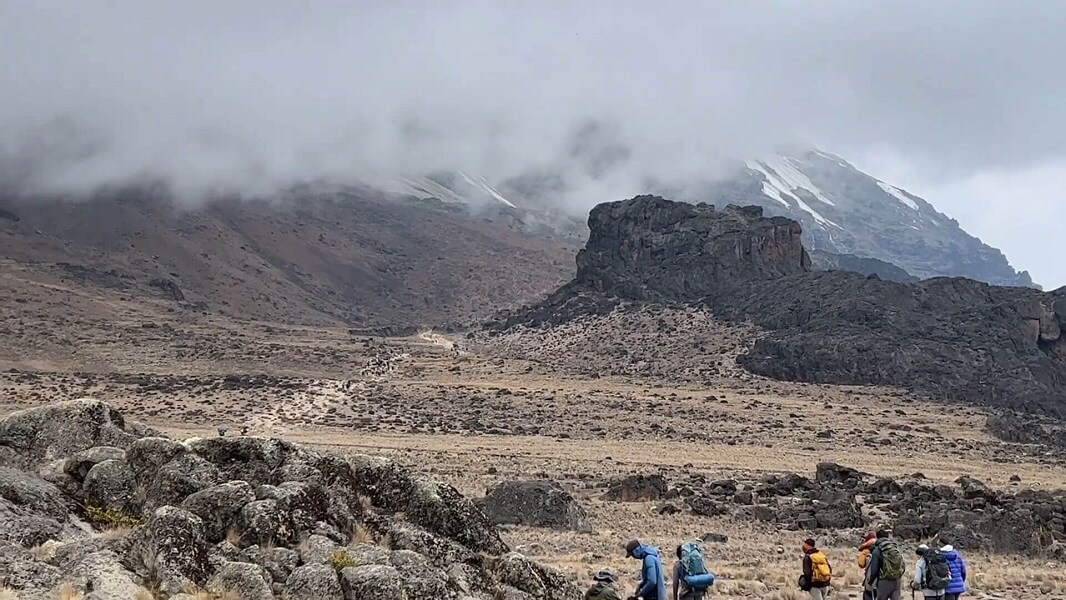
Kilimanjaro is famous for generating its own unpredictable weather, meaning you can encounter warm sunshine, chilling winds, heavy rain, and even snowfall, sometimes all in the same day. Because of this, climbers must be ready for a true weather rollercoaster, carrying gear that can handle everything from scorching midday heat to freezing alpine nights.
If you’re preparing for a Mount Kilimanjaro climb, understanding the weather is crucial. It’s not about seasons, it’s about altitude preparedness. Pack layers, prepare for the unexpected, and embrace the wild, ever-shifting beauty of one of the world’s most iconic climbs.This comprehensive guide covers the mountain’s weather patterns, seasonal variations, and tips for dealing with the unpredictable conditions.


Mount Kilimanjaro’s weather varies greatly due to its altitude and location near the equator. Climbers experience five distinct climate zones, each with its unique conditions:
Kilimanjaro’s weather can change rapidly, especially as you ascend to higher altitudes. Here’s a typical daily weather progression:
Morning: Clear and sunny, ideal for trekking.
Afternoon: Clouds often form, bringing potential rain or mist.
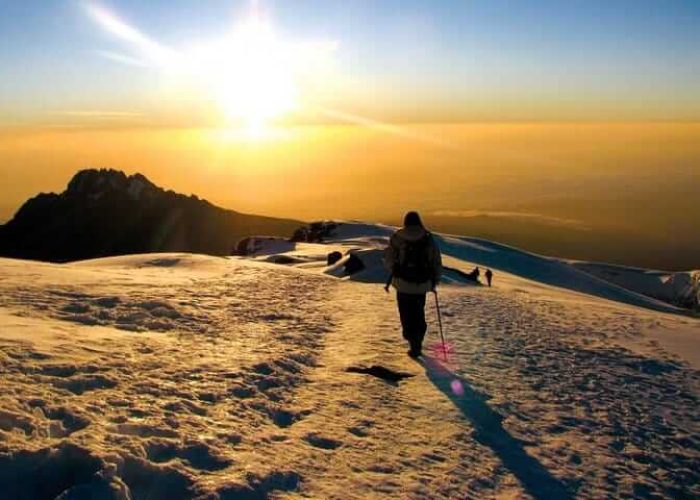
Evening/Night: Temperatures drop significantly, with freezing conditions at higher altitudes.
Kilimanjaro’s weather adds both challenges and charm to the climb. From humid rainforests to the icy summit, the mountain’s diverse climate zones offer an unforgettable trekking experience. By understanding the weather patterns, packing appropriately, and planning your climb during the right season, you’ll be better equipped to handle any conditions and enjoy your journey to the Roof of Africa.
© 2026 Congema Safaris. All rights reserved.