EXPLORE

Botswana Destination

Makgadikgadi Pans National Park
Picture of Chat to a Botswana Safari expert

Chat to a Botswana Safari expert

Get advice and suggestions to make this your perfect trip. or call us on:
+255 755 003116

Picture of Chat to a Botswana Safari expert

Chat to a Botswana Safari expert

Get advice and suggestions to make this your perfect trip. or call us on:
+255 755 003116

Destination Overview

The Makgadikgadi Pans National Park, once a vast lake, offers an extraordinary glimpse into Botswana’s natural and historical wonders. Declared a game reserve in 1970 and later enlarged to become a national park in 1992, this 4,900-square-kilometer park lies in the heart of northern Botswana, where the ancient Makgadikgadi Lake once stretched far beyond the current landscape.

Today, it stands as a unique testament to the region’s evolution, with salt pans that were once submerged beneath water, creating a fascinating and diverse environment for wildlife and explorers alike. The Boteti River forms the park’s western boundary and serves as an essential water source for the wildlife that flourishes here.

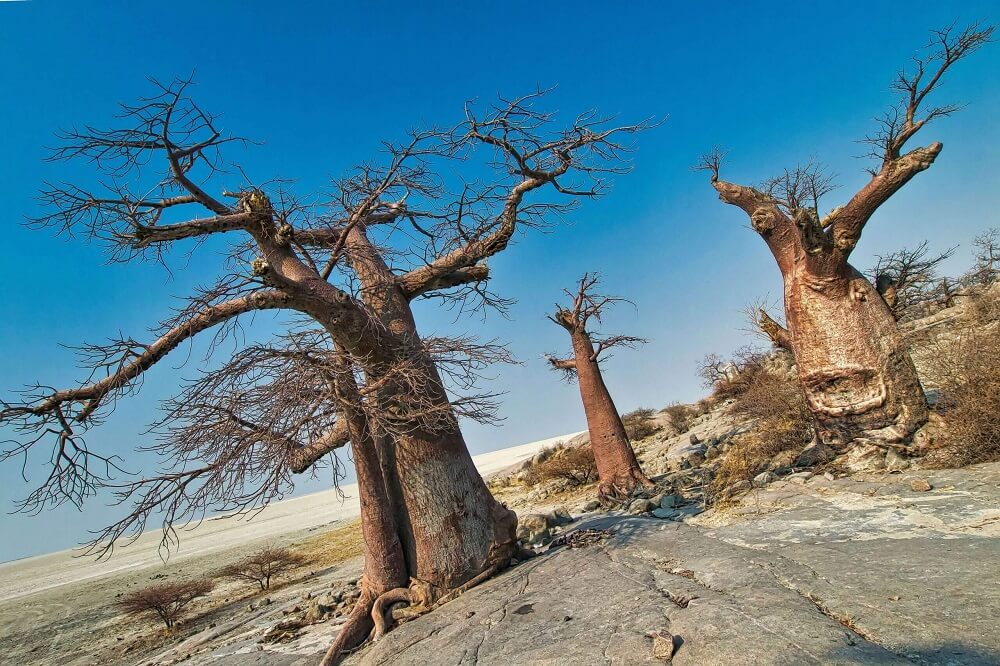
Among its iconic features is the ancient Baobab tree, which is believed to be over 5,300 years old. Known as the largest tree in Africa, the Baobab’s hollowed trunk served as one of the first mailboxes in the region, with famous explorers like David Livingstone and Courtney Selous using it to leave messages while traversing the area.

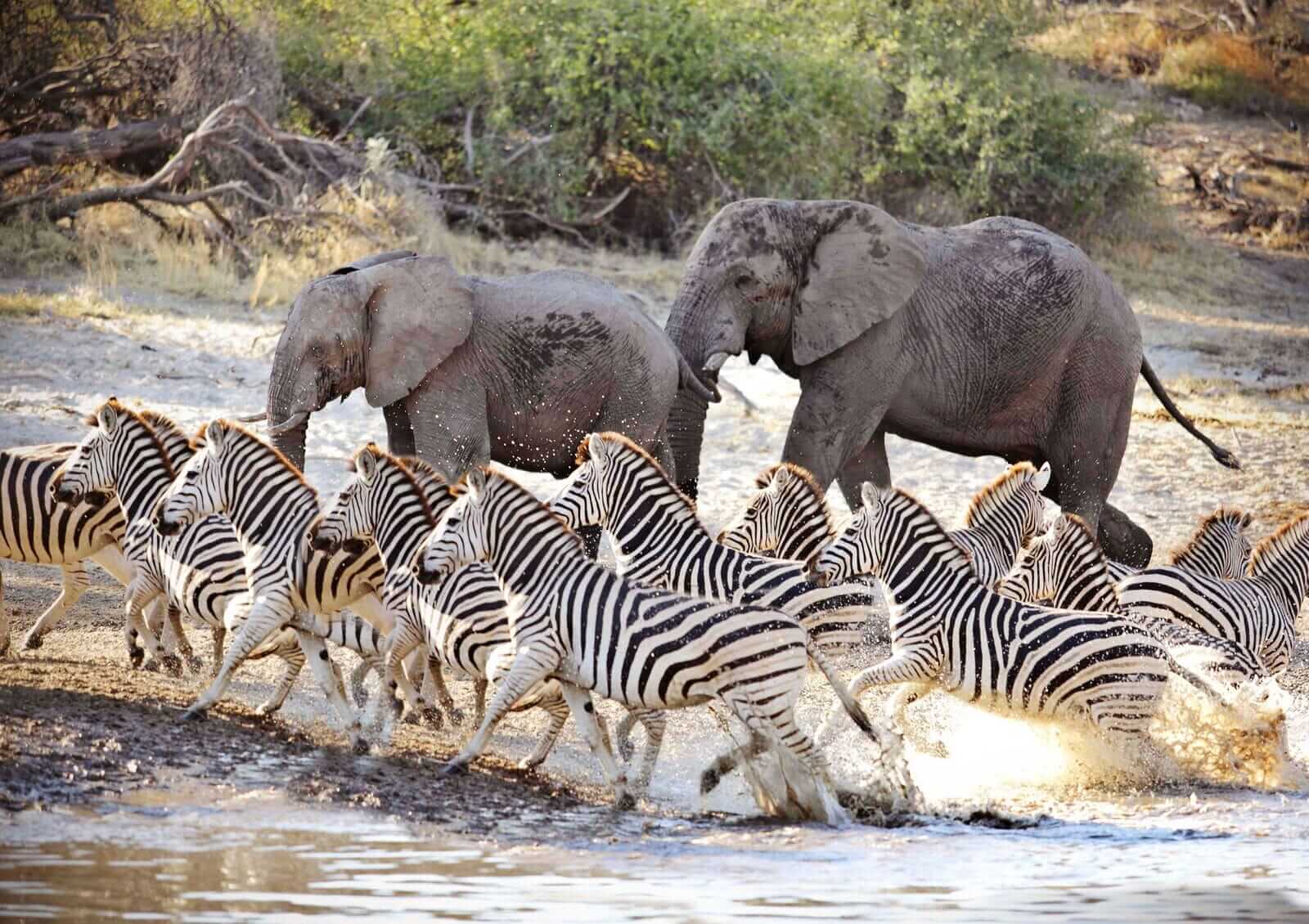
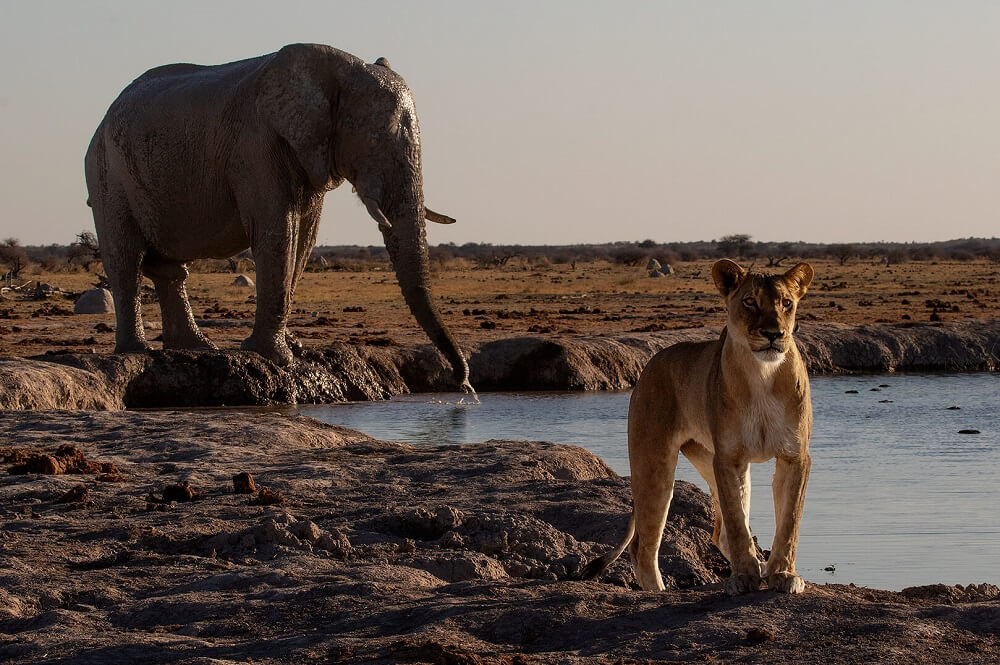
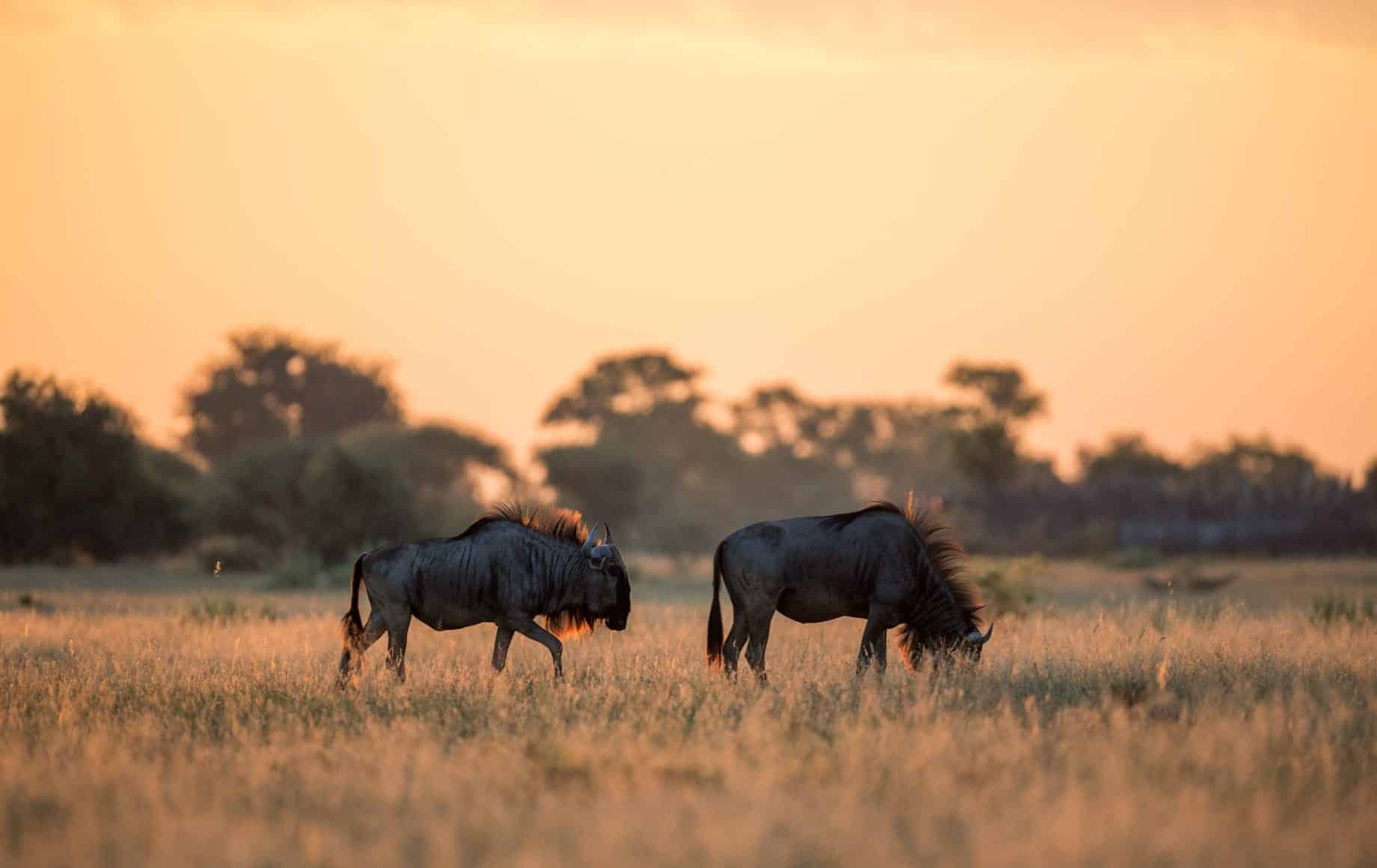
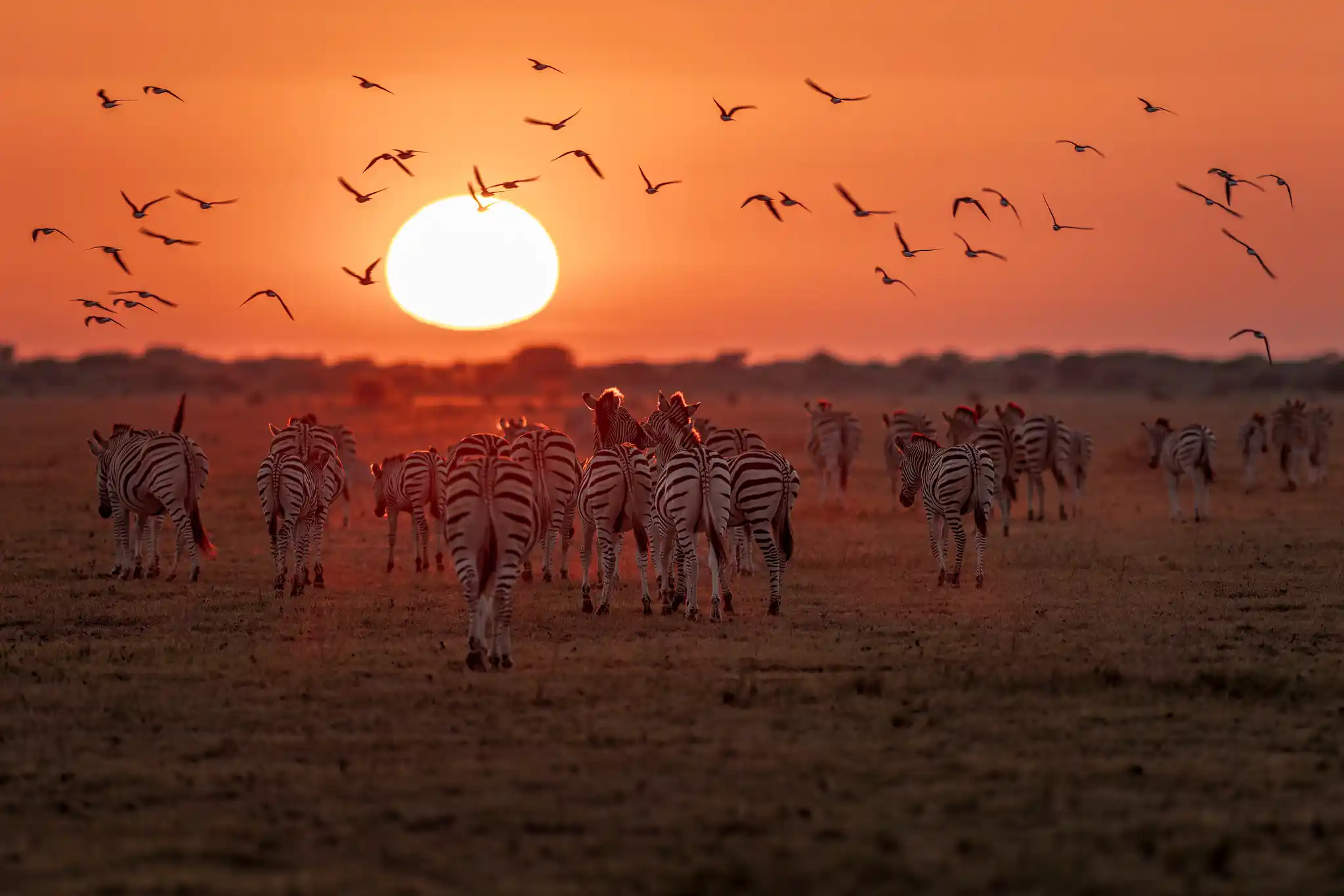
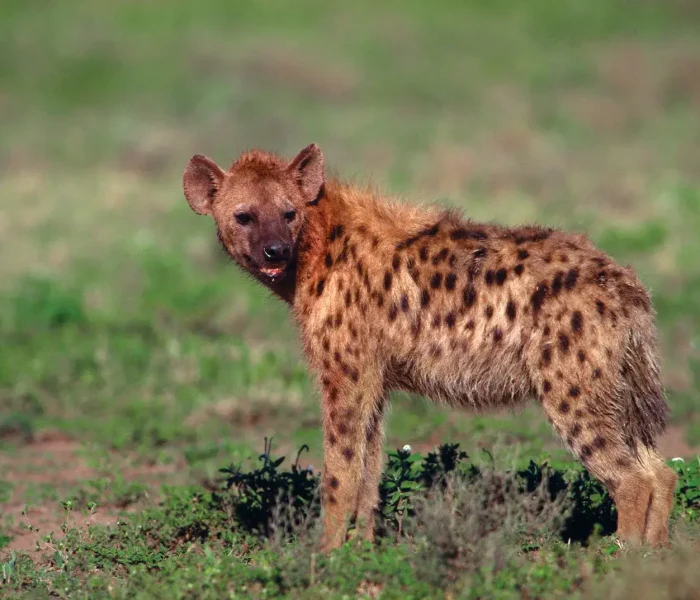
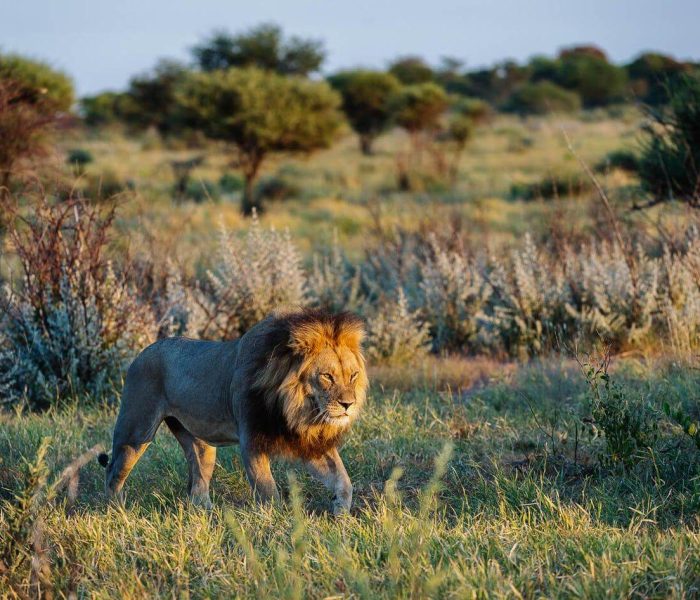
Makgadikgadi’s plains come alive during the dry season when massive herds of wildebeest and zebra migrate across the landscape. Predators, including lions, cheetahs, and hyenas, often follow these herds, making for thrilling game-viewing opportunities. The park’s varied wildlife also includes a range of antelope species, such as gemsbok, eland, and red hartebeest, along with giraffes, springbok, kudu, and even the elusive brown hyena. From November to May, animals gather around the sparkling waters that surface after seasonal rains, attracting birdlife and providing dramatic scenes of nature.

Thousands of years ago, the Makgadikgadi Pans was a massive lake larger than Switzerland, surrounded by swamps and wetlands that were a perfect habitat for early humans. Today, the pans, though dry, still sustain large areas of summer savannah grassland, offering a striking contrast to their arid, salt-crusted surface.

The Nata and Boteti Rivers, along with seasonal rains, nourish the land enough to support diverse ecosystems. These salt pans, including the famous Sua Pan, Nxai Pan, and Ntwetwe Pan, are all protected by the 3,900-square-kilometer Makgadikgadi Pans National Park.

The Makgadikgadi Pans Game Reserve, located to the west of Ntwetwe, provides excellent wildlife viewing, particularly during the wet season when large herds of zebra and wildebeest migrate through the Boteti region. Other notable species found here include kudu, duiker, bushbuck, steenbok, and even elephants. The park is a prime spot for observing predators in action, with lions and hyenas often trailing the herds in search of an opportunity to strike.

Humans have called the Makgadikgadi Pans home for thousands of years, with archaeological sites revealing tools from ancient inhabitants and the remains of the animals they hunted. The region continues to be inhabited today, with villages like Mopipi, Mmatshumo, Nata, Gweta, and Rakops nestled on the edges of the pans.

The Makgadikgadi Pans National Park offers a unique and compelling safari experience, blending the wonders of wildlife with a profound connection to the area’s rich cultural and geological history.

Formation of the Pans

The Makgadikgadi Pans are one of the largest salt pan systems in the world, covering an area of over 16,000 km², with the main pans—Sua Pan, Nxai Pan, and Ntwetwe Pan—spanning more than 8,400 km². These pans are the remnants of an ancient inland lake, once covering an area roughly the size of Switzerland. The lake was gradually reduced to the pans we see today due to the natural processes of evaporation and the disruption of the water supply from the surrounding rivers, which were cut off as a result of plate tectonics.

As the vast lake evaporated, salt accumulated in the depression created by the lowest point in the region. Over time, this led to the formation of thick layers of salt, which can be up to five meters deep. This arid, saline landscape is now a striking feature of the Botswana wilderness, where the absence of permanent water sources has resulted in the area being largely uninhabited by humans.

Though the pans themselves have never been settled, the surrounding villages were granted permission to graze their herds on the fringes of the area. Despite its seemingly inhospitable appearance, the pans are home to a rich diversity of life, particularly during the rainy season when the landscape transforms into lush grasslands, drawing wildlife such as zebras, wildebeests, and a variety of migratory birds.

The Makgadikgadi Pans also hold cultural and historical significance. They are believed to have been an important site for early humans, with evidence of ancient human habitation found in the form of stone tools and archaeological remains. The area is also home to some of the largest and most iconic baobab trees, which have been landmarks for centuries, helping explorers like David Livingstone navigate the vast wilderness.

This area offers a unique opportunity to witness the extraordinary contrast of life and desolation, and it remains one of Botswana’s most intriguing natural and cultural wonders.

Wildlife at Makgadikgadi Pans National Park

The Makgadikgadi Pans National Park is home to an incredible array of wildlife, particularly during the wet season when the pans transform from arid salt flats into lush grasslands. This seasonal transformation attracts large herds of herbivores, such as zebra and wildebeest, who graze on the fresh vegetation. Migrating elephants also pass through the area, drawn to the temporary water sources created by the rains.

One of the most remarkable wildlife features of the park is its birdlife. When the pans fill with water, the landscape becomes a vital stop for migratory birds, with lesser flamingos being the most iconic and photogenic species. These flamingos congregate in large numbers, creating a spectacular sight that photographers and bird enthusiasts can enjoy. Other bird species, including various waterfowl and waders, also frequent the pans during the wet season.

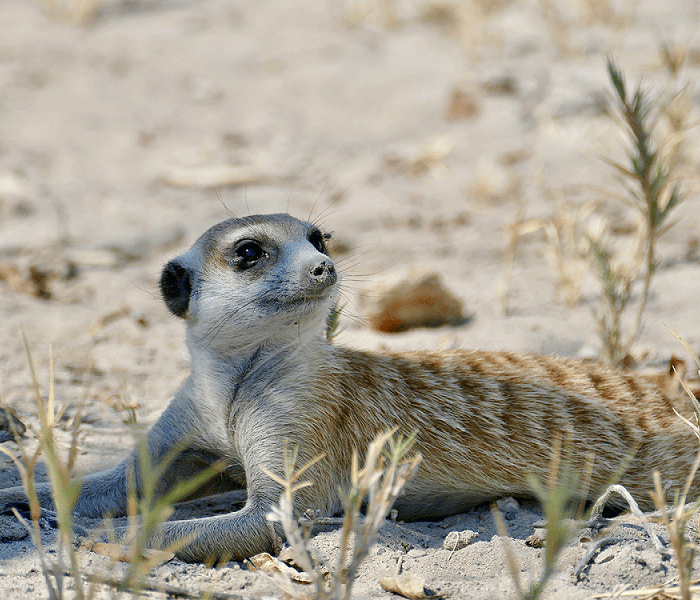
Another notable animal species that thrives in the Makgadikgadi Pans National Park is the meerkat. These small, social creatures are often seen in large groups, engaging in their daily activities of sunbathing, grooming, and hunting for small prey such as scorpions and snakes. Some meerkat colonies have become habituated to human presence, providing excellent opportunities for visitors to observe their fascinating social structure up close.

The most striking natural feature of the Makgadikgadi Pans are the ancient baobab trees, which stand as towering giants in the otherwise flat landscape. The most famous of these trees are located in the Kudiakam Pan, where Baines’ Baobabs, a cluster of seven remarkable baobabs, can be found. These iconic trees were named after the artist Thomas Baines, who painted them in the 19th century. Although technically a giant succulent rather than a true tree, the baobab has become synonymous with the African landscape.

Chapman’s Baobab, another famous baobab tree in the area, was once one of the largest and most iconic in the region. This tree, which stood for an estimated 1,000 years, sadly fell in 2016. Its collapse marked the end of an era for one of Africa’s most famous natural landmarks, but it continues to hold a special place in the hearts of those who visited it before its fall.

The wildlife and natural beauty of the Makgadikgadi Pans National Park offer visitors a chance to experience both the stark, dry beauty of the salt pans and the thriving ecosystems that emerge during the rainy season. It’s a place where ancient trees, herds of wildlife, and vibrant birdlife come together to create an unforgettable safari experience.

Nxai Pan

Nxai Pan National Park, located in the northern part of Botswana, is a captivating destination with a variety of habitats, from mopane woodlands to the striking salt pans. The park is best known for the iconic Baines Baobabs, a cluster of seven ancient baobab trees that stand tall against the backdrop of the flat landscape. These majestic trees, named after artist Thomas Baines, are a popular photographic subject and a symbol of the area’s beauty.

Nxai Pan’s environment undergoes a spectacular transformation during the rainy season. The previously dry and barren salt pans are revitalized with lush, green vegetation, attracting large herds of herbivores, particularly zebra and springbok. During this time, the park becomes an incredible wildlife hotspot, with numerous animals congregating around the water sources to drink and give birth. This influx of animals creates amazing wildlife viewing opportunities, particularly for those interested in predator-prey dynamics.

In addition to its iconic salt pans, the park features a busy waterhole, which draws wildlife year-round. The mopane woodlands add to the park’s diversity, offering a home to various species of birds and mammals.

Nxai Pan is particularly famous for its cheetah sightings, as the open landscapes provide excellent visibility for spotting these sleek predators. It’s also home to a range of unusual resident species, including bat-eared foxes, ostriches, and jackals. The variety of species and the stunning scenery make Nxai Pan an excellent destination for both self-drivers and guided safari-goers.

With its limited campsites, it’s essential to book in advance, especially during the peak seasons. The park’s relatively remote location and its diversity of wildlife and landscapes make it a hidden gem for those looking for a more intimate safari experience.

Whether you’re exploring the expansive salt pans, tracking cheetahs in the grasslands, or marveling at the ancient baobabs, Nxai Pan offers a captivating and enriching experience for wildlife enthusiasts and photographers alike.

When to Visit the Makgadikgadi Pans

Best Time to Visit: Dry Season (May to September)

The dry season offers the best experience to explore the salt pans, as the lack of rain transforms the landscape into a vast, gleaming white expanse. 

The clarity of the atmosphere allows for spectacular views, and the sense of space is heightened by the curvature of the Earth.

Activities such as sleep-outs in the pans are much easier to arrange and enjoy during this period.

Summer Migration (November to March)

A highlight during the summer months is the migration of zebra and wildebeest to the north of the pans. This migration is considered the second largest of its kind in Africa, after the famous Serengeti and Masai Mara migrations. 

The zebra, Botswana’s national animal, journey from the Okavango Delta to the pans in search of fresh grazing. This “secret migration” is a spectacular sight, though lesser-known compared to its counterparts in East Africa.

Weather and Climate Considerations:

Dry Season (May to September)

The weather is more predictable and favorable for safari activities. 

Early mornings and evenings can be quite chilly, but the days are mostly sunny and pleasant.

It’s also the best time to see wildlife and engage in exciting activities in the region.

Wet Season (October to April)

The rains during the wet season can make roads and tracks muddy, making it harder to navigate the pans and some areas become inaccessible. 

The landscape turns lush and green, and although the rains are short, they can make outdoor activities more challenging.

However, this season also brings the opportunity to witness the migration and a variety of birds, making it an exciting time for birdwatching.

Summary:
Best Time for Landscape and Activities: May to September (dry season)
Best Time for Animal Migration: November to March (wet season)

Note: The temperature variations between day and night are especially noticeable during the dry season, with cooler evenings and mornings, providing a refreshing contrast to the hot daytime temperatures.

Packing Tips
Dry Season: Bring layers for early mornings and evenings, as temperatures can drop significantly. A good jacket or fleece is recommended for the chillier mornings.
Wet Season: Light, breathable clothing is ideal, as it will be warmer, but make sure to pack rain gear for the afternoon storms

gallery

Picture of Planning Your Safari

Planning Your Safari

Organizing a safari in Botswana Destination, can be overwhelming due to the many choices available for transport, accommodation, and activities.

Reviews and Rates

Botswana

What to do in Magkagadi National Park

Birding in Makgadikgadi Pans National Park

Makgadikgadi Pans is a fantastic birding destination, especially during the wet summer months. This period offers exceptional opportunities for birdwatchers, with the pans coming to life with various bird species.

Flamingos: The pans become a prime breeding and feeding ground for lesser and greater flamingos, creating an unforgettable sight. When the pans fill with water, these majestic birds flock to the shallows, providing incredible photo opportunities.

Pelicans: Alongside the flamingos, pelicans are often seen feeding in the same shallow waters, adding to the spectacle of birdlife in the region.

Breeding: Flamingos breed on the pans during the wet season when the water levels are high enough to protect their nests from predators, making it an important breeding site for these species.

The presence of these iconic bird species, along with the potential for spotting various other migratory and resident birds, makes the Makgadikgadi Pans an excellent destination for birdwatching enthusiasts.

Walking Historic Trails in Makgadikgadi Pans National Park

One of the most enriching experiences in Makgadikgadi Pans National Park is embarking on historic trails led by experienced Bushmen trackers. These guided walks provide a deep connection to the land, its history, and the indigenous cultures that have shaped it.

Ancient Culture: The Bushmen, or San people, have lived in this area for thousands of years. On these walks, you’ll learn about their ancient survival techniques, the tools they used, and how they have adapted to the harsh environment.

Cultural Significance: The guides will share insights into the spiritual and practical relationships the Bushmen have with the land, including stories of their ancestors and the symbols they left behind in the form of rock art and other historical markers.

Natural Environment: These trails also offer the chance to learn about how the Bushmen tracked wildlife and used their surroundings to live in harmony with nature. You’ll gain a profound understanding of the delicate balance between culture and environment, especially in this arid landscape.

A walk with a Bushman guide not only connects you to the park’s history but also provides a unique cultural experience that deepens your appreciation of the Makgadikgadi Pans.

Quad-Bike Excursions in Makgadikgadi Pans National Park

For an adventurous and thrilling way to explore the remote corners of the Makgadikgadi salt pans, quad-bike excursions offer a unique experience. These 4WD bikes allow you to traverse the vast and impenetrable salt pans, areas that would otherwise be difficult to access on foot or in a vehicle.

Explore Remote Locations: With a quad bike, you’ll be able to reach the most isolated parts of the pans, where you can marvel at the endless expanse of salt flats, the incredible landscape and wildlife that inhabit this extreme environment.

Unique Perspective: The salt pans’ otherworldly appearance is even more striking from the seat of a quad bike. As you zoom across the flat terrain, you can experience the true vastness of this land and perhaps even spot wildlife such as meerkats, zebra, or flamingos in the distance.

Adventure & Thrill: The ride itself is a thrilling adventure, with the open landscape offering a sense of freedom that is hard to replicate anywhere else. The experience is ideal for those who are looking for a bit of excitement while exploring this breathtaking natural environment.

Whether you’re an adrenaline junkie or someone seeking a unique adventure, a quad-bike excursion in the Makgadikgadi salt pans provides a memorable way to connect with this remarkable place.

Walk with Meerkats

Experience the Wild: Get up close and personal with meerkats as you join a guided walk through their natural habitat. These curious, social creatures are known for their playful nature and aren’t afraid to interact with humans. It’s an unforgettable experience to see them groom, sunbathe, and keep watch over their burrows.

Close Encounters: As you walk alongside these charming animals, you may even have the chance to see them climb on you or investigate their surroundings, providing an interactive experience that’s perfect for wildlife lovers.

Game Drives

Discover Wildlife: Explore the vast plains and unique landscapes of the Makgadikgadi Pans on a game drive, where you can spot a wide variety of wildlife, including zebra, wildebeest, meerkats, and various species of antelopes.

Big Cats & Predators: With some luck, you might catch a glimpse of the Big 5 or predators like lions, cheetahs, and hyenas. Game drives are led by experienced guides who know the best spots to find wildlife, making it a thrilling way to immerse yourself in the area’s natural wonders.

Sundowner in the Pans

Relax & Unwind: After a day of adventure, enjoy a sundowner in the Makgadikgadi Pans for a picturesque end to your safari. Watch the sunset paint the sky in vibrant colors as you sip a drink in the heart of the pans, surrounded by the vast salt flats.

Stunning Views: The sheer scale and beauty of the pan in the fading light create a memorable and peaceful experience that showcases the stunning beauty of this unique landscape.

How to Get to Makgadikgadi Pans National Park

By Air:

Maun International Airport (MUB) and Kasane International Airport (BBK) are the primary gateways into Botswana for most visitors. Both airports are well-connected to major international destinations.

Alternatively, you can fly into Victoria Falls International Airport (VFA) in Zimbabwe and begin your journey from there.
Chartered Flights: Once in Botswana, you can take a chartered flight from Maun or Kasane to one of the airstrips located on the western boundary of the park. Most charter flights are arranged through tour operators as part of safari packages.

By Road:

Distance from Maun: Makgadikgadi Pans is 190 km/118 miles east of Maun, and the drive typically takes around 3 hours.
Gates for Entry: You can enter through the Phuduhudu Gate or Khumaga Gate. If crossing through Khumaga Gate, you may need to drive across the Boteti River when water levels allow. If not, there’s a short ferry crossing.

Road Conditions: The roads in the Boteti area can be corrugated and may include deep sand sections, especially between the two gates and while climbing and descending the riverbank. It’s advisable to be prepared for some rough terrain.

Accommodation and Campsites

Lodges

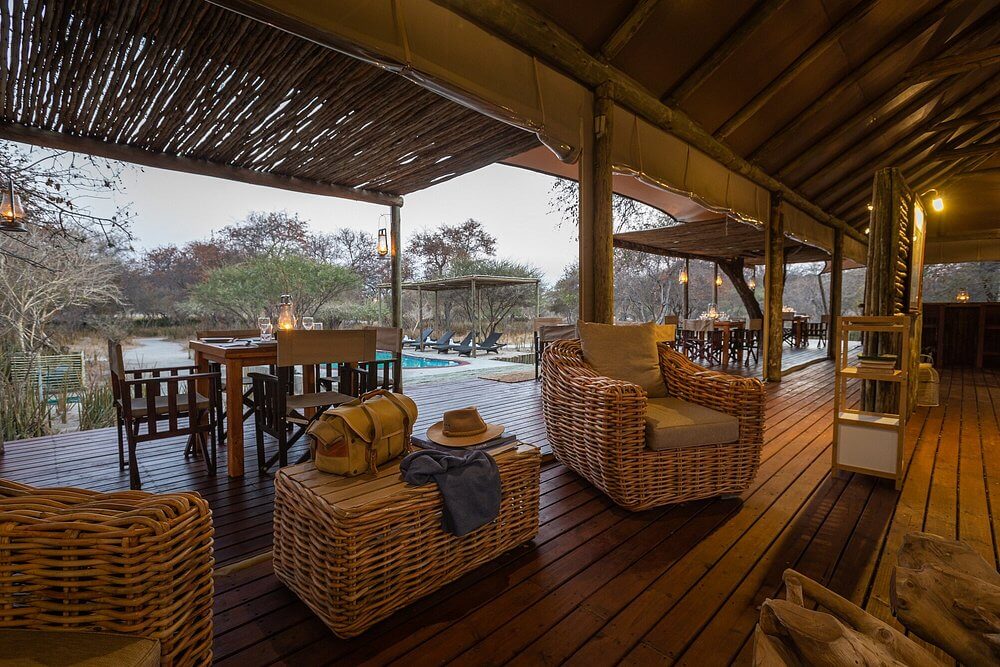
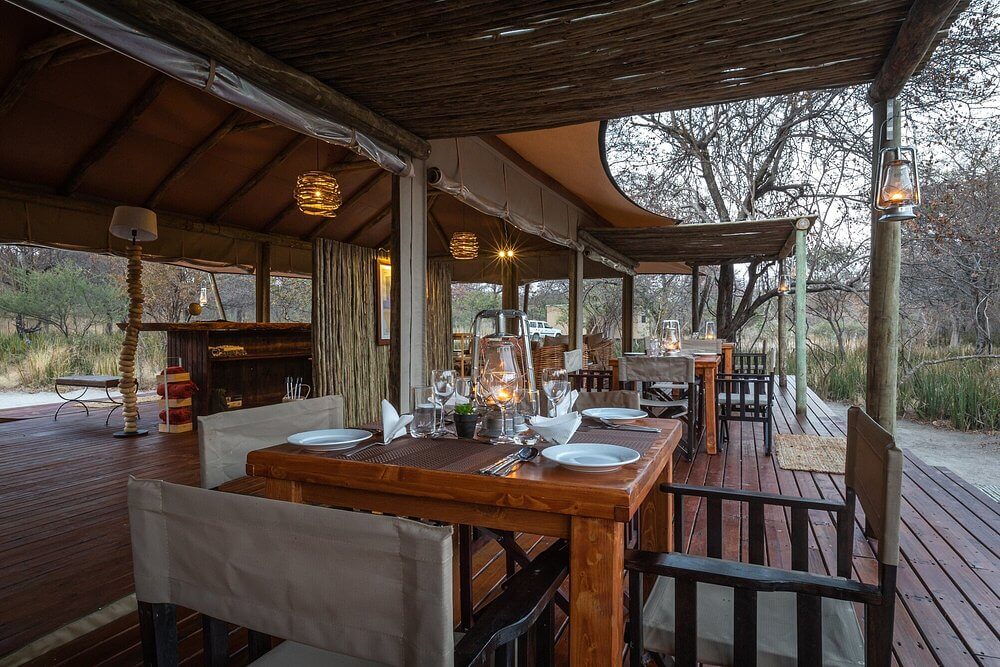
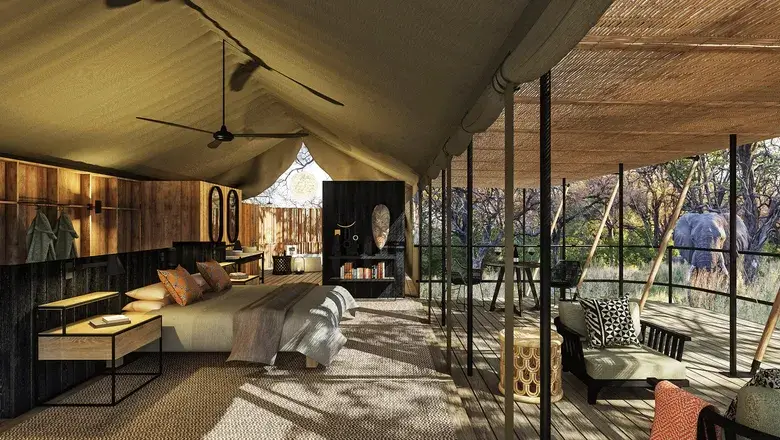
Most lodges are located on the west bank of the Boteti River, just outside the park, which means they’re somewhat distant from the actual pans.

Campsites

For those opting for self-drive or mobile safaris, there are campsites closer to the pans for a more immersive experience.

Summary

Airports to arrive At: Maun International Airport (MUB) or Kasane International Airport (BBK), with an option to fly into Victoria Falls International Airport (VFA) in Zimbabwe.
Road Access: A 3-hour drive from Maun, entering via the Phuduhudu or Khumaga Gates. Be prepared for corrugated roads and potential ferry crossings.
Accommodation: Lodges on the Boteti River’s western bank or campsites closer to the pans for self-drive and mobile safaris.

What our Client Say

Design your own trip

Choose a destination, pick your properties, and we’ll do the rest

1
Browse
Look through our itineraries for inspiration, and call our Travel Consultants
2
Create
Discuss your wish list with us, and we’ll use our expertise to design a unique itinerary for you
3
Customise
We’re committed to refining your itinerary until we’ve created the perfect personalised trip for you