EXPLORE

Uganda Destination

Queen Elizabeth National Park
Picture of Chat to an Uganda Safari expert

Chat to an Uganda Safari expert

Get advice and suggestions to make this your perfect trip. or call us on:
+255 755 003116

Picture of Chat to an Uganda Safari expert

Chat to an Uganda Safari expert

Get advice and suggestions to make this your perfect trip. or call us on:
+255 755 003116

Destination Overview

Queen Elizabeth National Park, located 400 kilometers west of Kampala, covers an expansive 1,978 square kilometers of diverse landscapes. Established in 1952 as Kazinga National Park and renamed in 1954 to commemorate the visit of Queen Elizabeth II, the park has since become one of Uganda’s most renowned wildlife destinations.

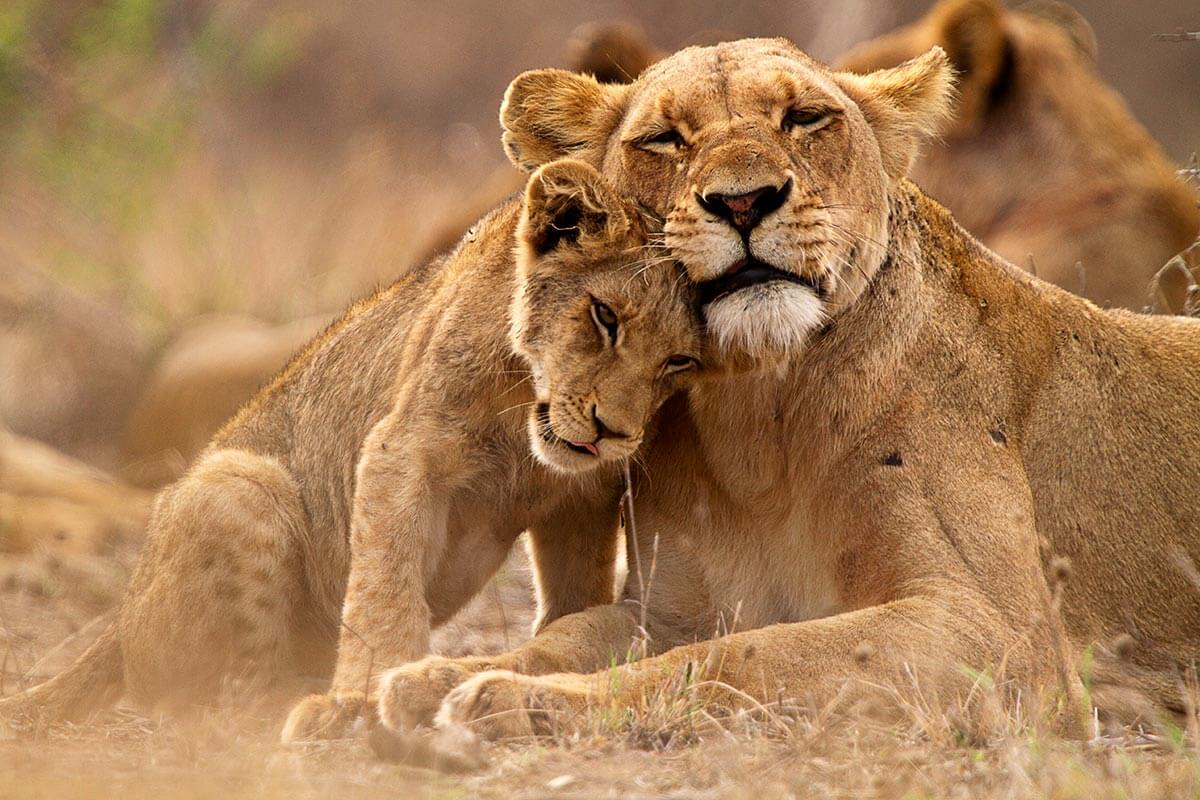
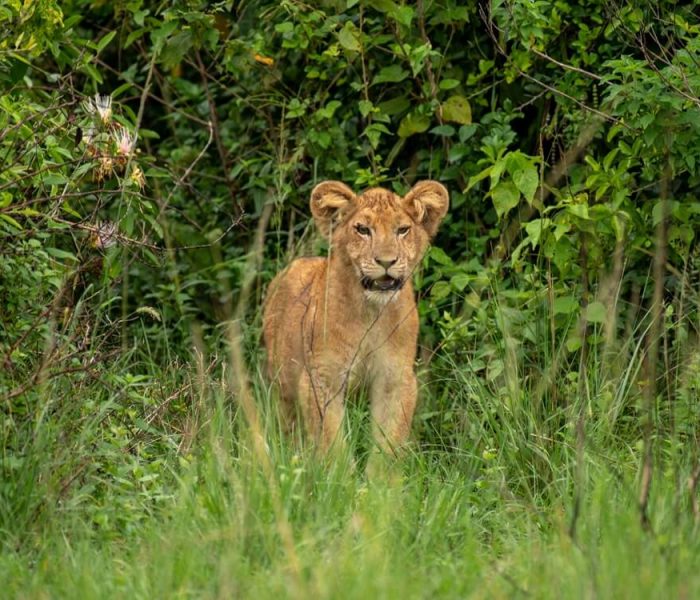
The park is famously home to the tree-climbing lions in the Ishasha sector, located in the southern part of the park. These lions are a unique attraction, setting the park apart from other safari destinations.

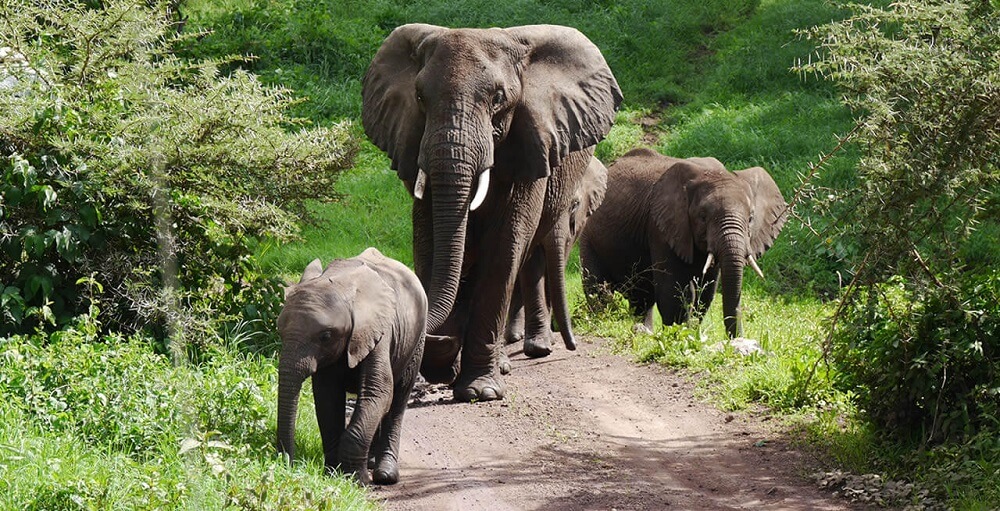
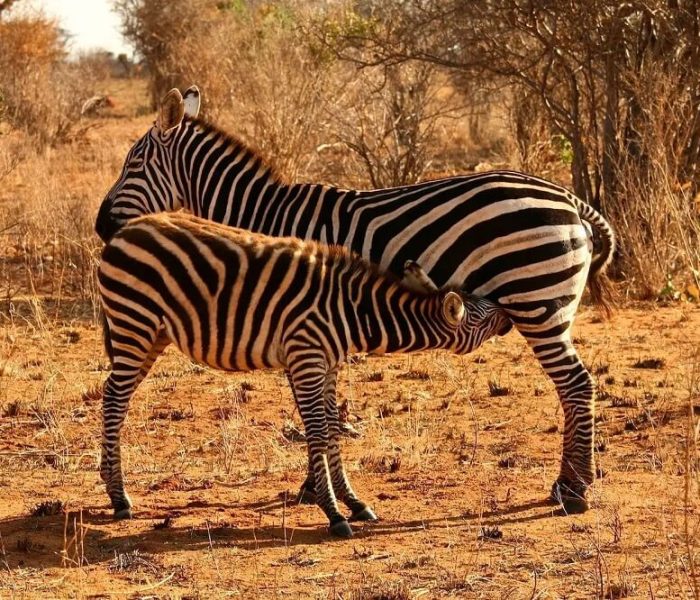
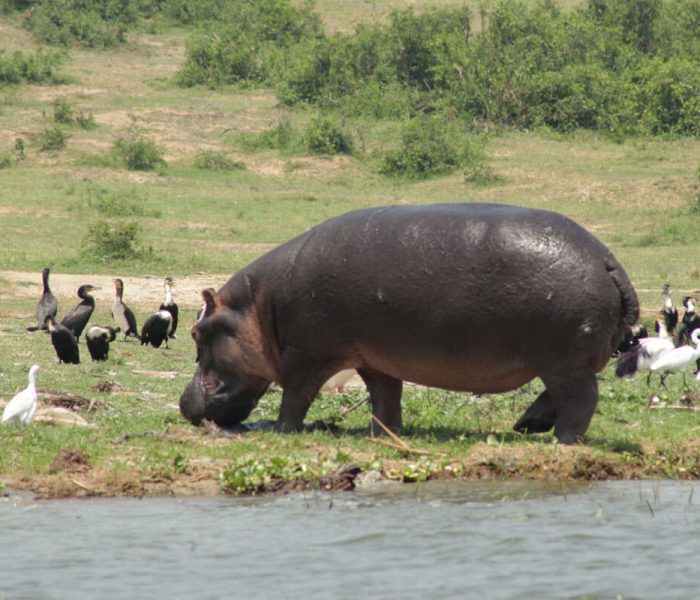
Queen Elizabeth National Park is home to an impressive array of 95 mammal species, including lions, elephants, buffaloes, leopards, antelopes, and large populations of hippos and crocodiles. The park also offers sightings of monitor lizards and other fascinating wildlife.

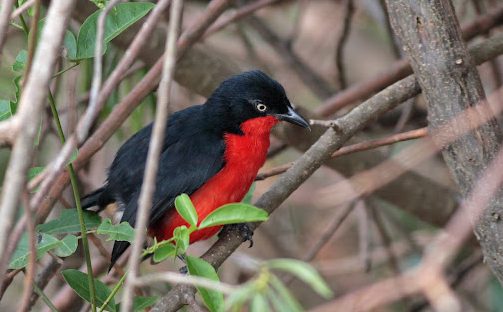
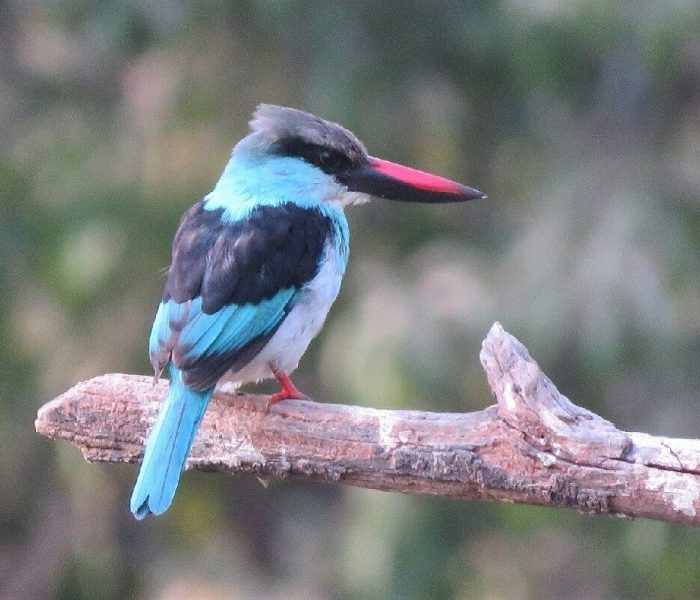
For bird enthusiasts, the park boasts over 600 bird species, making it a prime destination for bird watching. This includes both migratory and endemic species such as the African emerald cuckoo, yellow-billed stork, blue-shouldered robin chat, black coucal, and little bee-eater, among others. The park’s rich avian diversity provides ample opportunities for twitchers to spot rare and exotic birds. Additionally, Queen Elizabeth National Park is home to 10 different local communities, each contributing to the region’s cultural vibrancy. Visitors can explore these communities through various cultural experiences, learning about the traditions and lifestyles of the Banyankole and Bakonzo peoples. The park offers a variety of activities to suit all interests, including game drives through its extensive savannas, boat safaris along the Kazinga Channel to spot hippos and other wildlife, and chimpanzee trekking in the Kyambura Gorge. Adventurous visitors can also embark on guided nature walks in Maramagambo Forest or enjoy community tours, which provide an immersive cultural experience. Queen Elizabeth National Park is a perfect destination for anyone seeking a blend of spectacular wildlife and rich cultural engagement.

Exploring the 5 Stunning Regions of Queen Elizabeth National Park

Queen Elizabeth National Park is divided into five distinct regions, each offering a unique landscape and safari experience. These areas include the Northeast Escarpment, Kyambura Gorge, Ishasha, Mweya Peninsula, and the Rift Valley Escarpment. The Northeast Escarpment provides sweeping panoramic views over the grasslands and Lake George, with convenient access to the game-rich Kasenyi Plains. Perched along the banks of the Kazinga Channel, the Mweya Peninsula is known for its epic views where the grasslands seem to dissolve into the shimmering lakes.

The Rift Valley Escarpment stretches across the southeastern side of the park, with lodges strategically positioned on a dramatic ridge rising above the plains. Just 16 kilometers from the Katunguru Gate. The striking Kyambura Gorge is a natural chasm carved through the plains by ancient waters and enveloped in dense forest. The nearby Kyambura Gorge Lodge offers a luxurious base for chimpanzee trekking, wildlife viewing, and boat safaris. Its close proximity to the gorge ensures easy access to one of the park’s most enchanting landscapes.

For those seeking a more remote and untouched safari experience, the Ishasha Sector in the southwest delivers a true wilderness adventure. While new lodges are emerging, the area remains wonderfully quiet and unspoiled.
Queen Elizabeth National Park’s diverse regions promise an extraordinary safari experience, blending rich wildlife encounters with breathtaking scenery and top-tier hospitality.

Wildlife at Queen Elizabeth National Park

Queen Elizabeth National Park is teeming with wildlife, making it a paradise for safari enthusiasts. Elephants and buffalo roam the park in abundance, while lions can be spotted with surprising ease on the open Kasenyi and Ishasha Plains, offering an unforgettable sighting. 

The park’s grasslands are also home to a variety of antelope species, including the graceful Uganda kob, the water-loving defassa waterbuck, the elusive bushbuck, and the rare topi, found only in the Ishasha region. The Kazinga Channel is a hotspot for hippos and crocodiles, offering fantastic opportunities for wildlife viewing along the water. 

For those keen on primates, a habituated group of chimpanzees can be tracked in the park, alongside nine other fascinating primate species, including the striking black-and-white colobus. Whether you’re an animal lover or a keen photographer, Queen Elizabeth National Park provides incredible wildlife encounters at every turn.

Birds

Queen Elizabeth National Park stands as one of East Africa’s top birding hotspots, offering an exceptional birdwatching experience with over 610 bird species, the largest checklist of any protected area in the region. This vast biodiversity is a testament to the park’s diverse range of habitats, from lush wetlands to expansive savannas. 

The swamps near the Ishasha Plains and Lake George provide a sanctuary for the rare and fascinating shoebill, making it a must-see for avid birdwatchers. Seasonally, vast flocks of flamingos can be spotted in the park’s saline crater lakes, such as Katwe and Bunyampaka, adding a dramatic splash of color to the landscape. Along the Kazinga Channel, the graceful pelicans are a common sight, floating peacefully on the water’s surface. 

From November to April, migratory birds flock to the park, enriching its already impressive avian population. For bird enthusiasts, Queen Elizabeth National Park offers an unforgettable opportunity to witness a remarkable diversity of birdlife in one of Africa’s most scenic locations.

The surrounding communities add cultural richness to the park’s allure. The Bunyaruguru people reside along the Kichwamba Escarpment to the southeast, while the Basongora pastoralists inhabit the northern part of the park. Further north, the Bakonzo farmers cultivate the fertile slopes of the Rwenzori Mountains.

Attractions in Queen Elizabeth National Park

Queen Elizabeth National Park is a true jewel of Uganda, offering visitors an unforgettable adventure filled with unique wildlife encounters and stunning landscapes. The park is home to the rare and fascinating Tree Climbing Lions, found in the southern Ishasha sector, where these majestic lions can often be seen lounging in the branches of fig and acacia trees. The Kazinga Channel is another highlight, where a boat ride along this natural waterway connecting Lakes Albert and George offers exceptional views of large populations of hippos, Nile Crocodiles, elephants, and a variety of birdlife.

For those seeking a safari experience in Uganda, the Kasenyi Plains should not be missed. These expansive plains are teeming with Uganda Kobs, antelopes, and a diverse range of predators, including lions. Just a short distance from the park’s southeastern corner, Kalinzu Forest offers an extraordinary chimpanzee tracking experience, making it a must-visit for wildlife enthusiasts.

The Kyambura Gorge

The Kyambura Gorge, often referred to as the “Valley of Apes,” is another gem of the park. This lush, forested gorge is home to a thriving population of primates, including chimpanzees, making it a prime destination for tracking these intelligent creatures in their natural habitat.

The Mweya Peninsula, jutting into Lake Edward, is another popular spot for game drives, where visitors can enjoy remarkable wildlife views as they explore the park’s diverse tracks.

Lake Katwe

Lake Katwe, known for its salt mining activities, provides visitors with a glimpse into the traditional methods used for salt extraction. Tourists can learn about the age-old practices still in use today. 

Finally, the Katwe Explosion Crater Lakes, perched at the highest elevation of the park, offer sweeping panoramic views of the surrounding Rwenzori Mountain ranges, the western Rift Valley escarpment, and Lakes George and Edward, making it one of the most breathtaking spots in Queen Elizabeth National Park.

Best Time to Visit Queen Elizabeth National Park

Queen Elizabeth National Park welcomes visitors year-round, but the ideal time for wildlife viewing is during the dry seasons from January to February and June to July. During these months, the vegetation thins out, making it easier to spot wildlife as animals gather around water sources. The dry trails also make chimpanzee trekking more accessible, and the sunny weather ensures comfortable game drives. While the air can be a bit hazy, birding enthusiasts will find the period from late May to September particularly rewarding.

The park transforms into a lush paradise during the wet seasons from March to May and August to December. The landscape becomes vibrantly green, providing a stunning backdrop for photography. This is also the best time to spot migratory birds (from November to April). However, heavy rains can make some roads difficult to navigate and forest trails slippery. Expect occasional afternoon thunderstorms and prolonged drizzles, which can sometimes disrupt outdoor activities. Despite the challenges, wildlife remains abundant throughout the year, ensuring memorable safari experiences in any season.

gallery

Picture of Planning Your Safari

Planning Your Safari

Organizing a safari in Uganda Destination, can be overwhelming due to the many choices available for transport, accommodation, and activities.

Reviews and Rates

Uganda

What to do in Queen Elizabeth National Park

Queen Elizabeth National Park is a captivating destination with a wide variety of activities that cater to nature lovers, adventure seekers, and wildlife enthusiasts alike. Here are the top seven things you shouldn’t miss when exploring this stunning park:

Visit the Volcanic Explosion Craters

Crater Drive
The 27km Crater Drive, which runs from Kabatoro to the Crater Gates, offers stunning views of the volcanic craters in the north of the park. These extinct craters are filled with various landscapes, including lakes, forests, and grasslands. The route is breathtaking and offers a chance to see the geological history of the Albertine Rift.
A visit to Katwe Salt Lake allows visitors to learn about the traditional salt extraction process, which dates back to the 14th century. Local guides will take you down into the crater to witness how salt is harvested using evaporation pans. Lake Munyanyange, adjacent to the salt lake, is also a great spot for birdwatching, especially for migrating lesser flamingos (from August to November).

This small reserve, located to the east of Kyambura Gorge, is dotted with crater lakes that attract seasonal visitors, including greater and lesser flamingoes. It’s a peaceful and scenic area for those looking to experience the beauty of the park’s volcanic landscape.

Queen Elizabeth National Park is an exceptional destination, offering diverse activities that immerse visitors in its natural wonders. Whether you’re looking to spot wildlife, enjoy birdwatching, or learn about the park’s volcanic history, there’s something for everyone.

Game Drives

Ishasha

Situated in the southernmost sector of the park, Ishasha is an ideal spot for classic game viewing, set under vast rift valley skies. 

This area is home to buffaloes, hippos, elephants, and topis, with the added bonus of the chance to spot the famous tree-climbing lions of Ishasha. These lions are often seen lounging on the branches of fig trees, a unique and exciting sight.

located just half an hour from Mweya, Kasenyi Plains offer fantastic game viewing, with herds of Uganda kob and the lions that prey on them. The open grasslands make it a prime area for spotting wildlife. 

Kasenyi’s experienced ranger guides can often locate lions, and if you’re keen on a more focused predator experience, the Mweya-based Uganda Predator Project offers tours that guarantee sightings of lions, leopards, and hyenas by tracking those fitted with radio collars.

Do a Boat Safari on Kazinga Channel

A boat cruise along Kazinga Channel is an unforgettable way to experience the park’s wildlife from the water. Linking Lake Edward and Lake George, the channel is teeming with hippos, Nile crocodiles, elephants, and a rich variety of waterbirds. 

As you glide through the water, you’ll also be surrounded by the striking candelabra trees that line the channel, adding to the overall charm of the cruise.

Go Chimp Tracking in Kyambura Gorge

For an exciting primate experience, head to Kyambura Gorge in the eastern part of the park. This lush, 11km-long gorge is home to a troop of chimpanzees. Guided chimp tracking hikes offer a chance to explore this rich ecosystem while searching for these fascinating creatures. 

Along the way, you’ll also encounter other wildlife such as olive baboons, monkeys, and a wide variety of bird species making it a rewarding experience for nature lovers.

Forest Walks

Kyambura Gorge

Kyambura Gorge, located at the eastern end of the park, is a stunning 100-meter-deep chasm filled with forest and home to a troop of chimpanzees. 

A guided hike through the gorge offers a chance to view these fascinating primates in their natural habitat, and visitors can enjoy breathtaking views from the edge of the gorge before descending into the forest.

Nestled at the foot of the Kichwamba Escarpment, Maramagambo Forest offers a refreshing contrast to the park’s open grasslands. A guided walk through this lush forest provides the opportunity to spot a variety of primates, including vervet monkeys, olive baboons, and red-tailed monkeys. 

The forest is also home to rare birds like the Rwenzori turaco and forest flycatcher. Visitors can explore Lake Nyamusingire (which is home to the elusive African finfoot) and see the famous Bat Cave, where a python resides and feasts on bats.

Look for Tree-Climbing Lions in IshashaForest Walks

Queen Elizabeth is one of the few places in the world where lions are known to climb trees, and Ishasha is the prime location to witness this rare phenomenon. The lions here are often found lounging on the branches of fig, acacia, and candelabra trees. 

While sightings are not guaranteed, the remote Ishasha sector, located in the southern part of the park, is a must-visit for those eager to see these majestic creatures in action.

It’s recommended to spend a night in Ishasha to fully enjoy this unique experience, as the area is a few hours’ drive from the park’s main hub. With such a diverse range of activities, Queen Elizabeth National Park offers something for every type of traveler, making it an unmissable destination for anyone exploring Uganda.

Birding

Queen Elizabeth is a paradise for birdwatchers, with over 600 bird species in the park. Notable birding activities include:
Kazinga Channel
A prime spot for spotting waterbirds, including flamingos and pelicans.
Known for their seasonal gatherings of flamingos, offering fantastic birding opportunities.
A haven for rare and restricted-range forest species, including the Rwenzori turaco.
Known for the rare shoebill sightings, especially on remote shores of the lake.

Getting There

Queen Elizabeth National Park is located approximately 375km (233 miles) to 425km (264 miles) west of Uganda’s capital, Kampala. The road journey typically takes 7 to 8 hours, although your itinerary will likely include a few scenic stops along the way to stretch and enjoy the surroundings.

While the Ishasha Plains are a bit more secluded from the rest of the park, it’s important to note that this area is just a 2-hour drive from Buhoma, a prime destination for gorilla trekking in Bwindi Impenetrable National Park.

For those opting for air travel, charter flights are available to airstrips at Kasese, Mweya, and Ishasha, offering a more direct and scenic approach to the park.

Travelers usually arrive in Uganda through Entebbe International Airport (EBB), located 46km (29 miles) from Kampala. Most safari packages include a convenient airport pickup, and your tour operator will arrange all further transportation to ensure a seamless and enjoyable experience throughout your journey.

Accommodation in Queen Elizabeth National Park

Accommodation options around Queen Elizabeth National Park cater to a variety of budgets, from luxurious lodges to more affordable choices. At Mweya, Uganda Wildlife Authority (UWA) offers 4-5 bedroom bungalows with cooking facilities, as well as one- and two-bedroom cottages for a comfortable stay. Campsites are also available at both Mweya and Ishasha for those looking to experience the park’s beauty up close while enjoying the great outdoors.

Best Safari Lodges and Camps in Queen Elizabeth National Park

Planning a safari in Queen Elizabeth National Park? Congema Safaris has handpicked the following safari lodges and camps to match your travel budget and preferred level of comfort. From luxury stays to budget-friendly options, these lodges promise a memorable blend of comfort, wildlife encounters, and breathtaking views.
Kyambura Gorge Lodge – Premier Luxury Experience

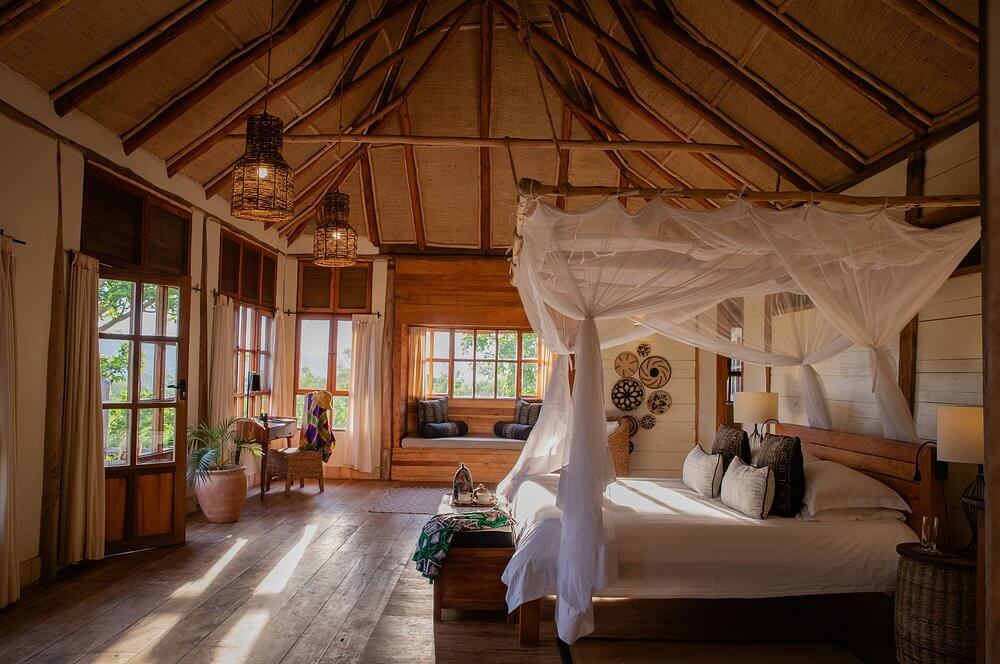
For travelers seeking a premier safari experience, Kyambura Gorge Lodge stands as the pinnacle of luxury in Queen Elizabeth National Park. Perched on the edge of the stunning Kyambura Gorge, this elegant lodge features eight beautifully designed bandas, including four deluxe bandas with spectacular views of the gorge and savannah plains. 

The lodge blends contemporary design with natural elements, creating a stylish yet earthy ambiance. Each banda is equipped with a fan, digital safe, a cozy sitting area, and a private outdoor deck with swings or hanging pods. The ensuite bathrooms feature both indoor and outdoor showers, twin vanities, and luxurious finishes. For families, the lodge offers a spacious suite designed for comfort and privacy.

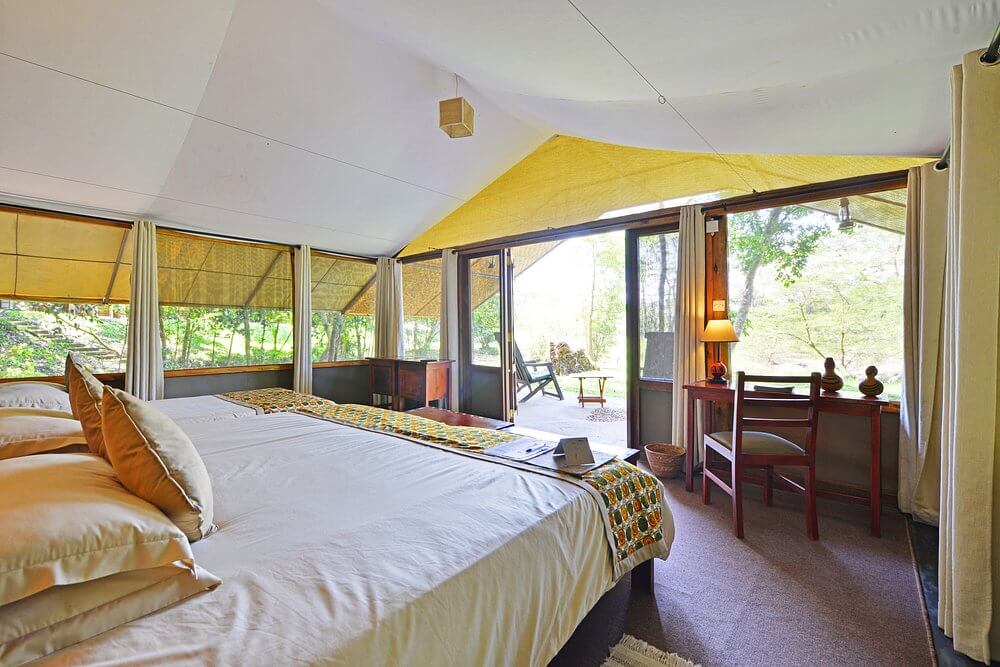
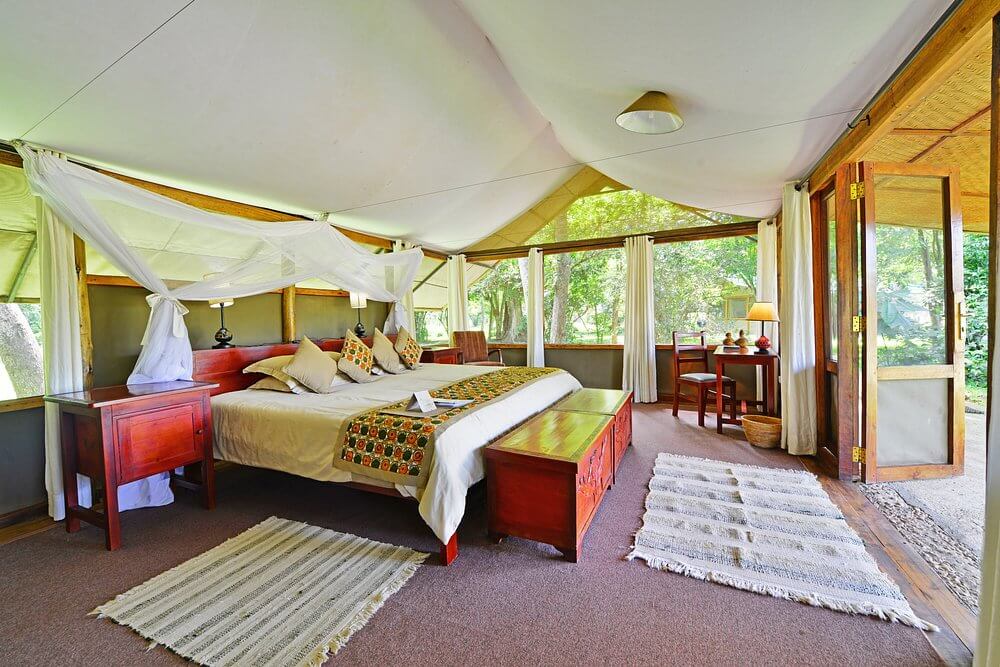
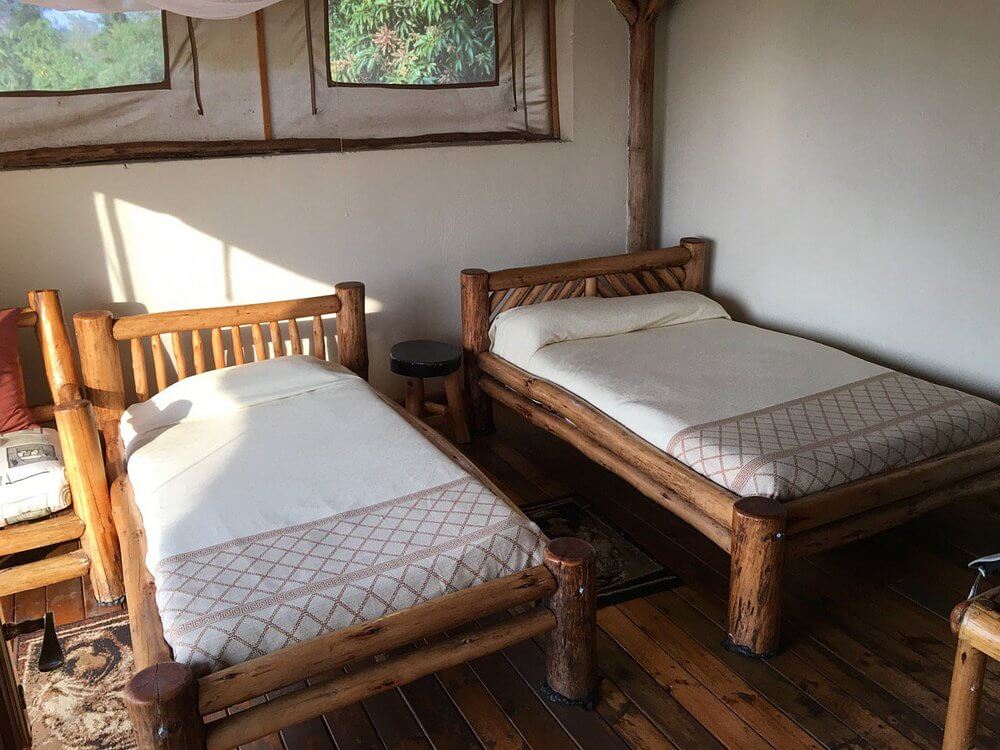
For an immersive wilderness experience, Ishasha Wilderness Camp delivers unmatched proximity to wildlife. Nestled along the banks of the river, this intimate camp features 10 canvas tents stretched over wooden poles and perched on concrete platforms under a woven grass roof. Each tent is thoughtfully designed with either twin singles or a double bed draped with mosquito netting.

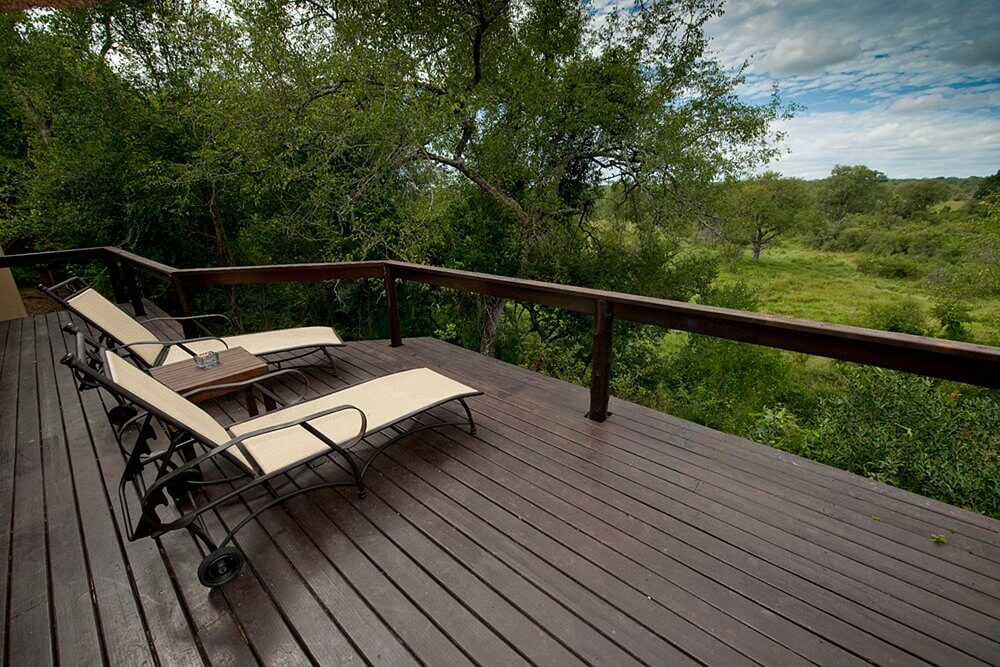
Ensuite bathrooms include eco-friendly bucket showers and toilets. Guests can unwind in the open-fronted lounge or relax on the deck overlooking the river while watching elephants and hippos nearby. The raw yet refined atmosphere makes Ishasha Wilderness Camp a favorite for those seeking an authentic bush experience.

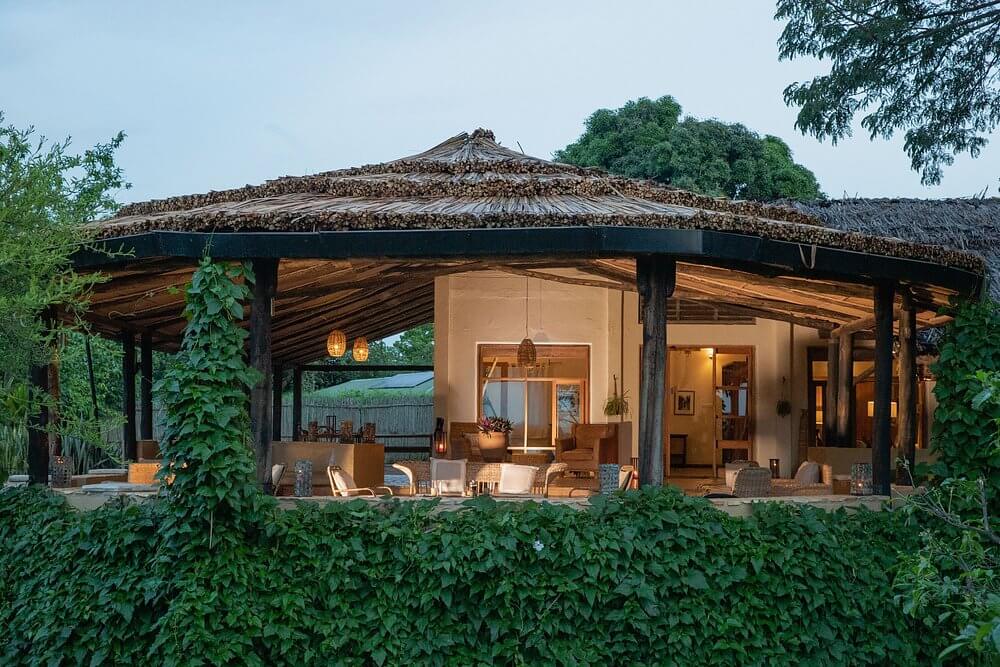
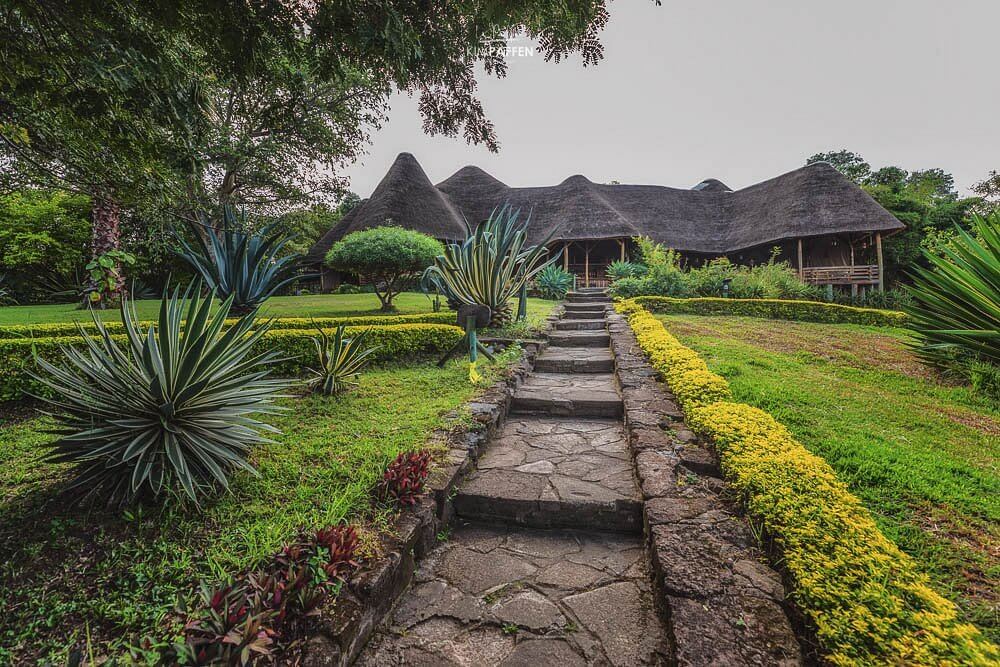
Set about 16 kilometers from Katanguru Gate, Katara Lodge offers a charming and eco-conscious stay with panoramic views of the savannah. The lodge features eight thatched-roof bandas, including a spacious family room perfect for two adults and two children. 

Each banda is furnished with a large double bed draped with mosquito netting and a rollaway bed that can be moved to the balcony for a magical night under the stars. The ensuite bathrooms come with a bathtub, shower, twin vanities, and a low-flush toilet. 

Katara Lodge’s commitment to sustainability, combined with its warm hospitality, makes it a perfect base for exploring Queen Elizabeth National Park.

Mweya Safari Lodge – Colonial-Style Comfort

Positioned on the scenic Kazinga Channel, Mweya Safari Lodge evokes the charm of the colonial era with a variety of accommodation options. The lodge offers 54 rooms, including 32 Standard Rooms, 12 air-conditioned Deluxe Rooms, and several luxurious suites such as the Queen’s Cottage and the Presidential Cottage. 

For families or larger groups, two spacious Family Cottages are available, along with two Luxury Tents and two Standard Tents for those seeking a more traditional safari camping experience. The lodge’s strategic location provides easy access to the Kazinga Channel for wildlife boat cruises and game drives across the park.

For travelers seeking comfort and value, Elephant Plains Lodge delivers a budget-friendly yet scenic stay overlooking Lake Kikorongo. The lodge features eight cozy cottages with options for large double beds or twin singles, all protected with mosquito netting. 

A small seating area adds to the comfort of each room. Families and larger groups can opt for the two spacious Family Cottages, each with two bedrooms and ensuite bathrooms that include twin vanities and a bathtub. The lodge’s patio offers a relaxing spot to enjoy sweeping views of the lake and surrounding savannah.

Whether you’re looking for luxury or simplicity, Queen Elizabeth National Park’s top lodges promise a comfortable stay paired with thrilling wildlife adventures. With Congema Safaris’ expert guidance, you’re guaranteed an unforgettable safari experience in one of Africa’s most diverse ecosystems.

What our Client Say

Design your own trip

Choose a destination, pick your properties, and we’ll do the rest

1
Browse
Look through our itineraries for inspiration, and call our Travel Consultants
2
Create
Discuss your wish list with us, and we’ll use our expertise to design a unique itinerary for you
3
Customise
We’re committed to refining your itinerary until we’ve created the perfect personalised trip for you