EXPLORE

Uganda Destination

Mgahinga Gorilla National Park
Picture of Chat to an Uganda Safari expert

Chat to an Uganda Safari expert

Get advice and suggestions to make this your perfect trip. or call us on:
+255 755 003116

Picture of Chat to an Uganda Safari expert

Chat to an Uganda Safari expert

Get advice and suggestions to make this your perfect trip. or call us on:
+255 755 003116

Destination Overview

Mgahinga Gorilla National Park is Uganda’s smallest national park, covering just 33.7 square kilometers. Mgahinga Gorilla National Park is located in Kisoro District, in the southwestern corner of Uganda, bordering both Rwanda and the Democratic Republic of Congo.

Established in 1991, the park was created to protect the endangered mountain gorillas. It is one of only four places in the world where visitors can engage in mountain gorilla tourism, making it a unique and valuable destination for wildlife enthusiasts and conservationists alike.

Mgahinga is part of the Virunga Conservation Area, a UNESCO World Heritage Site, and is home to three of the eight volcanic mountains in the region: Mount Sabinyo, Mount Gahinga, and Mount Muhabura.
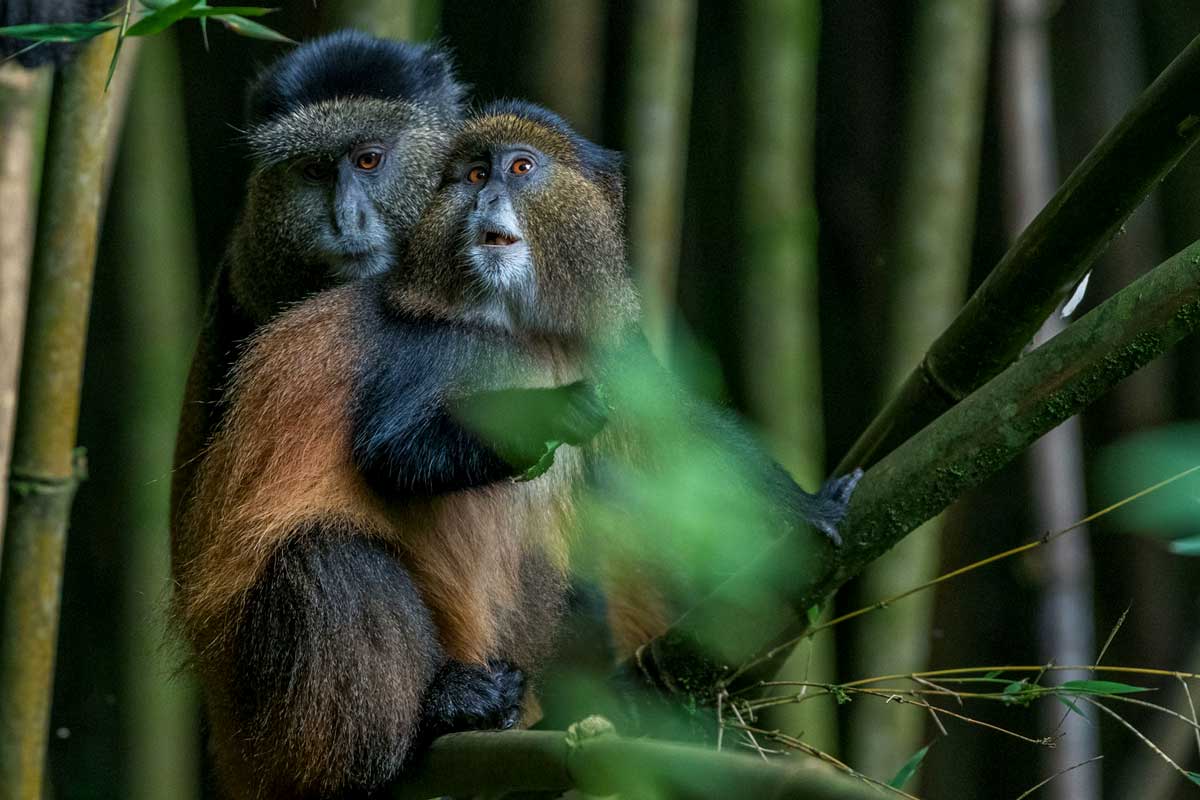
Mgahinga Gorilla National Park is nestled high in the clouds, with altitudes ranging from 2,227m to 4,127m. Known primarily for its conservation of the rare mountain gorillas, the park also serves as a vital habitat for the endangered golden monkey. Its dense forests, however, are not just home to these incredible species but also have deep cultural significance, particularly for the indigenous Batwa pygmies. This ancient tribe, the “first people” of the forest, possesses an unmatched knowledge of the forest’s secrets.

The park is most famously defined by its three extinct conical volcanoes, part of the awe-inspiring Virunga Range, which straddles the borders of Uganda, Rwanda, and the Democratic Republic of Congo. These volcanoes form the centerpiece of the larger Virunga Conservation Area, comprising parks in the three countries. The slopes of these volcanoes support a range of ecosystems that contribute to Mgahinga’s rich biological diversity, with the towering peaks creating a dramatic and picturesque backdrop.
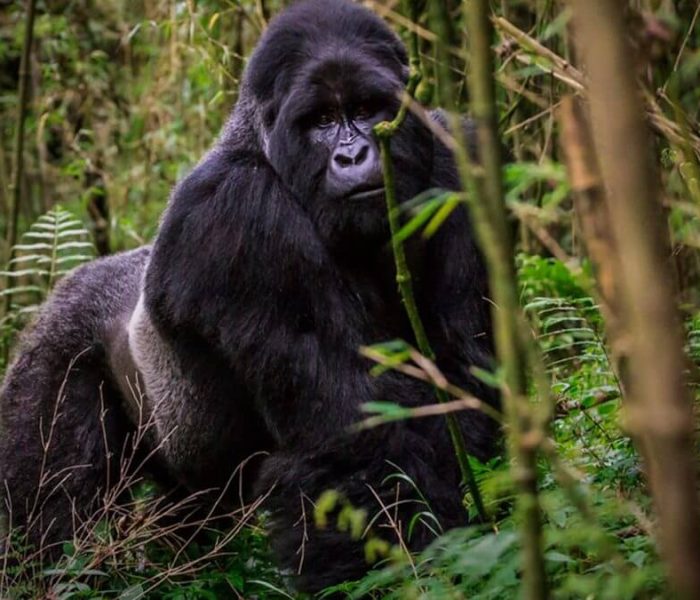
Mgahinga Gorilla National Park is home to a total population of around 80 mountain gorillas. Among them, only one group, the Nyakagezi family, is habituated and open to tourists. This group, once known for frequently migrating between Rwanda and Congo, has now settled in Uganda for over three years.
A gorilla safari to Mgahinga offers a more serene experience due to the park’s relatively low visitor numbers. With only one habituated gorilla group, the park can sell a maximum of just 8 gorilla permits per day, ensuring an intimate and exclusive experience for those lucky enough to visit.

It’s recommended that visitors book their permits well in advance, either through the Uganda Wildlife Authority offices in Kampala or directly at the Park Headquarters in Ntebeko, to secure their spot in this unforgettable wildlife adventure. Other activities available in the park include forest birding, volcano hiking, and Batwa Community tours, where visitors can experience the culture of the indigenous Batwa people. Mgahinga offers a rich blend of adventure and wildlife experiences for nature lovers and those seeking a unique, off-the-beaten-path safari. 

Wildlife Experience at Mgahinga Gorilla National Park

Mgahinga Gorilla National Park is renowned for its resident Nyakagezi group of the rare Mountain Gorillas (Gorilla Gorilla Beringei), which made the park their home for many years. However, in 2005, the Nyakagezi group moved their territory into Rwanda, temporarily halting gorilla tracking activities at Mgahinga. Fortunately, the group occasionally returns to the reserve, allowing visitors the chance to track them. Permits for tracking the Nyakagezi group are available only on the day of tracking, making it a unique and spontaneous opportunity for lucky visitors.
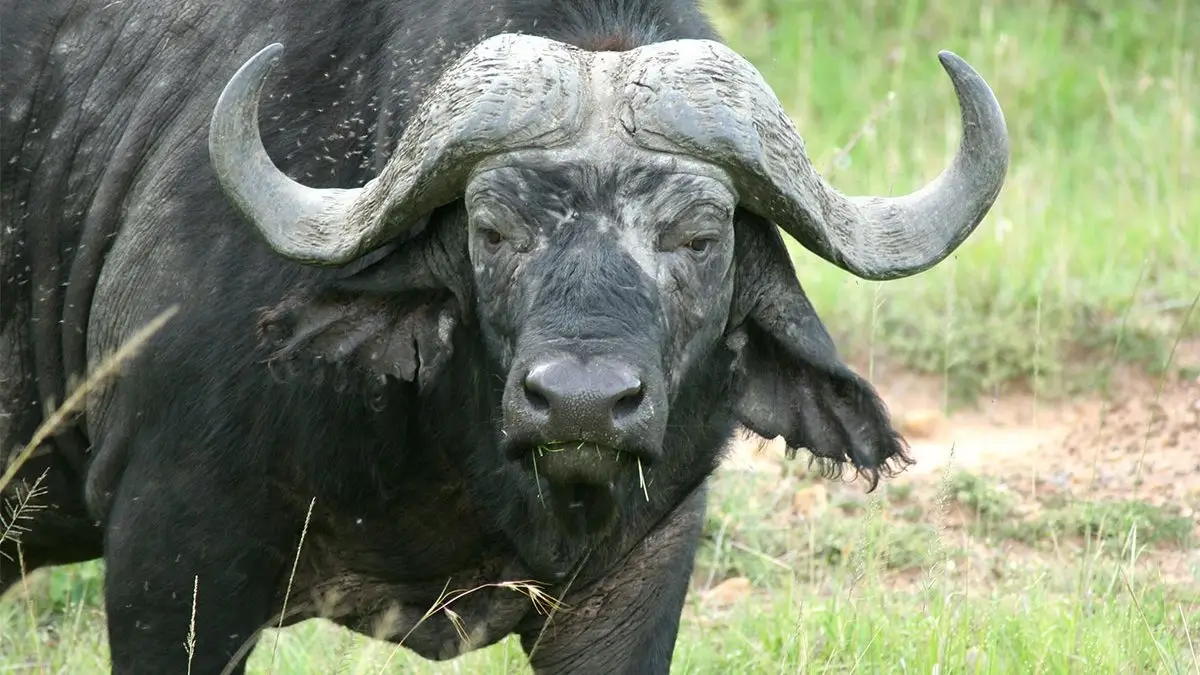
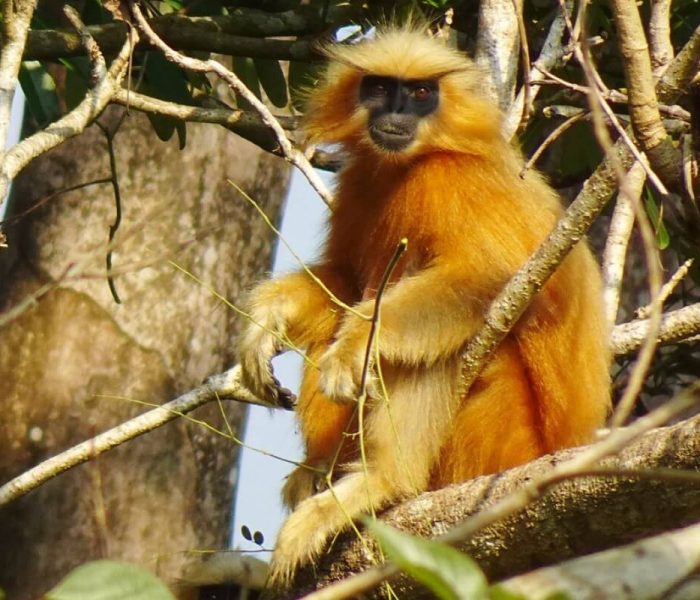
In addition to the gorillas, the park is home to a range of other fascinating wildlife, including the endemic golden monkey, the giant forest hog, bushbuck, and buffalo. The park’s rich biodiversity, coupled with its iconic gorilla population, makes it a must-visit destination for wildlife enthusiasts and nature lovers.

Birdlife

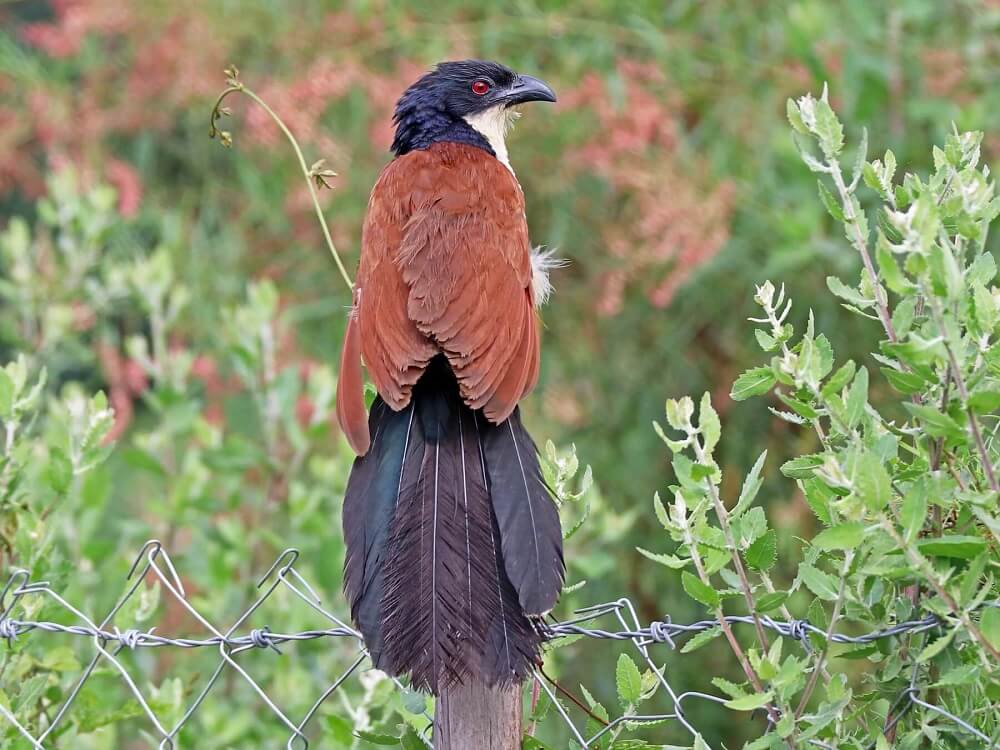
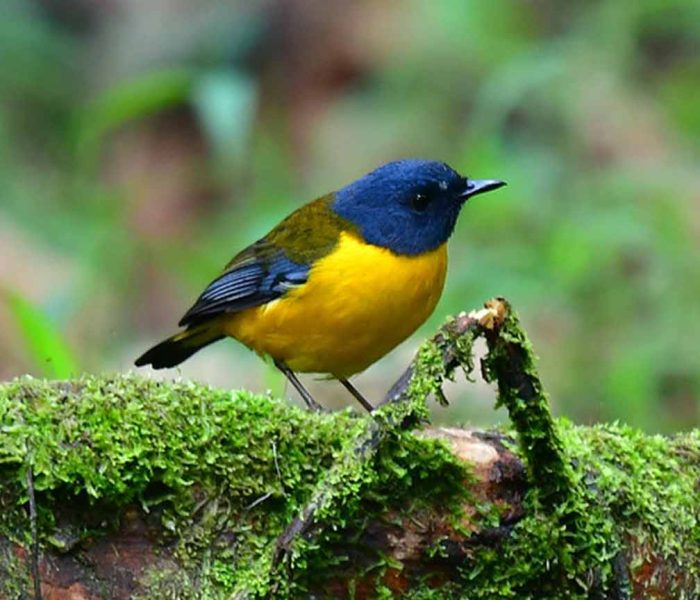
Mgahinga Gorilla National Park is a haven for birdwatching, with approximately 250 bird species recorded within its boundaries. Among these, 17 are Albertine Rift endemics, along with several other forest-dwelling species. Bird enthusiasts will find the Sabyinyo Gorge Trail particularly rewarding, offering a chance to spot rare species like the Ruwenzori turaco, Archer’s robin-chat, Kivu ground thrush, strange weaver, and regal sunbird.

For those seeking a shorter, yet still satisfying birding experience, brief bird walks are available, though they are generally less productive. On mountain hikes, keep an eye out for the stunning scarlet-tufted malachite sunbird. Additionally, the park sees an influx of migratory birds between November and April, making it an exciting destination for birders year-round.

Vegetation

The park’s diverse ecosystems, shaped by the volcanic slopes, range from montane woodlands, tropical forests, and bamboo to moorlands, tree heathers, and the rare afromontane vegetation. Mgahinga is perpetually moist and often shrouded in mist, so visitors should come equipped for damp conditions throughout their visit. The varied plant life supports the park’s rich biodiversity, making it an essential destination for nature lovers and wildlife enthusiasts alike.

Mgahinga Gorilla National Park experiences its heaviest rainfall between March, April, May, and again from October to November. During these months, the park sees intense rains, causing the ground to become slippery and muddy. The park’s temperature varies with altitude, with an average daytime temperature of 20°C. At night, temperatures can drop as low as 9°C, and for every 1,000 meters of elevation, the temperature decreases by approximately 6°C. Visitors should be prepared for fluctuating temperatures and occasional rain showers.

gallery

Picture of Planning Your Safari

Planning Your Safari

Organizing a safari in Uganda Destination, can be overwhelming due to the many choices available for transport, accommodation, and activities.

Reviews and Rates

Getting there

The gateway to Mgahinga Gorilla National Park is Kisoro, situated approximately 500 km (300 miles) southwest of Uganda’s capital, Kampala, or Entebbe. The journey takes around 9 hours by road along a well-maintained surface route. A recommended stopover is Lake Mburo National Park, located roughly halfway between Kampala/Entebbe and Kisoro, making for a scenic break during the long drive.

From Kisoro, the Ntebeko Gate, which serves as the primary entry point for park activities, is about 14 km (9 miles) away. The drive along the rough ascent road typically takes around an hour. Depending on the location of the habituated gorilla group, treks may also depart from Muhabura Gate, 10 km (6 miles) from Kisoro via a different but similarly rugged route.

It is strongly advised to travel in a high-clearance 4WD vehicle for both routes. For the most up-to-date information on trek departure points, visitors should check with the national park office in Kisoro.

Entebbe International Airport (EBB), located 46 km (29 miles) from Kampala, is the main point of entry into Uganda. There are daily domestic flights connecting Entebbe to Kisoro, offering a convenient option for travelers.

Attractions in Mgahinga National Park

Mgahinga Gorilla National Park offers visitors a diverse array of natural and cultural attractions. Here’s a guide to some of the park’s top things to see:

Flora and Fauna

Distinct Altitudinal Bands of Vegetation

Mgahinga’s slopes are home to various vegetation zones. From grasslands and regenerating bushland at lower altitudes, the park transitions to montane woodlands, bamboo forests, montane forests, and giant tree heathers in the Ericaceous zone. 

At higher altitudes, you’ll find the alpine zone, home to unique plant species like lobelia and groundsel.

Mgahinga’s most famous residents are the endangered mountain gorillas, with the Nyakagezi gorilla group often found in the area. The golden monkey, another rare species, is also found only in the Virungas and a forest in Rwanda.
Mgahinga is home to a variety of birds, including the Rwenzori turaco, crowned hornbill, black kite, and crowned crane. The park offers excellent birdwatching opportunities, especially for those exploring the Sabyinyo Gorge Trail.
In addition to the gorillas and golden monkeys, the park is home to elephants, buffalo, leopards, and bush pigs, although sightings of these animals are rare.

Local People

The park is located in Kisoro District, populated by two main ethnic groups: the Bafumbira, who are primarily farmers, and the Batwa, a minority group who once practiced a hunter-gatherer lifestyle in the forest. 

The Batwa’s deep knowledge of the forest makes them unique cultural custodians of the region.

Ntebeko Visitor Centre

The Ntebeko Visitor Centre is the main hub for park activities. Visitors can explore the surrounding areas via a 800m uphill walk to a viewing platform, offering beautiful vistas of the park and its surroundings. 

Access to the viewing platform is free, and no guide is necessary.

The Peaks

Mgahinga Gorilla National Park is home to three stunning volcanic peaks, each with unique hiking opportunities:

Known as the “Old Man’s Teeth,” Mt. Sabyinyo has three peaks, offering a challenging 14km round trip with breathtaking views into the deep gorges below. 

The summit is a tri-border point where Uganda, Rwanda, and the Democratic Republic of Congo meet.

A relatively moderate trek through bamboo forests, with a lush swamp in the crater at the summit. The round trip from Ntebeko takes about 6 hours, providing an incredible opportunity to experience the park’s diverse ecosystems.

This classic volcanic cone is capped by a small lake and offers spectacular views from the summit. The hike is challenging, taking around 8 hours for the 12km round trip, with rewards such as stunning alpine vegetation and panoramic views of the Virunga volcanoes, Rift Valley, and Rwenzori Mountains.

Each of these volcanic peaks provides a unique experience, ranging from scenic hikes to challenging climbs, with opportunities to see rare flora, fauna, and sweeping views of the surrounding landscape.

Whether you’re trekking for gorillas, exploring volcanic peaks, or simply enjoying the park’s rich biodiversity, Mgahinga offers a truly unique adventure in the heart of East Africa.

Uganda

Things to do in Mgahinga National Park

Mgahinga Gorilla National Park offers visitors a diverse array of natural and cultural attractions. Here’s a guide to some of the park’s top things to see:

Gorilla Tracking

Gorilla trekking in Mgahinga Gorilla National Park is one of the most exhilarating and unforgettable experiences for nature enthusiasts and adventure seekers. Located in the heart of Uganda, Mgahinga is home to the famous Nyakagyezi gorilla group, the only habituated group in the park.

This fascinating family consists of 11 members, including 2 impressive silverbacks, 3 adult females, 4 lively juveniles, and 2 adorable infants, offering an extraordinary chance to witness these magnificent creatures in their natural habitat.

As the park’s top attraction, gorilla trekking draws visitors from all over the world, eager to embark on a thrilling journey into the dense jungle. Starting from the Ntebeko Gate, trekkers can expect a trek that lasts anywhere from 2 to 6 hours, depending on the location of the gorillas, with the assurance of an awe-inspiring one-hour encounter with the mountain gorillas. 

To participate in this incredible adventure, travelers are required to secure valid gorilla permits, priced at USD 700 per person. This once-in-a-lifetime experience offers an up-close and personal connection with one of the world’s most endangered species, making it an absolute must for any wildlife enthusiast visiting Uganda.

Golden Monkey Trekking

Golden Monkey trekking in Mgahinga Gorilla National Park offers a unique opportunity to witness one of the most stunning and rare species in the world. These enchanting monkeys, a subspecies of the blue monkey, are native to the Virunga region and can only be found in Uganda’s Mgahinga. 

Known for their striking golden fur, these endangered primates captivate the hearts of travelers seeking a once-in-a-lifetime wildlife experience. Their playful antics and vibrant colors make them a sought-after attraction for tourists visiting the park, adding an exciting dimension to the adventure of trekking in the Virungas.

Nature Walks

Mgahinga also offers nature walks through diverse ecosystems, making it an ideal destination for nature lovers. 

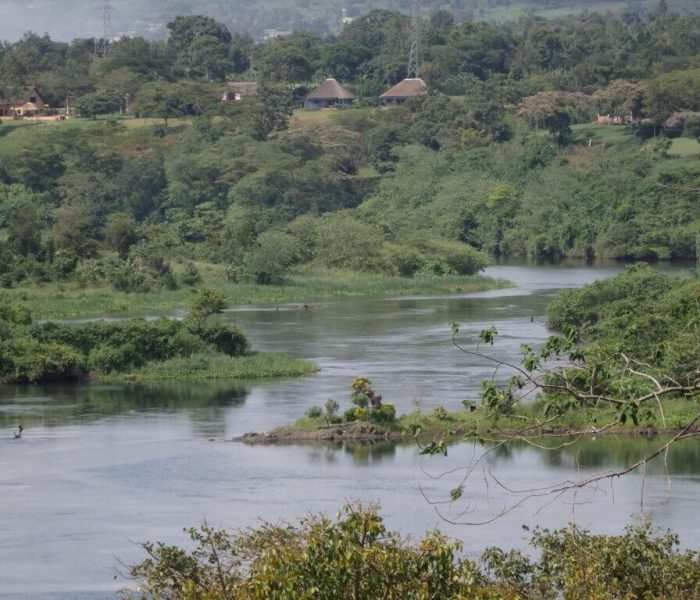
These guided walks take visitors through various trails across the park, exploring the slopes of the volcanoes, lush forests, swamps like the Rugezi Wetlands, and the serene shores of Lake Mutanda. 

Accompanied by an expert guide and an armed ranger for safety, these walks provide ample opportunities to spot unique bird species, discover indigenous trees, and observe the diverse wildlife that calls the park home. 

If you’re keen to explore more, consider the 2-day golden monkey trekking tour in Rwanda’s Volcanoes National Park, where you can experience these fascinating creatures in another stunning part of the Virunga Mountains.

Bantwa Trail and Garama Cave

The Batwa Trail offers an unforgettable cultural experience that immerses visitors in the rich heritage of one of Uganda’s most ancient tribes. 

Beginning at the base of Mount Muhavura, this journey is led by knowledgeable Batwa guides who share captivating stories about their traditional forest life, cultural practices, and their deep connection to the land.

The trail leads to the fascinating Garama Cave, located 3 kilometers from Ntebeko, beneath the northern edge of the park’s plateau. This 342-meter-long cave once served as a council chamber and a safe retreat for the Batwa people, who lived in the forest, hunting and gathering fruit long before the establishment of Mgahinga National Park in 1991. The cave’s atmospheric surroundings provide the perfect setting for an end-of-trail performance of Batwa music, allowing visitors to experience the emotional depth of their culture.

A visit to Mgahinga is truly incomplete without taking part in the Batwa Trail, which offers a rare opportunity to support the Batwa people. These indigenous forest dwellers were displaced when the park was created, and this trail provides an essential link to their past. Visitors will gain invaluable insights into the Batwa’s way of life, learning about their harmonious coexistence with the mountain gorillas and the forest, which they once called home. This cultural adventure not only helps preserve their traditions but also contributes to the sustainability of the local community. Led by a Batwa guide, the trail offers a profound and authentic African cultural experience.

Mountain Climbing

Mountain climbing in Mgahinga offers an exhilarating opportunity to explore the park’s stunning volcanic landscapes. With three extinct volcanoes to choose from, each climb presents its own adventure and rewards. 

Hiking permits can be easily obtained at the park’s offices, allowing for spontaneous excursions. Here’s a closer look at the three volcanoes

Mount Muhabura

Mount Muhabura stands as the tallest and most challenging peak at 4,127 meters. The hike takes approximately 8 to 10 hours and requires navigating through rugged, cold, and often muddy terrain. 

The climb is tough but the views are worth every step—hikers are rewarded with stunning vistas of the Rwenzori Mountains, the Bwindi Impenetrable Forest, and the broader Virunga range. One of the unique highlights of this trek is a visit to the Crater Lake located at the summit, offering a refreshing spot to take in the scenery.

meaning “Old Man’s Teeth” due to its distinctive, jagged peaks, is the second highest at 3,634 meters. Known for its demanding ascent, the hike to the summit and back takes around 8 hours. 

At the peak, hikers find themselves at the convergence point of three countries: Uganda, Rwanda, and the Democratic Republic of Congo. Standing at this tri-border summit, one can literally stand in three countries at once, making it a truly unique experience.

the least demanding of the three, stands at 3,474 meters. The hike takes about 7 hours and is perfect for those looking for a less strenuous adventure. The trail winds through bamboo forests, offering a peaceful and picturesque ascent. At the summit, visitors are treated to breathtaking views and the chance to explore the serene swamps that lie within the crater.

Whether you’re an avid mountaineer or a casual hiker, the volcanic peaks of Mgahinga provide an unforgettable experience surrounded by natural beauty and stunning landscapes.

The Border Trail in Mgahinga Gorilla National Park offers an exciting moderate hike that takes trekkers to the lower base of the magnificent Sabyinyo Volcano. 

This 5-hour hike provides spectacular views of Sabyinyo Gorge and its towering peaks, giving adventurers a chance to follow the international border line between Uganda, Rwanda, and the Democratic Republic of Congo for about 2km. It’s an incredible experience to walk along this natural boundary, taking in the stunning landscapes while getting a glimpse of the border’s significance.

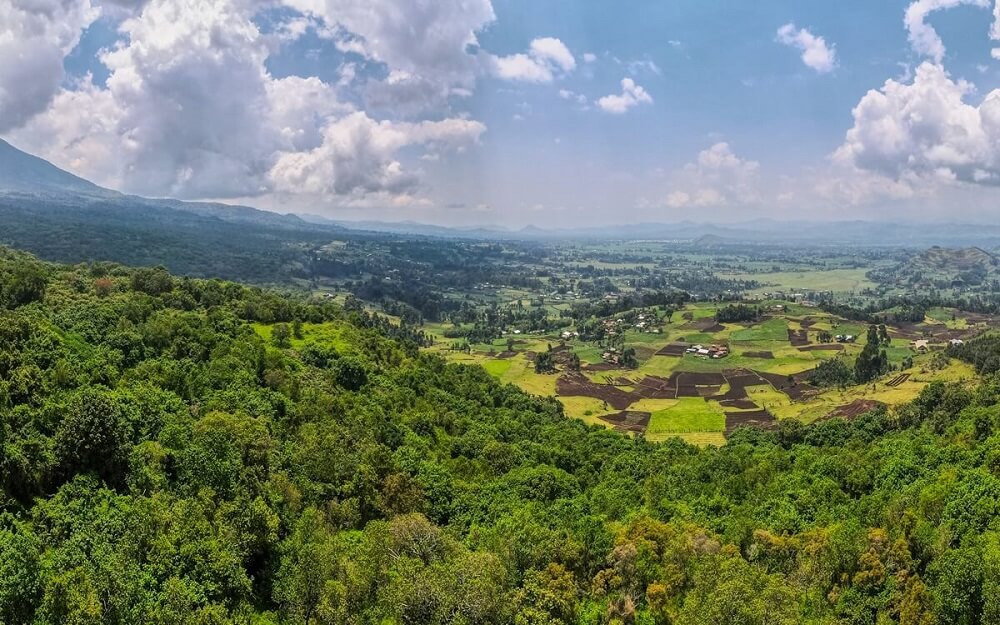
For a shorter, yet equally rewarding trek, visitors can venture up to Gisozi Hill, located near Kisoro and the Bunagana town. The Gisozi walk, lasting around 40 minutes, leads to a viewpoint at 800 meters above sea level. From here, hikers can enjoy breathtaking panoramic views of the three Virunga Volcanoes that form the heart of Mgahinga. 

On clear days, the northern vista reveals the lush farmlands, the tranquil Lake Mulehe, and the deep green of Bwindi Impenetrable Forest. In the distance, the Great Rift Valley and Congo’s landscapes complete the awe-inspiring view, making this an unmissable experience for nature lovers.

Bird watching

Birdwatching in Mgahinga Gorilla National Park offers an exceptional experience for avid birders and nature enthusiasts. With a rich diversity of 184 bird species, the park is a paradise for bird lovers, especially due to its population of Albertine Rift endemics. Among the notable species found here are the striking Rwenzori Turaco, the vibrant Archer’s Robin-Chat, and the unique Rwenzori Batis. 

Visitors can also spot a range of beautiful sunbirds, including the Blue-headed Sunbird and Bronze Sunbird, along with the Yellow-billed Kite and the Olive Woodpecker.

The park is home to various other fascinating species such as the Handsome Francolin, Western Green Tinkerbird, Dusky Turtle Dove, and Cape Robin-Chat. Birders will also enjoy sightings of Red-faced Woodland Warblers and Blue-headed Sunbirds, among many others. 

Whether you’re exploring the bamboo forests, the montane woodlands, or the edges of the park, Mgahinga offers a rich birding experience with plenty of opportunities to spot these beautiful and rare species.

Accommodation in Mgahinga National Park

When planning a gorilla trekking adventure in Mgahinga Gorilla National Park, you’ll find plenty of accommodation options in and around the area, ranging from budget-friendly choices to luxury retreats. The challenge is deciding which one best suits your needs. Here are some of the top choices for accommodation:
Mount Gahinga Safari Lodge
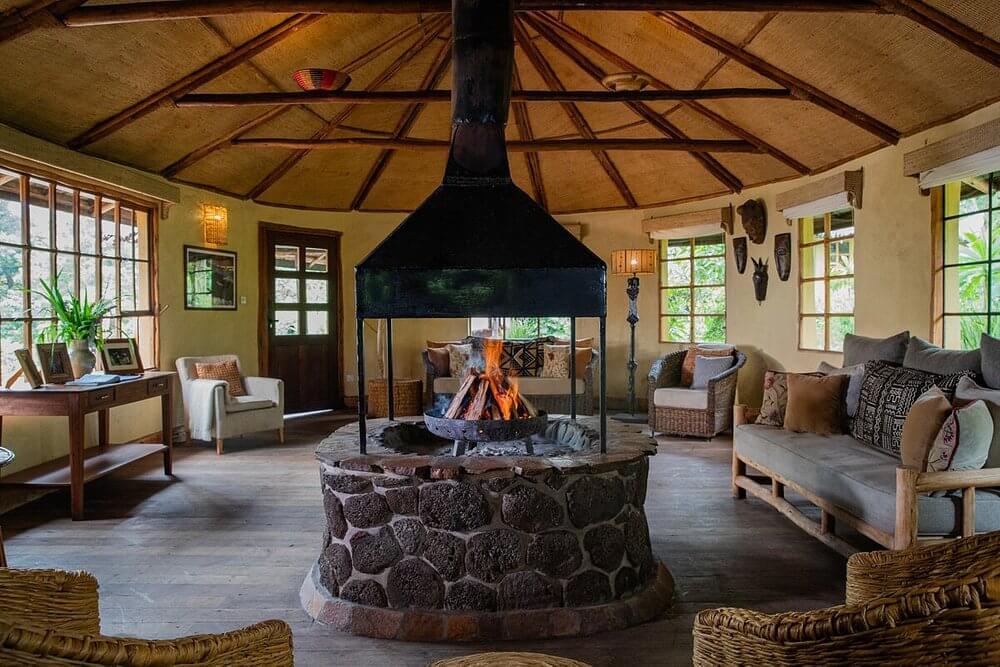
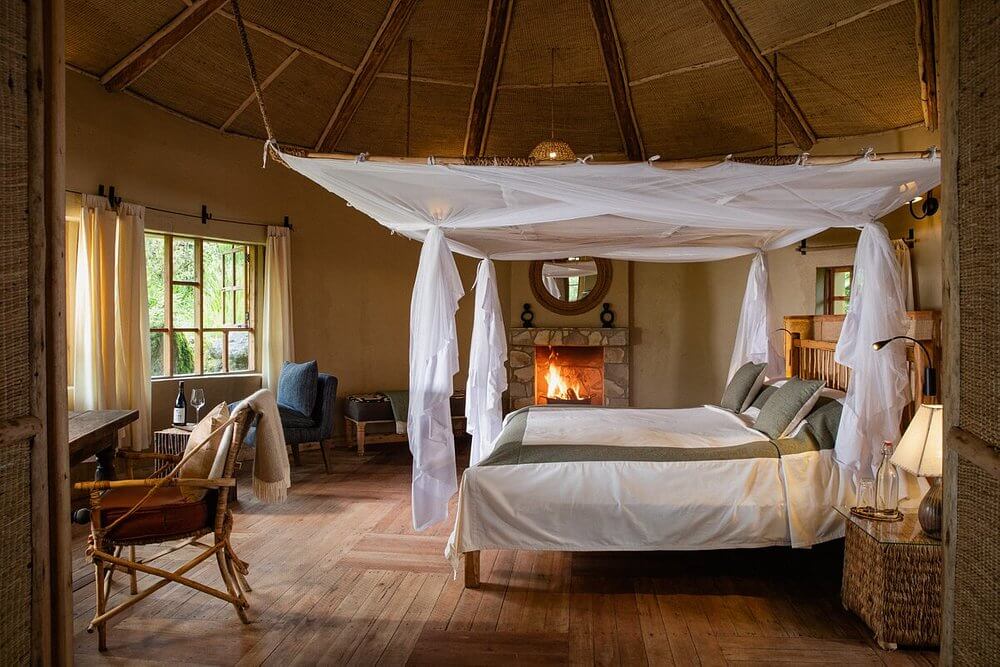
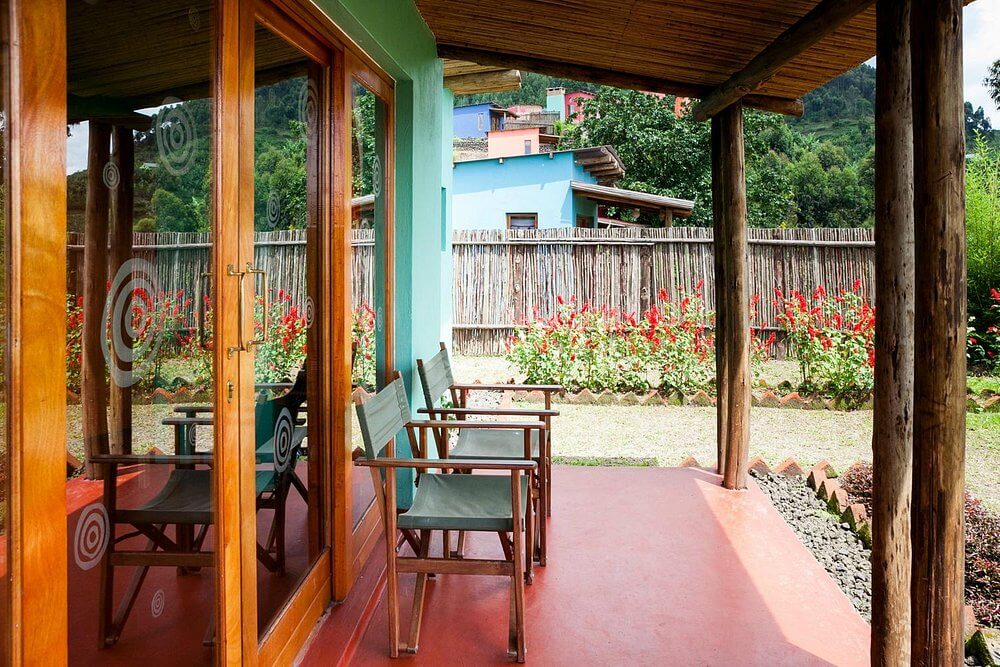
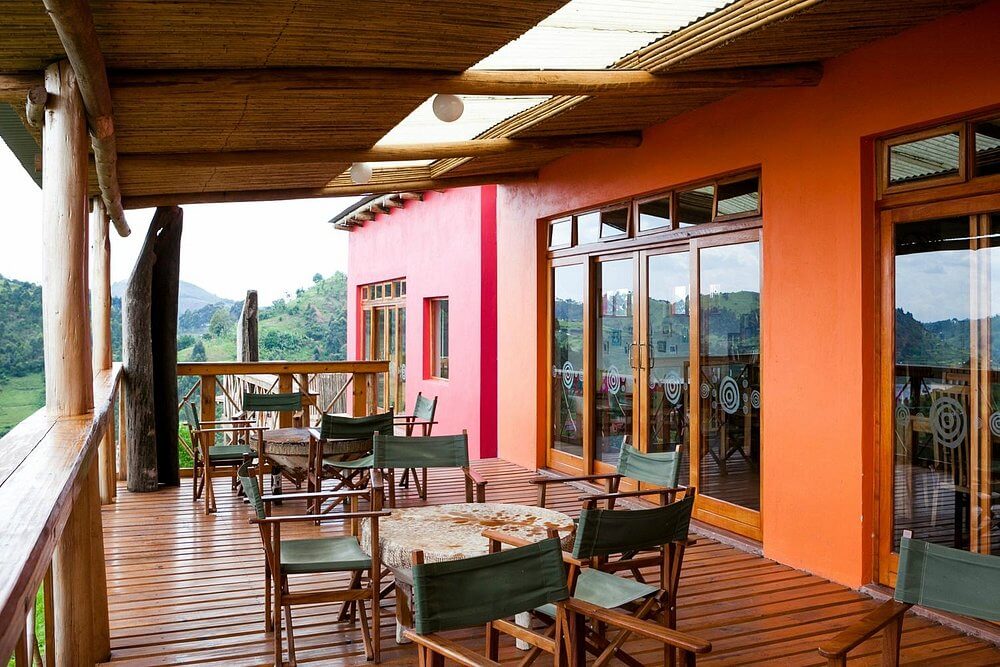
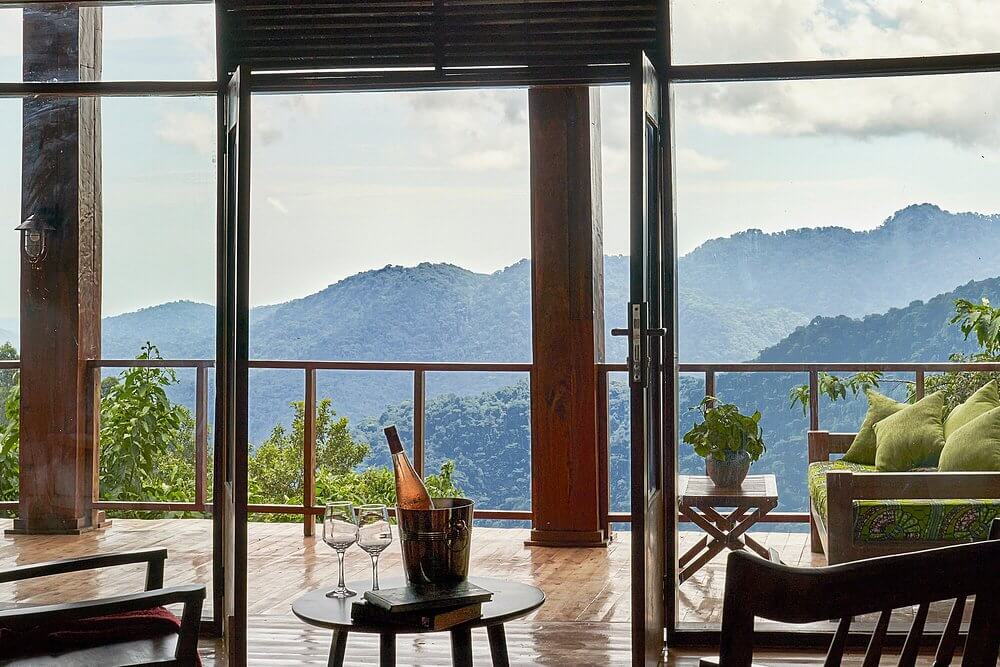
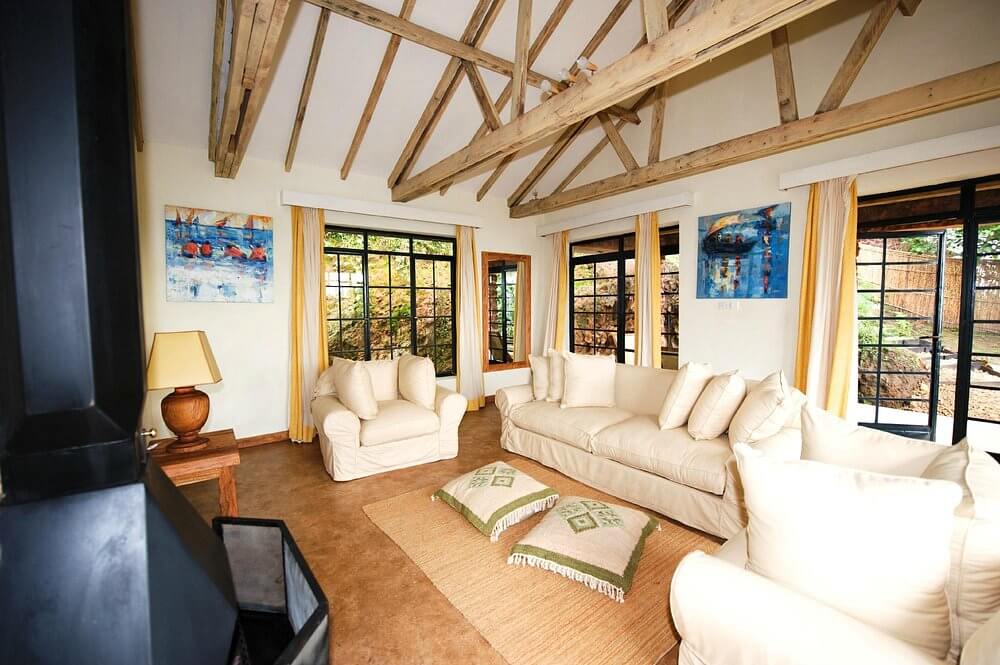
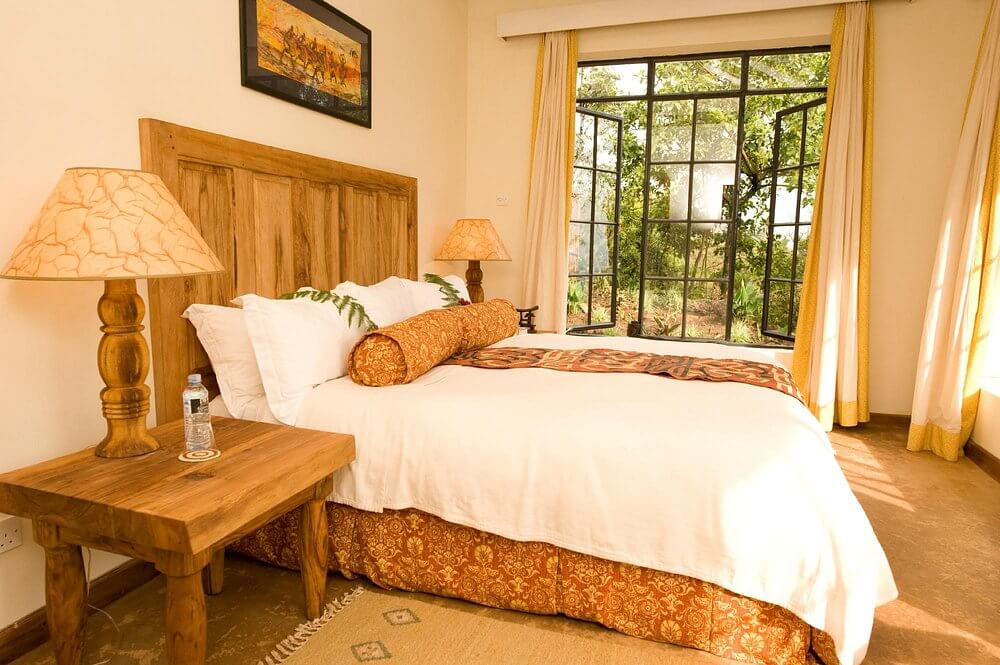
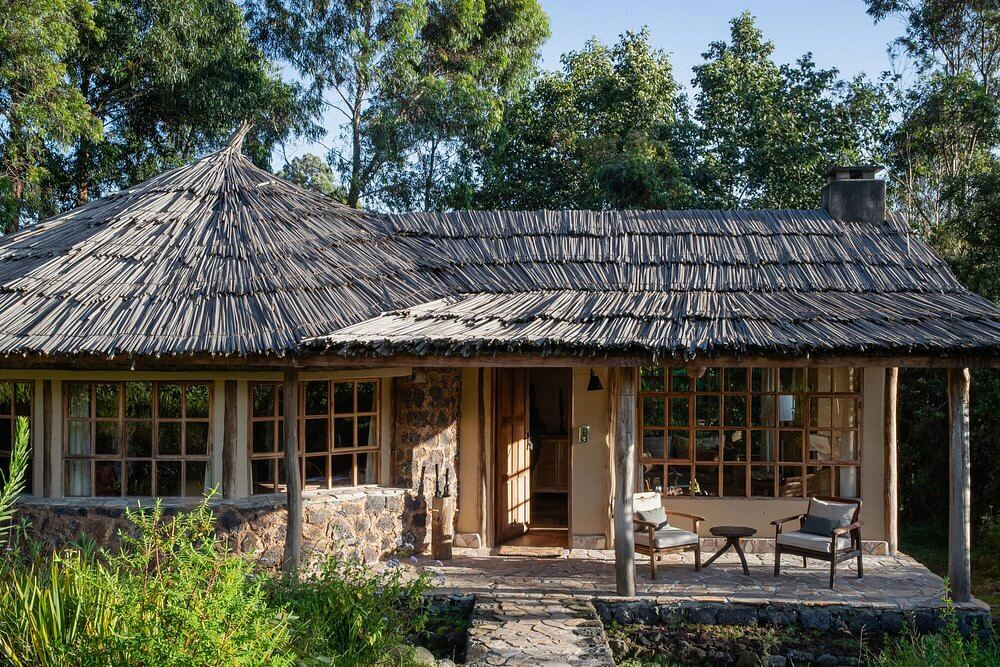
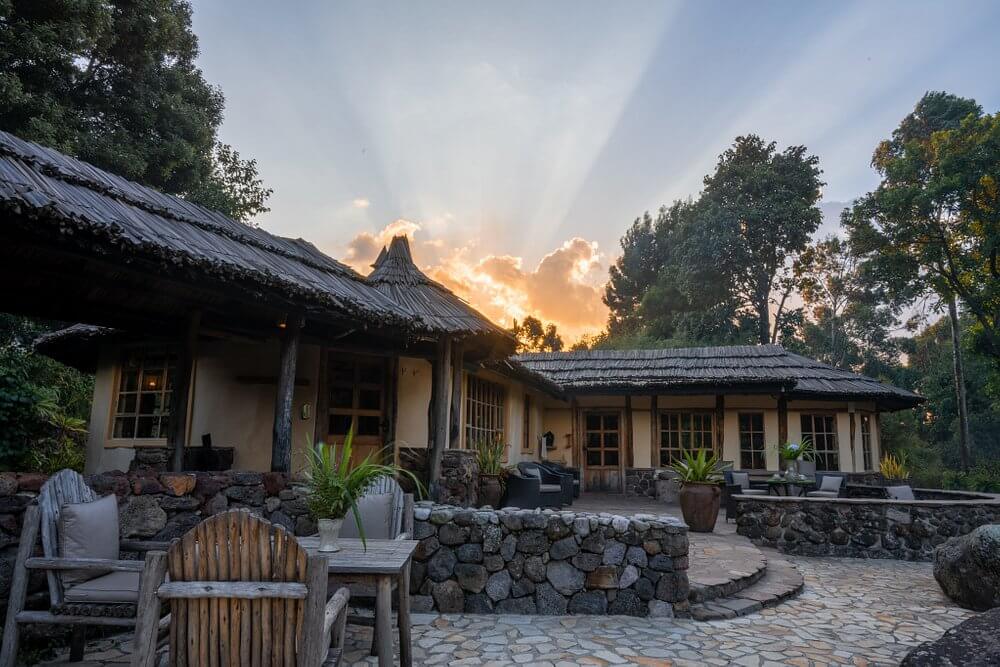
Situated in Ntebeko, this luxury lodge is crafted using traditional materials and offers a spectacular location at the foot of the three stunning volcanoes that define the park. It’s a fantastic option for those seeking a more upscale experience.
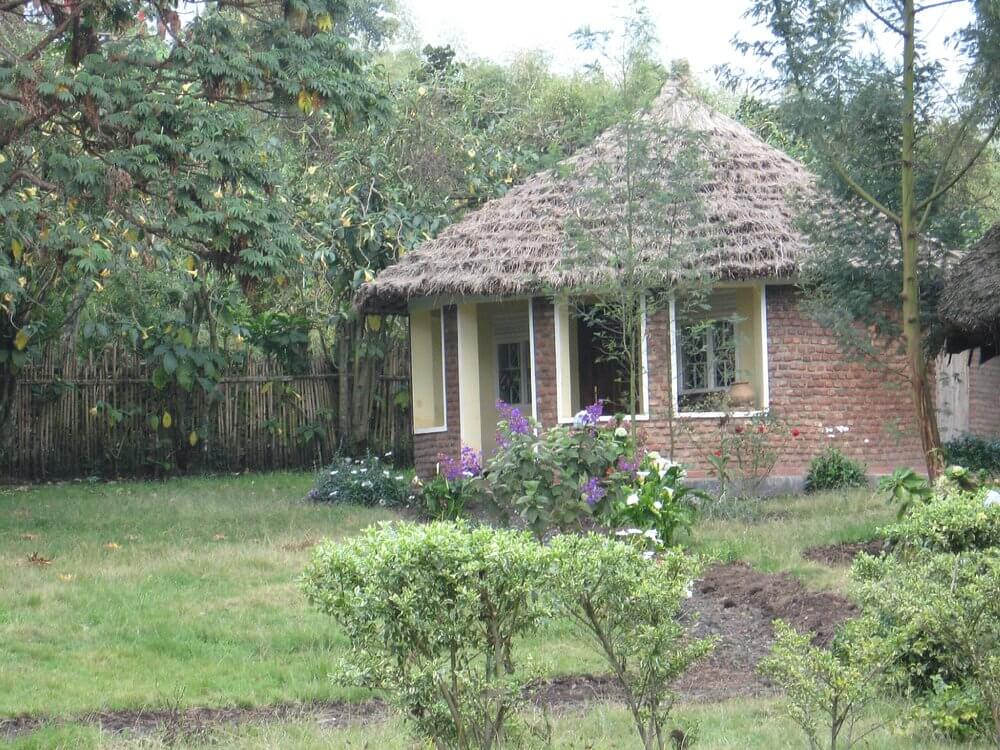
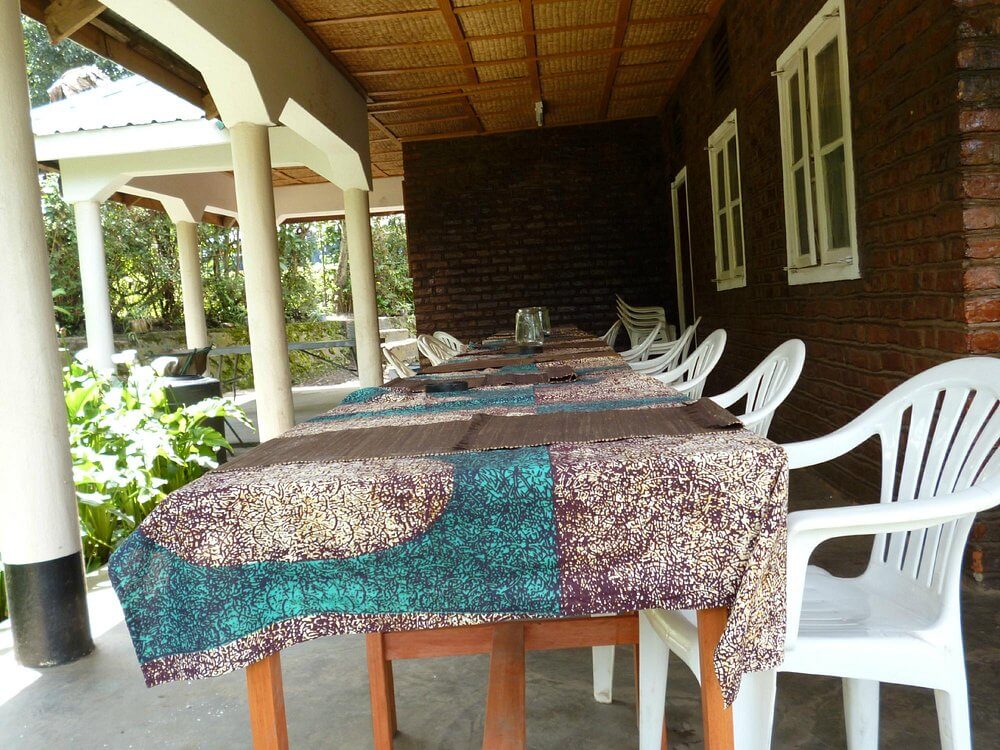
Also in Ntebeko and close to the park offices, this camp offers excellent budget accommodation, including dormitory-style rooms. It’s perfect for travelers looking for an affordable stay while still being close to the park’s main entrance.
Located near the picturesque Lake Mutanda, this lodge offers breathtaking views of the lake and surrounding mountains. It’s a great choice for those who want to combine their gorilla trekking experience with nature walks and mountain biking.
Situated in Kisoro, this historic hotel is one of Uganda’s oldest and provides comfortable rooms with cozy fireplaces, making it a charming option for those seeking a warm and inviting atmosphere.
Nkuringo Safari Lodge
Located near the shores of Lake Mutanda, this lodge offers beautiful views of the three volcanoes in Mgahinga. It’s perfect for budget-conscious travelers who also want to enjoy camping activities and comfortable, yet affordable accommodation.
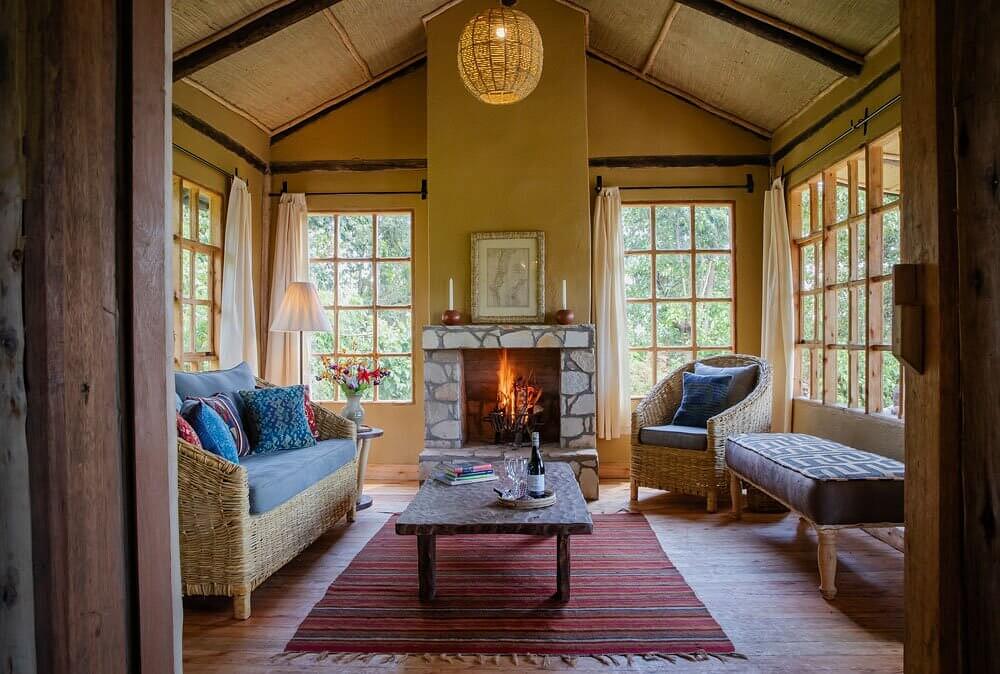
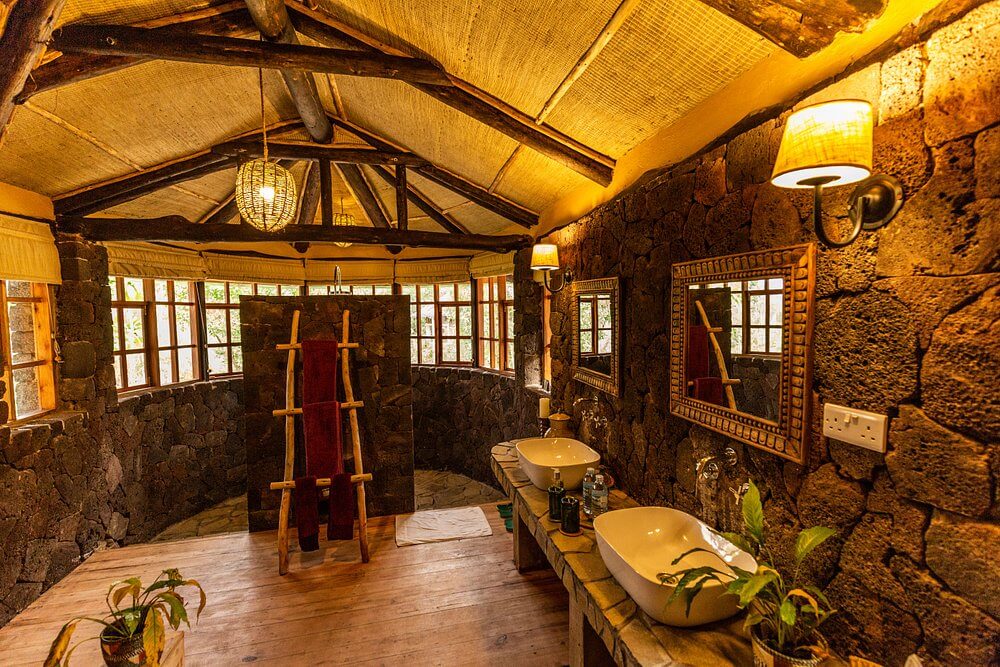
A luxurious lodge located in Kisoro, near the Bwindi Impenetrable Forest. While it provides easy access to Mgahinga, it offers top-tier amenities, including beautifully designed interiors, a cozy fireplace, and exquisite service.
Positioned just next to the park gate, this camp offers visitors the choice of tented accommodation or grass-thatched rooms with stunning views of Lake Mutanda. It’s an ideal choice for those who want a more rustic, yet comfortable experience.

For a more upscale option, this lodge offers panoramic views of the three volcanoes. Guests can enjoy fine dining, luxurious cabins, complimentary massages, hot showers, free Wi-Fi, and the lodge runs on eco-friendly solar power.

No matter which option you choose, you’ll be treated to an unforgettable experience with easy access to gorilla trekking and the natural beauty of Mgahinga Gorilla National Park.

What our Client Say

Design your own trip

Choose a destination, pick your properties, and we’ll do the rest

1
Browse
Look through our itineraries for inspiration, and call our Travel Consultants
2
Create
Discuss your wish list with us, and we’ll use our expertise to design a unique itinerary for you
3
Customise
We’re committed to refining your itinerary until we’ve created the perfect personalised trip for you