EXPLORE

Kenya Destination

Masai Mara Game Reserve
Picture of Chat to an Kenya Safari expert

Chat to an Kenya Safari expert

Get advice and suggestions to make this your perfect trip. or call us on:
+255 755 003116

Picture of Chat to an Kenya Safari expert

Chat to an Kenya Safari expert

Get advice and suggestions to make this your perfect trip. or call us on:
+255 755 003116

Destination Overview

Masai Mara Game Reserve stands as one of Africa’s most iconic wildlife destinations, located in the southwestern corner of Kenya, where it borders Tanzania’s legendary Serengeti National Park. Spanning 1,510 square kilometers, this protected area is part of the expansive Serengeti-Mara ecosystem, one of the richest and most diverse wildlife habitats on the planet. 

The park derives its name from the Maasai people, the region’s indigenous inhabitants, and the Mara River, which winds through the heart of the reserve, providing life-sustaining water to the abundant wildlife.

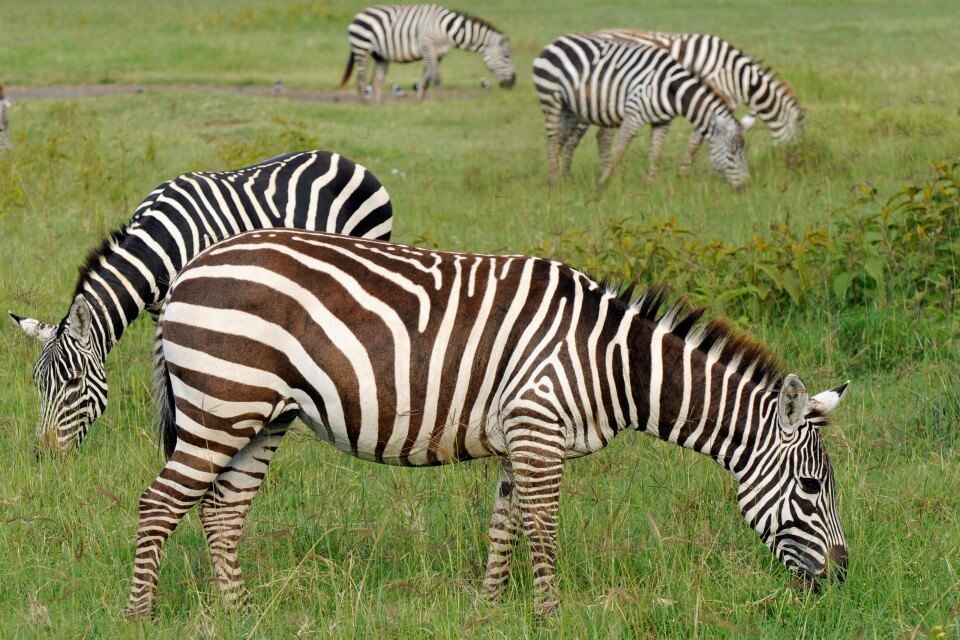
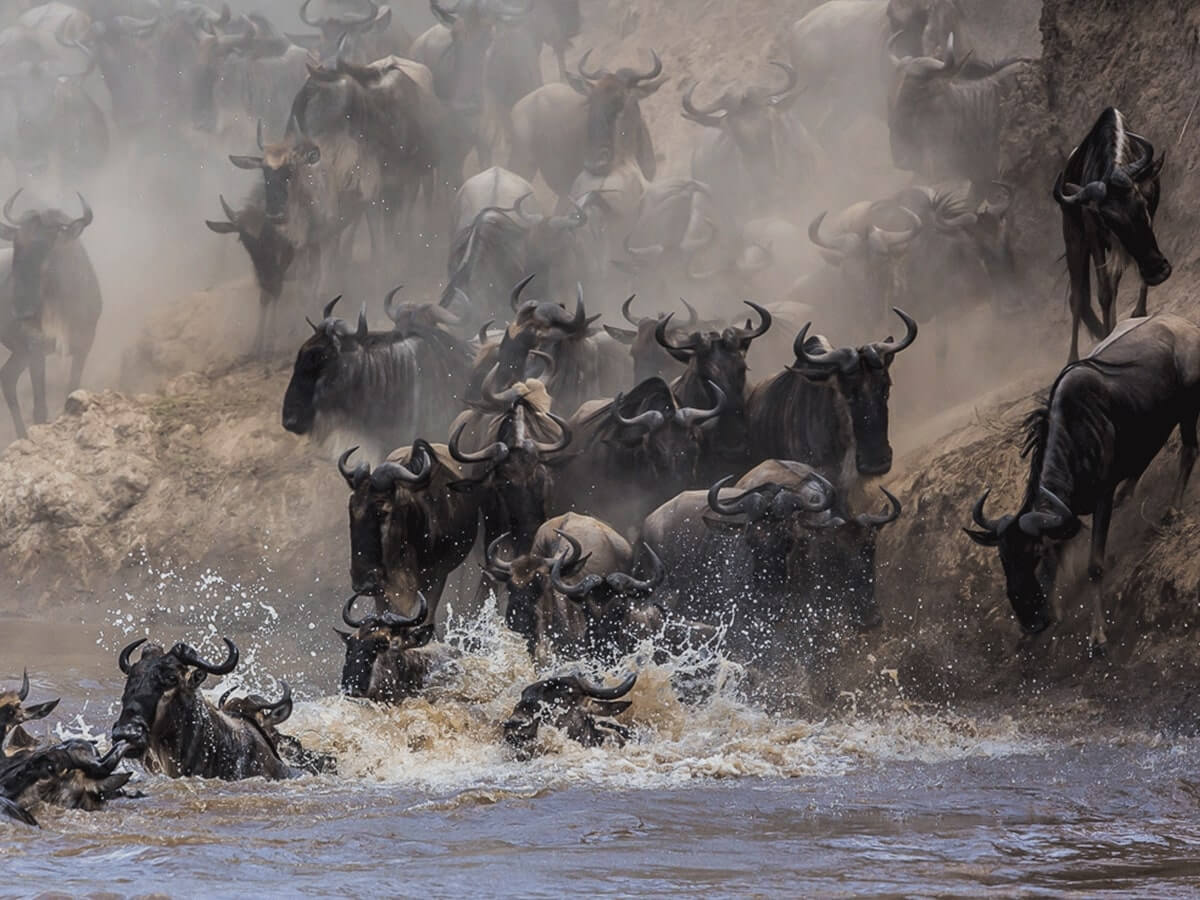
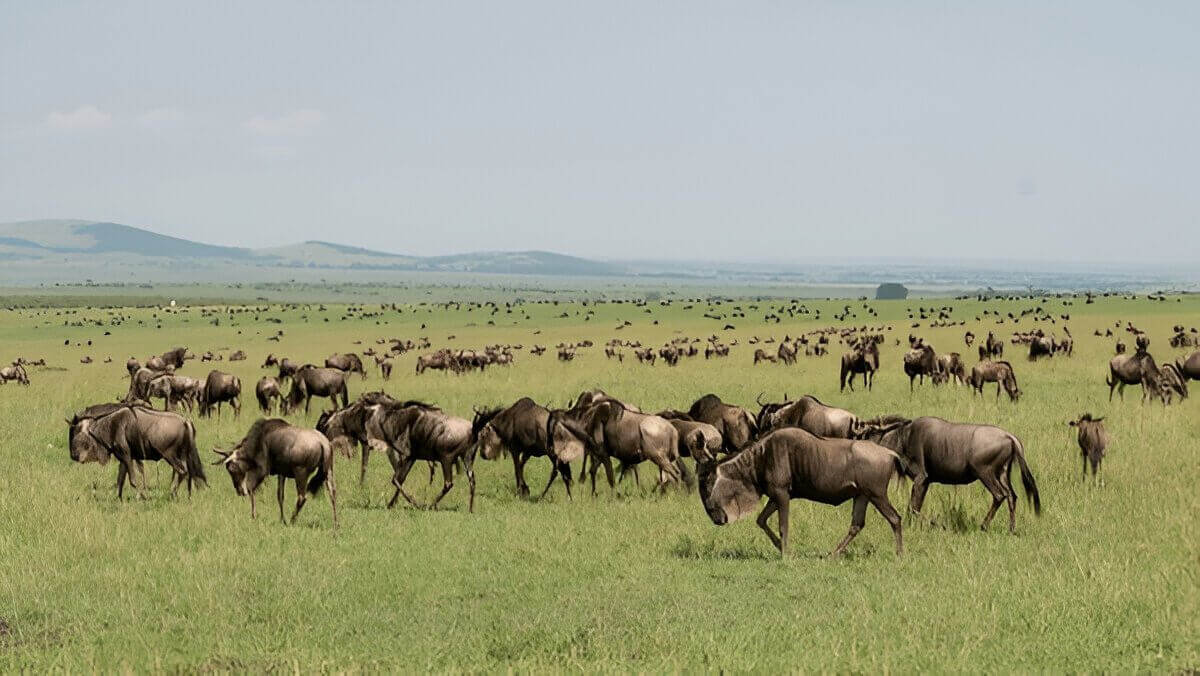
Renowned for hosting the world-famous Great Migration, Masai Mara comes alive between July and October when over 1.5 million wildebeests, zebras, and gazelles thunder across the plains from the Serengeti in search of greener pastures. This dramatic spectacle, marked by perilous river crossings at the Mara River where hungry crocodiles lurk beneath the surface, is a breathtaking display of nature’s raw power and survival instinct.

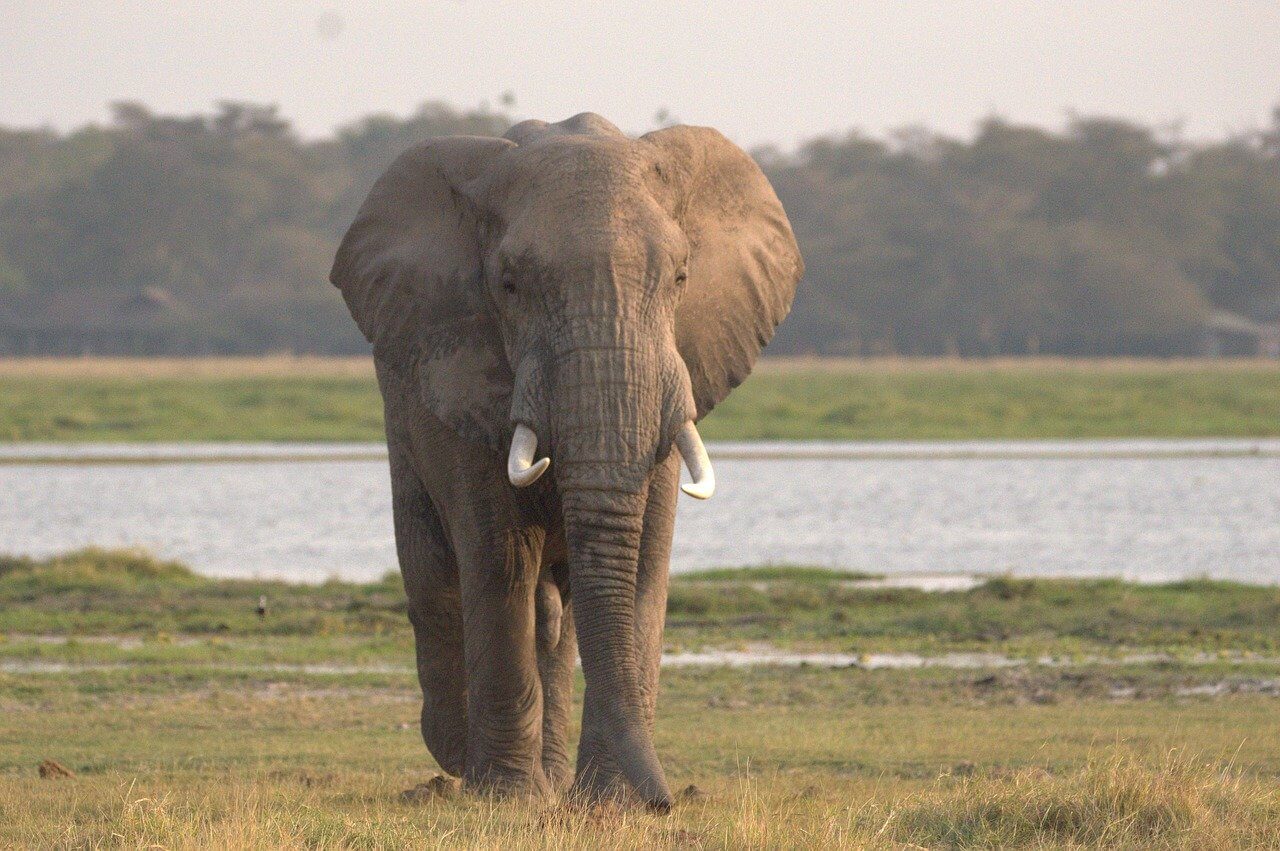
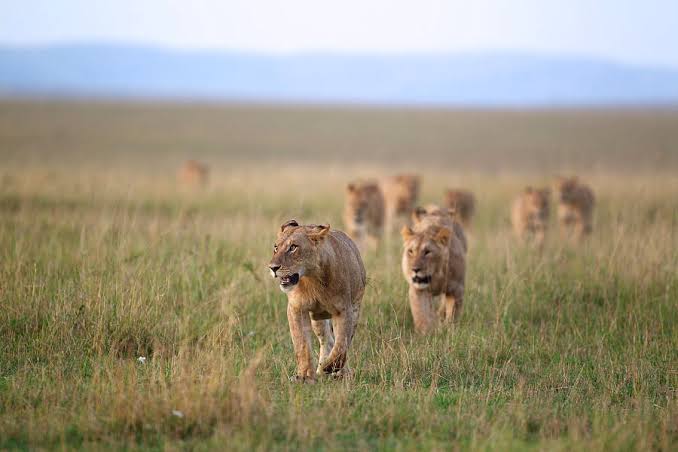
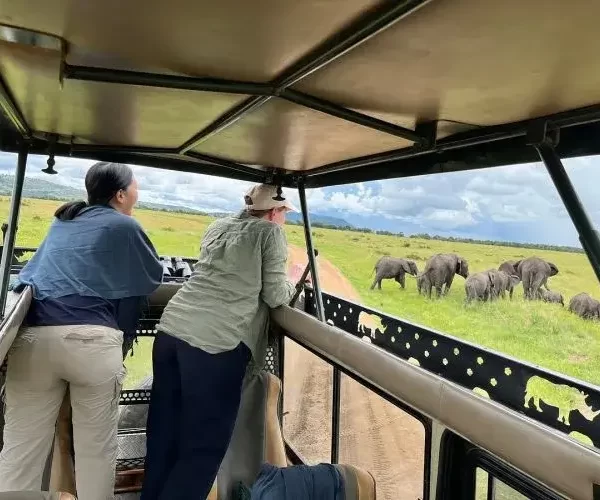
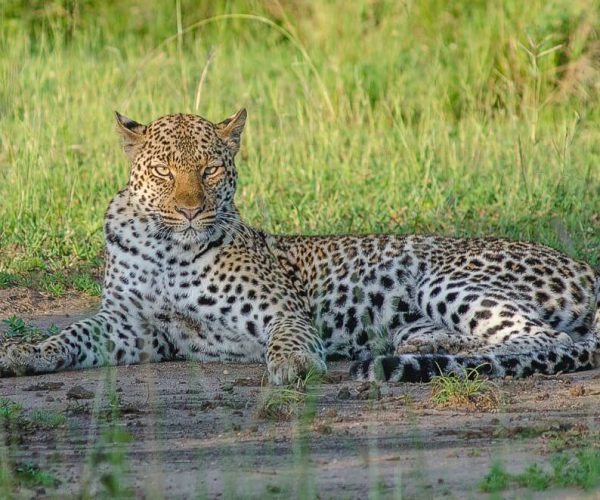
Beyond the migration, Masai Mara is a sanctuary for Africa’s “Big Cats.” The park offers exceptional opportunities to spot majestic lions resting in the shade, swift cheetahs hunting on the open savannah, and elusive leopards draped over tree branches. The wildlife experience extends far beyond the big cats, with elephants, buffaloes, giraffes, rhinos, and hippos thriving within the park. Antelopes, hyenas, and crocodiles are also common sightings, while the park’s over 500 recorded bird species, including eagles, ostriches, and vultures, make it a paradise for birdwatchers.

A key highlight of Masai Mara is the Mara Triangle, a wildlife-rich region in the park’s northwestern section. Bordered by the Mara River and the Oloololo Escarpment, the Mara Triangle boasts some of the highest concentrations of game in the park and offers the best vantage points for witnessing the intense river crossings during the migration. This area is known for its well-managed ecosystem, thanks to the Mara Conservancy, which ensures sustainable tourism and effective wildlife protection.

Masai Mara also offers a rich cultural experience through guided visits to Maasai villages. Here, visitors have the chance to immerse themselves in the Maasai people’s vibrant traditions, witnessing age-old dances, learning about their pastoral lifestyle, and exploring the artistry of Maasai beadwork and crafts.
The best time to visit Masai Mara depends on the kind of experience you seek. The Great Migration between July and October is the peak season, offering unparalleled wildlife drama. The low season, from March to May, provides quieter safaris with lush landscapes and discounted rates, while the shoulder season months offer a balanced mix of good game viewing and fewer crowds.

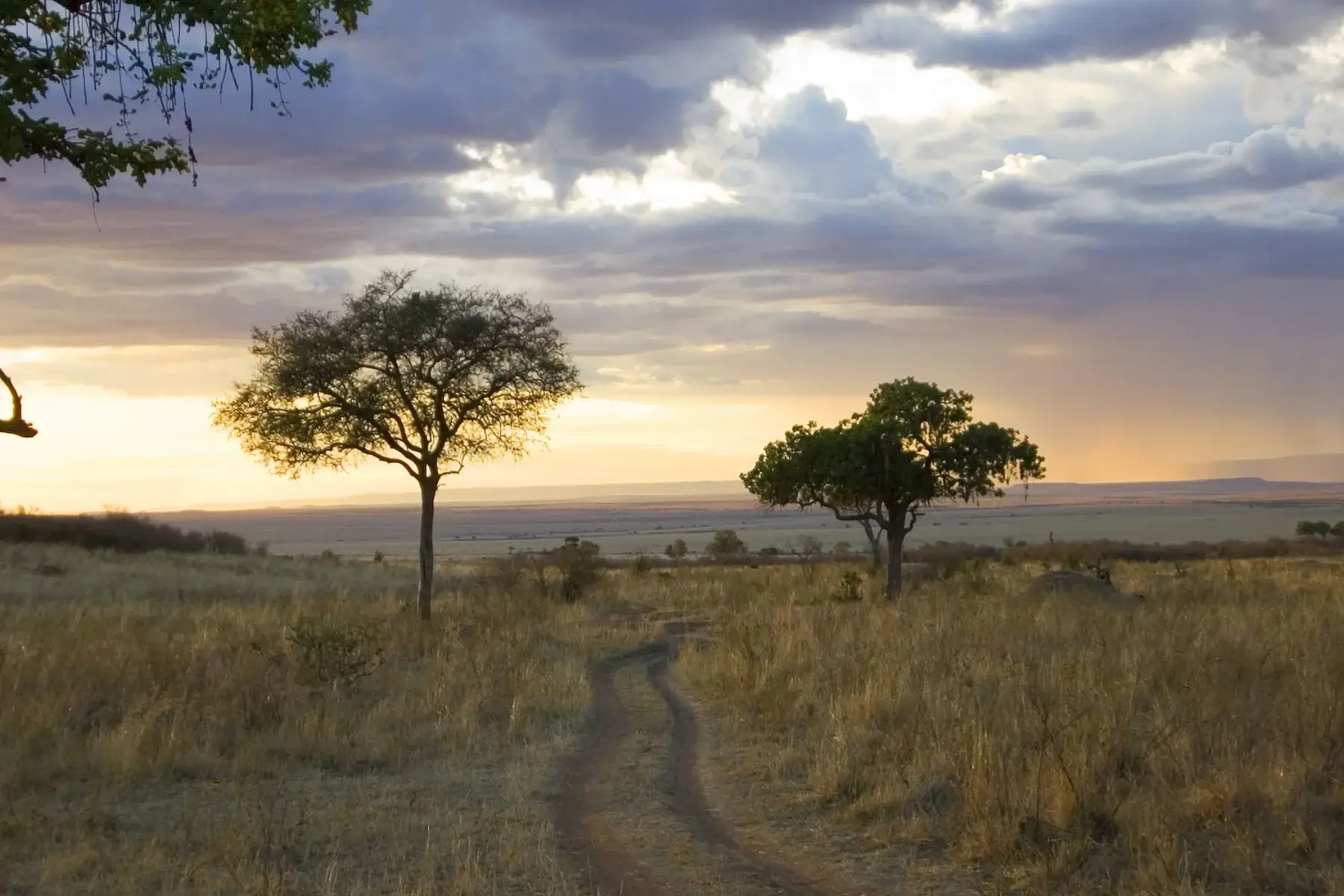
Masai Mara National Park is a bucket-list destination for any safari enthusiast. Its combination of breathtaking landscapes, diverse wildlife, and cultural richness ensures an unforgettable African safari experience. Whether you’re capturing the golden hues of a Mara sunset, watching a lioness stalk her prey, or marveling at a million wildebeests braving the Mara River, the magic of Masai Mara will stay with you long after you’ve left its sunlit plains.

Wildlife in the Masai Mara

Masai Mara is synonymous with the classic African safari experience, where vast herds of wildebeest and zebras stretch as far as the eye can see, creating one of the most breathtaking wildlife spectacles on earth. But the magic of the Mara goes far beyond the Great Migration. This iconic reserve is one of the best places on the planet to encounter the legendary Big Five, lion, leopard, elephant, buffalo, and rhino making it a top destination for wildlife enthusiasts and photographers alike.

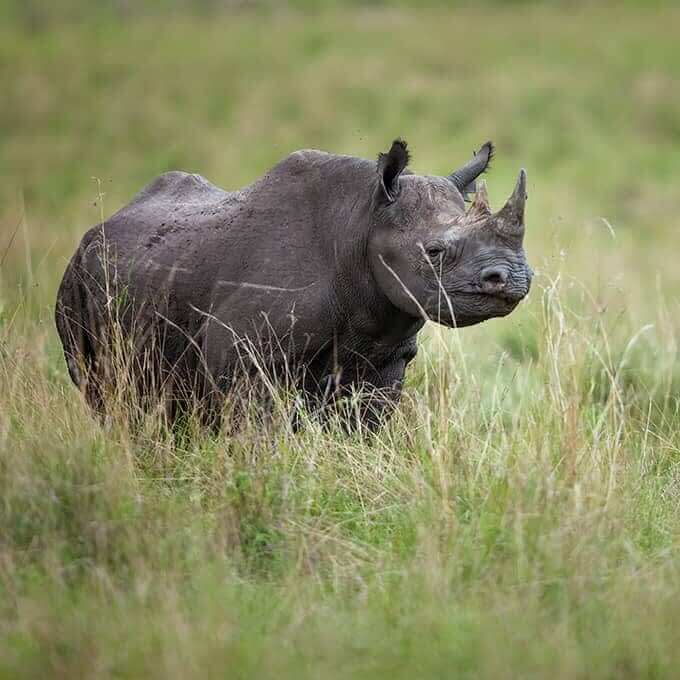
The Big Five have a storied past, with the term originally referring to the five most dangerous animals to hunt on foot. Thankfully, in today’s conservation era, these magnificent creatures are now sought after for their beauty and the thrill of capturing them through a camera lens. Lions, leopards, elephants, and Cape buffalos are relatively easy to spot in the Mara, while rhinos, although present, remain elusive and harder to find.

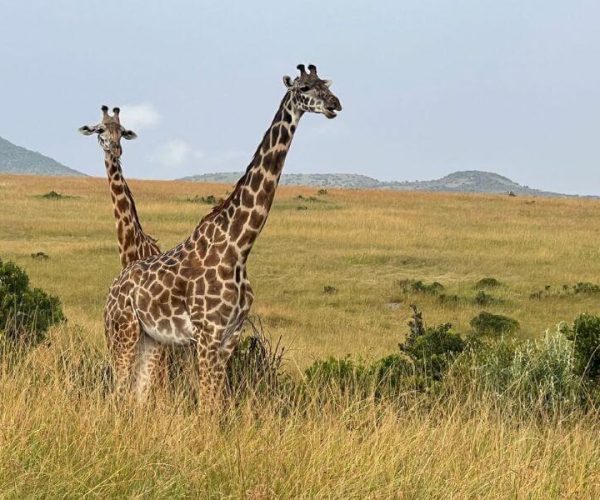
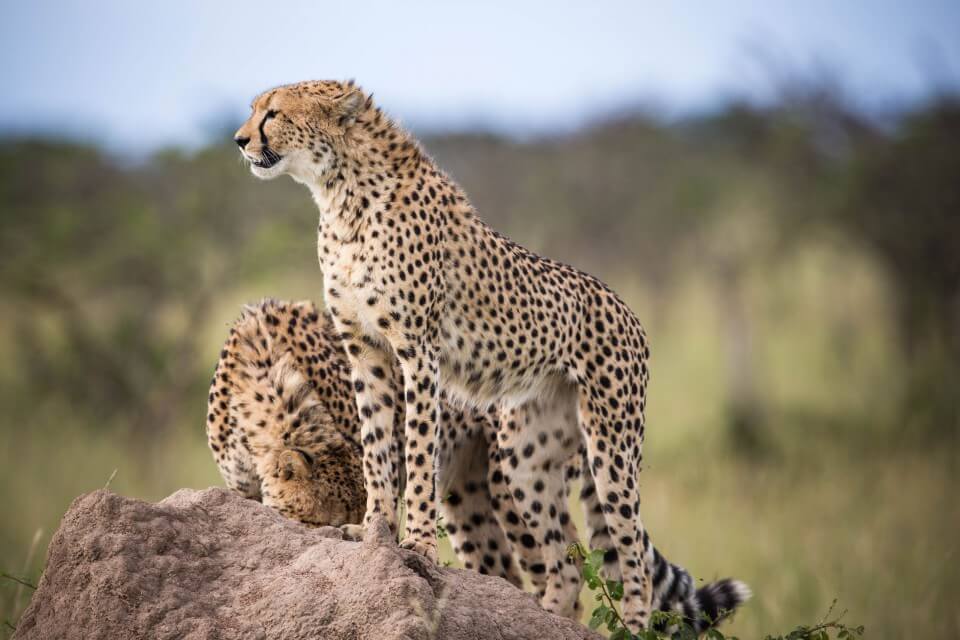
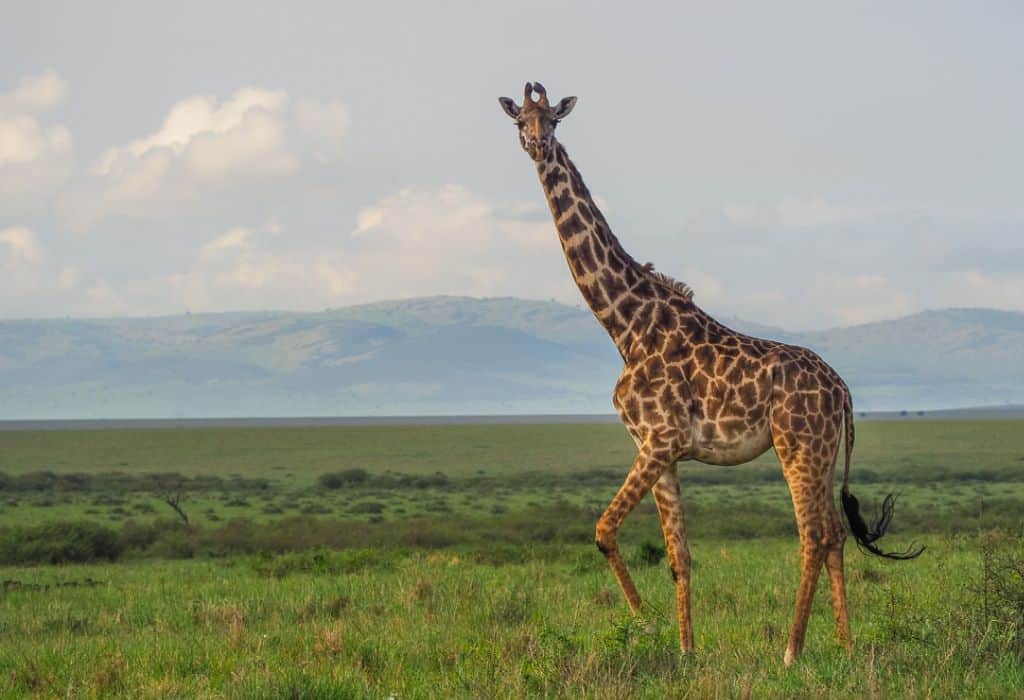
Beyond the Big Five, Masai Mara boasts an incredible diversity of wildlife. Cheetahs, known for their speed and grace, can often be seen scanning the horizon for prey. Hyenas and jackals prowl the savannah, while giraffes elegantly graze on acacia trees. Hippos and crocodiles dominate the Mara River, creating dramatic scenes, especially during the Great Migration’s perilous river crossings.

The Mara is also a paradise for bird lovers, with over 500 recorded species. Towering ostriches stride across the grasslands, vultures circle overhead, and majestic eagles perch on rocky outcrops. The park’s open plains and rolling hills provide the perfect backdrop for observing these feathered wonders in action.

Masai Mara’s rich ecosystem and abundant wildlife make it a dream destination for any safari lover. Whether you’re tracking a pride of lions on an early morning game drive, watching a leopard silently stalk its prey, or witnessing a thousand wildebeest braving the Mara River’s crocodile-infested waters, the Masai Mara promises a wildlife experience like no other.

The Greatest Wildlife Show on Earth: The Great Migration

Every year, over two million wildebeest, zebras, and other herbivores embark on an epic journey from the southern Serengeti in Tanzania to the lush, green plains of the Masai Mara in Kenya. This awe-inspiring spectacle, often regarded as one of the Seven Wonders of the Natural World, is a bucket-list experience for any safari lover.

With an estimated 1.5 million wildebeest, 400,000 zebras, 12,000 elands, and 300,000 Grant’s and Thomson’s gazelles on the move, calling it “great” might just be an understatement. This massive, continuous migration covers approximately 800 kilometers in a clockwise loop through the Serengeti–Mara ecosystem, driven by the search for fresh grazing and water. The journey is dictated by seasonal rains and shifting environmental conditions, making the exact timing and route unpredictable and all the more thrilling.

While the herds spend most of their time in the Serengeti, the months they spend crossing into the Masai Mara offer some of the most dramatic and heart-pounding moments of the migration. The perilous river crossings at the Mara River are the stuff of wildlife documentaries. 

Crocodiles lie in wait beneath the surface, and predators such as lions, leopards, and hyenas stalk the edges, ready to strike at any sign of weakness. The tension and drama of these crossings are unmatched in the natural world.

Beyond the sheer volume of animals, the Great Migration showcases the intricate balance of nature. The predators that follow the herds play a vital role in the ecosystem, ensuring the survival of the fittest and maintaining the health of the plains. Witnessing this incredible journey firsthand is not just about seeing wildlife, it’s about experiencing the raw, unfiltered pulse of life on the African savannah.

The Great Migration is more than just a wildlife event; it’s nature’s ultimate roadshow, where survival, instinct, and the endless search for greener pastures unfold in one of the most breathtaking landscapes on earth.

gallery

Picture of Planning Your Safari

Planning Your Safari

Organizing a safari in Kenya Destination, can be overwhelming due to the many choices available for transport, accommodation, and activities.

Reviews and Rates

Kenya

Unforgettable Things to Do in Masai Mara

Masai Mara is not just a safari destination, it’s an experience that awakens the soul. Whether you’re soaring above the golden savannah in a hot air balloon, walking quietly through the bush, or mingling with the Maasai people, the Mara offers a rich variety of activities that cater to every kind of traveler. From luxury adventures to immersive cultural encounters, here’s a curated list of the top things to do in the Masai Mara.

Go on Game Drives

Masai Mara is a wildlife paradise, boasting an astonishing concentration of animals all year round. Game drives are the heart of any safari experience, and the Mara delivers on every front. Set out on thrilling early morning and late afternoon drives with expert rangers who will guide you through the Mara’s diverse ecosystem. 

For a deeper adventure, specialized night drives offer the rare chance to spot elusive nocturnal predators in action, while full-day photography drives provide the perfect opportunity to capture that iconic African sunset with lions in the foreground.

Explore the Savannah on Foot

Step away from the hum of safari vehicles and reconnect with nature on a guided walking safari. Experience the Mara through the eyes of ancient explorers and Maasai herdsmen as you walk across the sunlit plains.

Feel the African soil beneath your feet, breathe in the crisp air, and tune in to the sounds of crickets and distant calls of wildlife. A walking safari heightens your senses and brings you face-to-face with the untamed beauty of the Mara. 

Take to the Skies in a Hot Air Balloon

Rise before dawn and drift silently above the Masai Mara in a hot air balloon as the sun paints the savannah in shades of gold and amber. From your vantage point in the sky, witness herds of wildebeest and zebra grazing below, and if you’re lucky, catch the breathtaking sight of the Great Migration in motion.

After touching down, savor a lavish champagne breakfast right in the heart of the Mara, a once-in-a-lifetime experience that’s as indulgent as it is unforgettable. 

Immerse Yourself in Maasai Culture

A visit to the Masai Mara wouldn’t be complete without connecting with the Maasai people, the custodians of this ancient land. Take a cultural tour to a Maasai village where you’ll be welcomed into traditional manyattas (mud and stick homes).

Learn about their rich pastoral lifestyle, ancient rituals, and colorful beadwork. The Maasai will share their captivating stories, offering a rare and intimate glimpse into one of Africa’s most fascinating tribes. 

Experience a Horseback Safari

Channel your inner explorer and ride through the Mara on horseback, just as early adventurers once did. Gallop alongside herds of zebra and giraffe as the sun sets over the horizon, feeling the rhythm of Africa beneath you. Without the barrier of a vehicle, a horseback safari allows you to blend into the landscape and get closer to the wildlife in a uniquely intimate way.

Witness the Great Migration

The Great Migration is the crown jewel of Masai Mara’s wildlife spectacles. Every year, over two million wildebeest, zebras, and gazelles traverse the Serengeti-Mara ecosystem in search of fresh grazing. 

The highlight of this epic journey is the perilous Mara River crossing, where crocodiles lie in wait and lions prowl the banks. The thundering sound of hooves, the chaos of the crossing, and the sheer determination of the herds make this one of the most thrilling natural events on Earth. The best time to witness the dramatic crossings is between July and October, a bucket-list experience for any wildlife enthusiast.

Masai Mara is more than just a safari destination, it’s a place where nature’s raw beauty and ancient traditions come together. From high-adrenaline wildlife encounters to peaceful cultural experiences, every moment in the Mara is a story waiting to be told.

How to Get to the Masai Mara

Rugged and remote, yet surprisingly accessible, the Masai Mara is a dream destination for safari lovers. Your journey to this iconic wildlife reserve typically begins with a flight to Jomo Kenyatta International Airport (NBO) in Nairobi. 

From there, you have two options: embrace the adventure of a scenic road trip or opt for a swift and comfortable flight straight into the heart of the Mara. Here’s a detailed guide to help you choose the best way to reach the Masai Mara.

Reaching the Masai Mara by Air

For international travelers, Jomo Kenyatta International Airport (NBO) in Nairobi is the recommended entry point. As East Africa’s largest hub, NBO is served by major international carriers like KLM, British Airways, Emirates, Kenya Airways, Lufthansa, and Qatar Airways, offering convenient connections from around the globe. Regional flights to neighboring countries and other African destinations are also readily available.

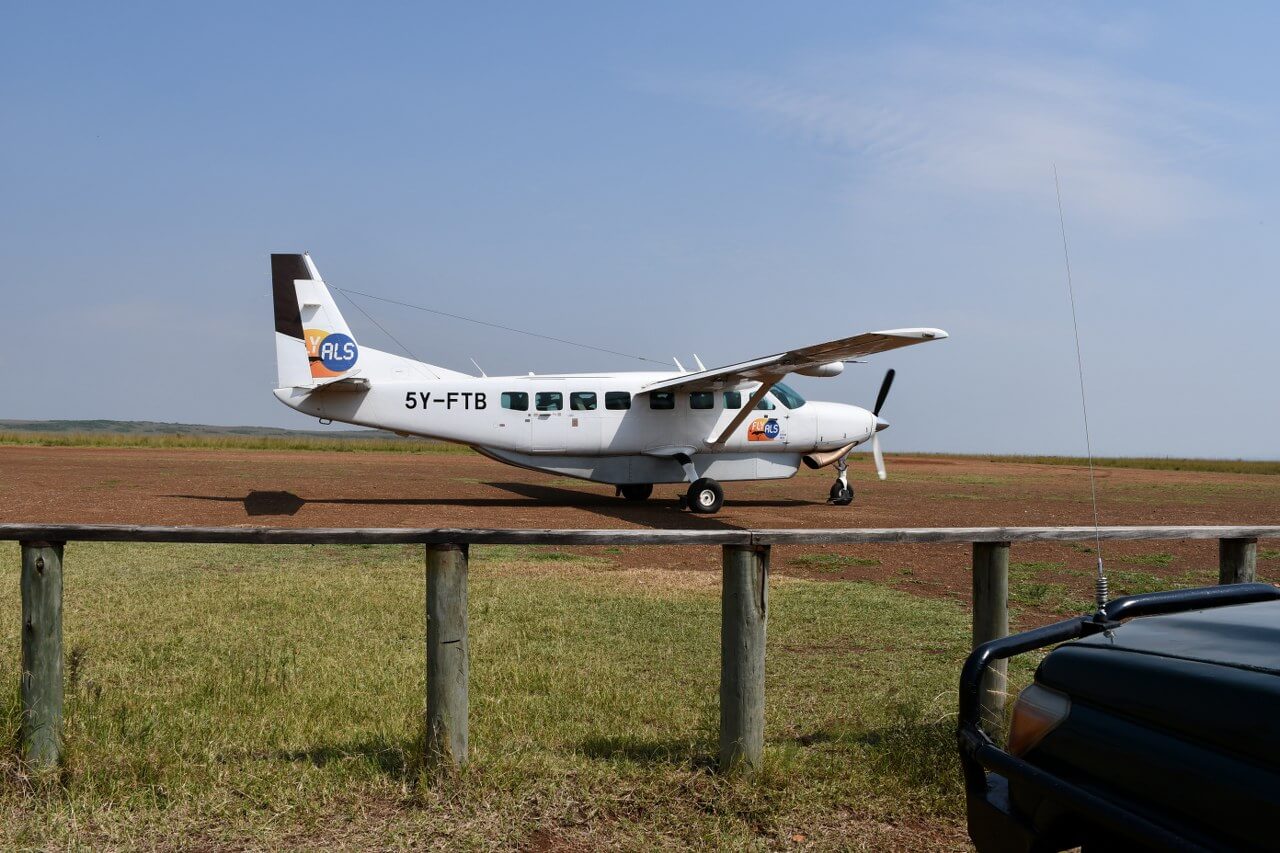
For the fastest and most comfortable route, domestic flights from Nairobi Wilson Airport (WIL) to the Masai Mara are highly recommended. The flight takes approximately 45 to 60 minutes, offering breathtaking aerial views of the savannah below. Several airlines, including SafariLink and AirKenya, operate daily flights to multiple airstrips within the Masai Mara.

Upon landing, a safari vehicle will be ready to transfer you to your lodge, and the game-viewing adventure begins the moment you touch down.

Direct flights to the Masai Mara are also available from Kilimanjaro International Airport (JRO) in Tanzania and from coastal destinations like Mombasa and Diani, particularly during the high season. In addition, there are connections from other Kenyan national parks such as Amboseli and Samburu.

The main airstrips within the Masai Mara include Keekorok, Serena, Musiara, Mara North, and Ol Kiombo. Your choice of airstrip will depend on the location of your safari camp or lodge.

Getting to the Masai Mara by Road

For those seeking an overland adventure, a drive to the Masai Mara from Nairobi offers a chance to explore Kenya’s scenic countryside. The journey takes approximately five to six hours, depending on road conditions and your exact destination within the reserve. While road conditions have improved over the years, some sections remain rough, making a 4×4 vehicle essential for comfort and accessibility.

Guided drive-in safaris are a popular option, especially for travelers combining the Masai Mara with other iconic destinations like Amboseli National Park and Lake Nakuru. These multi-day itineraries offer a well-rounded safari experience, showcasing Kenya’s diverse landscapes and wildlife.

Self-drive safaris to the Masai Mara are possible but not recommended for inexperienced drivers. Careful planning is essential, and a 4×4 vehicle is required to navigate the rough terrain year-round. Most lodges and camps prefer that guests arrive with a guided tour rather than independently. 

Masai Mara National Reserve Gates

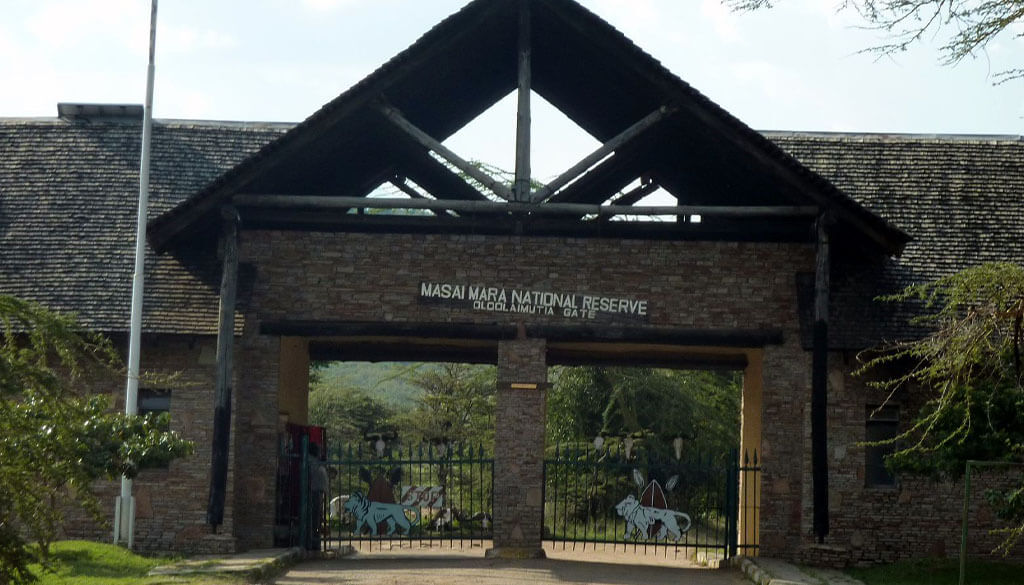
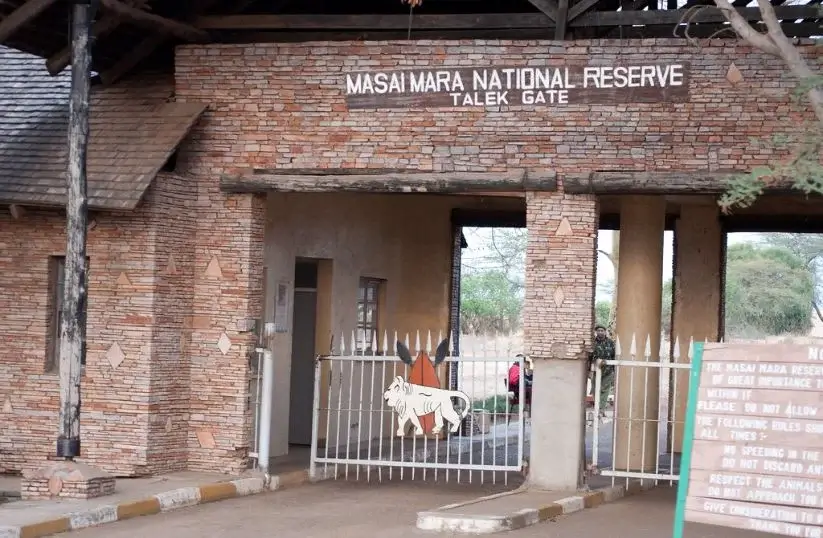
The Masai Mara National Reserve is accessible through five main entry gates: Sand River, Talek, Sekenani, Musiara, and Oloololo. Choosing the right gate depends on the location of your accommodation and can significantly reduce travel time within the reserve. 

Sand River, Talek, and Sekenani are the most centrally located, while Musiara and Oloololo are further out and may require an extra 30 minutes of travel. All gates open at 6:00 AM and close at 6:00 PM.

Masai Mara Entry Fees

Entry fees to the Masai Mara National Reserve vary depending on the season. From January 1 to June 30, adult visitors are charged $100 per day, while children aged 9 to 17 years pay $50 per day. Children under 8 years old can enter free of charge.

During the peak season, from July 1 to December 31, adult fees increase to $200 per day, while child rates remain at $50 per day. If you check out after 10:00 AM or participate in a morning game drive on your departure day, you will be charged an additional day’s fee under the 12-hour rule.

Entry Fees for Masai Mara Conservancies

If you choose to stay in one of the Masai Mara’s private conservancies, entry and conservation fees are separate from the reserve fees. These fees typically range from $90 to $200 per person per day. For example, Olare Motorogi Conservancy currently charges $100 per person per day. When booking your safari, entry and conservation fees are usually included in your package.

Whether you prefer the convenience of a flight or the thrill of a road trip, the Masai Mara promises an unforgettable safari adventure from the moment you arrive.

How Long Should You Spend in the Masai Mara?

For a truly immersive safari experience, it’s recommended to spend a minimum of three nights in the Masai Mara. This will give you two full days of exploration, allowing you to cover a good portion of the reserve and enjoy the incredible wildlife diversity. The Masai Mara spans just over 1,500 km², which is relatively compact compared to many other East African parks, making it ideal for spotting a variety of animals in a short amount of time. The dense population of wildlife ensures you’ll have an exciting safari no matter when you visit.

While three nights is the sweet spot for most travelers, offering a perfect balance of exploration and budget, you might consider extending your stay to 4 or 5 nights if your budget allows. This extra time will let you take things at a more relaxed pace, giving you the chance to explore the Mara in more detail and spend more time with the animals you encounter.

For those with even more time, we recommend splitting your stay between the main reserve and a private conservancy. The conservancies are more exclusive, with fewer vehicles and accommodations allowed, which makes for a more intimate experience. Plus, many conservancies offer activities not available in the main reserve, such as horseback safaris, walking safaris, and night drives, giving you a unique perspective of the Mara’s wildlife.

If you’re visiting during the peak migration season between July and October, we suggest spending at least three nights in the main reserve to maximize your chances of witnessing a dramatic river crossing. Afterward, consider adding a couple of nights in a private conservancy, or even crossing the border into the Northern Serengeti for an unforgettable migration experience. Whether you’re there for a short stay or a longer adventure, the Masai Mara offers a rewarding safari experience at any pace.

Masai Mara Weather Patterns

The Masai Mara offers exceptional wildlife viewing throughout the year, but the changing weather patterns shape the type of experience you’ll have. Whether you’re hoping to witness the dramatic Great Migration or prefer quieter moments with fewer crowds, here’s a guide to what you can expect in the Masai Mara month by month.

This is one of the best times to visit the Masai Mara. The short rains have ended, leaving the savannah lush and vibrant. The fresh greenery attracts herbivores, and it’s calving season for many species, including gazelles, zebras, and wildebeest.

The presence of vulnerable young animals means predators like lions, leopards, and cheetahs are particularly active, making this a prime time for thrilling predator sightings. Clear skies and mild temperatures create ideal conditions for photography and game drives. With resident wildlife flourishing, every safari promises plenty of action.

The Masai Mara’s green season brings the highest rainfall of the year, transforming the plains into a paradise of rich green hues and dramatic cloudscapes. Wildlife remains abundant as the resident animals stay put, and the rains create spectacular photographic opportunities with moody skies and vibrant landscapes. 

This is a quieter time in the reserve, with fewer visitors and lower rates, making it feel like you have the wilderness to yourself. However, some camps and lodges close during this period, and the taller grasses can make wildlife harder to spot. 

In the private conservancies, where off-road driving is allowed, guides can position you closer to the action. Road access can be tricky during this time due to muddy conditions, but the rewards are worth it.

June marks the transition from the long rains to the dry season. The rains ease up, leaving behind lush grasslands and flowing rivers. Resident wildlife thrives in this fertile landscape, and big cats are often spotted perched on termite mounds or rocky outcrops where they scan the horizon for prey. 

Although the wildebeest herds are still largely in the Serengeti, you may catch the early arrivals beginning to filter into the Mara, particularly in the western and southwestern sections of the reserve. The cool temperatures and rejuvenated landscape make this a comfortable and visually stunning time to visit.

This is peak season in the Masai Mara, driven by the spectacular Great Migration. Over 1.5 million wildebeest, zebras, and gazelles thunder into the Mara from the Serengeti, triggering a dramatic struggle for survival as they face hungry predators and the dangerous Mara and Talek rivers. 

River crossings, one of the most sought-after safari experiences—are most common in August and September when the herds brave crocodile-infested waters. The dry conditions and shorter grass make wildlife easier to spot, and the reserve teems with activity as lions, leopards, cheetahs, and hyenas follow the herds.

With wildlife at its peak and clear skies prevailing, this is the most popular and expensive time to visit, so booking well in advance is recommended.

November ushers in the short rainy season, bringing brief but dramatic afternoon showers after clear, sunny mornings. Most of the migrating herds have returned to Tanzania, but resident game remains plentiful, and the quieter atmosphere offers a more relaxed safari experience. 

The fresh rains rejuvenate the grasslands, and the dramatic skies create breathtaking sunsets and photography opportunities. With fewer vehicles on the roads and lower rates at lodges and camps, November offers a balance of excellent game viewing and affordability.

December begins with lingering short rains, but by mid-month, the skies clear, and the landscape becomes easier to navigate. The grasslands remain lush from the November rains, attracting large concentrations of wildlife near permanent water sources. Calving season kicks off once again, increasing predator activity and providing excellent game-viewing opportunities. 

By Christmas and New Year, the short dry season is in full swing, and the Mara sees an uptick in visitors. While rates increase during the festive season, they remain lower than the peak migration months. Stunning sunrises, golden sunsets, and active wildlife make December

The Masai Mara delivers incredible wildlife encounters year-round, but the best time to visit depends on what you’re seeking. For predator action and baby animals, January to March is ideal. If you prefer fewer crowds and dramatic green landscapes, the April-May rainy season offers a unique perspective. 

For the raw drama of the Great Migration, plan your visit between July and October. Whatever season you choose, the Masai Mara promises an unforgettable safari experience.

Best Time to visit Masai Mara

Whether you choose to fly or drive, getting to Masai Mara is the start of an unforgettable safari experience!

The Masai Mara is a year-round safari destination, offering spectacular wildlife encounters no matter when you visit. However, to truly maximize your experience, it’s essential to consider factors like weather patterns, wildlife activity, and your personal preferences.

When it comes to wildlife viewing, the Masai Mara never disappoints. The reserve is teeming with a rich variety of animals throughout the year, from majestic lions and elusive leopards to vast herds of elephants and zebras. The abundance of wildlife remains consistent, ensuring that every game drive presents unforgettable moments. 

One of the key factors influencing your safari experience is the weather. The Masai Mara experiences two dry seasons and two rainy seasons. The long dry season, from June to October, is widely regarded as the best time for wildlife viewing, as animals gather around water sources and the sparse vegetation makes them easier to spot. 

The short dry season, from January to March, also offers excellent game viewing opportunities with fewer tourists. On the other hand, the rainy seasons transform the Mara into a lush, green paradise. The short rains arrive from November to December, while the long rains fall between April and May. Though the rains can make some roads challenging to navigate, the landscapes become breathtakingly vibrant, and it’s an ideal time for birdwatching and photography.

The other major highlight of the Masai Mara is the Great Migration, one of the most awe-inspiring natural spectacles in the world. Every year, over 1.5 million wildebeest, zebras, and gazelles make the treacherous journey from the Serengeti to the Masai Mara in search of fresh grazing. This breathtaking event typically unfolds from July to October, with dramatic river crossings at the Mara River where crocodiles lie in wait. Watching the thundering hooves and survival drama of the Great Migration is a bucket-list experience for any wildlife enthusiast.

Whether you seek the heart-pounding excitement of a lion hunt during the dry season or the serene beauty of the Mara’s green landscapes after the rains, the Masai Mara offers a magical experience at any time of year. With its incredible wildlife, changing scenery, and the drama of the Great Migration, every visit to the Mara promises something extraordinary.

For those with even more time, we recommend splitting your stay between the main reserve and a private conservancy. The conservancies are more exclusive, with fewer vehicles and accommodations allowed, which makes for a more intimate experience. Plus, many conservancies offer activities not available in the main reserve, such as horseback safaris, walking safaris, and night drives, giving you a unique perspective of the Mara’s wildlife.

If you’re visiting during the peak migration season between July and October, we suggest spending at least three nights in the main reserve to maximize your chances of witnessing a dramatic river crossing. Afterward, consider adding a couple of nights in a private conservancy, or even crossing the border into the Northern Serengeti for an unforgettable migration experience. Whether you’re there for a short stay or a longer adventure, the Masai Mara offers a rewarding safari experience at any pace.

Best Time to Visit Based on Interests

Interest Best Time to Visit Notes
Wildlife Viewing
June to October
Dry season means high animal visibility.
Great Migration (River Crossings)
July to October
Witness the dramatic Mara River crossings.
Photography
November to March
Lush landscapes and soft lighting after rains.
Birdwatching
November to April
Migratory species are present.
Fewer Crowds & Lower Prices
April to June, November to mid-December
Green season with fewer tourists.
Calving Season
January to March
Best time to see newborn animals and predator action.

Accommodation in Masai Mara

A Range of Unique Options

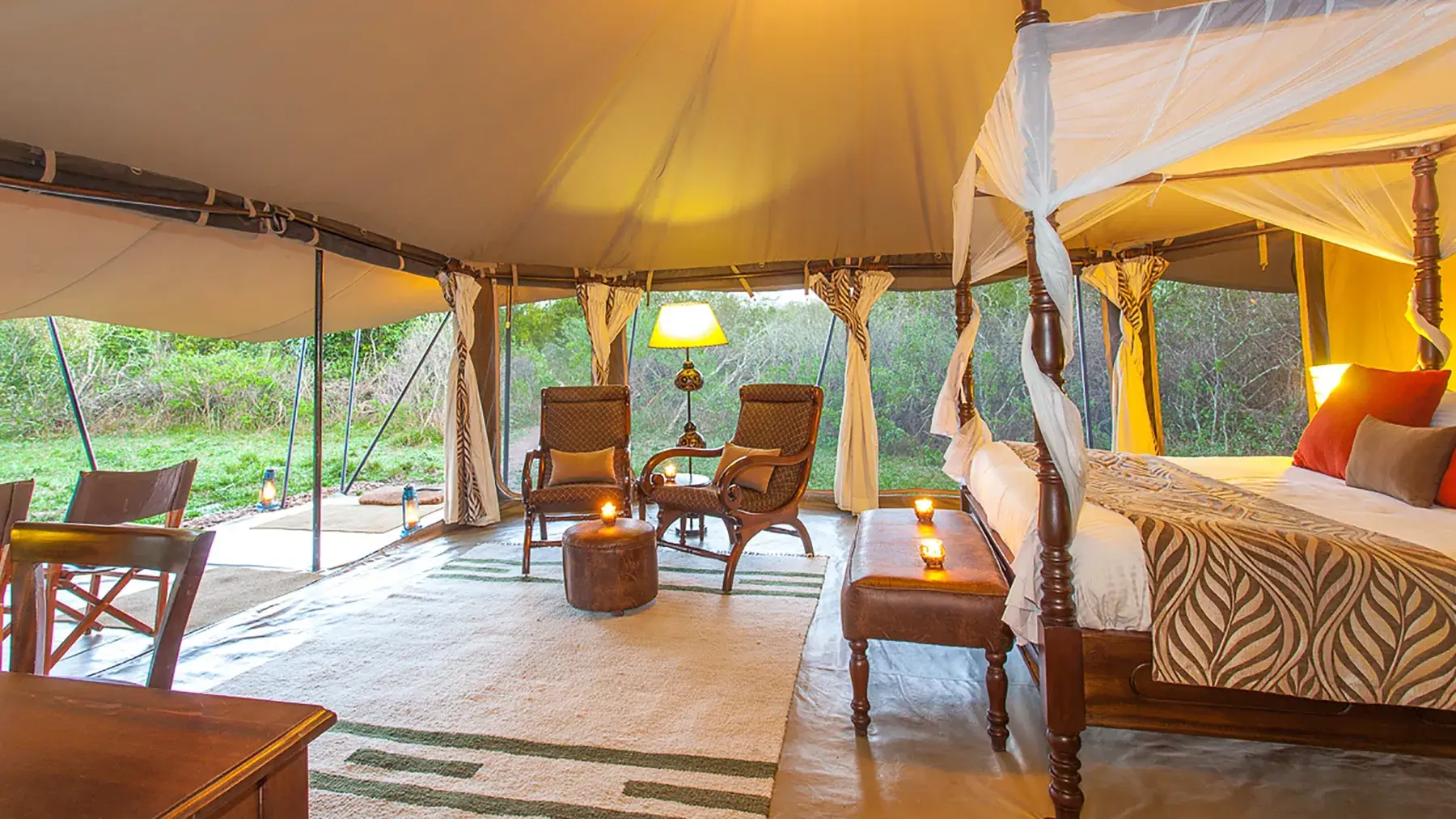
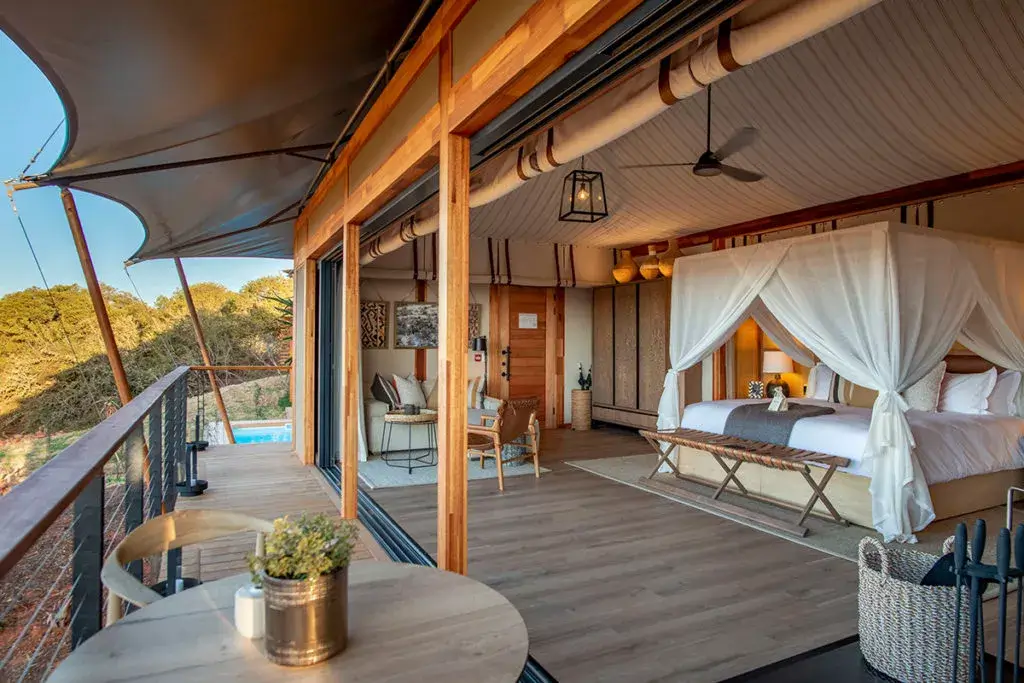
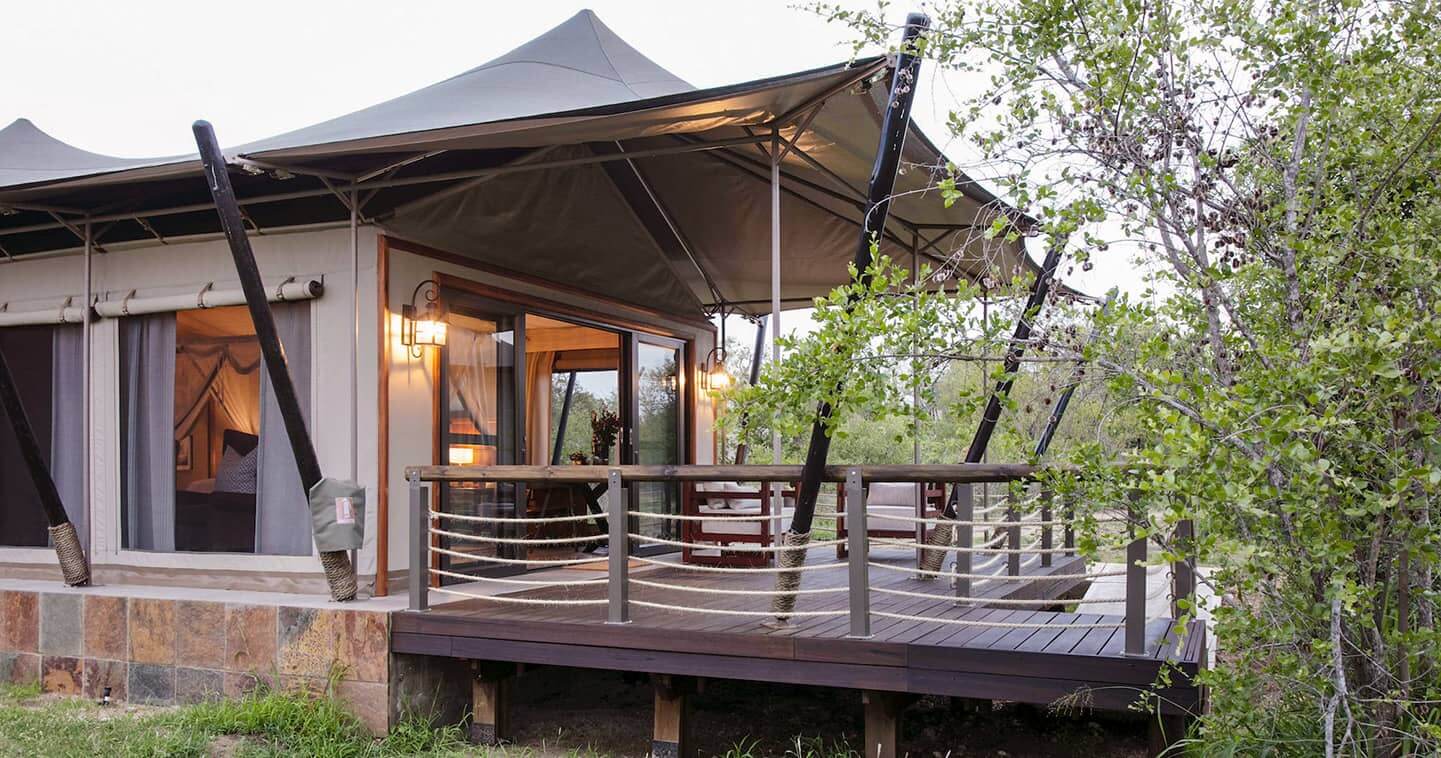
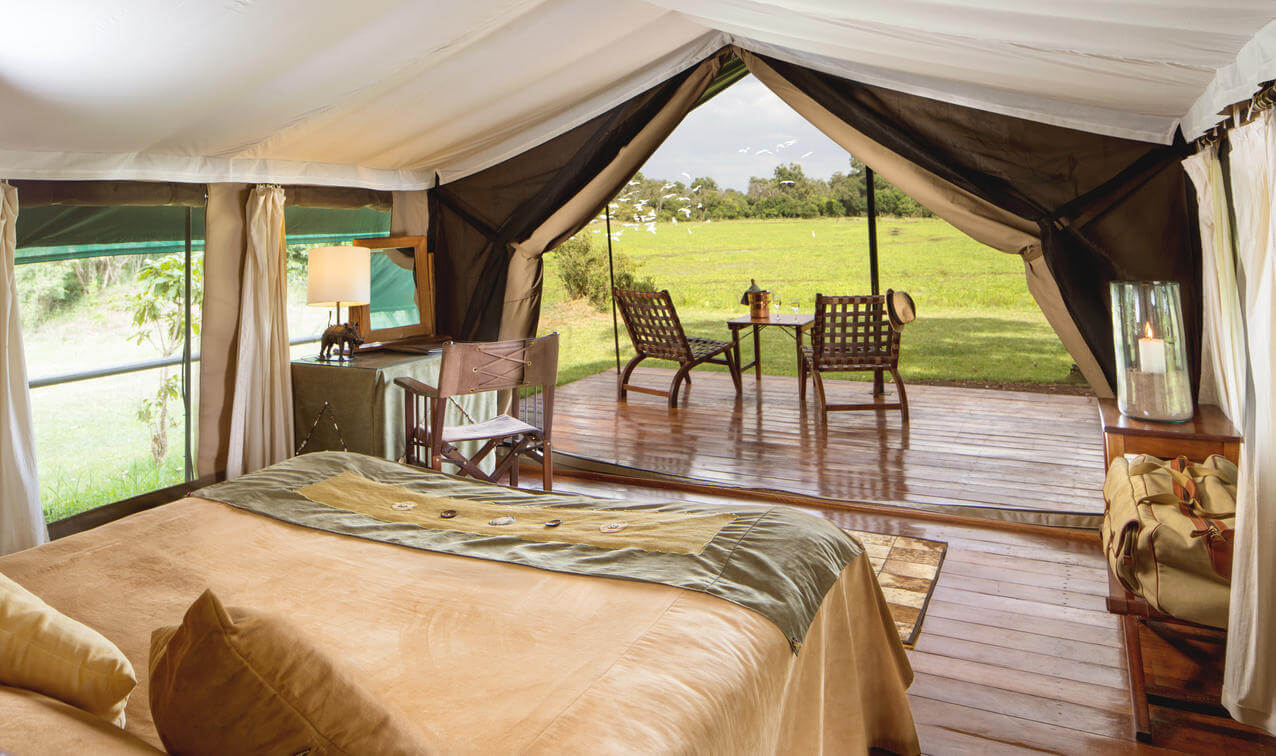
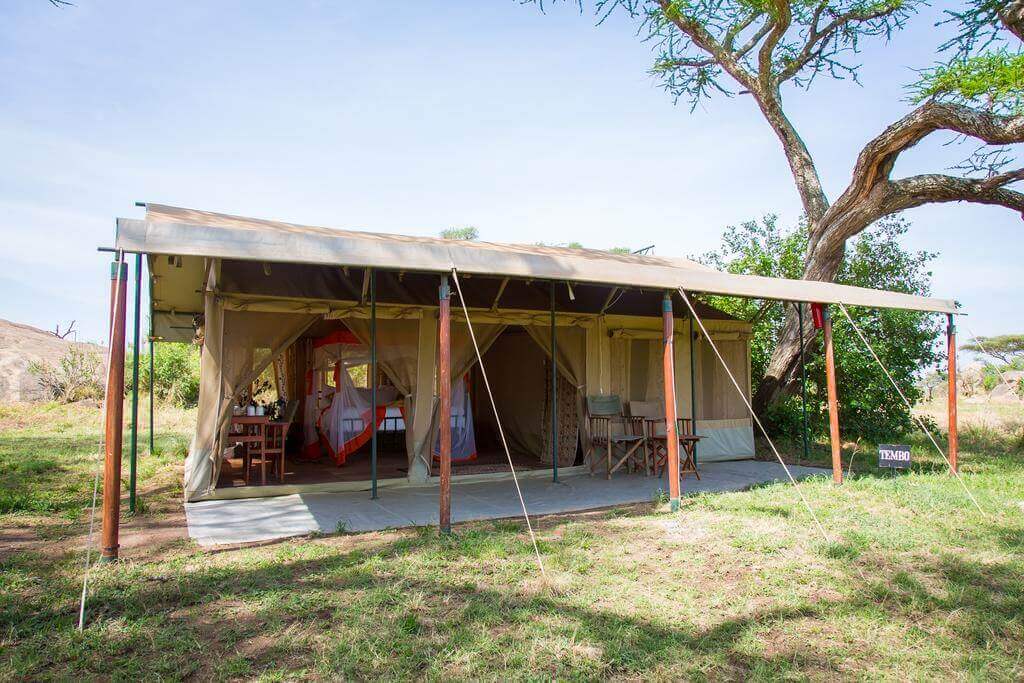
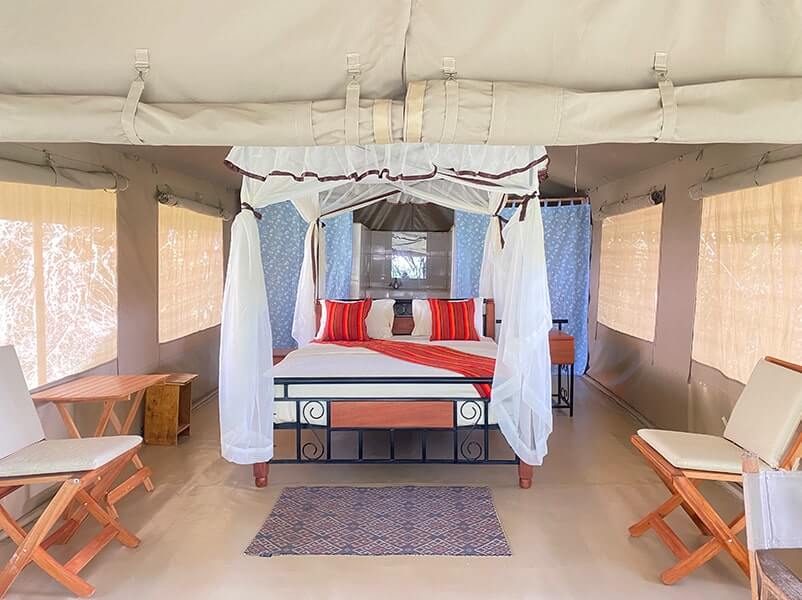
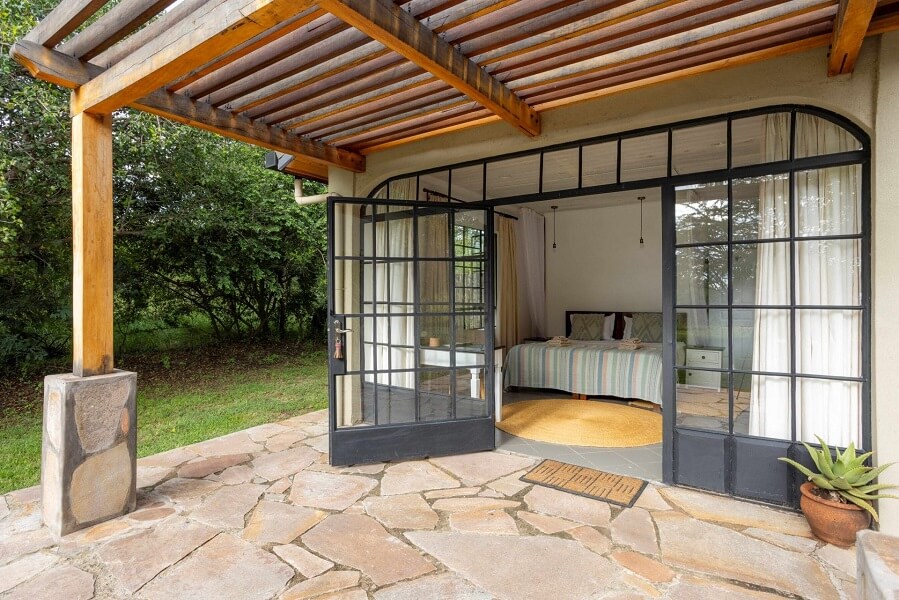
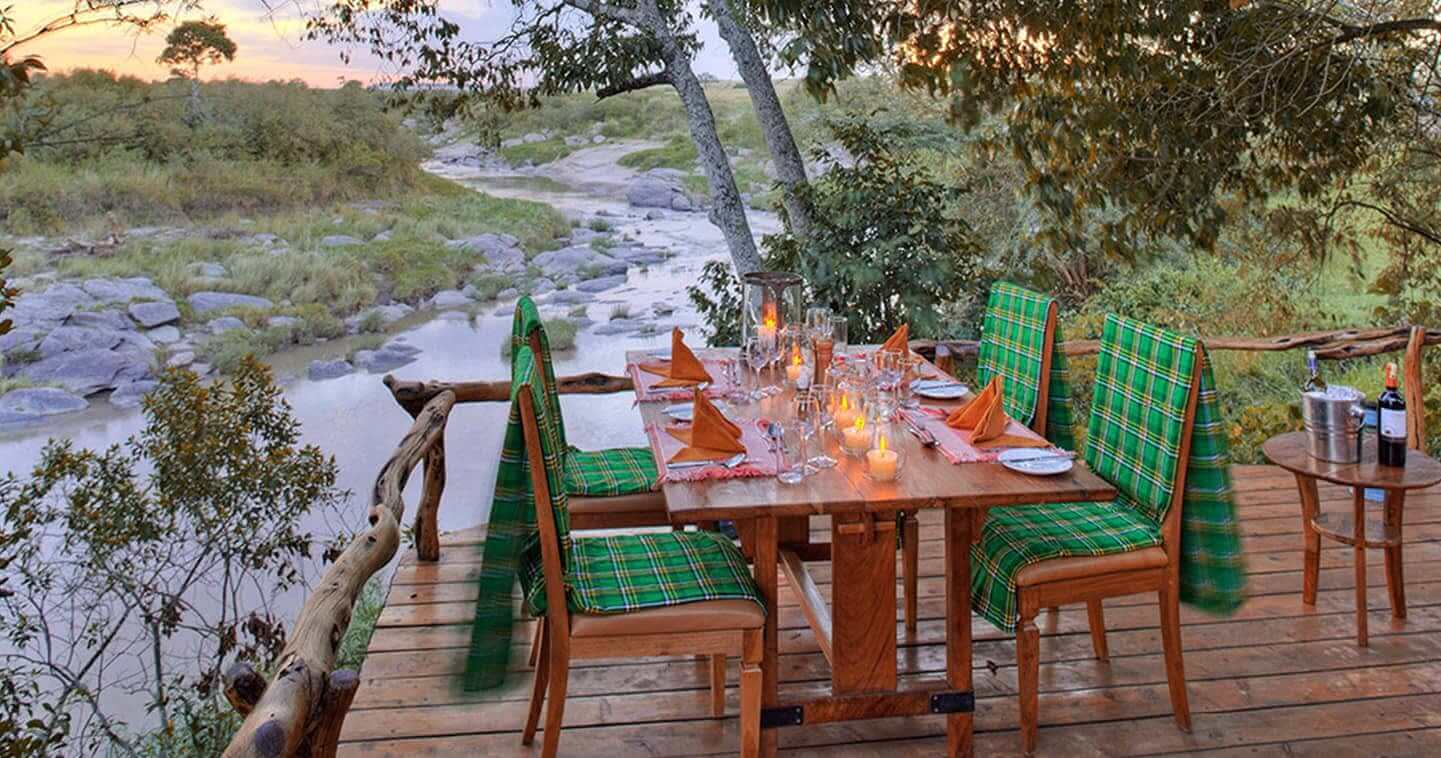
The Masai Mara is home to a wide variety of accommodation options, offering everything from luxurious tented camps suspended in the wild to family-friendly lodges and everything in between. Whether you’re looking for a top-tier safari experience or a more budget-conscious stay, the Mara has something to suit your needs.
Tented Camps & Lodges in Masai Mara

Despite its remote location, the Masai Mara boasts a selection of stunning accommodations, including luxury tented camps and safari lodges. These properties have been carefully established over decades in the wilderness, combining rustic charm with modern comfort. 

Some of the top-tier camps and lodges in the area have earned international accolades for their exceptional service and eco-friendly design. These accommodations offer a unique experience of the Mara, where nature and luxury converge.

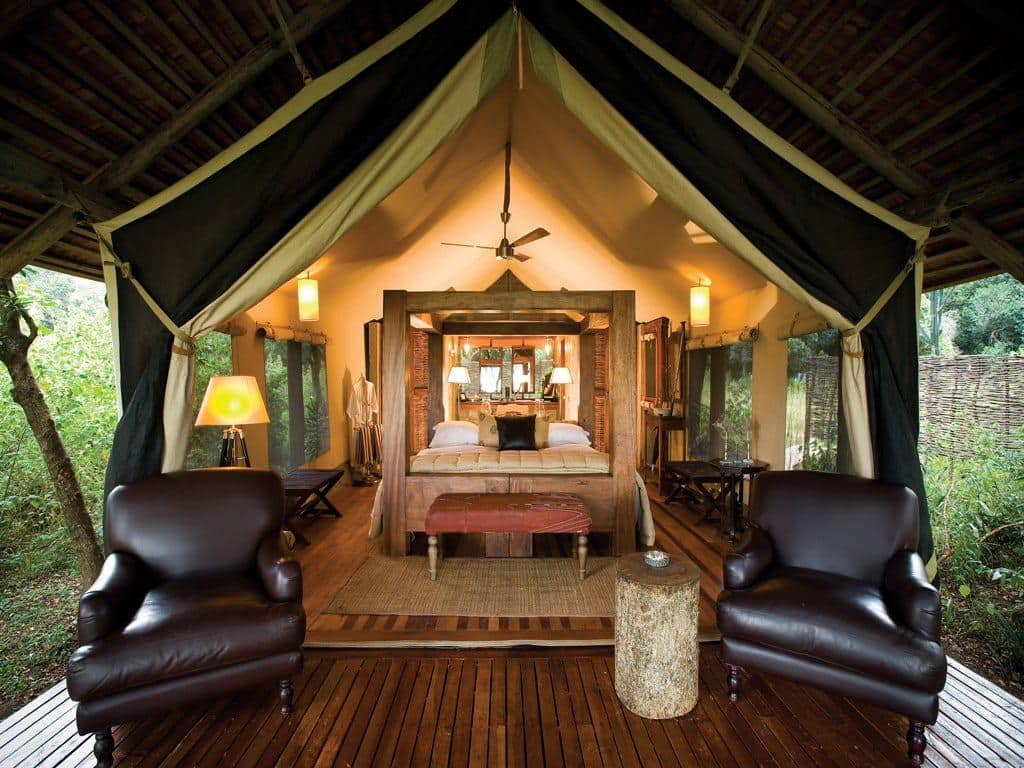
Masai Mara is home to some of the most luxurious safari camps in Africa, often designed as intimate, boutique-style properties. These camps focus on blending seamlessly with the environment while maintaining the highest eco-friendly standards. 

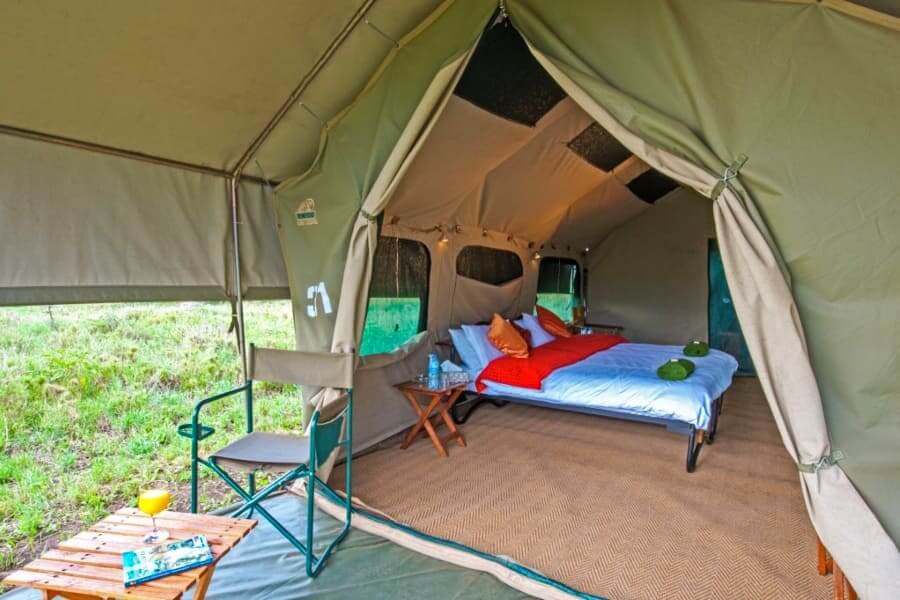
The goal is to provide an authentic luxury experience that harkens back to the days when canvas tents were the only barrier between guests and the surrounding wilderness. Staying at one of these luxury tented camps immerses you in the raw beauty of nature while indulging in top-notch services and exclusive safari experiences.

For those seeking a more affordable option without compromising on quality, Masai Mara offers upper mid-range camps and lodges. These properties are priced lower than the most exclusive safari camps but still offer an excellent experience within the reserve. 

Many of these camps feature lodge-like amenities, including swimming pools, spacious common areas, well-stocked gift shops, and even spas. These camps offer a comfortable and enjoyable stay, with the added bonus of being located within close proximity to the wildlife action.

Budget Camps

Budget-friendly accommodations have recently been developed in the Masai Mara to cater to more price-conscious travelers. Most of these budget camps are located outside the main Masai Mara Reserve boundary, requiring guests to enter and exit the reserve for game drives.

While these options are more affordable, they still provide an opportunity to experience the Mara’s wildlife up close. However, those looking for a truly immersive experience might want to consider staying at properties located inside the reserve for easier access to the animals.

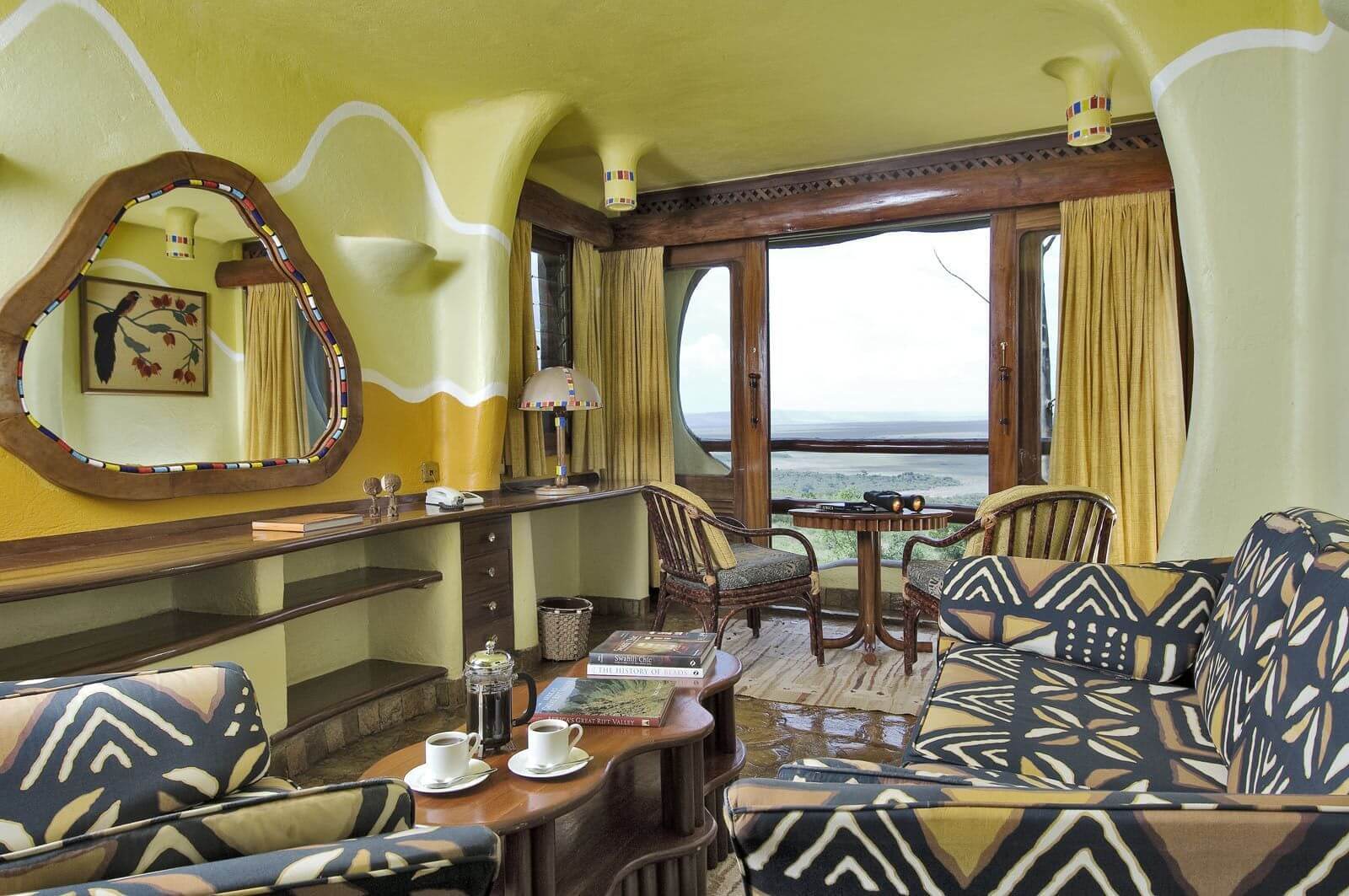
Safari lodges in the Masai Mara provide a perfect balance between comfort and wilderness. These lodges are designed to have the feel of a hotel while incorporating elements that reflect the safari spirit.

With larger common areas, swimming pools, and a greater number of rooms, lodges offer a more traditional hotel experience but in an outdoor setting. The rooms are often styled to enhance the safari atmosphere, offering a comfortable, yet immersive, stay in the heart of the Mara.

Private homes and cottages are an emerging trend in Masai Mara accommodation, offering a unique and intimate way to experience the reserve. While still a rare option, a few select private homes are available for guests seeking a more exclusive and personalized safari experience. These properties often cater to families or groups, offering privacy, space, and a more home-like atmosphere in the wild.

No matter your budget or preference, Masai Mara offers an incredible range of accommodation options. From luxurious tented camps to budget-friendly lodges and even private homes, there’s something for everyone seeking an unforgettable safari experience. Whether you prefer to stay in the heart of the action or enjoy a quieter, more secluded retreat, the Masai Mara is sure to deliver an unforgettable experience.

What our Client Say

Design your own trip

Choose a destination, pick your properties, and we’ll do the rest

1
Browse
Look through our itineraries for inspiration, and call our Travel Consultants
2
Create
Discuss your wish list with us, and we’ll use our expertise to design a unique itinerary for you
3
Customise
We’re committed to refining your itinerary until we’ve created the perfect personalised trip for you