EXPLORE

Kenya Destination

Amboseli National Park
Picture of Chat to an Kenya Safari expert

Chat to an Kenya Safari expert

Get advice and suggestions to make this your perfect trip. or call us on:
+255 755 003116

Picture of Chat to an Kenya Safari expert

Chat to an Kenya Safari expert

Get advice and suggestions to make this your perfect trip. or call us on:
+255 755 003116

The Land of Giants

Destination Overview

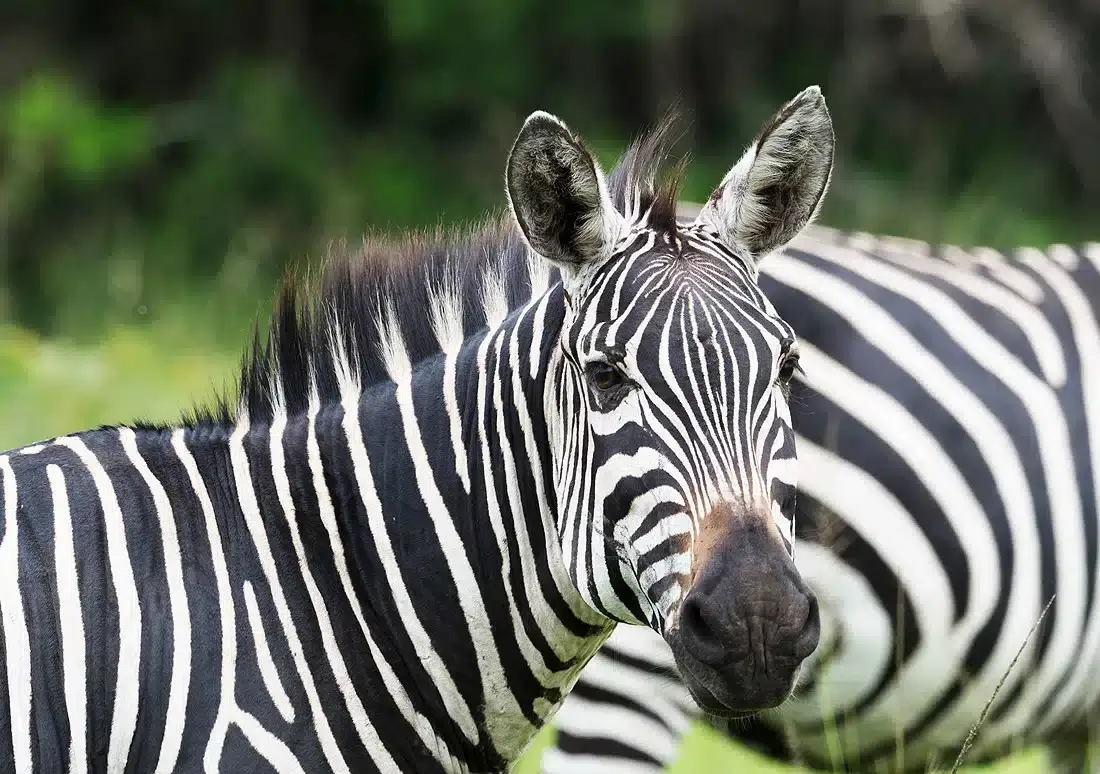
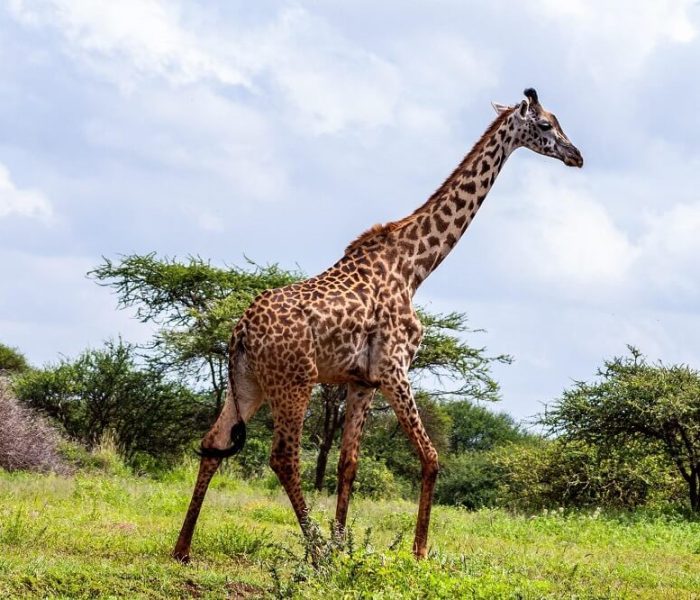
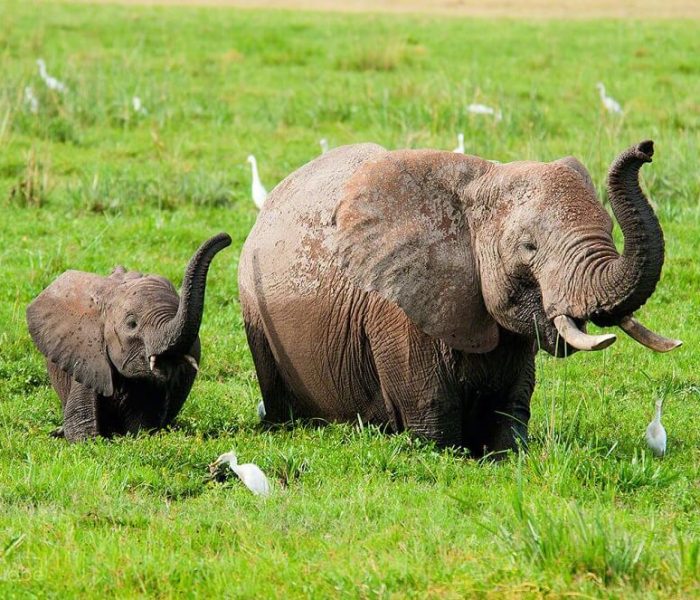
Nestled in southern Kenya, near the border with Tanzania, Amboseli National Park is a captivating destination known for its breathtaking views of Mount Kilimanjaro. Spanning 392 square kilometers in Loitokitok District, Kajiado County, this park is often dubbed the “Land of Giants” due to its large herds of majestic elephants. These magnificent creatures roam the park alongside an array of other wildlife, including lions, cheetahs, buffalos, giraffes, and zebras.

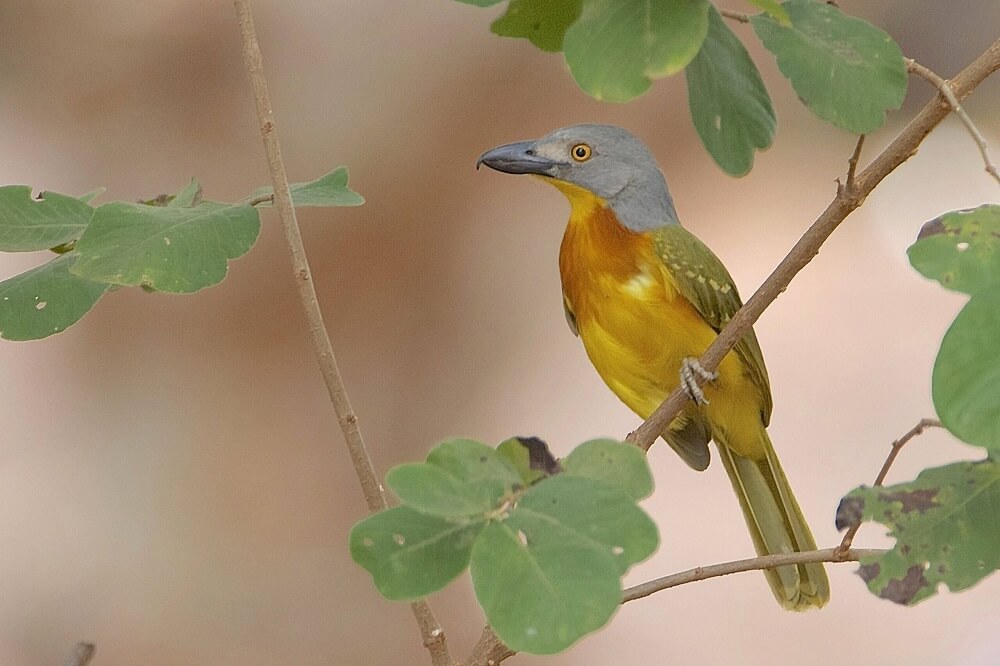
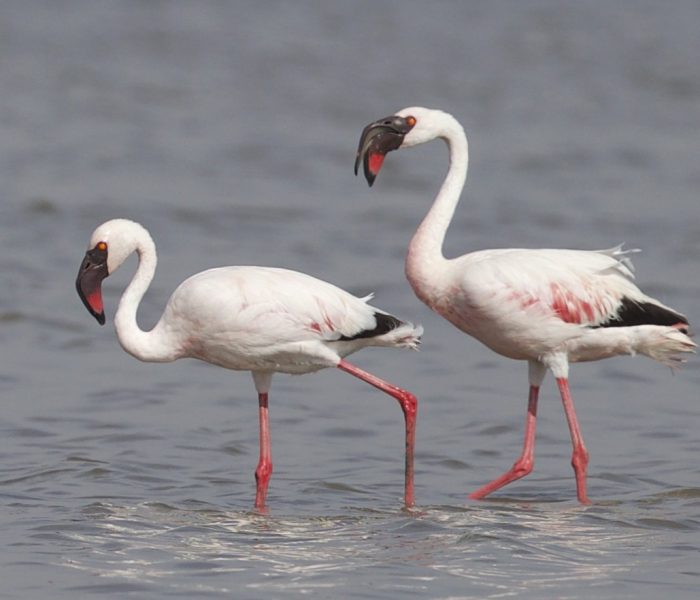
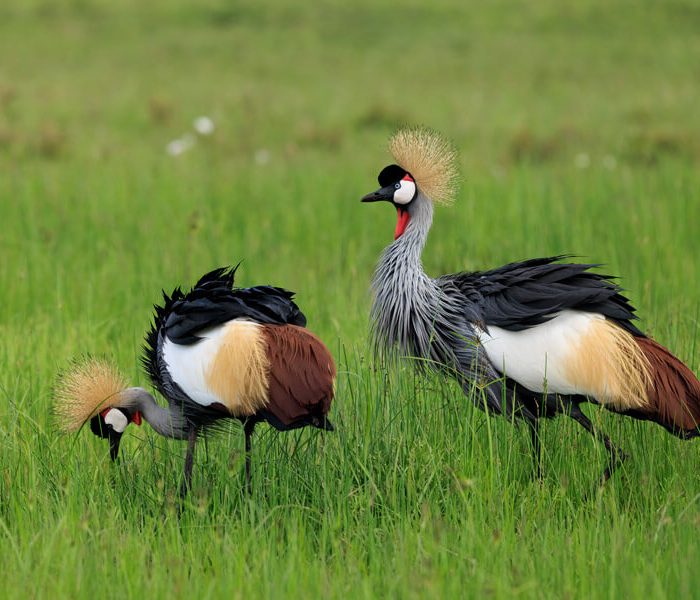
Amboseli is a paradise for birdwatchers, home to over 400 bird species, including flamingos, pelicans, and the iconic African fish eagle. The park’s diverse habitats, ranging from wetlands to open savannahs, support a rich variety of flora and fauna.

Among its major attractions is Observation Hill, where visitors can enjoy panoramic views of the park and its abundant wildlife. The park’s swamps, such as Enkongo Narok and Ol Okenya, serve as key watering holes for animals and offer incredible opportunities for photography and animal watching.
For those interested in cultural immersion, Amboseli offers guided tours to nearby Maasai villages. These cultural experiences provide visitors with the chance to engage with the Maasai people, learning about their age-old traditions and way of life. Whether you’re drawn to its wildlife, landscapes, or cultural heritage, Amboseli National Park promises an unforgettable safari experience.

History

Amboseli National Park has a rich and fascinating history that reflects both its natural and cultural significance. In 1883, Jeremy Thompson became the first European to venture into the Maasai territory known as Empusel, a Maa word meaning “salty, dusty place.” He was captivated by the striking contrast between the arid dry lake bed and the lush green swamps, a dramatic variation that still defines the park’s landscape today.

Originally designated as the Southern Reserve for the Maasai in 1906, Amboseli was later reclaimed as a game reserve in 1948. In 1974, it was officially gazetted as a national park to safeguard its unique ecosystem, and in 1991, UNESCO recognized it as a World Heritage Site.

On September 29, 2005, Kenyan President Mwai Kibaki announced that control of the park would shift from the Kenya Wildlife Service to the Olkejuado County Council and the Maasai community. While some viewed this as a political maneuver ahead of a constitutional vote, the change aimed to channel park revenue directly to the local Maasai, ensuring they benefit from the park’s tourism success. However, legal challenges surrounding this decision remain unresolved.

Wildlife Experience at Amboseli National Park

Amboseli National Park stands out as one of Kenya’s most popular safari destinations, offering outstanding wildlife viewing opportunities. While the park is renowned for its large herds of elephants, it is also home to a wide variety of other iconic African wildlife.

The park hosts three of the Big Five lions, buffalos, and elephants while black rhinos are no longer present and leopards are rarely seen. However, the open plains provide excellent opportunities to spot cheetahs, which are often seen hunting or resting under acacia trees.
Amboseli’s vast plains support large populations of herbivores, including:

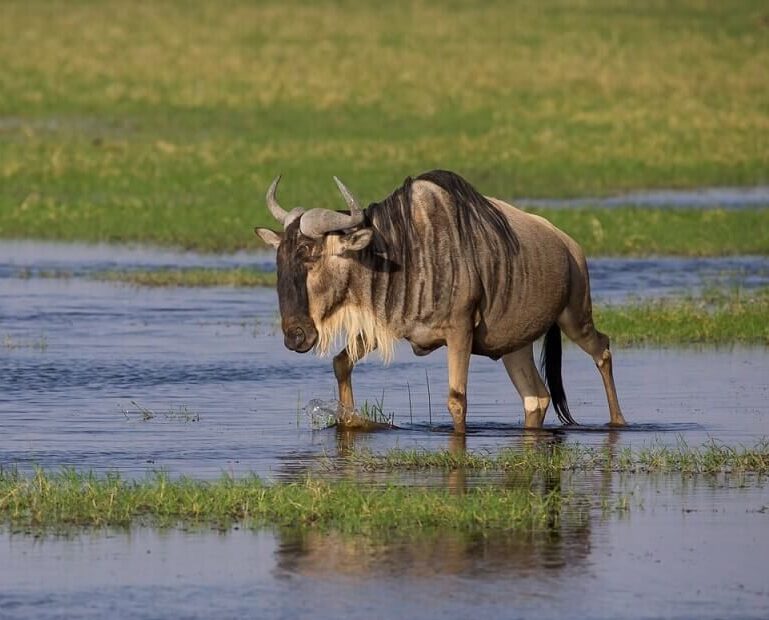
  • Wildebeest
  • Plains zebra
  • Grant’s and Thomson’s gazelles 

The swamps, fed by the melting snow of Mount Kilimanjaro, act as a lifeline for wildlife during the dry season. They attract not only elephants and buffalos but also hippos, crocodiles, and a variety of bird species.
With its rich biodiversity and the breathtaking backdrop of Mount Kilimanjaro, Amboseli offers an exceptional safari experience that combines dramatic landscapes with diverse wildlife encounters.

Birdlife

The swamps, fed by the melting snow of Mount Kilimanjaro, act as a lifeline for wildlife during the dry season. They attract not only elephants and buffalos but also hippos, crocodiles, and a variety of bird species.

With its rich biodiversity and the breathtaking backdrop of Mount Kilimanjaro, Amboseli offers an exceptional safari experience that combines dramatic landscapes with diverse wildlife encounters.

Amboseli National Park is located in Kajiado County in the southern part of Kenya, about 240 kilometers southeast of Nairobi, the capital city. Amboseli National Park is located on the border between Kenya and Tanzania, nestled at the base of the iconic Mount Kilimanjaro to the south. 

This scenic location offers breathtaking views of Africa’s highest peak, making it a truly remarkable destination for wildlife and landscape enthusiasts alike. It takes approximately 4-5 hours to drive from Nairobi to Amboseli National Park. Visitors can travel via the Nairobi-Emali-Makindu road or through Namanga for access to the park.

Key Features

Museums at Noonkotiak and Lemong’o

Located approximately 6km from Kimana Gate, the Museums at Noonkotiak and Lemong’o provide valuable insights into the Amboseli ecosystem. These museums offer an educational experience, showcasing detailed information about the park’s diverse wildlife, unique habitats, and the cultural heritage of the Maasai people. 

Visitors can explore exhibits that highlight the significance of Amboseli’s biodiversity and the importance of conservation efforts in maintaining its natural beauty.

Observation Hill, locally known as Nomatior (meaning “the place of pottery”), offers one of the most spectacular vantage points in Amboseli National Park. From its summit, visitors are treated to breathtaking 360-degree views of the park’s sprawling plains, swamps, and large herds of elephants grazing below.

This iconic hill holds historical significance, having once been inhabited by the Ndorobo people, who were hunters and honey gatherers. Archaeological findings of ancient pottery and tools left behind by the Ndorobo inspired the Maasai name Nomatior. 

Hiking to the top of Observation Hill is both rewarding and refreshing, providing a serene escape and unmatched photographic opportunities of Amboseli’s vibrant ecosystem and the majestic backdrop of Mount Kilimanjaro.

Lemomo Hill, located within the Kitenden Conservancy, stands approximately 3 kilometers from the boundary of Amboseli National Park. Its peak holds the distinction of being the highest observation point in the region, offering unparalleled views of the park’s diverse landscape and key areas of the Amboseli ecosystem. 

From this elevated spot, visitors can soak in the stunning vistas of Mount Kilimanjaro, sprawling plains dotted with wildlife, and the park’s swamps teeming with birdlife. Lemomo Hill provides a serene and breathtaking escape, making it a must-visit for nature lovers and photography enthusiasts alike.

Nestled at the heart of Amboseli, Ol Tukai is a lush oasis of yellow fever trees and doum palms, known as “Ol Tukai” by the Maasai and “Makindu” in Swahili. This tranquil retreat offers a cool and shaded sanctuary, attracting a variety of wildlife, particularly elephants and lions, which are often spotted resting under the canopy. 

The rich vegetation and peaceful ambiance make Ol Tukai one of the most scenic and wildlife-rich areas in Amboseli, providing visitors with an intimate glimpse into the park’s vibrant ecosystem.

Top Attractions

Culture

A visit to Amboseli is incomplete without immersing yourself in the Maasai culture. 

Engage with the Maasai people in their traditional bomas (homesteads) and cultural centers to learn about their age-old customs, dances, and way of life. 

The Maasai’s harmonious relationship with the land and wildlife adds a unique cultural dimension to the Amboseli experience.

Amboseli National Park is renowned for its breathtaking landscapes and abundant wildlife, making it one of Kenya’s most sought-after safari destinations. 

The park’s rich ecosystem and cultural heritage provide an unforgettable experience for visitors.

One of Amboseli’s biggest draws is its large herds of elephants. Amboseli is famously known as the “Land of Giants” due to its impressive population of elephants, including some of the largest tuskers in Africa.

Watching these majestic creatures roam freely against the backdrop of Mount Kilimanjaro is a sight to behold.

The park is also home to the Big Five (elephants, lions, leopards, buffalo, and rhinos), although rhinos are rarely seen. Observation Hill offers panoramic views of the entire park, especially the swamps below, where elephants, buffaloes, and hippos gather alongside water birds like pelicans and Egyptian geese.
The swamps beneath Observation Hill are a vital water source and a hotspot for wildlife activity, attracting a diverse array of animals and birds. Birdwatchers will be thrilled to spot some of the 400 recorded species, including flamingos, egrets, and African fish eagles.

Amboseli National Park Weather

Amboseli National Park experiences a hot and dry climate, with occasional short, intense showers. Daytime temperatures average around 28°C (82°F), while nights cool down to about 15°C (59°F). Early morning game drives can be chilly, so it’s advisable to bring warm clothing. The park’s weather patterns are marked by two distinct rainy seasons: the long rains usually occur from mid-March to mid-May, while the short rains arrive between late October or November and mid-December.

Best Time to Visit Amboseli National Park

Although Amboseli National Park is a year-round destination, the best times to visit are during the dry months (June to October and January to February).

During these months, the weather is usually clear, and game viewing is optimal as animals congregate around the remaining water sources, making them easier to spot.

Dry Season (June to October and January to February)

These months are ideal for wildlife viewing, especially elephants and big cats, as the park becomes less green, and animals gather around waterholes.

The dry season also offers clearer skies, providing a better chance to view Mt. Kilimanjaro, though it may still be obscured by clouds.

Dry Season (June to October and January to February)

The wet season brings lush vegetation and vibrant landscapes. While game viewing may be more challenging due to thick vegetation and animals being more dispersed, the wet season offers clear skies without the dust, providing the best chances for unobstructed views of Mt. Kilimanjaro, especially during the early morning or late afternoon.

Tip: For the clearest views of Mt. Kilimanjaro, early morning and late afternoon are always the best times, particularly in the wet season when the sky is clearer of dust.

gallery

Picture of Planning Your Safari

Planning Your Safari

Organizing a safari in Kenya Destination, can be overwhelming due to the many choices available for transport, accommodation, and activities.

Reviews and Rates

Kenya

Things to Do in Amboseli National Park

Game Drives

Amboseli is renowned for its wildlife, including large herds of elephants, lions, cheetahs, zebras, giraffes, and wildebeests. Game drives allow visitors to explore the park’s diverse landscapes and observe wildlife in their natural habitat. 

The park’s relatively flat terrain makes it perfect for game drives, and the backdrop of Mt. Kilimanjaro adds to the experience.

Cultural Tours

Explore the vibrant Maasai culture with cultural tours in and around the park. You can visit local Maasai villages to learn about their traditional way of life, customs, dances, crafts, and community practices.

It’s a great opportunity to interact with the Maasai people and gain insight into their unique lifestyle and heritage. 

Bird Watching

Amboseli is a birdwatcher’s paradise, home to over 400 species of birds. The park’s swamps, wetlands, and savannahs offer diverse habitats for a variety of bird species.

You can spot flamingos, pelicans, herons, and various waterfowl, especially in the wet season. Early mornings or late afternoons are the best times for birdwatching.

Hot Air Balloon Safaris

For a truly unique experience, take a hot air balloon safari over Amboseli National Park. Floating above the park at sunrise, you can enjoy breathtaking views of the wildlife below and the stunning Mt.

Kilimanjaro in the distance. This thrilling adventure offers a different perspective of the park’s beautiful landscapes and abundant wildlife. 

Getting to Amboseli National Park

Amboseli National Park is easily accessible by both road and air, making it a convenient destination for safari enthusiasts.

By road, there are several entry points into the park. The main access gates include Iremito, Kimana, and Meshanani. If you’re traveling from Nairobi, you can take the Nairobi-Mombasa Road and turn off at Emali (204 km) onto the Emali-Loitokitok Road. 

From there, follow the signs to Iremito Gate. Alternatively, you can continue on the Loitokitok road to Kimana Shopping Center and follow the signs to enter the park through Kimana Gate.

Another option is the Nairobi-Namanga route through Meshanani Gate (220 km). The road is tarmacked up to Namanga, but the stretch from Namanga to Meshanani Gate is murram (gravel). If you’re planning to explore both Amboseli and Tsavo West National Park, a connecting road leads from Tsavo West to Amboseli via Kimana Gate, covering a distance of about 240 km.

For those opting to fly, Amboseli is served by the Kimana Airstrip, which is 1.2 km long and suitable for light aircraft. Additional airstrips are available at Kilimanjaro Buffalo Lodge and in Namanga Town, providing flexible options for quick and scenic access to the park.

Accommodation in Amboseli National Park

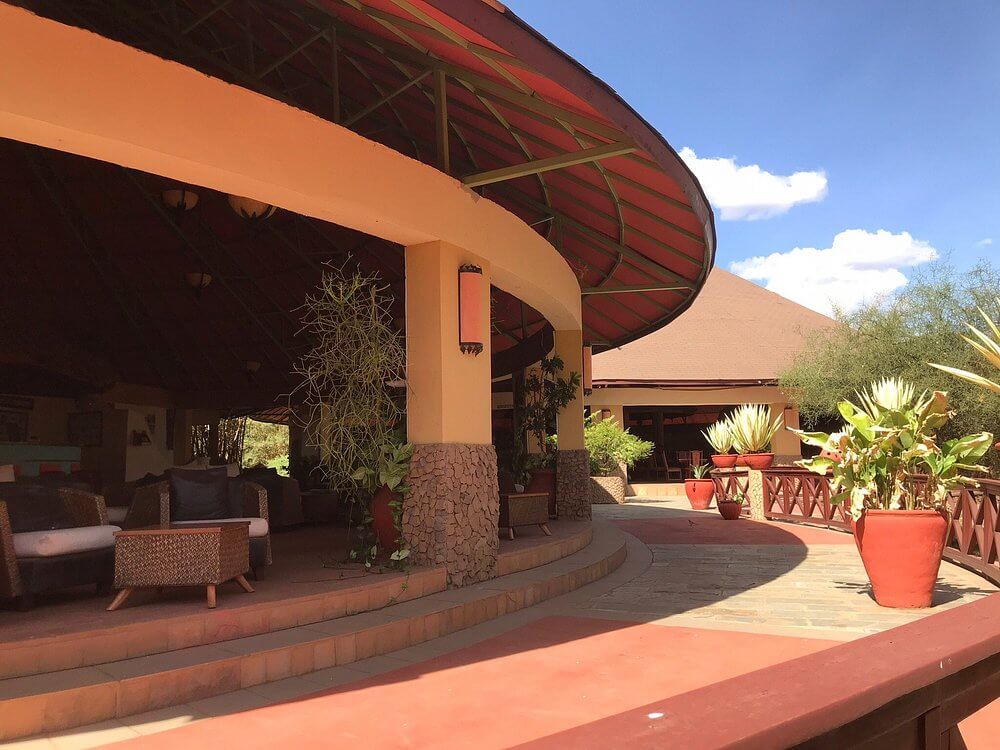
Here are some excellent accommodation options in and around Amboseli National Park, offering a range of unique experiences and spectacular views of Mt. Kilimanjaro:
Elerai Camp

Location: Set in the Acacia Tortilis woodland of Amboseli, with magnificent views of Mt. Kilimanjaro.

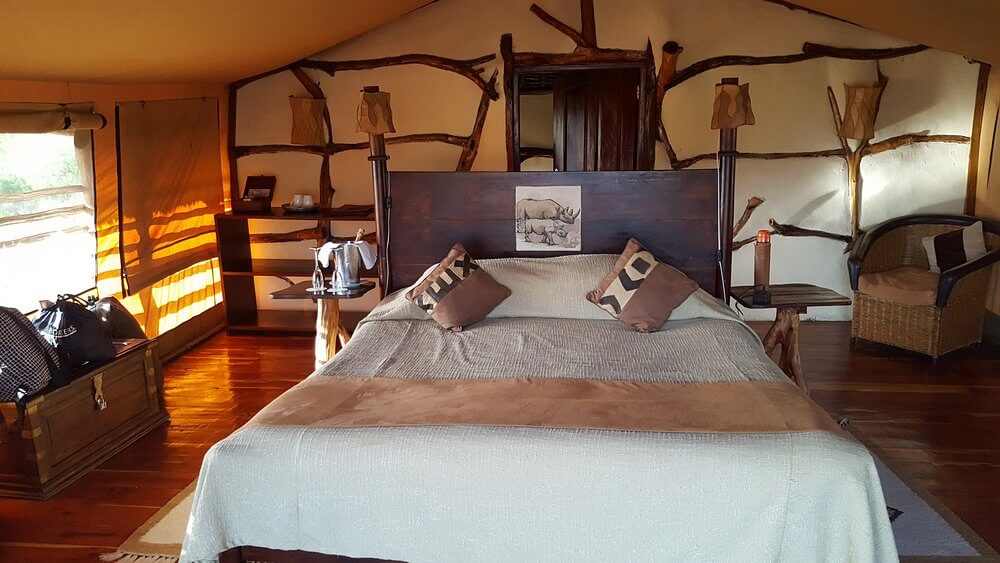
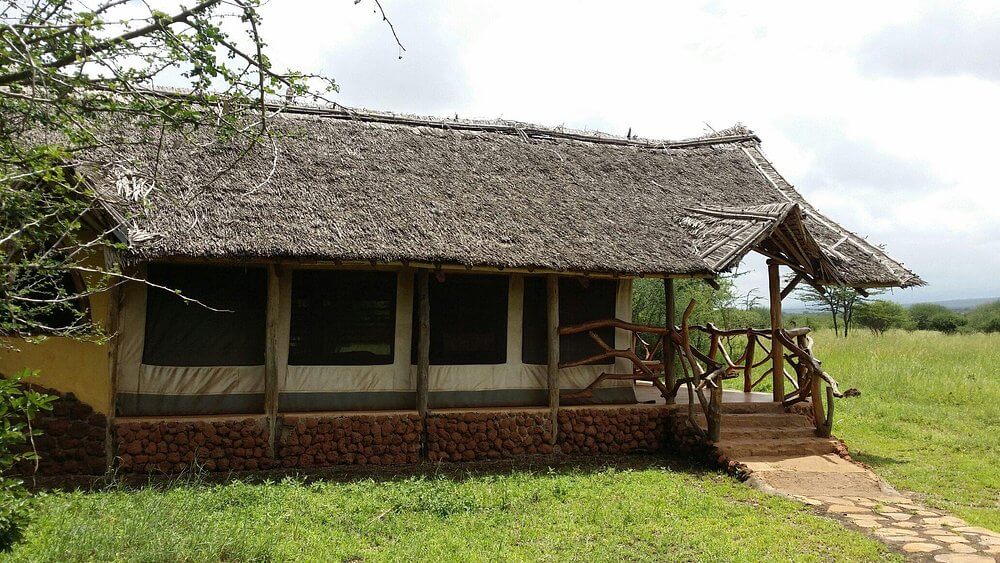
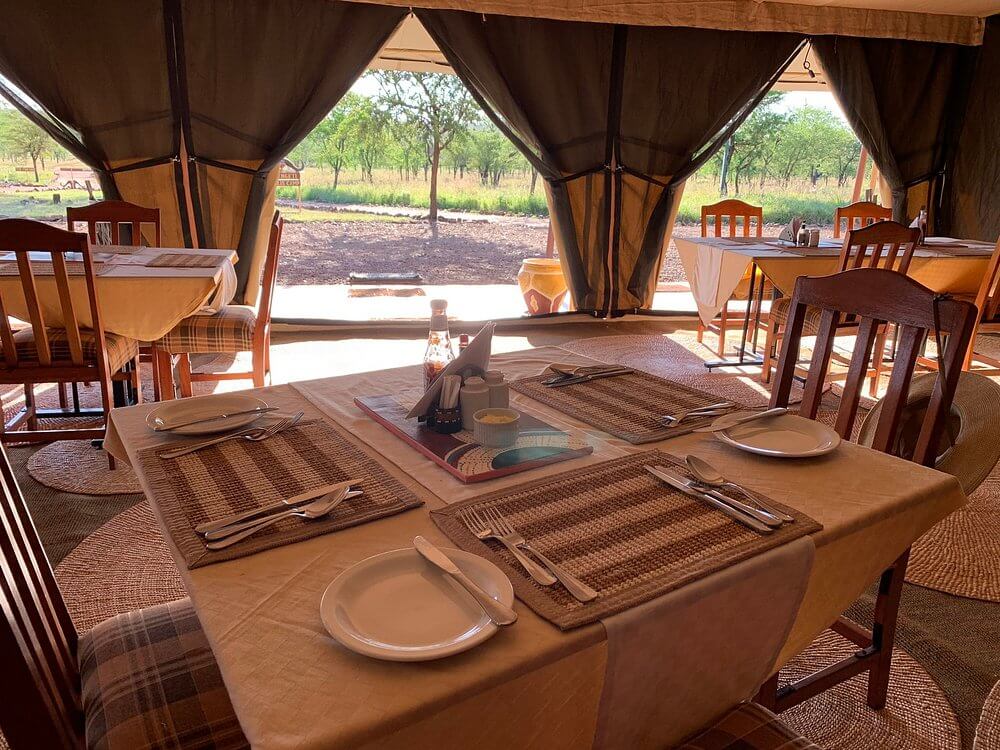
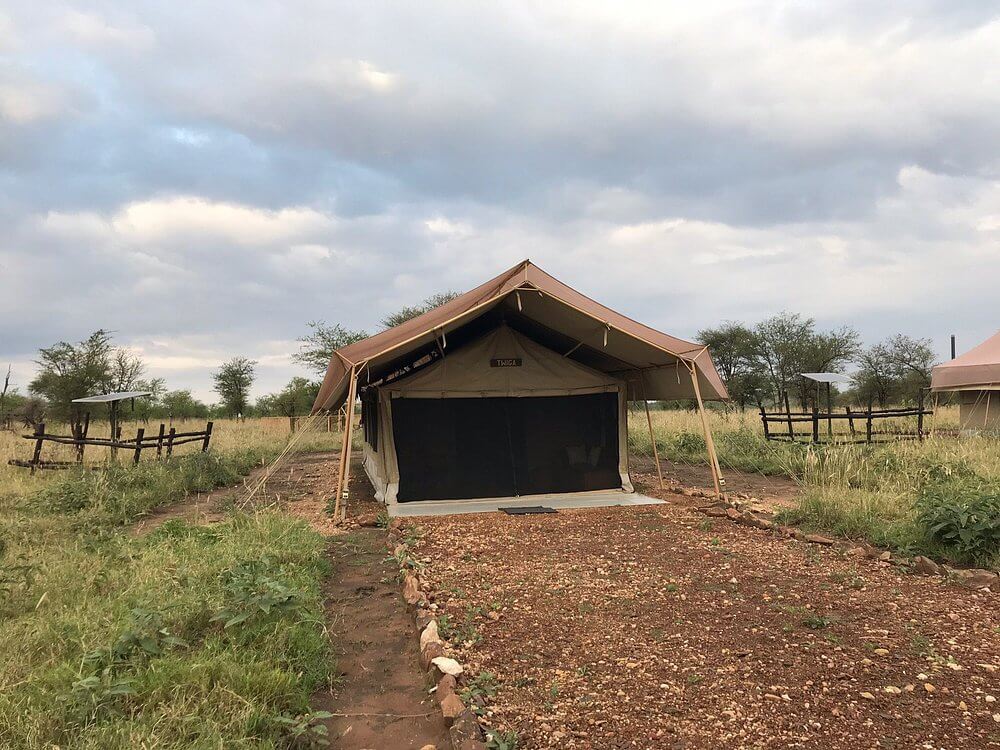
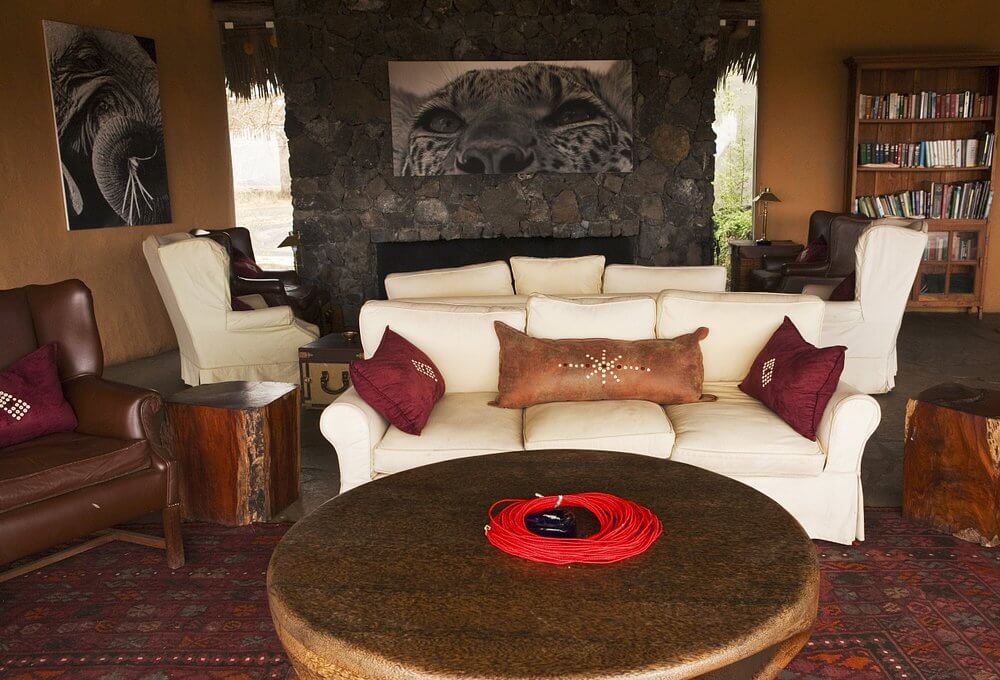
Accommodation: Tortilis Camp offers 16 spacious tents, each with twin or double beds, en-suite bathrooms, and private verandahs. The main lounge, bar, and dining area also boast panoramic views of Kilimanjaro.

Experience: The camp offers guests the chance to explore Amboseli’s rich wildlife, with a special focus on the local elephant population, all while being surrounded by the iconic landscape of Africa’s tallest mountain.

Location: Set in the Acacia Tortilis woodland of Amboseli, with magnificent views of Mt. Kilimanjaro.

Accommodation: Tortilis Camp offers 16 spacious tents, each with twin or double beds, en-suite bathrooms, and private verandahs. The main lounge, bar, and dining area also boast panoramic views of Kilimanjaro.

Experience: The camp offers guests the chance to explore Amboseli’s rich wildlife, with a special focus on the local elephant population, all while being surrounded by the iconic landscape of Africa’s tallest mountain.

Location: Near Kimana Gate, Amboseli National Park.

Accommodation: Kilima Safari Lodge offers 72 rooms in a tented camp setting, each with fantastic views of Mt. Kilimanjaro. Guests can enjoy game viewing from their tents, which overlook animal water pools.

Experience: This camp is ideally located for those looking to experience Amboseli’s large elephant population, with public areas and guest rooms offering views of the iconic mountain.

Tawi Lodge

Location: 5 minutes from Kimana Gate, Amboseli National Park, on a private 6,000-acre conservancy.

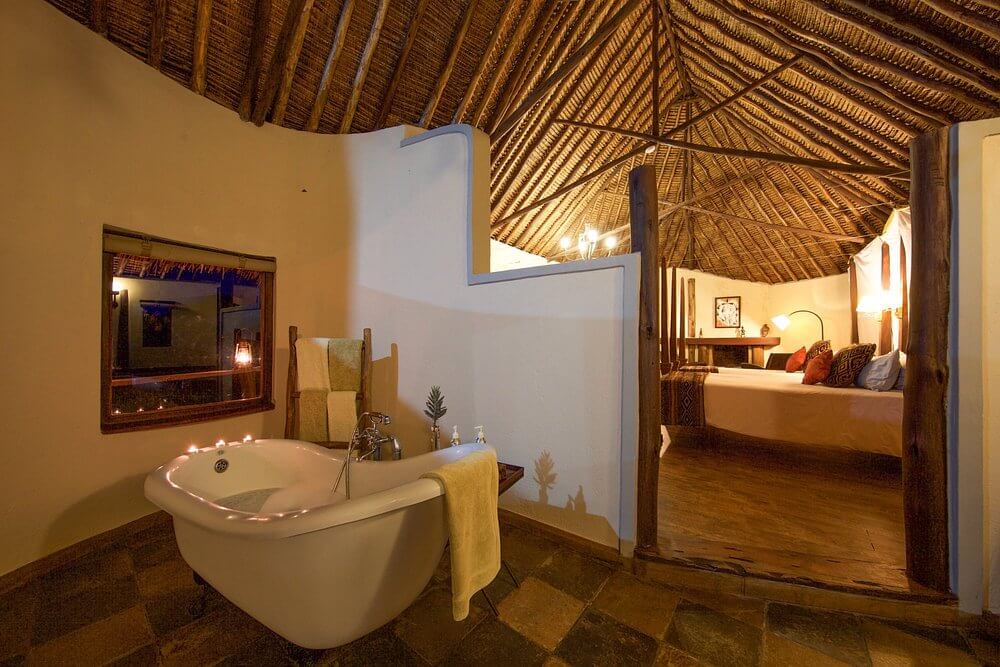
Accommodation: Tawi Lodge offers 13 eco-friendly cottages, each with a wooden-deck veranda and views of Mt. Kilimanjaro. The cottages feature en-suite bathrooms with modern showers and bathtubs.

Experience: The lodge combines modern comfort with traditional African elements. It’s a perfect place for relaxation and offers an opportunity to contribute to wildlife and Maasai conservation efforts.

Location: Located on the slopes of the Chyulu Hills National Park, between Amboseli and Tsavo West National Parks.

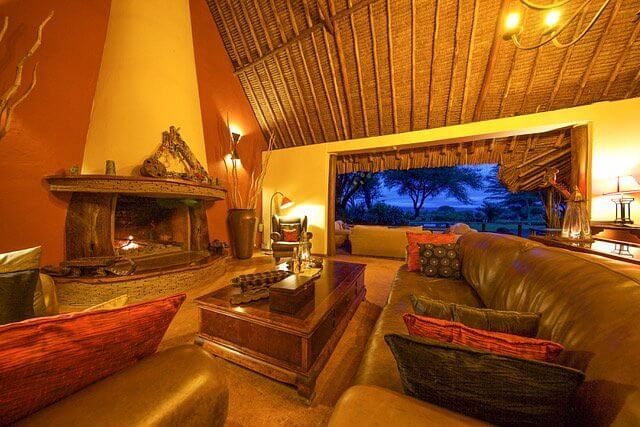
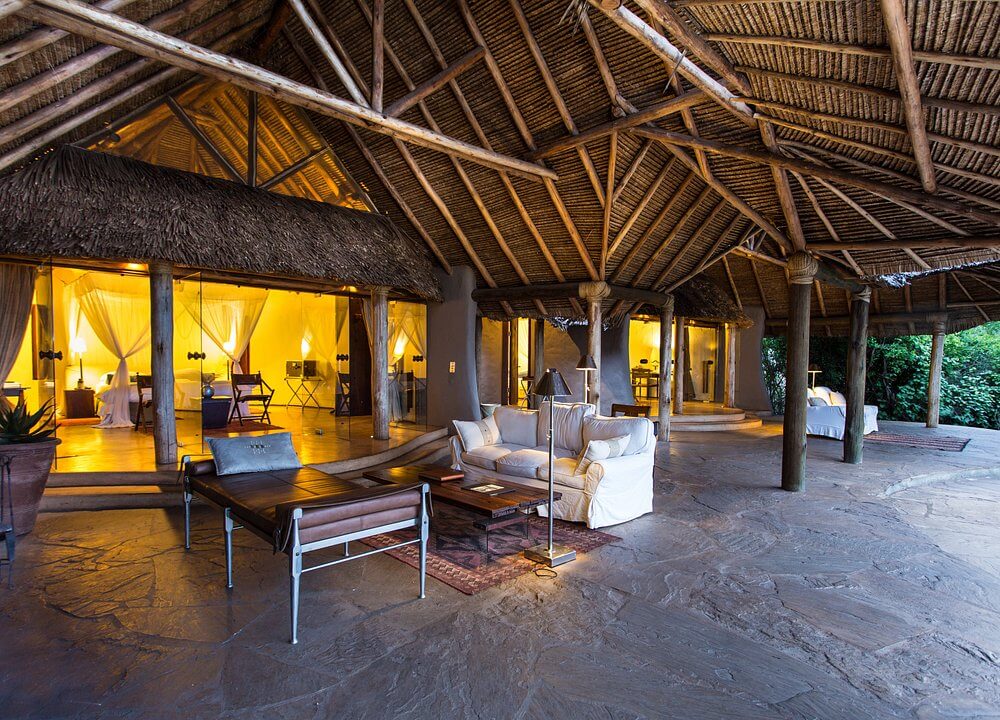
Accommodation: The lodge consists of ten guest suites in six stand-alone villas, each offering dramatic views of the African savannah and Mt. Kilimanjaro. The decor blends luxury with traditional African influences.

Experience: Ol Donyo Lodge is set in a conservation area and is a prime location for witnessing elephant migrations. It offers an opulent and intimate experience, with a strong focus on history, conservation, and African heritage.

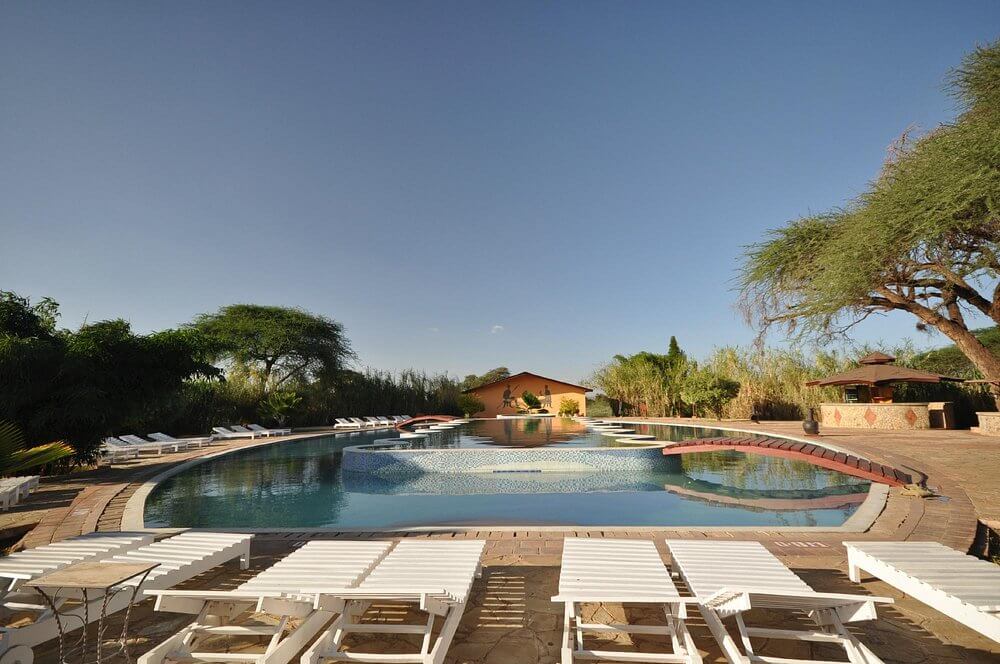
These lodges and camps provide a range of luxurious, eco-friendly, and immersive options for guests looking to explore the natural beauty of Amboseli while enjoying modern comforts in a unique setting.

What our Client Say

Design your own trip

Choose a destination, pick your properties, and we’ll do the rest

1
Browse
Look through our itineraries for inspiration, and call our Travel Consultants
2
Create
Discuss your wish list with us, and we’ll use our expertise to design a unique itinerary for you
3
Customise
We’re committed to refining your itinerary until we’ve created the perfect personalised trip for you