EXPLORE

The Jewel of the Indian Ocean

Discover Zanzibar Island
Picture of Chat to an Kenya Safari expert

Chat to an Kenya Safari expert

Get advice and suggestions to make this your perfect trip. or call us on:
+255 755 003116

Picture of Chat to an Kenya Safari expert

Chat to an Kenya Safari expert

Get advice and suggestions to make this your perfect trip. or call us on:
+255 755 003116

Overview

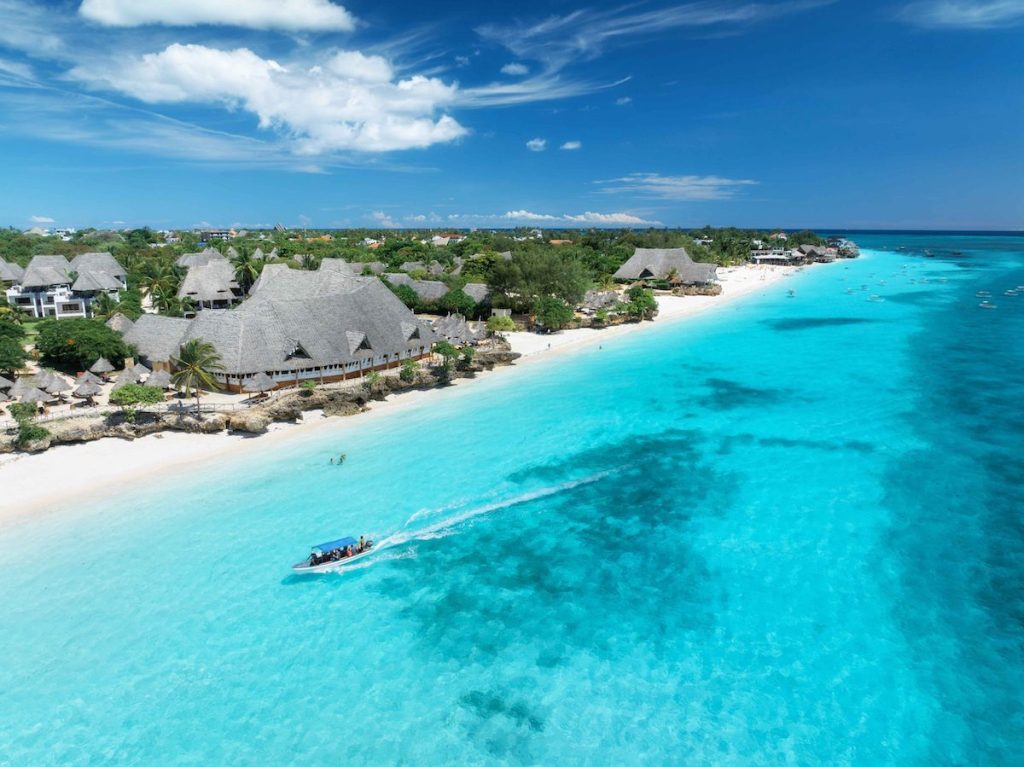
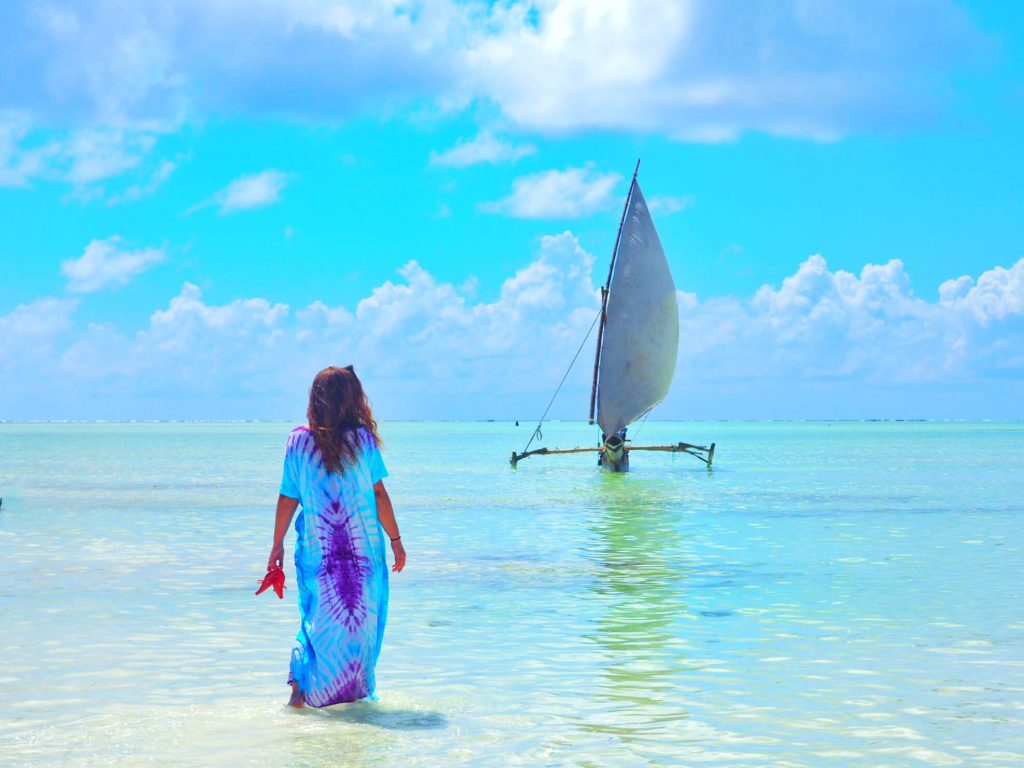
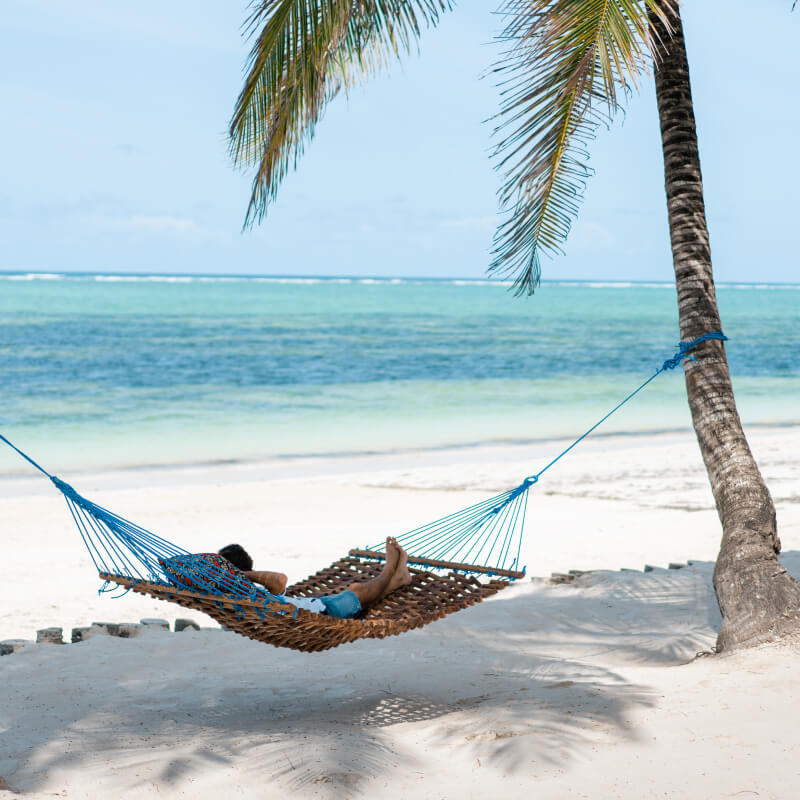
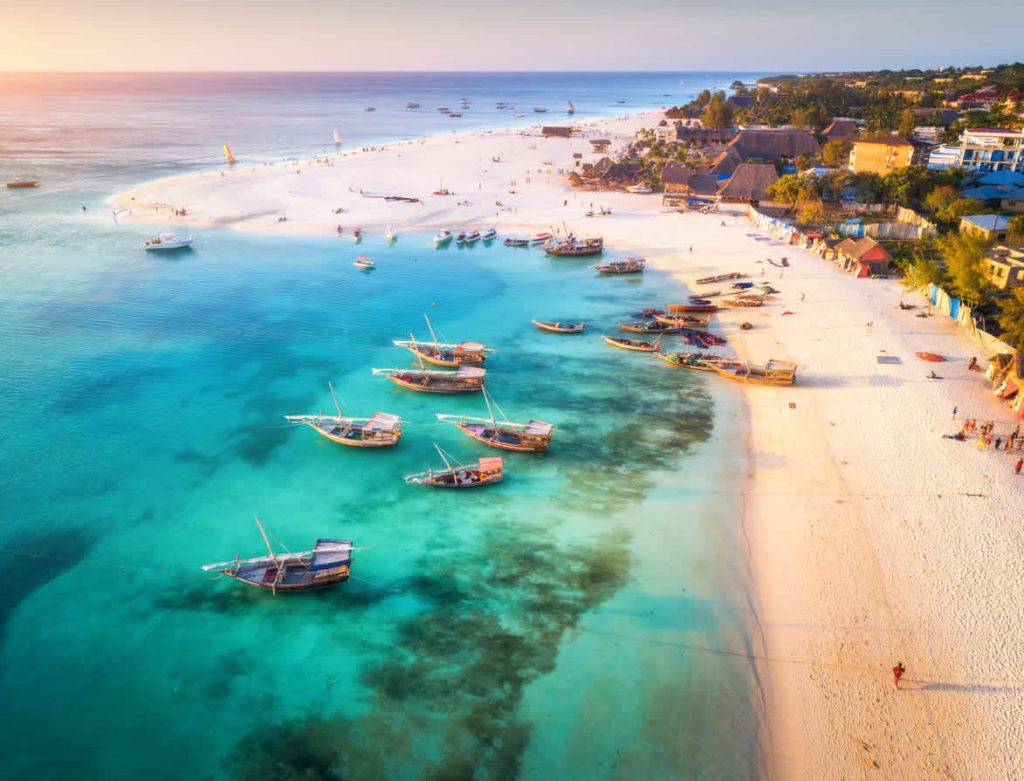
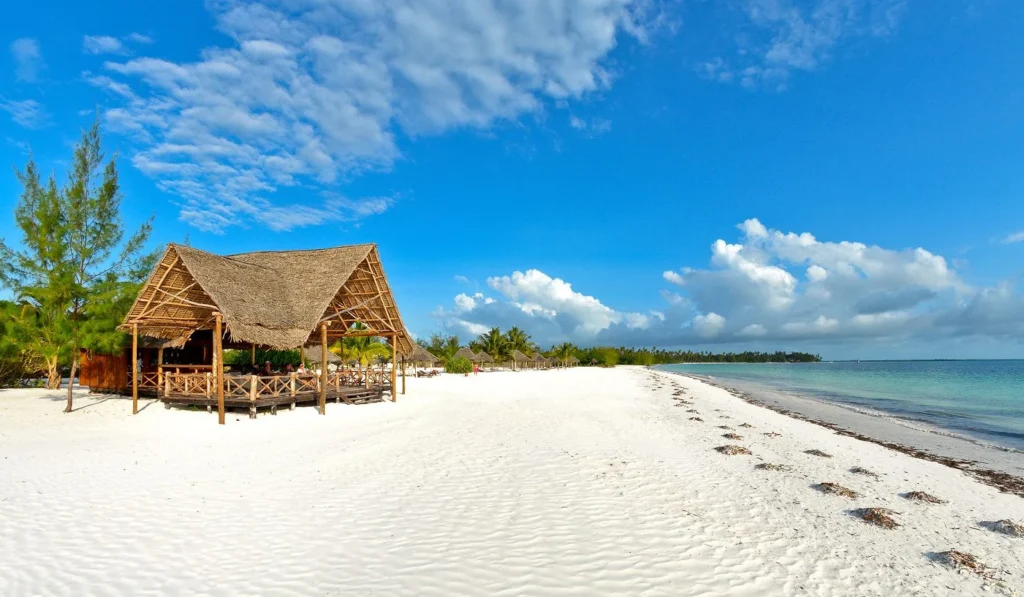
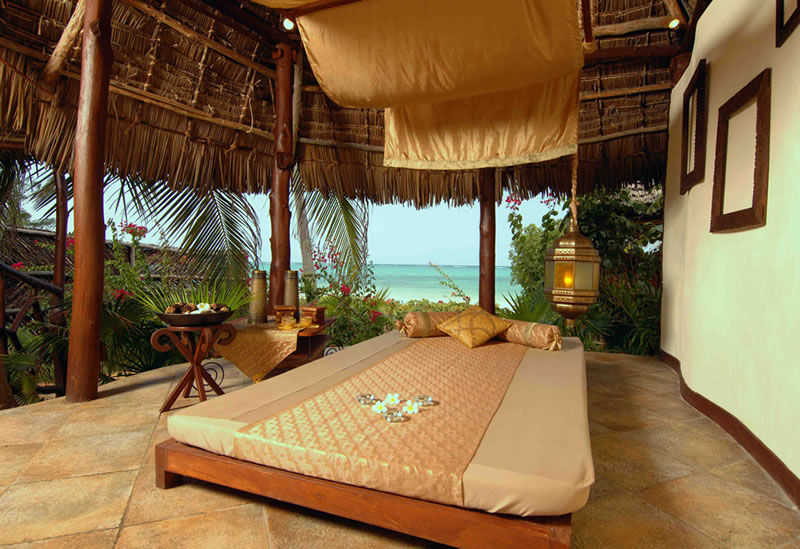
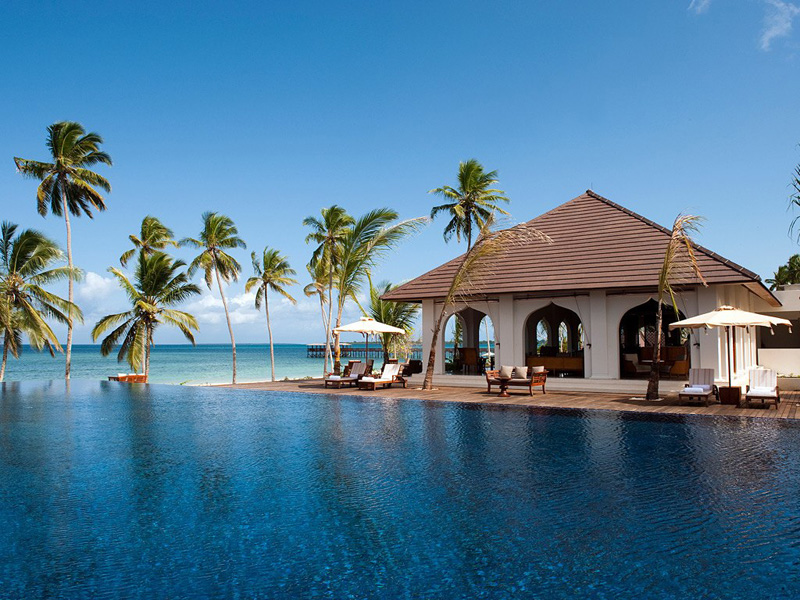
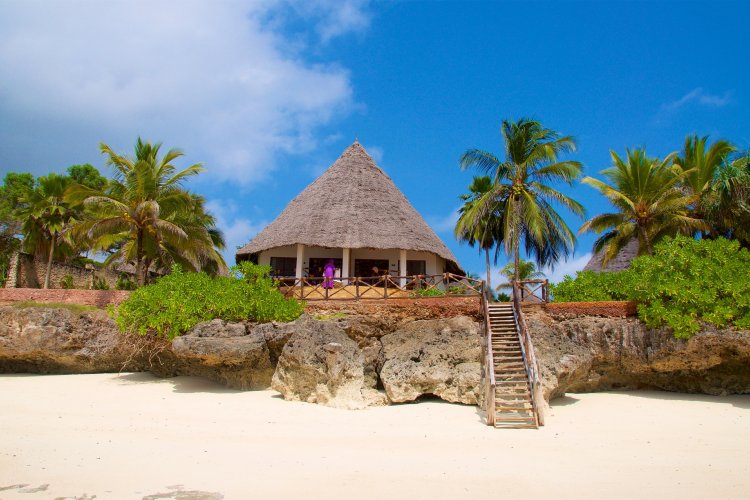
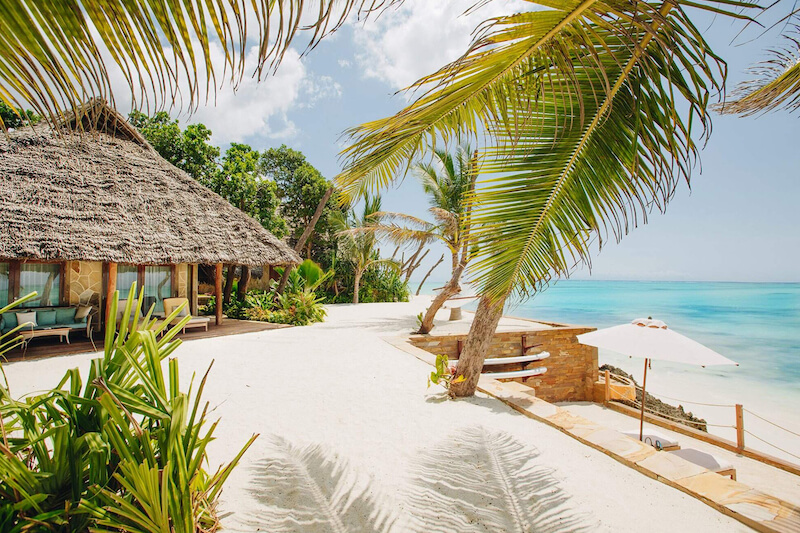
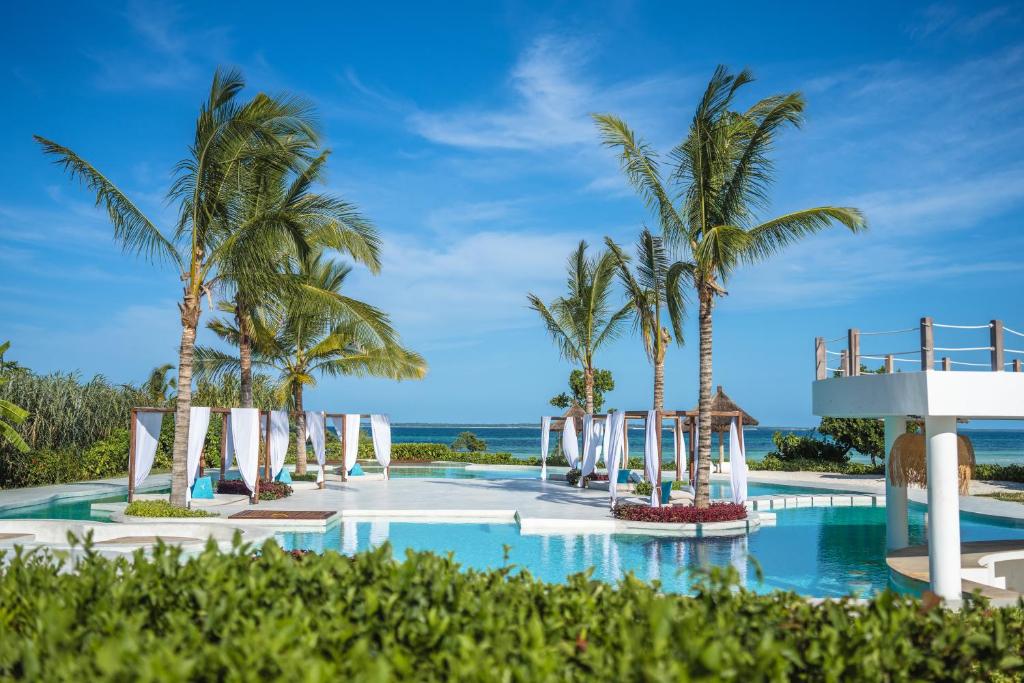
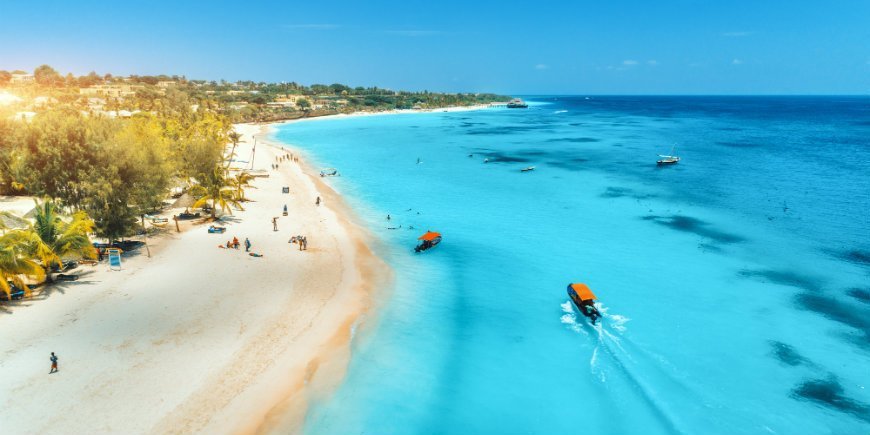
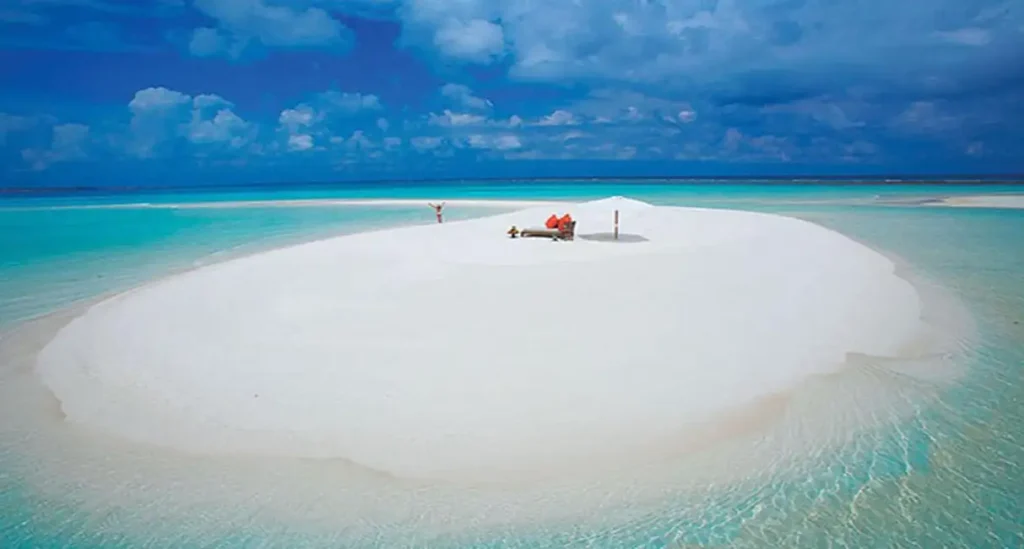
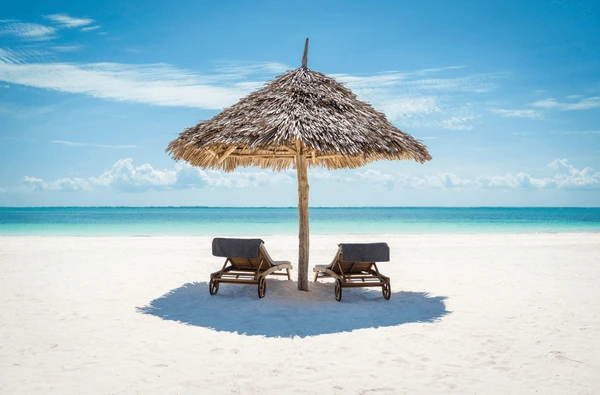
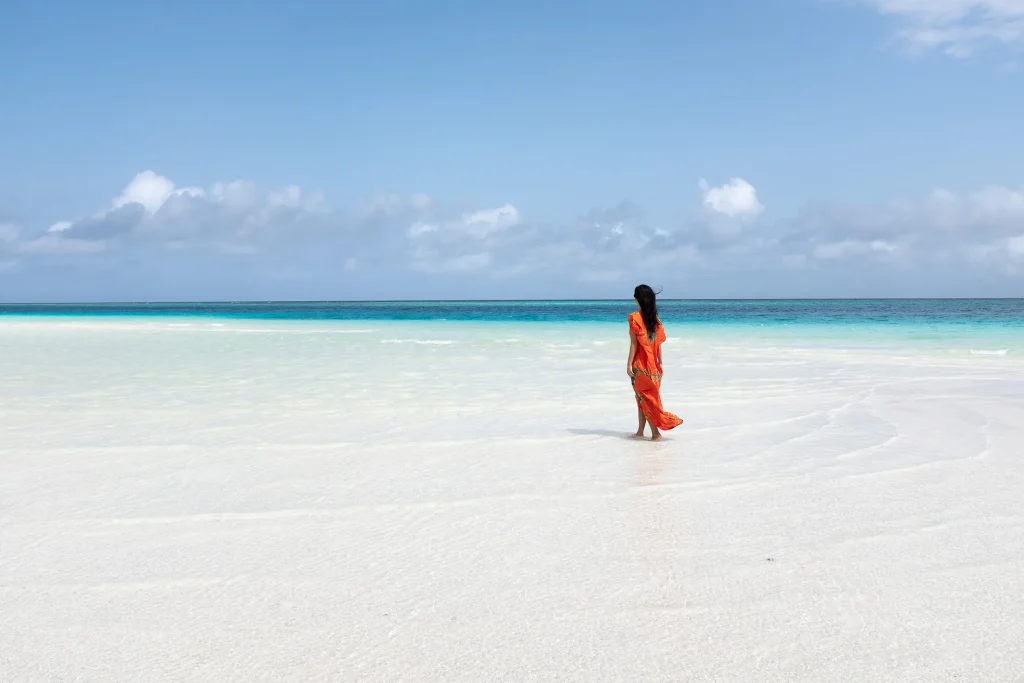
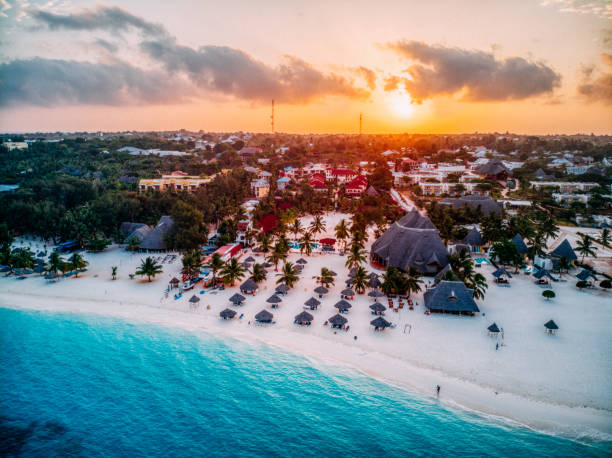
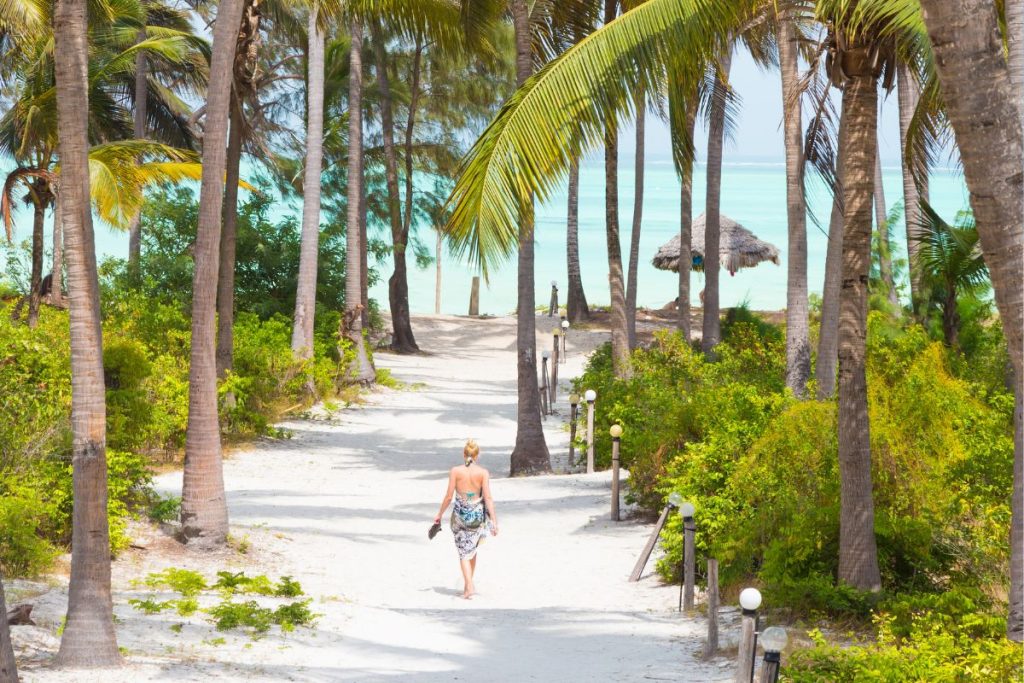
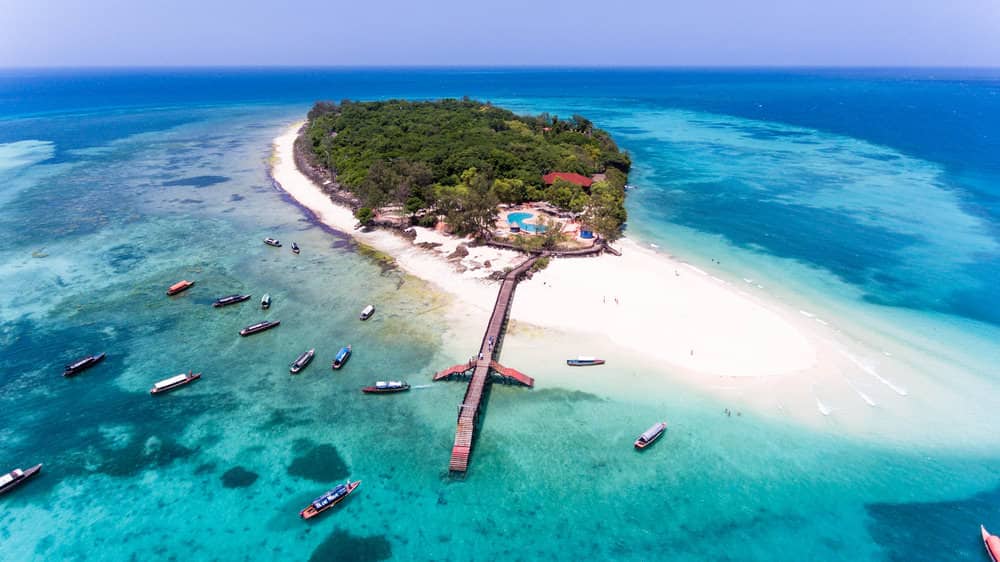
Zanzibar Island, affectionately known as Africa’s tropical paradise, is a dreamy escape renowned for its pristine white-sand beaches, swaying palm trees, and the crystal-clear turquoise waters of the Indian Ocean. This enchanting destination, often referred to as the Spice Island, is not only a haven for relaxation but also a vibrant blend of history, culture, and natural beauty.
Just 35 km (22 miles) off the coast of East-Central Africa, Zanzibar is part of the Zanzibar Archipelago and includes the main island of Unguja (commonly known as Zanzibar) and Pemba Island. In 1964, Zanzibar united with Tanganyika to form the United Republic of Tanzania. Today, it spans approximately 1,554 square kilometers (600 square miles) and is home to a population of over 1,800,000.
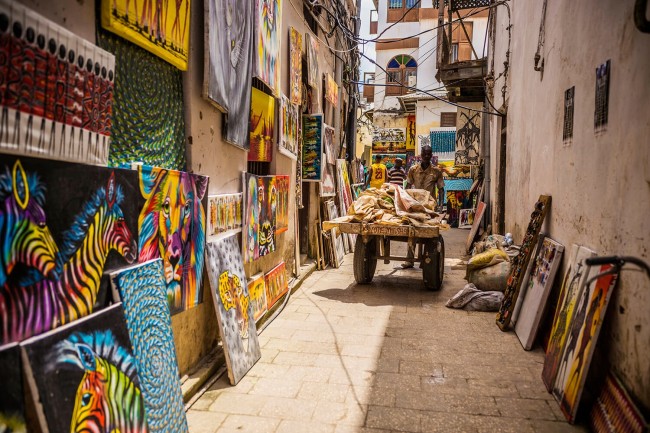
The capital, Zanzibar City, is located on Unguja and is home to the iconic Stone Town, a UNESCO World Heritage Site. This historic center is a captivating labyrinth of narrow alleys, ancient doors, and bustling bazaars that echo centuries of Swahili, Arab, Persian, and European influence.
For beach lovers and water sports enthusiasts, Zanzibar is a dream come true. Whether you’re snorkeling among vibrant coral reefs, diving with schools of colorful fish, swimming with playful dolphins, or simply soaking up the sun on soft sandy shores, the island offers endless adventures on and beneath the waves.

Zanzibar’s tropical climate is characterized by warm, humid conditions year-round, with average annual rainfall ranging between 1,500 and 2,000 mm. The island enjoys steady northeast trade winds from December to March and southeast trade winds from May to October. Expect the long rains between March and May and short rains from October to December.

No visit to Zanzibar is complete without a Spice Tour. Venture into the lush spice plantations and discover the aromatic treasures that gave the island its nickname. Smell and taste fresh cloves, vanilla, cinnamon, nutmeg, and a variety of other exotic spices that have been cherished for centuries.
Whether you’re seeking a cultural journey, a beach getaway, or an adventure in nature, Zanzibar Island promises an unforgettable experience that will leave you enchanted long after you leave.

A Brief History of Zanzibar

Zanzibar, a breathtaking archipelago off the coast of East Africa, is made up of over 50 islands, with Unguja and Pemba being the two largest. Unguja, often referred to as Zanzibar Island is the main destination for travelers and home to the historic capital, Stone Town.
Thanks to its strategic position along the Indian Ocean trade routes, Zanzibar has long been a melting pot of cultures and a focal point for global trade. The islands gained the nickname “The Spice Islands” due to their rich production and export of cloves, cinnamon, nutmeg, and other exotic spices.
Over the centuries, Zanzibar was contested by Portuguese, Omani, and British colonial powers, each leaving a lasting mark. Among them, the Omani Sultanate had perhaps the deepest cultural and religious influence. However, it was also during Omani rule that Zanzibar became a central hub in the East African slave trade.
Prison Island, just off the coast of Stone Town, was once used to detain rebellious slaves. From here, thousands of enslaved people were shipped to the Middle East and the Americas. In fact, Zanzibar was so vital to Oman’s economy that in 1832, the Sultan of Oman moved his capital from Muscat to Zanzibar.
In the early 1960s, a revolution led by African Zanzibaris overthrew the ruling Arab elite. This pivotal movement ended centuries of foreign domination. Shortly afterward, Zanzibar joined with neighboring Tanganyika, and in 1964, the two formed the United Republic of Tanzania, marking the beginning of a new chapter in the island’s rich history.
Today, Zanzibar is celebrated not just for its dreamy beaches and spice markets, but also for its resilient spirit and vibrant cultural heritage. Exploring historical landmarks like Stone Town and Prison Island offers a powerful glimpse into the island’s storied past.

HOW TO GET TO ZANZIBAR ISLAND

Reaching Zanzibar Island is both convenient and flexible, whether you prefer to fly or sail across the Indian Ocean. The island is easily accessible thanks to a range of international and regional travel options.

By Air

Zanzibar is served by Abeid Amani Karume International Airport (ZNZ), located just a short drive from the heart of Zanzibar City. As the main entry point to the island, the airport welcomes flights from major global and African cities.
You’ll find direct flights to Zanzibar from key hubs including: Nairobi, Dar es Salaam, Johannesburg, Dubai, Doha and Istanbul.

Popular Airlines Flying to Zanzibar

Zanzibar is a bucket-list destination that’s easily accessible from major cities across the globe. Whether you’re coming from Europe, the Middle East, or other parts of Africa, several top-rated airlines offer regular flights to Abeid Amani Karume International Airport (ZNZ).
Top International Airlines Flying to Zanzibar: Qatar Airways, FlyDubai, Emirates, KLM Royal Dutch Airlines, Lufthansa, Air France, Condor, Neos Air, Ethiopian Airlines
These carriers provide seamless connections from major hubs such as Doha, Dubai, Amsterdam, Frankfurt, Paris, and Addis Ababa, making it easy to reach this Indian Ocean paradise.

Booking in advance especially during the high season (June to October & December to February), can help you secure better rates and preferred flight times.
Flight times vary by origin, typically ranging from 2 to 6 hours for most international routes. Both major international carriers and regional airlines operate frequent services, making Zanzibar an easy addition to any African itinerary.

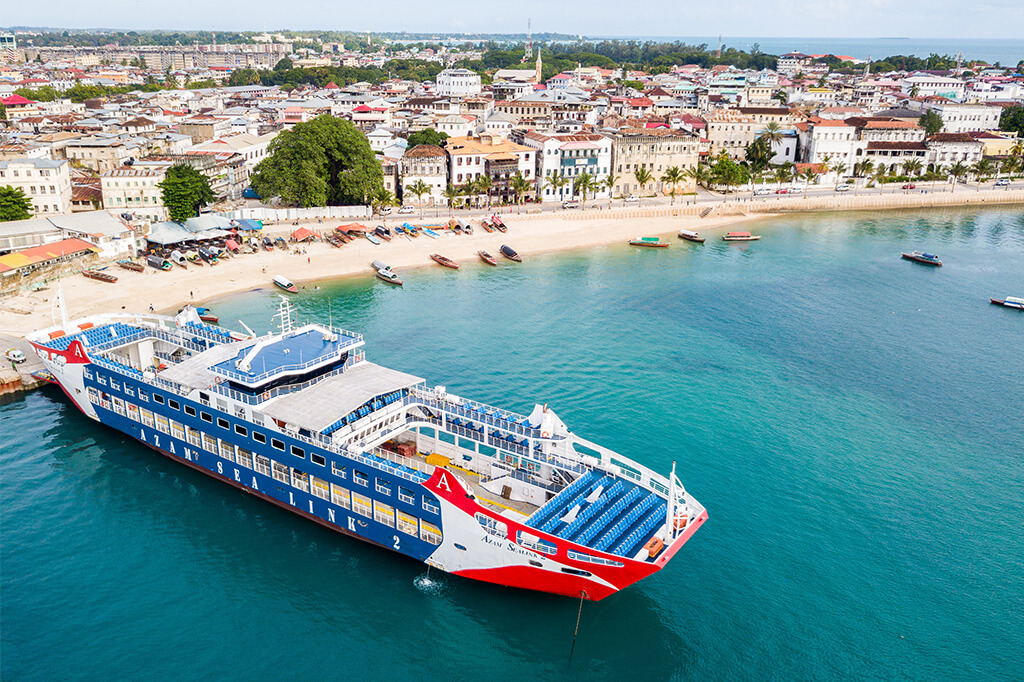
For those craving a more adventurous or romantic approach, traveling by ferry offers a memorable alternative. Daily ferries operate between Dar es Salaam and Zanzibar, covering the journey in about 2 hours. Along the way, travelers enjoy sweeping views of the Indian Ocean, a perfect introduction to island life.

Ferry from Zanzibar to Dar es Salaam: Schedule, Duration & Prices

Traveling from Zanzibar to Dar es Salaam by ferry is a popular and scenic way to journey between the spice island and Tanzania’s mainland. Leading ferry operators such as Zan Fast Ferries, Azam Marine, and Kilimanjaro Fast Ferries offer regular crossings throughout the week.

Ferry Schedule & Departure Times

Ferries typically depart from Zanzibar Stone Town Ferry Terminal starting from 07:00 AM, with the final sailing of the day leaving at 4:30 PM. Departure times can change depending on the season, so it’s best to check updated schedules via a trusted ferry deal finder or booking platform.

Duration of the Ferry Trip

The Zanzibar to Dar es Salaam ferry crossing takes approximately 1 hour and 20 minutes, although this may vary slightly depending on the ferry operator and sea conditions.

Weekly Sailings & Frequency

There are around 27 ferry departures weekly, mostly operated by Zan Fast Ferries, ensuring flexible travel options for both tourists and locals.

Only Zan Fast Ferries operates over 25 weekly ferry departures connecting Zanzibar to Dar es Salaam!, this ensures seamless travel between these iconic Tanzanian destinations year-round

Ferry Ticket Prices (One-Way)

There are around 27 ferry departures weekly, mostly operated by Zan Fast Ferries, ensuring flexible travel options for both tourists and locals.
Class Foreigners East Africans Residents
ECO
$35 (adult), $30 (child)
$30
$14 (adult), $10 (child)
VIP
$60
$60
$28
ROYAL
$100
$100
$44

GETTING AROUND IN ZANZIBAR

Exploring Zanzibar Island is part of the adventure, but when it comes to transportation, convenience and comfort can make all the difference. While immersing yourself in local culture is always encouraged, navigating Zanzibar’s transport system can be a bit challenging if you’re not prepared.

Taxis

Taxis are the most reliable and stress-free way to move around the island. A typical fare costs around $20 for an hour’s drive, depending on the distance and negotiation.
To ensure safety and transparency:
Always choose registered taxis.
For added peace of mind, ask your hotel or lodge to arrange a trusted driver for your excursions.
Some drivers offer day-rate packages, which can be cost-effective for island tours.

Car Hire

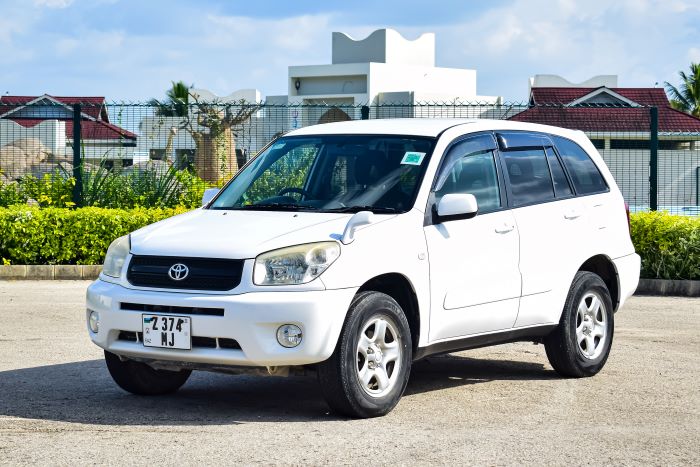
While renting a car might sound like the perfect way to explore at your own pace, it’s not always the most practical choice. Zanzibar’s narrow roads, minimal signage, traffic congestion, and the occasional wandering livestock can turn your road trip into a stressful journey.
Plus, with the island being relatively small, many travelers find that hiring a driver or using taxis is far more efficient and enjoyable.

Dala Dalas

For the budget-conscious traveler, dala dalas (local minibuses or converted pickup trucks) are the go-to public transport. They’re cheap and widely used by locals, but they’re also unpredictable.
There are no formal schedules or stops, and vehicles can be overcrowded.
Routes may be confusing for visitors, especially first-timers.
If you’re feeling adventurous, ask your accommodation or agency for the latest info on routes and stops.
For hassle-free travel, most visitors prefer taxis or private transfers arranged through their hotel or agency especially when heading to popular areas like Stone Town, Nungwi, or Paje.

WHAT TO WEAR IN ZANZIBAR

When visiting Zanzibar Island, it’s important to dress respectfully while staying comfortable in the tropical climate. With a predominantly Muslim population, Zanzibar observes modest dress codes, especially in public areas like Stone Town, rural villages, and religious sites.

Dress Modestly in Towns and Villages

While beachwear like bikinis, shorts, and tank tops are perfectly acceptable on the beach and at resorts, visitors are encouraged to dress more conservatively when exploring local communities. To show respect for local customs:
Wear clothing that covers your shoulders and extends below the knees.
Avoid tight or revealing outfits in public settings.
A light shawl, sarong, or scarf can be handy for covering up when needed.

Stay Cool & Comfortable

Zanzibar’s weather is hot and humid year-round, so it’s best to pack lightweight, breathable, and light-colored clothing. These help protect your skin from the intense sun while keeping you cool.
Choose cotton or linen fabrics for maximum comfort.
Pack a wide-brimmed hat, sunglasses, and sunscreen to shield yourself from UV rays.
If you’re out sightseeing all day, carry a small daypack with a sarong or wrap. This makes it easy to cover up quickly when entering mosques, historic sites, or local markets.

HOW LONG SHOULD YOU STAY IN Zanzibar

Wondering how many days to spend in Zanzibar? While a quick beach escape is always tempting, a 7-10 day stay is ideal for soaking up both the sun-drenched coastline and the island’s rich cultural and natural treasures. That said, the perfect length really depends on the kind of holiday you’re dreaming of.
The Zanzibar Archipelago includes two main islands, Unguja (often referred to simply as Zanzibar) and Pemba, plus a cluster of idyllic islets. Unguja alone stretches approximately 85 km long and 39 km wide, offering far more than just stunning beaches.

If You’re Just Here to Relax...

For those seeking pure relaxation, 3 to 4 days at a beachfront resort is enough to unwind, swim in turquoise waters, and enjoy leisurely meals under the palms.

For Explorers and Culture Seekers...

If you’re keen to experience Zanzibar’s unique culture, lush spice plantations, and marine wonders, consider spending 7 to 10 days. This allows you to mix activities like:

  • Spice tours and Swahili cooking classes
  • Island-hopping and eco-tours
  • Scuba diving in coral reefs and marine parks
  • Visiting Jozani Forest to see red colobus monkeys
  • Exploring Prison Island and its giant tortoises
  • Don’t Miss Stone Town

No trip is complete without at least two days in Stone Town, a UNESCO World Heritage Site filled with historic forts, palaces, vibrant markets, and Swahili-Arabic architecture that tells the story of centuries past.
To make the most of your stay, consider combining cultural excursions, relaxing beach time, and ocean adventures for a truly unforgettable Zanzibar experience.

IS ZANZIBAR SAFE TO VISIT?

One of the most frequently asked questions by prospective visitors is: “Is Zanzibar safe for travel?” The simple answer is yes, Zanzibar is one of the safest travel destinations in Africa and a favorite among international tourists, including solo female travelers.

Part of Tanzania, which is ranked as the most peaceful country in East Africa, Zanzibar welcomes over 1.2 million tourists annually from around the world, including the UK, France, Germany, Italy, and the UAE. The island is known for its friendly, laid-back locals, and because tourism is vital to the local economy, ensuring a safe and positive visitor experience is a top priority.

Dealing with Beach Vendors

In popular beach destinations like Nungwi and Kendwa, you might encounter “beach boys” persistent vendors offering tours or souvenirs.

While they’re not dangerous, they can be a bit overwhelming. The best approach? Politely but firmly decline, and avoid engaging.

If their behavior becomes bothersome, notify your hotel or tour operator, they’ll assist immediately. On private beaches and within resorts, you won’t face these issues at all.

Safety Tips for Travelers

While Zanzibar is safe overall, it’s still smart to take standard travel precautions:
Avoid carrying flashy jewellery or valuables, especially in busy areas like Stone Town.
Use hotel safes to store passports and important items.
Be mindful of pickpockets in crowded spots.
Always get safety recommendations from your hotel or local guide.
Walking alone in Stone Town at night is not advised. Instead, book a registered local taxi or trusted guide if you need to move around after dark.
Zanzibar is safe and welcoming, offering a relaxed and enjoyable experience for all travelers. Just like any destination, exercising basic caution will go a long way in ensuring a smooth, worry-free holiday.

ZANZIBAR WEATHER GUIDE

If you’re dreaming of turquoise waters, soft white-sand beaches, and tropical sunshine, timing your visit to Zanzibar is key. This island getaway enjoys warm, tropical weather year-round, but knowing the rainy seasons can make or break your beach holiday.

When NOT to Go: March to May (Long Rainy Season)

The worst time to visit Zanzibar is between March and May, which marks the long rainy season. While temperatures remain warm, frequent afternoon downpours are common and can put a damper on your beach plans. Expect humidity, muddy roads, and limited outdoor excursions, so it’s generally best to avoid this period.

For those craving a more adventurous or romantic approach, traveling by ferry offers a memorable alternative. Daily ferries operate between Dar es Salaam and Zanzibar, covering the journey in about 2 hours. Along the way, travelers enjoy sweeping views of the Indian Ocean, a perfect introduction to island life.

From November to early December, Zanzibar experiences the short rains, but showers are usually light and brief, rarely enough to ruin your holiday. These months also lead into a hotter, sunnier stretch from December through February, making it a great time for warm-weather travelers.

Temperature Range: 25°C – 35°C (77°F – 95°F)
Hottest Months: December – March
Coolest Months: May – August
Long Rains: Late March – May (peak in April)
Short Rains: Mid-October – Early December
Zanzibar is a tropical paradise with great weather most of the year. Just avoid the heavy rains from March to May, and you’re likely to have a beautiful island escape. 

ZANZIBAR VISA REQUIREMENTS

Planning your trip to paradise? Whether you’re heading straight to Zanzibar or combining it with a Tanzania mainland safari, understanding the visa requirements is essential for a smooth entry.
Do You Need a Visa to Visit Zanzibar?
Yes, most nationalities require a visa to enter Tanzania, which also covers the Zanzibar Archipelago. The good news is that the process is simple and traveler-friendly.

Tanzania E-Visa (Recommended)

Most travelers can apply for a Tanzania tourist visa online via the official e-Visa portal.
Apply at least 10 business days before travel.

You’ll receive an email confirmation and visa approval, which you’ll present upon arrival.

Visa on Arrival

Forgot to apply online? No worries. You can still get a visa on arrival at major international airports and border crossings.
Cost: Usually $50 USD (cash only), though U.S. citizens pay $100 for a multiple-entry visa.
Have cash ready, preferably in USD, and ensure your bills are clean and crisp (older or damaged notes may not be accepted).

Important Travel Tips

One Visa Covers All: Zanzibar is a semi-autonomous region of Tanzania, but no separate visa is required if you’re already entering Tanzania.
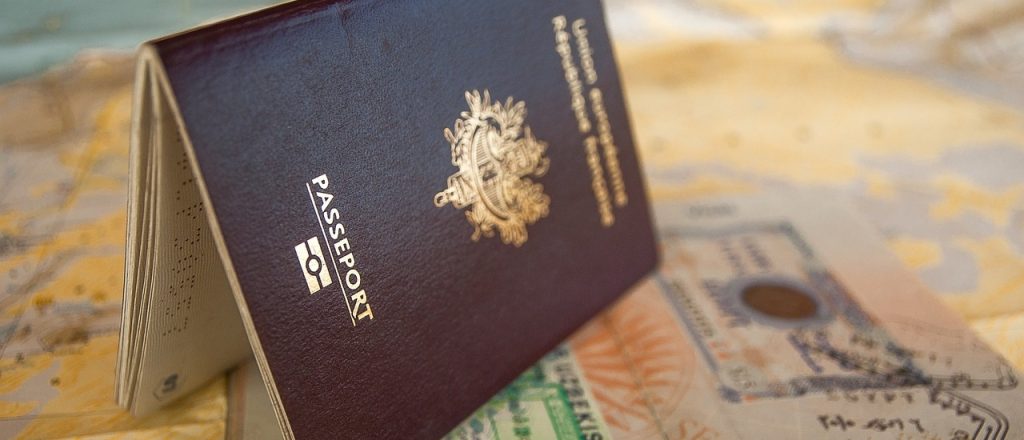
Passport Validity: Your passport must be valid for at least 6 months from your date of entry.
Stay Updated: Visa policies can change, so always double-check the latest info via the Tanzania Immigration website before traveling.
With your visa sorted, you’re one step closer to enjoying sun-kissed beaches, spice-scented markets, and vibrant Swahili culture.

WHERE TO STAY & WHAT TO EAT

The Northern Circuit Route is renowned for being the longest and most remote path to the summit of Mount Kilimanjaro. Its extended itinerary offers a challenging yet rewarding trekking experience, making it a favorite among climbers seeking both adventure and acclimatization benefits.

Where to Stay in Zanzibar

Luxurious Beach Resorts

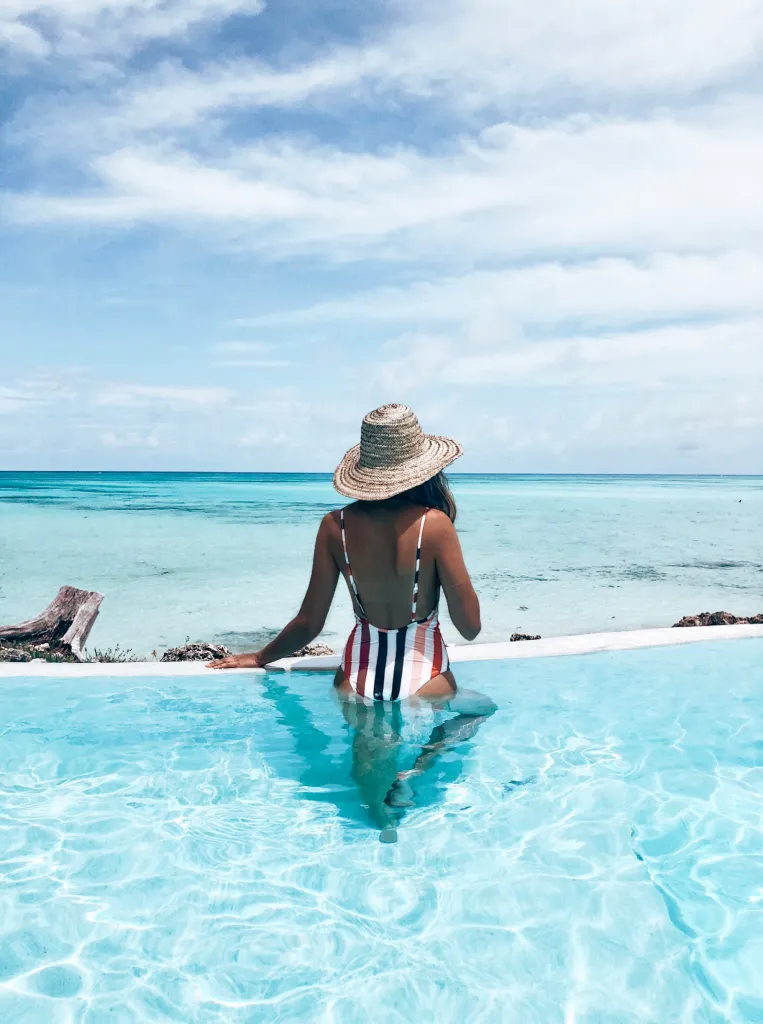
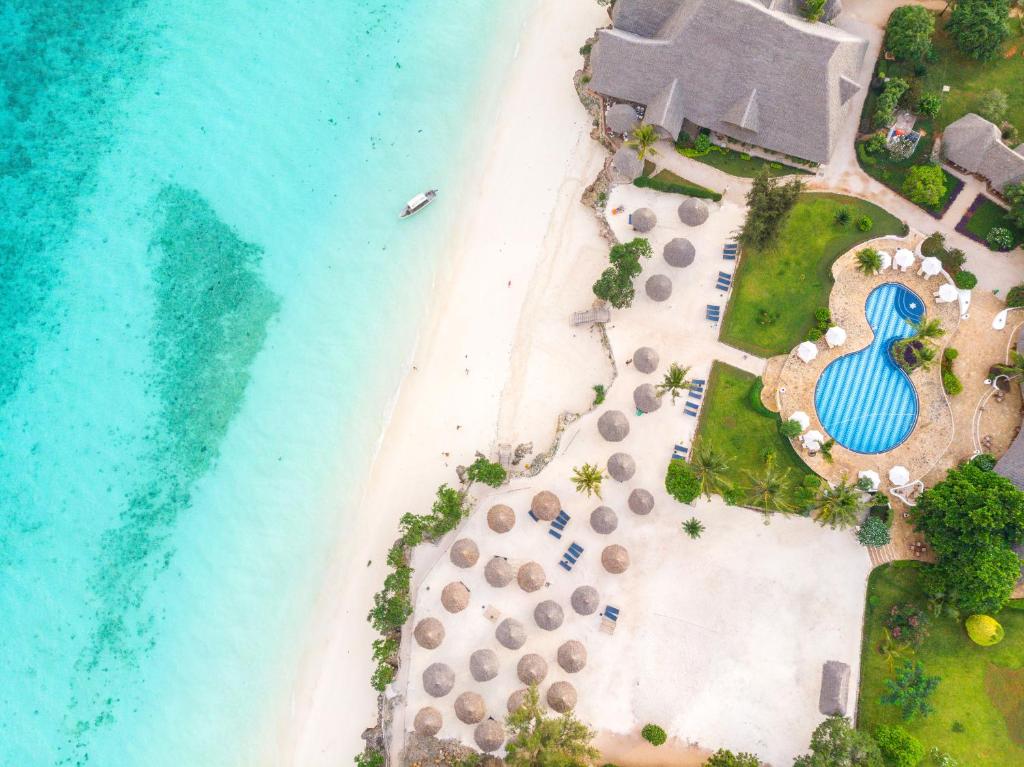
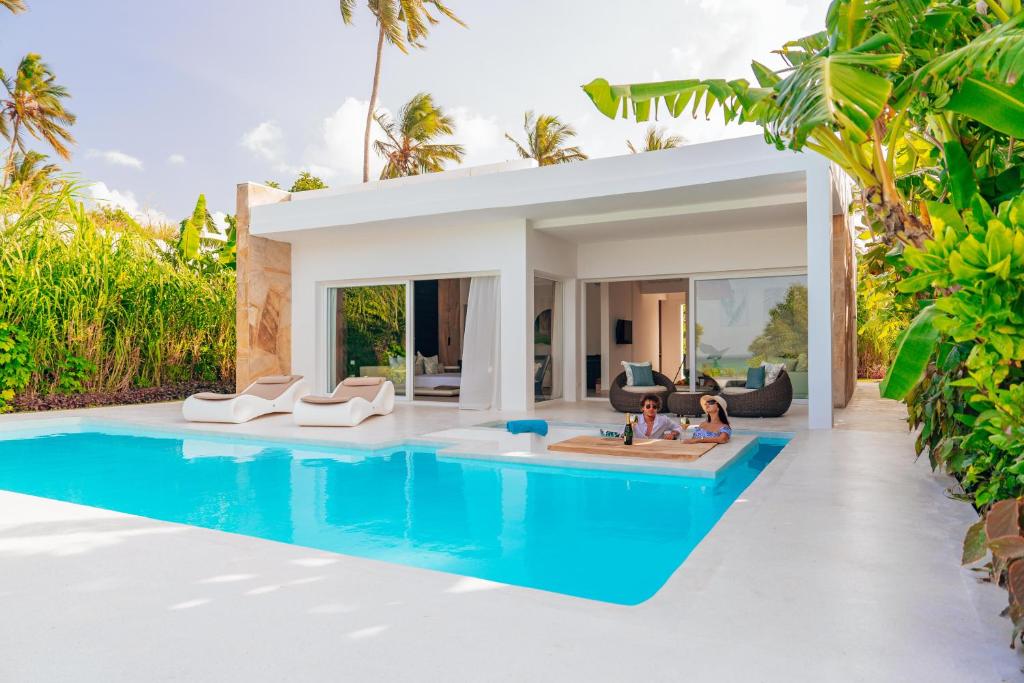
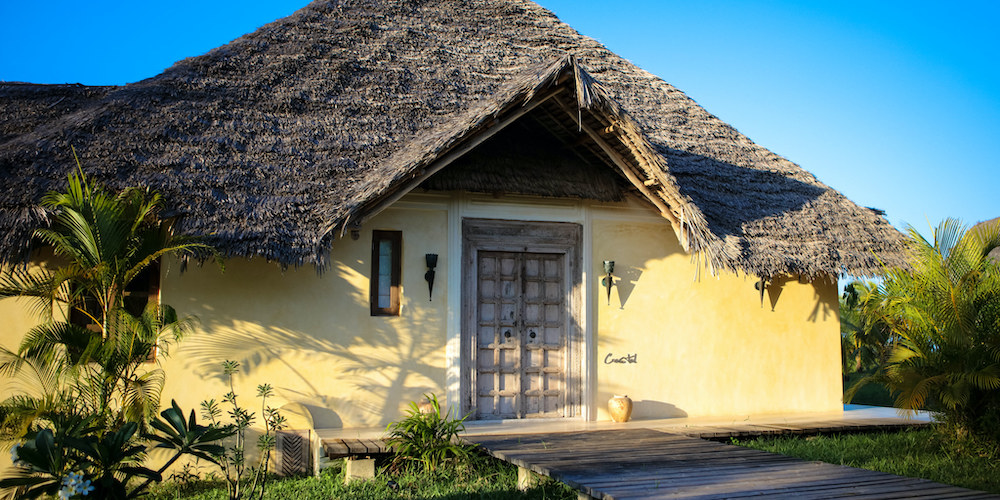
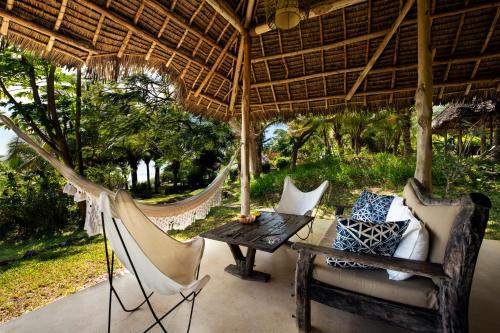
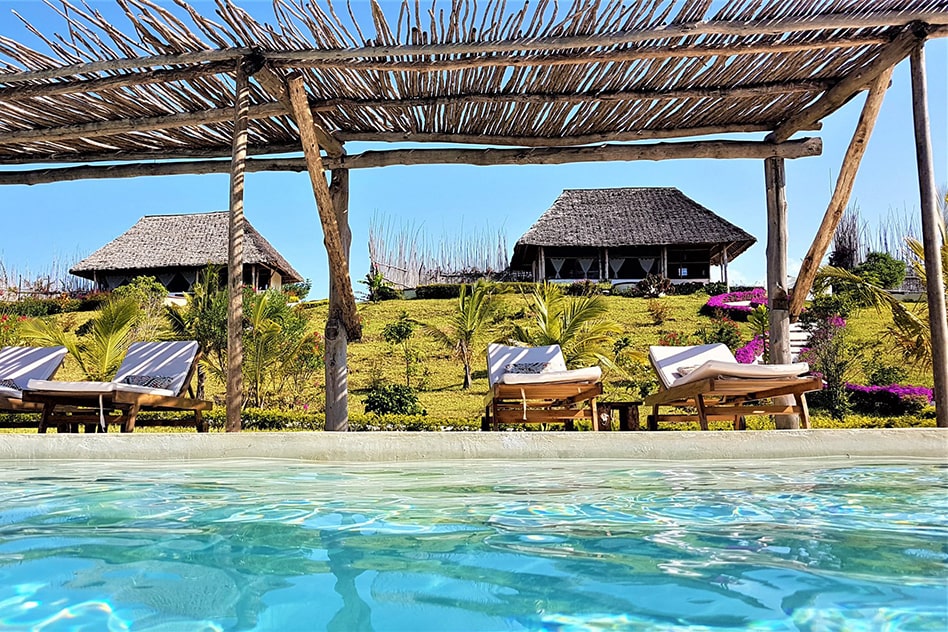
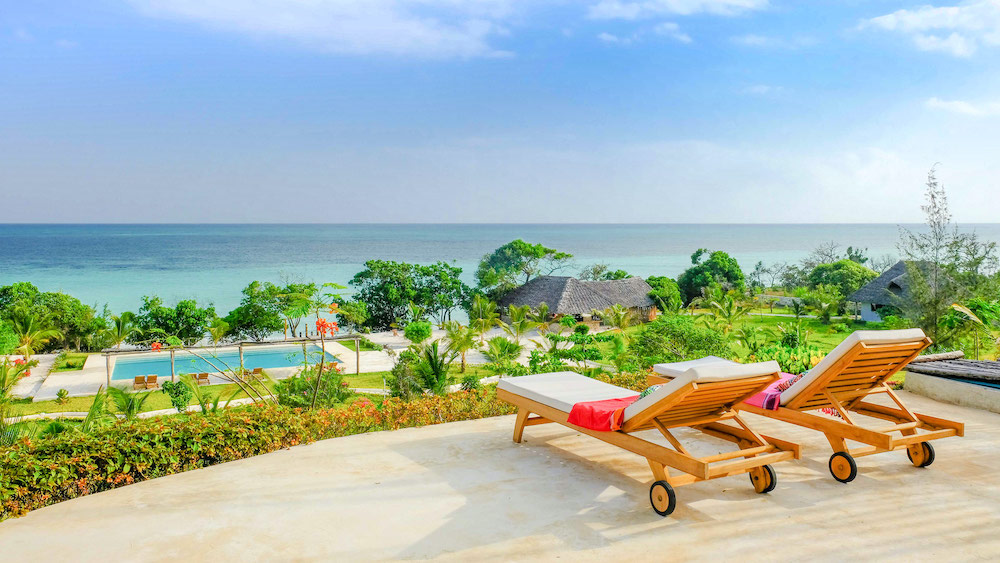
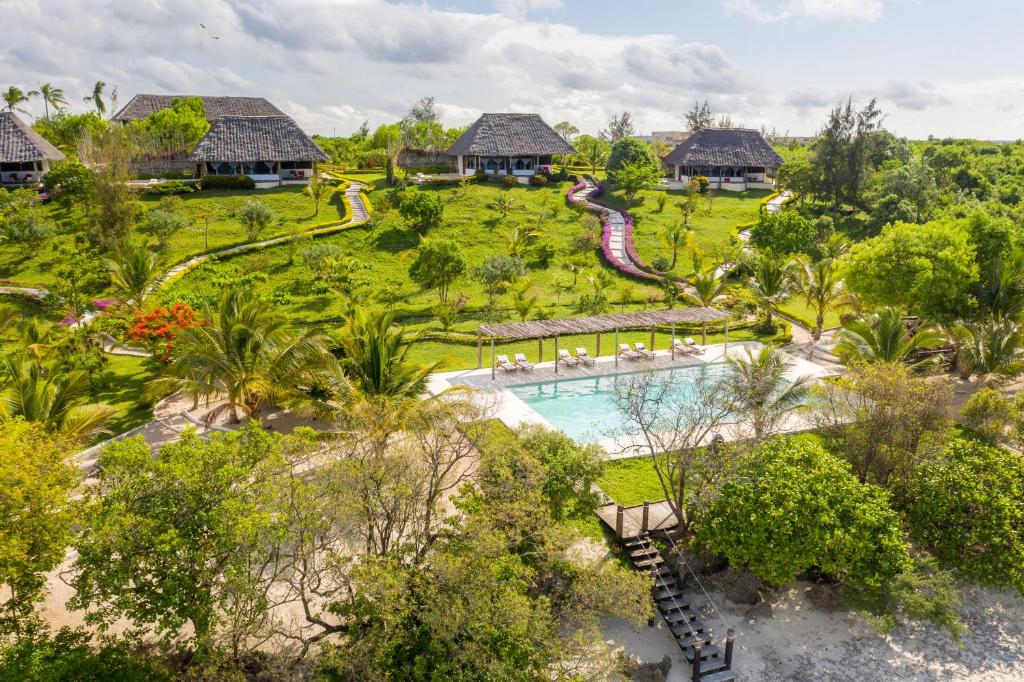
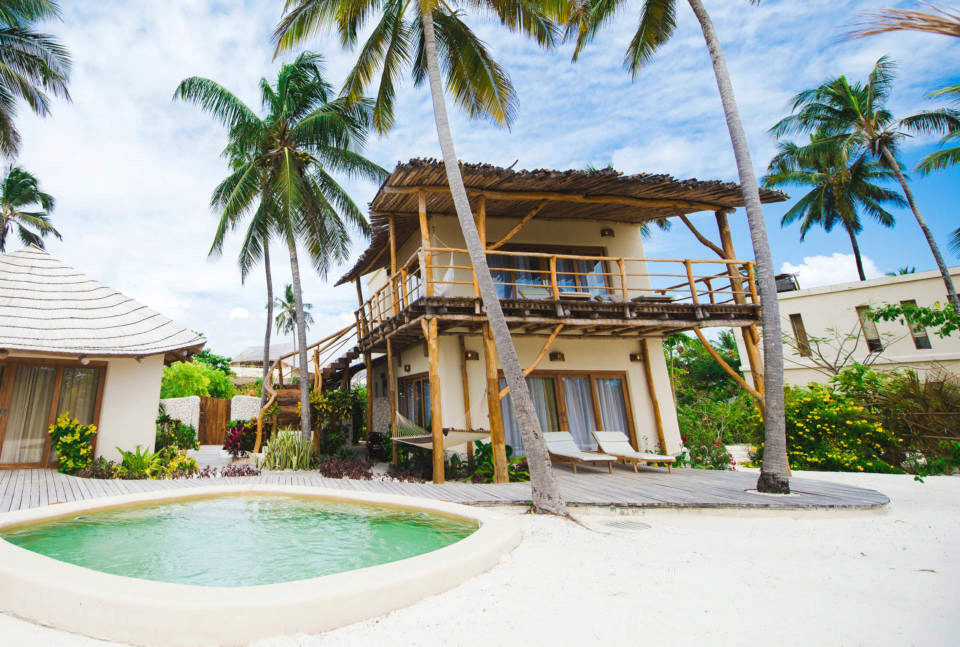
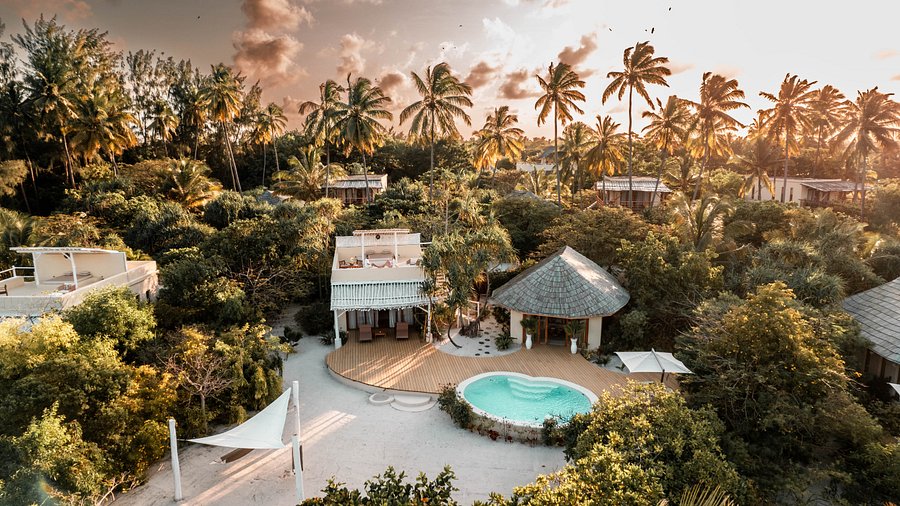
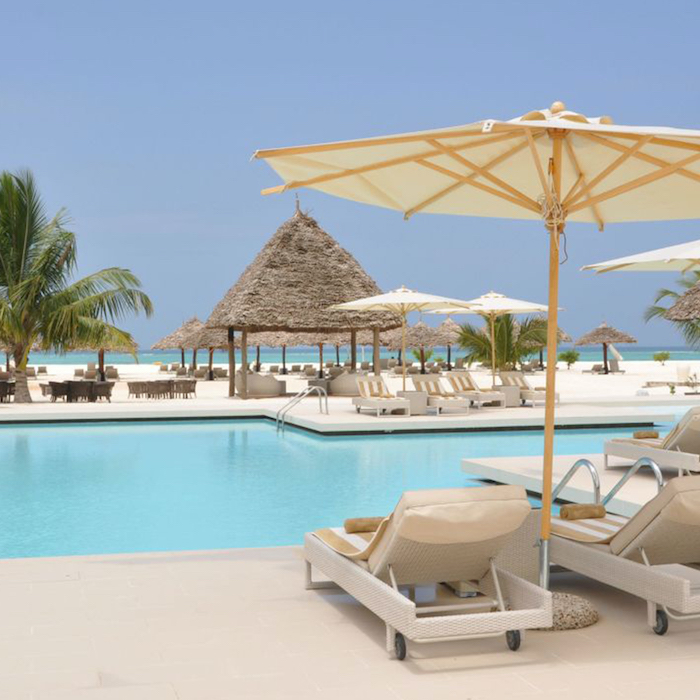
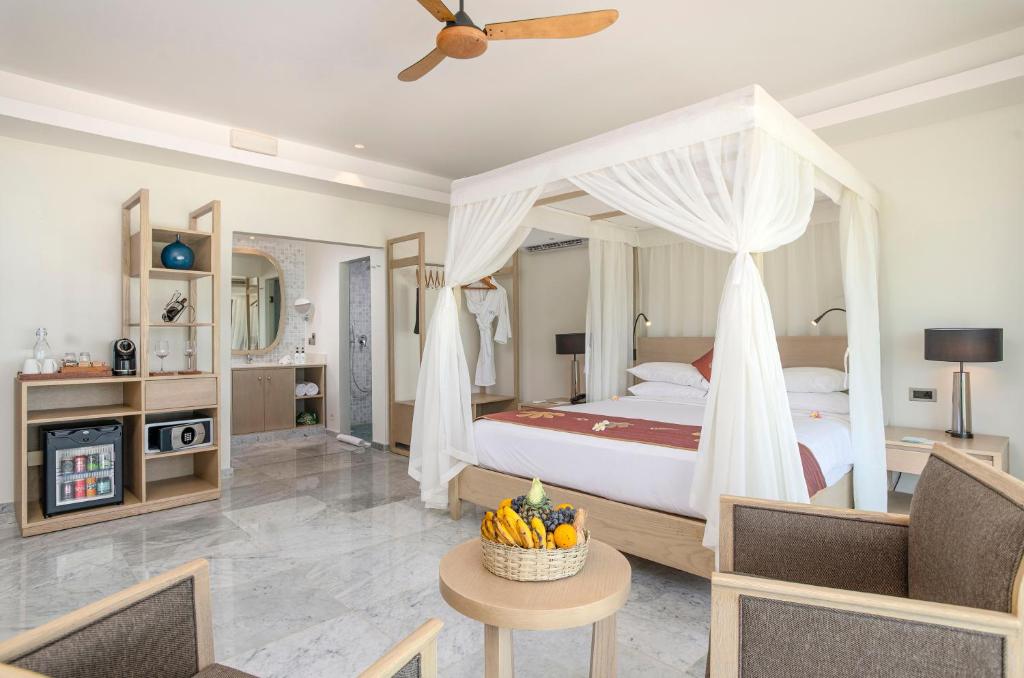
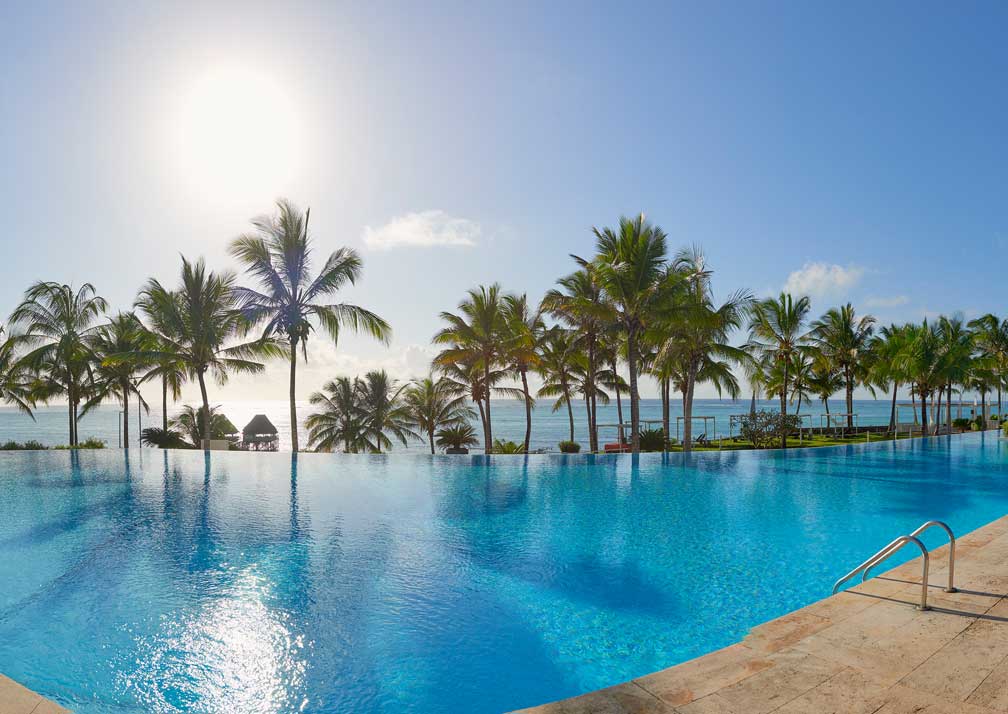
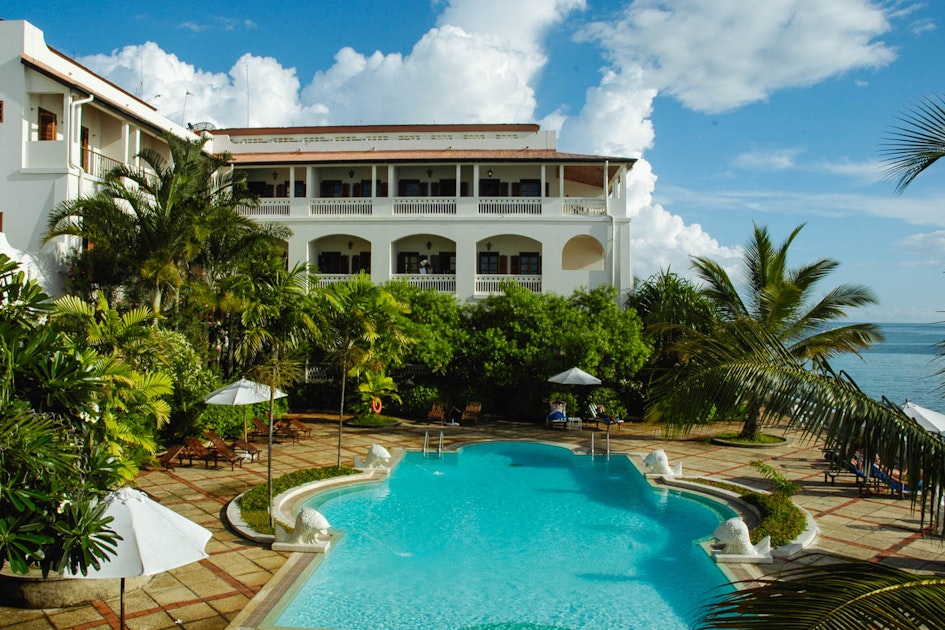
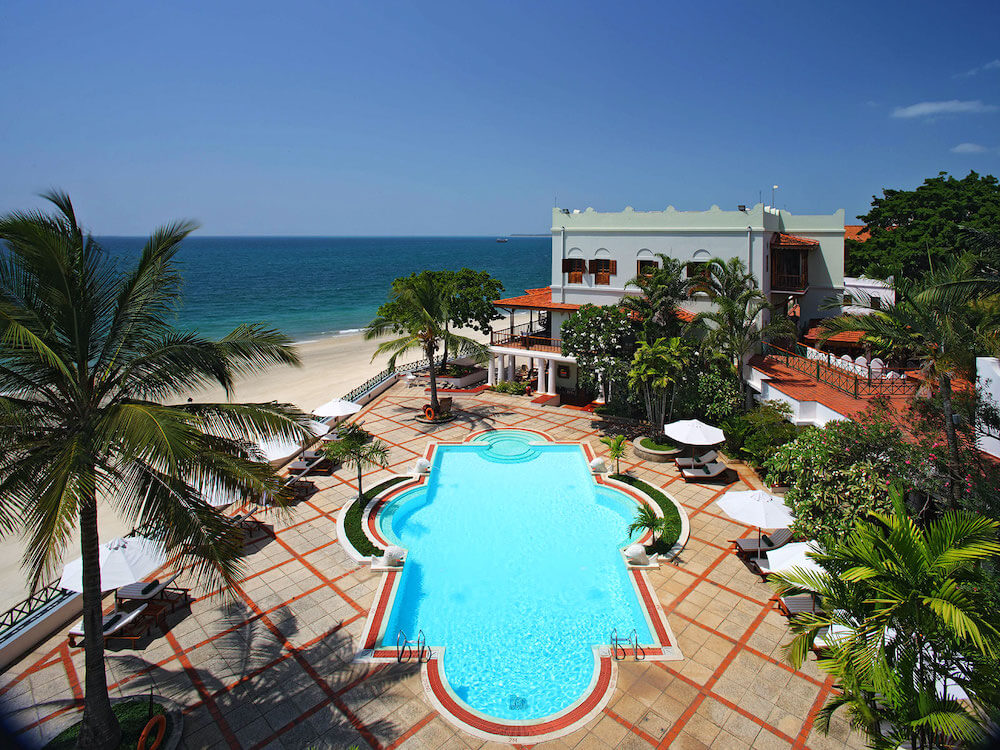
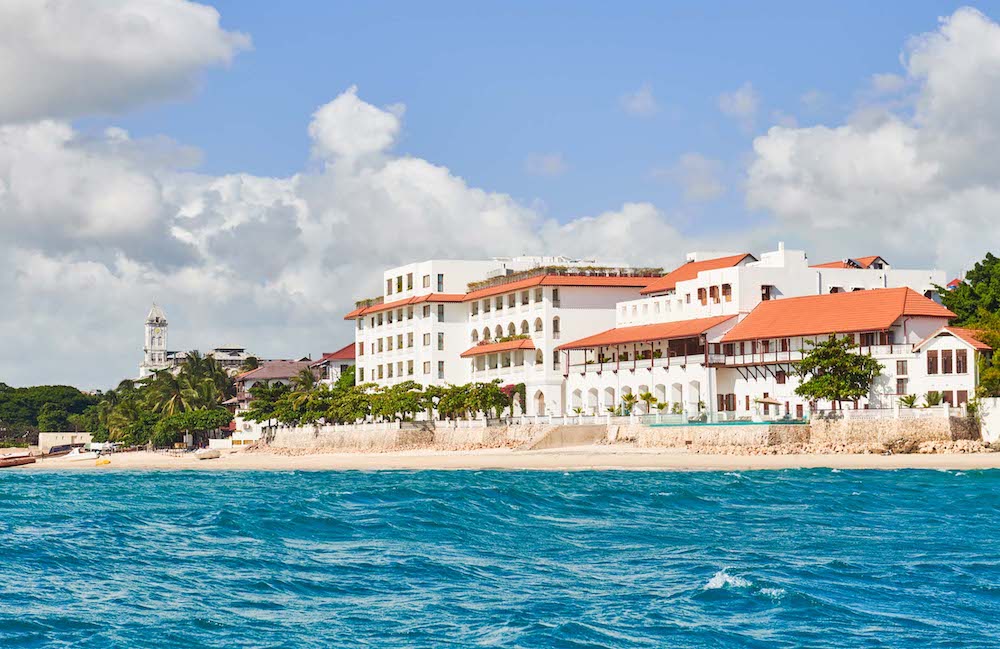
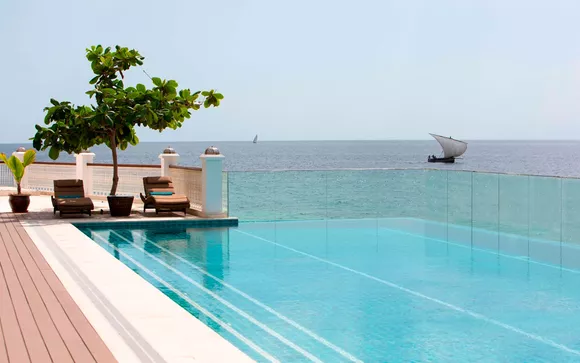
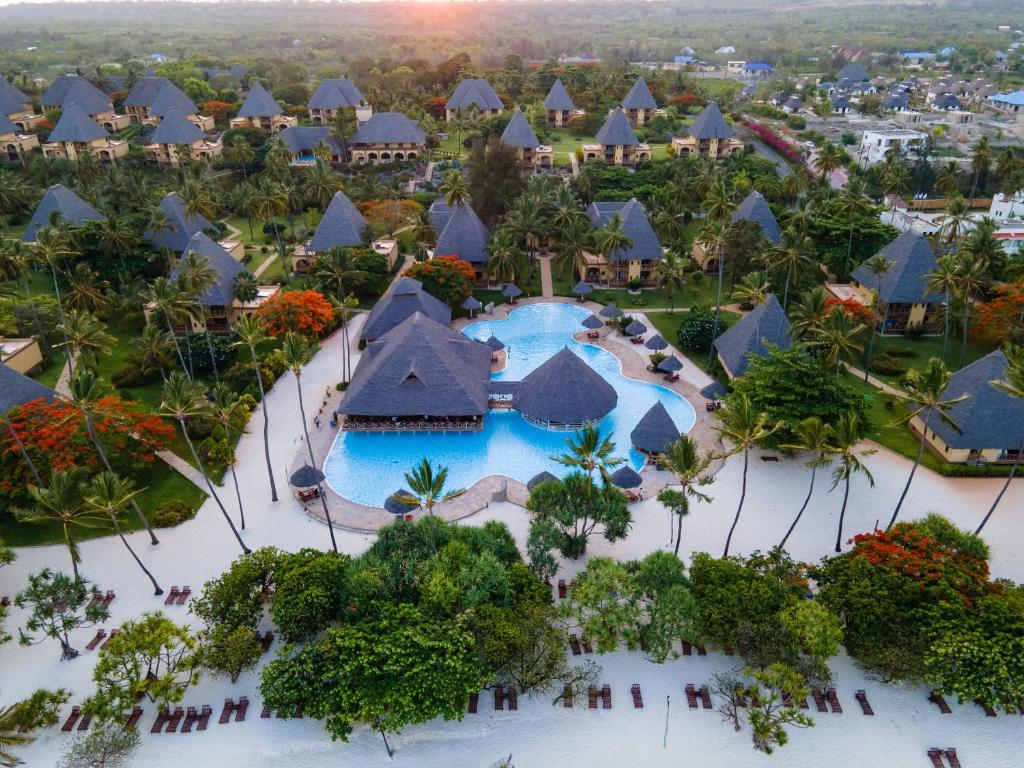
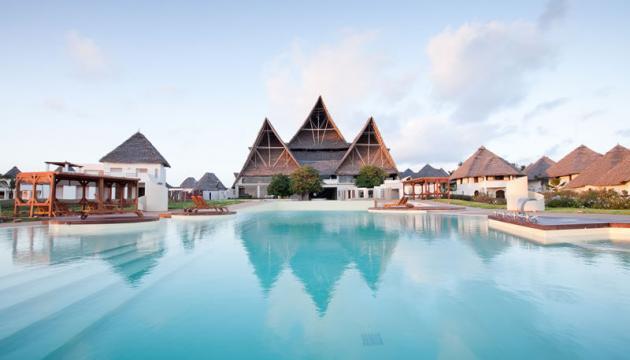
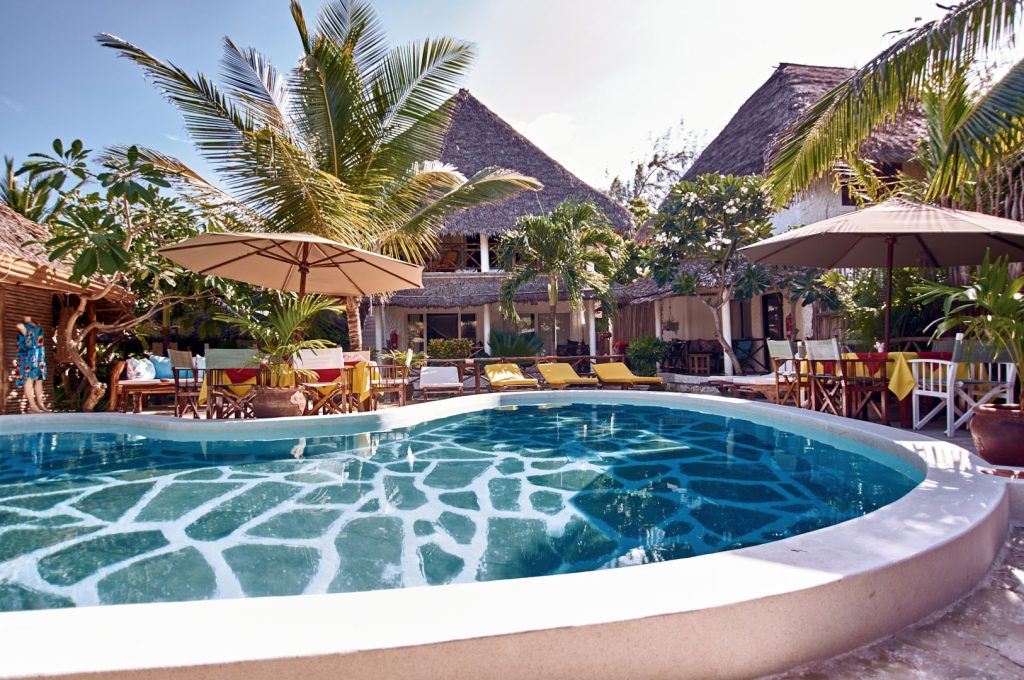
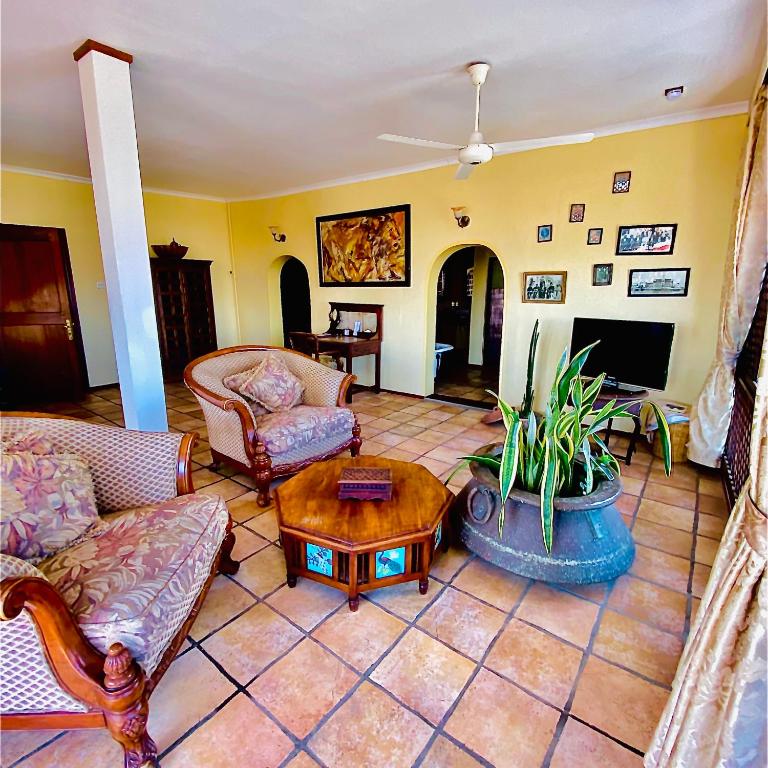
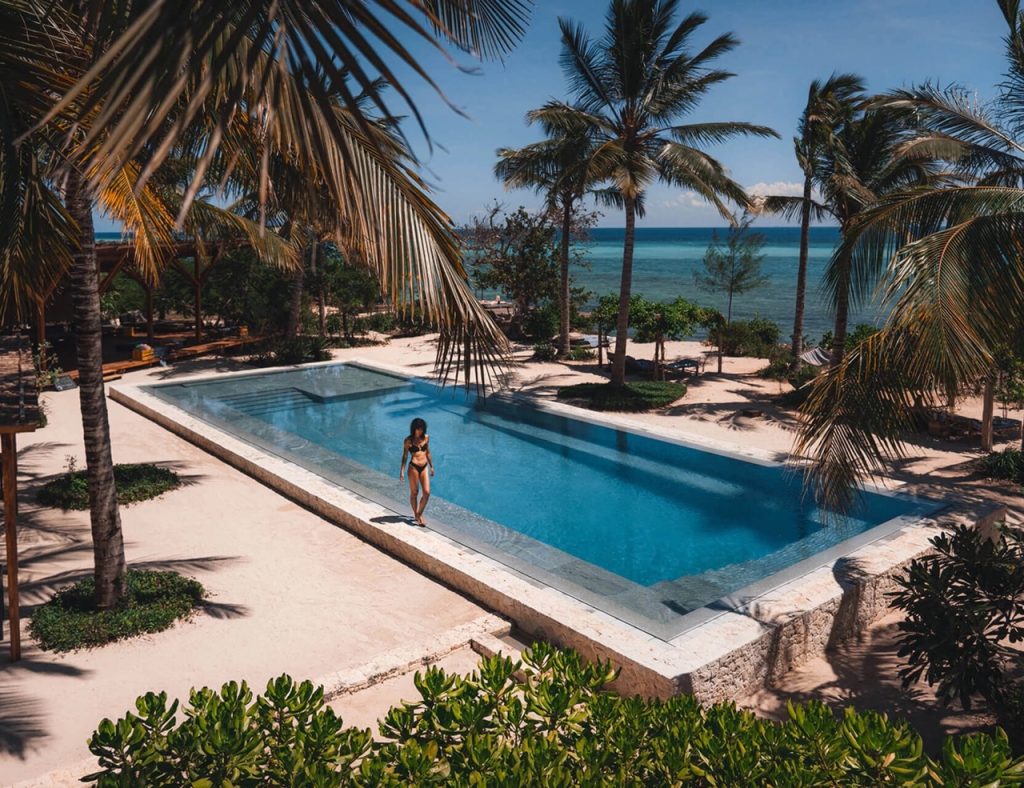
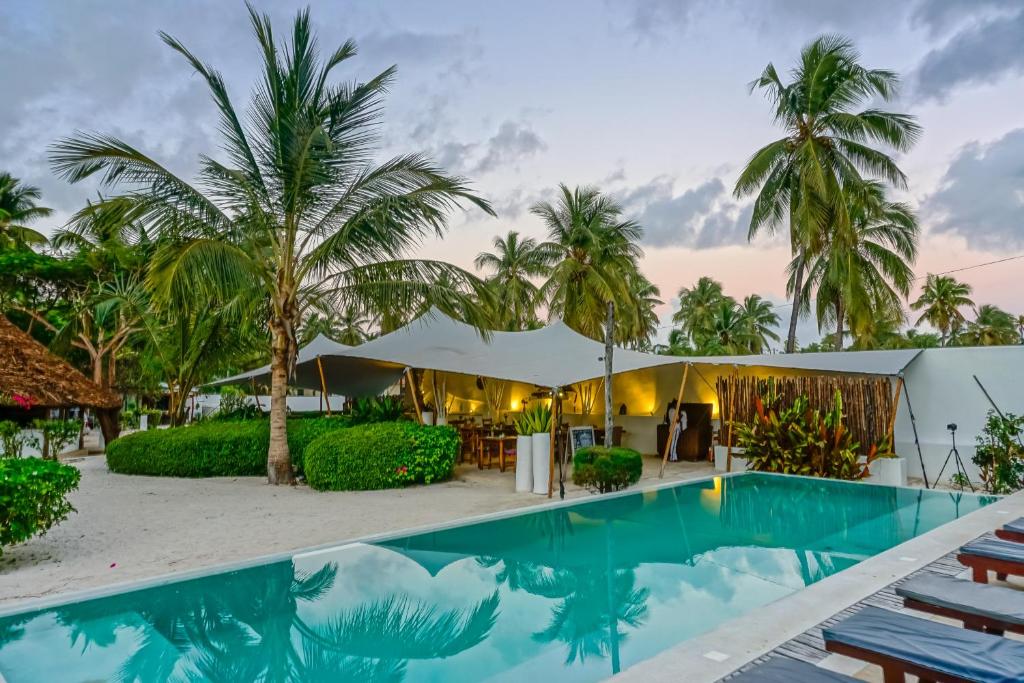
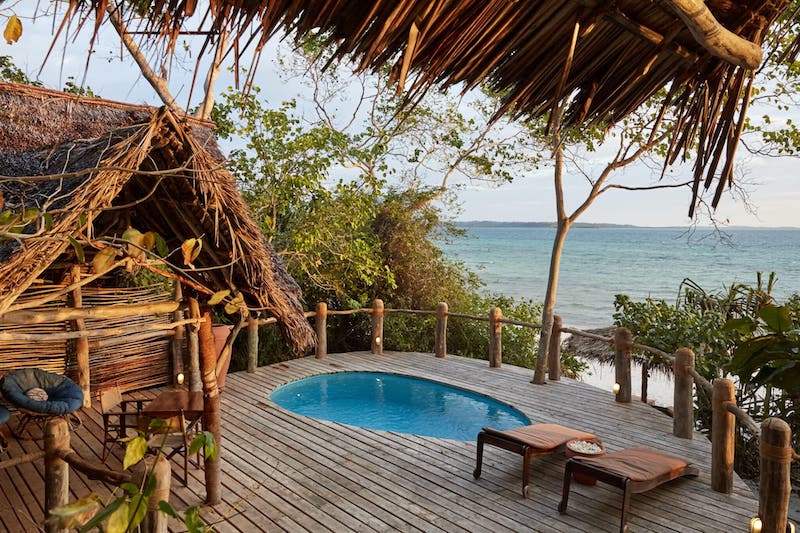
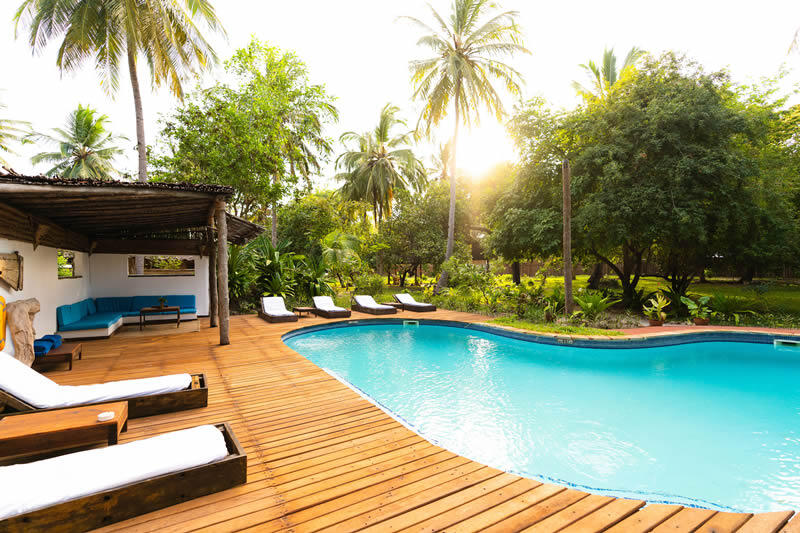
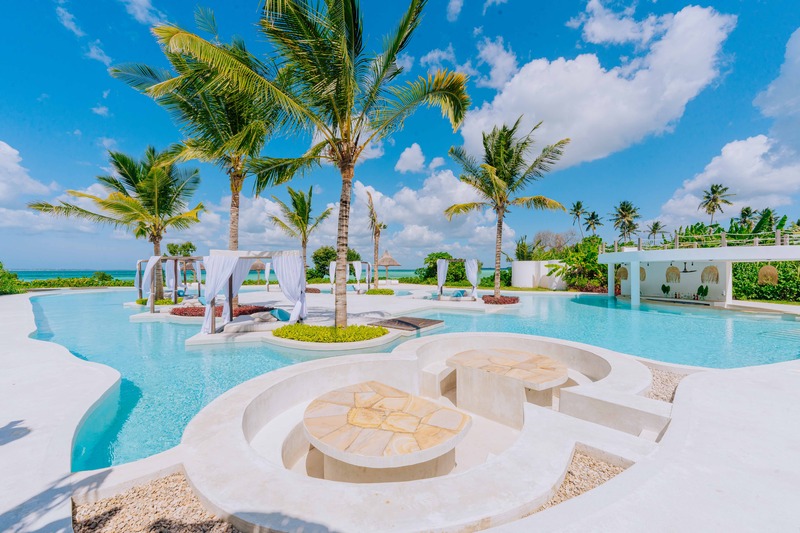
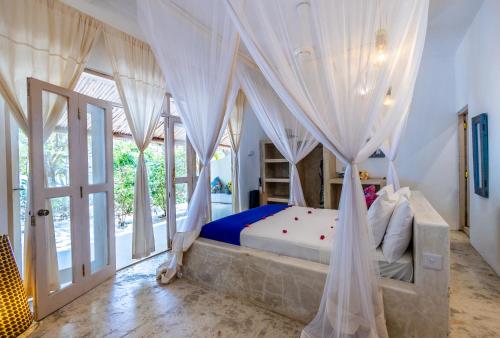
Indulge in five-star comfort at Zanzibar’s premier beach resorts, complete with private beaches, infinity pools, spa services, and exquisite ocean views. These resorts offer the ultimate island experience, perfect for honeymoons, romantic getaways, and luxury seekers.

Here are some of the luxury hotel in Zanzibar

Qambani Zanzibar: South Coast - Michamvi, Zanzibar

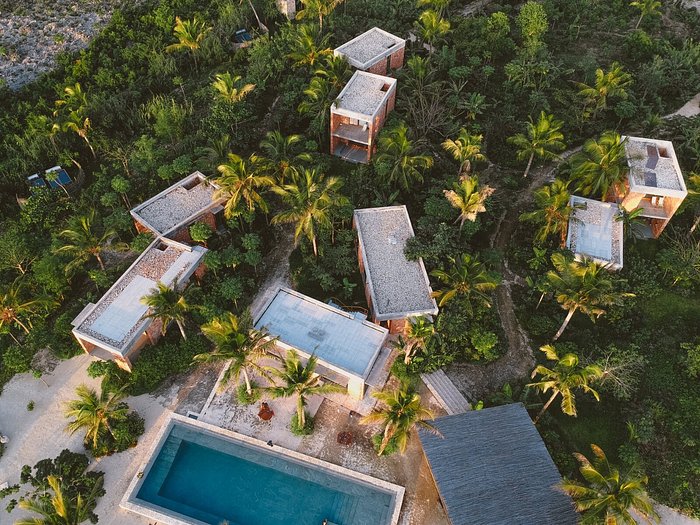
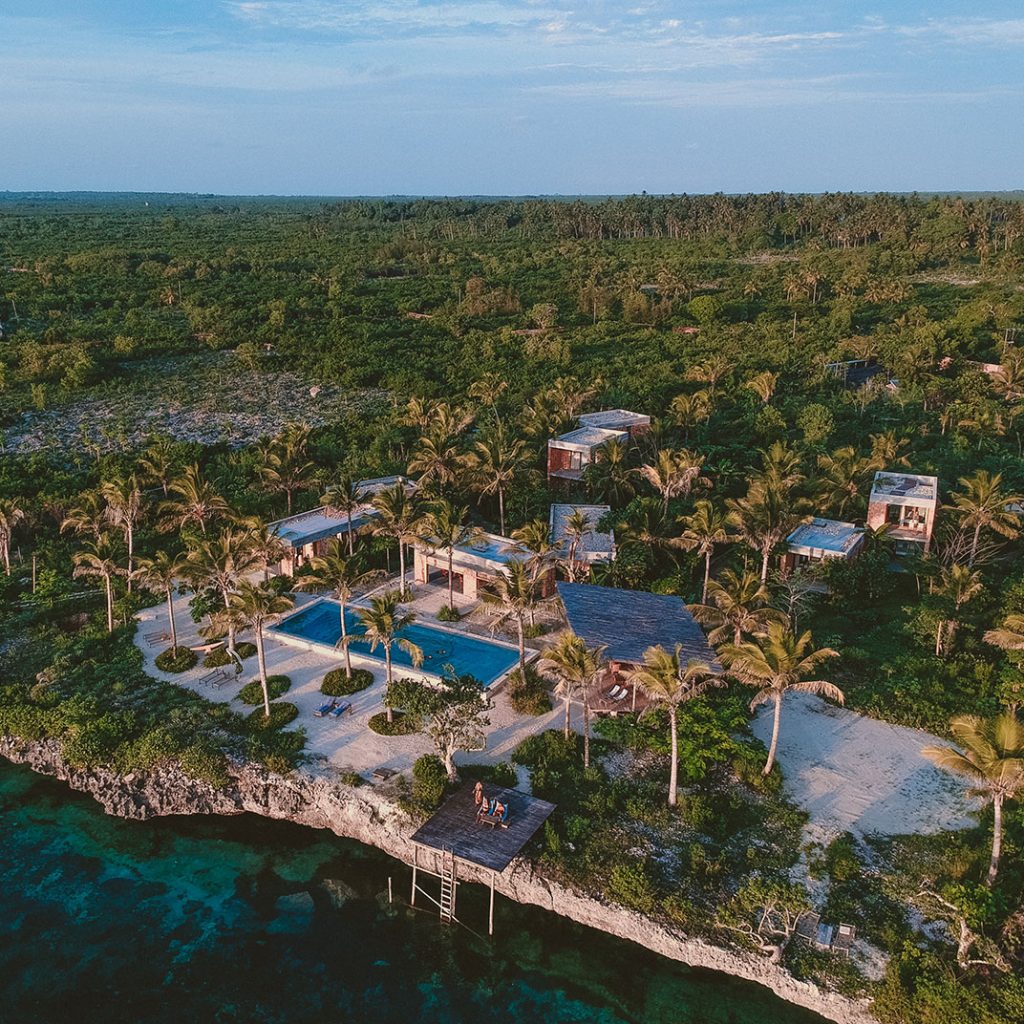
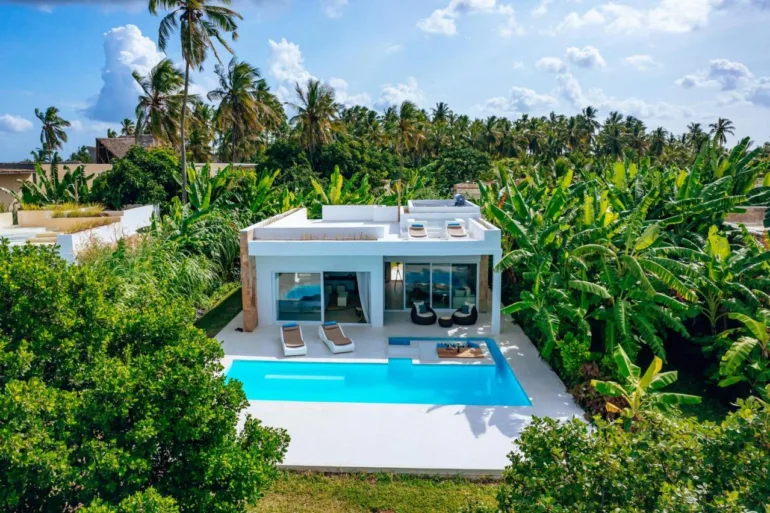
A design lover’s dream, this avant-garde sanctuary boasts seven sleek villa suites with sprawling living spaces and two shimmering pools. Set against a backdrop of lush gardens and ocean whispers, Qambani is where modern elegance dances with untouched natural beauty.

With only four cliffside villas, each crowned by a private plunge pool and panoramic Indian Ocean vistas, Jua crafts intimacy into an art form. Tailored for romance, this hideaway delivers whispered luxury, think moonlit dinners and sunrise yoga on your secluded terrace.

Stride barefoot across powder-soft sands to this chic haven, perfect for couples or groups. Blending minimalist style with lavish comforts, White Sand’s villas offer direct beach access, making it a gateway to kite-surfing adventures or lazy hammock days.

Seven beachfront villas. Total seclusion. This bijou lodge redefines barefoot glamour, offering personalized butler service and candlelit feasts under swaying palms. Ideal for travelers craving exclusivity without sacrificing Zanzibar’s raw, coastal charm.

Perched on a cliff with heart-stopping ocean views, Zanzibar’s newest gem features 12 airy villas designed for uninterrupted bliss. Part of the esteemed Zanzibar Collection, Zawadi marries contemporary flair with Swahili tradition, a sanctuary for the discerning traveler.

Perched on a cliff with heart-stopping ocean views, Zanzibar’s newest gem features 12 airy villas designed for uninterrupted bliss. Part of the esteemed Zanzibar Collection, Zawadi marries contemporary flair with Swahili tradition, a sanctuary for the discerning traveler.

Perched on a cliff with heart-stopping ocean views, Zanzibar’s newest gem features 12 airy villas designed for uninterrupted bliss. Part of the esteemed Zanzibar Collection, Zawadi marries contemporary flair with Swahili tradition, a sanctuary for the discerning traveler.

Perched on a cliff with heart-stopping ocean views, Zanzibar’s newest gem features 12 airy villas designed for uninterrupted bliss. Part of the esteemed Zanzibar Collection, Zawadi marries contemporary flair with Swahili tradition, a sanctuary for the discerning traveler.

Perched on a cliff with heart-stopping ocean views, Zanzibar’s newest gem features 12 airy villas designed for uninterrupted bliss. Part of the esteemed Zanzibar Collection, Zawadi marries contemporary flair with Swahili tradition, a sanctuary for the discerning traveler.

Wake up to the Indian Ocean’s melody at this eco-conscious retreat. With a private beach, summer terraces, and tropical gardens, Tui Blue balances sustainability with indulgence, perfect for mindful travelers.

Boutique Hotels

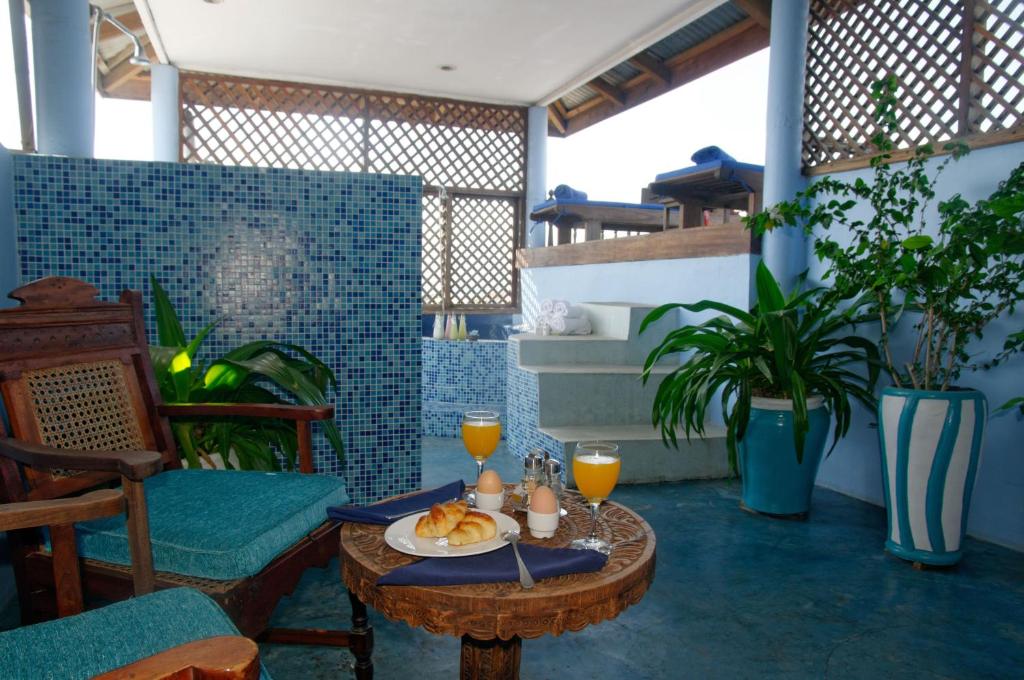
Looking for something cozy and culturally rich? Explore boutique hotels tucked away in Stone Town’s historic alleys or nestled along Zanzibar’s scenic coastlines.

With personalized service, artistic decor, and authentic charm, these stays offer a more intimate island experience.

Here are some of the boutique hotels in Zanzibar

Unguja Lodge: Kizimkazi, South Zanzibar
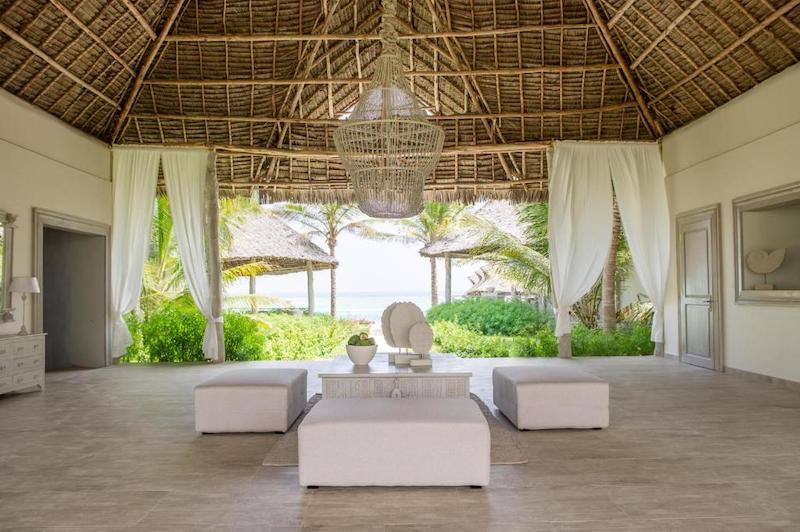
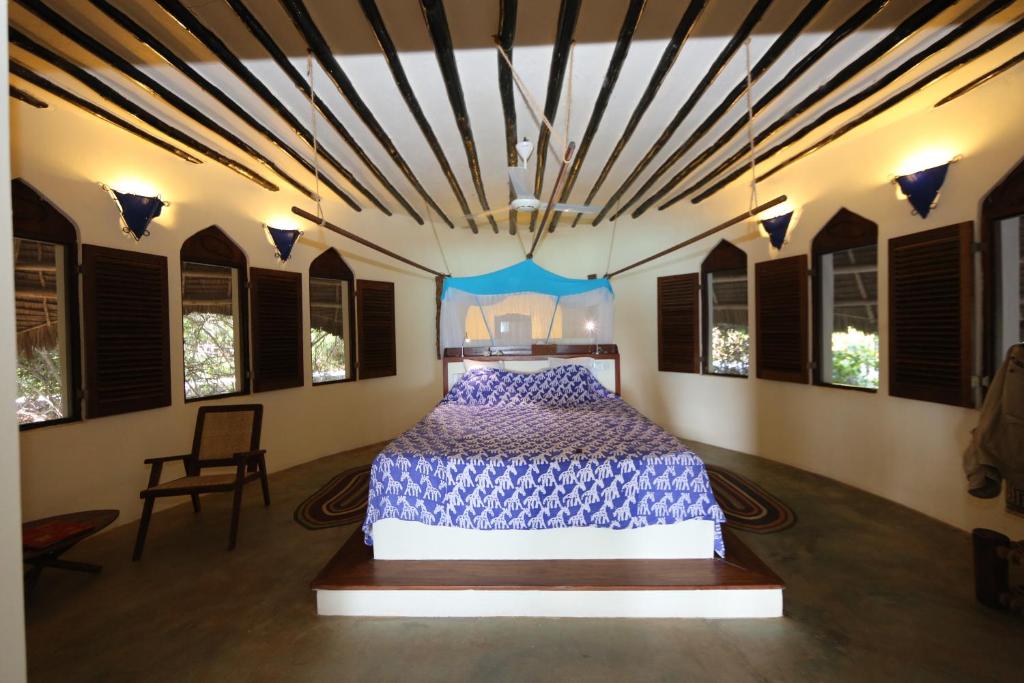
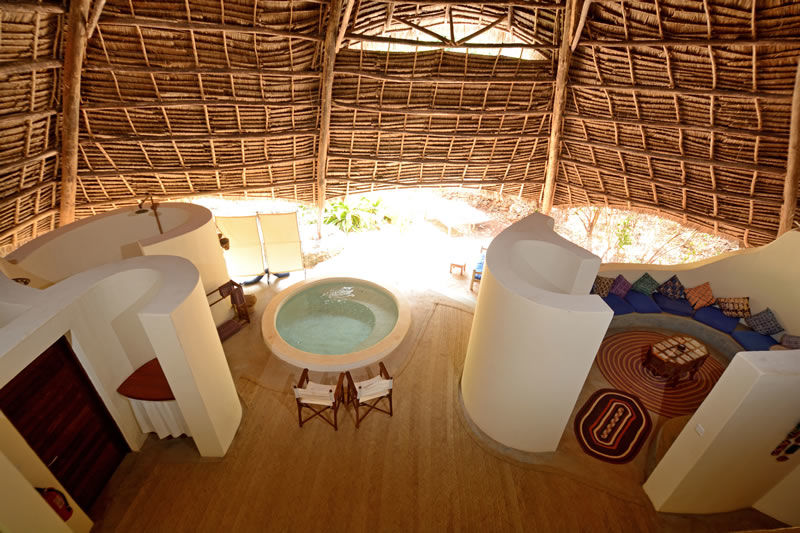
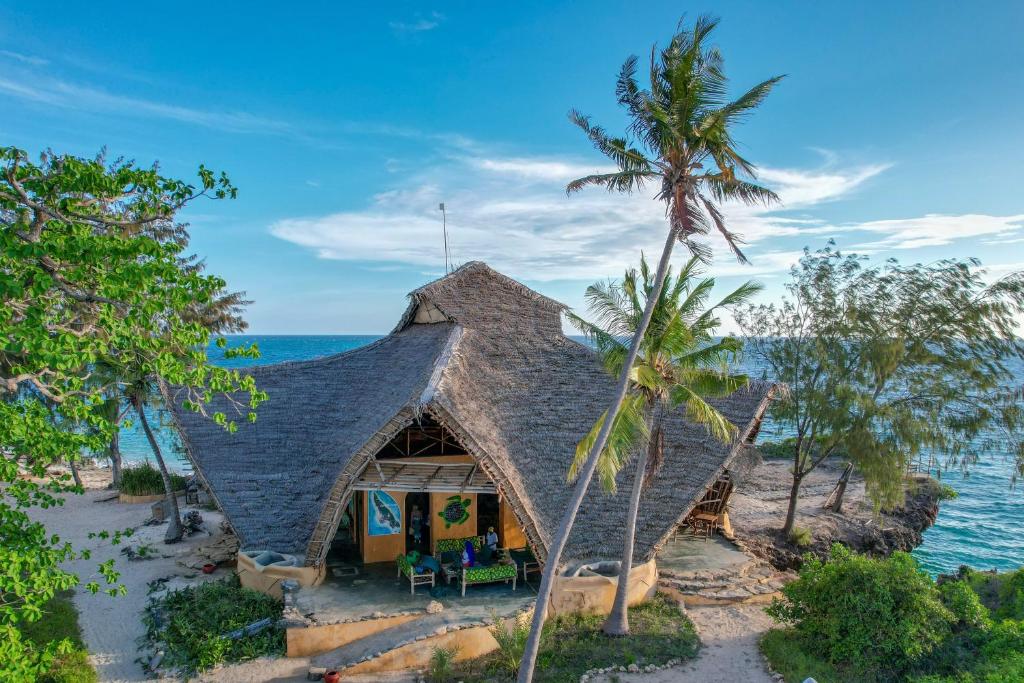
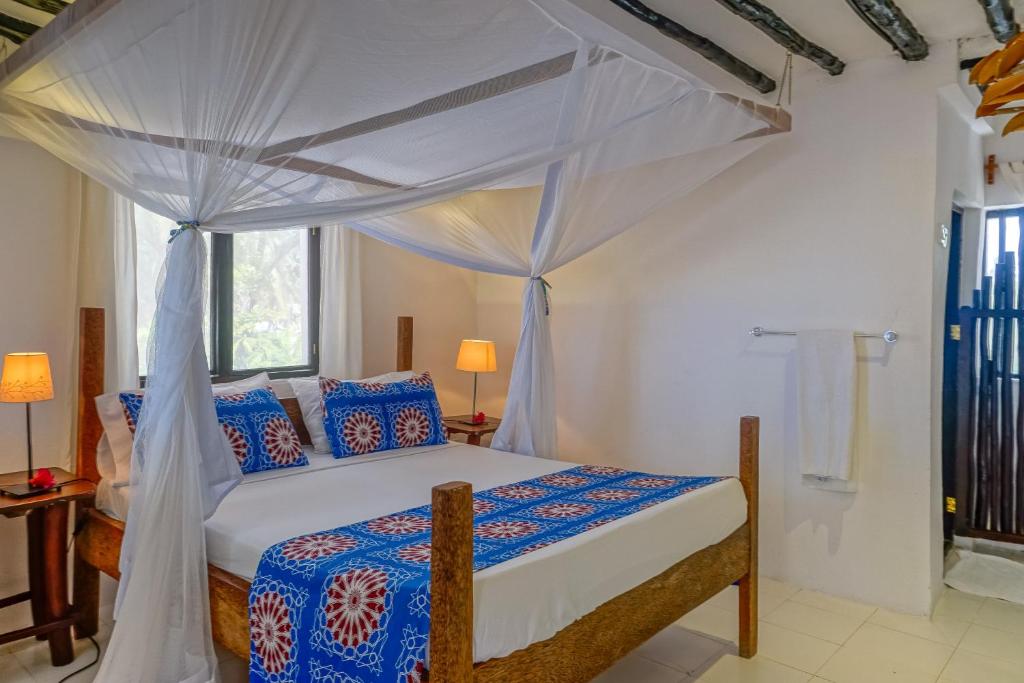
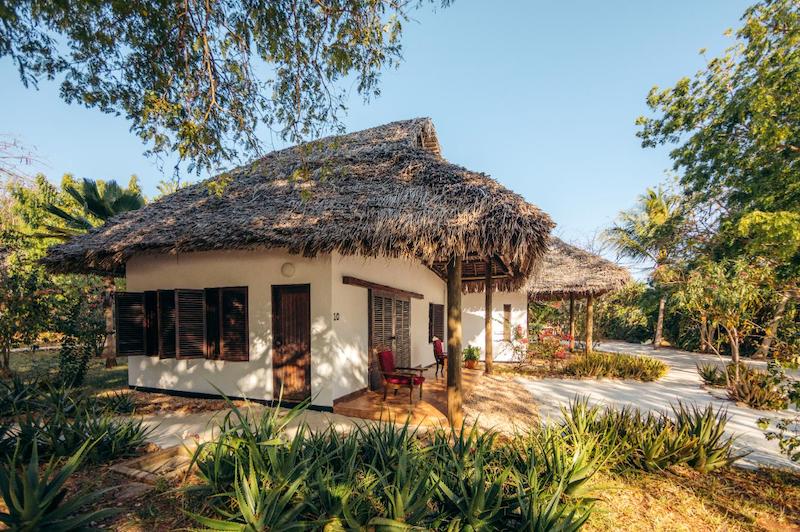
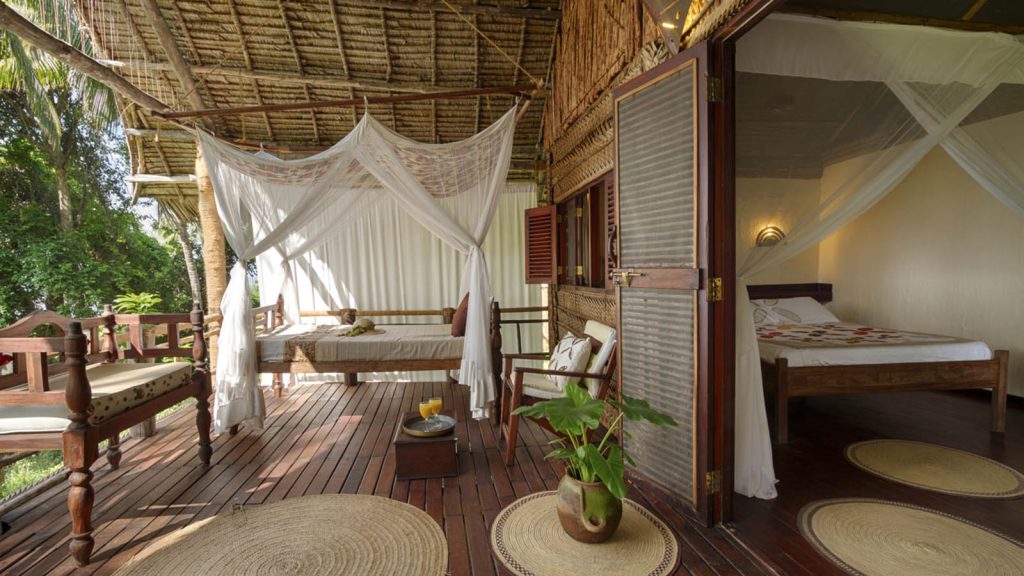
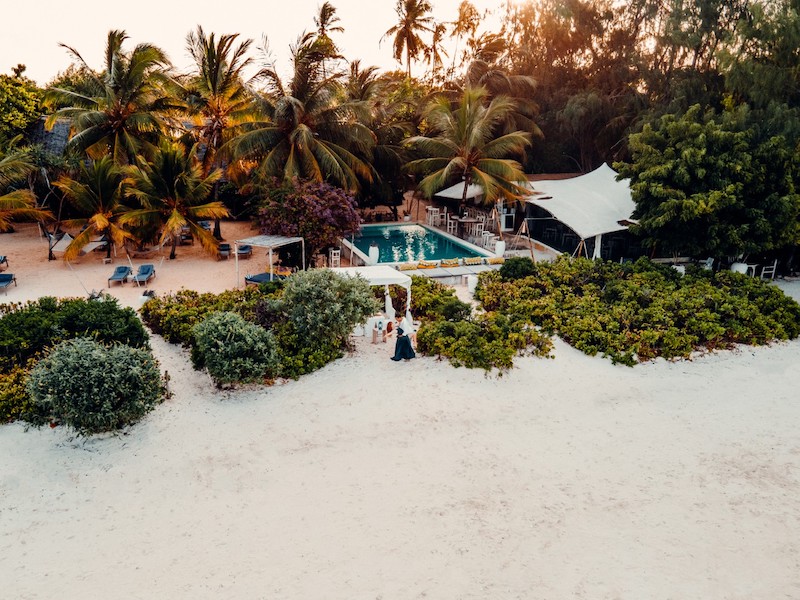
Embrace barefoot luxury at this intimate 12-room sanctuary, where organic architecture blends seamlessly with wild coastal beauty. Perfect for travelers craving seclusion, Unguja Lodge delivers stylish simplicity steps from vibrant coral reefs teeming with marine life.
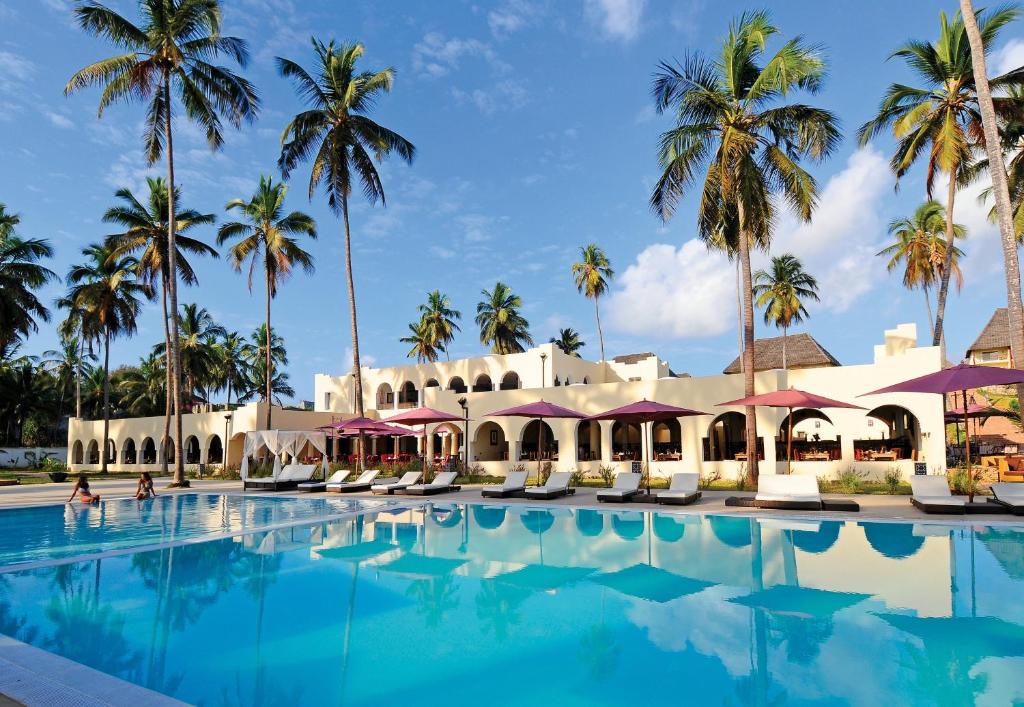
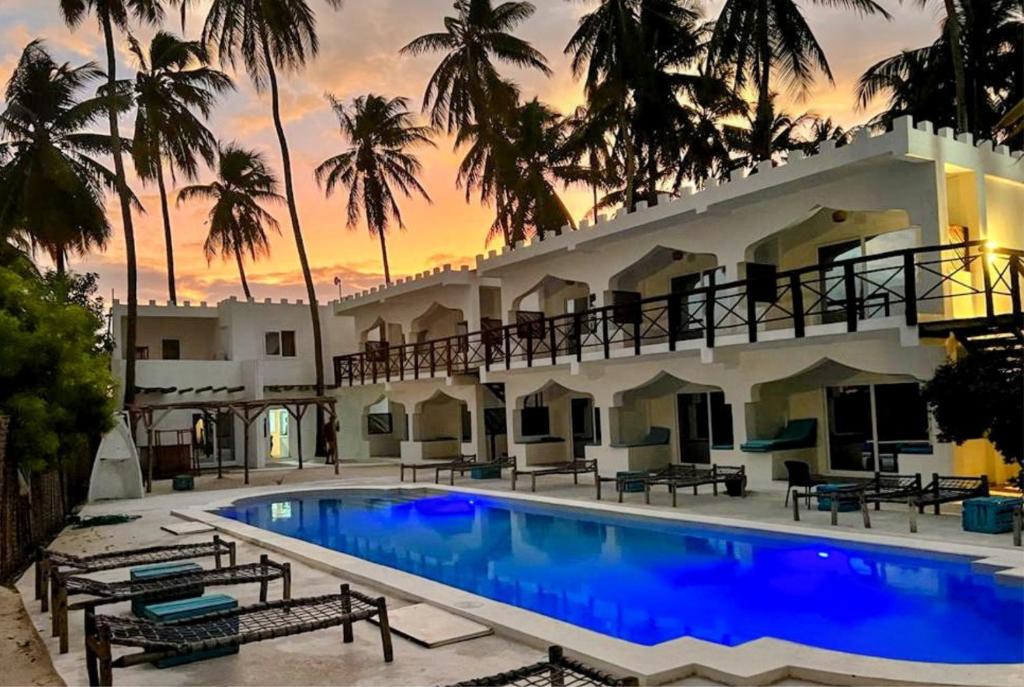
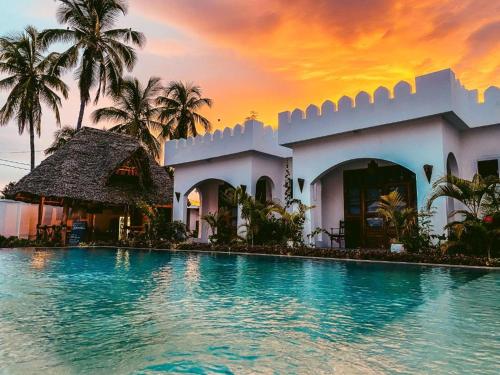
A budget-friendly gateway to paradise, this laid-back 44-room haven sits just moments from powder-soft sands. Ideal for sun-seekers and adventurers alike, Dhow Inn pairs contemporary design with effortless access to Zanzibar’s iconic beaches.

Stride barefoot across powder-soft sands to this chic haven, perfect for couples or groups. Blending minimalist style with lavish comforts, White Sand’s villas offer direct beach access, making it a gateway to kite-surfing adventures or lazy hammock days.

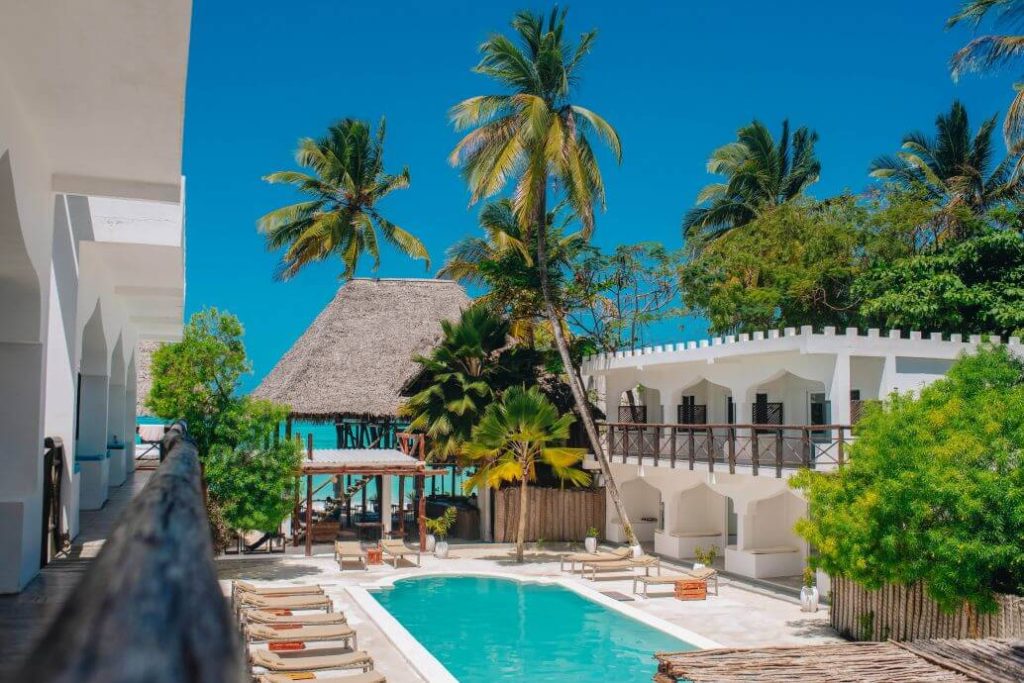
Perched above a dazzling beach, this 18-room oasis blends serenity with sophistication. Dive into infinity pool vistas, savor fresh seafood at the oceanfront restaurant, and unwind in airy, sea-breeze-kissed rooms designed for coastal indulgence.

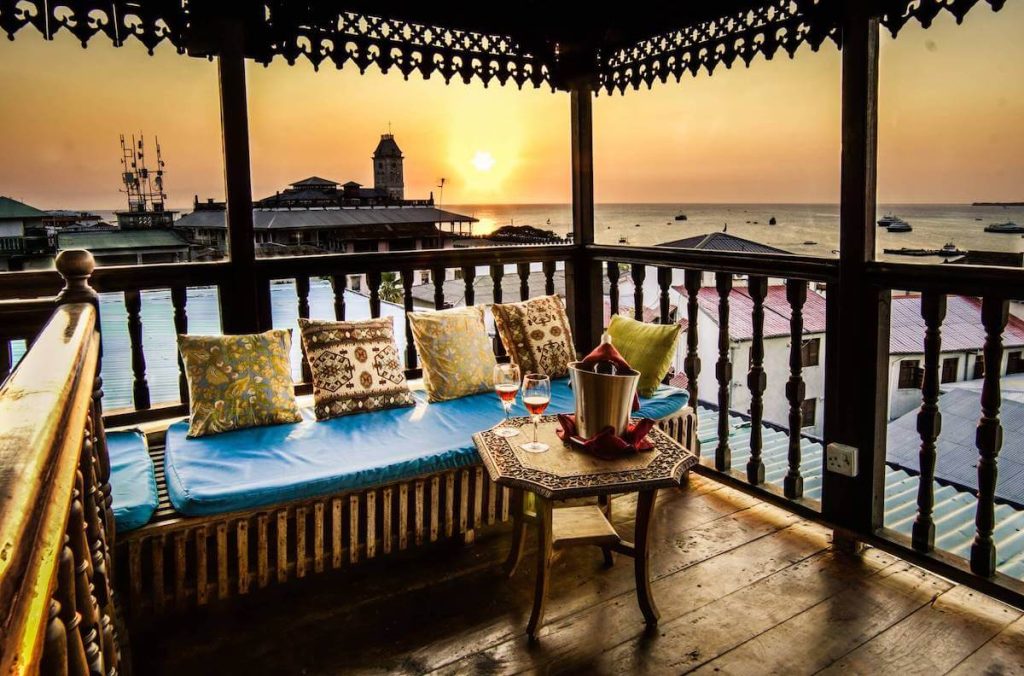
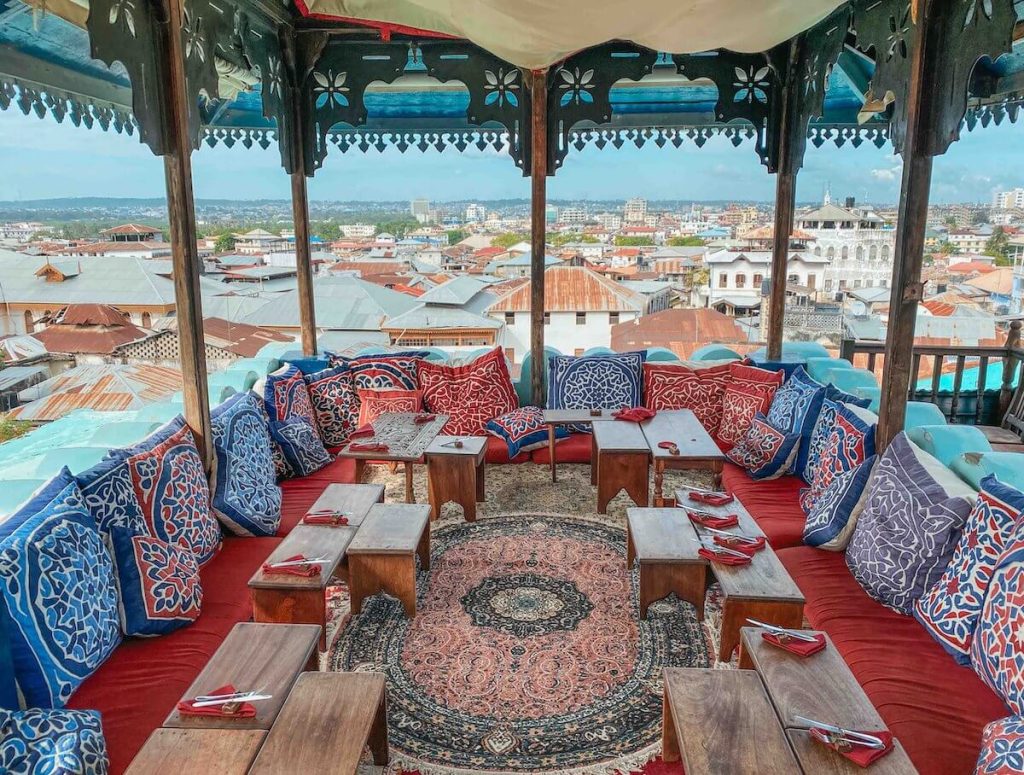
Step into Zanzibar’s storied past at this opulent 9-room mansion, where Omani architecture meets rooftop dining under starlit skies. A cultural landmark in Stone Town, it’s a feast for the senses, both historically and culinarily.

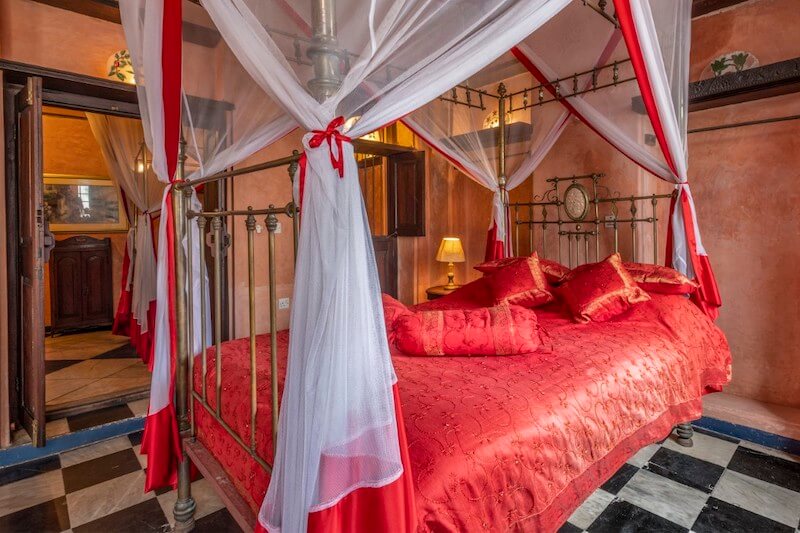
A jewel-box boutique hotel with nine exquisitely crafted rooms, this restored gem dazzles with Swahili artistry and bespoke service. Wander Stone Town’s labyrinthine streets, then retreat to your private courtyard sanctuary.

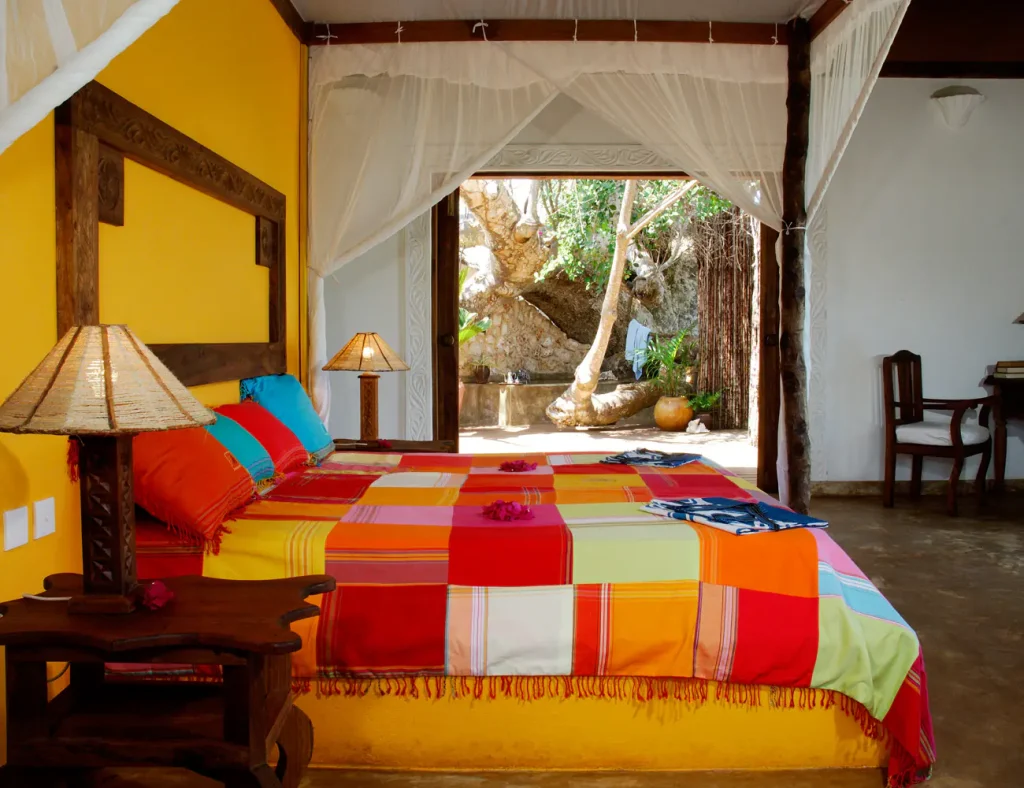
Ignite romance at this eco-chic 9-room retreat, where sustainability meets sensual design. Think hand-carved furnishings, palm-shaded terraces, and candlelit dinners on the beach, a love letter to Zanzibar’s natural beauty.
Trade shoes for sandy toes at this 25-room bohemian paradise. With its rustic-chic cabanas and swaying hammocks, Indigo Beach embodies the island’s carefree spirit, a haven for sunset cocktails and soul-soothing tranquility.

Eco-Friendly Lodges

Ideal for the conscious traveler, Zanzibar’s eco-lodges combine sustainability with serenity.

Enjoy solar-powered accommodations, organic farm-to-table meals, and activities like forest walks or marine conservation tours, all while reducing your environmental footprint.

Here are some of the eco-friendly lodges in Zanzibar

Fundu Lagoon: Pemba Island, Zanzibar
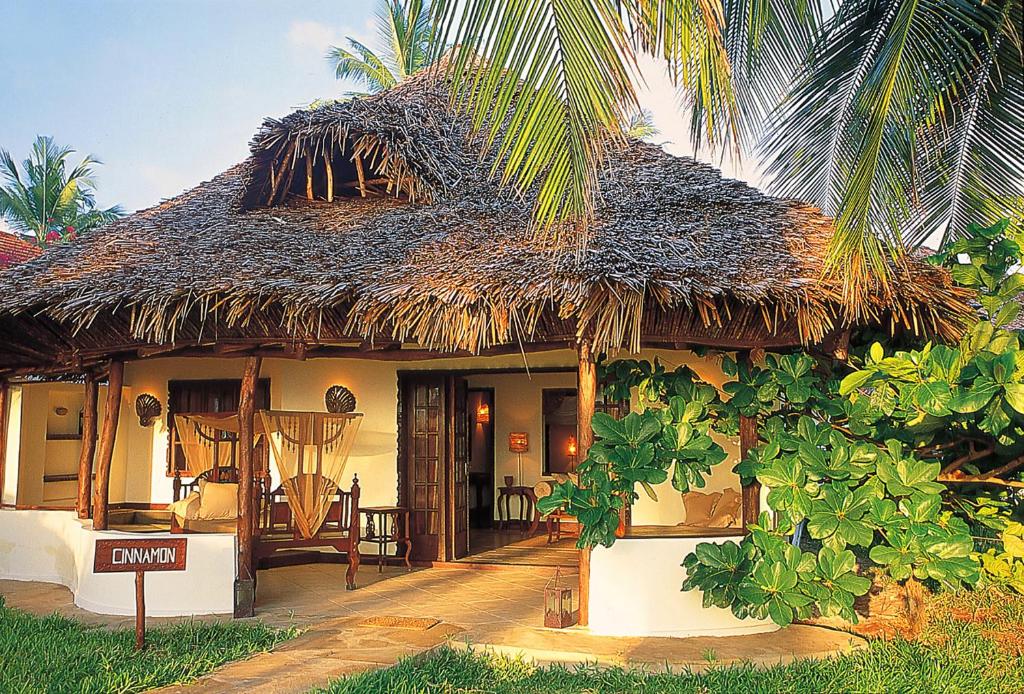
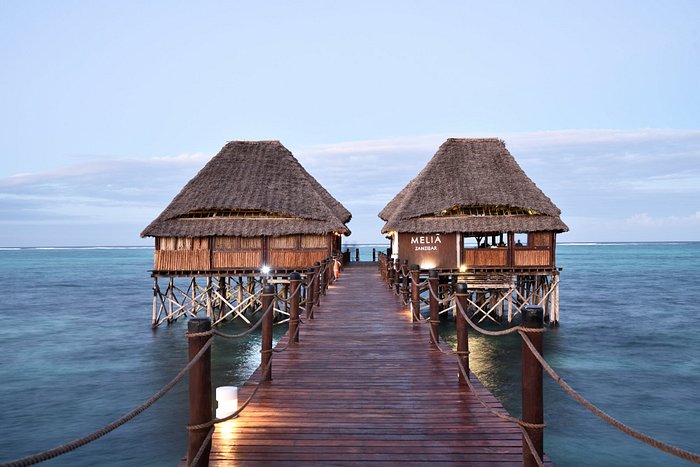
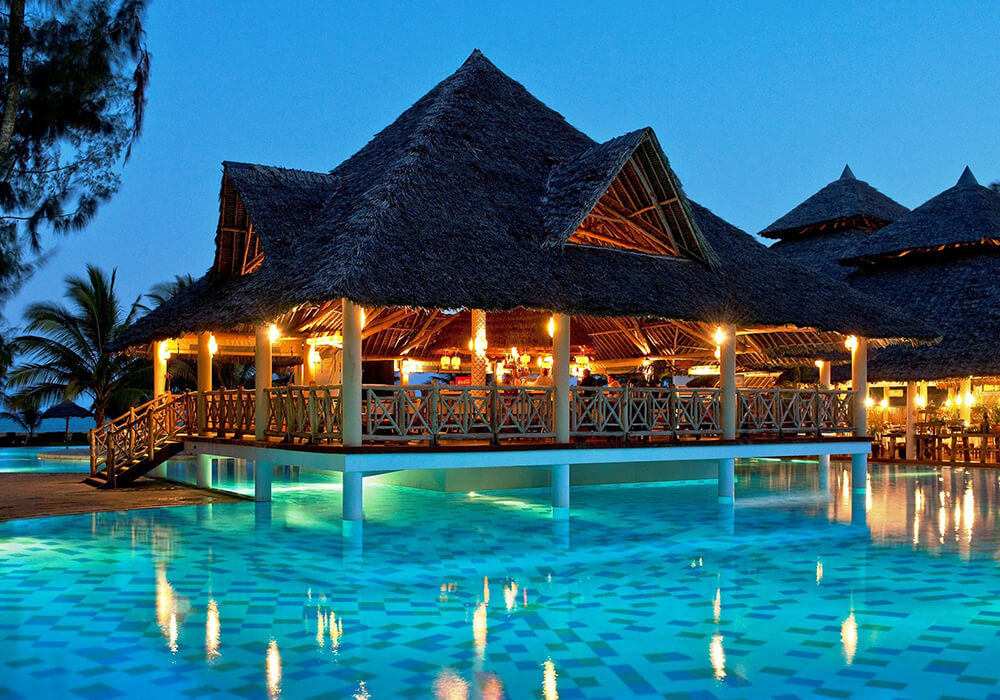
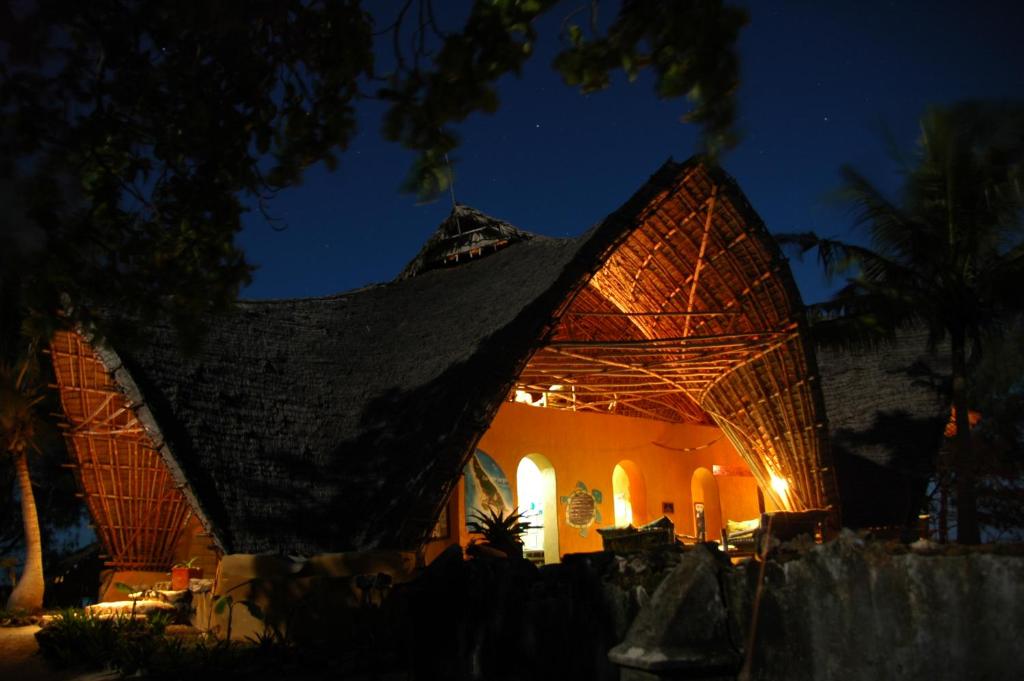
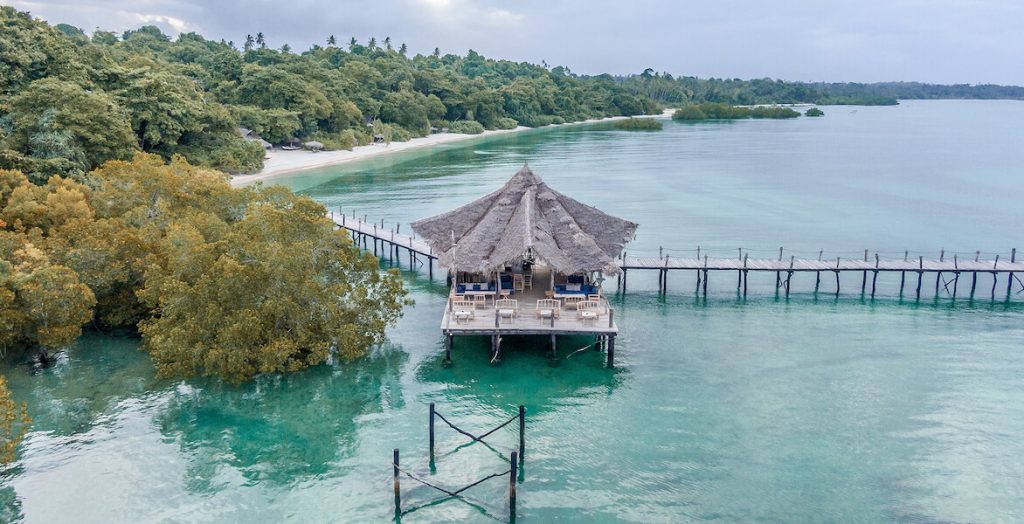
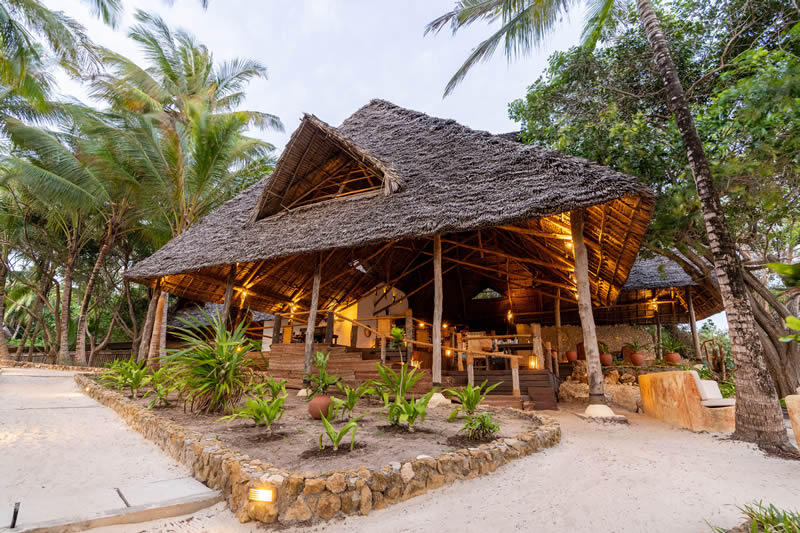
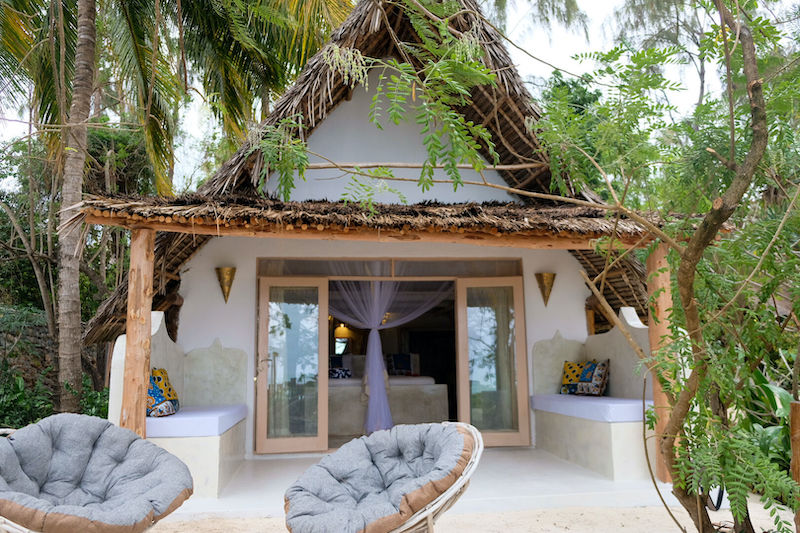
Channel your inner castaway at this 18-room Robinson Crusoe fantasy, accessible only by boat. Thatched suites hover above powder-white sands, while the jetty bar, stretching into turquoise waves, sets the stage for sundowners. Dive Pemba’s untouched coral walls, indulge in beachside massages, or feast on gourmet dishes under a canopy of stars. Barefoot bliss, refined.
Seclusion meets sophistication across 40 acres of wild coastline. With 26 suites nestled among baobabs and mangroves, Fumba dazzles with sunset dhow cruises, spice garden tours, and three sheltered beaches. Just 30 minutes from Stone Town, it’s a serene counterpoint to Zanzibar’s bustle, ideal for kayaking through tranquil lagoons.

A diver’s nirvana. Nine breezy bungalows perch above the Mafia Marine Park, where whale sharks glide through azure depths. Honeymooners adore the cliché-free romance: private verandas overlooking Chole Bay, seafood feasts under thatched roofs, and sails to uninhabited sandbanks. Sustainability here means solar power and community-driven conservation.

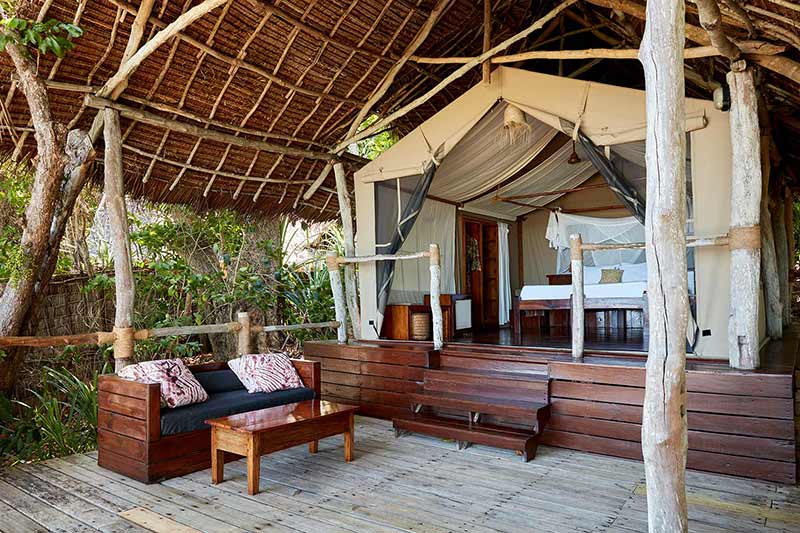
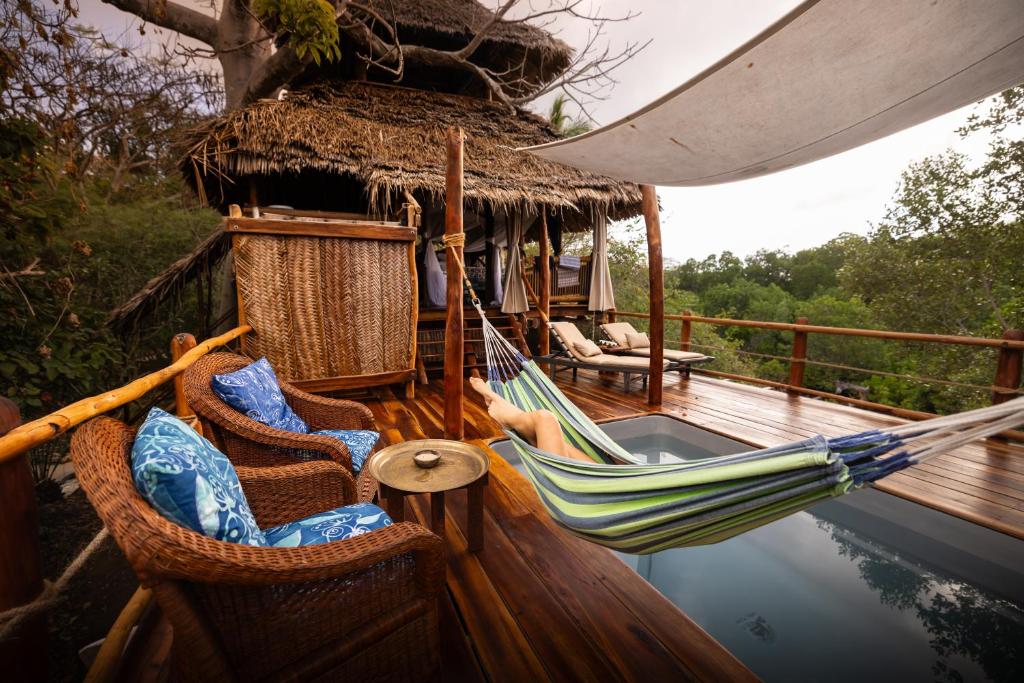
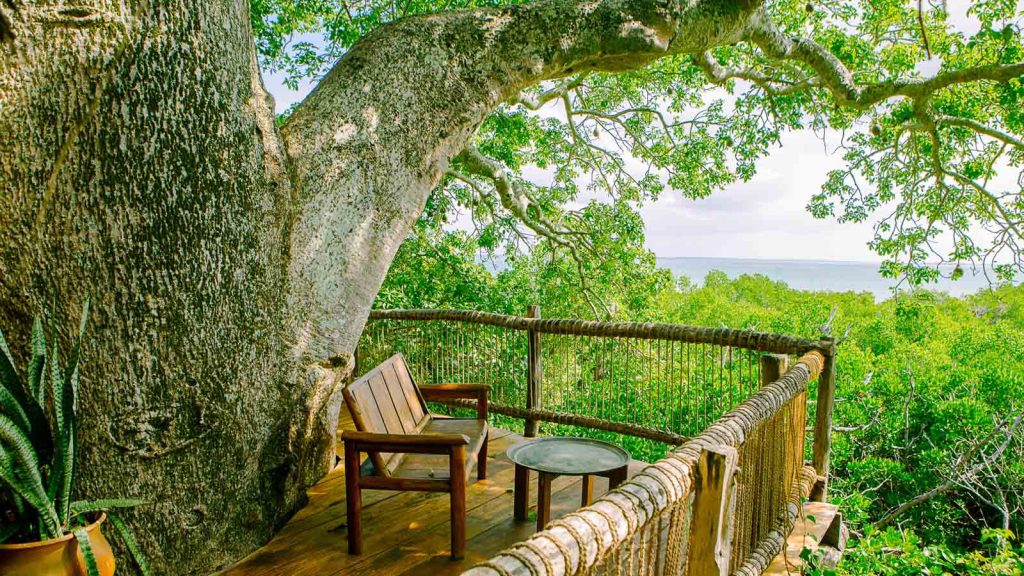
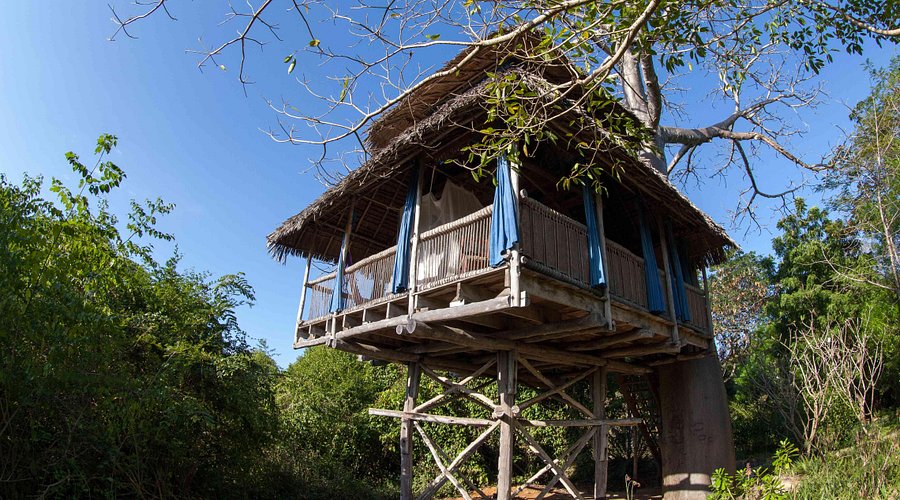
Trade Wi-Fi for wonder in seven open-air treehouses rising above a 19th-century ghost town. No electricity, no walls, just mangrove whispers and monsoon breezes. Days unfold with dhow fishing, exploring ruins swallowed by jungle, and feasting on Swahili delicacies by lantern light. A digital detox for the soul.

Where Italian design meets Swahili soul. Forty solar-powered villas, each with private pools or rooftop tubs, nestle within 60,000 m² of tropical forest. Snorkel your private beach, wander spice gardens bursting with vanilla and clove, or sip espresso martinis as dhows drift past. Eco-luxury redefined.

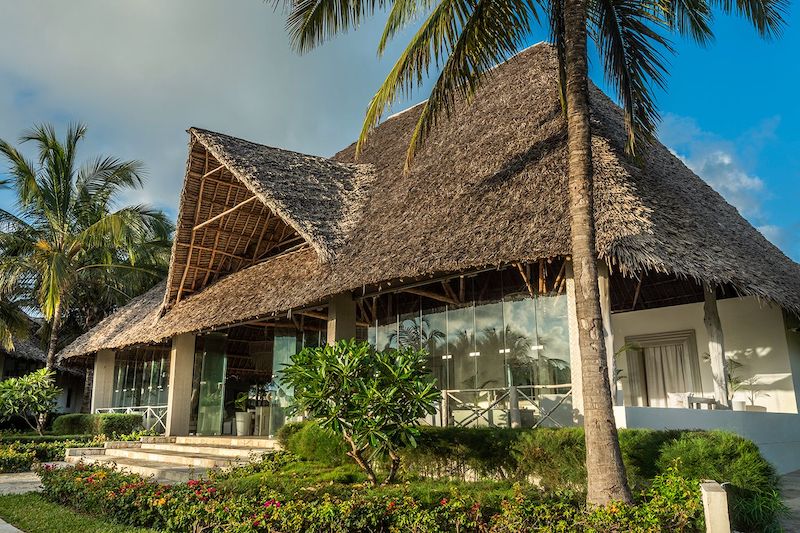
A 2020 gem blending barefoot chic with eco-innovation, this 12-bungalow haven shares 2 hectares of palm-studded gardens and 230 meters of beach with its sister property, Sharazad Boutique Hotel. Swap AC for ocean-breeze-cooled rooms, lounge across three pools, and unwind in hammocks swaying to the rhythm of the Indian Ocean. Sustainability shines here: solar panels, desalination systems, and zero-waste practices protect Zanzibar’s fragile shores.

What to Eat in Zanzibar

Taste the Island

Zanzibar is a flavorful fusion of African, Arab, Indian, and European influences. Don’t miss:
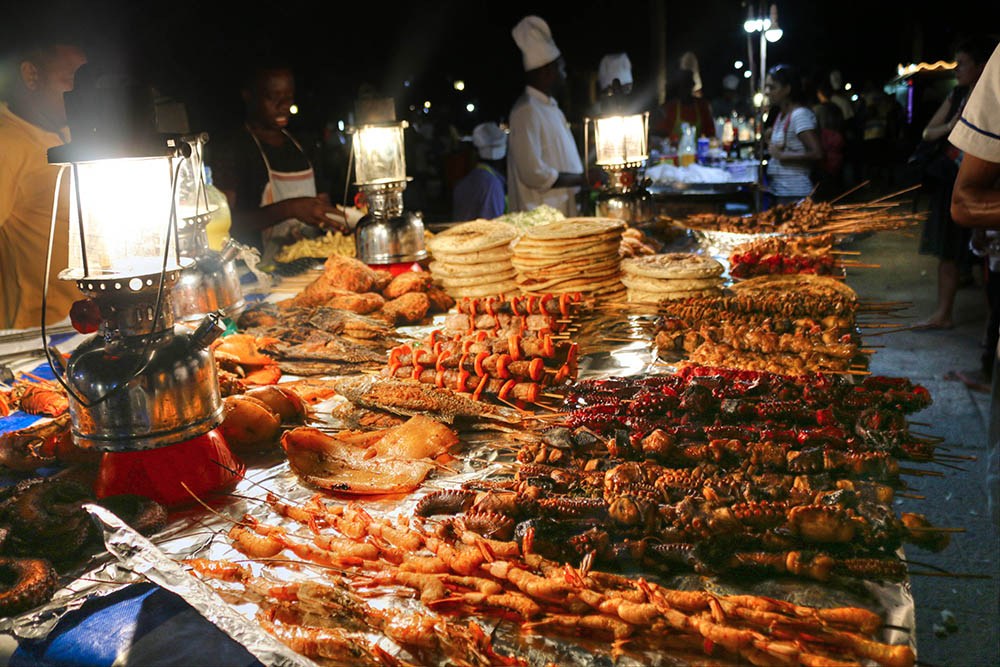
Freshly grilled seafood straight from the Indian Ocean
Zanzibari biryani and pilau, rich with local spices
Octopus curry and ugali for an authentic Swahili touch
Tropical fruits and spicy chai from vibrant local markets
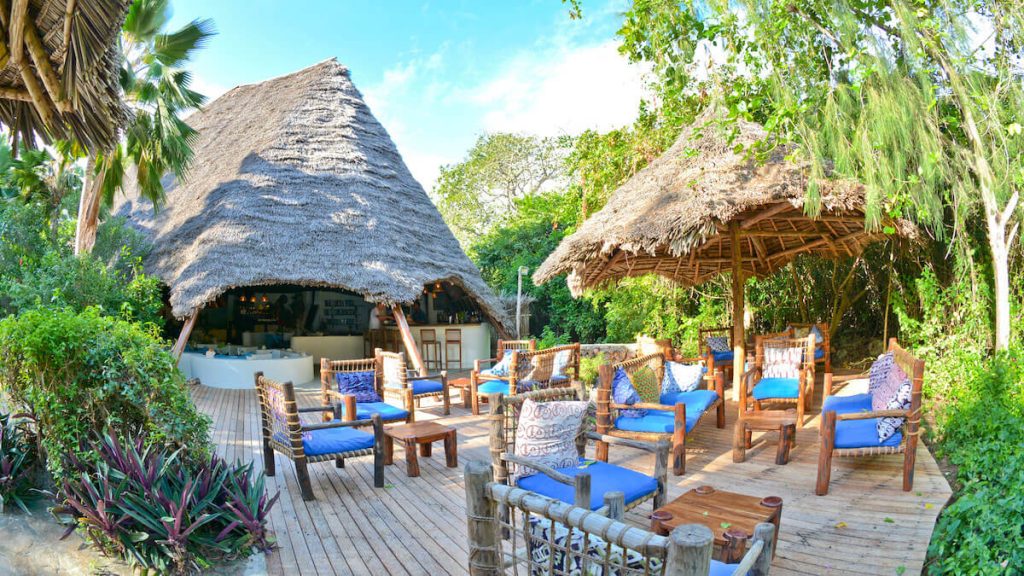
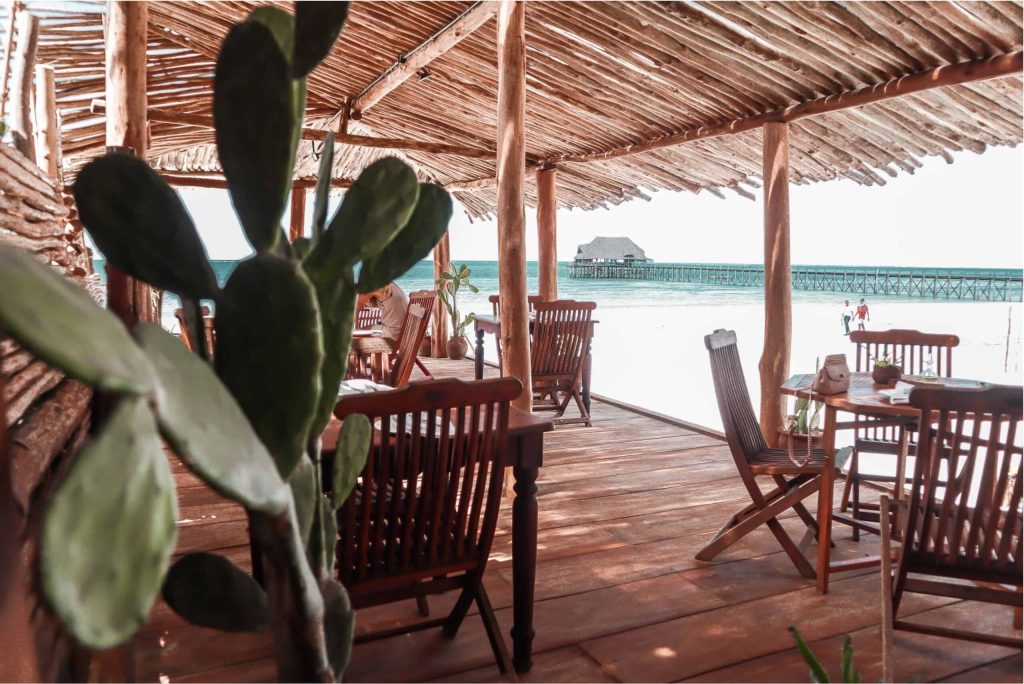
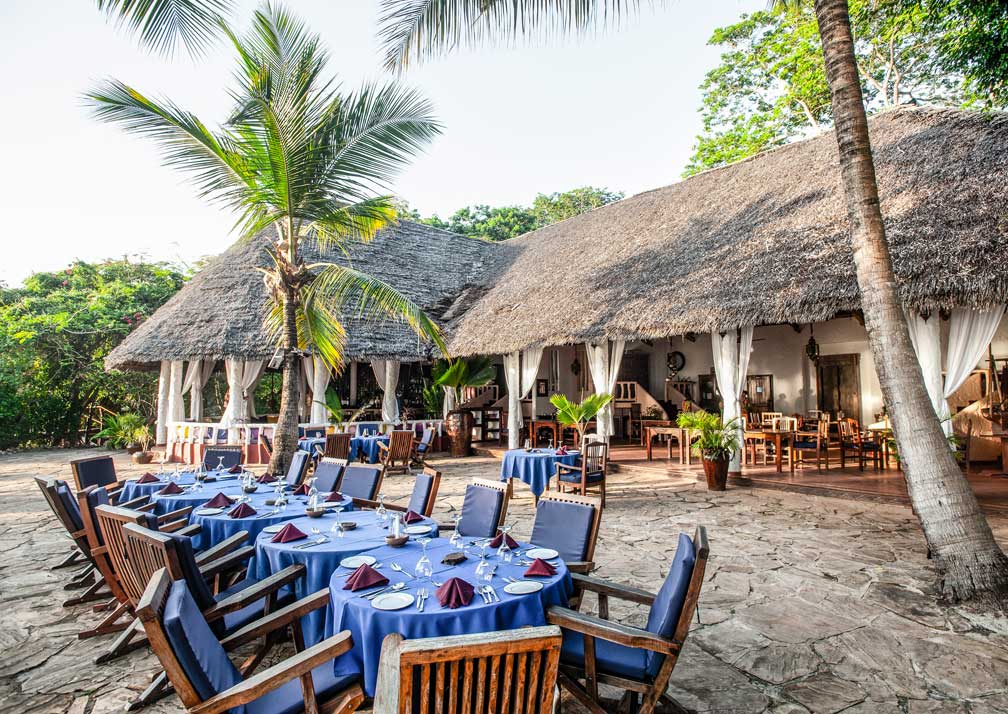
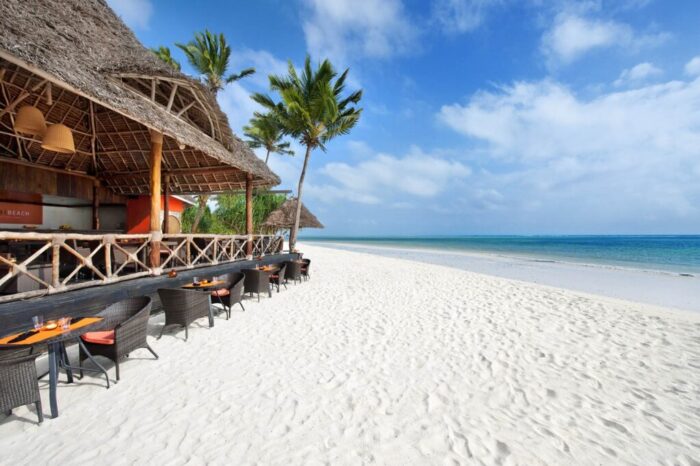
Feast with your feet in the sand at beachfront restaurants and cafés, where panoramic ocean views and a salty breeze set the scene. From candlelit seafood dinners to casual coconut cocktails, every meal comes with a postcard-worthy view.

ZANZIBAR TRAVEL COSTS

Wondering how much it costs to travel to Zanzibar? The answer depends entirely on your travel style, whether you’re a budget backpacker, a mid-range explorer, or looking for luxury in paradise.

Budget Travelers:

Zanzibar can be surprisingly affordable! If you’re staying in local guesthouses, hostels, or beach bungalows, and eating at local restaurants or street food stalls, expect to spend around $50-$100 per person per day. These prices often include basic accommodation, simple meals, and shared or public transport.

Mid-Range Travelers:

For travelers who prefer more comfort, private en-suite rooms, occasional guided tours, and dining at casual beachfront cafés, daily costs average between $100-$150 per person

Luxury Travelers:

If you’re after a high-end experience with stays at luxury resorts, fine dining, and private transfers, your daily spend can easily climb to $200–$400+ per person.

REGIONAL DIFFERENCES
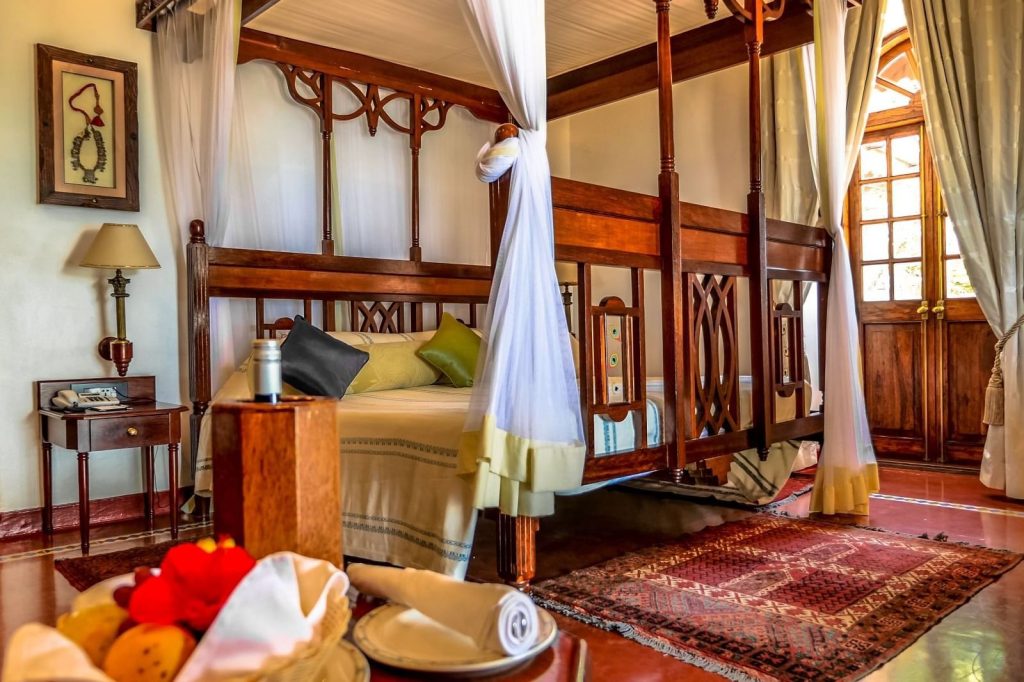
Northern Zanzibar (Nungwi & Kendwa): Most expensive, known for lively beaches, top resorts, and nightlife.
Eastern Zanzibar (Paje, Jambiani): More affordable, ideal for laid-back vibes, kitesurfing, and quieter beachfront stays.
Stone Town: Offers a mix of mid-range and budget accommodations with cultural charm.

WHAT AFFECTS THE PRICE?
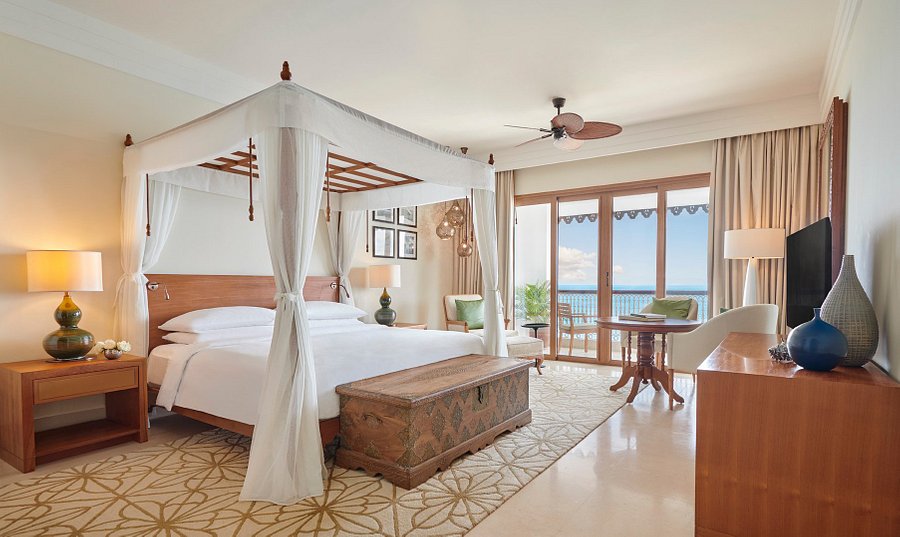
  • Accommodation type (hostel vs. resort)
  • Dining choices (local eatery vs. fine dining)
  • Transport (public dala-dala vs. private taxi)
  • Activities (free beach days vs. guided tours and diving)

Zanzibar is popular as a honeymoon destination, so many places are priced with couples and comfort in mind, but with some planning, it can work for any budget.

MANDATORY TRAVEL INSURANCE FOR ZANZIBAR VISITORS
Planning a trip to Zanzibar? As of October 1, 2024, all foreign travelers visiting Zanzibar are required to purchase mandatory inbound travel insurance. This new regulation ensures that all visitors are protected throughout their stay on the island, covering medical emergencies, lost luggage, and more.

What You Need to Know

Is Travel Insurance Now Mandatory?
Yes. All foreign visitors must have valid travel insurance throughout their stay in Zanzibar. This requirement is part of the government’s ongoing commitment to health, safety, and responsible tourism.

Visit the official tourism website: https://visitzanzibar.go.tz/
Complete the application form with your personal and travel details.
Pay the USD 44 fee per person.
Receive a QR code via email. This code must be presented upon arrival alongside your visa.
Insurance Cost & Validity
Cost: USD 44 per person
Validity: 92 consecutive days from your date of arrival
Coverage area: Zanzibar archipelago only
Multiple entries allowed during the validity period (each visit must be within the 92-day limit)

From November to early December, Zanzibar experiences the short rains, but showers are usually light and brief, rarely enough to ruin your holiday. These months also lead into a hotter, sunnier stretch from December through February, making it a great time for warm-weather travelers.

Zanzibar’s travel insurance is comprehensive, providing protection against a wide range of potential issues:
Emergency medical expenses
Repatriation (medical or bodily)
Personal accidents
Baggage loss or delay
Theft and loss
Legal assistance
Third-party liability

You can choose from three types of insurance plans:
Individual Plan – For solo travelers
Family Plan – Ideal for parents with children
Group Plan – Convenient for tour groups or friends traveling together
Keep a printed or digital copy of your insurance policy and QR code with you when traveling.
Ensure your passport is valid for at least 6 months from your departure date.
This insurance does not replace your tourist visa, both are required for entry.

WHERE TO GO IN ZANZIBAR

Stone Town

Don’t miss, Wander the narrow, cobbled streets of Stone Town, a UNESCO World Heritage Site. Visit landmarks like the House of Wonders (Beit el-Ajaib), the former Sultan’s palace, and explore Zanzibar’s rich history as a former slave and ivory port.
Stone is considered best place best for History, culture, and architecture. Guided tours are available, or you can explore at your own pace.

Visit the Beaches of Zanzibar

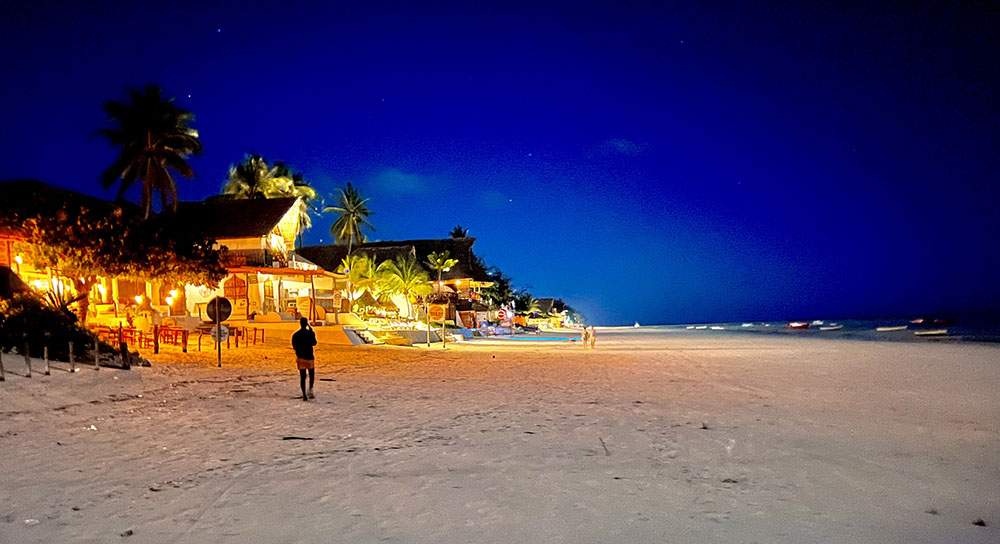
Zanzibar is home to some of the most beautiful beaches in the world, each offering its own unique vibe, scenery, and experiences.

Whether you’re seeking peace and quiet, vibrant nightlife, or dolphin spotting adventures, Zanzibar’s beaches have something for everyone.

Zanzibar Western Beaches

The western shores of Zanzibar offer breathtaking sunsets, making them perfect for romantic evenings or a peaceful end to your day. Expect stunning views, gentle waves, and a laid-back atmosphere.

Fewer lodges and a more remote feel on the west coast. This region is home to Stone Town, Zanzibar’s historical capital. It’s a must-see for those interested in the island’s culture, history, and cuisine.

Zanzibar Southern Beaches

The southern coastline, especially around Kizimkazi, is famous for its high concentration of dolphins. This is the best area for dolphin tours, snorkeling, and a more tranquil escape from the crowds.

The southern beaches are more populated, and the area provides the perfect balance of culture and beach experiences. Engage with the locals and explore the island’s spice plantations.

Zanzibar Northern Beaches

The farther you go north on Zanzibar, the more private and less crowded the beaches become.

This area is less affected by tides, making it a great spot for uninterrupted beach time.
This area is best for Seclusion and tranquility.

Zanzibar North-East Beaches

This area boasts the best accommodations, particularly along its stunning north-east beaches.

It is home to the Mnemba Island reefs, considered some of the best for diving and snorkeling. The tidal range here is minimal, allowing for easy access to the water.

Zanzibar South-East Beaches

While this area offers plenty of beaches and resorts, the tidal variation is more significant than in other regions, so plan accordingly for swimming or snorkeling.

Top Beaches to Explore

Nungwi Beach (North Coast)

Zanzibar can be surprisingly affordable! If you’re staying in local guesthouses, hostels, or beach bungalows, and eating at local restaurants or street food stalls, expect to spend around $50-$100 per person per day. These prices often include basic accommodation, simple meals, and shared or public transport.

Kendwa Beach (North-west Coast)

Just south of Nungwi, Kendwa is known for its vibrant nightlife, monthly Full Moon Parties, and calm waters. Great for swimming, sunbathing, and socializing.

Paje Beach (East Coast)

A kite surfer’s paradise thanks to steady winds and wide-open beaches. More laid-back and popular with backpackers, digital nomads, and those seeking a youthful, boho vibe.
To explore multiple beaches, consider staying somewhere central or well-connected.
Some visitors prefer splitting their stay between the east and west/north coasts to get a full taste of the island’s diversity.

All Beaches Are Public

That’s right, all beaches in Zanzibar are free and open to the public, even those in front of luxury resorts. Just be respectful of private property lines and always leave the beach clean.

Exclusive Islands

For a truly exclusive experience, visit Zanzibar’s smaller islands and islets:
Mnemba Island: A private island offering luxurious resorts and excellent diving.
Mafia Island: Known for its marine life and seclusion, perfect for an intimate escape.
Pemba Island: A more untouched and peaceful retreat, perfect for nature lovers.
Chumbe Island: An eco-tourist haven with coral reefs and an emphasis on sustainable tourism.

Paje Beach (East Coast)

To help you prepare for a relaxing and enjoyable time in the Zanzibar Islands, here are some practical travel tips you should know before you go:

Time Zone

Zanzibar follows GMT +3 (East Africa Time).
There is no daylight saving time, so it stays consistent year-round.

Voltage: 230 volts, Frequency: 50 Hz Plug types: Mainly rectangular or round three-pin plugs (UK-style and European). Bring a universal travel adapter just in case.
Swahili and English are the official languages. In touristy areas, you might also hear French, German, Italian, Spanish, and even Russian. In remote areas, English may not be as commonly spoken, so learning a few basic Swahili phrases can go a long way!

The Tanzanian Shilling (TZS) is the official currency.
(Approx. 1 USD = 2,547 TZS – subject to change)
US dollars are widely accepted in most hotels, restaurants, and tour agencies.
Always check the exchange rate and carry small denominations for local purchases.

Malaria: Zanzibar is a malaria-risk area, so consult your doctor for anti-malarial tablets and bring strong mosquito repellent.
Vaccinations: Common recommendations include Hepatitis A & B, Typhoid, Tetanus, and Yellow Fever (especially if coming from another endemic country).
Food safety: While Zanzibari food is delicious, food poisoning is a known issue, even at luxury hotels. Be cautious with: Street food, Salads or raw vegetables, Ice in drinks.
Bring over-the-counter remedies like Imodium and rehydration salts, just in case.

Zanzibar is a predominantly Muslim region, so alcohol is not commonly sold outside of tourist resorts and licensed restaurants. Drinking is allowed in designated areas, but public intoxication is considered disrespectful. Dress modestly when away from the beach and be respectful of local customs, especially during religious holidays like Ramadan.

What our Client Say

Design your own trip

Choose a destination, pick your properties, and we’ll do the rest

1
Browse
Look through our itineraries for inspiration, and call our Travel Consultants
2
Create
Discuss your wish list with us, and we’ll use our expertise to design a unique itinerary for you
3
Customise
We’re committed to refining your itinerary until we’ve created the perfect personalised trip for you