EXPLORE

Gorilla Tracking

Essential Packing List for Gorilla Trekking
Picture of Chat to an Kenya Safari expert

Chat to an Kenya Safari expert

Get advice and suggestions to make this your perfect trip. or call us on:
+255 755 003116

Picture of Chat to an Kenya Safari expert

Chat to an Kenya Safari expert

Get advice and suggestions to make this your perfect trip. or call us on:
+255 755 003116

in Uganda, Rwanda, and Congo

Overview

When preparing for a gorilla trekking adventure in Uganda, Rwanda, or the Democratic Republic of Congo, packing the right gear is crucial. 

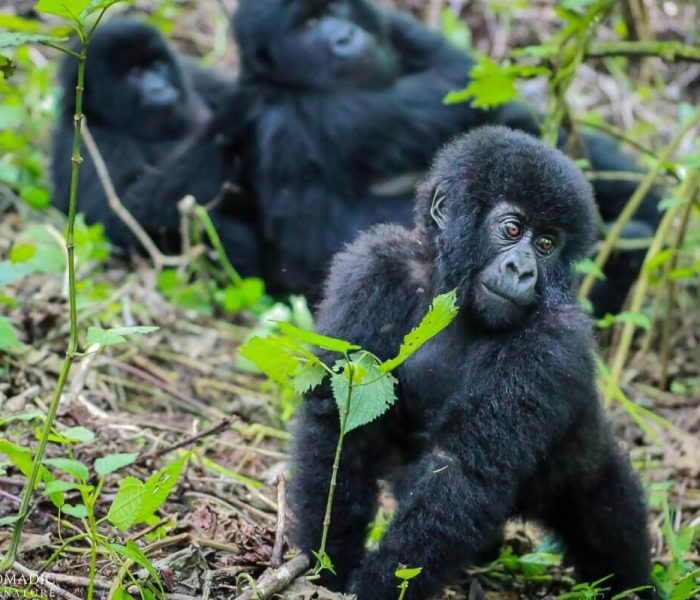
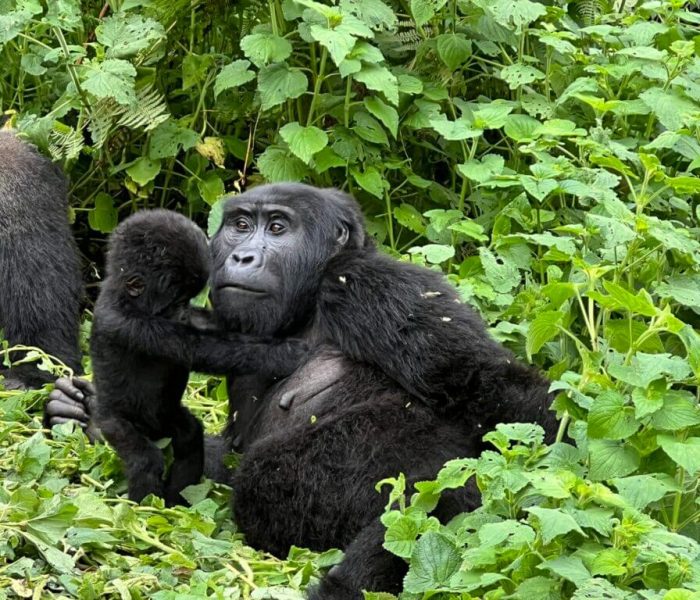
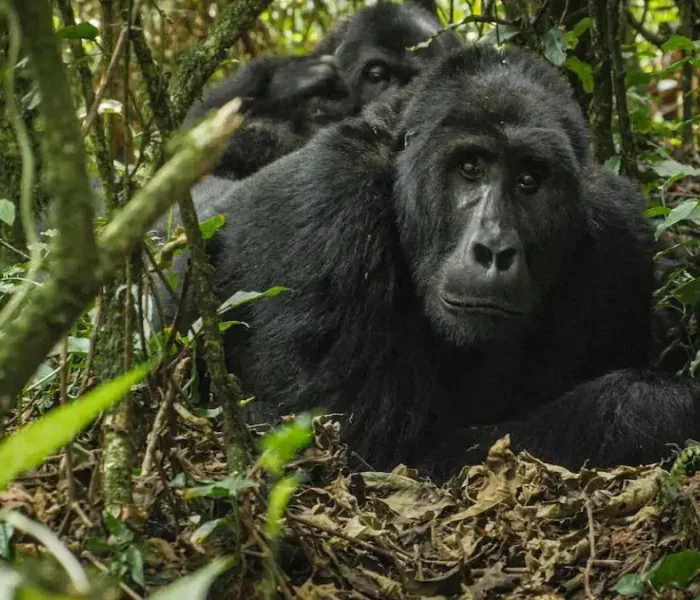
Gorilla trekking attracts thousands of tourists to Africa each year, offering one of the most thrilling wildlife experiences on the continent. As fascinating creatures that closely resemble humans, mountain gorillas are an endangered species with fewer than 1,000 individuals remaining in the wild. 

These gorillas can only be found in the mountain rainforests of Uganda, Rwanda, and Congo, making the experience both unique and vital for conservation efforts.

While gorilla trekking can be an exciting and rewarding activity, it requires proper preparation. Many visitors overlook the importance of appropriate clothing and gear, which can impact their trekking experience. To help you make the most of your trek, here’s a comprehensive list of essential items to pack for an unforgettable gorilla trekking safari.

gallery

Picture of Planning Your Safari

Planning Your Safari

Organizing a safari in Kenya Destination, can be overwhelming due to the many choices available for transport, accommodation, and activities.

Reviews and Rates

What to Pack for Gorilla Trekking

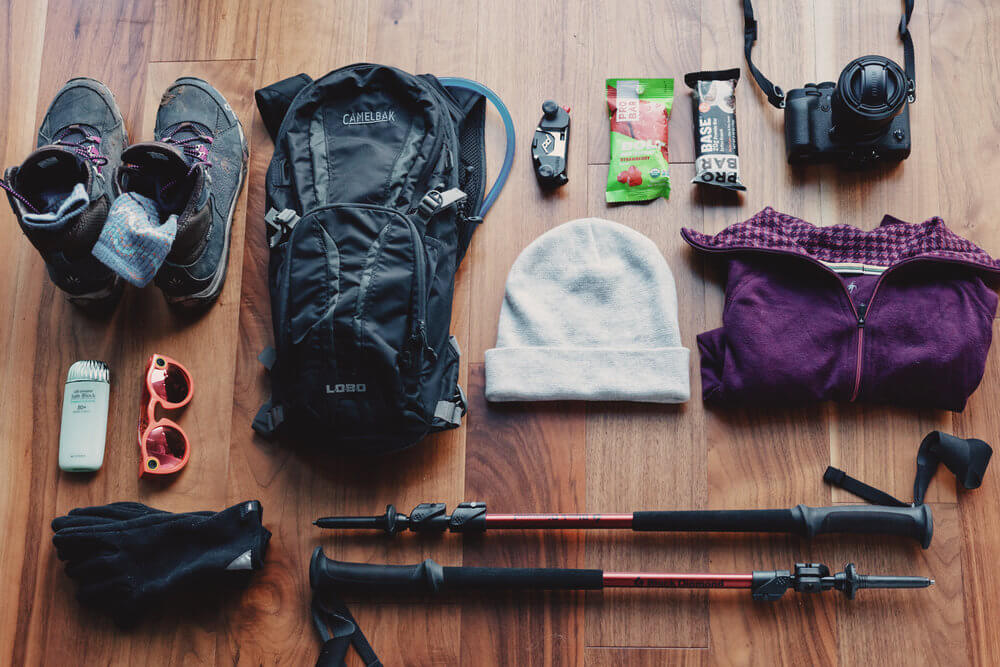
Sturdy Hiking Boots

Gorilla trekking often involves navigating steep and muddy trails, so high-quality hiking boots are a must. Look for boots with good grip and ankle support, especially since some areas can be slippery and challenging. 

Avoid wearing sneakers or sandals as they won’t provide the necessary protection or support for your ankles.

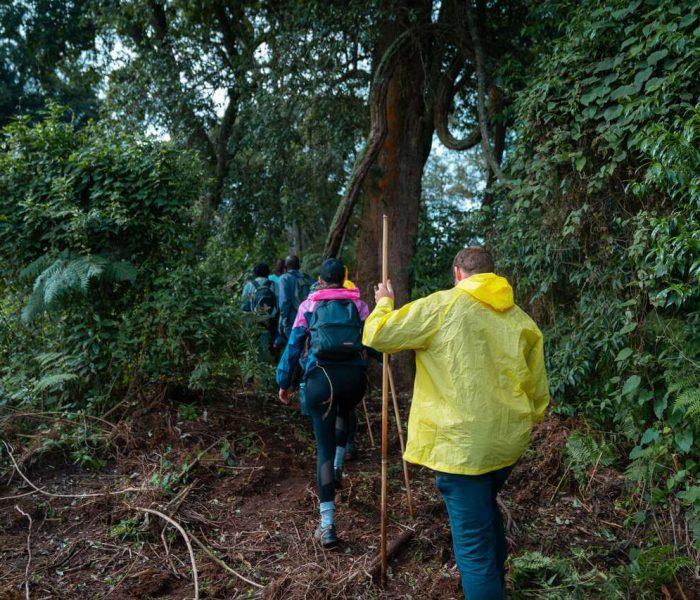
For trekking in dense forests and high altitudes, choose long-sleeve shirts, long pants, and waterproof jackets. This type of clothing will protect you from insects, sharp vegetation, and the elements. 

Ensure your pants are tucked into your hiking boots to keep out ants and other bugs. You should also pack warm clothing like a sweater for colder mornings and evenings. Remember to bring a pair of comfortable shorts for relaxing at your lodge after the trek.

Since gorillas live in tropical rainforests, it’s common to experience rain, regardless of the season. Always pack a rain jacket to stay dry during the trek, especially in Volcanoes National Park (Rwanda) and Mgahinga National Park (Uganda), which are located at higher altitudes and can get quite chilly. 

A sweater will help you stay warm on cold mornings and evenings.

Gloves are essential for handling vegetation, branches, and trees during the trek. Opt for garden gloves that will protect your hands from scratches and bites. 

These gloves are also useful when navigating through slippery areas, giving you extra grip on tree branches and the forest floor.

Basic toiletries are important for comfort during your trek. Pack essentials like toilet paper, sanitary products, shampoos, deodorants, lip balm, and hand sanitizer. 

Most lodges don’t provide toothbrushes or toothpaste, so don’t forget to bring your own.

A hat and sunglasses are recommended for sun protection, particularly if you’re trekking during the dry season. In case you’re also combining your gorilla trek with a visit to other national parks, these items will help shield you from the sun. 

Apply sunscreen, especially during midday when the altitude intensifies the sun’s heat. A sunscreen stick is handy for reapplications throughout the trek.

Snacks and Hydration

Gorilla trekking can be physically demanding, with treks lasting anywhere from 30 minutes to several hours. Pack energy snacks (like nuts, granola bars, or dried fruit) and a water bottle for drinking water to keep you energized.

Make sure you carry your snacks with you to the briefing point, as the trek can be unpredictable, and food may not always be available on the trail.

A walking stick is provided for free after your trek briefing, but you may choose to rent a higher-quality one from the park rangers or your hotel. 

The stick will help you navigate through difficult terrain and keep you balanced on muddy or steep paths.

You’ll want to capture the magical moments during your trek, so bring a camera with extra batteries and memory cards. Don’t use flash when taking photos of the gorillas, as it can disturb them. 

Additionally, having a binoculars for wildlife sightings can enhance your experience, as you may encounter a variety of animals and bird species along the way.

The jungle is home to many insects, so it’s wise to bring an effective insect repellent (such as citronella-based or RID) to ensure comfort during the trek.

Lastly, don’t forget to pack your travel insurance, emergency contact numbers, and a money belt to keep your cash and important documents safe. 

Having a local SIM card can also be helpful for staying connected with your family and sharing your adventure.

Proper preparation is key to enjoying a gorilla trekking tour in Uganda, Rwanda, or Congo. By packing the right gear and considering the specific conditions of each park, you’ll ensure a smooth and comfortable experience while tracking the world’s most incredible primates. Always remember to follow park regulations and respect the gorillas’ natural habitat to contribute to conservation efforts.

What our Client Say

Design your own trip

Choose a destination, pick your properties, and we’ll do the rest

1
Browse
Look through our itineraries for inspiration, and call our Travel Consultants
2
Create
Discuss your wish list with us, and we’ll use our expertise to design a unique itinerary for you
3
Customise
We’re committed to refining your itinerary until we’ve created the perfect personalised trip for you