EXPLORE

Gorilla Tracking

Gorilla Families in Uganda
Picture of Chat to an Kenya Safari expert

Chat to an Kenya Safari expert

Get advice and suggestions to make this your perfect trip. or call us on:
+255 755 003116

Picture of Chat to an Kenya Safari expert

Chat to an Kenya Safari expert

Get advice and suggestions to make this your perfect trip. or call us on:
+255 755 003116

Overview

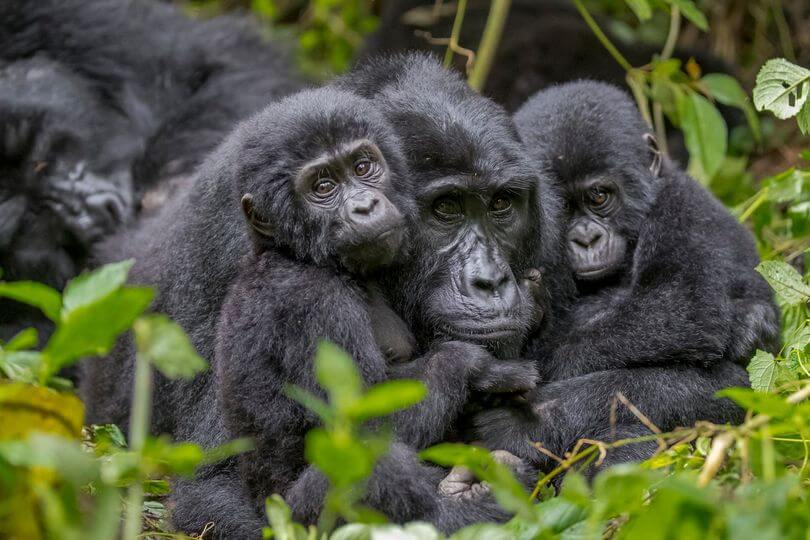
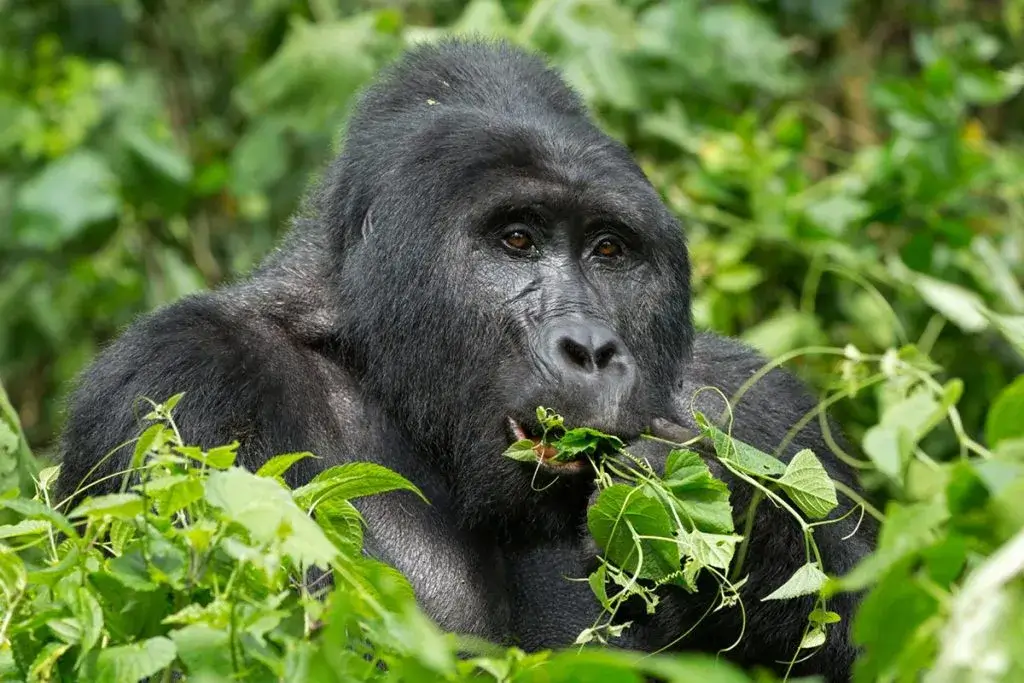
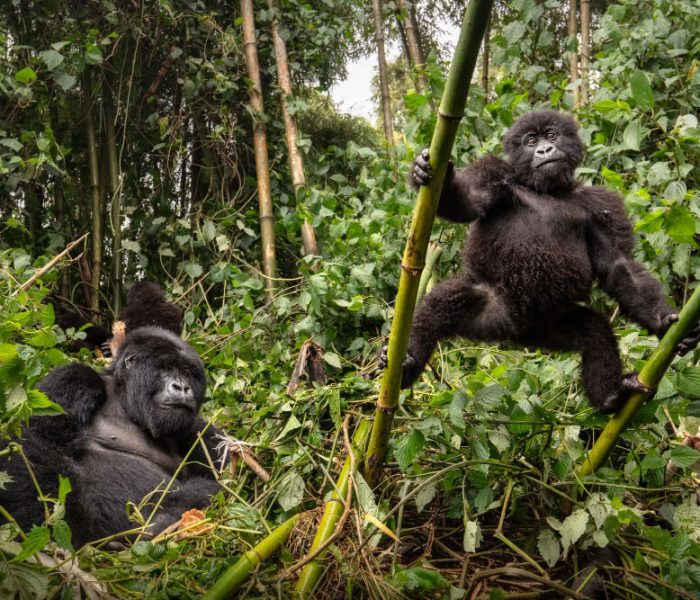
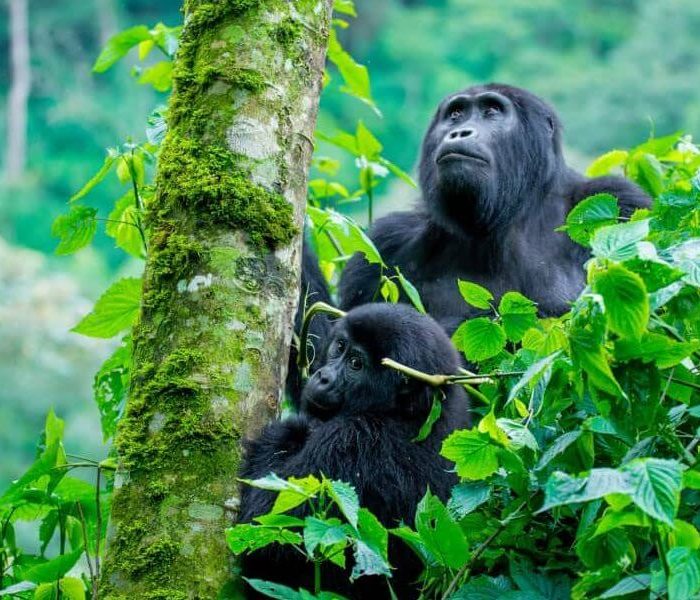
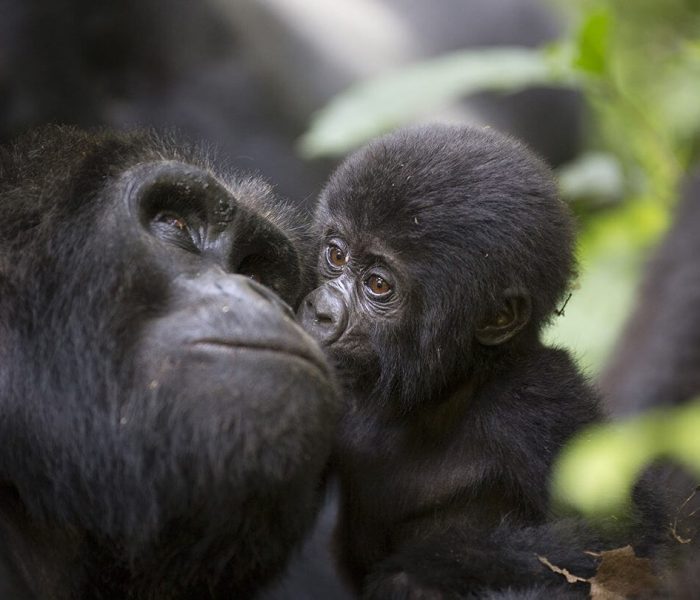
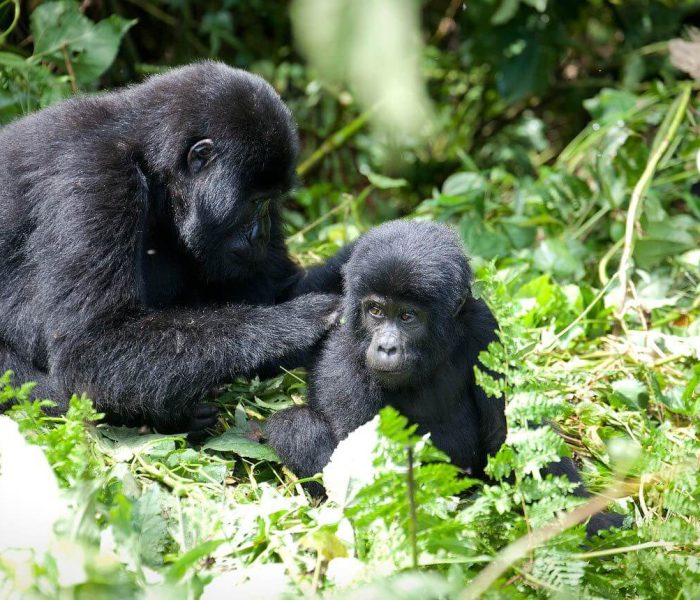
Uganda is home to 14 habituated gorilla families, with approximately 400 mountain gorillas residing in the lush forests of Bwindi Impenetrable and Mgahinga National Parks. Each family is led by a dominant silverback, the oldest male in the group and consists of 10 to 40 members of varying ages.

In Bwindi Impenetrable Forest, you’ll find 12 habituated gorilla families, with 2 additional families designated for the unique gorilla habituation experience, where visitors can actively participate in the process of familiarizing gorillas with human presence. The names of these gorilla families often reflect their history, location, and the name of the dominant silverback.

On the other hand, Mgahinga National Park is home to just one habituated gorilla family: the Nyakagezi group. Despite having one of the largest gorilla families, Mgahinga is less frequented by tourists, making it an ideal destination for those seeking a more intimate gorilla trekking experience. It’s also the best place for the gorilla habituation experience.

Since gorilla families are constantly on the move, tracking them is always a unique experience. The trek duration can vary greatly, one day it might take just two hours, while another day could see the trek extending up to six hours. When planning your trek, the specific gorilla family you choose to track will often determine your accommodation choices.

Bwindi boasts the largest population of mountain gorillas in Uganda and beyond. Bwindi is divided into four sectors Ruhija, Rushaga, Nkuringo, and Buhoma each home to different gorilla families.

In the Ruhija sector, you’ll find the Rushegura, Habinyanja, and Mubare families. The Buhoma sector is home to five families: Bweza, Mishaya, Busingye, Nshongi, and Kahungye, while the Kyaguriro, Oruzogo, and Bitukura families are also in Buhoma. The Nkuringo sector contains the Nkuringo family, and Rushaga offers visitors the rare opportunity to participate in a gorilla habituation experience, which allows for more time spent with the gorillas.

As for tracking, the Rushegura Gorilla Group in the Buhoma sector is often considered the easiest group to track. However, their location can shift depending on the season, so there is no guarantee of a simple trek.

Keep in mind that mountain gorillas are wild animals, and their movements are not always predictable. A silverback may decide to leave his group and establish a new family, which can sometimes affect tracking availability.

Below are the recorded numbers of mountain gorillas in each sector of Bwindi, giving you an idea of the diverse wildlife you might encounter during your visit.

gallery

Picture of Planning Your Safari

Planning Your Safari

Organizing a safari in Kenya Destination, can be overwhelming due to the many choices available for transport, accommodation, and activities.

Reviews and Rates

Bweza Gorilla Family - Rushaga (Bwindi Impenetrable Forest)

The Bweza Gorilla Family originated from the Nshongi group, which was once the largest habituated family in Bwindi. After Mishaya separated from Nshongi in 2010, silverback Bweza also decided to form his own family in 2012, taking six members with him. 

Today, the Bweza family consists of nine members and remains an excellent trekking option for visitors exploring the Rushaga sector.

The Mubare Gorilla Family is the most accessible gorilla group in Bwindi Impenetrable Forest, making it a popular choice for trekking. This family’s name derives from the first group of trackers who explored the area. Currently, Mubare consists of 8 members, led by the dominant silverback, Kanyonyi. It’s also the oldest gorilla group in Uganda, established in 1993.

Initially, the group had 18 members under the leadership of Ruhondeza, but over the years, it has faced challenges like infighting, death, and migration, reducing the group size to around 5 by 2012. Ruhondeza’s leadership ended in 2012 when another group took away his females. He lived for over 50 years, and his grave, marked by researchers, is accessible for visitors with a guide.

This family is a fascinating example of resilience and change in the wild, and trekking to visit them offers a rare insight into the history and dynamics of gorilla groups in Uganda.

The Habinyanja Gorilla Family is one of the earliest habituated groups in Bwindi Impenetrable Forest, making it a historic choice for gorilla trekking in Uganda. The group, currently consisting of 17 members, is led by the dominant silverback Makara, who took over leadership from Habinyanja.

First habituated in 1997, the group was originally led by the silverback Mugurisi, whose name means “old man.” The name “Habinyanja,” derived from the local Rukiga language, translates to “place with water” because the gorillas were first spotted near a swamp in Bwindi.

Following Mugurisi’s death due to old age, leadership passed to his two sons, Rwansigazi and Mwirima, who had contrasting personalities. While Rwansigazi enjoyed exploring different areas of the forest, Mwirima preferred a more settled home range. Their differing habits led to a peaceful split in 2002, Rwansigazi retained the Habinyanja group, while Mwirima formed the Rushegura Gorilla Family.

Tracking the Habinyanja Gorilla Family offers a glimpse into the fascinating social dynamics of these great apes, providing an unforgettable experience for those visiting Bwindi.

The Rushegura Gorilla Family, a well-known and stable group in Bwindi, consists of 19 members, including a dominant silverback. This group was formed in 2002 when Mwirima split from the larger Habinyanja family, seeking a more settled territory. The name “Rushegura” originates from the Rukiga word “Ebishegura,” referring to a tree species commonly found in their habitat.

Under Mwirima’s strong leadership, the group flourished, growing from 12 members to 19 by 2010. Mwirima, estimated to be around 25 years old, was known for his dominant nature, fearlessly protecting his family from wild gorilla groups. The Rushegura family is particularly habituated to human presence, often seen near lodge gardens, making them one of the most accessible and fascinating groups for trekkers.

The Bitukura Gorilla Family, currently composed of 14 members, was originally a larger group of 24. This family is led by the silverback Ndahura, who took over leadership from the now-retired Karamuzi. The group also includes three other silverbacks, showcasing a unique social structure. Named after a nearby river, the Bitukura group is known for its remarkably quick habituation period, which lasted only 15 months, significantly shorter than the typical two-year process.

First opened to tourists in October 2008, the group had frequent interactions with park rangers before their habituation due to their close proximity to the already habituated Kyaguriro family. Their playful nature and dynamic interactions make them a favorite among visitors trekking in the Ruhija sector of Bwindi.

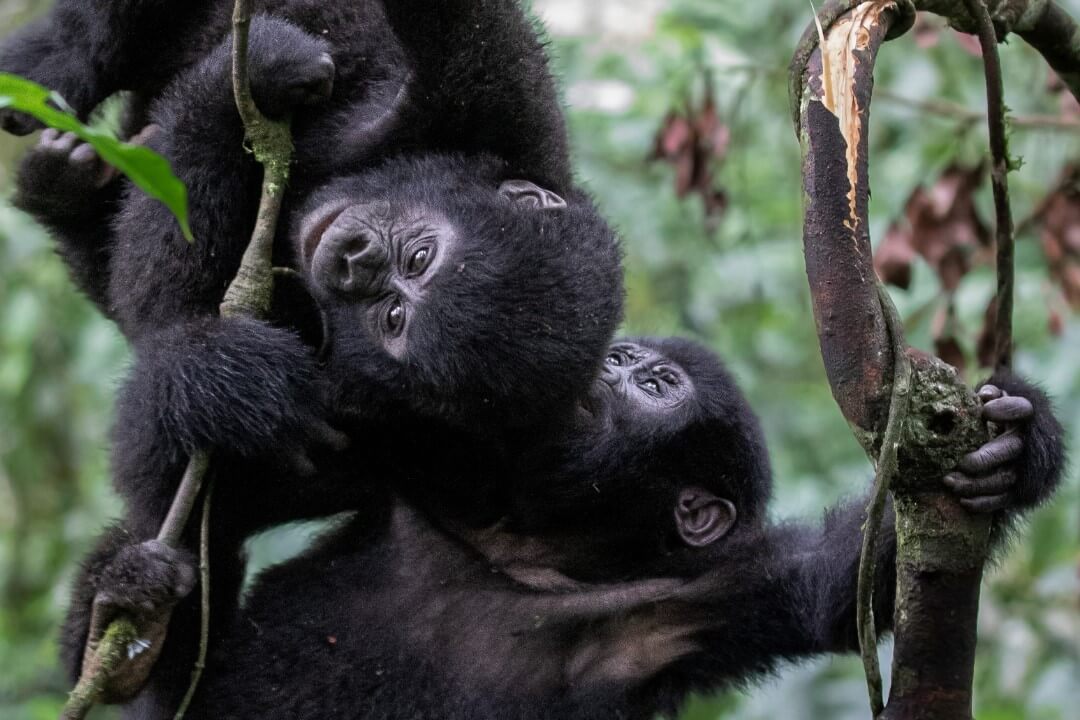
With 25 members, the Oruzogo Gorilla Family is one of the largest in Bwindi. This lively group is led by the dominant silverback Tibirikwata and was first opened to visitors in 2011. The Oruzogo family is particularly known for its energetic and playful juveniles, providing an entertaining experience for trekkers.

The group has experienced significant growth due to multiple births, with females like Ntamurungi (June 2011), Musi (October 2011), and Kakoba (March 2012) contributing to the expanding family. Visitors trekking in the Ruhija sector often find this group highly engaging due to the presence of young gorillas displaying playful antics.

The only habituated gorilla family in Mgahinga Gorilla National Park, the Nyakagezi group is known for its unpredictable movements. 

Led by the dominant silverback, Mark, the family frequently migrates between Uganda, Rwanda, and the Democratic Republic of Congo. In addition to Mark, the group includes two other silverbacks, making for a strong leadership presence within its 10-member structure. 

Though the group has recently settled in Uganda, their movements remain unpredictable, so travelers should check with park authorities or their tour operator for their latest location before planning a trek.

Kahungye Gorilla Family - Rushaga (Bwindi Impenetrable Forest)

The Kahungye Gorilla Family was habituated and opened to tourists in 2011. Initially comprising 27 members, the group later split, leading to the formation of the Busingye Gorilla Family. 

Kahungye now has 13 members, including three silverbacks, with Rumansi as the dominant leader. The group remains an exciting option for trekkers, as its strong leadership dynamics make for interesting interactions among the silverbacks.

Originally led by the silverback Nkuringo, this gorilla family now consists of 19 members. After Nkuringo’s passing in 2008, his son Safari took over leadership, alongside another silverback, Rafiki. 

The family was named after the rounded hill where they were first sighted, as “Nkuringo” translates to “round hill” in Rukiga.

Due to their close proximity to human settlements, the Nkuringo family frequently ventured outside the park to raid crops, leading to conflicts with local communities. To address this issue, the group was habituated in 2008, enabling the surrounding communities to benefit from tourism while promoting gorilla conservation. 

Today, the Nkuringo family offers a rewarding trekking experience in one of the most scenic parts of Bwindi.

Once the largest habituated gorilla group in Bwindi, the Nshongi Gorilla Family originally had 37 members when it was opened to tourists in 2009. The group was named after the nearby Nshongi River, known for its deep, honey-colored waters. 

Despite having multiple silverbacks, the family coexisted harmoniously until 2010, when a split occurred. The dominant silverback, Nshongi, retained 26 members, while another silverback, Mishaya, led 10 individuals to form a new group. Today, the Nshongi family remains a popular choice for gorilla trekking in the Rushaga sector.

Formed in 2010 when silverback Mishaya broke away from the Nshongi family, this group is known for its aggressive and adventurous nature. Mishaya gained a reputation for engaging in fights with other gorilla groups, both to protect his own and to acquire new females. 

Though he successfully expanded his group, he sustained injuries in a conflict with a wild (non-habituated) gorilla family. Fortunately, he received medical treatment from conservation experts. The Mishaya Gorilla Family now consists of 12 members, with Mishaya as the sole dominant silverback.

Led by the ambitious and dominant silverback Busingye, this group split from the Kahungye Gorilla Family in 2012 and was officially opened to visitors in 2013. 

Despite his name meaning “peace” in the local dialect, Busingye is well-known for his aggressive nature and frequent fights with other gorilla families, often taking females from neighboring groups. His displays of dominance and power make this family particularly intriguing for trekkers.

Unlike other gorilla families in Bwindi, the Kyaguriro group is primarily reserved for research and conservation studies. This group provides valuable insights into gorilla behavior, social structures, and ecological patterns. 

The family currently consists of 15 members, with silverback Rukina having taken over leadership from the older silverback, Zeus. While limited access is granted to tourists, the research conducted on this group helps conservationists better understand the differences between gorilla families in Uganda, Rwanda, and the Democratic Republic of Congo.

What our Client Say

Design your own trip

Choose a destination, pick your properties, and we’ll do the rest

1
Browse
Look through our itineraries for inspiration, and call our Travel Consultants
2
Create
Discuss your wish list with us, and we’ll use our expertise to design a unique itinerary for you
3
Customise
We’re committed to refining your itinerary until we’ve created the perfect personalised trip for you